Performance Validation of Catalytic Remediation: From Novel Mechanisms to AI-Driven Optimization
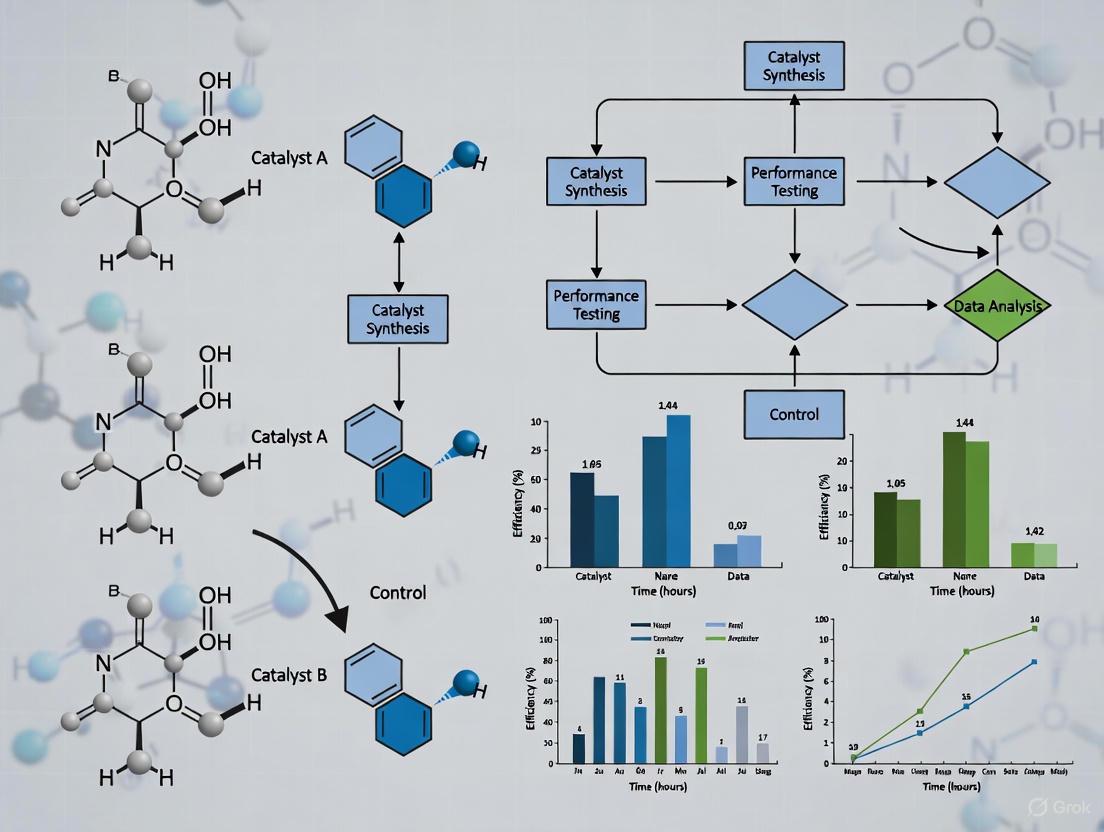
This article provides a comprehensive analysis of performance validation strategies for advanced catalytic remediation technologies.
Performance Validation of Catalytic Remediation: From Novel Mechanisms to AI-Driven Optimization
Abstract
This article provides a comprehensive analysis of performance validation strategies for advanced catalytic remediation technologies. It explores the fundamental mechanisms of emerging methods like contact-electro-catalysis and advanced oxidation processes, examines novel catalyst designs including single-atom and core-shell nanostructures, and investigates AI-driven optimization for complex environmental matrices. The review systematically compares catalytic efficiency, operational parameters, and sustainability metrics across technologies, offering researchers and drug development professionals validated frameworks for selecting and optimizing remediation strategies for pharmaceutical contaminants and industrial pollutants.
Fundamental Principles and Emerging Mechanisms in Catalytic Remediation
Contact-electro-catalysis (CEC) represents a paradigm-shifting approach in catalytic science that utilizes electron transfer during contact electrification to drive chemical reactions. This innovative mechanism stands at the frontier of mechanochemistry, contact electrification, and catalysis, enabling the direct conversion of ubiquitous mechanical energy into chemical energy without reliance on conventional energy inputs such as light or electricity [1] [2]. Unlike traditional catalytic methods that require specific material properties like photosensitivity or electrical conductivity, CEC takes advantage of the universal phenomenon of contact electrification, which occurs when materials with different electron affinities come into contact and separate [3]. This fundamental characteristic allows nearly all organic and inorganic materials to potentially serve as CEC catalysts, dramatically expanding the toolbox available for catalytic process design [2].
The core principle of CEC involves harnessing electrons exchanged during the contact-separation cycles between materials—typically at solid-liquid interfaces—to initiate redox reactions [4]. When mechanical energy induces frequent contact-electrification cycles, electrons can be transferred to reactant molecules, forming reactive species that drive chemical transformations [3]. This mechanism provides a sustainable pathway for environmental remediation, chemical synthesis, and energy conversion by utilizing otherwise wasted mechanical energy from sources such as wind, water flow, or ultrasonic waves [1]. The emergence of CEC as a distinct catalytic strategy complements existing approaches like photocatalysis and electrocatalysis, offering unique advantages in terms of catalyst selection, energy sustainability, and operational conditions [1] [2].
Fundamental Mechanisms and Principles
Theoretical Foundation of CEC
The theoretical underpinnings of contact-electro-catalysis center on the electron transfer events that occur during contact electrification (CE) at material interfaces. When two materials with differing electron affinities undergo contact and separation, a charge transfer process takes place that can involve electrons, ions, or material species [2]. Research has demonstrated that electron transfer dominates this process at water-dielectric interfaces, providing the fundamental basis for CEC [3]. During mechano-stimulation—such as that provided by ultrasonic waves—frequent contact-separation cycles occur at the catalyst surface, driven by the growth and collapse of cavitation bubbles [3]. These cycles enable continuous electron exchange between the catalyst and reactant molecules in solution.
The CEC mechanism differs significantly from conventional electrocatalysis, as it does not require the formation of an electron flow cycle or external power source [5]. Instead, it utilizes electrons temporarily stored on the tribolayer or catalyst surface, generated through the contact charging process, to directly participate in catalytic reactions [5]. This direct electron engagement mechanism reduces energy losses associated with multiple conversion steps in traditional catalytic processes. When dielectric materials contact water, the resulting surface charge density can reach approximately 50 μC/m², providing sufficient electrochemical potential to drive chemical reactions [3]. These transferred electrons possess adequate energy to initiate the formation of reactive oxygen species (ROS), including hydroxyl radicals (•OH) and superoxide radicals (•O₂⁻), which subsequently participate in advanced oxidation processes for environmental remediation [3].
Quantitative Analysis of Electron Transfer
Recent research has enabled quantitative analysis of the electron transfer processes in CEC, providing insights into efficiency optimization. A groundbreaking study introduced an analytical method for investigating CE-to-CEC conversion at various temperatures and ultrasonic conditions, establishing a quantitative metric for evaluating CEC catalyst performance [4]. This approach quantifies the number of activated electrons produced during a single charge transfer cycle that effectively participate in catalytic reactions.
Under typical CEC conditions (40 kHz ultrasound frequency, 30°C), the CE-to-CEC conversion efficiency was determined to be approximately 0.0934% [4]. This efficiency can be modulated by adjusting external parameters: increasing the temperature from 30°C to 70°C enhances the conversion efficiency by 25.5%, while optimizing ultrasonic frequency from 40 kHz to 28 kHz boosts efficiency by 28.3% [4]. These findings provide crucial quantitative benchmarks for comparing CEC performance across different material systems and reaction conditions, enabling more rational design of CEC processes.
Table 1: Key Performance Metrics of Contact-Electro-Catalysis
| Performance Parameter | Value | Experimental Conditions | Reference |
|---|---|---|---|
| CE-to-CEC Conversion Efficiency | 0.0934% | 40 kHz, 30°C | [4] |
| CO Faradaic Efficiency | 96.24% | CO₂ reduction from air using Cu-PCN@PVDF/quaternized CNF TENG | [5] |
| CO Production Rate | 33 μmol g⁻¹ h⁻¹ | Ambient air with 99% RH | [5] |
| MO Degradation Efficiency | ~100% | 180 min ultrasonication with FEP powder | [3] |
| Electron Transfer Enhancement from Temperature Increase | 25.5% | 30°C to 70°C | [4] |
Comparative Performance Analysis
CEC Versus Conventional Catalytic Methods
Contact-electro-catalysis demonstrates distinct advantages and limitations when compared to traditional catalytic approaches such as photocatalysis, electrocatalysis, and piezoelectric catalysis. Unlike photocatalysis that requires specific light conditions and semiconductor materials with appropriate bandgaps, CEC can proceed under ambient conditions using a much broader range of materials, including commercially available polymers [1]. Similarly, while electrocatalysis depends on external power supplies and conductive electrodes, CEC operates without wired electrical connections, making it suitable for remote or resource-limited applications [1] [2].
The catalytic efficiency of CEC is comparable and in some cases superior to other mechanochemical strategies, though it generally remains lower than established electrocatalysis or photocatalysis methods [1]. However, CEC's unique advantage lies in its ability to utilize wasted or ambient mechanical energy, providing a sustainable pathway for chemical reactions without additional energy investment [2]. For material selection, CEC substantially expands available options beyond the constraints of traditional catalysts. Whereas photocatalysis requires photosensitive semiconductors and electrocatalysis demands conductive materials, CEC can employ virtually any material capable of contact electrification, including common polymers like FEP, PTFE, Nylon-6,6, and rubber [3]. This flexibility enables the use of environmentally friendly, low-cost, and recyclable catalysts, reducing both economic and environmental burdens [1].
Application-Specific Performance Metrics
Organic Pollutant Degradation
CEC has demonstrated remarkable efficacy in degrading organic pollutants, representing one of its most extensively studied applications. In a seminal study, fluorinated ethylene propylene (FEP) powder achieved complete degradation of a 5-ppm methyl orange (MO) solution after 180 minutes of ultrasonication (40 kHz, 120 W) [3]. The degradation process followed pseudo-first-order kinetics, with the rate constant directly correlating with the material's contact electrification capability [3]. Comparative studies using various dielectric powders revealed that materials with higher electron affinity (FEP, PTFE, PVDF) consistently outperformed those with lower electron affinity (Nylon-6,6, rubber) in degradation efficiency [3]. This performance hierarchy aligns with the fundamental principle that electron transfer during contact electrification drives the catalytic process.
CO₂ Reduction Reaction (CO₂RR)
Perhaps the most impressive demonstration of CEC capability comes from its application in CO₂ reduction. A pioneering study reported a triboelectric nanogenerator (TENG) system comprising electrospun polyvinylidene fluoride (PVDF) loaded with single Cu atoms-anchored polymeric carbon nitride (Cu-PCN) as the electron-rich tribolayer and quaternized cellulose nanofibers (CNF) as the CO₂-adsorbing tribolayer [5]. This system achieved an exceptional CO Faradaic efficiency of 96.24% and a CO production rate of 33 μmol g⁻¹ h⁻¹ from ambient air, surpassing previous air-based CO₂ reduction technologies [5]. The quaternized CNF exhibited strong CO₂ adsorption capacity even at low concentrations, while the single Cu atoms on Cu-PCN effectively enriched electrons during contact electrification, facilitating electron transfer to adsorbed CO₂ molecules [5].
Table 2: Performance Comparison of Catalytic Methods for Environmental Remediation
| Catalytic Method | Typical Catalysts | Energy Input | Application Examples | Advantages | Limitations |
|---|---|---|---|---|---|
| Contact-Electro-Catalysis | FEP, PTFE, PVDF, Cu-PCN | Mechanical (ultrasound, stirring) | Organic dye degradation, CO₂ reduction, H₂O₂ production | Wide catalyst selection, utilizes ambient mechanical energy, works under mild conditions | Relatively lower efficiency compared to established methods |
| Photocatalysis | TiO₂, ZnO, g-C₃N₄ | Light (UV/visible) | Organic pollutant degradation, water splitting, CO₂ reduction | Utilizes solar energy, well-established research foundation | Limited to light conditions, recombination of electron-hole pairs |
| Electrocatalysis | Noble metals, conductive polymers | Electricity | HER, OER, CO₂RR, heavy metal removal | High efficiency, precise control | Requires external power, electrode fouling, high cost |
| Piezocatalysis | BaTiO₃, ZnO, PVDF | Mechanical vibration | Organic degradation, water splitting | Utilizes mechanical energy, no external power needed | Limited to piezoelectric materials |
Experimental Protocols and Methodologies
Standard CEC Reactor Setup
A typical CEC experimental apparatus consists of an ultrasonication bath capable of operating at various frequencies (commonly 20-40 kHz) and power outputs (typically 100-150 W), a reaction vessel containing the catalyst suspension and reactant solution, and temperature control systems [4] [3]. For quantitative analysis of electron transfer, additional equipment for fluorescence spectroscopy (detecting •OH radicals) and spectrophotometry (measuring •O₂⁻ concentration) is employed [4]. The ultrasonication process generates cavitation bubbles that facilitate frequent contact-separation cycles between the catalyst particles and water molecules, driving the contact electrification process essential for CEC [3].
To monitor reaction progress, researchers typically collect aliquots at regular intervals and analyze them using UV-Vis spectroscopy to track the disappearance of characteristic absorption peaks of target compounds [3]. For more detailed product identification, liquid chromatography-mass spectrometry (LC-MS) provides comprehensive information on intermediate and final degradation products [3]. Additionally, electron paramagnetic resonance (EPR) spectroscopy with appropriate spin-trapping agents (e.g., DMPO for •OH and •O₂⁻) directly confirms the generation of reactive oxygen species during CEC processes [3].
Protocol for Organic Dye Degradation
The following protocol details a standardized approach for evaluating CEC performance in organic dye degradation, based on established methodologies [3]:
Catalyst Preparation: Select dielectric powders (e.g., FEP, PTFE, PVDF) with particle sizes typically ranging from 100-500 μm. Pre-treat materials by stirring in deionized water for 48 hours to ensure proper wetting and contact electrification capability.
Reaction Mixture: Add 20 mg of catalyst powder to 50 mL of organic dye solution (e.g., 5 ppm methyl orange) in a glass reaction vessel.
Mechanical Stimulation: Subject the suspension to ultrasonication at specified frequency (e.g., 40 kHz) and power (e.g., 120 W) for predetermined time intervals (typically 0-180 minutes).
Sampling and Analysis: Withdraw 2 mL aliquots at regular time intervals, separate catalyst particles via centrifugation or filtration, and analyze the supernatant using UV-Vis spectroscopy at the characteristic absorption wavelength of the dye (e.g., 464 nm for methyl orange).
Control Experiments: Conduct parallel control experiments without catalyst particles to account for potential direct sonolytic degradation.
Radical Detection: Confirm reactive oxygen species generation using EPR spectroscopy with appropriate spin-trapping agents or fluorescent probes.
Product Identification: Identify degradation intermediates and products using LC-MS to elucidate degradation pathways.
Catalyst Characterization: Examine catalyst materials before and after reaction using SEM, FTIR, XPS, and Raman spectroscopy to confirm stability and exclude physical adsorption effects.
Protocol for CO₂ Reduction from Ambient Air
The experimental setup for CEC-based CO₂ reduction involves a more specialized configuration centered on a triboelectric nanogenerator (TENG) system [5]:
Tribolayer Fabrication:
- Negative Tribolayer: Prepare electrospun PVDF fibers loaded with single Cu atoms-anchored polymeric carbon nitride (Cu-PCN) at an optimal mass ratio of 1:100 (catalyst:PVDF) to prevent agglomeration.
- Positive Tribolayer: Synthesize quaternized cellulose nanofibers (CNF) with strong CO₂ adsorption capacity and water molecule fixation ability.
TENG Assembly: Construct the triboelectric nanogenerator by arranging the positive and negative tribolayers with appropriate separation to allow periodic contact-separation motion.
Reaction Chamber Setup: Place the TENG in a controlled humidity chamber (99% relative humidity) to facilitate proton generation from water oxidation at the positive tribolayer.
CO₂ Reduction Operation: Expose the system to ambient air or controlled CO₂ streams while applying mechanical energy to drive contact-separation cycles in the TENG.
Product Analysis: Quantify gaseous products (CO, O₂) using gas chromatography with appropriate detectors. Determine Faradaic efficiency based on charge transfer measurements and product quantification.
Isotope Labeling: Conduct experiments with ¹³CO₂ to confirm the carbon source in reaction products through mass spectrometric analysis.
Diagram 1: CEC CO₂ Reduction Workflow. This diagram illustrates the sequential process of CO₂ reduction via contact-electro-catalysis, highlighting the dual tribolayer system and key mechanistic steps.
The Scientist's Toolkit: Essential Research Reagents and Materials
Successful implementation of contact-electro-catalysis research requires specific materials and characterization tools. The following table summarizes essential components of the CEC researcher's toolkit, based on materials referenced in experimental studies:
Table 3: Essential Research Reagents and Materials for CEC Investigations
| Material/Reagent | Function in CEC | Application Examples | Key Characteristics |
|---|---|---|---|
| FEP Powder | Primary catalyst for electron transfer | Organic dye degradation [3] | High electron affinity, chemical stability, reusable |
| PTFE Powder | Alternative catalyst material | Comparative degradation studies [3] | Excellent charge retention, hydrophobic |
| PVDF | Piezoelectric polymer matrix | Catalyst support in CO₂RR TENG [5] | Piezoelectric properties, fibrous structure |
| Cu-PCN | Single-atom catalyst | CO₂ reduction to CO [5] | Atomically dispersed Cu sites, electron enrichment capability |
| Quaternized CNF | CO₂ adsorption tribolayer | CO₂ capture and reduction [5] | Strong CO₂ adsorption, water fixation ability |
| Spin Trapping Agents | Radical detection in EPR | Confirmation of •OH and •O₂⁻ generation [3] | DMPO, TEMP for radical identification |
| Fluorescent Probes | ROS quantification | •OH radical detection [4] | High sensitivity, specific binding |
| Nitroblue Tetrazolium | Superoxide radical detection | Spectrophotometric analysis of •O₂⁻ [4] | Specific colorimetric reaction with •O₂⁻ |
Future Perspectives and Research Directions
Despite significant advances in contact-electro-catalysis, several challenges remain to be addressed before widespread practical implementation can be realized. The comparatively lower efficiency of CEC relative to established catalytic methods represents the primary limitation, with current CE-to-CEC conversion efficiencies remaining below 0.1% in most systems [4]. Enhancing this efficiency requires multifaceted strategies, including development of advanced materials with superior contact electrification capabilities, optimization of mechanical stimulation parameters, and engineering of reactor designs that maximize contact-separation frequency [1] [4].
Future research directions should prioritize quantitative understanding of the relationship between material properties and CEC performance, establishment of standardized evaluation protocols, and exploration of synergistic effects between CEC and other catalytic mechanisms [1] [4]. The integration of CEC with complementary approaches such as photocatalysis (creating "mechano-photocatalysis" systems) may unlock new efficiencies and applications [6]. Additionally, expanding CEC beyond its current applications in environmental remediation to include organic synthesis, energy conversion, and biomedical applications represents a promising frontier [1] [2].
From a fundamental perspective, developing more sophisticated in-situ characterization techniques to directly observe electron transfer during contact electrification will be crucial for elucidating detailed mechanisms [7]. Similarly, computational modeling and data-mining approaches adapted from electrocatalysis research could accelerate catalyst discovery and optimization [7]. As research in this emerging field continues to mature, contact-electro-catalysis holds exceptional promise for sustainable chemical transformation by harnessing ubiquitous mechanical energy sources.
Diagram 2: CEC Electron Transfer Mechanism. This diagram illustrates the fundamental process from mechanical stimulation to reactive species generation and practical applications in contact-electro-catalysis.
Advanced Oxidation Processes (AOPs) represent a suite of chemical treatment technologies designed for the remediation of water and wastewater by degrading persistent organic pollutants through reaction with powerful, transient reactive species [8]. Their efficacy hinges on the in-situ generation of highly reactive oxygen species (ROS), most notably the hydroxyl radical (•OH), which non-selectively oxidizes a wide range of recalcitrant contaminants, from pharmaceuticals to industrial chemicals, into simpler, less harmful compounds, ultimately leading to mineralization to CO₂ and H₂O [9] [10] [8]. The exploration of AOP mechanisms, particularly the radical generation pathways and their subsequent interaction with pollutants, is fundamental to the performance validation of catalytic remediation methods, enabling the selection and optimization of processes for specific contamination scenarios.
Fundamental Mechanisms of Radical Generation
The core principle of AOPs is the efficient generation of ROS, which can be categorized into radical pathways (e.g., hydroxyl and sulfate radicals) and non-radical pathways (e.g., singlet oxygen, surface-activated complexes) [11]. The dominant reactive species and the pathway of its formation vary significantly with the specific AOP technology employed.
- Hydroxyl Radical (•OH) Pathways: The hydroxyl radical is one of the most potent oxidants (E° = 2.8 V) and is central to many AOPs [8]. In the classic Fenton reaction, •OH is generated from hydrogen peroxide (H₂O₂) in the presence of ferrous iron (Fe²⁺) under acidic conditions:
Fe²⁺ + H₂O₂ → Fe³⁺ + •OH + OH⁻[9] [8]. The Photo-Fenton process enhances this system by using light to regenerate Fe²⁺ from Fe³⁺, sustaining the catalytic cycle and increasing the radical yield:Fe(OH)²⁺ + hν → Fe²⁺ + •OH[9] [12]. In semiconductor photocatalysis (e.g., using TiO₂ or ZnO), photon energy equal to or greater than the bandgap of the catalyst excites an electron from the valence band to the conduction band, creating an electron-hole pair. The positive hole can then react with water or hydroxide ions to produce •OH [13] [8]. - Sulfate Radical (SO₄•⁻) Pathways: Persulfate-based AOPs generate sulfate radicals, which have a high redox potential (E° = 2.5-3.1 V) and are more selective than •OH, particularly towards compounds with electron-rich moieties [11] [12]. Persulfate (S₂O₈²⁻) can be activated by heat, UV light, or transition metals (e.g., Fe²⁺, Cu²⁺):
S₂O₈²⁻ + heat/UV/Fe²⁺ → SO₄•⁻[13] [11]. - Non-Radical Pathways: Some AOPs operate through non-radical mechanisms. For instance, in certain persulfate-activated systems, the reaction can proceed via singlet oxygen (¹O₂) or high-valent metal-oxo species (e.g., Cu³⁺) [11] [12]. These pathways are often less susceptible to scavenging by common water matrix constituents and may preferentially target specific functional groups [11].
The following diagram illustrates the logical flow of reactive species generation from different AOPs and their subsequent interaction with pollutants.
Experimental Protocols for AOP Performance Evaluation
Validating the performance of AOPs requires standardized experimental methodologies to ensure comparability and scalability. The following protocols are representative of rigorous AOP research.
Protocol for Photo-Fenton Treatment of Cosmetic Wastewater
A study evaluating AOPs for real cosmetic wastewater provides a robust experimental model [14] [15].
- Wastewater Source and Characteristics: Real, untreated wastewater was collected from a cosmetics factory in Badr City, Egypt. Its composition included stearic acid, cetyl alcohol, dimethyl phthalate, parabens, and dyes, with an initial COD of 1450 mg/L and a poor biodegradability index (BOD₅/COD) of 0.28 [14].
- Reactor Configuration: Batch experiments were conducted in a 1 L quartz cylinder reactor. Two high-pressure mercury lamps (TQ 75 W each, total UV power 150 W, primary emission at 254 nm) were mounted symmetrically around the reactor. A magnetic stirrer ensured complete mixing of reactants [14].
- Experimental Procedure: For each test, 1 L of wastewater was adjusted to the desired pH (optimized to 3) using sulfuric acid. Pre-determined doses of ferrous salt (FeSO₄·7H₂O, optimized to 0.75 g/L) and hydrogen peroxide (30%, optimized to 1 mL/L) were added. The reaction was initiated by switching on the UV lamps and stirrer. All experiments were conducted at ambient temperature (25 ± 2 °C). After the set irradiation time (optimized to 40 min), the reaction was quenched with sodium hydroxide to decompose residual H₂O₂ and raise the pH [14].
- Analytical Methods: Chemical Oxygen Demand (COD) was measured using the closed reflux colorimetric method with a HANNA photometer. Biochemical Oxygen Demand (BOD₅) was determined via the standard 5-day incubation method. The biodegradability index was calculated as BOD₅/COD [14].
Protocol for Comparative Degradation of a Pharmaceutical
Research on the antidepressant maprotiline illustrates a protocol for comparing multiple AOPs and identifying transformation products [13].
- Target Pollutant: Aqueous solution of maprotiline at an initial concentration relevant to environmental detection (e.g., µg L⁻¹ range).
- AOP Systems Compared: The study evaluated (i) semiconductor photocatalysis using Fe-ZnO, Ce-ZnO, and TiO₂, and (ii) heterogeneous photo-Fenton with magnetite coated with humic acid (Fe₃O₄/HA) activating H₂O₂ and persulfate (S₂O₈²⁻) [13].
- Reaction Monitoring: Maprotiline removal was followed by Liquid Chromatography-High Resolution Mass Spectrometry (LC/HRMS). Pseudo-first-order kinetics were applied to model degradation:
C/C₀ = exp(-k × t), wherekis the rate constant [13]. - Transformation Product Identification: LC/HRMS data were processed using specialized software (SPIX) to identify statistically relevant ions corresponding to transformation products (TPs) without operator bias. Structures were proposed based on accurate mass and expected fragmentation patterns [13].
- Toxicity Assessment: An in-silico evaluation was performed on the identified TPs to estimate potential mutagenicity, developmental toxicity, and ecotoxicity (e.g., Fathead minnow LC₅₀) [13].
Comparative Performance Data
The efficacy of different AOPs is highly dependent on the target pollutant and operational parameters. The tables below summarize key performance metrics from experimental studies.
Table 1: Comparative Performance of Different AOPs in Treating Real Cosmetic Wastewater [14]
| AOP Technology | Optimal Conditions | COD Removal (%) | Final BOD₅/COD Index | Key Observations |
|---|---|---|---|---|
| UV Photolysis | pH 3, 40 min | Low | Minimal Change | Least effective, relies on direct photolysis only. |
| UV/H₂O₂ | pH 3, 1 mL/L H₂O₂, 40 min | Moderate | Improved | H₂O₂ enhances radical generation under UV. |
| Photo-Fenton-like | pH 3, 0.75 g/L Fe³⁺, 1 mL/L H₂O₂, 40 min | High | Significantly Improved (0.75) | Fe³⁺ requires reduction to Fe²⁺ for optimal activity. |
| Photo-Fenton | pH 3, 0.75 g/L Fe²⁺, 1 mL/L H₂O₂, 40 min | 95.5% | 0.8 | Most effective; synergistic effect of Fe²⁺ and UV. |
Table 2: Kinetics and Ecotoxicity of Maprotiline Degradation by Various AOPs [13]
| AOP Technology | Catalyst/Oxidant | Degradation Efficiency | Transformation Products (TPs) | Ecotoxicity Insight |
|---|---|---|---|---|
| Photocatalysis | Fe-ZnO, Ce-ZnO, TiO₂ | Fastest kinetics (>99% in <40 min) | Multi-hydroxylated derivatives, ring-opening species. | TPs from hydroxylation on the bridge or ring-opening estimated to have low toxicant properties. |
| Heterogeneous Photo-Fenton | Fe₃O₄/HA + H₂O₂ | Slower than photocatalysis | Similar to photocatalysis pathways. | - |
| Persulfate-Based AOP | Fe₃O₄/HA + S₂O₈²⁻ | Slower than photocatalysis | Different TPs, with ring-opening species showing higher persistence. | SO₄•⁻ mediated pathway can lead to distinct, sometimes more persistent TPs. |
Table 3: Merits and Limitations of Radical vs. Nonradical Pathways in Persulfate-Based AOPs [11]
| Aspect | Radical Pathways (•OH, SO₄•⁻) | Nonradical Pathways (¹O₂, High-valent metals) |
|---|---|---|
| Reaction Rate | High rate constants for contaminant degradation. | Generally slower, more selective reactions. |
| Selectivity | Non-selective, attacks most electron-rich organics. | Selective for contaminants with specific electron-donating groups. |
| Matrix Interference | High susceptibility to scavenging by carbonates, chlorides, etc. | Minimal interference from common water constituents. |
| Energy Consumption | Lower estimated Electrical Energy per Order (EE/O). | Significantly higher EE/O, making them more energy-intensive. |
The Researcher's Toolkit: Essential Reagents and Materials
The experimental execution of AOPs relies on a core set of chemical reagents and analytical tools. The following table details key solutions and their functions in AOP research.
Table 4: Key Research Reagent Solutions for AOP Experiments
| Reagent/Material | Function in AOPs | Common Specifications & Notes |
|---|---|---|
| Hydrogen Peroxide (H₂O₂) | Primary oxidant source for generating •OH in Fenton, Photo-Fenton, and UV/H₂O₂ processes. | Typically used at 30% concentration. Requires careful dosing to avoid scavenging effects [14] [8]. |
| Persulfate (Na₂S₂O₈ or K₂S₂O₈) | Oxidant precursor for generating sulfate radicals (SO₄•⁻). | Can be activated by heat, UV, transition metals, or alkaline conditions [13] [11]. |
| Ferrous Salts (FeSO₄·7H₂O) | Homogeneous catalyst for Fenton and Photo-Fenton reactions. Provides Fe²⁺ to decompose H₂O₂. | Works optimally at pH 2.5–3.5. Sludge formation is a drawback [9] [14]. |
| Heterogeneous Catalysts (e.g., Fe₃O₄, CuFeS₂, TiO₂) | Solid catalysts for heterogeneous Fenton, photo-Fenton, and photocatalysis. Enable catalyst recovery and reuse. | Mitigate sludge issues. Catalysts like chalcopyrite (CuFeS₂) can self-regulate pH and provide multiple active sites [13] [8] [12]. |
| pH Adjusters (H₂SO₄, NaOH) | To optimize reaction pH for specific AOPs (e.g., pH 3 for Fenton) and to quench reactions post-treatment. | Essential for reproducible results. Quenching with NaOH stops radical generation by decomposing H₂O₂ [14]. |
| Scavengers (e.g., Methanol, TBA, NaN₃) | Used in mechanistic studies to identify the contribution of specific radicals (e.g., •OH vs. SO₄•⁻ vs. ¹O₂). | Methanol quenches both •OH and SO₄•⁻; tert-Butanol (TBA) is more selective for •OH; Sodium Azide quenches ¹O₂ [16] [11]. |
The systematic comparison of Advanced Oxidation Processes reveals a complex landscape where the optimal technology is dictated by the specific pollutant matrix, desired treatment goals, and economic constraints. Radical generation pathways, particularly those producing hydroxyl and sulfate radicals, offer rapid and non-selective destruction of contaminants, making them highly effective for a broad spectrum of pollutants. However, challenges such as matrix sensitivity, energy consumption, and the potential formation of transformation products necessitate a careful, well-instrumented approach to process validation. The integration of AOPs—particularly using the Photo-Fenton process as a pre-treatment to enhance biodegradability—presents a promising and sustainable strategy for treating complex industrial wastewaters, effectively bridging advanced chemical oxidation with biological remediation [9] [14]. Future research must continue to focus on standardizing experimental protocols, developing more stable and active heterogeneous catalysts, and conducting thorough toxicity assessments of transformation products to ensure the safe and scalable application of these powerful technologies.
Single-atom catalysts (SACs) represent a revolutionary class of catalytic materials defined by the isolation of individual metal atoms on solid supports. These catalysts create a bridge between homogeneous and heterogeneous catalysis, combining the high activity and selectivity of molecular catalysts with the stability and recyclability of traditional heterogeneous systems [17]. The fundamental architectural principle of SACs involves stabilizing individual metal atoms through coordination with surface atoms of a support material, typically through heteroatoms such as nitrogen, oxygen, or sulfur, or at defect sites [18] [19]. This unique structural configuration eliminates ensemble effects—a characteristic of nanoparticle catalysts where multiple adjacent metal atoms can promote undesired reaction pathways—and instead creates uniform, well-defined active sites that can be precisely engineered at the atomic level [19]. The maximized atomic utilization efficiency, potentially approaching 100%, coupled with the uniformity of active sites, gives SACs their distinctive catalytic properties, making them particularly promising for applications requiring high selectivity, such as pharmaceutical synthesis and environmental remediation [18] [17].
The field has expanded rapidly since the term "single-atom catalyst" was first formally coined in 2011 with the demonstration of single platinum atoms stabilized on iron oxide [17] [19]. Research has since progressed to encompass a wide variety of metal centers and support materials, with applications spanning thermal, electrochemical, and photocatalytic processes [19]. This review examines the fundamental atomic-scale mechanisms governing the efficiency and selectivity of SACs, provides comparative performance data against traditional catalytic systems, and details experimental methodologies for their study, all within the context of validating catalytic remediation technologies.
Atomic-Scale Mechanisms of Performance
Electronic and Geometric Structure of Active Sites
The exceptional catalytic properties of SACs originate from their distinctive electronic and geometric structures. Unlike metal nanoparticles where continuous energy bands form, the isolated nature of single atoms creates discrete molecular orbitals, leading to unique adsorption properties for reactant molecules [19]. The local coordination environment—comprising the number, type, and spatial arrangement of atoms directly bonded to the metal center—fundamentally determines the electronic structure of the active site and thus its binding energy with reaction intermediates [18] [20]. This strong metal-support interaction is crucial for both stabilizing the single atoms against aggregation and modulating their catalytic behavior [17].
For instance, the introduction of heteroatoms such as sulfur or oxygen into the common metal-nitrogen-carbon (M-N-C) structure can significantly alter the electron density distribution around the metal center. Studies have demonstrated that single-atom cobalt centers anchored to both nitrogen and sulfur atoms (SA Co-N/S) exhibit enhanced catalytic activity for sulfur reduction reactions in sodium-sulfur batteries compared to conventional Co-N-C sites [20]. This enhancement is attributed to the optimized electronic structure that facilitates the adsorption and transformation of reaction intermediates. The geometric confinement of single atoms in specific coordination environments, such as the pore structures of zeolites or defects on carbon surfaces, further constrains the orientation and configuration in which substrate molecules can approach the active site, imparting shape selectivity reminiscent of enzymatic catalysis [19].
Selectivity Mechanisms in SACs
The high selectivity observed in SAC-mediated reactions stems primarily from two atomic-level phenomena: the absence of ensemble effects and the tailored intermediate binding energies.
Elimination of Ensemble Effects: In nanoparticle catalysts, the presence of contiguous metal atoms (ensembles) creates multiple potential adsorption sites with varying geometries. This multiplicity can lead to the stabilization of different reaction intermediates and thus diverse reaction products. In contrast, the singular, isolated nature of SAC active sites ensures that reactant molecules interact with only one metal atom in a consistent, well-defined coordination environment [19]. This uniformity dramatically reduces the parallel pathways available for reaction, funneling substrates toward a specific product. For example, in the two-electron oxygen reduction reaction (2e- ORR) crucial for hydrogen peroxide production, SACs can achieve selectivity exceeding 90% for H₂O₂, whereas nanoparticle catalysts often favor the competing four-electron pathway to water due to the presence of ensemble sites that facilitate O-O bond cleavage [21].
Precise Energetic Tuning: The binding energy of reaction intermediates represents a critical determinant of catalytic selectivity. SACs offer unparalleled opportunities for fine-tuning these energies through rational design of the metal center's coordination environment [18] [21]. By systematically varying the coordination number and the electronegativity of coordinating atoms, researchers can precisely adjust the d-band center of the metal atom, which in turn governs its adsorption properties [18]. This capability enables the optimization of catalyst performance near the theoretical maxima described by Brønsted-Evans-Polanyi relationships [19]. In the oxygen evolution reaction (OER), for instance, different M-N-C configurations exhibit markedly different overpotentials due to variations in the binding strength of oxygen-containing intermediates, directly impacting both efficiency and selectivity [22].
Table 1: Comparative Selectivity in Key Catalytic Reactions
| Reaction | Catalyst Type | Selectivity/Efficiency | Key Mechanism |
|---|---|---|---|
| 2e- Oxygen Reduction (H₂O₂ production) | Pt Nanoparticles | 40-60% [21] | Multiple adsorption modes on metal ensembles |
| Fe-N-C SAC | 90-95% [21] | Isolated sites prevent O-O bond cleavage | |
| Sulfur Reduction (Na-S batteries) | Carbon alone | Low, incomplete transformation [20] | Slow reaction kinetics |
| SA Co-N/S | Near-complete transformation [20] | Optimal polysulfide adsorption energy | |
| Oxygen Evolution Reaction | IrO₂/RuO₂ Nanoparticles | High activity but low atom efficiency [22] | Surface metal atoms participate |
| Ni-N-C SAC | Comparable activity, high atom efficiency [22] | Tunable metal-oxo intermediate binding |
Performance Comparison: SACs vs. Traditional Catalysts
Quantitative Activity and Efficiency Metrics
The atom efficiency of SACs represents one of their most significant advantages over conventional nanoparticle and bulk catalysts. By utilizing nearly every metal atom as an active site rather than burying the majority in the particle interior, SACs achieve extraordinary mass activity values, particularly important for reactions involving precious metals [17]. For example, Pt-based SACs have demonstrated mass activities for oxygen reduction reactions that are 10-50 times higher than commercial Pt/C nanoparticle catalysts [19]. This enhancement translates directly to reduced material costs, especially crucial for noble metals like Pt, Pd, and Ir, which are often essential for key energy conversion and pharmaceutical reactions but are limited by scarcity and expense.
Beyond mere atom utilization, the intrinsic activity (turnover frequency, TOF) of properly designed SACs can rival or exceed that of nanoparticle analogues. This counters the initial assumption that single atoms might be inherently less active due to their strong interaction with supports. For instance, in the electrocatalytic production of hydrogen peroxide, Co-N₄ sites embedded in graphene have shown turnover frequencies superior to conventional Au-Pd bimetallic nanoparticles, while also maintaining higher selectivity [21]. Similarly, for the oxygen evolution reaction (OER), single-atom Ir catalysts on hematite supports have achieved high current densities at significantly reduced overpotentials compared to benchmark IrO₂ and RuO₂ catalysts [22].
Table 2: Comparative Performance Metrics for Oxygen Reduction Reaction
| Catalyst Type | Metal Loading | Mass Activity | Selectivity for H₂O₂ | Stability |
|---|---|---|---|---|
| Pt Nanoparticles (Commercial) | ~20 wt% | Baseline | 40-60% [21] | Good, but Pt leaching possible |
| Au-Pd Nanoparticles | 1-5 wt% | Comparable to Pt | 70-80% [21] | Deactivation via alloy restructuring [21] |
| Fe-N-C SAC | 0.5-2 wt% | 5-10x higher than Pt [21] | 90-95% [21] | Excellent in acidic media |
| Co-N-C SAC | 0.5-2 wt% | 3-8x higher than Pt [21] | 85-90% [21] | Good, but sensitive to coordination environment |
Stability and Durability Considerations
While SACs offer exceptional performance advantages, their stability under operational conditions presents both challenges and unique opportunities. The high surface free energy of individual metal atoms creates a thermodynamic driving force for aggregation into clusters or nanoparticles, particularly under reducing conditions or at elevated temperatures [19]. This instability was observed in early SAC systems, where single atoms would agglomerate during reaction, leading to performance degradation. However, advanced stabilization strategies have yielded remarkable improvements. Properly designed SACs with strong covalent metal-support interactions can exhibit exceptional stability, even under harsh reaction conditions [19].
The dynamic behavior of SACs under operating conditions is complex and reaction-dependent. For example, Pt/CeO₂ catalysts demonstrate reversible structural transformations where single atoms disperse under oxidizing conditions but form nanoparticles under reducing environments [19]. Similarly, Rh/TiO₂ catalysts show nanoparticle disintegration into single atoms under CO₂ reduction conditions [19]. This structural flux highlights the importance of operando characterization to identify the true active species during catalysis. When optimally stabilized—often through confinement in porous matrices or strong coordination to heteroatom-doped supports—SACs have demonstrated operational stability exceeding hundreds of hours in reactions such as electrochemical CO₂ reduction and selective hydrogenation [19].
Experimental Protocols for SAC Characterization
Synthesis and Anchoring Strategies
The successful preparation of SACs requires precisely controlled synthesis methods that prevent nuclearization and aggregation while achieving sufficient metal loading. Common approaches include:
Wet-Impregnation and Strong Electrostatic Adsorption: This method involves depositing metal precursors from solution onto oppositely charged surface sites on the support, leveraging electrostatic interactions to achieve high dispersion [17]. Subsequent careful thermal treatment removes ligands and establishes metal-support bonds.
Atomic Layer Deposition (ALD): ALD offers exceptional control over metal deposition at the atomic scale through self-limiting gas-surface reactions [17]. This technique enables precise tuning of metal loading by controlling the number of deposition cycles and is particularly valuable for creating model SAC systems.
High-Temperature Atom Trapping: This innovative approach utilizes the reversible transformation between single atoms and nanoparticles under different atmospheres. For instance, Pt/CeO₂ catalysts can be cycled between oxidized single atoms and reduced nanoparticles, allowing the formation of thermally stable SACs [19].
Co-precipitation and Chemical Vapor Deposition: These methods enable the direct synthesis of SACs by either co-precipitating metal precursors with support materials or through gas-phase deposition of volatile metal complexes [17].
Critical to all these methods is the presence of effective anchoring sites on the support material. These include doped heteroatoms (e.g., N, S, P in carbon materials), surface defects (vacancies, step edges), cavity sites (in zeolites or MOFs), and surface functional groups that can strongly coordinate with metal cations [17].
Operando Characterization Techniques
Understanding the structure and function of SACs under realistic working conditions requires advanced characterization techniques, particularly operando methods that simultaneously monitor catalyst structure and catalytic performance.
X-ray Absorption Spectroscopy (XAS): As a local structural probe, XAS is arguably the most powerful technique for SAC characterization [19]. It provides element-specific information about oxidation state (XANES region) and local coordination environment (EXAFS region). The absence of metal-metal scattering paths in EXAFS spectra provides definitive evidence of atomic dispersion. Operando XAS cells have been developed for both gas-phase and electrochemical reactions, enabling researchers to correlate structural changes with catalytic activity in real time [19].
Advanced Electron Microscopy: Aberration-corrected high-angle annular dark-field scanning transmission electron microscopy (HAADF-STEM) allows direct visualization of individual heavy metal atoms on lighter supports [19]. When combined with electron energy loss spectroscopy (EELS), it can provide information about the electronic structure of single atoms.
Infrared Spectroscopy: Probe molecules such as CO can be used in IR spectroscopy to identify single atoms through their distinct vibrational frequencies compared to metal clusters or nanoparticles [19].
Synchrotron-Based X-ray Techniques: Methods such as X-ray photon spectroscopy operando provide additional electronic structure information complementary to XAS [19].
The integration of these experimental findings with computational modeling, particularly density functional theory (DFT) calculations and emerging machine learning approaches, has proven invaluable for deciphering the complex structure-activity-stability relationships in SACs [19].
Diagram 1: SAC Experimental Validation Workflow
The Scientist's Toolkit: Essential Research Reagents and Materials
Table 3: Essential Reagents and Materials for SAC Research
| Category | Specific Examples | Function/Application |
|---|---|---|
| Metal Precursors | Metal acetylacetonates (Fe(acac)₃, Co(acac)₃), Chlorides (H₂PtCl₆, PdCl₂), Nitrates | Source of active metal centers for SAC synthesis |
| Support Materials | High-surface-area carbon, Graphene oxide, g-C₃N₄, Zeolites (ZSM-5, HY), Metal-organic frameworks (ZIF-8, UiO-66) | Provide anchoring sites and high surface area for dispersion |
| Heteroatom Dopants | Melamine (N source), Thiourea (S source), Phytic acid (P source) | Create coordination sites for metal anchoring and modulate electronic structure |
| Characterization Probes | CO for IR spectroscopy, NO for EPR studies | Identify nature and coordination environment of active sites |
| Synthesis Equipment | Tube furnaces for pyrolysis, ALD reactors, Ultrasonication baths | Enable controlled synthesis under specific conditions |
| In Situ Cells | Electrochemical flow cells, High-temperature/pressure reaction cells | Allow operando characterization under working conditions |
Single-atom catalysts represent a transformative approach to catalytic design, offering unprecedented control over active site structure at the atomic level. Their exceptional efficiency and selectivity stem from fundamental mechanisms including the elimination of ensemble effects, precise tuning of intermediate binding energies through coordination engineering, and maximum atom utilization efficiency. While challenges remain in achieving high metal loadings with uniform site distribution and ensuring stability under demanding operational conditions, advanced synthesis strategies and stabilization methods continue to push the boundaries of SAC performance.
The future of SAC research lies in several promising directions: the rational design of dual-atom and multi-atom sites to exploit synergistic effects between adjacent metal centers [18]; the application of machine learning and natural language processing approaches to accelerate catalyst discovery and optimization [20]; the development of more sophisticated operando characterization techniques to capture dynamic structural changes during catalysis [19]; and the scaling of synthesis methods to enable industrial application beyond laboratory demonstrations [23]. As these advancements mature, SACs are poised to make significant contributions to sustainable chemical synthesis, environmental remediation, and energy conversion technologies by maximizing efficiency and minimizing waste of precious resources.
Photocatalytic materials transform solar energy into chemical energy to drive reactions critical for environmental remediation, such as breaking down organic pollutants in wastewater [24]. The effectiveness of this process depends on a semiconductor's ability to absorb light and utilize the resulting energetic charge carriers [25]. When a photocatalyst absorbs photons with energy exceeding its bandgap energy, electrons (e⁻) are excited from the valence band (VB) to the conduction band (CB), generating positively charged holes (h⁺) in the VB [26]. These photogenerated electron-hole pairs are the primary agents for initiating surface redox reactions [27].
However, the full potential of photocatalysis is limited by two intrinsic and competing material properties: (1) Rapid electron-hole recombination, where photogenerated charges recombine on picosecond to millisecond timescales, dissipating their energy as heat or light before they can participate in surface reactions; and (2) Limited visible-light absorption, as many effective photocatalysts like TiO₂ and ZnO possess wide bandgaps, restricting their photoactivity to the ultraviolet (UV) region, which constitutes only a small fraction (~4%) of solar energy [28] [29]. This review objectively compares leading material engineering strategies—bandgap engineering and charge dynamics optimization—by synthesizing experimental data to validate their performance in catalytic remediation.
Core Principles and Performance-Limiting Dynamics
The photocatalytic process involves three sequential steps: light absorption, charge separation and migration, and surface redox reactions [27] [30]. The overall efficiency is the product of the quantum yields for each step. The charge separation step is particularly critical as it links ultrafast photoexcitation (femtoseconds to picoseconds) to much slower surface reactions (microseconds to seconds), creating a vast temporal span where recombination is favored [31].
The inherent Coulombic attraction between photogenerated electrons and holes drives recombination, which occurs through both bulk and surface pathways [26]. Material properties such as a low dielectric constant can lead to the formation of bound electron-hole pairs (excitons) with limited mobility. Furthermore, intrinsic defects (e.g., point defects, grain boundaries) often act as recombination centers, trapping charge carriers and increasing the probability of non-productive recombination [26]. The performance of a photoelectrode can be quantified by the photocurrent density (J), which is a function of three key efficiencies: J = ηabs × ηsep × ηinj, where ηabs is the light absorption efficiency, ηsep is the bulk charge separation efficiency, and ηinj is the surface charge injection efficiency [31].
Table 1: Key Performance-Limiting Factors in Photocatalytic Materials
| Factor | Impact on Performance | Characteristic Evidence |
|---|---|---|
| Wide Bandgap | Limits light absorption to UV spectrum; poor utilization of solar energy. | UV-Vis DRS shows no absorption above ~400 nm (e.g., pure TiO₂, ZnO) [24] [28]. |
| Fast Charge Recombination | Reduces the number of available electrons/holes for surface reactions; lowers quantum yield. | PL and TRPL spectra show high intensity and short carrier lifetime; low photocurrent in TPC measurements [31] [26]. |
| Low Surface Area & Active Sites | Limits adsorption of reactant molecules (e.g., pollutants, CO₂, H₂O). | BET analysis shows low specific surface area; low degradation efficiency despite good charge separation [30]. |
| Slow Surface Reaction Kinetics | Creates a bottleneck; accumulated charges can recombine at the surface. | SPECM reveals low surface redox currents; product yield does not scale with improved photocurrent [31]. |
Comparative Analysis of Bandgap Engineering Strategies
Bandgap engineering aims to extend the spectral response of wide-bandgap semiconductors into the visible light region and to enhance the separation of photogenerated charges. The following strategies are systematically compared.
Doping with Metal and Non-Metal Elements
Doping introduces foreign atoms into the semiconductor lattice to create new energy states within the bandgap, reducing the energy required for electron excitation.
- Metal Doping (Cu, Ce, etc.): Incorporating metal ions into a host lattice like ZnO or TiO₂ can introduce impurity levels within the bandgap. For instance, constructing atomic-level redox sites (Cu-Vo-Ti) in TiO₂ enhanced electron spin polarization and built "frustrated" electron-hole pairs, which decreased the carrier recombination rate. This extended light absorption and enabled photocatalytic conversion of low-concentration CO₂ (15%) to CH₄ at a rate of 25.87 μmol g⁻¹ h⁻¹ [32].
- Non-Metal Doping (N, P, etc.): Doping with non-metals such as nitrogen or phosphorus is a prominent method for modifying the band structure of TiO₂. Similarly, P-doped TiO₂-MWCNT composites have demonstrated significant bandgap reduction and improved charge carrier dynamics [28] [33].
Heterojunction Engineering
Constructing heterojunctions between two or more semiconductors with aligned band structures is a powerful strategy to improve charge separation by creating an internal electric field that drives electrons and holes in opposite directions.
- Traditional Heterojunctions (Type-II): In a ZnO/CuO system, CuO is a p-type narrow-bandgap (~1.35-1.7 eV) semiconductor. When combined with n-type ZnO, a p-n heterojunction forms. The internal electric field at the junction promotes the migration of electrons to ZnO and holes to CuO, effectively separating the charge carriers [29] [33]. A composite film of ZnO nanorods and CuO demonstrated a significantly enlarged absorption range into visible light and suppressed the recombination rate of photogenerated electron-hole pairs, leading to a 93% degradation efficiency of Rhodamine B dye, outperforming pure ZnO (78%) or CuO (55%) films [29].
- Z-Scheme and S-Scheme Heterojunctions: These advanced heterojunctions mimic natural photosynthesis and are designed to achieve more efficient charge separation while preserving the strong redox ability of the photocatalyst. For example, ultrathin nanosheet CeVO₄/WO₃·H₂O Z-scheme heterojunction effectively separates photo-carriers, while the charge carriers in NiTiO₃/CdS follow the S-scheme transfer pathway, which effectively hinders their recombination and prevents the photodegradation of the metal sulfide [30].
Dye Sensitization and Carbon Nanomaterial Composites
- Dye Sensitization: This process involves attaching dye molecules with broad visible light absorption to the surface of a wide-bandgap semiconductor. The dye acts as a photosensitizer, absorbing visible light and injecting excited electrons into the conduction band of the semiconductor.
- Carbon Nanomaterial Composites: Integrating carbon nanomaterials like Multi-Walled Carbon Nanotubes (MWCNTs) or graphene can enhance electron transfer and provide a high surface area. MWCNTs possess substantial electron storage capacity and can accept photo-generated electrons across a heterojunction, thereby increasing the electron-hole pair recombination time [24]. The synthesis method is critical; an in-situ sol-gel synthesized CNTs-TiO₂ nanocomposite achieved 94% degradation of Methylene Blue, while an ex-situ mechanically mixed composite with ten times more MWCNT content showed only 89% degradation, highlighting the importance of strong chemical interactions for efficient charge transfer [24].
Table 2: Performance Comparison of Bandgap Engineering Strategies for TiO₂ and ZnO
| Engineering Strategy | Material System | Bandgap Reduction / Absorption Range | Reported Performance Enhancement |
|---|---|---|---|
| Metal Doping | Cu-Vo/TiO₂ [32] | Enhanced visible light absorption | CH₄ production: 25.87 μmol g⁻¹ h⁻¹ (at 15% CO₂) |
| Non-Metal Doping | N-doped ZnO [28] | Extended absorption into visible region | Improved degradation of organic dyes under visible light |
| Heterojunction (Type-II) | ZnO NRs/CuO film [29] | Broad absorption up to 800 nm | RhB degradation: 93% (vs. 78% for ZnO alone) |
| Heterojunction (Z-Scheme) | CeVO₄/WO₃·H₂O [30] | Improved charge separation | Enhanced CO₂ photoreduction efficiency |
| Carbon Composite | In-situ CNTs-TiO₂ [24] | Bandgap tuning with MWCNTs | MB degradation: 94% (vs. 89% for ex-situ) |
| Ternary Composite | Chitosan-CuO-ZnO [33] | Bandgap reduced from 3.2 eV to 2.2 eV | Direct Violet 51 degradation: 92.3% in 80 min |
Advanced Characterization of Electron-Hole Pair Dynamics
Optimizing material performance requires precise characterization of charge carrier dynamics, which occur across multiple time and space scales [26].
Key Characterization Techniques
- Time-Resolved Photoluminescence (TRPL): Measures the decay lifetime of photoluminescence emission, which is directly related to the recombination rate of electron-hole pairs. A longer lifetime indicates more effective charge separation and a higher probability of charges reaching the surface to participate in reactions [31] [26].
- Transient Absorption Spectroscopy (TAS): Probes the transient relaxation processes of electron-hole pairs in excited states, typically with picosecond resolution. It can track the population and dynamics of photogenerated charges directly, providing insights into trapping and recombination pathways [31] [26].
- Kelvin Probe Force Microscopy (KPFM): Enables direct mapping of surface potentials and charge carrier accumulation under operational conditions with high spatial resolution. It can visualize surface photovoltage differences across different crystal planes and in heterostructures [31] [26].
- Photoelectrochemical Impedance Spectroscopy (PEIS) & Transient Photocurrent (TPC): PEIS measures the charge transfer resistance at the electrode/electrolyte interface, while TPC provides insights into carrier separation efficiency and the kinetics of surface reactions by analyzing the current response to a light pulse [31] [26].
- In-situ and Operando Techniques: In-situ X-ray photoelectron spectroscopy (XPS) can monitor surface redox processes and interfacial charge redistributions under realistic reaction conditions. In-situ TEM allows for real-time observation of structural changes and even photocatalytic reactions in specially designed liquid cells [31] [27].
The Scientist's Toolkit: Essential Reagents and Materials
Table 3: Key Research Reagent Solutions and Materials for Photocatalyst Development
| Reagent/Material | Typical Function in Research | Application Example |
|---|---|---|
| Titanium n-butoxide (C₁₆H₃₆O₄Ti) | Common Ti precursor for sol-gel synthesis of TiO₂ nanoparticles and films. | Synthesis of TiO₂ nanopowder and in-situ CNT-TiO₂ composites [24] [32]. |
| Zinc Acetate Dihydrate | Zn precursor for synthesizing ZnO nanostructures (e.g., nanorods, nanoparticles). | Formation of ZnO nanorods in ZnO/CuO heterojunctions [29] [33]. |
| Multi-Walled Carbon Nanotubes (MWCNTs) | Electron acceptor and conductive scaffold to enhance charge separation in composites. | Fabrication of CNT-TiO₂ and CNT-ZnO composites for dye degradation [24]. |
| Copper Nitrate / Chloride | Source of Cu ions for doping or forming CuO in heterostructures. | Creating Cu-doped TiO₂ and CuO/ZnO p-n junctions [33] [32]. |
| Chitosan | Biopolymer matrix to improve nanoparticle dispersion, stability, and prevent agglomeration. | Synthesis of Chitosan-CuO-ZnO ternary nanocomposites [33]. |
| Methylene Blue (C₁₆H₁₈ClN₃S) | Model organic pollutant dye for standardized assessment of photocatalytic degradation efficiency. | Benchmarking performance of catalysts like CNT-TiO₂ and ZnO/CuO [24] [29]. |
Experimental Protocols for Performance Validation
To ensure the reproducibility and objective comparison of photocatalytic materials, standardized experimental protocols are critical. The following methodologies are commonly employed in the cited research.
Protocol for Photocatalytic Dye Degradation
This test assesses a material's ability to decompose organic pollutants under light irradiation [24] [29].
- Catalyst Preparation: The photocatalyst is typically immobilized as a film on a substrate (e.g., glass) or used as a powder suspension in the dye solution.
- Adsorption-Desorption Equilibrium: The catalyst is mixed with the dye solution (e.g., 10-20 mg/L Methylene Blue) and stirred in the dark for 30-60 minutes to establish a baseline concentration and account for any adsorption.
- Light Irradiation: The mixture is illuminated under a controlled light source (e.g., a 100 W Xe lamp with a λ > 420 nm cut-off filter to exclude UV light for visible-light tests). Constant stirring is maintained.
- Sampling and Analysis: At regular time intervals, aliquots of the solution are extracted. The concentration of the remaining dye is determined by measuring its characteristic absorption peak intensity (e.g., 664 nm for Methylene Blue) using UV-Vis spectroscopy.
- Data Calculation: The degradation efficiency (η) is calculated as η (%) = [(C₀ - Cₜ) / C₀] × 100%, where C₀ is the initial concentration after dark adsorption, and Cₜ is the concentration at time t. The kinetics are often analyzed using a pseudo-first-order model.
Protocol for Photoelectrochemical (PEC) Characterization
PEC measurements evaluate the electrical properties related to charge generation and separation within the photocatalyst [31] [26].
- Working Electrode Fabrication: The photocatalytic material is deposited onto a conductive substrate (e.g., Fluorine-doped Tin Oxide glass, FTO) to create a photoanode or photocathode.
- Electrochemical Cell Setup: A standard three-electrode configuration is used with the prepared photoanode as the working electrode, a platinum wire or mesh as the counter electrode, and a reference electrode (e.g., Ag/AgCl or SCE). An aqueous electrolyte (e.g., 0.1 M Na₂SO₄) is used.
- Transient Photocurrent (TPC) Measurement: The electrode is illuminated with intermittent light (e.g., using a mechanical chopper). The resulting current spikes and decays are recorded, which provide information about charge separation efficiency and recombination rates.
- Photoelectrochemical Impedance Spectroscopy (PEIS): This is performed by applying a small AC voltage bias (e.g., 10 mV) over a wide frequency range (e.g., 100 kHz to 0.1 Hz) under light illumination. The resulting Nyquist plot is fitted with an equivalent circuit to extract the charge transfer resistance (R_ct) at the electrode/electrolyte interface.
The objective comparison of experimental data confirms that no single material engineering strategy universally outperforms all others. The optimal approach depends on the target application and the specific performance bottleneck being addressed. Heterojunction engineering, particularly p-n junctions like ZnO/CuO, has proven highly effective for enhancing the separation of electron-hole pairs, directly tackling the recombination challenge [29]. Concurrently, doping and composite formation with carbon materials are powerful for extending the optical response of wide-bandgap semiconductors into the visible light region, thereby maximizing solar energy utilization [24] [32].
Future developments in photocatalytic remediation will likely involve the rational design of more complex multi-component systems that synergistically combine multiple strategies. The integration of advanced characterization techniques like in-situ TEM and KPFM is crucial for moving beyond correlative studies to establish causative links between material structure, charge dynamics, and catalytic function at the atomic level [26] [27]. Furthermore, the application of machine learning is emerging as a powerful tool for the high-throughput screening and prediction of new photocatalytic materials, potentially accelerating the discovery of next-generation catalysts with precisely engineered band structures and optimized charge carrier dynamics for superior performance in environmental remediation [30].
Reactive Oxygen Species (ROS) are a group of oxygen-derived, highly reactive molecules that serve as pivotal intermediates in catalytic processes central to sustainable energy and environmental remediation. In electrocatalytic systems such as fuel cells and metal-air batteries, the oxygen reduction reaction (ORR) proceeds through multiple pathways (2e⁻, 3e⁻, and 4e⁻) that generate distinct ROS intermediates, significantly influencing both efficiency and durability [34]. These ROS, including superoxide radical (O₂•⁻), hydrogen peroxide (H₂O₂), and hydroxyl radical (•OH), exhibit markedly different reactivities, lifetimes, and diffusion capabilities, making their precise identification and quantification essential for understanding catalytic mechanisms and optimizing system performance [35] [36]. The accurate measurement of these transient species presents substantial analytical challenges due to their high reactivity, low steady-state concentrations, and short lifespans at catalytic interfaces [34] [37]. This guide provides a systematic comparison of contemporary analytical techniques for ROS detection, equipping researchers with the methodological foundation necessary for rigorous performance validation of catalytic remediation methods.
Comparative Analysis of ROS Detection Methodologies
The selection of an appropriate detection method is paramount, as each technique possesses unique strengths, limitations, and suitability for specific ROS and experimental conditions. The following sections and tables provide a detailed comparison of the primary methodologies used in catalytic systems.
Table 1: Core Analytical Techniques for ROS Identification and Quantification
| Technique | Principle | Key ROS Detected | Sensitivity | Spatio-Temporal Resolution | Primary Applications | Key Advantages | Major Limitations |
|---|---|---|---|---|---|---|---|
| Fluorescence Spectroscopy | Oxidation of fluorescent probes (e.g., DCFH-DA, MitoSOX) yields fluorescent products [34]. | H₂O₂, O₂•⁻, •OH (indirect) [34] [38]. | High (nanomolar range) [38]. | Real-time (ms), subcellular [34]. | Real-time monitoring in live cells; catalyst surface activity mapping [34] [38]. | High sensitivity and selectivity with specific probes; real-time kinetics [34]. | Probe instability in harsh (acidic/alkaline, high T) conditions; potential photobleaching [34]. |
| Electron Paramagnetic Resonance (EPR) | Direct detection of unpaired electrons in radical species using spin traps (e.g., DMPO, TEMP) [34] [37]. | O₂•⁻, •OH (direct) [34] [36]. | Very High (direct radical detection) [37]. | Bulk measurement, no inherent spatial resolution. | "Gold standard" for definitive radical identification; quantifying ROS production rates in materials [37] [39]. | Direct, unambiguous identification of radical species; quantitative potential [35] [37]. | Requires sophisticated instrumentation; spin trap artifacts possible; not all ROS are paramagnetic. |
| Electrochemiluminescence (ECL) & Chemiluminescence (CL) | ROS reaction with luminescent reagents (e.g., luminol) generates light emission [34] [39]. | O₂•⁻, H₂O₂, •OH [36] [39]. | Very High (single-molecule potential) [34]. | High temporal resolution; ECL imaging (ECLM) enables spatial mapping [34]. | Evaluating oxygen vacancy content on catalysts; online detection of photogenerated ROS [39]. | Extremely high sensitivity; simple operation for CL; can be correlated with surface defects [39]. | Signal can be influenced by non-ROS factors (pH, ions); requires specific luminescent probes. |
| UV-vis Absorption Spectroscopy | Measurement of absorbance changes from ROS or reaction products with chromogenic substrates (e.g., TMB, ABTS) [34] [36]. | H₂O₂, •OH (often via nanozyme-catalyzed reactions) [36]. | Moderate to High | Bulk measurement. | Quantitative H₂O₂ detection; monitoring nanozyme peroxidase-/oxidase-like activity [36]. | Simple, cost-effective, and readily accessible instrumentation. | Lower specificity and sensitivity compared to fluorescence/EPR; indirect measurement. |
| Scanning Electrochemical Microscopy (SECM) | Electrochemical current measurement at an ultramicroelectrode tip scanned near a surface [34]. | O₂•⁻, H₂O₂ (redox mapping) [34]. | High (micromolar) | Micrometer-level spatial resolution. | Mapping spatial distribution of ROS generation at electrode/electrocatalyst surfaces [34]. | Provides spatially resolved activity maps; operates in liquid environments. | Complex setup; relatively slow imaging; can perturb the local environment. |
Table 2: Advanced and Emerging Techniques for ROS Analysis
| Technique | Principle | Key ROS Detected | Spatio-Temporal Resolution | Primary Applications | Key Advantages | Major Limitations |
|---|---|---|---|---|---|---|
| Single-Molecule Fluorescence Microscopy (SMFM) | Detection of stochastic fluorescence bursts from single ROS generation events at catalytic sites [34]. | H₂O₂, O₂•⁻ | Single-catalyst level, millisecond temporal resolution [34]. | Probing intrinsic heterogeneity and structure-activity relationships of individual nanocatalysts [34]. | Reveals catalytic heterogeneity and dynamics hidden in ensemble averages. | Technically demanding; very low signals require highly sensitive detectors. |
| Computational Studies (e.g., DFT) | Modeling adsorption energies and reaction pathways for ROS formation on catalyst surfaces [40]. | O₂, H₂O, •OOH, OH (=adsorbed) [40]. | Atomic scale, theoretical predictions. | Predicting favorable ROS generation pathways; guiding rational catalyst design (e.g., ZnO, TiO₂) [40]. | Provides atomic-level mechanistic insights not easily accessible experimentally. | Results are dependent on the accuracy of the computational model and functional used. |
| Nanozyme-Based Detection | Catalytic activity of nanomaterials (e.g., CeO₂, IONPs) mimicking natural enzymes (SOD, POD) to produce or scavenge ROS [36]. | O₂•⁻, H₂O₂ | Varies with detection method (often colorimetric/fluorimetric). | Biosensing, antioxidant therapy, and as tunable catalysts for ROS-mediated reactions [36]. | High stability, tunable activity, cost-effective compared to natural enzymes. | Complex reaction mechanisms; activity depends on size, composition, and surface chemistry. |
Experimental Protocols for Key ROS Detection
Protocol: Quantifying Superoxide Radical (O₂•⁻) via Chemiluminescence
This protocol utilizes a Continuous Flow Chemiluminescence (CFCL) system to rapidly evaluate the O₂•⁻ generation capacity of photocatalysts, a method effectively demonstrated with nano-TiO₂ [39].
- Principle: Luminol, a chemiluminescent probe, reacts with photogenerated O₂•⁻ in the presence of dissolved oxygen and a catalyst (e.g., nano-TiO₂), producing a light signal proportional to the O₂•⁻ concentration. The intensity of this signal has been shown to correlate positively with the density of surface oxygen vacancies on the catalyst, which are active sites for O₂ adsorption and reduction [39].
- Materials:
- Catalyst suspension (e.g., 0.1 mg/mL nano-TiO₂ in purified water)
- Luminol stock solution (e.g., 50 μM in pH 10.6 carbonate buffer)
- Continuous Flow Chemiluminescence (CFCL) apparatus
- Peristaltic pumps
- Spiral flow cell housed in a chemiluminescence analyzer
- Photomultiplier Tube (PMT)
- Procedure:
- Setup: Connect separate reservoirs for the catalyst suspension and the luminol solution to the peristaltic pumps. The pumps should feed these streams into a mixing tee, which then leads into the spiral flow cell positioned directly in front of the PMT.
- Dark Baseline: Initiate flow of both catalyst suspension and luminol solution in the absence of light. Record the background CL signal, which may originate from surface defects interacting with luminol [39].
- Photo-Illumination: Expose the catalyst suspension reservoir to light (e.g., UV or simulated solar light) with a defined intensity and wavelength.
- Signal Acquisition: Monitor the CL intensity generated in the flow cell using the PMT. The signal is recorded as a function of time.
- Specificity Control: To confirm the signal originates from O₂•⁻, introduce a specific scavenger like Superoxide Dismutase (SOD) into the reaction stream. A significant decrease in CL signal confirms the involvement of O₂•⁻ [39].
- Data Interpretation: The steady-state CL intensity under illumination, after subtracting the dark signal, is proportional to the rate of O₂•⁻ generation. This method allows for the rapid ranking of different catalysts or the same catalyst modified to have different surface defect densities [39].
Protocol: Direct Identification of Radicals using Electron Paramagnetic Resonance (EPR)
EPR spectroscopy is considered the "gold standard" for the direct and definitive detection of paramagnetic ROS radicals like O₂•⁻ and •OH [35] [37].
- Principle: Radicals with unpaired electrons are detected by their resonance in a magnetic field. Due to their short lifetimes, spin trap agents (e.g., DMPO for •OH and O₂•⁻) are used, which react with transient radicals to form more stable, EPR-detectable nitroxide radical adducts, each with a characteristic spectrum [34] [36].
- Materials:
- Catalytic reaction mixture
- Spin trap (e.g., 5,5-Dimethyl-1-pyrroline N-oxide, DMPO)
- EPR spectrometer with resonant cavity
- Aqueous flat cell or quartz capillary tubes
- Procedure:
- Sample Preparation: Mix the catalyst with relevant reactants (e.g., H₂O₂ for Fenton-type reactions, or O₂-saturated solvent for photocatalytic systems) in the presence of the spin trap.
- Reaction & Loading: Allow the reaction to proceed for a defined time and then transfer the mixture into a flat cell or capillary suitable for EPR measurement.
- Spectrum Acquisition: Place the sample in the EPR resonator and record the spectrum under specified instrument parameters (e.g., microwave power, modulation amplitude). Measurements can be performed in situ or ex situ.
- Validation: Use specific antioxidant enzymes (e.g., SOD for O₂•⁻) or scavengers to validate the identity of the radical adduct. The disappearance of the specific signal upon adding the scavenger confirms its identity.
- Data Interpretation: Identify the radical species by comparing the hyperfine splitting patterns of the recorded EPR spectrum with standard spectra for known spin trap-radical adducts (e.g., DMPO-OH for •OH, DMPO-OOH for O₂•⁻) [35].
Protocol: Spatial Mapping of ROS with Scanning Electrochemical Microscopy (SECM)
SECM enables the mapping of local electrochemical activity, providing spatial resolution of ROS generation across an electrode or catalyst surface [34].
- Principle: An ultramicroelectrode (UME) tip is scanned closely over the substrate surface in a solution containing electrolytes. The tip potential is held at a value sufficient to oxidize or reduce a specific ROS (e.g., O₂•⁻). Variations in the faradaic current at the tip reflect local variations in the concentration of that ROS generated by the substrate.
- Materials:
- SECM instrument with positioning system
- Ultramicroelectrode (UME) tip (e.g., Pt disk)
- Reference electrode (e.g., Ag/AgCl) and counter electrode
- Electrolyte solution (e.g., O₂-saturated buffer)
- Substrate (working electrode) with deposited catalyst
- Procedure:
- Setup & Approach: Position the UME tip in the bulk solution far from the substrate. Apply the detecting potential to the tip and record the steady-state current. Approach the substrate surface until a negative feedback current is observed, indicating close proximity.
- Scanning: Initiate a raster scan of the tip over the region of interest on the catalyst surface while maintaining a constant tip-substrate distance.
- Data Collection: Record the tip current as a function of its (x, y) position.
- Control Experiments: Perform scans under different conditions (e.g., in the dark for photoelectrocatalysts, or at different substrate potentials) to establish the origin of the activity.
- Data Interpretation: The collected current data is used to generate a 2D map of electrochemical activity. Regions of high current correspond to areas of high ROS generation flux, allowing visualization of active sites and heterogeneity on the catalyst surface [34].
Visualizing Experimental Workflows
The following diagram illustrates the logical sequence and decision-making process for selecting and applying the key ROS detection methodologies discussed in this guide.
The Scientist's Toolkit: Essential Reagents and Materials
Table 3: Key Research Reagent Solutions for ROS Analysis
| Reagent/Material | Function/Application | Examples & Notes |
|---|---|---|
| Fluorescent Probes | Selective detection and imaging of specific ROS in solution or cells. | DCFH-DA: General oxidative stress (broad ROS sensitivity) [34].MitoSOX Red / DHE: Highly specific for superoxide (O₂•⁻), particularly in mitochondria [34] [38].Amplex Red: Specific for hydrogen peroxide (H₂O₂) [34]. |
| Spin Traps | Stabilize transient radicals for definitive identification by EPR. | DMPO: Forms adducts with •OH and O₂•⁻ [34] [36].TEMP: Used for trapping singlet oxygen (¹O₂) [34]. |
| Chemiluminescent Probes | Highly sensitive, rapid detection of ROS, often in flow systems. | Luminol: Reacts with O₂•⁻, •OH, and other oxidants to produce light; useful for evaluating photocatalyst surface defects [39]. |
| Chromogenic Substrates | Colorimetric detection of ROS or nanozyme activity via UV-vis. | TMB (3,3',5,5'-Tetramethylbenzidine): Oxidized to a blue product by H₂O₂ in peroxidase-like reactions [36].ABTS (2,2'-Azinobis(3-ethylbenzothiazoline-6-sulfonic acid)): Yields a green product upon oxidation [36]. |
| Specific Scavengers & Inhibitors | Validating the identity of ROS and elucidating generation pathways. | Superoxide Dismutase (SOD): Specifically scavenges O₂•⁻ [39].Sodium Azide (NaN₃): Scavenger of singlet oxygen (¹O₂) [39].Catalase: Decomposes H₂O₂. |
| Nanozymes | Functional nanomaterials mimicking enzyme activity for ROS modulation and sensing. | CeO₂ NPs: Exhibit superoxide dismutase (SOD) and catalase (CAT) mimetic activity [36].Fe₃O₄ NPs (IONPs): Exhibit peroxidase (POD)-like activity, generating •OH from H₂O₂ [36]. |
Advanced Catalyst Design and Hybrid Application Methodologies
The validation of performance in catalytic remediation and sustainable energy processes is paramount for transitioning from laboratory research to industrial application. Within this context, core-shell and hierarchical nanostructured catalysts have emerged as a superior class of materials, offering unprecedented control over reactivity, selectivity, and stability. These advanced architectures mitigate common deactivation mechanisms such as sintering, fouling, and poisoning, which traditionally plague conventional catalysts [41]. This guide provides an objective comparison of state-of-the-art core-shell catalysts, detailing their synthesis, performance metrics across key chemical reactions, and the experimental protocols used for their validation. The data presented serves to benchmark these innovative designs against each other and their commercial counterparts, establishing a rigorous framework for assessing their real-world potential.
Comparative Performance of Core-Shell Catalysts
The following tables summarize the synthesis methods and quantitative performance data for a selection of prominent core-shell catalysts, highlighting their advantages in specific applications.
Table 1: Catalyst Synthesis Methods and Structural Properties
| Catalyst Description | Synthesis Method | Core-Shell Architecture | Key Structural Features |
|---|---|---|---|
| "Dragon Fruit" Pt/Silica [42] | Two-step rational synthesis | Pt NPs uniformly distributed in a mesoporous silica shell (Dragon Fruit) vs. concentrated in the center (Peach) | High Pt loading; Comparable surface area and particle size to "peach" morphology. |
| Ag3PO4/NiAl-LDH (ANA-10) [43] | Two-step co-precipitation | Ag3PO4 core with NiAl-Layered Double Hydroxide (LDH) shell | Weight ratio of 1:10 (Ag3PO4:NiAl-LDH); Particle size ~420 nm. |
| Pt-Co Core-Shell Nano Particle (CSNP) [44] | One-step method using oleylamine | Hierarchical nanoframe: Pt shell with Co intermediate layer; smaller particles have a dendritic framework | Dual particle morphology (egg-shaped core-shell and framework structures). |
| Fe3O4@SiO2/Co–Cr–B [45] | Multi-step including co-precipitation and immobilization | Magnetic Fe3O4 core, SiO2 intermediate shell, Co-Cr-B active outer layer | Grape-like morphology; Core-shell thickness of 40–50 nm; Magnetically separable. |
Table 2: Catalytic Performance Metrics in Various Reactions
| Catalyst | Reaction | Performance Metrics | Comparative Advantage |
|---|---|---|---|
| "Dragon Fruit" Pt/Silica [42] | Cyclohexane Dehydrogenation | Highest specific benzene yield per mg of catalyst. Comparable activity per mg of Pt to "peach" morphology. | Superior design for maximizing catalyst-level efficiency. |
| Ag3PO4/NiAl-LDH (ANA-10) [43] | Catalytic Ozonation of M. aeruginosa | ~100% algae removal in 60 min. Rate constant: 0.0958 min⁻¹ (6.4x higher than O₃ alone). | Excellent catalytic ozonation performance and reusability. |
| Pt-Co CSNP [44] | Hydrogen Evolution Reaction (HER) | Overpotential: 14.7 mV @ 10 mA cm⁻² (0.5 M H₂SO₄). Mass activity: 5.55 A mgₚₜ⁻¹ (22x higher than Pt/C). | Exceptional bifunctional activity and stability (>300 h). |
| Pt-Co CSNP [44] | Oxygen Evolution Reaction (OER) | Overpotential: 200 mV @ 10 mA cm⁻² (1.0 M KOH). Mass activity: 3.17 A mgₚₜ⁻¹ (35x higher than RuO₂). | Exceptional bifunctional activity and stability (>300 h). |
| Fe3O4@SiO2/Co–Cr–B [45] | NaBH₄ Hydrolysis | H₂ Generation Rate: 22.2 L gₘₑₜₐₗ⁻¹ min⁻¹. Turnover Frequency (TOF): 2110.61 molₕ₂ molₐₜ⁻¹ h⁻¹. | >90% activity retained after 6 cycles; magnetic recovery. |
Experimental Protocols for Performance Validation
- Objective: To evaluate the efficiency of Ag3PO4/NiAl-LDH nanocomposites in inactivating Microcystis aeruginosa through catalytic ozonation.
- Materials: Synthesized catalysts (e.g., ANA-10), live culture of M. aeruginosa, ozone generator, phosphate buffered saline (PBS), and reagents for physiological analysis (e.g., for membrane permeability, protein content).
- Procedure:
- Reaction Setup: The ozonation process is conducted in a reactor containing an algal density of 5 × 10⁶ cells/mL in PBS. Catalyst loading is typically 0.2 g/L, and the solution pH is adjusted to 8.
- Ozonation: Ozone is continuously supplied to the reactor. The reaction proceeds for a set duration (e.g., 60 minutes).
- Sampling and Analysis:
- Algal Removal Efficiency: Samples are taken at regular intervals, and algal concentration is determined via cell counting or chlorophyll-a measurement.
- Physiological Analysis: Changes in cellular morphology, membrane integrity, and intracellular/extracellular organic matter are analyzed using techniques like electron microscopy and fluorescence staining.
- Reactive Oxygen Species (ROS) Detection: Electron spin resonance (ESR) with spin traps like DMPO and TEMP, along with radical quenching experiments, are used to identify generated ROS (e.g., •OH, O₂•⁻, ¹O₂).
- Data Analysis: The pseudo-first-order rate constant is calculated from the inactivation kinetics. The contribution of different ROS is quantified based on quenching experiments.
- Objective: To assess the hydrogen evolution reaction (HER) and oxygen evolution reaction (OER) activity of Pt-Co core-shell nanoparticles.
- Materials: Catalyst ink, carbon paper working electrode, standard calomel reference electrode (SCE) or Hg/HgO, platinum wire counter electrode, 0.5 M H₂SO₄ (for HER) and 1.0 M KOH (for OER) electrolytes.
- Procedure:
- Electrode Preparation: The catalyst powder is dispersed in a mixture of water, ethanol, and Nafion binder to form a homogeneous ink. The ink is then drop-cast onto a pre-cleaned carbon paper electrode and dried.
- Electrochemical Testing: Using a potentiostat, linear sweep voltammetry (LSV) is performed to obtain polarization curves.
- Measurement:
- The overpotential required to achieve a current density of 10 mA cm⁻² is recorded for both HER and OER.
- Electrochemical impedance spectroscopy (EIS) is conducted to determine charge transfer resistance.
- Accelerated durability tests (e.g., 300 hours of continuous operation or thousands of potential cycles) are performed to evaluate stability.
- Data Analysis:
- Mass Activity: Calculated based on the current normalized to the mass of precious metal (Pt or Ru) at a given overpotential.
- TOF Calculation: The turnover frequency can be estimated if the number of active sites is known (e.g., via Cu underpotential deposition or CO stripping).
- Objective: To determine the hydrogen generation rate from sodium borohydride (NaBH₄) hydrolysis using a core-shell magnetic catalyst.
- Materials: Catalyst (e.g., Fe3O4@SiO2/Co–Cr–B), sodium borohydride (NaBH₄), sodium hydroxide (NaOH, to stabilize NaBH₄ solution), water-displacement setup or gas flow meter.
- Procedure:
- Reaction Setup: A certain amount of catalyst is placed in a reaction flask connected to a gas collection system (e.g., an inverted cylinder filled with water in a water bath).
- Initiation: A specific concentration of NaBH₄ solution (stabilized in NaOH) is rapidly introduced into the reaction flask.
- Data Collection: The volume of hydrogen gas generated is measured as a function of time by tracking the displaced water.
- Data Analysis:
- Hydrogen Generation Rate (HGR): Calculated from the linear part of the volume-vs-time plot and normalized per gram of metal (L gₘₑₜₐₗ⁻¹ min⁻¹).
- Turnover Frequency (TOF): Calculated as moles of H₂ generated per mole of catalyst per hour.
Visualization of Core-Shell Catalyst Design and Performance Workflow
The following diagram illustrates the logical relationship between the core-shell structural designs, the resulting performance advantages, and the experimental validation process.
The Scientist's Toolkit: Essential Research Reagents and Materials
Table 3: Key Reagents and Materials for Core-Shell Catalyst Research
| Reagent/Material | Function in Research | Example Application |
|---|---|---|
| Metal Precursors (e.g., Co(acac)₂, AgNO₃, Pt salts) [44] [43] | Source of active metal components for core and/or shell formation. | Synthesis of Pt-Co CSNP [44]; Preparation of Ag3PO4 [43]. |
| Structure-Directing Agents (e.g., CTAB, PVP) [44] [46] | Control nanoparticle size, morphology, and prevent agglomeration during synthesis. | Used in Pt-Co CSNP synthesis [44]; Suppresses Fe/TiO2 agglomeration [46]. |
| Layered Double Hydroxides (LDHs) [43] | Act as a tunable, high-surface-area support shell with abundant surface hydroxyls for ozone activation. | Shell component in Ag3PO4/NiAl-LDH for catalytic ozonation [43]. |
| Magnetic Cores (e.g., Fe₃O₄) [45] | Provide a magnetically separable core for easy catalyst recovery and reuse. | Core of Fe3O4@SiO2/Co–Cr–B catalyst [45]. |
| SiO₂ Coating [45] | Forms a protective shell around magnetic cores, preventing agglomeration and providing a robust, functionalizable surface. | Intermediate shell in Fe3O4@SiO2/Co–Cr–B [45]. |
| NaBH₄ [45] | Acts as both a reducing agent in catalyst synthesis and a hydrogen storage material in hydrolysis reactions. | Hydrogen generation feedstock for Fe3O4@SiO2/Co–Cr–B testing [45]. |
| Ozone Generator [43] | Provides a reliable source of ozone (O₃) for advanced oxidation process studies. | Used in the catalytic ozonation process for algae inactivation [43]. |
| Electrochemical Cell Setup (Working/Ref./Counter electrodes, Potentiostat) [44] | Standard equipment for evaluating electrocatalytic activity (HER, OER) and stability. | Testing of Pt-Co CSNP for water splitting [44]. |
Magnetic Janus nanoparticles (MJPs) represent a frontier in nanotechnology for environmental remediation, uniquely combining anisotropic geometry with magnetic responsiveness. These particles feature two distinct hemispheres with different chemical or physical properties, allowing them to perform multiple functions simultaneously. When integrated with magnetic components such as iron oxide (Fe₃O₄), MJPs can be precisely manipulated and recovered using external magnetic fields, enabling targeted contamination removal with unprecedented efficiency and control. Their design aligns with the growing demand for sustainable remediation technologies that minimize secondary pollution and energy consumption while maximizing treatment efficacy.
The fundamental structure of MJPs drives their exceptional performance. Typically, one hemisphere is engineered for contaminant capture via hydrophobic interactions or specific surface functionalities, while the opposite hemisphere facilitates catalytic degradation or provides stability in aqueous environments. The embedded magnetic core, often composed of magnetite or other ferromagnetic materials, enables rapid separation from treated media. This multifunctionality allows MJPs to sequentially concentrate pollutants from diluted streams and transform them into harmless substances through advanced oxidation processes, outperforming conventional homogeneous catalysts and non-magnetic alternatives that suffer from poor recoverability and limited reusability.
Comparative Performance Analysis of Remediation Nanomaterials
The efficacy of MJPs in environmental remediation becomes evident when quantitatively compared to conventional nanomaterials and homogeneous catalysts. The following tables summarize key performance metrics across different pollutant classes and catalytic systems, highlighting the advantages of the Janus architecture.
Table 1: Performance Comparison of MJPs with Alternative Catalysts in Dye Degradation
| Catalyst Type | Target Pollutant | Degradation Efficiency | Time Required | Reusability (Cycles) | Recovery Method |
|---|---|---|---|---|---|
| C8/PW12O403−-IL Janus NPs [47] | Methyl Orange | ~98% | 5 minutes | >5 (stable performance) | Magnetic separation |
| Ni–BiOCl Nanosheet [48] | Rhodamine B | 98.97% | 25 minutes | 5 (90% efficiency retained) | Magnetic separation |
| Homogeneous Fenton Catalyst [48] | Various organics | High | Variable | Not reusable | N/A |
| Conventional Adsorbents [49] | Various dyes | Variable (often lower) | Hours | Limited (3-5 typical) | Filtration/Centrifugation |
Table 2: Comparison of Catalyst Characteristics and Environmental Impact
| Parameter | Magnetic Janus NPs | Conventional Heterogeneous Catalysts | Homogeneous Catalysts |
|---|---|---|---|
| Recovery Efficiency | >99% via magnetic separation [49] | Moderate (requires filtration/centrifugation) | Difficult (energy-intensive separation) |
| Reusability | High (≥10 cycles with >80% activity) [50] | Moderate (5-10 cycles typical) | Low (often single-use) |
| Catalytic Activity | Enhanced via synergistic effects [47] | Good but limited by diffusion | Excellent but with separation challenges |
| Environmental Impact | Low (minimized reagent leakage) [49] | Moderate (potential leaching) | High (difficult to remove from effluent) |
| Operational Costs | Lower long-term (easy recovery) [51] | Moderate | High (frequent replenishment needed) |
Beyond dye degradation, MJPs demonstrate remarkable versatility across multiple contamination scenarios. In organic synthesis, manganese-based magnetic catalysts achieve exceptional yields in coupling reactions while maintaining recyclability for multiple cycles [51]. For heavy metal removal, functionalized magnetic nanomaterials like chitosan-coated MNMs exhibit adsorption capacities up to 149.25 mg/g for Cu(II) ions, with the magnetic component enabling complete recovery post-treatment [49]. This performance surpasses conventional activated carbon and ion-exchange resins that require energy-intensive regeneration processes.
The amphiphilic character of Janus structures particularly enhances their effectiveness in multi-phase systems. For instance, MJPs stabilizing Pickering emulsions create high-interfacial-area environments that boost enzymatic catalysis, demonstrating 1.4-fold and 1.6-fold enhancement in lipase activity for hydrolysis and esterification reactions, respectively [50]. This interfacial activity stems from the particles' ability to position themselves optimally between immiscible phases, a capability absent in isotropic magnetic nanoparticles.
Experimental Protocols for MJP Synthesis and Application
Synthesis of Magnetic Janus Nanoparticles
The fabrication of MJPs with precise architectural control requires sophisticated protocols that ensure asymmetric functionality while preserving magnetic responsiveness. The following representative methodology has been adapted from published studies demonstrating successful MJP synthesis and application:
Table 3: Key Research Reagents for MJP Synthesis and Application
| Reagent/Material | Function | Role in Experimental Protocol |
|---|---|---|
| FeCl₂/FeCl₃ salts [50] | Magnetic core precursor | Forms magnetite (Fe₃O₄) nanoparticles via co-precipitation |
| Tetraethyl orthosilicate (TEOS) [47] [50] | Silica shell formation | Creates protective layer on magnetic core via sol-gel process |
| 3-Aminopropyltriethoxysilane (APTES) [50] | Surface functionalization | Introduces amine groups for subsequent chemical modification |
| N,N-dimethyldodecylamine (DDA) [50] | Hydrophobic modification | Creates amphiphilic Janus character after localized etching |
| Polyoxometalates (e.g., PW12O403−) [47] | Catalytic component | Provides active sites for oxidative degradation of pollutants |
| Benzaldehyde [50] | Cross-linking agent | Facilitates Schiff base formation for enzyme immobilization |
Protocol: Synthesis of Core-Shell Fe₃O₄@SiO₂ Janus Nanoparticles [47] [50]
Magnetic Core Synthesis: Dissolve 3.2 g FeCl₂ and 10.8 g FeCl₃ in 300 mL deoxygenated ultrapure water under nitrogen atmosphere. Add 4 mL concentrated ammonia solution (25% NH₃·H₂O) with vigorous stirring. Observe immediate color change to black indicating magnetite formation. Continue reaction for 30 minutes. Separate nanoparticles using external magnet and wash thoroughly with ethanol and water.
Silica Coating: Disperse 1 g purified Fe₃O₄ nanoparticles in mixture of 180 mL ethanol, 15 mL water, and 4.5 mL NH₃·H₂O. Sonicate for 15 minutes to achieve uniform dispersion. Add 10 mL TEOS dropwise under continuous stirring. React for 8 hours at room temperature. Wash resulting Fe₃O₄@SiO₂ core-shell particles three times with ethanol and water.
Janus Formation via Surface Patterning: Disperse 1 g Fe₃O₄@SiO₂ particles in 100 mL toluene. Add 1000 μL APTES and reflux at 80°C for 8 hours to generate aminated surface. After washing with toluene, react particles with 500 mg benzaldehyde and 50 μL glacial acetic acid in 300 mL ethanol for 12 hours at room temperature.
Localized Hydrophobic Modification: Create Pickering emulsion by homogenizing 1 g benzaldehyde-modified particles with 10 g paraffin in 15 mL water at 8000 rpm for 3 minutes at 70°C. Cool to solidify paraffin droplets. Etch exposed surface regions with 2 mL 5% w/v NH₄F solution for 1 hour. Remove paraffin template with THF washing. React etched particles with 1000 μL DDA in 100 mL THF for 12 hours to create hydrophobic Janus face.
Catalytic Functionalization: Immobilize phosphotungstate-based ionic liquid on hydrophilic hemisphere through ion-exchange process. Characterize final MJPs using XRD, FTIR, SEM, and TEM to verify Janus morphology and elemental distribution.
Application Protocol for Contaminant Degradation
Standardized Degradation Assay for Methyl Orange Using MJPs [47]
Reaction Setup: Prepare methyl orange (MO) solution at 20 mg/L concentration in deionized water. Adjust pH to neutral (7.0) unless testing pH effects. Add hydrogen peroxide (10 mM) as oxidant source.
Catalytic Reaction: Add MJPs at catalyst concentration of 0.5 g/L to MO solution. Maintain reaction temperature at 25°C with constant stirring. Withdraw aliquots at predetermined time intervals (1, 3, 5, 10, 15, 30 minutes).
Analysis: Measure MO concentration spectrophotometrically at 464 nm. Calculate degradation efficiency using formula: Degradation (%) = [(C₀ - Cₜ)/C₀] × 100, where C₀ is initial concentration and Cₜ is concentration at time t.
Catalyst Recovery: Apply neodymium magnet (0.3T) to separate MJPs from reaction mixture after 5 minutes. Decant cleared solution. Wash recovered MJPs with ethanol and water for reuse testing.
Reusability Assessment: Repeat degradation assay with recovered MJPs for 5 consecutive cycles to evaluate performance stability.
MJP Synthesis and Application Workflow
Mechanisms of Catalytic Activity and Pollutant Removal
The superior remediation performance of MJPs stems from synergistic mechanisms that operate across multiple length scales. Understanding these interconnected processes is essential for optimizing MJP design and application strategies.
MJP Remediation Mechanism
The "collect, degrade, and separate" mechanism [47] begins with the amphiphilic Janus structure enabling simultaneous interaction with diverse pollutant species. The hydrophobic hemisphere (typically functionalized with octyl groups) preferentially adsorbs organic contaminants like methyl orange through hydrophobic interactions and π-π stacking, effectively pre-concentrating them near the catalytic sites. This interfacial concentration effect dramatically enhances degradation kinetics compared to conventional catalysts where pollutants are dispersed throughout the solution phase.
Simultaneously, the catalytic hemisphere (often modified with polyoxometalates or Fenton-active metals) activates oxidants such as hydrogen peroxide or persulfates to generate powerful radical species including hydroxyl radicals (•OH) and sulfate radicals (SO₄•⁻) [47] [49]. These radicals subsequently mineralize the pre-concentrated pollutants through oxidative cleavage of aromatic rings and chromophore groups, significantly reducing chemical oxygen demand and toxicity. The spatial proximity between adsorption and catalytic sites in MJPs minimizes diffusion limitations that plague conventional sequential treatment systems, resulting in completion of methyl orange degradation within 5 minutes compared to 25+ minutes for non-Janus magnetic catalysts [47].
The magnetic core enables the final critical step: rapid separation from treated effluent. Under an applied magnetic field, MJPs align along field lines and can be quantitatively recovered within minutes, preventing nanoparticle discharge into the environment while facilitating catalyst reuse. This magnetic responsiveness addresses a fundamental limitation of conventional nanomaterials that persist in treated water and potentially cause secondary contamination [49]. The combination of these sequential yet integrated mechanisms creates a highly efficient, sustainable remediation platform that outperforms both homogeneous catalysts (irrecoverable) and conventional heterogeneous systems (limited mass transfer).
Comprehensive analysis of experimental data confirms that magnetic Janus nanoparticles represent a paradigm shift in catalytic remediation technology. Their validated performance advantages include exceptional degradation efficiency (~98% dye removal within 5 minutes), superior reusability (>80% activity retention after 10 cycles), and instantaneous magnetic recovery (>99% separation efficiency) [47] [50]. These metrics substantiate their position as high-performance alternatives to both conventional heterogeneous catalysts and homogeneous systems for targeted environmental remediation.
The unique Janus architecture enables multifunctionality unattainable with isotropic nanomaterials, particularly through the spatial segregation of contaminant capture and catalytic degradation functions. This architectural advantage, combined with magnetic responsiveness, addresses fundamental limitations of current remediation technologies, including catalyst loss, inefficient mass transfer, and poor cost-effectiveness in long-term operation. While challenges in scalable manufacturing and field validation remain, the documented performance of MJPs in controlled studies provides a compelling foundation for continued research and development. As synthesis methodologies advance and our understanding of structure-function relationships deepens, magnetic Janus nanoparticles are poised to transition from laboratory innovation to practical implementation in real-world environmental remediation scenarios.
The remediation of persistent environmental pollutants, particularly petroleum hydrocarbons in soil, represents a significant challenge for global environmental protection. Conventional treatment methods often face limitations in efficiency, cost, and completeness of contaminant degradation. In response, advanced integrated remediation strategies have emerged, combining multiple treatment modalities to achieve synergistic effects that surpass the capabilities of individual technologies. Among these, the integration of electrolysis, ultrasound, and persulfate-based oxidation has demonstrated remarkable potential for the effective degradation of recalcitrant organic compounds. This guide provides a comparative analysis of this hybrid system against alternative remediation technologies, framed within the broader context of performance validation for catalytic remediation methods. The objective data and experimental protocols presented herein are designed to assist researchers and scientists in evaluating the comparative advantages and implementation requirements of this innovative approach.
The electrolysis-ultrasound-persulfate (EUPS) hybrid process operates on the principle of synergistic enhancement, where each component amplifies the effectiveness of the others to achieve superior contaminant degradation.
Core Component Functions
- Electrolysis: Applied electrical energy drives redox reactions at electrodes, directly degrading contaminants and generating reactive species. It also produces metal ions from sacrificial electrodes that can activate persulfate [52].
- Ultrasound: Ultrasonic irradiation induces acoustic cavitation, generating microscopic bubbles that undergo violent collapse. This creates localized extreme conditions (temperatures up to 5000 K and pressures up to 1000 atm) that thermally activate persulfate and generate additional reactive radicals [53] [54].
- Persulfate: Upon activation, persulfate (PS) generates sulfate radicals (SO₄•⁻) with a high oxidation potential (2.6-3.1 V), which effectively degrade petroleum hydrocarbons through electron transfer reactions [52] [54].
Synergistic Signaling Pathways and Workflow
The following diagram illustrates the synergistic relationships and experimental workflow of the integrated EUPS system, highlighting how the components interact to enhance remediation efficiency.
Figure 1: Mechanism of the Electrolysis-Ultrasound-Persulfate Synergy. This diagram illustrates how the three components interact synergistically to enhance contaminant degradation through multiple activation pathways and process intensification.
The synergy occurs through multiple pathways: ultrasound enhances mass transfer of persulfate and contaminants to electrode surfaces; electrolysis generates metal activators; and both processes concurrently activate persulfate to increase radical yield. The combined effect creates a more efficient and rapid oxidation environment than any single process could achieve [52] [53] [54].
Experimental Protocols and Performance Data
Benchmark EUPS Experimental Protocol
The following methodology is adapted from the AI-optimized study on petroleum-contaminated soil remediation [52].
- Apparatus Configuration: A rectangular cubic reactor with 10 sub-chambers (0.4 L each) separated by dividing walls, equipped with graphite electrodes connected to a DC power supply (30V, 5A capacity). An ultrasonic probe (20 kHz, 150 W) with titanium tip is inserted into the reaction mixture, operating in pulsed mode (5s on/5s off) to prevent overheating [52].
- Experimental Procedure: Contaminated soil samples are homogenized with electrolyte solution (NaCl) and placed in reactor chambers. Sodium persulfate is added as oxidant, and optionally, a surfactant is introduced to enhance contaminant bioavailability. Simultaneous application of DC power and ultrasonication initiates the hybrid treatment process. Samples are extracted at predetermined intervals for hydrocarbon analysis via hexane extraction and GC-MS [52].
- AI Optimization Methodology: Researchers employed RANSAC Regressor and Monte Carlo optimization to analyze 25 independent experimental runs and identify optimal parameter combinations from 10,000 simulated data points across six key variables [52].
Quantitative Performance Comparison
Table 1: Performance Metrics of EUPS Hybrid System Versus Alternative Technologies
| Technology | Contaminant | Optimal Conditions | Treatment Duration | Removal Efficiency | Key Advantages |
|---|---|---|---|---|---|
| EUPS Hybrid System | Petroleum hydrocarbons (Gasoline, diesel, crude oil) | pH=8.5, Voltage=2.45V, Moisture=188.67, Persulfate=0.64g/L, Surfactant=0.07g/L, US time=198.02min [52] | ~200 min | >90% [52] | AI-optimizable, synergistic radical generation, enhanced mass transfer |
| Nanoparticle-Bacteria System | Petroleum hydrocarbons in water | 0.04g AL-MNPs, 35°C, pH=7, 300 mg/L oil [55] | 3 days | 90% [55] | Sustainable, recyclable nanoparticles, environmentally benign |
| US/PMS System | Tetracycline hydrochloride | 2.0 mM PMS, 10 mg/L TCH, 3h treatment [54] | 3 hours | 83.2% [54] | Effective for antibiotics, adaptable to varying pH conditions |
| PI/PDS/Solar Light System | Carbamazepine | 0.5 mM PI, 0.25 mM PDS, solar light [56] | 15 minutes | 100% [56] | Catalyst-free, utilizes solar energy, rapid treatment |
Table 2: Economic and Operational Factor Comparison
| Parameter | EUPS Hybrid System | Conventional Bioremediation | Advanced Oxidation Processes | Nanoparticle Treatment |
|---|---|---|---|---|
| Energy Consumption | Moderate-High (electrical + US) | Low | Variable (Moderate-High) | Low-Moderate |
| Chemical Usage | Moderate (persulfate, electrolyte) | Low | High (oxidants, catalysts) | Low (recyclable NPs) |
| Treatment Time | Hours | Weeks | Hours-Days | Days |
| Process Complexity | High (multiple integrated systems) | Low | Moderate | Moderate |
| Scalability | Good with optimization | Excellent | Moderate | Good with NP recovery |
AI-Driven Parameter Optimization
The application of artificial intelligence models represents a significant advancement in optimizing complex hybrid systems. Research demonstrates that RANSAC Regressor effectively handles experimental noise and outliers, while Monte Carlo optimization identifies optimal parameter combinations across multidimensional operational spaces [52]. The sensitivity analysis revealed that moisture content (X2), applied voltage (X3), and surfactant amount (X5) most significantly enhanced removal efficiency, while pH (X1) exhibited a robust negative impact on system performance [52].
The Researcher's Toolkit: Essential Materials and Reagents
Table 3: Key Research Reagent Solutions for EUPS Implementation
| Reagent/Material | Specifications | Function in EUPS System |
|---|---|---|
| Sodium Persulfate (Na₂S₂O₈) | Analytical grade, >99% purity | Primary oxidant source generating sulfate radicals upon activation [52] |
| Graphite Electrodes | Laboratory grade, dimension-appropriate for reactor | Provide conductive surfaces for electrolytic reactions and potentially serve as catalyst support [52] |
| Ultrasonic Probe | 20-40 kHz frequency, 150-500 W power, titanium tip | Generates acoustic cavitation for thermal/mechanical persulfate activation and enhances mass transfer [52] [53] |
| Sodium Chloride (NaCl) | Electrolyte grade | Enhances electrical conductivity in soil/water matrix, facilitates electrochemical reactions [52] |
| Surfactant (e.g., Tween series) | Environmentally compatible, non-foaming | Increases contaminant bioavailability by reducing interfacial tension and improving desorption from soil matrices [52] |
| Hexane | HPLC grade for analysis | Extraction solvent for residual hydrocarbons from soil post-treatment for GC-MS analysis [52] |
Comparative Analysis with Alternative Remediation Strategies
Performance Benchmarking
When evaluated against competing technologies, the EUPS hybrid system demonstrates distinct advantages in treatment efficiency and versatility. The system achieves exceptional removal rates (>90%) for complex petroleum hydrocarbon mixtures within hours rather than days, significantly outperforming conventional bioremediation and competing effectively with other advanced oxidation processes [52] [55].
The integration of ultrasound addresses a critical limitation of traditional electrolysis and persulfate systems: mass transfer constraints. The acoustic cavitation and microturbulence generated by ultrasound enhance the transport of oxidants to contaminated zones and improve contact between radicals and target pollutants [53] [54]. Furthermore, ultrasound prevents electrode passivation and reduces gas bubble accumulation, thereby decreasing overpotentials and improving energy efficiency in the electrolysis component [53].
Application-Specific Considerations
The optimal selection of remediation technology depends heavily on the specific contamination scenario, site conditions, and treatment objectives. The following decision framework visualizes the technology selection process based on key application parameters.
Figure 2: Decision Framework for Remediation Technology Selection. This diagram provides a structured approach for researchers to select the most appropriate remediation technology based on contaminant type, time constraints, and available resources.
- EUPS Hybrid System is particularly advantageous for: Complex hydrocarbon mixtures in soil matrices; Time-sensitive remediation projects; Sites with appropriate energy infrastructure; Applications where AI-driven optimization can be implemented [52].
- Alternative technologies may be preferable when: Treating aqueous streams with specific emerging contaminants (US/Persulfate) [54]; Sustainable, low-energy approaches are prioritized (Nanoparticle-Bacteria) [55]; Solar energy is abundant and contaminants are photodegradable (PI/PDS/Solar) [56]; Time constraints are minimal and cost is the primary driver (Conventional Bioremediation) [55].
The integration of electrolysis, ultrasound, and persulfate activation represents a technologically advanced approach to environmental remediation that demonstrates clear performance advantages for challenging contamination scenarios. The synergistic interactions between component technologies enable degradation efficiencies exceeding 90% for complex petroleum hydrocarbons, significantly outperforming conventional approaches. The application of AI-based optimization models further enhances system performance by identifying optimal operational parameters across multidimensional experimental spaces.
While the EUPS system demands greater technical sophistication and energy input than conventional alternatives, its superior degradation kinetics and effectiveness with recalcitrant compounds position it as a valuable solution for specific high-priority remediation challenges. Future research directions should focus on reducing energy consumption through renewable integration, enhancing system scalability for field applications, and developing more sophisticated real-time control systems based on continuous process monitoring.
The pervasive presence of persistent organic pollutants (POPs)—including antibiotics, industrial dyes, and pharmaceutical residues—in global water systems represents a pressing environmental and public health challenge. These recalcitrant compounds, characterized by their stability, low biodegradability, and bioaccumulation potential, continuously enter aquatic environments through multiple pathways such as industrial discharge, agricultural runoff, and inadequate wastewater treatment [57] [58]. Their pseudo-persistent nature, resulting from constant replenishment despite natural degradation rates, necessitates the development of advanced remediation technologies that can achieve complete mineralization rather than mere phase transfer [59] [60].
Within this context, catalytic remediation methods have emerged as particularly promising solutions, with advanced oxidation processes (AOPs) at the forefront of research and application. These technologies leverage highly reactive, non-selective species—primarily hydroxyl radicals (·OH)—to break down complex organic molecules into simpler, harmless compounds like CO₂ and H₂O [59] [58]. The performance validation of these catalytic systems requires rigorous comparative assessment across multiple parameters, including degradation efficiency, operational constraints, and environmental footprint. This guide provides a comprehensive, data-driven comparison of established and emerging catalytic technologies, supported by experimental evidence and detailed methodological protocols to facilitate informed technology selection and further research advancement.
Performance Comparison of Catalytic Remediation Methods
Quantitative Performance Metrics
The efficacy of catalytic degradation technologies varies significantly based on the target pollutant, reactor configuration, and operational parameters. The following table synthesizes performance data from recent studies for direct comparison.
Table 1: Performance comparison of different catalytic remediation methods for various pollutants
| Catalytic Method | Target Pollutant | Optimal Conditions | Removal Efficiency | Key Performance Metrics | Reference |
|---|---|---|---|---|---|
| Adsorption (Ag₃PO₄) | Sulfamethoxazole (Antibiotic) | pH 7, 333 K | 95.15% | Qmax: 1299.7 mg/g | [61] |
| Photocatalysis (Ag₃PO₄) | Sulfamethoxazole (Antibiotic) | - | 98.2% | - | [61] |
| Adsorption (GO) | Rhodamine-6G (Dye) | pH 7, 333 K | >99% (after 5 cycles) | Qmax: 625 mg/g | [62] |
| Adsorption (GO) | Malachite Green (Dye) | pH 7, 333 K | >99% (after 5 cycles) | Qmax: 813 mg/g | [62] |
| Adsorption (CuO-rGO) | Amoxicillin (Antibiotic) | pH 7, 333 K | 82% (after 5 cycles) | Qmax: 405 mg/g | [62] |
| Adsorption (CuO-rGO) | Tetracycline (Antibiotic) | pH 7, 333 K | 82% (after 5 cycles) | Qmax: 552 mg/g | [62] |
| Biochar (Almond Shell) | Antibiotics (Mixed) | - | - | DMRR: 1940 mg/g·h | [63] |
| Biochar (Cork Powder) | NSAIDs (Mixed) | - | - | DMRR: 10,420 mg/g·h | [63] |
| Dielectric Barrier Discharge (DBD) Plasma | Pharmaceutical Residues | Ambient conditions, no chemical additives | Complete degradation | Energy yield (G50): Varies by pollutant | [59] |
Technology Readiness and Operational Considerations
Beyond removal efficiency, practical implementation requires consideration of technological maturity and operational factors.
Table 2: Technology readiness and operational characteristics of catalytic methods
| Catalytic Method | Technology Readiness Level | Key Advantages | Key Limitations | Scalability Potential |
|---|---|---|---|---|
| Adsorption | High (Commercial) | High capacity, simple operation, cost-effective | Pollutant transfer, adsorbent regeneration needed, sludge formation | High for powdered/granular forms |
| Photocatalysis | Medium (Pilot Scale) | Utilizes solar energy, complete degradation possible | Catalyst recombination, limited visible light utilization | Moderate (reactor design challenges) |
| Advanced Oxidation (AOPs) | Medium to High | High efficiency, non-selectivity, no secondary waste | Chemical costs (oxidants), potential toxic by-products | High for some processes (e.g., ozonation) |
| Non-Thermal Plasma | Low to Medium (Lab Scale) | No chemicals, compact systems, operates at ambient conditions | High energy consumption, complex reactor design | Moderate (engineering challenges) |
| Biochar/Agro-waste | Medium (Pilot Scale) | Very low cost, uses waste materials, high availability | Variable performance, requires pretreatment | High for decentralized systems |
Experimental Protocols for Performance Validation
Adsorption Experimental Protocol (Based on Ag₃PO₄ for Sulfamethoxazole)
Materials Synthesis:
- Ag₃PO₄ Preparation: Dissolve 20 mL of 1.2 M silver nitrate (AgNO₃) in deionized water. Gradually add 20 mL of 0.4 M potassium dihydrogen phosphate (KH₂PO₄) solution dropwise with constant stirring. Continue stirring for 60 minutes, then filter the resulting precipitate. Dry the product at 100°C in a closed oven and wash thoroughly with deionized water to remove residual reactants [61].
Characterization Methods:
- Structural Analysis: Employ X-ray diffraction (XRD) for crystallinity and phase identification.
- Surface Morphology: Use scanning electron microscopy (SEM) to examine surface structure.
- Functional Groups: Analyze with Fourier-transform infrared spectroscopy (FTIR).
- Surface Area and Porosity: Determine using Brunauer-Emmett-Teller (BET) analysis with nitrogen adsorption-desorption isotherms [61].
Batch Adsorption Experiments:
- Pollutant Solution: Prepare sulfamethoxazole (SMX) stock solution (200 ppm) using ethanol as solvent due to low water solubility, then dilute with deionized water to desired concentrations.
- Parameter Optimization: Systematically vary pH (3-9), adsorbent dose (0.1-1 g/L), initial concentration (10-200 mg/L), and contact time (0-180 min).
- Analysis: Quantify residual SMX concentration using UV-visible spectroscopy at maximum absorbance wavelength. Calculate adsorption capacity Qe (mg/g) = (Ci - Ce)V/m, where Ci and Ce are initial and equilibrium concentrations (mg/L), V is solution volume (L), and m is adsorbent mass (g) [61].
Photocatalytic Degradation Protocol (Based on Ag₃PO₄ for Sulfamethoxazole)
Reactor Setup:
- Utilize a photocatalytic reactor system equipped with appropriate light source (UV or visible spectrum).
- Maintain constant stirring or circulation to ensure uniform catalyst suspension and illumination.
Degradation Procedure:
- Adsorption-Desorption Equilibrium: First, conduct the reaction in darkness for 30-60 minutes to establish adsorption-desorption equilibrium between catalyst and pollutant.
- Irradiation Phase: Initiate illumination while maintaining constant stirring. Withdraw aliquots at regular time intervals.
- Sample Processing: Centrifuge or filter samples to remove catalyst particles before analysis.
- Quantification: Measure residual SMX concentration via UV-visible spectroscopy. Calculate degradation efficiency (%) = (Co - Ct)/Co × 100, where Co is initial concentration after dark adsorption and Ct is concentration at time t [61].
Reactive Species Identification:
- Scavenger Tests: Use specific quenchers like isopropanol (for ·OH), ammonium oxalate (for h⁺), benzoquinone (for ·O₂⁻), and EDTA to identify dominant reactive species involved in the degradation mechanism [64].
Adsorption Experimental Protocol (Based on Graphene Oxide Composites)
Materials Synthesis:
- Graphene Oxide (GO): Synthesize using modified Hummers' method by oxidizing graphite flakes with sodium nitrate, potassium permanganate, and sulfuric acid, followed by treatment with hydrogen peroxide [62].
- Metal Oxide-rGO Composites: For CuO-rGO, mix GO suspension with CuSO₄·5H₂O aqueous solution and reduce with sodium borohydride. Similarly, prepare ZnO-rGO using ZnSO₄·7H₂O [62].
Batch Adsorption Experiments:
- Pollutants: Test with dyes (rhodamine-6G, malachite green) and antibiotics (amoxicillin, tetracycline).
- Parameter Optimization: Evaluate effect of temperature (293-333 K), pH (3-11), adsorbent dosage (0.2-1 g/L), and contact time (0-240 min).
- Analysis: Monitor concentration decrease using UV-visible spectroscopy. Fit data to Langmuir and Freundlich isotherm models and pseudo-first-order and pseudo-second-order kinetic models [62].
Regeneration Studies:
- Desorption: After adsorption, separate adsorbent and treat with appropriate eluent (e.g., distilled water, ethanol, NaOH).
- Reusability: Conduct multiple adsorption-desorption cycles (typically 5) to assess regeneration efficacy and stability [62].
Mechanisms and Workflows in Catalytic Degradation
Advanced Oxidation Process Mechanism
The following diagram illustrates the fundamental mechanism of advanced oxidation processes for pollutant degradation, highlighting the generation of reactive species and subsequent degradation pathways.
Integrated Experimental Workflow for Pollutant Degradation
This workflow outlines a comprehensive experimental approach for evaluating catalytic degradation performance, from material preparation to data analysis.
The Scientist's Toolkit: Essential Research Reagents and Materials
Successful experimental investigation of catalytic pollutant degradation requires specific materials and analytical tools. The following table catalogues essential research reagents and their functions in degradation studies.
Table 3: Essential research reagents and materials for catalytic degradation studies
| Category | Specific Examples | Primary Function | Application Notes |
|---|---|---|---|
| Catalyst Materials | Ag₃PO₄, TiO₂, graphene oxide (GO), CuO-rGO, ZnO-rGO, g-C₃N₄ | Generation of reactive oxygen species (ROS) under stimulation | Selection depends on pollutant type; metal oxides for broad-spectrum, carbon materials for adsorption |
| Target Pollutants | Sulfamethoxazole, tetracycline, amoxicillin, rhodamine-6G, malachite green, diclofenac, ibuprofen | Model compounds for degradation studies | Prepare stock solutions in appropriate solvents (ethanol for low-solubility drugs) |
| Chemical Reagents | Silver nitrate, potassium dihydrogen phosphate, titanium isopropoxide, graphite flakes | Catalyst synthesis precursors | High purity (>99%) recommended for reproducible synthesis |
| Oxidants/Aktivators | Hydrogen peroxide, persulfate, peroxymonosulfate | Enhance ROS generation in AOPs | Concentration optimization required to avoid scavenging effects |
| pH Adjusters | Hydrochloric acid, sodium hydroxide, buffer solutions | Control solution pH for optimal performance | pH affects catalyst surface charge and pollutant speciation |
| Scavenger Compounds | Isopropanol, benzoquinone, ammonium oxalate, EDTA | Identify dominant reactive species in mechanistic studies | Use specific scavengers for ·OH, h⁺, ·O₂⁻, and e⁻ respectively |
| Solvents | Ethanol, methanol, deionized water | Pollutant dissolution and catalyst washing | High purity solvents minimize interference |
| Characterization Standards | Silicon standards, calibration standards for instruments | Instrument calibration and quantitative analysis | Essential for accurate concentration measurements |
This comparative analysis demonstrates that no single catalytic technology universally outperforms others across all parameters. Instead, the optimal selection depends on specific application requirements, including target pollutant characteristics, operational constraints, and desired treatment outcomes. Adsorption methods, particularly using novel materials like Ag₃PO₄ and functionalized graphene oxides, offer exceptional removal capacities for specific contaminants (Qmax up to 1299.7 mg/g for sulfamethoxazole) and demonstrate excellent reusability, making them suitable for concentrated waste streams [61] [62]. Conversely, advanced oxidation processes, including photocatalysis and non-thermal plasma systems, provide the distinct advantage of contaminant destruction rather than phase transfer, potentially achieving complete mineralization of persistent organic pollutants without generating secondary waste [59] [58].
Future research should prioritize the development of hybrid treatment systems that leverage the complementary strengths of multiple technologies, such as adsorption preconcentration followed by photocatalytic degradation. Additionally, the exploration of waste-derived catalysts like agro-industrial biochar represents a promising direction for sustainable technology development, combining effective contaminant removal (DMRR up to 10,420 mg/g·h for NSAIDs) with resource recovery and waste valorization [63]. Performance validation studies must increasingly focus on complex real-world matrices rather than simplified laboratory systems, and incorporate life-cycle assessments to ensure environmental benefits extend beyond contaminant removal to encompass broader sustainability metrics.
In the pursuit of sustainable chemical processes, catalyst immobilization has emerged as a pivotal technology for performance validation of catalytic remediation methods and industrial synthesis. Immobilization refers to the confinement or localization of a catalyst within a distinct space with retention of its catalytic activity, enabling repeated and continuous use [65]. This process transforms homogeneous catalysts into heterogeneous systems, addressing fundamental challenges in catalyst recovery, operational stability, and product separation [66] [67]. For researchers and drug development professionals, selecting appropriate immobilization strategies is crucial for developing efficient, scalable, and economically viable catalytic processes. The performance of immobilized catalyst systems is governed by complex interactions between support materials, immobilization techniques, and reactor configurations, each contributing to the overall efficacy in targeted applications from fine chemical synthesis to environmental remediation.
The validation of catalytic performance requires meticulous attention to the interplay between catalyst, support, and immobilization method. As highlighted in recent studies, the structural robustness of catalyst-support systems significantly influences their longevity and reactivity under operational conditions [68]. This guide provides a comprehensive comparison of established and emerging immobilization technologies, supported by experimental data and methodologies, to inform strategic decisions in catalytic process development for research and industrial applications.
Core Catalyst Immobilization Techniques: A Comparative Analysis
Classification and Fundamental Principles
Catalyst immobilization strategies can be broadly categorized into three primary techniques based on the methodology of catalyst integration with the support system: growth, packing, and coating [69]. Each approach offers distinct advantages and limitations for specific application scenarios, from microfluidic systems to industrial-scale reactors.
Table 1: Comparative Analysis of Primary Catalyst Immobilization Techniques
| Immobilization Method | Fundamental Principle | Key Advantages | Limitations | Ideal Application Scenarios |
|---|---|---|---|---|
| Growth | In-situ generation and cultivation of catalysts on support materials [69] | Uniform, stable immobilization; enhanced catalyst stability and longevity; precise morphological control [69] | Complex process control; potential influence on active site distribution [69] | Microfluidic architectures; specialized electrode fabrication; high-stability requirements [69] [68] |
| Packing | Placement of pre-formed catalyst particles within reactor chambers [69] | High activity and selectivity; operational flexibility; simplified implementation [69] | Flow resistance and pressure drop; potential for channel clogging; requires particle optimization [69] | Fixed-bed reactors; continuous flow systems; high-throughput applications [69] [70] |
| Coating | Deposition of catalysts onto support surfaces through various adhesion methods [69] | Operational simplicity; uniformity; tunable film properties [69] | Risk of active site obstruction; requires meticulous thickness regulation [69] | Industrial catalysis; membrane reactors; structured catalyst beds [69] |
Beyond these primary categories, immobilization techniques are further differentiated by the nature of the catalyst-support interaction. Chemical immobilization methods involve formation of covalent bonds between the catalyst and support material, creating stable, non-leaching systems [71] [65]. In contrast, physical immobilization relies on weaker interactions such as adsorption, entrapment, or encapsulation, which may offer simpler implementation but potentially reduced stability [72] [71] [65].
Advanced Immobilization Approaches
Recent advancements have yielded sophisticated immobilization strategies that enhance catalyst performance through engineered interfaces and confined environments. Atomic layer deposition (ALD) has emerged as a powerful technique for creating precisely controlled metal oxide overlayers that effectively "encapsulate" molecular catalysts on supports, preventing detachment while maintaining catalytic activity [73]. This approach has demonstrated remarkable success in enabling catalytic performance in high aqueous content solvents where homogeneous counterparts exhibit limited stability [73].
Supramolecular strategies utilizing host-guest chemistry offer another innovative approach. Cyclodextrin-based polymers have shown exceptional capacity for immobilizing polyoxometalate catalysts through chaotropic effects and molecular recognition, creating robust hybrid composites with excellent catalytic performance and recyclability [74]. Such systems highlight how tailored supramolecular interactions can yield immobilization platforms combining stability with high activity.
Support Materials: Properties and Performance Characteristics
Classification and Selection Criteria
The selection of appropriate support materials is paramount to successful catalyst immobilization, as the support directly influences catalytic activity, stability, and mass transfer properties. Ideal support materials exhibit high surface area, chemical compatibility with the catalyst and reaction medium, mechanical stability, and appropriate functional groups for catalyst attachment [65].
Table 2: Comparative Analysis of Support Materials for Catalyst Immobilization
| Support Material Category | Specific Examples | Key Properties | Advantages | Limitations |
|---|---|---|---|---|
| Organic Polymers | Polystyrene, chitosan, polymethylhydrosiloxane, agarose, CD-EPI polymers [66] [74] | Tunable functionality, variable porosity, mechanical flexibility | High functionalization capacity, versatile physical properties | Limited thermal stability, potential swelling in solvents [66] |
| Silica-Based Materials | Mesoporous silica (SBA-15, MCM-41), silica nanoparticles [66] | High surface area, tunable pore size, thermal stability | Controllable surface chemistry, various morphologies | pH sensitivity in aqueous environments [66] |
| Inorganic Materials | Titania, hydroxyapatite, porous glass, clay [71] [65] | High mechanical strength, thermal stability, resistance to microbial attack | Excellent stability under harsh conditions | Limited functional groups, often requires surface modification |
| Magnetic Nanoparticles | Iron oxide composites [66] | Superparamagnetic properties, high surface area | Easy separation using magnetic fields, recyclability | Potential interference with catalytic reactions [66] |
| Nanostructured Materials | Carbon nanotubes, nanofibers, nanocomposites [65] | Extremely high surface area, unique electronic properties | Enhanced enzyme loading, minimal diffusion limitations | Higher cost, complex characterization [65] |
The support morphology and architecture profoundly influence catalyst performance through confinement effects. Studies with mesoporous silica demonstrated that adjusting pore size can significantly impact enantioselectivity in asymmetric reactions, with smaller pore sizes (6.3 nm) enhancing enantioselectivity compared to larger pores (11.3 nm) due to spatial constraints that influence transition state geometries [66]. Similarly, the particle morphology of silica supports (rope, rod, and fiber) directly affects catalytic efficiency, with rope-type propylsulfonic SBA-15 mesoporous silica showing highest activity in esterification reactions [66].
Support Functionalization Strategies
Support materials often require chemical modification to enhance catalyst attachment and performance. Crosslinkable polymers, such as poly(fluorene-co-aryl piperidinium) ionomers with terminal vinyl groups, enable the formation of three-dimensional networks that securely anchor catalyst particles through thermal triggering [68]. Such functionalized supports create interconnected ionomer networks that substantially improve mass transport properties while addressing delamination issues common in conventional supported catalysts [68].
Epichlorohydrin-crosslinked γ-cyclodextrin polymers represent another innovative functionalized support system that exploits host-guest interactions for POM immobilization [74]. These CD-rich polymers (containing 50-80 wt% CD) provide multiple binding sites through chaotropic effects, resulting in hybrid composites with exceptional catalytic performance in oxidation reactions [74].
Experimental Methodologies for Immobilization and Performance Validation
Standard Immobilization Protocols
Covalent Immobilization Protocol (Adapted from Brena and Batista [71])
- Support Activation: Prepare carrier surface using linker molecules such as glutaraldehyde or carbodiimide. For glutaraldehyde, incubate support with 2-5% aqueous solution for 2-4 hours at room temperature with gentle agitation.
- Coupling Reaction: Wash activated support to remove excess linker. Incubate with enzyme/catalyst solution (typically 1-10 mg/mL in appropriate buffer) for 12-24 hours at 4-25°C.
- Washing and Storage: Remove non-covalently attached catalysts by extensive washing with buffer and storage solution. Store immobilized catalyst at 4°C in appropriate buffer.
Adsorption Immobilization Protocol (Adapted from Aniba et al. [74])
- Support Preparation: Characterize adsorbent material for surface area and porosity (BET method). Adjust pH and ionic strength to optimize adsorption conditions.
- Adsorption Process: Combine catalyst with adsorbent support (typical ratio 1:10 to 1:100 w/w) in suitable solvent. Incubate with agitation for predetermined time (1-24 hours) at controlled temperature.
- Equilibrium Establishment: Monitor adsorption kinetics until equilibrium is reached. Separate immobilized catalyst by filtration/centrifugation and wash gently to remove loosely bound catalyst.
Encapsulation via Atomic Layer Deposition Protocol (Adapted from Ayare et al. [73])
- Initial Attachment: Anchor molecular catalysts to metal oxide support through acidic ligands.
- ALD Encapsulation: Apply metal oxide layer (e.g., Al₂O₃, TiO₂) via atomic layer deposition. Typical process: 30-100 cycles at 150-200°C with precursor pulses of 0.1-1.0 seconds separated by purge periods.
- Post-treatment: Characterize encapsulated catalyst by infrared spectroscopy, electron paramagnetic resonance, and X-ray spectroscopy to verify structural integrity.
Performance Validation Methodologies
Activity Assay for Immobilized Urease (Adapted from Workflow for Evaluating Enzyme Immobilization [70])
- Reactor Setup: Pack immobilized urease in continuous flow reactor (e.g., fixed-bed column). Control temperature at 37°C and monitor pH.
- Kinetic Analysis: Perfuse substrate solution (urea in buffer) at varying concentrations (0.1-100 mM) through reactor. Monitor product formation (ammonia/CO₂) continuously.
- Data Collection: Determine kinetic parameters (Kₘ, Vₘₐₓ) from Michaelis-Menten plots. Compare with free enzyme to calculate activity retention.
- Stability Assessment: Operate continuous system for extended period (24-72 hours). Measure activity at intervals to determine half-life and deactivation kinetics.
Electrocatalytic Performance Validation (Adapted from Cross-linked Ionomers Study [68])
- Electrode Fabrication: Prepare catalyst ink by dispersing immobilized catalyst in appropriate solvent (e.g., water/alcohol mixtures) with ionomer binder.
- Electrochemical Testing: Employ three-electrode cell setup with catalyst-coated electrode as working electrode. Perform linear sweep voltammetry and electrochemical impedance spectroscopy.
- Durability Testing: Subject immobilized catalyst to accelerated stress tests (potential cycling, extended operation at fixed current). Monitor performance degradation over time.
- Post-testing Characterization: Analyze catalyst layer after operation using electron microscopy and spectroscopy to assess structural integrity.
Visualization of Immobilization Strategies and Performance Relationships
Figure 1: Interrelationship Between Immobilization Methods, Support Materials, and Performance Metrics
Figure 2: Catalyst Immobilization Techniques and Their Impact on Functional Properties
Quantitative Performance Data for Immobilized Catalyst Systems
Comparative Performance Metrics
Table 3: Experimental Performance Data for Various Immobilized Catalyst Systems
| Catalyst System | Immobilization Method | Support Material | Conversion/Yield | Stability/Recyclability | Key Findings |
|---|---|---|---|---|---|
| Keggin-type POMs [74] | Adsorption (chaotropic effect) | γ-cyclodextrin-EPI polymer | 100% conversion, 100% selectivity to benzoic acid | 5 cycles with maintained performance | Supramolecular host-guest arrangement key to stability and selective oxidation |
| NiFe catalyst [68] | Covalent anchoring in cross-linked ionomer | Cross-linked poly(fluorene-co-aryl piperidinium) | 2.55 A cm⁻² at 1.9 V (AEMWE) | >1800 hours with decay rate of 0.03 mV h⁻¹ | Covalent locking addresses delamination; enhances mass transport |
| Organocatalyst (cinchona thiourea) [66] | Covalent bonding | Mesoporous silica (pore size 6.3 nm) | 63% yield | Not specified | Confinement effect: 93% ee vs 39% ee with 11.3 nm pores |
| Molecular catalyst (Suzuki coupling) [73] | ALD encapsulation | Metal oxide with Al₂O₃ overlayer | >90% yield in aqueous solutions | Enhanced vs homogeneous catalyst | Prevents detachment; enables use in sustainable solvents |
| Urease [70] | Covalent binding | CDI-agarose and NHS-agarose | High product yield in flow reactor | Maintained operational and long-term stability | Immobilization method significantly impacts stability and performance |
| Silica-supported eosin Y [66] | Covalent bonding | Silica nanoparticles | Effective photocatalyst | 5 polymerisation cycles at 6 ppm loading | Reduced contamination; enhanced stability vs homogeneous catalyst |
Stability and Operational Lifetime Data
Long-term stability represents a critical performance metric for immobilized catalysts, particularly in industrial applications. Cross-linked ionomer-immobilized NiFe catalysts demonstrated exceptional durability in pure water-fed anion exchange membrane water electrolysis, maintaining performance for over 1800 hours with minimal degradation (0.03 mV h⁻¹ decay rate) [68]. This stability markedly exceeds conventional immobilized systems and highlights the effectiveness of covalent anchoring strategies for demanding applications.
Similarly, cyclodextrin-immobilized polyoxometalates exhibited excellent recyclability in oxidation catalysis, maintaining high conversion and selectivity through five consecutive cycles without significant performance loss [74]. The supramolecular host-guest interactions in these systems effectively prevent catalyst leaching while maintaining accessibility to reactive sites.
The Scientist's Toolkit: Essential Research Reagents and Materials
Table 4: Essential Research Reagents for Catalyst Immobilization Studies
| Reagent/Material | Function | Application Notes | Key Characteristics |
|---|---|---|---|
| Glutaraldehyde [71] | Crosslinking agent for covalent immobilization | Used for support activation; typical concentration 2-5% in aqueous solution | Bifunctional linker; forms Schiff bases with amino groups |
| Carbodiimide (e.g., EDC) [71] | Coupling agent for carboxyl-amine conjugation | Activates carboxyl groups for amide bond formation; used with NHS esters | Zero-length crosslinker; water-soluble variants available |
| Epichlorohydrin [74] | Crosslinker for polysaccharide-based supports | Creates ether linkages with hydroxyl groups; forms insoluble polymers with γ-CD | Multifunctional epoxy compound; enables control of crosslink density |
| Agarose resins [70] [71] | Support matrix for enzyme immobilization | CDI- and NHS-activated forms for direct coupling; high binding capacity | Porous polysaccharide; excellent hydrophilicity and low non-specific binding |
| Mesoporous silica (SBA-15, MCM-41) [66] | High-surface-area inorganic support | Tunable pore size (2-30 nm); surface functionalization with organosilanes | Ordered porous structure; high thermal and chemical stability |
| Poly(fluorene-co-aryl piperidinium) [68] | Cross-linkable ionomer for catalyst anchoring | Terminal vinyl groups enable thermal cross-linking; enhances catalyst stability | Anion-conductive polymer; forms 3D interconnected networks |
| Cyclodextrin-based polymers [74] | Supramolecular host for catalyst immobilization | γ-CD crosslinked with EPI; exploits chaotropic effect for POM capture | Multiple binding sites; molecular recognition capabilities |
The selection of appropriate catalyst immobilization strategies represents a critical determinant in the performance validation of catalytic systems for research and industrial applications. As demonstrated by comparative experimental data, each immobilization technique offers distinct advantages and limitations that must be carefully balanced against specific application requirements. Covalent immobilization methods generally provide superior stability and minimal leaching, while physical adsorption techniques offer simplicity and preserved catalytic activity. Advanced approaches such as ALD encapsulation and supramolecular host-guest systems present innovative solutions to longstanding challenges in catalyst stability and performance.
For researchers validating catalytic remediation methods, the integration of appropriate support materials with optimized immobilization techniques enables the development of robust, efficient, and scalable catalytic systems. The experimental methodologies and performance metrics outlined in this guide provide a framework for systematic evaluation of immobilized catalyst performance, facilitating informed decision-making in catalyst design and implementation. As immobilization technologies continue to evolve, their strategic application will play an increasingly vital role in advancing sustainable catalytic processes across pharmaceutical development, fine chemical synthesis, and environmental remediation applications.
Performance Optimization and Challenge Mitigation Strategies
The performance validation of catalytic remediation methods increasingly relies on sophisticated artificial intelligence (AI) models to navigate complex parameter spaces. Among these, the RANSAC (Random Sample Consensus) Regressor and Monte Carlo Optimization represent a powerful tandem for optimizing environmental remediation processes. These methods are particularly valuable for addressing the "many-to-one" challenge in catalysis science, where many different parameter combinations can lead to the same kinetic observables [75]. This guide provides an objective comparison of this AI-driven approach against traditional and alternative optimization methods, focusing on their application in the catalytic and remediation sectors, supported by recent experimental data.
Comparative Analysis: RANSAC & Monte Carlo vs. Alternative Methods
The table below summarizes a performance comparison based on recent research, using the optimization of a hybrid electrolysis/ultrasound/persulfate system for petroleum-contaminated soil remediation as a benchmark [52].
Table 1: Performance comparison of AI-driven optimization methods for catalytic remediation
| Optimization Method | Key Strength | Key Limitation | Reported Pollutant Removal Efficiency | Computational / Resource Cost |
|---|---|---|---|---|
| RANSAC + Monte Carlo | High robustness to outliers and noisy data; effective in high-dimensional parameter space. | Requires substantial computational resources and specialist expertise for model training. | High (Specific quantitative data not provided in source) [52] | High |
| Genetic Algorithms (GA) | Effective for global optimization without requiring gradient information. | Can be computationally intensive and may converge slowly on precise local optima. | Applied to methylene blue removal [76] | Moderate to High |
| Particle Swarm Optimization (PSO) | Useful for finding ideal limit mixtures to support removal performance [76]. | Performance is sensitive to the tuning of its hyperparameters (e.g., inertia weight). | Applied to Tetracycline degradation [76] | Moderate |
| Traditional One-Variable-at-a-Time | Simple to implement and interpret. | Cannot capture complex parameter interactions, leading to suboptimal performance. | Lower than AI-optimized processes [52] | Low |
Experimental Protocol: AI-Optimized Hybrid Remediation
The following detailed methodology is derived from a study that used RANSAC and Monte Carlo methods to optimize a hybrid electrolysis/ultrasound/persulfate system for detoxifying petroleum-contaminated soils [52].
Laboratory-Scale Reactor Setup
- Reactor Configuration: A rectangular cubic reactor with 10 equal sub-chambers (effective volume of 0.04 L each) was used, separated by dividing walls. Reactions were carried out at room temperature (25 ± 1 °C).
- Electrolysis System: Graphite electrodes were connected to a laboratory DC power supply (Model: PS 303D, 30 V, 5 A) and inserted at a designed distance from each other inside the soil in the chambers.
- Ultrasound System: A sonication apparatus (Hielscher: UP 400 S, Germany) equipped with a 7 mm titanium probe was used. The probe tip was inserted 15 mm below the surface, and sonication was carried out in an on/off (5 s/5 s) pulse state at a designed power.
- Initiation: The reactions were initiated simultaneously by turning on the DC power supply and the sonication apparatus [52].
Parameter Optimization Workflow
The experiment was designed around 25 independent experimental runs, each investigating the effect of six key input variables on pollutant removal efficiency. The AI optimization workflow proceeded as follows:
Figure 1: AI-Driven Parameter Optimization Workflow.
- Data Collection: Data were obtained from 25 independent experimental runs. Each run measured the effect of six key variables:
- X1: Solution pH
- X2: Moisture Content (%)
- X3: Applied Voltage (V)
- X4: Sodium Persulfate Concentration (mM)
- X5: Surfactant Amount (%)
- X6: Ultrasonication Time (min) [52]
- RANSAC Modeling: The RANSAC Regressor was employed to build a predictive model for remediation efficiency. This algorithm was chosen specifically for its robustness against outliers and experimental noise common in lab-scale studies, ensuring model stability and prediction accuracy under imperfect environmental conditions [52].
- Monte Carlo Simulation: To address the limited coverage of the operational space from only 25 trials, a Monte Carlo method was used to generate 10,000 random data points across practical ranges of the six variables. The model incorporated linear terms, interactions, and quadratic relationships to capture complex dependencies [52].
- Identification of Optimum: The Monte Carlo simulations specified the following optimal conditions for maximum pollutant removal [52]:
- X1 (pH): 8.50
- X2 (Moisture): 188.67
- X3 (Voltage): 2.45
- X4 (Persulfate): 0.64
- X5 (Surfactant): 0.07
- X6 (Time): 198.02
The Scientist's Toolkit: Key Research Reagents and Materials
For researchers replicating or building upon this AI-optimized catalytic remediation work, the following reagents and materials are essential.
Table 2: Essential research reagents and materials for catalytic remediation studies
| Reagent/Material | Function in the Experimental Process |
|---|---|
| Sodium Persulfate (Na₂S₂O₈) | Acts as a powerful chemical oxidant for breaking down petroleum hydrocarbons in the soil [52]. |
| Graphite Electrodes | Serve as the cathode and anode in the electrolysis system, facilitating electrochemical reactions [52]. |
| Electrolyte (e.g., NaCl) | Functions as an electrical conductor in the soil, enhancing the electrolysis process [52]. |
| Surfactant | Improves the contact between pollutants and oxidizing agents, enhancing overall removal efficiency [52]. |
| Soil Sample | The contaminated matrix to be remediated. The cited study used soil from an industrial oily sludge zone [52]. |
| Extraction Solvent (e.g., Hexane) | Used for extracting residual petroleum hydrocarbons from soil samples post-treatment for analysis [52]. |
The integration of RANSAC and Monte Carlo methods represents a significant advancement in optimizing catalytic remediation processes. This approach demonstrates superior capability in handling complex, multi-parameter systems with inherent noise compared to traditional methods. While the computational demand is higher, the ability to efficiently identify robust optimal conditions makes this AI-driven tandem a powerful tool for performance validation and acceleration in environmental catalysis research.
Catalyst Deactivation Mechanisms and Regeneration Protocols
Catalyst deactivation is an inevitable challenge in industrial catalytic processes, compromising performance, efficiency, and sustainability across numerous applications. This process involves the time-dependent loss of catalytic activity, selectivity, or stability under reaction conditions, driven by complex physicochemical transformations at the material level [77]. Understanding these mechanisms and developing effective regeneration protocols is crucial for the performance validation of catalytic remediation methods and the economic viability of industrial processes. This guide provides a comprehensive comparison of deactivation pathways and regeneration performance across different catalytic systems, supported by experimental data and detailed methodologies relevant to researchers and development professionals.
Fundamental Deactivation Mechanisms
Catalyst degradation occurs through several well-established pathways that can operate independently or synergistically. The primary mechanisms include fouling (coking), poisoning, thermal degradation (sintering), and mechanical damage [78] [79] [77].
Table 1: Fundamental Catalyst Deactivation Mechanisms
| Mechanism | Definition | Primary Effects | Common Occurrence |
|---|---|---|---|
| Fouling/Coking | Deposition of carbonaceous materials (coke) on the catalyst surface | Physical blockage of active sites and pores | Hydrocarbon processing, biomass conversion [79] [80] [81] |
| Poisoning | Strong chemical adsorption of contaminants onto active sites | Selective or non-selective site blockage | SCR systems, fuel processing [82] |
| Sintering | Thermal degradation causing particle growth and surface area reduction | Loss of active surface area, altered catalytic properties | High-temperature processes [83] [77] |
| Mechanical Damage | Physical breakdown of catalyst structure | Pressure drop, flow maldistribution, loss of containment | Fixed-bed reactors, fluidized systems [84] |
Carbon deposit formation is thermodynamically favored above 350°C, even in hydrogen-rich environments [81]. Four basic coke formation mechanisms have been identified: (1) carbenium-ion based mechanisms on acid sites of zeolites or bifunctional catalysts; (2) metal-induced formation of soft coke (oligomers of small olefins) on bifunctional catalysts; (3) radical-mediated mechanisms in higher-temperature processes; and (4) fast-growing carbon filament formation [81].
The visualization below illustrates the interrelationships between primary deactivation mechanisms and their impacts on catalyst structure and function.
Figure 1: Catalyst Deactivation Mechanisms and Impacts
Experimental Assessment Methodologies
Accelerated Deactivation Studies
For industrial hydrotreating (HDT) catalysts with typical lifespans of 1-6 years, accelerated deactivation protocols enable practical laboratory-scale evaluation. These methodologies reproduce long-term deactivation using severe conditions or refractory feedstocks in short-term experiments [79].
Key Experimental Parameters for Accelerated Deactivation:
- Elevated Temperature: Exceeding normal operating ranges to accelerate sintering and coking rates
- Low H₂-to-Oil Ratio: Promoting coke formation by reducing hydrogenation capability
- Refractory Feedstocks: Utilizing feeds with high contents of coke precursors (e.g., asphaltenes) and metal contaminants (V, Ni)
- Extended Time-on-Stream (TOS): Operating beyond typical experimental durations while monitoring activity decay
Weissman et al. subjected commercial NiMo/γ-Al₂O₃ and CoMo/γ-Al₂O₃ catalysts to various naphtha and diesel feeds under varying reaction lengths and intensities, finding deactivation was primarily triggered by carbon-containing deposits suppressing active sites rather than structural alterations in MoS₂ [79]. Similarly, Tanaka et al. used synthetic CoMo/Al₂O₃ catalysts under high-severity conditions to investigate coke deposition impacts, revealing that heavier feeds resulted in higher carbon presence on catalyst surfaces as the primary cause of activity loss [79].
Mathematical Deactivation Modeling
Mathematical models correlate catalyst activity with operational parameters to predict performance decay. These include time-dependent, temperature-dependent, and composition-dependent models [84].
Table 2: Catalyst Deactivation Mathematical Models
| Model Type | Mathematical Expression | Application Examples | Key Parameters |
|---|---|---|---|
| Time-Dependent | a(t) = Atⁿ (Voorhies model) [84] | Fluidized catalytic cracking (FCC) | A, n (empirical constants) |
| Exponential Decay | a = e^(-αt) or a = α₀e^(-αt) [84] | Hexane reforming, catalytic pyrolysis | α (deactivation coefficient) |
| Temperature-Dependent | a = 1/(1 + k₄t) with k₄ = A₄exp(-E₄/RT) [84] | Fischer-Tropsch synthesis | A₄ (pre-exponential factor), E₄ (activation energy) |
| Generalized Power Law | -da/dt = k₄aⁿ (n=1,2,...) [84] | Multiple systems | k₄ (deactivation rate constant), n (reaction order) |
For CO methanation where catalysts deactivate by coking, Pappagallo et al. developed a method integrating a single differential equation to describe catalyst activity and evaluating reactor profiles through consecutive steady states at progressively lower activity values. This approach successfully modeled both fixed- and fluidized-bed methanation systems, demonstrating higher resistance to deactivation in fluidized-bed reactors [85].
Comparative Analysis of Regeneration Protocols
Oxidative Regeneration for Coke Removal
Oxidative regeneration remains the most common method for coke removal, particularly in catalytic fast pyrolysis and hydrocarbon processing.
Table 3: Performance Comparison of Regeneration Protocols Across Catalytic Systems
| Catalyst System | Deactivation Mechanism | Regeneration Protocol | Performance Recovery | Key Experimental Findings |
|---|---|---|---|---|
| Ga-Ni/HZSM-5@MCM-41 [80] | Coke deposition | Oxidative regeneration in air | 98.46% activity recovery | Core-shell structure effectively suppressed coke deposition in micropores; MCM-41 shell protected acid sites |
| V₂O₅-WO₃/TiO₂ SCR [82] | Multi-contaminant (As, Na, sulfates) | Two-step: O₃ oxidation + NH₄OH washing | 98.7% NOx conversion | 97.31% As removal; sustained stability >15 days under simulated flue gas |
| HZSM-5 (conventional) [80] | Coke deposition | Oxidative regeneration in air | 96.71% activity recovery (1st cycle) | Significant activity drop after 5 runs (45.45% initial activity) |
| CoMo/γ-Al₂O₃ HDT [79] | Coke and metal deposition | Controlled oxidation | Varies with metal content | Coke deposition dominant in early stages; metal sulfides more impactful later |
In biomass catalytic fast pyrolysis, oxidative regeneration of Ga-Ni modified HZSM-5@MCM-41 core-shell catalysts demonstrated exceptional recovery. After five consecutive catalytic runs, the regenerated catalyst (MR0) recovered 98.46% activity with 84.89% aromatic hydrocarbon selectivity, significantly outperforming conventional HZSM-5 [80]. The core-shell structure with MCM-41 effectively suppressed coke deposition in micropores while protecting acid sites and enhancing diffusion capabilities.
Advanced Regeneration for Multi-Contaminant Poisoning
Selective Catalytic Reduction (SCR) catalysts face complex deactivation scenarios where conventional single-treatment methods prove insufficient. For V₂O₅-WO₃/TiO₂ catalysts poisoned by arsenic (As) and alkali metals (Na) in coal-fired flue gas, a novel two-step regeneration protocol was developed [82]:
Step 1: Ozone Oxidation
- Conditions: 0.5 wt% H₂SO₄, 120 min O₃ exposure
- Mechanism: Selective oxidation of As³⁺ to soluble As⁵⁺ without damaging TiO₂ support
- Result: Effective breakdown of inhibitory V-O-Na complexes
Step 2: Ammonia Alkaline Washing
- Conditions: 1.0 mol/L NH₄OH solution
- Mechanism: Dissolution of pore-clogging sulfates and remaining contaminants
- Outcome: 97.31% arsenic removal
This approach restored NOx conversion efficiency to 98.7% at 380°C, comparable to fresh catalysts, while reducing costs by approximately 30% versus fresh catalyst procurement [82]. The regenerated catalyst maintained stability for over 15 days under simulated flue gas containing 500 ppm SO₂ and 10% H₂O.
The following workflow illustrates this sophisticated regeneration protocol for multi-contaminant scenarios.
Figure 2: SCR Catalyst Regeneration Workflow
The Researcher's Toolkit: Essential Reagents and Materials
Table 4: Essential Research Reagents and Materials for Deactivation and Regeneration Studies
| Reagent/Material | Function/Application | Specific Examples |
|---|---|---|
| Ozone (O₃) | Oxidation agent for coke removal and contaminant conversion | Low-temperature coke oxidation in ZSM-5; As³⁺ to As⁵⁺ oxidation in SCR catalysts [78] [82] |
| Dilute Acids (H₂SO₄, HCl) | Removal of alkali metal poisons | 0.5 wt% H₂SO₄ for alkali metal dissolution in SCR regeneration [82] |
| Ammonium Hydroxide (NH₄OH) | Alkaline washing for sulfate removal | 1.0 mol/L NH₄OH for dissolving ammonium bisulfates in SCR catalysts [82] |
| Hydrogen (H₂) | Reduction agent for catalyst reactivation | Hydrogenation for coke removal; reduction of oxidized catalyst phases [78] |
| Carbon Dioxide (CO₂) | Gasification agent for coke removal | CO₂ gasification of carbon deposits as regeneration strategy [78] |
| Pre-formed Colloidal Nanocrystals | Model catalyst systems with controlled size and density | Independent control of particle size and loading in deactivation mechanism studies [83] |
Emerging Regeneration Technologies
Beyond conventional methods, several advanced regeneration technologies show significant promise:
Supercritical Fluid Extraction (SFE): Utilizing solvents at supercritical conditions for efficient coke precursor removal while minimizing thermal damage [78].
Microwave-Assisted Regeneration (MAR): Applying microwave energy for selective heating and coke removal. Recent demonstrations with Ni-Ce@SiC catalysts showed microwave treatment modified carbon polymerization behavior, reducing coke formation by over 30% compared to conventional heating by transforming graphitic coke into less stable amorphous structures [86].
Plasma-Assisted Regeneration (PAR): Using non-thermal plasma for low-temperature oxidation of coke deposits [78].
Atomic Layer Deposition (ALD): Applying protective coatings to enhance catalyst stability and regeneration capability. Thin films can be deposited to control active site accessibility and prevent sintering [78].
These emerging methods aim to regenerate catalysts under milder conditions, minimizing thermal damage and preserving catalyst integrity across multiple regeneration cycles.
This comparison guide demonstrates that effective catalyst regeneration requires precise matching of protocols to specific deactivation mechanisms. Oxidative regeneration remains highly effective for coke removal, with core-shell catalyst architectures significantly enhancing regeneration efficiency and longevity. For complex multi-contaminant poisoning, sophisticated multi-step protocols addressing specific chemical interactions between contaminants and active sites deliver superior performance recovery.
The economic implications are substantial, with advanced regeneration protocols reducing catalyst replacement costs by approximately 30% while maintaining performance comparable to fresh catalysts. Future developments in catalyst design emphasizing regeneration compatibility and the integration of novel regeneration technologies will further enhance the sustainability and economic viability of catalytic processes across industrial applications.
Coordination Environment Tuning for Enhanced Selectivity
In the pursuit of validating catalytic remediation methods, precise control over reaction selectivity has emerged as a paramount challenge. The coordination environment of catalytic active sites—the specific arrangement and identity of atoms directly bonded to a metal center—exerts profound influence on catalytic pathway selection, intermediate stabilization, and ultimately, product distribution. Single-atom catalysts (SACs) have revolutionized this pursuit by providing well-defined, isolated active sites that bridge the gap between homogeneous and heterogeneous catalysis [87]. These atomically dispersed systems enable unprecedented precision in tuning the local coordination environment, allowing researchers to systematically manipulate catalytic properties at the atomic level for enhanced selectivity in environmental remediation and energy conversion processes.
The fundamental importance of coordination engineering stems from its direct impact on a catalyst's electronic structure, which governs adsorption strengths and reaction barriers. By strategically modifying the coordination number, introducing heteroatoms, or engineering secondary coordination spheres, researchers can create "designer" active sites that favor specific reaction pathways while suppressing competing reactions [87] [88]. This review provides a comparative analysis of coordination environment tuning strategies across prominent catalytic systems, examining their efficacy in enhancing selectivity for critical remediation and energy conversion reactions.
Fundamental Principles of Coordination Environment Engineering
The local coordination environment of a single-atom catalyst comprises the central metal atom and its directly bonded neighboring atoms (the first coordination sphere), which may include nitrogen, oxygen, sulfur, or other heteroatoms [87] [88]. This atomic arrangement fundamentally determines the electronic properties of the active site through geometric and electronic effects:
- Geometric Effects: The spatial arrangement and coordination number influence the accessibility of active sites and the orientation of adsorbed reactants, creating steric constraints that can dramatically alter reaction pathways [89].
- Electronic Effects: Variations in ligand identity and coordination symmetry shift the d-band center of the metal center, modulating its ability to donate or accept electrons during catalytic cycles [90] [88].
Engineering the coordination environment enables precise manipulation of these parameters to optimize catalytic performance. Primary strategies include: (1) selecting appropriate central metal atoms; (2) modifying coordination numbers; (3) introducing heteroatoms into the first coordination sphere; and (4) engineering higher coordination spheres beyond the directly bonded atoms [88] [91]. The resulting modifications can significantly reduce energy barriers for desired pathways while increasing barriers for competing reactions, thereby enhancing selectivity.
Figure 1: Fundamental strategies for coordination environment engineering in single-atom catalysts, highlighting manipulation of both first and higher coordination spheres.
Comparative Analysis of Coordination-Tuned Catalyst Systems
Copper-Based Systems for Nitrogen Oxide and CO₂ Reduction
Copper single-atom catalysts with tailored coordination environments demonstrate remarkable selectivity control in reduction reactions relevant to environmental remediation. The comparative performance of various copper-based systems highlights the profound influence of coordination engineering.
Table 1: Performance Comparison of Coordination-Tuned Copper Catalysts for Selective Reduction Reactions
| Catalyst System | Coordination Environment | Reaction | Selectivity/Metric | Key Finding |
|---|---|---|---|---|
| Cu-WTe₂ [92] | Cu embedded in WTe₂ monolayer | NO Reduction to NH₃ | Limiting potential: -0.26 V | Excellent NH₃ selectivity with suppressed HER and byproducts |
| Cu-DBC [93] | Cu-O₄ in conductive MOF | CO₂ Reduction to CH₄ | Faradaic efficiency: ~80% at -0.9 V | Oxygen coordination enables high CH₄ selectivity over CO |
| Cu-N-C [93] | Cu-Nₓ in nitrogen-doped carbon | CO₂ Reduction | Preferential CO production | Nitrogen coordination favors 2-electron pathway to CO |
The striking contrast between oxygen-coordinated and nitrogen-coordinated copper sites exemplifies coordination-dependent selectivity. The Cu-DBC catalyst with well-defined Cu-O₄ sites achieves exceptional methane selectivity (~80% Faradaic efficiency) at low overpotentials, while conventional Cu-N-C catalysts typically produce carbon monoxide [93]. This divergence originates from distinct reaction barriers imposed by different coordination environments—the Cu-O₄ configuration provides optimal stabilization of key intermediates along the CH₄ pathway.
For nitric oxide reduction, Jacob et al. demonstrated that Cu embedded in tungsten telluride (Cu-WTe₂) exhibits superior performance with a low limiting potential of -0.26 V for ammonia production [92]. The coordination environment in this system effectively suppresses competing hydrogen evolution and byproduct formation (N₂O, N₂), highlighting how carefully designed SACs can overcome selectivity challenges in complex reaction networks.
Iron-Based Systems for Oxygen Reduction and Fenton-like Reactions
Iron single-atom catalysts showcase the versatility of coordination engineering across diverse reaction classes, from energy-oriented oxygen reduction to remediation-focused Fenton-like processes.
Table 2: Performance of Coordination-Modified Iron Catalysts for Oxygen Activation
| Catalyst System | Coordination Environment | Reaction | Performance Metric | Selectivity Feature |
|---|---|---|---|---|
| FeN₅-SD₂ [91] | Fe-N₅ with high-shell defects | PMS Activation | TOF: 0.338 min⁻¹ | Selective ¹O₂ generation |
| Fe-N₄ [90] | Conventional Fe-N₄ | Oxygen Reduction | 4e⁻ pathway dominance | Efficient H₂O production |
| Fe-N₃S₁ [87] | Asymmetric Fe-N₃S₁ | Various | Enhanced activity | Optimized intermediate binding |
A recent breakthrough in Fenton-like water decontamination demonstrates the profound impact of higher coordination sphere engineering. By introducing precisely controlled defects in the coordination shells surrounding Fe-N₅ sites, researchers achieved a remarkable volcano-type relationship between defect density and catalytic efficiency [91]. The optimal FeN₅-SD₂ configuration enabled sufficient O-O bond elongation in peroxymonosulfate (PMS), lowering the energy barrier for selective singlet oxygen evolution—a highly desirable pathway for contaminant degradation due to its minimal susceptibility to scavengers and broad pH applicability.
For oxygen reduction reaction (ORR), coordination engineering of Fe-N-C catalysts has enabled pathway control between the 4-electron route complete reduction to water) and the 2-electron pathway (hydrogen peroxide production) [90] [94]. Modifications to the first coordination sphere through heteroatom doping (e.g., S, B) alter the d-band structure to enhance O₂ adsorption and O-O bond cleavage, consequently reducing overpotential and improving selectivity for desired products [90].
Platinum-Based Systems for Oxidation Reactions
Platinum single-atom catalysts on ceria supports exemplify how subtle changes in coordination environment dramatically alter selectivity patterns in oxidation reactions.
Table 3: Coordination-Dependent Performance of Pt₁/CeO₂ Catalysts in Oxidation Reactions
| Catalyst | Coordination Environment | Location on CeO₂ | CO Oxidation Activity | NH₃ Oxidation Activity |
|---|---|---|---|---|
| Pt/CeO₂-550 [89] | Pt-O₅ (~5 O atoms) | Edge sites | High activity | Lower activity |
| Pt/CeO₂-800 [89] | Pt-O₄ (~4 O atoms) | Terrace substitution sites | Lower activity | Higher activity |
The striking reversal of activity trends between CO oxidation and NH₃ oxidation on Pt/CeO₂ catalysts with different coordination environments underscores the profound structure-function relationships in single-atom catalysis [89]. Systematic investigations revealed that Pt/CeO₂-550, with Pt single atoms mainly located at CeO₂ edge sites with approximately five oxygen neighbors, exhibited high activity for CO oxidation. In contrast, Pt/CeO₂-800, with Pt atoms predominantly incorporated into CeO₂ terrace sites with approximately four oxygen neighbors, showed superior performance in NH₃ oxidation [89].
This dramatic selectivity reversal stems from differential privileges in reactant activation and water desorption properties imposed by distinct coordination environments. The stronger Pt-O-Ce interaction in Pt/CeO₂-800 enhances ammonia activation capability while slightly compromising CO oxidation performance, highlighting that optimal coordination structures are reaction-specific.
Experimental Protocols for Coordination Environment Characterization
Synthetic Approaches for Precise Coordination Control
Advanced synthesis methods enable precise control over coordination environments in single-atom catalysts:
High-Temperature Pyrolysis: Conducted in protective atmospheres (Ar, H₂, or NH₃) using various precursors to create M-N-C type catalysts [88]. Temperature control during pyrolysis critically determines the resulting coordination structures, as demonstrated in the Pt/CeO₂ system where calcination temperature dictated Pt coordination number and location [89].
Pyrolysis-Free Coordination Assembly: A innovative approach exemplified by FeN₅-SD₂ synthesis, which eliminates high-temperature pyrolysis while maintaining well-defined active site structure through controlled co-polymerization of organic precursors [91]. This method enables precise engineering of higher coordination shells by systematically introducing coordination defects.
Solvothermal Synthesis for MOF-based SACs: Used for constructing conductive metal-organic frameworks with well-defined coordination environments, such as Cu-DBC with precise Cu-O₄ sites [93]. This bottom-up approach allows atomic-level precision in coordination environment design.
Characterization Techniques for Coordination Environment Analysis
Advanced characterization methods are essential for verifying coordination environments and establishing structure-property relationships:
Aberration-Corrected High-Angle Annular Dark-Field Scanning Transmission Electron Microscopy (AC-HAADF-STEM): Directly visualizes isolated metal atoms as discrete bright spots and confirms atomic dispersion [91] [89].
X-ray Absorption Spectroscopy (XAS): Provides element-specific information about oxidation states and coordination chemistry through analysis of X-ray absorption near-edge structure (XANES) and extended X-ray absorption fine structure (EXAFS) [89].
In Situ Diffuse Reflectance Infrared Fourier Transform Spectroscopy (DRIFTS): Probes the local coordination environment and oxidation states of metal centers through adsorption of probe molecules like CO [89]. The characteristic vibrational frequencies reveal subtle differences in coordination environments.
X-ray Photoelectron Spectroscopy (XPS): Determines elemental composition and oxidation states of metal centers [93] [89].
Figure 2: Integrated experimental workflow for developing coordination-engineered catalysts, spanning synthesis, characterization, and performance evaluation to establish structure-activity relationships.
The Scientist's Toolkit: Essential Research Reagents and Materials
Table 4: Key Research Reagents and Materials for Coordination Environment Studies
| Reagent/Material | Function in Research | Application Examples |
|---|---|---|
| Nitrogen-doped Carbon Nanotubes (NCNTs) | Support material for stabilizing single atoms | Axial coordination in Fe-N₅ sites [91] |
| 1,2-dicyanobenzene (DCB) | Defect-inducing co-monomer | Creating controlled defects in higher coordination shells [91] |
| Benzene-1,2,4,5-tetracarbonitrile (BTC) | Phthalocyanine precursor | Forming polyphthalocyanine frameworks for SACs [91] |
| Dibenzo-[g,p]chrysene-2,3,6,7,10,11,14,15-octaol (8OH-DBC) | Conjugated ligand for MOFs | Constructing Cu-O₄ sites in Cu-DBC catalyst [93] |
| Metal Phthalocyanines | M-N₄ macrocyclic precursors | Building blocks for M-N-C SACs [90] |
| Cerium Oxide (CeO₂) | Redox-active support | Anchoring Pt single atoms with tunable coordination [89] |
| Tungsten Dichalcogenides (WX₂) | 2D support materials | Creating Cu-WX₂ SACs for NO reduction [92] |
| Peroxymonosulfate (PMS) | Oxidant for Fenton-like reactions | Probing catalytic activity in water decontamination [91] |
The strategic tuning of coordination environments in single-atom catalysts represents a powerful paradigm for enhancing selectivity in catalytic remediation and energy conversion processes. As demonstrated across copper, iron, and platinum-based systems, deliberate modifications to the first and higher coordination spheres enable precise control over reaction pathways by modulating the electronic structure of active sites and optimizing intermediate binding energies.
The comparative analysis presented herein reveals several consistent principles: (1) Coordination number and geometry directly influence selectivity patterns, sometimes reversing activity trends between different reactions; (2) Heteroatom doping in the first coordination sphere tunes electron density at metal centers, altering adsorption energetics; (3) Engineering of higher coordination shells enables remote modulation of active sites, opening new dimensions for catalyst optimization; (4) Optimal coordination environments are highly reaction-specific, necessitating tailored design for target applications.
Future developments in this field will likely focus on advancing synthetic methodologies for more precise coordination control, expanding the library of heteroatom combinations, and leveraging machine-learning approaches to predict optimal coordination structures for target reactions. As characterization techniques continue to evolve toward higher spatial and temporal resolution, our understanding of dynamic coordination changes under operational conditions will deepen, enabling the rational design of next-generation catalysts with exceptional selectivity for sustainable chemical processes and environmental remediation applications.
Overcoming Mass Transfer Limitations in Complex Matrices
Mass transfer limitations present a significant challenge in catalytic remediation, often governing the overall efficiency of pollutant degradation in complex environmental matrices. When the rate of reactant transport to active catalytic sites is slower than the intrinsic reaction rate, the system operates under mass transfer control, leading to underutilized catalyst potential and reduced process efficiency [95] [96]. In advanced oxidation processes (AOPs) for wastewater treatment, this phenomenon is particularly pronounced, as short-lived reactive oxygen species with half-lives as brief as 10⁻⁹ seconds for hydroxyl radicals must encounter target pollutants within extremely constrained timeframes [95]. Overcoming these limitations requires sophisticated strategies that enhance molecular transport while maintaining catalytic activity. This guide objectively compares the performance of emerging technologies designed to address mass transfer constraints, providing researchers with validated experimental data and methodologies for performance validation in catalytic remediation research.
Theoretical Foundations of Mass Transfer in Catalysis
The Diffusion-Degradation Relationship in Heterogeneous Systems
In heterogeneous catalytic systems, mass transfer occurs through a series of sequential steps: transport of reactants from the bulk fluid to the catalyst surface, diffusion into catalyst pores, adsorption onto active sites, surface reaction, and finally desorption and diffusion of products back to the bulk fluid [97] [96]. The overall reaction rate is determined by the slowest step in this sequence, often referred to as the rate-determining step. When mass transfer limitations dominate, the Thiele modulus (φ) exceeds a value of 3, indicating that diffusion constraints rather than intrinsic kinetics control the overall reaction rate [95].
The effectiveness factor (η) quantifies the impact of internal diffusion on reaction rate, defined as the ratio between the observed reaction rate and the rate that would occur under identical surface conditions without diffusion limitations [96]. Mathematically, for a spherical catalyst particle, the mass balance under steady-state conditions can be described by:
$$D{\text{eff}} \frac{1}{x^2} \frac{d}{dx} \left(x^2 \frac{dc}{dx}\right) - Sv k_S c^n = 0$$
where $D{\text{eff}}$ is the effective diffusivity, $x$ is the radial position, $c$ is the reactant concentration, $Sv$ is the surface area per unit volume, and $k_S$ is the surface reaction rate constant [96]. Solving this equation with appropriate boundary conditions allows calculation of concentration profiles and the effectiveness factor.
Advanced Mass Transfer Enhancement Mechanisms
Confinement effects represent a paradigm shift in addressing mass transfer limitations. By constructing restricted domains around active sites, confinement alters molecular diffusion behavior, creating unique mass transfer pathways that significantly shorten diffusion distances and enhance reaction rates by factors of 3–106 [95]. These effects arise from several synergistic mechanisms:
- Ordered molecular arrangement: Confined spaces induce molecular rearrangement from disordered to ordered structures, reducing intermolecular collisions and facilitating directed transport [95].
- Concentration elevation: Nanoscale confinement enables dramatic increases in instantaneous reactant concentration at active sites [95].
- Size-matching selectivity: Preferential screening of target pollutants occurs when pore dimensions match molecular dimensions, enabling ultrafast mass transfer [95].
- Pathway modulation: Confinement can shift reaction mechanisms from radical to non-radical pathways, circumventing diffusion limitations of short-lived radical species [95].
The following diagram illustrates the key strategies for overcoming mass transfer limitations and their underlying mechanisms:
Figure 1: Strategic Framework for Overcoming Mass Transfer Limitations in Catalytic Systems
Comparative Performance of Mass Transfer Enhancement Technologies
Quantitative Comparison of Enhancement Strategies
Table 1: Performance Comparison of Mass Transfer Enhancement Technologies in Environmental Catalysis
| Technology | Application Context | Mass Transfer Enhancement Mechanism | Performance Improvement | Key Experimental Conditions | Limitations |
|---|---|---|---|---|---|
| Nanoconfined Catalysts [95] | AOPs for organic micropollutant degradation | Spatial confinement, ordered molecular arrangement, shortened diffusion pathways | 3–106× reaction rate enhancement; >99% pollutant removal | Catalysts confined in 1D-3D nanostructures; Short-timeframe operation | Complex synthesis; Potential pore blocking |
| Catalytic-Membrane Integrated System [98] | CO₂ stripping from amine solutions | Combined catalytic reaction & membrane separation; Microscale mass transfer intensification | Stripping efficiency increase: 53% → 72% at 80°C; 48% → 65% with flow rate optimization | PTFE hollow fiber membrane; 80°C; Liquid flow rates: 20-100 mL/min | Membrane fouling; Catalyst leaching |
| Wet Catalytic Oxidation with Nanobubbles [99] | Oxidation of CaSO₃ in flue gas desulfurization ash | Micro/nanobubble-assisted mass transfer; Oxygen vacancy engineering | 96% oxidation in 3 hours; 40% reduction in activation energy | Mn/Co/Fe redox cycles; pH 5–6; Ambient to 60°C | Catalyst poisoning (Cl⁻); Scaling issues |
| Magnetic Modified Clay Catalysts [100] | CWPO of organic dyes (methylene blue) | Improved accessibility to active sites; Enhanced reactant-catalyst contact | Complete dye degradation within 120-150 minutes; 70% adsorption removal | 50 mg/L initial concentration; 50°C; Catalyst dose: 0.25-2.5 g/L | pH sensitivity; Limited to specific pollutant types |
| Structured Mn-Cu/Al₂O₃ Catalysts [100] | Methanol steam reforming for hydrogen production | Enhanced metal dispersion; Improved reducibility and oxygen vacancy formation | High methanol conversion with low CO selectivity; <2% activity loss over 24 h | 240–300°C; Mn/Cu ratio optimization; Steam-rich environment | Temperature sensitivity; Complex optimization required |
Cross-Technology Performance Benchmarking
Table 2: Mass Transfer Coefficient and Efficiency Metrics Across Technologies
| Technology Platform | Apparent Mass Transfer Coefficient Enhancement | Pollutant/Mineral Removal Efficiency | Reaction Rate Constant Improvement | Time to Target Conversion | Energy Consumption Impact |
|---|---|---|---|---|---|
| Confinement-Based Systems [95] | 3–106× diffusion rate increase | >99% for diverse OMPs | Pseudo-first-order constants increased 3–106× | Minutes for complete degradation | Reduced due to faster kinetics |
| Catalytic Membrane Contactors [98] | Liquid-phase mass transfer resistance significantly reduced | 72% stripping efficiency | Not specifically reported | 3 hours for target conversion | Lower thermal energy requirement (80°C vs. higher temperatures) |
| Nanobubble-Assisted WCO [99] | Dramatically enhanced gas-liquid transfer via nanobubbles | 96% oxidation conversion | 40% activation energy reduction | 3 hours for 96% conversion | Moderate (ambient to 60°C operation) |
| Magnetic Composite Catalysts [100] | Improved external diffusion through enhanced mixing | 99% dye removal (adsorption + CWPO) | Not specifically reported | 120–150 minutes for complete degradation | Low (50°C operation) |
| Electrocatalytic Nitrate Reduction [101] | Enhanced transport via electric field effects | High nitrate-to-ammonia conversion | Not specifically reported | Varies with reactor configuration | High electrical energy consumption |
Experimental Protocols for Mass Transfer Performance Validation
Protocol 1: Confinement Effect Evaluation in Advanced Oxidation Processes
Objective: Quantify mass transfer enhancement in nanoconfined catalytic systems for organic micropollutant degradation [95].
Materials and Reagents:
- Target pollutants: Ranitidine, bisphenol A, 2,4,6-trichlorophenol (50–500 μg/L in ultrapure water)
- Catalysts: 1D (carbon nanotubes), 2D (layered double hydroxides), and 3D (zeolites, MOFs) confined structures
- Oxidant: Peroxymonosulfate (PMS) or hydrogen peroxide (H₂O₂) (0.5–5 mM)
- Matrix modifiers: Humic acid (0–20 mg/L), bicarbonate (0–500 mg/L), chloride (0–1000 mg/L)
Experimental Procedure:
- Catalyst Characterization: Determine textural properties (BET surface area, pore size distribution) via N₂ physisorption. Confirm confinement structure via TEM/STEM imaging.
- Kinetic Experiments: In batch mode (100–500 mL working volume), add catalyst (0.05–0.5 g/L) to pollutant solution, initiate reaction by oxidant addition.
- Sampling and Analysis: Collect samples (1 mL) at predetermined time intervals (0, 1, 3, 5, 10, 15, 30, 60 min), quench with Na₂SO₃, and analyze pollutant concentration via HPLC-MS.
- Mass Transfer Calculation: Determine Thiele modulus (φ) and effectiveness factor (η) from concentration decay profiles.
- Matrix Effect Evaluation: Repeat experiments with varying water matrix compositions to assess confinement protection against quenching species.
Data Analysis:
- Calculate pseudo-first-order rate constants (kₒbₛ) from linear regression of ln(C/C₀) vs. time.
- Determine enhancement factor as kₒbₛ(confined)/kₒbₛ(unconfined).
- Compute relative mass transfer coefficient from initial reaction rates.
Protocol 2: Catalytic-Membrane Integrated System Performance Testing
Objective: Evaluate synergies between catalytic reaction and membrane separation for enhanced mass transfer in CO₂ stripping [98].
Materials and Reagents:
- Membrane module: PTFE hollow fiber membrane contactor (self-fabricated)
- Catalysts: Nanocomposite materials (e.g., MOF-based, 0.1–1.0 g/L)
- Solvent: CO₂-loaded monoethanolamine (MEA) solution (loading: 0.2–0.6 mol CO₂/mol MEA)
- Analytical: CO₂ analyzer, pH meter, conductivity meter
Experimental Setup:
- System Configuration: Integrate catalyst suspension system with membrane contactor in continuous flow arrangement.
- Parameter Monitoring: Install temperature, pressure, and flow sensors at system inlets and outlets.
Experimental Procedure:
- Baseline Establishment: Determine CO₂ stripping efficiency without catalyst at varied temperatures (60–90°C) and liquid flow rates (20–100 mL/min).
- Catalytic Performance: Introduce catalyst at optimum concentration, maintain other parameters constant.
- Sampling and Analysis: Measure CO₂ concentration in gas outlet stream continuously. Collect liquid samples for CO₂ loading analysis via acid titration.
- Model Validation: Compare experimental results with mathematical model predictions (COMSOL simulations).
Data Analysis:
- Calculate stripping efficiency: η = (CO₂,in - CO₂,out)/CO₂,in × 100%
- Determine mass transfer coefficient from flux measurements
- Quantify catalytic contribution to overall performance enhancement
The Scientist's Toolkit: Essential Research Reagent Solutions
Table 3: Key Research Reagents and Materials for Mass Transfer Studies
| Reagent/Material | Function in Mass Transfer Studies | Application Examples | Key Characteristics | Commercial Variants/Sources |
|---|---|---|---|---|
| Nanoconfined Catalysts (CNTs, MOFs, Zeolites) [95] | Create spatially restricted environments to enhance local concentration and direct molecular transport | AOPs for micropollutant degradation; Selective oxidation | Tunable pore architecture; Surface functionalization capability | Sigma-Aldrich, Strem Chemicals, ACS Materials |
| Metal-Organic Frameworks (MOFs) [98] [99] | High-surface-area supports with designable functionality for catalytic and confinement applications | CO₂ capture and conversion; Wet catalytic oxidation | Ultrahigh porosity; Structural diversity; Chemical tunability | BASF, Sigma-Aldrich, Strem Chemicals |
| Magnetic Composite Particles [100] | Enable catalyst separation and improve mixing for enhanced external mass transfer | Catalytic wet peroxide oxidation; Dye degradation | Superparamagnetic properties; Core-shell structures | Sigma-Aldrich, Nanostructured & Amorphous Materials |
| Perovskite-Type Oxides [99] | Provide oxygen mobility and vacancy sites for enhanced catalytic activity and mass transfer | Flue gas desulfurization ash oxidation; Energy conversion | Redox properties; Thermal stability; Compositional flexibility | Alfa Aesar, Sigma-Aldrich, American Elements |
| Functionalized Carbon Nanomaterials [95] [102] | Serve as conductive supports and confinement matrices with tunable surface chemistry | Electrochemical AOPs; Persulfate activation | High electrical conductivity; Chemical stability; Surface functionalization | Cheaptubes, NanoLab, US Research Nanomaterials |
| Advanced Oxidants (PMS, PDS, H₂O₂) [95] [102] | Generate reactive oxygen species for pollutant degradation; Probe mass transfer limitations | Fenton-like processes; Sulfate radical-based AOPs | Varied oxidation potential; Different activation mechanisms | Sigma-Aldrich, Alfa Aesar, Santa Cruz Biotechnology |
The comparative analysis presented herein demonstrates that overcoming mass transfer limitations requires a multifaceted approach tailored to specific application contexts. Confinement strategies excel in aqueous-phase catalytic oxidation where molecular-level control of reactant distribution is critical, while integrated catalytic-membrane systems show superior performance for gas-liquid processes requiring simultaneous reaction and separation. The experimental protocols and benchmarking data provide researchers with validated methodologies for technology selection and performance prediction. As catalytic remediation advances toward more complex matrices and stricter treatment standards, the integration of multiple mass transfer enhancement strategies—such as nanoconfined catalysts in membrane systems—represents the most promising path forward for achieving the step-change improvements necessary for next-generation environmental technologies.
Energy Consumption Optimization and Process Intensification
The escalating demands for sustainable chemical manufacturing and environmental remediation have positioned catalysis engineering at the forefront of innovation. Within this domain, process intensification (PI) emerges as a critical strategy for developing cleaner, safer, and more efficient processes by fundamentally rethinking equipment and methodology design [103] [104]. Concurrently, optimizing energy consumption has become a technological and environmental imperative, particularly for catalytic processes deployed at scale.
This guide objectively compares the performance of emerging catalytic technologies—specifically microreactor systems, artificial intelligence (AI)-guided ozonation, and advanced photocatalytic materials—against conventional batch and treatment processes. By framing this comparison within a broader thesis on performance validation for catalytic remediation, we provide researchers and scientists with quantitative data and standardized protocols to evaluate these advanced systems' real-world applicability rigorously.
Comparative Performance Analysis of Catalytic Systems
The transition from traditional catalytic systems to intensified and optimized alternatives is driven by demonstrable gains in efficiency, safety, and sustainability. The table below provides a structured, data-driven comparison of these systems.
Table 1: Performance Comparison of Catalytic Systems for Remediation and Synthesis
| System Category | Key Technology/ Material | Reported Performance Metric | Energy & Process Efficiency | Limitations & Challenges |
|---|---|---|---|---|
| Conventional Batch Reactors | Pd Nanoparticles (PdNPs) | High conversion possible; kinetics dependent on mixing and heat transfer [105] | Higher energy input per unit product; significant safety concerns with hazardous reagents [105] | Inefficient mixing and heat transfer; potential safety hazards [105] |
| Intensified Flow Systems | Continuous-flow Microreactor | 100% conversion of 4-Nitrophenol to 4-Aminophenol; PdNP synthesis in 2.1 seconds [105] | Superior heat/mass transfer enhances energy efficiency; inherent operational safety [105] | Potential for clogging; requires sophisticated flow control and setup investment [105] |
| AI-Optimized Remediation | Heterogeneous Catalytic Ozonation (HCO) with ML | Machine Learning (ML) prediction error < 10%; adaptive optimization of performance and energy use [106] | Multi-task learning framework optimizes the balance between degradation rate and Electrical Energy per Order (EE/O) [106] | Dependent on quality/quantity of training data; model interpretability can be complex [106] |
| Advanced Photocatalysts | g-C(3)N(5)-based Materials | Effective for H(2) production, CO(2) reduction, and pollutant degradation [107] | Utilizes light energy; metal-free composition reduces cost and environmental impact [107] | Challenges with charge carrier recombination; efficiency and stability under real-world conditions [107] |
Experimental Protocols for Performance Validation
To ensure the reproducibility and robust validation of the catalytic systems discussed, the following section details the core experimental methodologies cited in the comparative analysis.
Protocol 1: Microreactor Catalysis for 4-Nitrophenol Reduction
This protocol is adapted from the study demonstrating 100% conversion in a flow microreactor [105].
- Objective: To synthesize Pd nanoparticles (PdNPs) and catalytically reduce 4-Nitrophenol (4-NP) to 4-Aminophenol (4-AP) with complete conversion in a continuous-flow system.
- Materials: Aqueous solutions of Pd(II) precursor (e.g., Na(2)PdCl(4)), sodium borohydride (NaBH(_4)), and 4-nitrophenol.
- Equipment: Continuous-flow microreactor system comprising two T-mixers or similar, capillary loops (e.g., PFA, 0.5-1.0 mm inner diameter), syringe or HPLC pumps, and a back-pressure regulator.
- Procedure:
- PdNP Synthesis Stream: Continuously pump the Pd(II) ion solution and the NaBH(4) solution into the first mixer at flow rates determined by kinetic studies (e.g., to achieve a residence time of ~2.1 seconds) [105]. The output is a light brown colloidal suspension of PdNPs.
- Catalytic Reaction Stream: Mix the 4-NP solution with an excess of NaBH(4) in a separate stream to form the yellow-colored 4-nitrophenolate ion (4-NPe).
- Integrated Reaction: Combine the freshly synthesized PdNP stream and the 4-NPe stream in a second mixer. Direct the combined flow through a capillary reaction loop to complete the catalytic reduction.
- Analysis & Monitoring: Use an in-line or stopped-flow UV-Vis spectrophotometer to monitor the reaction. The completion of the reaction is indicated by the discoloration of the yellow 4-NPe solution. Calculate conversion based on the decrease in the 4-NPe absorbance peak at ~400 nm.
Protocol 2: AI-Guided Optimization of Catalytic Ozonation
This protocol is based on the adaptive multi-task learning framework for heterogeneous catalytic ozonation (HCO) [106].
- Objective: To optimize the HCO process for a target pollutant by simultaneously maximizing the pseudo-first-order rate constant ((k)) and minimizing the Electrical Energy per Order ((EE/O)).
- Materials: Target pollutant, ozone generator, candidate catalysts (e.g., metal oxides on supports), and water matrix.
- Equipment: Laboratory-scale ozonation reactor, ozone monitor, power meter, HPLC or UV-Vis for pollutant concentration analysis, and computing hardware/software for machine learning.
- Procedure:
- Dataset Construction: Compile a comprehensive dataset from historical and new experimental data. Features should include catalyst properties (composition, BET surface area, band gap (E{gap})), operational parameters (O(3) dosage, catalyst dosage, pH, temperature), and pollutant characteristics (molecular descriptors) [106].
- Model Training: Construct and train two base models using algorithms like Gradient Boosting: a Performance Optimization (PO-ML) model to predict (k) and an Energy Consumption (EC-ML) model to predict (EE/O).
- Multi-Task Optimization: Implement the Performance-Energy Balance (PEB-MTL) model, which uses an implicit function and Pareto optimization strategy to balance the outputs of the PO-ML and EC-ML models. Optimize the system using a Particle Swarm Optimization (PSO) algorithm with random perturbations.
- Validation: Conduct reverse experiments using the optimal conditions predicted by the PEB-MTL model. Validate the model by confirming that the prediction error for both (k) and (EE/O) is below 10% [106].
Workflow and System Integration Diagrams
The following diagrams illustrate the logical workflows and system integrations for the key catalytic processes discussed, providing a visual guide to their operation.
Integrated Microreactor Catalysis Workflow
AI-Driven Catalytic Optimization Framework
The Scientist's Toolkit: Essential Research Reagents and Materials
Successful execution of the described experimental protocols requires specific reagents and materials. The following table details key solutions and their functions in catalytic testing and remediation research.
Table 2: Key Research Reagent Solutions for Catalytic Experiments
| Reagent/Material | Function in Experiment | Application Context |
|---|---|---|
| Sodium Borohydride (NaBH₄) | Strong reducing agent for synthesizing metal nanoparticles and for providing hydrogen in reduction reactions. | Model catalytic reduction (e.g., 4-NP to 4-AP); synthesis of Pd, Au, Ag nanoparticles [105]. |
| Palladium Salt Precursors | Source of Pd(II) ions for the synthesis of catalytic palladium nanoparticles (PdNPs). | Preparation of PdNP catalysts; studies show high efficiency for 4-NP reduction [105]. |
| 4-Nitrophenol (4-NP) | Model substrate for testing the catalytic activity of nanomaterials. Its conversion is easily monitored via UV-Vis. | Standardized benchmark test for catalytic performance of noble metal and bimetallic nanoparticles [105]. |
| Graphitic Carbon Nitride (g-C₃N₅) | Metal-free photocatalyst with a tunable bandgap for reactions driven by light energy. | Applied in photocatalytic water treatment, H₂ production, and CO₂ reduction [107]. |
| Ozone (O₃) | Powerful oxidant used in advanced oxidation processes for degrading refractory organic pollutants. | Central to Heterogeneous Catalytic Ozonation (HCO) processes for water treatment [106]. |
| Metal Oxide Catalysts | Solid catalysts (e.g., MnO₂, CeO₂) for surface-mediated oxidation reactions. | Used in HCO systems to enhance O₃ decomposition and generate highly reactive hydroxyl radicals [108] [106]. |
The comparative data and methodologies presented in this guide underscore a definitive shift in catalytic process design. Technologies like continuous-flow microreactors and AI-driven optimization frameworks are demonstrating superior performance and energy efficiency compared to conventional batch operations [105] [106]. The 100% conversion achieved in microreactors, coupled with inherent safety advantages, presents a compelling case for process intensification in chemical synthesis [105]. Similarly, machine learning's ability to balance degradation performance with energy consumption, achieving prediction errors below 10%, marks a significant leap toward intelligent, sustainable water treatment technologies [106].
For researchers in drug development and environmental science, the adoption of these intensified and optimized systems offers a pathway to more sustainable, economical, and reliable processes. The future of catalytic remediation and synthesis lies in the continued integration of advanced engineering, novel materials like g-C(3)N(5), and data-driven intelligence to create a new paradigm of performance validation and operational excellence [104] [107].
Systematic Performance Validation and Technology Benchmarking
In the field of environmental catalysis, accurately quantifying the performance of remediation technologies is fundamental to research and development. Two primary metrics form the cornerstone of performance validation: removal rate and mineralization efficiency. The removal rate, often expressed as a percentage, measures the rapid disappearance of the parent pollutant from a system within a specific timeframe. In contrast, mineralization efficiency provides a more comprehensive assessment by measuring the complete conversion of organic carbon in a pollutant to inorganic carbon dioxide (CO₂), thereby confirming the elimination of toxic intermediate byproducts [109] [110]. While a high removal rate is often the first indicator of success, a high mineralization efficiency is the true benchmark of a successful and non-toxic degradation process, indicating that the pollutant has been rendered harmless.
This guide objectively compares the performance of various advanced catalytic remediation methods, focusing on these critical metrics. The data presented herein, drawn from recent experimental studies, provides researchers and development professionals with a standardized basis for evaluating the efficacy and environmental compatibility of different catalytic strategies.
Quantitative Performance Comparison of Catalytic Methods
The following tables summarize the performance of various catalytic methods against different classes of pollutants, based on recent experimental data. Table 1 provides a direct comparison of removal rates, while Table 2 focuses on the critical metric of mineralization efficiency.
Table 1: Comparison of Pollutant Removal Rates by Catalyst and Process
| Target Pollutant | Catalyst/Process | Key Process Parameters | Removal Rate (%) | Ref. |
|---|---|---|---|---|
| Oxytetracycline (OTC) | Ho₂InSbO₇/Ag₃PO₄ Z-scheme Heterojunction | Visible light, 95 min | 99.89 | [111] |
| Tetracycline (TC) | Ozonation | 16 mg O₃/min, 10 min | 99.60 | [112] |
| Methyl Orange (MO) Dye | ZnO@SnIn₄S₈ Core-Shell Nanorods | Simulated solar light | 99.80 | [113] |
| Tetracycline (TC) | ZnO@SnIn₄S₈ Core-Shell Nanorods | Simulated solar light | 99.98 | [113] |
| Chromium (Cr(VI)) | ZnO@SnIn₄S₈ Core-Shell Nanorods | Simulated solar light | 99.98 | [113] |
| Toluidine Blue O (TBO) | DAC@PdA@FM MOF Nanocomposite | Photocatalysis | 98.88* | [114] |
| Crystal Violet (CV) | DAC@PdA@FM MOF Nanocomposite | Photocatalysis | 99.17* | [114] |
| Tetracycline (TC) | ZnO@GAC Composite | UV Photocatalysis | 86.40 | [112] |
| Tetracycline (TC) | ZnO@GAC Composite | Batch Adsorption | 82.10 | [112] |
| Note: Values marked with an asterisk () are calculated from uptake capacity data provided in the source, assuming a 1L volume with an initial concentration of 20 mg/L for TBO and 25 mg/L for CV.* |
Table 2: Comparison of Total Organic Carbon (TOC) Mineralization Efficiency
| Target Pollutant | Catalyst/Process | Key Process Parameters | Mineralization Efficiency (TOC Removal %) | Ref. |
|---|---|---|---|---|
| Oxytetracycline (OTC) | Ho₂InSbO₇/Ag₃PO₄ Z-scheme Heterojunction | Visible light, 95 min | 98.35 | [111] |
| Tetracycline (TC) | Ozonation | 16 mg O₃/min, 10 min | 86.60 | [112] |
| Glyphosate | Various Solar/Visible-light Photocatalysts | Review of multiple studies | ~87.87 (Avg. Degradation) | [109] |
The data reveals that advanced heterojunction photocatalysts, such as the Ho₂InSbO₇/Ag₃PO₄ Z-scheme system and the ZnO@SnIn₄S₈ core-shell structure, achieve exceptional removal rates (>99%) for a range of challenging pollutants, including antibiotics and dyes [113] [111]. These systems also demonstrate superior mineralization efficiency, with the Ho₂InSbO₇/Ag₃PO₄ heterojunction achieving 98.35% TOC removal for OTC, indicating nearly complete pollutant destruction [111]. Ozonation presents a highly effective alternative for rapid removal, though its slightly lower mineralization efficiency suggests a greater potential for residual transformation products compared to top-performing photocatalysts [112].
Experimental Protocols for Key Catalysts
To ensure the reproducibility of high-performance catalytic remediation, detailed methodologies from seminal studies are outlined below.
Protocol for Z-Scheme Ho₂InSbO₇/Ag₃PO₄ Heterojunction Synthesis and Testing
This protocol details the synthesis of a highly efficient heterojunction and its evaluation for antibiotic degradation [111].
- Catalyst Synthesis: The Ho₂InSbO₇ photocatalyst is first prepared via an ultrasound-assisted solvothermal method. The Ho₂InSbO₇/Ag₃PO₄ (HAO) heterojunction is then fabricated by immersing the Ho₂InSbO₄ powder in a silver nitrate (AgNO₃) solution, followed by the dropwise addition of a disodium hydrogen phosphate (Na₂HPO₄) solution under magnetic stirring. The resulting precipitate is collected, washed, and dried.
- Photocatalytic Testing: A suspension is prepared by adding the HAO catalyst to an aqueous solution of Oxytetracycline (OTC). The mixture is stirred in the dark for 30-60 minutes to establish an adsorption-desorption equilibrium. The reaction is then initiated by irradiating the suspension with a visible light source (e.g., a 300 W Xe lamp with a 420 nm cutoff filter). At regular time intervals, samples are withdrawn, centrifuged to remove catalyst particles, and analyzed.
- Analytical Methods:
- Removal Rate: The concentration of OTC is quantified using High-Performance Liquid Chromatography (HPLC).
- Mineralization Efficiency: The Total Organic Carbon (TOC) content of the solution is measured using a TOC analyzer.
- Active Species Detection: Trapping experiments are conducted using specific scavengers for holes (h⁺), hydroxyl radicals (•OH), and superoxide anions (•O₂⁻). Electron Paramagnetic Resonance (EPR) spectroscopy further confirms the presence of these radical species.
Protocol for ZnO@SnIn₄S₈ Core-Shell Nanorod Synthesis and Testing
This protocol describes the creation of a versatile core-shell nanostructure for degrading multiple pollutant classes [113].
- Catalyst Synthesis: Hollow ZnO nanorods (NRs) are first synthesized as the core material. A SnIn₄S₈ shell layer is subsequently coated onto the ZnO NRs through a controlled secondary synthesis process, creating the core-shell heterostructure.
- Photocatalytic Testing: The photocatalytic activity of the ZnO@SnIn₄S₈ core-shell NRs is evaluated for the degradation of organic dyes (e.g., Methyl Orange), antibiotics (e.g., Tetracycline), and the reduction of inorganic heavy metals (e.g., Cr(VI)). The catalyst is dispersed in the pollutant solution and illuminated with simulated solar light. Samples are periodically extracted and analyzed.
- Analytical Methods:
- Removal Rate: Dye and antibiotic concentrations are measured by UV-Vis spectrophotometry. Cr(VI) concentration is determined using the diphenylcarbazide method.
- Performance Validation: The enhanced charge separation and transfer efficiency responsible for the high activity are corroborated through photocurrent density measurements and electrochemical impedance spectroscopy (EIS).
Protocol for Comparative Treatment Using ZnO@GAC Composite
This protocol outlines a comparative study of adsorption, photocatalysis, and ozonation for antibiotic removal [112].
- Composite Synthesis: The ZnO@Granular Activated Carbon (GAC) composite is prepared via an in-situ hydrothermal method. Zinc acetate dihydrate is dissolved in water, and GAC is added to the solution under continuous stirring. The resulting solid is washed, dried, and finally annealed in air.
- Adsorption Experiment: The ZnO@GAC composite is added to a Tetracycline (TC) solution and agitated in the dark. The removal efficiency is calculated from concentration changes measured by UV-Vis spectrophotometry.
- Photocatalytic Experiment: The TC solution with dispersed ZnO@GAC is placed under UV light irradiation. The degradation efficiency is calculated based on the residual TC concentration.
- Ozonation Experiment: Ozone gas is supplied to the TC solution at a controlled rate (e.g., 4 or 16 mg O₃/min) via a porous diffuser. The degradation efficiency and TOC removal are measured after a set reaction time.
Conceptual Framework for Efficiency Metrics
The following diagram illustrates the logical relationship and technical significance of the key degradation efficiency metrics discussed in this guide, from initial reaction to complete mineralization.
Diagram 1: Relationship between removal rate and mineralization efficiency in catalytic degradation processes. The path shows the transition from initial pollutant removal to the critical validation of non-toxic outputs.
The Scientist's Toolkit: Research Reagent Solutions
The following table lists key reagents, materials, and analytical tools essential for research in catalytic degradation and performance validation.
Table 3: Essential Research Reagents and Materials for Catalytic Degradation Studies
| Item Name | Function/Application | Examples from Literature |
|---|---|---|
| Semiconductor Precursors | Synthesis of core photocatalyst materials. | Zinc acetate (for ZnO), Cadmium nitrate (for CdS), Bismuth nitrate (for BiVO₄) [115] [112] [113]. |
| Carbon Support Materials | Providing high surface area to reduce nanoparticle agglomeration and enhance adsorption. | Granular Activated Carbon (GAC) [112]. |
| Structural Modifiers (Dopants) | Enhancing visible light absorption and charge separation. | Transition metals, plasmonic materials [109]. |
| Heterojunction Components | Constructing Z-scheme or core-shell systems for superior charge separation. | Ag₃PO₄, SnIn₄S₈ [113] [111]. |
| Target Pollutants | Standardized compounds for benchmarking catalytic performance. | Tetracycline, Oxytetracycline, Methyl Orange, Eriochrome Black T [115] [112] [111]. |
| Radical Scavengers | Mechanistic studies to identify primary reactive species. | Isopropanol (for •OH), EDTA-2Na (for h⁺), Benzoquinone (for •O₂⁻) [115] [111]. |
| Analytical Instruments | Quantifying removal rate and mineralization efficiency. | HPLC, UV-Vis Spectrophotometer, TOC Analyzer, GC-MS [112] [111]. |
| Electrochemical Workstations | Evaluating charge separation efficiency and electrochemical properties. | Photocurrent testing, Electrochemical Impedance Spectroscopy (EIS) [113] [111]. |
The comparative data and protocols presented in this guide underscore that while high removal rates are achievable with various advanced catalysts, the mineralization efficiency is the definitive metric for validating complete environmental remediation. Z-scheme heterojunctions and sophisticated core-shell structures currently represent the forefront of catalyst design, demonstrating exceptional performance in both degrading the parent pollutant and minimizing hazardous byproducts [113] [111]. For researchers validating catalytic performance, a dual focus on both removal rate and TOC analysis is non-negotiable. Future developments will continue to bridge the gap between laboratory efficiency and real-world application, focusing on catalyst stability, solar-driven processes, and performance in complex water matrices [109].
The increasing severity of environmental pollution, particularly from persistent organic contaminants in water bodies, has accelerated the development of advanced oxidation processes (AOPs) for effective remediation [116]. Among these, catalytic technologies that harness various energy forms have demonstrated significant potential. This review provides a comprehensive comparative analysis of three prominent catalytic approaches: contact-electro-catalysis (CEC), photocatalysis, and piezocatalysis.
While photocatalysis and piezocatalysis have been researched for their abilities to utilize light and mechanical energy respectively, CEC has recently emerged as an innovative catalytic technology that leverages contact-electrification to drive redox reactions [117]. This article objectively examines the fundamental principles, performance metrics, experimental methodologies, and relative advantages of these three technologies within the context of catalytic remediation research, providing researchers and scientists with validated data for informed technology selection.
Fundamental Principles and Mechanisms
Contact-Electro-Catalysis (CEC)
CEC is an emerging catalytic technology that enables the degradation of organic pollutants by converting mechanical energy into chemical energy through electron transfer at solid-liquid or liquid-liquid interfaces [117]. The process involves five key steps: (1) charge transfer induced by contact and friction between materials; (2) electron accumulation on material surfaces creating high surface voltage; (3) reaction of surface voltage-driven electrons with water and oxygen molecules to generate reactive oxygen species (ROS) such as ·O2− and ·OH; (4) activation and degradation of organic pollutant molecules by ROS; and (5) synergistic effects from various ROS and high-energy electrons [117]. Unlike conventional catalysts, CEC can utilize any material with excellent contact electrification capability, including conductors, semiconductors, and insulators like polytetrafluoroethylene (PTFE) and fluorinated ethylene propylene (FEP) [117].
Photocatalysis
Photocatalysis employs semiconductors as catalysts that, upon light irradiation, generate electron-hole pairs which interact with water to form highly oxidative reactive radicals, effectively decomposing organic pollutants into harmless small molecules [118]. The most important selection criteria for semiconductor photocatalysts are the conduction band (CB) and valence band (VB) positions, which determine the REDOX capacity of the semiconductor [119]. The technology relies on clean solar energy and oxidizes organic pollutants without producing secondary pollution, but faces limitations including requirements for continuous light irradiation and low energy conversion efficiency [118].
Piezocatalysis
Piezocatalysis utilizes bound charges generated on the surface of piezoelectric materials under mechanical stress to participate in redox reactions [118]. The piezopotential generated on the catalyst surface plays a crucial role in determining catalytic activity and can be estimated by the equation: ( \Psi = \frac{d{33}}{\varepsilonr \varepsilon0} T L ), where ( \Psi ) is the piezopotential, ( d{33} ) is the piezoelectric charge coefficient, ( \varepsilonr ) is relative permittivity, ( \varepsilon0 ) is permittivity of the free space, ( T ) is the applied stress and ( L ) is the particle thickness [118]. Compared with photocatalysis, piezocatalysis offers the distinct advantage of harnessing localized mechanical energy—such as vibration, friction, or ultrasonic waves—to facilitate chemical redox reactions [118].
Comparative Mechanisms of CEC, Photocatalysis, and Piezocatalysis
Performance Comparison and Quantitative Analysis
Degradation Efficiency Across Pollutant Types
Table 1: Performance Metrics for Various Organic Pollutants
| Catalytic Technology | Catalyst Material | Target Pollutant | Degradation Efficiency | Time (min) | Rate Constant (min⁻¹) | Experimental Conditions |
|---|---|---|---|---|---|---|
| CEC | PTFE particles | Sulfamethoxazole (SMX) | Significant degradation | - | - | Secondary wastewater effluent [117] |
| CEC | PTFE particles | Ciprofloxacin (CIP) | Significant degradation | - | - | Secondary wastewater effluent [117] |
| CEC | PTFE particles | Tetracycline (TC) | Significant degradation | - | - | Secondary wastewater effluent [117] |
| Photocatalysis | ZnGa2O4/Ga2O3 | Rhodamine B (RhB) | High degradation | - | 0.1133 | Optimized feed ratio [119] |
| Photocatalysis | Ga2O3 monomer | Rhodamine B (RhB) | Moderate degradation | - | 0.0567 | Reference catalyst [119] |
| Piezocatalysis | BaTiO3 nanowires | Rhodamine B (RhB) | 98% | 10 | 0.38 | Optimized pore structure [118] |
| Piezocatalysis | NH2-MIL-101(Fe) | Ciprofloxacin (CIP) | 87.4% | 60 | - | Amino-enhanced [120] |
| Photo-Piezocatalysis | Bi4Ti2Nb0.5Fe0.5O12 | Methylene Blue (MB) | ~87% | 180 | 0.0107 | Combined process [121] |
| Photo-Piezocatalysis | Bi4Ti2Nb0.5Fe0.5O12 | Methyl Violet (MV) | High degradation | - | 0.0154 | Combined process [121] |
| Photo-Piezocatalysis | Bi4Ti2Nb0.5Fe0.5O12 | Rhodamine B (RhB) | High degradation | - | 0.0131 | Combined process [121] |
Technology Readiness and Application Scope
Table 2: Comparative Analysis of Technological Characteristics
| Parameter | CEC | Photocatalysis | Piezocatalysis |
|---|---|---|---|
| Primary Energy Source | Mechanical energy | Light energy | Mechanical energy |
| Energy Conversion | Mechanical → Chemical | Solar → Chemical | Mechanical → Chemical |
| Key Materials | PTFE, FEP, polymers | Semiconductors (TiO2, Ga2O3, ZnGa2O4) | Piezoelectrics (BaTiO3, BiFeO3, MOFs) |
| Material Requirements | Any material with good contact electrification capability | Specific bandgap semiconductors | Piezoelectric materials |
| Operational Simplicity | High | Moderate | Moderate |
| Energy Consumption | Low | Moderate (may require UV light) | Low |
| Application in Real Wastewater | Demonstrated with secondary effluent [117] | Limited by light penetration | Limited by mechanical energy source |
| Global Research Distribution | China leading (121 publications) [117] | Widespread global research [122] | Growing interest worldwide [118] [120] [116] |
| Technology Maturity | Early development stage [117] | More established, commercial products [122] | Research phase with promising results [116] |
| Key Challenges | Fundamental mechanism understanding [117] | Low energy conversion efficiency [118] | Limited material structural tunability [120] |
Experimental Protocols and Methodologies
CEC Degradation Protocol for Antibiotics
A novel CEC process utilizing reusable PTFE particles as a catalyst has been developed for degrading antibiotics including sulfamethoxazole (SMX), ciprofloxacin (CIP), and tetracycline (TC) from secondary wastewater treatment [117]. The experimental methodology involves:
- Catalyst Preparation: PTFE particles of specific size ranges are selected based on their contact electrification capabilities.
- Reactor Setup: A reaction vessel equipped with mechanical stirring apparatus to ensure continuous contact and separation between catalyst particles and the wastewater solution.
- Process Parameters: Optimization of stirring speed, catalyst loading, and reaction time to maximize degradation efficiency.
- Analysis: Sampling at regular intervals followed by centrifugation and analysis using HPLC or LC-MS to quantify antibiotic concentration and degradation byproducts.
This approach successfully degrades trace antibiotics in wastewater, demonstrating the potential of CEC for practical environmental applications [117].
Piezocatalytic Activity Evaluation for Dye Degradation
The assessment of piezocatalytic efficiency typically follows standardized protocols, as demonstrated in the evaluation of BaTiO3 nanowires for Rhodamine B (RhB) degradation [118]:
- Catalyst Dispersion: 50 mg of catalyst powder is dispersed in 50 mL of RhB solution (5 mg/L) in a brown bottle to prevent light interference.
- Adsorption-Desorption Equilibrium: The solution is stirred for 1 h to achieve equilibrium between the catalyst and dye solution.
- Ultrasonic Activation: The brown bottle is placed in a 100 W ultrasonic cleaner generating specific frequencies (typically 40 kHz) to provide mechanical excitation.
- Sampling and Analysis: At fixed intervals, 3 mL of solution is extracted, centrifuged, and the supernatant analyzed using UV-vis spectrophotometry to determine degradation efficiency from absorption spectra.
- Reusability Assessment: After reaction, the catalyst is recovered, washed, dried, and subjected to repeated piezocatalytic activity tests.
This method achieved 98% degradation efficiency of RhB within 10 minutes using optimized BaTiO3 nanowires [118].
Photocatalytic Degradation Using Heterojunctions
The evaluation of photocatalytic performance for ZnGa2O4/Ga2O3 heterojunctions with double-shell hollow sphere structures involves [119]:
- Material Synthesis: Preparation of ZnGa2O4/Ga2O3 heterojunctions via a one-step hydrothermal method at 200°C for 10 hours, followed by annealing at 600°C.
- Structural Optimization: Variation of feed ratios to optimize the heterojunction formation and maximize the degradation rate.
- Reaction Setup: Exposure of the catalyst-dye mixture to light sources with specific wavelengths and intensities.
- Active Species Identification: Capture experiments using EDTA-2Na (for h+), isopropyl alcohol (for ·OH), and ascorbic acid (for ·O2-) to determine the key reactive substances in the photocatalytic process.
- Performance Quantification: Calculation of degradation rates based on UV-vis measurements and determination of reaction rate constants.
This protocol achieved a maximum RhB degradation rate of 0.1133 min⁻¹, nearly 2 times higher than Ga2O3 monomer and 5 times higher than ZnGa2O4 monomer [119].
Generalized Experimental Workflow for Catalytic Degradation Studies
The Scientist's Toolkit: Essential Research Reagents and Materials
Table 3: Key Research Materials and Their Applications in Catalytic Studies
| Material/Reagent | Function | Application Examples |
|---|---|---|
| PTFE (Polytetrafluoroethylene) | CEC catalyst with excellent contact electrification capability | Degradation of antibiotics in wastewater [117] |
| BaTiO3 (Barium Titanate) | Piezoelectric material for mechanical energy conversion | Nanowires for RhB degradation (98% in 10 min) [118] |
| NH2-MIL-101(Fe) | Amino-functionalized MOF with enhanced piezocatalytic performance | CIP degradation (87.4% in 60 min) [120] |
| ZnGa2O4/Ga2O3 | S-scheme heterojunction photocatalyst | RhB degradation with rate constant 0.1133 min⁻¹ [119] |
| Bi4Ti2Nb0.5Fe0.5O12 | Multifunctional catalyst for combined processes | Photo-piezocatalysis of various dyes [121] |
| Rhodamine B (RhB) | Model pollutant for degradation studies | Standardized testing across all three technologies [118] [119] [121] |
| Ciprofloxacin (CIP) | Antibiotic pollutant for environmental relevance | Evaluation of pharmaceutical degradation [117] [120] |
| Reactive Oxygen Species Scavengers | Mechanism elucidation through quenching experiments | Identification of primary reactive species [120] [119] |
This comparative analysis demonstrates that CEC, photocatalysis, and piezocatalysis each offer distinct advantages for environmental remediation applications. CEC stands out for its operational simplicity, low energy consumption, and ability to utilize diverse materials with good contact electrification properties [117]. Photocatalysis benefits from more established research foundations and the ability to harness abundant solar energy [122] [119], while piezocatalysis shows remarkable efficiency in converting mechanical vibrations to chemical energy [118] [120].
The integration of these technologies, particularly in photo-piezocatalysis systems, presents promising avenues for enhanced performance through synergistic effects [121] [123]. Future research should address the fundamental mechanisms of CEC, develop optimized material architectures for enhanced charge separation, and explore practical implementation strategies for real-world wastewater treatment applications. As global interest in sustainable remediation technologies grows, these catalytic approaches offer valuable pathways toward efficient and environmentally friendly pollution control.
Economic and Environmental Impact Assessments
The performance validation of catalytic remediation methods is a critical step in transitioning from laboratory-scale innovation to industrial-scale environmental cleanup. This process requires a rigorous, data-driven comparison of emerging technologies against established alternatives, weighing their economic costs against their environmental benefits. Key performance indicators (KPIs) such as degradation efficiency, energy consumption, operational stability, and byproduct formation provide a foundation for objective assessment. This guide synthesizes recent experimental data to objectively compare the performance of various catalytic remediation methods, providing researchers and development professionals with a standardized framework for evaluation within the broader context of performance validation research.
Comparative Performance Data of Catalytic Remediation Technologies
A objective evaluation of catalytic technologies requires a side-by-side comparison of their operational performance, scalability, and economic viability. The following analysis synthesizes experimental data from recent studies on several prominent methods.
Table 1: Comparative Performance of Catalytic Remediation Technologies for Gaseous Pollutants
| Technology | Target Pollutant | Key Catalyst Examples | Optimal Temperature Range (°C) | Reported Conversion Efficiency (T90) | Notable Advantages | Key Challenges |
|---|---|---|---|---|---|---|
| CO-SCR [124] | NO~x~, CO | Ir, Rh, Co~3~O~4~, CeO~2~, Fe-based catalysts | 150-400 | >90% NO~x~ reduction | Simultaneous NO~x~ and CO removal; avoids NH~3~ slip; 'waste-to-waste' concept [124]. | Inhibition in O~2~-rich environments; susceptibility to H~2~O/SO~2~ poisoning [124]. |
| Noble Metal VOC Oxidation [125] | VOCs (e.g., Toluene, Benzene) | Pt, Pd, Ru, Ag on Al~2~O~3~, TiO~2~ | 150-300 | T90: 150-250°C | High activity at low temperatures; exceptional durability and stability [125]. | High cost; susceptibility to sintering and poisoning (S, Cl) [125]. |
| Non-Noble Metal VOC Oxidation [125] | VOCs | MnO~x~, Co~3~O~4~, CeO~2~, perovskites | 200-400 | T90: 200-350°C | Lower cost; abundant materials; high thermal stability; resistance to poisoning [125]. | Generally lower low-temperature activity compared to noble metals [125]. |
| Transition Metal Nitrides (TMNs) [126] | VOCs, Sulfur Compounds | Mo~2~N, W~2~N, VN, Fe~x~N | Lower than oxide counterparts | High efficiency in oxidative desulfurization/denitrogenation [126]. | Superior electronic configuration; enhanced redox properties; lower operating temperatures; resistance to sintering [126]. | Relatively newer class of materials; long-term stability under industrial conditions requires more validation [126]. |
Table 2: Comparative Performance for Aqueous and Emerging Pollutant Remediation
| Technology | Target Pollutant | Key Catalyst Examples | Optimal Conditions | Reported Removal Efficiency | Notable Advantages | Key Challenges |
|---|---|---|---|---|---|---|
| Photo-Fenton [14] | Organic Compounds (Cosmetic Wastewater) | Fe²⁺/UV/H~2~O~2~ | pH 3, 0.75 g/L Fe²⁺, 1 mL/L H~2~O~2~, 40 min | 95.5% COD removal [14] | High efficiency; enhances biodegradability (BOD~5~/COD from 0.28 to 0.8) [14]. | Acidic pH requirement; sludge formation; iron recovery needed. |
| PFAS Remediation (Catalytic) [127] | Poly- and Perfluoroalkyl Substances | Electrochemical, Thermal, Photocatalytic | Varies by specific technology | High removal efficiency reported for thermal and electrochemical [127]. | Potential for breaking strong C-F bonds and achieving mineralization [127]. | Energy-intensive; potential for harmful byproduct generation; catalyst fouling [127]. |
| PFAS Remediation (Biological) [127] | Poly- and Perfluoroalkyl Substances | Enzymatic, Microbial | Ambient conditions | Variable, often incomplete mineralization [127]. | Energy-efficient; low-cost [127]. | Challenges in achieving complete mineralization; slow reaction rates [127]. |
Detailed Experimental Protocols for Performance Validation
To ensure the reproducibility and reliability of performance data, standardized experimental protocols are essential. The following section details methodologies for key experiments cited in this guide.
Protocol for Advanced Oxidation Process (AOP) Efficiency Testing
This protocol is adapted from studies treating real cosmetic wastewater, which is characterized by high COD and recalcitrant organic compounds [14].
- Materials: Batch quartz glass reactor (1L), high-pressure mercury UV lamps (TQ 75 W, 254 nm), magnetic stirrer, pH meter (e.g., Hanna HI2211), chemicals: H~2~O~2~ (30%), H~2~SO~4~ (95-97%), FeSO~4~·7H~2~O (99%), NaOH (48%).
- Procedure:
- Wastewater Characterization: Analyze initial COD and BOD~5~ of the sample using standard methods [14].
- pH Adjustment: Adjust the pH of 1L wastewater to the desired value (e.g., pH 3 for Photo-Fenton) using sulfuric acid.
- Catalyst/Reactant Addition: Add the required dosage of iron salt (e.g., 0.75 g/L Fe²⁺ for Photo-Fenton) and hydrogen peroxide (e.g., 1 mL/L).
- Initiation and Reaction: Start the UV lamps and stirrer simultaneously to begin the reaction. Maintain ambient temperature (25 ± 2°C).
- Sampling and Quenching: At predetermined time intervals, withdraw samples and immediately quench the reaction by adding a small dose of NaOH to decompose residual H~2~O~2~ and raise the pH.
- Analysis: Measure COD and BOD~5~ of the quenched samples to calculate removal efficiency and the biodegradability index (BOD~5~/COD).
- Kinetic Analysis: Model the degradation data using pseudo-first-order kinetics to confirm the role of hydroxyl radicals [14].
Protocol for Catalytic VOC Oxidation Activity Testing
This protocol outlines the evaluation of catalysts for gaseous VOC oxidation, a critical step for air pollution control [125].
- Materials: Fixed-bed continuous flow reactor, mass flow controllers, temperature-controlled furnace, online gas chromatograph (GC) with FID/TCD, catalyst sieve (e.g., 40-60 mesh), VOC vapor generation system.
- Procedure:
- Catalyst Preparation: Sieve the catalyst to a uniform particle size. Typically, 100-200 mg of catalyst is mixed with inert quartz sand and packed into the reactor tube.
- Reaction Feed Preparation: A gaseous feed stream is created by mixing a model VOC (e.g., toluene in N~2~) with synthetic air, maintaining a specific VOC concentration (e.g., 1000 ppm) and space velocity (e.g., 20,000 mL·g⁻¹·h⁻¹).
- Catalyst Pre-treatment: Pre-treat the catalyst in situ, often under a flow of inert gas or air at an elevated temperature (e.g., 300°C for 1 hour) to clean the surface.
- Light-Off Test: From a low starting temperature (e.g., 100°C), gradually increase the reactor temperature at a fixed rate. Continuously monitor the inlet and outlet VOC concentrations via GC.
- Data Analysis: Calculate VOC conversion (%) at each temperature. The temperatures required for 50% (T~50~) and 90% (T~90~) conversion are key indicators of catalytic activity.
- Stability Testing: At the optimal temperature, run the catalyst for an extended period (e.g., 24-100 hours) to assess deactivation resistance [125].
The Scientist's Toolkit: Essential Research Reagents and Materials
The development and testing of catalytic remediation technologies rely on a suite of essential materials and reagents. The table below details key items central to the experiments cited in this guide.
Table 3: Essential Research Reagents and Materials for Catalytic Remediation Studies
| Item Name | Function/Application | Specific Example from Literature |
|---|---|---|
| Precious Metal Salts | Active phase for high-activity catalysts (VOC oxidation, CO-SCR) [124] [125]. | Chloroplatinic acid (H~2~PtCl~6~) for Pt-based VOC oxidation catalysts; Iridium and Rhodium salts for CO-SCR [124] [125]. |
| Transition Metal Salts | Cost-effective active sites for redox reactions; precursors for metal oxide catalysts. | Salts of Fe, Cu, Ce, Co, Mn for CO-SCR and non-noble metal VOC oxidation catalysts [124] [125]. Ferrous sulphate (FeSO~4~·7H~2~O) for Photo-Fenton catalysis [14]. |
| High-Surface-Area Supports | Provide a dispersed platform for active sites, enhancing catalytic efficiency and stability. | Alumina (Al~2~O~3~), Titania (TiO~2~), Ceria (CeO~2~), and silica washes for monolithic catalysts [124] [125]. |
| Monolithic Substrates | Structured supports for industrial catalysts, offering low pressure drop and high geometric surface area [124]. | Honeycomb cordierite ceramics used in coated or in-situ grown monolithic catalysts for CO-SCR [124]. |
| Hydrogen Peroxide (H~2~O~2~) | Source of hydroxyl radicals (•OH) in Advanced Oxidation Processes (AOPs) [14]. | Used as an oxidizing agent (30% concentration) in UV/H~2~O~2~ and Photo-Fenton processes for wastewater treatment [14]. |
| Metal-Organic Frameworks (MOFs) | Precursors or catalysts with ultrahigh surface area and tunable porosity for adsorption and catalysis. | MOF-derived catalysts like CeTiO~x~ and Co~0.75~-CuO~x~/C for CO-SCR, maintaining atomically dispersed active sites [124]. |
| Transition Metal Nitrides (TMNs) | Advanced catalytic materials offering advantages over traditional metal oxides, such as better electronic configuration and lower operating temperatures [126]. | Mo~2~N, W~2~N, VN nanoparticles used as catalysts in oxidation reactions like oxidative desulfurization [126]. |
The objective comparison of catalytic remediation technologies reveals a landscape of trade-offs. No single technology universally outperforms all others across economic, environmental, and performance metrics. Noble metal catalysts offer superior low-temperature activity but are hampered by cost and susceptibility to poisoning. Non-noble metal and nitride catalysts present more economical and robust alternatives, though often with modified performance profiles. For aqueous waste, AOPs like Photo-Fenton demonstrate high efficiency but introduce operational complexities. The validation of any catalytic method must therefore be context-specific, integrating rigorous experimental data on its activity, stability, and broader economic and environmental impact to guide its rational selection and optimization for targeted remediation challenges.
Long-Term Stability and Reusability Validation Protocols
Within the broader thesis on performance validation of catalytic remediation methods, establishing standardized protocols for assessing long-term stability and reusability represents a fundamental research imperative. These validation parameters directly determine the economic viability, environmental safety, and practical applicability of catalytic solutions for environmental cleanup [128]. Unlike single-use applications, remediation catalysts deployed in soil and groundwater must maintain functional integrity over extended periods while facing complex environmental stressors including pH fluctuations, competing ions, fouling agents, and microbial activity [128] [6].
The validation framework presented herein establishes rigorous experimental methodologies for quantifying catalytic performance degradation, reactivation potential, and functional lifespan under conditions simulating real-world remediation scenarios. This comparative analysis provides researchers with standardized benchmarks for evaluating emerging catalytic technologies against established alternatives, with particular emphasis on nanoscale materials that show distinctive stability characteristics [128].
Comparative Performance of Catalytic Remediation Technologies
Quantitative Stability and Reusability Metrics
Table 1: Comparative performance of catalytic remediation technologies for heavy metal and organic pollutant treatment
| Catalyst Type | Target Contaminant | Initial Efficiency (%) | Efficiency After Cycles | Reusability Cycles | Key Stability Limitations |
|---|---|---|---|---|---|
| nZVI nanoparticles | Heavy metals, chlorinated solvents [128] | >90% [128] | ~60-70% after 5 cycles [128] | 5+ [128] | Surface passivation, oxidative transformation [128] |
| Carbon nanotubes (CNTs) | Heavy metals, emerging pollutants [128] | 85-95% [128] | ~75% after 10 cycles [128] | 10+ [128] | Fouling, pore blockage [128] |
| Multi-metal catalyst (E-waste derived) | Heavy oil hydrocarbons [129] | Viscosity reduction: 687 to 580 mPa.s [129] | Maintained performance through 3 cycles [129] | 3+ demonstrated [129] | Metal leaching, pH sensitivity [129] |
| Photocatalytic nanomaterials | Heavy metals, organic pollutants [6] | Varies by material (70-98%) [6] | ~50-80% after 5 cycles [6] | 4-8 [6] | Photo-corrosion, electron-hole recombination [6] |
| Ozone micro-nano bubbles | Polycyclic aromatic hydrocarbons, TCE [130] | 94.18% for plastics [130] | Sustained release maintains efficacy [130] | Continuous operation [130] | Gas transfer limitations in complex matrices [130] |
Advanced Material Systems with Enhanced Stability
Recent material innovations focus on addressing intrinsic stability limitations through sophisticated engineering approaches [6]. External field-enhanced catalysts demonstrate remarkable stability improvements when coupled with electric, magnetic, or mechanical fields [6]. For instance, electrocatalytic systems maintaining direct current mode exhibit sustained heavy metal removal efficiency exceeding 80% for multiple operational cycles without significant electrode degradation [6]. Multi-metal catalysts derived from e-waste demonstrate exceptional pH stability, maintaining catalytic activity across a broad pH range while resisting leaching through synergistic metal interactions [129]. Hybrid nanocomposites integrating carbon nanomaterials with metal nanoparticles show substantially improved cycling stability due to prevented aggregation and provided structural support [128] [6].
Experimental Validation Methodologies
Standardized Protocol for Long-Term Stability Assessment
Table 2: Core experimental protocol for catalytic stability assessment
| Validation Parameter | Experimental Methodology | Key Measurements | Acceptance Criteria |
|---|---|---|---|
| Thermal stability | Accelerated aging at elevated temperatures (40-80°C) for predetermined intervals [131] | Catalytic activity retention, structural characterization (XRD, SEM), surface area analysis [131] | <10% activity loss after 30 days at 40°C [131] |
| pH stability | Performance evaluation across pH range (3-10) with buffer solutions [129] | Reaction kinetics, metal leaching (ICP-MS), zeta potential [129] | Maintain >80% efficiency across 4 pH units [129] |
| Storage stability | Periodic activity testing following extended storage under controlled conditions [131] | Activity retention, particle size distribution, aggregation state [128] | >90% initial activity retained after 6-month storage [131] |
| Operational stability | Continuous flow reactor operation with periodic sampling [129] [6] | Conversion efficiency, pressure drop, contaminant breakthrough [129] | <15% efficiency decline over 100 pore volumes [129] |
| Environmental stress | Exposure to competing ions, natural organic matter, simulated groundwater [128] | Active site accessibility, fouling resistance, surface characterization [128] | <20% performance reduction with competing ions present [128] |
Comprehensive Reusability Testing Workflow
The reusability assessment protocol encompasses systematic cycling with intermediate regeneration treatments, with comprehensive characterization between cycles to identify deactivation mechanisms [128]. Performance thresholding establishes the minimum acceptable activity level (typically 70-80% of initial efficiency) that defines the practical lifespan of the catalyst [128] [6]. Progressive characterization at determined intervals (every 3-5 cycles) through SEM, TEM, XRD, and XPS analysis reveals structural and compositional changes correlating with performance degradation [129]. Regeneration efficiency quantification compares multiple reactivation strategies (chemical washing, thermal treatment, surface redeposition) for optimal recovery protocol identification [6].
Material Characterization for Stability Verification
Structural and Compositional Integrity Assessment
Advanced characterization techniques provide critical insights into the fundamental mechanisms governing catalytic stability [129]. Surface analysis pre- and post-cycling through XPS and FTIR reveals chemical state alterations, adsorption of inhibitory species, and surface oxidation that directly impact catalytic activity [129]. Structural integrity evaluation via XRD and TEM identifies phase transformations, crystallite growth, and particle aggregation that diminish active site accessibility [128] [6]. Morphological stability assessment through SEM and BET surface area analysis correlates physical changes with performance degradation, particularly important for nanoporous materials where pore blockage represents a primary deactivation mechanism [128].
The Researcher's Toolkit: Essential Reagents and Materials
Table 3: Essential research reagents and materials for stability validation studies
| Reagent/Material | Specific Function in Validation | Application Examples |
|---|---|---|
| Simulated groundwater matrices | Replicate ionic composition and pH of target environments [128] | Baseline stability testing under relevant conditions [128] |
| Buffer solutions (pH 3-10) | Evaluate catalytic performance across pH spectrum [129] | pH stability profiling, optimal pH range determination [129] |
| Competing ion solutions | Assess selectivity in complex environmental matrices [128] | Interference studies, real-world performance prediction [128] |
| Regeneration solutions | Reactivate fouled catalysts through chemical treatment [6] | Acid washing (HCl, HNO₃), solvent extraction, oxidant treatment [6] |
| Reference catalysts | Benchmark performance against established materials [128] | nZVI, activated carbon, commercial TiO₂ photocatalysts [128] |
| Characterization standards | Calibrate instrumentation for reproducible measurements [129] | Particle size standards, surface area references, elemental standards [129] |
Validation Data Interpretation and Reporting Standards
Stability Performance Metrics and Degradation Kinetics
Rigorous data interpretation transforms stability measurements into predictive performance models [131]. Degradation kinetic modeling fits activity loss data to mathematical models (zero-order, first-order, second-order) to quantify decomposition rates and predict functional lifespan [131]. Statistical confidence intervals applied to reusability data establish the reliability of cycle-life predictions and identify outliers requiring further investigation [131]. Accelerated aging correlations through Arrhenius analysis of thermally-stressed samples enable prediction of long-term stability under ambient conditions [131]. Comparative stability indices normalize performance data across material classes, enabling direct comparison of disparate catalytic platforms [128] [6].
This comprehensive analysis of long-term stability and reusability validation protocols establishes a rigorous framework for comparing catalytic remediation technologies across material classes and application scenarios. The standardized methodologies enable direct performance comparison between conventional and emerging catalysts, with particular relevance for nanoscale materials whose unique properties present both stability advantages and challenges [128]. The experimental approaches detailed herein facilitate reliable prediction of catalytic lifespan under field conditions, a critical requirement for economic feasibility assessment and technology selection in environmental remediation projects [128] [6]. As catalytic strategies continue to evolve toward increasingly sophisticated designs including multi-functional composites and external field-enhanced systems [6], the validation protocols presented will require continuous refinement while maintaining core principles of rigorous, reproducible, and environmentally relevant stability assessment.
The transition of catalytic remediation technologies from controlled laboratory environments to industrial-scale applications represents a critical juncture in environmental research. This phase, often termed the "valley of death," is where promising catalysts and processes frequently fail due to unanticipated complexities of real-world conditions. The scalability gap stems from multifaceted challenges including ionic interference in complex wastewater matrices, energy economics that render processes financially unviable at scale, reactor design limitations, and difficulties in maintaining product selectivity in dynamic systems [132]. Beyond these engineering hurdles, inconsistent experimental protocols and data reporting further impede comparative analysis and reliable scale-up predictions [133]. This guide provides a systematic framework for analyzing scalability potential, comparing catalytic technologies through standardized metrics, and implementing robust experimental methodologies that generate industrially relevant data.
Scalability Assessment Frameworks and Key Metrics
Multi-Dimensional Scalability Evaluation
A comprehensive scalability analysis extends beyond simple performance metrics to encompass interconnected technical, economic, and operational dimensions. The table below outlines critical assessment parameters for catalytic remediation technologies.
Table 1: Key Parameters for Scalability Assessment of Catalytic Remediation Technologies
| Assessment Dimension | Laboratory-Scale Metrics | Industrial Scalability Indicators | Potential Barriers |
|---|---|---|---|
| Catalytic Performance | Conversion rate, Selectivity, Faradaic efficiency (FE) or Internal Quantum Yield (IQY) [110] | Long-term stability under variable loads, Tolerance to feed composition fluctuations, Regenerability | Catalyst deactivation, Fouling, Loss of active sites |
| Energy Economics | Energy efficiency (EE) [110], Applied potential/Photon flux | Energy consumption per unit pollutant removed, Peak demand management, Integration with renewable sources | High operational costs, Intermittent energy supply compatibility [134] |
| Reactor Engineering | Batch kinetics, Catalyst mass loading | Space-time yield, Mixing energy requirements, Heat/mass transfer limitations, Modularity | Poor flow distribution, Dead zones, Scale-dependent hydrodynamics |
| Environmental Compatibility | Performance in synthetic solutions | Resilience to ionic competition (e.g., Cl⁻, SO₄²⁻, NOM), Minimal toxic byproduct formation, Carbon footprint | Competitive adsorption, Catalyst poisoning, Secondary pollution |
| Process Intensification | Single-function performance | Hybrid system potential (e.g., photovoltaic–electrocatalytic coupling) [132], Resource recovery efficiency | System complexity, Control challenges, Synergistic optimization |
Quantitative Performance Comparison of Catalytic Platforms
Standardized comparison of catalytic technologies requires normalization across consistent operational parameters and evaluation metrics. The following table synthesizes experimental data from peer-reviewed studies for major catalytic remediation platforms.
Table 2: Comparative Performance of Catalytic Remediation Technologies for Water Treatment
| Catalytic Platform | Target Contaminant | Laboratory Performance | Pilot/Demonstration Scale Performance | Key Scalability Limitations |
|---|---|---|---|---|
| Electrocatalytic Nitrate Reduction (eNO3RR) [132] | Nitrate (NO₃⁻) | NH₃ selectivity: >90% (model solutions), FE: 70-85% | NH₃ selectivity: 45-70% (real wastewater), Energy consumption: 2-5x lab scale | Ionic interference, Electrode fouling, Hydrogen evolution competition |
| Metal-Organic Frameworks (MOFs) [135] [136] | Emerging organic contaminants (e.g., sulfamethoxazole) | Adsorption capacity: 300-470 mg·g⁻¹ (MIL-53 series), Rapid equilibrium (~60s) | Capacity retention: 40-75% in complex matrices, Regeneration cycles: 5-15 before >20% degradation | Aqueous stability, Pore blockage, Cost of synthesis at scale |
| Material-Microbe Hybrids [110] | CO₂ to acetate | Acetate production rate: 0.5-1.2 g·L⁻¹·day⁻¹, Electron recovery: >80% | Limited pilot data, System stability: <30 days continuous operation | Microbial viability under operational stress, Electron transfer efficiency at scale |
| Advanced Oxidation Processes (AOPs) [135] | Pharmaceuticals (e.g., carbamazepine) | >95% degradation in 30-60 min, Minimal energy requirement | 40-70% removal in real effluents, Byproduct formation concerns | Scavenging by background organics, Catalyst leaching, Oxidant cost |
Experimental Protocols for Scalability Assessment
Standardized Catalyst Evaluation Methodology
Implementing consistent experimental protocols is fundamental to generating comparable data for scalability analysis. The methodology should progressively increase complexity to simulate industrial challenges while maintaining reproducibility.
Protocol 1: Light-Off and Equilibrium Performance Analysis This dual-phase evaluation, adapted from renewable energy catalyst assessment [134], determines both low-temperature activation potential and high-temperature stability:
- Apparatus: Fixed-bed flow reactor system with precise temperature control (±1°C), online analytical capability (e.g., GC, HPLC, ion chromatography)
- Procedure:
- Catalyst Activation: Pre-treatment under specified atmosphere (e.g., H₂, N₂) at standard temperature and duration
- Light-Off Test: Temperature ramp from ambient to operational range (e.g., 25-450°C) at controlled rate (1-5°C/min) with constant feed composition and flow rate
- Equilibrium Achievement: Isothermal operation across strategic temperature points with extended duration (4-24 hours) to assess stability
- Reverse Reaction Assessment: For reversible processes (e.g., NH₃ synthesis/decomposition), evaluate decomposition rates at operational temperatures
- Data Analysis:
- Calculate light-off temperature (T₅₀) for 50% target conversion
- Determine equilibrium achievement degree: (S/Se)×100, where S = experimental slope of ln(k) vs. 1/T, Se = theoretical equilibrium slope [134]
- Quantify performance hysteresis through cyclic temperature programming
Protocol 2: Complex Matrix Resilience Testing This protocol evaluates catalyst performance degradation in environmentally relevant conditions:
- Matrix Preparation:
- Baseline: Synthetic target contaminant in deionized water
- Intermediate: Addition of common ions (Cl⁻, SO₄²⁻, HCO₃⁻) at environmentally relevant concentrations (50-500 mg/L)
- Advanced: Incorporation of natural organic matter (NOM, 5-20 mg/L) and suspended solids (50-200 mg/L)
- Evaluation Metrics:
- Relative activity: (Rate in complex matrix)/(Rate in baseline)
- Selectivity shifts: Product distribution changes
- Fouling potential: Activity recovery after simple regeneration (e.g., washing, mild thermal treatment)
Advanced Characterization for Scalability Prediction
Moving beyond basic performance metrics, these protocols assess intrinsic properties affecting industrial viability:
Protocol 3: Time-Temperature-Stress Testing
- Accelerated Deformation Analysis: Subject catalysts to extreme yet relevant conditions (pH, temperature, mechanical stress) in cyclic manner
- Post-Test Characterization: Compare fresh and stressed catalysts via surface area analysis (BET), crystallography (XRD), spectroscopy (XPS, FTIR), and microscopy (SEM/TEM)
Protocol 4: Techno-Economic Early Screening
- Cost-Performance Index Calculation: Normalize performance metrics (activity, selectivity) against catalyst synthesis cost and projected lifetime
- Energy Mass Intensity (EMI): Quantify total energy input per mass of contaminant destroyed or valuable product formed
Visualization of Scalability Assessment Workflows
Integrated Scalability Assessment Framework
Integrated Scalability Assessment Workflow
Experimental Standardization Protocol
Experimental Standardization Protocol
Research Reagent Solutions for Scalability Studies
Table 3: Essential Research Reagents and Materials for Catalytic Scalability Assessment
| Reagent/Material | Function in Scalability Assessment | Application Examples | Scalability Relevance |
|---|---|---|---|
| Transition Metal Catalysts (e.g., Ru, Pt, Ni, Cu) | Active sites for target transformations | Electrocatalytic nitrate reduction [132], Hydrogenation reactions | Cost volatility, Resource availability, Leaching potential |
| Metal-Organic Frameworks (MOFs) (e.g., MIL-53, ZIF-8, UiO-66) [135] [136] | High-surface-area adsorbents/catalysts with tunable functionality | Contaminant adsorption, Catalytic degradation | Hydrolytic stability, Regeneration efficiency, Green synthesis potential [135] |
| Carbon-Based Materials (e.g., graphene oxide, carbon nanotubes) | Catalyst supports, Conductivity enhancers, Standalone catalysts | Electrode modification, Electron transfer mediation | Mass production quality control, Functionalization consistency |
| Natural Organic Matter (NOM) Suwannee River Standard | Complex matrix component for interference studies | Evaluating competitive adsorption/ reaction | Represents fouling potential in natural waters and wastewater |
| Synthetic Wastewater Formulations | Environmentally relevant testing medium | Performance validation under realistic conditions | Customizable complexity levels bridge lab-to-field gap |
| Ionic Composition Standards (e.g., chloride, sulfate, carbonate) | Interference study components | Competitive effects on catalysis/adsorption | Predict field performance in varied water chemistries |
| Reference Catalysts (e.g., commercial Pt/C, TiO₂ P25) | Benchmarking materials | Cross-study performance comparison | Essential for method validation and technology positioning |
Emerging Enablers for Scalable Catalytic Remediation
Computational and AI-Guided Design
Machine learning (ML) and computational screening are revolutionizing catalyst development by predicting scalability challenges before intensive experimental investment. Descriptor-based approaches identify key physicochemical properties (e.g., adsorption energies, d-band center) that correlate with performance and stability [137] [138]. These models enable virtual screening of catalyst libraries, prioritizing candidates with balanced activity-selectivity-stability profiles. AI-guided catalyst design particularly benefits complex systems like metal-organic frameworks (MOFs), where synthesis conditions and performance relationships are multivariate [132] [137]. When combined with high-throughput experimental validation, these approaches dramatically accelerate the development of scalable catalysts.
Green Synthesis and Circular Economy Integration
Advancements in sustainable catalyst fabrication are critical for industrial adoption. Mechanochemical synthesis using ball-milling or extrusion techniques reduces solvent waste and energy consumption while maintaining performance [135] [136]. Continuous-flow methodologies replace traditional batch synthesis, improving reproducibility and enabling larger production scales [135]. Furthermore, integrating catalytic processes within circular economy frameworks—such as recovering valuable products (ammonia, chemicals) during wastewater remediation—transforms environmental treatment from cost center to potential revenue source, fundamentally improving economic scalability [132].
Bridging the laboratory-to-industry gap for catalytic remediation technologies requires a fundamental shift in research approach. By implementing standardized scalability assessment protocols early in development, researchers can identify potential failure points before significant resources are invested. The integrated framework presented—combining rigorous performance testing, economic analysis, and emerging computational tools—provides a pathway for more predictable and successful technology translation. Future catalysis research must prioritize scalability-oriented design criteria alongside fundamental performance metrics to accelerate the deployment of effective environmental remediation technologies.
Conclusion
The performance validation of catalytic remediation methods reveals a paradigm shift toward multifunctional, energy-efficient, and intelligently optimized systems. The integration of novel mechanisms like contact-electro-catalysis with advanced materials such as single-atom catalysts and core-shell nanostructures demonstrates remarkable efficiency in degrading persistent pharmaceutical pollutants. The emergence of AI-driven optimization represents a transformative approach for navigating complex parameter spaces and achieving unprecedented remediation performance. Future directions must focus on developing standardized validation protocols, advancing single-atom catalyst stability, and creating integrated systems that combine multiple catalytic mechanisms. For biomedical and clinical research, these validated catalytic strategies offer promising solutions for eliminating drug residues, disinfecting wastewater, and controlling environmental transmission of pharmaceutical contaminants, ultimately supporting sustainable healthcare ecosystems and circular economy principles in drug development.
References
- 1. Strategies for Improving Contact-Electro-Catalytic Efficiency [https://www.mdpi.com/2079-4991/15/5/386]
- 2. Contact-Electro-Catalysis (CEC) [https://link.springer.com/chapter/10.1007/978-3-031-88504-4_8]
- 3. Contact-electro-catalysis for the degradation of organic ... [https://pmc.ncbi.nlm.nih.gov/articles/PMC8748705/]
- 4. Quantified analysis on the conversion from contact ... [https://www.sciencedirect.com/science/article/abs/pii/S0021951725002180]
- 5. Contact-electro-catalytic CO2 reduction from ambient air [https://www.nature.com/articles/s41467-024-50118-1]
- 6. Emerging Catalytic Strategies Driven by External Field for ... [https://www.mdpi.com/2073-4344/14/9/602]
- 7. Guided electrocatalyst design through in-situ techniques and ... [https://pmc.ncbi.nlm.nih.gov/articles/PMC12008106/]
- 8. The Evolving Landscape of Advanced Oxidation Processes ... [https://www.mdpi.com/2227-9717/13/4/987]
- 9. Comparative overview of advanced oxidation processes ... [https://www.sciencedirect.com/science/article/abs/pii/S0301479721004667]
- 10. ADVANCED OXIDATION PROCESS: A remediation ... [https://www.sciencedirect.com/science/article/pii/S2666845923000272]
- 11. Merits and Limitations of Radical vs. Nonradical Pathways ... [https://pubmed.ncbi.nlm.nih.gov/37535865/]
- 12. Chalcopyrite as an oxidants activator for organic pollutant ... [https://pmc.ncbi.nlm.nih.gov/articles/PMC10559683/]
- 13. Comparison of Advanced Oxidation Processes for the ... [https://www.mdpi.com/2073-4344/11/2/240]
- 14. Comparative experimental evaluation and empirical ... [https://www.nature.com/articles/s41598-025-18131-6]
- 15. Abstract [https://pubmed.ncbi.nlm.nih.gov/41022955/]
- 16. Advanced oxidation processes for water and wastewater ... [https://www.sciencedirect.com/science/article/pii/S2405844024064338]
- 17. Applications of Single Atom Catalysts for Environmental ... [https://pmc.ncbi.nlm.nih.gov/articles/PMC9517379/]
- 18. Atomic-level regulation strategies of single-atom catalysts [https://www.sciencedirect.com/science/article/pii/S2667109323000933]
- 19. Design of Single-Atom Catalysts and Tracking Their Fate ... [https://pmc.ncbi.nlm.nih.gov/articles/PMC9837826/]
- 20. Preferable single-atom catalysts enabled by natural ... [https://www.nature.com/articles/s41467-025-60931-x]
- 21. Strategies for enhancing catalytic performance of single-atom ... [https://www.the-innovation.org/article/doi/10.59717/j.xinn-mater.2025.100141]
- 22. Recent advances in the development of single atom ... [https://www.sciencedirect.com/science/article/pii/S0360319924031768]
- 23. The future of single-atom catalysis: From academic insights ... [https://www.sciencedirect.com/science/article/pii/S2666386425004321]
- 24. A comparative study of band gap engineered in-situ and ex ... [https://www.sciencedirect.com/science/article/abs/pii/S1387700323001521]
- 25. Optimizing charge carrier dynamics in photocatalysts for ... [https://www.sciencedirect.com/science/article/pii/S2949821X24001273]
- 26. Transfer dynamics of photo-generated carriers in catalysis [https://pubs.rsc.org/en/content/articlehtml/2025/cs/d5cs00512d]
- 27. Review Article Role of transmission electron microscopy in ... [https://www.sciencedirect.com/science/article/abs/pii/S1005030225003743]
- 28. Engineering TiO2 photocatalysts for enhanced visible-light ... [https://www.sciencedirect.com/science/article/pii/S2773223125000238]
- 29. Experimental and numerical study on photocatalytic activity ... [https://www.nature.com/articles/s41598-020-64784-w]
- 30. Two-dimensional photocatalysts for photoreduction of CO 2 [https://www.sciencedirect.com/science/article/abs/pii/S1364032125008950]
- 31. Recent advances in interface engineering for ... [https://pubs.rsc.org/en/content/articlehtml/2025/sc/d5sc06181d]
- 32. Electron Polarization Constructing the "Frustrated ... [https://www.sciencedirect.com/science/article/abs/pii/S0926337325005880]
- 33. Engineering internal bandgap states and heterojunction ... [https://www.sciencedirect.com/science/article/abs/pii/S2468023025005334]
- 34. Recent advances of analytical methods for intermediates ... [https://www.sciencedirect.com/science/article/abs/pii/S1001841725010939]
- 35. Guidelines for measuring reactive oxygen species and ... [https://www.nature.com/articles/s42255-022-00591-z]
- 36. Reactive oxygen species: Advanced detection methods ... [https://www.sciencedirect.com/science/article/abs/pii/S1385894725021175]
- 37. A Quantitative Method to Monitor Reactive Oxygen Species ... [https://pmc.ncbi.nlm.nih.gov/articles/PMC4211297/]
- 38. How to quantify reactive oxygen species in biological ... [https://www.enzo.com/note/how-to-quantify-reactive-oxygen-species-in-biological-systems/]
- 39. Rapid evaluation of oxygen vacancies-enhanced ... [https://pubs.rsc.org/en/content/articlehtml/2020/ra/d0ra06299e]
- 40. Computational Study of ZnO Surface Catalysis: Adsorption ... [https://www.mdpi.com/2079-4991/15/17/1328]
- 41. Recent Application of Core-Shell Nanostructured Catalysts ... [https://pmc.ncbi.nlm.nih.gov/articles/PMC9655136/]
- 42. Comprehensive structural performance study of multi-core– ... [https://www.sciencedirect.com/science/article/pii/S1385894725101046]
- 43. Catalytic ozonation performance and mechanism of ... [https://www.sciencedirect.com/science/article/abs/pii/S1383586625015886]
- 44. Pt-Co Nano-Alloy Catalysts with Hierarchical Core-Shell ... [https://www.sciencedirect.com/science/article/abs/pii/S2468023025013835]
- 45. A novel core–shell Fe 3 O 4 @SiO 2 /Co–Cr–B magnetic ... [https://pubs.rsc.org/en/content/articlehtml/2025/nj/d5nj01445j]
- 46. Catalysts, Volume 15, Issue 12 (December 2025) – 9 articles [https://www.mdpi.com/2073-4344/15/12]
- 47. Magnetically Responsive Janus Nanoparticles with ... [https://www.mdpi.com/2073-4352/15/12/1017]
- 48. Advancements in magnetic catalysts [https://www.sciencedirect.com/science/article/abs/pii/S0048969724077520]
- 49. A Review on the Application of Magnetic Nanomaterials for ... [https://pmc.ncbi.nlm.nih.gov/articles/PMC12567574/]
- 50. Development of Multilayer Magnetic Janus Sub ... [https://pmc.ncbi.nlm.nih.gov/articles/PMC12157209/]
- 51. A comprehensive review on magnetic manganese as catalysts ... [https://pubs.rsc.org/en/content/articlehtml/2025/ra/d5ra02493e]
- 52. Optimizing a hybrid process of electrolysis ultrasound and ... [https://www.nature.com/articles/s41598-025-06819-8]
- 53. A review on the integration of ultrasonication in hybrid ... [https://pmc.ncbi.nlm.nih.gov/articles/PMC12482631/]
- 54. Insight into the Mechanism of Ultrasonic Activation of ... [https://www.mdpi.com/2073-4344/15/1/51]
- 55. Synergistic remediation of oil-water mixtures: integration ... [https://www.frontiersin.org/journals/microbiology/articles/10.3389/fmicb.2025.1590636/full]
- 56. Enhanced micropollutant degradation over catalyst-free ... [https://link.springer.com/article/10.1007/s11356-025-36020-3]
- 57. Pharmaceutical residues: One of the significant problems ... [https://www.sciencedirect.com/science/article/abs/pii/S0013935122015468]
- 58. advanced oxidation processes as efficient treatment approaches [https://pubs.rsc.org/en/content/articlehtml/2025/ma/d4ma01122h]
- 59. Removal of Pharmaceutical Residues from Water and ... - PMC [https://pmc.ncbi.nlm.nih.gov/articles/PMC7916394/]
- 60. An Integrative Approach to Hazardous Effects Caused by ... [https://pmc.ncbi.nlm.nih.gov/articles/PMC12430043/]
- 61. A comparison between adsorption and photocatalytic ... [https://www.nature.com/articles/s41598-025-95947-2]
- 62. Wastewater depollution of textile dyes and antibiotics using ... [https://pubs.rsc.org/en/content/articlehtml/2022/va/d2va00059h]
- 63. Ecotoxicological Impacts and the Use of Agro-Industrial ... [https://www.mdpi.com/2039-4713/14/4/82]
- 64. Editorial for Special Issue “Recent Advances in ... [https://www.mdpi.com/2073-4344/15/12/1103]
- 65. An overview of technologies for immobilization of enzymes ... [https://pmc.ncbi.nlm.nih.gov/articles/PMC4434042/]
- 66. Factors influencing the performance of organocatalysts ... [https://pmc.ncbi.nlm.nih.gov/articles/PMC11368055/]
- 67. strategies for the immobilisation of homogeneous catalysts [https://pubs.rsc.org/en/content/articlelanding/2004/cs/b200387m]
- 68. Covalent catalyst immobilization in cross-linked ionomers ... [https://www.nature.com/articles/s41467-025-65254-5]
- 69. Immobilization strategies for heterogeneous catalysts in ... [https://www.sciencedirect.com/science/article/abs/pii/S0010854525002930]
- 70. Workflow for evaluating enzyme immobilization and ... [https://www.sciencedirect.com/science/article/pii/S2590262825000589]
- 71. Review of research progress in immobilization and chemical ... [https://microbialcellfactories.biomedcentral.com/articles/10.1186/s12934-025-02791-0]
- 72. A Comprehensive Guide to Enzyme Immobilization: All You ... [https://pmc.ncbi.nlm.nih.gov/articles/PMC11857967/]
- 73. Immobilization of molecular catalysts on solid supports via ... [https://pubs.rsc.org/en/content/articlelanding/2021/gc/d1gc02024b]
- 74. Immobilization of Keggin-type polyoxometalates in ... [https://pubs.rsc.org/en/content/articlehtml/2025/dt/d5dt01317h]
- 75. Prospects for Using Artificial Intelligence to Understand ... [https://arxiv.org/html/2510.18911v1]
- 76. Unveiling the role of artificial intelligence in tetracycline ... [https://www.semanticscholar.org/paper/Unveiling-the-role-of-artificial-intelligence-in-UV-Sheikhmohammadi-Asgari/fa7e224435e0808ebd71a8bc0ec98bf0c688d5db]
- 77. Catalyst Degradation Mechanisms → Term [https://energy.sustainability-directory.com/term/catalyst-degradation-mechanisms/]
- 78. Unlocking catalytic longevity: a critical review of catalyst ... [https://pubs.rsc.org/en/content/articlehtml/2025/ya/d5ya00015g]
- 79. Experimental methodologies to perform accelerated ... [https://www.sciencedirect.com/science/article/abs/pii/S0016236122028988]
- 80. Deactivation Mechanism and Regeneration Performance ... [https://www.sciencedirect.com/science/article/abs/pii/S174396712500248X]
- 81. Carbon Deposit Analysis in Catalyst Deactivation ... [https://pubmed.ncbi.nlm.nih.gov/37053502/]
- 82. Unveiling the journey of industrial selective catalytic ... [https://www.sciencedirect.com/science/article/abs/pii/S095965262500825X]
- 83. Supported Catalyst Deactivation by Decomposition into ... [https://pmc.ncbi.nlm.nih.gov/articles/PMC7047889/]
- 84. The mathematical catalyst deactivation models: a mini review [https://pmc.ncbi.nlm.nih.gov/articles/PMC10369042/]
- 85. Modeling of the Performance Loss due to Catalyst ... [https://pubmed.ncbi.nlm.nih.gov/40950550/]
- 86. Recent Advances and Future Perspectives in Catalyst ... [https://www.mdpi.com/2071-1050/17/16/7370]
- 87. The effect of coordination environment on the activity and ... [https://www.sciencedirect.com/science/article/abs/pii/S0010854522000881]
- 88. Tuning the local coordination environment of single-atom ... [https://www.sciencedirect.com/science/article/abs/pii/S2589778024000034]
- 89. Fine-tuned local coordination environment of Pt single ... [https://www.nature.com/articles/s41467-022-34797-2]
- 90. Advances in coordination engineering of M-N-C single ... [https://www.sciencedirect.com/science/article/pii/S0010854525008148]
- 91. Remote tuning of single-atom Fe-N5 sites via high ... [https://www.nature.com/articles/s41467-025-65425-4]
- 92. Unveiling the Catalytic Activity and Selectivity by Tuning ... [https://pubmed.ncbi.nlm.nih.gov/41126802/]
- 93. Coordination environment dependent selectivity of single ... [https://www.nature.com/articles/s41467-021-26724-8]
- 94. Recent progress of selectivity regulation and reaction ... [https://pubs.rsc.org/en/content/articlehtml/2025/ta/d5ta01183c]
- 95. Enhanced Mass Transfer via Confinement Effects [https://www.sciencedirect.com/science/article/abs/pii/S2213343725050298]
- 96. Revisiting the Role of Mass and Heat Transfer in Gas– ... [https://www.mdpi.com/2227-9717/8/12/1599]
- 97. Research and Developments of Heterogeneous Catalytic ... [https://pmc.ncbi.nlm.nih.gov/articles/PMC12348656/]
- 98. Experimental and simulation study of a catalytic-membrane ... [https://www.sciencedirect.com/science/article/abs/pii/S0255270125000650]
- 99. Wet catalytic oxidation upcycling semi-dry flue gas ... [https://pmc.ncbi.nlm.nih.gov/articles/PMC12481077/]
- 100. Catalysts, Volume 15, Issue 11 (November 2025) [https://www.mdpi.com/2073-4344/15/11]
- 101. From lab-scale performance to field barriers: electrocatalytic ... [https://pubs.rsc.org/en/content/articlehtml/2025/gc/d5gc04166j?page=search]
- 102. Recent Progress in Catalytically Driven Advanced ... [https://www.mdpi.com/2073-4344/15/8/761]
- 103. Process Intensification in Chemical Engineering | Chemistry and ... [https://chemistry-meetings.com/process-intensification-in-chemical-engineering]
- 104. Catalysis Engineering for Process Intensification [https://www.sciencedirect.com/special-issue/326001/catalysis-engineering-for-process-intensification]
- 105. Safety and Process Intensification of Catalytic Reduction ... [https://www.mdpi.com/2073-4344/15/11/1038]
- 106. a, Qingyang - Jiang [https://www.sciencedirect.com/science/article/abs/pii/S0043135425013272]
- 107. g-C 3 N 5 -based photocatalysts for energy and environmental ... [https://pubs.rsc.org/en/content/articlehtml/2025/nr/d5nr02485d?page=search]
- 108. Catalytic Strategies for Environmental Remediation and ... [https://www.longdom.org/open-access/catalytic-strategies-for-environmental-remediation-and-pollution-control-108235.html]
- 109. Glyphosate photocatalytic degradation: Exploring trends, ... [https://www.sciencedirect.com/science/article/pii/S2214714424011802]
- 110. Performance evaluation and multidisciplinary analysis of ... [https://pmc.ncbi.nlm.nih.gov/articles/PMC11546438/]
- 111. Novel Visible Light-Driven Ho2InSbO7/Ag3PO4 ... [https://pmc.ncbi.nlm.nih.gov/articles/PMC12348672/]
- 112. Assessing the Performance of Different Treatment Methods ... [https://www.mdpi.com/1996-1944/18/9/2134]
- 113. Advanced environmental remediation using enhanced ... [https://www.sciencedirect.com/science/article/abs/pii/S0301479725000854]
- 114. Concurrent photocatalytic degradation of organic pollutants ... [https://www.nature.com/articles/s41598-025-03256-5]
- 115. A photodegradation study of the deposition fabricated CdS ... [https://pubs.rsc.org/en/content/articlehtml/2025/ma/d5ma00240k]
- 116. Piezocatalysis-combined advanced oxidation processes ... [https://www.sciencedirect.com/science/article/pii/S1350417724004681]
- 117. Research progress of contact-electro-catalysis in the ... [https://www.sciencedirect.com/science/article/abs/pii/S0013935125019577]
- 118. Improved piezocatalytic performance of BaTiO₃ ... [https://pmc.ncbi.nlm.nih.gov/articles/PMC12569298/]
- 119. High photocatalytic performance of ZnGa 2 O 4 /Ga 2 O 3 ... [https://pubs.rsc.org/en/content/articlehtml/2025/ma/d5ma00179j]
- 120. Amino-enhanced MIL-101(Fe) piezocatalysis for in-situ ... [https://www.sciencedirect.com/science/article/abs/pii/S1385894725058036]
- 121. Synergetic photocatalysis and piezocatalysis of Bi 4 Ti 2 ... [https://link.springer.com/article/10.1007/s13201-025-02630-y]
- 122. Recent Advances in Photocatalysis: From Laboratory to ... [https://www.sciencedirect.com/science/article/pii/S2211715625006551]
- 123. Piezoelectric Field-Enhanced Photocatalysis in Ti 3 C 2 T x ... [https://www.sciopen.com/article/10.26599/ECS.2025.9600009]
- 124. Recent Advances in CO Selective Catalytic Reduction ... [https://www.sciencedirect.com/science/article/abs/pii/S2213343725048195]
- 125. The comprehensive review of catalysts for catalytic ... [https://www.sciencedirect.com/science/article/abs/pii/S2213343725003860]
- 126. Catalytic oxidation reactions for environmental remediation ... [https://www.sciencedirect.com/science/article/abs/pii/S2213343724010376]
- 127. Catalytic and biological degradation of poly- and ... [https://link.springer.com/article/10.1007/s44344-025-00020-9]
- 128. Catalytic Nanomaterials for Soil and Groundwater ... [https://www.mdpi.com/2073-4344/15/10/981]
- 129. Performance evaluation of a novel multi-metal catalyst ... [https://pmc.ncbi.nlm.nih.gov/articles/PMC10689885/]
- 130. Research progress of micro-nano-bubbles in ... [https://www.frontiersin.org/journals/environmental-science/articles/10.3389/fenvs.2025.1623566/full]
- 131. Design and validation of a robust stability-indicating reversed ... [https://pmc.ncbi.nlm.nih.gov/articles/PMC12619242/]
- 132. From lab-scale performance to field barriers: electrocatalytic ... [https://pubs.rsc.org/en/content/articlehtml/2025/gc/d5gc04166j]
- 133. Towards Experimental Handbooks in Catalysis [https://link.springer.com/article/10.1007/s11244-020-01380-2]
- 134. Method for evaluating the performance of catalytic ... [https://www.nature.com/articles/s41598-022-14789-4]
- 135. Advancing wastewater treatment with green and scalable ... [https://www.nature.com/articles/s41545-025-00514-x]
- 136. Recent advances in metal organic frameworks for the catalytic ... [https://jlse.springeropen.com/articles/10.1186/s42825-023-00140-8]
- 137. Recent developments in the use of machine learning ... [https://www.sciencedirect.com/science/article/pii/S1385894725016936]
- 138. Computational Design of Catalysts with Experimental ... [https://pmc.ncbi.nlm.nih.gov/articles/PMC11533209/]