Research Articles
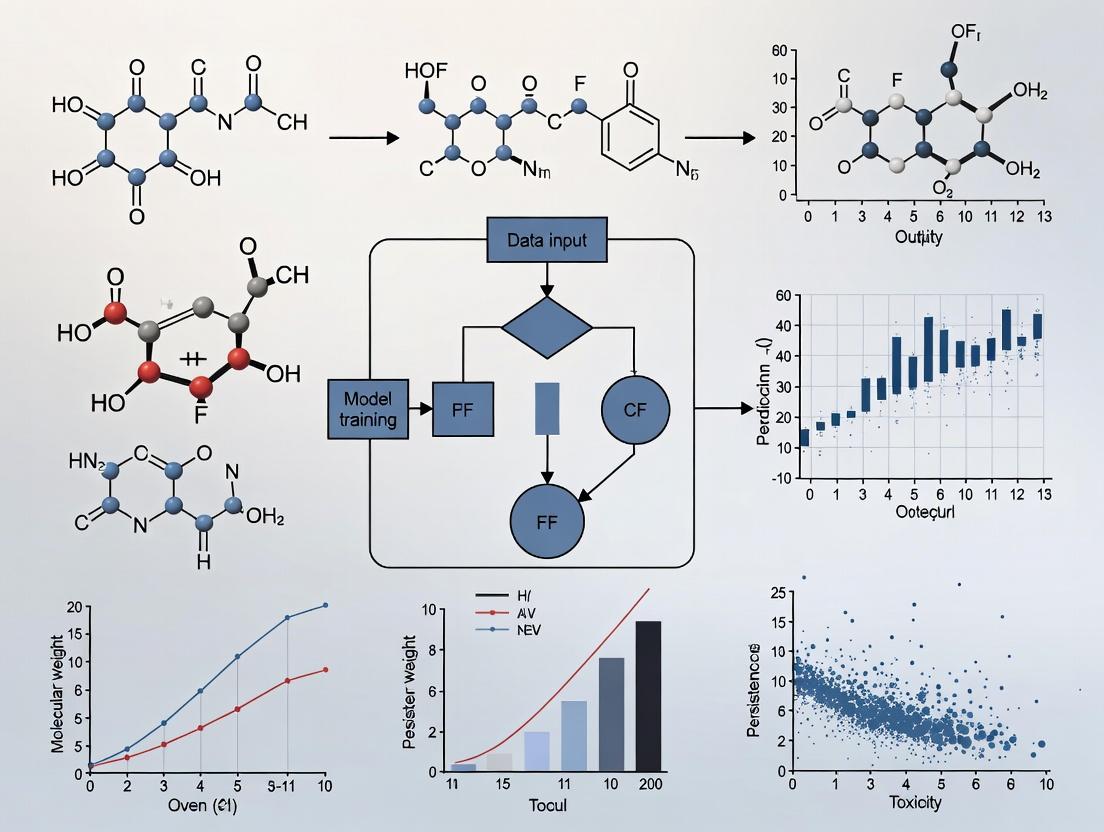
Machine Learning in PFAS Hazard Prediction: Cutting-Edge Models for Researchers and Drug Developers
This comprehensive review explores the rapidly evolving field of machine learning (ML) models for predicting the hazards of per- and polyfluoroalkyl substances (PFAS).
Smartphone Imaging Apps for Pharmaceutical Analysis: A 2025 Comparison of Quantitative Methods and Applications
This article provides a comprehensive comparison of smartphone-based imaging applications for quantitative pharmaceutical analysis, tailored for researchers and drug development professionals.
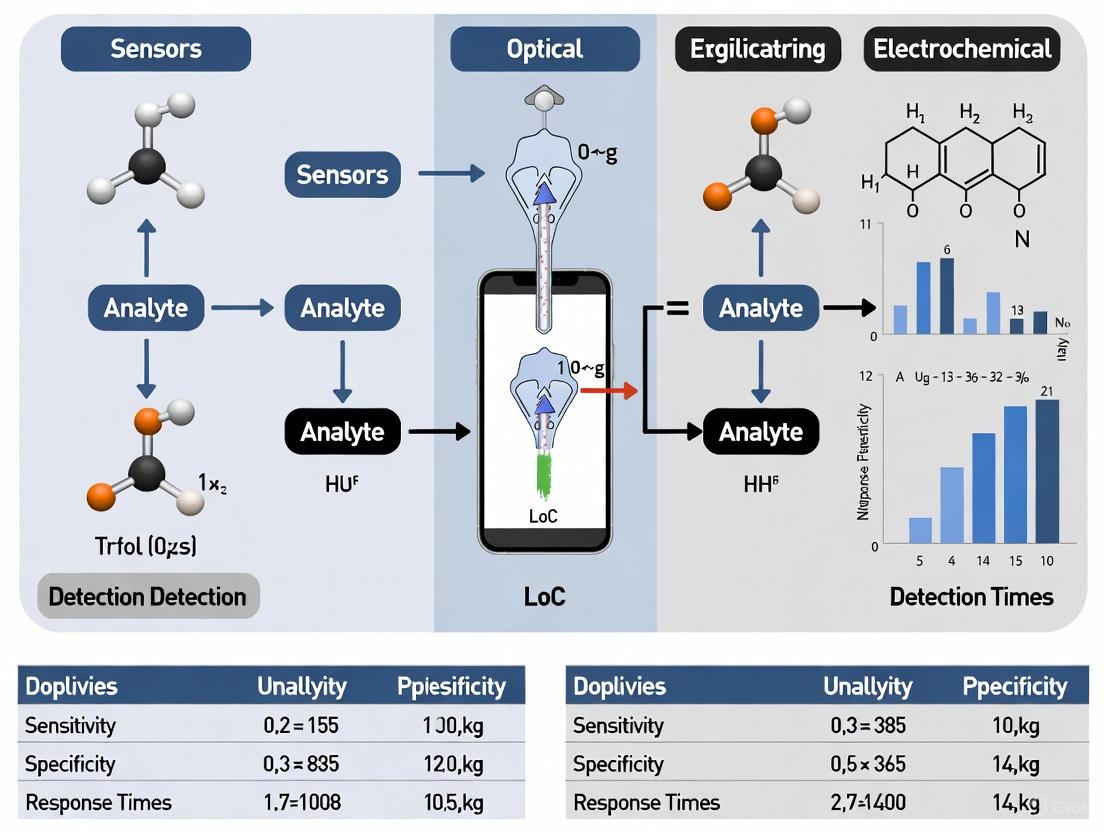
Optical vs. Electrochemical Detection in Smartphone Lab-on-Chip Platforms: A Comparative Analysis for Next-Generation Biosensing
Smartphone-integrated lab-on-chip (LoC) platforms represent a transformative shift towards decentralized, point-of-care diagnostics.
Smartphone Models for Environmental Pharmaceutical Analysis: A Comprehensive Evaluation for Modern Researchers
This article provides a critical evaluation of smartphone technology as a portable, cost-effective platform for environmental pharmaceutical analysis.
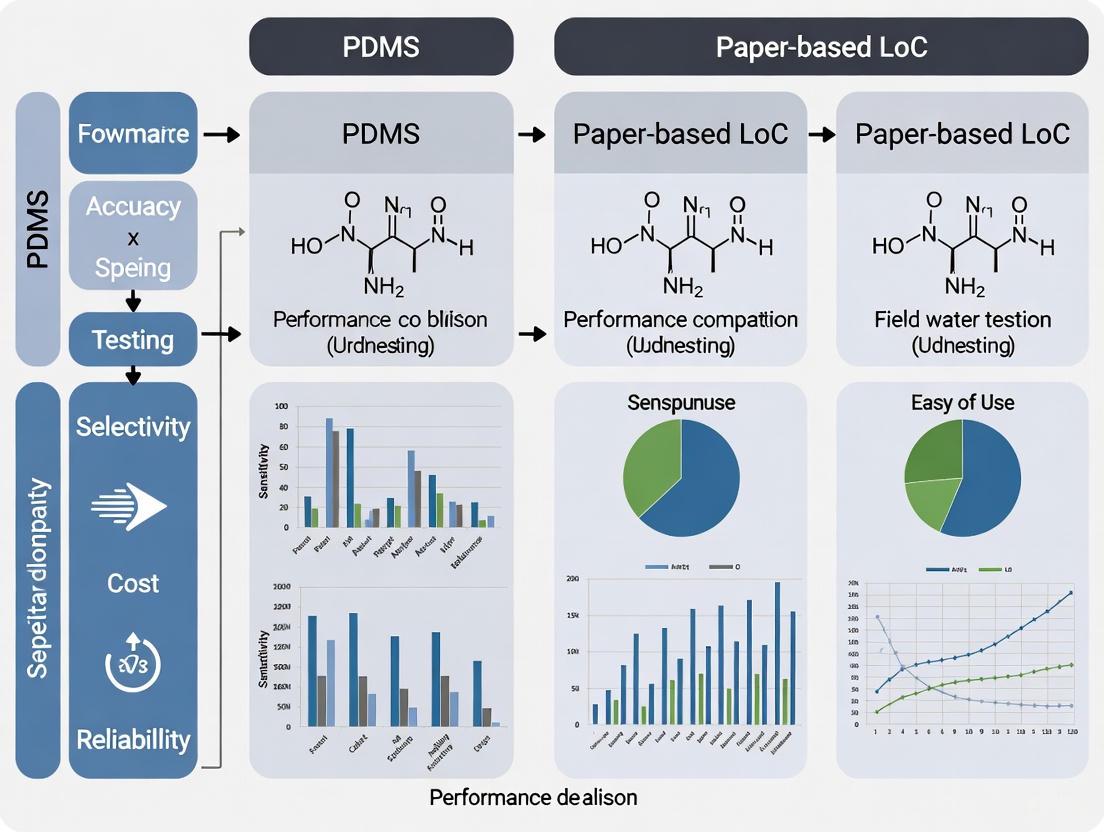
PDMS vs. Paper-Based Lab-on-a-Chip for Field Water Testing: A Comprehensive Performance Comparison
Field-deployable water quality monitoring demands analytical platforms that are rapid, sensitive, and cost-effective.
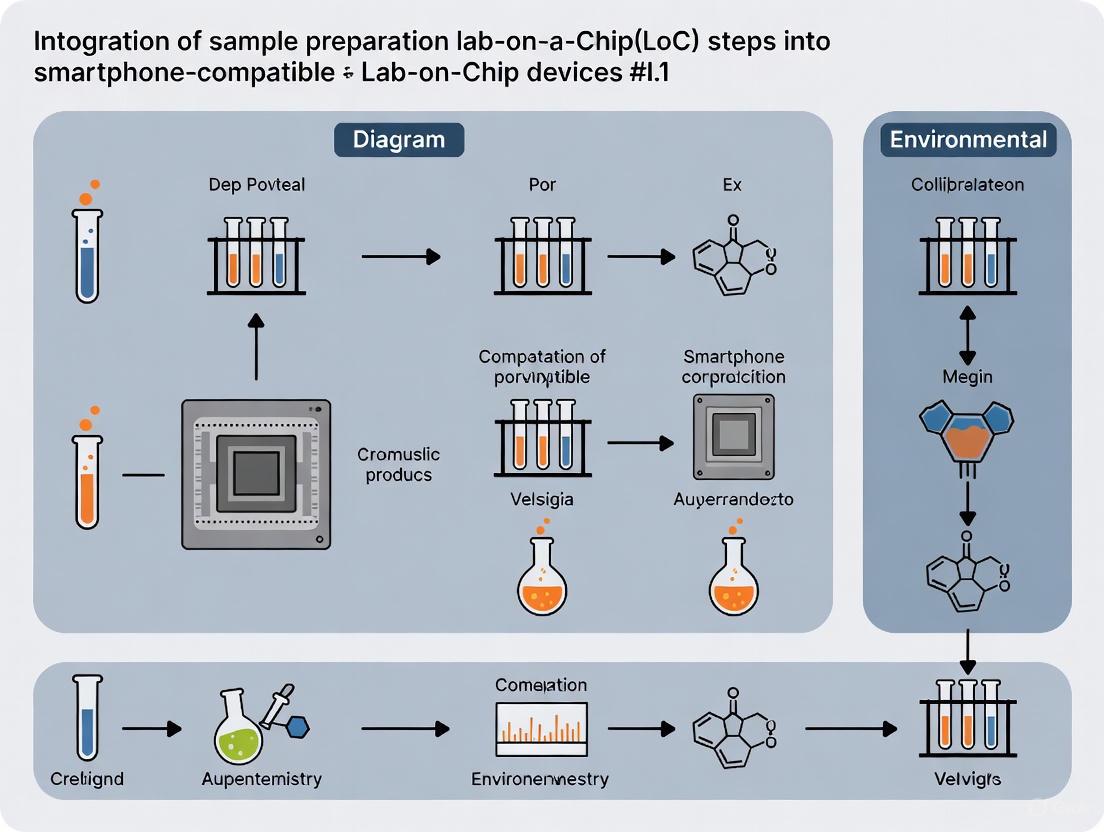
Integrating Sample Preparation into Smartphone-Compatible Lab-on-a-Chip Devices: From Concept to Clinical Application
The integration of complete sample preparation workflows into smartphone-compatible lab-on-a-chip (LoC) devices represents a transformative frontier in point-of-care diagnostics, environmental monitoring, and food safety testing.
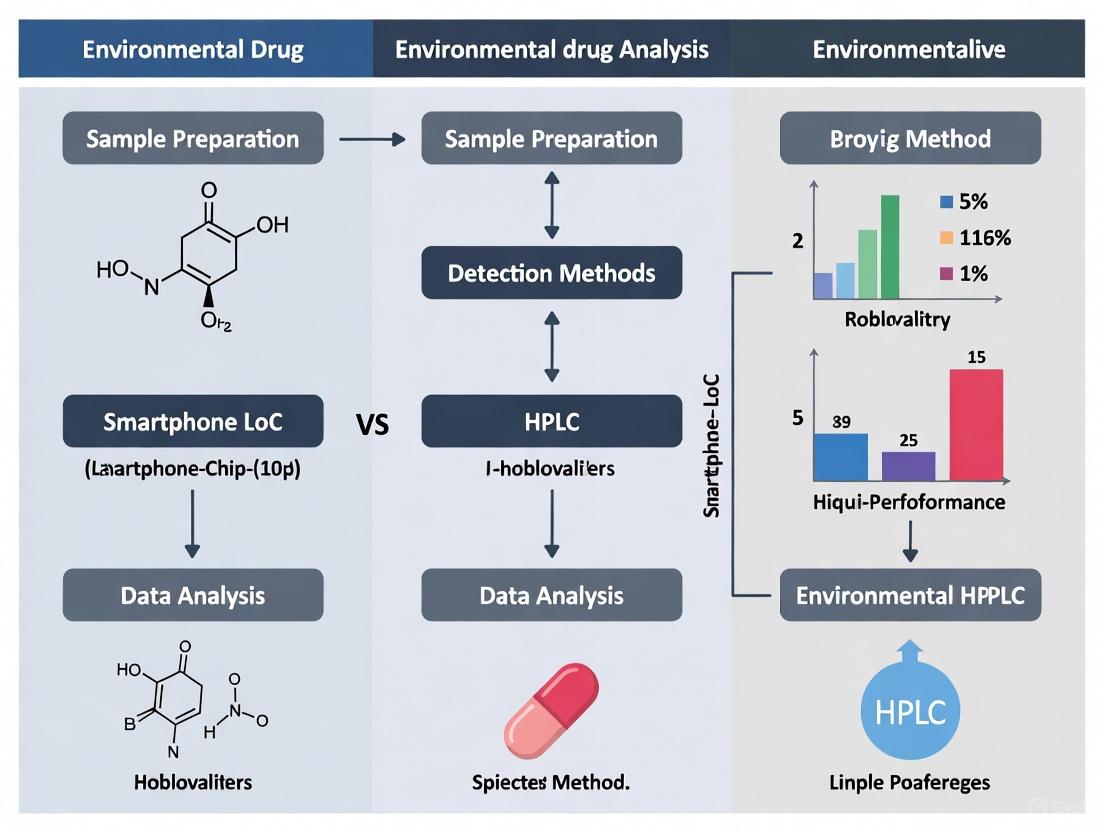
Validating Smartphone-Based Lab-on-Chip Platforms Against HPLC for On-Site Environmental Drug Analysis
This article explores the validation of smartphone-based Lab-on-a-Chip (LoC) systems as portable, cost-effective alternatives to High-Performance Liquid Chromatography (HPLC) for environmental drug analysis.
Advanced Strategies for Minimizing Background Noise in Smartphone Imaging of Environmental Samples for Biomedical Research
This article provides a comprehensive guide for researchers and drug development professionals on mitigating background noise in smartphone-based imaging systems used for environmental and biological sample analysis.
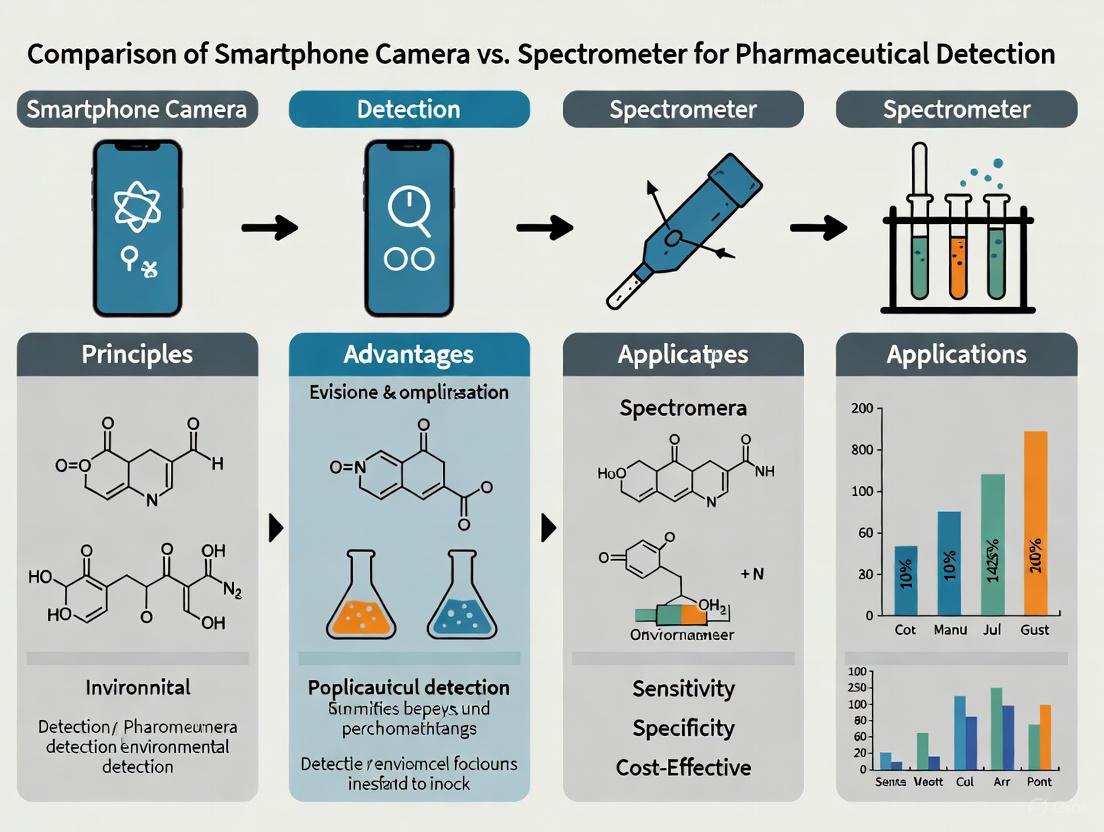
Smartphone Cameras vs. Spectrometers: A Revolutionary Comparison for Modern Pharmaceutical Detection
This article provides a comprehensive comparison between smartphone-based optical sensing and traditional spectrometers for pharmaceutical analysis, tailored for researchers and drug development professionals.
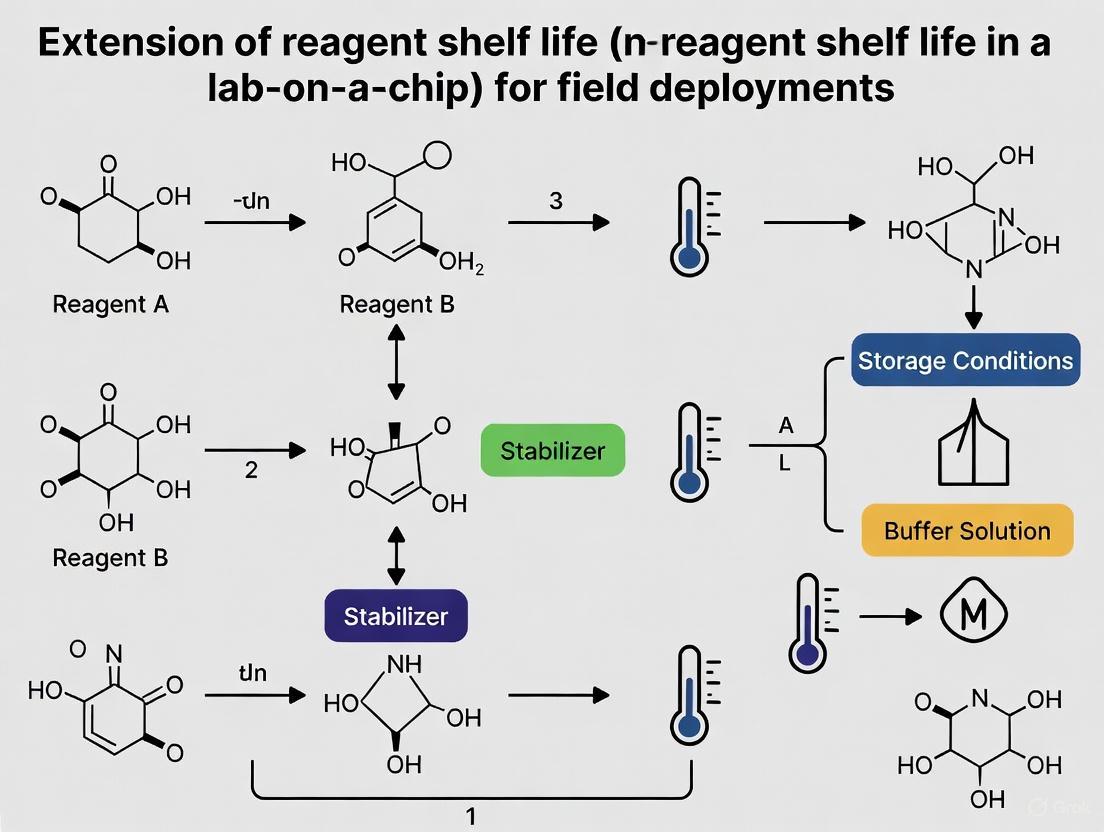
Extending Shelf Life of Lab-on-a-Chip Reagents for Reliable Field Deployment
Lab-on-a-chip (LoC) devices are revolutionizing point-of-care testing and field-deployable diagnostics.