Research Articles
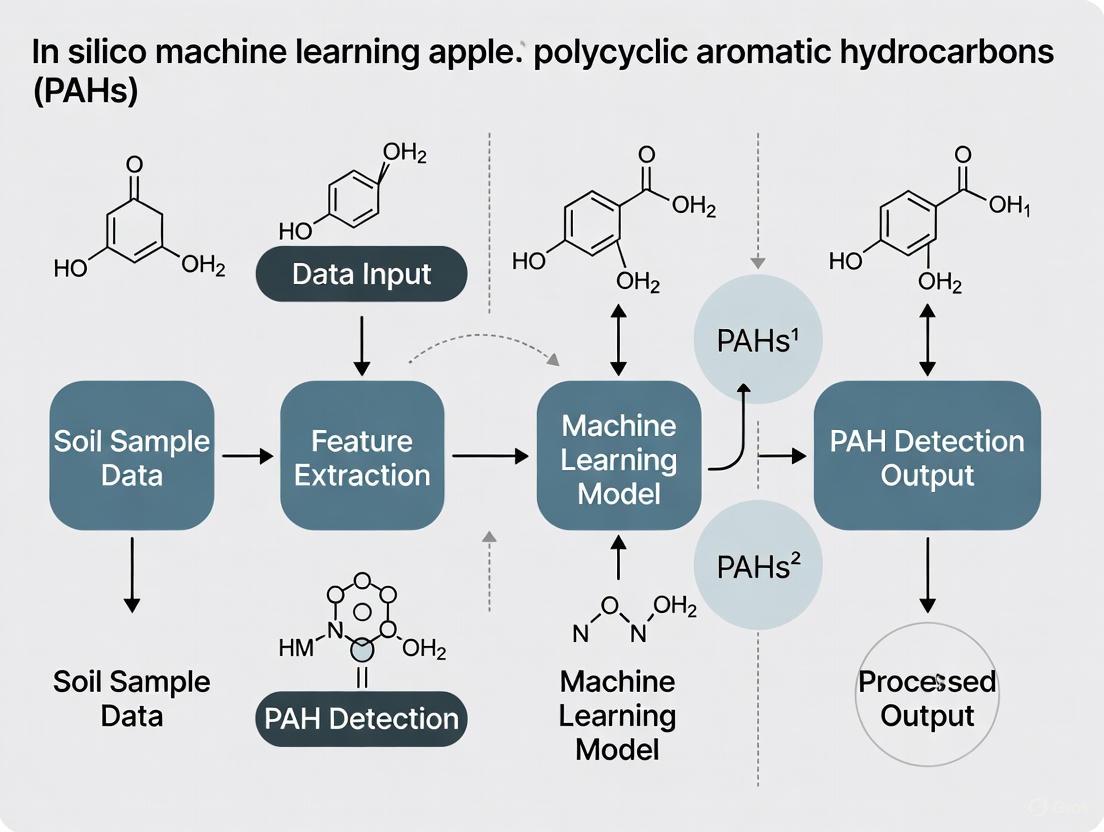
In Silico Machine Learning for PAH Detection in Soil: A New Paradigm for Environmental Monitoring and Public Health
This article explores the transformative potential of in silico machine learning (ML) for detecting polycyclic aromatic hydrocarbons (PAHs) in contaminated soil, a critical challenge for environmental and public health.

Agent-Based Modeling for Listeria Control: A Digital Revolution in Food Safety Management
This article explores the transformative role of Agent-Based Models (ABMs) as digital decision-support tools for predicting and controlling Listeria monocytogenes in food processing environments.
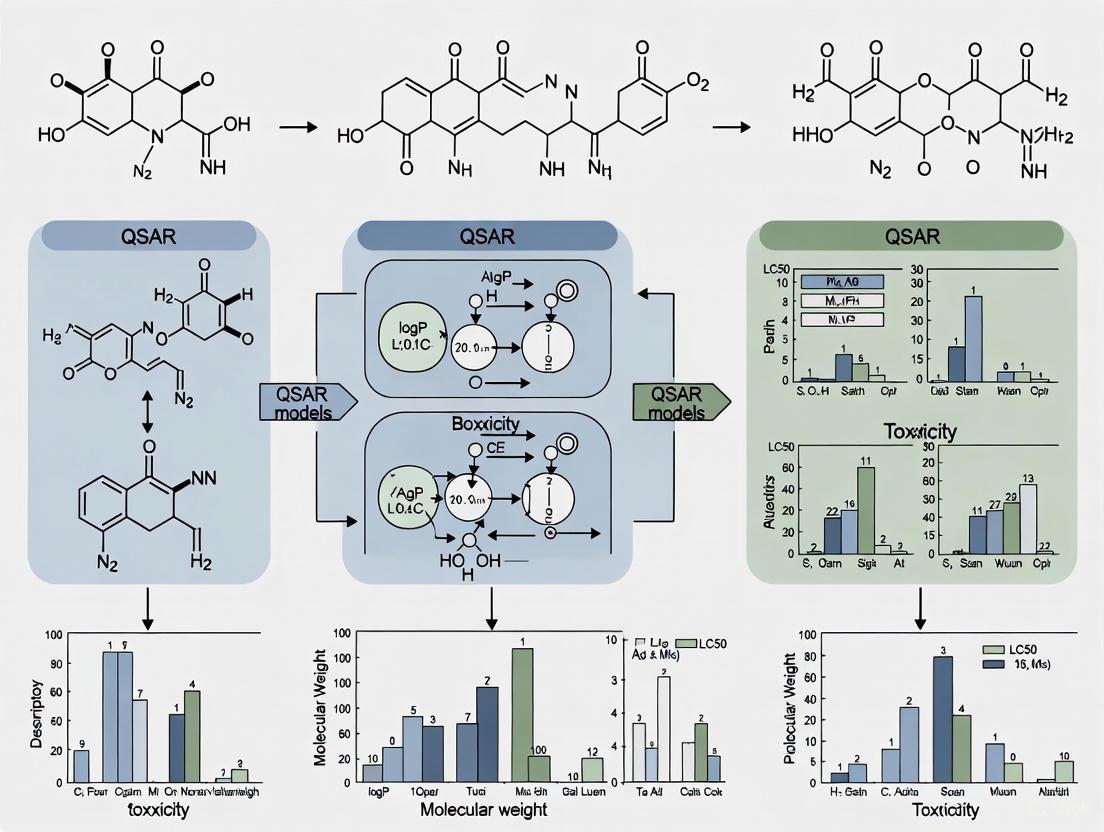
Predicting Pesticide Aquatic Toxicity: A Comprehensive Guide to QSAR and Machine Learning Models
The increasing use of pesticides poses significant risks to aquatic ecosystems, driving the need for efficient toxicity prediction methods.
Harnessing Time: How Temporal Data and AI are Revolutionizing Environmental Science
This article explores the critical role of temporal data and time series analysis in addressing complex environmental challenges.
Environmental Data Comparability: Foundational Principles and Advanced Applications for Pharmaceutical Research
This article provides a comprehensive exploration of environmental data comparability, a critical capability for meaningfully evaluating environmental information across different sources, timeframes, and geographical locations.
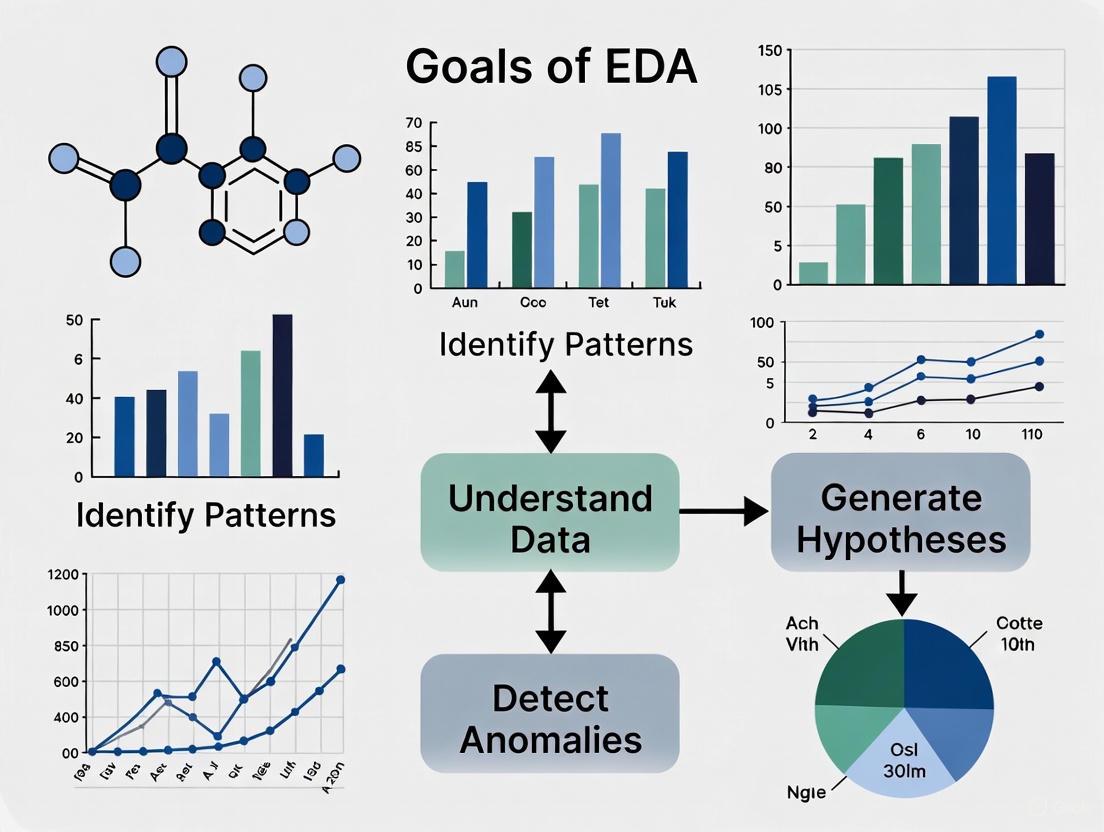
Unlocking Environmental Insights: A Comprehensive Guide to Exploratory Data Analysis Goals and Methods
This article provides researchers and environmental professionals with a systematic framework for applying Exploratory Data Analysis (EDA) to environmental research challenges.
Navigating Big Data in Environmental Science: Challenges, Solutions, and Future Frontiers
This article provides a comprehensive analysis of the challenges and solutions associated with big data in environmental science.
Foundational Methods for Spatial Analysis in Environmental Data: From Core Concepts to Advanced Applications
This article provides a comprehensive overview of foundational spatial analysis methods for environmental data, tailored for researchers and drug development professionals.
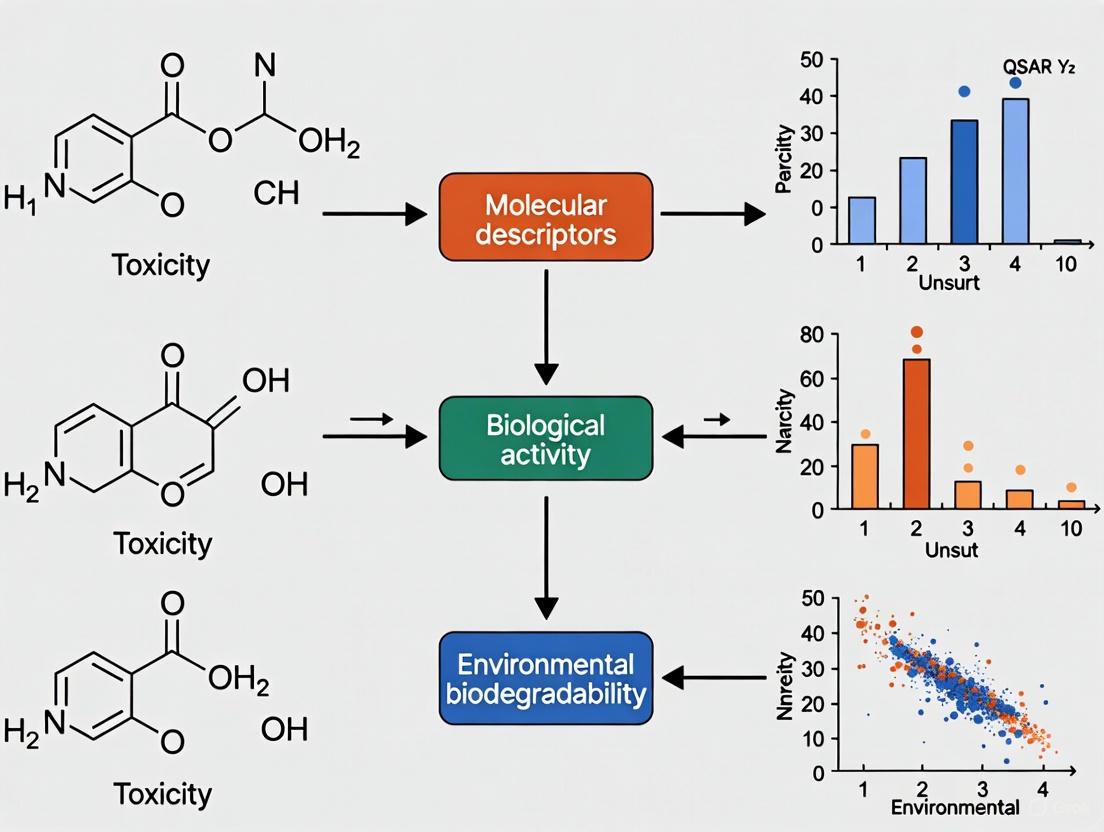
QSAR Models for Environmental Chemicals: Principles, Applications, and Regulatory Validation
This article provides a comprehensive overview of Quantitative Structure-Activity Relationship (QSAR) models for assessing the environmental impact and toxicity of chemical substances.
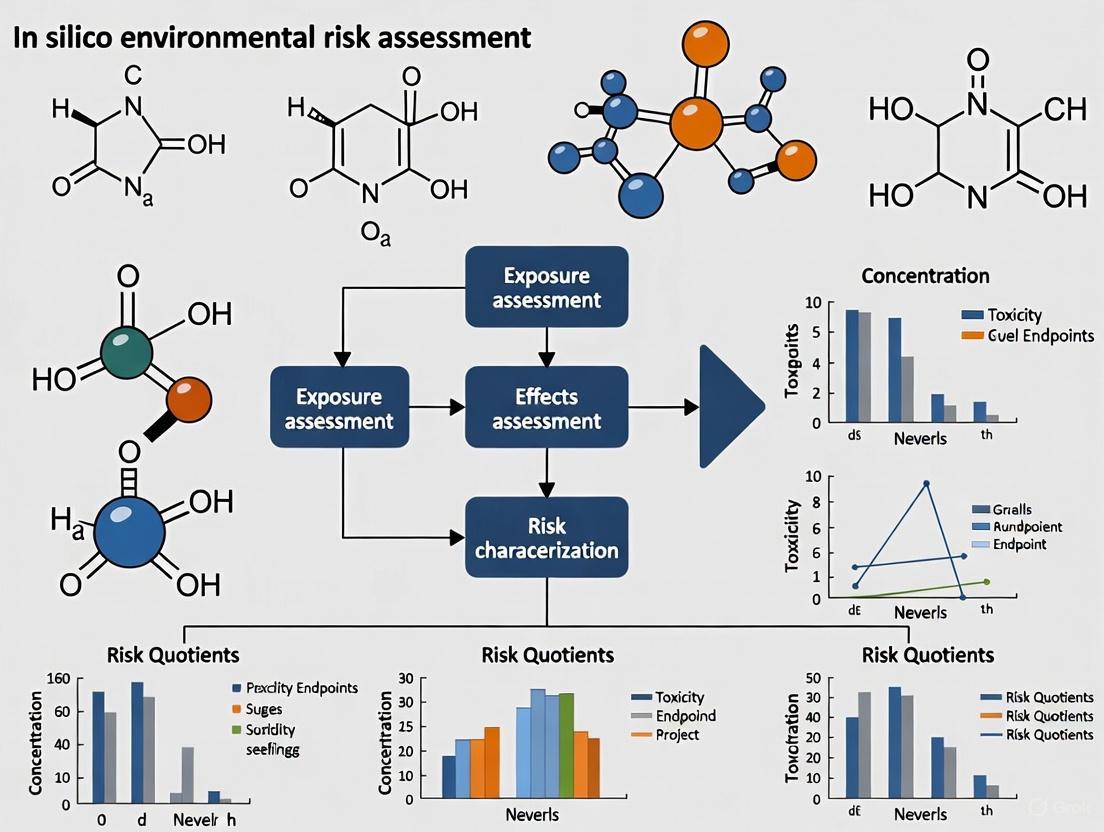
In Silico Environmental Risk Assessment: A Computational Revolution in Chemical Safety for Researchers
This article provides a comprehensive overview of in silico environmental risk assessment (ERA), a computational approach that uses mathematical models to predict the environmental fate and effects of chemicals.