Advanced Analytical Methods for Emerging Contaminant Detection: From Foundational Concepts to Sustainable Practices
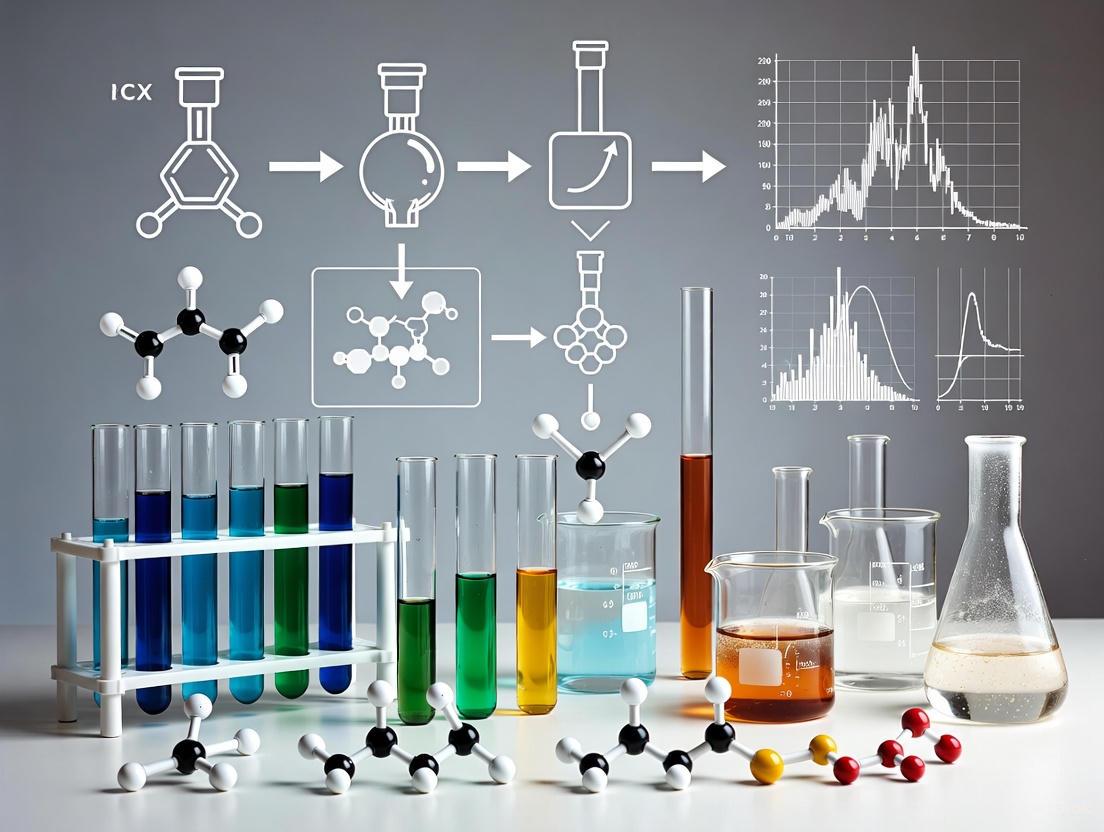
This article provides a comprehensive overview of the current landscape of analytical methods for detecting emerging contaminants (ECs) in environmental matrices.
Advanced Analytical Methods for Emerging Contaminant Detection: From Foundational Concepts to Sustainable Practices
Abstract
This article provides a comprehensive overview of the current landscape of analytical methods for detecting emerging contaminants (ECs) in environmental matrices. Aimed at researchers, scientists, and drug development professionals, it explores the foundational knowledge of ECs—including pharmaceuticals, personal care products, PFAS, and microplastics—and their environmental impact. The scope extends to detailed examinations of advanced methodological approaches like LC-MS/MS, GC-MS, and high-resolution mass spectrometry, alongside optimized sample preparation techniques such as QuEChERS. It further addresses critical troubleshooting for complex matrices, the application of green chemistry principles for sustainability, and the rigorous validation and comparative analysis required for reliable, reproducible data. The article concludes by synthesizing key technological and strategic trends, highlighting implications for environmental and biomedical research.
Understanding the Spectrum of Emerging Contaminants: Sources, Impacts, and Global Challenges
Emerging contaminants (ECs) represent a diverse group of synthetic or naturally occurring chemicals not commonly monitored in the environment but with potential for adverse ecological and human health effects [1]. While some have been present for long periods, scientific recognition of their persistence and risks has only recently emerged through advances in analytical capabilities [1]. This article defines three critical EC classes—pharmaceuticals and personal care products (PPCPs), per- and polyfluoroalkyl substances (PFAS), and microplastics—within the context of environmental analytical method development.
ECs originate from increasing anthropogenic activities including agriculture, industrialization, and modern lifestyles [1]. Their classification encompasses PPCPs (pharmaceuticals, cosmetics, hygiene products), PFAS (industrial chemicals), endocrine-disrupting chemicals (EDCs), and micro- and nano-plastics (MNPs) [1]. Understanding their fate and distribution requires sophisticated analytical approaches, driving development of advanced detection technologies and standardized protocols essential for environmental monitoring and regulatory frameworks [2].
Critical Emerging Contaminant Classes
Pharmaceuticals and Personal Care Products (PPCPs)
PPCPs comprise remarkably diverse chemicals used in veterinary medicine, agricultural practices, human healthcare, and cosmetics [1]. These biologically active compounds are typically polar, often possess optical properties, and occur at extremely low concentrations in environmental matrices [1]. PPCPs include pharmaceutical drugs alongside everyday products like soaps, lotions, toothpaste, fragrances, and sunscreens, plus their metabolites and transformation products [1].
Recent studies demonstrate concerning PPCP prevalence in urban ecosystems. Research in Mysuru, India detected four PPCPs—paracetamol, gentamicin, naproxen, and metronidazole—across sewage treatment plants and water bodies, with maximum concentrations of naproxen reaching 8.517 µg/L [3]. Ecological risk assessment revealed high risk for gentamicin, low/medium risk for paracetamol, and risk quotients (RQ) >1 for naproxen [3]. Furthermore, significant contributions to antimicrobial resistance (AMR) were observed, particularly for metronidazole and gentamicin [3].
Per- and Polyfluoroalkyl Substances (PFAS)
PFAS are synthetic organofluorine compounds renowned for their environmental persistence, earning the nickname "forever chemicals." These substances pose significant regulatory challenges, with 2025 bringing new reporting requirements under the Toxic Substances Control Act (TSCA) for manufacturers [4]. The EPA has developed specific analytical methods for PFAS detection in drinking water, with Methods 533 and 537.1 enabling measurement of 29 PFAS compounds [5]. These methods undergo rigorous multi-lab validation and peer review, receiving approval for monitoring under the Unregulated Contaminant Monitoring Rule (UCMR 5) and the PFAS National Primary Drinking Water Regulation (NPDWR) [5].
Manufacturers face upcoming deadlines of January 11, 2026 (July 11, 2026 for small article importers) for PFAS reporting, impacting industries like packaging and textiles [4]. Concurrently, the FDA's 2025 notice declared 35 food contact notifications for PFAS-containing grease-proofers ineffective, following a complete market phase-out by February 2024 [4].
Microplastics (MNPs)
Microplastics are defined as plastic fragments smaller than 5 mm with potential for bioaccumulation and biomagnification throughout food chains [1]. Their classification remains evolving, particularly for nanoplastics where size definitions range from 1-100 nm to an upper limit of 1000 nm [1]. Common polymeric constituents include polyvinyl chloride (PVC), polyethylene terephthalate (PET), polypropylene (PP), and various polyethylene forms (PE, LDPE, HDPE) [1].
An estimated 80% of the eight billion metric tons of plastics manufactured to date ultimately enter the environment [1]. MNP contamination stems from both primary sources (direct emission) and secondary sources (breakdown of larger plastics through biological processes, mechanical abrasion, and UV radiation) [1]. While oceans were initially considered primary sinks, recent investigations identify soil and freshwater sediments as significant accumulation zones [1].
Table 1: Analytical Techniques for Emerging Contaminant Detection
| Contaminant Class | Primary Analytical Techniques | Key Methodological Considerations |
|---|---|---|
| PPCPs | HPLC, LC-MS/MS, UHPLC-MS/MS, GC-MS | Sample pre-treatment, extraction efficiency, matrix effects, sensitivity to trace concentrations [6] [7] [3] |
| PFAS | EPA Methods 533, 537.1, Draft Method 1621 | Multi-lab validation requirements, specificity for 29 PFAS compounds, compliance monitoring protocols [5] [4] |
| Microplastics | FTIR, Raman Spectroscopy, Py-GC/MS, Microscopy | Particle size limitations, polymer identification capabilities, quantitative accuracy, standardization needs [8] |
Analytical Approaches and Methodologies
PPCP Detection Protocols
Effective PPCP analysis requires robust extraction and detection workflows. Research from Lake Osisko, Quebec demonstrates successful PPCP monitoring using solid phase extraction (SPE) followed by liquid chromatography-tandem mass spectrometry (LC-MS/MS) [6]. This approach identified caffeine, salicylic acid, and methylparaben as most frequently detected compounds, with storm outfalls acting as major contamination entry points [6].
For sediment matrices, analytical pipelines must address sample pre-treatment, extraction, clean-up, and instrumental analysis [7]. predominant extraction techniques include Soxhlet Extraction (SE), Pressurized Liquid Extraction (PLE), ultrasonication, and Solid-Phase Extraction (SPE) [7]. Method selection requires careful consideration of physicochemical properties like octanol-water partition coefficients (logK~ow~) ranging from 1.96–7.67, which govern extraction behavior and recovery rates [7].
A modified EPA Method 1694 using high-performance liquid chromatography (HPLC) with a Phenomenex C-18 column (250 × 4.6 mm, 5 µm particle size) has been successfully applied to urban water samples [3]. Optimal separation employed methanol and phosphate buffer (70:30, pH 3.5) at 1.0 mL/min flow rate with detection wavelengths of 231 nm for paracetamol/naproxen and 275 nm for gentamicin/metronidazole [3].
Diagram 1: PPCP Analytical Workflow. The workflow outlines major steps from sample collection to data processing, with common technique options for extraction and analysis.
PFAS Regulatory Methods
EPA Methods 533 and 537.1 represent the current standard for PFAS analysis in drinking water compliance monitoring [5]. These methods have undergone extensive validation for finished drinking water from both groundwater and surface water sources, including challenging matrices with high total dissolved solids (TDS)/hardness up to 300 mg/L [5].
Laboratory certification requirements mandate state certification programs for compliance monitoring under the PFAS NPDWR [5]. While "modified EPA PFAS methods" exist for expanded analyte coverage or alternative matrices, these lack standardized descriptions and multi-laboratory validation, limiting their application for regulatory compliance [5].
Microplastics Characterization Techniques
Microplastics research faces significant methodological challenges including inconsistent analytical methods, appropriate instrument selection, and insufficient standardization of quality assurance/quality control (QA/QC) protocols [8]. Dominant analysis techniques include Fourier Transform-Infrared Spectroscopy (FTIR), Raman Spectroscopy (Raman), Microscopy, and Pyrolysis-Gas Chromatography/Mass Spectrometry (Py-GC/MS) [8].
Recent trends show a shift from source apportionment and transport studies toward toxicology, detection methods, and risk assessment, with increasing focus on small-sized MPs in water, soil, and human-derived matrices [8]. Method selection requires consideration of performance characteristics, relative costs, and essential QA/QC metrics when establishing laboratory capabilities [8].
Table 2: Research Reagent Solutions for Emerging Contaminant Analysis
| Reagent/Material | Function | Application Examples |
|---|---|---|
| Phenomenex C-18 Column | Reverse-phase chromatographic separation | HPLC analysis of paracetamol, gentamicin, naproxen, metronidazole [3] |
| Solid Phase Extraction (SPE) Cartridges | Sample pre-concentration and clean-up | Isolating PPCPs from aqueous samples prior to LC-MS/MS analysis [6] [7] |
| Sigma-Aldrich Analytical Standards | Reference materials for quantification and method calibration | Preparing stock solutions for PPCPs (paracetamol, gentamicin, etc.) [3] |
| OECD Harmonized Templates | Standardized reporting formats for chemical safety data | PFAS testing and regulatory submissions [4] |
Environmental Impact and Risk Assessment
Ecological Risk Evaluation
ECs pose significant risks to wildlife and ecosystems through multiple mechanisms including hormone disruption, genetic alterations diminishing diversity and resilience, and altered soil nutrient dynamics [2] [1]. Risk assessment approaches include the risk quotient (RQ) method, which evaluated four PPCPs in Mysuru water samples, classifying gentamicin as high risk, paracetamol as low/medium risk, naproxen with RQ >1, and metronidazole with RQ <0.1 [3].
For microplastics, harmful effects manifest through mechanical and toxicological pathways [1]. Microplastics can obstruct digestive tracts, while nanoplastics penetrate tissues and organs, causing oxidative damage, digestion impairment, altered gut microbiota, impaired fatty acid metabolism, and molecular damage [1]. The large surface-area-to-volume ratio, persistence, and leaching of carcinogenic chemical additives from plastics create cascading environmental impacts [1].
Human Health Implications
ECs present increasing human health risks including hormonal disruptions, antibiotic resistance, endocrine disruption, neurological effects, carcinogenic impacts, and other long-term consequences [2]. Specific PPCPs like triclosan, parabens, and phthalates associate with endocrine-disrupting and hepatotoxic effects in aquatic organisms and humans [7]. The existence of MNPs in seafood raises food safety concerns, though comprehensive risk assessment remains challenging due to toxicity evaluation complexities [1].
Antimicrobial resistance represents a particularly pressing concern, with PPCP contamination contributing to antibiotic-resistant bacteria (ARB) and antibiotic-resistant genes (ARGs) in aquatic ecosystems [3]. Ingestion through food and water can cause immune system dysfunction in humans [3].
Diagram 2: Environmental Impact Pathways of Emerging Contaminants. The diagram illustrates the progression from contaminant sources to human health effects through environmental transport and exposure pathways.
Addressing emerging contaminant challenges requires a multidimensional approach integrating advanced analytical science, environmental monitoring, policy action, and public awareness [2]. Future research priorities include long-term health impact studies, ecotoxicological assessments, and sustainable solutions for EC impacts [2]. Methodological advancements must focus on developing standardized protocols, enhancing detection sensitivity, and establishing comprehensive QA/QC frameworks [8].
Global cooperation, precautionary regulations, public education, and interdisciplinary research collaboration are vital for effective EC management [2]. The establishment of standardized analytical methods, as demonstrated by EPA PFAS protocols, provides crucial foundations for regulatory frameworks and monitoring programs [5]. Continued advancement in detection technologies will enable more comprehensive understanding of EC fate, transport, and impacts, supporting evidence-based environmental protection strategies.
The comprehensive analysis of emerging contaminants (ECs) in the environment necessitates a clear understanding of their primary sources and the pathways through which they enter and migrate through ecosystems. These sources—wastewater effluent, agricultural runoff, and industrial discharge—act as conduits, introducing a complex mixture of nutrients, heavy metals, pharmaceuticals, and synthetic compounds into aquatic and terrestrial systems. The environmental persistence, bioaccumulation potential, and biological toxicity of these pollutants pose significant threats to ecological security and human health [9]. Effective monitoring and mitigation, therefore, rely on robust analytical methods tailored to the distinct chemical profiles and behaviors of pollutants from these different sources. This document provides detailed application notes and experimental protocols for the characterization and analysis of these critical environmental pathways within the framework of advanced environmental analytical science.
The three primary pollution sources contribute distinct suites of contaminants, driven by different human activities and requiring specific analytical and mitigation approaches.
Table 1: Characterization of Primary Environmental Pollution Sources
| Source | Primary Pollutant Classes | Key Indicators & Representative Pollutants | Typical Concentration Ranges | Major Environmental Impact |
|---|---|---|---|---|
| Agricultural Runoff | Nutrients, Pesticides, Sediments | Total Nitrogen (TN), Total Phosphorus (TP), Sediment Load, Herbicides, Insecticides [10] [11] | TN: 5.9-9.5% of applied fertilizer; TP: 0.52-3.3% of applied fertilizer [10] | Eutrophication, algal blooms, dissolved oxygen depletion, loss of aquatic biodiversity [10] [11] |
| Industrial Discharge | Heavy Metals, Organic Chemicals, Thermal Pollution | Lead (Pb), Cadmium (Cd), Mercury (Hg), Chromium (Cr), Chemical Oxygen Demand (COD), Solvents [11] [12] [13] | Varies widely by industry; in developing nations, ~70% is discharged untreated [13] | Toxicity to aquatic life, bioaccumulation in food webs, habitat destruction [11] [12] |
| Wastewater Effluent | Emerging Contaminants, Nutrients, Pathogens | Antibiotics, Endocrine Disruptors (EDCs), Per/Polyfluoroalkyl Substances (PFAS), NH3-N, Biochemical Oxygen Demand (BOD) [9] [14] | Antibiotics: ng/L - µg/L (higher in Asia); NH3-N: ~40 mg/L (typical domestic) [13] [14] | Development of antimicrobial resistance, endocrine disruption in wildlife, contamination of drinking water sources [9] |
Analytical Methods for Emerging Contaminants
The detection of ECs presents a significant challenge due to their low environmental concentrations (nanogram to microgram per liter) and complex matrices. Analytical methods can be broadly categorized into laboratory-based instrumentation and rapid screening techniques.
Laboratory-Based Instrumental Analysis
These methods are considered the gold standard for quantitative, multi-residue analysis at low detection limits.
- Liquid Chromatography-Mass Spectrometry (LC-MS/MS): This is the predominant technique for analyzing non-volatile and polar ECs such as antibiotics, EDCs, and PFAS. Its high sensitivity and selectivity allow for the precise quantification of trace-level compounds even in complex environmental samples like wastewater effluent [9].
- Laser-Induced Breakdown Spectroscopy (LIBS): This technology has been developed for the real-time, online monitoring of heavy metals (e.g., Pb, Cd, Cr, Cu, Ni, Zn) in industrial wastewater. The system uses a laser to generate a micro-plasma from a liquid sample deposited on a graphite base, and the atomic emission spectra are analyzed to determine elemental composition with reported stability errors of less than 5% [15].
- Other Techniques: Gas Chromatography-Mass Spectrometry (GC-MS) is suitable for volatile and semi-volatile organic compounds, and Inductively Coupled Plasma-Mass Spectrometry (ICP-MS) is used for ultra-trace level metal analysis.
Rapid Screening and On-Site Detection Techniques
For field-deployable, rapid screening, newer technologies offer complementary capabilities.
- Electrochemical Sensors: These sensors translate the binding of a specific analyte into a measurable electrical signal. They are promising for on-site detection due to their simplicity, portability, fast response (minutes), and good sensitivity. Current research is focused on improving their selectivity and application for ECs [9].
- Immunoassay Techniques: Methods like Enzyme-Linked Immunosorbent Assay (ELISA) are highly specific and sensitive for single-analyte or group-specific screening. Immunochromatographic tests (lateral flow) allow for qualitative or semi-quantitative field detection without the need for expensive instruments, though they can be prone to false positives/negatives [9].
Table 2: Comparison of Analytical Methods for Emerging Contaminants
| Method | Best For | Detection Limit | Throughput | Key Advantage | Key Limitation |
|---|---|---|---|---|---|
| LC-MS/MS | Antibiotics, EDCs, PFAS | ng/L - µg/L | High (in batch) | High accuracy, multi-residue | High cost, complex operation, lab-bound |
| LIBS | Heavy Metals (e.g., Pb, Cd) | µg/L | Continuous/Online | Real-time, online monitoring, multi-element | Requires sample pre-concentration |
| Electrochemical Sensor | On-site screening of specific ECs | Varies (aiming for µg/L) | Rapid (minutes) | Portability, low cost, fast response | Mostly single-analyte, stability in real samples |
| Immunoassay (ELISA) | High-throughput screening | ng/L - µg/L | High | High specificity & sensitivity, no expensive instruments | Prone to false results, mostly single-analyte |
Detailed Experimental Protocols
Protocol: Solid Phase Extraction (SPE) and LC-MS/MS Analysis of Antibiotics in Wastewater Effluent
1. Scope and Application: This protocol details the steps for the concentration, clean-up, and quantitative analysis of multiple classes of antibiotics (e.g., fluoroquinolones, sulfonamides, tetracyclines) in filtered wastewater treatment plant effluent.
2. Experimental Workflow:
3. Reagents and Materials:
- Water Samples: Grab or composite samples of WWTP effluent (1 L).
- SPE Cartridges: Oasis HLB (60 mg, 3 mL) or equivalent.
- Solvents: HPLC-grade Methanol, Acetonitrile, and Water.
- Standards: Native and isotopically labeled internal standards for target antibiotics.
- Equipment: Vacuum manifold, pH meter, analytical evaporator (e.g., N2 blow-down), ultrasonic bath, 0.7 µm Glass Fiber Filters (GF/F).
4. Step-by-Step Procedure:
- 4.1. Sample Collection and Preservation: Collect effluent sample in pre-cleaned amber glass bottles. Acidify to pH ~3 (if analytes are stable). Store at 4°C and extract within 48 hours.
- 4.2. Filtration: Filter the water sample through a 0.7 µm GF/F filter under vacuum to remove suspended particulates.
- 4.3. Solid Phase Extraction (SPE):
- Conditioning: Pass 5 mL of methanol through the SPE cartridge, followed by 5 mL of reagent water (pH ~3). Do not let the sorbent bed run dry.
- Loading: Load the filtered sample at a steady flow rate of 5-10 mL/min.
- Washing: Wash the cartridge with 5 mL of a 5% methanol/water solution to remove weakly retained matrix interferences.
- Drying: Apply full vacuum for 10-20 minutes to dry the sorbent.
- Elution: Elute the target antibiotics into a collection tube with 2 x 5 mL of methanol. The eluate should be collected gently without vacuum.
- 4.4. Extract Concentration: Evaporate the eluate to near dryness under a gentle stream of nitrogen at 40°C. Reconstitute the dried extract in 0.5 mL of initial LC mobile phase (e.g., 5% methanol/95% water) and vortex thoroughly. Transfer to an LC vial for analysis.
- 4.5. LC-MS/MS Analysis:
- Chromatography: Use a C18 column (e.g., 2.1 x 100 mm, 1.8 µm). The mobile phase consists of (A) water with 0.1% formic acid and (B) methanol with 0.1% formic acid. Employ a gradient elution from 5% B to 95% B over 15 minutes.
- Mass Spectrometry: Operate in positive electrospray ionization (ESI+) mode with Multiple Reaction Monitoring (MRM). Optimize compound-specific parameters (precursor ion, product ions, collision energy) for each antibiotic.
5. Data Analysis: Quantify samples using an external calibration curve (e.g., 1-500 µg/L). Use isotopically labeled internal standards for each analyte class to correct for matrix effects and recovery losses. Report concentrations in ng/L.
Protocol: Real-Time Monitoring of Heavy Metals in Industrial Discharge using LIBS
1. Scope and Application: This protocol describes the operation of a Laser-Induced Breakdown Spectroscopy (LIBS) system for continuous, online monitoring of heavy metals (Pb, Cd, Cr, Cu, Ni, Zn) in industrial wastewater streams.
2. Experimental Workflow:
3. Reagents and Materials:
- LIBS Online Monitor: Equipped with automatic sample introduction, graphite base plate, electromagnetic heating dryer, and spectral detection modules.
- Calibration Standards: Certified multi-element standard solutions for instrument calibration.
- Carrier Gases: High-purity Argon or Helium.
4. Step-by-Step Procedure:
- 4.1. System Initialization and Calibration: Power on the system and allow lasers and detectors to stabilize. Run a series of calibration standards through the system to establish a quantitative model for each target heavy metal.
- 4.2. Automated Sample Processing:
- Sampling & Titration: The system's auto-sampler draws a predefined volume of wastewater from the process stream and deposits it precisely onto a fresh spot on the graphite base plate.
- Drying & Pre-concentration: The sample is rapidly dried and pre-concentrated using an integrated electromagnetic heating装置. This step is critical for improving the detection limit.
- 4.3. Spectral Acquisition: A pulsed laser is focused onto the dried sample spot, generating a high-temperature micro-plasma. The light emitted from the plasma is collected by optics and dispersed by a spectrometer to generate the atomic emission spectrum.
- 4.4. Data Analysis and Reporting: The system's software analyzes the characteristic emission lines of the target elements in the spectrum. Using the pre-loaded calibration model, it calculates the concentration of each metal. Results are output in near real-time, and alarms can be triggered if concentrations exceed preset regulatory limits.
5. Quality Control: Perform periodic verification with quality control samples. Monitor the system's stability, with performance targets of <5% measurement stability error and relative error maintained between 0.02%-9.1% as demonstrated in field trials [15].
The Scientist's Toolkit: Essential Research Reagents & Materials
Table 3: Key Research Reagent Solutions for Environmental Analysis
| Item | Function/Application | Key Considerations |
|---|---|---|
| Oasis HLB SPE Cartridge | Broad-spectrum extraction of polar and non-polar emerging contaminants from water. | Chosen for its hydrophilic-lipophilic balance, ideal for the diverse log P values of ECs. |
| Isotopically Labeled Internal Standards (e.g., ¹³C, ¹⁵N) | Compensates for matrix effects and analyte loss during sample preparation in LC-MS/MS. | Essential for achieving high accuracy; should be added to the sample prior to extraction. |
| C18 Chromatography Column | Separation of complex mixtures of organic pollutants prior to mass spectrometric detection. | Column dimensions (e.g., 2.1 mm ID) and particle size (e.g., 1.8 µm) impact resolution and speed. |
| Certified Reference Materials (CRMs) | Validation of method accuracy and precision for specific matrices (e.g., wastewater, sludge). | Used to establish the traceability of results to national or international standards. |
| Graphite Base Plates (for LIBS) | Acts as a sample carrier and substrate for pre-concentration of heavy metals from wastewater. | Provides a consistent, low-background matrix for laser ablation. |
| Electrochemical Sensor Probes | On-site, rapid detection of specific targets (e.g., a specific antibiotic or heavy metal ion). | Selectivity is achieved via functionalized electrodes (e.g., with molecularly imprinted polymers). |
The accurate characterization of pollutants from wastewater, agricultural runoff, and industrial discharge is fundamental to understanding their environmental pathways and impacts. While traditional laboratory-based methods like LC-MS/MS provide unparalleled sensitivity and multi-residue quantification for emerging contaminants, the field is rapidly evolving towards integrated strategies. The future of environmental analysis lies in combining these powerful lab techniques with innovative, on-site tools like LIBS for metals and sensors for organics. This multi-tiered approach, coupled with advanced data processing, will enable researchers and environmental professionals to move from mere detection to proactive, real-time monitoring and more effective source control, ultimately supporting the development of robust policies for environmental and public health protection.
Application Note: Advanced Analytical Methods for Emerging Contaminants
Environmental pollution from emerging contaminants—including endocrine disrupting chemicals (EDCs), antibiotics driving antimicrobial resistance (AMR), and bioaccumulative substances—poses significant ecological and human health risks. This application note provides a consolidated reference for researchers and scientists, detailing modern analytical techniques and standardized protocols for detecting and assessing these contaminants. The methodologies presented support the broader research objectives of monitoring environmental fate, assessing ecological risk, and informing regulatory decisions.
Analytical Methodologies for Endocrine Disrupting Chemicals (EDCs)
Sample Preparation Techniques for EDCs
Effective analysis of EDCs requires sophisticated sample pretreatment to isolate and concentrate target analytes from complex environmental matrices.
Table 1: Common Pretreatment Methods for Phthalate Esters (PAEs) and EDCs
| Method | Principle | Key Applications | Advantages |
|---|---|---|---|
| Dispersive Solid-Phase Extraction (dSPE) | Sorbent material dispersed in sample solution | Cleaning up sample extracts for PAEs [16] | Rapid, reduces solvent use |
| Magnetic Solid-Phase Extraction (MSPE) | Magnetic sorbents separated by external magnetic field | Aqueous environmental samples [16] | High efficiency, easy separation |
| Molecularly Imprinted Solid-Phase Extraction (MISPE) | Polymer sorbents with template-specific cavities | Selective extraction of specific EDCs [16] | High selectivity for target analytes |
| Solid-Phase Microextraction (SPME) | Absorption/adsorption onto coated fiber | Solvent-free extraction of volatile EDCs [16] | Minimal solvent, integrates sampling and extraction |
Instrumental Analysis of EDCs
The choice of analytical instrumentation is critical for the sensitive and selective detection of EDCs, which are often present at trace concentrations in environmental samples.
Table 2: Key Analytical Instrumentation for EDC Analysis
| Technique | Best For | Sensitivity | Key Points |
|---|---|---|---|
| Gas Chromatography-Mass Spectrometry (GC-MS) | Non-polar, volatile EDCs (e.g., PAEs, some hormones) [17] | High (ppt-ppb) | Method of choice for non-polar EDCs [17] |
| Liquid Chromatography-Tandem Mass Spectrometry (LC-MS/MS) | Polar, thermally labile EDCs (e.g., phenols, pharmaceuticals) [17] | Very High (ppt) | Method of choice for more polar EDCs [17] |
| Immunoassays | High-throughput screening | Moderate (ppb) | Useful for rapid on-site detection [16] |
Protocols for Endocrine Disruptor Analysis in Aqueous Matrices
Protocol: Solid-Phase Extraction (SPE) of Phenols and PAEs from Water
Application: Isolation of phenolic compounds and phthalate esters from river water, wastewater, and drinking water [18] [17].
Materials:
- Hydrophilic-lipophilic balanced (HLB) SPE cartridges (60 mg, 3 mL)
- Internal standards: deuterated phenol and d4-PAE analogues
- HPLC-grade methanol, acetone, and ethyl acetate
- Nitrogen evaporation system
- pH meter and adjustable pipettes
Procedure:
- Sample Preservation: Collect 1 L water sample in amber glass bottle. Adjust pH to 4.0 using HCl if analyzing acidic compounds. Store at 4°C and extract within 48 hours.
- SPE Cartridge Conditioning: Condition HLB cartridge with 5 mL methanol followed by 5 mL reagent water at flow rate of 2-3 mL/min. Do not allow sorbent to dry.
- Sample Loading: Pass 500 mL sample through cartridge at steady flow rate of 5-7 mL/min using a vacuum manifold.
- Cartridge Washing: Wash with 5 mL 5% methanol in reagent water to remove interferences. Dry cartridge under vacuum for 15 minutes.
- Analyte Elution: Elute analytes with 2 × 5 mL methanol into collection tube. Add internal standards at this stage if not added before extraction.
- Extract Concentration: Evaporate extract to near dryness under gentle nitrogen stream at 30°C. Reconstitute in 1 mL methanol for LC-MS/MS analysis.
Quality Control:
- Process method blanks (reagent water) with each batch to monitor contamination.
- Spike samples with surrogate standards before extraction to monitor method performance.
- Include continuing calibration verification standards every 10-12 samples.
Detection and Surveillance of Antimicrobial Resistance (AMR)
Conventional vs. Modern AMR Detection Platforms
The accurate detection of antimicrobial resistance requires both phenotypic confirmation and genotypic characterization of resistance mechanisms.
Table 3: Comparison of AMR Detection Technologies
| Technology | Principle | Turnaround Time | Key Advantages | Key Limitations |
|---|---|---|---|---|
| Culture & Susceptibility Testing (Disk Diffusion, MIC) [19] [20] | Measures bacterial growth inhibition | 2-5 days | Cost-effective, standardized, provides phenotypic confirmation [19] | Labor intensive, slow, lacks genetic mechanism [19] |
| PCR-Based Methods [19] [20] | Detects specific AMR genes through DNA amplification | Hours | Rapid, high sensitivity, specific | Limited to known targets, does not confirm expression |
| Next-Generation Sequencing (NGS) [21] [19] | Comprehensive genomic analysis | 1-3 days | Identifies novel resistance mechanisms, high resolution | Costly, complex data analysis |
| CRISPR-Based Diagnostics [19] | Nucleic acid detection with CRISPR-Cas systems | <1 hour | Ultra-sensitive, specific, potential for point-of-care | Still emerging technology, requires validation |
| MALDI-TOF MS [20] | Protein fingerprinting with mass spectrometry | Minutes to hours | Rapid identification, can detect some resistance mechanisms | Limited sensitivity for direct resistance detection |
Machine Learning in AMR Prediction
Advanced computational approaches are increasingly valuable for AMR surveillance. The XGBoost algorithm applied to the Pfizer ATLAS surveillance dataset (917,049 bacterial isolates) achieved AUC values of 0.96 for predicting resistance phenotypes, with the specific antibiotic used emerging as the most influential feature [22].
Protocols for Antimicrobial Resistance Gene Detection
Protocol: qPCR Detection of β-Lactamase Genes from Wastewater
Application: Quantification of clinically relevant β-lactamase genes (e.g., CTX-M, TEM, NDM) in wastewater samples for AMR surveillance [21] [22].
Materials:
- DNA extraction kit for environmental samples
- Primer/probe sets for target β-lactamase genes
- 16S rRNA gene primer/probe set for total bacterial quantification
- qPCR instrument and optical plates
- Positive control plasmids containing target genes
Procedure:
- Sample Concentration: Filter 100 mL wastewater through 0.22 μm membrane filter. Alternatively, centrifuge 50 mL sample at 10,000 × g for 15 minutes.
- DNA Extraction: Extract genomic DNA from filter or pellet using commercial kit following manufacturer's protocol. Include extraction controls.
- qPCR Reaction Setup: Prepare 20 μL reactions containing:
- 10 μL 2× master mix
- 0.8 μL forward primer (10 μM)
- 0.8 μL reverse primer (10 μM)
- 0.4 μL probe (10 μM)
- 2 μL template DNA
- 6 μL nuclease-free water
- qPCR Thermal Cycling:
- Initial denaturation: 95°C for 3 minutes
- 40 cycles of: 95°C for 15 seconds, 60°C for 1 minute (data collection)
- Data Analysis:
- Calculate gene copy numbers using standard curves from serial plasmid dilutions
- Normalize target gene abundance to 16S rRNA gene copies
- Report as gene copies per mL of original sample
Quality Control:
- Include no-template controls in each run to monitor contamination
- Perform triplicate reactions for each sample
- Ensure amplification efficiency between 90-110% for validation
Assessment of Bioaccumulation Potential
Biomarkers and Trophic Transfer Assessment
Bioaccumulation of contaminants through food webs amplifies ecological and human health risks. Meta-analyses reveal distinct accumulation patterns for different contaminant classes [23].
Table 4: Bioaccumulation Patterns of Major Contaminant Classes in Marine Biota
| Contaminant Class | Trophic Magnification | Key Influencing Factors | Noteworthy Biomarkers |
|---|---|---|---|
| Mercury (Hg) [23] | Variable | Species-specific metabolism, exposure pathways | High variability between species |
| Polychlorinated Biphenyls (PCBs) [23] | Strong (up to TL 4.5) | Lifespan, trophic level | Strong correlation with trophic level |
| Microplastics [23] | Strong | Trophic level, particle size | Concentration increases with trophic level |
| Per- and Polyfluoroalkyl Substances (PFAS) [23] | High variability | Compound diversity, metabolic processes | Inconsistent patterns across studies |
| Polycyclic Aromatic Hydrocarbons (PAHs) [23] | Strong | Trophic level, exposure route | Consistent increase with trophic level |
Oxidative Stress Biomarkers for Heavy Metal Contamination
Heavy metal exposure induces oxidative stress in soil organisms, providing sensitive biomarkers for contamination assessment. Meta-analysis of 17 studies (2003-2024) revealed significant increases in key enzymatic biomarkers [24]:
- Catalase (CAT): 180% increase in contaminated soils
- Peroxidase (POD): 150% increase in contaminated soils
- Malondialdehyde (MDA): 145% increase in contaminated soils
Cadmium exposure particularly significantly increased CAT activity (+2.26), SOD activity (+3.46), POD activity (+3.44), and MDA content (+2.80) [24].
Protocols for Bioaccumulation Assessment in Terrestrial Systems
Protocol: Biomarker Analysis in Soil Organisms for Heavy Metal Stress
Application: Assessment of heavy metal contamination in soils using oxidative stress biomarkers in soil invertebrates (e.g., earthworms, springtails) [24].
Materials:
- Model soil organisms (e.g., Eisenia fetida)
- Homogenization buffer (0.1 M phosphate buffer, pH 7.4, containing 1% polyvinylpyrrolidone)
- Commercial assay kits for CAT, SOD, POD, and MDA
- Centrifuge and cold storage equipment
- Spectrophotometer or microplate reader
Procedure:
- Organism Exposure:
- Expose organisms to test soils for 14-28 days under controlled conditions
- Include control group in clean reference soil
- Use at least 10 replicates per treatment
- Sample Preparation:
- Homogenize individual organisms in 1:10 (w/v) ice-cold homogenization buffer
- Centrifuge at 12,000 × g for 15 minutes at 4°C
- Collect supernatant for biomarker assays
- Biomarker Analysis:
- Catalase (CAT): Monitor decomposition of H₂O₂ at 240 nm
- Superoxide Dismutase (SOD): Measure inhibition of photochemical reduction of nitroblue tetrazolium at 560 nm
- Malondialdehyde (MDA): React with thiobarbituric acid and measure at 532 nm
- Data Interpretation:
- Express enzyme activities as units per mg protein
- Calculate fold-changes relative to control group
- Perform statistical analysis to determine significance
Quality Control:
- Use positive control samples with known biomarker levels
- Standardize protein concentration across samples
- Include reagent blanks in all assays
The Scientist's Toolkit: Essential Research Reagents and Materials
Table 5: Key Research Reagent Solutions for Environmental Contaminant Analysis
| Reagent/Material | Function | Application Examples |
|---|---|---|
| HLB SPE Cartridges | Extraction of diverse polar and non-polar contaminants | Concentration of phenols, antibiotics from water [18] [17] |
| Molecularly Imprinted Polymers | Selective extraction of target analytes | Selective isolation of specific EDCs from complex matrices [16] |
| Deuterated Internal Standards | Quantification standardization and recovery correction | Isotope dilution MS for PAEs, pharmaceuticals [17] |
| CRISPR-Cas Reagents | Nucleic acid detection with high specificity | Rapid detection of AMR genes in clinical/environmental samples [19] |
| Oxidative Stress Assay Kits | Quantification of biochemical biomarker responses | Assessment of heavy metal stress in soil organisms [24] |
| 16S rRNA Primers/Probes | Quantification of total bacterial load | Normalization target for AMR gene abundance in qPCR [22] |
| MALDI-TOF MS Matrix | Analyte crystallization for mass spectrometry | Rapid identification of microorganisms and resistance markers [20] |
Contaminants of emerging concern (CECs) pose a significant global threat to ecosystem integrity and human health, yet the capacity to research and monitor these pollutants remains profoundly unequal worldwide [25] [26]. This disparity creates a critical data imbalance between the Global North and the Global South, undermining the development of effective and equitable pollution governance frameworks [25]. Addressing this imbalance is not merely a technical challenge but a necessity directly linked to achieving several United Nations Sustainable Development Goals (SDGs), including SDG 6: Clean Water and Sanitation, SDG 3: Good Health and Well-being, and SDG 14: Life Below Water [25] [26].
The data imbalance is twofold: it encompasses both a disparity in the generation of scientific knowledge and a geographical bias in research focus [27]. A quantitative analysis of scientific publishing reveals that the vast majority of environmental research is produced by and focuses on the Global North, leaving the specific contamination profiles and risks in the Global South critically understudied [27]. This application note provides a structured framework and practical protocols for researchers to help bridge this divide, emphasizing equitable collaboration and context-appropriate methodological choices.
Quantitative Analysis of the Research Divide
The knowledge divide in environmental sciences is not anecdotal but is clearly demonstrated by quantitative bibliometric analyses. The following tables summarize key findings from a study of over 6,400 papers published in high-impact environmental journals.
Table 1: Disparities in Scientific Knowledge Production between Global North and South (1993-2003)
| Metric of Analysis | Findings from Bibliometric Analysis | Implications |
|---|---|---|
| Authorship & Publication Rates | Severe imbalance; overwhelming dominance of first authors based in a handful of Global North countries; complete absence of first authors from many Global South countries [27]. | Research agendas and priorities are set by the Global North, potentially overlooking critical local and regional issues of the South. |
| Location of Research | More than 80% of published papers are based on research in temperate and cold eco-climatic zones. Only about 13% of papers focus on dry sub-tropical and tropical zones, despite these regions covering 52% of the world's land area [27]. | The universal claims of environmental science are undermined by a narrowly focused empirical base, leading to policies that may be inappropriate for under-studied regions. |
| Temporal Trend | The divide in publication rates and authorship between developed and developing countries showed evidence of growing over the studied decade [27]. | Without targeted intervention, the knowledge gap will continue to widen, exacerbating existing inequalities in environmental management capacity. |
Table 2: Socio-Economic Drivers of the Research Divide
| Driver Category | Specific Factors | Impact on Research Capacity |
|---|---|---|
| Economic Resources | Gross Domestic Product (GDP) per capita; R&D expenditure [27]. | Directly limits investment in laboratory infrastructure, analytical instrumentation, and funding for local research projects. |
| Scientific Capacity | Number of telephone mainlines per capita (as a proxy for communication infrastructure); Scientific productivity [27]. | Affects ability to collaborate internationally, access online scientific literature, and disseminate research findings. |
| Policy & Institutional | Quality of governance; Debt obligations; Unfavorable global trade regulations [28]. | Influences national research priorities, stability of funding, and ability to participate effectively in global environmental governance. |
Analytical Methods for CEC Monitoring: A Tiered Approach
The analysis of CECs progresses from confirming the presence of known compounds to investigating completely unknown substances. The choice of analytical strategy depends on the level of prior knowledge about the contaminants [29].
Analytical Workflow for Contaminants of Emerging Concern
The following diagram illustrates the decision-making pathway for selecting an appropriate analytical method based on the identification status of the contaminant.
Detailed Analytical Protocols
Protocol 1: Targeted Analysis for "Known-Knowns"
Application: Quantifying specific, known CECs for which analytical standards and validated methods exist [29]. This is the "gold standard" for compliance monitoring and risk assessment of prioritized contaminants.
Workflow:
Sample Preparation: Employ pre-concentration and clean-up techniques.
- Solid Phase Extraction (SPE): The most common pioneering technique. Pass the aqueous sample through a cartridge or disc containing a selective sorbent to retain analytes. Elute with a suitable solvent [30]. Improvements include the use of carbon nanotube (CNT)-based discs or membranes for higher efficiency and shorter processing times [30].
- Liquid-Liquid Extraction (LLE): For specific analyte groups, use immiscible solvents (aqueous and organic) for separation. Note: LLE typically involves higher consumption of organic solvents [30].
Instrumental Analysis:
- Separation: Use Liquid Chromatography (LC) for non-volatile compounds (e.g., pharmaceuticals, PFAS) or Gas Chromatography (GC) for volatile compounds (e.g., solvents, some pesticides) [29].
- Detection & Quantitation: Utilize Tandem Mass Spectrometry (MS/MS). This provides high selectivity, sensitivity, and precision for both identifying and quantifying target compounds against authentic analytical standards [29].
Quality Assurance/Quality Control (QA/QC): Adhere to established guidelines such as the USEPA SW-846 Style Guide, ISO 17025, or ASTM International D3975-93 [29]. This includes running blanks, matrix spikes, and duplicate samples to ensure data quality.
Protocol 2: Suspect Screening for "Known-Unknowns"
Application: Identifying compounds that are suspected to be in a sample (e.g., from a site-specific chemical release history) but for which analytical standards are not available [29]. This is a qualitative or semi-quantitative analysis.
Workflow:
Sample Preparation & Analysis: Prepare samples using broad-range SPE sorbents. Analyze using High-Resolution Mass Spectrometry (HRMS) coupled with LC or GC. HRMS provides accurate mass measurements, enabling the determination of elemental compositions [29].
Data Processing:
- Generate a "suspect list" of chemicals relevant to the site or study (e.g., from the NORMAN Suspect Exchange or USEPA Chemical Dashboard) [29].
- Process the HRMS data to find molecular features (exact mass, retention time, isotope patterns) that match entries on the suspect list.
Identification Confidence: Assign a level of confidence (e.g., using the Schymanski confidence scale) based on the evidence:
- Level 3 (Probable Structure): Match by exact mass and isotope pattern.
- Level 2a (Confident Structure): Level 3 + matching MS/MS spectrum with a library or in-silico prediction.
- Level 1 (Confirmed Structure): Requires an authentic standard [29].
Protocol 3: Non-Target Analysis (NTA) for "Unknown-Unknowns"
Application: Discovering and identifying completely unexpected compounds in a sample, such as transformation products or novel substances [29].
Workflow:
Analysis & Feature Detection: Analyze samples using HRMS. Use peak-picking algorithms to detect all present molecular features without prior knowledge [29].
Structural Elucidation: This is an iterative process requiring highly skilled analysts.
- Use the exact mass to propose molecular formulas.
- Interpret MS/MS fragmentation patterns to hypothesize about the chemical structure.
- Employ in-silico spectral libraries and tools (e.g., Benchmarking and Publications for Non-targeted Analysis - BP4NTA) to generate and test structural hypotheses [29].
Prioritization & Identification: Prioritize unknown features based on their abundance, presence in samples versus blanks, and potential toxicity. Ultimately, confirmation (Level 1) requires obtaining or synthesizing a reference standard [29].
The Scientist's Toolkit: Essential Reagents and Materials
The following table details key reagents, materials, and instruments essential for advanced environmental analysis of CECs.
Table 3: Research Reagent Solutions for CEC Analysis
| Item Name | Function/Brief Explanation | Application Context |
|---|---|---|
| SPE Sorbents & Cartridges | Extraction of a wide range of organic analytes from water samples; available in various chemistries (e.g., C18, HLB, ion-exchange) for selective retention [30]. | Sample preparation for targeted, suspect, and non-target analysis of water samples. |
| Carbon Nanotube (CNT) Membranes | Advanced sorbent material used in SPE; offers high surface area, mechanical stability, and reduced channeling for more efficient extraction [30]. | Improvement of traditional SPE for complex environmental samples. |
| Analytical Standards | Pure chemical reference materials used for definitive identification (retention time, mass spectrum) and precise quantitation [29]. | Essential for targeted analysis (Method "Known-Knowns"). |
| HRMS Instrumentation | Mass spectrometers that measure the mass-to-charge ratio of ions with high accuracy (e.g., Time-of-Flight, Orbitrap); enables determination of elemental composition [29]. | Fundamental for suspect screening and non-target analysis. |
| Spectral Libraries | Curated databases of mass spectra from known compounds under standard conditions; used to match and identify unknown spectra [29]. | Suspect screening and tentative identification in non-target analysis. |
| In-silico Prediction Software | Computer algorithms that predict molecular fragmentation patterns and spectra from proposed chemical structures [29]. | Structural elucidation in non-target analysis when reference spectra are unavailable. |
Protocols for Equitable and Context-Aware Research
Bridging the data imbalance requires more than just transferring equipment; it demands a fundamental shift in research paradigms toward equitable collaboration [25].
Protocol 4: Building Equitable Research Partnerships
Objective: To establish collaborative research projects that respect the rights, knowledge, and self-determination of Indigenous Peoples and local communities (IPLCs) in the Global South, ensuring research is relevant and beneficial to local contexts [25].
Procedure:
- Context Understanding: Prior to designing a study, invest time in understanding the local environmental, social, and economic context. This includes existing pollution profiles, regulatory frameworks, and traditional knowledge systems [25].
- Co-Development of Research Questions: Engage IPLCs and local scientists from the outset to jointly define research objectives and priorities, ensuring they address locally relevant problems [25].
- Transparent Agreements: Establish clear, transparent agreements regarding roles, responsibilities, data ownership, intellectual property, and the dissemination of results. Ensure fair and equitable benefit-sharing [25].
- Capacity Building: Design projects to include training, technology transfer, and the strengthening of local analytical infrastructure. Prioritize funding mechanisms that support long-term collaborations rather than short-term data extraction [25].
- Inclusive Communication: Use sensitive language and narratives that acknowledge historical power imbalances and avoid perpetuating colonial and capitalist ideals in research discourse [25].
Protocol 5: Adapting Sampling and Analysis to Local Conditions
Objective: To tailor methodological approaches to the specific challenges and conditions encountered in diverse Global South settings.
Procedure:
- Infrastructure Assessment: Evaluate the availability and reliability of local infrastructure, including stable electricity, refrigeration for samples, and access to high-purity solvents and gases. Adapt methods accordingly (e.g., use of field-preservation techniques, solvent-less extraction where possible).
- Method Selection: Prioritize robust and cost-effective methods. While HRMS is powerful, consider if Tiered approaches can be used, where initial screening with more accessible techniques (e.g., immunoassays) guides subsequent, more sophisticated analysis.
- Data Management: Implement open-source data management and visualization tools where feasible to promote transparency and accessibility. Ensure data is stored and shared in formats usable by local partners [31].
- Local Method Validation: Validate analytical methods using local matrices (e.g., specific water bodies, soils) to account for potential interferences that may not be present in standardized matrices used in the Global North.
Cutting-Edge Analytical Techniques and Their Practical Applications
The accurate identification and quantification of emerging contaminants (ECs) in environmental samples represent a significant challenge in modern analytical science, driven by the vast diversity of pollutants and the complexity of environmental matrices. These contaminants, including pharmaceuticals, personal care products, illicit drugs, and per- and polyfluoroalkyl substances (PFAS), often occur at trace concentrations despite their significant potential ecological and public health impacts [30]. Targeted analytical approaches are therefore critical for monitoring these substances, requiring highly sensitive and selective methods. Among the most powerful techniques for this purpose are Ultra-Performance Liquid Chromatography coupled with Tandem Mass Spectrometry (UPLC/MS/MS), Gas Chromatography-Mass Spectrometry (GC-MS), and High-Performance Liquid Chromatography (HPLC). This application note details the core principles, experimental protocols, and practical applications of these chromatographic techniques within the context of environmental analytical methods for emerging contaminant detection research. The information is structured to serve researchers, scientists, and drug development professionals by providing validated methodologies and current data presentation formats to enhance laboratory productivity and analytical reliability.
The selection of an appropriate analytical technique is fundamental to the success of any environmental monitoring campaign. UPLC/MS/MS, GC-MS, and HPLC each offer distinct advantages and are suited to different classes of emerging contaminants based on their physicochemical properties.
UPLC/MS/MS combines the superior chromatographic separation of UPLC—which operates at higher pressures than conventional HPLC and uses smaller particle size columns (<2 µm)—with the exceptional selectivity and sensitivity of tandem mass spectrometry. This technique is particularly suited for the analysis of non-volatile, thermally labile, and polar compounds, making it the benchmark for pharmaceuticals, illicit drugs, and their metabolites in water and solid environmental matrices [32] [33]. The use of multiple reaction monitoring (MRM) mode allows for highly specific quantification even in exceptionally complex samples like wastewater and digested sludge.
GC-MS is ideally suited for volatile and semi-volatile organic compounds that are thermally stable. Its application in environmental analysis includes persistent organic pollutants (POPs), certain pesticides, and other semi-volatile ECs. Separation is achieved based on volatility and polarity of the analytes, while detection and identification are performed by electron impact ionization, which provides reproducible mass spectra for library matching.
HPLC, particularly reversed-phase (RP-HPLC), remains a versatile and widely accessible workhorse for the analysis of a broad range of organic contaminants. When coupled with detectors such as UV/Vis or diode array detectors (DAD), it provides a robust and cost-effective solution for the determination of compounds with specific chromophores. While less sensitive and selective than MS detection, its practicality for routine quality control in pharmaceutical analysis is well-established [34] [35].
Table 1: Comparative Analysis of Core Chromatographic Techniques
| Technique | Optimal Analyte Class | Key Strengths | Common Environmental Applications | Typical Sample Preparation |
|---|---|---|---|---|
| UPLC/MS/MS | Non-volatile, polar, and thermally labile compounds | High sensitivity and selectivity; excellent for complex matrices; fast analysis | Pharmaceuticals, illicit drugs, polar pesticides, PFAS in water and sludge [32] [33] | Solid-Phase Extraction (SPE), Magnetic SPE [30] [33] |
| GC-MS | Volatile and semi-volatile compounds | Powerful structural elucidation; extensive spectral libraries | Persistent Organic Pollutants (POPs), some pesticides, synthetic musks [30] | Liquid-Liquid Extraction (LLE), Solid-Phase Microextraction (SPME) |
| HPLC (e.g., with UV/DAD) | Compounds with chromophores | Cost-effective; robust; excellent for routine quality control | Analysis of specific drug formulations; less complex water matrices [34] [35] | Liquid-Liquid Extraction (LLE), Solid-Phase Extraction (SPE) |
Detailed Experimental Protocols
Protocol 1: UPLC/MS/MS for Synthetic Cannabinoids in Wastewater
This protocol details an ultra-high sensitivity method for determining 24 synthetic cannabinoids (SCs) in wastewater using magnetic solid-phase extraction (MSPE) combined with UPLC-MS/MS [33].
3.1.1 Research Reagent Solutions and Materials
Table 2: Essential Materials for MSPE-UPLC-MS/MS Analysis
| Item Name | Function/Description |
|---|---|
| Fe3O4@PDA@poly(AA-co-EGDMA) NPs | Magnetic nanosorbent for extraction; provides hydrophobic/acidic groups for analyte adsorption [33] |
| Acetonitrile (LC-MS Grade) | Organic solvent for mobile phase and sample reconstitution |
| Ammonium Formate Buffer | Mobile phase additive for improved ionization in MS |
| Synergi Fusion-RP Column | UPLC column (e.g., 150 mm x 2 mm, 4 µm) for separation |
| Synthetic Cannabinoid Standards | Analytical standards for target compound identification and quantification |
3.1.2 Sample Preparation: Magnetic Solid-Phase Extraction (MSPE)
- Sample Collection and Pre-treatment: Collect large-volume wastewater samples (300 mL to 1 L). Adjust the sample pH to ~7 and filter through glass fiber filters to remove suspended particulates.
- Extraction: Add a precisely weighed amount (e.g., 50 mg) of Fe3O4@PDA@poly(AA-co-EGDMA) magnetic nanoparticles to the filtered wastewater sample.
- Adsorption: Vortex the mixture vigorously for a set time (e.g., 10 minutes) to allow the SCs to adsorb onto the nanoparticles.
- Separation: Place the sample vial on a strong magnet rack to separate the nanoparticles from the liquid. Carefully decant and discard the supernatant.
- Washing: Add a small volume of a mild aqueous solution (e.g., 5% methanol in water) to the nanoparticles, vortex briefly, and separate again with the magnet. Discard the wash solution to remove matrix interferences.
- Elution: Add an appropriate organic solvent (e.g., 5 mL of methanol) to the nanoparticles and vortex to desorb the target SCs. Separate the eluent using the magnet and collect it into a clean tube.
- Concentration and Reconstitution: Evaporate the eluent to complete dryness under a gentle stream of nitrogen. Reconstitute the dry residue in a small volume (e.g., 200 µL) of initial mobile phase composition (e.g., water/acetonitrile, 90:10 v/v) for UPLC-MS/MS analysis.
3.1.3 Instrumental Analysis: UPLC-MS/MS Parameters
- Chromatography:
- Column: C18 UPLC column (e.g., 100 mm x 2.1 mm, 1.7 µm particle size).
- Mobile Phase: (A) 5 mM ammonium formate in water and (B) acetonitrile.
- Gradient Program: Initiate at 20% B, ramp to 95% B over 10 minutes, hold for 2 minutes, and re-equilibrate.
- Flow Rate: 0.4 mL/min.
- Column Temperature: 40 °C.
- Injection Volume: 5-10 µL.
- Mass Spectrometry:
- Ion Source: Electrospray Ionization (ESI), positive mode.
- Operation Mode: Multiple Reaction Monitoring (MRM).
- Source Temperature: 150 °C.
- Desolvation Temperature: 500 °C.
- Cone Gas and Desolvation Gas: Nitrogen.
This method achieves impressive limits of quantification (LOQ) in the range of 0.02-0.1 ng/L, with recoveries between 50.20% and 92.72%, making it suitable for wastewater-based epidemiology (WBE) applications [33].
Protocol 2: HPLC-UV for Simultaneous Analysis of Antiviral Drugs
This protocol describes a validated reversed-phase HPLC method with UV detection for the simultaneous quantification of five COVID-19 antiviral drugs in pharmaceutical formulations, demonstrating high practicality for quality control [34].
3.2.1 Research Reagent Solutions and Materials
- Analytical Standards: Favipiravir, Molnupiravir, Nirmatrelvir, Remdesivir, Ritonavir.
- Chromatography Column: Hypersil BDS C18 column (150 mm x 4.5 mm, 5 µm particle size).
- Mobile Phase: Water and Methanol (30:70, v/v), pH adjusted to 3.0 with 0.1% ortho-phosphoric acid.
- Solvents: HPLC-grade water and methanol.
3.2.2 Sample and Standard Preparation
- Standard Stock Solutions: Precisely weigh each drug standard and dissolve in methanol to prepare individual stock solutions of 1 mg/mL.
- Working Standard Mixtures: Combine appropriate aliquots of each stock solution and dilute with mobile phase to create calibration standards in the concentration range of 10-50 µg/mL for each analyte.
- Sample Preparation: For pharmaceutical formulations (e.g., tablets), powder and weigh an equivalent amount of the active ingredient. Extract the powder using methanol via sonication, then centrifuge and dilute the supernatant with the mobile phase to the desired concentration.
3.2.3 Instrumental Analysis: HPLC-UV Parameters
- Apparatus: Standard HPLC system equipped with a quaternary pump, autosampler, and UV-Vis/DAD detector.
- Elution Mode: Isocratic.
- Mobile Phase: Water:MeOH (30:70, v/v), pH 3.0.
- Flow Rate: 1.0 mL/min.
- Detection Wavelength: 230 nm.
- Injection Volume: 20 µL.
- Column Temperature: Ambient.
The method was fully validated per ICH guidelines, showing excellent linearity (r² ≥ 0.9997), precision (RSD < 1.1%), and accuracy (recovery of 99.59-100.08%). It is also recognized for its greenness and practicality, scoring 0.70 on the AGREE metric [34].
Critical Analytical Considerations
The Challenge of Matrix Effects
A paramount challenge in quantitative environmental and bioanalytical chemistry, particularly with LC-MS/MS, is the phenomenon of matrix effects [36]. Matrix effects are defined as the alteration of ionization efficiency (suppression or enhancement) of the target analyte caused by the presence of co-eluting substances from the sample matrix. These effects are considered the "Achilles' heel" of quantitative HPLC-ESI-MS/MS and can severely compromise a method's accuracy, sensitivity, and reliability [36]. The electrospray ionization (ESI) source is notably more vulnerable to these effects compared to other ionization techniques like APCI or APPI [36] [37].
Matrix effects are not limited to influencing ionization; they can also unpredictably alter chromatographic behavior. A seminal study demonstrated that matrix components in urine samples could significantly reduce the retention times of bile acids and, in some cases, cause a single pure compound to yield two distinct LC-peaks, fundamentally breaking the conventional rule of one peak per compound [37]. This underscores the necessity of a comprehensive investigation of matrix effects during method development.
Mitigation Strategies for Matrix Effects
Two principal approaches are employed to remove or minimize matrix effects: sample preparation and improved chromatographic separation [36].
Effective Sample Preparation: The goal is to remove the matrix components that cause interference while efficiently recovering the analytes. Modern techniques are favored for their efficiency and lower solvent consumption.
- Solid-Phase Extraction (SPE) is a pioneering technique for sample clean-up and pre-concentration [30]. Advances include the use of discs instead of cartridges to reduce channeling and processing time, and the development of novel sorbents like carbon nanotubes (CNTs) and magnetic nanoparticles (MSPE) [30] [33].
- Other Microextraction Techniques such as Dispersive Liquid-Liquid Microextraction (DLLME) and Solid-Phase Microextraction (SPME) also help reduce matrix effects by minimizing solvent use and concentrating the analytes [30].
Improved Chromatographic Separation: Enhancing the separation between analytes and co-extracted matrix components is a highly effective strategy. This can be achieved by:
- Optimizing the Chromatographic Gradient to better resolve analytes from early or late-eluting interferences.
- Using UPLC Technology, which provides superior peak capacity and resolution compared to conventional HPLC, thereby reducing the likelihood of co-elution [33].
The following workflow diagram summarizes the strategic approach to method development and validation, integrating the critical assessment of matrix effects:
UPLC/MS/MS, GC-MS, and HPLC form an indispensable toolkit for the targeted analysis of emerging contaminants in environmental research. The choice of technique must be guided by the physicochemical properties of the target analytes and the specific requirements of the study, whether it is the ultra-high sensitivity needed for WBE (UPLC/MS/MS), the ability to handle volatile compounds (GC-MS), or the cost-effective routine analysis (HPLC). A critical takeaway is that the mere possession of advanced instrumentation like LC-MS/MS does not guarantee reliable results. As detailed in this note, a rigorous method development and validation process—with a particular emphasis on investigating and mitigating matrix effects through robust sample preparation and chromatographic separation—is the cornerstone of producing accurate, precise, and defensible data. This approach is vital for advancing our understanding of contaminant fate, transport, and exposure, ultimately informing effective public health and environmental protection strategies.
The Power of High-Resolution Accurate-Mass (HRAM) Spectrometry for Non-Targeted Screening
The continuous introduction of novel pollutants into the environment presents a significant analytical challenge for monitoring and regulatory bodies. Emerging contaminants—including pharmaceuticals, personal care products, flame retardants, and endocrine-disrupting compounds—often exist as unknown substances or transformation products that evade conventional targeted analytical methods [38]. Non-targeted screening approaches are consequently gaining prominence for their ability to comprehensively detect and identify these previously unknown compounds of concern [39].
High-Resolution Accurate-Mass (HRAM) Spectrometry, particularly when coupled with Orbitrap technology, provides a powerful solution for this challenge. Unlike traditional triple quadrupole mass spectrometers that are limited to monitoring a pre-defined list of compounds, HRAM instruments acquire full-scan data with unparalleled mass accuracy and resolution [39] [38]. This capability allows analysts to reliably determine the elemental composition of ions, providing a critical foundation for the confident identification of unknown substances present in complex environmental samples [39]. This application note details the practical workflows and experimental protocols for applying HRAM spectrometry to the non-targeted screening of emerging environmental contaminants.
Experimental Protocols and Workflows
Sample Preparation for Diverse Matrices
Robust sample preparation is critical for successful non-targeted analysis. The protocols below are adapted from applied environmental testing laboratories.
Soil Sample Extraction (for organic contaminants) [39]:
- Weigh 2 g of soil into a polypropylene tube.
- Add 4 mL of acetonitrile (facilitates extraction of organic contaminants in humid soils) and vortex for 5 minutes.
- Add 4 mL of hexane and vortex again for 5 minutes to transfer organic contaminants via liquid-liquid partitioning.
- Centrifuge the tube for 5 minutes at 4000 rpm.
- Transfer the hexane (upper) layer to a GC vial for injection.
Polymer/Food Contact Material (FCM) Extraction (for migrants and NIAS) [39]:
- Prepare a 5 cm x 5 cm square of the post-consumer recycled LDPE film.
- Place the film in a 50 mL glass beaker with 20 mL of acetone.
- Incubate at 40 °C for 1 hour, sealing the beaker with aluminum foil to prevent evaporation.
- Transfer the acetone extract to a second glass beaker.
- Evaporate the solvent to a final volume of ~0.5 mL using a gentle nitrogen stream.
- Transfer the concentrated extract to a 1 mL volumetric flask, make up to the mark with acetone, and place in an injection vial.
For aqueous samples, automated Solid-Phase Extraction (SPE) using instruments like the Dionex AutoTrace 280 is recommended to extract analytes from large volume samples efficiently [40].
Instrumentation and Data Acquisition
The following HRAM setup is applicable for both Gas Chromatography (GC) and Liquid Chromatography (LC) analyses.
Recommended Instrumentation [39] [41]:
- Chromatography System: Thermo Scientific TRACE 1610 GC or Vanquish Horizon UHPLC system.
- Mass Spectrometer: Thermo Scientific Orbitrap Exploris GC 240 or Orbitrap Exploris 120 mass spectrometer.
- Autosampler: Thermo Scientific TriPlus RSH SMART autosampler.
Key Acquisition Parameters for Non-Targeted Screening:
- Ionization: Use both Electron Ionization (EI) and Chemical Ionization (CI) for GC-HRAM to aid molecular ion identification [39]. For LC-HRAM, electrospray ionization (ESI) is typical.
- MS Scans: Acquire data in full-scan mode with high resolution (e.g., >60,000 FWHM) [39] [40].
- Fragmentation: Employ data-dependent MS2 (ddMS2) to automatically fragment the most abundant ions, providing structural information [41].
Data Processing and Compound Identification
The acquired HRAM data requires specialized software for processing. The following workflow, implemented in software like Thermo Scientific Compound Discoverer, is recommended [39]:
- Spectral Deconvolution: The software separates co-eluting compounds and subtracts background ions.
- Feature Detection: All chromatographic peaks ("features") are detected and aligned across samples.
- Background Subtraction: Features with a peak area typically less than five times the area in a blank sample can be marked and hidden [39].
- Compound Identification:
- Spectral Library Search: Deconvoluted EI spectra are matched against commercial libraries (e.g., NIST) with a high-resolution filter. A minimum match score (e.g., Total Score > 90%) and retention index deviation (e.g., ΔRI < 50) should be applied for confident identification [39].
- Elemental Composition Assignment: For unknowns without library matches, the exact mass of the molecular ion and fragments is used to propose elemental compositions.
- Fragmentation Analysis: MS2 spectra are interpreted using exact-mass libraries (e.g., mzCloud) or in silico fragmentation tools (e.g., FISh scoring) that predict and annotate fragment structures [39].
The following workflow diagram illustrates the complete non-targeted screening process from sample to identification.
Results and Discussion
Performance Data and Analytical Figures of Merit
HRAM spectrometry delivers the high sensitivity and mass accuracy required to detect and identify trace-level contaminants in complex matrices. The quantitative performance of a similar HRAM method for drug analysis in oral fluid demonstrates the technology's capability, achieving limits of quantitation (LOQ) as low as 0.5 ng/mL and linearity over a wide range up to 1000 ng/mL, with mass accuracy consistently better than 5 ppm [41]. This level of performance is directly applicable to the trace analysis of emerging contaminants in environmental samples.
Table 1: Representative Quantitative Performance of an HRAM-MS Method for a Multi-Analyte Panel [41]
| Analytical Parameter | Demonstrated Performance |
|---|---|
| Analytes | 31 drugs of abuse (including THC) |
| Matrix | Human oral fluid |
| Linear Range | 0.5 to 1000 ng/mL |
| Limit of Quantitation (LOQ) | ≤ 1 ng/mL (for all analytes, including THC) |
| Mass Accuracy | < 5 ppm |
| Confirmation Data | Accurate mass, Retention time, MS2 library matching |
Application in Environmental Analysis: Case Studies
The non-targeted HRAM workflow has been successfully applied to identify unknown contaminants in various contexts.
- Soil Profile Assessment: An HRAM-based study of soil extracts from three different locations (near a motorway, an airport, and a residential area) successfully identified over 260 chemical features after background removal. Subsequent library searching and retention index filtering led to the confident identification of 112 compounds, providing a distinct chemical profile for each location [39].
- Identification of NIAS in Food Contact Materials (FCMs): The workflow enabled the tentative identification of unknown migrant substances, including non-intentionally added substances (NIAS), in a recycled low-density polyethylene film. For example, methyl palmitate was identified via NIST library match (Total Score 95.4%, ΔRI 4) and confirmed by reviewing PCI data which showed various adducts of the molecular ion [39]. For a compound without a library match (methyl dehydroabietate), the MS2 data was interpreted using in silico fragmentation (FISh scoring), providing a coverage of 69.70% and high confidence in the identification [39].
The data analysis workflow for identifying these compounds, especially when library matches are absent, involves multiple confirmation steps as shown below.
The Scientist's Toolkit: Essential Research Reagents and Materials
A successful non-targeted screening study relies on a suite of specialized instruments, software, and consumables. The following table details key components of the HRAM workflow.
Table 2: Essential Materials and Software for HRAM-Based Non-Targeted Screening
| Item | Function/Description | Example Product(s) |
|---|---|---|
| Solid-Phase Extraction (SPE) System | Automated extraction and concentration of analytes from large-volume aqueous samples. | Dionex AutoTrace 280 SPE Instrument [40] |
| Accelerated Solvent Extractor | Automated, high-efficiency extraction of solid and semi-solid samples. | Dionex ASE Accelerated Solvent Extractor [40] |
| UHPLC/GC System | High-resolution chromatographic separation of complex sample mixtures prior to MS analysis. | Vanquish Flex UHPLC System, TRACE 1610 GC [39] [40] |
| HRAM Mass Spectrometer | Core analyzer providing high-resolution and accurate-mass data for elemental composition determination and confident ID. | Orbitrap Exploris 120, Orbitrap Exploris GC 240 [39] [40] [41] |
| Data Processing Software | Software for deconvolution, feature detection, background subtraction, database searching, and identification. | Compound Discoverer, TraceFinder Software [39] [41] |
| Chromatography Data System (CDS) | Software for instrument control, data processing, and regulatory-compliant reporting. | Chromeleon CDS [40] |
| SPE Consumables | Cartridges, plates, and tips with various stationary phases for selective extraction of different analyte classes. | SOLA SPE plates and cartridges [40] |
| MS Spectral Libraries | Commercial databases of reference spectra for compound identification via spectral matching. | NIST Library, mzCloud [39] |
High-Resolution Accurate-Mass Spectrometry represents a paradigm shift in environmental analysis, moving beyond targeted compound lists to enable comprehensive non-targeted screening of emerging contaminants. The power of HRAM lies in its ability to provide high-quality accurate mass data for reliable determination of elemental composition, which is indispensable for identifying unknown substances [39]. When combined with robust sample preparation, advanced data acquisition techniques like ddMS2, and intelligent software workflows that incorporate library searching and in silico fragmentation, HRAM provides a complete solution for discovering and identifying previously overlooked pollutants. This approach equips researchers and applied testing laboratories with the tools needed to protect human and environmental health by illuminating the complex spectrum of chemical contaminants in our environment.
The analysis of emerging contaminants (ECs) in solid environmental matrices presents a significant challenge due to the complexity of the samples and the trace levels at which these pollutants occur. ECs encompass a diverse range of synthetic and naturally occurring chemicals, including pharmaceuticals and personal care products (PPCPs), per- and polyfluoroalkyl substances (PFAS), endocrine-disrupting chemicals (EDCs), and micro- and nano-plastics (MNPs) [1]. These contaminants have been increasingly detected in various environmental matrices, raising concerns about their potential ecological and human health impacts [2]. Soil serves as a primary sink for numerous ECs, introducing them into terrestrial ecosystems and food chains through pathways such as atmospheric deposition, industrial production, and wastewater irrigation [42].
Traditional sample preparation techniques for solid matrices, including pressurized liquid extraction (PLE), microwave-assisted extraction (MAE), and ultrasound-assisted extraction (UAE), are often time-consuming, require substantial solvent volumes, and need specialized instrumentation [43]. The Quick, Easy, Cheap, Effective, Rugged, and Safe (QuEChERS) method, originally developed for pesticide residues in fresh produce, has emerged as a powerful alternative that addresses these limitations. Its adaptability makes it particularly valuable for the simultaneous extraction of multiple contaminant classes from complex solid matrices [42] [43]. This application note details optimized QuEChERS protocols for the multi-class extraction of ECs from solid samples, supporting advancements in environmental analytical chemistry and emerging contaminant research.
Optimized Materials and Reagents
The success of the QuEChERS method relies on the selection of appropriate reagents and materials tailored to the specific properties of both the target analytes and the solid matrix. The table below outlines essential research reagent solutions and their functions in the extraction process.
Table 1: Key Research Reagent Solutions for QuEChERS Extraction of ECs from Solids
| Reagent/Material | Function | Application Notes |
|---|---|---|
| Acetonitrile (ACN) | Primary extraction solvent for a wide range of medium-polar and polar analytes [42] [43]. | Effective for pesticides, pharmaceuticals, and various organic contaminants. |
| Methanol (MeOH) | Extraction solvent, often used in mixtures with ACN to enhance recovery of specific analytes like PFAS [42]. | ACN/MeOH mixture recommended for simultaneous extraction of 50 ECs in soil [42]. |
| MgSO₄ | Anhydrous salt used for salting-out effect; removes residual water from organic extract, improving partitioning [42] [44]. | Generates heat upon hydration, which can be managed by proper tube shaking and venting. |
| NaCl | Salt used to induce phase separation by reducing the solubility of organic analytes in the aqueous phase [42] [45]. | Commonly used in combination with MgSO₄ in original/unbuffered formulations [45]. |
| EDTA-McIlvaine Buffer | Chelating buffer used to complex metal ions in the matrix, improving extraction efficiency of certain ECs [43]. | Applied for extraction of 48 wastewater-derived contaminants from soil and lettuce root [43]. |
| C18 | Dispersive SPE sorbent used for clean-up; removes non-polar co-extractives like lipids and fats [42] [44]. | Ideal for purifying samples with high lipid content or general non-polar matrix interference. |
| PSA | Dispersive SPE sorbent used for clean-up; removes various polar interferences including fatty acids and sugars [46]. | Particularly useful for minimizing matrix effects in complex samples. |
Method Optimization and Performance
Optimization of the QuEChERS method is critical for achieving acceptable recoveries and minimizing matrix effects across diverse contaminant classes. Key parameters requiring optimization include extraction solvent composition, solvent-to-sample ratio, and clean-up sorbent selection.
Table 2: Optimized QuEChERS Parameters for Multi-Class Contaminants in Various Solid Matrices
| Matrix | Target Contaminant Classes | Optimal Extraction Solvent | Optimal Clean-up Sorbent | Reported Performance |
|---|---|---|---|---|
| Soil | 28 PFAS, 17 OPEs, 5 diesters [42] | ACN and MeOH mixture [42] | C18 [42] | Recoveries: 70-120% for most compounds [42] |
| Soil & Lettuce Root | 48 Pharmaceuticals, Additives [43] | EDTA-McIlvaine Buffer + Unbuffered Salts [43] | Not Specified | Recoveries: 54-111% (Root), 54-104% (Soil) [43] |
| Pet Feed | 211 Pesticides [45] | ACN [45] | Freezing-out (two cycles) [45] | Recoveries: 70-120% for 91.9% of analytes [45] |
| Edible Insects | 47 Pesticides [46] | ACN (high solvent-to-sample ratio) [46] | PSA, C18, GCB [46] | Recoveries: 70-120% for >97% of pesticides [46] |
For complex matrices, the clean-up step is paramount. The "freezing-out" technique, validated for pesticide analysis in high-fat pet feed, has proven to be a highly effective and cost-efficient standalone clean-up strategy. This process involves placing the extract in a freezer at -20°C for two cycles, which precipitates lipids and other matrix components, allowing for the isolation of a cleaner supernatant [45]. This approach demonstrates that effective clean-up can be achieved without expensive specialized sorbents.
Detailed Experimental Protocol
The following diagram illustrates the general workflow for a QuEChERS-based extraction of multi-class contaminants from solid matrices, integrating key decision points and steps.
Step-by-Step Procedure
Step 1: Sample Preparation Weigh 5.0 g ± 0.1 g of homogenized solid sample (e.g., soil, pet feed, lyophilized insects) into a 50 mL centrifuge tube [46] [43]. For dry samples, add 5 mL of reagent water to rehydrate the matrix, which swells the tissue and enhances analyte desorption during extraction [46].
Step 2: Extraction Add 10 mL of the selected extraction solvent (e.g., ACN, ACN/MeOH mixture, or EDTA-McIlvaine buffer) to the sample [42] [43]. Seal the tube and shake vigorously for 5-10 minutes to ensure thorough mixing and complete analyte transfer into the solvent phase [46].
Step 3: Phase Separation Add the salt mixture (e.g., 4 g MgSO₄ + 1 g NaCl for the original unbuffered method, or other optimized combinations) to the tube [42] [45]. Immediately seal and shake vigorously for 1 minute to prevent salt clumping and ensure proper phase separation. Centrifuge the tubes at ≥4000 rpm for 5 minutes to achieve clear phase separation [43].
Step 4: Clean-up (Select One Approach)
- Dispersive-SPE (d-SPE): Transfer an aliquot (e.g., 1 mL) of the supernatant to a d-SPE tube containing sorbents (e.g., 150 mg MgSO₄ + 25 mg C18). Shake for 30 seconds and centrifuge [42] [44].
- Freezing-out: Transfer the supernatant to a clean tube and place it in a freezer at -20°C for 1-2 hours, or until lipids and matrix interferences precipitate. Conduct two freezing cycles for optimal results [45].
Step 5: Final Preparation After the clean-up step, centrifuge the tube if necessary. Collect the purified supernatant and filter it through a 0.22 µm syringe filter if needed. The final extract is now ready for analysis by techniques such as LC-MS/MS or GC-MS/MS [44] [46] [45].
Concluding Remarks
The QuEChERS methodology offers a robust, versatile, and efficient framework for the preparation of solid samples for the analysis of multi-class emerging contaminants. Its success hinges on the systematic optimization of critical parameters—extraction solvent, salt composition, and clean-up strategy—to suit the specific matrix-analyte combination. The protocols outlined herein, validated according to international guidelines, provide high-quality analytical data with acceptable recoveries and precision, enabling reliable monitoring and risk assessment of ECs in the environment. Future developments in QuEChERS will likely focus on automation, the creation of even more selective clean-up materials, and its integration with non-targeted screening approaches to provide a more comprehensive perspective on contamination in complex solid matrices [47] [42].
The detection of trace-level environmental contaminants in water matrices presents a significant analytical challenge, necessitating advanced sample preparation techniques that are both sensitive and environmentally conscious. Solid-phase microextraction (SPME) and dispersive liquid-liquid microextraction (DLLME) have emerged as leading green sample pretreatment approaches that address this challenge [48] [49]. These microextraction techniques enable the extraction, clean-up, and preconcentration of target analytes from complex aqueous samples while minimizing organic solvent consumption [50] [48]. Their application is particularly crucial for emerging contaminants (ECs)—including pharmaceuticals, endocrine-disrupting chemicals, pesticides, and perfluoroalkyl substances—which are frequently present in surface waters at trace concentrations (ng/L to μg/L) [50]. This article details standardized protocols and application notes for implementing SPME and DLLME within a research context focused on enhancing the sensitivity and greenness of environmental water analysis.
Theoretical Foundations and Comparative Analysis
Fundamental Principles
Solid-Phase Microextraction (SPME) is a non-exhaustive, solvent-free technique that integrates sampling, extraction, and concentration into a single step [49]. The process is governed by the equilibrium distribution of analytes between the sample matrix and a stationary phase coated on a fused-silica fiber [49]. Analytes are subsequently desorbed from the fiber directly into the analytical instrument (GC injector or HPLC mobile phase) [51].
Dispersive Liquid-Liquid Microextraction (DLLME) is based on a ternary component solvent system [52]. An appropriate mixture of a high-density extraction solvent and a water-miscible disperser solvent is rapidly injected into an aqueous sample, forming a cloudy solution of fine extraction solvent droplets [50]. This creates a vastly increased surface area for mass transfer, enabling rapid extraction of analytes. Phase separation is achieved via centrifugation, and the sedimented phase is collected for analysis [50] [53].
The choice between SPME and DLLME depends on analytical goals, target analytes, and available resources. The table below summarizes their key characteristics for easy comparison.
Table 1: Comparison of SPME and DLLME Characteristics
| Characteristic | Solid-Phase Microextraction (SPME) | Dispersive Liquid-Liquid Microextraction (DLLME) |
|---|---|---|
| Fundamental Principle | Equilibrium-based partitioning onto a solid sorbent coating [49] | Exhaustive partitioning into fine droplets of extraction solvent [50] |
| Solvent Consumption | Solvent-free [51] | Very low (μL volumes) [50] |
| Key Advantage | Simple automation, minimal waste, no solvents [51] | Very high enrichment factors, rapid, low cost [53] [52] |
| Typical Extraction Time | 15-60 minutes (equilibrium-dependent) [51] | A few minutes [50] |
| Relative Cost | Higher initial fiber cost | Very low |
| Analyte Scope | Volatile and semi-volatile compounds; suitable for headspace sampling [51] | Broad (organic, inorganic, polar, non-polar); requires compatible solvent [50] [53] |
| Throughput | High, especially with automated systems | High for manual processing |
Application Notes and Performance Data
Both SPME and DLLME have been successfully applied to the determination of diverse contaminant classes in water, demonstrating excellent performance metrics as detailed below.
Table 2: Reported Performance of SPME and DLLME for Different Contaminant Classes in Water
| Contaminant Class | Technique | Specific Configuration | Analytical Performance | Reference Matrix |
|---|---|---|---|---|
| Multiclass ECs(Pharmaceuticals, EDCs, PFAS, Pesticides) | DLLME | Low-toxicity solvents; RSM optimization | LOD: 0.01 - 8.30 ng/mL; Recovery: >60% for 19/22 compounds [50] | Surface Water [50] |
| NSAIDs(e.g., Ibuprofen, Diclofenac) | SPME | Sol-gel fiber coatings; On-fiber derivatization | Good reproducibility; High enrichment factors [49] | Environmental & Wastewater [49] |
| Beta-Blockers(e.g., Atenolol, Propranolol) | DLLME/SFOME | Chloroform or 1-undecanol; ACN disperser | Recovery: 53.0 - 92.1%; EF: 61.2 - 244.0 [52] | Wastewater [52] |
| Pesticides(Multiclass) | IL-DLLME | [C₈H₁₅N₂][PF₆] IL; Methanol disperser | LOD: 0.1 - 1.3 μg/L; Recovery: 85 - 105% [54] | Ground & River Water [54] |
| Heavy Metals (Hg²⁺) | DLLME | Fe(II) Phthalocyanine sensor; Chloroform/EtOH | LOD: 1.44 μg/L; Linear Range: 1-20 μg/L [53] | Water Samples [53] |
Detailed Experimental Protocols
Protocol: DLLME for Multiclass Emerging Contaminants
This protocol is adapted from methods developed for the simultaneous determination of 22 multiclass ECs in surface water, optimized using Response Surface Methodology (RSM) to model complex parameter interactions [50].
4.1.1 Research Reagent Solutions
Table 3: Essential Reagents for DLLME of Emerging Contaminants
| Reagent/Solution | Function/Purpose | Notes & Examples |
|---|---|---|
| Extraction Solvent | Extracts and preconcentrates target analytes from the aqueous sample. | Environmentally benign, low-toxicity solvents are preferred (e.g., ethyl acetate, 1-butanol) [50]. |
| Disperser Solvent | Facilitates dispersion of the extraction solvent as fine droplets in the aqueous sample. | Must be miscible with both water and the extraction solvent (e.g., methanol, acetonitrile, acetone) [50] [52]. |
| Standard Solutions | For calibration, quality control, and method validation. | Analytical standards of high purity (≥97%) in appropriate solvents [50]. |
| pH Adjustment Solutions | Modifies sample pH to optimize analyte solubility and extraction efficiency. | Acids (e.g., formic acid) or bases (e.g., NaOH) [50] [53]. |
4.1.2 Step-by-Step Procedure
- Sample Preparation: Collect surface water samples in glass containers. Filter through 0.45 μm membrane filters to remove suspended particulates. Adjust the sample pH to the optimal value (e.g., pH 2 for certain pharmaceuticals or Hg²⁺ [50] [53]) using dilute acid or base.
- DLLME Operation: Transfer a 5-10 mL aliquot of the prepared sample into a suitable conical-bottom glass centrifuge tube. Using a syringe, rapidly inject a mixture containing the appropriate volumes of disperser solvent (e.g., 500 μL - 1 mL of methanol or acetonitrile) and extraction solvent (e.g., 100-300 μL of a low-toxicity organic solvent [50]) into the sample.
- Cloudy Solution Formation: A milky, cloudy solution will form instantly upon injection, consisting of fine droplets of the extraction solvent dispersed throughout the aqueous phase. Gently mix the solution for a prescribed time to allow for analyte partitioning.
- Phase Separation: Centrifuge the tube at 2000-5000 rpm for 2-5 minutes to achieve complete phase separation. The fine droplets of the extraction solvent will coalesce and sediment at the bottom of the tube.
- Analyte Collection: Carefully remove the aqueous phase with a pipette. The sedimented organic phase (typically 50-200 μL) is then collected with a microsyringe.
- Analysis: The extract can be directly injected into a Gas Chromatograph (GC) or Liquid Chromatograph (LC) system coupled with a suitable detector (e.g., MS/MS, DAD) [50] [54].
4.1.3 Critical Optimization Parameters
- Type and Volume of Solvents: The choice of extraction and disperser solvents is the most critical parameter, affecting density, extraction efficiency, and greenness [50] [54]. A multivariate approach like RSM is recommended for robust optimization [50].
- Sample pH: Crucially affects the ionic state of ionizable analytes, thereby influencing their partitioning into the organic solvent [53] [52].
- Salt Addition: The addition of inert salts (e.g., NaCl) can decrease analyte solubility in the aqueous phase via the "salting-out" effect, potentially improving recovery [52].
Protocol: SPME for Non-Steroidal Anti-Inflammatory Drugs
This protocol outlines the use of SPME for extracting NSAIDs from water samples, leveraging advancements in fiber technology and sorbent materials [49].
4.2.1 Research Reagent Solutions
- SPME Fiber Assembly: Selection is critical. Polyacrylate (PA) fibers are generally suitable for polar NSAIDs [49] [51]. Novel sol-gel coatings or molecularly imprinted polymer (MIP) fibers can offer enhanced selectivity and stability [49].
- Standard Solutions: Prepare stock and working solutions of target NSAIDs (e.g., ibuprofen, diclofenac, naproxen) in methanol or acetonitrile.
- Derivatizing Agent (Optional): For GC analysis, derivatization may be necessary. Agents like N-Methyl-N-(trimethylsilyl)trifluoroacetamide (MSTFA) can be used, sometimes performed on-fiber [49].
4.2.2 Step-by-Step Procedure
- Fiber Conditioning: Prior to first use, condition the SPME fiber according to the manufacturer's instructions in the hot injection port of the GC or via immersion in the appropriate solvent for LC, to remove any contaminants.
- Sample Preparation: Filter the water sample and adjust its pH to ensure target NSAIDs are in their neutral form for optimal extraction efficiency. Transfer the sample to a headspace vial.
- Extraction: Immerse the SPME fiber directly into the liquid sample (direct immersion SPME) or expose it to the headspace above the sample. Agitate the sample using a vial agitator or magnetic stirrer to reduce extraction time. Extract for a predetermined time (e.g., 30-60 minutes) to reach or approach equilibrium.
- Rinsing (Optional): After extraction, briefly rinse the fiber with ultrapure water to remove any adsorbed matrix components.
- Desorption: Introduce the fiber into the injection port of the GC (for high-temperature desorption) or into the desorption chamber of a dedicated SPME-HPLC interface (for solvent desorption).
- GC Desorption: Typically performed at 250-300°C for 2-5 minutes in splitless mode.
- HPLC Desorption: The fiber is immersed in a static or flowing stream of the mobile phase for a set time to desorb the analytes.
- Reconditioning: After desorption, recondition the fiber in the GC injector or a separate port to prevent carryover before the next extraction.
4.2.3 Critical Optimization Parameters
- Fiber Coating Selection: The chemical nature of the coating dictates selectivity and sensitivity. Match the coating polarity to the target analytes [49] [51].
- Extraction Mode: Choose between direct immersion (for less complex matrices) and headspace (for volatile analytes or dirty samples) [51].
- Extraction Time and Temperature: These parameters determine the extraction yield and whether the process is at equilibrium or in the pre-equilibrium (kinetic) regime. Higher temperatures can accelerate extraction but may reduce the distribution constant [51].
- Ionic Strength and pH: As with DLLME, these factors significantly influence extraction efficiency for ionizable compounds like NSAIDs [49].
SPME and DLLME represent powerful, complementary tools in the arsenal of environmental analytical chemists. SPME offers a solvent-free, easily automated path for targeted analysis, while DLLME provides exceptional enrichment factors and broad analyte scope with minimal solvent consumption. The protocols and data presented herein provide a foundational framework for implementing these green microextraction techniques in research focused on the trace-level determination of emerging contaminants in water. Adherence to optimized parameters and a thorough understanding of the underlying principles are critical for achieving robust, sensitive, and reproducible results that advance environmental monitoring and protect public health.
The United States Environmental Protection Agency (EPA) mandates that all analytical methods undergo a rigorous validation and peer-review process before being issued for official use. This framework ensures that methods designed to detect and quantify chemical, radiological, and microbiological contaminants in environmental samples are fit for their intended purpose, providing reliable data with acceptable accuracy for specific analytes, matrices, and concentration ranges [55] [56]. The responsibility for ensuring that minimum validation criteria are met lies with individual EPA program offices, which develop and adhere to general principles for method validation [55]. This structured approach is critical for monitoring regulated contaminants and is equally essential for developing new methods to address the challenge of emerging contaminants (ECs), such as pharmaceuticals, per- and polyfluoroalkyl substances (PFAS), and microplastics, in complex environmental matrices [1].
Within this framework, methods are categorized by environmental media, including air, water, solid waste, and hazardous waste, with each category having its own collection of approved methods [57]. Furthermore, the EPA provides specific guidance on method development and validation for distinct regulatory programs, such as the Resource Conservation and Recovery Act (RCRA), detailing processes from proof-of-concept to formal validation [58]. For researchers focusing on emerging contaminants, understanding this framework is the first step in developing robust, credible analytical methods that can eventually be adopted for regulatory monitoring and enforcement.
Method Validation and Peer Review Requirements
The EPA's requirement for method validation and peer review is a cornerstone of its quality assurance system. The goal is to demonstrate through empirical evidence that an analytical method is suitable for its intended purpose [55] [56]. "Suitability" is defined by key performance parameters that establish the method's reliability and accuracy for a given analyte, matrix, and concentration range.
The peer review process provides an independent, expert assessment of the validation data and the method itself before it is issued. This dual requirement of validation and peer review ensures both technical soundness and scientific consensus on the method's applicability [55]. The documents outlining these policies describe the general principles that EPA offices must follow, though specific technical criteria may vary across programs to meet diverse needs, such as those for method detection limits and calibration procedures [59].
Table 1: Key Components of EPA Method Validation and Peer Review
| Component | Description | Purpose in the Framework |
|---|---|---|
| Method Validation | Experimental determination of analytical performance parameters [60]. | To empirically demonstrate that the method is reliable and produces accurate results. |
| Peer Review | Independent expert assessment of the method and its validation data [55]. | To ensure scientific rigor and consensus before a method is issued for use. |
| Program Office Oversight | Individual EPA offices (e.g., Air, Water, Solid Waste) are responsible for ensuring criteria are met [55]. | To tailor validation requirements to the specific needs and challenges of different environmental media and regulations. |
| Standardized Format | A consistent template used for revising old and writing new methods [59]. | To ensure clarity, consistency, and ease of use across all Agency methods. |
Analytical Techniques for Emerging Contaminants
The analysis of emerging contaminants (ECs) presents unique challenges due to their diverse chemical structures, typically low environmental concentrations, and complex sample matrices. Consequently, advanced analytical techniques are required for their precise identification and quantification. The scientific literature and EPA method development efforts heavily rely on sophisticated separation and detection technologies.
Recent research on pharmaceuticals in wastewater, such as the method developed by Duque-Villaverde et al. (2025), exemplifies this approach. Their method for antihypertensives, antidepressants, and benzotriazoles involves solid-phase extraction (SPE) followed by analysis using liquid chromatography coupled to tandem mass spectrometry (LC-MS/MS) and high-resolution mass spectrometry (QTOF-HRMS) [60]. This combination allows for selective extraction, highly sensitive quantification, and confident confirmation of compound identity.
More broadly, the arsenal for EC analysis includes:
- Chromatography Techniques: High-performance liquid chromatography (HPLC) and gas chromatography (GC) are workhorses for separating complex mixtures [1].
- Mass Spectrometry (MS): Various MS detectors, including tandem MS (MS/MS) and high-resolution MS (HRMS), are central to achieving the low detection limits required for trace-level EC analysis [1].
- Supplementary Techniques: Techniques like enzyme-linked immunosorbent assay (ELISA) and biosensors are also proving essential for detecting biologically active contaminants [1].
Table 2: Common Analytical Techniques for Emerging Contaminants
| Technique | Function | Example Application in EC Analysis |
|---|---|---|
| Solid-Phase Extraction (SPE) | Sample preparation and pre-concentration of analytes from liquid samples [60]. | Extracting pharmaceuticals from wastewater to achieve lower detection limits [60]. |
| Liquid Chromatography (LC or HPLC) | Separates compounds in a liquid mixture prior to detection [1]. | Separating complex mixtures of pharmaceuticals and personal care products (PPCPs) [1]. |
| Gas Chromatography (GC) | Separates volatile and semi-volatile compounds in a gaseous phase prior to detection [1]. | Analyzing persistent organic pollutants (POPs) like polybrominated diphenyl ethers (PBDEs) [1]. |
| Tandem Mass Spectrometry (MS/MS) | Provides highly selective and sensitive quantification of target analytes [60]. | Quantifying specific pharmaceuticals like diclofenac and irbesartan in water samples [60]. |
| High-Resolution Mass Spectrometry (QTOF-HRMS) | Provides accurate mass measurements for identifying unknown compounds and confirming targets [60]. | Identifying non-target emerging contaminants and transformation products in environmental samples [60]. |
Detailed Experimental Protocol: Analysis of Pharmaceuticals in Wastewater
The following protocol is adapted from a recent study developing a validated method for emerging contaminants, including pharmaceuticals selected as key performance indicators for wastewater treatment [60]. It provides a practical example of how a method is constructed and validated within a research context.
Research Reagent Solutions and Materials
Table 3: Essential Materials for SPE-LC-MS/MS Analysis of Pharmaceuticals
| Item | Function/Brief Explanation |
|---|---|
| Mixed Drug Standard Solutions | Certified reference materials for target pharmaceuticals (e.g., antihypertensives, antidepressants) to calibrate the instrument and quantify unknowns. |
| Internal Standard Solution | Stable isotope-labeled analogs of the target analytes; added to all samples to correct for matrix effects and procedural losses. |
| Solid-Phase Extraction (SPE) Cartridges | Sorbent material (e.g., hydrophilic-lipophilic balanced polymer) for extracting and concentrating analytes from the water matrix. |
| HPLC-grade Solvents | High-purity methanol, acetonitrile, and water for mobile phase preparation and sample elution to minimize background interference. |
| Ammonium Formate/Formic Acid | Mobile phase additives to control pH and ionizability, optimizing chromatographic separation and electrospray ionization efficiency. |
| Liquid Chromatograph | System for separating the complex mixture of extracted analytes prior to introduction into the mass spectrometer. |
| Tandem Mass Spectrometer | Detector for quantifying target analytes with high sensitivity and specificity using multiple reaction monitoring (MRM). |
Step-by-Step Procedure
- Sample Collection and Preservation: Collect wastewater effluent samples in clean amber glass bottles. Acidify the samples immediately upon collection (e.g., to pH ~2 with HCl or formic acid) to stabilize the analytes and preserve the sample during transport and storage.
- Sample Pre-filtration: Filter the water sample through glass fiber filters (e.g., 0.7 µm pore size) to remove suspended particulate matter that could clog the SPE cartridges.
- Solid-Phase Extraction (SPE): a. Condition the SPE cartridge sequentially with 5-10 mL of methanol and 5-10 mL of reagent water (pH adjusted to match the sample). b. Load the filtered water sample (e.g., 100-500 mL) onto the cartridge at a steady, controlled flow rate (e.g., 5-10 mL/min). c. Wash the cartridge with 5-10 mL of a mild aqueous solution (e.g., 5% methanol) to remove weakly retained matrix components. d. Dry the cartridge under vacuum for ~15-20 minutes to remove residual water. e. Elute the target analytes with 2 x 5 mL of a strong organic solvent (e.g., methanol or acetonitrile). f. Evaporate the eluent to near-dryness under a gentle stream of nitrogen and reconstitute the extract in a small volume (e.g., 0.5-1.0 mL) of initial mobile phase conditions (e.g., 95:5 water/methanol) for LC-MS/MS analysis.
- Liquid Chromatography-Tandem Mass Spectrometry (LC-MS/MS) Analysis: a. Separate the extracted analytes using a reversed-phase HPLC column (e.g., C18) with a binary mobile phase gradient (e.g., water and methanol, both with 0.1% formic acid). b. Introduce the separated analytes into the mass spectrometer via an electrospray ionization (ESI) source, operated in positive or negative mode as appropriate for the target compounds. c. Monitor the analytes using Multiple Reaction Monitoring (MRM), tracking specific precursor ion > product ion transitions for each compound. d. Quantify the analytes in the sample by comparing their MRM peak areas to a calibration curve generated from analyzing standard solutions of known concentration.
Method Validation Steps
The developed method must be validated to demonstrate its performance [60]. Key steps include:
- Linearity and Calibration: Establish a calibration curve over the concentration range of interest (e.g., 0.1-100 µg/L) and determine the coefficient of determination (R²).
- Accuracy and Precision: Assess by spiking blank samples with known amounts of analytes at multiple concentrations and calculating percent recovery (accuracy) and relative standard deviation (precision) from replicate analyses.
- Limit of Detection (LOD) and Limit of Quantification (LOQ): Determine the lowest concentration that can be reliably detected and quantified, respectively, based on signal-to-noise ratios or statistical calculations.
- Matrix Effect Evaluation: Investigate the suppression or enhancement of analyte signal caused by co-extracted matrix components, often by comparing the analyte response in a post-extraction spiked sample to that in a pure standard solution [60].
Workflow and Method Adoption Pathway
The process from method conception to regulatory application is multi-staged. The following diagrams illustrate the logical workflow for analyzing emerging contaminants and the pathway for a method to gain official status.
Analytical Workflow for Emerging Contaminants
The diagram below outlines the core steps for analyzing emerging contaminants in environmental water samples, from collection to data reporting.
EPA Method Development and Adoption Pathway
This diagram illustrates the pathway a method typically follows from initial development to official regulatory adoption by the EPA.
It is important to note that many methods developed by EPA research laboratories remain "laboratory validated" if they have not been formally adopted by a regulatory program office [57]. These R&D methods are still vital tools for environmental scientists researching emerging contaminants, even before they are integrated into a regulatory framework.
Overcoming Analytical Challenges: Matrix Effects, Green Chemistry, and Workflow Optimization
Matrix interferences present a significant challenge in the accurate quantification of emerging contaminants in environmental samples. These effects, caused by co-extracted compounds such as soil organic matter (SOM), can significantly suppress or enhance analyte signals, ultimately compromising data reliability in environmental monitoring programs. Within the broader context of environmental analytical method development for emerging contaminant detection, understanding and managing these interferences is paramount for generating scientifically defensible data. This application note provides a comprehensive overview of matrix effect mechanisms, practical methodologies for assessment and mitigation, and structured protocols for implementing these techniques within analytical workflows focused on soil and groundwater matrices.
Understanding Matrix Effects in Environmental Analysis
Matrix effects (ME) in environmental analysis refer to the combined influence of all components in a sample other than the analytes of interest on the quantitative measurement of those analytes [61]. In liquid chromatography-tandem mass spectrometry (LC-MS/MS), these effects most commonly manifest during the ionization process in the electrospray ionization (ESI) source, where co-eluting compounds can compete for available charge or alter droplet formation and desorption efficiency.
The composition of SOM plays a critical role in the magnitude and direction of these effects. Research has demonstrated that soil dissolved organic matter (DOM) contains a complex mixture of CHO and CHON molecules, with nitrogen-containing compounds being more efficiently detected in ESI positive mode [62]. The chemical diversity of SOM, including humic acids, fulvic acids, lipids, carbohydrates, and lignin derivatives, contributes to its interference potential [63]. The extent of matrix effects has been shown to be highly correlated with analyte retention time (r = -0.9146, p < 0.0001), with early-eluting compounds generally experiencing more severe effects [64].
Experimental Assessment of Matrix Effects
Quantitative Evaluation Methods
Several established methodologies exist for quantifying matrix effects in analytical procedures. The most common approaches are summarized in the table below.
Table 1: Methods for Assessing Matrix Effects in Analytical Chemistry
| Method | Procedure | Calculation | Advantages/Limitations |
|---|---|---|---|
| Slope Ratio Analysis | Prepare calibration curves in pure solvent and matrix-matched standards at multiple concentration levels | ME (%) = [(Slopematrix / Slopesolvent) - 1] × 100 | Provides quantitative assessment across concentration range; Requires multiple data points [61] |
| Post-extraction Spiking | Compare analyte response in spiked matrix extract versus pure solvent at a single concentration level | ME (%) = [(Areamatrix / Areasolvent) - 1] × 100 | Simple implementation; Limited to single concentration assessment [61] |
| Post-column Infusion | Continuously infuse analyte standard while injecting blank matrix extract into LC-MS/MS system | Qualitative assessment via observation of signal suppression/enhancement across chromatographic run | Identifies regions of chromatogram most affected; Does not provide quantitative ME values [61] |
Documented Matrix Effect Magnitudes in Environmental Matrices
The following table compiles experimental matrix effect data from recent environmental analytical studies, illustrating the range of effects observed across different analyte classes and matrix types.
Table 2: Documented Matrix Effects in Environmental Analytical Methods
| Matrix Type | Analytes | Analytical Technique | Matrix Effect Range | Key Findings | Citation |
|---|---|---|---|---|---|
| Lake Sediments | 44 Trace Organic Contaminants (pharmaceuticals, pesticides, personal care products) | PLE/SPE/LC-QqQMS | -13.3% to 17.8% | Matrix effects increased with organic matter content; Internal standards most effective correction method | [64] |
| Agricultural Soils | 216 Pesticides and Metabolites | QuEChERS/GC-MS/MS GC-μECD/NPD | -25% to 74% (GC-MS/MS) -45% to 96% (GC-μECD/NPD) | Matrix effects dependent on analyte and detection system; Principal component analysis revealed relationships with physicochemical parameters | [63] |
| Groundwater | 46 Pesticides, Pharmaceuticals, PFAS | Direct Injection LC-MS/MS | Predominantly negative effects (suppression) | Most affected compounds: sulfamethoxazole, sulfadiazine, metamitron, chloridazon, caffeine; Weak correlation with inorganic parameters | [61] |
Protocols for Managing Matrix Interferences
Sample Preparation and Cleanup Strategies
Protocol: Modified QuEChERS for Soil Matrices
- Principle: This protocol adapts the QuEChERS (Quick, Easy, Cheap, Effective, Rugged, and Safe) approach for multi-residue pesticide analysis in soil, optimizing parameters to minimize matrix effects while maintaining high recovery [63].
- Reagents and Materials:
- Soil samples (air-dried, homogenized, sieved through 2-mm mesh)
- Acetonitrile (AcN), Ethyl Acetate (EtOAc), Acetone (all analytical grade)
- QuEChERS salts: MgSO₄, NaCl, sodium citrate, citric acid disodium salt
- Cleanup sorbents: PSA (primary-secondary amine), C18, GCB (graphitized carbon black)
- Internal standards: Triphenyl phosphate (TPP) or isotopically labeled analogs
- Procedure:
- Extraction: Hydrate 10 g of soil with 10 mL of ultrapure water. Add 10 mL of acetonitrile and shake vigorously for 1 minute.
- Partitioning: Add extraction salt mixture (4 g MgSO₄, 1 g NaCl, 1 g sodium citrate, 0.5 g citric acid disodium salt) and shake immediately and vigorously for 3 minutes.
- Centrifugation: Centrifuge at ≥ 4000 rpm for 5 minutes.
- Cleanup (Optional): Transfer 1 mL of supernatant to a d-SPE tube containing 150 mg MgSO₄, 25 mg PSA, and 25 mg C18 (or 7.5 mg GCB for pigment removal). Shake for 30 seconds and centrifuge.
- Analysis: Transfer supernatant to autosampler vials for instrumental analysis.
- Notes: The cleanup step can be omitted to reduce time and cost, but may increase matrix effects for certain analytes [63]. The optimal solvent volume and sorbent combinations should be validated for specific analyte classes.
Protocol: Pressurized Liquid Extraction (PLE) for Sediments
- Principle: PLE utilizes elevated temperatures and pressures to achieve efficient extraction of trace organic contaminants from solid environmental matrices like sediments [64].
- Reagents and Materials:
- Diatomaceous earth (as dispersant)
- Extraction solvents: Methanol (MeOH), Methanol/Water (MeOH/H₂O) mixtures
- Solid-phase extraction (SPE) cartridges for purification and pre-concentration
- Procedure:
- Sample Preparation: Mix sediment sample with diatomaceous earth (optimal dispersant) to improve solvent contact.
- PLE Extraction: Perform two successive extractions: first with MeOH, followed by a MeOH/H₂O mixture. Typical PLE conditions include temperature of 100°C and pressure of 1500 psi.
- Purification: Combine extracts and purify using optimized SPE (e.g., HLB cartridges).
- Concentration: Evaporate extracts to near dryness and reconstitute in injection solvent compatible with LC-MS/MS.
- Notes: This method demonstrated recoveries >60% for 34 out of 44 target compounds and was successfully applied to lake sediments from Québec, Canada [64].
Chromatographic and Instrumental Mitigation
Protocol: Minimizing Co-elution via Chromatographic Optimization
- Objective: To separate analytes from matrix components that co-elute and cause ionization effects.
- Procedure:
- Gradient Elution: Develop a chromatographic gradient that provides adequate resolution between early-eluting matrix components (typically highly polar) and target analytes.
- Mobile Phase Modifiers: Use mobile phase additives (e.g., formic acid, ammonium acetate) to sharpen peaks and improve separation.
- Column Selection: Select appropriate LC columns (e.g., C18, phenyl-hexyl) with different selectivity to shift retention times of analytes away from regions of high matrix interference.
- Validation: Infuse a constant amount of analyte post-column while injecting a blank matrix extract to identify regions of suppression/enhancement. Adjust gradient to position analyte peaks in regions of minimal interference [61].
Mathematical and Corrective Approaches
Protocol: Implementing Isotopically Labeled Internal Standards
- Principle: Isotopically labeled internal standards (IS) (e.g., deuterated, ¹³C-labeled) mimic the chemical and physical behavior of target analytes during extraction and ionization, compensating for matrix effects and recovery losses [64] [61].
- Procedure:
- Selection: Choose an isotopically labeled IS for each analyte or a structurally similar compound if labeled IS are unavailable or cost-prohibitive.
- Addition: Add a consistent amount of IS mixture to all samples, calibration standards, and quality control materials before the extraction step.
- Calibration: Use the analyte-to-IS response ratio for constructing calibration curves and quantifying samples.
- Performance: This approach has been shown to be the most efficient technique for correcting matrix effects without affecting method sensitivity [64]. Its effectiveness relies on the IS co-eluting with the target analyte.
Protocol: Matrix-Matched Calibration
- Principle: Preparation of calibration standards in a matrix that is free of the target analytes but compositionally similar to the samples, thereby matching the matrix effects experienced by both standards and samples [63].
- Procedure:
- Blank Matrix Source: Identify and analyze multiple potential matrix sources (e.g., different soils) to confirm the absence of target analytes.
- Standard Preparation: Fortify the blank matrix extract with known concentrations of analyte standards to prepare the calibration curve.
- Extraction: Process the fortified matrix-matched standards through the entire analytical procedure alongside the samples.
- Limitations: Requires a consistent and sufficient supply of blank matrix; may not be feasible for multi-class analysis with varying matrix effect magnitudes for different analytes [61].
The Scientist's Toolkit: Research Reagent Solutions
Table 3: Essential Reagents and Materials for Managing Matrix Interferences
| Item | Function/Purpose | Application Notes |
|---|---|---|
| Primary-Secondary Amine (PSA) | Removes fatty acids, organic acids, sugars, and some pigments via weak anion exchange and hydrogen bonding. | Common d-SPE sorbent; may not be suitable for base-sensitive analytes [63]. |
| C18 (Octadecyl silica) | Removes non-polar interferences (e.g., lipids, sterols) via reversed-phase mechanism. | Common d-SPE sorbent; effectiveness depends on the lipid content of the matrix [63]. |
| Graphitized Carbon Black (GCB) | Effective at removing planar molecules, pigments (chlorophyll), and sterols. | Use with caution as it can strongly retain planar pesticides and other planar analytes [63]. |
| Diatomaceous Earth | Acts as a dispersant agent in PLE, improving solvent contact with the sample matrix. | Found to be the optimal dispersant for pressurized liquid extraction of sediments [64]. |
| Isotopically Labeled Internal Standards | Corrects for losses during sample preparation and matrix effects during ionization in LC-MS/MS. | Gold standard for quantification; should be added at the beginning of sample preparation [64] [61]. |
| Ethylenediaminetetraacetic Acid (EDTA) | Chelating agent used in soil washing to remove metal cations. | CaEDTA form is preferred for remediation to preserve soil aggregate structure [65]. |
| HLB Solid Phase Extraction Cartridges | Reversed-phase copolymer sorbent for purification and concentration of a wide polarity range of analytes from water. | Used in stepwise elution for comprehensive DOM characterization [62]. |
Workflow Diagram for Managing Matrix Interferences
The following diagram illustrates a systematic workflow for assessing and managing matrix effects in the analysis of emerging contaminants in soil and sediment matrices.
Systematic Workflow for Matrix Effect Management
Effective management of matrix interferences stemming from soil organic matter and co-eluting compounds is fundamental to producing reliable data in environmental analytical chemistry. A multi-faceted approach is recommended, incorporating optimized sample preparation to reduce interferences, chromatographic methods to separate analytes from interfering compounds, and robust quantitative correction techniques utilizing isotopically labeled internal standards. The protocols and data summarized herein provide a practical framework for researchers developing and validating analytical methods for emerging contaminants in complex environmental matrices, contributing to the advancement of accurate environmental monitoring and risk assessment.
The accurate detection and analysis of emerging contaminants (ECs)—a class of substances including pharmaceuticals, personal care products, endocrine-disrupting chemicals, and pesticides—are paramount for assessing environmental and human health risks [66]. The complexity of environmental matrices, such as wastewater and surface water, poses a significant challenge, as co-existing substances can severely interfere with analytical measurements, a phenomenon known as the matrix effect [67]. Overcoming this requires a refined sample preparation strategy that prioritizes extraction efficiency, selectivity, and alignment with the principles of Green Analytical Chemistry [68]. This application note provides a detailed, protocol-driven framework for optimizing three critical parameters in the extraction of ECs: pH, solvent selection, and clean-up sorbents. The methodologies outlined herein are designed to be integrated into a robust workflow for environmental analytical methods, enabling researchers to achieve high recovery rates, minimize matrix effects, and produce reliable, reproducible data for their research on emerging contaminants.
Core Principles and Parameter Optimization
The optimization of an extraction method is a systematic process. A central strategy involves the initial removal of matrix interferences before the target analytes are extracted, thereby enhancing selectivity and reliability [67]. The interplay between pH, solvent chemistry, and sorbent properties dictates the success of this approach.
The Critical Role of pH
pH is a master variable that directly influences the ionic state of both target analytes and interfering matrix components. By manipulating pH, a researcher can selectively ensure that target compounds remain in solution while matrix interferences are adsorbed onto a clean-up sorbent, or vice-versa.
- Mechanism: Many ECs, such as phenolic compounds, acidic pharmaceuticals, and certain antibiotics, possess ionizable functional groups (e.g., -COOH, -OH). The pH of the sample solution determines whether these groups are protonated (neutral) or deprotonated (charged).
- Application: For instance, in the extraction of phenolic pollutants, a magnetic core-shell metal-organic framework (MOF) sorbent can be used for matrix clean-up. The adsorption behavior of the MOF's terephthalic acid ligands is pH-dependent. At a specific, optimized pH, interfering substances are selectively adsorbed onto the MOF, while the phenolic compounds remain in the aqueous solution for subsequent extraction [67]. Similarly, the use of mixed-mode solid-phase extraction (SPE) sorbents (e.g., HLB-WAX-MCX) relies on pH control to retain a broad chemical space, with cationic exchangers (MCX) effectively retaining polar cations at low pH [69].
Strategic Solvent Selection
The choice of extraction solvent is pivotal for achieving high recovery and minimizing environmental impact. The trend is moving decisively away from traditional, often hazardous, petroleum-based solvents towards greener, more sustainable alternatives.
Table 1: Comparison of Common and Green Extraction Solvents
| Solvent Category | Example Solvents | Key Advantages | Key Disadvantages/Challenges | Primary Applications |
|---|---|---|---|---|
| Traditional Organic | Dichloromethane (DCM), Diethyl Ether, Ethyl Acetate [70] | Excellent solvency for non-polar compounds (DCM), low boiling point, versatile. | High volatility, flammability, environmental and health concerns (DCM toxicity, ether flammability). | General liquid-liquid extraction (LLE). |
| Green/Sustainable | Deep Eutectic Solvents (DES) [71] [70] | Low toxicity, biodegradable, tunable properties, high extraction efficiency for various bioactives. | Relatively high viscosity can limit mass transfer, requires further R&D for some applications. | Extraction of polyphenols, alkaloids from plant waste; green analytical methods. |
| Supercritical Fluids (e.g., CO₂) [71] [70] | Non-toxic, no solvent residues, tunable solvating power, fast extraction kinetics. | Requires high-pressure equipment, high capital cost, limited for polar compounds without modifiers. | SFE of thermolabile compounds (e.g., terpenes, lipids). | |
| Ionic Liquids [70] | Non-volatile, non-flammable, high thermal stability, highly tunable for selectivity. | High cost, potential (eco)toxicity, complex synthesis. | Selective extraction in specialized applications. | |
| Bio-derived Solvents (e.g., D-limonene) [70] | Renewable, biodegradable, low toxicity, pleasant aroma. | Limited solubility for polar compounds, potential for emulsion formation. | Extraction of non-polar organic compounds. |
Advanced techniques like Pressurized Liquid Extraction (PLE) and Supercritical Fluid Extraction (SFE) are often coupled with these green solvents to further enhance efficiency, reduce solvent consumption, and shorten extraction times [72] [70].
Advances in Clean-up Sorbents
The use of selective sorbents in techniques like dispersive micro solid-phase extraction (D-μ-SPE) and solid-phase extraction (SPE) is a powerful strategy for matrix clean-up. The development of sustainable and highly efficient sorbent materials is a key area of innovation.
- Sustainable Natural Sorbents: Materials such as cellulose-based polymers, cork, and wood are being increasingly used as low-cost, eco-friendly sorbents. Their properties can be tailored for specific analytical applications to achieve the required sensitivity and selectivity [68].
- Advanced Engineered Sorbents:
- Magnetic Core-Shell MOFs: These materials, such as the Co-terephthalic acid/Fe₃O₄ composite used for phenolic compounds, combine the high surface area and tunable porosity of MOFs with the magnetic separability of a core. This allows for rapid phase separation without centrifugation, streamlining the clean-up process [67].
- Molecularly Imprinted Polymers (MIPs) & Green-synthesized Sorbents: MIPs offer antibody-like specificity for target molecules. Furthermore, conventional sorbents like carbon-based materials and MOFs are now being synthesized using green chemistry principles, employing natural monomers, water, or Deep Eutectic Solvents (DES), and energy-efficient methods [68].
- Composite SPE Phases: For non-targeted analysis aiming to cover a wide chemical space, combining multiple SPE cartridge chemistries (e.g., HLB for hydrophobics, WAX for strong anions, MCX for cations) has been shown to be highly effective. The HLB-WAX-MCX combination demonstrated the highest retention for a diverse set of 231 surrogate chemicals, making it a robust choice for comprehensive analysis [69].
Table 2: Characteristics of Common Clean-up Sorbent Materials
| Sorbent Material | Key Characteristics | Example Applications |
|---|---|---|
| Hydrophilic-Lipophilic Balanced (HLB) [69] | Retains a wide range of acidic, basic, and neutral compounds; universal sorbent. | Broad-spectrum extraction of pharmaceuticals, pesticides, and PPCPs; often the core of a multi-sorbent method. |
| Mixed-Mode Cation Exchange (MCX) [69] | Retains basic and cationic compounds via cation exchange and hydrophobic interactions. | Effective for polar cations (e.g., specific pharmaceuticals); used in combination with HLB. |
| Mixed-Mode Anion Exchange (WAX) [69] | Retains acidic and anionic compounds via anion exchange and hydrophobic interactions. | Extraction of acidic pharmaceuticals, PFAS; used in combination with HLB. |
| Magnetic Core-Shell MOFs [67] | High surface area, tunable adsorption properties, easy magnetic separation. | Selective matrix clean-up for phenolic compounds in wastewater prior to their extraction. |
| Molecularly Imprinted Polymers (MIPs) [68] | Synthetic polymers with pre-determined selectivity for a target molecule. | Selective extraction of specific contaminants (e.g., ketoprofen) from complex environmental waters. |
| Natural Sorbents (e.g., Cork, Cellulose) [68] | Biodegradable, low-cost, derived from renewable resources. | Green alternative for microextraction techniques in environmental and food analysis. |
The following workflow diagram synthesizes the optimization parameters and clean-up strategies into a coherent, actionable method development process.
Detailed Experimental Protocols
Protocol 1: Matrix Clean-up Followed by Vortex-Assisted Liquid-Liquid Microextraction (VA-LLME) for Phenolic Pollutants
This protocol details a specific method for the trace-level determination of phenolic compounds (e.g., cresols, chlorophenol, 2-naphthol) in complex wastewater matrices, leveraging a magnetic MOF sorbent for selective matrix clean-up [67].
3.1.1 Materials and Reagents
- Analytes: Standard solutions of target phenols (e.g., o-cresol, p-cresol, m-cresol, 4-chlorophenol, 2-naphthol).
- Magnetic MOF Sorbent: Fe₃O₄@Co-Terephthalic Acid core-shell nanoparticles.
- Derivatization Agent: Acetic anhydride.
- Extraction Solvent: 1,1,2-Trichloroethane (1,1,2-TCE) or another suitable chlorinated solvent.
- Buffers/Salts: Sodium carbonate (Na₂CO₃), sodium chloride (NaCl).
- Samples: Real wastewater (pharmaceutical, municipal, petrochemical), centrifuged at 7000 rpm for 5 min to remove solids.
- Instrumentation: GC-FID or GC-MS system equipped with a DB-5MS capillary column.
3.1.2 Step-by-Step Procedure
- Sample Pretreatment: Adjust the pH of a 10 mL wastewater sample to the predetermined optimal value (e.g., pH ~4-5) using dilute HCl or NaOH. The goal is to favor adsorption of interferences onto the MOF while keeping phenols in solution.
- Matrix Clean-up (D-μSPE): a. Add a precise amount (e.g., 10-20 mg) of the magnetic MOF sorbent to the sample. b. Vortex the mixture vigorously for a set time (e.g., 2-5 minutes) to ensure thorough dispersion and contact between the sorbent and matrix interferences. c. Separate the sorbent using an external magnet, holding it against the vial wall. Carefully decant the clarified sample solution into a new centrifuge tube.
- Derivatization and Extraction (VA-LLME): a. To the cleaned sample, add 0.5 g of sodium carbonate (to create a basic environment for derivatization) and 500 µL of acetic anhydride. Cap and vortex briefly. b. Add a precise, small volume (e.g., 50-100 µL) of the extraction solvent (1,1,2-TCE). c. Vortex the mixture at high speed for a defined period (e.g., 1-2 minutes) to achieve complete derivatization (acetylation of phenols) and efficient extraction of the apolar derivatives into the organic micro-droplet.
- Phase Separation and Analysis: a. Centrifuge the mixture briefly (e.g., 3 min at 5000 rpm) to sediment the organic solvent droplet at the bottom of the tube. b. Carefully withdraw the sedimented organic phase using a micro-syringe. c. Transfer the extract into a GC vial insert for analysis by GC-FID or GC-MS.
Protocol 2: Multi-Sorbent Solid Phase Extraction (SPE) for Non-Targeted Analysis of Emerging Contaminants
This protocol describes a comprehensive SPE method for the extraction of a broad range of ECs from environmental water, suitable for non-targeted analysis using liquid chromatography-high-resolution mass spectrometry (LC-HRMS) [69].
3.2.1 Materials and Reagents
- SPE Cartridges: Oasis HLB, Weak Anion Exchange (WAX), and Mixed-Mode Cation Exchange (MCX) cartridges.
- Solvents: High-purity methanol, acetone, acetonitrile, water (LC-MS grade).
- Buffers: Ammonium acetate buffer, formic acid, ammonium hydroxide.
- Samples: Environmental surface water, filtered through a 0.45 µm glass fiber filter.
- Instrumentation: LC-HRMS system.
3.2.2 Step-by-Step Procedure
- Sample Pre-conditioning: Acidity the water sample (e.g., 100-500 mL) to pH ~2-3 with formic acid. The addition of a chelating agent (e.g., Na₂EDTA) can be beneficial to complex metals.
- SPE Procedure (HLB-WAX-MCX Stacked Cartridge Method): a. Conditioning: Sequentially condition the stacked cartridges (placed in order: WAX on top, then HLB, then MCX at the bottom) with 5 mL each of methanol and acidified water (pH 2-3). b. Loading: Load the acidified sample onto the stacked cartridges at a controlled flow rate (e.g., 5-10 mL/min). c. Washing: After sample loading, wash the cartridges with 5 mL of acidified water (pH 2-3). Dry the cartridges under vacuum for ~15 minutes. d. Elution and Cartridge Separation: Separate the cartridges for individual elution. - Elute MCX (Cations): Elute with 5 mL of a mixture of methanol and acetonitrile (e.g., 50:50, v/v) containing 5% ammonium hydroxide. - Elute WAX (Anions): Elute with 5 mL of a mixture of methanol and acetonitrile containing 2% formic acid. - Elute HLB (Neutrals): Elute with 5 mL of methanol, followed by 5 mL of a methanol-acetone mixture (e.g., 50:50, v/v).
- Post-Extraction Handling: a. Combine all eluates or keep them separate based on the analytical goals. b. Evaporate the combined/single extracts to near dryness under a gentle stream of nitrogen at 30-40°C. c. Reconstitute the residue in an appropriate initial mobile phase (e.g., 100 µL of water/methanol 95:5, v/v) for LC-HRMS analysis.
The relationship between the sorbents and the chemical space they cover in this multi-SPE protocol is visualized below.
The Scientist's Toolkit: Essential Research Reagent Solutions
Table 3: Key Reagents and Materials for Optimized Extraction of Emerging Contaminants
| Item | Function/Description | Example Use Case |
|---|---|---|
| Deep Eutectic Solvents (DES) [71] | Green solvents formed from a hydrogen bond donor and acceptor; low toxicity and tunable for specific analyte classes. | Sustainable extraction of polyphenols and alkaloids from plant waste and environmental solids [71]. |
| Magnetic Core-Shell MOFs [67] | Sorbents with a magnetic (Fe₃O₄) core for easy separation and a metal-organic framework shell for selective adsorption. | Rapid, centrifugation-free matrix clean-up in wastewater analysis prior to target analyte extraction [67]. |
| Oasis HLB Sorbent [69] | A hydrophilic-lipophilic balanced copolymer that retains a wide spectrum of acidic, basic, and neutral compounds. | The workhorse sorbent for broad-spectrum SPE of ECs; often used as the first sorbent in a stacked configuration [69]. |
| Mixed-Mode Ion Exchange Sorbents (WAX, MCX) [69] | Sorbents that combine reversed-phase and ion-exchange mechanisms to retain ionizable compounds. | Added to an HLB-based method to expand coverage of polar ionic compounds (acids on WAX, bases on MCX) in non-targeted analysis [69]. |
| Acetic Anhydride [67] | Acylating derivatization agent that reacts with hydroxyl groups to form less polar, more volatile esters. | Derivatization of phenolic compounds to improve their chromatographic behavior and extraction efficiency into organic solvents for GC analysis [67]. |
| Molecularly Imprinted Polymers (MIPs) [68] | Synthetic polymers with cavities tailored for a specific template molecule, offering high selectivity. | Selective solid-phase extraction of a specific pharmaceutical (e.g., ketoprofen) from complex water samples [68]. |
The rigorous optimization of pH, solvent selection, and clean-up sorbents is not merely a procedural step but a foundational requirement for advancing research on emerging contaminants. The protocols and data presented in this application note demonstrate that a strategic, multi-parameter approach can significantly mitigate matrix effects, enhance recovery, and improve the reliability of analytical results. By adopting these optimized methods—which align with the principles of green chemistry through the use of sustainable sorbents and solvents—researchers and drug development professionals can generate higher quality data, leading to a more accurate assessment of the environmental fate and risk posed by these ubiquitous contaminants. The integration of systematic optimization tools like Design of Experiments (DoE) can further streamline this method development process, ensuring robust, reproducible, and regulation-ready analytical methods for environmental monitoring [72].
Tools like AGREE and AGREEprep for Assessing Method Environmental Impact
Green Analytical Chemistry (GAC) has emerged as a critical discipline focused on minimizing the environmental footprint of analytical methods, extending the principles of green chemistry to analytical science [73] [74]. The core objective of GAC is to reduce or eliminate hazardous solvents, reagents, and energy-intensive processes while maintaining the robustness, accuracy, and precision of analytical measurements [75] [74]. This paradigm shift is particularly vital in environmental analytical methods for emerging contaminant detection, where the irony of employing environmentally damaging techniques to monitor ecological health is increasingly untenable.
The evolution of GAC has stimulated the development of numerous assessment tools designed to quantify and compare the environmental impact of analytical procedures [73] [76]. These metrics provide standardized approaches for evaluating method greenness, enabling researchers to make informed decisions that align with sustainability goals without compromising analytical performance [77]. Among the plethora of available tools, AGREE and AGREEprep have gained prominence for their comprehensive and user-friendly assessment capabilities, offering both visual and quantitative evaluations of analytical workflows [73] [76].
Table 1: Overview of Key GAC Assessment Tools
| Tool Name | Scope of Assessment | Output Type | Key Strengths |
|---|---|---|---|
| AGREE | Comprehensive analytical method | Pictogram & numerical score (0-1) | Based on all 12 GAC principles; user-friendly calculator |
| AGREEprep | Sample preparation only | Pictogram & numerical score (0-1) | First dedicated sample preparation assessment |
| NEMI | General analytical method | Binary pictogram | Simple, qualitative assessment |
| Analytical Eco-Scale | Comprehensive analytical method | Numerical score (0-100) | Penalty-point system; direct method comparison |
| GAPI | Comprehensive analytical method | Color-coded pictogram | Visualizes impact across all analytical stages |
The transition toward sustainable analytical practices is further embodied in the concept of White Analytical Chemistry (WAC), which integrates three color-coded dimensions: green for environmental sustainability, red for analytical performance, and blue for practical and economic feasibility [75] [73]. Within this holistic framework, AGREE and AGREEprep specifically address the green component, providing specialized metrics to guide researchers toward more environmentally responsible method development for detecting emerging contaminants in food, water, and environmental matrices [75] [77].
Understanding AGREE: Analytical GREEnness Metric
Principles and Framework
The Analytical GREEnness (AGREE) metric represents a significant advancement in green method assessment tools by comprehensively incorporating all 12 principles of Green Analytical Chemistry into its evaluation framework [73] [76]. Developed to address limitations of earlier tools, AGREE provides both a unified circular pictogram and a numerical score between 0 and 1, where 1 represents ideal greenness [73]. This dual-output system enhances interpretability and facilitates direct comparisons between different analytical methods, making it particularly valuable for researchers seeking to optimize their environmental contaminant analysis methods for sustainability [73].
AGREE's assessment covers multiple dimensions of environmental impact, including energy consumption, solvent toxicity, waste generation, and operator safety [73]. Each of the 12 principles is individually scored and represented in a circular diagram, creating a radar-like visualization that immediately highlights both strengths and weaknesses of the assessed method [76]. The tool is supported by an online calculator, which improves accessibility and standardization of assessments across different laboratories and applications [73] [78].
Calculation Methodology and Assessment Criteria
The AGREE assessment process involves evaluating an analytical method against 12 carefully defined criteria corresponding to the GAC principles. The calculator assigns a score between 0 and 1 for each principle, with the overall greenness score calculated as the average of these 12 individual scores [73] [76]. The output includes a circular pictogram where each section represents one principle, color-coded from red (score 0) to green (score 1), providing an immediate visual summary of the method's environmental performance [76].
Table 2: The 12 Principles of Green Analytical Chemistry Assessed by AGREE
| Principle | Assessment Focus | Key Considerations |
|---|---|---|
| 1 | Direct analysis | Avoids sample preparation; uses in-situ measurements |
| 2 | Minimal sample size | Reduced sample consumption |
| 3 | In-situ measurements | On-site analysis without transportation |
| 4 | Integration with other processes | Method hyphenation; streamlined workflows |
| 5 | Automated & miniaturized methods | Reduced reagent consumption; improved safety |
| 6 | Derivatization avoidance | Eliminates additional reaction steps |
| 7 | Energy consumption | Optimized instrument power requirements |
| 8 | Reagent & solvent toxicity | Use of benign, green alternatives |
| 9 | Waste generation & management | Minimization, recycling, and treatment |
| 10 | Multi-analyte capability | High throughput analysis |
| 11 | Operator safety | Reduced exposure to hazards |
| 12 | Renewable source of reagents | Bio-based, sustainable materials |
The AGREE calculator requires input parameters including amounts of solvents and reagents, energy consumption, waste production, toxicity data, and methodological details regarding miniaturization, automation, and derivatization [73]. The tool incorporates weighting factors that can be adjusted based on regional regulations, safety requirements, or specific environmental priorities, adding flexibility to the assessment while maintaining standardization [76].
AGREEprep: Specialized Metric for Sample Preparation
Scope and Significance
AGREEprep represents the first dedicated greenness assessment tool specifically designed for sample preparation steps in analytical workflows [73] [76]. This specialized focus addresses a critical gap in GAC evaluation, as sample preparation is often the most environmentally impactful stage of analysis, typically involving substantial solvent consumption, hazardous reagents, and energy-intensive procedures [73]. The development of AGREEprep acknowledges that comprehensive greenness assessment requires specialized tools for different analytical stages, particularly for complex sample preparation techniques used in emerging contaminant analysis [76].
The tool evaluates 10 fundamental principles of green sample preparation, encompassing factors such as sample collection and preservation, reagent consumption, working conditions, equipment setup, and waste production [76]. Similar to AGREE, AGREEprep provides both a pictorial output and a numerical score between 0 and 1, enabling direct comparison of different sample preparation methodologies and identification of opportunities for green improvement [73]. This specialized assessment is particularly valuable for environmental analysts working with complex matrices such as water, soil, and biological samples, where extensive sample preparation is often unavoidable [77].
Application Framework
AGREEprep employs a standardized assessment framework that assigns scores to 10 criteria related to sample preparation greenness. The calculator requires detailed input parameters including sample volume, solvent consumption, energy requirements, reagent toxicity, waste generation, and throughput [76]. Each criterion is individually evaluated and contributes to the overall score, with the results presented in a circular pictogram that provides immediate visual feedback on the environmental performance of the sample preparation method [73].
A key advantage of AGREEprep is its ability to highlight specific aspects of sample preparation that contribute most significantly to environmental impact, enabling researchers to target improvements effectively [73]. For example, the tool can identify whether waste generation, energy consumption, or reagent toxicity represents the primary sustainability challenge in a given method, guiding the selection of alternative approaches such as microextraction techniques, solvent-less methods, or green alternative solvents [73] [76].
AGREEprep Assessment Workflow
Comparative Analysis with Other GAC Tools
Strengths and Limitations of AGREE and AGREEprep
The AGREE and AGREEprep metrics offer significant advantages over earlier assessment tools, though they also present certain limitations that users must consider. A key strength of both tools is their comprehensive coverage of GAC principles, moving beyond simplistic binary assessments to provide nuanced, multi-criteria evaluations [73]. The visual output combined with numerical scoring enhances communication of greenness performance among researchers, regulators, and stakeholders, while facilitating objective comparison between methods [73] [76].
However, these tools do have limitations. AGREE does not fully account for pre-analytical processes, such as the synthesis of reagents or preparation of probes, which can represent significant environmental impacts [73]. Additionally, the assessment involves some subjective weighting of evaluation criteria, potentially introducing bias unless carefully standardized [73]. AGREEprep, while excellent for sample preparation assessment, must be used alongside broader tools like AGREE for comprehensive method evaluation, as its scope is intentionally limited [73].
Complementary GAC Assessment Tools
Several other GAC tools provide complementary approaches to environmental impact assessment, each with distinctive features and applications. The Analytical Eco-Scale employs a penalty-point system where methods are deducted points for non-green attributes from a base score of 100, providing a straightforward numerical comparison [73] [76]. The Green Analytical Procedure Index (GAPI) offers a detailed color-coded pictogram covering five stages of the analytical process, from sampling to final determination, helping identify high-impact stages within a method [73] [78].
More recent developments include Modified GAPI (MoGAPI) and ComplexGAPI, which extend assessment to preliminary steps and introduce cumulative scoring systems [73]. The Carbon Footprint Reduction Index (CaFRI) focuses specifically on carbon emissions associated with analytical procedures, aligning with climate-focused sustainability goals [73]. The Analytical Green Star Analysis (AGSA) uses a star-shaped diagram to represent performance across multiple green criteria, with the total area offering direct visual comparison [73].
Table 3: Comparison of Advanced GAC Assessment Tools
| Tool | Scoring System | Visual Output | Best Application Context |
|---|---|---|---|
| AGREE | 0-1 (continuous) | Circular pictogram | Comprehensive method evaluation |
| AGREEprep | 0-1 (continuous) | Circular pictogram | Sample preparation focus |
| Analytical Eco-Scale | 0-100 (points) | Numerical only | Quick comparison; educational use |
| GAPI | Qualitative (green/yellow/red) | Multi-stage pictogram | Identifying problematic stages |
| NEMI | Binary (pass/fail) | Quartered circle | Basic screening assessment |
| CaFRI | Carbon reduction % | Bar diagram | Climate impact focus |
Practical Application in Environmental Contaminant Analysis
Case Study: Evaluation of SULLME Method for Antiviral Compounds
A recent case study demonstrates the practical application of AGREE and complementary tools in evaluating the greenness of a Sugaring-Out-Induced Homogeneous Liquid-Liquid Microextraction (SULLME) method developed for determining antiviral compounds in environmental samples [73]. The multi-metric assessment employed AGREE, MoGAPI, AGSA, and CaFRI to provide a comprehensive sustainability profile of the method, highlighting how these tools can identify both strengths and improvement opportunities in analytical procedures [73].
The AGREE assessment for the SULLME method yielded a score of 0.56, indicating moderately sustainable performance [73]. The evaluation highlighted several green aspects including miniaturization benefits, semi-automation, absence of derivatization, and small sample volume (1 mL) [73]. However, the assessment also identified significant limitations, particularly the use of toxic and flammable solvents, relatively low throughput (2 samples/hour), and moderate waste generation [73]. This balanced evaluation demonstrates how AGREE provides specific, actionable feedback for method improvement while acknowledging sustainable design elements.
Implementation Protocol for AGREE and AGREEprep
Protocol: Greenness Assessment of Analytical Methods for Emerging Contaminant Detection
Objective: Systematically evaluate the environmental impact of analytical methods for emerging contaminant detection using AGREE and AGREEprep metrics.
Materials and Software:
- AGREE online calculator (available at)
- AGREEprep calculator
- Method details including consumables, energy use, and waste data
- Safety Data Sheets for all chemicals
- Instrument specifications
Step-by-Step Procedure:
Method Documentation and Data Collection
- Document all method parameters including sample volume, solvent types and volumes, reagent quantities, and sample preparation steps.
- Record energy consumption data for all instruments used throughout the analytical process.
- Quantify waste generation including hazardous and non-hazardous waste streams.
- Compile toxicity and safety information for all chemicals from Safety Data Sheets.
AGREEprep Assessment (Sample Preparation Focus)
- Access the AGREEprep calculator.
- Input parameters specific to sample preparation: sample collection method, preservation requirements, reagent volumes and toxicity, energy consumption during extraction/cleanup, and waste generation.
- Adjust weighting factors if specific environmental priorities exist (e.g., heightened concern about water pollution).
- Generate and record the AGREEprep score and pictogram.
Comprehensive AGREE Assessment
- Access the AGREE online calculator.
- Input data for all 12 GAC principles, including:
- Direct analysis capabilities (Principle 1)
- Sample size and miniaturization (Principle 2)
- Energy consumption for each instrument (Principle 7)
- Solvent and reagent greenness (Principle 8)
- Waste generation and management (Principle 9)
- Operator safety considerations (Principle 11)
- Generate and record the AGREE score and pictogram.
Results Interpretation and Method Optimization
- Analyze the AGREE and AGREEprep outputs to identify environmental hotspots.
- Prioritize improvement opportunities based on lowest-scoring principles.
- Implement green alternatives such as solvent substitution, miniaturization, or waste treatment.
- Reassess the optimized method to quantify sustainability improvements.
Troubleshooting Notes:
- If chemical toxicity data is incomplete, use worst-case scenario assumptions for conservative assessment.
- For methods with variable parameters, assess multiple scenarios to establish greenness range.
- When comparing methods, ensure consistent system boundaries and assessment assumptions.
Essential Research Reagent Solutions for Green Analytical Chemistry
The implementation of green analytical methods for emerging contaminant detection requires specific reagents and materials that align with GAC principles. The following table details key research reagent solutions that facilitate the development of environmentally sustainable analytical methodologies.
Table 4: Essential Reagents and Materials for Green Analytical Chemistry
| Reagent/Material | Function in Analysis | Green Attributes | Application Examples |
|---|---|---|---|
| Ionic Liquids (ILs) | Extraction solvents; stationary phases | Low volatility; reusable; low flammability | Replacement for VOCs in liquid-liquid extraction |
| Deep Eutectic Solvents (DES) | Green extraction media | Biodegradable; low toxicity; renewable sourcing | Extraction of organic contaminants from water |
| Solid Phase Microextraction (SPME) Fibers | Solvent-less sample preparation | Minimal solvent use; reusable fibers | VOC analysis in environmental samples |
| Molecularly Imprinted Polymers (MIPs) | Selective sorbents for sample clean-up | High selectivity reduces need for multiple purification steps; reusable | Selective extraction of target emerging contaminants |
| Micellar Liquid Chromatography (MLC) Solvents | Mobile phase for chromatography | Low toxicity; biodegradable surfactants | Reverse-phase chromatography without organic solvents |
| Supercritical Fluid Extraction (SFE) CO₂ | Extraction solvent | Non-toxic; non-flammable; easily removed | Extraction of non-polar analytes from solid matrices |
The AGREE and AGREEprep metrics represent significant advancements in the standardization and implementation of Green Analytical Chemistry principles, particularly for environmental analytical methods targeting emerging contaminants. These tools provide comprehensive, quantitative, and visually intuitive assessments that enable researchers to systematically evaluate and improve the environmental performance of their analytical workflows. The specialized focus of AGREEprep on sample preparation addresses a critical gap in greenness assessment, acknowledging this stage's substantial contribution to overall method environmental impact.
For researchers developing methods for emerging contaminant detection, the integration of these assessment tools throughout method development and optimization offers a pathway to align environmental monitoring with sustainability principles. The case study applications demonstrate that while current methods may show moderate greenness performance, the structured feedback provided by AGREE and AGREEprep enables targeted improvements in solvent selection, waste management, and energy efficiency. As the field progresses, these metrics will play an increasingly vital role in balancing analytical performance with environmental responsibility, ultimately contributing to more sustainable scientific practices in environmental monitoring and analytical chemistry.
Strategies for Minimizing Solvent Use, Energy Consumption, and Hazardous Waste
The increasing global focus on environmental sustainability, coupled with the critical need for precise analytical data on emerging contaminants (ECs), has necessitated a paradigm shift in analytical laboratory practices within research and drug development [2] [77]. These contaminants, which include pharmaceuticals, personal care products, and endocrine-disrupting compounds, are often present at trace levels in complex environmental matrices, demanding sensitive and reliable analytical methods [2]. However, traditional analytical techniques frequently involve substantial consumption of hazardous solvents, high energy demands, and the generation of significant hazardous waste, creating a contradiction where the process of environmental monitoring itself becomes a source of pollution [73] [79].
Green Analytical Chemistry (GAC) has emerged as a fundamental discipline to resolve this paradox [73]. GAC aims to redesign analytical methodologies to minimize their environmental footprint, focusing on the reduction or elimination of hazardous solvents and reagents, minimizing energy consumption, and improving waste management [79]. This document provides detailed application notes and protocols, framed within the context of a broader thesis on environmental analytical methods for EC detection. It is designed to equip researchers, scientists, and drug development professionals with practical strategies to align their laboratory practices with the principles of sustainability, without compromising the quality and reliability of analytical data [80].
Minimizing Solvent Use and Implementing Safer Alternatives
Solvent consumption is one of the largest contributors to the environmental impact of analytical chemistry, particularly in chromatographic separations and sample preparation [79]. The following strategies and protocols provide a pathway for substantial reduction and greening of solvent use.
Application Notes on Solvent Reduction and Substitution
- Adoption of Miniaturized Techniques: Scaling down analytical procedures directly reduces solvent consumption. Techniques such as liquid-liquid microextraction (LLME) and micro-solid phase extraction (µ-SPE) can reduce solvent usage from hundreds of milliliters to a few milliliters or less per sample [73] [79]. A case study on a sugaring-out liquid-liquid microextraction (SULLME) method demonstrated solvent consumption of less than 10 mL per sample, a significant improvement over conventional liquid-liquid extraction [73].
- Transition to Green Solvents: Replacing traditional, hazardous solvents with safer, bio-based alternatives is a core tenet of GAC. These solvents are derived from renewable resources and exhibit lower toxicity and better biodegradability [81].
- Bio-based Solvents: Ethyl lactate, derived from lactic acid, is an excellent solvent for extraction and cleaning processes. d-Limonene, extracted from citrus peels, is effective for degreasing and cleaning applications [81].
- Deep Eutectic Solvents (DES): These are formed by mixing a hydrogen bond donor and acceptor, resulting in a solvent with a low melting point. DES are characterized by low toxicity, high biodegradability, and can be synthesized from inexpensive, natural sources [79] [81].
- Supercritical Fluids: Supercritical CO₂ (scCO₂) is a versatile non-toxic solvent used in extraction and chromatography. It eliminates the need for organic solvents entirely in applications like supercritical fluid chromatography (SFC) and extraction (SFE) [81].
Table 1: Comparison of Traditional and Green Solvent Alternatives
| Traditional Solvent | Green Alternative | Key Advantages | Example Applications |
|---|---|---|---|
| n-Hexane | d-Limonene | Biobased, low toxicity, renewable | Lipid extraction, degreasing [81] |
| Dichloromethane | Ethyl Lactate | Biodegradable, high solvency power | Extraction in pharmaceutical analysis [81] |
| Acetonitrile | Deep Eutectic Solvents (DES) | Low volatility, tunable properties, low cost | Metal extraction, synthesis [79] |
| Various (HPLC mobile phases) | Supercritical CO₂ | Non-toxic, non-flammable, easily removed | SFC, decaffeination, natural product extraction [81] |
Protocol: Method Transfer to Green Solvents in HPLC
Objective: To systematically replace hazardous solvents in an existing HPLC method for emerging contaminant analysis with greener alternatives while maintaining chromatographic performance.
Materials:
- HPLC system with PDA or MS detector
- Analytical column (C18, 150 x 4.6 mm, 5 µm)
- Traditional mobile phase components (e.g., acetonitrile, methanol)
- Green alternative candidates (e.g., ethanol, bio-based alcohols, DES)
- Standard solutions of target ECs
Procedure:
- Baseline Establishment: Run the original HPLC method with the traditional mobile phase (e.g., acetonitrile/water) and record the chromatogram. Note key parameters: retention factor (k), selectivity (α), resolution (Rs), and peak symmetry.
- Initial Scouting: Replace the organic modifier with a green candidate (e.g., ethanol). Start with an isocratic run at a low percentage (e.g., 10%) to assess elution strength and peak shape.
- Gradient Optimization: If the green solvent is a suitable eluent, develop a gradient method. Adjust the initial and final percentages of the green solvent in water to achieve a similar runtime and resolution as the original method. Note: Ethanol has a higher viscosity than acetonitrile, which may result in higher backpressure; consider increasing column temperature (e.g., 40-60°C) to mitigate this [79].
- System Suitability Test: Perform a system suitability test with the optimized green method. Ensure that all validation parameters (precision, accuracy, LOD/LOQ) are comparable to the original method.
- Waste Stream Assessment: Characterize the new waste stream. A switch to ethanol or ethyl lactate generates a waste stream that is less hazardous and more biodegradable [81].
Reducing Energy Consumption in Analytical Processes
Energy consumption is a significant, though often overlooked, component of an analytical method's environmental footprint. The following strategies focus on reducing energy demand.
Application Notes on Energy Efficiency
- Sample Preparation at Ambient Temperature: Where analytically feasible, avoid energy-intensive steps like heating, sonication, or lengthy reflux during sample preparation. Techniques like salting-out homogenous liquid-liquid extraction can be effectively performed at room temperature [73].
- Instrumental Analysis Optimization: High-Performance Liquid Chromatography (HPLC) is a major energy consumer. Strategies include:
- Reducing Run Times: Employing fused-core or monolithic columns allows for higher flow rates without loss of efficiency, significantly shortening analysis time and reducing energy use per sample [73].
- Lower Temperature Operation: When method sensitivity allows, operating at ambient temperature instead of using a column heater saves energy.
- Adoption of Low-Energy Techniques: Techniques like capillary electrophoresis or microchip-based sensors generally consume less energy than traditional chromatographic systems [80].
Table 2: Energy Consumption and Reduction Strategies in Common Analytical Techniques
| Analytical Technique/Step | High Energy-Consuming Component | Energy Reduction Strategy | Potential Impact |
|---|---|---|---|
| Sample Preparation (Heating) | Heating block, reflux apparatus | Perform extraction at ambient temperature [73] | High |
| HPLC Analysis | Column oven, pump, detector | Use fused-core columns to reduce run time; disable oven when not needed [73] | Medium-High |
| Gas Chromatography (GC) | Oven, injector, detector | Use faster temperature ramps; lower final hold times | Medium |
| General Laboratory | Fume hoods | Use variable air volume (VAV) hoods; close sashes when not in use | Very High |
Protocol: Energy-Audit and Optimization for an HPLC Workflow
Objective: To quantify and reduce the energy consumption of a standard HPLC analysis for emerging contaminants.
Materials:
- HPLC system
- Power meter (plug-in energy monitor)
- Method documentation
Procedure:
- Baseline Energy Measurement:
- Connect the HPLC system to a power meter.
- Measure the power draw (in Watts) in standby mode.
- Run the current analytical method for one cycle and record the average power draw during the run.
- Calculate the energy consumption per sample (in kWh) based on the run time and number of samples per sequence.
- Identify High-Consumption Phases:
- Note which components (pump, oven, detector) are active and when. The column oven is often a major consumer.
- Implement Optimization Strategies:
- Column Technology: Switch to a fused-core column (e.g., 2.7 µm) and re-develop the method to achieve a shorter run time while maintaining resolution.
- Temperature Management: If the method allows, lower the column oven temperature or operate at ambient temperature.
- Idle Settings: Program the system to switch to a low-power "sleep" mode with low flow rates during extended idle periods (e.g., overnight).
- Post-Optimization Audit:
- Repeat the energy measurement with the optimized method.
- Calculate the percentage reduction in energy consumption per sample and extrapolate the annual savings.
Hazardous Waste Management and Minimization
Proper management of hazardous waste is a legal and ethical requirement under frameworks like the Resource Conservation and Recovery Act (RCRA) [82]. The most effective strategy is source reduction.
Application Notes on Waste Minimization
- Source Reduction via Miniaturization: As with solvent reduction, miniaturized techniques directly reduce the volume of hazardous waste generated [73] [83].
- Waste Segmentation and Recycling: Segregate waste streams to facilitate recycling. "Virgin" solvents from sample preparation steps like evaporation can often be collected and redistilled for use in non-critical applications (e.g., glassware cleaning) [83].
- Solvent Replacement: Using less hazardous solvents automatically generates less hazardous waste. For instance, replacing toxic acetonitrile with ethanol in HPLC results in a waste stream that is simpler and cheaper to treat [81].
- On-site Treatment: For certain waste types, simple on-site treatment can detoxify waste. For example, neutralizing acidic or basic wastes before disposal reduces their hazardous nature [83].
Protocol: Implementing a Waste Minimization Plan for an Analytical Laboratory
Objective: To establish a systematic approach for tracking and reducing the volume and toxicity of hazardous waste generated from analytical methods.
Materials:
- Waste inventory and tracking logs
- Segregated waste collection containers
- Laboratory information management system (LIMS) or spreadsheet software
Procedure:
- Waste Characterization:
- Conduct a full audit of all hazardous waste streams for one month. For each method, record the type of waste, volume per sample, and hazard classification (e.g., ignitable, toxic) [82] [83].
- Create a "mass balance" to identify the processes and chemicals that contribute the most to the waste stream.
- Set Reduction Goals:
- Based on the audit, set specific, measurable goals (e.g., "Reduce acetonitrile waste from HPLC by 20% within 6 months").
- Implement Minimization Techniques:
- Process Modification: Where possible, replace waste-intensive methods with micro-extraction techniques.
- Chemical Substitution: Actively seek and validate methods that use solvents from the "green" section of Table 1.
- Recycling Program: Set up dedicated containers for collecting unused, pure solvents for on-site or off-site recycling.
- Training and Documentation:
- Train all laboratory personnel on the waste minimization plan, proper waste segregation, and the new, greener methods [83].
- Document all waste minimization activities and reductions achieved.
- Review and Continual Improvement:
- Repeat the waste audit quarterly to monitor progress toward goals and identify new areas for improvement.
Assessment of Method Greenness
To objectively evaluate and compare the environmental performance of analytical methods, several metric tools have been developed. Their use is critical for making informed decisions about method selection and development.
Application Notes on Greenness Assessment Tools
- AGREE (Analytical GREEnness): This tool evaluates a method based on the 12 principles of GAC, providing a score between 0 and 1 and a circular pictogram for visual representation. It offers a comprehensive and user-friendly assessment [73] [80].
- GAPI (Green Analytical Procedure Index): This tool uses a color-coded pictogram to assess the environmental impact of each step in an analytical process, from sample collection to final determination. It helps identify specific stages with high environmental impact [73].
- Carbon Footprint Reduction Index (CaFRI): A newer tool that focuses specifically on estimating and encouraging the reduction of carbon emissions associated with analytical procedures, aligning with climate change mitigation goals [73].
Protocol: Evaluating a Method Using the AGREE Metric
Objective: To perform a quantitative greenness assessment of an analytical method for EC detection using the AGREE calculator.
Materials:
- Detailed description of the analytical method (all steps from sample prep to detection)
- AGREE software (available online as a free tool)
Procedure:
- Method Deconstruction: Break down the method into its fundamental steps and list all inputs (solvents, reagents, energy) and outputs (waste, emissions).
- Input Data into AGREE:
- For each of the principles of GAC, input the relevant data from the method description. This includes factors such as:
- Principle 1 (Direct Analysis): Is sample preparation required?
- Principle 2 (Energy Consumption): What is the energy demand of the instrumentation?
- Principle 3 (Reagent Toxicity): How hazardous are the solvents and reagents used?
- Principle 12 (Operator Safety): What are the risks of exposure to hazardous substances?
- For each of the principles of GAC, input the relevant data from the method description. This includes factors such as:
- Generate Output and Interpret:
- The software will generate a overall score (0-1) and a circular pictogram where each section corresponds to a GAC principle. A darker green color indicates better performance for that principle.
- Use the score and pictogram to identify weaknesses (e.g., a red section for waste generation) and guide efforts for methodological improvements.
- Compare the AGREE scores of different methods to select the greenest option for a given application.
The Scientist's Toolkit: Essential Reagents and Materials
The following table details key reagents and materials that are essential for implementing green analytical chemistry principles in the laboratory.
Table 3: Research Reagent Solutions for Green Analytical Chemistry
| Item | Function/Description | Green Advantage |
|---|---|---|
| Deep Eutectic Solvents (DES) | Tunable solvents for extraction and synthesis; e.g., choline chloride + urea [79] [81] | Low toxicity, biodegradable, made from renewable, inexpensive materials. |
| Ethyl Lactate | A bio-based solvent for extraction, cleaning, and as a mobile phase component [81] | Derived from renewable biomass (corn, sugarcane), biodegradable, excellent solvency. |
| Supercritical CO₂ | A solvent for extraction (SFE) and chromatography (SFC) [81] | Non-toxic, non-flammable, obtained as a by-product, leaves no residue. |
| Ionic Liquids | Salts in liquid state used as solvents or extraction phases [79] [81] | Negligible vapor pressure, high thermal stability, tunable for specific tasks. |
| Fused-Core HPLC Columns | Chromatography columns with a solid core and porous shell [73] | Enable faster separations with lower backpressure, reducing solvent use and energy per analysis. |
Workflow and Relationship Diagrams
The following diagram illustrates the logical workflow and decision-making process for implementing the strategies discussed in this document, from initial method conception to final greenness assessment.
Ensuring Data Reliability: Method Validation, Comparative Performance, and Technology Selection
The reliable detection and quantification of emerging contaminants (ECs)—such as pharmaceuticals, personal care products, and endocrine-disrupting compounds—in environmental samples present significant analytical challenges [2]. These analyses are critical for understanding the environmental and public health risks these substances pose, including hormonal disruptions, antibiotic resistance, and long-term ecological impacts [2]. The foundation of any trustworthy environmental monitoring program rests on rigorously validated analytical methods. Key validation parameters—Accuracy, Precision, Linearity, Limit of Detection (LOD), and Limit of Quantitation (LOQ)—serve as the definitive benchmarks for proving that an analytical method produces data that is reliable, reproducible, and fit for its intended purpose [84] [85]. This document outlines detailed application notes and experimental protocols for evaluating these parameters within the specific context of emerging contaminant research, providing a framework for scientists to ensure data quality and regulatory compliance.
Parameter Definitions and Environmental Significance
Accuracy
Accuracy measures the closeness of agreement between the test result obtained by the method and the true value or an accepted reference value [84] [85]. For environmental samples, which often contain complex matrices like wastewater or soil, accuracy is typically assessed through recovery experiments [84]. This involves spiking a blank sample matrix with a known concentration of the target analyte and then quantifying the percent recovery. High accuracy is crucial for ECs because it ensures that risk assessments and regulatory decisions are based on measurements that truly reflect environmental concentrations.
Precision
Precision describes the closeness of agreement between a series of measurements obtained from multiple sampling of the same homogeneous sample under the prescribed conditions [84] [85]. It is a measure of method repeatability and reproducibility, often expressed as the Relative Standard Deviation (RSD or %RSD) [84].
- Intra-day Precision (Repeatability): Assesses variability under the same operating conditions over a short interval of time [84].
- Inter-day Precision (Intermediate Precision): Evaluates the influence of random events, such as different days, different analysts, or different equipment, on the measurement results [84].
For trending studies of ECs over time, high precision is essential to distinguish true environmental concentration changes from methodological noise [86].
Linearity
Linearity of an analytical method is its ability to elicit test results that are directly, or through a well-defined mathematical transformation, proportional to the concentration of analyte in samples within a given range [84] [85]. The calibration range is the interval between the upper and lower concentrations for which linearity has been demonstrated with acceptable accuracy and precision [84]. A well-defined linear range is vital for quantifying ECs, which can be present in the environment at concentrations spanning several orders of magnitude.
Limit of Detection (LOD) and Limit of Quantitation (LOQ)
The LOD is the lowest amount of analyte in a sample that can be detected, but not necessarily quantified, under the stated experimental conditions. The LOQ is the lowest amount of analyte that can be quantitatively determined with acceptable levels of accuracy and precision [84] [85].
- LOD: Typically defined by a signal-to-noise ratio of 3:1 [84].
- LOQ: Typically defined by a signal-to-noise ratio of 10:1 and must be validated with specific accuracy and precision criteria [84].
Given that many ECs exert biological effects at part-per-trillion (ng/L) levels, establishing sufficiently low LODs and LOQs is often the most critical aspect of method development for these substances [60] [86].
Experimental Protocols
Protocol for Determining Accuracy (Recovery Assessment)
1. Principle: The method of accuracy determination involves spiking the sample matrix with known quantities of the target analyte(s) prior to sample preparation and analysis. The recovery is calculated by comparing the measured concentration to the nominal spiking concentration [84].
2. Materials:
- Representative blank matrix (e.g., surface water, wastewater, soil extract)
- Certified reference materials (CRMs) or analytical standard solutions of target ECs
- Appropriate analytical instrumentation (e.g., LC-MS/MS)
3. Procedure:
- Step 1: Prepare a blank matrix verified to be free of the target analytes.
- Step 2: Prepare a minimum of three sets of spiked samples at low, medium, and high concentration levels covering the calibration range. Each level should be prepared in replicate (e.g., n=3 or n=5) [84].
- Step 3: Process all spiked samples through the entire analytical procedure, including extraction and cleanup steps.
- Step 4: Analyze the samples and calculate the concentration of each analyte.
- Step 5: Calculate the percent recovery for each spike level using the formula:
Recovery (%) = (Measured Concentration / Spiked Concentration) × 100
4. Acceptance Criteria: Recovery values are highly dependent on the analyte and matrix. A general acceptable range is 80-110%, though this must be justified based on the complexity of the analysis [84].
Protocol for Determining Precision
1. Principle: Precision is evaluated by repeatedly analyzing homogeneous samples and calculating the statistical variance of the results.
2. Materials:
- Homogeneous sample aliquots (either a naturally contaminated sample or a sample spiked at a mid-range concentration)
- Analytical instrumentation
3. Procedure:
- A) Repeatability (Intra-day Precision):
- Step 1: Prepare a minimum of 6-10 replicate samples from a single homogeneous sample batch [84].
- Step 2: Analyze all replicates in a single analytical run by the same analyst under identical conditions.
- Step 3: Calculate the mean, standard deviation, and %RSD of the measured concentrations.
- B) Intermediate Precision (Inter-day Precision):
- Step 1: Analyze the same homogeneous sample over at least two different days, or with two different analysts or instruments.
- Step 2: Perform a minimum of three replicate analyses on each day/under each condition.
- Step 3: Calculate the overall mean, standard deviation, and %RSD from the combined data set.
4. Acceptance Criteria: The %RSD should be consistent with the method's requirements. For chromatographic techniques like HPLC at medium to high concentrations, an RSD of <2% is often expected for repeatability, though this is analyte- and concentration-dependent [84].
Protocol for Establishing Linearity and Calibration Range
1. Principle: The relationship between instrument response and analyte concentration is evaluated across a specified range using a series of calibration standards.
2. Materials:
- Stock standard solution of the target analyte
- Appropriate solvents for serial dilution
- Analytical instrumentation
3. Procedure:
- Step 1: Prepare a minimum of five to eight calibration standards at concentrations spanning the expected range (e.g., from LOQ to 120% of the expected maximum) [84].
- Step 2: Analyze the calibration standards in a randomized order.
- Step 3: Plot the instrument response (e.g., peak area) against the analyte concentration.
- Step 4: Perform linear regression analysis to calculate the correlation coefficient (r), slope, and y-intercept [84] [87].
- Step 5: Visually examine the residual plot to detect any systematic deviations from linearity.
4. Acceptance Criteria: A correlation coefficient of r ≥ 0.990 is typically considered indicative of acceptable linearity. The y-intercept should not be statistically significantly different from zero [84].
Protocol for Determining LOD and LOQ
1. Principle: LOD and LOQ can be determined based on the standard deviation of the response and the slope of the calibration curve, or from a signal-to-noise ratio [84].
2. Materials:
- Low-concentration analytical standards
- Blank matrix samples
3. Procedure (Signal-to-Noise Approach):
- Step 1: Chromatographically analyze a sample with the analyte at a very low concentration and a blank sample.
- Step 2: Measure the signal height (H) of the analyte peak and the peak-to-peak noise (N) in a blank region of the chromatogram near the analyte retention time.
- Step 3: Calculate the Signal-to-Noise (S/N) ratio:
S/N = H / N. - Step 4: The LOD is the concentration that yields an S/N ≥ 3. The LOQ is the concentration that yields an S/N ≥ 10 [84].
- Step 5: Confirm the LOQ by analyzing multiple replicates (n=5-6) at the estimated LOQ concentration. The accuracy and precision (e.g., %RSD < 20%) of these replicates must meet pre-defined acceptance criteria.
Data Presentation and Analysis
The following table provides a consolidated summary of the key validation parameters, their definitions, and typical evaluation criteria.
Table 1: Summary of Key Analytical Method Validation Parameters
| Parameter | Definition | Typical Evaluation Method | Common Acceptance Criteria |
|---|---|---|---|
| Accuracy | Closeness to the true value [85] | Recovery of spiked analyte [84] | 80-110% recovery [84] |
| Precision | Closeness of repeated measurements [85] | Relative Standard Deviation (%RSD) [84] | <2% RSD for HPLC (concentration-dependent) [84] |
| Linearity | Proportionality of response to concentration [85] | Linear regression & correlation coefficient (r) [84] | r ≥ 0.990 [84] |
| LOD | Lowest detectable concentration [85] | Signal-to-Noise Ratio [84] | S/N ≥ 3 [84] |
| LOQ | Lowest quantifiable concentration [85] | Signal-to-Noise Ratio + Accuracy/Precision [84] | S/N ≥ 10, with defined accuracy/precision [84] |
Sample Data Table for Accuracy and Precision
Results from recovery and precision experiments should be clearly tabulated for assessment.
Table 2: Example Data Table for Accuracy (Recovery) and Precision Assessment
| Spiked Concentration (ng/L) | Mean Measured Concentration (ng/L) | Recovery (%) | Repeatability (%RSD, n=6) | Intermediate Precision (%RSD, n=6 over 2 days) |
|---|---|---|---|---|
| 10 (Low) | 9.2 | 92.0 | 4.5 | 6.1 |
| 100 (Medium) | 97.5 | 97.5 | 2.1 | 3.8 |
| 500 (High) | 515.0 | 103.0 | 1.8 | 2.5 |
Workflow Visualization
The following diagram illustrates the logical sequence and decision points in the analytical method validation process for emerging contaminants.
Diagram 1: Method Validation Workflow
The Scientist's Toolkit: Research Reagent Solutions
Successful analysis of emerging contaminants requires specialized reagents and materials to achieve the necessary sensitivity and selectivity.
Table 3: Essential Research Reagents and Materials for Analysis of Emerging Contaminants
| Item | Function/Application |
|---|---|
| Certified Reference Materials (CRMs) | Provide the fundamental basis for method accuracy; used to prepare calibration standards and for recovery experiments [84]. |
| Solid-Phase Extraction (SPE) Cartridges | Essential for extracting, cleaning up, and pre-concentrating trace-level ECs from complex environmental water samples prior to analysis [60]. |
| LC-MS/MS Grade Solvents | Ensure minimal background interference and ion suppression, which is critical for achieving low LODs and LOQs in mass spectrometry [60]. |
| Stable Isotope-Labeled Internal Standards | Correct for matrix effects and losses during sample preparation; crucial for achieving high accuracy and precision in quantitative LC-MS/MS [60]. |
| Specialty LC Columns (e.g., C18, HILIC) | Provide the chromatographic separation required to resolve complex mixtures of ECs and mitigate isobaric interferences in the mass spectrometer [60]. |
The rigorous validation of analytical methods is non-negotiable for generating reliable data on emerging contaminants in the environment. By systematically evaluating accuracy, precision, linearity, LOD, and LOQ according to the detailed protocols outlined herein, researchers can ensure their methods are capable of supporting robust environmental monitoring, credible risk assessments, and informed policy decisions. As the field evolves, with new ECs being identified and regulatory limits becoming stricter, adherence to a science-based validation framework remains the cornerstone of impactful environmental research [2] [85] [86].
The comprehensive monitoring of emerging contaminants (ECs) such as current-use pesticides, pharmaceuticals, and personal care products in soil and sediment matrices is critical for accurate environmental risk assessment [7]. These matrices act as both sinks and secondary sources of contamination, making efficient extraction and analysis paramount for understanding environmental fate and ecological impact [88] [7]. However, the complex and heterogeneous composition of soils and sediments presents significant analytical challenges, necessitating robust multi-residue methods that can simultaneously determine diverse compounds at trace concentrations [88].
This application note provides a comparative analysis of extraction techniques for multi-residue analysis in soil and sediment, detailing optimized protocols and performance metrics to guide researchers in selecting appropriate methodologies for environmental monitoring programs. The focus extends beyond traditional pesticides to include pharmaceuticals and personal care products (PPCPs), reflecting the expanding scope of environmental analytical chemistry [7].
Experimental Protocols and Workflows
Pressurized Liquid Extraction (PLE) for Current-Use Pesticides in Sediments
Principle: PLE, also known as accelerated solvent extraction, utilizes elevated temperatures and pressures to enhance mass transfer, reduce solvent viscosity and surface tension, and increase analyte solubility, thereby improving extraction efficiency [88].
Optimized Protocol for Streambed Sediments [88]:
- Sample Preparation: Lyophilize sediment samples and homogenize. Use approximately 5 g of freeze-dried sediment for extraction.
- Extraction Technique: Employ a pressurized liquid extraction system.
- Extraction Parameters:
- Solvents: Optimized mixture of solvents (specific solvents detailed in original research).
- Temperature: Optimized oven temperature (specific temperature detailed in original research).
- Pressure: Typically maintained at high pressure (e.g., 1500-2000 psi).
- Cycles: Commonly 1-3 static cycles.
- Analysis: Couple PLE directly to UHPLC-MS/MS with online solid-phase extraction (SPE) on a hydrophilic-lipophilic balance (HLB) column for automated analysis.
Modified QuEChERS for Multi-Class Contaminants in Soils and Produce
Principle: The QuEChERS method involves solvent extraction followed by dispersive SPE cleanup, prized for its simplicity and efficiency [89].
Optimized Protocol for Pesticides and PAHs [89]:
- Extraction: Use an acetone:n-hexane mixture (1:4, v/v) instead of acetonitrile. For cereals, reduce the amount of water used during extraction.
- Clean-up: Utilize florisil instead of graphitized carbon black to improve recovery of compounds with planar structures.
- Analysis: Perform analysis by gas chromatography-tandem mass spectrometry.
Ultrasonic-Assisted Extraction (UAE) for PAHs in Soils and Sediments
Principle: UAE uses ultrasonic energy to create cavitation bubbles, generating localized high temperatures and pressures that facilitate analyte desorption from the solid matrix into the solvent [90].
Protocol for PAH Determination [90]:
- Solvent System: Dichloromethane/acetone (5:1 v/v) is recommended for moist samples.
- Procedure: Extract sample with solvent system using ultrasonic energy for a specified duration, then separate and concentrate the extract.
Solid Phase Extraction (SPE) for Pharmaceuticals in Water and Sediments
Principle: SPE separates analytes from a liquid matrix based on their physicochemical properties, providing both extraction and cleanup [91].
Protocol for Multi-residue Pharmaceutical Analysis [91]:
- Sorbent: Use MCX cartridges (mixed-mode, cation-exchange).
- Procedure: Adjust sample pH to 2, load onto cartridge, wash, and elute with multiple reagents.
- Analysis: Analyze eluents by LC-ESI-MS/MS with a 30-minute total run time.
Comparative Analysis of Extraction Efficiencies
Quantitative Performance of Extraction Techniques
Table 1: Comparison of extraction method performance characteristics
| Extraction Method | Target Analytes | Matrix | Average Recovery (%) | Limits of Detection | Key Advantages | Limitations |
|---|---|---|---|---|---|---|
| Pressurized Liquid Extraction (PLE) | 30 current-use pesticides | Streambed sediment | 41.4 (acceptable, comparable to other methods) | Avg LOD: 0.53 ng/g dw; Avg LOQ: 2.18 ng/g dw [88] | Automated; minimal solvent; high throughput; tunable parameters [88] | Higher equipment cost |
| QuEChERS (Modified) | 94 pesticides + 13 PAHs | Soil, various foods | Pesticides: 70.1-119.3%; PAHs: 70.7-115.1% [89] | -- | Rapid; reduced solvent; cost-effective [89] | May require optimization for new matrices |
| Ultrasonic-Assisted Extraction | 16 EPA PAHs | Soils, sediments | Varies with aromatic ring number [90] | -- | Simple equipment; low cost | Poor selectivity; co-extraction of interferences [88] |
| Solid Phase Extraction | 23 pharmaceuticals, synthetic hormones | River water, sewage | >70% for most analytes [91] | 0.2-281 ng/L [91] | Effective for aqueous samples; good for polar compounds | Less suitable for solid matrices without pre-extraction |
Method Selection Criteria
The choice of extraction method depends on several factors:
- Analyte Characteristics: PLE has been successfully optimized for thirty diverse CUPs with varying physicochemical properties [88]. For PAHs, the number of aromatic rings significantly influences recovery rates regardless of extraction procedure [90].
- Matrix Considerations: Sediments with high organic content may require more rigorous extraction techniques like PLE.
- Throughput Requirements: Automated PLE allows for faster processing of multiple samples with reduced labor demands [88].
- Sustainability: Modern techniques like PLE and QuEChERS align with green chemistry principles through reduced solvent consumption [88] [89].
Workflow Visualization
Diagram 1: Comprehensive workflow for multi-residue analysis in soil and sediment matrices
The Scientist's Toolkit: Essential Research Reagents and Materials
Table 2: Key reagents and materials for multi-residue extraction methods
| Item | Function/Application | Examples/Notes |
|---|---|---|
| Pressurized Liquid Extractor | Automated extraction under elevated temperature and pressure | Systems often referred to as Accelerated Solvent Extraction; allows parameter tuning [88] |
| Ultra High-Performance LC-MS/MS | High-resolution separation and sensitive detection | Enables quantification of trace residues; often coupled with online SPE [88] |
| Hydrophilic-Lipophilic Balance (HLB) Sorbent | Solid-phase extraction for diverse analytes | Versatile for compounds with wide polarity range; used in online SPE [88] |
| Mixed-mode Cation Exchange (MCX) Sorbent | SPE for ionic and neutral compounds | Effective for pharmaceuticals; provides both ion-exchange and reversed-phase retention [91] |
| Florisil | Clean-up adsorbent | Alternative to GCB; improves recovery of planar compounds [89] |
| Isotopically-labelled Internal Standards | Quantification accuracy and matrix effect correction | Essential for compensating losses during preparation and matrix effects during LC-MS/MS [88] [91] |
| Dichloromethane/Acetone Mixture | Extraction solvent for ultrasonic extraction | Effective for PAHs from moist samples (5:1 ratio) [90] |
| Acetone:n-Hexane Mixture | Extraction solvent for modified QuEChERS | Alternative to acetonitrile (1:4 ratio) [89] |
The comparative analysis presented in this application note demonstrates that method selection significantly impacts the efficiency and accuracy of multi-residue analysis in soil and sediment matrices. While PLE offers advantages in automation and throughput for complex sediment samples, techniques like QuEChERS provide cost-effective alternatives for certain applications. The continued development and optimization of these methodologies are essential for advancing our understanding of contaminant fate in the environment and supporting evidence-based environmental protection policies. Researchers should consider the specific analytical requirements, including target analytes, required sensitivity, and available resources, when selecting the most appropriate extraction methodology for their environmental monitoring programs.
The analysis of emerging contaminants in environmental samples presents significant analytical challenges due to the vast number of potential chemical stressors, their typically low environmental concentrations, and the complexity of sample matrices. Within this context, the selection of an appropriate mass spectrometry (MS) platform is critical for generating reliable data for environmental risk assessment. Two predominant types of mass analyzers have emerged as frontrunners: the triple quadrupole (QqQ) and high-resolution accurate mass (HRAM) systems. The triple quadrupole, a tandem MS configuration invented in the late 1970s, has long been the gold standard for targeted quantitative analysis [92] [93]. In contrast, HRAM systems, such as Orbitrap and time-of-flight (TOF) instruments, offer superior mass resolution and accuracy, enabling comprehensive qualitative and non-targeted analysis [94] [95]. This application note provides a structured comparison of these platforms, focusing on their operational principles, performance characteristics, and suitability for specific scenarios in environmental analytical methods for emerging contaminant research.
Technical Principles and Instrument Comparison
Triple Quadrupole (QqQ) Mass Spectrometry
A triple quadrupole mass spectrometer consists of three sets of quadrupole mass filters arranged in series: Q1, a collision cell (Q2), and Q3. Each quadrupole is composed of four parallel metal rods that use a combination of radiofrequency (RF) and direct current (DC) voltages to filter ions based on their mass-to-charge ratio (m/z) [95] [93]. In a typical tandem MS operation, Q1 selects a specific precursor ion of interest. This ion is then fragmented in Q2 via collision-induced dissociation (CID) with an inert gas such as nitrogen or argon. The resulting product ions are subsequently separated and analyzed in Q3. This configuration supports several specialized scanning modes essential for quantitative analysis, including Selected Reaction Monitoring (SRM)—where Q1 and Q3 are set to specific masses—providing exceptional sensitivity and selectivity for target compound analysis [95].
High-Resolution Accurate Mass (HRAM) Spectrometry
HRAM systems, including Orbitrap and quadrupole-time-of-flight (Q-TOF) instruments, determine the m/z of ions by measuring their frequency of oscillation (Orbitrap) or their time of flight (TOF) over a known distance [95]. The Orbitrap mass analyzer operates by injecting ions into a electrostatic field where they orbit around a central electrode; their axial frequency is measured and converted to m/z values via Fourier transformation. The Q-TOF combines an initial quadrupole mass filter for precursor ion selection with a TOF analyzer for high-resolution separation of fragment ions. The key strengths of HRAM instruments are their high mass resolution (often exceeding 50,000 Full Width at Half Maximum, FWHM) and mass accuracy (typically < 5 ppm), which allow for the determination of elemental compositions and the differentiation of isobaric compounds [96] [97].
Comparative Performance Metrics
The table below summarizes the core performance characteristics of QqQ and HRAM systems, highlighting their respective strengths.
Table 1: Performance Comparison of QqQ and HRAM Mass Spectrometers
| Performance Metric | Triple Quadrupole (QqQ) | HRAM (Orbitrap/Q-TOF) |
|---|---|---|
| Mass Resolution | Unit resolution (0.5-1.0 Da) [97] | High resolution (up to 280,000 FWHM) [95] |
| Mass Accuracy | Moderate (not suitable for formula) [97] | High (< 5 ppm, suitable for formula assignment) [97] |
| Sensitivity | Excellent for targeted SRM [96] [97] | Good to excellent; can rival QqQ in full-scan [96] [97] |
| Dynamic Range | Excellent (up to 5-6 orders of magnitude) [97] | More limited than QqQ [97] |
| Primary Acquisition Mode | Targeted (SRM/MRM) [92] | Full-scan, data-dependent MS/MS [96] [94] |
| Quantitative Performance | Gold standard for targeted quantification [92] [97] | Excellent for quantification, offers post-acquisition mining [97] |
| Qualitative Capability | Limited structural information | Excellent for unknown ID and structural elucidation [97] |
| Throughput for Targeted Analysis | Very High | High |
| Best Application Fit | Routine, high-throughput targeted quantification [92] | Non-targeted screening, unknown ID, multi-analyte workflows [94] [98] |
Application Scenarios in Environmental Analysis
Targeted Analysis and Quantification: A QqQ Strength
For the routine monitoring of a predefined list of known emerging contaminants, such as per- and polyfluoroalkyl substances (PFAS), pesticides, or pharmaceutical residues, triple quadrupole systems operating in Multiple Reaction Monitoring (MRM) mode are unparalleled. The high specificity of monitoring specific precursor-product ion transitions minimizes chemical background noise, leading to superior sensitivity and low limits of detection even in complex environmental matrices like wastewater, soil, or biota [92]. This makes QqQ the ideal choice for compliance monitoring and large-scale environmental surveillance programs where quantitative accuracy, precision, and high throughput are paramount. A study comparing GC-Q-Orbitrap to GC-MS/MS (triple-quadrupole) for pesticide residues in food matrices found that while the Orbitrap was highly capable, the triple quadrupole remained a robust and sensitive platform for multi-residue analysis [96].
Non-Targeted Screening and Discovery: The HRAM Advantage
The analysis of emerging contaminants frequently involves the identification of previously unknown compounds or transformation products, a task for which HRAM spectrometry is uniquely suited [94] [98]. Non-targeted screening (NTS) workflows rely on full-scan data acquisition with high mass accuracy and resolution to detect thousands of features in a single sample. The high resolution (e.g., 60,000 FWHM or higher) is often necessary to avoid interference from isobaric matrix components [96]. The accurate mass data enables the proposal of elemental formulas and, when combined with fragmentation spectra and database searching, the confident identification of unknowns. This capability is critical for effect-directed analysis (EDA) and for responding to emergency scenarios involving unknown chemical releases, where comprehensive sample information is required rapidly [94].
Hybrid Workflows: Combining Quantitative and Qualitative Data
Modern environmental research often demands a hybrid approach. HRAM platforms like the Q Exactive Plus hybrid quadrupole-Orbitrap are exceptionally well-suited for this, as they can perform simultaneous quantitative and qualitative analysis [95]. For instance, while quantifying a panel of known contaminants, the instrument can concurrently collect full-scan HRAM data. This allows researchers to retrospectively mine the data for unexpected compounds, such as metabolites or environmental transformation products, without re-injecting samples [97]. This versatility simplifies workflows and improves the translation of research from discovery to routine analysis.
Experimental Protocols
Protocol 1: Targeted Quantification of Emerging Contaminants using GC/QqQ-MS
This protocol is designed for the sensitive and specific quantification of a predefined list of contaminants, such as pesticide residues in complex food and environmental matrices [96].
Research Reagent Solutions: Table 2: Essential Reagents for Targeted GC/QqQ-MS Analysis
| Reagent/Material | Function |
|---|---|
| Internal Standards (IS) | Deuterated or ¹³C-labeled analogs of target analytes; correct for matrix effects and variability in sample preparation and ionization. |
| Sample Preparation Sorbents | e.g., QuEChERS salts (MgSO₄, NaCl) and dispersive SPE sorbents (PSA, C18); remove interfering matrix components during extraction and clean-up. |
| Calibrants | Native analytical standards of target contaminants; used to prepare calibration standards for quantification. |
| Derivatization Reagents | e.g., MSTFA; improve chromatographic behavior and detectability of non-volatile or polar compounds. |
| High Purity Solvents | Pesticide-grade or LC-MS grade acetone, ethyl acetate, acetonitrile; used for extraction and dilution to minimize background interference. |
Procedure:
- Sample Preparation: Homogenize 10 g of sample (e.g., soil, sediment, biota). Extract using a validated method such as QuEChERS (with 10 mL acetonitrile, MgSO₄, and NaCl). For complex matrices, employ a dispersive Solid-Phase Extraction (d-SPE) clean-up step with sorbents like PSA and C18 [96].
- Calibration: Prepare a calibration curve by spiking blank matrix extract with native analytical standards at a minimum of five concentration levels. Spike all standards and samples with the appropriate internal standard solution.
- Instrumental Analysis:
- Chromatography: Separate compounds using gas chromatography (GC) with a fused-silica capillary column (e.g., 30 m x 0.25 mm i.d., 0.25 µm film thickness). Use a programmed temperature gradient optimized for the target analyte list.
- Ionization: Utilize electron impact (EI) ionization in the ion source.
- MS Detection: Operate the QqQ in Multiple Reaction Monitoring (MRM) mode. For each target analyte, optimize the MS parameters to select one precursor ion in Q1 and 2-3 characteristic product ions in Q3. Use the most intense transition for quantification and secondary transitions for confirmatory identification.
- Data Analysis: Quantify targets by comparing the analyte-to-internal standard response ratio against the matrix-matched calibration curve. Confirm analyte identity based on the retention time and the ion ratio of the confirmatory transitions.
Protocol 2: Non-Targeted Screening for Unknown Contaminants using LC-HRAM-MS
This protocol leverages the full-scan capability and high resolution of HRAM systems to identify unknown chemicals of emerging concern in environmental water samples [94] [98].
Research Reagent Solutions: Table 3: Essential Reagents for Non-Targeted LC-HRAM-MS Analysis
| Reagent/Material | Function |
|---|---|
| High Purity Solvents | LC-MS grade water, methanol, and acetonitrile; minimize background ions and system contamination. |
| Mobile Phase Additives | e.g., Ammonium formate, ammonium acetate; enhance ionization efficiency and shape chromatographic peaks. |
| Mass Calibration Solution | A standard solution provided by the instrument vendor (e.g., containing traceable known masses); ensures ongoing mass accuracy of the HRAM system. |
| Solid Phase Extraction (SPE) Cartridges | e.g., Mixed-mode or hydrophilic-lipophilic balance (HLB) polymers; pre-concentrate a wide range of analytes with diverse physicochemical properties from water samples. |
Procedure:
- Sample Preparation: Collect and filter water samples (e.g., surface water, wastewater effluent). Acidify if necessary. Pre-concentrate using Solid Phase Extraction (e.g., Oasis HLB cartridges). Elute with a solvent like methanol, evaporate to near dryness under a gentle nitrogen stream, and reconstitute in a initial mobile phase for LC-MS analysis.
- Instrumental Analysis:
- Chromatography: Perform reversed-phase liquid chromatography (LC) using a C18 column and a water/acetonitrile or water/methanol gradient. Use a long gradient (e.g., 30-60 minutes) to maximize separation of complex mixtures.
- MS Detection: Operate the HRAM instrument (e.g., Q-TOF or Orbitrap) in data-dependent acquisition (DDA) mode. The primary scan is a full-scan MS acquisition at a high resolution (e.g., ≥ 60,000 FWHM). The top N most intense ions from the full scan are automatically isolated and fragmented (MS/MS) in a subsequent scan.
- Data Processing and Prioritization: Process the raw HRMS data using specialized software (e.g., Compound Discoverer, XCMS) to perform peak picking, alignment, and componentization. Apply a prioritization strategy to filter the thousands of detected features [98]. This may include:
- Target and Suspect Screening: Against chemical databases.
- Chemistry-Driven Prioritization: e.g., focusing on halogenated compounds.
- Process-Driven Comparison: Highlighting features that are elevated in a contaminated sample versus a control.
- Identification: For prioritized features, propose elemental compositions using the accurate mass and isotope patterns. Search MS/MS fragmentation spectra against spectral libraries (e.g., mzCloud, NIST). For unknowns without a library match, attempt to elucidate the structure by interpreting the fragmentation pattern.
Workflow Visualization
The following diagram illustrates the fundamental decision-making process and analytical workflows for selecting and applying QqQ and HRAM mass spectrometers in environmental analysis.
The choice between triple quadrupole and HRAM mass spectrometry is not a matter of one platform being superior to the other, but rather of selecting the right tool for the specific analytical question at hand.
For dedicated, high-throughput quantitative analysis of a well-defined panel of emerging contaminants where sensitivity, precision, and robustness are the primary concerns, the triple quadrupole mass spectrometer remains the undisputed gold standard [92] [97]. Its performance in MRM mode is robust and well-understood, making it ideal for compliance monitoring and regulated environments.
For discovery-oriented research, non-targeted screening, and method development, HRAM systems offer unparalleled versatility [94] [97]. The ability to collect a complete, information-rich dataset allows for the identification of unknown compounds and retrospective data analysis without the need for sample re-injection. This is invaluable for investigating emerging contaminants, identifying transformation products, and responding to unknown chemical releases.
As the field of environmental analytics continues to evolve, the paradigm is shifting towards a more integrated approach. HRAM technology is increasingly demonstrating quantitative performance comparable to QqQ for many applications, while also providing a comprehensive qualitative picture of the sample [96] [97]. For laboratories aiming to consolidate instrumentation and streamline workflows from discovery to routine application, a modern HRAM platform represents a powerful and future-proof solution.
The increasing global focus on environmental sustainability has propelled Green Analytical Chemistry (GAC) from a niche concept to a fundamental consideration in modern laboratory practice [74]. Within environmental monitoring, particularly for emerging contaminants (ECs) such as pharmaceuticals, per- and polyfluoroalkyl substances (PFAS), and endocrine-disrupting chemicals, the imperative for greener methods is twofold: to reduce the environmental footprint of the analytical processes themselves and to improve the detection of pollutants that threaten ecosystem and human health [2] [1]. ECs, often present at trace levels in complex matrices, require sophisticated, sensitive analytical methods, which traditionally can be resource-intensive and generate significant hazardous waste [99].
The principles of GAC provide a philosophical roadmap for making analytical methods more sustainable [100]. However, philosophy alone is insufficient for making objective comparisons or guiding meaningful improvements. This is where greenness assessment metrics become indispensable. Over the past decade, a suite of metric tools has been developed to quantify the environmental impact of analytical procedures [101] [102]. These tools transform the abstract principles of GAC into tangible, comparable scores, allowing researchers to benchmark their methods, identify environmental hotspots, and make informed decisions when developing new procedures [103].
This application note provides a practical guide for researchers seeking to implement these modern greenness metrics, with a specific focus on their application within the critical field of emerging contaminant analysis.
The landscape of greenness metrics has evolved significantly, moving from simple, binary evaluations to comprehensive, multi-criteria scoring systems. The following table summarizes the key metrics currently shaping the field.
Table 1: Key Modern Greenness and Sustainability Assessment Metrics
| Metric Name | Primary Focus | Scoring Output | Key Strengths | Relevant Context |
|---|---|---|---|---|
| GEMAM [100] | Comprehensive Greenness | 0–10 scale; colored pictogram | Integrates 12 GAC principles & 10 Green Sample Preparation (GSP) factors; flexible user-defined weights. | Holistic method assessment from sample collection to waste. |
| AGREE [101] [102] | Greenness | 0–1 scale; circular pictogram | Considers 12 GAC principles; widely adopted; user-assignable weights. | General evaluation of entire analytical procedures. |
| BAGI [104] [102] | Practicality & Economics ("Blueness") | 25–100 scale; asteroid pictogram | Assesses practical aspects like cost, speed, and operational simplicity. | Part of the White Analytical Chemistry (WAC) framework. |
| Analytical Eco-Scale [103] | Greenness | Penalty point system; total score | Simple calculation based on penalty points for non-green parameters. | Straightforward, semi-quantitative profiling. |
| GAPI [101] [103] | Greenness | Qualitative; colored pictogram | Provides detailed visual assessment of each analytical step. | Pinpointing environmental weaknesses in a method. |
| EPPI [105] | Holistic Sustainability | 1–100 for sub-indices; pie chart | Dual-index system evaluating Environmental Impact (EI) and Performance/Practicality (PPI). | Most comprehensive balance of greenness, performance, and real-world applicability. |
A more recent and holistic framework is White Analytical Chemistry (WAC), which posits that a truly excellent method must balance three dimensions: environmental friendliness (green), analytical performance (red), and practical/economic feasibility (blue) [104]. A method that excels in all three areas is considered "white" [102]. This framework has led to the development of dedicated tools for the red and blue dimensions, such as BAGI, ensuring a balanced evaluation beyond just environmental impact [104].
Experimental Protocol for Comparative Greenness Evaluation
This protocol outlines a standardized procedure for evaluating and comparing the greenness of analytical methods using a suite of modern metric tools.
Phase I: Method Deconstruction and Data Collection
- Define Analytical Procedure Scope: Clearly delineate the start and end points of the method to be assessed (e.g., from sample collection to final instrumental analysis and data processing).
- Gather Quantitative Empirical Data: Systematically collect the following data for the analytical method, normalized per sample where appropriate [103]:
- Reagents: Types, volumes, and concentrations of all solvents, chemicals, and standards used. Note their hazard classifications.
- Energy: Energy consumption of all instruments (e.g., HPLC, GC, MS, extraction devices) in kWh per analysis. Ideally, measure this with a wattmeter [103].
- Waste: Total mass/volume of waste generated, categorized by type (e.g., hazardous, organic, aqueous).
- Sample Throughput: Number of samples that can be analyzed per hour.
- Automation: Degree of automation in sample preparation and analysis.
- Operational Parameters: Sample size, extraction time, analysis time, and need for derivatization.
Phase II: Metric Tool Selection and Application
- Select a Suite of Metrics: Choose a combination of metrics to gain a multi-faceted view. A recommended combination is:
- One comprehensive greenness metric (e.g., GEMAM or AGREE).
- One practicality metric (e.g., BAGI) to assess the blue dimension of WAC.
- One holistic metric (e.g., EPPI) to integrate the findings.
- Input Data into Tools: Utilize the freely available software or calculation spreadsheets for the selected metrics (e.g., GEMAM and EPPI software are linked in their respective publications [100] [105]). Adhere strictly to the scoring guidelines for each criterion.
- Generate Outputs: Produce the numerical scores and visual pictograms (e.g., hexagons, circles, asteroids) for each method under evaluation.
Phase III: Data Analysis and Interpretation
- Compare Scores and Pictograms: Systematically compare the outputs across different analytical methods. The color patterns in the pictograms quickly reveal strengths and weaknesses.
- Identify Environmental Hotspots: Use the results to pinpoint which specific steps of the method (e.g., sample preparation, energy-intensive detection) contribute most to its environmental impact.
- Benchmark Against Alternatives: Compare the greenness, practicality, and overall sustainability scores of a newly developed method against established standard methods for the same analytes.
- Report with Transparency: Clearly state which metrics were used, the version of the tool, any weighting schemes applied, and the source of the input data. This aligns with the principles of Good Evaluation Practice (GEP) to ensure reproducibility and clarity [103].
Table 2: Essential Research Reagent Solutions for Green Analytical Chemistry
| Reagent/Material | Function in Analysis | Green Alternative & Rationale |
|---|---|---|
| Acetonitrile (HPLC grade) | Common mobile phase in Liquid Chromatography. | Green Solvents (e.g., Ethanol, Water) [74]. Rationale: Less toxic, biodegradable, often derived from renewable resources. |
| n-Hexane | Extraction solvent for non-polar analytes. | Cyclopentyl methyl ether (CPME) or Bio-based Solvents [74]. Rationale: Better safety profile, lower volatility, and reduced environmental persistence. |
| Derivatization Agents | Chemical modification of analytes to improve detection. | Miniaturized/Instrumental Methods [100]. Rationale: Method redesign using highly sensitive MS detection to avoid reagent-intensive derivatization steps entirely. |
| Solid-Phase Extraction (SPE) Sorbents | Clean-up and pre-concentration of samples. | Simplified Sorbent Chemistries or Solventless Techniques (e.g., SPME) [104] [74]. Rationale: Reduces plastic waste from cartridges and solvent volume. |
Workflow Visualization
The following diagram illustrates the logical workflow for the comparative evaluation of analytical methods as described in the experimental protocol.
The adoption of modern greenness metrics is no longer an optional exercise but a core component of responsible and sustainable analytical research. For scientists working on the detection of emerging contaminants, these tools provide a critical, evidence-based framework for minimizing the environmental impact of their work while maintaining high analytical standards. By systematically applying metrics like GEMAM, BAGI, and EPPI, researchers can move beyond subjective claims of "greenness" and make definitive, quantifiable improvements to their methods. This structured approach to benchmarking not only advances the field of Green Analytical Chemistry but also contributes to the broader goal of reducing the chemical footprint of scientific inquiry.
Conclusion
The reliable detection of emerging contaminants is paramount for assessing environmental and human health risks. This review has synthesized that progress hinges on the synergistic application of advanced mass spectrometry, robust and green sample preparation methods like QuEChERS, and rigorous validation protocols. Future directions must involve closing the global data gap through equitable research collaborations, developing even more sensitive and non-targeted analytical workflows, and fully integrating sustainability metrics into method development. For biomedical and clinical research, these advancements in environmental analytics are directly relevant, providing critical data on exposure routes and the environmental fate of pharmaceutical compounds, thereby informing a more holistic view of drug development and public health protection.
References
- 1. A comprehensive review of emerging environmental ... [https://link.springer.com/article/10.1007/s44274-025-00259-x]
- 2. Comprehensive review of emerging contaminants [https://www.sciencedirect.com/science/article/pii/S0147651324004962]
- 3. Impacts of pharmaceutical and personal care products ... [https://enveurope.springeropen.com/articles/10.1186/s12302-025-01210-w]
- 4. 2025 PFAS Regulations: Chemical Testing for Manufacturers [https://www.mastest.com/2025-pfas-regulations-chemical-testing-for-manufacturers]
- 5. EPA PFAS Drinking Water Laboratory Methods | US EPA [https://www.epa.gov/pfas/epa-pfas-drinking-water-laboratory-methods]
- 6. Assessing pharmaceuticals and personal care products ... [https://www.sciencedirect.com/science/article/pii/S2666016425002026]
- 7. Extraction and Analytical Techniques for Pharmaceuticals ... [https://www.mdpi.com/2071-1050/17/22/10025]
- 8. Key methodological priorities for establishing a ... [https://www.sciencedirect.com/science/article/pii/S3051060025000046]
- 9. 水环境中新污染物快速检测技术研究进展 - 中国地质调查期刊网 [https://www.cgsjournals.com/article/doi/10.15898/j.ykcs.202302080018]
- 10. Recent advances in control technologies for non-point source pollution with nitrogen and phosphorous from agricultural runoff: current practices and future prospects | Applied Biological Chemistry | Full Text [https://applbiolchem.springeropen.com/articles/10.1186/s13765-020-0493-6]
- 11. Revision Notes - Agricultural runoff and industrial discharge | Aquatic and Terrestrial Pollution | Environmental Science | AP | Sparkl [https://www.sparkl.me/learn/collegeboard-ap/environmental-science/agricultural-runoff-and-industrial-discharge/revision-notes/213]
- 12. 工业废水去除重金属技术的研究现状与进展 - 中国地质调查期刊网 [https://www.cgsjournals.com/article/doi/10.12029/gc20221128002]
- 13. Industrial Discharge - an overview | ScienceDirect Topics [https://www.sciencedirect.com/topics/engineering/industrial-discharge]
- 14. 城镇污水处理厂尾水对受纳水体影响的研究进展 - 环境工程 [http://hjgc.ic-mag.com/html/%E7%8E%AF%E5%A2%83%E5%B7%A5%E7%A8%8B202003/%E7%8E%AF%E5%A2%83%E5%B7%A5%E7%A8%8B202003016.html]
- 15. 【中国新闻网】科研新发现:工业废水重金属可实时在线监测 [https://www.cas.cn/cm/201812/t20181210_4673273.shtml]
- 16. Review of pretreatment and analytical methods for ... [https://pubmed.ncbi.nlm.nih.gov/39878890/]
- 17. Methods for the analysis of endocrine disrupting chemicals ... [https://www.sciencedirect.com/science/article/pii/S0013935121019174]
- 18. Bioaccumulation and sources of typical emerging ... [https://www.sciencedirect.com/science/article/pii/S0160412025001503]
- 19. Detection of antimicrobial resistance via state-of-the-art ... [https://www.frontiersin.org/journals/microbiology/articles/10.3389/fmicb.2025.1549044/full]
- 20. Analytical techniques for assessing antimicrobial resistance [https://www.sciencedirect.com/science/article/abs/pii/S0165993624003261]
- 21. Analytical techniques and molecular platforms for detection ... [https://pubmed.ncbi.nlm.nih.gov/40191453/]
- 22. Prediction of antibiotic resistance from ... [https://www.nature.com/articles/s41598-025-14078-w]
- 23. meta-analysis of mercury, PCBs, microplastics, PFAS, PAHs [https://pubmed.ncbi.nlm.nih.gov/40915019/]
- 24. Feasibility of Using Biomarkers for Assessing Heavy-Metal ... [https://www.mdpi.com/2077-0472/15/16/1728]
- 25. Addressing the global data imbalance of contaminants ... [https://pubs.rsc.org/en/content/articlelanding/2025/su/d5su00144g]
- 26. Addressing the global data imbalance of contaminants ... [https://www.sciencedirect.com/science/article/pii/S2753812525001491]
- 27. Understanding the North–South knowledge divide and its ... [https://www.sciencedirect.com/science/article/abs/pii/S1462901107000470]
- 28. Shifting Equilibria: A New Framework Assessing Changing ... [https://www.mdpi.com/2673-4060/6/1/34]
- 29. Adoption of Analytical Methods for Identifying CEC [https://cec-1.itrcweb.org/adoption-of-analytical-methods-for-identifying-cec/]
- 30. Analytical methods for determining environmental ... [https://pmc.ncbi.nlm.nih.gov/articles/PMC10864661/]
- 31. Environmental Sampling and Analytical Methods (ESAM) ... [https://www.epa.gov/esam]
- 32. Multi-residue analysis of 90 emerging contaminants in ... [https://www.sciencedirect.com/science/article/pii/S0021967315018051]
- 33. Ultra-high sensitive MSPE-UPLC-MS/MS method based on ... [https://pubmed.ncbi.nlm.nih.gov/41134405/]
- 34. Development and validation of a RP-HPLC method for ... [https://pubmed.ncbi.nlm.nih.gov/40664729/]
- 35. Development and validation of a novel isocratic RP-HPLC ... [https://www.sciencedirect.com/science/article/pii/S092809872500274X]
- 36. Review matrix effects: the Achilles heel of quantitative high ... [https://www.sciencedirect.com/science/article/pii/S0009912004003364]
- 37. Matrix effects break the LC behavior rule for analytes in LC ... [https://pmc.ncbi.nlm.nih.gov/articles/PMC4935370/]
- 38. Emerging Contaminants Analysis [https://www.thermofisher.com/us/en/home/industrial/environmental/environmental-learning-center/contaminant-analysis-information/emerging-contaminants-analysis.html]
- 39. Untargeted Screening and Identification of Contaminants ... [https://www.chromatographyonline.com/view/untargeted-screening-and-identification-of-contaminants-using-gas-chromatography-coupled-to-high-resolution-accurate-mass-mass-spectrometry-novel-solutions-for-applied-testing-laboratories]
- 40. Emerging Contaminants Analysis [https://www.thermofisher.com/us/en/home/industrial/environmental/environmental-contaminant-analysis/emerging-contaminants.html]
- 41. Quantitation of an oral fluid drug panel including THC ... [https://www.sciencedirect.com/science/article/pii/S2352007825000915]
- 42. A modified QuEChERS method for extracting different ... [https://www.sciencedirect.com/science/article/abs/pii/S0269749125011893]
- 43. Evaluation of different QuEChERS-based methods for the ... [https://pmc.ncbi.nlm.nih.gov/articles/PMC10927905/]
- 44. Development and Validation of a QuEChERS-Based LC ... [https://pmc.ncbi.nlm.nih.gov/articles/PMC12609117/]
- 45. Optimization and validation of a QuEChERS-based method ... [https://www.sciencedirect.com/science/article/pii/S0021967325004388]
- 46. Optimization and Validation of a QuEChERS-Based ... [https://pmc.ncbi.nlm.nih.gov/articles/PMC12156414/]
- 47. Application of QuEChERS for Analysis of Contaminants in ... [https://www.sciencedirect.com/science/article/pii/S0362028X25000055]
- 48. Applications of Solid-Phase Microextraction and Related ... [https://www.mdpi.com/1420-3049/30/4/827]
- 49. Development of solid-phase microextraction methods for ... [https://www.sciencedirect.com/science/article/abs/pii/S0026265X24024536]
- 50. Sustainable dispersive liquid-liquid microextraction ... [https://www.sciencedirect.com/science/article/abs/pii/S2352554125002517]
- 51. SPME in GC Sample Preparation: Advantages and ... [https://www.iltusa.com/spme-gcms/]
- 52. The Effectiveness of Liquid-Phase Microextraction of Beta ... [https://www.mdpi.com/1420-3049/30/5/1016]
- 53. A Novel DLLME-Based Approach for the Spectrophotometric ... [https://pmc.ncbi.nlm.nih.gov/articles/PMC12608134/]
- 54. Optimization of the ionic liquid-based dispersive ... [https://www.sciencedirect.com/science/article/pii/S2772391725000295]
- 55. Method Validation and Peer Review Policies and Guidelines [https://www.epa.gov/measurements-modeling/method-validation-and-peer-review-policies-and-guidelines]
- 56. Method Validation and Peer Review Policies and Guidelines [https://www.epa.gov/labs/method-validation-and-peer-review-policies-and-guidelines]
- 57. Collection of Methods | US EPA [https://www.epa.gov/measurements-modeling/collection-methods]
- 58. Guidance for Methods Development and ... [https://www.epa.gov/hw-sw846/guidance-methods-development-and-methods-validation-resource-conservation-and-recovery-act]
- 59. Method Development | US EPA [https://www.epa.gov/measurements-modeling/method-development]
- 60. Development of an analytical method for emerging ... [https://pubmed.ncbi.nlm.nih.gov/41174243/]
- 61. Occurrence and Consequences of Matrix Effects in ... [https://link.springer.com/article/10.1007/s11270-024-07221-2]
- 62. Chemodiversity of soil dissolved organic matter ... [https://www.sciencedirect.com/science/article/abs/pii/S0146638025000385]
- 63. Influence of QuEChERS modifications on recovery and ... [https://link.springer.com/article/10.1007/s11356-016-8334-1]
- 64. Method development and comprehensive study of matrix ... [https://www.sciencedirect.com/science/article/pii/S0021967324008781]
- 65. Changes in organic matter composition caused by EDTA ... [https://pmc.ncbi.nlm.nih.gov/articles/PMC8636399/]
- 66. Talanta Open | Advancements in analytical methods for ... [https://www.sciencedirect.com/special-issue/10DVV22MXJ0]
- 67. Matrix cleanup assisted extraction of phenolic pollutants ... [https://www.nature.com/articles/s41598-025-24462-1]
- 68. Sustainable materials for sorptive extraction techniques [https://www.sciencedirect.com/science/article/pii/S0165993625003541]
- 69. Examining chemical space coverage of solid phase ... [https://pubmed.ncbi.nlm.nih.gov/41016069/]
- 70. Liquid-Liquid Extraction: Solvent Selection for Efficient ... [https://www.economysolutions.in/blog/liquid-liquid-extraction-solvent-selection-for-efficient-separation/]
- 71. Green solvent extraction and eco-friendly novel techniques ... [https://www.sciencedirect.com/science/article/pii/S2772502225007395]
- 72. Advancing Sustainable Phytochemical Extraction through ... [https://www.sciencedirect.com/science/article/pii/S2772826925000823]
- 73. Assessing the Environmental Impact of Analytical Methods [https://www.chromatographyonline.com/view/the-green-component-assessing-the-environmental-impact-of-analytical-methods]
- 74. Green Analytical Chemistry—Recent Innovations [https://www.mdpi.com/2673-4532/6/1/10]
- 75. Paving the way towards green contaminant analysis [https://www.sciencedirect.com/science/article/pii/S2772577425000187]
- 76. Green analytical chemistry metrics for evaluating the ... [https://pmc.ncbi.nlm.nih.gov/articles/PMC11697060/]
- 77. Green Metrics for Analytical Methodologies Measured ... [https://www.chromatographyonline.com/view/green-metrics-for-analytical-methodologies-measured-for-detecting-emerging-contaminants-in-food-and-water]
- 78. Utilisation of Analytical Method Greenness Score to drive ... [https://pubs.rsc.org/pt-br/content/articlehtml/2025/gc/d5gc01574j]
- 79. Green analytical chemistry approaches on environmental ... [https://www.sciencedirect.com/science/article/abs/pii/S2214158822000046]
- 80. Analytical chemistry in the era of sustainability: evaluating ... [https://www.sciencedirect.com/science/article/pii/S2214158825000182]
- 81. Green Analytical Approaches and Eco-Friendly Solvents [https://www.orientjchem.org/vol41no2/green-analytical-approaches-and-eco-friendly-solvents-advancing-industrial-applications-and-environmental-sustainability-a-comprehensive-review/]
- 82. Learn the Basics of Hazardous Waste [https://www.epa.gov/hw/learn-basics-hazardous-waste]
- 83. Hazardous Waste Minimization Fact Sheet - ESSR [https://essr.umd.edu/who-we-are/environmental-affairs/regulated-waste/hazardous-waste-minimization-fact-sheet]
- 84. Key Parameters for Analytical Method Validation [https://altabrisagroup.com/analytical-method-validation-parameters/]
- 85. ICH and FDA Guidelines for Analytical Method Validation [https://www.labmanager.com/ich-and-fda-guidelines-for-analytical-method-validation-34252]
- 86. The Deciding Factors: Essential Questions and Insights for ... [https://www.envstd.com/the-deciding-factors-emerging-contaminants-september-2025/]
- 87. 9 Linear regression | Environmental Statistics - GitHub Pages [https://chrisbogner.github.io/environmental_stat/lin-reg.html]
- 88. Multiresidue method for the fast and efficient analysis of ... [https://www.sciencedirect.com/science/article/abs/pii/S0048969723063301]
- 89. Simultaneous Determination of Multi-Class Pesticide ... [https://pmc.ncbi.nlm.nih.gov/articles/PMC9000817/]
- 90. Comparative study of extraction methods for the ... [https://pubmed.ncbi.nlm.nih.gov/12222795/]
- 91. Multi-residue analytical method for human pharmaceuticals ... [https://www.sciencedirect.com/science/article/abs/pii/S0021967310011040]
- 92. Current Role and Potential of Triple Quadrupole Mass ... [https://pmc.ncbi.nlm.nih.gov/articles/PMC11643727/]
- 93. A Quick Introduction to Triple-Quadrupole Mass Spectrometry [https://www.jeolusa.com/NEWS-EVENTS/Blog/a-quick-introduction-to-triple-quadrupole-mass-spectrometry]
- 94. A Framework for Utilizing High Resolution Mass ... [https://pmc.ncbi.nlm.nih.gov/articles/PMC9280853/]
- 95. Top Mass Spectrometry Instruments Compared: Features, ... [https://www.metwarebio.com/top-mass-spectrometry-technologies-comparison/]
- 96. Comparison of new approach of GC-HRMS (Q-Orbitrap) to ... [https://www.sciencedirect.com/science/article/pii/S0308814621009389]
- 97. 3. What are the main advantages of HRMS vs triple ... [https://www.bioanalysis-zone.com/3-main-advantages-hrms-vs-triple-quadrupole-ms_ate_hrms_waters_ppd/]
- 98. Prioritization strategies for non-target screening in ... [https://www.sciencedirect.com/science/article/pii/S0021967325002924]
- 99. A comprehensive review of emerging environmental ... [https://communities.springernature.com/posts/a-comprehensive-review-of-emerging-environmental-contaminants-of-global-concern]
- 100. Greenness evaluation metric for analytical methods and ... [https://pmc.ncbi.nlm.nih.gov/articles/PMC12318332/]
- 101. A Perspective on Current and Future Metric Tools - PMC [https://pmc.ncbi.nlm.nih.gov/articles/PMC12590457/]
- 102. Emerging Tools for Holistic Evaluation of Analytical Methods [https://www.chromatographyonline.com/view/emerging-tools-for-holistic-evaluation-of-analytical-methods]
- 103. How to correctly evaluate greenness, whiteness and other ... [https://pubs.rsc.org/en/content/articlehtml/2025/gc/d5gc00615e]
- 104. The Blue Component of Analytical Chemistry: Assessing ... [https://www.chromatographyonline.com/view/the-blue-component-of-analytical-chemistry-assessing-the-practicality-of-analytical-methods]
- 105. EPPI: A Comprehensive Index Framework for Assessment ... [https://www.sciencedirect.com/science/article/pii/S2772577425001028]