Bridging the Gap: A Data Science Roadmap for Emerging Contaminant Research in Biomedicine
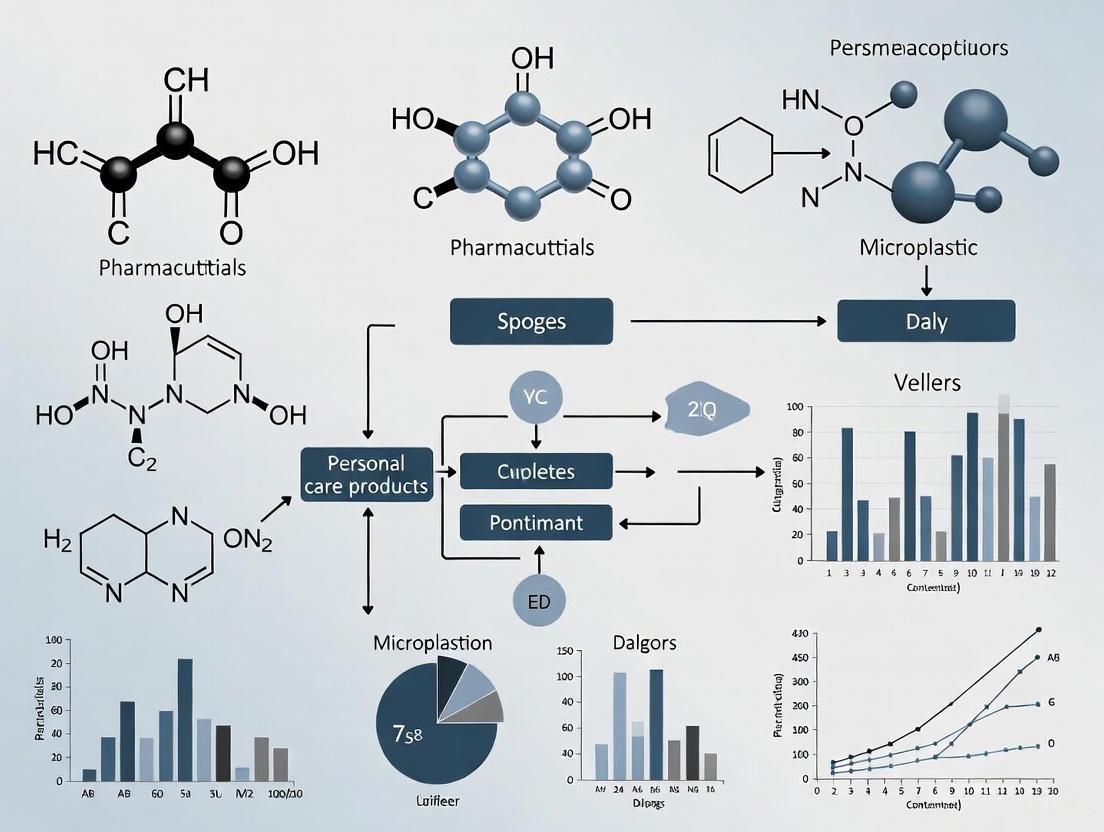
This article addresses critical research gaps at the intersection of data science and emerging contaminants (ECs), a pressing concern for researchers and drug development professionals.
Bridging the Gap: A Data Science Roadmap for Emerging Contaminant Research in Biomedicine
Abstract
This article addresses critical research gaps at the intersection of data science and emerging contaminants (ECs), a pressing concern for researchers and drug development professionals. It explores the foundational challenges of translating complex environmental and biological data into meaningful insights, evaluates advanced machine learning methodologies for EC detection and risk assessment, and identifies common pitfalls like data leakage and inadequate causal inference. The content further examines validation frameworks and comparative analyses of regulatory science, providing a comprehensive roadmap for leveraging data-driven approaches to mitigate the health risks posed by pharmaceuticals, PFAS, and microplastics. The synthesis aims to foster robust, clinically relevant data science applications in environmental health and toxicology.
The Data Landscape: Defining Emerging Contaminants and Foundational Knowledge Gaps
Emerging contaminants (ECs)—primarily pharmaceuticals, per- and polyfluoroalkyl substances (PFAS), and microplastics—represent a pressing global challenge for environmental and human health. Their continuous release, persistence, and complex bioactivity necessitate advanced detection and remediation strategies. This whitepaper provides a technical overview of these contaminants, detailing their sources, environmental fate, and proven analytical methodologies. Furthermore, it frames these issues within the critical context of data science research gaps, highlighting the urgent need for more comprehensive, globally representative data and advanced computational models to fully understand and mitigate the risks these substances pose.
Contaminant Profiles and Environmental Impact
The following table summarizes the core characteristics, primary sources, and key environmental impacts of the three major classes of emerging contaminants.
Table 1: Profile of Major Emerging Contaminants
| Contaminant Class | Core Characteristics | Primary Sources | Key Environmental & Health Impacts |
|---|---|---|---|
| Pharmaceuticals [1] | Bioactive compounds designed to produce biological effects in humans and animals. | Wastewater effluent, agricultural runoff (veterinary medicines), improper disposal [1]. | - Endocrine disruption in aquatic life (e.g., male fish developing female characteristics) [1].- Contribution to antimicrobial resistance (AMR) [1] [2].- Cytotoxic and genotoxic damage to aquatic organisms [1]. |
| PFAS (Forever Chemicals) [3] | Large group of synthetic chemicals; persistent in environment, bioaccumulative [3]. | Firefighting foam (AFFF), industrial sites, food packaging, consumer products (stain-resistant fabrics) [3] [4]. | - Reproductive effects (decreased fertility) [3].- Developmental delays in children [3].- Increased risk of certain cancers (e.g., prostate, kidney) [3].- Reduced immune response [3]. |
| Microplastics [5] [6] | Plastic particles <5 mm in size; highly persistent, can adsorb other pollutants [6]. | Plastic mulch, wastewater sludge, tire wear, breakdown of larger items, atmospheric deposition [6] [7]. | - Ingestion by soil and aquatic fauna, causing physiological harm [6].- Uptake by plants, entering food chain [6].- In humans, linked to cardiovascular risks and potential neurotoxic effects [5] [7].- Alters soil microbial structure and function [6]. |
Analytical Methodologies for Detection and Characterization
Robust experimental protocols are essential for the accurate identification and quantification of emerging contaminants in complex environmental matrices.
Detection of Pharmaceutical Residues
Liquid Chromatography with Tandem Mass Spectrometry (LC-MS/MS) is a cornerstone technique for detecting trace-level pharmaceuticals in water and soil.
- Sample Preparation: Water samples are filtered (0.7 µm glass fiber filter) to remove particulates. Solid samples (soil, sediment) require pressurized liquid extraction (PLE) or solid-liquid extraction. An internal standard (e.g., isotope-labeled analog of the target analyte) is added to correct for matrix effects and losses during preparation.
- Solid Phase Extraction (SPE): Filtered water samples are passed through SPE cartridges (e.g., Oasis HLB) to concentrate and clean up the analytes. Cartridges are conditioned with methanol and reagent water, loaded with sample, dried, and eluted with a solvent like methanol.
- Instrumental Analysis: Extracts are analyzed via LC-MS/MS. Separation is achieved on a reversed-phase C18 column with a gradient of methanol and water, both containing 0.1% formic acid. MS/MS detection operates in Multiple Reaction Monitoring (MRM) mode for high specificity and sensitivity.
- Data Quantification: Quantification is performed using an internal standard calibration curve, comparing the peak area ratio of the analyte to its internal standard.
Analysis of Microplastics
The analysis of microplastics typically involves a combination of visual, spectroscopic, and thermal techniques.
- Sample Digestion & Separation: Environmental samples (water, soil, tissue) undergo digestion in a 30% hydrogen peroxide (H₂O₂) solution to remove organic matter. Density separation (using a saturated sodium chloride, NaCl, solution) is employed to float microplastics away from denser mineral particles.
- Filtration and Identification: The separated particles are filtered onto membrane filters. Visual identification under a stereo-microscope is followed by confirmatory analysis via Fourier-Transform Infrared (FTIR) or Raman spectroscopy. These techniques provide a molecular "fingerprint" to identify the polymer type.
- Mass Quantification: For mass-based concentration, Pyrolysis-Gas Chromatography-Mass Spectrometry (Py-GC/MS) is used, where the polymer is thermally decomposed and the resulting fragments are analyzed to identify and quantify the plastic.
Research Reagent Solutions for EC Analysis
Table 2: Essential Reagents and Materials for Emerging Contaminant Analysis
| Research Reagent / Material | Primary Function in Experimental Protocol |
|---|---|
| Oasis HLB SPE Cartridge | A reversed-phase polymer sorbent for extracting a wide range of polar and non-polar pharmaceuticals and other ECs from water samples [8]. |
| Isotope-Labeled Internal Standards (e.g., ¹³C- or ²H-labeled analogs) | Added to samples prior to extraction to correct for matrix effects and analyte loss during sample preparation; crucial for accurate LC-MS/MS quantification. |
| Hydrogen Peroxide (H₂O₂) | Used in the digestion step of microplastics analysis to remove natural organic matter that would otherwise interfere with spectroscopic identification [6]. |
| Sodium Chloride (NaCl) Solution | Used for density separation to isolate microplastic particles from denser sediment and soil matrices during sample preparation [6]. |
| FTIR Microspectroscopy | A non-destructive analytical technique that identifies the polymer type of microplastic particles by measuring their absorption of infrared light, creating a unique spectral fingerprint [8]. |
The Critical Data Science Research Gap
While laboratory studies are vital, a significant chasm exists between our current data and a holistic understanding of ECs in natural ecosystems. The field of EC data science faces several common and pressing issues [9].
- Global Data Imbalance: There is a severe geographical bias in EC research, with approximately 75% of studies focused on North America and Europe, leaving the Global South drastically underrepresented despite often bearing a higher pollution burden [2]. This imbalance risks developing mitigation strategies that are inappropriate or even detrimental for regions with different pollution profiles and ecosystems [2].
- Methodological and Conceptual Shortcomings: Many data-driven models suffer from data leakage, where information from the test set is inadvertently used during training, leading to over-optimistic and non-generalizable predictions [9]. There is also an over-reliance on laboratory data, which frequently ignores critical real-world factors like matrix effects (e.g., the impact of soil or sediment composition), trace-level concentrations, and complex mixture toxicology [9].
- Insufficient Causal Discovery: The current focus of many models is primarily on prediction. There is a critical need for approaches that can reveal strong causal relationships and underlying mechanisms, moving beyond correlation to true understanding [9]. For PFAS, a key challenge is integrating data from abiotic (water, soil, air) and biotic (living organisms) systems to fully elucidate exposure pathways [10].
The following diagram illustrates the interconnected workflow for studying emerging contaminants, from sample collection to data analysis, and highlights the critical research gaps that currently limit the field.
Pharmaceuticals, PFAS, and microplastics each present unique and persistent threats to environmental and human health. Addressing these threats requires a dual approach: continuing to refine and apply robust analytical protocols for their detection, and simultaneously confronting the significant data science challenges that limit our understanding. Future research must prioritize closing the global data gap, developing models that are both predictive and mechanistically insightful, and fostering integrated research frameworks that connect laboratory findings with complex, real-world ecosystems. Without a concerted effort to address these research gaps, our ability to accurately assess risk and develop effective, equitable mitigation strategies for emerging contaminants will remain critically limited.
The application of data-driven approaches, particularly machine learning, has transformed the study of Emerging Contaminants (ECs) over the past decade. These methods increasingly replace or supplement traditional laboratory studies, leveraging continuously enriched datasets to predict contaminant behavior and risk. However, a significant and critical disconnect persists between computational findings and their actual meaning within natural eco-environmental systems [9]. While numerous reviews have organized knowledge by contaminant type, the fundamental data science challenges common across all EC categories remain insufficiently addressed. This whitepaper identifies the most pressing disconnects between laboratory data and real-world environmental meaning, proposing an integrated research framework to bridge these gaps. The issues span from methodological oversights like data leakage to conceptual challenges in translating simplified models to complex environmental scenarios where matrix effects, trace concentrations, and dynamic conditions dominate contaminant behavior. Without addressing these foundational issues, data science may generate precise yet environmentally irrelevant predictions, necessitating a paradigm shift toward mutual inspiration among computational, experimental, and field-based approaches [9].
Critical Disconnects in Current EC Data Science
Fundamental Data and Modeling Limitations
The table below summarizes the primary data and modeling limitations creating disconnects between laboratory studies and real-world environmental contexts.
Table 1: Key Data and Modeling Limitations in EC Research
| Limitation Category | Specific Challenge | Impact on Real-World Relevance |
|---|---|---|
| Data Quality & Complexity | Complicated biological/ecological data often simplified [9] | Loss of system-level interactions and emergent properties |
| Matrix influence and trace concentrations ignored [9] | Overestimation of bioavailability and effects in natural systems | |
| Modeling Artifacts | Data leakage in model validation [9] | Overly optimistic performance estimates with poor field generalizability |
| Insufficient causal relationships [9] | Accurate predictions without mechanistic understanding for intervention | |
| Scenario Complexity | Oversimplified laboratory conditions [9] | Failure to capture multi-stressor interactions and dynamic exposures |
| Spatial and temporal trends inadequately modeled [9] | Limited predictive capability across ecosystems and time scales |
The Ecological Validity Dilemma in Environmental Science
The fundamental challenge in bridging laboratory findings and environmental meaning mirrors the "real-world or the lab" dilemma long debated in psychological science [11]. This dilemma represents a methodological choice between pursuing generality through traditional controlled laboratory research versus demanding direct generalizability to complex "real-world" environments [11]. In EC research, this manifests as a tension between the controlled conditions necessary for precise measurement and the environmental complexity where these contaminants actually exist.
The concept of "ecological validity" has been widely advocated as a solution to this dilemma, with researchers calling for experiments that more closely resemble real-world conditions [11]. However, this concept remains ill-formed and lacks specificity, often leading to misleading conclusions when vaguely applied [11]. The key misunderstanding lies in conflating experimental realism with generalizability. An environmentally relevant EC study must specifically define the context of contaminant behavior and effects in which it is interested, rather than broadly claiming "real-world" relevance [11].
Critical assumptions underpinning the ecological validity debate include:
- Artificiality vs. Naturality: Laboratory conditions are often deemed "artificial" while field conditions are considered "natural," though most environmental contexts involve anthropogenic influences.
- Simplicity vs. Complexity: Controlled experiments necessarily simplify systems, potentially eliminating crucial interactions that determine EC fate and effects in natural environments [11].
- General vs. Specific Mechanisms: The pursuit of universal principles may overlook context-dependent phenomena that dominate environmental outcomes.
Proposed Integrated Research Framework
Bridging Conceptual and Methodological Divides
An integrated research framework for ECs must connect laboratory studies, computational approaches, and field observations through iterative refinement. The following diagram visualizes this essential tripartite relationship:
Experimental Protocol for Integrated EC Assessment
Bridging laboratory and environmental contexts requires standardized yet flexible methodologies that account for real-world complexity while maintaining scientific rigor. The following protocol outlines an integrated approach for EC assessment:
Phase 1: Contaminant Prioritization & Initial Characterization
- Step 1: Computational Pre-screening: Apply quantitative structure-activity relationship (QSAR) models and cheminformatics approaches to prioritize ECs based on persistence, bioaccumulation potential, and predicted toxicity using existing databases [12].
- Step 2: Analytical Method Development: Establish sensitive detection methods (LC-MS/MS, GC-MS) capable of measuring target ECs at environmentally relevant concentrations (ng/L to μg/L) in complex matrices [9].
- Step 3: Laboratory Toxicity Screening: Conduct standardized acute and chronic toxicity tests using representative organisms (algae, Daphnia, fish) at multiple trophic levels under controlled laboratory conditions.
Phase 2: Environmental Relevance Integration
- Step 4: Matrix Effect Quantification: Evaluate how environmental matrices (natural waters, sediments) modify EC bioavailability and effects through sorption experiments and chemical characterization [9].
- Step 5: Multi-stressor Experimental Designs: Incorporate relevant environmental co-factors (temperature, pH, background contaminants) using factorial designs to assess interactive effects [9].
- Step 6: Metabolomic & Biomarker Profiling: Apply high-throughput omics techniques to identify mechanistic pathways and sensitive biomarkers at environmentally relevant exposures [12].
Phase 3: Model Development & Field Validation
- Step 7: Ensemble Model Development: Build machine learning ensembles that integrate laboratory data with environmental parameters to predict field outcomes, implementing strict train-validation-test splits to prevent data leakage [9].
- Step 8: Mesocosm Validation: Test model predictions in intermediate complexity systems (mesocosms) that bridge laboratory and field conditions [13].
- Step 9: Field Verification: Conduct targeted field sampling and monitoring to validate predictions across spatial and temporal gradients, measuring both EC concentrations and biological effects [9].
Phase 4: Iterative Refinement & Knowledge Integration
- Step 10: Model Updating: Refine computational models based on field observations, with particular attention to spatial and temporal extrapolation capacity [9].
- Step 11: Framework Integration: Incorporate validated findings into regulatory risk assessment frameworks and monitoring programs [12].
Essential Research Toolkit for Integrated EC Studies
The table below details critical reagents, materials, and methodologies required for implementing the proposed integrated research framework.
Table 2: Research Reagent Solutions for Integrated EC Studies
| Tool Category | Specific Items | Function & Application |
|---|---|---|
| Analytical Standards | Stable isotope-labeled EC analogs (e.g., ¹³C-PFAS, d₄-microcystins) | Internal standards for precise quantification in complex matrices via LC-MS/MS |
| Passive Sampling Devices | POCIS (Polar Organic Chemical Integrative Samplers), SPMD (Semipermeable Membrane Devices) | Time-weighted average concentration measurement of ECs in water, porewater, and air |
| Biosensors & Assays | Enzyme-linked immunosorbent assays (ELISAs), Whole-cell bioreporters, CALUX assays | High-throughput screening for specific EC classes and mode-specific toxicity |
| Omics Reagents | RNA/DNA extraction kits (soil, water, tissue), cDNA synthesis kits, PCR/qPCR reagents, Next-gen sequencing library prep kits | Molecular profiling to detect exposure effects and identify mechanisms of action |
| Reference Materials | Certified reference materials (CRMs) for sediments, biota, water; Proficiency testing samples | Quality assurance/quality control for method validation and inter-laboratory comparability |
| Data Science Tools | R/Python ML libraries (scikit-learn, TensorFlow), Molecular descriptor software, Spatial analysis tools (GIS) | Predictive model development, pattern recognition, and spatiotemporal analysis |
Visualization Framework for Enhanced Understanding
Strategic Visualization for Science-Policy Communication
Environmental visualizations serve as powerful framing devices at the science-policy interface, influencing how EC risks are perceived and acted upon by diverse audiences [14]. The production and circulation of visualizations involves multiple framing levels that researchers must consciously address:
Effective visualization for EC communication requires balancing multiple competing demands. Producers must navigate trade-offs between clarity, correctness, and relevance while considering diverse audience perspectives [14]. When visualizations circulate beyond their original context, they frequently undergo modifications—including color adjustments, format changes, and data aggregation—that can introduce contrasting frames and alter their interpretive meaning [14]. This reframing during circulation represents a critical yet often overlooked dimension of environmental visualization that can significantly impact science-policy-society interactions.
Implementation Guidelines for Effective Visualization
Based on analysis of visualization challenges in environmental science [15] [14], the following guidelines ensure effective communication of EC research:
- Inclusive & Accessible Design: Create visualizations understandable by diverse audiences, including marginalized groups, through straightforward visual encodings (bar charts, donut charts) and consideration of color blindness, language barriers, and cultural differences [15].
- Interactive Exploration: Develop interactive visualizations that allow users to explore data, customize experiences, and understand consequences of different scenarios through "what-if" simulations, particularly effective in collaborative decision-making contexts [15].
- In-Situ Presentation: Reduce spatial indirection by presenting data in context, such as displaying local contamination levels on maps of specific watersheds, to enhance relevance and impact [15].
- Transparency & Credibility: Ensure visualizations maintain accuracy and integrity by clearly representing uncertainty, data sources, and methodological approaches to build trust among diverse stakeholders [15] [14].
Addressing the critical disconnects between laboratory data and real-world environmental meaning requires fundamental shifts in how EC research is conceptualized, conducted, and communicated. Moving beyond prediction as the primary objective, data science must increasingly serve to inspire novel scientific questions and guide targeted experimental and field investigations [9]. This mutually reinforcing relationship between computation, mechanism, and observation represents the most promising path toward meaningful understanding and effective management of emerging contaminant risks. The proposed integrated framework—combining rigorous laboratory studies, causally-aware ensemble modeling, and field validation in environmentally relevant contexts—provides a structured approach for bridging current disconnects. Furthermore, conscious attention to visualization design and science-policy communication ensures that insights gained will effectively inform decision-making and collective action on these pressing environmental challenges [15] [14]. As the number of unregulated contaminants continues to grow, exceeding current regulatory frameworks by orders of magnitude [12], such integrative approaches become increasingly essential for proactive environmental protection and public health preservation.
The Complexity of Biological and Ecological Data in Contaminant Research
The study of Emerging Contaminants (ECs) represents a critical frontier in environmental science, driven by the continuous introduction of new chemical and biological agents into global ecosystems [16]. These contaminants—including pharmaceuticals, personal care products, microplastics, per- and polyfluoroalkyl substances (PFAS), and pesticide residues—pose significant threats to environmental and human health through complex biological pathways [2] [17]. The fundamental challenge in EC research lies in the inherent complexity of biological and ecological data, which often reveals significant gaps between laboratory findings and their real-world environmental meaning [18]. This complexity is compounded by the trace concentrations, matrix effects, and complicated exposure scenarios that characterize environmental systems, creating substantial obstacles for accurate risk assessment and effective policy development.
The global data landscape for ECs is further characterized by profound imbalances, with considerably more research available for the Global North compared to the Global South [2]. This disparity risks developing mitigation strategies based on GN pollution profiles that may be inappropriate or even detrimental for GS regions with different contaminant mixtures, ecosystems, and environmental risk factors [2]. Addressing these challenges requires advanced data science approaches that can integrate complex biological and ecological data while acknowledging the global inequities in current research efforts.
Key Complexities in Biological and Ecological Data
Fundamental Data Challenges
Data-driven approaches, including machine learning and ensemble modeling, face significant hurdles when applied to EC research due to several inherent complexities in biological and ecological systems [18]. These challenges stem from the multifaceted nature of environmental contamination and the limitations of current assessment methodologies.
Table 1: Core Data Complexities in Emerging Contaminant Research
| Complexity Factor | Impact on Data Quality | Research Consequences |
|---|---|---|
| Matrix Influence | Interference from complex environmental matrices (soil, sediment, water) | Altered contaminant bioavailability and detection accuracy |
| Trace Concentrations | Contaminants present at near-detection limit levels | Increased analytical uncertainty and potential for false negatives |
| Complex Biological/Ecological Data | Multivariate interactions across biological scales | Difficulty establishing causal relationships from correlative data |
| Data Leakage | Inappropriate preprocessing or validation methods | Overly optimistic model performance that fails in real-world applications |
| Spatiotemporal Variability | Dynamic concentration fluctuations across time and space | Challenges in representative sampling and trend identification |
The presence of ECs in environmental compartments creates particularly complicated data scenarios because these substances were designed to be biologically active at low concentrations [17]. Pharmaceuticals, for instance, are specifically engineered to produce biological effects in vertebrates, and these effects extend to non-target organisms in aquatic and terrestrial ecosystems [17]. This biological potency, combined with environmental persistence and transformation potential, generates data interpretation challenges that exceed those of traditional pollutants.
Global Data Imbalances and Representative Challenges
The current global distribution of EC research creates significant knowledge gaps that hinder comprehensive risk assessment and policy development. Recent analyses indicate that approximately 75% of CECs research has focused on North America and Europe, despite the majority of the global population residing in Asia and Africa [2]. This disparity means that pollution profiles and biological impacts relevant to GS regions may remain undetected or unprioritized, potentially leading to inappropriate interventions based solely on GN data [2]. The consequences of this data imbalance extend beyond scientific understanding to affect global policy and resource allocation for environmental protection.
Advanced Methodologies for Complex Data Interpretation
Effect-Based Ecological Hazard Assessment
Traditional chemical-specific hazard assessment approaches have limitations in capturing the complex biological implications of EC exposures. Recent methodologies have evolved toward effect-based assessments that evaluate multiple hazard categories simultaneously. A 2025 study on the Great Lakes–Upper St. Lawrence River drainage demonstrated this approach by analyzing 21,441 surface water CEC concentrations from 7,162 samples collected at 1,021 sampling sites [17]. The assessment evaluated hazards to fish across 12 distinct effect categories, generating a database of 93,864 hazard scores that provided a more comprehensive biological impact perspective than conventional single-chemical assessments [17].
Table 2: Effect Categories and Hazard Incidence in Fish from CEC Exposure
| Effect Category | Elevated Hazard Incidence | Primary Contaminant Associations |
|---|---|---|
| Reproductive Effects | 39.5% of assessed samples | Endocrine-disrupting chemicals, hormones |
| Developmental Effects | 20.3% of assessed samples | Pharmaceuticals, PFAS |
| Mortality Effects | 20.4% of assessed samples | Pesticides, acute toxicity contaminants |
| Growth Effects | Data Not Specified | Metabolic disruptors |
| Behavioral Effects | Data Not Specified | Neuroactive compounds |
| Endocrine Effects | Data Not Specified | Synthetic hormones, plasticizers |
The ecological hazard assessment methodology employed pairs of screening values to generate contaminant- and effect-specific ordinal hazard scores, creating a more nuanced interpretation framework than traditional quotient-based approaches [17]. This method revealed that the highest hazard levels to fish were broadly distributed and often associated with municipal areas, with mortality, reproductive, and developmental effect categories accounting for 17.5% of high hazard observations [17].
Transcriptomic Data and Mechanistic Network Models
Integrating transcriptomic data with mechanistic network models represents a cutting-edge approach for quantitative biological impact assessment. This methodology leverages hierarchically organized network models to investigate exposure impacts at molecular, pathway, and process levels [19]. The approach provides a coherent framework for interpreting system-wide responses to contaminants by integrating experimental measures with a priori knowledge about biological systems and molecular interactions [19].
Diagram 1: Transcriptomic Data Analysis Workflow
This systems biology-based methodology evaluates biological impact in an objective, systematic, and quantifiable manner, enabling computation of systems-wide and pan-mechanistic biological impact measures for active substances or mixtures [19]. Validation studies using both in vitro systems with simple exposures and in vivo systems with complex exposures have demonstrated the methodology's ability to recapitulate known biological responses matching expected or measured phenotypes [19]. The quantitative results showed agreement with experimental endpoint data for many assessed mechanistic effects, providing objective confirmation of the approach's utility across multiple research contexts.
One Health Perspective and Integrated Approaches
Addressing the complexity of EC impacts requires integrated approaches that recognize the interconnectedness of human, animal, and environmental health. The One Health perspective emphasizes interdisciplinary collaboration to understand and mitigate the impacts of ECs across these domains [16]. This approach acknowledges that emerging contaminants represent a planetary health challenge that cannot be adequately addressed through siloed research paradigms.
Source control and remediation strategies informed by the One Health perspective prioritize the integration of green and benign-by-design principles into production processes to eliminate hazardous materials from global supply chains [16]. Simultaneously, robust and socially equitable environmental policies at regional and international levels are essential for implementing effective contaminant management while acknowledging the disproportionate impacts of pollution on vulnerable communities worldwide [2] [16].
Experimental Protocols and Research Framework
Integrated Research Framework for Complex Data
Conventional laboratory studies often fail to capture the complexity of real-world environmental scenarios where multiple stressors interact across biological scales. An integrated research framework that connects natural field conditions, ecological systems, and large-scale environmental problems is urgently needed to advance EC risk assessment [18]. This framework must bridge the gap between controlled laboratory conditions and environmentally relevant exposure scenarios.
Diagram 2: Integrated Research Framework
The mutual inspiration among data science, process and mechanism models, and laboratory and field research represents a critical direction for future EC research [18]. This integrated approach moves beyond prediction-only purposes to inspire the discovery of fundamental scientific questions about contaminant behavior, biological effects, and ecological consequences across spatial and temporal scales.
Essential Research Reagent Solutions
The implementation of advanced methodologies for EC research requires specialized reagents and materials designed to address the challenges of complex biological and ecological data. These research tools enable more accurate detection, analysis, and interpretation of contaminant effects across biological scales.
Table 3: Essential Research Reagents and Materials for EC Studies
| Research Reagent/Material | Function in EC Research | Application Context |
|---|---|---|
| Transcriptomic Analysis Kits | Genome-wide expression profiling | Mechanistic network model development [19] |
| Effect-Specific Bioassays | Targeted hazard assessment | Ecological hazard screening across multiple effect categories [17] |
| Passive Sampling Devices | Time-integrated contaminant concentration measurement | Field deployment for representative exposure assessment [17] |
| Isotopic Tracers (13C/12C) | Carbon flux quantification in metabolic studies | Tracking contaminant fate and transformation in biological systems [20] |
| High-Throughput Screening Assays | Rapid in vitro bioactivity assessment | Priority setting and initial hazard identification [19] |
These research reagents and materials facilitate the generation of high-quality data necessary for understanding complex biological responses to EC exposures. Their appropriate application within integrated research frameworks strengthens the connection between laboratory findings and environmental relevance, ultimately supporting more accurate risk assessment and evidence-based policy development.
Future Directions and Research Priorities
Addressing the complexity of biological and ecological data in contaminant research requires strategic advances in multiple domains. Future research should prioritize the development of ensemble models that reveal mechanisms and spatiotemporal trends with strong causal relationships and without data leakage [18]. Particular attention must be paid to the matrix influence, trace concentration, and complex exposure scenarios that have often been neglected in previous research efforts.
The global data imbalance in EC research represents both an ethical and scientific challenge that must be addressed through equitable international collaborations [2]. Meaningfully including Indigenous Peoples and local communities in research design, implementation, and knowledge co-production is essential for developing representative global data and effective governance frameworks [2]. This inclusion is not merely a matter of social justice but a scientific necessity for creating comprehensive understanding of EC impacts across diverse ecosystems and cultural contexts.
Future methodological developments should also focus on enhancing causal inference capabilities in ecological risk assessment, moving beyond correlative relationships to establish mechanistic understanding of contaminant effects across biological scales. The integration of novel data streams from remote sensing, citizen science, and automated monitoring technologies offers promising avenues for capturing the spatiotemporal complexity of EC exposure and effects in natural systems.
Key Unmet Needs in EC Data Sourcing, Standardization, and Annotation
The data science pipeline for emerging contaminants (ECs) is fraught with critical challenges that hinder effective risk assessment and regulatory action. This whitepaper delineates the key unmet needs in sourcing, standardizing, and annotating EC data. We identify the proliferation of novel chemicals and their transformation products as a fundamental blind spot in data sourcing, a lack of cohesive standards for data integration, and the resource intensity of manual data annotation as primary bottlenecks. The analysis is framed within the context of advancing sustainable chemistry and protecting public health, providing researchers and drug development professionals with a detailed examination of these research gaps and proposing structured methodologies to address them.
Emerging contaminants (ECs), such as per- and polyfluoroalkyl substances (PFAS), pharmaceuticals, and halogenated flame retardants, represent a significant and growing challenge for environmental chemistry and public health [21]. The number of synthetic chemicals and products being used and produced that can contaminate the environment during their lifecycle has risen dramatically over the past 30 years [21]. Effective data science is critical for understanding the environmental fate, transport, and biological impact of these substances. However, the entire data lifecycle for ECs—from initial sourcing to final annotation—is plagued by systemic unmet needs that create critical research gaps. This whitepaper provides an in-depth technical analysis of these gaps, focusing on data sourcing, standardization, and annotation, and offers actionable experimental protocols and resources for the scientific community.
Unmet Needs in EC Data Sourcing
Data sourcing for ECs is fundamentally complicated by the vast and dynamic nature of the chemical universe and significant monitoring disparities.
The "Blind Spot" of Novel and Transformation Products
A primary challenge is the sheer volume of chemicals and their potential transformation products. Over 10,000 synthetic chemicals are used in plastic products alone, with hundreds of thousands more employed across other industries [21]. Standard analytical techniques, such as non-targeted analysis using high-resolution mass spectrometry, often fail to identify novel compounds or, more critically, the products formed when a parent chemical transforms in the environment. Some pharmaceuticals, PFASs, and other chemicals can transform into even more problematic compounds, but it is hard to identify these transformation products using standard approaches [21]. This creates a significant blind spot, as the environmental and health impacts of these transformation products may be greater than the original substance.
Disparate Monitoring and Funding Gaps
The infrastructure for monitoring ECs is inconsistent, particularly in small or disadvantaged communities. While the U.S. EPA's Emerging Contaminants in Small or Disadvantaged Communities (EC-SDC) grant program provides funding to address this—with a $945.7 million appropriation for FY 2025 [22]—the allocation and focus may not fully address the global scale and diversity of ECs. The grant program focuses heavily on PFAS in drinking water and contaminants on EPA's Contaminant Candidate Lists [23], potentially leaving other critical ECs under-monitored. This results in geographically and chemically skewed datasets that are not representative of the true global burden of EC contamination.
Table 1: Key Unmet Data Sourcing Needs and Their Implications
| Unmet Need | Description | Research Consequence |
|---|---|---|
| Transformation Product Identification | Inability to rapidly identify and source data on environmental and biological transformation products of ECs. | Incomplete risk assessments; underestimation of chemical persistence and toxicity. |
| Global Monitoring Inequity | Lack of consistent, harmonized monitoring data, especially from disadvantaged communities and developing nations. | Skewed datasets that do not represent true exposure landscapes, leading to environmental injustice. |
| Funding and Resource Allocation | EPA funding, while substantial, is non-competitively awarded to states/territories and may not target the most pressing research gaps [23]. | Critical data gaps remain unfilled if state-level priorities do not align with overarching scientific needs. |
Unmet Needs in EC Data Standardization
Without robust standardization, data from different sources cannot be integrated, compared, or meaningfully interpreted, crippling large-scale analysis.
Inconsistent Terminology and Data Structures
Research in network visualization has highlighted a fundamental challenge: a lack of clarification and uniformity between the terminology used across different surveys and databases [24]. For example, in dynamic network visualization, the concept of juxtaposition has been referred to as "small multiples," "static flipbooks," or "visualization of multiple timeslices" [24]. This problem is mirrored in EC research, where the same chemical may have multiple identifiers, and key properties may be defined and measured differently across studies. This inconsistency makes it nearly impossible to automatically merge datasets or perform meta-analyses.
Lack of a Unified Data Ecosystem
The absence of a centralized, curated repository for EC data that enforces common standards is a major impediment. Data exists in silos—regulatory data from the EPA, experimental data from academic journals, and monitoring data from various national and local programs. Integrating these disparate datasets requires significant manual effort due to incompatible formats and a lack of universal metadata descriptors. This prevents the formation of a comprehensive "network" of EC data where relationships between chemical structure, environmental fate, and biological activity can be easily visualized and analyzed [25] [24].
Diagram 1: Data Standardization Workflow
Unmet Needs in EC Data Annotation
Data annotation—the process of enriching raw data with labels, tags, or markers—is vital for training machine learning (ML) models to interpret EC data, but it faces significant scalability and quality challenges [26].
Resource Intensity and Scalability
Annotation is a resource-intensive operation, making it expensive and time-consuming, which creates pressure on project budgets and timelines [26]. This is particularly acute for complex EC data types, such as 3D point clouds from environmental sensors or mass spectrometry spectra. The demand for high-quality annotated data is soaring, with the annotation market expected to grow at a CAGR of 26.5% from 2023 to 2030 [26]. This growth underscores the need for more efficient annotation methodologies to keep pace with the volume of data being generated.
Ambiguity and Annotator Bias
When data exhibits unclear or multiple interpretations, it confuses annotators, increasing the chances of incorrect label assignment [26]. For example, classifying the toxicity of a novel transformation product based on its chemical structure can be highly subjective. Furthermore, the personal opinions, perspectives, or judgments of individuals labeling the data can introduce annotator bias, leading to inconsistent or skewed annotations that detrimentally affect model performance and generalization [26].
The Promise of AI-Assisted Annotation
A key trend to address these challenges is the rise of AI-assisted data annotation with human oversight. By 2025, AI-assisted annotation tools will collaborate more with human experts to guarantee that annotations adhere to high standards, particularly in sensitive areas [27]. This human-in-the-loop (HITL) approach is essential for maintaining accuracy while improving scalability. Furthermore, generative AI models, such as GANs (Generative Adversarial Networks), show promise for synthetic data generation, which can decrease the need for extensive manual annotation, especially in scenarios where collecting real-world data is difficult [27].
Table 2: Data Annotation Techniques and Applications for ECs
| Annotation Type | Description | Relevant EC Data Application |
|---|---|---|
| Semantic Segmentation | Assigns a class label to every pixel in an image. | Analyzing microscopic images to identify microplastic particles in environmental samples. |
| Time Series Annotation | Labels data points in a sequence over time. | Tracking the fluctuation of pharmaceutical concentrations in wastewater effluent. |
| 3D Point Cloud Annotation | Labels individual points in a 3D space. | Interpreting LIDAR or sensor data for modeling contaminant dispersion in a landscape. |
| Text Annotation | Tags specific text in documents for NLP. | Extracting EC information and their properties from scientific literature and regulatory documents. |
Diagram 2: AI-Human Annotation Workflow
Experimental Protocols for Addressing Key Gaps
This section provides a detailed methodology for an experiment aimed at tackling the critical unmet need of identifying transformation products.
Protocol: High-Throughput Identification of EC Transformation Products
Objective: To experimentally and computationally predict and validate the environmental transformation products of a target EC.
1. Sample Preparation and Stressor Exposure:
- Reagents: Prepare a 10 ppm stock solution of the target EC in relevant matrices (e.g., purified water, simulated sunlight). The pH should be adjusted to cover a environmentally relevant range (e.g., 5.5, 7.0, 8.5).
- Stressors: Expose aliquots of the stock solution to various environmental stressors in controlled reactors:
- Photolysis: Using a solar simulator (e.g., Xenon arc lamp).
- Hydrolysis: At different pH levels and temperatures.
- Biodegradation: Using inoculum from activated sludge or river water.
- Controls: Include dark controls and sterile controls for each matrix.
2. High-Resolution Mass Spectrometry (HRMS) Analysis:
- Instrumentation: Use a Liquid Chromatography (LC) system coupled to a high-resolution mass spectrometer (e.g., Q-TOF or Orbitrap).
- Chromatography: Employ a C18 column with a water/acetonitrile gradient mobile phase.
- Data Acquisition: Run in full-scan MS mode (e.g., m/z 50-1000) with data-dependent MS/MS acquisition for fragmentation.
3. Computational Data Processing and Network Analysis:
- Software: Use Python with libraries such as
networkx[25] orpython-igraph[25] to construct a chemical reaction network. - Workflow: a. Peak Picking: Use algorithms (e.g., XCMS) to extract all chromatographic peaks from HRMS data. b. Molecular Formula Assignment: Assign potential formulas to the parent EC and all detected peaks. c. Network Construction: Create a network where nodes are assigned molecular formulas (potential chemicals) and edges represent plausible biochemical or photochemical transformations (e.g., +O, -H2, +OH, -CH2). d. Propagation: Start from the node of the parent EC and propagate through the network using a set of reaction rules to connect to experimentally detected nodes (transformation products).
4. Validation:
- MS/MS Fragmentation: Compare the experimental MS/MS spectra of tentatively identified transformation products with those of authentic standards or in-silico predicted spectra.
- Quantification: If standards are available, perform quantitative analysis to determine reaction kinetics.
Table 3: The Scientist's Toolkit for Transformation Product Research
| Research Reagent / Tool | Function / Explanation |
|---|---|
| High-Resolution Mass Spectrometer (HRMS) | The core analytical instrument for accurately determining the mass of unknown compounds and their fragments, enabling formula prediction. |
| LC-Q-TOF or LC-Orbitrap | Specific HRMS configurations that combine separation power (LC) with high mass accuracy and fragmentation capability, ideal for non-target analysis. |
| Solar Simulator Reactor | A controlled system that exposes chemical solutions to simulated sunlight, allowing for the study of photodegradation pathways. |
Python with networkx/igraph |
Programming libraries essential for creating, manipulating, and analyzing the complex networks of chemicals and their transformation relationships [25]. |
| Authentic Chemical Standards | Commercially available pure samples of suspected transformation products; critical for confirming identifications and quantifying formation yields. |
The data science landscape for emerging contaminants is defined by profound unmet needs that stymie research and regulatory progress. The blind spots in sourcing data on novel chemicals and their transformation products, the Tower of Babel-like confusion in data standardization, and the scalability crisis in data annotation represent a triad of interconnected challenges. Addressing these gaps requires a concerted effort that combines advanced computational and high-throughput experimental methods, as outlined in this whitepaper. The adoption of AI-assisted workflows, the development and enforcement of common data standards, and a focus on predictive environmental chemistry are no longer optional but essential for building a sustainable and effective defense against the risks posed by emerging contaminants.
Advanced Analytical Tools: Machine Learning and Sensing Technologies for EC Discovery
Leveraging Machine Learning for EC Risk Prediction and Exposure Modeling
The rapid proliferation of emerging contaminants (ECs)—including pharmaceuticals, personal care products, per- and polyfluoroalkyl substances (PFAS), and microplastics—has created unprecedented challenges for environmental risk assessment. Traditional toxicological approaches, reliant on laboratory studies and linear models, are increasingly inadequate for characterizing the complex behavior and health impacts of these substances across diverse environmental matrices. In this context, machine learning (ML) has emerged as a transformative methodology, enabling researchers to decode complex, high-dimensional relationships between contaminant properties, environmental variables, and biological effects that elude conventional analytical frameworks [28] [9]. The integration of artificial intelligence into environmental chemistry represents a paradigm shift from observation-based to prediction-driven science, offering powerful tools for forecasting contaminant fate, bioavailability, and potential health risks.
Despite this promise, significant research gaps impede the full realization of ML's potential in EC risk assessment. Current studies exhibit substantial geographic imbalances, with China dominating research output (82.1% of 28 major studies on plant uptake) while Africa remains critically underrepresented despite prevalent contamination issues [29]. Furthermore, models frequently prioritize predictive accuracy over mechanistic interpretability, suffer from data leakage issues in validation protocols, and struggle with the "trace concentration and complex scenario" problem inherent to real-world EC exposure [9]. This technical review examines state-of-the-art ML applications in EC risk prediction and exposure modeling, with particular emphasis on bridging these methodological gaps through standardized workflows, explainable AI, and ecological validity enhancements.
Current Landscape of ML Applications in EC Research
Dominant ML Algorithms and Performance Characteristics
ML applications in environmental chemistry have experienced exponential growth since 2015, with publication output surging from fewer than 25 papers annually pre-2015 to over 719 publications in 2024 alone [28]. This expansion reflects a fundamental shift in methodological approaches toward data-driven discovery. Ensemble methods currently dominate the research landscape, with Random Forest (RF) and eXtreme Gradient Boosting (XGBoost) emerging as the most frequently cited algorithms due to their robust performance across diverse prediction tasks [29] [28]. These algorithms excel at handling high-dimensional, nonlinear data structures characteristic of environmental chemical mixtures while providing intrinsic feature importance metrics that aid model interpretation.
Deep learning architectures—including Deep Neural Networks (DNNs), Recurrent Neural Networks (RNNs), and Long Short-Term Memory (LSTM) networks—increasingly complement traditional ML approaches, particularly for temporal forecasting of contaminant transport and spatial mapping of contamination hotspots [29]. The performance superiority of these ML approaches over traditional statistical models is particularly evident in complex prediction tasks such as plant uptake of contaminants, where ML models consistently demonstrate enhanced predictive accuracy for bioaccumulation factors across diverse plant species and contaminant classes [29].
Table 1: Dominant Machine Learning Algorithms in EC Research
| Algorithm Category | Specific Models | Primary Applications | Key Advantages |
|---|---|---|---|
| Ensemble Methods | Random Forest, XGBoost, Gradient Boosting | Contaminant classification, concentration prediction, risk assessment | Handles nonlinear relationships, provides feature importance, robust to outliers |
| Deep Learning | Deep Neural Networks, Recurrent Neural Networks, LSTM | Temporal forecasting, spatial mapping, high-dimensional pattern recognition | Captures complex temporal and spatial dependencies, automatic feature learning |
| Interpretable ML | SHAP, LIME, Bayesian Networks | Mechanism elucidation, regulatory decision support, risk communication | Model transparency, quantifies feature contributions, supports causal inference |
| Traditional Classifiers | SVM, Logistic Regression, k-NN | Binary classification tasks, preliminary feature screening | Computational efficiency, simplicity, strong theoretical foundations |
Key Predictors for EC Exposure and Risk Modeling
Meta-analyses of ML applications reveal consistent patterns in feature importance across diverse prediction tasks. For plant uptake modeling, soil properties (particularly pH and organic matter content), compound-specific characteristics (logKow, molecular weight), and plant physiological traits emerge as the most influential predictors [29]. Similarly, in soil contamination studies of potentially toxic elements (PTEs), ML models identify soil pH, organic matter, industrial activities, and soil texture as critical variables enhancing prediction accuracy for spatial distribution and source identification [30].
The transition from single-contaminant to mixture exposure modeling represents a particularly advanced application of ML in environmental health. Studies predicting depression risk from environmental chemical mixtures have successfully identified serum cadmium and cesium, along with urinary 2-hydroxyfluorene, as the most influential predictors among 52 candidate ECMs, achieving exceptional predictive performance (AUC: 0.967) [31]. These findings highlight ML's capacity to decipher complex exposure-response relationships that traditional epidemiological approaches frequently miss due to their limitations in handling high-dimensional, correlated exposures.
Table 2: Key Predictive Features in ML Models for EC Risk Assessment
| Feature Category | Specific Variables | Influence on EC Behavior | Data Sources |
|---|---|---|---|
| Compound Properties | logKow, molecular weight, solubility, volatility | Determines environmental partitioning, bioavailability, and mobility | QSAR databases, laboratory measurements, chemical registries |
| Environmental Parameters | Soil pH, organic matter, temperature, dissolved oxygen | Modifies degradation rates, bioavailability, and transformation pathways | Field sensors, remote sensing, laboratory analysis |
| Biological Factors | Species traits, metabolic capacity, tissue type | Influences uptake, biotransformation, and trophic transfer | Ecological databases, -omics technologies, laboratory studies |
| Anthropogenic Drivers | Industrial discharges, land use, infrastructure age | Determines contamination sources, magnitude, and spatial patterns | Census data, permits, satellite imagery, utility records |
Experimental Protocols and Methodological Frameworks
Integrated Workflow for ML-Assisted EC Source Identification
The integration of non-target analysis (NTA) with machine learning represents a cutting-edge approach for contaminant source identification, employing a systematic four-stage workflow that transforms raw analytical data into actionable environmental insights [32]. This framework addresses the critical challenge of linking complex chemical signatures to specific contamination sources in heterogeneous environmental systems.
Figure 1: ML-Assisted Non-Target Analysis Workflow for EC Source Identification.
Stage (i): Sample Treatment and Extraction requires careful optimization to balance selectivity and sensitivity. Solid-phase extraction (SPE) remains the cornerstone technique, with multi-sorbent strategies (e.g., Oasis HLB with ISOLUTE ENV+) expanding contaminant coverage across diverse physicochemical properties [32]. Green extraction techniques like QuEChERS, microwave-assisted extraction (MAE), and supercritical fluid extraction (SFE) have gained prominence for large-scale environmental samples due to reduced solvent consumption and processing time while maintaining comprehensive analyte recovery.
Stage (ii): Data Generation and Acquisition relies on high-resolution mass spectrometry (HRMS) platforms, including quadrupole time-of-flight (Q-TOF) and Orbitrap systems, typically coupled with liquid or gas chromatographic separation (LC/GC). The critical data processing steps include centroiding, extracted ion chromatogram (EIC/XIC) analysis, peak detection, alignment, and componentization to group related spectral features into molecular entities [32]. Quality assurance measures—particularly confidence-level assignments (Levels 1-5) and batch-specific quality control samples—ensure data integrity for subsequent ML analysis.
Stage (iii): ML-Oriented Data Processing transforms raw HRMS data into interpretable patterns through sequential computational steps. Initial preprocessing addresses data quality through noise filtering, missing value imputation (e.g., k-nearest neighbors), and normalization to mitigate batch effects [32]. Dimensionality reduction techniques like principal component analysis (PCA) and t-SNE simplify high-dimensional data, while clustering methods (hierarchical cluster analysis, k-means) group samples by chemical similarity. Supervised ML models, including Random Forest and Support Vector Classifiers, are then trained on labeled datasets to classify contamination sources, with feature selection algorithms optimizing model accuracy and interpretability.
Stage (iv): Result Validation employs a three-tiered approach to ensure analytical and environmental relevance. First, analytical confidence is verified using certified reference materials or spectral library matches. Second, model generalizability is assessed through external dataset validation and cross-validation techniques. Finally, environmental plausibility checks correlate model predictions with contextual data like geospatial proximity to emission sources or known source-specific chemical markers [32].
Interpretable ML Framework for Health Risk Assessment
The application of interpretable ML for linking environmental chemical mixtures to health endpoints represents a methodological advancement beyond traditional epidemiological approaches. A validated protocol for depression risk prediction from ECMs demonstrates this approach [31]:
Participant Selection and Data Preparation: The study analyzed data from 1,333 adults from NHANES 2011-2016 cycles, with depression assessed via PHQ-9 scores (score ≥10 indicating depression). Five categories of environmental chemicals were measured: polycyclic aromatic hydrocarbons (PAHs), metals, per- and polyfluoroalkyl substances (PFAS), phthalate esters (PAEs), and phenols. Urinary creatinine levels corrected for dilution, and concentrations were natural logarithm-transformed to achieve normality.
Feature Selection with Recursive Feature Elimination: To optimize prediction from high-dimensional data, researchers applied Recursive Feature Elimination (RFE) with 10-fold cross-validation. Initially, 84 features (52 chemical exposure variables and 32 demographic/clinical covariates) were considered. RFE with Random Forest evaluated feature subset sizes of 5, 10, and 15, using both general control functions and RF-specific controls. The process was integrated within a bootstrap framework to validate feature selection consistency across resampled datasets.
Model Training and Evaluation: Nine supervised ML algorithms were evaluated: Neural Network (NN), Multilayer Perceptron (MLP), Gradient Boosting Machine (GBM), AdaBoost, XGBoost, Random Forest (RF), Decision Tree (DT), Support Vector Machine (SVM), and Logistic Regression (LR). Models were trained using 10-fold cross-validation with stratified sampling to maintain class distribution. The Random Forest model demonstrated superior performance (AUC: 0.967, F1 score: 0.91) in predicting depression risk from ECM exposures.
Model Interpretation and Mediation Analysis: SHapley Additive exPlanations (SHAP) quantified the relative contribution of individual predictors, identifying serum cadmium and cesium, and urinary 2-hydroxyfluorene as the most influential predictors. Mediation network analysis further implicated oxidative stress and inflammation as crucial pathways linking ECMs to depression, providing mechanistic plausibility to the statistical associations [31].
Table 3: Essential Research Reagents and Computational Resources for ML-EC Studies
| Category | Item | Specification/Purpose | Application Examples |
|---|---|---|---|
| Analytical Standards | Certified Reference Materials (CRMs) | Verify compound identities, validate quantitative analysis | PFAS mixtures, metal solutions, pesticide panels |
| Extraction Materials | Solid-Phase Extraction Cartridges | Multi-sorbent strategies for broad-spectrum extraction | Oasis HLB, ISOLUTE ENV+, Strata WAX/WCX |
| Chromatography | LC/GC Columns | High-resolution separation prior to MS detection | C18 columns, HILIC columns, chiral columns |
| Mass Spectrometry | HRMS Instruments | Structural elucidation, non-target analysis | Q-TOF, Orbitrap systems with LC/GC coupling |
| ML Libraries | Python/R Packages | Model development, validation, and interpretation | Scikit-learn, XGBoost, SHAP, TensorFlow |
| Environmental Data | Geospatial Covariates | Enhance spatial prediction accuracy | Soil pH, organic matter, land use, climate data |
Visualization Framework for ML-EC Model Interpretation
Explainable AI Workflow for Environmental Mixture Risk Assessment
The black-box nature of complex ML models presents significant challenges for regulatory acceptance and scientific interpretation. Explainable AI (XAI) methods address this limitation by elucidating the reasoning behind model predictions, thereby building trust and facilitating mechanistic insights [31] [33].
Figure 2: Explainable AI Workflow for Environmental Mixture Risk Assessment.
The visualization framework illustrates the sequential process from raw exposure data to biological mechanism elucidation. Machine Learning Model Training begins with comprehensive data preprocessing, including handling missing values, normalization, and feature engineering specific to environmental chemical data [31]. Feature selection techniques, particularly Recursive Feature Elimination with cross-validation, identify the most informative subset of contaminants from complex mixtures. Model training incorporates rigorous cross-validation protocols to prevent overfitting and ensure generalizability.
Explainable AI Methods form the core of model interpretation. SHapley Additive exPlanations (SHAP) quantifies the marginal contribution of each chemical to the predicted risk, while Local Interpretable Model-agnostic Explanations (LIME) provides localized explanations for individual predictions [31] [33]. Partial Dependence Plots visualize the relationship between specific chemical concentrations and health risk while accounting for the average effect of all other chemicals in the mixture.
Mechanistic Validation bridges statistical associations with biological plausibility. Mediation analysis identifies intermediate biological pathways linking chemical exposures to health outcomes, while pathway enrichment tests determine whether chemicals associated with risk predictions target specific biological processes [31]. Biomarker correlation analyses substantiate model findings by examining relationships between identified priority chemicals and established biomarkers of effect.
Research Gaps and Future Directions
Despite rapid methodological advances, significant research gaps persist in the application of ML for EC risk prediction. Geographic representation remains heavily skewed, with China dominating research output (82.1% of plant uptake studies) while Africa is critically underrepresented despite documented contamination issues [29]. This imbalance risks developing models with limited transferability to diverse ecological and socioeconomic contexts. Future efforts should prioritize global data collection initiatives and transfer learning approaches to enhance model generalizability.
The interpretability-transparency gap represents another critical challenge. While complex ensemble and deep learning models often achieve superior predictive performance, their black-box nature complicates regulatory acceptance and mechanistic understanding [9] [32]. The integration of explainable AI techniques like SHAP represents significant progress, but further methodological development is needed to establish causal relationships rather than correlational patterns. Future research should prioritize hybrid approaches that couple ML's predictive power with process-based models' mechanistic foundations.
The data quality and standardization gap undermines model reproducibility and comparability across studies. Inconsistent feature reporting, limited data availability, and underexplored uncertainty-sensitivity coupling present substantial barriers to operationalizing ML approaches for regulatory decision-making [29] [9]. Concerted efforts to develop standardized databases, reporting frameworks, and benchmark datasets would substantially advance the field.
Finally, the translational gap between model predictions and actionable interventions remains largely unbridged. While ML excels at identifying contamination patterns and predicting risk, translating these insights into targeted remediation strategies, early warning systems, and evidence-based policies requires stronger collaboration between data scientists, environmental chemists, and public health professionals [33] [32]. Future work should focus on developing decision-support tools that integrate ML predictions with cost-benefit analyses and intervention planning frameworks to maximize public health impact.
The study of emerging contaminants (ECs) is pivotal for environmental and public health, yet it is hampered by significant research gaps that limit our understanding of their full impact. Contaminants of emerging concern (CECs)—including pharmaceuticals, microplastics, per- and polyfluoroalkyl substances (PFAS), and antibiotic resistance genes—are ubiquitously present in the environment but remain critically under-characterized [2] [34]. A profound global data imbalance exists, with approximately 75% of CEC research focusing on North America and Europe, despite the majority of the world's population residing in Asia and Africa [2]. This geographical bias results in strategies that may be inappropriate or even detrimental for regions with different pollution profiles and environmental risks [2].
The core challenge extends beyond mere detection. Traditional laboratory methods, such as gas chromatography and high-performance liquid chromatography, are expensive (equipment can cost up to $100,000), time-consuming, and ill-suited for capturing the dynamic nature of ECs in complex environmental matrices [35] [34]. Furthermore, current research often overlooks complex scenarios including synergistic effects of contaminant mixtures, transgenerational impacts, and the influence of matrix effects at trace concentrations [9] [18] [34]. To bridge these gaps, the integration of advanced sensors with real-time detection platforms represents a paradigm shift, enabling a more comprehensive, accurate, and globally representative understanding of ECs.
Core Technologies in Advanced Sensor Platforms
Advanced sensor systems are revolutionizing environmental monitoring by moving from periodic, lab-based sampling to continuous, in-field analysis. These platforms leverage a variety of technological principles to achieve high sensitivity and specificity for ECs.
Biosensor Architectures and Mechanisms
Biosensors integrate a biological recognition element (e.g., enzymes, antibodies, whole cells, or nucleic acids) with a physicochemical transducer that converts the biological response into a quantifiable signal [35]. They are broadly classified based on their transduction principle:
- Optical Biosensors: Measure changes in light properties (absorbance, fluorescence, luminescence) resulting from the interaction between the bioreceptor and the target analyte. For example, a paper-based, cell-free biosensor utilizing allosteric transcription factors (aTFs) has been developed for detecting Hg²⁺ and Pb²⁺ in water with limits of detection (LOD) of 0.5 nM and 0.1 nM, respectively [35].
- Electrochemical Biosensors: Detect electrical changes (current, potential, or impedance) caused by biochemical reactions. Amperometric, enzyme-based biosensors have been used to identify polybrominated diphenyl ethers (PBDEs) in landfill leachates with an LOD as low as 0.014 μg/L [35].
- Piezoelectric Biosensors: Rely on the measurement of mass changes on a crystal surface, which alters its vibrational frequency [35].
The performance of these biosensors is significantly enhanced by the integration of nanomaterials and hybrid designs. Nanomaterials such as gold nanoparticles, graphene, and carbon nanotubes boost sensitivity and functional efficiency by providing a large surface area for bioreceptor immobilization and enhancing signal transduction [35].
Commercially Deployed Sensor Systems
Beyond laboratory biosensors, robust commercial systems are being deployed for continuous environmental monitoring. These platforms demonstrate the practical application of sensor technology in real-world conditions:
- UviTec Water Quality Monitoring Platform: This system uses optical sensors and sophisticated analytics to measure key parameters like biochemical oxygen demand (BOD) and chemical oxygen demand (COD) in just five seconds, a significant advantage over traditional lab-based methods that can take days [36].
- Real-time Bacteria Sensor for Water: A state-of-the-art, fully automatic device designed for instantaneous detection of bacterial contamination across various water systems, from drinking water to industrial ultra-pure water, without the need for skilled personnel [37].
- ABB's MobileGuard: A laser-based system that detects gas leaks from oil and gas infrastructure with a sensitivity over 1,000 times higher than conventional technologies and can identify single parts per billion (ppb) of methane and ethane ten times faster than traditional equipment [36].
Experimental Protocols for Sensor Deployment and Validation
The successful implementation of advanced monitoring platforms requires rigorous methodologies. The following protocols outline the key steps for deploying and validating sensor systems for EC detection.
Protocol 1: Deployment of a Real-Time Water Quality Monitoring Station
Objective: To establish a continuous, in-situ monitoring station for detecting emerging water contaminants (e.g., pharmaceuticals, microplastics) in a water body. Materials: Optical sensor platform (e.g., UviTec), flowmeter (e.g., AquaMaster), data logger, power supply (solar or grid), programmable auto-sampler, IoT communication module, calibration standards. Procedure:
- Site Selection: Identify a location representative of the water body, considering flow dynamics, potential contamination sources, and accessibility for maintenance.
- Sensor Calibration: Prior to deployment, calibrate all sensors according to manufacturer specifications using a series of standard solutions spanning the expected concentration range of target contaminants.
- System Integration and Installation: Securely mount the sensor suite and flowmeter in the water. Connect the sensors to the data logger and power supply. Install the auto-sampler programmed to collect discrete water samples triggered by specific events (e.g., a spike in a sensor reading or a scheduled time).
- Data Acquisition and Transmission: Configure the data logger to record measurements at pre-set intervals (e.g., every 5 seconds to 15 minutes). The IoT module transmits this data in real-time to a cloud-based platform for remote access and analysis [38] [39].
- Validation and Maintenance: Regularly validate sensor accuracy by comparing real-time data with laboratory analysis of the auto-collected discrete samples. Perform routine maintenance (e.g., cleaning optical windows, replacing membranes) as per the manufacturer's schedule to prevent biofouling and drift.
Protocol 2: Field Validation of an AI-Enhanced Biosensor Array
Objective: To validate the performance of a multi-analyte biosensor array against standard analytical methods in a complex environmental matrix. Materials: Biosensor array (e.g., electrochemical or optical), reference samples (with known analyte concentrations), portable potentiostat/spectrometer (if required), sampling equipment, AI/ML analytics platform. Procedure:
- Pre-Field Laboratory Testing: Characterize the biosensor's sensitivity, selectivity, and LOD for each target EC in a controlled laboratory setting using spiked buffer solutions.
- Field Sampling Campaign: Collect a statistically significant number of environmental samples (water, soil leachate) from various sites. Simultaneously, deploy the biosensor array for in-situ measurement at each site.
- Parallel Analysis: Split each field sample: one portion is analyzed immediately with the biosensor array, and another is preserved and transported to an accredited laboratory for analysis using standard methods (e.g., LC-MS/MS).
- Data Analysis and Model Training: The data from the biosensor and reference lab are used to train and validate machine learning models. These models are designed to compensate for matrix effects and improve the prediction of actual contaminant concentrations from the biosensor's complex signal output [9] [39].
- Performance Metrics Calculation: Calculate key performance metrics such as accuracy (compared to lab results), precision (repeatability), and the correlation coefficient (R²) to quantify the biosensor's field performance.
The workflow for developing and validating such an integrated monitoring system is complex and involves multiple interconnected stages, as visualized below.
Integrated Workflow for Advanced Environmental Monitoring
The Scientist's Toolkit: Essential Research Reagents and Materials
The development and operation of advanced sensor platforms rely on a suite of specialized reagents and materials. The following table details key components and their functions in the context of environmental monitoring for ECs.
Table 1: Research Reagent Solutions for Sensor Development and Environmental Monitoring
| Item | Function in Research/Application | Example Use Case |
|---|---|---|
| Biological Recognition Elements | Provides specificity for target analyte binding. | Enzymes (e.g., laccase for phenol detection), aptamers, allosteric transcription factors (aTFs), whole cells (e.g., engineered E. coli) [35]. |
| Nanomaterials | Enhances signal transduction and sensor sensitivity. | Gold nanoparticles, graphene, carbon nanotubes used to functionalize electrode surfaces or as fluorescent probes [35]. |
| Calibration Standards | Quantifies analyte concentration and ensures sensor accuracy. | Certified reference materials (CRMs) for pharmaceuticals, PFAS, or heavy metals in environmental matrices [34]. |
| Environmental DNA (eDNA) | A non-invasive tool for biodiversity monitoring and species identification. | Water samples are analyzed for genetic traces to identify species (e.g., fish, marine mammals) present in an area, as used in the SeaMe project [40]. |
| AI/Machine Learning Models | Processes complex data, predicts trends, and identifies pollution sources. | Ensemble models analyze data from IoT sensor networks to forecast air quality changes or identify illicit discharge points [9] [38]. |
Quantitative Performance of Advanced Monitoring Technologies
The efficacy of any monitoring technology is ultimately judged by its quantitative performance. The following table summarizes key metrics for a selection of advanced sensors and platforms, providing a basis for comparison and selection.
Table 2: Performance Metrics of Advanced Environmental Sensors
| Technology / Platform | Target Analyte(s) | Key Performance Metrics | Application Context |
|---|---|---|---|
| Paper-based Cell-free Biosensor [35] | Hg²⁺, Pb²⁺ | LOD: 0.5 nM (Hg²⁺), 0.1 nM (Pb²⁺). Linear Range: 0.5–500 nM (Hg²⁺), 1–250 nM (Pb²⁺). | On-site water quality screening |
| Enzymatic Biosensor [35] | Polybrominated diphenyl ethers (PBDE) | Limit of Detection (LOD): 0.014 μg/L. | Analysis of landfill leachates |
| Whole-cell Microbial Biosensor [35] | Heavy Metals | LOD: 0.1–1 μM. | General water quality monitoring |
| UviTec Platform [36] | BOD, COD | Analysis Time: 5 seconds. | Real-time wastewater and surface water monitoring |
| MobileGuard [36] | Methane, Ethane | Sensitivity: Single ppb detection. Speed: 10x faster than traditional equipment. | Leak detection in oil & gas infrastructure |
| Long-range Drone with HiDef [40] | Birds, Marine Mammals | Endurance: Up to 15 hours. Carbon Footprint: Up to 90% reduction vs. aerial surveys. | Offshore wind farm environmental monitoring |
Advanced sensors and real-time platforms are fundamentally transforming our ability to understand and manage emerging contaminants. The convergence of biosensing, nanotechnology, IoT, and AI creates a powerful toolkit for generating the high-frequency, high-fidelity data essential to close critical research gaps [35] [38]. However, technological advancement must be coupled with a concerted effort to address the global data imbalance. As highlighted by Garduño-Jiménez et al., achieving equitable and effective pollution governance requires meaningfully including Indigenous Peoples and local communities in CEC research, ensuring that diverse knowledge systems and regional pollution profiles are represented [2].
The future direction of this field lies in the development of multifunctional, self-regenerating biosensors and deeper AI integration that not only predicts pollution events but also inspires the discovery of new scientific questions [35] [9]. Moving beyond isolated predictive purposes to an integrated research framework that synergistically combines data science, process-based models, and rigorous field research is the critical next step. This holistic approach will enable the development of intelligent, adaptive environmental monitoring systems that are not only technically sophisticated but also globally relevant and equitable, ultimately supporting the achievement of key UN Sustainable Development Goals [2].
Ensemble Modeling Approaches for Uncovering Spatiotemporal Trends and Mechanisms
The study of emerging contaminants (ECs) represents a critical frontier in environmental science, yet significant research gaps persist in understanding their complex spatiotemporal dynamics. Traditional statistical models often fail to capture the nonlinear relationships and complex interactions that characterize the distribution and transformation of ECs across landscapes and over time. Ensemble modeling approaches, which integrate multiple machine learning algorithms and statistical techniques, have emerged as powerful tools for addressing these challenges, offering enhanced predictive accuracy and deeper mechanistic insights into the behaviors of ECs in the environment.
This technical guide examines current ensemble modeling frameworks developed for spatiotemporal analysis of environmental contaminants, detailing their methodologies, applications, and implementation considerations specifically within the context of EC data science research. By synthesizing recent advances and providing detailed experimental protocols, this work aims to equip researchers with the tools necessary to address critical gaps in tracking, predicting, and understanding the fate of emerging contaminants.
Theoretical Foundations of Ensemble Spatial Modeling
Ensemble modeling represents a paradigm shift in spatiotemporal analysis, moving beyond single-algorithm approaches to leverage the strengths of multiple models. The core principle involves combining predictions from several base models to produce a single, more accurate, and robust forecast. This approach is particularly valuable for environmental applications where systems are characterized by complex, nonlinear dynamics [41].
Two primary theoretical frameworks underpin modern ensemble methods: Bayesian generative models and geographically weighted aggregation. The Bayesian framework, as implemented in Adaptive Ensemble Spatial Interpolation (Adaptive ESI), characterizes spatial variables through a marginal distribution that integrates over all possible spatial partitions. This approach conceptualizes the spatial variable Z through the relationship:
p(Z) = ∫_{s^* ∈ ℑ(S)} p(Z|s^) · p(s^) · d(μ(s^*))
where ℑ(S) represents the space of all possible partitions of the spatial domain S, and μ is a measure in ℑ(S) [42]. This formulation leads naturally to the understanding that p(Z) = 𝔼_{S^}[p(Z|S^)], enabling the modeling of spatial variables as functions of multiple partitions of the underlying space.
The second framework employs geographically and temporally weighted regression to aggregate base learner predictions based on their local performance. This approach accounts for spatial non-stationarity by assigning weights to individual models that vary across geographic space and time, reflecting the changing performance of constituent models under different conditions [43].
Ensemble Frameworks for Spatiotemporal Prediction
Integrated Ensemble Models for Continental-Scale Prediction
A comprehensive ensemble framework for predicting daily maximum 8-hour ozone concentrations across the contiguous United States demonstrates the power of integrating multiple machine learning approaches. This methodology successfully combined neural networks, random forests, and gradient boosting into a geographically weighted ensemble model with high spatiotemporal resolution (1 km × 1 km grid cells, daily estimates from 2000-2016) [44].
The implementation followed a structured seven-stage workflow:
- Data Acquisition: Compiled daily maximum 8-hr O3 concentrations and 169 predictor variables encompassing weather parameters, chemical transport model outputs, remote sensing observations, and land use data [44].
- Data Consolidation: Applied GIS techniques to create unified data frames at monitoring locations and prediction grid cells, managing approximately 20 TB of information across 11,196,911 grid cells [44].
- Data Imputation: Used machine learning to fill missing values in predictor variables.
- Model Training: Applied three machine learning algorithms to estimate O3 concentrations at monitoring sites.
- Spatial Prediction: Generated daily predictions at 1 km2 resolution using each algorithm.
- Ensemble Integration: Blended predictions from the three models into a final ensemble prediction.
- Validation and Uncertainty Quantification: Performed cross-validation and predicted monthly standard deviations at grid cells [44].
This approach demonstrated high overall model performance with an average cross-validated R² of 0.90 against observations, outperforming any single algorithm and highlighting the value of ensemble methods for capturing complex environmental processes [44].
Adaptive Ensemble Spatial Interpolation
The Adaptive Ensemble Spatial Interpolation (Adaptive ESI) framework extends traditional ensemble approaches by incorporating a Bayesian reinterpretation and adaptive local interpolators. This method addresses key limitations of conventional geostatistical techniques like Kriging, which require significant expertise, assume stationarity, and need frequent parameter reevaluation in dynamic systems [42].
The Adaptive ESI methodology employs a three-stage process:
- Scenario Generation: Creates multiple scenarios by sampling random spatial partitions from a prior distribution p(S*), preserving spatial data structure through techniques that maintain spatial coherence and data locality [42].
- Local Interpolation: For each partition cell, applies and optimizes local interpolator parameters, adapting to local spatial characteristics rather than using global parameter sets [42].
- Aggregation: Combines predictions from all scenarios using expectation aggregation (𝔼_{S^*}[·]), effectively marginalizing over the partition space to produce final estimates [42].
This framework has demonstrated performance comparable to Ordinary Kriging in validation contexts while requiring less specialized expertise, making sophisticated spatial analysis more accessible to domain experts across environmental disciplines [42].
Explainable Ensemble Frameworks for Mechanistic Insight
Beyond prediction accuracy, understanding the driving factors behind spatiotemporal patterns is essential for mechanistic insights into EC behavior. The explainable geospatial machine learning (XGeoML) framework integrates local spatial weighting schemes with machine learning and explainable AI technologies to enhance both interpretability and predictive accuracy [45].
This ensemble approach addresses the challenge of capturing spatially varying effects in complex, nonlinear geospatial data by combining multiple models with Shapley Additive exPlanations (SHAP) to quantify factor importance across the spatial domain [45]. In application to nitro-aromatic compounds (NACs) in eastern China, researchers combined ensemble machine learning with SHAP and positive matrix factorization (PMF) to identify key drivers including anthropogenic emissions (49.3% contribution), meteorology (27.4%), and secondary formation (23.3%) [46].
Table 1: Performance Metrics of Ensemble Models in Environmental Applications
| Study | Contaminant | Spatial Scale | Temporal Scale | Best Performing Model | Key Metrics |
|---|---|---|---|---|---|
| Ozone Modeling [44] | Ground-level O3 | Contiguous U.S. (1 km resolution) | Daily (2000-2016) | Neural Network + Random Forest + Gradient Boosting Ensemble | Average cross-validated R² = 0.90; R² for annual averages = 0.86 |
| Particulate Radioactivity [43] | Gross beta particulate radioactivity | Contiguous U.S. (32 km resolution) | Monthly (2001-2017) | Non-negative GTWR ensemble | Root mean square error = 0.094 mBq/m³ |
| NACs [46] | Nitro-aromatic compounds | Eastern China (urban, rural, mountain sites) | Seasonal (2014-2021) | EML with SHAP | Identified anthropogenic contributions (49.3%), meteorology (27.4%), secondary formation (23.3%) |
Experimental Protocols and Methodologies
Protocol for Multi-Stage Ensemble Model Development
The development of a robust ensemble model for spatiotemporal prediction requires careful staging and validation. The following protocol, adapted from successful implementations for particulate radioactivity and ozone prediction, provides a systematic approach [44] [43]:
Stage 1: Base Learner Development and Selection
- Apply multiple machine learning algorithms (neural networks, random forests, gradient boosting, etc.) to create numerous base models
- Select base models that provide diverse predictions using criteria such as:
- Performance metrics (RMSE, R²) on validation data
- Diversity of prediction patterns across spatial and temporal domains
- Computational efficiency for large-scale applications
- For particulate radioactivity modeling, 264 base models were initially developed using six methods, with nine selected for ensemble integration [43]
Stage 2: Spatiotemporal Weighting and Aggregation
- Implement non-negative geographically and temporally weighted regression (GTWR) to aggregate base learner predictions
- Determine optimal spatial and temporal bandwidth parameters through cross-validation
- Assign weights to base models according to their local performance in specific geographic and temporal contexts
- Generate final ensemble predictions through weighted aggregation of base model outputs [43]
Stage 3: Validation and Uncertainty Quantification
- Perform block cross-validation respecting spatiotemporal autocorrelation
- Spatially: Withhold entire regions or monitor networks during validation
- Temporally: Withhold extended time periods rather than individual days
- Quantify uncertainty by predicting standard deviations of residuals at grid cells
- Calculate performance metrics (RMSE, R², MAE) separately for different seasons and geographic regions [44]
Protocol for Explainable Ensemble Analysis
Understanding the driving factors behind spatiotemporal patterns requires specialized approaches that combine predictive modeling with interpretability techniques. The following protocol enables mechanistic insights into EC dynamics [46]:
Stage 1: Data Integration and Preprocessing
- Compile multi-source datasets including:
- EC concentration measurements across monitoring networks
- Anthropogenic activity data (emission inventories, land use, traffic)
- Meteorological parameters (temperature, humidity, solar radiation)
- Chemical transport model outputs
- Source apportionment results from receptor models like PMF
- Address missing values through appropriate imputation techniques
- Standardize all variables to ensure comparable scales for interpretation
Stage 2: Ensemble Model Training with Integrated SHAP
- Train multiple machine learning models (random forests, gradient boosting, neural networks)
- Integrate SHAP analysis during model training to quantify factor contributions
- For NAC analysis, the EML model combined PMF-derived source contributions with meteorological variables and secondary formation indicators [46]
- Calculate global feature importance rankings across the entire dataset
- Generate local SHAP values for each prediction instance to understand specific driving conditions
Stage 3: Spatiotemporal Heterogeneity Analysis
- Analyze spatial patterns in factor importance by mapping mean |SHAP values| across geographic regions
- Identify temporal variations by calculating seasonal or monthly average contributions
- Conduct scenario analyses by evaluating SHAP values under different environmental conditions (e.g., pollution events vs. clean periods)
- Validate interpretations against domain knowledge and established mechanistic understanding
Visualization and Workflows
The ensemble modeling process for spatiotemporal analysis follows a structured workflow that integrates multiple modeling approaches and validation strategies. The following diagram illustrates the key stages:
Diagram 1: Ensemble Modeling Workflow for Spatiotemporal Analysis. This workflow illustrates the iterative process of data preparation, model development, and validation in ensemble approaches.
The explainable ensemble framework integrates interpretability techniques throughout the modeling process to uncover driving mechanisms. The following diagram details this integrated approach:
Diagram 2: Explainable Ensemble Framework. This framework integrates SHAP analysis with ensemble modeling to identify global and local driving factors of spatiotemporal patterns.
The Scientist's Toolkit: Research Reagent Solutions
Implementing ensemble modeling approaches for spatiotemporal analysis requires both computational tools and methodological frameworks. The following table details essential components of the researcher's toolkit for EC studies:
Table 2: Research Reagent Solutions for Ensemble Spatiotemporal Modeling
| Tool Category | Specific Solutions | Function | Application Context |
|---|---|---|---|
| Machine Learning Algorithms | Neural Networks, Random Forests, Gradient Boosting [44] | Base learners for capturing nonlinear relationships between ECs and environmental drivers | Continental-scale ozone prediction using 169 predictor variables |
| Spatial Aggregation Methods | Non-negative Geographically and Temporally Weighted Regression (GTWR) [43] | Ensemble model integration that accounts for spatial and temporal non-stationarity | Particulate radioactivity mapping across contiguous U.S. |
| Interpretability Frameworks | SHapley Additive exPlanations (SHAP) [46] | Quantifying factor contributions and identifying key drivers | Understanding anthropogenic vs. meteorological influences on NACs |
| Spatial Partitioning Algorithms | Adaptive Ensemble Spatial Interpolation [42] | Generating random spatial partitions for Bayesian ensemble framework | Handling non-stationary spatial processes without manual variogram modeling |
| Validation Approaches | Block Cross-Validation [44] | Assessing model performance while respecting spatiotemporal autocorrelation | Evaluating predictive accuracy for withheld regions or time periods |
| Uncertainty Quantification | Monthly Standard Deviation Prediction [44] | Estimating spatial and temporal patterns in prediction uncertainty | Mapping model reliability for health impact assessments |
Implementation Considerations and Future Directions
Computational and Methodological Challenges
Implementing ensemble approaches for EC research presents several practical challenges. Computational requirements can be substantial, with continental-scale models at high spatiotemporal resolution generating datasets exceeding 20 TB [44]. Model uncertainty remains an important consideration, as ensemble predictions inherit uncertainties from base models and weighting schemes. Additionally, interpretability-complexity tradeoffs must be carefully managed, as increasingly sophisticated ensembles may become "black boxes" without integrated explanation frameworks [45].
Data quality and availability present persistent challenges, particularly for emerging contaminants where monitoring networks may be sparse. Model generalization across geographic regions and temporal periods requires careful validation, as ensemble weights optimized for one region may not transfer effectively to others [44]. Finally, the integration of process-based knowledge with data-driven approaches remains an active area of research, essential for ensuring that ensemble predictions align with mechanistic understanding.
Emerging Trends and Research Opportunities
Future developments in ensemble modeling for EC research will likely focus on several promising directions. Adaptive ensemble weights that automatically adjust to changing environmental conditions could improve forecasting under non-stationary climate conditions [47]. The integration of process-based models with machine learning ensembles represents a frontier for combining mechanistic understanding with data-driven pattern recognition [41].
Automated machine learning (AutoML) platforms are emerging to streamline the development and deployment of ensemble models, reducing implementation barriers for domain experts [48]. Real-time ensemble forecasting systems represent another发展方向, enabling dynamic updates as new monitoring data becomes available. Finally, the development of standardized evaluation frameworks for ensemble models would facilitate comparative assessment across studies and contaminants.
For researchers focusing on emerging contaminants, ensemble modeling approaches offer powerful tools for addressing critical gaps in understanding spatiotemporal dynamics and underlying mechanisms. By implementing the protocols and frameworks outlined in this guide, scientists can advance predictive capabilities while generating actionable insights for environmental management and public health protection.
Overcoming Trace Concentration and Matrix Influence in Analytical Data
The study of Emerging Contaminants (ECs)—a class that includes microplastics, antibiotics, and per- and polyfluoroalkyl substances (PFAS)—represents one of the most significant challenges in modern environmental science. Data-driven approaches, such as machine learning, are increasingly deployed to replace or assist traditional laboratory studies in assessing the eco-environmental risks of ECs [9]. However, a substantial knowledge gap persists between model predictions and their true natural environmental meaning. Two of the most persistent and technically demanding obstacles in this field are the accurate detection of trace concentrations and the reliable accounting of matrix influences.
The analysis of ECs is fundamentally a trace analysis endeavor, concerned with the detection of a minor component in a homogenous mixture, typically at concentrations at or below 100 parts per million (100 μg g⁻¹) [49]. In complex environmental and biological matrices, these analytes are present at parts-per-trillion or sub-parts-per-billion levels, pushing analytical instrumentation to its sensitivity limits [49]. Concurrently, the matrix effect—the impact of all other components in the sample on the measurement of the analyte—can lead to significant suppression or enhancement of signals, resulting in inaccurate quantification. This challenge is particularly acute in biological samples, where endogenous macromolecules, primarily proteins, can adsorb onto chromatography columns, leading to back-pressure build-up, modified retention times, decreased column efficiency, and ion suppression during electrospray ionization mass spectrometry [49]. Overcoming these intertwined challenges is not merely a technical exercise but a prerequisite for generating reliable data that can effectively inform risk assessment and regulatory decisions for ECs.
Fundamental Obstacles in EC Data Science
The integration of data science with analytical chemistry for EC research is hampered by several common issues that are often overlooked. A critical review of the field highlights that "the matrix influence, trace concentration, and complex scenario have often been ignored in previous works" [9] [18]. This omission is particularly problematic because machine learning models trained on pristine laboratory data frequently fail when confronted with the messy complexity of real-world environmental samples.
The data quality pipeline for environmental and food chemistry is only as strong as its weakest link. The total error in analysis can be conceptualized as a composite of errors from multiple stages, expressed as the relative standard deviation (RSD): RSDtotal = √(RSDsampling² + RSDhomogenization² + RSDsamplepreparation² + RSDdetermination²) [49]. In this equation, sampling often constitutes the highest contributing factor, followed closely by homogenization. It is therefore futile to expend excessive effort minimizing analytical determination errors if the preceding steps of sampling and homogenization are not rigorously controlled. This is especially true for solid samples like soils and sediments, where achieving a homogeneous mixture is a non-trivial task requiring specialized mechanical comminution and mixing techniques [49]. Without a representative and homogeneous subsample, even the most sophisticated analytical instrument cannot yield accurate results. An integrated research framework that connects natural field conditions, ecological systems, and large-scale environmental problems—moving beyond reliance solely on simplified laboratory data—is urgently needed to advance the field [9].
Analytical Techniques for Trace Concentration Analysis
The detection of ECs at trace concentrations demands techniques that maximize sensitivity and selectivity. The core strategy involves either increasing the instrument's resolving power to isolate the analyte signal from interference or using tandem mass spectrometry (MS/MS) techniques to provide an additional layer of specificity.
High-Resolution Mass Spectrometry
For trace analysis, high-resolution magnetic sector instruments can be employed to distinguish between ions of the same nominal mass but different exact masses. This is achieved by increasing the mass spectrometer's resolution to a point where these ion peaks are separated. For example, in the analysis of dioxins—which share nominal masses with other chlorinated aromatic compounds—the instrument can be set to monitor only the specific, accurate mass of the dioxin molecule (e.g., m/z 321.8936), thereby rejecting the signal from interfering compounds [49]. This method directly targets the challenge of trace analysis by improving the signal-to-noise ratio through enhanced selectivity rather than merely amplifying the absolute signal.
Tandem Mass Spectrometry (MS/MS)
MS/MS techniques, typically implemented with triple quadrupole or hybrid instruments, provide a powerful alternative or complementary approach. In this methodology, an ion characteristic of the analyte (precursor ion) is selected in the first stage of analysis. This ion is then fragmented in a collision cell, and one or more specific product ions are monitored in the final stage. This process guarantees that the detected ions originate from the specific precursor ion of the target analyte, providing exceptional selectivity even in the presence of co-eluting compounds that would otherwise interfere in a single-stage MS analysis [49].
Table 1: Comparison of Trace Analysis Techniques for Emerging Contaminants
| Technique | Fundamental Principle | Advantage | Typical Application |
|---|---|---|---|
| High-Resolution MS | Physical separation of ions based on exact mass differences | Reduces chemical noise; provides unambiguous analyte identification | Dioxin/furan analysis; non-targeted screening of unknown ECs |
| Tandem MS (MS/MS) | Selection of a precursor ion followed by diagnostic fragment ion monitoring | High specificity in complex matrices; confident confirmation of identity | Quantitative analysis of pharmaceuticals, pesticides, and PFAS in biological/environmental matrices |
| Online SPE-LC-MS/MS | Automated sample extraction and concentration coupled to separation and detection | High throughput; minimizes sample handling and potential for contamination | High-volume monitoring of trace ECs in water samples |
Figure 1: Core Technical Pathways for Overcoming Trace Concentration Challenges. Two primary mass spectrometry approaches enable detection at parts-per-trillion levels.
Methodologies for Mitigating Matrix Effects
Matrix effects pose a formidable challenge in the trace analysis of ECs, particularly when using LC-MS/MS. Sample preparation is not merely a preliminary step but a critical component for isolating analytes and removing endogenous interferents.
Advanced Sorbent Technologies
The use of Restricted Access Media (RAM) sorbents represents a significant advancement in handling biological matrices. These sorbents allow for the direct and automated online analysis of biological samples by integrating an extraction step with the liquid chromatography system. The RAM sorbents possess a surface that excludes macromolecules like proteins (preventing them from entering the pores and adsorbing to the active sites) while simultaneously extracting the smaller analyte molecules. This dual function prevents column fouling and ion suppression, two major manifestations of matrix influence [49]. The trends in such sample preparation techniques emphasize miniaturization, automation, and the development of increasingly selective extraction sorbents.
Comprehensive Sample Homogenization
For solid environmental samples (e.g., soil, sediment, biota) and food matrices, proper homogenization is the indispensable first step in ensuring data quality. Homogenization is the process of reducing and mixing the original sample to enable the taking of a representative and repetitive test portion. It involves both comminution (grinding into small particles) and mixing (random distribution of the substance to be measured) [49]. The complex and variable structure of environmental matrices makes this step compulsory. The process must be validated to ensure that subsequent subsamples truly reflect the chemical composition of the bulk sample, thereby controlling a major source of error before analysis even begins.
Table 2: Sequential Protocol for Solid Sample Preparation to Minimize Matrix Effects
| Step | Protocol Description | Critical Parameters | Quality Control |
|---|---|---|---|
| 1. Homogenization | Mechanical grinding and mixing of bulk sample to reduce particle size and ensure uniform distribution. | Particle size distribution, mixing time and method, prevention of cross-contamination or analyte loss. | Analysis of replicate subsamples to verify homogeneity (RSD < 10-20%). |
| 2. Extraction | Transfer of target analytes from the solid matrix into a suitable solvent. | Solvent selection (polarity), extraction technique (e.g., Soxhlet, PFE, UAE), temperature, time. | Use of surrogate standards added prior to extraction to correct for recovery efficiency. |
| 3. Clean-up | Removal of co-extracted matrix components using selective sorbents (e.g., SPE, RAM). | Sorbent chemistry, wash and elution solvent composition, sample load capacity. | Assessment of matrix effect via post-column infusion or post-extraction addition. |
| 4. Concentration | Gentle evaporation of solvent to increase analyte concentration. | Temperature, gas stream (N₂) flow, avoidance of evaporative loss of volatile analytes. | Percent recovery of internal standard. |
Figure 2: Integrated Workflow to Overcome Matrix Influence. A sequential sample preparation protocol is critical to isolate analytes and remove interfering components.
The Scientist's Toolkit: Research Reagent Solutions
The effective analysis of ECs at trace levels within complex matrices requires a suite of specialized reagents and materials. The following table details key solutions used in this field.
Table 3: Essential Research Reagents and Materials for Trace Analysis of ECs
| Reagent/Material | Function in Analysis | Key Consideration |
|---|---|---|
| Restricted Access Media (RAM) Sorbents | Selective extraction of small molecule analytes while excluding macromolecules (proteins, humic acids). | Prevents column blockage and ion suppression in MS, enabling high-throughput online bioanalysis [49]. |
| Surrogate Isotope-Labeled Standards | Correction for analyte loss during sample preparation and for matrix effects during ionization. | Added at the very beginning of sample workup; identical chemical behavior to native analytes but distinguishable by mass. |
| High-Purity Solvents & Sorbents | Used for extraction, chromatography, and clean-up to minimize background interference and baseline noise. | Purity grade (e.g., LC-MS grade) is critical to avoid introducing contaminants that obscure trace-level signals. |
| Tuning and Calibration Solutions | Calibration of mass spectrometer mass axis and optimization of instrument response for maximum sensitivity. | Required for both unit mass resolution and high-resolution instruments to ensure accurate mass measurement. |
Overcoming the dual challenges of trace concentration and matrix influence is not a matter of applying a single technological fix. It requires a holistic, integrated approach that spans from initial sampling strategy to final data interpretation. The future of reliable EC risk assessment lies in the mutual inspiration among data science, process and mechanism models, and laboratory and field research [9]. Data science can move beyond mere prediction to inspire the discovery of new scientific questions about the fate and transport of ECs. However, this potential can only be realized if the foundational analytical data upon which models are built are themselves robust, accurate, and reflective of real-world conditions. By rigorously addressing the issues of trace-level detection and matrix effects through advanced instrumentation, meticulous sample preparation, and intelligent sorbent technologies, the scientific community can close the critical knowledge gaps and achieve meaningful advancements in addressing the eco-environmental risks posed by emerging contaminants.
Navigating Pitfalls: Overcoming Data Leakage, Bias, and Model Overfitting in EC Studies
In the data-driven study of Emerging Contaminants (ECs), robust analytical methodologies are paramount. Research in this field is increasingly reliant on machine learning and complex statistical models to assess eco-environmental risks and human health impacts. However, methodological flaws such as data leakage and spurious correlations can severely compromise the validity of findings, leading to flawed risk assessments and ineffective management strategies. This technical guide details the identification, prevention, and mitigation of these two pervasive pitfalls within EC research, providing scientists and drug development professionals with actionable protocols to ensure the integrity of their data science workflows.
The study of Emerging Contaminants (ECs)—a broad class of pollutants including pharmaceuticals, personal care products, and industrial chemicals—faces unique analytical challenges. These include their presence at trace concentrations, complex environmental interactions, and the matrix influence of biological and ecological samples [9]. Data science approaches are essential for predicting the environmental fate and health impacts of ECs, but the field is hindered by significant research gaps.
A primary issue is the reliance on laboratory data for models that are intended to predict outcomes in complex natural environments, a disconnect that can lead to data leakage and invalid generalizations [9]. Furthermore, the global data on ECs is profoundly imbalanced, with the majority of research focused on the Global North. This imbalance can produce spurious correlations that are not representative of conditions in the Global South, leading to inappropriate and potentially detrimental management strategies [2]. Ensuring methodological rigor is therefore not merely a technical exercise but a prerequisite for producing reliable, equitable, and actionable science.
Understanding and Preventing Data Leakage
Definition and Impact
Data leakage occurs when information from outside the training dataset is used to create the model. This often happens inadvertently during data preprocessing or feature selection. In the context of EC research, a typical example would be using data from future sampling events to normalize or impute missing values in a dataset intended to predict past or present contamination levels. The consequence is an overly optimistic model performance during validation that fails catastrophically when deployed on truly unseen data, such as data from a new geographic region or a future time period [9].
Common Causes in EC Research
- Temporal Leakage: Predicting future EC contamination events (e.g., seasonal algal blooms linked to agricultural runoff) using data that was collected after the event.
- Spatial Leakage: Building a model to predict EC prevalence in one watershed but training it on data that includes samples from that same watershed, rather than holding it out for testing.
- Preprocessing Leakage: Performing operations like normalization, scaling, or imputation on the entire dataset before splitting it into training and test sets. This allows information about the distribution of the test set to influence the training process.
- Target Leakage: Using a variable as a feature that is a direct proxy for the target variable. For instance, using a precise measurement of a specific EC's metabolite in human matrices as a feature to predict the parent compound's concentration, when the metabolite measurement would not be available in a real-world predictive scenario [50].
Experimental Protocols to Prevent Data Leakage
A strict experimental workflow is the most effective defense against data leakage. The following protocol should be adhered to in all predictive modeling tasks.
Table 1: Data Leakage Prevention Protocol
| Step | Action | Description & Rationale |
|---|---|---|
| 1. Initial Split | Partition data into Training and Hold-out Test sets. | The test set must be locked away and not used for any aspect of model development or training. A temporal or spatial split may be more appropriate than a random split for EC data. |
| 2. Preprocessing | Perform all preprocessing (imputation, scaling, etc.) using only the training set. | Calculate imputation values (e.g., mean) and scaling parameters (e.g., standard deviation) from the training data alone. This prevents information from the test set from leaking into the training process. |
| 3. Transformation | Apply the fitted preprocessor to the hold-out test set. | Transform the test set using the parameters learned from the training set. This simulates a real-world scenario where new, unseen data is processed. |
| 4. Modeling | Train the model on the processed training set. | The model learns patterns exclusively from the prepared training data. |
| 5. Evaluation | Perform a single final evaluation on the transformed test set. | This provides an unbiased estimate of the model's performance on new data. |
Table 2: Key Research Reagent Solutions for Data Integrity
| Item | Function in Preventing Pitfalls |
|---|---|
Python scikit-learn Pipeline |
Encapsulates all preprocessing and modeling steps into a single object, ensuring that the same transformations are applied to training and test data without leakage. |
Cross-Validation (TimeSeriesSplit) |
A resampling technique used for model validation and hyperparameter tuning. TimeSeriesSplit is specifically designed for temporal data to prevent temporal leakage. |
| Data Version Control (e.g., DVC) | Tracks datasets and ML models, ensuring reproducibility and providing a clear audit trail of which data was used to train which model. |
| Certified Reference Materials (CRMs) | Provides a quality control benchmark for analytical methods, helping to ensure that measurements of ECs in human or environmental matrices are accurate and comparable across studies [50]. |
Identifying and Mitigating Spurious Correlations
Definition and Causality
A spurious correlation is a statistical association between two variables that does not imply a direct causal relationship [51]. The correlation is often driven by a third, unaccounted-for confounding variable or simply by chance. In EC research, an example could be a strong correlation between the concentration of a specific pharmaceutical in surface water and the population of a nearby bird species. Without further investigation, one might erroneously conclude the pharmaceutical is causing the population change, when in reality, both could be influenced by a confounding variable like proximity to urban development.
Root Causes in EC Studies
- Confounding Variables: A hidden factor influences both the independent and dependent variables. For example, seasonal temperature can influence both the use of a particular pesticide (independent variable) and the metabolic rate of an aquatic organism (dependent variable), creating a spurious link [51].
- Data Dredging (P-hacking): The practice of testing a large number of hypotheses without a prior theoretical basis and only reporting the significant ones. With a large number of variables (e.g., 25,237 can generate over 636 million correlations), strong but meaningless correlations are guaranteed to arise by chance alone [52].
- Low Sample Size (Low n): Studies with few data points are highly susceptible to outliers, where a single unusual observation can create the illusion of a strong relationship [52].
- Global Data Imbalance: The over-representation of data from the Global North can lead to models that identify correlations specific to that context. When applied to the Global South, which may have different pollution profiles, ecosystems, and socioeconomic factors, these correlations become spurious and policies based on them may be ineffective or harmful [2].
A Framework for Detecting and Establishing Causal Relationships
Distinguishing a spurious correlation from a potentially causal one requires a systematic, multi-faceted approach. The following workflow outlines this process.
Table 3: Detecting Spurious Correlations: Key Questions and Actions
| Question to Ask | Follow-up Action & Method |
|---|---|
| Does the correlation make sense? | Apply subject-area knowledge and established theory. A correlation between two completely unrelated ECs with no known interaction should be treated with skepticism [51]. |
| Is there a plausible mechanistic pathway? | Formulate a hypothesis for causation. For example, if an EC is correlated with a genetic alteration in fish, is there a known biochemical pathway through which the EC operates? |
| Have confounding variables been controlled? | Use multiple regression analysis or randomized experiments (where feasible) to statistically control for known confounders. In machine learning, ensemble models that incorporate key environmental factors (e.g., pH, temperature, organic matter) can help reveal stronger causal relationships [9] [51]. |
| Is the relationship consistent? | Seek external validation by testing the relationship in independent datasets, particularly from different geographic regions (e.g., Global South) to ensure it is not an artifact of a specific dataset [2]. |
Integrated Case Study: PFAS Risk Modeling
Consider a project to build a model that predicts the bioaccumulation potential of various Per- and polyfluoroalkyl substances (PFAS) in a specific food crop.
- Data Leakage Scenario: The team normalizes all PFAS concentration data across the entire dataset (from multiple farm sites) before splitting the data into training and test sets. This allows the model to "see" the distribution of the test set during training, resulting in an R² of 0.95 during cross-validation. When deployed to predict bioaccumulation at a new, unseen farm, the model performance drops to an R² of 0.3.
Prevention: Following the protocol in Table 1, the team would split the data by farm site first, then calculate normalization parameters only from the training farms before applying them to the test farm.
Spurious Correlation Scenario: The initial model identifies a strong, positive correlation between the use of a specific fertilizer (Variable A) and PFAS bioaccumulation (Variable C). A spurious relationship is suspected.
- Investigation & Resolution: The team investigates and discovers that the fertilizer is commonly used on farms located on soils with a specific industrial history (Confounding Variable B). This industrial history is the true cause of both the soil PFAS contamination and the farmer's decision to use a soil-amending fertilizer. The correlation between A and C is spurious, driven by the confounder B. The model is revised to include historical land-use data as a feature, leading to a more accurate and causal understanding of the risk factors.
In the high-stakes field of emerging contaminants research, where findings directly influence public health policy and environmental management, methodological errors are not merely academic. Data leakage and spurious correlations represent two of the most significant threats to the validity of data science outcomes. By adopting the rigorous experimental protocols, validation frameworks, and tools outlined in this guide, researchers can fortify their workflows against these pitfalls. The path forward requires a commitment to methodological transparency, causal reasoning, and the pursuit of globally representative data to ensure that our scientific models lead to effective and equitable solutions for managing contaminants worldwide.
Establishing Strong Causal Relationships in Observational EC Data
In the field of emerging contaminants (ECs) research, data-driven approaches like machine learning are increasingly used to replace or assist laboratory studies. However, large knowledge gaps persist between data findings and their true eco-environmental meaning. While observational data on ECs continues to grow, a significant research gap exists in establishing strong causal relationships from this data, moving beyond mere prediction to understanding underlying mechanisms and drivers [9] [18]. The fundamental challenge lies in the fact that correlation does not imply causation—a principle frequently emphasized in scientific debate but difficult to overcome in practice [53].
In clinical medical research, causality is most convincingly demonstrated by randomized controlled trials (RCTs). However, for studying environmental exposures like ECs, RCTs are often impossible for ethical and practical reasons. Researchers cannot randomly assign populations to exposure of pollutants. Similarly, studying the effect of regulations or environmental disasters does not permit randomization. In such cases, knowledge must be derived from observational studies, where the putative cause cannot be varied in a targeted and controlled way [53]. This paper addresses this critical challenge by presenting rigorous methodological approaches for strengthening causal inference in observational EC data science.
Theoretical Foundations of Causality
Philosophical and Epidemiological Concepts
Causality in biological and environmental sciences is generally expressed in probabilistic, rather than deterministic, terms. A cause (e.g., exposure to an EC) increases the probability that an effect (e.g., an adverse ecological outcome) will occur. This differs from the deterministic view where a cause must always be followed by an effect [53].
Several conceptual frameworks help articulate what constitutes a causal relationship:
- Causality as Production: Cause A must in some way produce, lead to, or create effect B, going beyond mere temporal sequence [53].
- Probabilistic Causality: Cause A increases the probability that effect B will occur: P(B|A) > P(B|not A). This forms the foundation for statistically oriented scientific disciplines [53].
- Sufficient Component Cause: Multiple component causes act together to produce an effect where no single one could do so alone [53].
- Causal Inference: The determination that a causal relationship exists between two types of events, analyzed through changes in the effect that arise from changes in the cause [53].
The Bradford Hill Framework for Causal Assessment
While originally developed for epidemiology, the Bradford Hill criteria provide a valuable heuristic framework for assessing causality in EC research [53]:
Table 1: Bradford Hill Criteria for Causality Assessment in EC Research
| Criterion | Description | Application to EC Research |
|---|---|---|
| Strength | The stronger the association, the less likely it is due to chance. | Large effect sizes between EC exposure and outcomes. |
| Consistency | The association is observed across multiple studies and populations. | Replication of findings in different ecosystems. |
| Specificity | A specific population suffers from a specific disease. | Particular ECs linked to specific ecological endpoints. |
| Temporality | The cause must precede the effect. | Documenting exposure before outcome manifestation. |
| Biological Gradient | Presence of a dose-response relationship. | Higher EC concentrations lead to more severe effects. |
| Plausibility | A plausible mechanism links cause to effect. | Biological/ecological pathways connecting ECs to impacts. |
| Coherence | Causal interpretation does not conflict with known facts. | Consistency with established ecological knowledge. |
| Experiment | Experimental evidence supports the association. | Mesocosm or laboratory studies supporting field observations. |
| Analogy | Similar causes are known to have similar effects. | Comparison with structurally similar contaminants. |
Advanced Methodologies for Causal Inference
Quasi-Experimental Approaches
When true experimentation is impossible, quasi-experimental methods can provide robust alternatives for causal inference in observational EC data.
Regression-Discontinuity Design is a powerful quasi-experimental approach applicable when a continuous assignment variable is used with a threshold value. For EC research, this could be applied to situations where regulatory thresholds, geographical boundaries, or concentration gradients create natural experiment conditions [53].
The fundamental concept is that for assignment variables subject to random measurement error, in a small interval around a threshold value, subjects are assigned essentially at random to one of two groups. For example, if a regulation imposes stricter controls on facilities emitting ECs above a specific concentration threshold, comparing ecological outcomes just above and just below this threshold can isolate the causal effect of the regulation [53].
Interrupted Time Series is a special type of regression-discontinuity design where time is the assignment variable and the threshold is a specific cutoff point, often an external event such as the implementation of a new environmental policy, an industrial accident, or the introduction of a new contaminant into the environment [53].
This approach uses a before-and-after comparison to determine the effect of the intervention on relevant ecological or health parameters. For EC research, this could analyze how the introduction of a wastewater treatment technology affects downstream contaminant concentrations and ecological indicators over time.
Addressing Confounding in Observational Data
The main advantage of RCTs is randomization, which distributes potential confounders—known and unknown—randomly across treatment groups. In observational EC studies, the effect of confounders must be actively addressed during study planning and data analysis [53].
Classic methods for dealing with confounders in study planning include:
- Stratification and Matching: Grouping observations by confounder characteristics to create comparable groups [53].
- Propensity Score Matching (PSM): Creating a statistical model to predict the probability of exposure (propensity score) and matching exposed and unexposed units with similar scores [53].
In data analysis, regression techniques (linear, logistic, Cox regression) are commonly used to mathematically model the probability of an outcome as the combined result of known confounders and the exposure of interest. However, these methods require careful application and checking of prerequisites, as they can be misapplied with small samples, too many variables, or correlated variables [53].
Data Science Approaches and Considerations
Machine Learning and Ensemble Models
Data-driven approaches are increasingly used to study ECs, with machine learning and ensemble models showing promise for revealing mechanisms and spatiotemporal trends with strong causal relationships. These methods can handle complicated biological and ecological data, but require vigilance against data leakage, which can invalidate causal conclusions [9] [18].
Future directions should prioritize ensemble models that integrate multiple data sources and methodologies to strengthen causal inference. The integration of process-based mechanistic models with data-driven approaches represents a particularly promising avenue for establishing causality in complex environmental systems [18].
Integrated Research Frameworks
Moving beyond reliance solely on laboratory data analysis, an integrated research framework connecting natural field conditions, ecological systems, and large-scale environmental problems is urgently needed. Such frameworks should mutually inspire data science, process and mechanism models, and laboratory and field research [18].
This integrated approach should address often-ignored complexities in EC research, including matrix influence, trace concentration effects, and complex environmental scenarios that complicate straightforward causal attribution [9].
Quantitative Data Presentation for Causal Argumentation
Effective Tabular Presentation
Clear presentation of quantitative data is essential for building convincing causal arguments. Well-structured tables allow researchers to present information about numerous observations efficiently and with visual appeal, making results more understandable [54].
Table 2: Example Structure for Presenting EC Exposure and Outcome Data
| Sample ID | EC Concentration (ng/L) | Biological Endpoint A | Biological Endpoint B | Key Confounder 1 | Key Confounder 2 |
|---|---|---|---|---|---|
| S001 | 12.5 | 45.2 | 23.1 | 7.2 | 12.5 |
| S002 | 8.7 | 41.6 | 24.8 | 7.5 | 11.9 |
| S003 | 25.3 | 52.7 | 18.3 | 6.8 | 14.2 |
| S004 | 3.2 | 38.4 | 26.5 | 7.6 | 10.8 |
| S005 | 18.9 | 49.1 | 19.7 | 7.1 | 13.5 |
For categorical variables, frequency distributions should present both absolute counts and relative frequencies (percentages). For numerical variables, descriptive statistics should include measures of central tendency and dispersion, with consideration of transformations for non-normal distributions [54].
Visualization for Causal Communication
Effective data visualizations are crucial for communicating causal relationships. The following principles enhance clarity and accessibility:
- Color and Contrast: Use colors with sufficient contrast (≥3:1 for adjacent elements) and avoid conveying meaning through color alone. Incorporate patterns, shapes, or direct labeling to ensure accessibility [55].
- Simplicity and Clarity: Avoid overwhelming viewers with information. Carefully select data that supports clarity of intent, ensuring the main message isn't lost [55].
- Direct Labeling: Position labels directly beside or adjacent to data points rather than relying solely on legends [55].
- Supplemental Formats: Provide data in multiple formats (e.g., tables alongside graphs) to accommodate different learning preferences and needs [55].
Experimental Protocols and Workflows
Causal Analysis Workflow for EC Data
The following workflow diagram outlines a systematic approach for establishing causal relationships in observational EC data:
Research Reagent Solutions for EC Causal Analysis
Table 3: Essential Methodological Tools for Causal EC Research
| Methodological Tool | Function in Causal Analysis | Key Considerations |
|---|---|---|
| Propensity Score Methods | Balances observed confounders between exposed and unexposed groups by modeling the probability of exposure. | Requires correct model specification; doesn't address unmeasured confounding. |
| Instrumental Variables | Uses a variable that influences exposure but not outcome (except through exposure) to estimate causal effects. | Challenging to find valid instruments; provides local average treatment effect. |
| Difference-in-Differences | Compares outcome changes over time between exposed and unexposed groups. | Requires parallel trends assumption; vulnerable to time-varying confounding. |
| Regression Discontinuity | Exploits arbitrary thresholds in exposure assignment to compare units just above and below the cutoff. | Provides local effects; requires large sample sizes near threshold. |
| Sensitivity Analysis | Quantifies how strong unmeasured confounding would need to be to explain away observed associations. | Assesses robustness of causal conclusions; establishes plausible bounds for effects. |
| Mediation Analysis | Decomposes total effect into direct and indirect effects through hypothesized mediators. | Requires strong assumptions about confounding of mediator-outcome relationship. |
Establishing strong causal relationships in observational EC data requires methodological rigor, triangulation of evidence, and careful consideration of underlying assumptions. The approaches described here—including quasi-experimental designs, careful confounder adjustment, and transparent data presentation—can significantly strengthen causal claims when RCTs are not feasible.
Future progress will depend on methodological pluralism, where confidence in causal findings increases when the same conclusion is reached through multiple data sets, scientific disciplines, theories, and methods [53]. By adopting these rigorous approaches, EC researchers can move beyond correlation to provide more compelling evidence for causal relationships, ultimately supporting more effective environmental decision-making and policy development.
Optimizing Models for Complex Scenarios and Co-contamination Interactions
The study of emerging contaminants (ECs) represents a critical frontier in environmental science, driven by the continuous introduction of new chemical and biological agents into global ecosystems [56]. Data-driven approaches, particularly machine learning (ML) and advanced modeling, are increasingly deployed to replace or supplement laboratory studies in assessing the eco-environmental risks of these contaminants [18]. However, significant knowledge gaps persist between model predictions and real-world environmental complexity. These gaps are especially pronounced in scenarios involving co-contamination, where multiple pollutants interact in ways that are poorly understood and difficult to simulate [18] [57].
The core challenge lies in the fact that EC research often relies on data and models that ignore complex biological and ecological interactions, trace concentrations, and matrix influences prevalent in natural environments [18]. Furthermore, global data on contaminants of emerging concern (CECs) suffers from severe geographical imbalance, with considerably more data available for the Global North than the Global South, potentially leading to strategies inappropriate for regions with differing pollution profiles and environmental risks [2]. This technical guide addresses these research gaps by providing a comprehensive framework for optimizing predictive models to handle the complex interactions in co-contamination scenarios, with a focus on practical, implementable methodologies for researchers and environmental professionals.
Key Challenges in Modeling Co-contamination
Modeling the fate, transport, and risk of contaminant mixtures presents unique computational and conceptual challenges that extend beyond single-contaminant scenarios. The following table summarizes the primary issues and their implications for model accuracy.
Table 1: Key Challenges in Modeling Co-contamination of Emerging Contaminants
| Challenge | Description | Impact on Model Accuracy |
|---|---|---|
| Complex Biological/Ecological Data | Incomplete understanding of interactive effects on microbial communities and ecosystems [18] | Models lack mechanistic basis for predicting synergistic/antagonistic effects |
| Matrix Influence | Soil/sediment properties altering contaminant bioavailability and transformation [18] | Overestimation or underestimation of contaminant mobility and degradation |
| Trace Concentrations | Low-level detection limits and complex analytical requirements [18] | Critical exposure pathways may be missed in risk assessments |
| Data Leakage | Improper separation of training and validation datasets [18] | Overly optimistic performance metrics and poor real-world prediction |
| Spatiotemporal Trends | Dynamic concentration variations across landscapes and time [18] | Limited predictive capability for long-term fate and ecosystem impacts |
| Global Data Imbalance | Disproportionate data from Global North vs. Global South [2] | Region-specific risks underestimated; management strategies potentially inappropriate |
Beyond these technical challenges, the geographical imbalance in EC data creates a fundamental limitation for developing truly representative global models. Research indicates that approximately 75% of CECs research focuses on North America and Europe, despite the majority of the global population living in Asia and Africa [2]. This disparity can lead to models that fail to account for the distinct pollution profiles, environmental conditions, and ecosystem vulnerabilities found in underrepresented regions.
Integrated Modeling Framework for Co-contamination
Reactive Transport Modeling with Machine Learning Integration
An effective approach for addressing co-contamination combines reactive transport models (RTMs) with machine learning to create computationally efficient yet scientifically robust predictive frameworks. This RTM-ML integration has been successfully demonstrated for sites contaminated with complex mixtures, such as arsenic and polycyclic aromatic hydrocarbons (PAHs) [57].
The RTM component simulates the fundamental physical and biogeochemical processes governing contaminant fate, including advection, dispersion, sorption, and transformation reactions. For example, in a case study addressing co-contamination of arsenic (As) and PAHs, the RTM incorporated iron redox biochemistry as a critical linkage between the transformation pathways of both contaminant classes [57]. Key reactions included:
- Bioreduction of ferrihydrite:
CH₂O + 7H⁺ + 4Fe(OH)₃ → 4Fe²⁺ + HCO₃⁻ + 10H₂Owith rateR₁ = k₁ × C_Fe³⁺ × C_DOC / (K_DOC,₁ + C_DOC)[57] - Aerobic microbial respiration:
CH₂O + O₂ → H₂O + CO₂with rateR₃ = k₃ × X × [C_DOC/(C_DOC+K_DOC,3)] × [C_O₂/(C_O₂+K_O₂,3)][57] - PAH biodegradation: Both aerobic and anaerobic degradation pathways for compounds like benzo[a]pyrene (Bap) and dibenz(a,h)anthracene (Dba) [57]
The ML component then leverages these simulation results to establish complex relationships between remediation parameters and outcomes without the computational expense of full RTM simulations for every scenario. This enables rapid optimization of remediation strategies under various constraints and requirements [57].
Table 2: Case Study Parameters for Arsenic and PAH Co-contamination Modeling
| Parameter | Contaminant | Concentration Range | Analytical Method | Modeling Approach |
|---|---|---|---|---|
| Arsenic (As) | Heavy metal | 1.6 to 210.2 mg/kg | Atomic fluorescence spectrometry (AFS) after HCl/HNO₃ digestion [57] | Aqueous transport with sorption/desorption linked to iron biogeochemistry [57] |
| Benzo[a]pyrene (Bap) | Polycyclic aromatic hydrocarbon | 0.001 to 4.31 mg/kg | GC-MS after Soxhlet extraction [57] | Aerobic/anaerobic biodegradation with Monod kinetics [57] |
| Dibenz(a,h)anthracene (Dba) | Polycyclic aromatic hydrocarbon | 0.001 to 0.75 mg/kg | GC-MS after Soxhlet extraction [57] | Aerobic/anaerobic biodegradation with Monod kinetics [57] |
| Iron Content | Geochemical mediator | 1.6% to 5.5% of soil | XRF analysis [57] | Redox cycling between Fe(II) and Fe(III) states [57] |
Workflow Visualization
The following diagram illustrates the integrated modeling framework for co-contamination scenarios:
Integrated Modeling Workflow for Co-contamination Scenarios
Interaction Network Visualization
The complex interactions between co-contaminants and environmental media require specialized modeling approaches:
Co-contamination Interaction Network
Experimental Protocols for Model Parameterization
Site Characterization and Laboratory Methods
Comprehensive field and laboratory characterization provides essential data for model parameterization. The following protocol outlines the key steps for sites with complex contamination:
Stratigraphic Profiling: Document subsurface layers through direct sampling and geological logging. In the case study example, this included miscellaneous fill soil, silty clay, muddy soil, and weathered mudstone layers [57].
Soil Sampling and Preservation: Collect representative soil samples using grid-based or targeted sampling approaches. Samples should be dried, sieved (e.g., through a 2 mm mesh), and properly stored before analysis [57].
Contaminant Analysis:
- For heavy metals (e.g., arsenic): Digest samples with HCl and HNO₃, then quantify using atomic fluorescence spectrometry (AFS). Quality control should include standard reference materials (e.g., GSS-5 for arsenic) with target accuracy of 97.5-100.3% [57].
- For organic contaminants (e.g., PAHs): Employ Soxhlet extraction followed by gas chromatography-mass spectrometry (GC-MS) analysis. Validate with spiked samples achieving recovery ratios of 69-137% for target compounds [57].
Microbial Community Analysis: Extract DNA from soil samples, perform 16S rRNA sequencing, and conduct high-throughput sequencing analysis to characterize microbial populations relevant to contaminant degradation [57].
Geochemical Characterization: Analyze iron content and speciation using X-ray fluorescence (XRF) and other appropriate techniques to quantify key mediators of contaminant transformation [57].
Model Implementation and Validation
The implementation of the integrated RTM-ML framework follows a structured process:
RTM Configuration: Utilize reactive transport simulation software (e.g., PFLOTRAN) to model groundwater flow using Richards' equation and contaminant transport via advection-dispersion-reaction equations [57].
Reaction Network Incorporation: Implement relevant biogeochemical reactions including:
- Metal sorption/desorption processes
- Aerobic and anaerobic biodegradation kinetics
- Redox transformations of mediating elements (e.g., iron)
- Co-contaminant interactions and inhibition effects [57]
Scenario Simulation: Execute multiple remediation scenarios (e.g., monitored natural attenuation, in-situ stabilization, excavation) to generate training data for ML component [57].
ML Model Training: Use simulation results to train machine learning models that establish relationships between remediation parameters (e.g., location, volume, reagent type) and remediation effects (e.g., contaminant concentration reduction) [57].
Optimization and Validation: Apply optimization algorithms to identify optimal strategies under various constraints, then validate predictions through field implementation [57].
The Scientist's Toolkit: Research Reagent Solutions
Table 3: Essential Research Reagents and Materials for Co-contamination Studies
| Reagent/Material | Function | Application Example |
|---|---|---|
| HCl and HNO₃ Mixture | Sample digestion for metal analysis | Extraction of arsenic from soil matrices for AFS analysis [57] |
| Soxhlet Extraction Apparatus | Extraction of organic contaminants | Removal of PAHs from soil samples prior to GC-MS analysis [57] |
| Atomic Fluorescence Spectrometry (AFS) | Quantification of metal concentrations | Measurement of arsenic at concentrations of 1.6-210.2 mg/kg in soil [57] |
| Gas Chromatography-Mass Spectrometry (GC-MS) | Separation and identification of organic compounds | Analysis of benzo[a]pyrene and dibenz(a,h)anthracene in soil extracts [57] |
| DNA Extraction Kits | Isolation of genetic material from environmental samples | Characterization of microbial communities for biodegradation potential assessment [57] |
| PFLOTRAN Software | Reactive transport modeling | Simulation of coupled fate and transport of arsenic and PAHs in subsurface systems [57] |
Data Science Framework for Addressing Research Gaps
A robust data science framework must address the common issues currently plaguing EC research while accounting for global disparities in data availability. The following visualization outlines this comprehensive approach:
Comprehensive Data Science Framework for EC Research
Key Framework Components
Diverse Global Data Collection: Actively address geographical data imbalances by incorporating sampling strategies that represent both Global North and Global South contexts, acknowledging their potentially different pollution profiles and environmental risks [2].
Causal Relationship Analysis: Move beyond correlation-based models to establish strong causal relationships through carefully designed experiments and modeling approaches that avoid data leakage [18].
Integrated Laboratory and Field Studies: Bridge the gap between controlled laboratory conditions and complex field environments by designing studies that account for matrix effects, trace concentrations, and real-world scenarios [18].
Model Validation and Uncertainty Quantification: Implement rigorous validation protocols that quantify prediction uncertainty across different environmental contexts and contamination scenarios [18] [57].
Policy-Relevant Outputs: Develop model outputs that directly inform regulatory decisions and remediation strategies, particularly those that can be adapted to different socioeconomic contexts [2] [57].
Optimizing models for complex co-contamination scenarios requires a multidisciplinary approach that integrates advanced computational methods with rigorous experimental validation. The framework presented in this guide—combining reactive transport modeling, machine learning, and comprehensive laboratory and field characterization—provides a pathway to more accurate predictions of contaminant fate and transport in complex environmental systems.
Future advancements in this field will depend on addressing critical research gaps, particularly the global data imbalance that currently limits the representativeness of environmental models [2]. By adopting a more inclusive and geographically balanced approach to data collection and model development, the scientific community can develop more effective strategies for assessing and mitigating the risks posed by emerging contaminants in an increasingly complex chemical landscape.
The integration of One Health principles that recognize the interconnectedness of human, animal, and environmental health offers a promising direction for future research, emphasizing the need for collaborative, transdisciplinary approaches to address the complex challenges posed by co-contamination scenarios [56].
The study of emerging contaminants (ECs)—ranging from pharmaceuticals and microplastics to per- and polyfluoroalkyl substances (PFAS)—has traditionally relied heavily on controlled laboratory studies. However, these approaches alone create significant knowledge gaps between experimental findings and real-world environmental meaning [9]. Laboratory conditions often fail to capture the complexity of natural ecosystems, where factors like matrix effects, trace concentrations, and complex environmental scenarios profoundly influence contaminant behavior and risk [9]. This disconnect has led to critical shortcomings in our ability to predict, assess, and mitigate the ecological threats posed by these ubiquitous pollutants.
The limitations of siloed research approaches are further compounded by organizational and socio-technical challenges in data science itself. Current data science projects suffer from strikingly high failure rates, with approximately 87% never reaching production and 77% of businesses reporting significant challenges in adopting big data and artificial intelligence initiatives [58]. These statistics underscore the urgent need for more integrated, holistic frameworks that can bridge disciplinary divides and translate data insights into actionable environmental solutions.
The Critical Need for Integrated Frameworks in EC Research
Knowledge Gaps Between Laboratory and Natural Environments
Data-driven approaches like machine learning are increasingly deployed to replace or assist laboratory studies of ECs, yet significant disparities persist between modeled predictions and environmental reality. Contemporary research has identified several persistent blind spots in laboratory-focused studies:
- Matrix influence and complex scenarios: Laboratory studies frequently overlook the complex interactions between contaminants and environmental matrices (soil, sediment, water with varying chemical compositions) that significantly alter bioavailability and toxicity [9].
- Trace concentration effects: While laboratory studies often utilize elevated concentrations for detectability, environmental exposures typically occur at trace levels with potentially different biological impacts over extended periods [9].
- Transformation products: Parent compounds undergo complex transformations in environmental and engineered systems, creating transformation products (TPs) that may possess comparable or even greater environmental risks than their precursors [59].
The Data Imbalance in Global EC Research
A critical barrier to developing effective integrated frameworks is the pronounced global imbalance in EC data availability. Current research efforts disproportionately focus on the Global North, with approximately 75% of ECs research concentrating on North America and Europe [2]. This geographical bias has resulted in significant data gaps for the Global South, where differing pollution profiles, environmental conditions, and regulatory frameworks may render Northern-centric strategies inappropriate or even detrimental [2]. This disparity not only represents a scientific shortcoming but also raises equity concerns, as colonial legacies often result in Indigenous Peoples and local communities—those who frequently have the least negative environmental impact—suffering the most from environmental damage [2].
Table 1: Key Challenges in Current EC Research Approaches
| Challenge Category | Specific Limitations | Potential Consequences |
|---|---|---|
| Methodological Gaps | Over-reliance on laboratory data; Ignoring matrix effects | Inaccurate risk assessments; Poor predictive capability |
| Technical Barriers | Data leakage in models; Weak causal relationships | Misidentification of contamination sources; Ineffective remediation strategies |
| Geographical Imbalance | 75% of data from Global North; Underrepresentation of Global South | Inappropriate mitigation strategies for local contexts; Perpetuation of resource inequalities |
| Data Science Practices | 87% of data science projects never reach production | Failure to translate research into practical environmental solutions |
Core Components of Integrated Research Frameworks
Cross-Disciplinary Data Integration
Effective integrated frameworks must break down traditional silos between scientific domains along the entire chemical life cycle—from upstream chemical design to downstream environmental monitoring and remediation. Experts across these domains have historically operated in isolation, leading to limited connectivity between chemical innovation and environmental protection [60]. An integrated data-driven framework fosters proactive action across domains by:
- Establishing common knowledge bases and platforms that facilitate information sharing between chemical production, usage, and environmental engineering [60].
- Adopting open and FAIR (Findable, Accessible, Interoperable, and Reusable) data practices to enhance data transparency and utility across disciplinary boundaries [60].
- Implementing interoperability standards like HL7 and FHIR, which have proven successful in healthcare information systems, for environmental data exchange [61].
Advanced Methodological Approaches
Moving beyond laboratory reliance requires embracing sophisticated methodological frameworks that can handle the complexity of environmental systems:
- Ensemble modeling techniques that leverage multiple algorithms to reveal mechanisms and spatiotemporal trends with stronger causal relationships and without data leakage [9].
- Non-targeted analysis for both laboratory and field samples to identify previously unrecognized transformation products and contaminants [59].
- Omics-based high-throughput toxicity assessment to comprehensively evaluate biological impacts across multiple endpoints and species [59].
- Multichannel-driven mode of action analysis in conjugation with effect-directed analysis to decipher toxicity mechanisms in complex chemical mixtures [59].
The following workflow diagram illustrates how these advanced methodologies integrate within a comprehensive EC research framework:
Inclusive Knowledge Co-Production
Addressing the global data imbalance requires intentional inclusion of diverse knowledge systems and stakeholders. Meaningful inclusion of Indigenous Peoples and local communities throughout the research process is not merely a matter of social justice but a scientific necessity for developing effective and equitable pollution governance frameworks [2]. Key implementation strategies include:
- Context-adapted methodologies that respect local environmental conditions, cultural practices, and data collection capabilities [2].
- Equitable collaboration models that ensure Indigenous Peoples and local community views are respected through fair compensation, co-authorship, and shared decision-making [2].
- Sensitive language and narrative use that challenges capitalist and colonial ideals underpinning global data imbalances [2].
Implementing Integrated Frameworks: Methodologies and Applications
Experimental Protocols for Integrated EC Assessment
Protocol 1: Transformation Product Identification and Risk Assessment
The continuous input of various ECs inevitably introduces transformation products (TPs) in natural and engineering water scenarios that often possess comparable or greater environmental risks than their parent compounds [59]. The following integrated protocol addresses this challenge:
Sample Collection and Preparation:
- Collect paired samples from both laboratory simulation systems (photolysis, hydrolysis, biodegradation) and field locations (wastewater effluent, surface water, sediment)
- Employ solid-phase extraction (SPE) with appropriate sorbents for compound isolation
- Include enzymatic hydrolysis steps to detect bound contaminant fractions, which can increase post-treatment concentrations by 49-96% [62]
Non-targeted Analysis:
- Utilize high-resolution mass spectrometry (HRMS) with liquid chromatography separation
- Apply suspect screening with comprehensive spectral libraries
- Implement computational mass spectrometry approaches for unknown identification
Effect-Directed Analysis:
- Combine chemical analysis with bioassays to identify toxicologically relevant compounds
- Use fractionation procedures to isolate bioactive components from complex mixtures
- Apply in vitro and in vivo bioassays covering multiple endpoints (endocrine disruption, neurotoxicity, genotoxicity)
Risk Assessment and Prioritization:
- Calculate risk quotients based on detected concentrations and effect-based trigger values
- Use omics-based approaches to elucidate modes of action
- Apply machine learning algorithms to prioritize TPs for further regulatory attention
Protocol 2: Microbial Consortium-Based Bioremediation Assessment
Nature-based solutions offer promising approaches for EC mitigation that bridge laboratory and field conditions:
Consortium Development:
- Isolate native microorganisms from contaminated sites (e.g., cyanobacteria-bacterial consortia such as Microcystis novacekii and Pseudomonas pseudoalcaligenes) [62]
- Characterize degradation capabilities through enzymatic assays and genomic analysis
- Optimize cultivation conditions for maximum degradation efficiency
Biodegradation Assessment:
- Expose consortium to target ECs across a concentration gradient (e.g., 12.5-50 mg/L for tenofovir disoproxil fumarate) [62]
- Monitor parent compound removal and metabolite formation over time (e.g., 16-day period for complete assessment)
- Assess removal efficiency across multiple environmental conditions (pH, temperature, nutrient availability)
Metabolite Tracking:
- Identify degradation intermediates using LC-MS/MS
- Evaluate residual biological activity of transformation products
- Assess potential for complete mineralization versus accumulation of persistent intermediates
Table 2: Essential Research Reagents and Materials for Integrated EC Studies
| Reagent/Material | Specification | Application in Integrated Research |
|---|---|---|
| HL7/FHIR Standards | Interoperability framework | Data exchange between laboratory information systems and environmental databases |
| Solid-Phase Extraction Cartridges | Mixed-mode sorbents (C18, ion-exchange) | Pre-concentration of diverse EC classes from complex environmental matrices |
| High-Resolution Mass Spectrometer | LC-HRMS with Q-TOF or Orbitrap | Non-targeted screening for unknown contaminants and transformation products |
| Bioassay Kits | Yeast estrogen screen (YES), Ames test | Effect-directed analysis for toxicity evaluation |
| Enzymatic Hydrolysis Kits | β-glucuronidase/sulfatase enzymes | Detection of conjugated contaminant forms in biological samples |
| Microbial Consortia | Cyanobacteria-bacterial mixtures | Sustainable biodegradation of persistent pharmaceuticals |
Data Science Integration and Workflow Management
The successful implementation of integrated frameworks requires robust data science methodologies that extend beyond technical algorithms to encompass project management and team dynamics. Current approaches suffer from a biased emphasis on technical issues while neglecting organizational and socio-technical challenges [58]. The conceptual framework below illustrates the essential components for holistic data science project management in EC research:
The movement beyond sole reliance on laboratory data represents a paradigm shift in how we study, assess, and mitigate the impacts of emerging contaminants. Integrated research frameworks that connect laboratory studies with field observations, cross-disciplinary expertise, and diverse knowledge systems are no longer optional but essential for addressing the complex challenge of EC pollution. By embracing these holistic approaches, researchers can transform data science from a primarily predictive tool into a discovery engine that inspires new scientific questions and generates actionable solutions.
The path forward requires mutual inspiration among data science, process and mechanism models, and laboratory and field research [9]. This integration must be underpinned by ethical commitment to equitable global partnerships that address historical data imbalances and incorporate perspectives from those most affected by contamination. Through such comprehensive frameworks, the scientific community can achieve meaningful advancements in protecting both ecosystem and human health from the pervasive threat of emerging contaminants.
From Model to Policy: Validation, Regulatory Science, and Cost-Effectiveness
The application of data science to the study of emerging contaminants (ECs) is rapidly transforming our ability to understand and mitigate their eco-environmental risks [9] [18]. Data-driven approaches, particularly machine learning (ML), are increasingly deployed to replace or augment traditional laboratory studies, leading to a continuous enrichment of the models and datasets applied to ECs [18]. However, significant knowledge gaps persist between model outputs and their true natural eco-environmental meaning [9]. A critical challenge lies in the development and application of robust validation frameworks that can reliably benchmark model performance, ensuring that predictive insights are both accurate and ecologically relevant. This is paramount for addressing research gaps in EC data science, where issues such as matrix influence, trace concentrations, and complex environmental scenarios have often been overlooked in previous works [9] [18]. This whitepaper provides a technical guide for establishing rigorous, benchmarked validation frameworks tailored to the unique challenges of EC data science.
Core Challenges in EC Data Science Validation
The journey toward robust model validation in EC research is fraught with specific, interconnected challenges that can compromise the integrity and applicability of findings if not properly addressed.
- Data Quality and Representativity: EC datasets are often characterized by their sparsity, compositionality, and high dimensionality [63]. This "curse of dimensionality" is exacerbated by a frequent mismatch between the vast number of detected features (e.g., ASVs, OTUs, or chemical compounds) and the number of environmental samples collected, leading to potential losses in efficiency, speed, and accuracy [63]. Furthermore, a global data imbalance exists, with considerably more CEC data available for the Global North than the Global South [2]. Relying on biased datasets can lead to models and mitigation strategies that are inappropriate or even detrimental for regions with differing pollution profiles and ecological contexts [2].
- Methodological Pitfalls: A common issue in ML applications is data leakage, where information from the test set inadvertently influences the model training process, resulting in overly optimistic performance estimates [9]. Moreover, many models prioritize predictive accuracy at the expense of physical interpretability or sustainability alignment [64]. Purely data-driven models may perform well in controlled settings but generalize poorly to real-world systems with limited or imbalanced data, failing to capture underlying ecological mechanisms [9] [64].
Benchmarking Frameworks and Model Performance
A critical step in robust validation is the systematic benchmarking of different analytical workflows. This involves comparing data preprocessing strategies, feature selection methods, and machine learning models on environmentally relevant tasks.
Benchmarking Insights from Environmental Metabarcoding
A benchmark analysis of feature selection and ML methods on 13 environmental metabarcoding datasets provides key insights applicable to EC research [63]. The study evaluated workflows combining data preprocessing, feature selection (filter, wrapper, embedded methods), and an ML model for regression and classification tasks.
Table 1: Benchmark Results of Machine Learning and Feature Selection Workflows on Environmental Metabarcoding Data [63]
| Machine Learning Model | Feature Selection Method | Key Finding | Performance Context |
|---|---|---|---|
| Random Forest (RF) | None (All Features) | Consistently outperformed other approaches in regression/classification. | Robust to high dimensionality; models nonlinear relationships. |
| Gradient Boosting (GB) | None (All Features) | Consistently high performance alongside RF. | Effective for complex, nonlinear ecological datasets. |
| Random Forest (RF) | Recursive Feature Elimination (RFE) | Could enhance performance across various tasks. | A wrapper method that uses the model itself to select features. |
| Random Forest (RF) | Variance Thresholding (VT) | Could enhance performance and significantly reduce runtime. | A filter method that removes low-variance features. |
| Various Models | Pearson/Spearman Correlation | Less effective than nonlinear methods. | Performed better on relative counts but was generally inferior. |
| Various Models | Mutual Information (MI) | Generally more effective than linear correlation methods. | A nonlinear filter method for feature selection. |
The study concluded that while the optimal feature selection approach can depend on dataset characteristics, tree ensemble models like Random Forests and Gradient Boosting are exceptionally robust and often require no additional feature selection to achieve high performance [63]. Furthermore, models trained on absolute ASV or OTU counts significantly outperformed those using relative counts (compositional data), suggesting that normalization can obscure important ecological patterns [63].
Performance of Advanced AI Frameworks
For more complex modeling tasks, such as simulating pollution dynamics and remediation, unified artificial intelligence frameworks have demonstrated superior performance. One such framework integrating Graph Neural Networks (GNNs), Generative Adversarial Networks (GANs), Reinforcement Learning (RL), and Physics-Informed Neural Networks (PINNs) was validated on synthetic datasets with parameters calibrated from real PFAS contamination studies [64].
Table 2: Performance Metrics of a Unified AI Framework for Pollution Modeling [64]
| AI Model Component | Primary Task | Performance Metric | Result |
|---|---|---|---|
| Hybrid AI Physics Model | Predicting pollution dynamics | Predictive Accuracy | 89% |
| Traditional Model | Baseline comparison | Predictive Accuracy | 65% |
| Pure AI Model | Baseline comparison | Predictive Accuracy | 78% |
| Physics-Only Model | Baseline comparison | Predictive Accuracy | 72% |
| Graph Neural Network (GNN) | Capturing spatiotemporal patterns | R² Value | > 0.89 |
| Reinforcement Learning (RL) | Optimizing remediation strategy | Simulated Treatment Efficiency | Improved from 62.3% to 89.7% |
| Physics-Informed Neural Networks (PINNs) | Embedding physical laws (e.g., Darcy's law) | Physics Loss | Reduced from ~1.2 to 0.03 |
This framework highlights the advantage of hybrid approaches that integrate data-driven learning with physical laws and constraints, leading to more accurate, generalizable, and physically meaningful models for environmental chemistry applications [64].
Experimental Protocols for Robust Validation
To ensure the ecological validity of data science models for ECs, specific experimental and validation protocols must be adhered to.
Data Collection and Preprocessing Protocol
- Context-Aware Sampling: Design sampling campaigns that account for global data inequities and differing pollution profiles. This includes understanding the local context and adapting sampling, processing, and analysis accordingly, ideally through equitable collaborations with local and Indigenous communities [2].
- Combat Data Compositionality: Avoid reliance solely on relative count data (e.g., relative abundance). Where possible, use absolute quantification methods or develop novel normalization techniques that preserve information on absolute feature quantities, as relative counts have been shown to impair model performance [63].
- Synthetic Data Generation: For initial algorithm development and stress-testing under known ground truth conditions, generate synthetic datasets with parameters calibrated from documented contamination studies. This allows for controlled development before costly and complex field deployment [64].
Model Training and Validation Protocol
- Guard Against Data Leakage: Implement strict separation of training, validation, and test sets prior to any preprocessing. Feature selection and hyperparameter tuning must be performed using only the training data, with the test set held out for a final, unbiased evaluation [9].
- Benchmark Model Selection: Begin with robust tree ensemble models like Random Forests or Gradient Boosting as a baseline, given their demonstrated performance on high-dimensional, nonlinear ecological data [63]. Consider advanced Graph Neural Networks for data with inherent graph structures (e.g., molecular, river network, or taxonomic relationship data) [64].
- Incorporate Physical and Causal Constraints: Move beyond pure prediction by embedding physical laws (e.g., conservation of mass, Darcy's law) directly into the model architecture using Physics-Informed Neural Networks (PINNs) [64]. Prioritize models and analyses that can reveal spatiotemporal trends and mechanisms with strong causal relationships rather than mere correlations [9].
- Implement Multi-faceted Evaluation: Beyond standard accuracy metrics, use model interpretation tools like SHAP and LIME to assess whether the model's decision-making process aligns with ecological theory. For example, a model assessing natural attenuation should correctly identify decay processes as a highly influential feature [64].
The Scientist's Toolkit: Essential Research Reagents & Materials
The following table details key computational tools and materials essential for implementing the described benchmarking and validation frameworks.
Table 3: Research Reagent Solutions for EC Data Science Benchmarking
| Item Name | Function/Brief Explanation |
|---|---|
Python mbmbm Package |
A modular, customizable Python package for benchmarking microbiome machine learning workflows, including preprocessing, feature selection, and model evaluation [63]. |
| Physics-Informed Neural Network (PINN) Framework | A neural network architecture that incorporates physical laws (e.g., Darcy's law, reaction kinetics) into the loss function to ensure predictions are scientifically coherent [64]. |
| Synthetic Data Generator | Computational tool to create realistic, literature-calibrated synthetic environmental datasets for controlled algorithm development and validation prior to field deployment [64]. |
| Tree Ensemble Models (e.g., Random Forest) | Machine learning algorithms (e.g., from scikit-learn) that are robust for high-dimensional, sparse, and nonlinear ecological data, often without needing feature selection [63]. |
| Model Interpretation Tools (SHAP/LIME) | Software libraries that explain the output of any ML model, helping to validate that predictions are based on ecologically plausible features and mechanisms [64]. |
| Graph Neural Network (GNN) Library | A specialized neural network library (e.g., PyTor Geometric) for modeling data with graph structures, such as molecular interactions or spatial contaminant transport networks [64]. |
Visualizing Robust Validation Workflows
Core Benchmarking Workflow
Advanced Hybrid AI Framework
Benchmarking model performance for emerging contaminants demands a rigorous, multi-faceted approach to validation. Key findings indicate that robust tree ensemble models often provide a strong baseline, while hybrid AI frameworks that integrate data-driven methods with physical laws and sustainability principles represent the cutting edge for accurate and interpretable predictions. Success hinges on addressing fundamental issues such as global data imbalances, data leakage, and the compositional nature of environmental datasets. By adopting the structured validation frameworks, experimental protocols, and advanced visualization workflows outlined in this guide, researchers can significantly enhance the reliability and ecological relevance of their data science applications, ultimately closing critical knowledge gaps in the assessment and mitigation of eco-environmental risks posed by emerging contaminants.
Comparative Analysis of Regulatory Evidence Standards and Accelerated Pathways
Regulatory agencies worldwide have developed expedited pathways to accelerate the development and review of innovative therapies for serious conditions with unmet medical needs. These pathways, while maintaining a focus on safety, employ modified evidence standards to enable earlier market access, after which confirmatory data must be collected. This analysis examines the key accelerated pathways in the United States—the Accelerated Approval Program for drugs and biologics and the Breakthrough Devices Program (BDP) for medical devices—comparing their evidence standards, operational mechanisms, and post-market requirements. Understanding the nuances of these pathways is critical for researchers and drug development professionals, particularly as the scientific community addresses complex challenges such as emerging contaminants and their health impacts, where traditional drug development paradigms may be insufficient.
Accelerated Approval Program for Drugs and Biologics
Established in 1992 and later codified into law, the Accelerated Approval Program is one of the FDA's most significant expedited programs [65]. It is designed to facilitate earlier approval of drugs and biologics that treat serious conditions and fill an unmet medical need [66]. The program's foundational principle is the use of surrogate endpoints—markers such as laboratory measurements, radiographic images, or physical signs that are reasonably likely to predict clinical benefit but are not themselves measures of clinical benefit [66] [65]. This approach can considerably shorten the time required for drug development prior to receiving FDA approval.
A critical feature of this pathway is the mandatory requirement for post-approval confirmatory studies to verify the anticipated clinical benefit. If the confirmatory trial validates the clinical benefit, the FDA converts the approval to traditional approval. Conversely, if the trial fails to show clinical benefit, the FDA has regulatory procedures that could lead to drug withdrawal from the market [66]. Recent legislative changes under the Food and Drug Omnibus Reform Act (FDORA) of 2022 have strengthened the FDA's authority to enforce these post-marketing requirements, including setting mandatory timelines for confirmatory trials and enabling expedited withdrawal procedures for non-compliance [67] [68].
Breakthrough Devices Program (BDP)
The Breakthrough Devices Program (BDP), launched in 2015 and formalized under the 21st Century Cures Act of 2016, provides an expedited pathway for medical devices that offer more effective treatment or diagnosis of life-threatening or irreversibly debilitating diseases or conditions [69]. To qualify for the program, a device must meet one primary and one secondary criterion. The primary criterion requires that the device provides for more effective treatment or diagnosis. The secondary criteria include representing breakthrough technology, offering significant advantages over existing alternatives, addressing an unmet medical need, or its availability being in the best interest of patients [69].
The BDP has demonstrated a significant impact on reducing review times. Data from 2015 to 2024 shows that the mean decision times for BDP-designated devices were 152, 262, and 230 days for the 510(k), de novo, and Premarket Approval (PMA) pathways, respectively. These timelines are notably faster than standard approvals for de novo (338 days) and PMA (399 days) applications [69]. Despite this expedited review, the program maintains rigorous evidence standards, with only 12.3% of the 1,041 BDP-designated devices receiving marketing authorization as of September 2024 [69].
Table 1: Key Characteristics of U.S. Accelerated Pathways
| Characteristic | Accelerated Approval (Drugs/Biologics) | Breakthrough Devices Program |
|---|---|---|
| Year Established | 1992 (codified 1997) | 2015 (formalized 2016) |
| Governing Statute | Section 506 of FD&C Act | 21st Century Cures Act |
| Primary Indication | Serious conditions with unmet medical need | Life-threatening or irreversibly debilitating diseases |
| Evidence Basis | Surrogate or intermediate clinical endpoints | Breakthrough technology with significant advantages |
| Post-Market Requirement | Confirmatory trials mandatory | Development and data collection continued |
| Recent Updates | FDORA 2022 enhanced confirmatory trial requirements | 2023 guidance update to address health inequities |
Comparative Analysis of Evidence Standards
Pre-Market Evidence Requirements
The evidence standards for accelerated pathways differ substantially from traditional approval requirements, particularly in their acceptance of earlier-stage and surrogate data.
For the Accelerated Approval Program, evidence is primarily based on surrogate endpoints that are "reasonably likely" to predict clinical benefit, bypassing the requirement for direct demonstration of clinical efficacy at the time of initial approval [65]. This approach has led to a predominance of single-arm trial designs in pre-approval studies. An analysis of Accelerated Approvals between 2015 and 2022 found that 77% of pre-approval pivotal trials employed single-arm designs, with a median of 92 participants (IQR: 45-125) [70]. Furthermore, 22% of these pivotal trials were Phase I studies, representing a significant departure from traditional approval standards that typically require Phase III data [70].
The Breakthrough Devices Program does not formally modify evidentiary standards but provides a more interactive and efficient review process with priority review and additional FDA feedback [69]. The program employs the same marketing authorization pathways as traditional devices (510(k), de novo, or PMA) but with expedited timelines. The program has specific provisions for devices that address health disparities, including technologies with features that improve accessibility for diverse populations or those tailored for rare conditions with limited treatment options [69].
Table 2: Analysis of Pre-Market Evidence Supporting Accelerated Approvals (2015-2022)
| Evidence Characteristic | 2015-2016 | 2019-2020 | 2021-2022 |
|---|---|---|---|
| Number of Drug-Indication Pairs | 20 | 59 | 36 |
| Single-Arm Pivotal Studies | 55% | 91% | 69% |
| Median Number of Participants | 106 | 59 | 106 |
| Phase I Pivotal Studies | Not Reported | Not Reported | 22% (overall period) |
| Randomized Controlled Post-Approval Studies | 75% | 42% | 75% |
Post-Market Evidence Requirements
The post-market evidence requirements represent a critical component of accelerated pathways, serving as a safeguard to confirm initial promising results.
For drugs approved under the Accelerated Approval Program, confirmatory trials are mandatory. However, historical compliance has been problematic. A 2021 report noted that 38% of all accelerated drug approvals (104 out of 278) had pending completion and review of confirmatory trials, with 34% of those trials extending past their originally planned completion dates [67]. Recent reforms under FDORA aim to address these shortcomings by granting the FDA enhanced authority to mandate that confirmatory trials be underway prior to approval, establish detailed study conditions (including enrollment targets and completion dates), and implement expedited withdrawal procedures for non-compliance [67] [68].
For the Breakthrough Devices Program, the post-market phase focuses on continued development and data collection, though the specific requirements are tailored to the device and its intended use. The program does not have a formalized confirmatory study requirement equivalent to the drug pathway, but utilizes existing post-market surveillance systems to monitor device performance [69].
Emerging Pathways and Innovations
Plausible Mechanism Pathway for Ultra-Rare Conditions
In November 2025, the FDA unveiled a novel approach called the "Plausible Mechanism Pathway" specifically designed to address the challenges of developing treatments for ultra-rare conditions [71]. This pathway targets products for which randomized controlled trials are not feasible, particularly bespoke therapies for diseases with known biologic causes. The pathway is structured around five core elements:
- Identification of a specific molecular or cellular abnormality
- The medical product targets the underlying or proximate biological alterations
- The natural history of the disease is well-characterized
- Confirmation exists that the target was successfully drugged or edited
- There is an improvement in clinical outcomes or course of disease [71]
This pathway leverages the expanded access single-patient IND paradigm as a foundation for marketing applications, using successful single-patient outcomes as evidentiary building blocks. A significant post-market evidence gathering component is required, including collection of real-world evidence to demonstrate preserved efficacy, absence of off-target effects, and detection of unexpected safety signals [71].
Rare Disease Evidence Principles (RDEP)
Complementing the Plausible Mechanism Pathway, the FDA has introduced the Rare Disease Evidence Principles (RDEP), a joint CDER and CBER process to facilitate approval of drugs for rare diseases with known genetic defects [71]. This process applies to conditions with progressive deterioration leading to significant disability or death, very small patient populations (e.g., fewer than 1,000 persons in the U.S.), and lack of adequate alternative therapies. Under RDEP, substantial evidence of effectiveness can be established through one adequate and well-controlled trial, which may be a single-arm design, accompanied by robust confirmatory evidence from external controls or natural history studies [71].
Experimental Design and Methodological Considerations
Clinical Trial Designs for Accelerated Pathways
Diagram 1: Accelerated Pathway Evidence Generation Workflow. The workflow illustrates the transition from pre-approval studies, often using less traditional designs, to mandatory post-approval confirmatory studies. AA = Accelerated Approval; RCT = Randomized Controlled Trial.
Endpoint Selection and Validation
Endpoint selection is a critical methodological consideration in accelerated pathways. The Accelerated Approval Program specifically allows for the use of surrogate endpoints that are "reasonably likely" to predict clinical benefit, with the determination based on biological plausibility, epidemiological evidence, and mechanistic data [68]. Common surrogate endpoints in oncology, for example, include objective response rate (ORR) and progression-free survival (PFS) rather than overall survival [72] [70].
The FDA recommends early consultation between sponsors and reviewing agencies for surrogate and clinical endpoint discussions, emphasizing the importance of developing novel endpoints for more efficient drug development [68]. For the Plausible Mechanism Pathway, the focus shifts to demonstrating that the target was successfully "drugged" or edited, with clinical improvement measured against the natural history of the disease [71].
The Scientist's Toolkit: Research Reagent Solutions
Table 3: Essential Methodological Components for Accelerated Pathway Research
| Research Component | Function in Accelerated Pathway Development | Application Examples |
|---|---|---|
| Natural History Studies | Provides external control data and defines disease progression | Essential for single-arm trials; required for Plausible Mechanism Pathway [71] |
| Validated Surrogate Endpoints | Serves as basis for accelerated approval where clinical benefit is "reasonably likely" | ORR, PFS in oncology; biomarker levels in other diseases [66] [70] |
| High-Resolution Mass Spectrometry | Enables precise measurement of biomarkers and novel endpoints | Detection and quantification of molecular targets [73] |
| External Control Arms | Provides comparison group when RCTs are not feasible | Historical controls, concurrent non-randomized controls [71] |
| Real-World Evidence Frameworks | Supports post-market evidence generation and safety monitoring | Required for Plausible Mechanism Pathway; complementary data for other pathways [71] |
| Model-Informed Drug Development | Optimizes trial design and supports biomarker validation | Quantitative systems pharmacology, exposure-response modeling |
Regulatory Convergence and Global Harmonization
The comparative analysis reveals ongoing efforts toward global regulatory convergence in accelerated pathways. While the U.S. has well-established frameworks, the European Union is implementing its Medical Device Regulation (MDR) and Health Technology Assessment Regulation (HTAR), aiming to harmonize approval processes across member states [69]. Proposed harmonization strategies include developing mutual recognition agreements, harmonized standards, and unified post-market surveillance systems to balance innovation with patient safety across jurisdictions [69].
The increasing use of accelerated pathways has also highlighted the disconnect between regulatory approval and patient access, as coverage decisions by payers may be delayed or restricted despite regulatory approval until real-world performance data becomes available [69]. This underscores the importance of considering both regulatory and reimbursement requirements throughout the development process.
Accelerated regulatory pathways represent a carefully balanced approach to bringing promising therapies to patients with serious conditions more efficiently, while maintaining safeguards through post-market evidence requirements. The Accelerated Approval Program and Breakthrough Devices Program share common goals but employ distinct mechanisms suited to their respective product types. Recent innovations such as the Plausible Mechanism Pathway demonstrate continued evolution in regulatory science to address unique development challenges, particularly for ultra-rare conditions.
For researchers and drug development professionals, understanding the nuanced evidence standards and methodological requirements of these pathways is essential for strategic program planning. The increasing reliance on post-market evidence generation and real-world data requires robust infrastructure for long-term safety and effectiveness monitoring. As these pathways continue to evolve, maintaining the delicate balance between accelerated access and evidence generation will remain paramount, particularly for emerging therapeutic areas and technologies where traditional development approaches may be inadequate.
Cost-Effectiveness of Data-Driven Interventions in Clinical and Environmental Health
This whitepaper synthesizes current evidence on the cost-effectiveness of data-driven interventions at the clinical and environmental health interface. Emerging contaminants (ECs) pose a significant threat to ecosystem integrity and public health, yet critical research gaps in data science hinder effective risk assessment and management. The integration of artificial intelligence (AI), predictive analytics, and digital health tools demonstrates substantial potential to improve clinical outcomes while reducing healthcare costs and environmental footprints. Economic evaluations reveal that AI interventions can achieve significant cost savings by optimizing resource use and enabling early intervention. However, the full economic potential remains constrained by non-standardized environmental metrics, geographic data imbalances, and methodological limitations in current economic models. Closing these gaps is imperative for developing sustainable, cost-effective health systems resilient to environmental challenges.
The escalating burden of emerging contaminants (ECs)—including pharmaceuticals, microplastics, per- and polyfluoroalkyl substances (PFAS), and antibiotic resistance genes—represents a complex challenge at the nexus of environmental sustainability and public health [34]. These contaminants follow convoluted environmental pathways, leading to bioaccumulation, synergistic toxicity, and ecosystem disruption, with direct implications for human health [2] [34]. Concurrently, healthcare systems globally face immense pressure from rising costs, aging populations, and the growing prevalence of chronic diseases [74] [75].
Data-driven interventions are rapidly transforming the landscape of healthcare and environmental health. These technologies, encompassing AI, machine learning (ML), predictive analytics, and digital health tools, offer a dual promise: improving clinical outcomes and enhancing economic efficiency [76] [77]. In clinical settings, a shift from reactive to proactive care is underway, with predictive analytics improving early disease identification rates by up to 48% [77]. Environmentally, digital health interventions like telemedicine and remote monitoring significantly reduce carbon emissions, hospital energy consumption, and medical waste [76].
Despite this potential, a critical disconnect persists. Research on ECs is in its infancy, hampered by significant data science gaps and a lack of consistent identification protocols and analytical standards [18] [34]. Furthermore, economic evaluations of data-driven health interventions often neglect their environmental dimensions, while environmental sustainability studies rarely incorporate digital transformation as a contributing factor [76]. This whitepaper bridges this knowledge gap by examining the cost-effectiveness of data-driven interventions within the context of clinical and environmental health, with a specific focus on the challenges and opportunities presented by ECs.
Current Landscape and Research Gaps
The Problem of Emerging Contaminants
ECs derive from diverse sources such as agriculture, household products, and high-tech industries, and are ubiquitously found in the environment [2] [34]. Their impact is profound, linked to human health risks including carcinogenic, metabolic, and neurodevelopmental effects, as well as the escalation of antimicrobial resistance (AMR), which contributed to an estimated five million deaths in 2019 [2]. Addressing EC pollution is directly linked to achieving several United Nations Sustainable Development Goals (SDGs), particularly SDG 3 (Good Health and Well-being), SDG 6 (Clean Water and Sanitation), and SDG 14 (Life Below Water) [2].
Critical Data Science and Research Gaps
Several formidable gaps impede a comprehensive understanding and effective management of ECs:
- Global Data Imbalance: There is a severe disparity in global CEC data, with considerably more research focused on North America and Europe (≈75%) compared to Asia and Africa, despite the majority of the global population residing in these regions [2]. This imbalance risks developing strategies based on GN pollutant profiles that are inappropriate or even detrimental to the GS [2].
- Analytical and Methodological Shortcomings: Research on ECs is hampered by a lack of robust, standardised protocols for identification and analysis [34]. There is also a predominant focus on acute and single-contaminant effects, overlooking complex interactions in synergistic mixtures, transgenerational impacts, and epigenetics [18] [34].
- Limitations in Eco-Environmental Risk Assessment: Data-driven approaches like machine learning are increasingly used to study ECs, but they often ignore the matrix influence, trace concentration, and complex scenarios found in natural environments [18]. An integrated research framework connecting laboratory data to natural fields and ecological systems is urgently needed [18].
Methodology for Evaluating Cost-Effectiveness
Economic Evaluation Frameworks
Evaluating the cost-effectiveness of data-driven interventions requires robust economic frameworks. Full economic evaluations are systematic comparisons that assess both the costs and outcomes of two or more interventions [74] [75]. These include:
- Cost-Effectiveness Analysis (CEA): Compares costs with clinical outcomes (e.g., life-years gained).
- Cost-Utility Analysis (CUA): Compares costs with outcomes measured in utility-based units, most commonly Quality-Adjusted Life Years (QALYs).
- Cost-Benefit Analysis (CBA): Values both costs and consequences in monetary units.
In contrast, partial evaluations such as Budget Impact Analysis (BIA) assess the financial consequences of adopting a new intervention within a specific budget without explicitly measuring clinical effectiveness [74] [75]. The choice of analytical perspective (e.g., healthcare system, societal, payer) and time horizon (short-term vs. lifetime) significantly influences results [74].
Experimental and Modeling Approaches
The evidence base for this whitepaper is drawn from systematic reviews of empirical studies published between 2020 and 2025, following rigorous methodologies such as the PRISMA guidelines [76] [74]. The synthesis incorporates a mixed-method approach, combining quantitative and qualitative evidence.
Economic models vary in their complexity:
- Static Models: Use fixed probabilities and inputs, potentially overestimating benefits by not capturing the adaptive learning of AI systems over time [74] [75].
- Dynamic or Semi-Dynamic Models: Incorporate learning curves and time-dependent improvements, providing a more accurate reflection of the evolving performance of AI systems [75]. It is critical to note that approximately 63% (12/19) of recent economic evaluations of clinical AI are based on such dynamic models [75].
Quantitative Data Synthesis
Table 1: Cost-Effectiveness of Select Data-Driven Clinical AI Interventions
| Clinical Domain | AI Intervention | Comparator | Key Economic Outcome | Study Context |
|---|---|---|---|---|
| Atrial Fibrillation Screening | ML-based risk prediction | Standard screening | ICER: £4,847-£5,544/QALY [75] | United Kingdom |
| Diabetic Retinopathy Screening | AI-driven screening model | Manual grading | ICER: $1,107.63/QALY; 14-19.5% cost reduction [75] | Singapore & China |
| Sepsis Detection in ICU | ML algorithm for early detection | Standard practice | Cost saving: ~€76/patient [74] | Sweden |
| Oncology | AI-driven feature selection | Traditional methods | Significant cost reductions [75] | Multiple |
| ICU Discharge | ML tool for predicting discharge | Intensivist-led decisions | Potential cost savings via reduced readmissions [74] | Netherlands |
Table 2: Environmental Impact of Digital Health Interventions (2020-2025)
| Intervention Category | Reported Environmental Benefits | Key Clinical/Operational Co-Benefits |
|---|---|---|
| Telemedicine | Reduced travel-related carbon emissions [76] | Improved healthcare accessibility, particularly in rural/underserved areas [76] |
| mHealth Apps & Wearables | Reduced hospital visits, lowering associated energy consumption and waste [76] | Improved chronic disease management, patient adherence, self-monitoring [76] |
| AI Platforms | Optimized resource allocation, reduced unnecessary procedures [76] | Improved diagnostic accuracy, workflow efficiency, personalized treatment [76] |
| Digital Records & e-Prescriptions | Reduced paper use, resource efficiency [76] | Improved data accessibility, coordination of care [76] |
Key Experimental Protocols and Workflows
Protocol for Integrating Environmental Data with Electronic Health Records
Objective: To enable real-time clinical and public health decision-making by integrating environmental exposure data into Electronic Health Records (EHRs). Methodology:
- Data Sourcing:
- Environmental Data: Acquire real-time and historical data on air quality (e.g., PM2.5, Ozone), water quality, and temperature. Utilize available APIs from sources like the Copernicus Land Monitoring Service, OpenAQ, and the US Geological Survey Water Data for the Nation [78].
- Health Data: Extract patient residential addresses or zip codes from the EHR to enable geospatial linkage.
- Data Integration:
- Use geocoding to map patient locations.
- Link environmental data streams to patient records based on spatial and temporal proximity, creating a combined dataset.
- Risk Stratification and Decision Support:
- Develop and implement clinical algorithms that trigger alerts or recommendations within the EHR workflow based on predefined environmental risk thresholds (e.g., air quality alerts for asthmatic patients).
- Evaluation:
- Assess the intervention's impact on process measures (e.g., alert adherence) and health outcomes (e.g., reduced emergency visits for asthma) [78].
- Conduct a cost-effectiveness analysis comparing the integrated system to standard care.
Protocol for AI-Assisted Screening of Environmental Contaminants
Objective: To use machine learning for predicting the ecotoxicity and environmental pathways of emerging contaminants, prioritizing them for further testing and regulation. Methodology:
- Data Curation:
- Compile a diverse dataset from public repositories and scientific literature on known ECs, including structural properties, environmental concentrations, and measured ecotoxicological endpoints.
- Model Development:
- Employ supervised machine learning algorithms (e.g., Random Forest, Neural Networks) to train models that predict toxicity based on chemical descriptors and properties.
- Address data imbalance and quality issues inherent in EC datasets [18].
- Prediction and Validation:
- Impact Assessment:
- Evaluate the cost-effectiveness of this in silico prioritization by comparing the reduction in required laboratory tests and the accelerated pace of risk assessment against the costs of model development and implementation.
The following workflow diagram illustrates the integrated process of data-driven environmental health risk assessment:
Workflow for Integrated Environmental Health Risk Assessment
The Scientist's Toolkit: Research Reagent Solutions
Table 3: Essential Tools for Data-Driven Environmental Health Research
| Tool Category | Specific Technology/Reagent | Primary Function in Research |
|---|---|---|
| Advanced Analytical Platforms | Liquid Chromatography-Mass Spectrometry (LC-MS) | High-sensitivity detection and quantification of trace-level ECs (e.g., PFAS, pharmaceuticals) in complex environmental and biological matrices [34]. |
| Computational & Data Science Tools | Machine Learning Platforms (e.g., Python/R with scikit-learn, TensorFlow) | Developing predictive models for chemical toxicity, disease outbreak risk, and patient outcomes from integrated datasets [18] [77]. |
| Data Integration & Geospatial Tools | Geographic Information Systems (GIS) & APIs (e.g., Copernicus, OpenAQ) | Spatially aligning environmental exposure data (air/water quality) with patient health records for exposure assessment and risk stratification [78]. |
| High-Throughput Sequencing | Next-Generation Sequencers & Nucleic Acid Tools | Genetic-level detection and monitoring of biological contaminants, such as antimicrobial resistance genes (ARGs) and pathogens, in environmental samples [34]. |
| Novel Functional Materials | Engineered Adsorbents & Membranes | Selective removal of persistent ECs (e.g., microplastics, endocrine disruptors) from water streams for remediation and sample preparation [34]. |
Discussion and Synthesis
Interpreting Economic and Environmental Outcomes
The evidence indicates that data-driven interventions, particularly clinical AI, can be highly cost-effective. Incremental cost-effectiveness ratios (ICERs) for interventions in atrial fibrillation and diabetic retinopathy screening are substantially below accepted willingness-to-pay thresholds [75]. Cost savings are largely achieved by minimizing unnecessary procedures and optimizing resource use [74] [75]. Similarly, digital health interventions demonstrate a capacity to reduce the environmental footprint of healthcare, primarily through travel reduction and improved operational efficiency [76].
However, these reported benefits must be interpreted with caution. Many economic evaluations rely on static models that may overestimate long-term value, and they often underreport indirect costs and infrastructure investments [74] [75]. Furthermore, the environmental benefits of digital health are not automatic; they depend on deployment practices and must be weighed against the environmental costs of digital infrastructure and e-waste [76].
Bridging the Gaps for Future Research
To fully realize the cost-effectiveness of data-driven interventions in the context of ECs, future efforts must prioritize:
- Developing Uniform Sustainability Indicators: Standardized metrics for environmental impact are crucial for comparing interventions and informing policy [76].
- Broadening Geographic Representation: Research must actively address the global data imbalance by promoting equitable collaborations and funding for CEC research in the Global South [2].
- Advancing Dynamic and Integrated Modeling: Economic and environmental models must evolve to incorporate the adaptive learning of AI systems and the complex, multi-stressor reality of EC exposure [75] [18] [34].
- Fostering Interdisciplinary Collaboration: Closing the loop between environmental science, data science, clinical medicine, and health economics is not merely an academic exercise but a necessity for developing effective, equitable, and sustainable healthcare systems in the face of global environmental change [78] [34].
The following diagram synthesizes the key strategic pillars required to advance the field:
Strategic Pillars for Future Research
The Role of Participatory Science and Community Monitoring in Data Validation
The study of Emerging Contaminants (ECs)—such as pharmaceuticals, microplastics, and per- and polyfluoroalkyl substances (PFAS)—represents a critical frontier in environmental science. Data-driven approaches, including machine learning, are increasingly deployed to assess the eco-environmental risks of ECs, yet a significant knowledge gap exists between model predictions and real-world environmental meaning [9]. The complex, large-scale environmental monitoring required to close this gap often exceeds the resources of traditional scientific research. Participatory science, which engages the public in data collection, offers a powerful solution to scale up data generation across expansive spatial and temporal dimensions.
However, the credibility of community-generated data remains a primary concern, limiting its full integration into formal environmental risk assessment and regulatory frameworks [79] [80]. Concerns about data quality are particularly acute in the EC field, where trace concentrations and complex environmental scenarios complicate detection and analysis [9]. This creates an urgent need for robust, standardized data validation protocols. Without them, the tremendous potential of participatory science to fill critical data gaps on ECs remains unrealized. This guide details the technical frameworks and validation methodologies essential for ensuring that community-collected data meets the rigorous standards required for EC research, thereby transforming participatory science into a reliable pillar of environmental data science.
The Data Quality Challenge in Participatory Science
The effectiveness of participatory science is contingent on the quality of the data it produces. Skepticism from the scientific community often stems from specific, recurrent challenges inherent to public participation in data collection.
Quantitative Evidence of the Validation Gap
A scoping review of how participatory science data is used in research revealed a significant validation gap. The study developed 24 validation criteria and found that the application of such techniques was observed in only 15.8% of the cases examined [79]. This indicates that the vast majority of studies utilizing community science data do not employ structured, reported protocols to verify its credibility before use.
Community science projects are susceptible to several specific types of errors that validation protocols must address:
- Species Misidentification: A study on birdsong highlighted the potential for species misidentification in audio recordings collected by volunteers, a challenge that requires specific validation checks [81].
- Spatial and Temporal Bias: Data collection efforts may be concentrated in areas of high public access (e.g., near roads, urban parks), leading to gaps in data from remote or private lands. This can skew spatial trend analyses, which are crucial for understanding EC dispersion [81] [82].
- Variable Participant Expertise: Knowledge levels and observational skills can vary significantly among participants, impacting the consistency and accuracy of recorded data [81].
The Limitations of Traditional Validation for Spatial Data
ECs exist in environmental matrices, making spatial prediction (e.g., modeling pollution plumes) a common task. Traditional validation methods, which assume data points are independent and identically distributed, can fail in spatial contexts. For example, validation data from EPA air sensors are not independent because their locations are chosen based on other sensors. Furthermore, data from urban sensors may have different statistical properties than data from rural conservation areas, violating the "identically distributed" assumption [82]. This can lead to deceptively optimistic validation scores, misleading researchers about a model's true predictive accuracy for EC distribution.
A Framework for Validating Participatory Science Data
Implementing a multi-layered validation framework is essential to ensure data fitness-for-purpose, especially for the complex challenge of monitoring ECs.
Core Validation Criteria and Checklists
A systematic approach to validation should consist of pre-defined criteria. One study developed a 24-item checklist to facilitate this process [79]. The table below summarizes key criteria categories adapted for EC monitoring.
Table 1: Core Validation Criteria for Participatory Science Data in EC Research
| Category | Validation Criterion | Application to EC Monitoring |
|---|---|---|
| Methodological Rigor | Use of standardized protocols | Employing simple, repeatable methods for water or soil sampling. |
| Expert Verification | Post-collection expert review | Cross-checking a subset of community-generated data on, for example, plastic pollution density. |
| Technological Aids | Use of automated data checks | Using apps to enforce data entry ranges (e.g., for pH or conductivity meters). |
| Comparative Analysis | Comparison with professional datasets | Comparing community air sensor data with official agency monitoring station data. |
| Spatial Validation | Accounting for spatial dependencies | Using methods that respect geographical data relationships, as discussed in MIT's spatial validation technique [82]. |
Advanced Spatial Validation Techniques
For spatial prediction problems common in EC mapping (e.g., forecasting pollutant dispersion), a new validation technique from MIT researchers addresses the failures of classical methods. This method abandons the assumption of independent and identically distributed data. Instead, it operates on a regularity assumption, positing that data values vary smoothly across space—meaning the air pollution level at one location is likely similar to that at a nearby location [82]. This approach provides a more reliable estimate of a spatial predictor's accuracy when validated against community-collected data that may be clustered in certain areas.
Institutional and Policy Frameworks
Guidelines from authoritative bodies provide a critical foundation for project design. The U.S. Environmental Protection Agency (EPA) has developed a Checklist for Conducting a Participatory Science Project featuring 17 possible requirements [83]. Key mandatory elements for any project include adherence to the agency's Scientific Integrity Policy and compliance with Data Quality Systems. For projects involving human subjects or personally identifiable information, a review of Human Subject Research protocols is required to ensure ethical and privacy standards are met [83].
Experimental Protocols for Data Validation
Detailed, project-specific methodologies are the bedrock of generating reliable data. The following protocols, drawn from successful peer-reviewed studies, can be adapted for EC monitoring.
Protocol 1: Comparative Field Validation for Invasive Species
Objective: To evaluate the accuracy of volunteers in mapping invasive plant species by comparing their data with samples collected by botanical experts [81].
Methodology:
- Training: Volunteers undergo a standardized training session on target plant identification and data recording protocols.
- Data Collection: Volunteers map and estimate the abundance of invasive plants along predefined transects in parklands.
- Expert Comparison: Botanical experts independently survey the same transects.
- Validation:
- Pressed Samples: Volunteers collect pressed plant samples for later expert verification.
- Subsampling: Expert teams re-survey a random subset of the volunteers' recorded transect points.
- Performance Metrics: Data is compared using metrics like species identification accuracy, spatial location accuracy, and abundance estimation error.
Protocol 2: Canine-Assisted Detection of Contaminant Egg Masses
Objective: To determine if community scientist dog-handler teams can meet standardized detection criteria for devitalized Spotted Lanternfly egg masses, an approach with parallels to detecting biological contaminants [81].
Methodology:
- Team Selection & Training: Community dog-handler teams are recruited and trained using a consistent, reward-based protocol.
- Experimental Setup: Egg masses are placed in environmental arenas along with environmental distractors (e.g., other insects, seeds).
- Blinded Testing: Handlers are blinded to the location and number of target egg masses.
- Validation:
- Standardized Criteria: Teams must meet a pre-defined threshold for detection accuracy (e.g., >85% correct identification) and false positive rate.
- Statistical Analysis: Performance is quantitatively compared to that of professionally trained detection dog teams to gauge efficacy.
Protocol 3: Sensor Data Validation for Air or Water Quality
Objective: To ensure the accuracy and precision of low-cost sensors deployed by community scientists for measuring ECs (e.g., particulate matter, nitrates).
Methodology:
- Co-location Calibration: Prior to deployment, community sensors are co-located with reference-grade instruments at a regulatory monitoring site to develop calibration curves.
- Field Deployment: Volunteers deploy sensors according to a pre-defined sampling plan, documenting location and time.
- Routine Data Checks: Automated pipelines flag anomalous readings (e.g., values outside a possible physical range, sudden spikes inconsistent with neighboring sensors).
- Post-Deployment Validation:
- A subset of sensors is retrieved and re-co-located with reference instruments to check for drift.
- Data is aggregated and compared statistically with official monitoring data to identify systematic biases.
The Scientist's Toolkit: Research Reagent Solutions
Equipping participatory science projects with the right tools and materials is fundamental to success. The following table details essential "research reagents" and their functions in the context of EC monitoring and data validation.
Table 2: Essential Research Reagents and Tools for Participatory Science
| Tool/Reagent | Function in Participatory Science | Example in EC Research |
|---|---|---|
| Low-Cost Sensors | Portable devices for measuring environmental parameters. | Low-cost PM2.5 sensors for air quality monitoring; portable conductivity meters for water salinity. |
| Standardized Sampling Kits | Pre-packaged kits to ensure consistent collection methods. | Kits with sterile vials and preservatives for water sampling to test for pharmaceutical residues. |
| Mobile Data Applications | Smartphone apps for data recording, geotagging, and submission. | Using apps like iNaturalist to document plastic pollution, or custom apps to log sensor readings [79]. |
| Reference Materials | Certified samples used to calibrate instruments or validate identifications. | Pressed plant samples for verifying invasive species ID; standard solutions for calibrating pH meters. |
| Data Validation Software | Computational tools for automated data quality checks. | Using Python's Pandera or Pointblank libraries to run automated checks on submitted data ranges and types [84]. |
Integrating Validated Community Data into EC Research
Once validated, community-generated data can powerfully address critical gaps in EC research. The primary challenge lies in the disconnect between laboratory models and complex natural environments. Validated participatory data can bridge this gap by providing large-scale field evidence on the presence and distribution of ECs, which can be used to ground-truth machine learning predictions and mechanistic models [9] [18].
For instance, community-collected data on microplastic density along shorelines can be integrated with satellite imagery and machine learning to create predictive models of plastic pollution transport and accumulation. This creates an integrated research framework where data science, process-based models, and field research from both professionals and volunteers engage in mutual inspiration, leading to more accurate risk assessments and a deeper understanding of the eco-environmental impacts of ECs [9]. The key is to move beyond using data science purely for prediction and toward using it to inspire the discovery of new scientific questions itself, with robust community data serving as a foundational element.
Conclusion
The integration of data science into emerging contaminant research presents a transformative opportunity to address complex environmental health challenges. Success hinges on moving beyond predictive modeling alone to foster a mutually informative cycle where data science inspires new scientific questions, and laboratory and field research rigorously ground-truth computational findings. Future efforts must prioritize the development of causally robust, transparent models validated against real-world, complex scenarios. For biomedical and clinical research, this implies a concerted push toward standardized data collection, the adoption of advanced molecular profiling for mechanism-based risk stratification, and the development of adaptive regulatory frameworks that can incorporate evolving data-driven evidence. Closing these gaps is imperative for designing targeted therapeutics, informing public health policy, and ultimately mitigating the global burden of emerging contaminants.
References
- 1. The Impact of Pharmaceuticals Released to the Environment [https://www.epa.gov/household-medication-disposal/impact-pharmaceuticals-released-environment]
- 2. Addressing the global data imbalance of contaminants of ... [https://pubs.rsc.org/en/content/articlehtml/2025/su/d5su00144g]
- 3. Our Current Understanding of the Human Health and ... [https://www.epa.gov/pfas/our-current-understanding-human-health-and-environmental-risks-pfas]
- 4. Study: PFAS 'Forever Chemicals' More Widespread Than ... [https://news.northeastern.edu/2025/09/09/toxic-forever-chemicals-more-widespread-research-reveals/]
- 5. Microplastics and our health: What the science says [https://med.stanford.edu/news/insights/2025/01/microplastics-in-body-polluted-tiny-plastic-fragments.html]
- 6. Sources, environmental fate, and impacts of microplastic ... [https://www.sciencedirect.com/science/article/pii/S0048969724054263]
- 7. Microplastics everywhere: Are we facing a new health crisis? [https://www.weforum.org/stories/2025/02/how-microplastics-get-into-the-food-chain/]
- 8. Contamination Detection in Pharma Products Market 2025 ... [https://www.towardshealthcare.com/insights/contamination-detection-in-pharma-products-market-sizing]
- 9. Common issues of data science on the eco-environmental ... [https://www.sciencedirect.com/science/article/pii/S0160412025000522]
- 10. and Polyfluoroalkyl Substances (PFAS) Interagency ... [https://pubs.usgs.gov/publication/ofr20251044]
- 11. The 'Real-World Approach' and Its Problems: A Critique of ... [https://pmc.ncbi.nlm.nih.gov/articles/PMC7204431/]
- 12. Time to strengthen the governance of new contaminants in the environment | Nature Communications [https://www.nature.com/articles/s41467-025-63217-4]
- 13. Review Sustainability-oriented labs in real-world contexts [https://www.sciencedirect.com/science/article/pii/S0959652620332479]
- 14. Framing and reframing between science, policy and society [https://www.sciencedirect.com/science/article/pii/S1462901120302227]
- 15. Harnessing Visualization for Climate Action and ... [https://arxiv.org/html/2410.17411]
- 16. Emerging contaminants: A One Health perspective [https://www.sciencedirect.com/science/article/pii/S266667582400050X]
- 17. Biological implications for contaminants of emerging concern ... [https://academic.oup.com/etc/article/44/10/3004/8167890]
- 18. Common issues of data science on the eco-environmental ... [https://pubmed.ncbi.nlm.nih.gov/39884250/]
- 19. Quantitative Assessment of Biological Impact Using ... [https://pubmed.ncbi.nlm.nih.gov/23933166/]
- 20. Assessing and avoiding C isotopic contamination artefacts in ... [https://pmc.ncbi.nlm.nih.gov/articles/PMC12337381/]
- 21. Chemistry's Pollution Blind Spot: How CMU Researchers ... [https://www.cmu.edu/mcs/news-events/2025/0707-sustainability-story-initiator]
- 22. EPA Announces FY 2025 State Funding and WaterTA ... [https://www.asdwa.org/2025/06/18/epa-announces-fy-2025-state-funding-and-waterta-assistance-to-help-small-and-disadvantaged-water-systems-with-pfas-and-emerging-contaminants/]
- 23. Emerging Contaminants (EC) in Small or Disadvantaged ... [https://www.epa.gov/dwcapacity/emerging-contaminants-ec-small-or-disadvantaged-communities-grant-sdc]
- 24. Are We There Yet? A Roadmap of Network Visualization from ... [https://pmc.ncbi.nlm.nih.gov/articles/PMC10947241/]
- 25. Network Visualization - Data Visualization [https://guides.library.jhu.edu/datavisualization/network]
- 26. What is Data Annotation? Your Comprehensive Guide (2025) [https://www.hitechbpo.com/blog/data-annotation-guide.php]
- 27. 5 Data Annotation Trends to keep an eye on in 2025 [https://humansintheloop.org/5-data-annotation-trends-to-keep-an-eye-on-in-2025/]
- 28. Mapping the Rise in Machine Learning in Environmental ... [https://pmc.ncbi.nlm.nih.gov/articles/PMC12567794/]
- 29. Predicting plant uptake of potential contaminants ... [https://www.sciencedirect.com/science/article/pii/S259012302502122X]
- 30. Applications of machine learning in potentially toxic ... [https://www.sciencedirect.com/science/article/pii/S0147651325004464]
- 31. An interpretable machine learning model predicts the ... [https://www.nature.com/articles/s41398-025-03651-6]
- 32. Integrating non-target analysis and machine learning [https://www.nature.com/articles/s41545-025-00504-z]
- 33. Explainable machine-learning-based predictions of blood ... [https://www.nature.com/articles/s41598-025-24213-2]
- 34. New contaminants existence and knowledge gaps [https://www.maxapress.com/article/id/689bdde2fa6c583d6d515ed7]
- 35. Advances in Smart Biosensors for Real-Time Pollutant ... [https://www.sciencedirect.com/science/article/abs/pii/S0165993625003516]
- 36. ABB to show innovative emissions monitoring and water ... [https://new.abb.com/news/detail/126691/abb-to-show-innovative-emissions-monitoring-and-water-technologies-at-envex-2025]
- 37. Real-Time Bacteria Sensor for Water [https://www.ces.tech/ces-innovation-awards/2025/real-time-bacteria-sensor-for-water/]
- 38. IoT Environmental Monitoring Trends in 2025 [https://blog.outdoortelecomcabinet.com/iot-environmental-monitoring-trends-2025/]
- 39. Real-time Emerging Water Contaminants Monitoring and ... [https://www.frontiersin.org/research-topics/75322/real-time-emerging-water-contaminants-monitoring-and-human-health-risk-assessment-integrating-sensors-automation-and-artificial-intelligence]
- 40. Innovative environmental monitoring launched at RWE's ... [https://www.rwe.com/en/press/rwe-offshore-wind-gmbh/2025-09-09-innovative-environmental-monitoring-launched-at-rwes-kaskasi-offshore-wind-farm/]
- 41. Predicting a Sustainable Future [https://www.numberanalytics.com/blog/advanced-techniques-for-environmental-prediction]
- 42. Adaptive ensemble spatial analysis | Scientific Reports [https://www.nature.com/articles/s41598-025-08844-z]
- 43. A spatiotemporal ensemble model to predict gross beta ... [https://www.sciencedirect.com/science/article/pii/S0160412021002683]
- 44. An ensemble learning approach for estimating high ... [https://pmc.ncbi.nlm.nih.gov/articles/PMC7498146/]
- 45. An ensemble framework for explainable geospatial ... [https://www.sciencedirect.com/science/article/pii/S156984322400390X]
- 46. Explainable ensemble machine learning revealing ... - ACP [https://acp.copernicus.org/articles/25/8407/2025/]
- 47. Ensemble Modeling for Time Series Forecasting [https://arxiv.org/abs/2304.04308]
- 48. Top 10 Data in Science | Emerging & Future Trends 2025 Trends [https://www.zucisystems.com/blog/top-10-data-science-trends-for-2022/]
- 49. Trace Analysis - an overview | ScienceDirect Topics [https://www.sciencedirect.com/topics/chemistry/trace-analysis]
- 50. Analytical methods for selected emerging contaminants in ... [https://pubmed.ncbi.nlm.nih.gov/22580422/]
- 51. Spurious Correlation: Definition, Examples & Detecting [https://statisticsbyjim.com/basics/spurious-correlation/]
- 52. Spurious Correlations [https://www.tylervigen.com/spurious-correlations]
- 53. Methods for Evaluating Causality in Observational Studies [https://pmc.ncbi.nlm.nih.gov/articles/PMC7081045/]
- 54. Presenting data in tables and charts - PMC [https://pmc.ncbi.nlm.nih.gov/articles/PMC4008059/]
- 55. Data Visualizations, Charts, and Graphs - Digital Accessibility [https://accessibility.huit.harvard.edu/data-viz-charts-graphs]
- 56. Emerging contaminants: A One Health perspective - PMC [https://pmc.ncbi.nlm.nih.gov/articles/PMC11096751/]
- 57. Screening and Optimization of Soil Remediation Strategies ... [https://www.mdpi.com/2227-9717/12/6/1157]
- 58. Data Science Methodologies: Current Challenges and ... [https://www.sciencedirect.com/science/article/abs/pii/S2214579620300514]
- 59. Integrated risk assessment framework for transformation ... [https://link.springer.com/article/10.1007/s11783-023-1691-3]
- 60. Integrated data-driven cross-disciplinary framework to ... [https://www.sciencedirect.com/science/article/pii/S2590332223003081]
- 61. Integration technologies in laboratory information systems [https://www.sciencedirect.com/science/article/pii/S2352914824001229]
- 62. Emerging Pollutants in the Environment: Occurrence, Fate ... [https://pmc.ncbi.nlm.nih.gov/articles/PMC12300031/]
- 63. A benchmark analysis of feature selection and machine ... [https://pmc.ncbi.nlm.nih.gov/articles/PMC12049816/]
- 64. Unified artificial intelligence framework for modeling ... [https://www.nature.com/articles/s41598-025-20083-w]
- 65. Expedited Program for Serious Conditions-Accelerated ... [https://www.federalregister.gov/documents/2024/12/06/2024-28392/expedited-program-for-serious-conditions-accelerated-approval-of-drugs-and-biologics-draft-guidance]
- 66. Accelerated Approval Program [https://www.fda.gov/drugs/nda-and-bla-approvals/accelerated-approval-program]
- 67. Accelerated Approval confirmatory trials requirement may ... [https://www.whitecase.com/insight-alert/accelerated-approval-confirmatory-trials-requirement-may-further-complicate-life]
- 68. Rethinking FDA's Accelerated Approval Pathway [https://www.mcguirewoods.com/client-resources/alerts/2025/1/rethinking-fdas-accelerated-approval-pathway-new-draft-guidances-and-implications-for-drug-companies/]
- 69. Regulatory landscape of accelerated approval pathways for ... [https://pmc.ncbi.nlm.nih.gov/articles/PMC12119601/]
- 70. Strength of clinical evidence supporting the United States ... [https://bmcmedicine.biomedcentral.com/articles/10.1186/s12916-024-03800-6]
- 71. FDA's New “Plausible Mechanism Pathway” and Other ... [https://www.arnoldporter.com/en/perspectives/advisories/2025/11/fda-plausible-mechanism-pathway-and-other-initiatives-drugs-for-ultra-rare-conditions]
- 72. Comparison of FDA accelerated vs regular pathway approvals ... [https://journals.plos.org/plosone/article?id=10.1371/journal.pone.0236345]
- 73. Trends in monitoring of emerging contaminants: Advances ... [https://www.sciencedirect.com/science/article/abs/pii/S2352485525003494]
- 74. Systematic review of cost effectiveness and budget impact of ... [https://pmc.ncbi.nlm.nih.gov/articles/PMC12381244/]
- 75. Systematic review of cost effectiveness and budget impact ... [https://www.nature.com/articles/s41746-025-01722-y]
- 76. A Systematic Review of Clinical and Environmental Outcomes [https://pmc.ncbi.nlm.nih.gov/articles/PMC12469472/]
- 77. Predictive Healthcare 2025: Transforming Patient Outcomes [https://www.omdena.com/blog/predictive-healthcare-2025]
- 78. Integration of Environmental Data Into Electronic Health ... [https://www.jmir.org/2025/1/e76396]
- 79. Improving data reliability in community science projects ... [https://www.sciencedirect.com/science/article/pii/S1617138125001785]
- 80. Participatory Science [https://www.eli.org/participatory-science]
- 81. Evaluating participatory science data - Citizen ... [https://guides.library.illinois.edu/citizen-science/evaluation]
- 82. Validation technique could help scientists make more ... [https://news.mit.edu/2025/validation-technique-could-help-scientists-make-more-accurate-forecasts-0207]
- 83. Policy Guidelines & Checklist for Participatory Science ... [https://www.epa.gov/participatory-science/policy-guidelines-checklist-participatory-science-projects]
- 84. The data validation landscape in 2025 [https://aeturrell.com/blog/posts/the-data-validation-landscape-in-2025/]