Measuring Progress: The Critical Role of Analytical Chemistry in Achieving Sustainable Development Goals
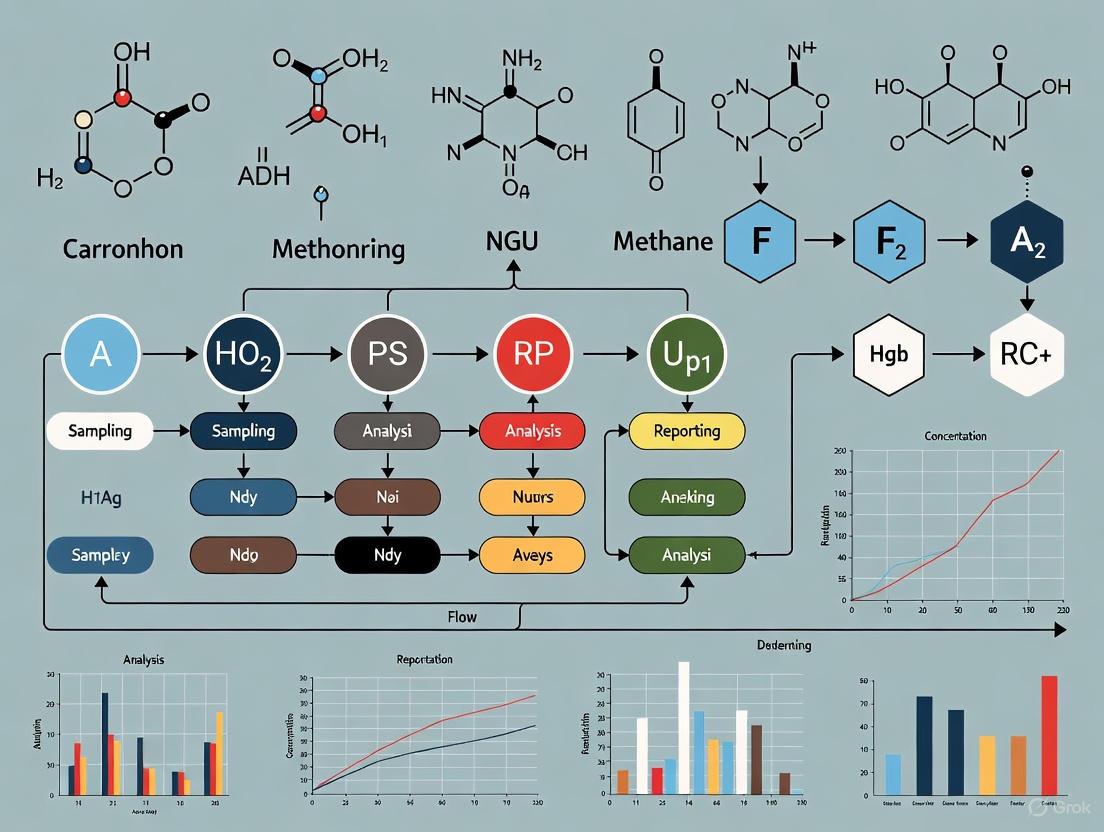
This article explores the indispensable yet evolving role of analytical chemistry in monitoring targets for the Sustainable Development Goals (SDGs).
Measuring Progress: The Critical Role of Analytical Chemistry in Achieving Sustainable Development Goals
Abstract
This article explores the indispensable yet evolving role of analytical chemistry in monitoring targets for the Sustainable Development Goals (SDGs). It establishes the foundational link between chemical analysis and global sustainability metrics, particularly under frameworks like the Global Framework on Chemicals (GFC). The content details the application of Green Analytical Chemistry (GAC) principles and modern assessment tools (e.g., AGREE, GAPI) to develop sustainable monitoring methods. It addresses key challenges in implementation, including the 'rebound effect' and the transition from linear to circular models, and provides a comparative analysis of greenness metrics for method validation. Aimed at researchers, scientists, and drug development professionals, this article serves as a guide for integrating sustainability into analytical practices to support accurate, efficient, and environmentally responsible progress tracking towards the 2030 Agenda.
From Lab Data to Global Goals: How Analytical Chemistry Powers SDG Monitoring
Analytical chemistry serves as a critical yet often overlooked enabler for monitoring progress toward the United Nations Sustainable Development Goals (SDGs). This technical guide examines how advanced analytical methodologies, particularly those embracing green and sustainable chemistry principles, provide the foundational data required for evidence-based SDG tracking. Focusing on SDGs related to health, water, responsible consumption, and climate action, we detail specific analytical protocols, green metrics for environmental assessment, and practical implementation frameworks that allow researchers to generate reliable, comparable data for sustainability indicators. The integration of green chemistry principles into analytical workflows ensures that the process of data collection itself aligns with the broader objectives of sustainable development.
The 2030 Agenda for Sustainable Development recognizes the crosscutting role of sound chemicals management, with Target 12.4 explicitly calling for the environmentally sound management of chemicals throughout their life cycle [1]. However, the contribution of analytical chemistry extends far beyond this single target; it is the unseen backbone providing the quantitative data essential for assessing everything from water purity (SDG 6) and health biomarkers (SDG 3) to climate change indicators (SDG 13) and sustainable industrial innovation (SDG 9) [2].
The chemical industry and related sectors are indispensable for modern living standards but also contribute significantly to planetary pollution through resource extraction, production emissions, and inadequate waste management [1]. This dual nature creates an urgent need for precise monitoring. The Global Framework on Chemicals (GFC), launched in 2023 with its 28 targets, further intensifies this need, requiring robust indicators to track progress [1]. Analytical chemistry provides the tools to build these indicators, transforming abstract sustainability goals into measurable realities.
Analytical Chemistry's Role in Monitoring Key SDGs
Analytical methodologies directly support the monitoring of several critical SDGs. The American Chemical Society has identified at least seven priority SDGs where chemistry plays a transformative role [2]. The table below summarizes the connections between key SDGs and specific analytical applications.
Table 1: Analytical Chemistry Applications for SDG Monitoring
| Sustainable Development Goal | Analytical Chemistry Applications & Technologies |
|---|---|
| SDG 3: Good Health & Well-Being | Drug development and quality control; medical diagnosis; monitoring of hazardous chemicals in food, water, and the environment [2]. |
| SDG 6: Clean Water & Sanitation | Low-energy, high-efficiency separation methods for metal and micropollutant removal; water purification and desalination process monitoring; pollution prevention strategies [2]. |
| SDG 9: Industry, Innovation & Infrastructure | Development of advanced materials and coatings for sustainable infrastructure; retrofitting production facilities for greater sustainability [2]. |
| SDG 12: Responsible Consumption & Production | Life cycle assessment of products; monitoring of waste management systems; enabling molecular recycling and circular economy models [2]. |
| SDG 13: Climate Action | Atmospheric chemistry monitoring to understand climate change causes and impacts; development of advanced materials for renewable energy; carbon footprint analysis of industrial processes [2]. |
The relationship between analytical chemistry and the SDGs is synergistic. While analysis provides the data, the push for sustainability is also transforming analytical laboratories themselves. The field of Green Analytical Chemistry (GAC) has emerged to mitigate the environmental footprint of analytical activities, focusing on minimizing hazardous solvent use, reducing waste, and lowering energy consumption [3] [4]. This ensures that the process of monitoring sustainability does not inadvertently undermine it.
Green Metrics: Quantifying the Sustainability of Analytical Methods
Assessing the environmental impact of analytical procedures is crucial for aligning laboratory practices with SDG principles. Multiple greenness assessment tools have been developed to evaluate and compare the sustainability of analytical methods.
Fifteen widely used GAC metrics provide a framework for environmental impact assessment [3]. The following table compares some of the most prominent tools.
Table 2: Key Green Analytical Chemistry (GAC) Assessment Metrics
| Metric Tool | Principle of Operation | Output Format | Key Advantages | Primary Limitations |
|---|---|---|---|---|
| NEMI [3] [4] | Assesses 4 criteria: PBT chemicals, hazardous waste, pH, and waste amount. | Binary pictogram (green/white). | Simple, immediate visual information. | Qualitative only; lacks granularity; time-consuming search. |
| Analytical Eco-Scale [3] [4] | Penalty points subtracted from ideal score of 100 for hazardous reagents, energy, waste. | Numerical score (0-100). | Semi-quantitative; allows direct method comparison. | Relies on expert judgment; lacks visual component. |
| GAPI [5] [3] [4] | Evaluates 5 major stages of the analytical process. | Color-coded pentagram pictogram. | Comprehensive; visual identification of high-impact stages. | No overall score; some subjectivity in color assignment. |
| AGREE [5] [3] [4] | Assesses compliance with all 12 principles of GAC. | Pictogram + numerical score (0-1). | Comprehensive coverage; user-friendly; facilitates comparison. | Subjective weighting; does not fully cover pre-analytical processes. |
| AGREEprep [3] [4] | Dedicated to evaluating the sample preparation stage. | Pictogram + numerical score (0-1). | Focuses on a critical, high-impact workflow stage. | Must be used with other tools for a full method assessment. |
A Deeper Dive: The AGREE Metric Workflow
The AGREE (Analytical GREEnness)__ metric is one of the most comprehensive tools, incorporating all 12 principles of GAC. The workflow for implementing AGREE is as follows [3]:
- Define the Analytical Procedure: Break down the method into discrete steps, including sample collection, preservation, transport, storage, preparation, reagents, instrumentation, and data processing.
- Gather Input Data: For each step, collect data on:
- Amount and toxicity of solvents/reagents used.
- Energy consumption of equipment (kWh per sample).
- Generated waste volume and toxicity.
- Safety hazards for the operator.
- Throughput and potential for miniaturization or automation.
- Input into AGREE Software: Use the freely available AGREE calculator, inputting scores (0-1) and weights for each of the 12 GAC principles.
- Interpret Output: The tool generates a circular pictogram with 12 sections, each colored from red to green, and a final overall score from 0 (not green) to 1 (ideal green). This provides an at-a-glance assessment of the method's environmental performance.
Experimental Protocols for Sustainable Analysis
Translating theory into practice requires robust and reproducible methodologies. This section provides a detailed protocol for monitoring emerging contaminants, a key task for SDGs 3, 6, and 12, using a green chemistry approach.
Sustainable Chromatographic Analysis of Emerging Contaminants in Water
Objective: To identify and quantify pharmaceutical residues (e.g., antivirals, antibiotics) in environmental water samples using a green liquid chromatography method [5] [6].
The Scientist's Toolkit: Essential Research Reagents & Materials
Table 3: Key Reagents and Materials for Sustainable Water Analysis
| Item | Function/Description | Green/Sustainable Considerations |
|---|---|---|
| Core-Shell (Kinetex) or Monolithic C18 Column | High-performance liquid chromatography column for compound separation. | Smaller particle sizes (e.g., 2.6µm) or monolithic structures allow for shorter columns, reducing solvent consumption and analysis time [6]. |
| Green Solvents (e.g., Ethanol, Cyrene) | Mobile phase components for chromatographic separation. | Replacing toxic solvents like acetonitrile with greener alternatives (e.g., bio-based ethanol, Cyrene) significantly reduces environmental and health hazards [6]. |
| Solid-Phase Microextraction (SPME) Device | Sample preparation technique for extracting and concentrating analytes. | Miniaturization and solventless (or reduced solvent) extraction eliminates large volumes of toxic waste, aligning with GAC principles [5] [3]. |
| UHPLC System | Instrumentation for ultra-high-pressure liquid chromatography. | Enables faster separations with higher efficiency, leading to reduced overall solvent and energy consumption per analysis [6]. |
| AGREE & GAPI Software | Greenness assessment tools. | Used to quantitatively and qualitatively evaluate the environmental footprint of the developed method, ensuring alignment with SDG principles [5] [3]. |
Step-by-Step Protocol:
Sample Collection & Preservation:
- Collect water samples in pre-cleaned amber glass bottles.
- Preserve samples at 4°C and analyze within 48 hours to prevent analyte degradation. Avoid chemical preservatives where possible to minimize additional environmental burden.
Sustainable Sample Preparation (SPME):
- Condition the SPME fiber according to manufacturer specifications.
- Immerse the fiber in the water sample (or its headspace) under constant agitation for a predetermined extraction time (e.g., 30-45 minutes).
- Retract the fiber and inject it directly into the chromatograph's inlet for thermal desorption. This step avoids organic solvent consumption.
Green Chromatographic Separation:
- Column: Use a core-shell C18 column (e.g., 50 x 3.0 mm, 2.6 µm).
- Mobile Phase: Utilize a gradient of 0.1% formic acid in water (A) and ethanol (B). Ethanol is a preferred, less toxic alternative to acetonitrile or methanol [6].
- Flow Rate: 0.4 mL/min.
- Oven Temperature: 40°C.
- Injection Volume: 5 µL (minimized to reduce solvent usage and waste).
Detection & Quantification:
- Employ tandem mass spectrometry (MS/MS) for high sensitivity and selective detection.
- Use analyte-specific MRM (Multiple Reaction Monitoring) transitions for identification and quantification.
- Quantify against a calibration curve prepared in the same matrix.
Greenness Assessment:
- Upon method validation, use AGREE and GAPI tools to calculate the greenness score.
- Input all relevant data: solvent types and volumes, energy consumption of the UHPLC-MS/MS system, waste generated, and operator hazards.
- Use the output to identify areas for further greening, such as exploring alternative solvents or optimizing energy settings.
An Integrated Framework for SDG Monitoring
The current SDG global indicator framework faces challenges, including insufficient data availability, redundancy between indicators, and misalignment with local contexts [7] [8]. To address these issues for post-2030 goals, an integrated, tiered framework is proposed.
This framework distinguishes between a concise set of global core indicators mandatory for all countries, a longer list of global optional indicators, and custom indicators developed for local contexts and priorities [8]. Analytical chemistry is fundamental to generating data for the core indicators, especially those related to chemical pollution (SDG 12.4), water quality (SDG 6.3), and health biomarkers (SDG 3.9). The relationship between this framework and analytical data streams is illustrated below.
Analytical chemistry is the fundamental, if unseen, backbone of evidence-based sustainable development. By providing the precise, reliable data required to track SDG indicators—from emerging contaminants in water to the carbon footprint of industrial processes—it transforms global aspirations into measurable outcomes. The ongoing development and implementation of Green Analytical Chemistry principles and metrics ensure that this vital monitoring activity itself evolves to become more sustainable, efficient, and aligned with the goals it helps to track. For researchers and scientists, embracing these tools and methodologies is not merely a technical choice but a critical contribution to achieving a sustainable future.
The Global Framework on Chemicals (GFC), adopted in September 2023 at the fifth International Conference on Chemicals Management (ICCM5) in Bonn, Germany, represents a transformative shift in global chemical governance [9] [10]. Established as the successor to the Strategic Approach to International Chemicals Management (SAICM), the GFC emerged in response to the recognized failure to achieve SAICM's 2020 goal of minimizing significant adverse effects from chemicals on human health and the environment [10] [11]. This comprehensive, voluntary, and multi-stakeholder agreement provides a detailed roadmap with five strategic objectives and 28 specific targets to guide countries and stakeholders in addressing the full life cycle of chemicals, including their management in products and waste [9] [10].
The GFC's importance extends beyond chemical management alone, positioning it as a critical enabler for achieving broader Sustainable Development Goals (SDGs). The framework recognizes that effective management of chemicals and waste will significantly contribute to meeting the objectives of the Paris Agreement on climate and the goals of the Kunming-Montreal Global Biodiversity Framework [10]. For researchers, scientists, and drug development professionals, the GFC establishes new parameters for sustainable practice, emphasizing transparency, accountability, and the integration of green chemistry principles across all sectors involving chemical use [10] [12].
GFC Strategic Objectives and Targets Analysis
The GFC is organized around five strategic objectives that collectively address the most pressing challenges in chemical management. Each objective is operationalized through specific, time-bound targets to be achieved by 2030 or 2035, creating a clear implementation timeline [10]. The framework encompasses various aspects of chemicals management, from establishing legal frameworks and generating knowledge to promoting safer alternatives and enhancing implementation through resource mobilization [10].
Table: Strategic Objectives of the Global Framework on Chemicals
| Objective Number | Strategic Focus Area | Primary Outcome Areas |
|---|---|---|
| 1 | Establishment of legal frameworks, institutional mechanisms, and capacities | National legislation, institutional capacities, regulatory frameworks |
| 2 | Generation, availability, and accessibility of knowledge and information | Comprehensive data generation, information sharing, transparency systems |
| 3 | Identification, prioritization, and action on Issues of Concern | Emerging policy issues, hazardous substances, sector-specific risks |
| 4 | Promotion of safer alternatives and sustainable practices | Safer substitution, value chain management, sectoral integration |
| 5 | Enhanced implementation through resource mobilization | Financing mechanisms, partnerships, capacity-building, technical support |
The GFC's 28 targets specify concrete actions across these strategic objectives. Notable targets include the phase-out of highly hazardous pesticides (HHPs) in agriculture by 2035, the establishment of transparency systems for chemical information, and the integration of chemicals management into sustainable development planning [10] [11]. The framework also includes a specific focus on strengthening health surveillance systems to monitor chemical-related illnesses and disabilities [11].
Table: Selected Key Targets and Timelines
| Target Area | Specific Goal | Timeframe |
|---|---|---|
| Highly Hazardous Pesticides | Phase-out of HHPs in agriculture | By 2035 |
| Transparency Systems | Establish information disclosure systems for chemicals in products | By 2030 |
| Financial Mechanisms | Develop integrated financing strategy including mainstreaming, private sector, and external funding | Ongoing |
| Legal Frameworks | Establish or strengthen national chemical management regulatory frameworks | By 2030 |
| Capacity Building | Enhance technical and institutional capacities for risk assessment and management | Ongoing |
A significant feature of the GFC is its inclusive, multi-stakeholder, and multi-sectoral approach, ensuring representation from various sectors including governments, international organizations, industry representatives, and public interest groups [10]. This participatory model extends to areas such as environment, health, agriculture, and labor, with all stakeholders participating on equal footing in both negotiations and implementation processes [10].
The Critical Role of Analytical Chemistry in GFC Monitoring and Implementation
Analytical chemistry serves as the foundational discipline enabling the monitoring, verification, and implementation of the GFC's targets and objectives. The field provides the essential tools and methodologies required to track progress toward SDG indicators related to chemical pollution, particularly those under SDG 12.4, which aims to achieve the environmentally sound management of chemicals and all wastes throughout their life cycle [13] [3]. Without advanced analytical capabilities, the quantitative assessment necessary for evidence-based chemical governance would be impossible.
Green Analytical Chemistry (GAC) as an Implementation Tool
The paradigm of Green Analytical Chemistry (GAC) has emerged as a critical approach for aligning analytical practices with the sustainability principles underpinning the GFC [13] [14]. GAC focuses on mitigating the adverse effects of analytical activities on human safety, health, and the environment while maintaining the quality and reliability of analytical data [3]. This alignment is achieved through key principles that directly support GFC implementation:
- Source Reduction: Minimizing sample volumes, reagents, and solvents through miniaturization and optimized methodologies [14]
- Use of Safer Solvents: Replacing hazardous solvents with non-toxic, biodegradable alternatives such as water, ethanol, or ionic liquids [14]
- Energy Efficiency: Implementing energy-efficient equipment and ambient-temperature procedures [14]
- Waste Reduction: Designing analytical processes that generate minimal or non-hazardous waste [14]
The implementation of GAC principles directly supports multiple GFC targets, particularly those related to reducing chemical hazards, minimizing waste, and promoting safer alternatives throughout product value chains [10].
Analytical Methodologies for GFC Indicator Assessment
The successful implementation of the GFC requires robust analytical methodologies for assessing chemical presence, concentration, and impact across various matrices. The following section outlines key analytical approaches relevant to GFC monitoring, particularly for targets related to Issues of Concern (IoC) such as endocrine-disrupting chemicals, PFAS, and highly hazardous pesticides.
Table: Analytical Techniques for GFC-Relevant Chemical Monitoring
| Analytical Technique | Primary Applications in GFC Monitoring | Alignment with GAC Principles |
|---|---|---|
| Chromatography (HPLC, UPLC, GC) | Quantification of pesticides, pharmaceuticals, industrial chemicals in environmental and biological samples | Miniaturization, reduced solvent consumption through UPLC, green solvent substitution |
| Mass Spectrometry (MS) | Identification and quantification of emerging contaminants, biomonitoring, non-target screening | Coupled with miniaturized sample preparation, reduced energy consumption in newer instruments |
| Spectroscopy (UV-Vis, IR, Atomic) | Metal analysis, routine monitoring of specific chemical parameters, field applications | Minimal solvent use, potential for direct analysis, portable instruments for on-site testing |
| Sensor Technologies | Real-time monitoring, field deployment for early warning systems, citizen science applications | Low energy requirements, minimal reagent consumption, continuous monitoring capability |
| Microextraction Techniques (SPME, SBSE) | Sample preparation for complex matrices, environmental monitoring, bioanalytical applications | Solventless or reduced solvent use, miniaturization, automation compatibility |
Green Metrics and Assessment Tools for Sustainable Analytical Practices
The evaluation of analytical methods' environmental performance is essential for aligning laboratory practices with GFC objectives. Multiple green assessment tools have been developed to quantify and improve the sustainability of analytical methods [13] [3]. These metrics provide standardized approaches for researchers to evaluate and optimize their methodologies, creating a pathway for continuous improvement in environmental performance.
Fifteen widely used Green Analytical Chemistry (GAC) metrics have been established as representative tools in the field [3]. Each offers distinct approaches and focuses for assessing the environmental impact of analytical procedures:
- NEMI (National Environmental Methods Index): One of the oldest GAC metrics, using a simple pictogram with four criteria: PBT chemicals, hazardous waste, pH corrosivity, and waste amount [3]
- Analytical Eco-Scale: Assigns penalty points based on reagent amounts, hazards, energy consumption, and waste generation, with an ideal green analysis scoring 100 points [3]
- AGREE (Analytical GREENness Calculator): Uses a multi-criteria approach based on the 12 principles of GAC, providing a comprehensive assessment [13] [3]
- AGREEprep: Specifically focused on sample preparation steps, evaluating parameters such as sample size, collection, preservation, transport, and preparation [3]
- GAPI (Green Analytical Procedure Index): Employes a pictogram to evaluate the environmental impact of each step of an analytical method [13] [3]
- BAGI (Blue Applicability Grade Index): Assesses the practicality and applicability of methods alongside greenness considerations [3]
Recent assessments using these metrics have revealed significant gaps in current standard methods. A comprehensive evaluation of 174 standard methods from CEN, ISO, and Pharmacopoeias using the AGREEprep metric found that 67% of methods scored below 0.2 on a 0-1 scale (where 1 represents the highest possible greenness) [12]. This demonstrates the urgent need to update standard methods by incorporating contemporary, greener analytical approaches to align with GFC objectives.
Experimental Protocols for Green Method Development
Protocol 1: Miniaturized Sample Preparation for Water Analysis
- Principle: Solid-phase microextraction (SPME) coupled with GC-MS for trace-level contaminant monitoring
- Procedure:
- Collect 10 mL water sample (vs. traditional 1 L requirement)
- Direct immersion SPME extraction at 40°C for 30 minutes with agitation
- Thermal desorption in GC inlet at 250°C for 5 minutes
- GC-MS analysis with programmed temperature gradient
- Green Benefits: 99% solvent reduction, 90% sample volume reduction, minimal waste generation [14]
Protocol 2: Direct Analysis for Pharmaceutical Quality Control
- Principle: Near-infrared (NIR) spectroscopy for active pharmaceutical ingredient (API) quantification
- Procedure:
- Place solid dosage form directly in NIR spectrometer
- Collect spectra in reflectance mode (10 scans at 8 cm⁻¹ resolution)
- Multivariate calibration using partial least squares (PLS) regression
- Real-time API quantification and content uniformity assessment
- Green Benefits: Eliminates solvent use, reduces analysis time from hours to minutes, enables 100% product testing [14]
Implementation Programmes and Sectoral Applications
The GFC establishes Implementation Programmes (IPs) as vehicles for achieving its strategic objectives and targets. During the first Open-ended Working Group (OEWG) meeting in June 2025, three primary Implementation Programmes were developed [11]:
- IP1: Strengthening national legislation and institutional capacities
- IP2: Strengthening economic and industry sector engagement and action for sound chemicals management along value chains
- IP3: Integrating chemicals and waste issues in sustainable development decision-making
These programmes are being developed with sector-specific sub-programmes aimed at greater industry engagement and stimulating positive change in chemicals management in sectors such as electronics, textiles, health care, and construction [11]. The health care sector implementation programme, for instance, may support eliminating unnecessary plastics in health care products to complement the goals of an international plastics treaty [11].
GFC Implementation Structure
The Scientist's Toolkit: Essential Research Reagents and Materials
Table: Key Research Reagents and Materials for GFC-Aligned Analytical Chemistry
| Reagent/Material | Function in Analytical Chemistry | GFC Alignment & Green Alternatives |
|---|---|---|
| Organic Solvents | Extraction, chromatography, cleaning | Replace with water, ethanol, bio-based solvents; minimize volumes [14] |
| Derivatization Reagents | Chemical modification for detection | Use less hazardous alternatives; minimize quantities through micro-scale methods |
| Reference Standards | Calibration, quantification, method validation | Implement sharing programs to reduce waste; use digital data for preservation |
| Sample Collection Media | Field sampling, preservation, transport | Select reusable or biodegradable materials; minimize packaging |
| Chromatography Columns | Separation of complex mixtures | Extended lifespan through proper maintenance; column recycling programs |
| Certified Reference Materials | Quality control, method validation | Digital certification to reduce physical shipments; collaborative verification |
Visualization of Analytical Chemistry Workflows in GFC Monitoring
The integration of analytical chemistry into GFC implementation creates sophisticated workflows that span from field sampling to data reporting. These workflows enable the generation of reliable, comparable data essential for tracking progress against GFC targets.
Analytical Chemistry Workflow for GFC Monitoring
The Global Framework on Chemicals represents a historic opportunity to transform how societies manage chemicals throughout their life cycle. For researchers, scientists, and drug development professionals, the GFC establishes both a responsibility and an opportunity to align analytical practices with sustainability principles. The successful implementation of the framework's 28 targets depends heavily on advances in analytical chemistry, particularly through the adoption of Green Analytical Chemistry principles and metrics [13] [3] [12].
The first meeting of the Open-ended Working Group in June 2025 demonstrated the ongoing commitment to GFC implementation, with focused work on sector-specific programmes, financing mechanisms, and indicator development [11]. As the framework moves toward its first International Conference in 2026, the analytical chemistry community has a critical role to play in developing robust monitoring systems, advancing green methodologies, and providing the scientific foundation for evidence-based chemical policy [11] [12]. Through continued innovation and collaboration across academia, industry, and government, the vision of a "planet free of harm from chemicals and waste" can become an achievable reality [10].
Green Analytical Chemistry (GAC) represents a fundamental paradigm shift in analytical science, moving beyond mere waste management to encompass a holistic, environmentally conscious approach to chemical analysis. In an era defined by pressing global sustainability challenges, GAC has emerged as a critical discipline that aligns analytical practices with the principles of sustainable development. This transformation is particularly relevant within the context of monitoring Sustainable Development Goal (SDG) targets, where analytical chemistry provides essential data but must itself adhere to sustainable principles. GAC is defined as the design, development, and implementation of analytical methods that minimize or eliminate the use and generation of hazardous substances while conserving energy and resources throughout the analytical workflow [15] [16]. This approach integrates environmental considerations into every stage of the analytical process, from sample preparation to data analysis, ensuring that analytical practices contribute positively to environmental protection and human health [16].
The traditional model of analytical chemistry has often relied on resource-intensive processes, toxic reagents, and energy-intensive instrumentation, creating a significant environmental footprint that contradicts the very sustainability goals that chemical analysis often seeks to support. GAC addresses this contradiction by promoting methodologies that are inherently safer, more efficient, and environmentally benign. For researchers and drug development professionals, adopting GAC principles is no longer merely an ethical choice but a strategic imperative that enhances laboratory safety, reduces operational costs, and future-proofs analytical methods against increasingly stringent environmental regulations [15] [14]. This technical guide explores the foundational principles, practical implementations, and assessment frameworks that define modern Green Analytical Chemistry, providing researchers with the knowledge tools necessary to align their analytical practices with global sustainability objectives.
The Foundation: The 12 Principles of Green Analytical Chemistry
The conceptual foundation of Green Analytical Chemistry is built upon the 12 principles of green chemistry originally formulated by Anastas and Warner, but specifically adapted and refined for analytical applications [17] [18]. These principles provide a comprehensive framework for designing, evaluating, and implementing analytical methods that minimize environmental impact while maintaining analytical performance. The principles serve as a strategic roadmap for analytical chemists seeking to reduce the ecological footprint of their work across multiple dimensions.
The Adapted 12 Principles of GAC
Prevention: It is better to prevent waste generation than to treat or clean up waste after it has been created. This principle emphasizes source reduction as the most fundamental approach to green analysis [17] [18].
Atom Economy: Synthetic methods used in analytical derivatization should be designed to maximize incorporation of all materials used in the process into the final product, minimizing byproducts [17].
Less Hazardous Chemical Syntheses: Wherever practicable, analytical methods should be designed to use and generate substances that possess little or no toxicity to human health and the environment [17].
Designing Safer Chemicals: Chemical products used in analysis should be designed to preserve efficacy of function while reducing toxicity [17].
Safer Solvents and Auxiliaries: The use of auxiliary substances (e.g., solvents, separation agents) should be made unnecessary wherever possible and innocuous when used [18].
Design for Energy Efficiency: Energy requirements of analytical processes should be recognized for their environmental and economic impacts and should be minimized. If possible, methods should be conducted at ambient temperature and pressure [18].
Use of Renewable Feedstocks: A raw material or feedstock should be renewable rather than depleting whenever technically and economically practicable [18].
Reduce Derivatives: Unnecessary derivatization in analytical procedures should be minimized or avoided because such steps require additional reagents and can generate waste [18].
Catalysis: Catalytic reagents (as selective as possible) are superior to stoichiometric reagents in analytical methods [18].
Design for Degradation: Chemical products used in analytical processes should be designed so that at the end of their function they break down into innocuous degradation products and do not persist in the environment [18].
Real-time Analysis for Pollution Prevention: Analytical methodologies need to be further developed to allow for real-time, in-process monitoring and control prior to the formation of hazardous substances [18].
Inherently Safer Chemistry for Accident Prevention: Substances and the form of a substance used in a chemical process should be chosen to minimize the potential for chemical accidents, including releases, explosions, and fires [18].
These principles collectively shift the focus of analytical method development from a narrow emphasis on performance characteristics (sensitivity, selectivity, speed) to a more holistic view that balances analytical excellence with environmental responsibility, safety, and sustainability.
Interrelationship Between GAC Principles and SDG Monitoring
The following diagram illustrates how the core concepts of Green Analytical Chemistry create a sustainable framework that directly supports the monitoring and achievement of Sustainable Development Goals:
GAC Principles-SDG Relationship Diagram. This visualization illustrates how core Green Analytical Chemistry principles enable sustainable monitoring of Sustainable Development Goals through reduced environmental impact, improved data quality, and enhanced social benefits.
Green Analytical Methodologies: Practical Implementation
The theoretical principles of GAC are operationalized through specific methodological approaches and technologies that directly reduce the environmental footprint of analytical chemistry. These practical implementations demonstrate that greener alternatives exist for nearly every stage of the analytical workflow, from sample preparation to final measurement.
Strategic Approaches to Greening Analytical Methods
Miniaturization and Scale Reduction: The cornerstone of eco-friendly analysis, miniaturization involves reducing the physical scale of analytical processes, typically through microfluidic devices, lab-on-a-chip technologies, and capillary-scale separation techniques. By dramatically reducing sample and reagent consumption from milliliters to microliters or nanoliters, miniaturization simultaneously addresses waste generation, reagent costs, and energy consumption [14]. This approach represents the most direct application of the waste prevention principle.
Alternative Solvent Systems: Traditional analytical methods frequently employ hazardous organic solvents such as chloroform, benzene, and various chlorinated hydrocarbons. GAC promotes the substitution of these problematic solvents with safer alternatives including water (under modified temperature and pressure conditions), supercritical carbon dioxide, ionic liquids, and bio-based solvents derived from renewable feedstocks [19] [14]. These alternatives typically exhibit lower toxicity, reduced environmental persistence, and improved safety profiles.
Solventless Extraction Techniques: For sample preparation, GAC advocates techniques that eliminate or drastically reduce solvent consumption. Solid-phase microextraction (SPME), stir bar sorptive extraction, and supercritical fluid extraction represent prominent examples where traditional liquid-liquid extraction with substantial solvent volumes is replaced by more efficient, minimal-waste approaches [14]. These techniques not only reduce solvent waste but often simplify analytical workflows and improve throughput.
Energy-Efficient Instrumentation and Processes: Analytical instruments can be significant energy consumers, particularly those requiring high temperatures, vacuums, or powerful energy sources. GAC promotes the development and adoption of energy-efficient technologies, including room-temperature operation where possible, alternative energy sources such as microwave-assisted and ultrasound-assisted processes, and instrument designs that minimize standby power consumption [19] [18].
On-site and Real-time Analysis: Moving the analyzer to the sample, rather than the sample to the analyzer, represents a paradigm shift with significant environmental benefits. Portable spectrometers, sensors, and field-deployable analytical instruments eliminate the environmental costs associated with sample transportation, storage, and preservation while providing immediate results [14] [18]. This approach directly supports the principle of real-time analysis for pollution prevention.
Comparative Analysis: Traditional vs. Green Analytical Methods
Table 1: Comparison of Traditional Analytical Methods and Their Green Alternatives
| Analytical Parameter | Traditional Approach | Green Alternative | Environmental Benefit |
|---|---|---|---|
| Sample Size | Milliliters or grams | Microliters or milligrams | 10-1000x reduction in material consumption |
| Solvent Consumption | 50-500 mL per extraction | 0-10 mL per extraction | Significant reduction in hazardous waste |
| Extraction Technique | Liquid-liquid extraction with organic solvents | Solid-phase microextraction (SPME) | 95-99% solvent reduction |
| Energy Consumption | High (e.g., Soxhlet extraction, high-temperature GC) | Low (e.g., ultrasound-assisted extraction, room-temperature methods) | 50-90% energy reduction |
| Analysis Time | Hours to days | Minutes to hours | Reduced energy footprint |
| Waste Generation | High volume of hazardous waste | Minimal, often non-hazardous waste | Reduced disposal impact and cost |
The Scientist's Toolkit: Essential Reagents and Materials for Green Analysis
Table 2: Key Research Reagent Solutions for Green Analytical Chemistry
| Reagent/Material | Function in Analysis | Green Advantage | Example Applications |
|---|---|---|---|
| Bio-based Solvents | Extraction and separation media | Derived from renewable resources; typically biodegradable | Liquid-liquid extraction, chromatography |
| Ionic Liquids | Specialized solvents for extraction | Non-volatile; recyclable; low flammability | Sample preparation, chromatographic separations |
| Supercritical CO₂ | Extraction and chromatographic mobile phase | Non-toxic; easily removed; tunable solvent properties | SFE, SFC, particle formation |
| Water (at elevated T/P) | Green solvent for extraction and analysis | Non-toxic; non-flammable; readily available | Subcritical water extraction, chromatography |
| Natural Deep Eutectic Solvents (NADES) | Bio-based extraction media | Biocompatible; biodegradable; low toxicity | Extraction of natural products, pharmaceuticals |
| Solid-phase Microextraction Fibers | Solventless sample preparation | Reusable; minimal waste generation | VOC analysis, environmental monitoring |
Assessment and Validation: Measuring Greenness in Analytical Methods
The implementation of GAC requires robust, standardized tools to evaluate and quantify the environmental performance of analytical methods. Several metric systems have been developed to provide objective assessment of method greenness, enabling researchers to make informed decisions and track improvements over time.
Greenness Assessment Tools and Metrics
National Environmental Methods Index (NEMI): One of the earliest greenness assessment tools, NEMI employs a simple pictogram that indicates whether a method meets four basic criteria: (1) persistent, bioaccumulative, and toxic (PBT) chemicals are not used, (2) hazardous chemicals are not used, (3) corrosive pH conditions (12) are avoided, and (4) waste is properly managed [15] [20]. While user-friendly, NEMI's binary (yes/no) assessment approach provides limited granularity for comparative analysis.
Analytical Eco-Scale Assessment (ESA): This semi-quantitative tool assigns penalty points to analytical methods based on their consumption of reagents, energy generation of waste, and occupational hazards [20]. The ideal green analysis would score 100 on the eco-scale, with points deducted for each environmentally undesirable aspect. This approach allows for more nuanced comparison between methods than NEMI.
Green Analytical Procedure Index (GAPI): A more comprehensive assessment tool, GAPI evaluates the greenness of analytical methods across five main areas: sample collection, preservation, transport and storage; sample preparation; reagents and chemicals used; instrumentation; and method type [15] [20]. GAPI employs a color-coded pictogram (green-yellow-red) to visually represent the environmental performance at each stage of the analytical process, providing a detailed overview of a method's environmental footprint throughout its lifecycle.
Analytical GREEnness (AGREE) Metric: Among the most advanced assessment tools, AGREE evaluates analytical methods against all twelve principles of GAC, generating a score between 0 and 1, with 1 representing ideal greenness [15] [20]. The tool provides a circular pictogram with twelve segments, each corresponding to one GAC principle and color-coded based on performance. AGREE offers the most comprehensive evaluation currently available and has gained significant adoption in the analytical community.
Comparative Analysis of Greenness Assessment Tools
Table 3: Greenness Assessment Tools for Analytical Methods
| Assessment Tool | Evaluation Approach | Key Parameters Assessed | Output Format | Strengths | Limitations |
|---|---|---|---|---|---|
| NEMI | Binary (yes/no) criteria | PBT chemicals, hazardous substances, corrosivity, waste | Pictogram with 4 quadrants | Simple, quick assessment | Limited granularity; no energy consideration |
| Analytical Eco-Scale | Penalty point system | Reagent quantity and hazard, energy consumption, waste | Numerical score (0-100) | Semi-quantitative; allows ranking | Subjective penalty assignments |
| GAPI | Multi-criteria color coding | Sample handling, preparation, reagents, instrumentation, method type | 5-section colored pictogram | Comprehensive lifecycle assessment | Complex implementation; qualitative elements |
| AGREE | Weighted principles scoring | All 12 GAC principles with individual scoring | Circular diagram with score (0-1) | Most comprehensive; aligns with all GAC principles | Requires detailed method information |
| SUSTAIN | SDG-based assessment | Environmental, social, economic dimensions mapped to UN SDGs | Percentage score and visual profile | Holistic sustainability perspective | Newer tool with limited track record |
Method Validation in Green Analytical Chemistry
The adoption of green analytical methods must be accompanied by rigorous validation to ensure they maintain the required analytical performance characteristics while offering environmental advantages. The International Council for Harmonisation (ICH) guidelines provide the framework for validating analytical procedures, assessing parameters including linearity, range, selectivity, accuracy, precision, detection and quantification limits, robustness, and system suitability [20]. Green method validation extends these traditional parameters to include environmental performance metrics, ensuring that the method is not only scientifically valid but also environmentally sustainable.
The validation process for green methods typically follows a structured approach: (1) method development with intentional incorporation of GAC principles; (2) analytical performance validation according to ICH guidelines; (3) greenness assessment using one or more metric tools (GAPI, AGREE, etc.); (4) comparative analysis against traditional methods; and (5) implementation with continuous monitoring and improvement. This comprehensive validation framework ensures that green methods meet the dual requirements of analytical excellence and environmental responsibility.
GAC in Practice: Applications and Experimental Protocols
The implementation of Green Analytical Chemistry spans diverse application domains, from environmental monitoring to pharmaceutical analysis. The following examples illustrate how GAC principles are applied in real-world scenarios, complete with experimental protocols that highlight green alternatives to traditional methods.
Green Sample Preparation Protocol: Solid-Phase Microextraction (SPME)
Objective: To extract and pre-concentrate analytes from complex matrices while eliminating organic solvent use.
Principle: SPME utilizes a fused silica fiber coated with a stationary phase to extract analytes through absorption or adsorption. The process integrates sampling, extraction, concentration, and sample introduction into a single solvent-free step [14].
Materials:
- SPME assembly holder
- SPME fibers (various coating materials available for different applications)
- Sample vials with PTFE/silicone septa
- Agitation system (vortex mixer or orbital shaker)
- Gas or liquid chromatography system with appropriate inlet
Experimental Procedure:
- Fiber Conditioning: Heat the SPME fiber in the GC injection port or dedicated conditioning station according to manufacturer specifications (typically 250-300°C for 0.5-1 hour with inert gas flow).
- Sample Preparation: Transfer sample to a headspace vial, leaving approximately 50% headspace. For direct immersion SPME, ensure samples are adequately filtered if containing particulate matter.
- Extraction:
- For headspace SPME: Place sample vial on heated agitation platform, incubate with agitation (500-750 rpm) at optimized temperature (typically 30-90°C) for 10-60 minutes.
- For direct immersion SPME: Immerse the fiber directly into the liquid sample with agitation for 10-60 minutes.
- Desorption: Insert the fiber into the hot injection port of the GC (or desorption chamber for HPLC applications) for 1-5 minutes to desorb analytes onto the chromatographic column.
- Reconditioning: Clean the fiber in the injection port for an additional 1-2 minutes to prevent carryover.
Green Advantages: Complete elimination of organic solvents; minimal sample volume requirements (1-10 mL); reusable fibers (50-100 extractions typically); reduced energy consumption compared to traditional extraction techniques like liquid-liquid extraction or Soxhlet extraction.
Validation Parameters: Extraction efficiency, linearity (typically 1-500 μg/L for most analytes), precision (RSD <15%), method detection limits (compound-dependent), fiber-to-fiber reproducibility, carryover assessment.
Green Chromatography Protocol: Supercritical Fluid Chromatography (SFC)
Objective: To separate complex mixtures using supercritical CO₂ as the primary mobile phase, replacing hazardous organic solvents.
Principle: SFC utilizes supercritical carbon dioxide (typically with 1-40% organic modifier) as the mobile phase, providing unique solvating properties, low viscosity, and high diffusion coefficients that enable faster separations with lower environmental impact than conventional HPLC [19].
Materials:
- SFC system with CO₂ delivery, modifier pump, back-pressure regulator
- Chilled CO₂ source with syphon tube
- Analytical or preparative scale columns (typically packed with 1.8-5 μm particles)
- Organic modifiers (ethanol, methanol preferred over acetonitrile)
- Additives (formic acid, ammonium formate, etc.) for improved chromatography
Experimental Procedure:
- System Preparation: Ensure CO₂ cylinder is chilled and properly connected. Prime modifier pump with desired organic solvent. Equilibrate system at starting mobile phase conditions.
- Method Development:
- Begin with 5% modifier composition isocratic for 1-2 column volumes
- Implement gradient elution (typically 5-40% modifier over 5-15 minutes)
- Optimize column temperature (35-60°C) and back-pressure (100-200 bar)
- Adjust additive concentrations (0.1-0.5%) to improve peak shape when necessary
- Sample Analysis: Prepare samples in modifier solvent or CO₂-compatible solvents. Use injection volumes appropriate for column dimensions (typically 1-10 μL for analytical columns).
- System Shutdown: Implement gradient return to initial conditions, flush system with neat CO₂ for 10-15 minutes before shutting down pumps.
Green Advantages: CO₂ is non-toxic, non-flammable, and readily available from renewable sources; typically uses 80-90% less organic solvent than reversed-phase HPLC; faster separations reduce energy consumption; supercritical CO₂ evaporates after analysis, simplifying sample recovery in preparative applications.
Validation Parameters: Retention time precision (RSD <2%), peak area precision (RSD <5%), resolution of critical pairs, sensitivity (comparable to or better than HPLC), column efficiency (theoretical plates), robustness to modifier and pressure variations.
The Future of Green Analytical Chemistry: Emerging Trends and Innovations
As Green Analytical Chemistry continues to evolve, several emerging trends and technological innovations promise to further reduce the environmental footprint of chemical analysis while maintaining or enhancing analytical performance.
Advanced Green Solvent Systems
The development of next-generation green solvents represents an active area of research in GAC. Natural deep eutectic solvents (NADES), composed of natural primary metabolites such as organic acids, sugars, and amino acids, offer promising green alternatives to conventional organic solvents [19]. These solvents are characterized by low toxicity, high biodegradability, and renewable sourcing. Similarly, switchable solvents, which can reversibly change their physicochemical properties in response to external stimuli, enable simplified analytical workflows with reduced solvent consumption [15].
Integration of Digital Technologies and Artificial Intelligence
The application of artificial intelligence and machine learning algorithms represents a frontier in GAC optimization. AI-powered method development can systematically identify analytical conditions that simultaneously maximize performance while minimizing environmental impact [19] [14]. Digital twin technology, which creates virtual replicas of analytical systems, enables researchers to optimize methods in silico before laboratory implementation, dramatically reducing the resources consumed during method development.
Toward Circular Analytical Chemistry
A emerging paradigm extends beyond green principles to embrace circular economy concepts in analytical chemistry. Circular Analytical Chemistry (CAC) focuses on minimizing waste and keeping materials in use for as long as possible through recycling, recovery, and regeneration of analytical materials and reagents [12]. This approach represents a systemic shift from the traditional linear "take-make-dispose" model to a circular framework that considers the entire lifecycle of analytical consumables.
Addressing the Rebound Effect
An important consideration in the evolution of GAC is the "rebound effect," where efficiency gains in analytical methods lead to unintended increases in resource consumption through more frequent or unnecessary analyses [12]. Mitigation strategies include implementing sustainability checkpoints in testing protocols, using predictive analytics to determine testing necessity, and fostering a laboratory culture that consciously monitors resource consumption. This holistic approach ensures that efficiency improvements translate into genuine environmental benefits.
Green Analytical Chemistry represents far more than a technical specialization within analytical science; it constitutes a fundamental reorientation of how chemical analysis is conceived, implemented, and evaluated. By integrating the 12 principles of green chemistry throughout the analytical workflow, GAC aligns the essential data-generating function of analytical chemistry with the imperative of environmental sustainability. For researchers focused on monitoring SDG targets, adopting GAC principles ensures that the process of data collection does not contradict the sustainability goals being measured.
The ongoing development of greenness assessment tools, including GAPI, AGREE, and the emerging SUSTAIN metric, provides researchers with increasingly sophisticated means to quantify and compare the environmental performance of analytical methods [15] [21] [20]. These tools facilitate the transition from incremental improvements to transformative innovations in analytical practice. As regulatory frameworks increasingly prioritize sustainable practices, GAC positions analytical laboratories at the forefront of environmental responsibility while offering compelling economic advantages through reduced reagent consumption, waste disposal costs, and energy usage [14] [12].
The future of analytical chemistry is inextricably linked with sustainability. As global challenges related to resource scarcity, climate change, and environmental protection intensify, the adoption of Green Analytical Chemistry will become increasingly central to responsible scientific practice. By embracing the principles and practices outlined in this technical guide, researchers and drug development professionals can contribute to a more sustainable future while maintaining the highest standards of analytical excellence.
The Sustainability-Circularity Nexus represents a critical framework for understanding the interconnectedness of circular economy principles with broader sustainability goals, particularly within the context of analytical science. This nexus specifically emphasizes the interconnectedness between circular economy principles and other critical systems, especially energy and sustainability [22]. For analytical scientists, this involves a fundamental shift from traditional linear consumption patterns—often described as a 'take-make-dispose' model—toward a regenerative system where resources are kept in use for as long as possible, extracting maximum value while in use, then recovering and regenerating products and materials at the end of each service life [22]. Within analytical chemistry, this paradigm shift demands a transition from merely "green" practices toward a holistic sustainability framework that integrates environmental, economic, and social dimensions [23].
The academic interpretation of this nexus moves beyond practical implementation to represent a transdisciplinary framework for systemic transformation that actively seeks to decouple human well-being and economic prosperity from linear resource consumption patterns through regenerative design principles, closed-loop material flows, and value retention strategies [22]. This conceptual foundation provides the necessary background for understanding the pivotal role analytical scientists play in monitoring and advancing the United Nations Sustainable Development Goals (SDGs), particularly through innovations that support responsible consumption and production (SDG 12), climate action (SDG 13), and the development of sustainable infrastructure (SDG 9) [2].
The Sustainability-Circularity Nexus in Context
Core Principles and Their Interrelationships
The Sustainability-Circularity Nexus is built upon several interdependent principles that create a cohesive framework for analytical scientists. Understanding these foundational elements is essential for implementing meaningful changes in research practices and methodological development.
Resource Efficiency: This principle involves using fewer resources to produce goods and services, essentially "doing more with less" [22]. For analytical chemists, this translates to developing methods that minimize solvent consumption, reduce energy requirements, and optimize sample throughput. Resource efficiency provides a direct pathway to reducing the environmental footprint of analytical operations while maintaining data quality.
Waste Minimization: Moving beyond the 'dispose' mentality is paramount to the circular economy [22]. The analytical laboratory can contribute significantly to this principle by redefining 'waste' as a potential resource. This includes reducing waste generation at the source, reusing solvents and reagents where scientifically appropriate, and implementing effective recycling programs for materials like chromatography columns and sample vials.
Regenerative Design: This concept goes beyond merely minimizing harm and aims to create positive impacts [22]. In analytical chemistry, this might involve designing methods that use bio-based solvents that replenish natural resources or developing analytical systems that generate more energy than they consume through integrated renewable technologies.
The relationship between these principles and analytical chemistry is bidirectional. While analytical science provides the tools to measure and monitor circular economy outcomes, the principles of the nexus simultaneously inform the development of more sustainable analytical methods. This reciprocal relationship creates a virtuous cycle of improvement and innovation essential for achieving sustainability targets.
Connecting the Nexus to Sustainable Development Goals
Analytical chemistry plays an essential role in helping society achieve the Sustainable Development Goals, with the American Chemical Society identifying seven priority SDGs particularly relevant to the chemistry community [2]. The Sustainability-Circularity Nexus provides a conceptual bridge connecting analytical methodologies to these global targets:
SDG 12 (Responsible Consumption and Production): This goal is particularly aligned with circular economy principles, focusing on reducing lifecycle impacts of consumption [2]. Analytical chemistry supports this goal through innovations in waste management systems, monitoring of environmental contaminants, and development of circular material flows. The chemical processing industry can contribute to a transition to a circular economy by enabling recycling and reusing molecules to "close the loop" in chemical manufacturing [2].
SDG 13 (Climate Action): Analytical chemistry provides essential capabilities for monitoring atmospheric changes and understanding the causes of global climate change [2]. Circular economy principles applied to analytical practice can significantly reduce the carbon footprint of chemical analysis through improved energy efficiency and waste reduction.
SDG 9 (Industry, Innovation, and Infrastructure): This goal encompasses the development of sustainable infrastructure and retrofitting production facilities to become more sustainable [2]. Analytical chemistry supports these objectives through the design and synthesis of innovative advanced materials that make infrastructure more resilient and sustainable.
Table 1: Analytical Chemistry's Role in Key Sustainable Development Goals
| Sustainable Development Goal | Relevance to Analytical Chemistry | Circular Economy Connections |
|---|---|---|
| SDG 9: Industry, Innovation & Infrastructure | Developing advanced materials and sustainable manufacturing processes [2] | Retrofitting production facilities for sustainability; designing resilient infrastructure [2] |
| SDG 12: Responsible Consumption & Production | Monitoring environmental contaminants; developing sustainable materials [2] | Enabling circular molecule flows; reducing lifecycle impacts [2] |
| SDG 13: Climate Action | Atmospheric monitoring; carbon capture assessment [2] | Transitioning to low-carbon production; developing climate-resilient processes [2] |
Analytical Methodologies for Sustainability Assessment
Sustainability Assessment Tools for Analytical Methods
The emergence of Green Analytical Chemistry (GAC), White Analytical Chemistry (WAC), and Green Sample Preparation (GSP) has led to the development of various tools to evaluate the environmental impact of analytical methods [13]. These tools differ in their scope, assessment criteria, and methodological approach, ranging from qualitative scoring systems to quantitative assessments. For analytical scientists working within the sustainability-circularity framework, understanding these tools is essential for method development and selection.
The most comprehensive assessment tools consider multiple dimensions of sustainability, including environmental impact, practical/economic considerations, and societal benefits. Recent research emphasizes that sustainability in analytical chemistry is often misinterpreted, focusing solely on environmental criteria while neglecting the broader integration of economic and social pillars [23]. A systems thinking approach is crucial to understand these interactions and prevent the shifting of risks elsewhere in the system [23].
Table 2: Comparison of Major Sustainability and Greenness Assessment Tools for Analytical Methods
| Assessment Tool | Scope & Focus | Assessment Approach | Key Strengths | Key Limitations |
|---|---|---|---|---|
| AGREE | Comprehensive Green Analytical Chemistry | Quantitative scoring across multiple principles | User-friendly; provides overall sustainability score | May oversimplify complex trade-offs |
| GAPI | Green Analytical Procedures | Semi-quantitative evaluation | Visual output; covers entire method lifecycle | Limited social and economic considerations |
| LCA | Full Environmental Impact | Quantitative assessment of environmental impacts | Comprehensive; standardized methodology | Data-intensive; requires specialized expertise |
| White Analytical Chemistry (WAC) | Holistic Method Evaluation | Balances analytical, ecological, and practical merits | Three-dimensional assessment; prevents problem shifting | Relatively new approach with limited adoption |
Bridging the Quantification Gap in Sustainability Assessment
A critical review of existing assessment tools reveals that most present qualitative assessment, but few actually quantify impacts [13]. This represents a significant gap in current practice, as quantitative data is essential for meaningful comparisons and evidence-based method selection. Research suggests that integrating Life Cycle Assessment (LCA) with specialized chemical hazard scales could bridge this quantification gap [13].
For analytical scientists, this integration offers a pathway toward more rigorous sustainability assessment. LCA provides a structured framework for quantifying environmental impacts across the entire lifecycle of an analytical method—from reagent production and energy consumption during analysis to waste management and disposal. When combined with chemical hazard assessment, this approach enables a more comprehensive understanding of the true environmental footprint of analytical practices.
The transition toward truly sustainable analytical chemistry requires expanding research capacities to drive advancements within the field [23]. This includes developing new metrics, standardized assessment protocols, and computational tools that can efficiently evaluate the sustainability-circularity profile of analytical methods. Such developments are essential for maintaining the field's relevance in the context of global sustainability efforts [23].
Experimental Protocols for Sustainable Analytical Practices
System-Level Framework for Sustainable Method Development
Implementing sustainable analytical practices requires a systematic approach that considers the entire methodology lifecycle. The following protocol provides a framework for developing analytical methods aligned with sustainability-circularity principles:
Method Objective Definition: Clearly articulate the analytical problem and required performance characteristics (sensitivity, selectivity, accuracy, precision). Establish minimum acceptance criteria to prevent over-engineering methods beyond what is necessary for the intended application.
Sustainability Integration: Incorporate sustainability as a key design criterion alongside traditional performance metrics. Apply systems thinking to identify potential trade-offs and avoid shifting environmental burdens to other parts of the analytical system [23].
Reagent and Material Selection: Prioritize chemicals derived from renewable resources or waste streams. Select materials with circularity potential, considering recyclability, biodegradability, and potential for regeneration. For example, explore using bio-based solvents instead of petroleum-derived alternatives.
Energy Optimization: Design methods to minimize energy consumption through reduced analysis times, lower temperature operations, and energy-efficient instrumentation. Consider the source of energy and prioritize methods compatible with renewable energy sources.
Waste Management Strategy: Implement waste hierarchy principles—first reduce, then reuse, recycle, and finally recover energy [22]. Develop protocols for regenerating spent reagents, repurposing waste streams, and safe disposal of unavoidable wastes.
Validation and Assessment: Validate method performance against established criteria. Conduct sustainability assessment using appropriate tools (AGREE, GAPI, LCA) to quantify environmental impacts and identify areas for improvement [13].
Continuous Improvement: Establish monitoring systems to track sustainability metrics over time. Regularly review new technologies and methodologies for potential sustainability enhancements.
Protocol for Solvent Recovery and Reuse in Chromatography
Chromatographic separations typically account for a significant portion of solvent waste in analytical laboratories. This protocol provides a standardized approach for implementing solvent recovery systems:
Waste Stream Segregation: Establish separate collection systems for different solvent types (non-halogenated, halogenated, aqueous-organic mixtures) to facilitate efficient recovery.
Contamination Assessment: Analyze waste streams for potential contaminants using screening methods (e.g., GC-MS, LC-MS) to determine appropriate purification strategies.
Distillation Setup: Implement fractional distillation systems for solvent purification. Optimize temperature programs and fraction collection based on solvent boiling points and contamination profiles.
Quality Control: Establish quality control protocols to verify purified solvent compatibility with analytical methods. Include tests for purity, UV cut-off, residue after evaporation, and chromatographic performance.
Documentation and Tracking: Maintain records of recovery efficiency, energy consumption, and cost savings to quantify circular economy benefits.
Workflow Visualization: Implementing the Nexus
Strategic Implementation Framework
Translating the theoretical concepts of the sustainability-circularity nexus into practical laboratory operations requires a structured approach. The following workflow visualization illustrates the key decision points and processes for integrating circular economy principles into analytical method development:
Material Flow Management in Analytical Laboratories
Effective management of material flows is essential for implementing circular economy principles in analytical laboratories. This visualization maps the optimal pathways for reagents, solvents, and samples to minimize waste and maximize resource efficiency:
The Scientist's Toolkit: Essential Research Reagents and Materials
Implementing circular economy principles in analytical research requires careful selection of reagents and materials that align with sustainability goals. The following table details key research solutions that support the sustainability-circularity nexus in analytical chemistry:
Table 3: Essential Research Reagents and Materials for Sustainable Analytical Chemistry
| Reagent/Material Category | Sustainable Alternatives | Function in Analytical Processes | Circular Economy Benefits |
|---|---|---|---|
| Extraction Solvents | Bio-based solvents (e.g., limonene, ethanol from waste streams), supercritical CO₂ | Sample preparation, extraction, purification | Renewable feedstocks, reduced toxicity, biodegradable waste streams [23] |
| Chromatographic Mobile Phases | Ethanol-water mixtures, reclaimed organic solvents | Compound separation in HPLC and GC | Reduced petroleum dependence, lower waste disposal impact [13] |
| Catalysts and Reagents | Heterogeneous catalysts, immobilized enzymes, regenerable reagents | Reaction facilitation, derivatization, detection | Reusability, reduced metal leaching, extended functional lifetime [2] |
| Sample Preparation Materials | Reusable solid-phase extraction cartridges, regenerable sorbents | Sample clean-up, concentration, matrix removal | Reduced plastic waste, lower long-term resource consumption [13] |
| Energy Sources | Renewable energy-powered instruments, energy-efficient devices | Instrument operation, temperature control | Decarbonization of analytical processes, reduced operational footprint [22] |
| Reference Standards | In-house prepared standards, cryogenically preserved materials | Method calibration, quality control | Reduced shipping-related emissions, extended material usability [23] |
The selection and implementation of these materials should be guided by life-cycle thinking and consideration of the entire analytical workflow. Analytical scientists should prioritize materials that demonstrate not only technical performance but also favorable environmental and social profiles across their life cycles. This approach aligns with the broader transition in the chemical industry toward circular and low-carbon emitting feedstocks, including materials derived from waste, biomass, and captured CO₂ [2].
The Sustainability-Circularity Nexus provides a essential framework for aligning analytical chemistry with global sustainability imperatives. By integrating circular economy principles into method development, material selection, and laboratory operations, analytical scientists can significantly reduce the environmental footprint of their research while maintaining the high-quality data standards required for scientific advancement and SDG monitoring. The transition requires a fundamental shift from incremental improvements to systemic changes that embed sustainability across all aspects of analytical practice [23].
Future advancements in this field will depend on continued development of comprehensive assessment tools, expansion of research into sustainable materials and technologies, and broader adoption of systems thinking in analytical method design. As the field progresses, analytical scientists have an unprecedented opportunity to position themselves as leaders in the global transition toward a circular economy, developing innovative solutions that address both analytical challenges and sustainability goals simultaneously.
Analytical chemistry plays an indispensable role in monitoring progress toward Sustainable Development Goals (SDGs) by providing the data necessary to assess environmental quality, food safety, and public health indicators [24]. However, this critical data-generating function has traditionally relied on processes that consume significant resources, generate hazardous waste, and pose potential health risks to laboratory personnel. The paradigm is now shifting to align analytical chemistry with the broader principles of sustainability science, moving beyond mere environmental "greenness" to embrace a comprehensive Triple Bottom Line (TBL) framework that balances economic viability, social responsibility, and environmental protection [12].
The contemporary understanding of sustainability in analytical chemistry is explicitly linked to the TBL concept, which balances three interconnected pillars: economic stability, social well-being, and environmental conservation [12]. This represents a significant evolution from early green chemistry principles that primarily addressed environmental impacts. For development to be truly sustainable, all three dimensions must be considered simultaneously, whereas traditional Green Analytical Chemistry (GAC) has focused predominantly on the environmental dimension [24]. This holistic approach is particularly relevant for laboratories engaged in monitoring SDG targets, as it ensures that the methods used to assess sustainability are themselves sustainable, creating a coherent framework for global improvement.
The Triple Bottom Line Framework: From Theory to Laboratory Practice
Defining the Three Pillars in Analytical Context
The TBL framework, originally proposed by John Elkington in the 1990s, has evolved into a cornerstone for corporate sustainability strategies and public policy frameworks [25]. In the specific context of analytical chemistry and drug development, the three pillars take on distinct, actionable meanings:
Environmental Pillar: This dimension focuses on minimizing the ecological footprint of analytical processes. It encompasses the reduction or elimination of hazardous solvents, decreased energy consumption, waste minimization through miniaturization, and the adoption of circular economy principles that keep materials in use for as long as possible [24] [12]. This pillar aligns most closely with traditional Green Analytical Chemistry but expands it to consider full life-cycle impacts.
Social Pillar: Often the most neglected dimension in laboratory settings, the social pillar addresses operator safety, community impact, and broader societal benefits. It encompasses the safety of laboratory personnel through reduced exposure to hazardous chemicals, the accessibility and affordability of analytical technologies, and the ethical implications of method selection [24] [26]. This dimension ensures that analytical methods do not merely extract data but contribute positively to societal well-being.
Economic Pillar: This dimension extends beyond simple cost-cutting to encompass long-term economic viability. It includes reducing costs associated with solvent purchase and waste disposal, improving analytical throughput, extending equipment lifetime, and recognizing that sustainable practices can drive innovation and create competitive advantages [25] [12]. Rather than viewing sustainability as an expense, this pillar frames it as an investment in operational resilience.
Conceptual Relationship Between TBL Pillars and Sustainable Outcomes
The following diagram illustrates how the three TBL pillars interact to contribute to sustainable development in analytical chemistry, particularly within the context of SDG monitoring:
This systems view demonstrates that sustainable outcomes emerge from the balanced integration of all three pillars, rather than from optimizing any single dimension in isolation. The environmental pillar ensures ecological integrity, the social pillar establishes ethical foundations, and the economic pillar provides operational continuity. Together, they enable analytical laboratories to contribute meaningfully to SDG monitoring through methods that are themselves aligned with sustainable development principles [24] [25].
Quantitative Assessment Frameworks for Laboratory Sustainability
Greenness Assessment Tools for Analytical Methods
The transition to sustainable analytical practices requires robust, standardized assessment methods. Several metric tools have been developed to evaluate the environmental impact of analytical procedures, each with distinct strengths, limitations, and application areas [13]. These tools help researchers quantify and compare the greenness of their methods, facilitating continuous improvement.
Table 1: Greenness Assessment Tools for Analytical Methods
| Tool Name | Scope & Application | Assessment Criteria | Output Format |
|---|---|---|---|
| AGREEprep | Sample preparation methods | 10 categories including waste generation, energy consumption, and operator safety | Pictorial diagram with score 0-1 |
| GAPI | Comprehensive method assessment | Covers entire analytical process from sample collection to final determination | Color-coded pictogram with 5 sections |
| HPLC-EAT | Specifically for HPLC methods | Solvent and energy consumption, waste production | Numerical score with categorization |
| RGB Model | Holistic method assessment | Environmental, economic, and practical aspects | Color-based visualization |
| LCA | Full life-cycle assessment | Cradle-to-grave environmental impacts | Quantitative impact scores |
These tools differ in their approach, with some providing qualitative visual assessments and others offering more quantitative outputs [13]. The most comprehensive tools consider the entire analytical lifecycle, from reagent production to waste disposal, enabling laboratories to identify hotspots for improvement and make informed decisions about method selection and development.
Sustainability Metrics for Laboratory Operations
Beyond method-specific greenness assessments, laboratories need practical metrics to track their overall sustainability performance across the TBL dimensions. These metrics can be integrated into laboratory information management systems and sustainability reporting frameworks.
Table 2: Key Performance Indicators for Sustainable Laboratories
| TBL Dimension | Category | Specific Metrics | Measurement Units |
|---|---|---|---|
| Environmental | Energy & Emissions | Energy consumption | kWh per analysis |
| CO₂ emissions reduction | kg CO₂ equivalent | ||
| Resource Usage | Water usage | Liters per analysis | |
| Solvent consumption | Liters per analysis | ||
| Waste Management | Waste generation | kg hazardous waste per analysis | |
| Plastic reduction | kg single-use plastic | ||
| Social | Operator Safety | Compliance with safety standards | Audit score (0-100) |
| Incident frequency | Number per year | ||
| Professional Development | Training hours | Hours per employee | |
| Diversity & Inclusion | DEI survey results | Percentage favorable | |
| Economic | Operational Costs | Solvent and reagent costs | USD per analysis |
| Waste disposal costs | USD per analysis | ||
| Efficiency | Sample throughput | Samples per hour | |
| Equipment lifetime | Years beyond warranty |
These KPIs enable laboratories to set targets, monitor progress, and demonstrate their commitment to sustainability across all TBL dimensions [27]. The environmental metrics help minimize ecological impact, social metrics ensure safe and equitable working conditions, and economic metrics maintain financial viability while supporting continuous improvement.
Implementing TBL Principles in Analytical Chemistry
Methodologies for Sustainable Analytical Practices
Transitioning from conventional to sustainable analytical methods requires systematic approaches that address each stage of the analytical process. The following workflow outlines a comprehensive strategy for implementing TBL principles throughout method development and operation:
Experimental Protocols for Sustainable Analytical Methods
Green Sample Preparation (GSP) Protocol
Green Sample Preparation represents a critical opportunity for improving sustainability, as sample preparation is often the most resource-intensive stage of analysis. The following protocol outlines a systematic approach to greening this process:
Sample Throughput Maximization: Implement parallel processing of multiple samples using 96-well plate formats or similar high-throughput systems. This approach reduces energy consumption per sample and increases analytical capacity [12].
Solvent Reduction and Replacement: Replace traditional solvent-extensive methods (e.g., Soxhlet extraction) with modern techniques such as:
- Microwave-assisted extraction (MAE)
- Ultrasound-assisted extraction (UAE)
- Supercritical fluid extraction (SFE) These methods typically reduce solvent consumption by 50-90% and decrease extraction times from hours to minutes [12].
Miniaturization and Automation: Develop methods using:
- Micro-extraction techniques (SPME, SBSE)
- Lab-on-a-chip technologies
- Automated sample handling systems These approaches minimize reagent consumption, reduce waste generation, and decrease operator exposure to hazardous chemicals [12].
Method Integration: Combine multiple preparation steps into single, continuous workflows to minimize material loss and resource consumption while improving analytical precision [12].
Circular Analytical Chemistry Framework
Transitioning from a linear "take-make-dispose" model to a circular approach requires fundamental changes in laboratory operations:
Resource Recovery Implementation: Establish systems for recovering and purifying solvents for reuse. Simple distillation apparatus can recover 60-80% of many common solvents, significantly reducing purchasing costs and waste disposal expenses [12].
Equipment Lifecycle Extension: Implement preventive maintenance schedules and consider remanufactured equipment when possible. Collaborate with manufacturers offering take-back programs for end-of-life instruments [12].
Coordination Between Stakeholders: Foster collaboration between instrument manufacturers, researchers, routine laboratories, and policymakers to create closed-loop systems for consumables and equipment [12].
The Scientist's Toolkit: Essential Solutions for Sustainable Laboratories
Implementing TBL principles requires specific tools, reagents, and approaches designed to balance analytical performance with sustainability considerations. The following table details key solutions available to researchers pursuing sustainable analytical chemistry.
Table 3: Research Reagent Solutions for Sustainable Analytical Chemistry
| Solution Category | Specific Examples | Function & Application | TBL Benefits |
|---|---|---|---|
| Green Solvents | Cyrene (dihydrolevoglucosenone) | Bio-based solvent for extraction and chromatography | Environmental: Renewable feedstock, biodegradable; Economic: Competitive pricing |
| Ethyl lactate | Bio-derived solvent for extraction | Environmental: Low toxicity, biodegradable; Social: Safer for operators | |
| Sample Preparation | SPME fibers | Solventless extraction for volatile compounds | Environmental: No solvent waste; Economic: Lower operating costs |
| MEPS devices | Miniaturized solid-phase extraction | Environmental: Reduced solvent use; Economic: Lower reagent costs | |
| Analytical Columns | Core-shell technology | High-efficiency chromatographic separations | Environmental: Shorter run times, less solvent; Economic: Higher throughput |
| Superficially porous columns | Fast separations with conventional HPLC | Environmental: Reduced solvent consumption; Economic: Lower operating costs | |
| Energy-Efficient Equipment | UHPLC systems | High-pressure liquid chromatography | Environmental: Lower energy and solvent use; Economic: Faster analysis |
| LED-based detectors | Replacement for conventional light sources | Environmental: Lower energy consumption; Economic: Longer lifetime | |
| Waste Management | Solvent recycling systems | On-site solvent purification | Environmental: Waste reduction; Economic: Cost savings |
| Neutralization kits | Treatment of hazardous waste | Social: Reduced risk; Environmental: Safer disposal |
These solutions demonstrate that sustainable alternatives are increasingly available across all aspects of analytical chemistry. When selecting reagents and equipment, laboratories should consider the full lifecycle impacts, including production, use, and disposal phases, to make truly sustainable choices aligned with TBL principles.
TBL Alignment with SDG Monitoring Research
Analytical chemistry provides essential data for tracking progress toward numerous SDG targets, particularly those related to environmental quality (SDG 6, 14, 15), health (SDG 3), and sustainable consumption (SDG 12) [24]. Applying TBL principles to these monitoring activities creates a coherent framework where the methods used to assess sustainability are themselves sustainable.
The 2030 Agenda emphasizes the equal importance and indivisibility of all SDGs, which address sustainable development's social, economic, and environmental dimensions [28]. This integrated approach mirrors the TBL framework and creates natural alignment between SDG monitoring and sustainable analytical practices. However, significant challenges remain in operationalizing SDG interlinkages, with correlation analyses, network analyses, and expert-based assessments being commonly used to identify synergies and trade-offs between different goals [29] [28].
Analytical chemistry contributes directly to SDG 9 (Industry, Innovation, and Infrastructure) through the development of sustainable manufacturing processes, novel materials, and cleaner industrial technologies [30]. Research in this area includes advancements in precision chemical engineering, eco-friendly manufacturing, and bio-based technologies that reduce environmental footprints while maintaining economic viability [30].
The adoption of Triple Bottom Line principles in analytical chemistry represents both an ethical imperative and a practical pathway to more relevant, efficient, and responsible science. By systematically balancing economic, social, and environmental considerations, laboratories can reduce their ecological footprint, enhance operator safety, maintain economic viability, and produce more reliable data for SDG monitoring.
The transition to sustainable analytical practices requires a fundamental shift from the current "weak sustainability" model, which assumes that technological progress can compensate for environmental damage, to a "strong sustainability" framework that acknowledges ecological limits and prioritizes the restoration of natural capital [12]. This paradigm shift will require increased collaboration between academia, industry, manufacturers, and policymakers to break down traditional silos and create the cooperative ecosystems necessary for circular analytical chemistry [12].
As the field continues to evolve, the integration of TBL principles into analytical method development, validation, and standardization will be essential for creating a truly sustainable foundation for scientific progress and SDG monitoring. By embracing this holistic approach, analytical chemists and drug development professionals can position themselves as leaders in the global transition toward sustainable development.
Tools of the Trade: Implementing Green Analytical Chemistry for Sustainable Monitoring
The pursuit of Sustainable Development Goals (SDGs) necessitates reliable environmental monitoring data, creating a critical role for analytical chemistry in tracking progress and informing policy. However, analytical procedures themselves can generate significant environmental impact through solvent consumption, waste generation, and energy use. Green Analytical Chemistry (GAC) has emerged as a discipline focused on minimizing this environmental footprint while maintaining analytical quality [4]. The evolution of GAC has produced several metric tools that enable researchers to quantify, evaluate, and improve the environmental performance of their analytical methods, aligning laboratory practices with the broader sustainability goals they help monitor [31].
This technical guide provides an in-depth examination of four principal green assessment tools—NEMI, GAPI, AGREE, and AGREEprep—that constitute the essential toolkit for implementing GAC principles. These metrics transform the conceptual framework of GAC into practical, evaluative frameworks that researchers can apply across method development, optimization, and selection processes. By integrating these tools into analytical workflows, scientists and drug development professionals can make informed decisions that reduce environmental impact while maintaining the rigorous data quality required for SDG monitoring and pharmaceutical analysis [32].
The Evolution and Significance of Green Metrics
The development of green assessment tools reflects a progressive sophistication in evaluating analytical methodologies. Initial tools offered basic binary evaluations, while contemporary metrics provide comprehensive, nuanced assessments of environmental impact across the entire analytical workflow [4]. This evolution mirrors growing recognition that sustainable laboratory practices are essential to responsible scientific progress, particularly in fields supporting environmental protection and public health.
The foundational framework for these metrics originates from the 12 principles of Green Analytical Chemistry, which address both direct and indirect environmental impacts of analytical practices [33]. These principles encompass sample collection and treatment, reagent selection, energy consumption, worker safety, and waste management—creating a multidimensional evaluation framework that extends beyond simple chemical hazard assessment. Within pharmaceutical development specifically, these tools provide objective evidence for evaluating method eco-efficiency, moving sustainability assessments from subjective claims to quantifiable metrics [32].
Comprehensive Tool Analysis
National Environmental Methods Index (NEMI)
Overview and Development: The National Environmental Methods Index (NEMI) represents one of the earliest systematic approaches to green method assessment. Created in 2002, it functions as a searchable database containing environmental methods and protocols [31]. Its simple pictogram-based system provided analytical chemists with their first accessible tool for evaluating method environmental performance.
Assessment Methodology: NEMI evaluation employs a straightforward pictogram divided into four quadrants, each representing a different environmental criterion:
- PBT: Are any reagents persistent, bioaccumulative, or toxic?
- Hazardous: Are any reagents listed as hazardous?
- Corrosive: Does the procedure use strong acids or bases (pH ≤2 or ≥12)?
- Waste: Is more than 50 g of waste generated per sample?
Each criterion receives a binary assessment (yes/no), with the corresponding quadrant colored green only if the method satisfies the environmental requirement [31] [33]. This creates an immediately visible assessment of method compliance with basic environmental standards.
Applications and Limitations: NEMI's primary strength lies in its simplicity and immediate visual interpretability, making it suitable for preliminary method screening. However, its binary assessment system lacks granularity, unable to differentiate between moderate and significant environmental impacts [34] [33]. The tool also overlooks critical factors like energy consumption, sample size, and operator safety, while its chemical assessment requires cross-referencing multiple regulatory lists, making comprehensive evaluation time-consuming [34].
Green Analytical Procedure Index (GAPI)
Overview and Development: The Green Analytical Procedure Index (GAPI) was developed to address the limitations of NEMI by providing a more comprehensive assessment across the entire analytical procedure [34]. Introduced in 2018, GAPI expands evaluation scope from simple reagent assessment to the complete analytical lifecycle—from sample collection through final determination.
Assessment Methodology: GAPI utilizes a five-segment pictogram that evaluates analytical procedures across multiple dimensions:
- Sample Collection: Preservation, transportation, and storage
- Sample Preparation: Number of steps, scale, and additional treatments
- Reagents and Solvents: Type, quantity, and hazard potential
- Instrumentation: Energy consumption and device footprint
- Compound Identification: Directness of analysis and derivatization requirements
Each segment employs a traffic-light color system (green, yellow, red) to indicate low, medium, or high environmental impact, creating a detailed visual representation of environmental performance across the analytical workflow [34].
Applications and Case Studies: GAPI has demonstrated particular utility in comparing multiple methods for specific analytical challenges. Original research applied GAPI to evaluate different procedures for determining biogenic amines in wine samples and polycyclic aromatic hydrocarbons in water, successfully identifying environmental weaknesses and improvement opportunities [34]. The tool's comprehensive scope enables researchers to pinpoint specific steps within complex methods that contribute disproportionately to environmental impact.
Recent Modifications: The recent development of Modified GAPI (MoGAPI) addresses a significant limitation of the original tool—the absence of a composite numerical score. MoGAPI introduces a scoring system that calculates an overall greenness percentage, enabling more straightforward method comparison and classification (excellent green: ≥75%, acceptable green: 50-74%, inadequately green: <50%) [35]. ComplexGAPI represents another extension, adding a hexagonal assessment module for evaluating processes occurring prior to the analytical procedure itself, such as reagent synthesis or probe preparation [36].
Analytical GREEnness (AGREE) Metric
Overview and Development: The Analytical GREEnness (AGREE) metric represents a significant advancement in green assessment methodology by directly incorporating all 12 principles of GAC into a unified evaluation framework [33]. Developed in 2020, AGREE combines comprehensive assessment scope with user-friendly software implementation.
Assessment Methodology: AGREE evaluates methods against the 12 SIGNIFICANCE principles of GAC, transforming each principle into a score on a 0-1 scale. The tool features several distinctive characteristics:
- Weighting System: Allows users to assign relative importance to different principles based on specific application contexts
- Pictogram Output: Generates a circular diagram with twelve sections, each colored according to performance for that principle
- Overall Score: Calculates a composite score (0-1) displayed at the pictogram center
- Software Implementation: Freely available software simplifies calculation and visualization
The assessment covers critical aspects including directness of analysis, sample size, equipment placement, derivatization requirements, waste generation, analysis throughput, energy consumption, operator safety, and greenness of reagents [33].
Applications and Interpretation: AGREE's comprehensive nature makes it suitable for detailed method optimization and comparison. The output pictogram provides immediate visual identification of methodological strengths and weaknesses across all GAC principles, while the numerical score facilitates objective comparison. The weighting flexibility allows pharmaceutical researchers to emphasize factors most relevant to their specific contexts, such as operator safety in quality control laboratories or sample throughput in high-volume screening environments [33].
AGREEprep Metric
Overview and Development: AGREEprep is a specialized metric tool developed exclusively for evaluating the environmental impact of sample preparation procedures [37]. Recognizing that sample preparation often represents the most environmentally impactful stage of analytical workflows, AGREEprep provides granular assessment of this critical phase.
Assessment Methodology: AGREEprep evaluates sample preparation methods against ten principles of green sample preparation (GSP):
- Prefer in situ sample preparation
- Use safer solvents and reagents
- Employ sustainable, reusable, and renewable materials
- Minimize waste generation
- Reduce sample, chemical, and material amounts
- Maximize sample throughput
- Integrate steps and promote automation
- Minimize energy consumption
- Choose green post-sample preparation configuration
- Ensure operator safety
The tool employs a circular pictogram with ten sections, each representing one GSP principle. Like AGREE, it incorporates user-definable weighting and generates an overall score between 0-1 [37].
Applications and Case Studies: AGREEprep has demonstrated particular utility in comparing different sample preparation techniques. Research applications have included evaluating procedures for determining phthalate esters in water samples, where it successfully identified significant differences in greenness performance between methods like liquid-liquid extraction and modern microextraction techniques [37]. The tool's specialized focus enables researchers to optimize the sample preparation stage with unprecedented precision, often revealing environmental improvement opportunities that broader metrics might overlook.
Comparative Analysis of Green Assessment Tools
Table 1: Comprehensive Comparison of Green Assessment Tools
| Feature | NEMI | GAPI | AGREE | AGREEprep |
|---|---|---|---|---|
| Year Introduced | 2002 [31] | 2018 [34] | 2020 [33] | 2022 [37] |
| Assessment Scope | Limited criteria [33] | Entire analytical procedure [34] | Comprehensive (12 GAC principles) [33] | Sample preparation only [37] |
| Scoring System | Binary (yes/no) [31] | Qualitative (green/yellow/red) [34] | Quantitative (0-1) with weighting [33] | Quantitative (0-1) with weighting [37] |
| Visual Output | 4-quadrant pictogram [31] | 5-pentagram pictogram [34] | 12-segment circular pictogram [33] | 10-segment circular pictogram [37] |
| Key Advantages | Simple, rapid assessment [31] | Detailed step-by-step evaluation [34] | Comprehensive, incorporates all GAC principles [33] | Specialized focus on sample preparation [37] |
| Main Limitations | Limited criteria, no energy consideration [34] | No overall score, some subjectivity [35] | Subjective weighting, complex implementation [4] | Narrow focus, must be used with other tools [37] |
| Software Availability | No | No | Yes [33] | Yes [37] |
Implementation Framework for SDG Monitoring
Strategic Tool Selection and Application
Effective implementation of green metrics in SDG monitoring requires strategic tool selection based on specific assessment needs:
- Preliminary Screening: NEMI provides rapid initial assessment for evaluating large method portfolios
- Method Development and Optimization: GAPI and AGREE offer detailed insights for improving environmental performance during method design
- Sample Preparation Optimization: AGREEprep delivers specialized evaluation of extraction and preparation techniques
- Comprehensive Validation: Combined use of AGREE and GAPI provides multidimensional assessment for critical method validation
The complementary use of multiple tools creates a comprehensive assessment strategy that addresses different aspects of method environmental performance [4]. For instance, a monitoring method might be initially screened with NEMI, undergo sample preparation optimization with AGREEprep, then receive comprehensive evaluation with AGREE to verify alignment with all GAC principles.
Experimental Protocol for Method Assessment
A standardized protocol for applying green metrics ensures consistent, comparable assessments:
Method Documentation: Compile complete procedural details including sample collection, preservation, storage, preparation steps, reagent types and quantities, instrumentation, analysis time, and waste management
Tool Selection: Choose appropriate metrics based on assessment goals—NEMI for basic compliance, GAPI for procedural analysis, AGREE for comprehensive evaluation, or AGREEprep for sample preparation focus
Data Input: For each tool, systematically input method parameters according to specified criteria:
- NEMI: Check regulatory lists for PBT and hazardous status, measure waste generation, verify pH conditions [31]
- GAPI: Evaluate each analytical step against specific environmental impact criteria [34]
- AGREE: Score performance against each of the 12 GAC principles, applying appropriate weighting [33]
- AGREEprep: Assess against the 10 green sample preparation principles with relevant weighting [37]
Interpretation and Comparison: Generate pictograms and scores, identifying environmental weaknesses and improvement opportunities
Iterative Optimization: Modify method parameters to improve greenness scores while maintaining analytical performance
Validation: Verify that optimized methods maintain required precision, accuracy, sensitivity, and specificity for intended SDG monitoring applications
Advanced Implementation: Complementary Tool Strategy
Research indicates that the most comprehensive greenness assessment comes from applying multiple complementary tools to the same method [4]. This approach leverages the unique strengths of each metric while mitigating their individual limitations. For example, a case study evaluating sugaring-out liquid-liquid microextraction (SULLME) applied MoGAPI, AGREE, AGSA, and CaFRI metrics simultaneously, generating a multidimensional sustainability profile that identified both strengths (miniaturization, avoided derivatization) and weaknesses (waste management, reagent safety) [4].
The Green Chemistry Workflow for SDG Monitoring
The following diagram illustrates the integrated implementation of green assessment tools throughout the analytical method lifecycle for SDG monitoring:
Diagram 1: Green assessment tool integration in SDG monitoring method development. The workflow demonstrates how different tools apply to specific stages of analytical method development for sustainable monitoring programs.
Essential Research Reagent Solutions
Table 2: Green Analytical Chemistry Research Reagents and Materials
| Reagent/Material | Function | Green Alternatives |
|---|---|---|
| Dichloromethane | Traditional extraction solvent | Dodecanol (biodegradable, low toxicity) [35] |
| Acetonitrile (HPLC) | Chromatographic mobile phase | Ethanol-water mixtures (renewable, less toxic) [31] |
| Sodium hydroxide | pH adjustment | Biobased buffers (renewable sources) [4] |
| Sulfuric acid | Acidification, digestion | Weaker organic acids (citric, tartaric) for appropriate applications [35] |
| Traditional sorbents | Solid-phase extraction | Sustainable, reusable materials (biosorbents, cyclodextrins) [37] |
The green method toolkit comprising NEMI, GAPI, AGREE, and AGREEprep provides analytical chemists and pharmaceutical scientists with a comprehensive framework for quantifying, evaluating, and improving the environmental sustainability of their methodologies. These tools transform the conceptual principles of GAC into practical, implementable assessment protocols that align laboratory practices with the broader sustainability goals of SDG monitoring.
While each tool offers distinct advantages, their complementary application throughout the method development lifecycle delivers the most comprehensive environmental assessment. This integrated approach enables researchers to make informed decisions that reduce environmental impact while maintaining the analytical rigor required for effective SDG monitoring and pharmaceutical quality control. As green metrics continue to evolve, their systematic implementation will play an increasingly vital role in advancing sustainable analytical practices that support both scientific progress and environmental protection.
The 2030 Agenda for Sustainable Development, with its 17 Sustainable Development Goals (SDGs), presents a universal call to action to end poverty, protect the planet, and ensure prosperity for all. Chemistry plays an essential role in achieving these goals, particularly through advances in green and sustainable chemistry that minimize environmental impacts while enabling technological progress [2]. Within this framework, analytical chemistry provides the critical tools for monitoring progress toward SDG targets, especially SDG 13 (Climate Action), which focuses on taking urgent action to combat climate change and its impacts [38] [2].
The transition from traditional analytical methods to greener alternatives represents a significant challenge for researchers. This shift requires objective assessment tools to quantify and compare the environmental performance of analytical procedures. Greenness assessment metrics have emerged as essential scientific instruments that translate the principles of Green Analytical Chemistry (GAC) into measurable, comparable scores [39]. These metrics enable researchers to make informed decisions that align analytical methodologies with the broader sustainability targets outlined in the SDGs, creating a direct bridge between laboratory practices and global climate action initiatives [2].
The Principles of Green Analytical Chemistry
Green Analytical Chemistry (GAC) is founded on the fundamental objective to minimize the negative impacts of analytical procedures on human safety, human health, and the environment [40]. This encompasses a holistic consideration of all aspects of the analytical process, including the reagents used, sample collection, sample processing, instruments, energy consumed, and the quantities of hazardous materials and waste generated [40].
The conceptual foundation of GAC is formalized in the 12 principles of Green Analytical Chemistry, which provide a comprehensive framework for designing environmentally benign analytical methods [40]. These principles address multiple dimensions of the analytical process, advocating for:
- Direct analytical techniques that eliminate sample treatment stages
- Miniaturization and automation of methods
- Reduction of energy requirements and reagent consumption
- Utilization of safer, less hazardous chemicals
- Implementation of waste recycling procedures
- Development of multi-analyte methodologies to improve efficiency
The transition from these theoretical principles to practical implementation requires robust evaluation systems. As Nowak (2025) emphasizes in the "Good Evaluation Practice" (GEP), effective assessment must be based on quantitative indicators derived from empirical data rather than arbitrary scoring systems [39]. This ensures that the greenness claims of any analytical method are verifiable, comparable, and scientifically defensible.
The growing emphasis on sustainability in analytical chemistry has stimulated the development of numerous assessment tools designed to quantify method greenness. These metrics vary significantly in their complexity, assessment criteria, and output formats, creating a diverse ecosystem of evaluation options for researchers.
Classification of Assessment Approaches
Greenness metrics can be broadly categorized into three distinct approaches:
*Comprehensive Model-Based Metrics*: These tools combine multiple assessment criteria according to predefined structures and scoring schemes. Examples include the Green Analytical Procedure Index (GAPI) and various versions of the Analytical GREEnness Metric (AGREE) [39]. While popular for their structured output, they may incorporate estimations and assumptions that introduce inaccuracies.
*Specific Quantitative Indicators*: These focus on directly measurable, empirical data such as electricity consumption (kWh per sample), carbon footprint (gCO₂ per analysis), total mass/volume of waste generated, or consumption of hazardous reagents [39]. These indicators offer objective, comparable data but provide a more fragmented assessment picture.
*Holistic Color-Based Models*: Emerging frameworks like White Analytical Chemistry (WAC) adopt a color model approach where "whiteness" represents the optimal balance between greenness (environmental impact), redness (analytical performance), and blueness (practical efficacy) [39]. This approach acknowledges that sustainability assessments must consider functionality and practical constraints alongside environmental factors.
Comparative Analysis of Major Metrics
Table 1: Comparison of Major Greenness Assessment Metrics in Analytical Chemistry
| Metric Name | Assessment Scope | Output Format | Key Advantages | Key Limitations |
|---|---|---|---|---|
| AGREE (Analytical GREEnness Metric) | Comprehensive based on GAC principles | 0-10 scale with pictorial representation | Simple, flexible, and comprehensive; easy to interpret [40] | May require estimations for some parameters |
| GAPI (Green Analytical Procedure Index) | Full method lifecycle | Pictorial with color-coding | Comprehensive coverage of all method stages | Qualitative rather than quantitative output |
| AES (Analytical Eco-Scale) | Reagent toxicity and energy consumption | Numerical score | Simple calculation with penalty points | Limited scope of assessment criteria |
| NEMI (National Environmental Methods Index) | Chemical hazardousness | Pictorial (pass/fail quadrants) | Very simple to apply | Overly simplistic; binary assessment |
| WAC (White Analytical Chemistry) | Holistic (greenness, functionality, practicality) | RGB model combining scores | Balances environmental and performance aspects | More complex to calculate and interpret |
Deep Dive into the AGREE Metric
Theoretical Foundation and Calculation Methodology
The Analytical GREEnness Metric (AGREE) is a comprehensive assessment tool designed to translate the 12 principles of Green Analytical Chemistry into a quantitative scoring system [40]. The metric evaluates analytical procedures against all 12 GAC principles, generating a final score on a 0-10 scale where higher values indicate superior greenness performance [40].
The AGREE calculation process follows a systematic approach:
Parameter Assessment: Each of the 12 GAC principles is assessed against specific criteria related to the analytical method. These criteria encompass the entire method lifecycle from sample preparation to final analysis.
Weighting Application: The metric allows for differential weighting of principles based on their relative importance, acknowledging that not all principles carry equal significance in every analytical context.
Score Aggregation: Individual scores for each principle are combined using a defined algorithm to generate the final composite score.
Pictogram Generation: The output includes both a numerical score and a visual representation that quickly communicates the method's overall greenness profile.
Table 2: AGREE Assessment Criteria Based on the 12 Principles of GAC
| Principle Number | Assessment Focus | Key Evaluation Parameters |
|---|---|---|
| 1 | Direct analysis | Sample preparation requirements, number of steps |
| 2 | Sample size | Minimum sample volume/mass required |
| 3 | In-situ measurement | Ability for field analysis vs. lab transportation |
| 4 | Energy efficiency | Instrument power requirements, analysis time |
| 5 | Waste generation | Solvent consumption, disposable materials |
| 6 | Toxicity | Hazard classification of reagents |
| 7 | Derivatization | Need for chemical modification of analytes |
| 8 | Throughput | Number of samples analyzed per time unit |
| 9 | Operator safety | Exposure risks, necessary protective equipment |
| 10 | Cost | Reagent and equipment expenses |
| 11 | Multi-analyte capability | Simultaneous determination of multiple analytes |
| 12 | Waste treatment | Post-analysis disposal requirements |
Implementation Protocol for AGREE
Implementing AGREE for method assessment requires a systematic experimental approach:
Step 1: Data Collection
- Compile all method parameters including sample volume, reagent types and volumes, energy consumption measurements, analysis duration, and waste output.
- Critical: Use direct measurements where possible, particularly for energy consumption (using wattmeters) and waste generation [39].
Step 2: Principle Scoring
- Rate each of the 12 principles on a standardized scale (typically 0-1) based on how well the method complies with each GAC principle.
- Document justification for each score with specific methodological details.
Step 3: Weighting Assignment
- Assign appropriate weights to each principle based on methodological priorities and environmental impact significance.
Step 4: Calculation
- Apply the AGREE algorithm to compute the final score.
Step 5: Validation
- Compare results with alternative methods to establish relative performance.
- Verify scoring consistency through peer review or multiple assessors.
The following diagram illustrates the logical workflow for implementing the AGREE metric:
The Researcher's Toolkit: Essential Materials for Greenness Assessment
Implementing greenness assessment metrics requires both conceptual understanding and practical tools. The following table outlines key resources and materials essential for conducting comprehensive greenness evaluations.
Table 3: Essential Research Reagent Solutions and Materials for Greenness Assessment
| Tool/Resource | Function/Purpose | Application Context |
|---|---|---|
| Wattmeter/Power Monitor | Direct measurement of instrument energy consumption | Empirical data collection for energy efficiency criteria [39] |
| Chemical Hazard Databases | Reference toxicity and environmental impact data | Assessment of reagent greenness and safety parameters |
| Lifecycle Assessment Software | Modeling environmental impacts across method lifecycle | Comprehensive impact assessment beyond immediate laboratory operations |
| Microscale Lab Equipment | Reduction of reagent consumption and waste generation | Practical implementation of waste minimization principles |
| Solvent Selection Guides | Identification of greener alternative solvents | Method optimization for reduced environmental impact |
| Digital Data Collection Platforms | Streamlined recording and analysis of assessment parameters | Efficient implementation of Good Evaluation Practice [39] |
Connecting Green Chemistry Metrics to SDG Monitoring
Analytical Chemistry's Role in Climate Action (SDG 13)
The measurement and monitoring requirements of the Sustainable Development Goals, particularly SDG 13 (Climate Action), create an essential role for analytical chemistry in providing accurate, reliable environmental data [38]. Greenness metrics directly support climate action by enabling the development of analytical methods that minimize their own environmental footprint while generating the data needed to inform climate policy.
The interconnections between green analytical chemistry and SDG monitoring are multifaceted:
- Indicator Measurement: Analytical methods provide data for official SDG indicators such as 13.1.1 (deaths and missing persons from disasters) and 13.2.2 (total greenhouse gas emissions) [38].
- Corporate Sustainability Reporting: With 90% of S&P 500 companies now releasing ESG reports, standardized greenness assessment ensures consistency in environmental performance claims [41].
- Climate Finance Tracking: The $100 billion annual climate finance commitment from developed countries requires transparent measurement of environmental benefits, supported by green analytical methods [38].
Advanced Assessment Frameworks
Recent research has demonstrated the potential of Artificial Neural Networks (ANNs) and other advanced computational approaches to enhance the evaluation of climate-related SDGs [42]. These technologies can capture complex, non-linear interactions among sustainability indicators, surpassing the capabilities of traditional linear models [42]. The integration of such sophisticated assessment tools represents the evolving frontier of sustainability metrics.
The relationship between chemical analysis, green metrics, and SDG monitoring can be visualized as follows:
The integration of greenness assessment metrics like AGREE into analytical chemistry represents a critical advancement in aligning laboratory practices with the broader objectives of sustainable development. These quantitative evaluation tools provide researchers with standardized methodologies to objectively measure, compare, and improve the environmental performance of analytical methods, creating a direct connection between laboratory operations and global sustainability targets.
As the demand for environmental accountability grows across all sectors – from corporate ESG reporting to international climate agreements – the role of verified, standardized greenness metrics becomes increasingly essential [41]. The adoption of Good Evaluation Practice principles, with an emphasis on empirical data and transparent assessment, ensures that the scientific community can confidently contribute to the achievement of SDG targets, particularly in climate action [39]. For researchers and drug development professionals, mastering these assessment tools is no longer merely optional but fundamental to conducting scientifically rigorous and environmentally responsible work in the 21st century.
Green Sample Preparation (GSP) represents a paradigm shift in analytical chemistry, aligning sample pretreatment with the principles of sustainable development. This technical guide details core strategies—miniaturization, automation, and integration—that are revolutionizing sample preparation by drastically reducing solvent consumption, energy demand, and hazardous waste generation. As analytical chemistry plays a crucial role in monitoring progress toward Sustainable Development Goals (SDGs), the adoption of GSP principles directly supports SDG 9 (Industry, Innovation, and Infrastructure) by fostering resilient, eco-friendly analytical practices. This whitepaper provides a comprehensive framework for researchers and drug development professionals to implement these strategies, complete with quantitative assessments, detailed protocols, and practical toolkits for advancing sustainable analytical methodologies.
Analytical chemistry is fundamental to monitoring environmental health, ensuring food safety, and advancing pharmaceutical development—all critical areas tied to the United Nations Sustainable Development Goals (SDGs). However, conventional sample preparation methods often rely on large volumes of hazardous solvents, generate significant waste, and consume substantial energy, creating an environmental paradox where the process of monitoring harms the environment it seeks to protect [12]. Green Sample Preparation (GSP) has emerged as a guiding principle to resolve this contradiction by promoting safer, more efficient, and environmentally benign procedures [43].
The transition to GSP is not merely an analytical convenience but a necessary evolution toward sustainable laboratory practices. As Psillakis notes, analytical chemistry currently operates under a "weak sustainability model," which assumes technological progress can compensate for environmental damage [12]. GSP advocates for a stronger sustainability approach that respects ecological limits and planetary boundaries. By embracing the core strategies of miniaturization, automation, and integration, analytical laboratories can significantly reduce their environmental footprint while maintaining—and often enhancing—analytical performance, thereby contributing directly to the infrastructure and innovation aims of SDG 9 [30].
Core Principles and Assessment of Green Sample Preparation
The Ten Principles of Green Sample Preparation
The foundation of GSP rests on ten key principles that provide a comprehensive roadmap for developing sustainable sample preparation methodologies. These principles emphasize the use of safe solvents/reagents and renewable, recycled, or reusable materials while minimizing waste generation and energy demand [43]. Further priorities include enabling high sample throughput, miniaturization, procedure simplification and automation, and ensuring operator safety. The principles also highlight the importance of designing methods with the subsequent analytical configuration in mind and applying green metrics for objective assessment [43].
Quantitative Assessment of Greenness
Evaluating the environmental performance of sample preparation methods requires robust metric tools. The AGREEprep metric is particularly suited for assessing sample preparation steps, scoring methods against multiple green criteria to generate a unified environmental performance score [44] [13]. Other complementary tools include:
- AGREE: Provides a comprehensive assessment of the entire analytical method [45] [13].
- ComplexGAPI: Offers a visual representation of environmental impact across multiple method parameters [45].
- BAGI (Blue Applicability Grade Index): Evaluates practical applicability alongside safety and environmental concerns [45].
Studies applying these tools reveal that microextraction techniques consistently achieve greener scores than conventional approaches [44]. Alarmingly, an evaluation of 174 standard methods from CEN, ISO, and Pharmacopoeias found that 67% scored below 0.2 on the AGREEprep scale (where 1 is optimal), highlighting the urgent need to update established methods with greener alternatives [12].
Table 1: Key Green Assessment Tools for Sample Preparation Methods
| Tool Name | Scope of Assessment | Output Type | Key Strengths |
|---|---|---|---|
| AGREEprep | Sample preparation step | Numerical score (0-1) | Specific to sample preparation; comprehensive criteria [44] |
| AGREE | Entire analytical method | Numerical score (0-1) | Holistic method evaluation [13] |
| ComplexGAPI | Entire analytical procedure | Pictorial diagram | Visualizes impact across multiple parameters [45] |
| BAGI | Practical applicability & safety | Numerical score | Balances environmental concerns with practical utility [45] |
Strategic Pillars of Green Sample Preparation
Miniaturization: Doing More with Less
Miniaturization reduces the physical scale of sample preparation apparatus and reagents while maintaining analytical performance. This strategy directly addresses GSP principles by minimizing solvent consumption, reducing waste generation, and enhancing safety through decreased exposure to hazardous chemicals [44] [46].
The effectiveness of miniaturization is evident in techniques such as micro-Solid Phase Extraction (μSPE), which uses dramatically smaller sorbent beds and solvent volumes than conventional SPE [47]. Similarly, Headspace Solid-Phase Microextraction (HS-SPME) represents a solvent-free approach where a coated fiber extracts analytes from sample headspace [45]. A recent implementation for analyzing biogenic volatile organic compounds (BVOCs) from Spanish trees used only 0.20 g of plant material, demonstrating exceptional miniaturization while maintaining sensitivity and selectivity [45].
Miniaturized techniques generally show superior greenness scores compared to their conventional counterparts. For instance, a comparative study found that microextraction techniques consistently outperformed conventional methods across multiple green metrics, particularly in solvent reduction and waste minimization [44].
Automation: Enhancing Precision and Efficiency
Automation brings reproducibility, efficiency, and safety to GSP by minimizing human intervention and error. Automated systems standardize sample preparation, improving data quality while reducing operator exposure to hazardous chemicals [47]. Modern robotic platforms like the PAL System can automate various techniques including μSPE, SPME, QuEChERS, and liquid-liquid extraction [47].
The benefits of automation extend beyond mere convenience. Automated systems enable parallel processing of multiple samples, significantly increasing throughput while reducing energy consumption per sample [12]. This approach aligns perfectly with GSP principles by enhancing throughput, improving reproducibility, and minimizing operator risk [43] [12]. In pharmaceutical analysis, automated sample preparation has become indispensable for ensuring data integrity in high-throughput environments [46] [47].
Integration: Streamlining Analytical Workflows
Integration combines multiple sample preparation steps into a unified, continuous process, reducing both resource consumption and analyte loss. This approach simplifies complex workflows, decreases analysis time, and enhances overall method greenness [12]. Integrated systems often combine sample preparation with introduction to analytical instruments, creating seamless workflows that minimize manual intervention and opportunities for error.
The connection between miniaturization, automation, and integration creates powerful synergies. Miniaturization enables automation by reducing physical scale and reagent requirements, while automation facilitates integration by linking discrete steps into continuous workflows. Together, these strategies achieve significant improvements in environmental performance, operator safety, and analytical efficiency [12].
Table 2: Comparative Environmental Impact of Sample Preparation Techniques
| Technique | Typical Solvent Volume | Energy Consumption | Waste Generation | AGREEprep Score Range |
|---|---|---|---|---|
| Traditional SPE | 50-100 mL | Moderate | High | 0.3-0.5 [44] |
| Liquid-Liquid Extraction | 100-500 mL | Low | Very High | 0.2-0.4 [44] |
| QuEChERS | 10-15 mL | Moderate | Moderate | 0.5-0.7 [48] |
| μSPE | 0.1-1 mL | Low | Low | 0.6-0.8 [47] |
| HS-SPME | 0 mL (solvent-free) | Low | Very Low | 0.7-0.9 [45] |
Implementing GSP: A Practical Experimental Framework
Case Study: Miniaturized HS-SPME-GC-QTOF-MS for BVOC Analysis
A recently published method for analyzing biogenic volatile organic compounds (BVOCs) from Spanish trees exemplifies the practical implementation of GSP principles through miniaturization, automation, and integration [45]. The method achieved an AGREE score of 0.76, AGREEprep score of 0.65, and BAGI score of 67.5, confirming its strong green credentials and practical applicability [45].
Experimental Protocol:
Sample Collection and Preparation:
- Collect plant material from defined canopy zones using standardized procedures.
- Immediately freeze samples in liquid nitrogen and store at -86°C to preserve volatile profiles.
- Weigh exactly 0.20 g of frozen plant material into a 20 mL headspace vial.
HS-SPME Optimization:
- Use a divinylbenzene/carboxen/polydimethylsiloxane (DVB/CAR/PDMS) fiber coating.
- Optimize extraction temperature (60-100°C) and time (30-60 minutes).
- Implement sample agitation during extraction to enhance mass transfer.
Automated Analysis:
- Use a PAL System autosampler for automated fiber exposure and injection.
- Desorb extracted analytes in the GC injector port at 250°C for 5 minutes.
- Separate compounds using a mid-polarity stationary phase GC column.
- Detect with high-resolution QTOF-MS for untargeted compound identification.
Data Analysis and Green Assessment:
- Process data with chemometric tools (PCA, HCA) to validate method performance.
- Apply AGREE, AGREEprep, and ComplexGAPI metrics to quantify greenness.
- Interpret results in ecological context, noting species-specific emission patterns.
Key Green Features: The method's environmental advantages include complete solvent elimination, minimal sample requirements (0.20 g), automated operation reducing human error and exposure, and minimal waste generation [45]. The primary environmental trade-off was energy consumption from GC-QTOF-MS operation (~1.5 kWh per sample), a necessary compromise for achieving high-resolution, untargeted analysis [45].
The Scientist's GSP Toolkit
Implementing GSP requires specific materials and reagents optimized for miniaturized, automated workflows. The following toolkit details essential components for establishing green sample preparation methods:
Table 3: Essential Research Reagent Solutions for GSP Implementation
| Item | Function in GSP | Green Advantage |
|---|---|---|
| DVB/CAR/PDMS SPME Fiber | Solventless extraction of volatile compounds | Eliminates solvent use; reusable for multiple extractions [45] |
| μSPE Cartridges | Miniaturized solid-phase extraction clean-up | Reduces solvent consumption by >90% compared to conventional SPE [47] |
| QuEChERS Extraction Kits | Rapid sample preparation for complex matrices | Minimizes solvent volumes; streamlined workflow reduces energy consumption [48] [47] |
| Bio-Based Sorbents | Renewable material for extraction phases | Reduces reliance on non-renewable resources; often biodegradable [46] |
| Deep Eutectic Solvents | Green solvent alternative for extraction | Low toxicity; biodegradable; often from renewable sources [46] |
Green Sample Preparation represents more than a technical optimization—it embodies a fundamental rethinking of analytical practices in alignment with sustainability science. The strategies of miniaturization, automation, and integration collectively address the environmental, economic, and social dimensions of sustainability, contributing directly to the achievement of SDG 9 through innovative, resource-efficient infrastructure [30].
Successful implementation requires viewing these strategies as interconnected rather than isolated approaches. The most significant environmental benefits emerge when miniaturization enables automation, and automation facilitates integration, creating synergistic improvements in greenness scores [44] [12]. As the field progresses, emerging challenges include avoiding the "rebound effect," where efficiency gains lead to increased overall resource use through expanded testing, and addressing the coordination failures between industry, academia, and regulators that hinder broad adoption of greener methods [12].
The future of GSP will likely involve increased reliance on green metrics for method development and validation, greater use of bio-based and renewable materials, and enhanced collaboration across sectors to accelerate the transition from linear "take-make-dispose" models to circular analytical chemistry frameworks [12]. By embracing these strategies, researchers and drug development professionals can position themselves at the forefront of sustainable science, developing analytical methods that not only generate high-quality data but also minimize environmental impact and contribute to a more sustainable future.
The pharmaceutical industry faces increasing pressure to align its practices with the United Nations Sustainable Development Goals (SDGs), particularly those related to responsible consumption and production (SDG 12) and climate action (SDG 13). Analytical chemistry, while essential for drug quality control and therapeutic monitoring, has traditionally relied on energy-intensive processes and hazardous solvents, creating a significant environmental footprint. Green Analytical Chemistry (GAC) provides a framework for mitigating this impact through the development of analytical methods that minimize environmental and human health hazards [15]. This technical guide demonstrates how GAC metrics can be systematically applied to pharmaceutical analysis, using baricitinib—a Janus kinase inhibitor used for autoimmune conditions and COVID-19 treatment—as a case study. By integrating greenness assessment directly into analytical method development and validation, researchers can contribute meaningfully to the broader pharmaceutical sustainability paradigm.
Green Analytical Chemistry (GAC): Principles and Assessment Tools
Core Principles of GAC
Green Analytical Chemistry extends the 12 principles of green chemistry specifically to analytical practices. The fundamental objectives include minimizing solvent and reagent consumption, reducing energy requirements, implementing safer alternatives to hazardous substances, and decreasing waste generation throughout the analytical lifecycle [15]. GAC emphasizes that environmental considerations should be integrated at the earliest stages of method development rather than as an afterthought, creating analytical processes that are inherently safer and more sustainable without compromising data quality or reliability.
Standardized Greenness Assessment Metrics
Several standardized tools have been developed to quantitatively evaluate the environmental footprint of analytical methods, enabling objective comparison and guiding optimization efforts:
AGREE (Analytical GREEnness): This software-based tool provides a comprehensive assessment based on all 12 GAC principles, generating a score between 0 (poor) and 1 (excellent) through a multi-criteria evaluation system. It offers a holistic view of method greenness across the entire analytical process [15].
GAPI (Green Analytical Procedure Index): GAPI employs a color-coded pictogram that evaluates the environmental impact of each step in an analytical method, from sample collection through final analysis. The visual output quickly identifies specific areas requiring greenness improvements [15].
NEMI (National Environmental Method Index): This simpler assessment tool uses a quadrant pictogram to indicate whether a method meets basic green criteria regarding persistent, bioaccumulative, and toxic chemicals; hazardous waste generation; and corrosive conditions [49].
Complex-GAPI and BAGI: Recent advancements include Complex-GAPI for more sophisticated methods and the Blue Applicability Grade Index (BAGI) for assessing method practicality alongside environmental considerations [49].
Table 1: Key Greenness Assessment Tools for Analytical Methods
| Tool Name | Assessment Approach | Output Format | Key Advantages |
|---|---|---|---|
| AGREE | Multi-criteria evaluation against 12 GAC principles | Score 0-1 with color code | Most comprehensive, considers all GAC principles |
| GAPI | Step-by-step process evaluation | Color-coded pictogram | Identifies specific problematic steps in the workflow |
| NEMI | Basic environmental hazard assessment | Quadrant pictogram | Simple, quick assessment for basic classification |
| AMVI | Solvent volume calculation | Numerical value | Focuses on solvent consumption and waste generation |
Case Study: Baricitinib Analytical Methods and GAC Assessment
Clinical Relevance and Analytical Challenges
Baricitinib is an orally administered selective JAK1/2 inhibitor approved for rheumatoid arthritis, alopecia areata, atopic dermatitis, and COVID-19 treatment in hospitalized adults. As a narrow therapeutic index drug, it requires precise monitoring to balance efficacy against potential adverse effects including elevated liver enzymes, thrombocytosis, and neutropenia [50]. Therapeutic Drug Monitoring (TDM) is particularly valuable for baricitinib due to between-subject variability and exposure-response relationships, necessitating reliable, sensitive bioanalytical methods for quantification in biological matrices [50].
Comparative Greenness Evaluation of Baricitinib Methods
Recent methodological advances for baricitinib quantification provide an instructive platform for applying GAC metrics. The following analysis compares three distinct analytical approaches reported in recent literature:
Table 2: GAC Assessment of Baricitinib Analytical Methods
| Method Type | Sample Preparation | Solvent Consumption per Sample | Analysis Time | Energy Intensity | Key Greenness Concerns |
|---|---|---|---|---|---|
| Conventional HPLC-UV | Protein precipitation with organic solvents | >10 mL | 10-15 minutes | High (column oven, detector) | High solvent consumption, longer run times, substantial waste |
| UPLC-MS/MS (Human Plasma) [50] | 100 μL plasma + 300 μL ACN precipitation | ~0.4 mL | 2.0 minutes | Moderate (UPLC system, mass spectrometer) | Acetonitrile use, specialized equipment requirements |
| UPLC-MS/MS (HLM Matrix) [51] | Protein precipitation | <0.5 mL | 1.0 minute | Moderate | Reduced solvent use, ultra-fast analysis |
| DRIFTS Method [49] | Minimal (direct analysis) | Negligible | <1 minute | Low (no solvents, minimal energy) | Limited applicability to biological matrices |
The greenness comparison reveals a clear progression toward more sustainable practices. The recently developed ultra-fast UPLC-MS/MS method for baricitinib quantification in human liver microsomes represents a significant advancement, achieving analysis in just 1 minute with corresponding reductions in solvent consumption [51]. Even more impressive is the Diffuse Reflectance Infrared Fourier Transform Spectroscopy (DRIFTS) method, which eliminates solvent use entirely and requires minimal sample preparation, offering the highest potential greenness score [49]. However, each method demonstrates the inherent trade-offs between greenness attributes, analytical performance, and applicability to different sample types.
Experimental Protocols: Applying GAC to Baricitinib Method Development
Green-Focused UPLC-MS/MS Method for Baricitinib Quantification
Objective: Develop a sensitive, rapid, and environmentally conscious UPLC-MS/MS method for quantifying baricitinib in human plasma suitable for therapeutic drug monitoring [50].
Materials and Reagents:
- Baricitinib reference standard
- Upadacitinib as internal standard
- HPLC-grade acetonitrile and methanol
- MS-grade water
- Formic acid (ACS grade)
Chromatographic Conditions:
- Column: Acquity BEH C18 (2.1 mm × 50 mm, 1.7 μm)
- Mobile Phase: A: Acetonitrile; B: 0.1% formic acid
- Gradient Program:
- 0–0.5 min: 10% A (90% B)
- 0.5–1.0 min: 10→90% A
- 1.0–1.4 min: 90% A
- 1.4–1.5 min: 90→10% A
- 1.5–2.0 min: 10% A (re-equilibration)
- Flow Rate: 0.4 mL/min
- Column Temperature: 40°C
- Injection Volume: 2 μL
Mass Spectrometric Conditions:
- Ionization Mode: ESI-positive
- MRM Transitions:
- Baricitinib: m/z 372.44 → 250.97 (CE: 30 eV)
- Upadacitinib (IS): m/z 380.90 → 255.99 (CE: 25 eV)
- Capillary Voltage: 3.0 kV
- Source Temperature: 150°C
- Desolvation Temperature: 500°C
Sample Preparation:
- Aliquot 100 μL of plasma sample
- Add 10 μL of internal standard working solution (200 ng/mL)
- Precipitate proteins with 300 μL of acetonitrile (1:3 ratio)
- Vortex mix for 30 seconds
- Centrifuge at 13,000 × g for 10 minutes at 4°C
- Inject 100 μL of supernatant into UPLC-MS/MS system
Method Validation Highlights:
- Linearity: 1–100 ng/mL (r² > 0.99)
- LLOQ: 1 ng/mL
- Precision: Intra-day and inter-day RSD < 15%
- Accuracy: 85–115% of nominal values
- Recovery: >90% for both analyte and IS
Greenness Advantages: This method demonstrates several GAC improvements including reduced solvent consumption through UPLC technology, shorter analysis time (2 minutes vs. 10–15 minutes for conventional HPLC), and minimized sample volume requirements (100 μL plasma), contributing to reduced hazardous waste generation [50].
Greenness-Optimized DRIFTS Method for Baricitinib Analysis
Objective: Develop a green alternative to chromatographic methods for baricitinib quantification in pharmaceutical formulations using Diffuse Reflectance Infrared Fourier Transform Spectroscopy [49].
Materials:
- Baricitinib reference standard
- Potassium bromide (KBr) for sample dispersion
- Minimal organic solvents for cleaning
Instrumentation Parameters:
- Technique: Diffuse Reflectance Infrared Fourier Transform Spectroscopy
- Spectral Range: 4000–400 cm⁻¹
- Resolution: 4 cm⁻¹
- Scans: 32 per spectrum
Sample Preparation:
- Gently mix baricitinib powder with KBr matrix
- Place mixture in DRIFTS sample cup
- Smooth surface without applying excessive pressure
- Insert into spectrometer chamber
Method Optimization:
- Employed design of experiments (DoE) approach for robustness
- Validated according to ICH guidelines
- Achieved acceptable linearity, accuracy, and precision
- No sophisticated sample preparation required
Greenness Advantages: The DRIFTS method offers exceptional environmental benefits including complete elimination of solvent use, minimal energy requirements, negligible waste generation, and dramatically reduced analysis time [49]. While limited to solid formulations, it represents an ideal green alternative for quality control applications.
Visualizing Analytical Workflows and Greenness Assessment
GAC Assessment Pathway for Analytical Methods
The following diagram illustrates the systematic approach to evaluating and improving the greenness of analytical methods:
GAC Assessment Pathway: This workflow demonstrates the iterative process of integrating greenness evaluation throughout analytical method development, using standardized metrics to identify environmental hotspots and guide sustainable improvements.
Baricitinib Analysis Method Comparison
The following diagram compares the workflows and environmental impacts of different analytical approaches for baricitinib:
Baricitinib Analysis Method Comparison: This visualization contrasts the workflows and environmental impacts of conventional HPLC, modern UPLC-MS/MS, and the greenest DRIFTS method for baricitinib analysis, highlighting reductions in solvent consumption, analysis time, and hazardous waste generation.
The Scientist's Toolkit: Essential Materials for Green Baricitinib Analysis
Table 3: Research Reagent Solutions for Green Baricitinib Analysis
| Tool/Reagent | Function in Analysis | Greenness Considerations | Application in Baricitinib Methods |
|---|---|---|---|
| Acetonitrile (ACN) | Protein precipitation, mobile phase component | Hazardous, requires proper disposal | Used in UPLC-MS/MS method [50]; volume minimized to 300 μL per sample |
| Methanol | Solvent for stock solutions, alternative mobile phase | Less hazardous than acetonitrile | Storage of stock solutions at 4°C [50] |
| Formic Acid | Mobile phase modifier for improved ionization | Low concentration (0.1%) minimizes impact | Used in UPLC-MS/MS mobile phase [50] |
| Upadacitinib | Internal standard for quantification | Enables method precision with minimal reagent | Small volume (10 μL of 200 ng/mL) per sample [50] |
| Potassium Bromide (KBr) | Matrix for DRIFTS analysis | Minimal hazard, reusable potential | Solvent-free analysis of baricitinib [49] |
| UPLC System | Ultra-high pressure liquid chromatography | Reduces solvent consumption and analysis time | Enabled 1-2 minute analysis vs. 10-15 minutes with HPLC [50] [51] |
| BEH C18 Column | Stationary phase for separation | Sub-2μm particles enable faster analysis | 2.1 mm × 50 mm column dimension reduces solvent needs [50] |
The application of GAC metrics to baricitinib analysis demonstrates a clear pathway for aligning pharmaceutical quality control and bioanalysis with sustainability goals. Through systematic assessment using tools like AGREE and GAPI, researchers can quantitatively evaluate and improve the environmental profile of their analytical methods while maintaining regulatory compliance and scientific rigor [49] [15]. The case study reveals that recent advancements like UPLC-MS/MS and DRIFTS methods offer significantly improved greenness profiles compared to conventional approaches through reduced solvent consumption, shorter analysis times, and minimized waste generation [49] [50] [51].
The transition to greener analytical practices in pharmaceutical research requires a fundamental shift in method development priorities, where environmental impact becomes a key criterion alongside traditional figures of merit. As regulatory agencies increasingly emphasize sustainability [12], the integration of GAC metrics will become essential for maintaining competitive and environmentally responsible analytical laboratories. This approach directly supports the monitoring and achievement of SDG targets by reducing the environmental footprint of pharmaceutical research while maintaining the analytical quality necessary for patient safety and therapeutic efficacy.
The pursuit of the United Nations Sustainable Development Goals (SDGs) demands transformative approaches across all scientific disciplines. Within this framework, analytical chemistry plays a pivotal role in monitoring environmental health, ensuring food safety, and promoting human well-being. However, traditional analytical methods themselves can be resource-intensive and generate significant hazardous waste. This guide provides a practical framework for researchers and drug development professionals to redesign analytical methods by integrating safer solvents and energy-efficient practices, thereby aligning laboratory workflows with the principles of sustainable development.
The Principles of Sustainable Analytical Chemistry
Moving toward sustainable analytical chemistry requires a paradigm shift from a narrow focus on greenness to a holistic view that integrates environmental, economic, and social pillars [23]. While often used interchangeably, "green" and "sustainable" are distinct concepts. Green Analytical Chemistry (GAC) primarily addresses environmental and safety concerns through its 12 principles, which include waste prevention, safer solvent selection, and energy efficiency [52]. Sustainable Analytical Chemistry expands this view using a systems-thinking approach, considering the entire lifecycle of methods and their broader economic and social impacts to avoid shifting burdens from one part of the system to another [23].
A Practical Framework for Safer Solvent Selection
Solvent choice is one of the most significant factors determining the environmental and safety profile of an analytical method.
Green Solvent Assessment Tools
The GreenSOL database is the first comprehensive solvent selection guide tailored specifically to analytical chemistry, evaluating 58 solvents (including deuterated varieties) across their full lifecycle from production to waste [53]. It provides:
- Individual impact category scores and a composite score on a scale of 1 (least favorable) to 10 (most recommended).
- A free-access web-based application (https://greensol.tuc.gr/) for practical implementation.
Other established assessment tools include:
- AGREE (Analytical GREEnness): Provides a holistic evaluation based on all 12 GAC principles, outputting a single score from 0-1 with an intuitive radial chart [52].
- GAPI (Green Analytical Procedure Index): Uses a color-coded pictogram to assess the entire analytical workflow [52].
Common Solvent Substitutions
The table below summarizes common hazardous solvents and their recommended, safer alternatives, based on guidance from pharmaceutical industry research and environmental health and safety departments [54].
Table 1: Common Solvent Replacements for Safer Laboratories
| Solvent | Flash Point (°C) | Issues | Recommended Replacement(s) |
|---|---|---|---|
| Diethyl ether | -40 | Low flash point, peroxide former | tert-butyl methyl ether or 2-MeTHF |
| n-Hexane | -23 | Reproductive toxicant, more toxic than alternative | Heptane |
| Dichloromethane (for chromatography) | N/A | Hazardous airborne pollutant, carcinogen | Ethyl acetate/heptane, ethyl acetate/alcohol |
| Dichloromethane (for extractions) | N/A | Hazardous airborne pollutant, carcinogen | Ethyl acetate, MTBE, Toluene, 2-MeTHF |
| DMF | 57 | Hazardous airborne pollutant, toxic, carcinogen | Acetonitrile, Cyrene, γ-Valerolactone (GVL) |
| Benzene | -11 | Carcinogen, reproductive toxicant, low TLV | Toluene |
| 1,4-Dioxane | 12 | Carcinogen, peroxide former | tert-butyl methyl ether or 2-MeTHF |
Biorenewable Solvents
A promising direction is the use of biorenewable solvents sourced from sustainable, biobased materials. Solvents such as acetone, 1-butanol, 2-propanol, and glycerol are available as biorenewable options that avoid harmful byproducts common in petroleum manufacturing [54].
Experimental Protocols for Greener HPLC
High-Performance Liquid Chromatography (HPLC) is ubiquitous in analytical laboratories and offers significant opportunities for greening. The following protocol outlines a systematic approach for transitioning to greener HPLC methods.
Method Scouting and Optimization Protocol
Objective: To develop a reversed-phase HPLC method that replaces hazardous solvents with greener alternatives without compromising chromatographic performance.
Materials:
- HPLC system with pump, autosampler, column oven, and detector (preferably PDA or MS)
- Columns: C18, F5, HILIC, or other orthogonal stationary phases
- Chemicals: Methanol, ethanol, acetone, propylene carbonate, ethyl acetate, heptane, and isopropanol (all HPLC grade)
- Software: Method development software and greenness assessment tool (e.g., AGREE calculator)
Procedure:
- Initial Scouting: Begin with a gradient from 5% to 100% of a green solvent (e.g., ethanol) in water over 20 minutes. Use a C18 column at 35°C with a flow rate of 1.0 mL/min.
- Modify Elution Strength: If ethanol provides insufficient elution strength, explore mixtures. For example, a 4:1 (v/v) mixture of ethyl acetate and ethanol can approximate the elution strength of dichloromethane [54].
- Adjust Selectivity: If peak resolution is inadequate, alter selectivity by:
- Testing different column chemistries (e.g., F5, HILIC)
- Adjusting pH of the aqueous component (if applicable)
- Adding small percentages of modifiers (e.g., 0.1% formic acid)
- Varying temperature (30-50°C)
- Finalize Method: Once acceptable separation is achieved, transition from a gradient to an isocratic method if possible to reduce run time and solvent consumption.
- Assess Greenness: Input final method parameters into a greenness assessment tool like AGREE to quantify environmental improvements.
Expected Outcomes: A validated HPLC method that significantly reduces or eliminates the use of hazardous solvents like acetonitrile and dichloromethane, while maintaining resolution, sensitivity, and throughput.
Strategies for Laboratory Energy Efficiency
Laboratories are energy-intensive environments, using on average 2.5 times more energy per square foot than typical office spaces [55]. This high consumption stems from specialized equipment, frequent air exchanges for safety, and constant operation of energy-intensive devices.
Energy Consumption of Common Laboratory Equipment
Table 2: Energy Use of Common Laboratory Equipment and Savings Strategies
| Equipment | Average Daily Energy Use (kWh) | Energy-Saving Practice | Potential Savings |
|---|---|---|---|
| Fume Hood | 115 | Close sash when not in use | Varies with design and usage |
| Ultra-Low Temp Freezer (-80°C) | 16-30 (older models) | Increase temp to -70°C, regular maintenance | Up to 30% reduction |
| Autoclave | 45+ | Consolidate loads, maintain seals | Significant for high-use labs |
| PCR Machine | 2.3 - 15 | Turn off when not in use | Up to 10 kWh/day |
| Chilled Centrifuge | Up to 10 | Turn off when not in use | Up to 10 kWh/day |
| Bio Safety Cabinet | 0.3 - 0.6 | Shut down when not in use | Varies with usage patterns |
Energy Audit and Implementation Protocol
Objective: To identify and implement energy-saving practices in an analytical laboratory.
Materials:
- Plug-in energy meter (optional)
- Laboratory energy audit checklist
- Equipment inventory spreadsheet
Procedure:
- Conduct Equipment Inventory:
- Create a comprehensive list of all energy-consuming devices.
- Note their operational requirements (e.g., "always on" vs. "operational hours only").
- Identify Reduction Opportunities:
- Non-essential equipment: Identify devices that can be turned off during non-working hours (e.g., nights, weekends). This includes HPLC systems not running sequences, chilled centrifuges, heating blocks, and PCR machines [55].
- Fume hoods: Implement a "shut the sash" campaign. A single modern variable air volume (VAV) fume hood can consume the energy equivalent of 3.5 households per year; closing the sash can reduce this by 30-50%.
- Ultra-low temperature (ULT) freezers: Increase the setpoint from -80°C to -70°C where sample integrity allows. This simple change can reduce energy consumption by 20-30%. Ensure regular maintenance, including cleaning coils and replacing door seals.
- Consolidation: Combine samples to run larger, less frequent batches on energy-intensive equipment like autoclaves and ovens.
- Implement Control Measures:
- Install timer plugs or smart plugs on equipment with predictable usage patterns.
- Label equipment with colored stickers indicating when it can be safely turned off (e.g., green for "can turn off overnight," red for "never turn off").
- Establish an end-of-day shutdown procedure for the laboratory.
- Monitor and Maintain:
- Perform regular audits to ensure practices are maintained.
- When replacing equipment, prioritize energy-efficient models (e.g., Energy Star rated).
Table 3: Key Research Reagent Solutions for Sustainable Analytical Chemistry
| Tool/Resource | Function | Application Notes |
|---|---|---|
| GreenSOL Web App (https://greensol.tuc.gr/) | Evaluates greenness of 58 solvents based on full lifecycle assessment | Essential for informed solvent selection; provides composite scores (1-10) [53]. |
| AGREE Software | Calculates method greenness score based on all 12 GAC principles | Outputs a radial chart for easy communication of environmental performance [52]. |
| GAPI Pictogram | Visual, color-coded assessment of entire analytical workflow | Helps identify environmental hotspots in methods; no software required [52]. |
| Biorenewable Solvents | Sustainable alternatives to petroleum-derived solvents | Acetone, 1-butanol, 2-propanol from renewable sources [54]. |
| Timer/Smart Plugs | Automate shutdown of non-essential equipment | Prevents "vampire" energy loads; useful for centrifuges, heating blocks [55]. |
The transition to analytical methods employing safer solvents and energy-efficient practices is both an operational imperative and an ethical responsibility. By adopting the frameworks, protocols, and tools outlined in this guide, researchers and drug development professionals can significantly reduce the environmental footprint of their work while maintaining analytical rigor. This approach aligns the fundamental role of analytical chemistry in monitoring SDG targets with the broader goals of sustainability, creating laboratories that are not only generators of essential data but also models of sustainable practice. The journey from theory to practice requires a systematic approach, but the tools now exist to make this transition technically feasible and scientifically sound.
Overcoming Obstacles: Navigating the Practical Challenges of Sustainable Analytics
The rebound effect presents a critical paradox in sustainability science: it describes the phenomenon where expected environmental benefits from green innovations are partially or completely offset by subsequent behavioral or systemic changes [56]. In essence, improved resource efficiency often lowers the cost of consumption, which can lead to increased usage that undermines the initial savings. For researchers and analytical chemists monitoring progress toward Sustainable Development Goals (SDGs), recognizing and quantifying this effect is essential for accurate environmental impact assessment.
This phenomenon operates through multiple mechanisms. The direct rebound effect occurs when improved efficiency leads to increased use of the same resource—for example, drivers covering more miles after switching to fuel-efficient vehicles due to lower per-mile costs [56]. The indirect rebound effect manifests when financial savings from efficiency are redirected to other consumption activities with their own environmental footprints [56]. At the most complex level, economy-wide rebound effects involve price adjustments and resource reallocations across entire economic systems that can stimulate additional consumption in unexpected areas [57] [56].
Understanding these mechanisms is particularly crucial for analytical chemistry professionals developing environmental monitoring methods. As the field embraces Green Analytical Chemistry (GAC) principles to reduce its environmental footprint, the potential for rebound effects necessitates careful lifecycle assessment of even "greener" analytical methods [12].
Theoretical Framework and Mechanisms
Typology of Rebound Effects
Rebound effects operate across different levels of economic systems, each with distinct characteristics and implications for environmental assessment:
Direct Rebound Effects: These occur at the micro-level where improved efficiency reduces the cost of using a resource, leading to increased consumption of that same resource. The magnitude depends largely on the price elasticity of demand—the more responsive consumption is to price changes, the larger the rebound effect [56]. For instance, a laboratory that installs energy-efficient freezers might see increased electricity usage if researchers become less mindful of door-opening practices, assuming the efficiency gains compensate for behavioral changes.
Indirect Rebound Effects: These emerge when financial savings from efficiency improvements are spent on other goods and services. The environmental footprint of these alternative expenditures determines the scale of indirect rebound [56]. A pharmaceutical company might reinvest savings from solvent reduction initiatives into additional research projects that consume other resources, potentially negating net environmental benefits.
Economy-Wide Rebound Effects: Operating at macro-economic levels, these effects involve complex interactions across sectors [57]. For example, widespread adoption of energy-efficient technologies can lower energy prices, stimulating increased consumption across multiple industries [58]. One study identified a "growth rebound effect" (GRE) where energy efficiency improvements lead to economic growth that in turn increases energy demand, with estimated GRE values between 20% and 47% [57].
The Growth Rebound Effect (GRE)
Recent research has identified an interdependence between rebound phenomena and economic growth, termed the Growth Rebound Effect (GRE). Lange et al. investigated this relationship through a three-track strategy: assessing how individual rebound mechanisms associate with economic growth, analyzing macroeconomic approaches, and conducting econometric estimation [57]. Their findings revealed that 14 out of 22 identified rebound mechanisms directly contribute to economic growth [57].
The empirical estimation employed a dynamic panel data model using a unique bottom-up index of energy efficiency (ODEX). The methodology stood out by utilizing this policy-relevant indicator widely used in policy evaluation to analyze efficiency improvements [57]. The results indicated a GRE between 20% and 47%, which the authors characterized as a lower-bound estimate, suggesting the true effect may be substantially larger [57]. This has profound implications for climate mitigation strategies, indicating that "considerably reducing energy consumption may require policies beyond green growth" [57].
Quantitative Evidence and Measurement
Empirical Studies and Magnitude Assessment
Measuring rebound effects requires sophisticated methodological approaches. Recent studies across different contexts have quantified rebound effects using various analytical frameworks:
Table 1: Empirical Measurements of Rebound Effects Across Sectors
| Sector/Context | Rebound Magnitude | Measurement Approach | Key Findings |
|---|---|---|---|
| National Economy (Energy Efficiency) | 20%-47% | Dynamic panel data model with ODEX energy efficiency index | Lower-bound estimate of growth rebound effect; true effect likely larger [57] |
| Green Innovation (BRICS+) | Varies by economy | Augmented Mean Group Estimators, simultaneous quantile regression | GDP interacts with innovation indicators to mitigate emissions, with varying trajectories across countries [59] |
| Urban Green Innovation (China) | Inverted U-shaped relationship | Two-way fixed-effects model, spatial Durbin model | Public attention alters carbon effect curve; spatial spillover effects observed [60] |
| Electric Vehicles | Multiple mechanisms | Lifecycle assessment, behavioral analysis | Direct rebound (increased driving), indirect (spending shifts), economy-wide (grid impacts) [56] |
The BRICS+ economies study revealed how GDP interacts with innovation intensity, scope, and yield to influence emissions, with country-specific variations. In India, emissions decreased by 0.64%, 0.55%, and 0.72% through GDP interaction with innovation intensity, scope, and yield respectively, while in the UAE, corresponding reductions were 1.95%, 2.06%, and 6.97% [59]. However, a unit increase in GDP alone increased emissions in both countries (14.20% in India, 73.50% in UAE), highlighting the complex interplay between economic growth and innovation efficacy [59].
Analytical Frameworks for Rebound Assessment
Researchers have developed several analytical frameworks to quantify rebound effects:
Theoretical-Empirical Synthesis: Lange and Berner combined theoretical analysis of rebound mechanisms with empirical estimation using a bottom-up energy efficiency indicator (ODEX index), addressing previous methodological limitations in "apples-to-oranges comparisons" [57].
Spatial Econometric Models: Research on Chinese cities employed a spatial Durbin model to identify U-shaped spatial spillover effects of green innovation on neighboring cities' carbon emissions [60]. This approach captured the transboundary nature of environmental impacts.
Nonlinear Relationship Analysis: Multiple studies have identified inverted U-shaped relationships between green innovation and environmental benefits [59] [60]. One study found the inflection point at 8.58 authorized green patents per 10,000 people—a threshold most cities had yet to reach [60].
Rebound Effects in Analytical Chemistry and Laboratory Practice
Green Analytical Chemistry and Unintended Consequences
The principles of Green Analytical Chemistry (GAC) provide a framework for making chemical analysis more environmentally sustainable, but face potential rebound effects. GAC aims to minimize environmental impact through waste prevention, safer solvents, and energy efficiency [15]. However, several rebound mechanisms threaten these benefits:
Efficiency-Consumption Tradeoffs: As analytical methods become more efficient and cost-effective, laboratories may perform significantly more analyses than necessary simply because the technology allows it [12]. This "rebound effect in green analytical chemistry" can diminish or negate the environmental benefits of greener methods [12].
Methodology Transition Barriers: Analysis of 174 standard methods from CEN, ISO, and Pharmacopoeias revealed that 67% scored below 0.2 on the AGREEprep metric (where 1 represents highest greenness), indicating widespread reliance on resource-intensive techniques [12]. Updating these methods presents coordination challenges that can slow sustainable transitions.
Coordination Failures: The conservative nature of analytical chemistry and limited cooperation between industry and academia creates barriers to adopting circular economy principles in laboratories [12]. This lack of stakeholder collaboration hinders the transition from linear "take-make-dispose" models to Circular Analytical Chemistry (CAC) frameworks [12].
The Sustainability Stool Framework
A three-pillar approach (environmental, economic, social) provides a comprehensive framework for sustainable laboratory practices that can mitigate rebound effects [61]. Like a three-legged stool, all components must be balanced:
Table 2: Three-Pillar Framework for Sustainable Laboratories
| Pillar | Core Focus | Key Strategies | Rebound Mitigation |
|---|---|---|---|
| Environmental Sustainability | Minimizing ecological impact of laboratory work | Applying 12 Principles of Green Chemistry; using greenness metrics (AGREE); reducing hazardous solvents; minimizing single-use plastics [61] | Prevents shifting environmental burdens rather than reducing them |
| Economic Sustainability | Financial viability of sustainable practices | Efficient resource use; instrument maintenance; Design of Experiments (DoE); investment in sustainable technologies [61] | Addresses cost savings that might be redirected to environmentally intensive activities |
| Social Sustainability | Human element of scientific research | Safe and inclusive working environments; sustainability training; accessible methods across regions and expertise levels [61] | Ensures sustainable practices are adoptable and equitable |
This integrated approach helps laboratories develop solutions that are "environmentally responsible, socially adoptable, and economically feasible" while minimizing potential rebound effects [61].
Methodologies for Monitoring and Mitigation
Assessment Tools and Metrics
Several specialized tools have been developed to evaluate the environmental impact of analytical methods and identify potential rebound effects:
AGREE (Analytical GREEnness Metric): Provides a holistic evaluation of method greenness based on 12 distinct criteria aligned with GAC principles, offering a comprehensive assessment framework [15].
GAPI (Green Analytical Procedure Index): Uses a color-coded system to evaluate the entire method lifecycle from reagents and solvents to waste management [15].
Analytical Method Volume Intensity (AMVI): Serves as a starting point for comparing the relative environmental footprint of different analytical methods [15].
These tools enable researchers to make informed decisions when developing new analytical methods or modifying existing ones to support SDG monitoring, while identifying potential rebound effects early in method development.
Experimental Approaches for Rebound Effect Analysis
Researchers studying rebound effects employ several methodological approaches:
Figure 1: Rebound Effect Mechanisms in Environmental Interventions. This diagram illustrates how efficiency improvements trigger behavioral and economic responses that diminish expected environmental benefits.
Panel Data Econometrics: Studies employ dynamic panel data models with energy efficiency indices to capture the relationship between efficiency improvements and subsequent consumption patterns [57]. This approach allows researchers to control for unobserved heterogeneity and account for temporal dynamics.
Spatial Analysis: The spatial Durbin model captures cross-boundary spillover effects of green innovations, revealing how environmental interventions in one jurisdiction can affect neighboring areas [60]. This is particularly relevant for SDG monitoring, which often requires regional and transnational assessment.
Input-Output Modeling: Some researchers combine input-output models with standard macroeconomic relationships between savings, consumption, and investment to analyze macroeconomic rebound effects [58]. This approach captures supply chain effects and embodied resources across sectors.
The Scientist's Toolkit: Essential Research Reagents and Solutions
Table 3: Essential Analytical Tools for Rebound Effect Research
| Tool/Reagent | Function/Application | Role in Rebound Effect Analysis |
|---|---|---|
| AGREE Software | Calculates comprehensive greenness score for analytical methods | Quantifies environmental footprint of laboratory practices to identify improvement opportunities [15] |
| GAPI Spreadsheet | Assesses method greenness using color-coded evaluation system | Provides visual assessment of method lifecycle environmental impact [15] |
| ODEX Index | Bottom-up energy efficiency indicator for policy evaluation | Enables empirical estimation of growth rebound effects in econometric models [57] |
| Green Solvent Selection Tool | Web-based application for identifying environmentally friendly solvents | Supports transition to safer reagents while considering potential performance tradeoffs [62] |
| Lifecycle Assessment Software | Evaluates environmental impacts across product lifecycles | Identifies potential burden shifting between life cycle stages |
The rebound effect presents a formidable challenge to achieving Sustainable Development Goals, potentially undermining the effectiveness of technological solutions and policy interventions. For analytical chemists and researchers involved in environmental monitoring, recognizing these unintended consequences is essential for accurate impact assessment.
Key insights emerge from current research: First, rebound effects are not merely theoretical constructs but measurable phenomena with significant magnitudes—the growth rebound effect alone may capture 20-47% of potential energy savings [57]. Second, the relationship between green innovation and environmental benefits is often nonlinear and context-dependent, following inverted U-shaped curves in some cases [59] [60]. Third, the structural composition of economies influences their susceptibility to rebound effects, with variations across industrial sectors [60].
Mitigating rebound effects requires integrated strategies that address all three sustainability pillars: environmental, economic, and social [61]. Beyond technological fixes, effective approaches include complementary policy instruments such as carbon pricing, consumption taxes, and systemic changes to infrastructure and social norms [57]. For analytical chemists, this means adopting a holistic perspective that considers the full lifecycle and broader systemic implications of methodological choices.
As the scientific community continues to refine SDG monitoring frameworks, incorporating rebound effect analysis will be crucial for developing accurate assessments of environmental interventions. This requires ongoing methodological innovation, interdisciplinary collaboration, and a commitment to the precautionary principle in sustainable technology development.
Analytical chemistry plays an indispensable role in monitoring progress toward Sustainable Development Goals (SDGs), providing the critical data needed to assess environmental pollution, material flows, and compliance with sustainability targets [63] [1]. However, a paradox exists: while analytical chemistry enables sustainability monitoring, its own practices often contribute significantly to environmental degradation through resource-intensive processes, waste generation, and energy consumption [13] [12]. The dominant linear economic model of 'take-make-dispose' remains deeply embedded in analytical workflows, characterized by the consumption of non-renewable resources, use of hazardous chemicals, and generation of waste that is discarded rather than recovered [64] [65]. This linear approach creates unsustainable pressures on the environment, with the extraction and processing of resources accounting for more than 90% of biodiversity loss and significant water stress impacts [65].
The transition to a circular economy presents a transformative framework for addressing these challenges. As defined by the Ellen MacArthur Foundation, a circular economy is an industrial system that is restorative or regenerative by intention and design, aiming to keep products, components, and materials at their highest utility and value at all times [66]. Unlike the linear model, a circular economy employs reuse, sharing, repair, refurbishment, remanufacturing, and recycling to create a closed-loop system, minimizing the use of resource inputs and the creation of waste, pollution, and carbon emissions [67]. The European Commission emphasizes that in a circular economy, "products and materials are kept in circulation for as long as possible, and waste and resource use are minimised," which is crucial for reducing pressure on natural resources, halting biodiversity loss, and achieving climate neutrality [64].
It is crucial to distinguish between circularity and sustainability in analytical chemistry. While the two concepts are deeply interconnected, they are not identical. Sustainability is a broader normative concept tied to the "triple bottom line" balancing economic, social, and environmental pillars. Circularity is mostly focused on minimizing waste and keeping materials in use for as long as possible, with stronger emphasis on environmental and economic dimensions [12]. For analytical chemistry, this distinction is operationally significant: while Green Analytical Chemistry (GAC) primarily focuses on minimizing environmental impacts of analytical procedures, Circular Analytical Chemistry (CAC) aims to transform the entire system of production, consumption, and waste through closed-loop, resource-efficient approaches [65].
The Theoretical Framework of Circular Analytical Chemistry
Circular Analytical Chemistry (CAC) represents a paradigm shift beyond Green Analytical Chemistry (GAC). While GAC and Green Sample Preparation (GSP) concepts have primarily focused on minimizing the environmental impact of laboratory practices through reduced material and energy input and waste generation, they largely align with linear economy approaches rather than circular ones [65]. CAC extends beyond the green aspects of analytical methods and targets the radical transformation of the entire analytical chemistry system. CAC is defined as "an analytical chemistry system that aims at eliminating waste, circulating products and materials, minimizing hazards, and saving resources and the environment" [65]. This framework decouples analytical performance from resource consumption rates and facilitates the transition to a closed-loop, resource-efficient, and waste-free analytical chemistry sector.
The conceptual transition from linear to circular systems in analytical chemistry can be visualized as a fundamental restructuring of material and energy flows:
The Twelve Goals of Circular Analytical Chemistry
The framework for Circular Analytical Chemistry is structured around twelve foundational goals that provide actionable pathways for implementation [65]:
- Rethink the Need for Analysis - Prioritize essential analyses and avoid unnecessary measurements
- Design for Longevity and Circularity - Create analytical instruments and consumables for durability, repair, and disassembly
- Prioritize Non-Consumable Methods - Favor techniques that minimize or eliminate material consumption
- Use Safer and Renewable Materials - Select chemicals and materials from sustainable sources with minimal hazard
- Minimize Resource Consumption - Reduce material and energy inputs through efficiency and miniaturization
- Prevent Waste Generation - Design methods that avoid by-products and waste
- Reuse and Regenerate - Implement systems for reagent recovery and consumable reuse
- Recycle and Recover Materials - Establish closed-loop recycling for materials and components
- Use Renewable Energy - Power analytical systems with sustainable energy sources
- Dematerialize Analytical Information - Replace physical analyses with in silico methods where possible
- Share Resources and Collaborate - Promote equipment sharing and collaborative facilities
- Educate and Train for Circularity - Build capacity and awareness of circular principles
These goals encompass the entire lifecycle of analytical products and processes, from initial design to end-of-life management, and require strong collaboration between academia, industry, governments, and organizations for effective implementation [65].
Quantitative Assessment Frameworks for Circular and Sustainable Practices
The transition to Circular Analytical Chemistry requires robust metrics and assessment tools to evaluate progress and identify opportunities for improvement. Multiple greenness assessment tools have been developed, each with different scope, assessment criteria, and methodological approaches [13] [3].
Comprehensive Comparison of Greenness Assessment Tools
Table 1: Comparison of Major Greenness and Circularity Assessment Tools in Analytical Chemistry
| Assessment Tool | Scope | Assessment Criteria | Methodological Approach | Strengths | Limitations |
|---|---|---|---|---|---|
| NEMI (National Environmental Methods Index) | General analytical methods | PBT chemicals, hazardous waste, pH, waste amount | Qualitative pictogram | Simple, immediate visual information | Qualitative only, limited scope [3] |
| Analytical Eco-Scale | General analytical methods | Reagents, energy, hazards, waste | Semi-quantitative scoring | Simple calculation, total score | Does not cover all principles [3] |
| GAPI (Green Analytical Procedure Index) | Entire analytical process | 5 evaluation areas from sampling to waste | Qualitative color-coded pictogram | Comprehensive lifecycle perspective | Complex, requires expert judgment [13] [3] |
| AGREE (Analytical GREEnness) | General analytical methods | 12 principles of GAC | Quantitative (0-1 scale) | Comprehensive, user-friendly software | Does not cover sample preparation [13] [3] |
| AGREEprep | Sample preparation | 10 principles of GSP | Quantitative (0-1 scale) | Specific to sample preparation | Limited to preparation stage [13] |
| BAGI (Blue Applicability Grade Index) | Method applicability and greenness | Practical and safety aspects | Quantitative assessment | Balances practicality and greenness | Newer, less validated [3] |
| Hexagon | Comprehensive assessment | Multiple sustainability dimensions | Semi-quantitative | Holistic approach | Complex implementation [3] |
Life Cycle Assessment (LCA) and Advanced Metrics
Beyond the specialized green chemistry metrics, full Life Cycle Assessment (LCA) provides the most comprehensive quantitative framework for evaluating the environmental impacts of analytical methods across their entire lifecycle [13]. LCA examines cumulative environmental impacts from resource extraction through materials processing, manufacture, distribution, use, repair and maintenance, to disposal or recycling. Recent research has highlighted the value of integrating LCA with specialized metrics like the ChlorTox Scale to bridge the quantification gap in assessing analytical method sustainability [13].
The application of these assessment tools to standard methods has revealed significant opportunities for improvement. A recent evaluation of 174 standard methods from CEN, ISO, and Pharmacopoeias using the AGREEprep metric found that 67% of methods scored below 0.2 on a 0-1 scale (where 1 represents the highest possible greenness score) [12]. These findings demonstrate that many official methods still rely on resource-intensive and outdated techniques, highlighting the urgent need to update standard methods by including contemporary and mature analytical approaches.
Practical Implementation Strategies for Circular Analytical Chemistry
Methodologies for Transitioning to Circular Practices
The implementation of Circular Analytical Chemistry requires both technological innovations and systemic changes across multiple dimensions of analytical practice. The following experimental protocols and methodologies provide practical pathways for implementation:
Protocol 1: Green Sample Preparation Miniaturization
- Principle: Replace conventional sample preparation methods with miniaturized alternatives that reduce solvent consumption and waste generation [12]
- Materials: Micro-extraction devices (SPME, MEPS), vortex mixer, alternative solvents (ionic liquids, supercritical CO₂)
- Procedure:
- Evaluate sample size requirements and reduce to minimum necessary volume
- Substitute conventional solvents with greener alternatives (e.g., water, ethanol, cyclopentyl methyl ether)
- Implement vortex-assisted or ultrasound-assisted extraction to enhance efficiency
- Utilize parallel processing to increase throughput while maintaining minimal resource use per sample
- Validation: Compare analytical figures of merit (recovery, precision, accuracy) with conventional methods while tracking solvent consumption and waste generation reductions
Protocol 2: Equipment Lifecycle Extension and Sharing
- Principle: Extend operational lifespan of analytical instrumentation through proactive maintenance and shared access models [65]
- Materials: Analytical instruments, maintenance kits, digital monitoring systems
- Procedure:
- Implement predictive maintenance schedules based on actual usage rather than fixed time intervals
- Establish equipment sharing facilities with centralized booking and management systems
- Develop refurbishment protocols for critical components (ion sources, detectors, pumps)
- Create standardized operating procedures to minimize wear and optimize performance
- Validation: Track mean time between failures, total cost of ownership, and analytical performance consistency over extended operational periods
Protocol 3: Solvent Recovery and Recycling Systems
- Principle: Implement closed-loop systems for solvent recovery and purification [65]
- Materials: Distillation apparatus, membrane filtration systems, solvent compatibility assessment tools
- Procedure:
- Segregate waste solvents by compatibility and contamination level
- Implement fractional distillation for recovery of high-purity solvents
- Utilize membrane filtration for particulate removal
- Establish quality control protocols to verify solvent suitability for analytical applications
- Design analytical methods with solvent recycling compatibility in mind
- Validation: Monitor solvent purity through chromatography, assess impact on analytical performance, calculate percentage of solvent requirements met through recycling
The workflow for implementing and assessing circular practices in analytical methods involves multiple decision points and evaluation criteria:
The Researcher's Toolkit for Circular Analytical Chemistry
Table 2: Essential Research Reagent Solutions and Materials for Circular Analytical Chemistry
| Category | Traditional Materials | Circular Alternatives | Function | Circular Advantage |
|---|---|---|---|---|
| Solvents | Acetonitrile, Methanol (virgin) | Recycled HPLC solvents, Bio-based ethanol, Water | Sample preparation, Mobile phases | Reduced fossil resource use, Lower waste [65] [63] |
| Extraction Phases | Disposable cartridges, Single-use fibers | Reusable SPME fibers, Regenerable sorbents | Sample concentration, Clean-up | Extended lifetime, Reduced consumables [65] |
| Energy Sources | Grid electricity (fossil-based) | Renewable energy, Instrument scheduling | Powering instruments | Lower carbon footprint [65] |
| Calibration Standards | Single-use standards, Freshly prepared | Stable certified reference materials, In-house prepared stocks | Quantification | Reduced preparation frequency, Less waste [65] |
| Separation Columns | Conventional columns (< 1000 injections) | Extended-life columns, Regenerable stationary phases | Compound separation | Higher utilization, Less frequent replacement [65] |
| Sample Containers | Single-use plastic vials | Reusable glass vials, Recyclable polymers | Sample storage | Reduced plastic waste [65] |
Addressing the Rebound Effect in Green Analytical Chemistry
A critical consideration in implementing circular practices is the rebound effect, where efficiency gains are offset by increased consumption [12]. For example, a novel low-cost microextraction method that uses minimal solvents and energy might lead laboratories to perform significantly more extractions than before, potentially increasing the total volume of chemicals used and waste generated. Similarly, automation in analysis can lead to over-testing, where analyses are performed more frequently than necessary simply because the technology allows it [12].
Mitigation strategies include:
- Implementing testing protocols to avoid redundant analyses
- Using predictive analytics to identify when tests are truly necessary
- Employing smart data management systems to ensure only necessary data is collected
- Incorporating sustainability checkpoints into standard operating procedures
- Training laboratory personnel on the implications of the rebound effect
Circular Analytical Chemistry in Sustainable Development Goal Monitoring
The implementation of Circular Analytical Chemistry principles directly supports multiple Sustainable Development Goals, particularly SDG 12 (Responsible Consumption and Production) and its target 12.4, which aims to "achieve the environmentally sound management of chemicals and all wastes throughout their life cycle" [1]. The recently established "Global Framework on Chemicals" with its 28 targets presents a comprehensive plan for addressing the lifecycle of chemicals and represents a significant policy driver for adopting circular principles in analytical practice [1].
Analytical chemistry provides essential data for monitoring progress toward SDG targets related to water quality (SDG 6), sustainable energy (SDG 7), industrial innovation (SDG 9), sustainable cities (SDG 11), and climate action (SDG 13) [63]. By adopting circular principles, the analytical chemistry sector itself becomes a model for sustainable practices, reducing its own environmental footprint while generating the critical data needed to assess sustainability across multiple sectors.
The transition to circular economy models in analytical chemistry also creates new opportunities for industrial ecology applications, where waste from one process becomes input for another. Analytical chemistry is essential for characterizing material flows, tracking pollutants, and assessing the environmental performance of industrial processes within circular systems [63]. For instance, advanced analytical techniques are crucial for:
- Waste Characterization: Specification of chemical composition of waste streams using techniques like GC-MS, ICP-OES to enable informed decisions about recycling and recovery [63]
- Material Quality Assessment: Ensuring recycled materials meet stringent standards for purity and safety
- Process Monitoring: Real-time analysis of circular processes to optimize resource efficiency
The transition from linear 'take-make-dispose' models to Circular Analytical Chemistry represents both a necessity and an opportunity for the analytical chemistry community. This paradigm shift requires rethinking traditional approaches at fundamental levels—from method design and reagent selection to equipment lifecycle management and waste valorization. The twelve goals of Circular Analytical Chemistry provide a comprehensive framework for this transition, addressing the entire lifecycle of analytical products and processes while decoupling analytical performance from resource consumption rates [65].
Successful implementation will require strong collaboration between multiple stakeholders—academia, industry, governments, and organizations—to overcome the current coordination failures that hinder progress [12]. Manufacturers must design instruments for durability and recyclability, researchers must develop and validate methods with circular principles in mind, regulatory agencies must update standards to prioritize greenness and circularity, and practitioners must adopt new mindsets that value resource efficiency alongside analytical performance.
As the field progresses, the development of standardized metrics and assessment tools will be crucial for tracking progress and identifying the most effective strategies. The integration of comprehensive Life Cycle Assessment with specialized green chemistry metrics represents a promising direction for future methodological development [13]. Additionally, addressing challenges such as the rebound effect will ensure that efficiency gains translate into genuine environmental benefits rather than increased consumption.
By embracing Circular Analytical Chemistry, the field can transform itself from a contributor to environmental challenges into a model of sustainable practice and a powerful enabler of the circular economy across multiple sectors. This transformation is not merely an environmental imperative but an opportunity to enhance the relevance, efficiency, and societal value of analytical chemistry in the 21st century.
In the context of monitoring the United Nations Sustainable Development Goals (SDGs), analytical chemistry faces a complex challenge: generating precise, actionable data to track progress on targets related to clean water, good health, climate action, and other critical areas, while simultaneously ensuring these analytical practices are themselves sustainable [2]. This dual requirement demands unprecedented coordination between industry, academia, and policymakers—sectors with traditionally divergent objectives, timelines, and reward structures. Industry often prioritizes short-term, profit-driven solutions and product development, whereas academia focuses on long-term knowledge generation and peer-reviewed publications, and policymakers operate within political cycles and regulatory constraints [68] [69]. Despite these differences, the integration of these three sectors is essential for transforming scientific innovation into implementable policies that benefit society.
The transition toward sustainable analytical practices, particularly Green Analytical Chemistry (GAC), represents a microcosm of this broader coordination challenge. Traditional analytical methods have often relied on toxic reagents and solvents, generating significant waste and posing potential risks to both analysts and the environment [15]. Addressing this issue requires academia to develop greener methods, industry to adopt and scale them, and policymakers to create supportive regulatory frameworks. When these sectors collaborate effectively, they create a powerful ecosystem capable of addressing complex societal challenges, from environmental monitoring to public health crises [70]. This whitepaper examines the specific coordination challenges and provides frameworks, methodologies, and tools to foster more effective industry-academia-policy collaboration specifically within the domain of analytical chemistry for SDG monitoring.
Defining the Collaboration Landscape
Sectoral Objectives and Divergence
Effective collaboration begins with understanding the distinct motivations and operational realities of each sector. The following table summarizes the primary drivers and challenges for industry, academia, and policymakers in the context of analytical chemistry and SDG monitoring.
Table 1: Sectoral Objectives and Challenges in Tripartite Collaboration
| Sector | Primary Objectives | Operational Timelines | Key Challenges in Collaboration |
|---|---|---|---|
| Industry | - Short-term, profit-driven solutions [69]- Product development and commercialization [71]- Competitive advantage and proprietary knowledge [69] | Short-term (project-based, quarterly results) [68] | - Hesitance to fund uncertain outcomes [69]- Intellectual property protection concerns [69]- Misalignment with academic publication culture [69] |
| Academia | - Long-term knowledge generation [69]- Peer-reviewed publications and intellectual exploration [71] [69]- Student education and theoretical advances | Long-term (multi-year research cycles) [68] | - Pressure to publish openly vs. industry confidentiality [69]- Lack of practical, industry-relevant resources [69]- Difficulty demonstrating societal impact of research [71] |
| Policy Makers | - Societal well-being and economic prosperity [70]- Regulatory compliance and public accountability- Political considerations and electoral cycles | Medium-term (policy and electoral cycles) [70] | - Need for quick answers in crisis situations [70]- Complexity and technical nature of research findings [70]- Frequent rotation of personnel disrupting long-term goals [70] |
The Sustainability Framework: Green and White Analytical Chemistry
The principles of Green Analytical Chemistry (GAC) and White Analytical Chemistry (WAC) provide a unifying framework for collaboration. GAC is defined as "the optimization of analytical processes to ensure they are safe, nontoxic, environmentally friendly, and efficient in their use of materials, energy, and waste generation" [15]. These principles align directly with several SDGs, particularly SDG 9 (Industry, Innovation, and Infrastructure), which involves retrofitting production facilities to become more sustainable, and SDG 12 (Responsible Consumption and Production), which promotes a transition to a circular economy [2].
WAC expands this concept by balancing greenness with analytical quality and practicality—a trifecta of considerations that inherently requires input from all three sectors: academia to develop methods, industry to implement them practically, and policymakers to set standards [13]. The emergence of various assessment tools (e.g., AGREE, GAPI, NEMI) provides a common language for evaluating analytical methods against these shared criteria, forming a basis for objective discussion and collaboration [13] [15].
Frameworks for Successful Collaboration
The Input-Transformation-Output Model with Mechanisms for Collaboration
A structured approach is critical for navigating the complexities of tripartite partnerships. The Input-Transformation-Output framework, combined with the Mechanisms for Collaboration model, offers a comprehensive pathway for successful projects [71].
Figure 1: Collaboration workflow showing input-transformation-output model.
The Knowledge and Impact Flow Matrix
This matrix tracks the flow of capabilities and resources between partners, helping to predict and exploit collaboration opportunities [71]. It categorizes organizational attributes as existing, extended, or new, and maps how knowledge sharing leads to capability development for all parties. For example, when university researchers (academia) share expertise in a decision-making framework like the Analytical Hierarchy Process with corporate managers (industry), and policymakers facilitate this exchange through supportive programs, the company may develop new competitive capabilities. Subsequently, the university gains new research insights and case studies for teaching, while policymakers accumulate evidence for creating broader supportive programs [71].
Methodologies and Experimental Protocols
Protocol for Assessing Greenness of Analytical Methods
A critical coordination point in SDG monitoring is standardizing how the environmental impact of analytical methods is assessed. The following protocol provides a collaborative methodology for evaluating analytical procedures.
Title: Tripartite Collaborative Protocol for Assessing Greenness of Analytical Methods Used in SDG Monitoring Goal: To provide a standardized procedure for academia, industry, and policymakers to jointly evaluate the environmental impact of analytical methods for SDG-related monitoring. Principles: Based on the 12 principles of Green Analytical Chemistry [15] and White Analytical Chemistry, which balances greenness with analytical quality and practical effectiveness [13].
Experimental Procedure:
Method Selection and Scoping (Collaborative Kick-off):
- Convene a working group with at least one representative from each sector: academia (methodology expert), industry (practical implementation expert), and policy (regulatory/standards expert).
- Define the analytical method to be assessed and its application in SDG monitoring (e.g., HPLC for water pollutant analysis per SDG 6).
- Establish the system boundaries for the assessment (cradle-to-grave vs. cradle-to-gate).
Data Collection and Inventory Analysis (Parallel Workstreams):
- Academia Lead: Compile detailed data on reagents, solvents, energy consumption, and waste generation from laboratory-scale experiments and literature.
- Industry Lead: Provide scaled-up data for industrial implementation, including equipment manufacturing, supply chain logistics, and end-of-life disposal.
- Policy Lead: Compile relevant regulatory requirements and safety data for chemicals and processes.
Multi-Tool Greenness Assessment (Collaborative Analysis):
- As a group, evaluate the method using at least two complementary assessment tools to gain different perspectives:
- AGREE (Analytical GREEnness) Tool: Use this software-based tool for a comprehensive quantitative assessment across all 12 GAC principles, resulting in a circular pictogram with a total score [13] [15].
- GAPI (Green Analytical Procedure Index): Apply this pictogram to evaluate the environmental impact across the entire method lifecycle, from sampling to final determination [13] [15].
- Discuss and reconcile any discrepancies in scores from different tools, leveraging the diverse expertise of the group.
- As a group, evaluate the method using at least two complementary assessment tools to gain different perspectives:
Impact Assessment and Interpretation (Collaborative Workshop):
- Classify and characterize the potential environmental impacts identified (e.g., toxicity, resource depletion, carbon footprint).
- Discuss trade-offs between greenness, analytical performance (accuracy, sensitivity), and practical/economic constraints.
- Formulate recommendations for method improvements, policy adjustments, or industry best practices.
Reporting and Actionable Recommendations (Coordinated Outputs):
- Academia: Integrate findings into educational curricula and future research directions.
- Industry: Develop implementation plans for adopting greener methods in operational monitoring.
- Policy: Consider findings for updating or creating new regulatory standards and funding priorities.
The Scientist's Toolkit: Key Reagent Solutions for Sustainable Analytical Chemistry
Table 2: Essential Materials for Green Analytical Chemistry in SDG Monitoring
| Item/Category | Function in Analysis | Green/Sustainable Considerations |
|---|---|---|
| Alternative Solvents (e.g., bio-based solvents, switchable solvents [15], water) | Replacement for traditional hazardous organic solvents in extraction and separation. | Reduces toxicity, environmental persistence, and waste hazard; improves safety for analysts [15]. |
| Miniaturized Equipment (e.g., micro-extraction devices, lab-on-a-chip) | Reduces scale of analytical operations (sample size, reagent volumes). | Dramatically reduces consumption of reagents, solvents, and energy; minimizes waste generation [15]. |
| Sorbents for Green Sample Preparation (e.g., molecularly imprinted polymers, biodegradable sorbents) | Selective extraction and pre-concentration of target analytes from complex matrices (water, soil, food). | Improves efficiency and selectivity; reduces need for large solvent volumes in cleanup steps [13]. |
| Energy-Efficient Instrumentation (e.g., modern HPLC, capillary electrophoresis) | Separation, identification, and quantification of chemical compounds. | Lowers energy consumption during operation; may enable faster analysis times [15]. |
| Assessment Tool Software (e.g., AGREE, GAPI spreadsheets [15]) | Quantifies and visualizes the environmental performance of analytical methods. | Provides a common metric for collaboration; guides the design of more sustainable methods [13] [15]. |
Measuring Impact and Demonstrating Value
Demonstrating the return on investment (ROI) for all stakeholders is crucial for sustaining collaborative efforts. Impact measurement in collaborations is multidimensional, encompassing tangible and intangible, short- and long-term, and direct and indirect effects [72]. The following table provides a framework for capturing this complexity.
Table 3: Impact Measurement Framework for Tripartite Collaborations
| Sector | Impact Category | Specific Metrics / Evidence |
|---|---|---|
| All Sectors | Societal Impact | - Contribution to specific SDG targets (e.g., reduced pollutant levels from improved monitoring) [2]- Improved public health outcomes- Enhanced environmental quality |
| Academia | Knowledge & Research Impact | - Peer-reviewed publications and conference papers [71]- Generation of new theoretical knowledge- Enhanced curriculum and student training cases [71]- Successful student placements in industry and government |
| Industry | Economic & Operational Impact | - New or improved products/services [71]- Increased organizational capabilities [71]- Cost reduction from more efficient processes- Competitive advantage in the market |
| Policy Makers | Policy & Regulatory Impact | - Evidence-based policies and regulations [70]- Successful implementation and enforcement of policies- Improved public trust in decision-making |
A powerful tool for tracking collaborative progress is the Knowledge and Impact Flow Matrix (an extension of the Ansoff Matrix), which helps partners visualize how they exchange knowledge and develop new capabilities [71]. By mapping existing, extended, and new capabilities and resources, partners can strategically plan their interactions to maximize mutual benefit.
Fostering effective industry-academia-policy collaboration is not merely an administrative challenge but a strategic imperative for addressing the complex sustainability problems encapsulated in the SDGs. The frameworks, methodologies, and tools outlined in this whitepaper—from the Input-Transformation-Output model and greenness assessment protocols to the impact measurement matrices—provide a concrete foundation for building more resilient and productive partnerships.
The future of this collaboration ecosystem will likely be shaped by several key developments: the continued refinement of standardized sustainability assessment tools, the growth of "policy entrepreneurship" mindsets among scientists [70], and the increasing expectation from governments and funding bodies for demonstrable societal impact [71]. Furthermore, initiatives like the ACS Campaign for a Sustainable Future and the integration of GAC into university curricula are preparing the next generation of chemists to think collaboratively and sustainably from the outset of their careers [2] [15].
Ultimately, overcoming the coordination challenge requires a shift from viewing industry, academia, and policy as separate entities with conflicting agendas to seeing them as interconnected components of a single innovation system. By adopting structured approaches to collaboration, focusing on the unifying framework of sustainable development, and actively managing the flow of knowledge and impact, the three sectors can synergize their strengths to accelerate the transition toward a more sustainable and equitable world.
Within the framework of global sustainability efforts, including the monitoring of Sustainable Development Goal (SDG) targets, the role of analytical chemistry is paramount. This technical guide examines an urgent yet underaddressed challenge: the widespread reliance on outdated, unsustainable methods in official pharmacopoeia and ISO standards. A comprehensive greenness assessment reveals that a significant majority of these standard methods perform poorly on environmental criteria [73]. Concurrently, technological advancements in instrumentation present a tangible opportunity to modernize these methods, yielding dramatic improvements in efficiency and operational cost while maintaining regulatory compliance [74]. This whitepaper details the current state of these standards, provides a proven experimental protocol for modernization, and situates this necessary evolution within the broader context of sustainable science, advocating for a systemic transition that aligns analytical chemistry with global sustainability imperatives.
The State of Outdated Standards: A Sustainability and Efficiency Crisis
Official standards from pharmacopoeias (such as the United States Pharmacopeia (USP), European Pharmacopoeia (Ph. Eur.), and Chinese Pharmacopoeia (ChP) and from the International Organization for Standardization (ISO) provide the legal and scientific foundation for quality control across industries [75] [76]. However, many of these methods rely on legacy technologies and approaches that are resource-intensive and lack alignment with modern sustainability principles.
The Quantitative Greenness Deficit
Recent research has quantified the environmental shortcomings of these established methods. A study evaluating 174 standard methods from CEN, ISO, and Pharmacopoeias using the AGREEprep metric (a tool for assessing the greenness of sample preparation methods) found overwhelmingly poor performance [73].
Table 1: Greenness Assessment of Official Standard Methods by Sector [73]
| Sector of Analysis | Percentage of Methods Scoring Below 0.2 (out of 1) | Overall Performance |
|---|---|---|
| Environmental/Organic Compounds | 86% | Very Poor |
| Food Analysis | 62% | Poor |
| Inorganic/Trace Metals | 62% | Poor |
| Pharmaceutical Analysis | 45% | Poor-Moderate |
The findings reveal that many official methods still depend on resource-intensive, outdated techniques, creating a significant conflict between regulatory compliance and global sustainability objectives [73]. This misalignment is often rooted in a narrow interpretation of sustainability that focuses solely on environmental criteria, rather than integrating the three interdependent pillars of economy, society, and environment [23]. A systems-thinking approach is crucial to avoid shifting burdens and to achieve genuine, strong sustainability in analytical chemistry [23].
The Burden of Outdated Pharmacopoeia Methods
In the pharmaceutical sector, older pharmacopeia monographs frequently utilize older column technology and instrumentation, such as HPLC columns packed with 5 μm particles [74]. While these were once cutting-edge, they now create tangible inefficiencies:
- Lengthy Analysis Times: Methods can require run times of 40 minutes or more per injection for a single batch analysis [74].
- High Solvent Consumption: The use of larger column configurations and high flow rates leads to excessive consumption of mobile phase solvents [74].
- High Operational Costs: The combined costs of extended instrument time, solvent purchase, and waste disposal create a significant financial burden for laboratories [74].
A Case Study in Modernization: The Ketoprofen Impurities Assay
Modernizing a monograph method from older HPLC technology to modern Ultrahigh-Pressure Liquid Chromatography (UHPLC) column technology demonstrates the profound benefits of method updates. The following details the experimental protocol and results for modernizing the USP monograph for ketoprofen organic impurities [74].
Experimental Protocol for Method Modernization
Objective: To modernize the USP monograph for ketoprofen organic impurities from a 4.6 × 250 mm, 5-μm column to a 2.1 × 100 mm, 2.5-μm column, in accordance with USP General Chapter <621> "Chromatography," which permits adjustments to column configuration and flow rates within specified limits [74].
Materials and Reagents:
- System: Acquity UPLC H-Class Plus System with photodiode array detector.
- Columns:
- Original: 4.6 × 250 mm, 5-μm XTerra MS C18 column.
- Modernized: 2.1 × 100 mm, 2.5-μm XBridge Premier BEH C18 column.
- Mobile Phase: 43:55:2 Acetonitrile–Water–Potassium Phosphate Buffer (68 g/L of monobasic potassium phosphate, pH adjusted to 3.5 with phosphoric acid).
- Samples: System suitability sample (5 μg/mL ketoprofen & 1.5 μg/mL ketoprofen-related compound D) and standard solution (2 μg/mL ketoprofen), both prepared in mobile phase.
Methodology and Calculations: The modernization process requires scaling the original method parameters to the new column dimensions using the following equations, as permitted by USP <621> [74]:
- Flow Rate (F): ( F2 = F1 \times \left(\frac{L2}{L1}\right) \times \left(\frac{d{c2}}{d{c1}}\right)^2 ) Where ( L ) is the column length and ( d_c ) is the column internal diameter.
- Injection Volume (V): ( V2 = V1 \times \left(\frac{L2}{L1}\right) \times \left(\frac{d{c2}}{d{c1}}\right)^2 )
- Gradient Time (t): ( t2 = t1 \times \left(\frac{F1}{F2}\right) \times \left(\frac{L2}{L1}\right) )
For this specific method modernization:
- Original Flow Rate (( F_1 )): 1.0 mL/min
- Original Injection Volume (( V_1 )): 20 μL
- Calculated Modernized Flow Rate (( F_2 )): 0.417 mL/min
- Calculated Modernized Injection Volume (( V_2 )): 2.8 μL
This workflow can be generalized for most LC method modernization projects, as shown in the following diagram:
Results and Benefits of Modernization
The modernized method met all system suitability criteria for the assay while delivering substantial improvements in operational efficiency and environmental impact [74].
Table 2: Performance Comparison: Original vs. Modernized Ketoprofen Method [74]
| Parameter | Original Monograph Method | Modernized Method | Improvement |
|---|---|---|---|
| Column Dimensions | 4.6 × 250 mm, 5-μm | 2.1 × 100 mm, 2.5-μm | - |
| Flow Rate | 1.0 mL/min | 0.417 mL/min | 58% reduction |
| Injection Volume | 20 μL | 2.8 μL | 86% reduction |
| Run Time per Injection | 40.2 min | 14.3 min | 65% reduction |
| Total Batch Analysis Time | ~723 min (~12 h) | ~257 min (~4.5 h) | 65% reduction |
| Solvent Usage per Batch | ~723 mL | ~107 mL | 85% reduction |
The cumulative benefits of modernizing multiple monograph methods within a single laboratory can lead to significant financial savings, faster batch release times, and a substantially reduced environmental footprint [74]. Furthermore, the use of columns with specially modified hardware can mitigate secondary interactions between analytes and the metal surfaces of the UHPLC system, elevating confidence in results and reducing potential out-of-specification investigations [74].
The Global Regulatory Momentum and The Path Forward
The need for modernization is increasingly recognized by standard-setting bodies worldwide, as evidenced by recent and upcoming updates to major pharmacopoeias.
- European Pharmacopoeia (Ph. Eur.): The 12th Edition, launched as an online-only publication, moves to an annual update cycle with three cumulative issues per year, facilitating more rapid integration of new and revised texts [75].
- Chinese Pharmacopoeia (ChP): The 2025 Edition, implemented from October 1, 2025, introduces 5911 monographs with 319 new additions and 3177 revisions. A key feature is its focus on international harmonization, including the adoption of the ICH Q4B guidance for several testing methods [77].
- ISO Standards: While not specific to pharmacopoeia, ISO standards also undergo continual revision. For example, the ISO 27701 standard for privacy information management was updated in 2025 to establish it as an independent standard, reflecting an evolving landscape [78].
The Scientist's Toolkit: Essential for Modernization
Successfully navigating method modernization requires a combination of knowledge, tools, and reagents.
Table 3: Research Reagent Solutions for Method Modernization
| Tool / Solution | Function / Application | Example / Key Feature |
|---|---|---|
| Column Calculators / Method Scaling Software | Simplifies calculation of new method parameters (flow rate, injection volume) when transitioning to a new column geometry. | Reduces human error in applying USP <621> or Ph. Eur. 2.2.46 equations [74]. |
| Hybrid Organic-Inorganic BEH C18 Columns | A versatile, well-documented stationary phase for UHPLC; provides robust performance for a wide range of analytes. | 2.1 × 100 mm, 2.5-μm particle size is a common target for modernized methods [74]. |
| Inert Surface Hardware Columns | Mitigates secondary interactions between analytes/mobile phases and the stainless-steel hardware of the column. | Reduces risk of out-of-specification results due to analyte adsorption [74]. |
| ICH Q4B Guidelines | Facilitates international harmonization of testing methods, reducing redundant testing for global markets. | Adopted in ChP 2025 for methods like sterility and bacterial endotoxin testing [77]. |
The evidence is clear: a systemic transition from outdated pharmacopoeia and ISO methods is an urgent necessity for both economic efficiency and environmental stewardship. The quantitative greenness assessment and the successful case study presented provide a compelling, actionable roadmap for researchers, scientists, and drug development professionals.
Modernizing analytical methods is not merely a technical exercise in improving laboratory throughput. It is a critical alignment of the pharmaceutical and quality control sectors with the principles of Sustainable Analytical Chemistry and the broader, systems-level thinking required to monitor and achieve SDG targets [23]. By embracing method modernization, the scientific community can fulfill its dual mandate: ensuring the quality and safety of products for society while exercising responsible stewardship of planetary resources. The tools, regulations, and technologies are available; the path forward requires a concerted effort to adopt them.
Within the critical context of monitoring Sustainable Development Goal (SDG) targets, analytical chemistry laboratories face a pressing challenge: their success in determining the composition of matter must be balanced against their reliance on energy-intensive processes, non-renewable resources, and significant waste generation [12]. A paradigm shift is occurring to align analytical practices with sustainability science, moving away from the traditional linear "take-make-dispose" model [12]. This transition requires a dual-pronged approach: the technical optimization of testing protocols to minimize resource consumption, and the cultivation of a mindful laboratory culture to ensure these protocols are implemented effectively and their benefits are not inadvertently negated. This guide details evidence-based strategies for laboratories to enhance their sustainability profile while maintaining analytical excellence in SDG research, such as monitoring water quality, soil contaminants, or pharmaceutical impurities.
Theoretical Frameworks: From Green to White Analytical Chemistry
The foundation of sustainable lab practices is built upon evolving conceptual frameworks that guide decision-making.
2.1 Green Analytical Chemistry (GAC) and Circularity Green Analytical Chemistry (GAC) is primarily focused on reducing the environmental impact of analytical methods. A crucial distinction exists between sustainability and circularity. Sustainability is a broader normative concept based on the "triple bottom line," balancing economic, social, and environmental pillars. In contrast, circularity is more narrowly focused on minimizing waste and keeping materials in use for as long as possible. While adopting circular principles is a stepping stone, it does not automatically achieve full sustainability, which requires considering economic stability and social well-being alongside environmental factors [12].
2.2 White Analytical Chemistry (WAC) White Analytical Chemistry (WAC) is the next iteration of sustainable analytical chemistry, strengthening traditional GAC by adding criteria for assessing analytical performance and practical usability. It follows a holistic framework based on the RGB color model:
- Red Component: Represents the analytical performance, including accuracy, sensitivity, and precision.
- Green Component: Incorporates the traditional GAC metrics related to environmental impact.
- Blue Component: Considers economic and practical aspects, such as cost, time, and operational efficiency [79].
A method is considered optimally balanced only when it scores highly in all three areas, making it "white" from the combination of red, green, and blue light [79].
2.3 Weak vs. Strong Sustainability Analytical chemistry currently largely operates under a weak sustainability model. This assumes natural resources can be consumed and waste generated as long as technological progress and economic growth compensate for the environmental damage. The alternative, strong sustainability, acknowledges ecological limits and planetary boundaries. It emphasizes practices and policies aimed at restoring and regenerating natural capital, moving beyond incremental improvements to seek disruptive innovations that prioritize nature conservation [12].
The diagram below illustrates the logical relationship between these core concepts and the resulting mitigation strategies.
Strategy 1: Optimizing Testing Protocols
Technical optimization of methods is the first line of defense against resource overconsumption. This involves re-engineering existing procedures and employing strategic experimental design.
3.1 Principles of Green Sample Preparation (GSP) Adapting traditional sample preparation techniques to align with Green Sample Preparation (GSP) principles involves optimizing energy efficiency while maintaining analytical quality. A key strategy is maximizing sample throughput, which also reduces operator exposure risks and analysis costs. This can be achieved in four primary ways [12]:
- Accelerating the Step: Applying vortex mixing or assisting fields (e.g., ultrasound, microwaves) to enhance extraction efficiency and speed up mass transfer, consuming significantly less energy than traditional heating methods like Soxhlet extraction.
- Parallel Processing: Treating several samples simultaneously. This makes long preparation times less of a limitation because handling many samples at once increases overall throughput and reduces the energy consumed per sample.
- Automation: Automated systems save time, lower reagent and solvent consumption, and reduce waste generation. They also minimize human intervention, lowering the risks of handling errors and operator exposure to hazardous chemicals.
- Step Integration: Streamlining multi-step, time-consuming methods by integrating multiple preparation steps into a single, continuous workflow. This simplifies operations while cutting down on resource use and waste.
3.2 Experimental Design for Optimization (DoE) A systematic approach to method development is crucial. The "classical" optimization strategy involves three sequential questions: 1) What are the important factors? (Screening), 2) How do these factors affect the system? (Modeling), and 3) What are the optimum factor levels? (Optimization) [80]. This often employs Response Surface Methodology (RSM), which visualizes how a system's response (e.g., absorbance, peak resolution) changes with factor levels (e.g., reactant concentration, pH) [81].
An alternative, often more efficient strategy for optimization is Sequential Simplex Optimization. This method uses an efficient experimental design to optimize a relatively large number of factors in a small number of experiments without requiring a detailed model. It is a logically-driven algorithm that provides improved response after only a few experiments [80].
Table 1: Comparison of Experimental Optimization Approaches
| Feature | Classical Approach (e.g., RSM) | Sequential Simplex Approach |
|---|---|---|
| Sequence | Screening -> Modeling -> Optimization | Optimization -> Modeling -> Screening |
| Primary Goal | Model the system over a factor space | Find the optimum combination of factor levels |
| Number of Experiments | Can be large, especially with many factors | Highly efficient, small number of experiments |
| Best Application | Understanding system behavior; method development | Rapidly tuning a system to a performance threshold |
3.3 Assessing Method Greenness with Metrics To objectively evaluate and compare methods, standardized metrics are essential. The AGREEprep metric is one such tool used to calculate the greenness score of analytical methods. A recent review of 174 standard methods from CEN, ISO, and Pharmacopoeias revealed that 67% scored below 0.2 on the AGREEprep scale (where 1 is the highest), highlighting the urgent need to update outdated, resource-intensive standard methods [12].
Furthermore, the ComplexGAPI metric is emerging as a holistic tool for assessing procedures under the White Analytical Chemistry framework, providing a comprehensive picture of a method's environmental and practical performance [79].
Strategy 2: Fostering a Mindful Lab Culture
Technical solutions alone are insufficient without a cultural shift that ensures their benefits are realized and sustained.
4.1 Understanding and Mitigating the Rebound Effect The rebound effect in green analytical chemistry occurs when efficiency gains lead to unintended consequences that offset the intended benefits. For example, a novel, low-cost microextraction method might use minimal solvents per analysis. However, because it is cheap and accessible, laboratories might perform significantly more analyses than before, increasing the total volume of chemicals used and waste generated. Similarly, automation can lead to over-testing, where analyses are performed more frequently than necessary simply because the technology allows it, ultimately diminishing the environmental benefits [12].
4.2 Building a Coordinated Culture of Mindfulness Mitigating the rebound effect and achieving strong sustainability requires proactive cultural strategies:
- Implement Optimized Testing Protocols: Use predictive analytics and smart data management systems to determine when tests are truly necessary, avoiding redundant analyses [12].
- Establish Sustainability Checkpoints: Integrate sustainability assessments into standard operating procedures, including the use of greenness metrics like AGREEprep and ComplexGAPI during method validation [12] [79].
- Train Laboratory Personnel: Actively educate staff on the implications of the rebound effect and the principles of GAC and WAC. Encourage a mindful culture where resource consumption is actively monitored and questioned [12].
- Foster Stakeholder Collaboration: Transitioning to a circular analytical chemistry framework requires collaboration among all stakeholders—manufacturers, researchers, routine labs, and policymakers. Breaking down silos between industry and academia is crucial to accelerate the shift toward a waste-free sector [12].
The Scientist's Toolkit: Key Reagents and Materials
The following table details essential items for implementing green and sustainable chemistry principles in the laboratory, along with their aligned functions.
Table 2: Key Research Reagent Solutions for Sustainable Analytical Chemistry
| Item / Solution | Function in Sustainable Chemistry |
|---|---|
| Automated Sample Preparation Systems | Reduces solvent/reagent consumption, minimizes waste generation, lowers exposure risks, and improves reproducibility [12]. |
| Miniaturized Extraction Devices | Significantly minimizes sample size as well as solvent and reagent consumption, a core principle of green sample preparation [12]. |
| Alternative Energy Sources (e.g., Ultrasound, Microwaves) | Accelerate sample preparation (e.g., extraction) while consuming significantly less energy than traditional heating methods [12]. |
| Software for Data Analysis & Visualization (e.g., Chemometrics) | Enables visual mining and exploratory analysis of large datasets (Big Data) from modern instruments, aiding in optimization and reducing trial-and-error experiments [82] [83]. |
| Statistical Software for Design of Experiment (DoE) | Facilitates optimal method development through structured experimental design, reducing the total number of experiments required and saving resources [80] [79]. |
Detailed Experimental Protocol: A WAC-Inspired Workflow
This protocol provides a detailed methodology for developing an analytical method aligned with White Analytical Chemistry principles, using the optimization of a spectrophotometric method for vanadium as an example context [81] [79].
6.1 Problem Definition and Scoping
- Objective: Develop a sustainable, robust, and cost-effective quantitative method for vanadium in water samples to support SDG 6 (Clean Water and Sanitation) monitoring.
- Analytical Principle: Vanadium forms a reddish-brown compound (VO)₂(SO₄)₃ in the presence of H₂O₂ and H₂SO₄, with an absorbance maximum at 450 nm [81].
- WAC Goals: Achieve a high score in the RGB model: high sensitivity and precision (Red), minimal use of hazardous chemicals and energy (Green), and low operational cost and time (Blue) [79].
6.2 Optimization via Experimental Design (DoE)
- Factors: Identify critical method parameters (e.g., concentration of H₂SO₄, concentration of H₂O₂, reaction time). A key consideration is that a large excess of H₂O₂ can decrease absorbance, changing the color from reddish-brown to yellowish [81].
- Response: The system's response is the absorbance at 450 nm. The goal is to maximize this response to achieve high analytical sensitivity [81].
- Design: Use a Sequential Simplex or a Response Surface Methodology (e.g., Central Composite Design) to efficiently find the optimal levels of H₂SO₄ and H₂O₂ that maximize absorbance without using a wasteful excess [80].
The workflow for this method development and validation process is systematized below.
6.3 Method Validation and Greenness Assessment
- Performance Validation: Validate the method at the identified optimum conditions for figures of merit including linearity, accuracy, precision, and limit of detection (Red component of WAC) [79].
- Sustainability Assessment: Calculate the greenness score of the final optimized method using the AGREEprep tool or the ComplexGAPI metric. Compare this score to that of the traditional, un-optimized method to quantify environmental improvement [12] [79].
- Cost-Benefit Analysis: Document the reduction in solvent consumption, waste generation, and analysis time (Blue component of WAC) to demonstrate economic and practical advantages [79].
Optimizing testing protocols through Green and White Analytical Chemistry principles, combined with fostering a mindful lab culture to avoid pitfalls like the rebound effect, provides a robust framework for mitigating the environmental impact of analytical chemistry. This dual strategy enables researchers and drug development professionals to advance SDG monitoring effectively. The journey requires a concerted effort from all stakeholders—from manufacturers to end-users—to break down traditional barriers and collaborate on creating a waste-free, resource-efficient analytical sector that operates within planetary boundaries.
Benchmarking for a Greener Future: Validating and Comparing Analytical Methods
The implementation of Green Analytical Chemistry (GAC) represents a fundamental paradigm shift within the field, aiming to mitigate the adverse effects of analytical activities on human safety, health, and the environment [84] [3]. As global initiatives such as the United Nations 2030 Agenda for Sustainable Development gain prominence, the role of analytical chemistry in monitoring Sustainable Development Goal (SDG) targets has come into sharp focus [85]. Within this context, GAC serves as an essential methodology for aligning analytical practices with the principles of sustainability, particularly SDG 12, which emphasizes responsible consumption and production through waste reduction and prevention [85]. The development of standardized metrics to evaluate the environmental impact of analytical procedures is thus critical for researchers, scientists, and drug development professionals who must balance analytical efficacy with ecological responsibility.
The conceptual foundation of GAC was formalized through the establishment of the 12 Principles of Green Analytical Chemistry, which provide a strategic framework for implementing sustainable practices in analytical laboratories [3] [86]. These principles were later supplemented by the 10 Principles of Green Sample Preparation (GSP), offering more specific guidance for this particularly resource-intensive stage of analysis [3] [87]. However, as these principles are inherently conceptual and qualitative, the development of quantitative and semi-quantitative assessment tools has become essential for objectively evaluating and comparing the greenness of analytical methods [85]. This review provides a comprehensive comparative analysis of 15 widely used GAC metrics, examining their principles, applications, advantages, and limitations to guide researchers in selecting appropriate assessment tools for their specific analytical contexts.
Methodology for Metric Evaluation and Comparison
Literature Search and Selection Criteria
The evaluation of GAC metrics presented in this review was conducted through a systematic analysis of scientific literature, including primary research articles, review papers, and technical reports. Sources were identified using major scientific databases, with priority given to peer-reviewed publications from authoritative journals in analytical chemistry and green chemistry [85]. The selection of the 15 metrics was based on their recurrent appearance in the literature and established use within the analytical chemistry community [84] [3]. Each metric was evaluated according to a standardized set of parameters, including scope of assessment, evaluation methodology, output format, and applicability to different analytical techniques.
Assessment Framework
The comparative analysis employed a multidimensional assessment framework examining each metric's:
- Theoretical foundation: Alignment with GAC and GSP principles
- Methodological approach: Qualitative, semi-quantitative, or quantitative assessment
- Scope of analysis: Coverage of analytical process stages (sample preparation, analysis, waste management)
- Practical implementation: Accessibility, user-friendliness, and computational requirements
- Output interpretation: Clarity and usefulness for decision-making
This framework enabled a systematic comparison of metrics' capabilities and limitations across various application scenarios relevant to pharmaceutical analysis and environmental monitoring.
Comprehensive Analysis of GAC Metrics
Foundational Metrics
Table 1: Foundational Green Analytical Chemistry Metrics
| Metric Name | Year Introduced | Assessment Approach | Key Parameters | Output Format |
|---|---|---|---|---|
| NEMI | 2002 | Qualitative | PBT chemicals, hazardous waste, corrosivity, waste amount | Pictogram (4 quadrants) |
| Advanced NEMI | - | Semi-quantitative | Enhanced NEMI criteria | Color scale (green-yellow-red) |
| AGP | - | Semi-quantitative | Safety, health, energy, waste, environment | Colored pictogram (5 sections) |
| Analytical Eco-Scale | 2012 | Quantitative | Reagents, energy, hazards, waste | Numerical score (0-100) |
| Green Certificate Modified Eco-Scale | - | Quantitative | Modified penalty points system | Numerical score |
| AMGS | - | Quantitative | Multiple greenness parameters | Numerical score |
The National Environmental Methods Index (NEMI) represents one of the earliest systematic attempts to evaluate method greenness, featuring a simple pictogram with four quadrants that are colored green when specific criteria are met [3]. These criteria include the absence of persistent, bioaccumulative, and toxic (PBT) chemicals; no use of hazardous solvents listed as D, F, P, or U wastes; non-corrosive pH (2-12); and waste generation not exceeding 50g [3]. While its simplicity facilitates quick assessment, NEMI provides only qualitative information and lacks granularity for nuanced comparisons [3].
The Analytical Eco-Scale offers a quantitative alternative, operating on the principle of assigning a perfect score of 100 points to an "ideal green analysis" and subtracting penalty points based on reagent toxicity, energy consumption, and waste generation [3]. This approach allows for direct numerical comparison between methods, with higher scores indicating superior greenness. However, few methods achieve the ideal green status, particularly those requiring extensive sample preparation or using hazardous solvents [3].
Advanced Assessment Metrics
Table 2: Advanced Green Analytical Chemistry Metrics
| Metric Name | Year Introduced | Assessment Approach | Key Parameters | Output Format |
|---|---|---|---|---|
| GAPI | 2018 | Semi-quantitative | Comprehensive lifecycle assessment | Pictogram (5 pentagrams) |
| ComplexGAPI | - | Semi-quantitative | Enhanced GAPI criteria | Pictogram |
| AGREE | 2020 | Quantitative | 12 GAC principles | Circular pictogram (0-1 score) |
| AGREEprep | 2021 | Quantitative | 10 GSP principles | Circular pictogram (0-1 score) |
| HEXAGON | - | Semi-quantitative | Multiple sustainability aspects | Hexagonal pictogram |
| BAGI | 2023 | Quantitative | Practicality and economic factors | Star pictogram (25-100 score) |
| ChlorTox Scale | - | Quantitative | Chloroform-oriented toxicity | Numerical score |
| RGB Model | - | Semi-quantitative | Red: performance, Green: greenness, Blue: practicality | RGB triangle |
| RGB 12 Algorithm | - | Semi-quantitative | 12 GAC principles integration | RGB visualization |
| GEMAM | 2025 | Quantitative | 12 GAC principles + 10 GSP factors | Hexagonal pictogram (0-10 score) |
The Green Analytical Procedure Index (GAPI) expands upon earlier metrics by employing a detailed pictogram with five pentagrams that evaluate environmental impact across the entire analytical method lifecycle [86] [87]. Each section of the pentagram addresses different stages, including sample collection, preservation, transport, preparation, and final analysis, providing a more comprehensive assessment than previous tools [87].
The Analytical GREEnness (AGREE) metric represents a significant advancement through its incorporation of all 12 GAC principles into a unified assessment framework [86] [87]. Using a circular pictogram divided into 12 sections, with colors ranging from red to green and a central numerical score between 0-1, AGREE provides both visual and quantitative greenness evaluation [87]. Its companion tool, AGREEprep, specializes in assessing sample preparation steps according to the 10 principles of GSP [87].
The recently proposed Greenness Evaluation Metric for Analytical Methods (GEMAM) leverages both the 12 GAC principles and 10 GSP factors, offering evaluation across six key dimensions: sample, reagent, instrument, method, waste, and operator impact [87]. Its hexagonal pictogram provides section scores along with an overall greenness score on a 0-10 scale, combining comprehensive coverage with user-friendly interpretation [87].
The RGB Model and White Analytical Chemistry
The Red-Green-Blue (RGB) model introduces a holistic assessment framework aligned with the concept of White Analytical Chemistry (WAC), which seeks to balance analytical performance (red), environmental impact (green), and practical/economic considerations (blue) [88]. In this model, the ideal "white" method achieves equilibrium across all three dimensions, recognizing that superior greenness alone is insufficient if analytical performance or practical utility is compromised [88].
Complementing this approach, the Blue Applicability Grade Index (BAGI) specifically evaluates practicality and economic factors through a star-shaped pictogram with a central numerical score from 25-100 [88]. Similarly, the recently introduced Red Analytical Performance Index (RAPI) focuses on analytical performance criteria, creating a complementary toolset for comprehensive method assessment within the WAC paradigm [88].
Diagram 1: Relationship between White Analytical Chemistry dimensions and specialized assessment tools. The WAC framework requires balanced evaluation across all three dimensions, with specialized metrics available for each aspect.
Experimental Protocols for Metric Implementation
Standardized Assessment Procedure
Implementing GAC metrics requires a systematic approach to ensure consistent and comparable evaluations:
Method Deconstruction: Break down the analytical method into discrete steps including sample collection, preservation, preparation, analysis, and waste management [87].
Data Collection: For each step, compile quantitative data on:
Metric Selection: Choose appropriate metrics based on assessment goals:
- For preliminary screening: NEMI or Analytical Eco-Scale
- For comprehensive evaluation: AGREE, GAPI, or GEMAM
- For holistic assessment: RGB model with RAPI and BAGI [88]
Score Calculation: Apply metric-specific algorithms and formulas to compute greenness scores.
Pictogram Generation: For visual metrics, create corresponding pictograms using dedicated software tools.
Interpretation and Comparison: Analyze results to identify environmental hotspots and improvement opportunities.
Case Study Protocol: Pharmaceutical Analysis
The following protocol illustrates the application of multiple metrics to evaluate HPLC methods for drug quantification:
Method Characterization:
- Document mobile phase composition (acetonitrile, methanol, buffer concentrations)
- Record sample preparation steps (extraction, derivatization, purification)
- Measure energy consumption (instrument runtime, auxiliary equipment)
- Quantify waste generation (solvent waste, sample residues) [3]
Multi-Metric Assessment:
- Apply NEMI for basic compliance checking
- Calculate Analytical Eco-Scale score for quantitative comparison
- Construct AGREE pictogram for principle-based evaluation
- Generate GAPI diagram for lifecycle impact visualization [87]
Comparative Analysis:
- Rank methods by greenness scores across metrics
- Identify consistent environmental hotspots
- Propose alternative approaches for improvement
Table 3: Research Reagent Solutions for Green Analytical Chemistry
| Tool/Category | Specific Examples | Function in GAC Implementation |
|---|---|---|
| Software Tools | AGREE Calculator, GEMAM Software, BAGI Software, RAPI Software | Automated greenness assessment and pictogram generation |
| Solvent Selection Guides | ACS Green Chemistry Institute Pharmaceutical Solvent Guide | Identify less hazardous solvent alternatives |
| Database Systems | NEMI Database, OSHA Hazard Communication Standard | Access chemical hazard and safety information |
| Metric Integration Frameworks | RGB Model, HEXAGON, White Analytical Chemistry | Comprehensive sustainability assessment |
| Sample Preparation Technologies | Microextraction techniques, On-line systems, In-line preparation | Reduce reagent consumption and waste generation |
| Instrumentation | Miniaturized systems, Automated platforms, Energy-efficient devices | Decrease energy consumption and resource use |
Comparative Analysis and Future Directions
The landscape of GAC metrics reveals a clear evolution from simple binary assessments to sophisticated multi-parameter evaluation systems. Early metrics like NEMI provided foundational frameworks but offered limited granularity, while contemporary tools like AGREE and GEMAM deliver comprehensive principle-based assessments with nuanced quantitative outputs [3] [87]. The recent development of specialized tools such as BAGI for practicality and RAPI for analytical performance signifies an important shift toward holistic method evaluation within the White Analytical Chemistry paradigm [88].
Despite these advances, challenges remain in standardizing assessment methodologies and reconciling discrepant results between different metrics [13]. Future developments will likely focus on integrating artificial intelligence for automated assessment, expanding metric compatibility with emerging analytical technologies, and enhancing interoperability with life cycle assessment frameworks [13] [88]. Furthermore, the integration of GAC metrics into regulatory frameworks for pharmaceutical analysis represents a critical step toward mainstream adoption [87].
For researchers monitoring SDG targets, the strategic selection of GAC metrics should align with specific assessment needs: simplified metrics for screening purposes, comprehensive tools for method development, and integrated RGB assessments for strategic decision-making. As the field evolves, the ongoing refinement of these metrics will play a crucial role in aligning analytical chemistry with the broader objectives of sustainability science and responsible research practice.
Diagram 2: Evolution of GAC metrics showing the progression from simple qualitative tools to comprehensive integrated frameworks. Each development stage has expanded assessment capabilities and implementation sophistication.
The role of analytical chemistry in monitoring progress toward Sustainable Development Goals (SDGs) is indispensable, providing the critical data needed to make informed decisions on issues ranging from clean water quality to responsible consumption and production. However, analytical methods themselves consume resources, generate waste, and can involve hazardous substances. The field of Green Analytical Chemistry (GAC) has therefore emerged, advocating for the design of analytical methods that minimize environmental impact while maintaining analytical performance [15].
Evaluating the "greenness" of analytical procedures requires specialized tools. This whitepaper examines four significant assessment tools—NEMI, Eco-Scale, AGREE, and HEXAGON—categorizing them by their qualitative or quantitative nature and detailing their respective strengths and limitations. Framed within the context of supporting SDG research, this guide assists researchers and drug development professionals in selecting appropriate metrics to advance sustainable laboratory practices.
Green Assessment Tools: At a Glance
The following table provides a high-level comparison of the four green assessment tools, highlighting their fundamental characteristics and their applicability within a research and development context, particularly for monitoring SDG targets.
Table 1: Overview of Green Assessment Tools
| Tool Name | Type | Primary Approach | Key Output | Ease of Use | Best Suited For |
|---|---|---|---|---|---|
| NEMI | Qualitative | Pictorial (Checklist) | A pictogram with four colored quadrants | High | Quick, initial screening of methods. |
| Eco-Scale | Semi-Quantitative | Penalty Points | A numerical score (0-100) | Moderate | Comparing multiple preparations of the same product. |
| AGREE | Quantitative | Weighted Criteria | A numerical score (0-1) and a colored pictogram | Moderate | Comprehensive, holistic evaluation of a method's greenness. |
| HEXAGON | (Note: Not covered in search results) | (Information not available) | (Information not available) | (Information not available) | (Information not available) |
Note: A comprehensive search did not yield specific information or data on the HEXAGON assessment tool. Therefore, it cannot be characterized or included in this comparison.
Detailed Analysis of Tools
NEMI (National Environmental Methods Index)
- Type: Qualitative
- Approach: NEMI uses a simple pictogram with four quadrants. A quadrant is colored green if the method meets that specific criterion [15].
- Strengths and Limitations
| Strengths | Limitations |
|---|---|
| Simplicity and Speed: Its pictorial nature allows for a very quick visual assessment [15]. | Oversimplification: Lacks granularity; a method either passes or fails a criterion without indicating the degree of greenness [15]. |
| Intuitive Communication: Easy for non-experts to understand at a glance. | Limited Scope: Only considers four criteria, potentially overlooking other important environmental factors like energy consumption [15]. |
| Useful for Initial Screening: Effective for rapidly filtering out clearly undesirable methods. | No Overall Score: Does not provide a single, comparable score to rank methods. |
Eco-Scale
- Type: Semi-Quantitative
- Approach: The Eco-Scale assigns penalty points to various parameters of a chemical preparation (yield, cost, safety, technical setup, temperature/time, and workup/purification). The final score is calculated by subtracting the total penalty points from 100, with 100 representing an ideal, penalty-free process [89].
- Strengths and Limitations
| Strengths | Limitations |
|---|---|
| Comparative Power: The numerical score allows for direct comparison between different methods for synthesizing the same product [89]. | Subjectivity in Penalties: The assignment of penalty points, especially for cost and some safety aspects, can be subjective and may be modified by users [89]. |
| Holistic View: Considers a broader range of practical factors than NEMI, including economic and safety aspects [89]. | Primary Focus on Synthesis: Originally designed for organic preparations; may require adaptation for purely analytical processes. |
| Transparency and Flexibility: The penalty system is transparent, and users can adjust weights to fit their specific context [89]. | Labor-Intensive: Requires detailed data collection on each parameter to calculate an accurate score. |
AGREE (Analytical GREEnness)
- Type: Quantitative
- Approach: The AGREE tool evaluates an analytical method against all 12 principles of GAC. It uses a weighted calculation based on multiple criteria, generating an overall score between 0 and 1 (with 1 being the greenest) and a circular pictogram that provides an at-a-glance view of the method's performance across all principles [15].
- Strengths and Limitations
| Strengths | Limitations |
|---|---|
| Comprehensive Assessment: Its alignment with all 12 GAC principles makes it one of the most complete evaluation tools available [15]. | Requires Detailed Input: Needs comprehensive data about the entire analytical process to be effective. |
| Visual and Numerical Output: The combination of a single score and a multi-faceted pictogram offers both quick comparison and detailed diagnostic insights. | Computational Need: Typically requires dedicated software for calculation, unlike simpler pen-and-paper tools [15]. |
| Structured Diagnostic: The colored pictogram helps identify specific areas of a method that require improvement to enhance its greenness. | Complexity: Can be overkill for a simple, quick screening of methods. |
Methodologies for Application
Experimental Protocol for AGREE Assessment
The AGREE tool is highlighted as a contemporary standard for greenness assessment in research [15]. The following diagram outlines the workflow for applying AGREE to evaluate an analytical method.
Procedure:
- Data Collection: Meticulously compile all data related to the analytical method. This includes the type and volume of all solvents and reagents, instrument energy consumption per sample, the exact workflow for sample preparation and analysis, and the quantity and nature of all waste generated [15].
- Software Input: Enter the collected data into the dedicated AGREE software or spreadsheet.
- Analysis: The software performs a weighted analysis against the 12 GAC principles and generates the overall score and pictogram.
- Interpretation: A score close to 1 indicates a green method. The colored sections of the pictogram (e.g., red or yellow) immediately reveal which principles are violated, guiding optimization efforts [15].
- Iterative Improvement: Use the diagnostic output to refine the method—for example, by replacing a hazardous solvent (addressing Principle 5) or miniaturizing the analysis to reduce waste (addressing Principle 1)—and reassess.
The Scientist's Toolkit: Essential Reagents and Materials for Green Analytical Chemistry
Transitioning to greener practices often involves adopting new reagents and materials. The following table lists key solutions that support the principles of GAC.
Table 2: Research Reagent Solutions for Green Analytical Chemistry
| Item | Function in Green Chemistry | Example & Rationale |
|---|---|---|
| Alternative Solvents | To replace hazardous, volatile, or persistent organic solvents. | Switchable solvents [15], bio-based solvents like Cyrene, or water in surfactant-based systems. These are often less toxic and biodegradable. |
| Miniaturized Equipment | To drastically reduce consumption of samples, reagents, and solvents. | Micro-extraction devices (e.g., SPME fibers), lab-on-a-chip systems, and microfluidic sensors. This directly reduces waste (Principle 1) [12]. |
| Automated & Parallel Systems | To increase throughput, improve reproducibility, and reduce energy consumption per sample. | Automated solid-phase extraction (SPE) workstations and parallel solvent evaporators. This enhances safety and efficiency (Principle 8) [12]. |
| Alternative Energy Sources | To provide efficient and often faster activation for chemical reactions and extractions. | Ultrasound (sonication) or microwave-assisted extraction. These techniques can enhance efficiency and speed while consuming less energy than traditional heating [12]. |
| Benign Sorbents | To use safer materials for sample preparation and purification. | Biosorbents derived from agricultural waste for solid-phase extraction, replacing synthetic polymers derived from fossil fuels. |
The journey toward sustainable science, crucial for achieving SDG targets, requires reliable tools to measure and guide progress. The landscape of greenness assessment tools offers options for different needs: NEMI for rapid qualitative screening, Eco-Scale for semi-quantitative comparison of synthetic routes, and AGREE for a comprehensive quantitative evaluation of analytical methods. While the integration of these tools is hampered by barriers like mutual prejudice and lack of expertise, their adoption is a critical step forward [90].
Moving beyond incremental improvements, the field must challenge the traditional linear "take-make-dispose" model and embrace a Circular Analytical Chemistry (CAC) framework, which focuses on minimizing waste and keeping materials in use [12]. By strategically applying the appropriate green assessment tools, researchers and drug development professionals can drive this paradigm shift, ensuring that the very methods used to monitor global health and environmental SDGs are themselves aligned with the principles of sustainability.
The field of analytical chemistry plays a crucial dual role in supporting the United Nations Sustainable Development Goals (SDGs). While it provides essential data for monitoring environmental health, water quality, and pollution levels—directly contributing to SDGs 3 (Good Health and Well-Being), 6 (Clean Water and Sanitation), and 13 (Climate Action)—its own laboratory practices can contribute to environmental degradation through resource consumption, energy use, and waste generation [13] [91] [2]. This paradox has spurred the development of Green Analytical Chemistry (GAC), which aims to minimize the environmental impact of analytical procedures while maintaining analytical performance [86] [15].
A significant challenge in GAC has been the lack of comprehensive, quantitative tools to assess the environmental impact of analytical methods [13]. Most existing assessment tools provide qualitative or semi-quantitative evaluations, creating a "quantification gap" that hinders meaningful comparisons and informed decision-making [13] [3]. This gap is particularly critical within the context of pharmaceutical development, where analytical methods are extensively used for quality control and safety monitoring, yet their cumulative environmental footprint can be substantial [92].
Two distinct but complementary approaches have emerged that hold promise for bridging this gap: Life Cycle Assessment (LCA) and the ChlorTox Scale. LCA offers a comprehensive, quantitative methodology that evaluates environmental impacts across the entire life cycle of an analytical method, from reagent production to waste disposal [13]. Meanwhile, the ChlorTox Scale provides a specialized, quantitative focus on the toxicity and environmental hazards of solvents and reagents, particularly chlorinated compounds [3] [92]. The integration of these methodologies represents a promising pathway toward truly sustainable analytical practices that align with the broader SDG framework [13].
Analytical Greenness Assessment: Current Landscape and Limitations
The growing emphasis on sustainable analytical practices has led to the development of numerous assessment tools. Research identifies at least 15 distinct greenness metrics currently used in the field, each with different scopes, assessment criteria, and methodological approaches [3]. These tools range from simple pictograms to complex scoring systems, with varying degrees of quantification capabilities.
Table 1: Major Green Analytical Chemistry Assessment Tools
| Assessment Tool | Type of Evaluation | Key Parameters Assessed | Quantification Level |
|---|---|---|---|
| NEMI (National Environmental Methods Index) | Qualitative pictogram | PBT chemicals, hazardous waste, corrosivity, waste amount | Basic (pass/fail criteria) |
| Analytical Eco-Scale | Semi-quantitative scoring | Reagents, energy, waste, hazards | Penalty point system (100 = ideal) |
| GAPI (Green Analytical Procedure Index) | Semi-quantitative pictogram | Entire method lifecycle from sampling to waste | Multi-criteria color-coded assessment |
| AGREE (Analytical GREEnness) | Quantitative scoring | 12 principles of GAC | Weighted criteria (0-1 scale) |
| ChlorTox Scale | Quantitative toxicity assessment | Toxicity and environmental impact of chlorinated solvents | Quantitative hazard estimation |
| LCA (Life Cycle Assessment) | Fully quantitative | Comprehensive environmental impacts across entire lifecycle | Quantitative metrics (carbon footprint, energy use, etc.) |
The Quantification Gap in Existing Methodologies
Most current GAC tools, including popular metrics like NEMI, GAPI, and the Analytical Eco-Scale, provide primarily qualitative or semi-quantitative assessments [13]. The NEMI tool, for instance, uses a simple pass/fail system across four criteria, offering limited granularity for comparing methods [3]. While tools like the Analytical Eco-Scale introduce more quantitative elements through penalty points, they still lack the comprehensive, data-driven approach needed for accurate environmental impact forecasting [3].
This quantification gap presents significant limitations for pharmaceutical professionals and researchers seeking to make truly informed decisions about method selection and development. Without robust quantitative data, it becomes challenging to prioritize which green improvements will yield the greatest environmental benefits or to accurately track sustainability performance over time [13] [12]. Furthermore, the lack of standardized quantification hinders the adoption of GAC principles in regulated environments like pharmaceutical quality control, where objective, data-driven decisions are paramount [12].
Deep Dive: LCA and ChlorTox Scale as Complementary Solutions
Life Cycle Assessment (LCA): A Comprehensive Quantitative Framework
Life Cycle Assessment (LCA) represents a holistic, quantitative methodology that evaluates the environmental impacts of a product, process, or service throughout its entire life cycle. When applied to analytical chemistry, LCA assesses impacts from raw material extraction (reagent production), through method operation (energy consumption during analysis), to end-of-life disposal of waste [13]. This "cradle-to-grave" approach provides several distinct advantages for quantifying the environmental footprint of analytical methods:
- Comprehensive Scope: LCA evaluates multiple environmental impact categories simultaneously, including global warming potential, energy consumption, water use, acidification, eutrophication, and ozone depletion [13].
- Quantitative Rigor: Unlike simpler assessment tools, LCA generates quantitative data that enables direct comparison between methods and identification of environmental "hotspots" [13].
- Systemic Perspective: By considering the entire supply chain, LCA helps avoid problem-shifting, where reducing one environmental impact inadvertently increases another [13].
For pharmaceutical analysis, LCA can reveal surprising insights, such as how the environmental impact of solvent production might outweigh the operational impacts of the analytical method itself, guiding more sustainable sourcing decisions.
ChlorTox Scale: Specialized Quantification of Chemical Hazards
The ChlorTox Scale addresses a critical gap in chemical hazard assessment, specifically focusing on the toxicity and environmental impact of chlorinated solvents and reagents [3] [92]. These compounds are particularly concerning in pharmaceutical analysis due to their prevalence in traditional methods and their potential for persistence, bioaccumulation, and toxicity.
The ChlorTox Scale operates on quantitative principles that estimate the hazardous impact of chlorinated compounds based on their structural properties and toxicological profiles [3]. Recent research has demonstrated its application in evaluating spectrophotometric methods for pharmaceutical analysis, where it provided quantitative data complementing other greenness assessment tools [92]. The specialized focus of the ChlorTox Scale makes it particularly valuable for:
- Solvent Selection: Providing quantitative data to guide the replacement of hazardous chlorinated solvents with safer alternatives.
- Risk Assessment: Offering specific toxicity estimations for occupational safety planning and waste management decisions.
- Method Optimization: Identifying opportunities to reduce or eliminate the most hazardous chemicals in analytical procedures.
Theoretical Synergies: How LCA and ChlorTox Scale Complement Each Other
The integration of LCA and ChlorTox Scale represents a powerful approach to bridging the quantification gap in GAC. These methodologies are inherently complementary, with LCA providing the broad, systemic perspective and ChlorTox Scale offering deep, specialized quantification of chemical hazards [13].
Table 2: Complementary Characteristics of LCA and ChlorTox Scale
| Aspect | LCA | ChlorTox Scale |
|---|---|---|
| Scope | Broad, comprehensive lifecycle assessment | Focused, chemical-specific hazard assessment |
| Methodology | Multi-criteria environmental impact assessment | Targeted toxicity and environmental impact estimation |
| Output | Quantitative environmental impact profiles across multiple categories | Quantitative hazard scores for chlorinated compounds |
| Strengths | Avoids problem-shifting, identifies hotspot areas | Provides specialized data for chemical substitution |
| Integration Potential | Provides framework for comprehensive assessment | Offers refined hazard data for LCA toxicity categories |
The synergy between these tools is particularly evident in pharmaceutical analysis, where a complete environmental profile requires both broad lifecycle perspective (provided by LCA) and specific hazard quantification for potentially problematic solvents and reagents (provided by ChlorTox Scale) [92]. As noted in recent research, integrating specialized metrics like the ChlorTox Scale with comprehensive frameworks like LCA would effectively "bridge the quantification gap" in sustainable analytical practice [13].
Integration Workflow of LCA and ChlorTox Scale
Integrated Methodology: Protocol for Combined Implementation
Stage 1: Standardized Data Collection Framework
The successful integration of LCA and ChlorTox Scale begins with establishing a comprehensive data collection protocol. This standardized framework ensures consistent, comparable data for both assessment methodologies.
Materials and Resource Inventory:
- Document all reagents, solvents, and consumables with exact quantities per analysis
- Record material safety data sheets (MSDS) for all chemicals, noting purity grades and suppliers
- Document instrument specifications, including energy consumption ratings and expected lifespan
- Record packaging materials for all inputs with weights and composition
Energy Consumption Profiling:
- Measure direct energy consumption for each analytical step (extraction, separation, detection)
- Document auxiliary energy requirements (climate control, ventilation, lighting)
- Record operational parameters (temperatures, pressures, flow rates, analysis times)
- Note standby and idle energy consumption for instruments
Waste Stream Characterization:
- Quantify all waste outputs with precise volumes/masses per analysis
- Classify waste types according to environmental hazard categories
- Document waste treatment methods (recycling, incineration, landfill)
- Record any recovery or reuse processes implemented
Stage 2: Concurrent Application of LCA and ChlorTox Scale
With comprehensive data collected, both assessment methodologies are applied concurrently to generate complementary quantitative datasets.
LCA Implementation Protocol:
- Goal and Scope Definition: Define functional unit (e.g., "per sample analysis"), system boundaries, and impact categories
- Life Cycle Inventory: Compile resource and energy inputs, emission outputs using standardized databases
- Impact Assessment: Calculate category-specific impacts using established characterization factors
- Interpretation: Identify environmental hotspots and significant contributors across lifecycle stages
ChlorTox Scale Application Protocol:
- Chemical Identification: Identify all chlorinated compounds in method
- Hazard Quantification: Apply ChlorTox algorithm to calculate hazard scores based on molecular structure
- Exposure Assessment: Estimate potential environmental release and occupational exposure
- Impact Weighting: Apply weighting factors based on quantity used and exposure potential
Stage 3: Data Integration and Interpretation
The final stage involves synthesizing data from both methodologies to generate actionable insights for method optimization.
Cross-Methodology Correlation Analysis:
- Map ChlorTox hazard scores to LCA toxicity impact categories
- Identify consistencies and discrepancies between assessments
- Prioritize improvement areas based on combined impact scoring
Unified Scoring System Development:
- Normalize LCA and ChlorTox outputs to common scale
- Apply weighting factors based on environmental priorities
- Generate integrated sustainability index for method comparison
Experimental Validation: Case Study in Pharmaceutical Analysis
Methodology Comparison for Anticancer Support Medication Analysis
To validate the integrated LCA-ChlorTox approach, we applied the methodology to the analysis of dimenhydrinate and cinnarizine, medications used to control chemotherapy-induced nausea and vomiting [92]. This case study compared three spectrophotometric methods with a reference HPLC method, demonstrating the practical application and value of the integrated assessment.
Table 3: Experimental Conditions for Analytical Methods Compared
| Parameter | Dual Ratio Difference (DRD) Spectrophotometry | Dual Ratio Extraction (DRE) Spectrophotometry | DAE-DRE Spectrophotometry | Reference HPLC Method |
|---|---|---|---|---|
| Sample Volume | 1 mL | 1 mL | 1 mL | 1 mL |
| Solvents Used | Methanol (5 mL) | Methanol (5 mL), Water (10 mL) | Methanol (5 mL), Water (10 mL) | Acetonitrile (15 mL), Buffer (10 mL) |
| Energy Consumption | 0.05 kWh/sample | 0.05 kWh/sample | 0.05 kWh/sample | 1.2 kWh/sample |
| Analysis Time | 15 minutes | 20 minutes | 25 minutes | 30 minutes |
| Waste Generated | 5 mL | 15 mL | 15 mL | 25 mL |
Integrated Assessment Results and Interpretation
The application of both LCA and ChlorTox Scale revealed significant insights that would not have been apparent using either methodology alone.
LCA Results:
- The HPLC method showed 24x higher energy impact primarily due to pump operation and column heating
- Solvent production accounted for 68% of the HPLC method's carbon footprint
- Sample preparation contributed minimally (<5%) to overall environmental impacts across all methods
- The DRD spectrophotometric method demonstrated the lowest overall environmental footprint across all impact categories
ChlorTox Scale Results:
- The ChlorTox assessment confirmed the absence of hazardous chlorinated solvents in all spectrophotometric methods
- The HPLC method's acetonitrile received moderate hazard ratings, though lower than many chlorinated alternatives
- Methanol, used in the spectrophotometric methods, showed lower toxicity impacts compared to acetonitrile
- All methods successfully avoided persistent, bioaccumulative toxic compounds
Integrated Interpretation: The combined assessment demonstrated that the spectrophotometric methods, particularly the DRD approach, offered superior environmental performance across both comprehensive lifecycle impacts and specific chemical hazards. The integration provided a multi-dimensional perspective that enabled more informed method selection, with the DRD method reducing overall environmental impacts by 85% compared to the reference HPLC method while maintaining analytical validity [92].
Experimental Workflow Comparison
Implementation in Pharmaceutical Quality Control
Strategic Adoption Roadmap
Implementing the integrated LCA-ChlorTox approach within pharmaceutical quality control systems requires a phased, strategic approach to ensure regulatory compliance while advancing sustainability goals.
Phase 1: Assessment and Baseline Establishment (Months 1-3)
- Conduct pilot assessments on 3-5 key analytical methods using the integrated approach
- Establish baseline environmental performance metrics
- Identify quick-win opportunities for immediate improvement
- Develop standardized data collection templates tailored to quality control workflows
Phase 2: Method Optimization and Validation (Months 4-9)
- Prioritize methods with highest environmental impact for optimization
- Apply green chemistry principles to reduce solvent consumption, energy use, and waste generation
- Conduct rigorous validation to ensure optimized methods meet quality standards
- Document comparative environmental and performance data
Phase 3: Systematic Integration and Monitoring (Months 10-18)
- Incorporate environmental criteria into method development and selection processes
- Establish ongoing monitoring of environmental performance indicators
- Train quality control staff on green analytical principles and assessment methodologies
- Develop standardized reporting formats for environmental performance
Essential Research Reagent Solutions for Sustainable Pharmaceutical Analysis
Table 4: Research Reagent Solutions for Sustainable Pharmaceutical Analysis
| Reagent Category | Sustainable Alternatives | Function | Environmental Advantage |
|---|---|---|---|
| Extraction Solvents | Switchable solvents, bio-based solvents, natural deep eutectic solvents (NADES) | Sample preparation, compound extraction | Reduced toxicity, biodegradability, renewable sourcing |
| Chromatographic Mobile Phases | Ethanol-water, methanol-water, isopropanol-water mixtures | Compound separation in HPLC/UPLC | Reduced hazardous waste, lower environmental impact |
| Derivatization Agents | Microwave-assisted, ultrasound-assisted reagents | Compound detection enhancement | Reduced reaction time and energy consumption |
| Calibration Standards | In-house prepared from concentrated stocks | Quantification reference | Reduced packaging waste, lower shipping impacts |
| Cleaning Solutions | Aqueous detergent solutions, bio-based cleaning agents | Equipment maintenance | Reduced hazardous chemical use, improved wastewater quality |
Regulatory Compliance and Validation Considerations
The implementation of methods optimized using the LCA-ChlorTox integrated approach must address regulatory requirements, particularly in highly controlled pharmaceutical environments.
Method Transfer and Validation Protocols:
- Include environmental performance data as supplementary information in method transfer documents
- Demonstrate that green optimizations do not compromise analytical performance
- Document comparative data showing equivalent or improved method robustness
- Incorporate environmental criteria into method selection justifications
Regulatory Submission Strategy:
- Position environmental improvements as enhancements to quality systems
- Emphasize reduced operator exposure to hazardous chemicals as a benefit
- Highlight alignment with pharmaceutical industry sustainability commitments
- Provide complete validation data following ICH guidelines
The integration of Life Cycle Assessment and ChlorTox Scale represents a transformative approach to addressing the quantification gap in Green Analytical Chemistry. By combining the comprehensive, systemic perspective of LCA with the specialized, quantitative hazard assessment of the ChlorTox Scale, this integrated methodology provides the robust, data-driven framework necessary to advance true sustainability in pharmaceutical analysis and beyond [13] [92].
The case study presented demonstrates the practical application and significant benefits of this approach, with optimized methods reducing environmental impacts by up to 85% while maintaining analytical validity [92]. This alignment of environmental and performance objectives is essential for widespread adoption in quality-critical fields like pharmaceutical development.
As the analytical chemistry community continues to embrace its role in supporting the Sustainable Development Goals, the availability of rigorous quantitative tools will be essential for measuring progress, guiding innovation, and demonstrating tangible environmental benefits [13] [2]. The integration of LCA and ChlorTox Scale represents a significant step toward standardized, comprehensive, and accessible methodologies that can guide the transition toward truly sustainable analytical practices [13].
Future developments in this field should focus on creating standardized databases specific to analytical chemistry, developing user-friendly software tools implementing these integrated assessments, and establishing industry-wide benchmarks for environmental performance. Through such collaborative efforts, the analytical chemistry community can fully embrace its potential as both a monitor of environmental progress and a model of sustainable practice.
Analytical chemistry plays a critical role in monitoring progress toward Sustainable Development Goals (SDGs), particularly through its application in environmental monitoring, pharmaceutical quality control, and industrial compliance. Within this context, Green Analytical Chemistry (GAC) has emerged as a transformative approach to minimize the environmental impact of analytical procedures [13]. While significant attention has focused on developing green metrics for new methods, retrospective greenness assessment of established standard methods represents a largely unexplored frontier with substantial potential impact [49].
The chemical sector accounts for approximately 7.4% of global greenhouse gas emissions and 10% of the world's total energy demand, underscoring the importance of sustainable practices across all chemical applications [1]. Analytical chemistry, despite the relatively small footprint of individual procedures, contributes to this impact through the cumulative effect of ubiquitous testing protocols across numerous industries and laboratories worldwide [12]. This whitepaper establishes a technical framework for evaluating and improving existing analytical methods through systematic retrospective assessment, positioning this approach as an essential component of analytical chemistry's contribution to SDG monitoring, particularly SDG 9 (Industry, Innovation and Infrastructure) and SDG 12 (Responsible Consumption and Production) [30] [1].
Recent evaluations of standard methods reveal concerning performance patterns. An assessment of 174 standard methods and their 332 sub-method variations from CEN, ISO, and Pharmacopoeias using the AGREEprep metric found that 67% of methods scored below 0.2 on a 0-1 scale, where 1 represents the highest possible greenness score [12]. These findings demonstrate that many officially sanctioned methods still rely on resource-intensive and outdated techniques, creating an urgent need for systematic evaluation and improvement through retrospective assessment.
Theoretical Foundation: From Greenness to Sustainability
Distinguishing Greenness from Sustainability in Analytical Chemistry
A critical conceptual foundation for retrospective assessment involves recognizing that greenness and sustainability are not synonymous in analytical chemistry [23]. Greenness primarily addresses environmental criteria, while sustainability encompasses three interdependent pillars: economic, social, and environmental dimensions [23] [12]. This distinction has practical implications for assessment design:
- Greenness Assessment: Focused on environmental impact metrics including reagent toxicity, energy consumption, waste generation, and operator safety [93] [94]
- Sustainability Evaluation: Balances environmental concerns with economic viability and social responsibility, acknowledging that "more circular" does not automatically mean "more sustainable" [12]
Analytical chemistry has largely operated under a weak sustainability model, which assumes that natural resources can be consumed and waste generated as long as technological progress and economic growth compensate for the environmental damage [12]. Transitioning toward strong sustainability would require acknowledging ecological limits and planetary boundaries while emphasizing practices that restore and regenerate natural capital [12].
The Good Evaluation Practice Framework
To address inconsistencies in assessment quality, Nowak (2025) proposed five general rules of Good Evaluation Practice [39]:
- Use quantitative indicators based on empirical data alongside models with varied structures
- Ensure transparency and reproducibility of assessment methodologies
- Apply context-appropriate assessment scope and boundaries
- Implement systematic validation of assessment results
- Enable meaningful comparison through standardized reporting
This framework emphasizes that assessments should deliver additional information that complements analytical validation rather than creating unnecessary confusion [39]. Implementation of Good Evaluation Practice improves transparency, promotes research quality, and facilitates information exchange between authors and readers while helping reviewers and editors verify assessment correctness [39].
Assessment Metrics and Methodologies
Various tools have emerged to evaluate the environmental impact of analytical methods, providing numerical or visual representations of their environmental footprint [13] [93]. These tools differ in their scope, assessment criteria, and methodological approach, ranging from qualitative scoring systems to quantitative assessments [13]. The most commonly used metrics in the analytical community include:
Table 1: Key Greenness Assessment Metrics for Analytical Methods
| Metric | Full Name | Assessment Approach | Key Criteria | Output Format |
|---|---|---|---|---|
| NEMI [39] | National Environmental Methods Index | Qualitative scoring | PBT, hazardous, corrosive, waste quantity | Pictogram (4 quadrants) |
| AES [39] | Analytical Eco-Scale | Penalty point system | Reagents, energy, waste | Numerical score (0-100) |
| GAPI [39] | Green Analytical Procedure Index | Multi-criteria scoring | Entire method lifecycle | Pictogram (5 pentagrams) |
| AGREE [39] | Analytical GREEnness Metric | Weighted multi-criteria | 12 GAC principles | Pictogram (0-1 score) |
| AGREEprep [39] | AGREE for Sample Preparation | Weighted multi-criteria | 10 sample preparation principles | Pictogram (0-1 score) |
| BAGI [88] | Blue Applicability Grade Index | Practicality scoring | Cost, time, throughput, etc. | Pictogram (25-100 score) |
| RAPI [88] | Red Analytical Performance Index | Analytical performance scoring | Validation parameters | Pictogram (0-100 score) |
Complementary Assessment Frameworks
Beyond dedicated greenness metrics, comprehensive assessment requires complementary tools that address functional characteristics:
White Analytical Chemistry represents an extension of GAC with functional features, conceptualizing an ideal "white" method as one that balances red (analytical performance), green (environmental impact), and blue (practicality and economic) criteria [88]. This framework addresses the crucial limitation of greenness-only assessments, which may promote methods that are environmentally friendly but analytically inadequate for real-world applications [39].
Red Analytical Performance Index (RAPI) provides systematic assessment of analytical performance across ten validation parameters, including repeatability, intermediate precision, linearity, accuracy, robustness, and sensitivity [88]. This tool generates a star-like pictogram with color intensity representing performance level, creating immediate visual communication of method capability.
Blue Applicability Grade Index (BAGI) evaluates practical method characteristics including cost, time, throughput, and operational simplicity [88]. When combined with greenness and performance metrics, BAGI enables holistic method evaluation that acknowledges the real-world constraints of analytical laboratories.
The following diagram illustrates the relationship between these complementary assessment dimensions within the White Analytical Chemistry framework:
Implementation Framework for Retrospective Assessment
Systematic Assessment Workflow
Implementing retrospective greenness assessment requires a structured approach to ensure consistency and comparability. The following workflow provides a methodological framework for evaluating existing standard methods:
Practical Implementation Protocol
Phase 1: Method Characterization
- Documentation Review: Compile complete methodological details including reagents, instrumentation, sample preparation, analysis parameters, and waste management procedures [49]
- Resource Inventory: Quantify consumption of solvents, reagents, energy, water, and other materials per analysis [39]
- Waste Stream Mapping: Identify and characterize all waste outputs including quantity, composition, toxicity, and disposal requirements [39]
Phase 2: Multi-Metric Assessment
- Primary Greenness Assessment: Apply at least two complementary metrics (e.g., AGREE and GAPI) to evaluate environmental impact [39]
- Performance Verification: Use RAPI to ensure analytical performance meets application requirements [88]
- Practicality Evaluation: Apply BAGI to assess economic and operational feasibility [88]
- Comparative Analysis: Benchmark against alternative methods for similar applications [49]
Phase 3: Improvement Implementation
- Hotspot Identification: Prioritize modification targets based on assessment results and improvement potential [49]
- Modification Strategy: Develop specific interventions such as solvent substitution, miniaturization, or automation [12]
- Validation Protocol: Establish analytical validation procedures to ensure modified methods maintain required performance [49]
Quantitative Assessment Indicators
Beyond structured metrics, retrospective assessment should incorporate direct quantitative indicators based on empirical data [39]:
Table 2: Quantitative Indicators for Retrospective Greenness Assessment
| Indicator Category | Specific Metrics | Measurement Approach | Improvement Targets |
|---|---|---|---|
| Energy Consumption | Electricity per 100 analyses (kWh) | Wattmeter monitoring | Reduce energy intensity 20-40% |
| Carbon Footprint | CO₂ equivalent per analysis (gCO₂e) | Energy consumption × grid emissivity | Transition to renewable sources |
| Resource Utilization | Solvent volume (mL/analysis) | Direct measurement | Minimize hazardous solvents |
| Water consumption (L/analysis) | Direct measurement | Implement recycling where feasible | |
| Waste Generation | Total waste mass (g/analysis) | Direct measurement | Reduce 30-50% through miniaturization |
| Hazardous waste volume (mL/analysis) | Characterization and quantification | Substitute less hazardous alternatives | |
| Operational Efficiency | Total analysis time (min/sample) | Process timing | Automate sample preparation |
| Sample throughput (samples/hour) | Capacity measurement | Increase parallel processing |
Case Study: Pharmaceutical Method Assessment
Retrospective Evaluation of Baricitinib Analytical Methods
A recent study demonstrated the application of retrospective assessment to pharmaceutical analysis methods for baricitinib, a Janus kinase inhibitor [49]. This case study exemplifies the practical implementation and value of systematic evaluation:
Assessment Scope: The study evaluated multiple literature-reported methods and a newly developed diffuse reflectance infrared Fourier transform spectroscopy method using several greenness metrics [49].
Methodology:
- Comprehensive Profiling: Detailed documentation of reagents, consumption patterns, energy requirements, and waste generation for each method
- Multi-Metric Application: Simultaneous application of AGREE, GAPI, and other metrics to ensure comprehensive assessment
- Performance Correlation: Evaluation of the relationship between analytical performance and greenness scores
Key Findings:
- Traditional chromatography methods consistently demonstrated lower greenness scores due to high solvent consumption and waste generation
- The newly developed DRIFTS method showed superior greenness performance while maintaining acceptable analytical parameters
- Method optimization focusing on green principles achieved significant reductions in resource consumption without compromising analytical validity [49]
Assessment Results and Improvement Opportunities
The case study identified several specific improvement opportunities for existing pharmaceutical methods:
Table 3: Greenness Improvement Strategies for Pharmaceutical Methods
| Improvement Strategy | Implementation Approach | Expected Greenness Impact | Validation Requirements |
|---|---|---|---|
| Solvent Replacement | Substitute hazardous solvents (acetonitrile) with greener alternatives (ethanol, water) | High (reduced hazard and waste toxicity) | Verify solubility, chromatography performance |
| Miniaturization | Reduce sample and reagent volumes through micro-extraction or capillary techniques | Medium-High (reduced consumption) | Confirm sensitivity and precision maintenance |
| Automation | Implement automated sample preparation and analysis | Medium (improved reproducibility, reduced human error) | Validate precision and robustness |
| Alternative Techniques | Develop spectroscopic methods to replace chromatography where feasible | High (eliminate solvent consumption) | Establish correlation with reference methods |
| Energy Optimization | Utilize energy-efficient instrumentation and alternative energy sources | Medium (reduced carbon footprint) | Verify temperature control and stability |
Institutional Implementation Framework
Overcoming Barriers to Adoption
Transitioning from linear "take-make-dispose" models to sustainable analytical chemistry faces significant institutional barriers [12]:
- Directional Uncertainty: Lack of clear guidelines for greener and more circular practices, with continued emphasis on performance metrics over sustainability factors [12]
- Coordination Failure: Limited collaboration between manufacturers, researchers, routine laboratories, and policymakers hinders circular economy implementation [12]
- Regulatory Inertia: Standard methods from CEN, ISO, and Pharmacopoeias demonstrate poor greenness performance but remain entrenched due to regulatory acceptance [12]
- Commercialization Gaps: Promising green analytical methods from academia rarely reach commercialization due to disconnect between research and market needs [12]
Strategic Recommendations for Institutional Adoption
For Regulatory Agencies:
- Establish clear timelines for phasing out methods scoring below defined greenness thresholds [12]
- Integrate greenness metrics into method validation and approval processes [12]
- Provide technical guidance and support for laboratories transitioning to greener methods [12]
- Implement financial incentives for early adopters, such as tax benefits or reduced regulatory fees [12]
For Research Institutions:
- Incorporate greenness assessment as a standard component of method development and publication [39]
- Encourage entrepreneurial thinking to bridge the gap between academic discovery and commercial application [12]
- Foster university-industry partnerships to align academic innovation with market needs [12]
For Analytical Laboratories:
- Implement routine retrospective assessment of existing standard operating procedures
- Establish sustainability checkpoints in method selection and development processes
- Train personnel on green chemistry principles and assessment methodologies [12]
- Monitor and optimize testing protocols to avoid redundant analyses and over-testing [12]
Retrospective greenness assessment represents a powerful approach for improving the environmental performance of existing analytical methods while maintaining their analytical validity. By implementing systematic evaluation frameworks, laboratories and regulatory bodies can significantly reduce the environmental footprint of chemical analysis while contributing to broader sustainable development goals.
The case for retrospective assessment extends beyond environmental benefits to encompass practical advantages. Optimized methods typically demonstrate reduced operational costs through decreased reagent consumption and waste disposal expenses while maintaining or improving analytical performance [49]. Furthermore, the assessment process itself promotes deeper methodological understanding, potentially revealing previously unrecognized improvement opportunities.
As the field of analytical chemistry continues to evolve within the context of sustainability science, retrospective greenness assessment provides a crucial mechanism for aligning established methodologies with contemporary environmental imperatives. By embracing this approach, the analytical community can accelerate progress toward the United Nations Sustainable Development Goals while demonstrating chemistry's essential role in building a more sustainable future [30] [1].
Table 4: Key Research Tools and Resources for Retrospective Greenness Assessment
| Tool/Resource | Function | Access | Implementation Considerations |
|---|---|---|---|
| AGREE Software | Calculates comprehensive greenness score based on 12 GAC principles | Open access download | Requires detailed method inventory data |
| BAGI Software | Assesses practical method characteristics and economic viability | Online platform: mostwiedzy.pl/bagi | Complements greenness metrics with practicality evaluation |
| RAPI Software | Evaluates analytical performance across validation parameters | Online platform: mostwiedzy.pl/rapi | Ensures greenness improvements don't compromise performance |
| Chemical Hazard Databases | Provides toxicity and environmental impact data for reagents | Various commercial and open access platforms | Essential for accurate hazard assessment |
| Life Cycle Assessment Tools | Quantifies environmental impacts across method lifecycle | Various software platforms | Resource-intensive but comprehensive |
| Green Solvent Selection Guides | Identifies safer solvent alternatives | Published guides from ACS and other organizations | Critical for solvent replacement strategies |
The Indispensable Role of Analytical Chemistry in SDG Monitoring
The 2030 Agenda for Sustainable Development, with its 17 Sustainable Development Goals (SDGs), presents a universal call to action to end poverty, protect the planet, and ensure prosperity for all [2]. Chemistry, and analytical chemistry in particular, serves as a fundamental enabler for achieving these goals, providing the critical data needed to monitor progress, verify outcomes, and inform evidence-based policies [30] [2]. From assessing water quality (SDG 6) to monitoring climate action (SDG 13) and ensuring good health (SDG 3), analytical measurements form the bedrock of credible reporting. However, the integrity of this global assessment is compromised without standardized methodological approaches.
The current landscape of analytical science applied to SDG monitoring faces significant reproducibility challenges. In nanomedicine, for instance, a lack of universal reporting and decentralized characterization methodologies have resulted in a low degree of reliability and reproducibility [95]. Studies have revealed significant variations in results for identical nanoparticles analyzed across different laboratories, highlighting how methodological inconsistencies can obstruct the formation of a cohesive, reliable evidence base [95]. Such discrepancies underscore a critical truth: without harmonized methodologies, data on SDG indicators cannot be meaningfully compared across regions or over time, fundamentally undermining our ability to assess global progress.
The scientific community has responded to these challenges with initiatives like the Minimum Information Reporting in Bio-Nano Experimental Literature (MIRIBEL) checklist, designed to standardize reporting for publications in nanomedicine [95]. Similarly, regulatory frameworks from agencies like the US FDA and the European Chemicals Agency increasingly emphasize rigorous, standardized characterization [95]. These efforts recognize that the path to harmonization requires not only technical standardization but also cultural shifts toward transparent, reproducible science. The following sections explore the specific tools, protocols, and frameworks making this harmonization possible.
Standardized Frameworks and Green Metrics for Analytical Assessment
Established Standards for Quality and Competence
International standards provide the foundational framework for analytical credibility. ISO/IEC 17025, the global benchmark for testing and calibration laboratories, establishes requirements for technical competence, quality management, and the validity of results [96]. Its evolution, particularly the 2017 revision, introduced a risk-based approach and greater emphasis on information technology, making it more relevant to modern, innovation-driven laboratories [96]. Complementing this, ISO 17034 specifies requirements for reference material producers, ensuring the quality and traceability of Certified Reference Materials (CRMs) that are essential for calibration and method validation [96]. Adherence to these standards ensures measurement accuracy, enhances international recognition of results, and provides a stronger foundation for regulatory compliance.
Quantitative Greenness Assessment Metrics
The principles of Green Analytical Chemistry (GAC) have catalyzed the development of specific metric tools to evaluate the environmental impact of analytical methods. These tools allow researchers to quantitatively assess and minimize the ecological footprint of their methodologies, aligning analytical practice with the broader aims of sustainable development [97] [15].
Table 1: Key Green Analytical Chemistry (GAC) Metric Tools
| Metric Tool | Type of Output | Key Assessment Criteria | Primary Applications |
|---|---|---|---|
| NEMI (National Environmental Methods Index) [97] | Qualitative | Solvent toxicity, waste generation, corrosiveness | General environmental method screening |
| Analytical Eco-Scale [97] | Semi-quantitative | Reagent toxicity, energy consumption, instrument cost | Ranking methods based on penalty points |
| GAPI (Green Analytical Procedure Index) [97] [15] | Semi-quantitative | Entire method lifecycle from sampling to waste | Comprehensive single-method assessment |
| AGREE (Analytical GREEnness) [97] [15] | Quantitative (0-1 score) | All 12 GAC principles | Holistic evaluation and comparison of methods |
These tools transform the abstract concept of "greenness" into a measurable, comparable parameter. For example, the AGREE tool provides a score between 0 and 1 based on 12 distinct criteria, offering a holistic evaluation that helps identify specific areas for improvement [15]. The systematic application of these metrics is vital for developing analytical methods that are not only effective but also environmentally responsible, thereby supporting the sustainable development agenda.
Experimental Protocols for Next-Generation Risk Assessment and Greenness Profiling
Protocol for Innovative Chemical Exposure Characterization
Monitoring chemicals of emerging concern requires advanced, non-targeted analytical workflows. The following protocol, drawing from the European Partnership for Assessment of Risks from Chemicals (PARC), outlines a standardized approach for comprehensive chemical surveillance [98].
- Step 1: Sample Collection and Preparation. Implement less-conventional sampling strategies (e.g., passive sampling, composite sampling) to enhance the spatial and temporal representativeness of environmental or human biomonitoring samples. Proper sample management, including strict protocols for collection, storage, and preparation, is critical to prevent contamination or degradation and maintain sample integrity [98] [99].
- Step 2: Instrumental Analysis via High-Resolution Mass Spectrometry (HRMS). Analyze samples using liquid or gas chromatography hyphenated to full-scan, high-resolution mass spectrometry (LC-HRMS or GC-HRMS). This setup enables the detection of a wide range of known and unknown chemicals without prior compound selection [98].
- Step 3: Data Processing and Compound Annotation. Process the raw HRMS data using computational metabolomics approaches. Utilize molecular networking (e.g., Global Natural Products Social Molecular Networking - GNPS) and suspect screening databases (e.g., NORMAN Suspect List Exchange) to annotate detected features and identify chemicals of emerging concern [98].
- Step 4: Effect-Directed Analysis (EDA). For complex mixtures with observed toxicity, integrate effect-directed analysis. This involves fractionating the sample and using bioassays to isolate fractions causing adverse effects, followed by high-resolution analysis to identify the causative toxicants [98].
- Step 5: Prioritization and Reporting. Prioritize identified chemicals based on their prevalence, concentration, and toxicological hazard. Report all data using standardized reporting tools and formats to ensure interoperability and support next-generation risk assessment [98].
Protocol for Assessing Analytical Method Greenness
Evaluating the environmental footprint of an analytical procedure is a critical step toward sustainability. The following protocol details the application of the AGREE metric, a comprehensive tool that evaluates all 12 principles of GAC [97] [15].
- Step 1: Method Decomposition and Data Collection. Systematically break down the analytical method into its core components: sample collection, preparation, instrumentation, reagent and solvent use, and waste generation and disposal. Collect quantitative and qualitative data for each stage [15].
- Step 2: AGREE Software Input. Use the dedicated, open-access AGREE software. Input the collected data for the 12 core criteria, which include waste quantity, energy consumption, toxicity of reagents and solvents, and the number of analytes determined per run [15].
- Step 3: Score Calculation and Interpretation. The AGREE software calculates an overall score between 0 (not green) and 1 (ideal green), accompanied by a circular pictogram where each section color-codes the performance for one of the 12 principles. Interpret the results to identify the specific areas with the largest environmental impact [15].
- Step 4: Method Optimization and Re-assessment. Based on the AGREE output, theoretically redesign the method to address its weakest points. This could involve solvent substitution, miniaturization, automation, or energy reduction. Re-assess the optimized method to quantify the improvement in its greenness profile [15].
Essential Research Reagents and Materials for Credible Analysis
The reliability of analytical data is contingent upon the quality of the reagents and materials used throughout the experimental process. Standardized protocols and international standards explicitly require the use of verified, high-quality materials to ensure data integrity and comparability [99] [96].
Table 2: Essential Research Reagent Solutions for SDG-Focused Analysis
| Reagent/Material | Function in Analysis | Criticality for Credible Results |
|---|---|---|
| Certified Reference Materials (CRMs) [96] | Calibration and method validation | Provides traceability to international standards; essential for demonstrating measurement accuracy under ISO 17034. |
| High-Purity Solvents & Reagents [99] | Sample preparation, extraction, mobile phases | Minimizes background interference and systematic errors; purity must be verified for sensitive detection. |
| Stable Isotope-Labeled Standards [98] | Internal standards for mass spectrometry | Corrects for matrix effects and recovery losses during sample preparation, enabling precise quantification. |
| Quality Control Materials [99] | Monitoring analytical performance | Used in proficiency testing to benchmark a lab's performance and ensure ongoing reliability of results. |
The consistent use of these accredited materials, sourced from producers adhering to standards like ISO 17034, is non-negotiable for laboratories operating under ISO/IEC 17025 [96]. It establishes a unbroken chain of traceability, allowing data from different laboratories and time periods to be compared with confidence—a cornerstone of credible SDG progress tracking.
Implementing Harmonization: Challenges and Future Directions
The practical implementation of standardized methodologies faces several significant hurdles. A primary challenge is the resource-intensive nature of standardization, requiring sophisticated instrumentation, expensive certified reference materials, and extensive personnel training [95] [99]. Furthermore, the field is characterized by a "file drawer" problem, where the tendency to publish only positive results can misrepresent the actual findings and create a biased evidence base [95]. There is also a concerning disparity in global research capacity, with a bibliometric analysis revealing that SDG-related research productivity is concentrated in developed nations rather than in the developing and underdeveloped countries that often face the greatest sustainability challenges [100].
Future progress depends on integrating stakeholders to overcome these barriers. Institutions, funding agencies, and scientific publishers play a vital role by mandating and supporting the use of standardized reporting checklists and analytical protocols [95]. The continued evolution of international standards, such as ISO/IEC 17025, to encompass new technologies and data integrity concerns will be crucial [96]. Finally, a cultural shift within the scientific community toward valuing reproducibility and green chemistry principles as much as novelty is fundamental. Educational initiatives, such as dedicated courses in Green Analytical Chemistry for undergraduate students, are pivotal for fostering a mindset that prioritizes sustainability and standardized practice in the next generation of scientists [15].
The path to harmonization through standardized methodologies is not merely a technical exercise but a prerequisite for credible progress toward the Sustainable Development Goals. The integration of rigorous international standards, quantitative green chemistry metrics, and robust experimental protocols creates an ecosystem where data is reliable, comparable, and environmentally responsible. As the 2030 deadline approaches, the scientific community's commitment to this path will directly determine our ability to accurately diagnose challenges, allocate resources effectively, and ultimately fulfill the promise of the 2030 Agenda. The tools and frameworks exist; their universal adoption is the critical next step.
Conclusion
Analytical chemistry is not merely a tool for measuring progress toward the SDGs; its own practices must evolve to embody the principles of sustainability. The successful integration of Green Analytical Chemistry, guided by robust and harmonized metrics, is fundamental to this transformation. Moving forward, the field must prioritize strong sustainability—which acknowledges ecological limits—over the currently prevalent weak model. This requires a systemic shift enabled by deeper university-industry partnerships, proactive regulatory updates, and a culture of continuous methodological improvement. For biomedical and clinical research, this evolution promises more resilient supply chains, reduced environmental footprint, and analytical frameworks that are not only scientifically excellent but also ethically aligned with the global pursuit of a healthier planet.
References
- 1. Metrics are the key: development of criteria and indicators for ... [https://pubs.rsc.org/en/content/articlehtml/2025/su/d5su00135h]
- 2. Chemistry & the UN Sustainable Development Goals [https://www.acs.org/green-chemistry-sustainability/education/chemistry-sustainable-development-goals.html]
- 3. Green analytical chemistry metrics for evaluating the ... [https://pmc.ncbi.nlm.nih.gov/articles/PMC11697060/]
- 4. Assessing the Environmental Impact of Analytical Methods [https://www.chromatographyonline.com/view/the-green-component-assessing-the-environmental-impact-of-analytical-methods]
- 5. Green metrics for analytical methodologies [https://www.sciencedirect.com/science/article/abs/pii/S0165993624000803]
- 6. Enhancing Sustainable Analytical Chemistry in Liquid ... [https://pmc.ncbi.nlm.nih.gov/articles/PMC11243568/]
- 7. An Approach for Identifying a Global Core Indicator Set ... [https://www.mdpi.com/2071-1050/17/15/7076]
- 8. An indicator framework for post-2030 international ... [https://www.nature.com/articles/s43247-025-02837-6]
- 9. Global Framework on Chemicals [https://hej-support.org/gfc-start/]
- 10. The New Global Framework on Chemicals – for a Planet ... [https://www.ciel.org/global-framework-chemicals-toxic-free-planet/]
- 11. Summary report 24–27 June 2025 - Earth Negotiations Bulletin [https://enb.iisd.org/open-ended-working-group-oewg-global-framework-chemicals-gfc-1-summary]
- 12. HPLC 2025 Preview: The Road To Sustainable Analytical ... [https://www.chromatographyonline.com/view/hplc-2025-preview-the-road-to-sustainable-analytical-chemistry]
- 13. Analytical chemistry in the era of sustainability: evaluating ... [https://www.sciencedirect.com/science/article/pii/S2214158825000182]
- 14. Green Analytical Chemistry: Sustainable Methods and ... [https://www.labmanager.com/green-analytical-chemistry-sustainable-methods-and-practices-34268]
- 15. Green analytical chemistry: integrating sustainability into ... [https://pmc.ncbi.nlm.nih.gov/articles/PMC11772533/]
- 16. Sustainable Analytical Chemistry → Area [https://energy.sustainability-directory.com/area/sustainable-analytical-chemistry/]
- 17. 12 Principles of Green Chemistry [https://www.acs.org/green-chemistry-sustainability/principles/12-principles-of-green-chemistry.html]
- 18. Principles of Green Chemistry [https://greenchemistry.yale.edu/about/principles-green-chemistry]
- 19. Green Analytical Chemistry—Recent Innovations [https://www.mdpi.com/2673-4532/6/1/10]
- 20. An overview of the current progress in green analytical ... [https://www.sciencedirect.com/science/article/abs/pii/S016599362300417X]
- 21. SUSTAIN as a universal scoring tool for assessing ... [https://www.nature.com/articles/s41598-025-23521-x]
- 22. Circular Economy Nexus → Term [https://energy.sustainability-directory.com/term/circular-economy-nexus/]
- 23. Towards sustainable analytical chemistry [https://www.sciencedirect.com/science/article/pii/S0165993625002390]
- 24. Green analytical chemistry as an integral part of ... [https://www.sciencedirect.com/science/article/abs/pii/S245222362100064X]
- 25. Triple Bottom Line in Sustainable Development [https://www.mdpi.com/2071-1050/17/5/1932]
- 26. A critical analysis on the triple bottom line of sustainable ... [https://pmc.ncbi.nlm.nih.gov/articles/PMC9838463/]
- 27. How to measure sustainable performance: KPIs and Metrics [https://sievo.com/blog/sustainable-procurement-part6]
- 28. Methodological approaches on synergies and trade-offs within ... [https://pmc.ncbi.nlm.nih.gov/articles/PMC11563936/]
- 29. A review and assessment of methods to analyse SDG ... [https://www.sciencedirect.com/science/article/pii/S1462901122000351]
- 30. Chemistry's Role in Sustainable Industrial Innovation [https://axial.acs.org/earth-space-and-environmental-chemistry/sdg-showcase-goal-9-industry-innovation-infrastructure-2025]
- 31. Green metric tools for analytical methods assessment ... [https://www.sciencedirect.com/science/article/abs/pii/S0165993623002832]
- 32. Tools to Evaluate the Eco-efficiency of Analytical Methods ... [https://pubmed.ncbi.nlm.nih.gov/37877508/]
- 33. AGREE—Analytical GREEnness Metric Approach and ... [https://pmc.ncbi.nlm.nih.gov/articles/PMC7588019/]
- 34. A new tool for the evaluation of the analytical procedure [https://www.sciencedirect.com/science/article/abs/pii/S0039914018300195]
- 35. Modified GAPI (MoGAPI) Tool and Software for the ... [https://www.mdpi.com/2673-4532/5/3/30]
- 36. Complementary green analytical procedure index ... [https://pubs.rsc.org/en/content/articlelanding/2021/gc/d1gc02318g]
- 37. AGREEprep – Analytical greenness metric for sample ... [https://www.sciencedirect.com/science/article/abs/pii/S016599362200036X]
- 38. Goal 13 | Department of Economic and Social Affairs [http://sdgs.un.org/goals/goal13]
- 39. How to correctly evaluate greenness, whiteness and other ... [https://pubs.rsc.org/en/content/articlehtml/2025/gc/d5gc00615e]
- 40. Greenness evaluation metric for analytical methods and ... [https://www.sciencedirect.com/science/article/pii/S209517792500019X]
- 41. 50 Sustainability Statistics You Need to Know for 2025 [https://www.keyesg.com/article/50-esg-statistics-you-need-to-know]
- 42. Enhancing climate action evaluation using artificial neural ... [https://www.sciencedirect.com/science/article/pii/S2666188825000097]
- 43. The ten principles of green sample preparation [https://www.sciencedirect.com/science/article/pii/S0165993622000139]
- 44. Miniaturization as a smart strategy to achieve greener ... [https://www.sciencedirect.com/science/article/pii/S0165993623005216]
- 45. A Sustainable Approach to Green Sample Preparation and ... [https://www.chromatographyonline.com/view/a-sustainable-approach-to-green-sample-preparation-and-analytical-performance-using-hs-spme-gc-qtof-ms]
- 46. Miniaturized green sample preparation approaches for ... [https://www.sciencedirect.com/science/article/pii/S0731708521005161]
- 47. Automated Sample Preparation with PAL System [https://www.palsystem.com/en/automated-sample-preparation/]
- 48. Green Approaches to Sample Preparation Based on ... [https://pmc.ncbi.nlm.nih.gov/articles/PMC7180442/]
- 49. A case study of a multipurpose novel janus kinase inhibitor [https://www.sciencedirect.com/science/article/pii/S2772577425000072]
- 50. Development and Validation of a UPLC-MS/MS Detection ... [https://pmc.ncbi.nlm.nih.gov/articles/PMC12164873/]
- 51. An ultra-fast UPLC-MS/MS approach for the quantification ... [https://pubmed.ncbi.nlm.nih.gov/40094167/]
- 52. Green Approaches in High-Performance Liquid ... [https://pmc.ncbi.nlm.nih.gov/articles/PMC12430196/]
- 53. GreenSOL: Green Solvent Guide for Analytical Chemistry ... [https://www.sciencedirect.com/science/article/pii/S0165993625003991]
- 54. Solvents for a Safer, Sustainable Lab [https://ehs.usc.edu/research/lab/sustainability-in-research-labs-at-usc/solvents-for-a-safer-sustainable-lab/]
- 55. Energy Saving Practices in the Lab - Pitt Sustainability [https://www.sustainable.pitt.edu/get-involved/employee-opportunities/pitt-green-labs/pitt-green-lab-resources/energy-saving]
- 56. Rebound Effect Analysis → Term [https://pollution.sustainability-directory.com/term/rebound-effect-analysis/]
- 57. The growth rebound effect: A theoretical–empirical ... [https://www.sciencedirect.com/science/article/abs/pii/S0959652622027469]
- 58. Rebound effects and green growth – An examination of ... [https://pmc.ncbi.nlm.nih.gov/articles/PMC6559217/]
- 59. Assessing green innovation and development indicators ... [https://www.sciencedirect.com/science/article/pii/S2667010025002550]
- 60. Has Green Technological Innovation Become an ... [https://www.mdpi.com/2071-1050/17/16/7499]
- 61. A Three-Pillar Approach to Laboratory Sustainability in ... [https://pmc.ncbi.nlm.nih.gov/articles/PMC12557385/]
- 62. Exploring sustainable analytical techniques using G score ... [https://www.sciencedirect.com/science/article/abs/pii/S0959652623034558]
- 63. Analytical Chemistry → Term [https://climate.sustainability-directory.com/term/analytical-chemistry/]
- 64. Circular Economy - Environment - European Commission [https://environment.ec.europa.eu/strategy/circular-economy_en]
- 65. The twelve goals of circular analytical chemistry [https://www.sciencedirect.com/science/article/abs/pii/S0165993624001687]
- 66. The Circular Economy | Definition & Model Explained [https://www.ellenmacarthurfoundation.org/topics/circular-economy-introduction/overview]
- 67. Circular economy [https://en.wikipedia.org/wiki/Circular_economy]
- 68. Difficulties in collaborations between academia and industry [https://learning-gate.com/index.php/2576-8484/article/view/10282]
- 69. Challenges and possibilities in Academia-industry ... [https://www.linkedin.com/pulse/challenges-possibilities-academia-industry-alex-paikada-esvac]
- 70. Bridging research-policy gaps: An integrated approach [https://pmc.ncbi.nlm.nih.gov/articles/PMC10852389/]
- 71. How Industry-Academia Collaborations Create Impact [https://www.aacsb.edu/insights/articles/2024/11/how-industry-academia-collaborations-create-impact]
- 72. Measuring the impacts of university-industry R&D ... [https://link.springer.com/article/10.1007/s10961-024-10114-5]
- 73. Greenness assessment of 174 CEN, ISO, and ... [https://www.sciencedirect.com/science/article/pii/S2772582025000336]
- 74. Future-Proofing Validated Pharmacopeia Methods [https://www.chromatographyonline.com/view/future-proofing-validated-pharmacopeia-methods-improving-throughput-decreasing-operational-cost]
- 75. European Pharmacopoeia – New online-only 12th Edition [https://www.edqm.eu/en/european-pharmacopoeia-new-online-only-12th-edition]
- 76. A Comparison Between USP and ISO Standards [https://canyonlabs.com/a-comparison-between-usp-and-isp-standards/]
- 77. Chinese Pharmacopoeia 2025: Key Updates [https://cisema.com/en/chinese-pharmacopoeia-2025-implementation-guidelines/]
- 78. Everything You Need to Know About the ISO 27701:2025 ... [https://www.isms.online/data-privacy/everything-you-need-to-know-about-the-iso-277012025-standard-update/]
- 79. Green and White Analytical Chemistry [https://pubmed.ncbi.nlm.nih.gov/40998048/]
- 80. Optimization - PMC - PubMed Central - NIH [https://pmc.ncbi.nlm.nih.gov/articles/PMC6644965/]
- 81. 14.1: Optimizing the Experimental Procedure [https://chem.libretexts.org/Bookshelves/Analytical_Chemistry/Analytical_Chemistry_2.1_(Harvey)/14%3A_Developing_a_Standard_Method/14.01%3A_Optimizing_the_Experimental_Procedure]
- 82. Data, Analysis, and Visualization | Computational Science [https://www.nrel.gov/computational-science/data-analysis-visualization]
- 83. Visualization tools for big data analytics in quantitative ... [https://scholars.okstate.edu/en/publications/visualization-tools-for-big-data-analytics-in-quantitative-chemic]
- 84. Green analytical chemistry metrics for evaluating the ... [https://www.sciencedirect.com/science/article/pii/S2095177924001102]
- 85. Green Chemistry Metrics, A Review [https://www.mdpi.com/2227-9717/10/7/1274]
- 86. Green metrics and green analytical applications [https://www.sciencedirect.com/science/article/pii/S2772577424000685]
- 87. Greenness evaluation metric for analytical methods and ... [https://pmc.ncbi.nlm.nih.gov/articles/PMC12318332/]
- 88. Red analytical performance index (RAPI) and software [https://pubs.rsc.org/en/content/articlehtml/2025/gc/d4gc05298f]
- 89. EcoScale, a semi-quantitative tool to select an organic ... [https://pmc.ncbi.nlm.nih.gov/articles/PMC1409775/]
- 90. Integrating quantitative and qualitative research [https://pmc.ncbi.nlm.nih.gov/articles/PMC3327344/]
- 91. Environmental Analysis and the Dual Grand Challenge of ... [https://www.frontiersin.org/journals/analytical-science/articles/10.3389/frans.2021.709748/full]
- 92. ChlorTox scale assessment, greenness, and whiteness ... [https://pubmed.ncbi.nlm.nih.gov/38963943/]
- 93. Comprehensive review of greenness, whiteness, and ... [https://www.sciencedirect.com/science/article/pii/S2772577425000060]
- 94. Greenness evaluation metric for analytical methods and ... [https://pubmed.ncbi.nlm.nih.gov/40756999/]
- 95. Importance of Standardizing Analytical Characterization ... [https://pmc.ncbi.nlm.nih.gov/articles/PMC9392440/]
- 96. The Evolution of ISO Standards in Analytical Testing [https://www.cpiinternational.com/blog/blogs-1/the-evolution-of-iso-standards-in-analytical-testing-meeting-the-demands-of-modern-laboratories-31?srsltid=AfmBOoqzkYM7LSoAIhJNiiDGCWpfxikKkfHajb4GCVAXO5OTjc_TDnJD]
- 97. Overview of sixteen green analytical chemistry metrics for ... [https://www.sciencedirect.com/science/article/abs/pii/S0165993623002984]
- 98. Innovative analytical methodologies for characterizing ... [https://www.sciencedirect.com/science/article/pii/S0160412024001715]
- 99. The Indispensable Role of Analytical Chemistry in Quality ... [https://www.labmanager.com/the-indispensable-role-of-analytical-chemistry-in-quality-control-and-compliance-34220]
- 100. A bibliometric analysis of sustainable development goals ... [https://pmc.ncbi.nlm.nih.gov/articles/PMC10164369/]