Microfluidic Chip Design for Pharmaceutical Analysis: Fundamentals, Applications, and Future Trends
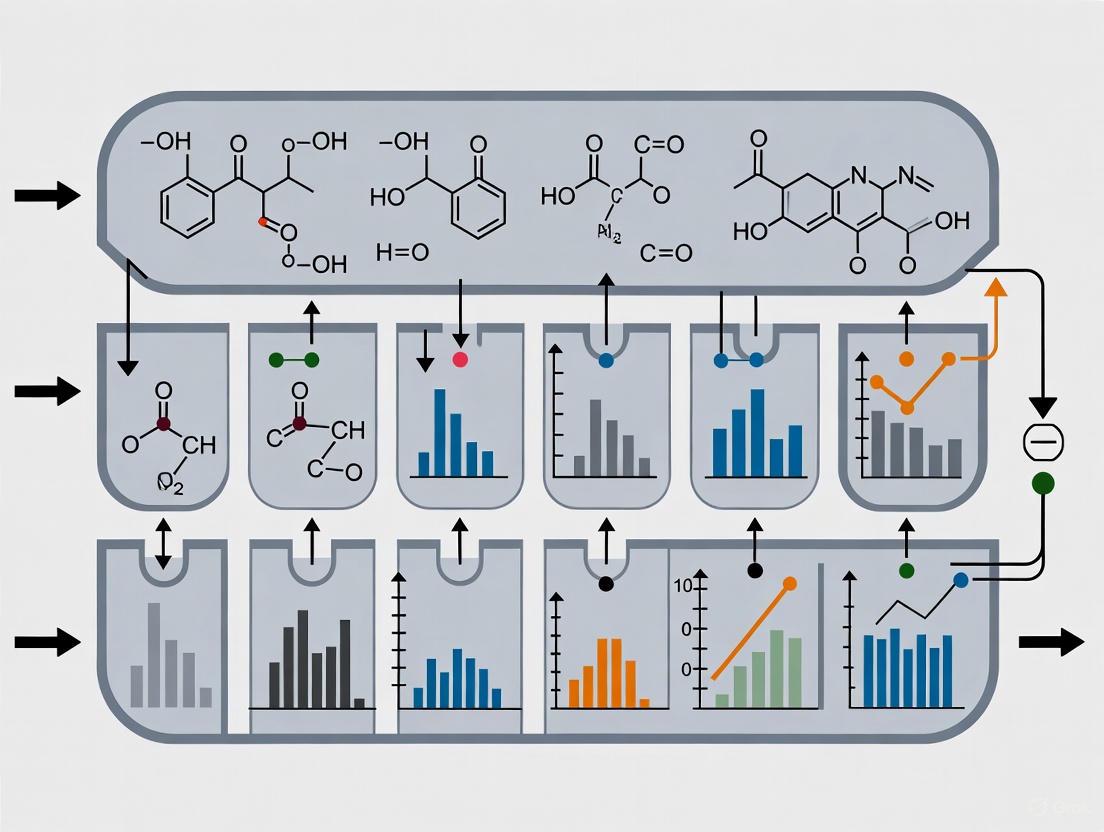
This article provides a comprehensive overview of the core principles and practical applications of microfluidic chip design tailored for pharmaceutical analysis.
Microfluidic Chip Design for Pharmaceutical Analysis: Fundamentals, Applications, and Future Trends
Abstract
This article provides a comprehensive overview of the core principles and practical applications of microfluidic chip design tailored for pharmaceutical analysis. Aimed at researchers, scientists, and drug development professionals, it explores the foundational concepts of fluid mechanics and material science governing chip design. The scope extends to advanced applications in high-throughput drug screening, single-cell analysis, and organ-on-a-chip models. It further addresses critical challenges in design optimization and manufacturing, offering insights from troubleshooting and comparative validation studies. By synthesizing recent advancements, including the integration of artificial intelligence, this article serves as a strategic guide for leveraging microfluidic technology to accelerate and refine pharmaceutical research and development.
Core Principles of Microfluidic Chip Design: Mastering Fluid Mechanics and Materials
The behavior of fluids within microfluidic chips, which process minute volumes from 10^(-9) to 10^(-18) liters through channels tens to hundreds of micrometers wide, diverges significantly from macroscopic flow phenomena [1] [2]. In the context of pharmaceutical analysis and research, understanding these fundamentals is not merely academic; it is a prerequisite for designing robust, reproducible, and efficient Lab-on-a-Chip (LOC) devices for applications ranging from high-throughput drug screening to advanced pharmacological safety assessment [3] [4]. At the microscale, surface forces—such as viscous drag and surface tension—become dominant over inertial forces like gravity, leading to a fluidic environment characterized by predictable laminar flow, diffusion-dominated mixing, and significant capillary effects [2] [5]. This paradigm shift enables the precise manipulation of picoliter-volume reagents, single cells, and drug-loaded nanoparticles, thereby providing a powerful toolkit for accelerating drug discovery and development [1]. The integration of these physical principles allows for the creation of sophisticated "Pharm-Lab-on-a-Chip" platforms that minimize reagent consumption, reduce analysis times, and enhance detection sensitivity, marking a transformative advancement in pharmaceutical sciences [4].
The Laminar Flow Regime
The Reynolds Number and the Laminar-Turbulent Transition
In fluid mechanics, the flow regime—whether laminar or turbulent—is determined by the dimensionless Reynolds number (Re), which represents the ratio of inertial forces to viscous forces [2] [5]. It is defined by the equation:
Re = ρνL/µ
Where:
- ρ is the fluid density (kg/m³)
- ν is the flow velocity (m/s)
- L is the characteristic linear dimension of the system, typically the hydraulic diameter of the channel (m)
- μ is the dynamic viscosity of the fluid (Pa·s)
Owing to the extremely small characteristic dimension (L) of microchannels, the Reynolds number in microfluidic systems is typically very low, nearly always less than 2000, and often less than 1 [2] [5]. In this low-Re regime, viscous forces dampen any perturbations that would lead to turbulence, resulting in a smooth, orderly flow pattern known as laminar flow [5]. In laminar flow, adjacent layers of fluid slide past one another without macroscopic mixing, creating predictable and parallel streamlines. This behavior is a cornerstone of microfluidic design, enabling precise spatial control over fluidic elements, which is exploited in applications such as hydrodynamic focusing for cell sorting, precise gradient generation for chemotaxis studies, and the creation of highly monodisperse droplets for nanoparticle synthesis [1] [2].
Experimental Analysis of Flow Parameters
Quantifying the relationship between flow velocity and the resulting flow regime is a fundamental experiment in microfluidics. The following protocol outlines a method to visualize and characterize laminar flow.
Experimental Protocol: Flow Visualization and Reynolds Number Characterization
- Objective: To experimentally determine the flow regime (laminar or turbulent) in a microchannel and correlate it with the calculated Reynolds number.
Materials & Setup:
- A straight microfluidic channel fabricated in PDMS or glass, bonded to a transparent substrate.
- Two independent, programmable syringe pumps for precise control of flow rates.
- Two aqueous solutions: one deionized water (dyed with a visible dye, e.g., food coloring), and one undyed.
- Inverted optical microscope with a high-speed camera for flow visualization.
Methodology:
- Channel Priming: Thoroughly prime the microchannel with deionized water to remove any air bubbles.
- Flow Configuration: Connect the syringes containing the dyed and undyed solutions to the two inlets of a Y-shaped or T-shaped junction microchannel. The main channel should be sufficiently long to allow for full flow development.
- Data Acquisition: Set the syringe pumps to identical, low flow rates, resulting in a low average velocity (ν). Observe the interface between the two streams at the junction and downstream.
- Flow Regime Mapping: Gradually increase the flow rates in a stepwise manner. At each step, capture images or video of the flow streamlines. Continue this process until a significant disruption of the parallel streamlines is observed.
- Parameter Calculation: For each step, calculate the Reynolds number using the equation above. The hydraulic diameter for a rectangular channel is given by ( D_h = 2wh/(w+h) ), where w is the width and h is the height of the channel.
Expected Outcome: At low flow rates (Re << 2000), the dyed and undyed streams will flow side-by-side in parallel laminae with mixing occurring only via diffusion at their interface. As the flow rate increases and Re approaches and exceeds 2000, the distinct interface will begin to break down, indicating the onset of transitional or turbulent flow.
Table 1: Quantitative Relationship between Flow Velocity and Reynolds Number in a Typical Microchannel (w=100µm, h=50µm, ρ=1000 kg/m³, µ=0.001 Pa·s)
| Average Flow Velocity (ν, m/s) | Calculated Reynolds Number (Re) | Observed Flow Regime |
|---|---|---|
| 0.001 | 0.1 | Stable Laminar Flow |
| 0.01 | 1.0 | Laminar Flow |
| 0.1 | 10.0 | Laminar Flow |
| 1.0 | 100.0 | Laminar Flow |
| > 2.0 | > 2000 | Transition to Turbulence |
Diffusion at the Microscale
Principles and Kinetics of Diffusive Mixing
In the absence of turbulent eddies in laminar flow, the primary mechanism for molecular mixing is diffusion [2]. Diffusion is the process by which molecules move from a region of higher concentration to a region of lower concentration due to random thermal motion. The timescale for diffusive mixing is critically important in microfluidic reactions, such as rapid reagent quenching or initiating cell lysis. This timescale is approximated by the equation:
t ≈ x² / 2D
Where:
- t is the diffusion time (s)
- x is the diffusion distance, or the characteristic length scale between molecules (m)
- D is the molecule-specific diffusion coefficient (m²/s)
The profound implication of this relationship for microfluidics is that the diffusion time scales with the square of the distance [2]. When the channel dimensions are reduced from the macroscopic scale (e.g., 1 cm in a beaker) to the microscale (e.g., 100 µm in a microchannel), the diffusion distance decreases by a factor of 100, and consequently, the diffusion time decreases by a factor of 10,000. This dramatic acceleration enables reaction and analysis times that are orders of magnitude faster than in conventional laboratory setups, a key advantage for high-throughput pharmaceutical screening [1] [2].
Experimental Protocol for Quantifying Diffusive Mixing
Understanding and measuring the rate of diffusive mixing is essential for designing efficient microfluidic reactors and analysis systems.
Experimental Protocol: Diffusion Coefficient Measurement in a Laminar Flow Device
- Objective: To visualize and quantify the diffusive mixing of two parallel laminar streams and estimate the diffusion coefficient of a solute.
Materials & Setup:
- A straight microchannel with a Y- or T-junction for inlet streams.
- Two programmable syringe pumps.
- A buffer solution and a solution of a fluorescent dye (e.g., fluorescein) dissolved in the same buffer.
- Fluorescence microscope equipped with a photomultiplier tube (PMT) or a CCD camera for intensity profiling.
Methodology:
- Stream Alignment: Introduce the buffer and dye solutions into the two inlets at identical, low flow rates to establish stable, parallel laminar streams.
- Image Acquisition: Using the fluorescence microscope, capture a high-resolution image of the channel downstream from the junction, perpendicular to the flow direction. The fluorescence intensity will be high in the dye stream and low in the buffer stream, with a gradient at the interface.
- Intensity Profiling: Extract a fluorescence intensity profile across the width of the channel at a specific downstream point. This profile represents the concentration gradient of the dye.
- Data Fitting: The concentration profile can be fitted to the solution of Fick's second law of diffusion for the given boundary conditions. The diffusion coefficient (D) is the fitting parameter that aligns the theoretical curve with the experimental data.
- Validation: Repeat the experiment at different flow rates. While the flow rate will change the distance required for complete mixing, the fitted diffusion coefficient should remain constant.
Expected Outcome: The experiment will yield a sigmoidal fluorescence intensity profile across the channel. The width of the transition region between the two streams is a direct function of the diffusion coefficient and the time the fluids have been in contact (determined by the flow velocity and distance from the junction).
Table 2: Diffusion Times for Common Molecules over Varying Microscale Distances (Approximate D = 10⁻⁹ m²/s for a small molecule in water)
| Diffusion Distance (x, µm) | Calculated Diffusion Time (t) | Practical Implication in Microfluidics |
|---|---|---|
| 1 | 0.5 ms | Nearly instantaneous mixing for very narrow channels |
| 10 | 50 ms | Rapid mixing, suitable for fast chemical reactions |
| 50 | 1.25 s | Moderate mixing time, may require enhanced mixer designs |
| 100 | 5 s | Slow mixing, passive diffusion is often insufficient |
| 1000 (1 mm) | 500 s (~8.3 min) | Impractically slow, highlighting need for active mixing |
Surface Tension and Capillary Action
The Dominance of Surface Forces
At the microscale, the surface-to-volume ratio of a fluid increases dramatically. This makes surface-related forces, such as surface tension and capillary action, overwhelmingly dominant compared to body forces like gravity [2] [5]. Surface tension arises from the cohesive forces between liquid molecules at an interface, minimizing the surface area. Capillary action is the ability of a liquid to flow in narrow spaces without the assistance of, or even in opposition to, external forces like gravity [5]. This is the fundamental principle behind many passive, pump-free microfluidic devices, including paper-based diagnostic strips and lateral flow assays (like home pregnancy tests) [2]. Furthermore, the manipulation of these interfacial forces is the basis for digital microfluidics, where discrete droplets are generated and moved as individual micro-reactors for high-throughput applications like single-cell analysis or combinatorial drug screening [2] [6].
Experimental Control of Droplet Formation
The controlled formation of droplets is a critical process in digital microfluidics, used for creating uniform drug carriers and compartmentalized reactions.
Experimental Protocol: Analyzing Droplet Formation in a Flow-Focusing Geometry
- Objective: To investigate the influence of flow rates and interfacial tension on the size and frequency of droplets generated in a flow-focusing microfluidic device.
Materials & Setup:
- A flow-focusing microchannel, typically fabricated via soft lithography in PDMS or via injection molding in thermoplastics [2] [6].
- Two syringe pumps for the continuous (carrier) phase and the dispersed (droplet) phase.
- Immiscible fluids: e.g., an aqueous solution (dispersed phase) and mineral oil with a surfactant (continuous phase). The surfactant controls the interfacial tension.
- High-speed camera mounted on a microscope.
Methodology:
- System Priming: Prime the microfluidic device with the continuous phase (oil) to wet the channels and prevent unwanted aqueous adhesion.
- Droplet Generation: Initiate flow of both the continuous and dispersed phases. The continuous phase hydrodynamically "focuses" the dispersed phase, causing it to break off into droplets at the orifice.
- Parameter Variation:
- Flow Rate Ratio (φ): Hold the continuous phase flow rate constant and systematically vary the dispersed phase flow rate. Capture video of droplet formation for each condition.
- Interfacial Tension (γ): Repeat the experiment using continuous phases with different concentrations of surfactant, which alters the interfacial tension.
- Data Analysis: From the recorded videos, measure the resulting droplet diameter and formation frequency for each experimental condition. Plot droplet size as a function of the flow rate ratio and capillary number (Ca = μν/γ, which represents the relative effect of viscous forces versus surface tension).
Expected Outcome: The experiment will demonstrate that higher flow rate ratios (more dispersed phase) generally produce larger droplets, while higher continuous phase viscosity and velocity accelerate breakup, yielding smaller droplets [6]. Conversely, higher interfacial tension delays droplet detachment, resulting in larger droplets [6]. Recent computational fluid dynamics (CFD) studies have further quantified that the injection angle in a flow-focusing geometry also significantly impacts droplet characteristics, with a 90° angle yielding the maximum droplet diameter [6].
The Scientist's Toolkit: Essential Research Reagents and Materials
The successful execution of microfluidic experiments and the fabrication of functional devices rely on a carefully selected set of materials and reagents. The table below details key components used in the field, with an emphasis on their role in studying fluid behavior and developing pharmaceutical analysis platforms.
Table 3: Essential Research Reagents and Materials for Microfluidic Research
| Item Name | Function / Application in Microfluidics |
|---|---|
| Polydimethylsiloxane (PDMS) | An elastomeric polymer used for rapid prototyping of microchannels via soft lithography; prized for its gas permeability (essential for cell culture), optical transparency, and biocompatibility [2] [5]. |
| Surfactants (e.g., Span 80, Tween 20) | Amphiphilic molecules used to stabilize emulsions in droplet-based microfluidics; they lower interfacial tension between immiscible phases, preventing droplet coalescence and enabling the generation of stable, monodisperse droplets for use as micro-reactors [6]. |
| Fluorescent Dyes (e.g., Fluorescein) | Critical tracer molecules for flow visualization and quantitative analysis; used to map streamlines in laminar flow, measure concentration gradients for diffusion studies, and quantify mixing efficiency [5]. |
| Programmable Syringe Pumps | Provide precise, computer-controlled pressure-driven or volume-driven flow of fluids into microchannels; essential for achieving stable flow conditions and for systematically varying flow parameters in experiments [6]. |
| Photoresist (e.g., SU-8) | A light-sensitive polymer used in photolithography to create high-resolution master molds on silicon wafers; these masters are the negative template for casting PDMS microchannels, defining the channel geometry [2] [5]. |
| Cyclic Olefin Copolymer (COC) | A thermoplastic polymer increasingly used for industrial-scale production of microfluidic chips via injection molding; offers excellent optical clarity, high chemical resistance, and low water absorption, making it suitable for diagnostic devices [2]. |
| Biocompatible Hydrogels (e.g., Matrigel) | Used to create 3D cell culture environments and as barrier structures within microchannels; essential for developing more physiologically relevant Organ-on-a-Chip models for pharmacological testing and disease modeling [5]. |
Optimizing Microchannel Geometry for Efficient Sample Transport and Mixing
In the pharmaceutical industry, the precision of analytical results and the efficacy of drug delivery systems are paramount. Microfluidic technology, which manipulates fluids at microscale dimensions, has emerged as a transformative tool, enabling high-throughput screening, precise dosing, and the creation of physiologically realistic microenvironments [1]. Within this domain, the geometry of microchannels is a critical design parameter that directly influences two fundamental processes: sample transport and mixing. Effective transport ensures that analyte bands reach their target without dispersion that could compromise diagnostic accuracy, while efficient mixing is essential for reactions, assays, and the synthesis of drug carriers [7] [8].
At the microscale, fluid flow is predominantly laminar, making turbulent mixing, common in macroscale systems, ineffective. Consequently, mixing relies primarily on molecular diffusion, which can be impractically slow for many applications [9]. Passive mixing strategies, which use channel geometry to induce secondary flows and chaotic advection, offer a powerful solution without the complexity and cost of external actuators [8] [9]. This guide delves into the optimization of microchannel geometry, providing a technical foundation for researchers and drug development professionals to design systems that enhance mixing performance and control sample dispersion, thereby improving the reliability and efficiency of pharmaceutical analysis.
Fundamental Principles of Microfluidic Flow and Mixing
Fluid Dynamics at the Microscale
In microfluidic systems, fluid behavior is governed by a low Reynolds number (Re), a dimensionless quantity representing the ratio of inertial forces to viscous forces. This results in laminar flow, where fluids move in parallel, ordered layers without turbulence [10]. While this allows for precise fluid control, it poses a significant challenge for mixing, which becomes dependent on the slow process of molecular diffusion. The key transport mechanisms involved are:
- Molecular Diffusion: The random thermal motion of molecules from regions of high concentration to low concentration. Its effectiveness is described by Fick's law and is most significant over short distances.
- Advection: The transport of molecules by the bulk motion of the fluid. In pressure-driven flows, the velocity profile is parabolic (Poiseuille flow), meaning molecules in the center of the channel travel faster than those near the walls.
- Hydrodynamic Dispersion: The combined effect of a non-uniform velocity profile (advection) and molecular diffusion, which leads to the spreading of an analyte band as it travels through a microchannel. This can be detrimental in separation processes but beneficial for mixing [7].
Performance Metrics for Mixing and Transport
To quantitatively evaluate and optimize microchannel designs, researchers use several key metrics:
Mixing Index (Mi): This metric quantifies the homogeneity of a mixture at a specific cross-section of a channel. It is calculated using the formula:
( \tau^2 = \frac{1}{n}\sum{i=1}^{n}(\omegai - \omega{\infty})^2 ) and ( Mi = 1 - \frac{\tau^2}{\tau{max}} )
where ( \omegai ) is the mass fraction at a sampling point, ( \omega{\infty} ) is the fully mixed concentration, and ( n ) is the number of sampling points. A mixing index of 1 indicates complete mixing, while 0 signifies no mixing [8].
Figure of Merit (FoM): This holistic metric balances mixing performance against the required energy input, defined as ( FoM = \frac{Mi}{\Delta p} ), where ( \Delta p ) is the pressure drop across the channel. A high FoM indicates efficient mixing with low parasitic power loss [8].
Analyte Band Dispersion: In transport and separation applications, minimizing dispersion is critical. It is often expressed as a percentage of band broadening, with lower values indicating better performance and more reliable diagnostic measurements [7].
Optimized Microchannel Geometries and Their Performance
Extensive research has identified several passive microchannel geometries that effectively enhance mixing and control transport. The following sections and tables summarize the optimized parameters and performance of key designs.
Wavy-Channel Micromixers
Wavy-channel designs feature sinusoidal walls, which are simple to manufacture, especially via stamping methods, making them economically attractive for industrial-scale production [8]. The geometry is defined by its width (w), height (h), wavy amplitude (a), and wavy frequency (f). Optimization studies using the Taguchi statistical method reveal that while higher amplitude and frequency generally improve the mixing index by creating stronger secondary flows, they also increase the pressure drop due to greater Darcy friction loss. Therefore, optimization must carefully balance these parameters to achieve a high Figure of Merit [8].
Table 1: Optimization Parameters and Performance for Wavy-Channel Micromixers [8]
| Geometric Parameter | Effect on Mixing Index (Mi) | Effect on Pumping Power | Optimization Goal |
|---|---|---|---|
| Wavy Amplitude (a) | Increases with higher amplitude | Increases with higher amplitude | Balance for high FoM |
| Wavy Frequency (f) | Increases with higher frequency | Increases with higher frequency | Balance for high FoM |
| Channel Width (w) | Influences flow profile and mixing | Affects flow resistance | Optimize with other parameters |
| Channel Height (h) | Influences flow profile and mixing | Affects flow resistance | Optimize with other parameters |
Grooved Serpentine Micromixers
This advanced topology combines two effective strategies: serpentine (curved) channels and grooved surfaces. Serpentine channels generate Dean vortices—two vertically stacked rotational flows caused by centrifugal forces. When asymmetric grooves (e.g., a staggered herringbone, SHB, pattern) are added to the channel bottom, they induce horizontally stacked vortices. The interaction between these orthogonal vortex systems creates complex, chaotic advection, dramatically enhancing mixing across the channel's cross-section [9]. Key geometric parameters for optimization include the inner radius of curvature (( R_{in} )) and the specific dimensions of the grooves (angle, depth, and apex position).
Table 2: Design Parameters and Performance of Grooved Serpentine Mixers [9]
| Parameter | Description | Optimized Value/Effect |
|---|---|---|
| Inner Radius (( R_{in} )) | Inner radius of the curved channel section | Optimized for mixing index >0.95 across Re 10-100 |
| Groove Angle | Angle of asymmetric grooves relative to channel axis | 45° |
| Groove Depth (( h_{groove} )) | Depth of the grooved patterns | 33 µm (50% of channel height) |
| Apex Position | Lateral position of the groove's apex | Switches at (2/3)W from the sidewall |
| Mixing Mechanism | Interaction of Dean flow (serpentine) and helical flow (grooves) | Creates complex vortices and saddle points |
Curved Microchannels for Dispersion Control
For applications like capillary electrophoresis and chromatography within lab-on-a-chip devices, controlling analyte band dispersion in curved sections is critical. Optimizing the curvature geometry can significantly reduce band broadening, which enhances resolution and diagnostic accuracy [7]. A key parameter is the internal-to-external curvature radius ratio (Rr).
Table 3: Impact of Curvature and Zeta Potential on Analyte Dispersion [7]
| Factor | Range | Impact on Analyte Band Dispersion |
|---|---|---|
| Curvature Radius Ratio (Rr) | 0.1 → 0.5 | Decreases dispersion from 42% to 15% |
| Wall Zeta Potential (ζ) | -0.1 V → -0.5 V | Increases dispersion from 25% to 90% |
| Microchannel Type | Type II (Optimized) | 60% reduction in dispersion post-optimization |
Experimental Protocols for Microchannel Optimization
A rigorous, iterative process of computational modeling and experimental validation is standard for optimizing microchannel geometry. The following protocol outlines a typical workflow.
Computational Fluid Dynamics (CFD) Modeling Protocol
Objective: To simulate fluid flow, species concentration, and mixing performance for a given microchannel geometry. Software: Commercial CFD packages such as ANSYS Fluent or COMSOL Multiphysics [8] [9].
- Geometry Creation and Meshing: Create a precise 3D model of the microchannel (e.g., wavy, serpentine, grooved). Generate a computational mesh, ensuring finer elements near walls and in regions of expected high velocity or concentration gradients.
- Define Governing Equations and Boundary Conditions:
- Physics Setup: Solve the steady-state incompressible Navier-Stokes equations (for momentum and continuity) and the transient species transport equation [8] [9].
- Boundary Conditions:
- Inlets: Specify inlet velocities or pressures for each fluid stream. Define the mass fraction of species (e.g., ωA=1, ωB=0 for a T-junction) [8].
- Outlet: Set a pressure outlet (often atmospheric pressure).
- Walls: Apply a no-slip boundary condition for velocity and a zero-flux condition for species.
- Solver Settings and Simulation:
- Select a pressure-based solver.
- Set fluid properties (density, viscosity, diffusion coefficient).
- Run the simulation until residuals converge to a pre-defined criterion (e.g., 10⁻⁶).
- Post-Processing and Analysis:
- Extract velocity fields and concentration contours across the channel.
- Calculate the Mixing Index (Mi) at various cross-sections using the formula in Section 2.2 [8].
- Calculate the pressure drop (( \Delta p )) between the inlet and outlet.
- Compute the Figure of Merit (FoM).
Design of Experiment (DoE) and Optimization Protocol
Objective: To systematically explore the design space and identify the optimal geometric parameters.
- Parameter Selection: Identify key geometric variables to optimize (e.g., wavy amplitude/frequency, inner radius of curvature, groove dimensions).
- DoE Matrix Setup: Employ a statistical method like the Taguchi method to create an orthogonal array of simulation runs. This approach efficiently samples the parameter space with a minimal number of simulations [8].
- Execution and Analysis:
- Run CFD simulations for each design in the Taguchi array.
- For each run, record the performance metrics (Mi, ( \Delta p ), FoM).
- Perform an analysis of variance (ANOVA) to determine the sensitivity of the performance metrics to each geometric parameter and identify the optimal parameter combination.
Workflow Visualization
The following diagram illustrates the integrated computational and experimental workflow for microchannel optimization.
Microchannel Optimization Workflow
The Scientist's Toolkit: Research Reagent Solutions
Successful experimentation in microfluidics requires specific materials and reagents. The following table details essential components for fabricating and operating optimized microchannels.
Table 4: Essential Research Reagents and Materials for Microfluidic Experimentation
| Item | Function/Description | Application Example |
|---|---|---|
| Polydimethylsiloxane (PDMS) | A silicone-based elastomer used for rapid prototyping of microchannels via soft lithography. Biocompatible and gas-permeable. | Standard material for academic prototyping of grooved serpentine and wavy channels [10] [9]. |
| Flexdym | A thermoplastic, biocompatible polymer enabling cleanroom-free fabrication. | Alternative to PDMS for more robust and mass-producible devices [10]. |
| Photoresist (e.g., SU-8) | A light-sensitive polymer used to create high-resolution molds on silicon wafers for soft lithography. | Creating the master mold for PDMS devices with features like herringbone grooves [9]. |
| Fluorescent Dyes | Tracers used to visualize and quantify fluid flow and mixing efficiency within microchannels. | Essential for experimental validation of mixing index in protocols [8]. |
| Buffer Solutions with adjusted Zeta Potential | Electrolyte solutions where ionic strength and pH are controlled to modify the wall zeta potential, affecting electroosmotic flow (EOF). | Critical for experiments focused on controlling analyte dispersion in electrokinetically-driven systems [7]. |
| Newtonian Fluids (e.g., Deionized Water, Glycerol solutions) | Fluids with constant viscosity, used to establish baseline hydraulic and mixing performance. | Used in initial CFD model validation and fundamental mixing studies [8] [9]. |
The strategic optimization of microchannel geometry is a cornerstone of effective microfluidic design for pharmaceutical research. As demonstrated, passive designs such as wavy channels, grooved serpentine mixers, and optimized curved channels can dramatically enhance mixing efficiency and control analyte transport by intelligently inducing secondary flows and chaotic advection. The quantitative data and protocols provided in this guide offer a clear roadmap for researchers.
The future of microfluidics in pharmaceuticals is inextricably linked to advances in design and manufacturing. Emerging trends, including AI-driven design optimization, the use of 3D printing for rapid prototyping of complex geometries, and the development of multi-layer hybrid systems, are pushing the boundaries of what is possible [10] [11]. By leveraging these optimized geometric strategies, scientists and drug development professionals can continue to build more reliable, efficient, and powerful microfluidic systems, accelerating the journey from discovery to clinical application.
The evolution of microfluidic technology has transformed pharmaceutical analysis research, enabling lab-on-a-chip systems that miniaturize and integrate complex laboratory functions. The selection of appropriate materials for microfluidic chip fabrication represents a fundamental decision that directly impacts device performance, experimental validity, and translational potential. Within the context of pharmaceutical research, material properties including biocompatibility, chemical resistance, optical characteristics, and fabrication feasibility must be carefully balanced against application-specific requirements. This guide provides a comprehensive technical comparison of predominant microfluidic materials—Polydimethylsiloxane (PDMS), glass, Polymethyl methacrylate (PMMA), and other engineering plastics—focusing on their suitability for pharmaceutical analysis applications. By synthesizing current research and experimental data, this review aims to equip researchers and drug development professionals with evidence-based criteria for optimal material selection in microfluidic chip design.
Fundamental Material Properties and Comparative Analysis
Material-Specific Characteristics and Pharmaceutical Applications
Polydimethylsiloxane (PDMS) remains the most widely used material for microfluidic prototyping in academic research settings. This silicone-based elastomer offers exceptional flexibility (elastic modulus of 300-500 kPa), optical transparency (240-1100 nm wavelength range), and high gas permeability beneficial for cell culture applications [12] [13]. However, PDMS exhibits significant limitations for pharmaceutical analysis, including hydrophobic molecule absorption, leaching of uncrosslinked oligomers, and limited chemical resistance to organic solvents, potentially compromising drug compound stability and quantitative analysis [12] [14]. The material's propensity to adsorb hydrophobic drugs and metabolites can significantly alter concentration profiles in pharmacokinetic studies [14].
Glass provides superior chemical resistance, minimal nonspecific adsorption, and excellent optical properties, making it invaluable for applications requiring high-performance liquid chromatography, capillary electrophoresis, and precise chemical synthesis [15] [16]. Its stable electroosmotic mobility and high thermal conductivity facilitate applications involving electrokinetic phenomena and thermal cycling [13]. However, glass processing demands specialized equipment, cleanroom facilities, and high-temperature bonding processes, increasing fabrication complexity and cost [16]. Its brittleness and poor gas permeability further limit certain cell culture applications [13].
Polymethyl methacrylate (PMMA) offers an advantageous balance of optical clarity, mechanical rigidity, and fabrication versatility. As a thermoplastic, PMMA can be processed using hot embossing, injection molding, or laser cutting, enabling cost-effective device replication [17] [18]. Its moderate UV resistance and biocompatibility with specific cell types make it suitable for various detection modalities and cellular assays [18] [14]. Surface modification via UV-ozone or plasma treatment enhances hydrophilicity and reduces adsorption of hydrophobic compounds, though treated surfaces may gradually revert to hydrophobic states [14].
Other Plastics including polystyrene (PS), polycarbonate (PC), and cyclic olefin copolymer (COC) offer specialized properties for pharmaceutical applications. PS is particularly valuable for cell culture studies due to its extensive use in biological laboratories and inherent biocompatibility [13] [14]. PC provides high thermal stability (glass transition temperature ~145°C) suitable for DNA thermal cycling applications [13]. COC exhibits low autofluorescence and excellent chemical resistance, making it ideal for sensitive detection applications [14].
Quantitative Material Comparison
Table 1: Comparative Properties of Microfluidic Materials for Pharmaceutical Applications
| Property | PDMS | Glass | PMMA | PS | COC |
|---|---|---|---|---|---|
| Biocompatibility | Good (with restrictions) [12] | Excellent [15] | Good with specific cell types [18] [14] | Excellent [13] [14] | Good [14] |
| Protein/Drug Adsorption | High (hydrophobic molecules) [12] [14] | Very Low [15] [13] | Moderate (reducible by treatment) [14] | Moderate (reducible by treatment) [14] | Low (after treatment) [14] |
| Optical Transparency | Excellent (240-1100 nm) [12] | Excellent [15] | Excellent [17] [18] | Excellent [13] | Excellent [14] |
| Gas Permeability | High [12] [13] | None [13] | Low [19] [18] | Low [13] | Low [14] |
| Chemical Resistance | Poor (swells in organic solvents) [12] | Excellent [15] [16] | Good [18] | Moderate [13] | Excellent [14] |
| Fabrication Complexity | Low [12] [20] | High [15] [16] | Moderate [17] [18] | Moderate [13] | Moderate [14] |
| Approximate Cost | Low [12] | High [16] | Low [17] [13] | Low [13] | Moderate [14] |
Table 2: Adsorption Properties of Testosterone and Metabolites on Different Materials [14]
| Material | Untreated Surface Adsorption | UV-Ozone Treated Surface Adsorption | Biocompatibility (HepG2 Culture) |
|---|---|---|---|
| PDMS | High | Not Stable | Good |
| PMMA | Moderate | Reduced | Moderate |
| PS | Moderate | Reduced | Excellent |
| PC | High | Significantly Reduced | Good |
| COC | Moderate | Significantly Reduced | Good |
Fabrication Methodologies and Experimental Protocols
PDMS Device Fabrication via Soft Lithography
The dominant protocol for PDMS microfluidic device fabrication employs soft lithography techniques, enabling rapid prototyping of microchannel networks with feature sizes down to the nanometer scale [12] [20]. The process begins with master mold fabrication, typically using silicon wafers patterned with SU-8 photoresist through photolithography [20]. PDMS prepolymer is prepared by mixing base and curing agent (commonly at 10:1 ratio for Sylgard 184), followed by degassing in a vacuum desiccator to remove entrapped air bubbles [20]. The mixture is poured onto the master mold and cured at 60-80°C for 1-2 hours [20]. Once cured, the PDMS replica is peeled from the mold, and access ports are created using biopsy punches. Bonding to glass substrates or other PDMS layers is achieved through oxygen plasma treatment, which activates silanol groups on both surfaces, enabling permanent covalent bonding when brought into conformal contact [12] [20]. The completed device is finally heated (60-80°C) for 1-2 hours to strengthen the bond [20].
PMMA Device Fabrication via Solvent Bonding and Hot Embossing
PMMA microfluidic devices can be fabricated through several approaches, with solvent bonding and hot embossing representing the most common methods [17] [18]. For solvent bonding, PMMA substrates are first machined using laser cutting or micromilling to create microchannel patterns [17]. The surfaces are cleaned sequentially with detergent, acetone, isopropanol, and deionized water in an ultrasonic bath, followed by nitrogen drying [17]. Optimal bonding employs solvent mixtures such as ethanol/acetone (1:1 ratio) applied to the PMMA surfaces, which facilitates transesterification reactions that create molecular bridges between substrates [17]. The assembled device is subjected to controlled pressure (30-50 N) and incubated in a vacuum oven at 50°C for 3 hours to complete bonding while minimizing channel deformation [17]. Hot embossing provides an alternative fabrication strategy, involving heating PMMA above its glass transition temperature (∼105°C) under pressure using a master mold, followed by cooling to retain the imprinted pattern [18]. This method enables high-resolution, high-throughput production suitable for commercialization [18].
Glass Device Fabrication via Etching and Bonding
Glass microfluidic fabrication employs photolithography and etching techniques adapted from semiconductor processing [16]. The process begins with cleaning the glass substrates, followed by deposition of photoresist and exposure through a photomask defining the microchannel pattern [16]. Development removes exposed resist, and the revealed glass areas are etched using hydrofluoric acid-based solutions [16]. Access holes for fluidic interconnects are created via drilling, sand-blasting, or ultrasonic machining [16]. Bonding of patterned glass to cover plates utilizes thermal fusion bonding (above 600°C) or anodic bonding (∼200°C with applied voltage), creating chemically resistant and optically clear devices [16]. The high temperature and specialized equipment requirements present significant barriers to implementation in conventional research laboratories [15] [16].
Material Selection Framework for Pharmaceutical Applications
Application-Specific Recommendations
Drug Screening and ADME-Tox Studies: PDMS should be avoided due to significant small molecule absorption, particularly for hydrophobic compounds [12] [14]. COC and PS demonstrate superior performance, with COC offering excellent chemical resistance and low adsorption after surface treatment [14]. PS provides established biocompatibility for cell-based assays, though surface modification may be necessary to reduce protein and drug adsorption [14].
High-Pressure Chromatographic Separations: Glass remains the preferred material for applications requiring resistance to organic solvents and minimal sample interaction [15] [16]. For higher throughput or disposable formats, PMMA and COC provide viable alternatives with good chemical stability and lower manufacturing costs [18] [14].
Organ-on-a-Chip and Cell Culture Models: Traditional PDMS offers advantages for oxygen/carbon dioxide exchange but suffers from hydrophobic molecule absorption and potential leaching of uncrosslinked oligomers [12] [19]. Surface-treated PS provides a physiologically relevant substrate with extensive validation for mammalian cell culture [13] [14]. For advanced models requiring optical accessibility and electrical sensing, glass-PDMS hybrid systems offer complementary benefits [16].
Point-of-Care Diagnostic Devices: PMMA excels in disposable diagnostic applications due to its low cost, manufacturability, and optical clarity [17] [18]. For detection modalities requiring low background fluorescence, COC provides superior performance [14].
Decision Framework and Future Directions
Material selection should follow a systematic evaluation of application requirements: (1) Identify critical chemical compatibility needs based on solvents and analytes; (2) Determine necessary optical properties for detection modalities; (3) Evaluate biocompatibility requirements for biological components; (4) Assess manufacturing constraints including scalability and cost; (5) Consider operational parameters including pressure, temperature, and gas exchange needs [12] [15] [16]. Emerging trends include development of surface modification technologies to enhance material performance, composite material strategies that combine advantages of multiple materials, and increased adoption of thermoplastic materials for commercial applications [19] [13].
The Scientist's Toolkit: Essential Research Reagents and Materials
Table 3: Essential Materials for Microfluidic Device Fabrication
| Material/Reagent | Function | Application Notes |
|---|---|---|
| Sylgard 184 PDMS Kit | Elastomeric substrate | Base:curing agent typically 10:1 ratio; degas before curing [20] |
| SU-8 Photoresist | Master mold fabrication | Negative tone epoxy resist; thickness varies with spin speed [20] |
| PMMA Sheets | Thermoplastic substrate | Optically clear; fabricate via laser cutting or micromilling [17] [18] |
| Ethanol/Acetone Mixture | Solvent bonding | 1:1 ratio optimal for PMMA bonding; minimal channel deformation [17] |
| Oxygen Plasma System | Surface activation | Creates silanol groups for PDMS-glass bonding; hydrophilizes surfaces [12] [20] |
| UV-Ozone Cleaner | Surface modification | Reduces adsorption on thermoplastics; enhances hydrophilicity [14] |
| Biopsy Punches | Access port creation | Create inlet/outlet ports in PDMS devices; various diameters available [20] |
Microfluidic technology, characterized by the manipulation of fluids in channels with dimensions of tens to hundreds of micrometers, has emerged as a transformative tool in pharmaceutical research and development [21] [22]. At the heart of any microfluidic system lies its architectural design, which dictates its functionality, throughput, and biological relevance. The evolution from simple planar (often referred to as two-dimensional or 2D) layouts to complex three-dimensional (3D) configurations represents a significant paradigm shift, enabling more sophisticated biomimetic environments and integrated analytical operations [23]. For researchers in drug development, the choice between planar and 3D architectures influences critical parameters including drug screening accuracy, predictability of human physiological responses, and overall experimental efficiency. This guide provides a technical examination of both architectural approaches, detailing their design principles, fabrication methodologies, and applications within modern pharmaceutical analysis.
Fundamental Design Principles and Material Selection
Core Principles of Microfluidic Operation
Microfluidic devices operate on fundamental principles that become particularly pronounced at the microscale. Laminar flow dominates in microchannels, with fluids flowing in parallel streams without turbulence, enabling precise control over mixing and chemical gradients [21] [24]. Surface effects become significantly enhanced due to the high surface-to-volume ratio, making surface chemistry and wettability critical design considerations [24]. The principle of miniaturization allows for reduced consumption of precious samples and reagents, lowering costs and enabling high-throughput experimentation [25] [24]. Furthermore, capillary action can be harnessed to move fluids without external pumping in certain designs, simplifying device operation [24].
Material Selection for Pharmaceutical Applications
Material choice is a critical determinant of microfluidic chip performance, affecting biocompatibility, chemical resistance, optical properties, and fabrication complexity.
- Polydimethylsiloxane (PDMS): A widely used elastomer in research settings, PDMS is favored for its optical transparency, gas permeability (beneficial for cell culture), and ease of prototyping. However, its porosity makes it susceptible to absorption of small molecules and swelling with organic solvents, which can limit its use in pharmaceutical analysis [26] [22].
- Glass and Silicon: These materials offer excellent optical clarity, high chemical resistance, and thermal stability. They are ideal for applications involving harsh solvents or high temperatures. Their rigidity, however, makes integrating active components like valves more challenging, and fabrication costs are typically higher [22].
- Thermoplastics (PMMA, COC, PC): Polymers like polymethylmethacrylate (PMMA) and cyclo-olefin copolymer (COC) provide a balance of properties, including good optical quality, mechanical strength, and suitability for mass production techniques like injection molding. They are often more chemically resistant than PDMS [22].
- Hydrogels: Materials such as alginate or collagen are used to create scaffolds within microfluidic devices, especially in 3D cell culture and organ-on-a-chip models. They provide a biomimetic extracellular matrix (ECM) that supports cell growth and function [26].
- 3D Printing Resins: Stereolithography (SLA) resins are increasingly used for rapid prototyping of complex 3D microfluidic architectures. Challenges remain with their optical transparency and inherent biocompatibility, often requiring post-processing surface functionalization to ensure cell adhesion and viability [27].
Table 1: Key Materials for Microfluidic Chip Fabrication in Pharmaceutical Research
| Material | Key Advantages | Key Limitations | Common Fabrication Methods | Ideal Use Cases |
|---|---|---|---|---|
| PDMS | Gas permeable, optically transparent, flexible, easy prototyping | Absorbs small molecules, swells with solvents, hydrophobic | Soft lithography, replica molding | Organ-on-chip, rapid prototyping, cell culture studies |
| Glass | Chemically inert, optically excellent, hydrophilic | Brittle, high fabrication cost, difficult to integrate valves | Etching, laser ablation, bonding | High-pressure/ temperature reactions, analytical chemistry |
| PMMA | Good optical clarity, rigid, low cost | Susceptible to solvents, lower temperature resistance | CNC machining, injection molding, laser ablation | Disposable diagnostic chips, electrophoretic separations |
| Hydrogels | Biocompatible, mimic extracellular matrix, tunable properties | Mechanically soft, may degrade over time | Direct casting, photopolymerization | 3D cell culture, tissue engineering, drug screening |
| SLA Resins | High resolution, complex 3D geometries, rapid prototyping | Poor optical clarity, can require surface modification for cell adhesion | Stereolithography 3D printing | Custom, complex 3D channel networks, integrated devices |
Planar Microfluidic Chip Architectures
Design and Fabrication
Planar microfluidic chips are characterized by their essentially two-dimensional layout, where channels and chambers are fabricated in a single plane, typically on a flat substrate [23]. The fabrication of these devices has been standardized over decades. For PDMS-based devices, the primary method is soft lithography, where a mold (often made of SU-8 photoresist on a silicon wafer) is created using photolithography. PDMS polymer is then poured over this mold, cured, and peeled off, resulting in a slab of PDMS containing the channel network. This slab is subsequently bonded to a glass slide or another PDMS layer to seal the channels [22]. For thermoplastic materials like PMMA or COC, hot embossing and injection molding are common manufacturing techniques, especially for cost-effective mass production [22]. Laser ablation is another versatile method used to directly engrave microchannel patterns into polymer substrates [22].
Applications in Pharmaceutical Analysis
The simplicity and maturity of planar architectures make them well-suited for a range of pharmaceutical applications:
- High-Throughput Drug Screening (HTDS): The planar format is ideal for creating arrays of microchambers or channels for parallelized testing of drug compounds on cells or enzymes, significantly reducing reagent consumption and time compared to conventional 96-well plates [25] [28].
- Droplet-Based Microfluidics: Utilizing immiscible phases, planar devices can generate uniform picoliter to nanoliter droplets that act as isolated microreactors. This is powerful for screening drug combinations, encapsulating single cells for analysis, and synthesizing nanoparticles with precise control over size and polydispersity [25].
- Analytical Separations: When coupled with detection techniques like laser-induced fluorescence or mass spectrometry, planar chips provide an excellent platform for efficient separations of drug compounds and metabolites via techniques such as capillary electrophoresis, offering rapid analysis with high resolution [28] [22].
Figure 1: Overview of Planar Microfluidic Chip Technology
Three-Dimensional (3D) Microfluidic Chip Architectures
Design and Fabrication Strategies
3D microfluidic chips feature channel networks that extend and interconnect across multiple layers or planes, enabling complex fluidic pathways that more closely mimic the intricate vasculature of biological tissues [23]. This architecture allows for fluidic routing that is impossible in a single plane. Key fabrication strategies include:
- Multi-Layer Soft Lithography: This technique involves fabricating multiple layers of PDMS, each containing a patterned channel network, and then bonding them together in a stack. Vertical "vias" are incorporated to create fluidic connections between layers, enabling complex 3D flow control [23].
- Additive Manufacturing (3D Printing): Techniques like Stereolithography (SLA) are revolutionizing the fabrication of 3D microfluidics. SLA uses a laser to selectively cure photosensitive resin layer-by-layer, directly building monolithic devices with intricate internal 3D channels without the need for assembly [27] [29]. This approach offers unparalleled design freedom but faces challenges related to resin biocompatibility and optical clarity [27].
- Integrated Scaffolds: In this approach, 3D architecture refers not only to the fluidic channels but also to the internal structure of the device. Hydrogels or other porous scaffolds are patterned within microfluidic chambers to support 3D cell culture, creating a more physiologically relevant microenvironment for cells compared to flat, 2D surfaces [26].
Applications in Pharmaceutical Analysis
3D architectures unlock advanced applications that require spatial complexity and biomimicry:
- Organs-on-Chips: These are advanced 3D microfluidic devices that host living human cells arranged to simulate the structure and function of human organs. By incorporating multiple cell types, mechanical cues (e.g., cyclic stretch for lungs), and perfusion, they create a more predictive model for drug efficacy, toxicity, and pharmacokinetic studies, potentially reducing the reliance on animal models [23] [28].
- Advanced Disease Models: 3D chips can be used to create sophisticated models of human diseases, such as tumors. A 3D tumor-on-a-chip can incorporate cancer cells in a 3D hydrogel scaffold, perfused by microvessels, to study tumor invasion and the penetration of anti-cancer drugs in a more realistic context [26] [28].
- Multi-Organ Microphysiological Systems: By linking several organ-on-chip modules through microfluidic channels, researchers can create a "human-on-a-chip" system. This allows for the study of inter-organ interactions and systemic ADMET (Absorption, Distribution, Metabolism, Excretion, and Toxicity) of drug candidates, providing a holistic view of drug effects [25] [28].
Figure 2: Core Concepts of 3D Microfluidic Chip Architectures
Comparative Analysis: Planar vs. 3D Architectures
A direct comparison of planar and 3D microfluidic architectures reveals a trade-off between simplicity and biological relevance, guiding researchers in selecting the appropriate platform for their specific pharmaceutical analysis needs.
Table 2: Comparative Analysis of Planar vs. 3D Microfluidic Chip Architectures
| Parameter | Planar (2D) Architecture | Three-Dimensional (3D) Architecture |
|---|---|---|
| Design Complexity | Low; primarily 2D channel layouts [23] | High; complex multi-layer networks and interconnects [23] |
| Fabrication Throughput | High for established methods (e.g., soft lithography) [22] | Lower; more complex and time-consuming processes [27] |
| Biocompatibility & Cell Culture | Suitable for 2D monolayer cell culture, but lacks physiological context [26] | Superior; enables 3D cell culture that mimics native tissue structure and function [23] [26] |
| Biomimicry | Limited; cannot replicate complex tissue interfaces or gradients [23] | High; can recreate in vivo-like microenvironments, mechanical forces, and concentration gradients [23] [28] |
| Throughput & Scalability | High; easily parallelized for screening [25] | Moderate to Low; more complex to operate and scale [23] |
| Integration Potential | Good for combining sample prep, reaction, and detection [24] | Excellent; can integrate multiple organ models and complex fluidic logic on a single chip [23] [25] |
| Typical Applications | High-throughput drug screening, droplet assays, analytical separations [25] [28] | Organs-on-chips, complex disease models, multi-organ interaction studies [23] [28] |
Experimental Protocols for Key Pharmaceutical Applications
Protocol 1: High-Throughput Drug Screening Using a Planar Droplet Array
This protocol outlines the use of a planar droplet microfluidic platform for rapid screening of drug compound combinations [25].
- Chip Priming: Flush the oil phase (e.g., fluorinated oil with surfactant) through the continuous flow channels of the PDMS/glass droplet chip to fill them and prevent aqueous solution from entering.
- Droplet Generation: Simultaneously pump the aqueous phase (containing cells, buffer, and a drug compound) and the oil phase into the chip. Use a flow-focusing or T-junction droplet generator geometry to produce monodisperse, water-in-oil droplets (typical volume: 0.1 - 10 nL).
- Droplet Trapping: Guide the generated droplets into an on-chip array of hydrodynamic traps. Each trap is designed to hold a single droplet, creating a massive parallel array of isolated micro-reactors.
- Drug Exposure & Incubation: Once the array is loaded, stop the flow. The trapped droplets, each containing cells and a specific drug condition, are incubated on-chip. The chip can be placed in a controlled environment (e.g., 37°C, 5% CO₂) for several hours to days.
- Viability Readout: Introduce a fluorescent viability stain (e.g., Calcein-AM for live cells, Propidium Iodide for dead cells) into the droplets via a continuous flow or a second merging step. Image the entire droplet array using an automated fluorescence microscope.
- Data Analysis: Use image analysis software to quantify the fluorescence intensity in each droplet, calculating the ratio of live to dead cells to determine drug efficacy for each condition in the screen.
Protocol 2: Establishing a 3D Liver-on-a-Chip for Toxicity Testing
This protocol details the creation of a 3D biomimetic liver model to assess drug-induced toxicity [26] [28].
- Chip Fabrication: Use an SLA 3D printer to fabricate a multi-layer chip from a biocompatible resin. The design should include a central tissue chamber connected to two flanking perfusion channels. Subject the printed chip to post-processing (e.g., UV curing, ethanol washing) and surface functionalization (e.g., with oxygen plasma or ECM protein coating) to improve wettability and cell adhesion.
- Hydrogel Preparation: Mix primary human hepatocytes with a liquid basement membrane extract (BME) hydrogel (e.g., Matrigel) or collagen type I solution on ice to prevent premature gelation.
- 3D Cell Loading: Carefully pipette the cell-hydrogel mixture into the central tissue chamber of the chip. Allow the hydrogel to polymerize at 37°C for 20-30 minutes, forming a 3D tissue construct.
- Perfusion Culture: Connect the chip to a pneumatic or syringe pump system. Circulate cell culture medium through the flanking perfusion channels. The medium will diffuse into the 3D tissue, providing nutrients and oxygen while removing waste. Culture the tissue under flow for 7-14 days to allow for tissue maturation and formation of functional bile canaliculi.
- Drug Treatment: Introduce the drug candidate into the perfusion medium at the desired concentration. Maintain flow for a set period (e.g., 24-72 hours).
- Endpoint Analysis:
- Metabolic Function: Collect effluent medium and measure the concentration of albumin and urea as markers of liver-specific function.
- Cytotoxicity: Measure the release of lactate dehydrogenase (LDH) into the effluent medium.
- Histology: At the end of the experiment, fix the tissue in the chip with paraformaldehyde, paraffin-embed, section, and stain (e.g., H&E for morphology, immunofluorescence for CYP450 enzymes) to assess structural integrity and protein expression.
The Scientist's Toolkit: Essential Reagents and Materials
Table 3: Key Research Reagent Solutions for Microfluidic Pharmaceutical Analysis
| Reagent/Material | Function | Example Use Case |
|---|---|---|
| PDMS (Sylgard 184) | Elastomeric polymer for flexible, gas-permeable chips [22] | Fabricating rapid prototypes for planar cell culture and droplet generators. |
| Fluorinated Oil w/ Surfactant | Continuous phase for forming and stabilizing aqueous droplets [25] | Creating stable water-in-oil emulsions for single-cell analysis or combinatorial drug screening. |
| Basement Membrane Extract (e.g., Matrigel) | Hydrogel scaffold mimicking the extracellular matrix [26] | Providing a 3D support structure for cultivating organoids or building organ-on-chip models. |
| Primary Human Cells | Biologically relevant cell source for predictive models [28] | Populating organ-on-chip devices (e.g., hepatocytes for liver chips, endothelial cells for vasculature). |
| Fluorescent Viability Stains (e.g., Calcein-AM/PI) | Live/Dead cell discrimination [25] | Quantifying drug-induced cytotoxicity in both 2D and 3D culture formats within microchips. |
| SLA Biocompatible Resin | Photopolymer for 3D printing monolithic chips [27] | Additively manufacturing devices with complex 3D internal architectures. |
The strategic selection between planar and 3D microfluidic architectures is a fundamental decision in the design of pharmaceutical research platforms. Planar chips offer a proven, high-throughput path for screening and analysis, while 3D architectures provide unprecedented biological fidelity for predictive modeling of human physiology and disease. The ongoing convergence of these fields—such as incorporating 3D cell culture units into highly parallel planar screening arrays—points to a future where microfluidic systems will offer both high content and high throughput [23] [28].
Future advancements will be driven by innovations in materials science, particularly the development of more biocompatible and functional 3D printing resins, and the integration of artificial intelligence for chip design and data analysis [23] [27]. Furthermore, the push for standardization and commercialization will be critical for translating these sophisticated lab-based technologies into robust, reliable tools that can be widely adopted within the pharmaceutical industry to streamline drug development pipelines and improve the success rate of new therapeutics [30] [28].
Transforming Pharma R&D: Microfluidic Applications from Drug Screening to Delivery
Lab-on-a-Chip (LOC) Systems for High-Throughput Drug Screening and Potency Testing
The development of new therapeutics is a complex process, characterized by extensive timelines, high costs, and a significant attrition rate where over 90% of screened drug candidates fail after entering clinical trials, largely due to their inability to accurately capture human physiological responses during the initial screening phases [31]. Within this challenging landscape, Lab-on-a-Chip (LOC) technology has emerged as a transformative tool for high-throughput drug screening (HTDS). LOC systems are defined by the miniaturization and integration of multiple laboratory functions—such as sample preparation, analysis, and detection—onto a single chip, typically measuring only a few square centimeters [25]. By leveraging microfluidics, the science of manipulating fluids at sub-millimeter scales, these systems enable high-throughput testing and flexible automation while offering the critical advantages of miniaturized size, low reagent consumption, high analytical accuracy, and user-friendliness [31] [25].
The fundamental principle behind LOC technology for pharmaceutical analysis is the replication of critical biological environments in a controlled, in vitro setting. This capability is paramount for improving the predictive power of early-stage drug screening. The internal dimensions of these chips, which range from micrometers to millimeters, lead to drastically reduced consumption of samples and reagents, often at the nanoliter and picoliter levels [25]. When combined with multichannel and array designs, this miniaturization allows for high-throughput screening that can increase the speed of analysis by hundreds of times compared to conventional methods, while simultaneously lowering associated costs [25]. For drug development professionals, this translates into a powerful platform that can more reliably predict the efficacy, toxicity, and pharmacokinetics of drug compounds in humans, thereby de-risking the pipeline and accelerating the journey from discovery to market.
Core LOC Technology Platforms and Their Applications
LOC systems are not a monolithic technology but encompass a diverse array of platforms, each tailored to address specific challenges in drug screening. The most impactful of these include organ-on-a-chip systems, droplet-based microfluidics, and chips designed for three-dimensional (3D) cell culture. Each platform offers a unique set of advantages for mimicking human physiology and conducting high-throughput potency testing.
Organ-on-a-Chip platforms are sophisticated microfluidic devices that contain continuously perfused, living human cells arranged to simulate tissue-level and organ-level functions. These systems provide a bridge between conventional 2D cell cultures and complex in vivo animal models. They can be configured as single-organ systems (e.g., skin-on-a-chip, kidney-on-a-chip) or as interconnected multi-organ chips [25]. A key application is the development of complex disease models, such as a glioblastoma (GBM) model surrounded by vascular cells to study the tumor microenvironment (TME) [32]. One advanced model constructs an arterial-like structure by encapsulating GBM spheroids with layers of human smooth muscle cells (SMCs) and human umbilical vein endothelial cells (HUVECs), thereby replicating the critical cell-cell interactions and blood flow-induced shear stress found in native tissues [32]. Comparative analyses using such models have revealed the significant role of proteins like platelet endothelial cell adhesion molecule (PECAM) in tumor-vascular interactions, demonstrating how organ-on-a-chip technology can uncover novel biological mechanisms and assess drug resistance [32].
Droplet Microfluidics involves compartmentalizing reactions or assays into nanoliter to picoliter volume droplets, which are generated and manipulated within an immiscible carrier fluid. This platform acts as a highly efficient micro-reactor system. Its primary advantages include separate compartments for each experiment, very low reagent consumption, excellent repeatability, and rapid mixing due to high surface-to-volume ratios [25]. For drug screening, droplet-based methods are exceptionally well-suited for high-throughput compound screening. They can be used to create in vitro microtumor models or for encapsulating cells in 3D cultures, providing a more physiologically relevant screening environment than traditional well plates [25] [33]. A prominent technique is the sequential operation droplet array, which allows for the screening of different drug dosing combinations and treatment durations to optimize therapeutic regimens with minimal consumption, a crucial capability for managing complex diseases requiring combination therapies [25] [31]. Compared to traditional 96-well plate screening, droplet microfluidic platforms can reduce sample consumption by approximately 200 times and slash reaction times from hours to just minutes [25] [31].
3D Cell Culture and Microfluidic Hydrogel Chips represent another major technological branch. Moving beyond flat, 2D cell monolayers, these systems allow cells to be embedded within hydrogels (e.g., alginate) in microchannels, creating a 3D microenvironment that more accurately recapitulates the biological and physiological parameters of cells in vivo [25] [33]. This 3D architecture facilitates superior cell-cell and cell-matrix interactions, which are critical for accurate assessment of drug potency and mechanisms of action. Microfluidic hydrogel chips are particularly adept at performing long-term cell culture and establishing diffusion-based nutrient and drug transport models that mimic natural tissues [25]. The ability to culture cells in three dimensions within a dynamic microfluidic environment provides a more predictive model for how a drug will penetrate and act upon tissues in the human body, addressing a major limitation of conventional screening assays.
Table 1: Comparison of Key LOC Technology Platforms for Drug Screening
| Platform Type | Key Advantages | Common Applications in Drug Screening | Inherent Challenges |
|---|---|---|---|
| Organ-on-a-Chip [25] [32] | Reduced complexity of operation; Models organ-level functionality; Can investigate multi-organ interactions | Disease modeling (e.g., tumor microenvironment); Toxicity testing; Absorption and metabolism studies | Difficult to fully replicate all organ functionalities; Can involve intricate design and manufacturing |
| Droplet Microfluidics [25] [33] [31] | Ultra-low consumption; High-throughput; Rapid mixing and response times; Compartmentalization | High-throughput compound screening; Single-cell analysis; Optimizing drug combination regimens | Complex manufacturing; Limited detection parameters; Not always ideal for quantification |
| 3D Cell Culture/Hydrogel Chips [25] [33] | Mimics in vivo cellular microenvironment; Recapitulates natural tissue diffusion; Suitable for long-term culture | Potency testing of anti-cancer drugs; Studies of drug penetration; Mechanistic action studies | Application range not universal; Methods for commercial promotion are still maturing |
Quantitative Performance and Detection Methodologies
The efficacy of any drug screening platform is ultimately judged by its performance metrics and its ability to generate reliable, quantitative data. LOC systems excel in this regard, particularly when coupled with advanced detection techniques. The quantitative superiority of LOC platforms is evident in direct comparisons with traditional methods. For instance, droplet-based microfluidics can reduce sample consumption by approximately 200-fold and decrease reaction times from 2 hours to just 2.5 minutes when compared to standard 96-well plate screenings [25] [31]. This dramatic enhancement in speed and efficiency is a cornerstone of high-throughput screening.
To capture the rich biological data generated within these micro-environments, LOCs are often integrated with a variety of sensitive detection instruments. The choice of detection method depends on the specific assay and the type of analyte being measured. Common and powerful combinations include:
- Electrochemical Detection: Used for measuring metabolic activity and cell viability, often in real-time [25].
- Mass Spectrometry: Coupled via nano-HPLC-Chip-MS/MS interfaces for detailed analysis of metabolites, proteins, and secreted biomarkers from cells on-chip [25].
- Optical Detection: Includes methods like UV spectroscopy for concentration analysis, chemiluminescence for enzymatic assays, and surface-enhanced Raman spectroscopy for highly sensitive molecular fingerprinting [25].
- Impedance Sensing: Techniques like Electric Cell-substrate Impedance Sensing (ECIS) are deployed to monitor barrier function integrity in real-time, which is crucial for modeling endothelial and epithelial tissues and assessing toxin- or drug-induced damage [31].
Table 2: Key Quantitative Performance Metrics of LOC Systems
| Performance Parameter | LOC System Capability | Traditional Method (e.g., 96-well plate) Comparison | Significance for Drug Screening |
|---|---|---|---|
| Reagent/Sample Consumption [25] [31] | Nanoliter to Picoliter scale | Microliter to Milliliter scale | Drastically reduces costs, especially for rare/expensive compounds |
| Analytical Throughput [25] | High (via multiplexing and droplet arrays) | Moderate | Enables screening of vast compound libraries in a shorter time |
| Assay Response Time [25] [31] | Minutes (e.g., ~2.5 minutes) | Hours (e.g., ~2 hours) | Accelerates feedback for iterative drug design and optimization |
| Sensitivity (LOD) [31] | Sub-microgram per liter (e.g., 0.005–0.025 µg L⁻¹ for antidepressants) | Varies, but generally higher | Allows detection of low-abundance biomarkers and subtle cellular responses |
A concrete example of a quantitative bioassay performed on an LOC is the on-chip electromembrane surrounded solid phase microextraction (EM-SPME) for determining tricyclic antidepressants from biological fluids [31]. In this setup, a conductive coating of poly(3,4-ethylenedioxythiophene)–graphene oxide (PEDOT-GO) is electrodeposited on an SPME fiber. This method achieved remarkably low limits of detection, ranging from 0.005 to 0.025 µg L⁻¹, and demonstrated a wide linear range when coupled with gas chromatography–mass spectrometry [31]. This highlights the capability of LOC systems to perform sophisticated sample preparation and analysis with exceptional sensitivity, making them suitable for pharmacokinetic and metabolomic studies in drug development.
Detailed Experimental Protocol: Tumor-Vascular Interaction Screening
The following protocol details the creation and use of a glioblastoma (GBM) tumor-vascular model on a chip for high-throughput drug screening, based on a recently developed platform [32]. This protocol exemplifies the integration of several core LOC technologies, including 3D spheroid culture, co-culture systems, and dynamic flow.
Research Reagent Solutions and Essential Materials
Table 3: Essential Materials and Reagents for Tumor-Vascular LOC Model
| Item Name | Function/Description | Application in Protocol |
|---|---|---|
| Human Umbilical Vein Endothelial Cells (HUVECs) [32] | Forms the inner lining of the vascular model, mimicking capillary and arterial endothelium. | Used in both capillary (HUVECs only) and arterial (with SMCs) model configurations. |
| Human Smooth Muscle Cells (SMCs) [32] | Provides structural support to the vessel wall in the arterial model. | Co-cultured with HUVECs to create a layered arterial structure around the tumor spheroid. |
| Glioblastoma (GBM) Cell Line [32] | Forms the tumor core of the model, representing the disease target. | Cultured as 3D spheroids prior to encapsulation within the vascular cell layers. |
| Hydrogel Matrix (e.g., Alginate) [32] | A biocompatible polymer that forms a 3D scaffold for cell encapsulation. | Used to encapsulate the GBM spheroids and vascular cells, mimicking the extracellular matrix. |
| Cell Culture Media | Provides nutrients for maintaining cell viability and function. | Circulated through the microfluidic device to feed the constructs and apply shear stress. |
| Anti-Cancer Drug Candidates | The compounds whose efficacy and potency are being tested. | Introduced into the circulating media to assess their effect on the tumor-vascular model. |
| Cytokine/Antibody Assay Kits | For detecting secreted proteins (e.g., PECAM, drug resistance cytokines). | Used to collect and analyze effluent from the chip to quantify biological responses. |
Step-by-Step Workflow
GBM Spheroid Formation:
- Culture GBM cells in a low-adherence, U-bottom well plate to promote self-assembly into 3D spheroids.
- Incubate until spheroids reach a uniform and desired size (typically 150-300 µm in diameter).
Vascular Model Construction:
- For the Arterial Model: Prepare a mixed-cell suspension containing the pre-formed GBM spheroid, human SMCs, and HUVECs in a hydrogel precursor solution (e.g., alginate).
- For the Capillary Model: Prepare a suspension of the GBM spheroid with HUVECs only in the hydrogel solution.
- Load the cell-hydrogel mixture into the microfluidic chip's designated cell culture chamber. Use on-chip gelation triggers (e.g., exposure to calcium ions for alginate) to polymerize the hydrogel, thereby encapsulating the cells and forming the 3D construct.
On-Chip Culture and Perfusion:
- Connect the chip to a pneumatic or syringe pump system to initiate continuous perfusion of cell culture media.
- Set the flow rate to generate a physiologically relevant shear stress on the vascular endothelial layer (e.g., 0.5 - 5 dyn/cm²).
- Maintain the system under standard cell culture conditions (37°C, 5% CO₂) for a predetermined period to allow for model maturation and the establishment of robust cell-cell interactions.
Drug Administration and Screening:
- Switch the perfusion fluid from pure culture media to media containing the anti-cancer drug candidate(s) at specified concentrations.
- For high-throughput screening, the platform can be scaled using an array of chips or multiple chambers to test several drugs or concentrations in parallel.
- Maintain drug exposure for a set duration (e.g., 24-72 hours) while continuous circulation is maintained.
Endpoint Analysis and Data Collection:
- Viability and Potency Assessment: After drug treatment, introduce fluorescent live/dead cell stains into the system. Use on-chip or off-chip fluorescence microscopy to quantify cell death within the tumor and vascular compartments.
- Molecular Analysis: Collect effluent from the chip outlet during and after drug treatment. Analyze this media using ELISA or other immunoassays to quantify the secretion of biomarkers (e.g., PECAM) and drug resistance cytokines.
- Gene Expression: At the end of the experiment, retrieve the hydrogel constructs, dissociate the cells, and perform RNA extraction. Use qRT-PCR to analyze the expression of genes associated with tumor progression and metastasis (e.g., MMPs, VEGF) [32].
LOC systems represent a paradigm shift in the approach to high-throughput drug screening and potency testing. By enabling the creation of more physiologically relevant human models in a miniaturized, automated, and high-throughput format, this technology directly addresses the critical bottlenecks of cost, time, and predictive accuracy that have long plagued the pharmaceutical industry [31] [25]. The integration of advanced capabilities such as organ-on-a-chip disease models, droplet-based microreactors, and dynamic 3D cell culture within microfluidic environments provides a powerful "scientist's toolkit." This toolkit allows researchers to dissect complex drug-tissue interactions, uncover novel mechanisms of action and resistance, and generate high-quality quantitative data with unprecedented efficiency [32]. As these platforms continue to evolve, their adoption in academia and the pharmaceutical industry is poised to enhance the success rate of clinical trials and accelerate the delivery of new, effective therapeutics to patients.
Organ-on-a-Chip Models for Predictive Toxicology and Pharmacokinetic/Pharmacodynamic (PK/PD) Studies
Organ-on-a-Chip (OoC) technology represents a paradigm shift in preclinical research, offering microfluidic devices that recapitulate human organ-level physiology and pathophysiology with high fidelity. These microengineered systems are composed of a clear, flexible polymer containing hollow microchannels, often separated by a porous membrane lined with living human cells, which are continuously perfused with cell-type-specific culture media [34]. By mimicking the dynamic mechanical and biochemical microenvironment found in human organs, OoCs create more physiologically relevant models for studying drug responses than static traditional in vitro systems or animal models [35]. The technology has emerged as a promising alternative to animal testing, addressing the critical problem that animal models often poorly predict human therapeutic responses, contributing to the high failure rates of drugs in clinical trials [36] [35].
The integration of OoC technology into pharmaceutical analysis is particularly valuable for predicting human pharmacokinetic profiles during drug development. Pharmacokinetics (PK) involves the quantification of a drug's absorption, distribution, metabolism, and excretion (ADME), while pharmacodynamics (PD) studies the physiological effects the drug produces on its target organs [37] [34]. OoC models enable researchers to model complex ADME processes and drug-induced effects in a controlled human-cell-based system, potentially providing more accurate predictions of drug behavior in humans before entering clinical trials [36].
Fundamental Microfluidic Design Principles for OoC
The design and fabrication of OoC systems leverage several fundamental principles of microfluidics that govern fluid behavior at the microscale. Understanding these principles is essential for creating efficient microfluidic chips that can accurately mimic human physiology.
- Laminar Flow: At the microscale, fluids typically move in smooth, parallel layers with low Reynolds numbers, allowing for precise fluid control without turbulence [10].
- Diffusion-Based Mixing: In the absence of turbulence, mixing occurs primarily through molecular diffusion, which can be optimized through channel geometry design [10] [1].
- Capillarity and Surface Tension: Surface forces dominate over gravitational forces at small scales, enabling fluid movement without external pumping in some designs [10].
- Electrokinetics: Applied voltage can drive fluid flow in pump-free microfluidic systems, offering precise control for specific applications [10].
Most current OoC cell culture devices are fabricated from polydimethylsiloxane (PDMS), a clear, flexible, gas-permeable polymer suitable for biological applications [38]. However, PDMS has limitations, particularly its tendency to adsorb small hydrophobic molecules, which can compromise drug concentration accuracy in pharmacokinetic studies [38]. To address this, alternative materials such as polysulfone (PSF) plastic with lower absorption properties are being explored [38]. Additionally, thin, flexible biopolymer membranes made of materials like polyurethane are incorporated to simulate specific biological characteristics, such as mechanical stretching to mimic breathing motions in lung-on-chip models [38].
Table 1: Common Materials for OoC Fabrication
| Material | Key Properties | Advantages | Limitations |
|---|---|---|---|
| PDMS | Flexible, gas-permeable, transparent | Biocompatible, easy to prototype | Adsorbs small hydrophobic molecules |
| Polysulfone (PSF) Plastic | Rigid, low absorption | Reduced drug adsorption | Less flexible than PDMS |
| Polyurethane Membranes | Flexible, stretchable | Mimics tissue mechanics | More challenging to fabricate |
| Flexdym | Thermoplastic, biocompatible | Cleanroom-free fabrication | Less established in literature |
OoC Applications in PK/PD Studies
Modeling Pharmacokinetic Processes
OoC technology has shown significant potential for improving the prediction of key human PK parameters, including oral bioavailability (F) and intrinsic clearance (CLh) [37]. By recreating organ-specific barriers and metabolic functions, these systems can model the complex journey of a drug through the human body.
Advanced multi-OoC platforms have been developed to simulate first-pass metabolism following oral administration. For instance, a fluidically linked system incorporating Gut, Liver, and Kidney Chips has been used to model the absorption, metabolism, and excretion of nicotine, successfully predicting PK parameters that closely matched clinical data from human patients [36]. In this model, nicotine is introduced to the Gut Chip lumen to simulate oral administration, followed by sequential transport to the Liver Chip for metabolism and then to the Kidney Chip for excretion, all via a shared vascular circulation [36].
For intravenously administered drugs like the chemotherapeutic agent cisplatin, a different configuration with Liver, Kidney, and Bone Marrow Chips has demonstrated the ability to recapitulate both the PK profile and PD effects, including characteristic kidney injury and bone marrow suppression [36] [34]. These multi-OoC platforms incorporate an arterio-venous (AV) fluid mixing reservoir that serves as a surrogate for systemic circulation, allowing for drug concentration measurements that can be directly compared to clinical blood samples [36].
Physiologically-Based Pharmacokinetic (PBPK) Modeling Integration
The combination of OoC technology with physiologically-based pharmacokinetic (PBPK) modeling represents a particularly powerful approach for quantitative PK prediction [38]. PBPK modeling uses mathematical principles to study drug ADME processes by representing human organs as separate compartments integrated into a physiologically relevant structure [38].
The workflow for integrating OoC data with PBPK modeling involves a feedback loop: initial data from individual Organ Chips inform the development of computational models, which are then refined using data from interconnected multi-Organ Chip systems [36]. These models employ ordinary differential equation (ODE)-based, multi-compartment reduced-order (MCRO) approaches that divide each Organ Chip into discrete compartments representing different tissue layers and fluid channels [36]. This integration enables quantitative prediction of drug concentration-time profiles in humans, addressing a critical need in preclinical drug development.
Diagram 1: PBPK Modeling with OoC Data Workflow
Quantitative Prediction of Human PK Parameters
Substantial progress has been made in demonstrating the ability of OoC platforms to quantitatively predict human PK parameters. In a landmark study, a linked Gut-Liver-Kidney Chip system combined with a biomimetic scaling approach successfully predicted maximum nicotine concentrations, tissue distribution times, and clearance rates that closely matched previously measured human clinical data [34]. Similarly, the same platform accurately modeled cisplatin PK and PD, including metabolite formation and organ-specific toxicities [36] [34].
Table 2: Experimentally Validated Multi-Organ Chip Configurations for PK/PD Studies
| Chip Configuration | Drug Model | Administration Route | Key PK Parameters Predicted | Clinical Correlation |
|---|---|---|---|---|
| Gut + Liver + Kidney | Nicotine | Oral (first-pass metabolism) | C~max~, T~max~, clearance, bioavailability | Close match to human clinical data |
| Liver + Kidney + Bone Marrow | Cisplatin | Intravenous | Plasma concentration, metabolite formation, clearance | Recapitulated human PK profile |
| Fluidically linked 8-organ system | Model compounds | Systemic distribution | Tissue-specific distribution | Quantitative prediction achieved |
OoC Applications in Predictive Toxicology
OoC technology has emerged as a powerful platform for predictive toxicology, enabling the identification of organ-specific drug toxicities before clinical trials. The systems can recapitulate complex human toxicological responses that are often not predicted by animal models due to species-specific differences in drug metabolism and tissue responses [35].
The Liver Chip has been particularly valuable for assessing drug-induced liver injury (DILI), a major cause of drug attrition. Advanced liver models incorporate 3D hepatocyte culture systems that maintain long-term physiological function, enabling the study of chronic toxicity and metabolism-dependent toxicities [38]. These platforms have been used to model mechanisms of hepatotoxicity, including glutathione depletion, reactive oxygen species generation, and bile duct damage [38].
Similarly, Kidney Chips have been developed to predict nephrotoxicity, a common side effect of many pharmaceutical agents. These models recapitulate the sophisticated functions of the human nephron, including glomerular filtration and tubular reabsorption, allowing researchers to monitor biomarkers of kidney injury such as KIM-1 and NGAL in response to drug exposure [36] [35].
The ability to interconnect multiple Organ Chips enables the study of organ-specific toxicities resulting from drug metabolites produced in a different tissue. For example, a liver chip might metabolize a prodrug into a toxic compound that subsequently damages kidney tissue, a process that can be captured in a linked Liver-Kidney Chip system [36]. This capability is particularly valuable for identifying off-target toxicities that might otherwise go undetected in single-organ models.
Experimental Protocols for OoC PK/PD Studies
Protocol 1: Multi-Organ Chip Linking for First-Pass Metabolism Studies
Objective: To model oral drug absorption and first-pass metabolism using fluidically linked Gut, Liver, and Kidney Chips.
Materials and Setup:
- Two-channel Gut Chip with elongated serpentine channels to increase epithelial surface area [36]
- Two-channel Liver Chip containing primary human hepatocytes
- Two-channel Kidney Chip with human proximal tubule cells
- Automated robotic fluid handling system (e.g., "Interrogator" instrument) [34]
- Arterio-venous (AV) fluid mixing reservoir
- Common blood substitute medium (low-serum endothelial cell medium)
Procedure:
- Chip Preparation: Individually precondition each Organ Chip for 7-14 days to establish mature tissue phenotypes before linking [36] [34].
- System Connection: Program the fluid handling system to sequentially transfer medium (0.05-0.5 mL aliquots) between the vascular channels of the chips and the AV reservoir every 12 hours, mimicking physiological blood flow rates [36].
- Drug Administration: Introduce the test compound to the apical channel of the Gut Chip to simulate oral administration.
- Sample Collection: Automatically withdraw medium samples from the AV reservoir at predetermined time points (e.g., 0, 0.5, 1, 2, 4, 8, 12, 24 hours) for drug concentration analysis.
- Analysis: Quantify drug and metabolite concentrations using mass spectrometry. Monitor tissue functionality and damage through measurement of organ-specific biomarkers (e.g., albumin for liver, KIM-1 for kidney) [36].
Protocol 2: PBPK Modeling from OoC Data
Objective: To develop a PBPK model capable of translating in vitro OoC results to predictions of human in vivo PK parameters.
Materials and Setup:
- Experimental data from individual and linked Organ Chips
- Computational platform for PBPK modeling (e.g., MATLAB, Python with ODE solvers)
- Drug-specific physicochemical parameters (logP, pKa, unbound fraction)
- Physiological parameters (organ weights, blood flow rates)
Procedure:
- Individual Chip Modeling: Develop MCRO models for each individual Organ Chip by dividing them into discrete compartments (apical channel, cells, basal channel, membrane, PDMS material) [36].
- Parameter Estimation: Use flux equations to describe drug movement between compartments, incorporating measured values for passive permeability, efflux, and metabolism [36].
- Multi-Organ Integration: Combine individual organ models according to the physiological organization of the human body, incorporating an AV reservoir compartment representing systemic circulation.
- Biomimetic Scaling: Apply scaling factors to translate chip dimensions and flow rates to human physiological scales using allometric principles [36] [34].
- Model Validation: Compare model predictions against clinical PK data from the literature for validation compounds (e.g., nicotine, cisplatin).
- Prediction: Apply the validated model to predict human PK parameters for new chemical entities.
Diagram 2: Drug Pathway in Multi-Organ Chip System
The Scientist's Toolkit: Essential Research Reagents and Materials
Successful implementation of OoC technology for PK/PD and toxicology studies requires specific reagents, materials, and instrumentation. The following table details essential components of the OoC research toolkit.
Table 3: Research Reagent Solutions for OoC PK/PD Studies
| Category | Specific Items | Function & Importance |
|---|---|---|
| Cell Sources | Primary human hepatocytes, human intestinal organoids, renal proximal tubule cells | Provide organ-specific functionality; primary cells preferred over cell lines for metabolic competence |
| Specialized Media | Low-serum endothelial cell medium (vascular channels), organ-specific epithelial media (parenchymal channels) | Supports viability of different cell types; enables separate optimization of vascular and tissue environments |
| Chip Materials | PDMS, polysulfone plastic, polyurethane membranes, porous ECM-coated membranes | Creates physiological tissue-tissue interfaces; alternative materials reduce drug adsorption issues |
| Fluidic Handling | Automated robotic fluid transfer systems, programmable pumps, microfluidic valves | Enables precise medium exchange and sampling; maintains sterility during long-term culture |
| Analytical Tools | LC-MS/MS systems, ELISA kits for biomarker analysis, TEER measurement equipment | Quantifies drug/metabolite concentrations; monitors tissue integrity and specific toxicities |
| Model Compounds | Nicotine (first-pass metabolism), cisplatin (organ-specific toxicity), inulin (glomerular filtration marker) | Serves as validation compounds for system performance and model building |
Organ-on-a-Chip technology has matured into a powerful platform for predictive toxicology and PK/PD studies, offering human-relevant models that can potentially overcome the limitations of traditional animal testing. By recreating organ-level functionality in microfluidic devices, OoCs enable researchers to study drug ADME processes and toxicological effects with unprecedented physiological relevance. The integration of these experimental systems with PBPK modeling represents a particularly promising approach for quantitative prediction of human PK parameters, as demonstrated by successful predictions for nicotine and cisplatin that closely matched clinical data.
Despite these advances, challenges remain in standardizing OoC models, reducing materials-based drug adsorption, and further validating the platforms across diverse compound classes. Nevertheless, the continued refinement of OoC technology promises to transform drug development by providing more accurate, human-predictive models for assessing drug safety and efficacy, potentially reducing the high failure rates in clinical trials and accelerating the delivery of new therapies to patients.
Single-Cell Analysis Chips for Investigating Tumor Heterogeneity and Drug Resistance
The inherent heterogeneity within tumors presents a fundamental challenge in oncology, influencing disease progression, metastasis, and therapeutic response. Single-cell analysis technologies have emerged as transformative tools for dissecting this complexity by enabling researchers to probe genetic, transcriptomic, and proteomic variations at the resolution of individual cells. Microfluidic chips, in particular, serve as the technological backbone for these analyses, providing miniaturized platforms for high-throughput cell manipulation, isolation, and processing. When framed within pharmaceutical analysis research, these chips represent a paradigm shift from conventional bulk analysis methods, which average signals across heterogeneous cell populations and obscure rare but critical subpopulations responsible for drug resistance. The integration of single-cell analysis chips into drug development pipelines allows for unprecedented resolution in mapping clonal evolution, identifying resistance mechanisms, and ultimately contributing to more effective, personalized cancer therapies [39] [40].
The significance of these technologies is underscored by their ability to address two interconnected phenomena: tumor heterogeneity and drug resistance. Intratumoral heterogeneity manifests at genomic, transcriptomic, and functional levels, generating cellular subgroups with diverse phenotypic profiles, including differential drug sensitivities. Resistance to targeted therapies and chemotherapeutic agents frequently emerges from pre-existing minor subclones within this heterogeneous population or from adaptive responses triggered by treatment pressure. Single-cell analysis chips provide the necessary resolution to monitor these dynamic processes in patient-derived samples, circulating tumor cells (CTCs), and cancer model systems, thereby illuminating mechanisms that remain invisible in bulk analyses [41] [42].
Microfluidic Chip Technologies for Single-Cell Analysis
Fundamental Design Principles and Operational Mechanisms
Microfluidic devices for single-cell analysis leverage microscale channel architectures—typically with cross-sectional dimensions of tens to hundreds of micrometers—to process small fluid volumes (10⁻⁹ to 10⁻¹⁸ liters) with exceptional precision. These systems operate based on principles of laminar flow, droplet generation, hydrodynamic focusing, and micromanipulation, enabling controlled cellular interactions at the single-cell level. The design incorporates specific functional zones for cell introduction, trapping, sorting, lysis, and molecular barcoding, often integrated with downstream analysis capabilities such as genomic amplification and sequencing library preparation [1] [39].
Two predominant technological approaches have emerged in single-cell analysis chips: passive microfluidic systems that utilize channel geometry and fluid dynamics to manipulate cells without external forces, and active systems that incorporate external fields (electrical, magnetic, or acoustic) for enhanced cell sorting and control. Passive systems often employ physical structures such as microwells, traps, or valves for cell isolation, while active systems provide dynamic programmability but with increased operational complexity. Recent innovations focus on maximizing throughput, maintaining cell viability, and integrating multi-omic processing capabilities within a single miniaturized platform [43] [44].
Advanced Chip Architectures for Single-Cell Isolation
Recent technological advances have yielded sophisticated chip designs specifically optimized for capturing and analyzing rare cell populations, including circulating tumor cells (CTCs) and treatment-resistant subclones. High-porosity ultrathin filter membranes represent one significant innovation, featuring optimized pore architectures that enable efficient CTC isolation based on size and deformability differences while preserving cell viability for subsequent molecular analysis. These membranes demonstrate superior performance for single-cell sequencing compared to traditional photolithographic filters, with enhanced genomic integrity, cell viability, and sequencing coverage [45].
Complementary to filtration approaches, nanowell chip platforms incorporate dense arrays of sub-millimeter chambers, each designed to isolate individual cells for downstream processing. These chips facilitate massively parallel single-cell analysis by confining cells within defined microenvironments, allowing for cell lysis and molecular barcoding without cross-contamination. When integrated with automated scanning and single-cell picking systems, nanowell chips enable established workflows for single CTC sequencing, accurately detecting gene mutations, amplifications, and copy number variations (CNVs) with high precision [45].
Further architectural innovations include droplet-based microfluidics, which encapsulate individual cells in picoliter-scale aqueous droplets within an immiscible carrier oil, effectively creating millions of discrete reaction vessels for high-throughput single-cell RNA sequencing (scRNA-seq). Commercial platforms such as 10x Genomics Chromium and BD Rhapsody have leveraged this principle to process tens of thousands of cells simultaneously, dramatically accelerating single-cell transcriptomic studies in heterogeneous tumor samples [39] [40].
Table 1: Comparison of Single-Cell Analysis Chip Technologies
| Chip Technology | Separation Mechanism | Throughput | Key Applications | Advantages | Limitations |
|---|---|---|---|---|---|
| High-Porosity Filter Membranes | Size-based physical filtration | Medium | CTC isolation, single-cell genomics | High purity, preserved cell viability | Limited to cells with size differential |
| Nanowell Chips | Physical confinement in microchambers | Medium to High | Single-cell sequencing, drug response screening | Minimal cross-contamination, compatible with automation | Limited to static analysis |
| Droplet Microfluidics | Hydrodynamic droplet encapsulation | Very High (10³-10⁵ cells) | scRNA-seq, single-cell proteomics | Ultra-high throughput, low reagent consumption | Requires specialized equipment |
| Digital Microfluidics | Electrowetting-on-dielectric | Low to Medium | PCR, single-cell analysis | Programmable fluid manipulation, flexible workflow | Lower throughput, electrical interference risk |
Experimental Workflows and Methodologies
Integrated Protocol for Single-Cell Analysis of Circulating Tumor Cells
The following detailed protocol outlines a comprehensive workflow for isolating and sequencing single circulating tumor cells using improved high-porosity membranes and nanoporous microchambers, based on recently published methodology [45]:
Step 1: Chip Preparation and Priming
- Begin by sterilizing the microfluidic chip via UV irradiation (30 minutes) or ethanol flushing (70% solution).
- Prime the microfluidic channels with appropriate buffer solutions (e.g., PBS with 0.1% BSA) to reduce nonspecific cell adhesion and ensure proper hydrodynamic operation.
- For high-porosity filter membranes, validate pore integrity using fluorescent beads of known diameter and microscopic inspection.
Step 2: Sample Preparation and Loading
- Collect peripheral blood samples (typically 7.5-10 mL) in EDTA or citrate tubes to prevent coagulation.
- Process samples within 4 hours of collection, performing initial red blood cell lysis using ammonium chloride solution (1-5 minutes incubation).
- Centrifuge the remaining cell suspension at 400 × g for 5 minutes, resuspend in appropriate buffer (PBS + 1% BSA), and filter through a 40-μm cell strainer to remove aggregates.
- Load the prepared cell suspension into the microfluidic chip at optimized flow rates (typically 1-10 μL/min) to ensure efficient cell capture without membrane clogging.
Step 3: Single-Cell Isolation and Identification
- Allow the sample to flow through the high-porosity membrane, capturing larger CTCs while allowing smaller hematologic cells to pass through.
- Perform on-chip washing with PBS to remove nonspecifically bound cells.
- Implement automated microscopy scanning to identify and map locations of captured CTCs based on morphological features or immunofluorescence staining (e.g., cytokeratin-positive, CD45-negative).
- For nanowell chips, utilize hydrodynamic cell loading with statistical optimization to achieve single-cell occupancy in >80% of wells.
Step 4: Single-Cell Retrieval and Processing
- Employ automated cell picking systems with micron-scale precision to extract individual CTCs from identified locations.
- Transfer each isolated cell directly into lysis buffer containing reverse transcription reagents and cell-specific barcodes.
- Alternatively, perform on-chip cell lysis within nanoporous microchambers, allowing nucleic acid diffusion to adjacent chambers containing capture beads with barcoded primers.
Step 5: Molecular Processing and Sequencing
- Perform reverse transcription and cDNA amplification using template-switching protocols with unique molecular identifiers (UMIs) to correct for amplification biases.
- Prepare sequencing libraries using transposase-based fragmentation (e.g., Nextera XD) to minimize sample loss.
- Conduct quality control using capillary electrophoresis or bioanalyzer systems before high-throughput sequencing.
- Sequence libraries to appropriate depth (typically >50,000 reads/cell for transcriptomics; >0.5x coverage for genomics).
Step 6: Data Analysis and Validation
- Process raw sequencing data through standard pipelines (Cell Ranger, Seurat, or similar) for demultiplexing, alignment, and gene expression quantification.
- Analyze copy number variations (CNVs) from single-cell DNA sequencing data using circular binary segmentation algorithms.
- Validate findings through orthogonal methods such as immunofluorescence, fluorescence in situ hybridization (FISH), or bulk sequencing when possible.
Workflow for Investigating Drug Resistance Mechanisms
The following specialized protocol details the application of single-cell analysis chips to study therapy resistance, with particular emphasis on CDK4/6 inhibitor resistance in breast cancer models [41]:
Step 1: Establishment of Treatment-Resistant Models
- Culture palbociclib-naïve luminal breast cancer cell lines (e.g., MCF7, T47D, ZR751) under standard conditions.
- Generate resistant derivatives (PDR models) by continuous exposure to increasing concentrations of palbociclib over 6-9 months.
- Validate resistance phenotype through IC₅₀ determination using cell viability assays.
Step 2: Single-Cell Capture and Transcriptomic Profiling
- Harvest both parental and resistant cells during logarithmic growth phase.
- Prepare single-cell suspensions using enzymatic dissociation (trypsin-EDTA) followed by mechanical trituration.
- Load cells onto appropriate microfluidic platform (e.g., 10x Genomics Chromium, Bio-Rad ddSEQ) for single-cell RNA sequencing.
- Target cell recovery of 5,000-10,000 cells per condition to ensure adequate representation of cellular subpopulations.
Step 3: Multi-Omic Analysis of Resistance Signatures
- Integrate scRNA-seq data with bulk genomic characterization to identify transcriptional clusters associated with resistance.
- Analyze established resistance biomarkers (CCNE1, RB1, CDK6, FAT1, FGFR1) and pathway enrichment (Hallmark MTORC1 signaling, estrogen response, MYC targets).
- Employ computational approaches (e.g., ordinary least squares regression) to predict resistance propensity in parental cell populations based on single-cell transcriptional profiles.
Step 4: Functional Validation of Resistance Mechanisms
- Ispecific subpopulations identified through single-cell analysis using fluorescence-activated cell sorting (FACS) or microfluidic retrieval.
- Perform functional assays on sorted populations, including drug response profiling, invasion/migration assays, and sphere formation efficiency.
- Validate candidate resistance mechanisms through genetic perturbation (CRISPR/Cas9, RNA interference) in parental lines.
Diagram Title: Single-Cell CTC Analysis Workflow
Analytical Applications in Tumor Heterogeneity and Drug Resistance
Deciphering Tumor Heterogeneity at Single-Cell Resolution
Single-cell analysis chips have enabled unprecedented insights into the complex architecture of heterogeneous tumors, revealing distinct molecular subtypes, clonal evolutionary trajectories, and functional cell states. In biliary tract cancers (BTCs), single-cell multi-omics technologies have systematically revealed functional status and spatial distribution characteristics across different anatomical subtypes, identifying previously unrecognized cellular subpopulations with unique proliferative capacities and metastatic potential. Similar approaches in breast cancer models have demonstrated that transcriptional features of resistance can be observed in treatment-naïve cells, with heterogeneity for CDK4/6 inhibitor resistance markers potentially facilitating the development of resistance and challenging the validation of clinical biomarkers [41] [40].
The analytical power of single-cell chips lies in their ability to concurrently capture genomic, transcriptomic, and epigenomic information from individual cells within tumor ecosystems. This multi-modal profiling enables researchers to establish direct correlations between genetic alterations and their functional consequences, mapping hierarchical relationships between cellular subpopulations and reconstructing tumor evolutionary history. For example, integrated analysis of copy number variations and gene expression patterns in single CTCs has revealed remarkable consistency in CNV profiles among CTCs from patients with the same tumor type, while simultaneously demonstrating significant heterogeneity in CTCs from the same patient [45].
Elucidating Mechanisms of Drug Resistance
Single-cell analysis chips provide a powerful platform for dissecting the molecular mechanisms underlying drug resistance, which remains a critical challenge in clinical oncology. In the context of CDK4/6 inhibitor resistance for luminal breast cancer, single-cell RNA sequencing of palbociclib-resistant derivatives has revealed marked intra- and inter-cell-line heterogeneity in established biomarkers and pathways associated with resistance. Resistant cell populations show significant variation in transcriptional clusters for proliferative signatures, estrogen response pathways, and MYC targets, suggesting multiple parallel routes to therapy resistance [41].
These technologies have been particularly valuable for identifying rare pre-resistant subpopulations within treatment-naïve tumors that may ultimately drive therapeutic failure. Computational approaches applied to single-cell data from parental cell lines have successfully identified subfractions of cells with transcriptional profiles resembling resistant populations, providing potential opportunities for early intervention. Furthermore, single-cell analysis has illuminated the role of non-genetic resistance mechanisms, including transcriptional adaptation, epigenetic reprogramming, and metabolic plasticity, which frequently complement mutational events in establishing the resistant phenotype [42] [39].
Table 2: Key Research Reagent Solutions for Single-Cell Analysis Experiments
| Reagent/Category | Specific Examples | Function in Workflow | Technical Considerations |
|---|---|---|---|
| Cell Viability & Preparation Reagents | PBS with 1% BSA, DNase I, RBC lysis buffer | Maintain cell integrity, remove contaminants | Osmolarity critical for microfluidic handling |
| Surface Treatment & Blocking Reagents | Pluronic F-127, BSA, PEG-silane | Reduce nonspecific adhesion in microchannels | Optimization required for different chip materials |
| Nucleic Acid Capture & Barcoding | Barcoded beads (10x Genomics), SMARTer chemistry, UMIs | Single-cell identification, amplification bias correction | Barcode complexity must exceed cell number |
| Cell Lysis & Reverse Transcription | Triton X-100, dNTPs, template-switching oligos, reverse transcriptase | Nucleic acid release and cDNA generation | Lysis efficiency vs. macromolecule integrity balance |
| Whole Genome Amplification | Multiple displacement amplification (MDA) kits | Genomic DNA amplification from single cells | Coverage uniformity critical for variant detection |
| Library Preparation | Nextera XD, Illumina library prep kits | Sequencing adapter incorporation, sample multiplexing | Minimize PCR cycles to preserve diversity |
| Cell Staining & Identification | Anti-cytokeratin, CD45 antibodies, DAPI, viability dyes | CTC identification, live/dead discrimination | Antibody concentrations optimized for microfluidics |
Integrated Data Analysis and Interpretation
Computational Approaches for Single-Cell Data
The analysis of data generated from single-cell analysis chips requires specialized computational approaches designed to address the unique characteristics of single-cell datasets, including high dimensionality, technical noise, and sparse measurements. Established analytical frameworks such as Seurat and Scanpy provide comprehensive pipelines for quality control, normalization, dimensionality reduction, and clustering of single-cell transcriptomic data. These tools enable identification of distinct cellular states and subpopulations within heterogeneous tumor samples based on transcriptional profiles [39] [40].
Beyond basic clustering, advanced analytical methods leverage the temporal information embedded in single-cell RNA sequencing data to reconstruct developmental trajectories and model cellular dynamics. RNA velocity analysis, for instance, utilizes the ratio of unspliced to spliced mRNAs to infer the future state of individual cells, potentially predicting the emergence of resistant subpopulations before they become clinically apparent. Similarly, cellular entropy measurements can quantify transcriptional heterogeneity within tumors, providing insights into plasticity and evolutionary potential that may correlate with therapeutic response [41] [39].
Multi-Omic Data Integration
The integration of multiple molecular modalities from single-cell analysis chips represents both a major opportunity and a significant computational challenge. Multi-omics factor analysis (MOFA+) and similar frameworks enable the joint analysis of genomic, transcriptomic, and epigenomic data collected from the same single cells, identifying latent factors that drive heterogeneity across multiple molecular layers. This integrated approach has proven particularly valuable for understanding coordinated regulatory programs in drug-resistant cancer cells, where genetic alterations, chromatin accessibility changes, and transcriptional reprogramming may collectively contribute to the resistant phenotype [42] [40].
Spatial transcriptomics technologies further enhance these analyses by preserving architectural context within tumor tissues, allowing researchers to map resistant subpopulations to specific tissue microenvironments such as hypoxic regions or immune niches. Computational methods that integrate single-cell RNA sequencing with spatial transcriptomics data can then infer the spatial distribution of cell types identified in dissociated samples, reconstructing their organizational patterns within intact tumor sections and revealing microenvironmental influences on therapeutic response [39].
Diagram Title: Drug Resistance Mechanisms
Technical Considerations and Commercial Translation
Implementation Challenges and Optimization Strategies
The implementation of single-cell analysis chips in pharmaceutical research presents several technical challenges that require careful consideration during experimental design. Cell viability and integrity throughout the microfluidic processing pipeline is paramount, as cellular stress can induce artifactual transcriptional changes that confound data interpretation. Optimization of shear forces, processing times, and buffer compositions is essential to maintain representative molecular profiles. Capture efficiency varies significantly across platforms, with some microfluidic devices exhibiting bias toward certain cell sizes or phenotypes, potentially skewing representation of rare subpopulations [45] [44].
The sensitivity and specificity of molecular detection from single cells remains technically limited, particularly for low-abundance transcripts or heterogenous genomic mutations. The use of unique molecular identifiers (UMIs) and molecular barcoding strategies has substantially improved quantification accuracy, but careful validation against orthogonal methods is still recommended for critical findings. Batch effects represent another significant challenge in single-cell studies, particularly when comparing samples across different processing dates or platforms. Implementation of reference standards, sample multiplexing, and batch correction algorithms can mitigate these technical artifacts [39].
Translation to Clinical and Pharmaceutical Applications
The translation of single-cell analysis chips from research tools to clinically applicable platforms faces several hurdles, including standardization, validation, and scalability. Current efforts focus on developing robust quality control metrics, establishing standardized operating procedures, and demonstrating analytical validity across multiple laboratories. The regulatory pathway for microfluidic-based diagnostic devices requires rigorous demonstration of accuracy, precision, and reproducibility under controlled conditions [44].
For pharmaceutical applications, single-cell analysis chips are increasingly integrated into drug discovery pipelines, enabling high-resolution assessment of compound efficacy, mechanism of action, and resistance potential during early development stages. The ability to profile tumor heterogeneity and identify rare resistant subpopulations in patient-derived samples provides valuable insights for patient stratification strategies and combination therapy design. As these technologies continue to mature, their implementation in clinical trial designs is expected to grow, potentially serving as predictive biomarkers for treatment response and enabling more personalized therapeutic approaches [43] [44].
Single-cell analysis chips represent a transformative technological advancement in the study of tumor heterogeneity and drug resistance, providing unprecedented resolution to investigate cellular diversity and dynamic adaptations in response to therapeutic pressure. These microfluidic platforms, when integrated with sophisticated molecular barcoding and sequencing technologies, enable comprehensive mapping of the genomic, transcriptomic, and epigenomic landscapes within heterogeneous tumors at single-cell resolution. The insights gained from these analyses are illuminating the complex mechanisms underlying treatment failure and revealing new opportunities for therapeutic intervention.
As the field continues to evolve, several emerging trends are poised to further enhance the capabilities of single-cell analysis in pharmaceutical research. The integration of spatial information through emerging spatial transcriptomics technologies will provide critical context for cellular interactions within the tumor microenvironment. The development of more accessible and automated platforms will broaden implementation across research and clinical settings. Most importantly, the continued refinement of multi-omic approaches will enable increasingly comprehensive profiling of the molecular networks that drive tumor progression and therapy resistance, ultimately contributing to more effective and personalized cancer treatments.
Advanced Nanoparticle Synthesis and Formulation of Long-Acting Injectable Depots
The development of long-acting injectable (LAI) depots represents one of the most significant advancements in modern pharmacotherapy, enabling sustained drug delivery over periods ranging from weeks to months. These formulations are particularly valuable for managing chronic conditions such as HIV, schizophrenia, diabetes, and hormonal disorders, where patient adherence to daily medication regimens presents a substantial challenge [46]. Within this therapeutic landscape, nanotechnology has emerged as a transformative platform, with nanoparticle-based systems offering enhanced drug solubility, improved bioavailability, controlled release profiles, and targeted delivery capabilities [47] [48].
The integration of microfluidic technology into nanoparticle synthesis has fundamentally transformed the production landscape for LAI depots. Microfluidics, defined as the science and technology of manipulating small fluid volumes (microliter to picoliter range) within channels less than 1 millimeter wide, enables unprecedented precision in nanoparticle fabrication [10]. This precision manufacturing capability is particularly valuable for pharmaceutical applications, where consistency in particle size, morphology, and drug loading directly correlates with in vivo performance and therapeutic outcomes. When framed within the context of microfluidic chip design for pharmaceutical analysis, these systems provide a critical bridge between benchtop development and clinical translation, offering scalable, reproducible manufacturing platforms for advanced nanomedicines [49].
Microfluidic Platform Designs for Nanoparticle Synthesis
Fundamental Principles of Microfluidic Flow
The design of microfluidic devices for nanoparticle synthesis leverages unique fluid behaviors that emerge at the microscale. Unlike macroscopic systems, microfluidic flows are characterized by low Reynolds numbers, resulting in laminar flow conditions where fluids move in parallel layers without turbulence [10]. This flow regime enables precise control over mixing processes through molecular diffusion rather than convective mixing. Additional principles critical to microfluidic operation include capillarity (fluid movement driven by surface tension without external pumps) and electrokinetics (voltage-driven fluid motion) [10]. These fundamental principles inform channel architecture, surface chemistry, and operational parameters for nanoparticle synthesis.
Device Architectures and Configurations
Several microfluidic configurations have been developed specifically for nanoparticle synthesis, each offering distinct advantages for particular formulation types:
Hydrodynamic Flow Focusing (HFF): This configuration utilizes a core stream containing drug and carrier materials (e.g., polymers or lipids) that is hydrodynamically compressed by surrounding miscible solution streams [49]. The focused stream width (ωf) directly determines mixing efficiency and ultimately nanoparticle size, with the diffusive mixing time (τmix) calculated as: τmix = ωf²/4D ≈ ω²/19D(1+FRR)², where D is diffusivity and FRR is the flow rate ratio [49]. HFF typically produces self-assembled drug delivery systems smaller than 1 μm, which facilitates better delivery across physiological barriers.
Staggered Herringbone Micromixer (SHM): This passive mixing configuration incorporates chaotic advection through patterned grooves on channel surfaces, significantly enhancing mixing efficiency without external energy input [49]. SHM devices have demonstrated particular utility in lipid nanoparticle (LNP) synthesis, enabling rapid milli-second mixing of aqueous and ethanol-containing lipid streams at high flow rate ratios to produce self-assembled LNPs with sizes ranging from 20-100 nm and low polydispersity [49].
Droplet-Based Microfluidics: These systems create isolated aqueous compartments within an immiscible carrier oil, with each droplet functioning as a microreactor for nanoparticle formation [10]. This approach prevents contamination issues and enables precise control over reaction parameters within individual droplets, allowing independent manipulation of particle synthesis conditions [49].
Diffusion-Based Mixers: Featuring multiple inlets converging into a single outlet channel, these systems enable sequential reaction steps through controlled interfacial diffusion between stream layers [49]. This architecture facilitates the generation of multilayer carriers for co-delivery of multiple therapeutic agents, a valuable capability for combination therapies.
Table 1: Comparison of Microfluidic Device Configurations for Nanoparticle Synthesis
| Device Type | Key Features | Particle Size Range | Advantages | Ideal Applications |
|---|---|---|---|---|
| Hydrodynamic Flow Focusing | Core stream compressed by surrounding fluids | Typically <1 μm | Precise size control, continuous operation | Liposomes, polymeric nanoparticles |
| Staggered Herringbone Micromixer | Grooved patterns for chaotic mixing | 20-100 nm | High mixing efficiency, high throughput | Lipid nanoparticles, nucleic acid delivery systems |
| Droplet-Based Systems | Discrete aqueous microreactors in oil phase | Tunable via flow rates | Minimal cross-contamination, high uniformity | Nanocrystals, polymer particles |
| Diffusion-Based Mixers | Multiple inlets with interfacial diffusion | Varies with design | Multilayer particle formation, sequential reactions | Core-shell particles, combination therapy systems |
Experimental Protocol: Lipid Nanoparticle Synthesis via Staggered Herringbone Micromixer
Materials:
- PDMS or PMMA microfluidic chip with herringbone patterns
- Lipid mixture in ethanol: POPC, cholesterol, triolein (molar ratio 50:45:5)
- Aqueous phase: 10 mM citrate buffer (pH 4.0)
- Syringe pumps with high precision (±0.1% accuracy)
- Syringes (1 mL and 5 mL) and fluoropolymer tubing
Methodology:
- Prepare lipid solution by dissolving 10 mg total lipids in 1 mL ethanol
- Load lipid solution (organic phase) and aqueous buffer into separate syringes
- Connect syringes to chip inlets using fluoropolymer tubing
- Set flow rate ratio (aqueous:organic) to 3:1 with total flow rate of 12 mL/min
- Collect effluent from outlet channel in collection vial
- Dialyze against PBS (pH 7.4) to remove ethanol
- Sterilize by filtration through 0.22 μm membrane
Critical Parameters:
- Flow rate ratio: Controls particle size and size distribution
- Total lipid concentration: Affects encapsulation efficiency
- Buffer composition and pH: Influences particle stability and drug loading
- Temperature: Maintain at 25±1°C throughout process
This protocol typically yields LNPs with z-average diameter of 65±5 nm, polydispersity index <0.2, and encapsulation efficiency >85% for hydrophilic compounds [49].
Long-Acting Injectable Formulation Platforms
Nanocarrier Systems for Sustained Release
Multiple nanocarrier platforms have been successfully developed for long-acting injectable depots, each with distinct material compositions and release characteristics:
Liposomal Systems: Spherical phospholipid vesicles that encapsulate both hydrophilic (in aqueous core) and hydrophobic (in lipid bilayers) drugs [48]. Advanced liposomal technologies include Stealth liposomes (PEGylated for extended circulation), DepoFoam multivesicular liposomes (providing sustained release over 1-30 days), and thermosensitive liposomes (releasing payload upon localized heating) [48].
Polymeric Nanoparticles: Typically composed of biodegradable polymers such as PLGA (poly(lactic-co-glycolic acid)), PLA (polylactic acid), or PCL (poly(ε-caprolactone)) that encapsulate drugs within their matrix [48]. These systems offer excellent stability and controlled release profiles through polymer degradation kinetics, which can be tuned by adjusting molecular weight, lactide:glycolide ratio, and end-group chemistry [50].
Nanocrystals: Composed primarily of pure drug substance with minimal stabilizers, nanocrystals increase saturation solubility through massive surface area expansion [48]. The dissolution rate follows the Noyes-Whitney equation: dm/dt = A·[D/h]·(Cs-Ci), where A is surface area, D is diffusion coefficient, h is diffusion layer thickness, and Cs-Ci represents concentration gradient [51].
Solid Lipid Nanoparticles (SLNs) and Nanostructured Lipid Carriers (NLCs): Composed of physiological lipids that are solid at body temperature, offering improved biocompatibility compared to polymeric systems [46]. NLCs incorporate liquid lipids to create imperfect crystal structures with higher drug loading capacity.
Semi-Solid Prodrug Nanoparticles (SSPNs): Innovative approach for water-soluble drugs that involves chemical modification to create hydrophobic prodrugs processable into nanoparticles [52]. This strategy enables long-acting delivery of compounds like emtricitabine (FTC) that are otherwise incompatible with nanomilling techniques.
Table 2: Long-Acting Injectable Nanoplatforms: Composition and Characteristics
| Platform | Composition | Particle Size Range | Drug Loading Capacity | Release Duration | Commercial Examples |
|---|---|---|---|---|---|
| Liposomes | Phospholipids, cholesterol | 50-200 nm | Moderate (hydrophilic: 10-15%; hydrophobic: 5-10%) | 1-30 days | AmBisome, DaunoXome, DepoCyt |
| Polymeric Nanoparticles | PLGA, PLA, PEG | 100-500 nm | High (up to 30%) | 1 week - 6 months | Eligard, Genexol |
| Nanocrystals | Drug substance, stabilizers | 100-1000 nm | Very high (>90%) | 1 week - 6 months | Invega Sustenna |
| Lipid Nanoparticles (SLN/NLC) | Solid lipids, surfactants | 80-500 nm | Moderate to high (5-25%) | 1-4 weeks | Currently in clinical trials |
| Semi-Solid Prodrug Nanoparticles | Prodrug derivatives, stabilizers | 100-800 nm | High (10-40%) | 1-4 weeks | Research stage |
Experimental Protocol: PLGA Nanoparticle Preparation via Microfluidics
Materials:
- ResolveMass pharmaceutical-grade PLGA (50:50 lactide:glycolide, acid-terminated, inherent viscosity 0.4 dL/g) [50]
- Drug compound (hydrophobic, e.g., rifampicin)
- Polyvinyl alcohol (PVA, MW 30,000-70,000)
- Dichloromethane (HPLC grade)
- Deionized water
- Microfluidic HFF device (glass chip with 200 μm channel width)
Methodology:
- Prepare organic phase: Dissolve 100 mg PLGA and 10 mg drug in 5 mL dichloromethane
- Prepare aqueous phase: 2% w/v PVA solution in deionized water
- Set up microfluidic system: Connect organic phase to center inlet, aqueous phase to side inlets
- Set flow rates: Organic phase at 0.3 mL/h, aqueous phase at 3 mL/h (each side)
- Collect nanoparticle suspension from outlet
- Stir gently for 3 hours to evaporate dichloromethane
- Centrifuge at 15,000 × g for 30 minutes and resuspend in phosphate buffer
Characterization Parameters:
- Particle size: 180±25 nm (dynamic light scattering)
- Polydispersity index: <0.15
- Encapsulation efficiency: >85% (HPLC analysis of drug content)
- Zeta potential: <-30 mV
This methodology produces nanoparticles with high encapsulation efficiency and narrow size distribution, suitable for long-acting depot formation [50] [49].
The Scientist's Toolkit: Research Reagent Solutions
Successful development of long-acting injectable nanoparticle formulations requires carefully selected materials and characterization tools. The following table outlines essential research reagents and their functions in formulation development:
Table 3: Essential Research Reagents for Nanoparticle Formulation
| Reagent Category | Specific Examples | Function in Formulation | Application Notes |
|---|---|---|---|
| Biodegradable Polymers | PLGA (50:50, 75:25 lactide:glycolide), PLA, PEG-PLGA copolymers | Matrix formation, controlled release modulation | Viscosity and end-group chemistry determine degradation rate [50] |
| Lipids for Nanoparticles | POPC, DSPC, cholesterol, triolein, glyceryl tripalmitate | Lipid bilayer formation, solid lipid matrix | Phase transition temperature affects drug release profile [49] |
| Surfactants/Stabilizers | Poloxamer 188, PVA, Tween 80, vitamin E TPGS | Particle stabilization, prevention of aggregation | Critical for preventing Ostwald ripening during storage [52] |
| Solvents | Dichloromethane, ethyl acetate, ethanol | Dissolution of polymers and drug compounds | Residual solvent limits must comply with ICH guidelines [50] |
| Prodrug Modifiers | Alkyl chloroformates (C2-C8) | Hydrophobization of water-soluble drugs | Enables nanoparticle formation of hydrophilic compounds [52] |
| Characterization Reagents | Phosphate buffers, sucrose cryoprotectant | Maintenance of colloidal stability during analysis | Sucrose (5-10%) prevents aggregation during lyophilization [52] |
Analytical Methodologies for Formulation Characterization
Critical Quality Attributes and Assessment Techniques
Robust characterization of nanoparticle formulations requires multidimensional analysis to ensure batch-to-batch consistency and predict in vivo performance:
Particle Size and Distribution: Dynamic light scattering (DLS) provides hydrodynamic diameter and polydispersity index (PDI), with targets typically <300 nm and PDI <0.25 for injectable formulations [52]. Complementary techniques include nanoparticle tracking analysis (NTA) and analytical ultracentrifugation.
Surface Charge: Zeta potential measurements indicate colloidal stability, with values >|30| mV generally indicating high stability due to electrostatic repulsion [49].
Drug Loading and Encapsulation Efficiency: Typically quantified using HPLC or UV-Vis spectroscopy after separation of free drug (via centrifugation, filtration, or dialysis). Encapsulation efficiency (%) = (Actual drug loading/Theoretical drug loading) × 100 [52].
In Vitro Release Kinetics: Employing dialysis methods under sink conditions, with samples collected at predetermined intervals and analyzed for drug content. Release media should simulate physiological conditions (pH 7.4, 37°C) [46].
Morphological Analysis: Transmission electron microscopy (TEM) and scanning electron microscopy (SEM) provide visual confirmation of particle size, shape, and surface characteristics [49].
Experimental Protocol: Establishing In Vitro-In Vivo Correlation (IVIVC)
Objective: Develop predictive in vitro release methodology that correlates with in vivo performance for long-acting depot formulations.
Materials:
- Phosphate buffered saline (PBS, pH 7.4)
- Dialysis membranes (MWCO 50-100 kDa)
- Franz diffusion cells or USP apparatus 4 (flow-through cell)
- HPLC system with validated analytical method
Methodology:
- Place nanoparticle formulation in dialysis membrane sac or flow-through cell
- Circulate release medium (PBS with 0.02% sodium azide) at 37°C
- Sample medium at predetermined intervals (1, 3, 6, 12, 24, 48, 72 hours, then weekly)
- Analyze drug concentration in samples using HPLC
- Compare release profile with in vivo pharmacokinetic data from animal studies
- Develop level A correlation using mathematical modeling (e.g., linear regression of in vitro release rate vs. in vivo absorption rate)
Critical Considerations:
- Maintain sink conditions throughout study
- Consider incorporating enzymes (e.g., esterases) for biorelevant release conditions
- Account for burst release effect in correlation models
- Validate correlation model with multiple formulation variants
Establishing IVIVC is particularly challenging for parenteral depots due to the lack of sink conditions at injection sites and complex drug absorption processes, but it remains a critical component of quality-by-design approaches to formulation development [46].
Emerging Trends and Future Perspectives
The field of microfluidics-enabled long-acting injectable depots continues to evolve with several emerging trends shaping future development. Artificial intelligence and machine learning are increasingly being integrated with microfluidic systems for real-time process optimization and quality control [10]. The development of biodegradable and sustainable chip materials addresses environmental concerns while maintaining performance standards [10]. Additionally, the convergence of 3D-printing technologies with microfluidics enables rapid prototyping of complex device architectures that were previously impossible to fabricate [11].
Novel formulation strategies continue to emerge, including nanocomposite PLGA blends that enable multiple release phases within a single system [50]. Biodegradable PLGA-PEG copolymers are being developed specifically for hydrophilic or unstable drugs that challenge traditional encapsulation approaches [50]. Furthermore, the success of semi-solid prodrug nanoparticles for water-soluble antiretroviral drugs suggests this strategy could be expanded to other therapeutic classes, potentially revolutionizing long-acting delivery for chronic conditions requiring hydrophilic drug molecules [52].
As these technologies mature, the integration of microfluidic synthesis platforms with organ-on-a-chip screening systems presents an opportunity to create fully integrated development pipelines—from nanoparticle fabrication to efficacy and toxicity assessment—within unified microfluidic environments [11] [49]. This convergence promises to accelerate the translation of long-acting injectable depots from research concepts to clinical realities, ultimately expanding treatment options for patients worldwide who would benefit from sustained-release pharmacotherapy.
Overcoming Design and Manufacturing Hurdles: From AI Optimization to Scalability
Leveraging Machine Learning and Bayesian Optimization for Automated Chip Design
The field of microfluidics has emerged as a transformative technology for pharmaceutical analysis, enabling precise manipulation of fluids at the microscale to create miniaturized laboratory environments. Traditional approaches to microfluidic chip design have relied heavily on time-consuming numerical simulations, trial-and-error experimentation, and intuitive knowledge gained from years of specialized experience [53] [54]. These methods present significant barriers to adoption for pharmaceutical researchers seeking to develop customized platforms for drug discovery, toxicity testing, and personalized medicine applications. The convergence of machine learning (ML) and Bayesian optimization (BO) with microfluidic design automation represents a paradigm shift, offering data-driven approaches that systematically navigate complex design spaces to identify optimal chip configurations with minimal experimental iterations [53] [55].
This technical guide examines the fundamental principles, methodologies, and implementation frameworks for leveraging ML and BO in automated microfluidic chip design, with specific emphasis on pharmaceutical research applications. The integration of intelligent algorithms addresses critical challenges in design optimization by capturing the complex, multi-parameter relationships between geometric parameters, flow conditions, and device performance metrics [56]. By transitioning from experience-driven to data-driven design paradigms, pharmaceutical researchers can accelerate the development of advanced microfluidic platforms for high-throughput screening, organ-on-chip models, and point-of-care diagnostic systems – all critical components of modern drug development pipelines [57] [58].
Machine Learning Foundations for Microfluidics
Core Machine Learning Approaches
Machine learning applications in microfluidics encompass diverse algorithmic approaches tailored to specific design and optimization challenges. Supervised learning techniques, particularly neural networks, have demonstrated remarkable efficacy in predicting device performance based on design parameters. For flow-focusing droplet generators, neural networks can predict droplet diameter with a mean absolute error of less than 10 μm and generation rate with error below 20 Hz [59]. These models capture complex, non-linear relationships between six key geometric parameters (orifice width, orifice length, water inlet width, oil inlet width, outlet channel width, and channel depth) and performance outcomes that defy traditional analytical solutions [59].
Bayesian optimization emerges as a particularly powerful framework for design automation, especially when optimizing multiple competing objectives. BO employs Gaussian processes to model the objective function and systematically explores the design space using acquisition functions to guide the search for optimal configurations [53] [60]. This approach is exceptionally valuable for pharmaceutical applications where experimental evaluations are resource-intensive, as it minimizes the number of required simulations or experimental iterations to reach optimal designs [53]. The BO framework eliminates the need for developing separate surrogate models for approximating simulation results, streamlining the optimization workflow for complex microfluidic systems such as micromixers with parallelogram barriers and Tesla micromixers [53].
Data Requirements and Feature Engineering
Successful implementation of ML for microfluidic design necessitates careful consideration of data requirements and feature representation. The complex physics governing microfluidic behavior require training datasets that adequately capture the multi-dimensional parameter space. For droplet generator optimization, researchers have effectively employed Taguchi design of experiments methods to generate orthogonal datasets covering diverse geometric configurations [59]. Through low-cost rapid prototyping techniques, 43 flow-focusing devices were fabricated and tested over 65 unique flow conditions, generating 998 experimental data points that captured performance across dripping and jetting regimes [59].
Feature selection must encompass both geometric parameters (channel dimensions, orifice specifications, chamber volumes) and operational conditions (flow rates, capillary numbers, fluid properties). For Bayesian optimization applications, appropriate domain definition is critical, with parameter bounds established based on fabrication constraints and performance requirements [53]. The generation of sufficiently large, standardized datasets enables accurate performance prediction that accounts for the intricate dynamics of multiphase flows, which have historically challenged traditional simulation approaches [59].
Bayesian Optimization Methodology
Theoretical Framework
Bayesian optimization provides a probabilistic framework for global optimization of black-box functions that are expensive to evaluate. The core components of BO include a Gaussian process (GP) prior that captures assumptions about the function being optimized, and an acquisition function that determines the next evaluation point by balancing exploration and exploitation [60]. The Gaussian process defines a distribution over functions, characterized by a mean function ( m(\mathbf{x}) ) and covariance kernel ( k(\mathbf{x}, \mathbf{x}') ):
[ f(\mathbf{x}) \sim \mathcal{GP}(m(\mathbf{x}), k(\mathbf{x}, \mathbf{x}')) ]
For microfluidic design, the input vector ( \mathbf{x} ) typically comprises geometric parameters (channel width, height, junction geometry) and material properties, while the output represents performance metrics such as mixing efficiency, droplet size, or separation resolution [53] [60]. The acquisition function, often implemented as Expected Improvement (EI) or Upper Confidence Bound (UCB), guides the sequential selection of evaluation points by quantifying the potential utility of different configurations:
[ \mathbf{x}{t+1} = \arg\max{\mathbf{x}} \alpha(\mathbf{x}; \mathcal{D}_{1:t}) ]
where ( \alpha(\cdot) ) represents the acquisition function and ( \mathcal{D}_{1:t} ) contains all previous evaluations [60].
Implementation Workflow
The implementation of Bayesian optimization for microfluidic design follows a systematic workflow that integrates computational modeling with experimental validation. The process begins with defining the design space based on application requirements and fabrication constraints, followed by initial data collection through numerical simulations or limited experimentation [53]. The Bayesian optimization loop then iteratively selects promising design candidates, evaluates their performance (through simulation or experiment), and updates the surrogate model until convergence criteria are met [53] [60].
Table 1: Key Components of Bayesian Optimization for Microfluidic Design
| Component | Implementation | Microfluidic Application |
|---|---|---|
| Surrogate Model | Gaussian Processes with Matern kernel | Models relationship between geometric parameters and mixing efficiency [53] |
| Acquisition Function | Expected Improvement (EI) | Balances exploration of new geometries with exploitation of known high-performance regions [60] |
| Initial Sampling | Latin Hypercube Sampling | Ensures good coverage of multi-dimensional design space before optimization [53] |
| Convergence Criteria | Improvement threshold or iteration limit | Stops optimization when performance gains become negligible [53] |
A critical advantage of BO for pharmaceutical applications is its ability to handle multiple competing objectives, such as maximizing mixing efficiency while minimizing pressure drop or optimizing droplet uniformity while maximizing generation rate [53] [59]. For complex design challenges like micromixer optimization, BO has demonstrated the capability to reach optimal geometries at least an order of magnitude faster compared to state-of-the-art optimization methods, significantly accelerating the design cycle for pharmaceutical research applications [53].
Experimental Protocols and Validation
Performance Prediction for Droplet Generation
Droplet-based microfluidics represents a particularly valuable application for automated design in pharmaceutical research, enabling high-throughput screening, single-cell analysis, and nanomaterial synthesis. The development of the DAFD (Design Automation of Fluid Dynamics) platform exemplifies a comprehensive methodology for performance prediction and design automation [59]. The experimental protocol involves several key stages:
Device Fabrication: Using low-cost rapid prototyping techniques, researchers fabricated 43 flow-focusing droplet generators with varied geometric parameters covering orifice widths (50-300 μm), orifice lengths (50-300 μm), and channel depths (50-150 μm) [59]. This approach significantly reduced fabrication time and cost compared to standard photolithography, enabling large-scale dataset generation.
Systematic Testing: Each device was tested over a wide range of flow conditions, with capillary numbers varying from ( 1.2 \times 10^{-3} ) to ( 2.6 ) and flow rate ratios (continuous to dispersed phase) from 0.1 to 40 [59]. This comprehensive testing generated 998 experimental data points capturing droplet diameter (27.5-460 μm), generation rate (0.47-818 Hz), and operation regime (dripping vs. jetting).
Model Development and Training: Separate neural network models were developed for regime classification and performance prediction. The regime classification model achieved 95.1% accuracy, while diameter and rate prediction models demonstrated mean absolute errors of less than 10 μm and 20 Hz, respectively [59]. This predictive capability enabled inverse design - determining geometric parameters needed to achieve user-specified performance targets.
Table 2: Performance Metrics for Machine Learning Models in Microfluidic Design
| Model Type | Performance Metric | Result | Application Context |
|---|---|---|---|
| Regime Classification | Prediction Accuracy | 95.1% ± 1.5% | Distinguishing dripping vs. jetting in flow-focusing generators [59] |
| Diameter Prediction | Mean Absolute Error | <10 μm (dripping), <6 μm (jetting) | Predicting droplet size from geometry and flow conditions [59] |
| Generation Rate Prediction | Mean Absolute Error | <20 Hz (dripping), <16 Hz (jetting) | Predicting droplet generation frequency [59] |
| Bayesian Optimization | Speed Improvement | 10x faster vs. state-of-the-art methods | Micromixer design optimization [53] |
Bayesian Optimization Experimental Framework
The application of Bayesian optimization to micromixer design follows a structured experimental framework that integrates numerical simulation with algorithmic optimization:
Simulation Setup: Using Comsol Multiphysics software, researchers created detailed models of micromixers with parallelogram barriers, defining appropriate boundary conditions and material properties [53]. The mixing efficiency was quantified using concentration variance methods or particle tracking approaches.
Optimization Protocol: The BO algorithm was initialized with 10-20 randomly selected design points from the parameter space [53]. For each iteration, the Gaussian process model was updated, and the acquisition function identified the next promising candidate for evaluation. The optimization typically converged within 50-100 iterations, significantly fewer than the thousands of evaluations required for exhaustive parameter sweeps.
Experimental Validation: Optimal designs identified through BO were fabricated and experimentally characterized to verify performance predictions [53]. For micromixer applications, this involved quantifying mixing efficiency using fluorescent dyes or chemical reactions with measurable outputs.
The Scientist's Toolkit: Research Reagent Solutions
Table 3: Essential Materials and Reagents for Microfluidic Experimentation
| Material/Reagent | Function | Application Examples |
|---|---|---|
| Polydimethylsiloxane (PDMS) | Elastomeric polymer for device fabrication | Biocompatible chips for cell culture, organ-on-chip models [55] [10] |
| Photoresists (SU-8) | Photolithographic patterning | Creating masters for soft lithography [55] |
| Fluorinated Oils | Continuous phase for droplet generation | Creating stable water-in-oil emulsions for digital PCR [59] |
| Surface Modifiers | Channel surface treatment | Preventing biomolecule adsorption, modifying wetting properties [58] |
| Fluorescent Dyes | Flow visualization and quantification | Measuring mixing efficiency, velocity profiles [53] |
| Biocompatible Resins | 3D printing of microdevices | Rapid prototyping of complex channel geometries [55] [10] |
Implementation Workflows
The integration of machine learning and Bayesian optimization into microfluidic design follows structured workflows that transform traditional development approaches. The sequential processes for both performance prediction and automated design creation are visualized below:
Pharmaceutical Research Applications
Drug Discovery and Development
The integration of ML-driven microfluidic design creates significant opportunities across the pharmaceutical development pipeline. In high-throughput screening, optimized droplet generators enable unprecedented miniaturization, reducing reagent consumption by orders of magnitude while increasing assay throughput [58] [59]. This capability is particularly valuable for early-stage drug discovery, where thousands of compounds must be screened against biological targets. Bayesian-optimized micromixers ensure rapid and homogeneous reagent mixing, critical for accurate kinetic measurements and binding assays [53].
For pharmacokinetic and toxicity studies, organ-on-chip platforms benefit from intelligent design automation that optimizes cell culture conditions, nutrient delivery, and waste removal [55] [56]. ML algorithms can analyze complex multi-parameter relationships to identify device configurations that better mimic in vivo physiological conditions, improving the predictive validity of these models for human translation [56]. The autonomous optimization capability of BO enables rapid iteration of design parameters to achieve specific shear stress profiles, concentration gradients, and tissue-to-medium ratios that maintain cellular function.
Personalized Medicine Applications
ML-enhanced microfluidics enables the development of precision diagnostics and personalized treatment strategies through optimized device configurations tailored to specific analytical requirements. For cancer diagnostics, Bayesian-optimized microfluidic devices can improve the efficiency of circulating tumor cell capture and analysis, with design parameters specifically optimized for target cell size, shape, and surface properties [58]. Similarly, for infectious disease testing, point-of-care devices benefit from automated design that maximizes detection sensitivity while minimizing time-to-result and sample volume requirements [57] [10].
The implementation of intelligent microfluidics supports therapeutic drug monitoring through devices optimized for specific drug classes and concentration ranges. By incorporating patient-specific parameters into the design optimization process, microfluidic systems can be tailored to individual metabolic profiles, enabling truly personalized treatment regimens [58]. These applications demonstrate how ML and BO transform microfluidic design from a generic, one-size-fits-all approach to a tailored methodology that addresses specific pharmaceutical challenges.
Future Perspectives and Challenges
The field of intelligent microfluidic design faces several important challenges that represent opportunities for future research and development. Data scarcity remains a significant barrier, as generating comprehensive training datasets requires substantial experimental resources [54]. Transfer learning approaches, where models pre-trained on one fluid system are adapted to new fluid combinations with minimal additional data, show promise for addressing this limitation [59]. The DAFD platform exemplifies this approach, providing a framework that can be extended by the community to support additional fluid combinations without requiring extensive machine learning expertise [59].
Model interpretability represents another challenge, as the "black box" nature of complex ML models can limit insights into fundamental fluid dynamic principles [54]. Future research should focus on developing explainable AI approaches that maintain predictive accuracy while providing physical insights into microfluidic behavior. Additionally, integration with advanced fabrication methods such as high-resolution 3D printing will expand the design space accessible to optimization algorithms, enabling more complex device architectures [55] [10].
As the field evolves, the development of standardized benchmarking protocols and open-source design tools will accelerate adoption across the pharmaceutical research community [54] [59]. The convergence of microfluidics with emerging technologies including IoT and cloud computing will further enhance the capabilities of intelligent design systems, creating opportunities for collaborative optimization across research institutions and commercial organizations [61]. These advancements will solidify the role of ML and BO as foundational technologies for the next generation of microfluidic platforms in pharmaceutical analysis and drug development.
Addressing Manufacturing Inconsistencies and Ensuring Batch-to-Batch Reproducibility
In pharmaceutical analysis research, the translation of innovative microfluidic concepts from laboratory prototypes to reliable, commercial-ready tools is critically dependent on addressing manufacturing inconsistencies. Conventional fabrication methods often struggle with variable particle sizes, broad size distributions, and significant batch-to-batch variations, which impede analytical accuracy and regulatory compliance [62] [63]. Microfluidic technology has emerged as a transformative solution, offering unparalleled precision through engineered control of fluid dynamics at the microscale. By enabling continuous, automated production with exceptional parameter control, microfluidic systems facilitate the synthesis of nanoparticles and the operation of analytical devices with superior uniformity compared to traditional batch processes [62]. This guide details the fundamental principles, quantitative methodologies, and practical protocols essential for achieving robust batch-to-batch reproducibility in microfluidic chip design and application for pharmaceutical research.
Quantitative Comparison: Conventional vs. Microfluidic Manufacturing
The advantages of microfluidic manufacturing are most apparent when quantified against conventional methods. The following table summarizes key performance metrics, demonstrating the transformative impact of microfluidic approaches on reproducibility and quality control.
Table 1: Performance Comparison of Conventional vs. Microfluidic Nanocarrier Synthesis Methods
| Parameter | Conventional Methods | Microfluidic Methods |
|---|---|---|
| Particle Size Control | Limited; inconsistent particles [63] | High; tunable and precise size [63] |
| Size Distribution (PDI) | Broad distribution [63] | Narrow distribution [63] |
| Reproducibility | Low; high batch-to-batch variation [62] [63] | High; continuous flow enables consistent production [62] [63] |
| Scalability | Poor; difficult to scale up [63] | Excellent; supports high flow rates and scale-up [62] [63] |
| Encapsulation Efficiency | Variable and often suboptimal [62] | High; due to rapid self-assembly [62] |
| Morphology Uniformity | Heterogeneous; irregular shapes [63] | Homogeneous; spherical, uniform morphology [63] |
| Production Throughput | Low; time-consuming, multi-step processes [63] | High; continuous, one-step production [63] |
Foundational Principles for Reproducible Microfluidic Design
Achieving reproducibility begins with incorporating fundamental engineering and fluid dynamic principles into the chip design phase.
Laminar Flow and Diffusion-Based Mixing
At the microscale, fluids flow in parallel streams with minimal turbulence, a state known as laminar flow. This allows for predictable fluid behavior and precise spatial control of reactions [10]. Mixing occurs primarily through molecular diffusion, which can be enhanced through strategic channel geometry design to ensure consistent reagent interactions [10].
Precise Fluidic Control Parameters
Two parameters are paramount for controlling nanoparticle synthesis:
- Total Flow Rate (TFR): Higher TFRs typically increase shear forces, leading to the production of smaller nanoparticles [62].
- Flow Rate Ratio (FRR): The ratio of the flow rates of different fluid phases (e.g., aqueous to organic) directly influences particle properties like size and drug encapsulation efficiency [62] [63].
Microfluidic Fabrication Techniques for Enhanced Consistency
The choice of fabrication technique directly impacts the dimensional fidelity and, consequently, the functional reproducibility of the microfluidic chip.
Advanced Fabrication Methods
- Two-Photon Polymerization (TPP) 3D Printing: This emerging technique provides unmatched precision, enabling the creation of complex microstructures with micrometric and nanometric resolution, far surpassing the capabilities of soft lithography [64].
- Laser Ablation: A simple, fast, and one-step method for machining microchannels on the surface of polymer materials, offering wide applicability [65].
- Micro-Molding: Based on PDMS, this is the most common processing method. It uses an SU-8 photoresist mold to create microstructures, and the mold can be reused, ensuring consistency across production batches [65].
Material Selection for Performance and Stability
Material choice affects biocompatibility, optical properties, and chemical resistance, all influencing analytical reproducibility.
- Elastomers (e.g., PDMS): Widely used for optical transparency and biocompatibility, but can suffer from solvent absorption and channel deformation [65] [10].
- Thermoplastics (e.g., PMMA, COC, PS): Offer good chemical resistance, low cost, and suitability for mass production via methods like injection molding and hot embossing, enhancing manufacturing scalability and consistency [65] [10].
- Paper: Used in paper-based microfluidic devices for low-cost, equipment-free diagnostics [65] [66].
Experimental Protocol: Reproducible Synthesis of Solid Lipid Nanoparticles (SLNs)
The following detailed protocol for preparing SLNs using a microfluidic mixer exemplifies a standardized approach to achieve high reproducibility, a critical aspect for drug delivery applications [62].
Research Reagent Solutions
Table 2: Essential Reagents for Microfluidic SLN Synthesis
| Reagent/Chemical | Function in the Experiment |
|---|---|
| Compritol 888 ATO | Serves as the solid lipid core of the nanoparticle, providing the matrix for drug encapsulation [62]. |
| Poloxamer 188 | Acts as a surfactant or emulsifier to stabilize the lipid core and prevent nanoparticle aggregation [62]. |
| Migliol 812 | A liquid lipid used in some formulations to form nanostructured lipid carriers (NLCs), enhancing drug loading capacity [62]. |
| Active Pharmaceutical Ingredient (API) | The therapeutic drug compound to be encapsulated and delivered (e.g., a hydrophobic drug) [62]. |
| Organic Solvent (e.g., Ethanol) | Dissolves the lipids and the drug to form the organic phase [62]. |
Step-by-Step Workflow
Phase Preparation:
- Organic Phase: Precisely weigh and dissolve the solid lipid (e.g., Compritol 888 ATO, 50 mg) and the hydrophobic drug (e.g., 5 mg) in a warm organic solvent like ethanol (10 mL). Maintain at a temperature 5-10°C above the lipid's melting point to prevent precipitation.
- Aqueous Phase: Dissolve the surfactant (e.g., Poloxamer 188, 2% w/v) in deionized water (20 mL). Filter through a 0.22 µm membrane to remove particulate matter.
Microfluidic System Setup:
- Select an appropriate micromixer chip (e.g., Herringbone or T-junction design).
- Install the chip in the system and connect to precision syringe pumps.
- Pre-condition the chip by flowing the aqueous phase through all channels for 5 minutes to remove air bubbles and wet the surfaces.
Pumping and Mixing:
- Load the organic and aqueous phases into separate syringes.
- Set the pumps to the desired TFR (e.g., 10 mL/min) and FRR (e.g., 1:5 organic-to-aqueous).
- Initiate simultaneous flow of both phases into the micromixer. The rapid mixing induces nanoprecipitation, forming a milky SLN suspension.
Collection and Post-Processing:
- Collect the effluent in a vial placed on a magnetic stirrer.
- Gently stir the suspension at room temperature for 2 hours to allow for complete solvent evaporation and lipid solidification.
- Optionally, concentrate or dialyze the SLN suspension against water to remove residual solvents.
Diagram 1: SLN Synthesis Workflow
Quality Control and Characterization Methods
Rigorous, standardized characterization is non-negotiable for verifying batch-to-batch reproducibility.
- Dynamic Light Scattering (DLS): Measure the hydrodynamic diameter and polydispersity index (PDI). A PDI value below 0.2 is typically indicative of a monodisperse population and a successful, reproducible synthesis [62] [63].
- Electron Microscopy: Use Transmission Electron Microscopy (TEM) or Scanning Electron Microscopy (SEM) to visually confirm particle size, morphology, and uniformity, ensuring alignment with DLS data [62].
- HPLC Analysis: Employ High-Performance Liquid Chromatography to quantify drug encapsulation efficiency and loading capacity, critical parameters for pharmaceutical efficacy [62].
The Role of AI and Machine Learning in Optimization
The integration of Artificial Intelligence (AI) and Machine Learning (ML) represents a paradigm shift for overcoming reproducibility challenges. AI/ML algorithms can analyze complex datasets from fabrication and synthesis processes to identify critical parameter interactions that are non-intuitive to human operators [62] [63]. This capability allows for the predictive optimization of factors such as TFR, FRR, and temperature to achieve a target particle size with minimal experimental iterations. Furthermore, these models can be deployed for real-time monitoring and adaptive control of manufacturing processes, ensuring consistent output quality and facilitating rapid scale-up from laboratory to industrial production [62].
Diagram 2: AI-Driven Optimization Loop
Addressing manufacturing inconsistencies in microfluidic chip production is not merely an engineering challenge but a fundamental requirement for advancing reliable pharmaceutical analysis. By integrating the principles of precise fluidic control, employing advanced fabrication and materials, standardizing experimental protocols, implementing rigorous quality control, and leveraging AI-driven optimization, researchers can achieve the high degree of batch-to-batch reproducibility demanded by the pharmaceutical industry. This systematic approach ensures that microfluidic technologies can fulfill their potential as robust, translatable tools for drug development, from high-throughput screening to targeted therapeutic delivery.
Strategies for Precinct Fluid Control and Contamination Prevention in Complex Assays
Fluid control and contamination prevention are foundational to the integrity of microfluidic-based pharmaceutical analysis. Within the broader thesis of microfluidic chip design fundamentals, these strategies directly impact the reliability, accuracy, and reproducibility of complex assays in drug discovery and development [25]. The miniaturized scales and intricate architectures of lab-on-a-chip devices render them particularly susceptible to cross-contamination and fluidic inconsistencies, which can compromise high-throughput screening, toxicity evaluations, and metabolic studies [25] [67]. This technical guide details established and emerging methodologies to achieve precise fluid manipulation and robust contamination mitigation, thereby ensuring the generation of high-quality, actionable data for research scientists and drug development professionals.
Core Principles of Microfluidic Fluid Control
Effective fluid control in microfluidic systems is governed by the unique behavior of fluids at the microscale. Understanding these principles is essential for designing and operating robust assays.
- Laminar Flow: At microscale dimensions, fluids flow in parallel, smooth layers with minimal turbulence due to low Reynolds numbers. This enables precise fluid steering, predictable mixing via diffusion, and the creation of stable chemical gradients [10].
- Diffusion-Based Mixing: In the absence of turbulence, mixing occurs primarily through molecular diffusion. This can be a limiting factor for rapid reactions but allows for exquisite control over mixing parameters and timing in chemical synthesis and biological assays [10].
- Capillary Action and Electrokinetics: Passive fluid transport can be achieved using capillary forces, which is a key principle in paper-based microfluidics. Active, pump-free control can also be implemented using electrokinetic phenomena, where applied voltages move fluids or charged molecules through channels [10].
Quantitative Analysis of Microfluidic Platforms
The selection of a microfluidic platform is a critical decision that balances analytical needs with practical constraints. The table below summarizes the key characteristics of major platform types used in pharmaceutical analysis.
Table 1: Comparison of Microfluidic Platforms for Complex Assays
| Platform Type | Key Features | Advantages | Disadvantages/Limitations |
|---|---|---|---|
| Droplet Microfluidics [25] | Encapsulates reactions in nanoliter-picoliter droplets within an immiscible carrier oil. | Ultra-high throughput; separate compartments prevent cross-talk; minimal reagent consumption. | Complex manufacturing; limited detection parameters for each droplet. |
| Organ-on-a-Chip [25] | Micropatterned chambers with living cells under dynamic flow to mimic organ physiology. | Recapitulates human biological responses; reduces reliance on animal models; high content data. | Relatively simplistic models; intricate design and fabrication; can be difficult to integrate multiple organs. |
| Microfluidic Chip with 3D Cell Culture [25] | Integrates three-dimensional cell culture scaffolds (e.g., hydrogels) within microchannels. | Mimics the in vivo cellular microenvironment more accurately than 2D culture. | Application range is not universal; methods for commercial application are still maturing. |
| Valved Microfluidic Chips [10] | Networks of microfabricated valves and pumps integrated into the chip. | Enables complex, automated fluidic workflows and multiplexing on a single device. | Increased design and fabrication complexity. |
Contamination Prevention Strategies and Protocols
Contamination, particularly from sample carryover and biofouling, is a major source of error. The following sections outline specific strategies and experimental protocols to address this.
Surface Engineering for Minimized Carryover
Sample adhesion to the inner surfaces of fluidic components, such as pipette tips, is a primary contamination vector. Surface modification to create omniphobic (repellent to all liquids) properties has proven highly effective.
Table 2: Research Reagent Solutions for Surface Engineering
| Item | Function/Description |
|---|---|
| Fluorinated Silane (e.g., Trichloro(1H,1H,2H,2H-perfluorooctyl)silane) [67] | Forms a low-surface-energy coating on polymer surfaces via chemical vapor deposition (CVD), providing a foundation for omniphobicity. |
| Fluorinated Lubricant (e.g., Perfluoroperhydrophenanthrene - PFPP) [67] | Infuses into the fluorosilane-coated surface, creating a smooth, liquid-impregnated layer that minimizes contact and adhesion of sample droplets. |
| Oxygen Plasma [67] | Pre-treatment process that activates polymer surfaces (e.g., polypropylene), making them hydrophilic and ready for subsequent chemical silanization. |
Detailed Experimental Protocol: Fabrication of Lubricant-Infused Pipette Tips [67]
- Surface Activation: Place standard polypropylene pipette tips in a plasma cleaner. Treat with oxygen plasma (e.g., 150 kHz RF) for 2 minutes at 25°C.
- Fluorosilanization via CVD: Transfer the activated tips to a vacuum desiccator. Place a glass slide with 200 µL of fluorinated silane in the desiccator. Evacuate the desiccator to a pressure of -0.08 MPa and maintain the reaction for 2.5 hours at room temperature. Subsequently, heat the tips to 60°C overnight to cure the coating.
- Lubricant Infusion: Pipette the fluorinated lubricant up and down the modified tips. Wash the tips thoroughly with deionized water to remove excess lubricant, leaving a stable, thin lubricant layer locked onto the surface via van der Waals forces.
- Validation: Characterize the coating using XPS and FTIR. Test performance by pipetting challenging liquids like dyes, human blood, or bacterial solutions, comparing carryover residue against untreated tips.
Integrated On-Chip Sample Preparation
Removing the need for manual sample transfer between preprocessing and analysis steps drastically reduces contamination risk. Silicon-based and magnetic-based solid-phase extraction methods are commonly integrated.
Detailed Experimental Protocol: Magnetic Bead-Based Nucleic Acid Extraction on a Centrifugal Microfluidic Platform [68]
- Chip Priming: Load the sample (e.g., 400 µL) and silica-coated magnetic beads into the designated inlet chamber of the centrifugal microfluidic disk.
- Automatic Binding: Spin the disk under programmed conditions. Centrifugal force moves the sample and beads through a shared channel, where mixing occurs and nucleic acids bind to the beads' surfaces.
- Washing: A tunable external magnet is used to immobilize the bead-nucleic acid complex while wash buffers are spun through the chamber to remove impurities.
- Elution: A low-salt, high-pH elution buffer is introduced. The magnet is released, and the disk is spun, moving the purified nucleic acids into an output chamber ready for on-chip amplification like LAMP or PCR. This "sample-in-answer-out" automation minimizes human intervention and environmental contamination [68].
System Design and Operational Hygiene
- Inline Aseptic Sampling: For continuous processes, systems like QualiTru's aseptic sampling ports allow for the withdrawal of representative samples directly from process lines (e.g., milk transfer lines) without exposing the main fluid stream to the environment. This is critical for identifying biofilm-related contamination sources [69].
- Predictive Monitoring: Establishing routine sampling at Critical Control Points (CCPs)—such as bulk tanks, transfer lines, and post-cleaning equipment—allows for the tracking of microbial trends (e.g., Total Bacteria Count, Laboratory Pasteurization Count). Analyzing this data enables proactive intervention before contamination leads to spoilage or assay failure [69].
Workflow Visualization for a Contamination-Resistant Assay
The diagram below illustrates a consolidated workflow for a complex assay integrating the fluid control and contamination prevention strategies discussed.
Integrated Workflow for Contamination Prevention
The successful implementation of complex assays on microfluidic platforms is inextricably linked to the mastery of precinct fluid control and rigorous contamination prevention. As detailed in this guide, this involves a multi-faceted approach: selecting the appropriate platform, employing advanced surface engineering to create non-adhesive conduits, integrating sample preparation to minimize manual handling, and adhering to stringent operational protocols. By embedding these strategies into the fundamental design philosophy of microfluidic systems for pharmaceutical analysis, researchers can significantly enhance data fidelity, accelerate drug screening processes, and generate more predictive models of human drug response, thereby strengthening the entire drug development pipeline.
Scaling from Laboratory Prototypes to Industrial-Grade Production
The transition of microfluidic technology from a research tool to a core component in pharmaceutical analysis represents a critical pathway for modern drug development. Lab-on-a-Chip (LoC) devices, which miniaturize and integrate complex laboratory functions onto a single chip, offer transformative benefits for the pharmaceutical industry, including minimal reagent consumption, reduced analysis times, and enhanced process control [10] [70]. However, the journey from a functionally validated laboratory prototype to a robust, industrially manufactured product presents multifaceted engineering, economic, and regulatory challenges. Successfully navigating this scaling process is fundamental to unlocking the full potential of microfluidics for applications such as high-throughput drug screening, organ-on-chip toxicology testing, and point-of-care diagnostics [58] [71]. This guide details the key considerations, methodologies, and emerging trends that researchers and drug development professionals must address to bridge this gap, ensuring that innovative microfluidic designs can be translated into reliable, commercially viable tools for pharmaceutical research.
Microfluidic Device Fabrication: From Prototyping to Mass Production
The selection of appropriate manufacturing methodologies evolves significantly as the production focus shifts from proof-of-concept validation to market supply. The chosen method must satisfy not only the design's functional requirements but also constraints of cost, throughput, and regulatory compliance.
Prototyping Methods
At the research and development stage, the priority is often design flexibility and rapid iteration.
- Soft Lithography with PDMS: This method remains a cornerstone of academic prototyping. Polydimethylsiloxane (PDMS) is favored for its optical transparency, gas permeability (beneficial for cell culture), and ease of room-temperature bonding [70]. However, its hydrophobic nature and tendency to absorb small molecules and hydrophobic analytes make it unsuitable for many industrial pharmaceutical applications [70].
- 3D Printing: Additive manufacturing is gaining traction for rapid prototyping of complex, custom geometries without the need for cleanroom facilities [10] [58]. While it offers unparalleled design freedom, it often struggles to achieve the channel resolution and surface smoothness offered by traditional microfabrication, and it remains a serial process ill-suited for mass production [58].
- Xurography: This technique, which uses a craft cutter to create microfluidic patterns from adhesive films, is an ultra-low-cost method for rapid prototyping. It is particularly useful for developing diagnostic devices and testing design concepts without significant investment [72].
Industrial Manufacturing Methods
For mass production, the emphasis shifts to scalability, reproducibility, and cost-effectiveness.
- Injection Molding: This is the dominant process for high-volume manufacturing of polymer-based microfluidic chips. Thermoplastics like PMMA and polycarbonate are used to produce devices with high fidelity and excellent biocompatibility at a low per-unit cost [73] [71]. The high initial cost of the mold is amortized over large production runs.
- Hot Embossing: This technique is suitable for medium- to high-volume replication of microfluidic structures into thermoplastic substrates. It requires lower initial tooling costs than injection molding and is effective for creating high-aspect-ratio features [10].
- Photolithography and Etching: For applications requiring high-precision glass or silicon chips (e.g., for certain capillary electrophoresis or electronic integrations), these well-established semiconductor-industry methods are used. While costly, they offer superior design resolution and chemical resistance [58] [70].
Table 1: Comparison of Microfluidic Fabrication Methods for Scaling
| Method | Best Use Case | Scalability | Relative Cost (Prototype vs. Mass) | Key Material Constraints |
|---|---|---|---|---|
| Soft Lithography (PDMS) | R&D Prototyping, Organ-on-Chip | Low | Low prototype cost; Not scalable | Absorbs small molecules; Poor chemical resistance [70] |
| 3D Printing | Rapid Prototyping, Custom Geometries | Low-Medium | Medium prototype cost; High per-unit cost | Limited resolution; Surface roughness [58] |
| Injection Molding | Mass Production (e.g., Diagnostic Chips) | Very High | High initial tooling; Very low per-unit cost | Restricted to thermoplastics; High lead time for mold fabrication [73] [71] |
| Hot Embossing | Medium-High Volume Production | High | Medium initial tooling; Low per-unit cost | Primarily for thermoplastics [10] |
Material Selection for Industrial-Grade Chips
Material choice is a critical determinant of a device's performance, biocompatibility, and manufacturability. The transition from prototyping to production often necessitates a shift in materials to meet industrial standards.
- Polymers: The polymer segment holds the largest market share (over 40%) for microfluidic materials, a trend expected to continue [71]. Their dominance is due to versatile properties, wide compatibility with high-throughput fabrication, and low cost.
- PDMS: The academic standard, valued for prototyping but limited in production due to its absorptive properties and challenges in mass production [58] [70].
- Thermoplastics (PMMA, PC, PS): These are the primary materials for injection molding and hot embossing. They offer excellent optical clarity, good chemical resistance, and robust mechanical properties, making them ideal for disposable diagnostic and pharmaceutical chips [73] [71].
- Flexdym: An example of a modern thermoplastic material designed to offer PDMS-like biocompatibility with the manufacturing advantages of thermoplastics, enabling cleanroom-free fabrication [10].
- Glass and Silicon: While historically important, these materials are now typically reserved for applications demanding their specific properties, such as extreme chemical resistance, high thermal conductivity, or compatibility with high-voltage electrokinetics [58] [70]. Their high cost and complex processing limit widespread use in disposable pharmaceutical devices.
- Paper: Paper-based microfluidics is a distinct class used for ultra-low-cost diagnostics, where capillary action drives fluid flow. Its key advantages are extreme cost-effectiveness and simplicity, though it may have lower detection accuracy compared to other platforms [58] [70].
Table 2: Material Selection Guide for Pharmaceutical Microfluidics
| Material | Key Advantages | Key Disadvantages | Ideal Pharmaceutical Application |
|---|---|---|---|
| PDMS | Biocompatible; Gas permeable; Optical clarity | Absorbs analytes; Poor chemical resistance; Not scalable | Organ-on-chip research & prototyping [70] |
| Thermoplastics (e.g., PMMA) | Low cost (mass production); Good chemical resistance; High clarity | Limited gas permeability; Requires high-temperature processing | High-volume diagnostic chips; Disposable drug screening cartridges [73] [71] |
| Glass | Excellent optical clarity; Chemically inert; High temp stability | Brittle; High cost; Complex fabrication | High-performance capillary electrophoresis; Specialized chemical synthesis [70] |
| Paper | Ultra-low cost; Portable; Pump-free operation | Lower analytical accuracy; Limited multi-step functionality | Low-resource point-of-care tests (e.g., glucose, pregnancy) [58] |
Implementation Framework: From Design to Production
Navigating the scaling process requires a structured approach. The following workflow outlines the critical stages and decision points from initial design to commercial production.
Key Activities in the Scaling Workflow
The scaling workflow demands rigorous attention to several interconnected activities:
- Defining the Target Product Profile: Before scaling begins, the device's final application must be precisely defined. A point-of-care diagnostic chip has vastly different requirements (cost, portability, simplicity) compared to an organ-on-chip system for drug toxicity testing (biological fidelity, analytical precision) or a chip for high-throughput screening (speed, parallelization, durability) [58] [71]. This profile dictates all subsequent decisions regarding materials, manufacturing, and quality control.
- Design for Manufacturing (DfM): A prototype design optimized for functionality is rarely optimized for production. DfM involves simplifying channel geometries to ease replication, standardizing features to reduce tooling complexity, and minimizing the number of parts and assembly steps. For example, designs should facilitate de-molding in injection molding and avoid features prone to clogging or bubble formation [72] [73].
- Pilot Production and Validation: A pilot run using the intended mass-production method is crucial. This stage validates not only the device's functionality but also the manufacturing process itself. It involves small-batch production followed by rigorous functional testing, analytical validation to ensure performance consistency, and initial stability studies [73].
- Quality Control and Supply Chain: Industrial production requires robust, scalable quality control measures. This includes in-line optical inspection for defects, dimensional metrology to ensure feature accuracy, and functional tests like leak and bubble testing [73]. Simultaneously, a reliable supply chain for raw materials, components, and assembly must be established to ensure consistent production.
The Scientist's Toolkit: Key Reagents and Materials
Successful development and operation of microfluidic chips for pharmaceutical analysis relies on a suite of specialized reagents and materials.
Table 3: Essential Research Reagent Solutions for Pharmaceutical Microfluidics
| Reagent/Material | Function | Application Example & Notes |
|---|---|---|
| PDMS (Polydimethylsiloxane) | Elastomeric substrate for rapid prototyping of microchannels. | Organ-on-chip models and research prototypes [70]. Note: Unsuitable for industrial production due to analyte absorption [70]. |
| Fluorinated Oils & Surfactants | Form stable, biocompatible emulsions for droplet-based microfluidics. | High-throughput single-cell analysis; digital PCR; nanoliter-scale reactions [58]. |
| Nucleic Acid Amplification Master Mixes | Lyophilized or liquid concentrates for on-chip PCR/LAMP. | Point-of-care pathogen detection (e.g., SARS-CoV-2 RT-LAMP) [72]. Must be compatible with chip materials and surface chemistry. |
| Surface Passivation Agents (e.g., PEG, BSA) | Coat channel walls to prevent nonspecific adsorption of proteins and biomolecules. | Essential for immunoassays and working with complex biological samples like blood plasma [70]. |
| UV-Curable Adhesives & Lamination Films | Bonding layers of polymer chips and sealing fluidic pathways. | Used in low-cost fabrication (xurography) and mass production; must be tested for biocompatibility and nuclease contamination [72]. |
Emerging Trends and Future Outlook
The field of microfluidics is dynamic, with several trends poised to further transform the scaling pathway for pharmaceutical applications.
- Integration of Artificial Intelligence (AI): AI is revolutionizing both the design and operation of microfluidic systems. Machine learning algorithms can optimize complex chip designs for performance and manufacturability and are crucial for analyzing the massive datasets generated by high-throughput droplet-based systems [58] [74]. This leads to smarter, more autonomous diagnostic and screening platforms.
- Digital Microfluidics (DMF): Unlike continuous-flow systems, DMF manipulates discrete picoliter-to-microliter droplets on an array of electrodes using the principle of electrowetting. This offers unparalleled programmability, dynamic reconfigurability, and eliminates the need for external pumps, making it highly attractive for complex, multi-step assay automation [11].
- Organ-on-a-Chip and MPS: These advanced in vitro models that mimic human organ physiology are becoming central to pharmaceutical R&D. The 2022 FDA Modernization Act 2.0, which approved the use of non-animal testing methods for drug efficacy and safety, has provided a massive impetus for scaling the production of these complex systems [70]. This drives the need for robust, standardized, and mass-producible organ-on-chip platforms.
- Convergence with 3D-Printing: While currently a prototyping tool, advancements in high-resolution 3D printing are steadily moving it toward manufacturing. It enables the creation of complex 3D microfluidic architectures that are impossible to achieve with traditional 2D lithography, opening new possibilities for integrated fluidic logic and more biomimetic device geometries [10] [11].
Scaling microfluidic chip production from the laboratory bench to industrial-grade manufacturing is a multifaceted endeavor that extends far beyond simple size enlargement. It requires a fundamental re-evaluation of materials, fabrication methods, and design principles, all guided by the target product profile and its place in the pharmaceutical research workflow. Success hinges on a disciplined approach that integrates Design for Manufacturing principles early, leverages pilot production for validation, and establishes robust quality control systems. By embracing emerging trends such as AI-driven optimization and digital microfluidics, and by navigating the associated challenges of cost and regulation, the pharmaceutical industry can fully harness the power of miniaturized, automated, and highly precise analysis that scaled microfluidics promises. This will ultimately accelerate drug discovery, enhance safety testing, and pave the way for more personalized therapeutic solutions.
Benchmarking Performance: Validating Microfluidic Systems Against Conventional Methods
The formulation of protein-based therapeutics presents a significant challenge in pharmaceutical development. These biologics, including peptides, proteins, and monoclonal antibodies, possess inherently complex structures that are susceptible to degradation, leading to reduced therapeutic efficacy. The manufacturing process plays a pivotal role in determining the critical quality attributes (CQAs) of the final drug product, particularly for long-acting injectable formulations that rely on biodegradable polymer-based microparticles for sustained drug release [75].
Within this context, two primary manufacturing methodologies have emerged: conventional batch methods and the increasingly prominent microfluidics approach. Conventional batch methods, such as emulsification, have been the industry standard for decades but face challenges in reproducibility and control. Meanwhile, microfluidics technology has surfaced as a powerful alternative, enabling precise manipulation of small fluid volumes within microscale channels to produce highly uniform drug carriers [10] [1].
This technical analysis provides a comprehensive comparison of these two manufacturing paradigms for protein-based formulations, focusing on their operational principles, impact on product CQAs, and implications for pharmaceutical analysis research. The findings presented herein aim to inform researchers, scientists, and drug development professionals about the fundamental considerations for implementing these technologies within modern pharmaceutical development frameworks.
Fundamental Technological Principles
Conventional Batch Manufacturing
The conventional batch method for producing protein-loaded microparticles typically employs a double emulsion (water-in-oil-in-water, W/O/W) technique followed by solvent evaporation. The process begins with the creation of a primary emulsion, where an aqueous solution containing the protein therapeutic is dispersed in an organic polymer solution (e.g., PLGA in dichloromethane) through high-energy input methods such as probe sonication [75].
This primary emulsion is then transferred to a larger volume of an external aqueous phase containing a stabilizer (e.g., polyvinyl alcohol, PVA) and subjected to homogenization to form a double emulsion. The resulting mixture is continuously stirred for several hours to allow for solvent evaporation, leading to the solidification of polymer microparticles. Finally, the particles are collected through washing, centrifugation, and lyophilization for extended storage [75]. This batch process is characterized by its reliance on bulk processing in stirred tanks, where control over individual particle formation is limited, and process parameters exhibit temporal and spatial heterogeneity.
Microfluidic Manufacturing
Microfluidics represents a fundamentally different approach, characterized by continuous processing and enhanced parameter control. This technology leverages micro-fabricated chips with precisely engineered channels (typically less than 1 millimeter in width) to manipulate small fluid volumes (microliter to picoliter range) [10]. For protein-loaded microparticle production, microfluidic systems typically employ flow-focusing or T-junction geometries to create highly monodisperse droplets [76].
In practice, the primary emulsion and an aqueous emulsifier solution are introduced into the microfluidic chip via precision pressure pumps at carefully controlled flow rates. The immiscible fluids interact at a cross-junction, where the continuous phase hydrodynamically focuses the dispersed phase, generating uniform droplets through a dripping regime. These droplets are then continuously collected in a hardening solution where solvent diffusion or evaporation occurs, resulting in solidified microparticles [75]. The core advantage of this approach lies in the laminar flow conditions (low Reynolds number) that dominate at the microscale, enabling precise control over fluid dynamics and resulting particle characteristics [10].
Comparative Analysis of Critical Quality Attributes
Particle Size and Size Distribution
Particle size and size distribution represent crucial CQAs for injectable formulations, as they directly impact injectability, release kinetics, and bioavailability.
Table 1: Comparison of Critical Quality Attributes
| Quality Attribute | Conventional Batch Method | Microfluidics Method |
|---|---|---|
| Particle Size Distribution | Wide size distribution (broad PDI) [75] | Narrow size distribution (low PDI) [75] [77] |
| Particle Morphology & Surface | Denser surface porosity [75] | Smoother, more uniform surface [75] |
| Drug Encapsulation Efficiency | Variable, influenced by process heterogeneity [75] | Higher and more consistent [75] |
| Batch-to-Batch Reproducibility | Significant variation [75] | Minimal variation [75] [77] |
| Process Scalability | Easily scalable but with consistency challenges | Scalability requires numbering-up; excellent consistency [78] |
The conventional batch method produces microparticles with wider size distribution due to the heterogeneous energy distribution during homogenization. In contrast, microfluidics enables the production of highly uniform microparticles with narrow size distribution (low polydispersity index, PDI) [75]. This uniformity stems from the precise control over flow conditions at the microscale, where droplets are generated under consistent shear forces [77]. For nanoparticle formulations, microfluidics has demonstrated the ability to produce PLGA nanoparticles with a size of 150 nm and a PDI below 0.150, significantly lower than what is typically achievable through bulk nanoprecipitation methods [77].
Drug Encapsulation and Release Kinetics
Drug encapsulation efficiency and release profile are critical determinants of a formulation's therapeutic efficacy and dosing regimen. Research comparing both methods for encapsulating recombinant human CCL22 (rhCCL22) in PLGA microparticles has revealed significant differences in these parameters [75].
The surface morphology differences observed between the two methods directly influence drug release kinetics. Conventional batch methods produce microparticles with denser surface porosity, which can contribute to a significant initial burst release and potentially wider variation in release rates. Microfluidics-generated microparticles exhibit more consistent and predictable release profiles due to their uniform size and smoother surface morphology [75]. This controlled release behavior is particularly advantageous for protein therapeutics requiring sustained release over extended periods.
Process Reproducibility and Scalability
Batch-to-batch reproducibility represents a significant challenge in pharmaceutical manufacturing, particularly for complex biologic formulations. Studies have demonstrated minimal variation within batches for microparticles prepared by the microfluidics method, in contrast to more significant variations observed in conventional batch manufacturing [75]. This enhanced reproducibility is attributed to the continuous nature of microfluidic processes and the precise control over critical process parameters, such as flow rates and temperature [77].
Regarding scalability, conventional batch methods benefit from established scale-up protocols, though maintaining consistency across scales remains challenging. Microfluidics faces scalability challenges due to the inherently small volumes processed in individual devices. However, this limitation is increasingly being addressed through "numbering-up" strategies – parallel operation of multiple microfluidic units – rather than traditional scale-up approaches [78]. This approach maintains the advantages of microscale processing while achieving required production volumes.
Experimental Protocol for Method Comparison
Protein-Loaded Microparticle Formulation
A representative experimental protocol for the comparative analysis of microfluidics versus conventional batch methods for protein-based formulations is detailed below, based on current research methodologies [75].
Materials:
- Polymer: Poly(lactic-co-glycolic) acid (PLGA; Resomer RG502H, 50:50 lactic/glycolic acid)
- Protein therapeutic: Recombinant human CCL22 (rhCCL22)
- Organic solvent: Dichloromethane (DCM)
- Stabilizers: Polyvinyl alcohol (PVA), Bovine Serum Albumin (BSA)
- Aqueous solutions: Phosphate-buffered saline (PBS), deionized water
Conventional Batch Method:
- Primary Emulsion: Add 200 μL of aqueous phase (containing 25 μg rhCCL22, 10 mg/mL BSA, and 15 mM NaCl) to 4 mL of 5% PLGA in DCM. Sonicate using a probe sonicator at 55% amplitude for 10 seconds.
- Secondary Emulsion: Pour the primary emulsion into 60 mL of aqueous 2% PVA solution. Homogenize at 2500 rpm for 1 minute using a high-shear mixer.
- Solvent Evaporation: Transfer the secondary emulsion to 80 mL of aqueous 1% PVA solution. Stir continuously at 600 rpm for 3 hours at room temperature to evaporate DCM.
- Collection and Storage: Wash the solidified microparticles with DI water four times. Freeze in liquid nitrogen, lyophilize for 48 hours, and store at -20°C.
Microfluidics Method:
- Primary Emulsion: Prepare as described for the conventional method.
- Chip Setup: Use a microfluidic chip with a 3D flow-focusing cross-junction design (e.g., Dolomite 3200433). Connect precision pressure pumps (e.g., Dolomite Mitos) with flow sensors.
- Droplet Generation: Mobilize the primary emulsion and aqueous 2% PVA solution into the chip. Set flow rates to 7 μL/min for the primary emulsion and 85 μL/min for the emulsifier. Collect droplets in aqueous 1% PVA solution.
- Solidification and Collection: Stir the collected droplets at 600 rpm for 3 hours for solvent evaporation. Wash, freeze, lyophilize, and store as described above.
Characterization and Analysis
For both methods, characterize the resulting microparticles using:
- Size and Distribution: Dynamic light scattering or laser diffraction
- Surface Morphology: Scanning electron microscopy
- Encapsulation Efficiency: HPLC or ELISA after particle dissolution
- Release Kinetics: In vitro release studies in PBS with SDS at 37°C with quantification via ELISA [75]
The Scientist's Toolkit: Essential Research Reagents
Table 2: Key Research Reagents for Protein Microparticle Formulation
| Reagent/Material | Function in Formulation | Application Examples |
|---|---|---|
| PLGA (Poly(lactic-co-glycolic acid)) | Biodegradable polymer matrix for controlled drug release [75] | Microparticle backbone for sustained protein delivery [75] [77] |
| Polyvinyl Alcohol (PVA) | Stabilizer and emulsifying agent preventing droplet coalescence [75] | Forms stable emulsions in both conventional and microfluidic methods [75] |
| Dichloromethane (DCM) | Organic solvent for dissolving polymer [75] | Creates organic phase for emulsion formation [75] |
| Recombinant Human CCL22 | Model protein therapeutic for encapsulation studies [75] | Immunomodulatory chemokine for evaluating protein stability and activity [75] |
| Bovine Serum Albumin (BSA) | Stabilizing agent for proteins in aqueous phase [75] | Protects therapeutic proteins during emulsification and encapsulation [75] |
Implications for Pharmaceutical Analysis Research
The integration of microfluidic technology into pharmaceutical analysis represents a paradigm shift, particularly within the context of fundamental chip design principles. The precise control over fluid dynamics in microfluidic devices aligns with the core objectives of Process Analytical Technology (PAT) initiatives, enabling real-time monitoring and quality control during manufacturing [3].
For analytical methodologies, the enhanced uniformity of microfluidic-generated formulations facilitates more accurate and reproducible characterization data. The reduced batch-to-batch variability minimizes analytical noise, allowing for more sensitive detection of formulation-performance relationships. Furthermore, microfluidic platforms naturally interface with miniaturized analytical techniques, enabling high-throughput screening of formulation parameters with minimal reagent consumption [10] [1].
From a chip design perspective, the development of specialized microarchitectures for pharmaceutical formulation requires careful consideration of channel geometry, surface properties, and mixing efficiency. The dominance of laminar flow at microscales necessitates innovative approaches to achieve rapid mixing, often through passive mixing elements like serpentine channels or embedded obstacles [1]. Additionally, material compatibility with organic solvents and proteins must be carefully evaluated during chip design to prevent adsorption or denaturation.
The comparative analysis of microfluidics versus conventional batch methods for protein-based formulations reveals a complex trade-off between scalability and precision. While conventional methods offer established scale-up pathways, microfluidics provides superior control over critical quality attributes, including particle size distribution, drug encapsulation efficiency, and release kinetics. The enhanced reproducibility of microfluidic manufacturing addresses a fundamental challenge in pharmaceutical development, particularly for complex biologic therapeutics.
For researchers engaged in pharmaceutical analysis and microfluidic chip design, these findings highlight the importance of integrating formulation science with device engineering. Future developments will likely focus on addressing the scalability limitations of microfluidics through parallelization strategies, while further enhancing the integration of analytical capabilities within microfluidic platforms. As the pharmaceutical industry continues to embrace continuous manufacturing and quality-by-design principles, microfluidic technologies are poised to play an increasingly central role in the development of next-generation protein therapeutics.
Workflow Visualization
Microfluidic vs. Batch Method Workflows - This diagram illustrates the distinct procedural pathways for conventional batch versus microfluidic manufacturing of protein-loaded microparticles, highlighting key differences in process design and resulting product characteristics.
In the development of modern pharmaceuticals, particularly with the rise of nanomedicine, the evaluation of Critical Quality Attributes (CQAs) is paramount for ensuring the efficacy, safety, and consistency of drug products. Critical Quality Attributes are physical, chemical, biological, or microbiological properties or characteristics that must be within an appropriate limit, range, or distribution to ensure the desired product quality. Within the context of microfluidic chip design for pharmaceutical analysis, three CQAs stand as fundamental pillars: size distribution, drug release kinetics, and encapsulation efficiency. These parameters directly influence critical performance aspects including drug stability, bioavailability, targeting efficiency, and therapeutic outcomes [62] [79]. The emergence of microfluidic technology represents a transformative advancement in the preparation and analysis of nanocarriers. Unlike conventional bulk methods, which often suffer from issues like broad particle size distribution and poor reproducibility, microfluidic systems offer unparalleled precision through controlled fluid dynamics at the microscale [62]. This whitepaper provides an in-depth technical guide to evaluating these core CQAs, framing methodologies within the innovative capabilities of microfluidic platforms to equip researchers and drug development professionals with the knowledge to harness these tools effectively.
Size Distribution
Significance of Particle Size
The size distribution of nanoparticles is a critical determinant of their in-vivo behavior, impacting cellular uptake, biodistribution, clearance pathways, and targeting efficiency. A narrow, monodisperse size distribution is essential for predictable pharmacokinetics and is a key indicator of a robust manufacturing process [62]. Microfluidic technology excels in producing highly uniform nanoparticles by facilitating rapid and homogeneous mixing of fluid phases, leading to controlled nucleation and growth. This results in populations of Solid Lipid Nanoparticles (SLNs), liposomes, and polymeric nanoparticles with significantly reduced polydispersity compared to those produced by conventional methods like high-pressure homogenization or ultrasonication [62].
Measurement Techniques
A range of analytical techniques is available for characterizing particle size and distribution, as summarized in Table 1.
Table 1: Techniques for Measuring Nanoparticle Size Distribution
| Technique | Principle | Key Advantages | Applicable Microfluidic CQAs |
|---|---|---|---|
| Dynamic Light Scattering (DLS) | Measures Brownian motion to derive hydrodynamic diameter | High-throughput, ease of use | Size distribution, polydispersity index (PDI) |
| Asymmetric Flow Field-Flow Fractionation (AFFF) | Separates particles based on diffusion coefficient in a flow field | High-resolution separation, minimal sample perturbation | Size distribution, encapsulation efficiency [80] |
| Multi-Angle Static Light Scattering (MASLS) | Measures absolute intensity of scattered light at various angles | Provides absolute molecular weight and size | Size distribution, particle concentration [80] |
| Taylor Dispersion Analysis (TDA) | Analyzes dispersion of a solute band in a laminar flow tube | Label-free, rapid analysis, measures size and encapsulation simultaneously | Size distribution, encapsulation efficiency [81] |
The integration of techniques, such as AFFF-MASLS, offers a powerful, non-destructive method for resolving complex nanoparticle dispersions and simultaneously determining size distribution and other parameters like encapsulation efficiency [80].
Experimental Protocol: AFFF-MASLS for Size Analysis
Objective: To determine the size distribution of a liposome-encapsulated hemoglobin (LEHb) dispersion. Materials: Liposome sample, AFFF-MASLS system equipped with a differential interferometric refractive index (DIR) detector, phosphate buffer saline (PBS) or phosphate buffer (PB) as the carrier fluid [80]. Methodology:
- System Calibration: Calibrate the AFFF channel and MASLS detector according to manufacturer specifications.
- Sample Injection: Inject a precise volume of the LEHb dispersion into the AFFF channel.
- Separation: Apply a cross-flow gradient to separate particles based on their hydrodynamic size. Smaller particles diffuse more rapidly and elute first.
- Detection: The eluting fraction is analyzed in-line by the MASLS detector, which measures the root-mean-square (RMS) radius of gyration, and the DIR detector.
- Data Analysis: The AFFF fractogram and light scattering data are combined to generate a detailed size distribution profile. Studies have shown that the choice of extrusion buffer (e.g., PBS vs. PB) can significantly influence the final particle size and distribution [80].
The following diagram illustrates the logical workflow for nanoparticle characterization, integrating the assessment of all three CQAs:
Figure 1: Nanoparticle CQA Characterization Workflow
Encapsulation Efficiency
Definition and Impact
Encapsulation Efficiency (EE) is a crucial metric that quantifies the percentage of the initial drug load that is successfully incorporated into the nanoparticle carrier. It is calculated as follows: EE (%) = (Mass of encapsulated drug / Total mass of drug used) × 100 A high EE is directly linked to the therapeutic and economic viability of a formulation, impacting dosing, cost-of-goods, and potential off-target effects due to free drug [79] [81]. Similarly, Drug Loading (DL) defines the mass of the drug per mass of the final nanoparticle formulation. While EE is influenced by the drug-loading mechanism and experimental conditions, DL depends more on the carrier material's structure and properties [79].
Methodologies for Determination
Traditional methods for determining EE involve the physical separation of free (unencapsulated) drug from the encapsulated drug, followed by quantification of the free fraction. Common separation techniques include ultracentrifugation, dialysis, and size exclusion chromatography [81]. However, these methods can be time-consuming and may disrupt the nanoparticle integrity.
Advanced, label-free techniques are now emerging. Asymmetric Flow Field-Flow Fractionation (AFFF) coupled with detection systems like Multi-Angle Static Light Scattering (MASLS) and a Differential Interferometric Refractometer (DIR) can simultaneously determine size distribution and EE without prior separation. The DIR detector measures the concentration of the encapsulated drug within the nanoparticle fraction as it elutes from the AFFF channel, allowing for a direct and non-destructive calculation of EE [80].
Another powerful alternative is Size Distribution by Taylor Dispersion Analysis (SD-TDA). This technique distinguishes between populations of free therapeutic agent (molecular size) and encapsulated agent (nanoparticle size) based on their differential diffusion coefficients in a laminar flow. The encapsulation efficiency is calculated directly from the ratio of the area under the curve for the nanoparticle population to the total area for all populations containing the agent, as illustrated in Figure 2 [81].
Experimental Protocol: SD-TDA for Encapsulation Efficiency
Objective: To determine the encapsulation efficiency of mRNA in Lipid Nanoparticles (LNPs) using SD-TDA. Materials: Purified LNP formulation, TaylorSizer or equivalent SD-TDA instrument, appropriate buffer [81]. Methodology:
- Sample Preparation: Dilute the LNP sample to an appropriate concentration in a compatible buffer.
- Instrument Setup: Prime the capillary with the buffer and set the temperature control.
- Injection and Flow: Inject a small, precise bolus of the sample into the laminar buffer stream flowing through the capillary.
- Detection: Monitor the dispersion of the sample band at the capillary outlet using a UV or fluorescence detector.
- Data Analysis: The resulting dispersion profile will show distinct peaks for the free mRNA and the LNP-encapsulated mRNA. The EE is calculated as: EE (%) = [Area under LNP peak / (Area under LNP peak + Area under free mRNA peak)] × 100 This method provides a rapid, high-resolution analysis without the need for purification steps, making it ideal for process optimization [81].
Drug Release Kinetics
Fundamentals of Release Kinetics
Understanding the rate and mechanism by which a drug is released from its carrier is essential for predicting its in-vivo performance. Drug release kinetics provide insights into the drug's release mechanism (e.g., diffusion, erosion, swelling) and allow for the development of formulations with tailored release profiles, thereby optimizing therapeutic efficacy and minimizing side effects [82].
Traditional and Advanced Models
The dialysis bag is a traditional workhorse for studying drug release from nanocarriers. However, it faces challenges in maintaining sink conditions and providing reliable data, as the static outer volume can lead to inaccurate release profiles [83].
Microfluidic technology offers a transformative solution. The integration of a microfluidic device with a dialysis bag, creating an MF-dialysis system, has been shown to generate more reliable and accurate release kinetics. This system continuously refreshes the release medium, better mimicking dynamic in-vivo conditions and maintaining sink conditions [83]. The release data obtained from such systems are then fitted to mathematical models to understand the underlying release mechanisms, as detailed in Table 2.
Table 2: Common Kinetic Models for Drug Release Analysis
| Model Name | Mathematical Form | Release Mechanism | Application Example |
|---|---|---|---|
| Power Law | Mₜ/M∞ = ktⁿ | Diffusion-based release (n ≤ 0.5), anomalous transport | Fitting data from traditional dialysis bag [83] |
| Exponential Model | Mₜ/M∞ = a(1-e⁻ᵏᵗ) | First-order release, often linked to systems with better release maintenance | Fitting data from MF-dialysis systems [83] |
| Higuchi Model | Mₜ/M∞ = k√t | Diffusion from a matrix system | Controlled release matrix tablets |
| Korsmeyer-Peppas | Mₜ/M∞ = ktⁿ | Semi-empirical model to diagnose release mechanism from polymeric systems | Swellable and non-swellable systems |
Experimental Protocol: MF-Dialysis for Release Kinetics
Objective: To evaluate the drug release profile from soy protein isolate nanoparticles using an MF-dialysis system. Materials: Drug-loaded nanoparticles, microfluidic device integrated with a dialysis bag, peristaltic pump, release medium, UV-Vis spectrophotometer or HPLC for quantification [83]. Methodology:
- Assembly: Load the nanoparticle suspension into the dialysis bag and integrate it into the microfluidic device.
- Circulation: Continuously pump the release medium through the microfluidic channel surrounding the dialysis bag. This ensures a constant flow of fresh medium, maintaining sink conditions.
- Sampling: At predetermined time intervals, collect aliquots from the outlet stream for analysis.
- Quantification: Measure the drug concentration in the samples using a validated analytical method (e.g., HPLC-UV).
- Data Modeling: Plot the cumulative drug release versus time. Fit the release data to various kinetic models (e.g., Power Law, Exponential). Research has demonstrated that the MF-dialysis system can provide a more accurate release profile, often fitting an exponential model (R² = 0.95), compared to the power model (R² = 0.99) of traditional dialysis, revealing a more complete release profile, especially at later time points [83].
The Scientist's Toolkit: Research Reagent Solutions
The following table details key materials and reagents essential for experiments in microfluidic nanoparticle fabrication and characterization.
Table 3: Essential Research Reagents and Materials
| Item | Function/Application | Example Usage |
|---|---|---|
| PLGA (Poly(lactic-co-glycolic acid)) | A biodegradable polymer used as the matrix for nanoparticle drug carriers. The lactide-to-glycolide (LA/GA) ratio and molecular weight are critical factors influencing drug release and nanoparticle properties [79]. | Primary material for forming polymeric nanoparticles via microfluidic nanoprecipitation. |
| Physiologically Compatible Lipids (e.g., triglycerides, fatty acids) | Form the solid lipid core of Solid Lipid Nanoparticles (SLNs). These are generally recognized as safe (GRAS) and provide a stable matrix for drug encapsulation [62]. | Used in the lipid phase for microfluidic production of SLNs. |
| Surfactants/Emulsifiers (e.g., polysorbates, poloxamers, phospholipids) | Stabilize the interface between the nanoparticle core and the aqueous continuous phase, preventing aggregation and controlling particle size [62]. | Added to the aqueous phase in both conventional and microfluidic methods to control droplet formation and stability. |
| Polyvinyl Alcohol (PVA) | A common surfactant and stabilizer in nanoparticle formulations. Its concentration is a key factor critically influencing the size of PLGA nanoparticles [79]. | Used as a stabilizer in the aqueous phase during microfluidic synthesis of PLGA NPs. |
| Microfluidic Chips (e.g., Herringbone Micromixer, 3D Hydrodynamic Flow Focusing) | The core platform where fluids are precisely manipulated to form nanoparticles. Chip architecture (e.g., channel geometry) is a key parameter controlling mixing efficiency and final nanoparticle characteristics [62]. | The central device for the continuous and controlled production of monodisperse nanoparticles. |
The Role of Microfluidics and Artificial Intelligence
Microfluidic chip technology is not merely a tool for preparation but is also a powerful platform for pharmaceutical analysis. Its ability to be coupled with various detection techniques, including UV, electrochemistry, and mass spectrometry, makes it ideal for high-throughput screening, drug detection, and mechanistic studies [25]. The precise control over parameters such as Total Flow Rate (TFR) and Flow Rate Ratio (FRR) allows researchers to fine-tune CQAs in a way that is impossible with conventional batch methods [62].
The optimization of microfluidic processes is being further revolutionized by Artificial Intelligence (AI) and Machine Learning (ML). The complex, non-linear relationships between numerous input parameters (e.g., flow rates, polymer concentration, solvent type) and output CQAs (size, EE, DL) are ideal for ML algorithms. For instance, random forest models have demonstrated exceptional performance, achieving R² values of 0.93 and 0.96 for predicting the drug loading and encapsulation efficiency of PLGA nanoparticles, respectively [79]. This data-driven approach significantly accelerates formulation development, reducing the need for costly and time-consuming trial-and-error experimentation.
The following diagram outlines the integrated process of microfluidic synthesis, CQA analysis, and AI-driven optimization:
Figure 2: Microfluidic Synthesis and AI Optimization Workflow
The rigorous evaluation of size distribution, encapsulation efficiency, and drug release kinetics is fundamental to the successful development of nanoparticle-based drug delivery systems. Microfluidic chip technology has emerged as a pivotal platform, not only for the precise and reproducible manufacturing of nanocarriers but also as an advanced tool for their analysis. The integration of sophisticated analytical techniques like AFFF-MASLS and SD-TDA provides deeper, more accurate insights into these CQAs. Furthermore, the convergence of microfluidics with artificial intelligence is forging a new paradigm in pharmaceutical development. By leveraging machine learning models, researchers can now navigate the complex parameter space of formulation science with unprecedented efficiency, paving the way for the rapid design and optimization of next-generation therapeutics with tailored properties for enhanced clinical outcomes.
The integration of microfluidic technology represents a transformative advancement in pharmaceutical analysis, particularly for specialized biological interfaces like the blood-brain barrier (BBB). Conventional in vitro models, primarily two-dimensional (2D) static cultures, fail to replicate the dynamic physiological microenvironment and complex cellular crosstalk of the human BBB [84] [85]. Similarly, in vivo animal models are often expensive, ethically challenging, and exhibit limited predictive value for human clinical outcomes due to species-specific physiological differences [86]. Within this context, microfluidic organ-on-a-chip (OoC) systems have emerged as powerful tools that bridge the gap between traditional in vitro models and in vivo studies [86]. These systems leverage the fundamentals of microfluidic design—precise fluid manipulation at microscale dimensions—to create physiologically relevant models [3] [87].
A BBB-on-a-chip is a microphysiological system designed to mimic the structure and function of the neurovascular unit (NVU). It incorporates crucial dynamic features, such as fluid flow generating physiological shear stress, which is absent in static models but essential for maintaining barrier integrity and function [85]. The ability to coculture different cell types in a three-dimensional (3D) configuration allows for the observation of critical interactions that define BBB permeability [84] [85]. This case study details the validation of a specific BBB-on-a-chip model, framing it within the broader scope of microfluidic chip design principles for robust pharmaceutical analysis. We provide comprehensive validation data, detailed experimental protocols, and a standardized framework for employing this model in drug delivery assessment.
BBB-on-Chip Design and Fabrication
Core Architectural Principles
The validated BBB-on-chip model is based on a dual-channel, planar design, which is one of the predominant configurations reported in the literature [84] [85]. This design comprises two parallel microchannels separated by a porous membrane, facilitating the interaction between the "vascular" and "brain" compartments.
- Material Selection: The chip was fabricated using polydimethylsiloxane (PDMS) and glass, chosen for their optical clarity, gas permeability, and well-established fabrication protocols [85]. While PDMS is a common material in research due to these properties, the field is increasingly exploring other thermoplastics for specific applications [85].
- Microchannel Dimensions: Each channel was designed with a width of 1 mm and a height of 150-200 μm. The intervening porous membrane featured 3 μm diameter pores with a density of 1x10^6 pores/cm², enabling cellular integration and molecular transport studies [84].
- Perfusion System: A critical engineering aspect involved integrating a pneumatic or syringe pump system to provide continuous, low-flow-rate perfusion of cell culture media. This system generates a controlled, physiological shear stress within the vascular channel, a key parameter for inducing and maintaining BBB properties [85].
Table 1: Key Engineering Design Parameters of the BBB-on-Chip Model
| Parameter | Specification | Physiological Rationale |
|---|---|---|
| Chip Configuration | Planar, dual-channel | Mimics the basic interface between blood flow and brain tissue. |
| Vascular Channel Dimensions | 1.0 mm (W) x 150-200 μm (H) | Provides sufficient surface area for endothelial cell culture under flow. |
| Membrane Material | PDMS or Polycarbonate | Biocompatible and allows for co-culture. |
| Membrane Pore Size | 3.0 μm | Prevents cell migration while permitting molecular passage and end-foot contact. |
| Applied Shear Stress | 5 - 20 dyn/cm² | Within the physiological range for brain microvessels; crucial for barrier function. |
| Perfusion Flow Rate | 50 - 200 μL/h | Generates the target shear stress within the specified channel dimensions. |
Diagram 1: BBB-on-Chip System Architecture. The diagram illustrates the dual-channel design, core components, and the dynamic flow path from the external perfusion system through the chip.
Model Validation: Experimental Protocols and Data Analysis
A multi-parameter approach is essential for robust validation of BBB function and integrity. The following protocols and corresponding data outputs form the core of the model's validation.
Validation of Barrier Integrity via TEER
Protocol: Real-time Transepithelial/Transendothelial Electrical Resistance (TEER) Measurement
- Apparatus Setup: Integrate electrodes into the inlet and outlet reservoirs of both the vascular and brain-side channels of the chip. Connect to an EVOM2 or similar voltohmmeter.
- Baseline Measurement: Measure the resistance of the chip with culture media but no cells to establish a background value.
- Cell Seeding and Maturation: Seed human-induced pluripotent stem cell (iPSC)-derived brain microvascular endothelial cells (BMECs) into the vascular channel. Allow the cells to form a confluent monolayer under continuous perfusion (100 μL/h) for 3-7 days.
- Daily Measurement: Record TEER values daily. The final value is calculated by subtracting the background resistance and multiplying by the effective surface area of the membrane (Ω × cm²).
Results: A consistently high TEER value is a primary indicator of well-formed tight junctions. In this model, TEER values plateaued at ~1500-2500 Ω × cm² after 5 days in culture, indicating the formation of a tight barrier. This significantly exceeds the typical minimum threshold of 500-800 Ω × cm² considered indicative of a functional BBB in vitro [84].
Validation of Barrier Selectivity via Permeability Assay
Protocol: Apparent Permeability (Papp) Coefficient Measurement
- Test Compound Preparation: Prepare a solution of a fluorescent tracer (e.g., sodium fluorescein, 376 Da; or dextran, 10 kDa) in the cell culture medium at a standard concentration (e.g., 10 μM).
- Perfusion and Sampling: Switch the vascular channel inlet to the tracer-containing medium, maintaining the same flow rate. Collect effluent from the brain-side channel at regular intervals (e.g., every 20 minutes for 2 hours).
- Analysis: Measure the fluorescence of the collected samples using a plate reader and calculate the concentration from a standard curve.
- Calculation: The apparent permeability coefficient (Papp) in cm/s is calculated using the formula: Papp = (dCr/dt) × (Vr / (A × C0)) where dCr/dt is the solute flux into the brain chamber, Vr is the volume of the brain chamber, A is the surface area of the membrane, and C0 is the initial concentration in the vascular chamber.
Results: The model demonstrated size-dependent permeability, a hallmark of a selective barrier. The calculated Papp values for validated reference compounds are summarized in Table 2.
Table 2: Permeability Coefficients for Reference Compounds
| Compound | Molecular Weight (Da) | Papp (x10⁻⁶ cm/s) in Validated Model | Classification | Reported Human Papp Range (x10⁻⁶ cm/s) |
|---|---|---|---|---|
| Sodium Fluorescein | 376 | 2.5 ± 0.8 | Low Permeability | 1.0 - 5.0 |
| Caffeine | 194 | 45.2 ± 5.1 | High Permeability | 30 - 60 |
| Dextran (4kDa) | 4000 | 0.8 ± 0.3 | Very Low Permeability | < 2.0 |
Immunofluorescence and Imaging Protocol
Protocol: Immunocytochemical Characterization
- Fixation: Gently perfuse the chip with 4% paraformaldehyde for 20 minutes at room temperature.
- Permeabilization and Blocking: Perfuse with 0.1% Triton X-100 for 10 minutes, followed by 1% bovine serum albumin (BSA) for 1 hour.
- Staining: Introduce primary antibodies diluted in 1% BSA for 2 hours. Key targets include:
- Anti-ZO-1: A protein central to tight junctions.
- Anti-Claudin-5: An endothelial-specific tight junction protein.
- Anti-P-glycoprotein (P-gp): A critical efflux transporter.
- Visualization: After washing, perfuse with fluorescently conjugated secondary antibodies and nuclear stain (e.g., DAPI) for 1 hour.
- Imaging: Image using a confocal microscope to visualize the continuous, belt-like localization of tight junction proteins, confirming a mature barrier morphology.
The Scientist's Toolkit: Essential Research Reagents and Materials
Successful implementation of a BBB-on-chip model relies on a defined set of biological and technical components. The following table details the key reagents and their functions as utilized in this case study.
Table 3: Essential Research Reagents and Materials for BBB-on-Chip Modeling
| Category / Item | Specific Example | Function / Rationale |
|---|---|---|
| Cell Sources | iPSC-derived BMECs, Primary pericytes, Astrocyte cell line | Forms the core cellular NVU. iPSCs provide a human-relevant, scalable source of endothelial cells. |
| Culture Media | Endothelial Cell Growth Medium, Astrocyte Medium | Provides specific nutrients and signaling molecules to maintain cell viability and phenotype. |
| Extracellular Matrix | Collagen IV, Fibronectin, Laminin | Coats the membrane and channels to provide a biologically relevant substrate for cell adhesion. |
| Key Antibodies | Anti-ZO-1, Anti-Claudin-5, Anti-P-gp | Validates barrier formation and the expression of key functional proteins via immunofluorescence. |
| Permeability Tracers | Sodium Fluorescein, FITC-Dextran | Measures the integrity and selectivity of the barrier; different sizes assess paracellular transport. |
| Reference Compounds | Caffeine (high permeability), Dopamine (low permeability) | Benchmarks the model's performance against known compounds with established BBB permeability. |
| Microfluidic System | Syringe/Pneumatic Pump, PDMS Chip, Tubing | Provides the dynamic, perfused environment essential for mimicking blood flow and inducing shear stress. |
Standardization and Future Outlook in Pharmaceutical Analysis
For BBB-on-chip models to transition from a research tool to a regulatory-accepted method in the drug development pipeline, standardization is paramount. Recent initiatives, such as the CEN Workshop 'Guidelines for Blood-Brain Barrier on-Chip Models for Drug Delivery Testing' launched in 2025, aim to establish consensus standards [86]. Critical areas for standardization identified in this study and by the broader community include:
- Microfluidic Parameters: Defined ranges for flow rates and shear stress to ensure physiological relevance and inter-laboratory comparability [86].
- Cell Sources: Protocols for using and characterizing primary versus iPSC-derived cells to control for variability [86].
- Drug Permeability Testing: Standardized protocols for measuring TEER and Papp, including acceptance thresholds for barrier integrity [84] [86].
- Validation Compounds: The use of a standardized set of reference drugs with known human BBB permeability data for benchmarking [86].
The future of microfluidic design in pharmaceutical analysis points towards increased integration and automation. The logical progression is towards linked multi-organ chips, enabling the study of systemic drug distribution and metabolism. Furthermore, the integration of real-time, in-line sensors for biomarkers and barrier integrity will provide unprecedented kinetic data, moving beyond endpoint analyses [85]. By adhering to evolving design fundamentals and validation standards, BBB-on-chip technology is poised to significantly reduce the reliance on animal models and improve the efficiency and success rate of CNS drug development.
Diagram 2: Sequential Workflow for BBB-on-Chip Model Validation. This flowchart outlines the critical path for validating barrier integrity, permeability, and morphology, leading to a go/no-go decision for experimental use.
Regulatory Considerations and Pathways for Pharmaceutical Adoption
Microfluidic technology, which involves the precise manipulation of small fluid volumes (microliter to picoliter) within channels less than 1 millimeter wide, is revolutionizing pharmaceutical research and development [10]. These lab-on-a-chip systems integrate multiple laboratory functions onto a single, miniaturized platform, offering significant advantages for drug discovery, toxicity testing, and personalized medicine [10] [88]. The global microfluidics market, valued at approximately $33.69 billion in 2025, is projected to grow at a compound annual growth rate (CAGR) of 7.20%, reaching $47.69 billion by 2030, driven largely by pharmaceutical and life science applications [57].
For pharmaceutical researchers and drug development professionals, understanding the regulatory landscape governing these technologies is crucial for successful adoption and implementation. Regulatory considerations must be integrated into the chip design process from its earliest stages to ensure compliance, facilitate smoother approval pathways, and accelerate the translation of research into clinically viable products [89] [88]. This guide examines the current regulatory frameworks, technical requirements, and strategic pathways for pharmaceutical adoption of microfluidic technologies, with a focus on practical implementation within research and development workflows.
Global Regulatory Framework for Microfluidic Devices
The regulatory landscape for microfluidic chips varies significantly across different jurisdictions, creating a complex environment for pharmaceutical companies seeking global market access. These devices often fall under medical device or in vitro diagnostic regulations, with classification depending on intended use, risk profile, and technological characteristics [89] [88].
Table 1: Global Regulatory Agencies and Frameworks for Microfluidic Devices
| Region | Regulatory Agency | Governing Framework | Device Classification | Key Requirements |
|---|---|---|---|---|
| United States | Food and Drug Administration (FDA) | Medical Device Regulations [89] | Class I, II, or III based on risk [89] | 510(k) clearance or Premarket Approval (PMA) [89] |
| European Union | European Medicines Agency (EMA) | In Vitro Diagnostic Regulation (IVDR), Medical Device Regulation (MDR) [89] | Risk-based classification (Class A-D) [89] | Conformity assessment by notified bodies [89] |
| Japan | Pharmaceuticals and Medical Devices Agency (PMDA) | Pharmaceutical and Medical Device Act [89] | Category-based classification [89] | Approval for innovative medical technologies [89] |
| China | National Medical Products Administration (NMPA) | Medical Device Regulations [89] | Category-based classification [89] | Accelerated pathways for innovative technologies [89] |
Regional Regulatory Approaches
In the United States, the FDA categorizes microfluidic devices primarily under medical device regulations [89]. Class II devices typically require 510(k) clearance, demonstrating substantial equivalence to a predicate device, while higher-risk applications may necessitate the more rigorous Premarket Approval (PMA) pathway [89]. The FDA has recently established specialized guidance for "lab-on-a-chip" technologies, acknowledging their unique characteristics that often blur traditional regulatory boundaries [89].
The European Union's In Vitro Diagnostic Regulation (IVDR) and Medical Device Regulation (MDR) have introduced more stringent requirements for clinical evidence, post-market surveillance, and technical documentation compared to their predecessor directives [89]. These regulations emphasize risk-based classification and require conformity assessment by notified bodies for higher-risk devices, creating significant compliance challenges for manufacturers [89].
Emerging markets present varying regulatory frameworks, with countries like Japan and China establishing pathways for innovative medical technologies, including microfluidic platforms [89]. China's National Medical Products Administration (NMPA) has recently updated its regulatory framework to accelerate approval for certain innovative medical technologies, though navigational complexities remain for foreign manufacturers [89].
Technical Compliance and Validation Requirements
Material Biocompatibility and Standards
Material selection is a critical factor in microfluidic chip design from both performance and regulatory perspectives. Materials must demonstrate appropriate biocompatibility, chemical resistance, and mechanical properties for their intended applications [88]. Regulatory bodies increasingly require comprehensive biocompatibility data, yet testing methodologies optimized for conventional medical devices may not translate effectively to microfluidic platforms with their unique surface-to-volume ratios and material interactions [89].
Table 2: Common Materials for Microfluidic Chip Fabrication and Their Properties
| Material | Fabrication Techniques | Advantages | Limitations | Regulatory Considerations |
|---|---|---|---|---|
| PDMS | Soft lithography [88] | Low cost, transparency, ease of fabrication [88] | Hydrophobic, limited shelf life [88] | Biocompatibility testing, extractables and leachables [89] |
| Glass | Photolithography, etching [88] | Transparent, inert, solvent compatible [88] | Brittle, high cost [88] | Chemical compatibility, structural integrity [89] |
| PMMA | Injection molding, laser ablation [88] | Transparent, low cost [88] | Limited chemical resistance [88] | Biocompatibility, sterilization validation [89] |
| Paper | Wax printing [88] | Flexible, biodegradable, low cost [88] | Humidity sensitivity, limited integration [88] | Shelf-life studies, performance validation [89] |
Performance Validation Methodologies
Microfluidic-based diagnostic devices must demonstrate analytical, clinical, and scientific validity to meet regulatory requirements [88]. The miniaturized nature of these devices introduces unique considerations for performance verification that traditional testing methods may not adequately address [89]. Manufacturers must often develop custom validation approaches, which increases regulatory uncertainty and time-to-market [89].
Key validation requirements include:
- Analytical Validation: Establishing test performance characteristics including sensitivity, specificity, accuracy, precision, and limits of detection [88]. This should reflect intended use conditions and account for sample matrix effects.
- Clinical Validation: Demonstrating the device's ability to accurately detect or predict the clinical condition or risk factor of interest in the intended population [88].
- Reproducibility and Reliability: Evidence of consistent performance across multiple production lots, operators, and instruments [88]. This is particularly challenging for complex microfluidic systems with multiple integrated components.
Microfluidic Chip Design and Manufacturing Compliance
Design Control and Documentation
Implementing robust design control processes is essential for regulatory compliance throughout the product development lifecycle. The design process for microfluidic components involves several key stages that should be thoroughly documented for regulatory submissions [90]:
Chip Design Workflow
- Defining the Workflow: Start by drawing up a theoretical workflow, breaking down each stage of the targeted process using an existing macroscopic protocol as a starting point [90].
- Identifying Elementary Functions: Break down the workflow into elementary functions such as sample and reagent loading, dosing, mixing, heating, filtration, and detection [90]. For each function, specify physical parameters (temperature, flow, time, pressure) and volumetric parameters (dosage of analytes and reagents, degree of dilution) [90].
- Building the Microfluidic Circuit: Use a library of elementary microfluidic components including inputs/outputs, reaction chambers, fluidic resistors, capillary pumps, valves, and vents [90]. Exploit micro-scale phenomena such as wettability, contact angles, capillary pressure, and laminar flow [90].
- Concept Development: Create an initial concept for an integrated physical component while considering auxiliary elements for packaging and protocol implementation [90].
- 3D Design and CAD Modeling: Transform the concept into a detailed design while considering manufacturing constraints, assembly strategy, and material selection [90].
Manufacturing Processes and Quality Control
Various fabrication methods are employed in the production of microfluidic devices, each with distinct regulatory implications:
Table 3: Microfluidic Chip Fabrication Methods and Regulatory Considerations
| Fabrication Method | Advantages | Limitations | Quality Control Requirements |
|---|---|---|---|
| Photolithography | High resolution, precise patterns [88] | Expensive, complex processing [88] | Process validation, environmental controls |
| Injection Molding | High-volume production, consistency [88] | High initial tooling cost [88] | Tool qualification, part verification |
| 3D Printing | Rapid prototyping, custom geometries [88] | Limited resolution, material constraints [88] | Equipment calibration, material certification |
| Hot Embossing | Industrial-scale replication [10] | Limited to thermoplastic materials [10] | Process parameter control, mold maintenance |
Compliance with Quality Management System requirements such as ISO 13485 is essential for manufacturing microfluidic devices for pharmaceutical and clinical applications [91]. This includes establishing procedures for design control, document management, supplier qualification, process validation, and corrective/preventive actions [91].
Experimental Protocols for Regulatory Submissions
Vessel-on-Chip Platform Protocol
The following detailed protocol for generating a microfluidic vessel-on-chip platform using human pluripotent stem cell-derived endothelial cells (SC-ECs) exemplifies the level of methodological detail required for regulatory submissions involving complex microfluidic systems [92]:
Protocol: Establishment of a Microfluidic Vessel-on-Chip Platform [92]
Objective: To create a physiologically relevant human vascular model for drug transport and toxicity studies.
Materials and Reagents:
- Human pluripotent stem cells (hPSCs)
- Endothelial cell differentiation media
- Fibrinogen and thrombin for hydrogel formation
- Microfluidic chip fabrication materials (3D printing resin, PDMS)
- Cell culture supplements and growth factors
Equipment:
- 3D printer for chip fabrication
- Sterile biosafety cabinet
- Cell culture incubator (37°C, 5% CO2)
- Inverted microscope with imaging capabilities
- Plasma cleaner for surface treatment
Procedure:
Chip Manufacturing:
- Design the microfluidic chip with appropriate channel dimensions (typically 100-500 μm width) using CAD software.
- Fabricate the master mold using high-resolution 3D printing.
- Replicate chips in PDMS using soft lithography or use commercial 3D printing with biocompatible resins.
- Sterilize chips using gamma irradiation or ethylene oxide treatment.
Stem Cell Differentiation to Endothelial Cells (SC-ECs):
- Culture hPSCs in defined maintenance media until 70-80% confluency.
- Initiate differentiation by adding specific growth factor combinations (BMP4, VEGF, FGF2).
- Isolate CD31+ cells using magnetic-activated cell sorting at day 8-10 of differentiation.
- Expand SC-ECs in endothelial growth medium for chip seeding.
Hydrogel Patterning and Chip Assembly:
- Prepare fibrin hydrogel solution (typically 5-10 mg/mL fibrinogen).
- Inject hydrogel solution into the central gel channel of the microfluidic chip.
- Polymerize the hydrogel by adding thrombin solution and incubating at 37°C for 30 minutes.
- Perfuse culture media through the side channels to hydrate the gel.
Vessel Formation and Culture:
- Seed SC-ECs (1-2 × 10^6 cells/mL) into the side channels adjacent to the hydrogel.
- Allow cells to attach for 4-6 hours, then initiate continuous flow (typical shear stress: 1-5 dyn/cm²).
- Monitor vessel formation over 3-7 days, with endothelial cells migrating into the hydrogel and forming tubular structures.
- Maintain cultures with daily media changes and continuous flow.
Characterization and Analysis:
- Assess vessel morphology and integrity daily using brightfield and fluorescence microscopy.
- Measure barrier function using fluorescent dextran permeability assays.
- For molecular analysis, extract cells from the chip using trypsinization for transcriptomic or proteomic analysis.
- Collect conditioned media for metabolomic studies or cytokine profiling.
Validation Parameters for Regulatory Submissions:
- Barrier function (permeability coefficient < 2 × 10^-6 cm/s for 70 kDa dextran)
- Expression of endothelial markers (CD31, VE-cadherin > 95% positive)
- Architectural integrity (continuous lumen formation, >90% viability)
- Functional response to inflammatory stimuli (≥2-fold increase in ICAM-1 expression)
- Batch-to-batch consistency (<15% variance in key parameters)
The Scientist's Toolkit: Essential Research Reagent Solutions
Table 4: Essential Materials for Microfluidic Chip Experiments in Pharmaceutical Research
| Reagent/Material | Function | Application Examples | Regulatory Considerations |
|---|---|---|---|
| PDMS (Polydimethylsiloxane) | Elastomeric polymer for chip fabrication [88] | Organ-on-chip models, droplet generators [88] | USP Class VI certification for biocompatibility [89] |
| Photoinitiators for 3D Printing | Initiate polymerization in resin-based printing [10] | Rapid prototyping of custom chip designs [10] | Cytotoxicity testing, extractables profiling [89] |
| Hydrogel Matrices (Fibrin, Collagen) | Extracellular matrix mimics for 3D cell culture [92] | Vessel formation, tissue barrier models [92] | Sterility assurance, endotoxin testing [88] |
| Fluorescent Tracers (Dextrans, Nanobeads) | Permeability and flow visualization | Barrier function assessment, flow characterization | Qualification as measurement standards [88] |
| Surface Modification Reagents | Modify channel wettability and biocompatibility | Cell adhesion promotion, fouling prevention | Biocompatibility of modified surfaces [89] |
Emerging Trends and Future Regulatory Directions
Advanced Technologies Shaping Regulatory Evolution
The regulatory landscape for microfluidic technologies in pharmaceutical applications is rapidly evolving, driven by several key technological trends:
Artificial Intelligence and Machine Learning: The integration of AI into microfluidic systems presents both opportunities and regulatory challenges [93]. In 2025, the US FDA published a draft guidance entitled "The Considerations for Use of Artificial Intelligence to Support Regulatory Decision-Making for Drug and Biological Products" [93]. This guidance establishes a risk-based credibility assessment framework to examine the usefulness of AI models in decision-making about the safety and efficacy of drugs and biological products, emphasizing transparency, data quality, and continuous monitoring [93].
Organ-on-Chip and Microphysiological Systems: Multi-organ microfluidic chips are increasingly used as predictive human models in drug development [91]. The regulatory environment in North America is increasingly supportive of these technologies, with agencies like the FDA providing frameworks for validation and approval [91]. Compliance with industry standards such as ISO 10993 for biocompatibility and Good Laboratory Practice (GLP) guidelines is essential for market entry [91].
Advanced Manufacturing Technologies (AMTs): The FDA encourages pharmaceutical companies to adopt AMTs to improve the reliability and robustness of the manufacturing process [93]. These technologies can reduce drug development time and enhance product quality, helping maintain the supply of life-supporting drugs [93].
Standardization and Harmonization Efforts
A significant technical challenge in the regulatory landscape is the lack of standardized validation protocols specifically designed for microfluidic technologies [89]. Organizations such as ISO and ASTM International are working to develop relevant standards, but progress remains incremental [89]. The absence of harmonized interface standards complicates regulatory compliance across different markets as microfluidic chips increasingly integrate with broader diagnostic and analytical systems [89].
The electronic common technical document (eCTD) format within the International Council for Harmonisation (ICH) framework is helping bring greater consistency to regulatory submissions [93]. Standardized documentation not only reduces duplication and minimizes errors but also provides pharmaceutical companies with a more predictable and streamlined submission process [93].
Regulatory Review Pathways
Strategic Implementation Framework
Navigating the Regulatory Pathway
Successfully navigating regulatory pathways for microfluidic technologies in pharmaceutical applications requires a strategic approach:
Early Regulatory Engagement: Initiate dialogue with regulatory agencies during the design phase through pre-submission meetings or Q-Submission programs [88]. Early feedback can help shape development strategies and prevent costly design changes later.
Risk-Based Classification: Determine the appropriate regulatory classification based on intended use, risk profile, and technological characteristics [89]. Higher-risk applications generally require more substantial clinical evidence and rigorous review processes.
Strategic Clinical Validation: Develop a targeted evidence generation plan that addresses regulatory requirements for analytical and clinical validation [88]. Consider leveraging real-world evidence where appropriate to supplement traditional clinical trials [93].
Post-Market Surveillance Planning: Implement robust post-market surveillance systems to monitor device performance and identify potential safety issues [88]. Regulatory bodies increasingly expect comprehensive post-market surveillance plans as part of submissions.
Quality and Compliance Systems
Establishing appropriate quality management systems is essential for regulatory compliance:
- Design Control Documentation: Maintain comprehensive design history files including design inputs, verification and validation activities, and design transfer documentation [90].
- Supplier Quality Management: Implement rigorous supplier qualification processes, particularly for critical materials and components [88].
- Production and Process Controls: Establish validated manufacturing processes with appropriate in-process controls and testing [88].
- Corrective and Preventive Action Systems: Implement robust systems for identifying, investigating, and addressing quality issues [88].
By integrating these regulatory considerations into the microfluidic chip design process from the outset, pharmaceutical researchers and drug development professionals can navigate the complex regulatory landscape more effectively, potentially accelerating the translation of innovative microfluidic technologies into clinically impactful pharmaceutical applications.
Conclusion
Microfluidic chip technology has unequivocally established itself as a cornerstone of modern pharmaceutical analysis, offering unparalleled precision, miniaturization, and integration. The synthesis of foundational fluid mechanics with advanced materials science provides a robust framework for designing chips that meet specific analytical needs. Methodologically, the shift from traditional models to sophisticated organ-on-a-chip and single-cell analysis platforms promises more physiologically relevant and high-throughput data for drug discovery. The emerging integration of Artificial Intelligence, particularly machine learning, is set to revolutionize design optimization, overcoming longstanding troubleshooting challenges and enhancing predictive capabilities. Looking forward, the convergence of intelligent microfluidics with personalized medicine and point-of-care diagnostics will further blur the lines between analysis and therapy, paving the way for more effective, patient-specific treatments and solidifying the role of this technology in the future of biomedical research and clinical application.
References
- 1. Revolutionizing drug discovery and development [https://japsonline.com/abstract.php?article_id=4605&sts=2]
- 2. About microfluidics [https://www.microfluidic-chipshop.com/content/20-about-microfluidics]
- 3. Application of microfluidic chip technology in ... [https://www.sciencedirect.com/science/article/pii/S2095177918305094]
- 4. Pharm-lab-on-a-chip: advancements in pharmaceutical ... [http://ui.adsabs.harvard.edu/abs/2025ChPap.tmp..459S/abstract]
- 5. A Detailed Overview Of Microfluidics [https://engineersguidebook.com/microfluidics-a-overview-of-microfluidics/]
- 6. CFD study and Experimental Verification of droplet ... [https://www.sciencedirect.com/science/article/pii/S2665906925000170]
- 7. Optimizing the microchannel geometry for effective control ... [https://www.sciencedirect.com/science/article/abs/pii/S0255270125000704]
- 8. Optimization of Wavy-Channel Micromixer Geometry Using ... [https://pmc.ncbi.nlm.nih.gov/articles/PMC6187348/]
- 9. Mixing Optimization in Grooved Serpentine Microchannels [https://www.mdpi.com/2072-666X/11/1/61]
- 10. Microfluidics in 2025: Applications, Trends & How It Work [https://eden-microfluidics.com/news-events/microfluidics-overview/]
- 11. Lab-on-a-Chip and Microfluidics World Congress 2025 [https://www.selectbioconferences.com/loacwc2025]
- 12. PDMS: The Versatile Polymer for Microfluidic Chips [https://elveflow.com/microfluidic-reviews/the-polydimethylsiloxane-pdms-and-microfluidics/]
- 13. Materials for microfluidic chips fabrication : a review 2017 [https://elveflow.com/microfluidic-reviews/materials-for-microfluidic-chips-fabrication-a-review-2017/]
- 14. Comparison of biocompatibility and adsorption properties ... [https://pubmed.ncbi.nlm.nih.gov/22444457/]
- 15. Development of glass-based microfluidic devices: A review ... [https://www.sciencedirect.com/science/article/pii/S0264127522011406]
- 16. A practical guide for the fabrication of microfluidic devices ... [https://pmc.ncbi.nlm.nih.gov/articles/PMC3365353/]
- 17. Fabrication of a Three-Dimensional Microfluidic System from ... [https://pmc.ncbi.nlm.nih.gov/articles/PMC11052095/]
- 18. PMMA device station [https://microfluidics-innovation-center.com/application-packs/pmma-device-station/]
- 19. Biocompatible Polymers in Microfluidics: Applications & ... [https://elveflow.com/blog/biocompatible-polymers-in-microfluidics-applications-insights/]
- 20. PDMS Microfluidic device fabrication [https://www.protocols.io/view/pdms-microfluidic-device-fabrication-dn2g5gbw.html]
- 21. Microfluidics: A general overview of microfluidics [https://elveflow.com/microfluidic-reviews/a-general-overview-of-microfluidics/]
- 22. Fabrication and Applications of Microfluidic Devices: A Review [https://pmc.ncbi.nlm.nih.gov/articles/PMC7921936/]
- 23. Multifunctional microfluidic chips in single-cell analysis [https://www.sciencedirect.com/science/article/abs/pii/S0165993625004224]
- 24. microfluidic devices in analytical and formulation sciences [https://link.springer.com/article/10.1007/s44371-025-00133-y]
- 25. Application of microfluidic chip technology in pharmaceutical ... [https://pmc.ncbi.nlm.nih.gov/articles/PMC6704040/]
- 26. Review of 3D Cell Culture with Analysis in Microfluidic Systems [https://pmc.ncbi.nlm.nih.gov/articles/PMC7015157/]
- 27. Advancements and challenges in SLA-based microfluidic ... [https://www.sciencedirect.com/science/article/pii/S0264127525006744]
- 28. Advances in application and innovation of microfluidic ... [https://www.sciencedirect.com/science/article/abs/pii/S0165993623000389]
- 29. Open-source interactive design platform for 3D-printed ... [https://www.nature.com/articles/s44172-024-00217-0]
- 30. Microfluidics System Development: Challenges and ... [https://mantadesign.com/microfluidics-system-development/]
- 31. Lab on a Chip for High-Throughput Drug Screening [https://www.mdpi.com/journal/biosensors/special_issues/high_throughput_drug_screening]
- 32. High throughput drug screening platform utilizing capillary ... [https://pubs.rsc.org/en/content/articlelanding/2025/lc/d4lc00950a]
- 33. Text color must provide high contrast with its background [https://docs.acquia.com/web-governance/text-color-must-provide-high-contrast-its-background]
- 34. Human Body-on-Chip platform enables in vitro prediction of ... [https://wyss.harvard.edu/news/human-body-on-chip-platform-enables-in-vitro-prediction-of-drug-behaviors-in-humans/]
- 35. Human organs-on-chips for disease modelling, drug ... [https://www.nature.com/articles/s41576-022-00466-9]
- 36. Quantitative prediction of human drug pharmacokinetic ... [https://pmc.ncbi.nlm.nih.gov/articles/PMC8011576/]
- 37. The application of organ-on-chip models for the prediction ... [https://www.sciencedirect.com/science/article/pii/S1043661823002098]
- 38. PBPK Modeling on Organs-on-Chips: An Overview of Recent ... [https://pmc.ncbi.nlm.nih.gov/articles/PMC9046607/]
- 39. Single-cell multi-omics in cancer immunotherapy: from tumor ... [https://molecular-cancer.biomedcentral.com/articles/10.1186/s12943-025-02426-3]
- 40. Single-cell multi-omics in biliary tract cancers [https://link.springer.com/article/10.1186/s43556-025-00330-2]
- 41. Single-cell transcriptomics reveals biomarker ... [https://www.nature.com/articles/s41523-025-00803-1]
- 42. Multi-omics advances in understanding cancer drug ... [https://www.sciencedirect.com/science/article/pii/S2949723X25000510]
- 43. Applications of Microfluidics in Biomedical and ... [https://www.journals.latticescipub.com/index.php/ijpmh/article/view/968]
- 44. Perspectives in translating microfluidic devices from ... [https://pmc.ncbi.nlm.nih.gov/articles/PMC8933055/]
- 45. Single circulating tumor cell sequencing based on ... [https://pubmed.ncbi.nlm.nih.gov/39978235]
- 46. Recent advances in lipid-based long-acting injectable ... [https://www.sciencedirect.com/science/article/abs/pii/S0169409X23002168]
- 47. Nanotechnology as a Platform for the Development of ... [https://pmc.ncbi.nlm.nih.gov/articles/PMC7356945/]
- 48. New Developments in Long-Acting Injectable ... [https://drug-dev.com/injectable-nanomedicines-new-developments-in-long-acting-injectable-nanoformulations/]
- 49. Microfluidic Devices for Drug Delivery Systems and Drug ... [https://pmc.ncbi.nlm.nih.gov/articles/PMC5852599/]
- 50. Ready-to-Use PLGA for Depot Formulation, ... [https://resolvemass.ca/plga-for-depot-formulation/]
- 51. Long-Acting Injectable Nanoparticle Formulations [https://www.americanpharmaceuticalreview.com/Featured-Articles/595244-Long-Acting-Injectable-Nanoparticle-Formulations/]
- 52. Semi-solid prodrug nanoparticles for long-acting delivery of ... [https://www.nature.com/articles/s41467-019-09354-z]
- 53. Advancing microfluidic design with machine learning [https://pubs.rsc.org/en/content/articlelanding/2025/lc/d4lc00872c]
- 54. Machine learning for microfluidic design and control [https://pubs.rsc.org/en/content/articlelanding/2022/lc/d2lc00254j]
- 55. Machine Learning-Driven Innovations in Microfluidics - PMC [https://pmc.ncbi.nlm.nih.gov/articles/PMC11674507/]
- 56. Intelligent Microfluidics: The Convergence of Machine ... [https://www.sciencedirect.com/science/article/pii/S2590238520304987]
- 57. Microfluidics Industry Outlook and Competition Analysis ... [https://finance.yahoo.com/news/microfluidics-industry-outlook-competition-analysis-094000225.html]
- 58. Emerging Trends in Microfluidics [https://elveflow.com/microfluidic-reviews/emerging-trends-in-microfluidics/]
- 59. Machine learning enables design automation of ... [https://www.nature.com/articles/s41467-020-20284-z]
- 60. Bayesian Optimization in Drug Discovery [https://pubmed.ncbi.nlm.nih.gov/37702937/]
- 61. Lab on Chip Market Size, Trends & Forecast, 2025-2032 [https://www.coherentmarketinsights.com/industry-reports/lab-on-chip-market]
- 62. Advanced microfluidic techniques for the preparation of solid ... [https://pmc.ncbi.nlm.nih.gov/articles/PMC12494845/]
- 63. Microfluidic-based nanocarriers for overcoming biological ... [https://pubs.rsc.org/en/content/articlehtml/2025/nr/d5nr02322j?page=search]
- 64. Advances in microfluidics: From state-of-the-art to two- ... [https://www.sciencedirect.com/science/article/pii/S2352940725003713]
- 65. Application of Microfluidic Chip Technology in Food Safety ... [https://pmc.ncbi.nlm.nih.gov/articles/PMC7146374/]
- 66. Fully integrated microfluidic devices for qualitative ... [https://pmc.ncbi.nlm.nih.gov/articles/PMC7774487/]
- 67. Contamination and carryover free handling of complex ... [https://pmc.ncbi.nlm.nih.gov/articles/PMC9411573/]
- 68. Microfluidics-based strategies for molecular diagnostics of ... [https://mmrjournal.biomedcentral.com/articles/10.1186/s40779-022-00374-3]
- 69. Sampling Strategies for Contamination Control | Quality ... [https://qualitru.com/sampling-strategies-for-contamination-control/?srsltid=AfmBOoo9bbo8HnufBw5-6NhOxGkdZFGePC6KSsMLu8HYx2rQpCRuDo9C]
- 70. Lab on chip for medical and clinical applications [https://pubs.rsc.org/en/content/articlehtml/2025/sd/d5sd00096c]
- 71. Microfluidic Market Size, Share and Analysis, 2025-2032 [https://www.coherentmarketinsights.com/market-insight/microfluidic-market-1086]
- 72. Design, fabrication, and decontamination of low-cost ... [https://www.sciencedirect.com/science/article/pii/S2666053925000724]
- 73. Microfluidic Chips Unlocking Growth Potential: Analysis ... [https://www.archivemarketresearch.com/reports/microfluidic-chips-546372]
- 74. Non-paper Based Microfluidic Chips Market Future Outlook ... [https://www.linkedin.com/pulse/non-paper-based-microfluidic-chips-market-future-outlook-r967f/]
- 75. Investigation of the Impact of Manufacturing Methods on ... [https://pmc.ncbi.nlm.nih.gov/articles/PMC11510299/]
- 76. From Basic to Breakthroughs: The Journey of Microfluidic ... [https://www.mdpi.com/2310-2861/11/5/309]
- 77. Comparison of bulk and microfluidics methods for the ... [https://www.sciencedirect.com/science/article/pii/S2590156719300441]
- 78. Review Innovative applications and challenges of droplet ... [https://www.sciencedirect.com/science/article/pii/S0009250925018081?dgcid=rss_sd_all]
- 79. Intelligence prediction of microfluidically prepared ... [https://www.nature.com/articles/s41598-025-21471-y]
- 80. Determination of size distribution and encapsulation ... [https://pubmed.ncbi.nlm.nih.gov/14656159/]
- 81. SD-TDA: A Breakthrough for Measuring Encapsulation ... [https://nanoscale-metrix.com/sd-tda-a-breakthrough-for-measuring-encapsulation-efficiency/]
- 82. Drug loading methods and kinetic release models using of ... [https://www.sciencedirect.com/science/article/pii/S1026918524001021]
- 83. Reliable Kinetics for Drug Delivery with a Microfluidic ... [https://pubmed.ncbi.nlm.nih.gov/36652296/]
- 84. Recent advances in blood-brain barrier-on-a-chip models [https://www.sciencedirect.com/science/article/pii/S1742706125002144]
- 85. Microfluidic Systems to Mimic the Blood–Brain Barrier [https://pmc.ncbi.nlm.nih.gov/articles/PMC12264779/]
- 86. Launch of the CEN Workshop 'Guidelines for Blood-Brain ... [https://www.cencenelec.eu/news-events/news/2025/workshop/2025-05-20-biscuit/]
- 87. Visualization and Analysis of Mapping Knowledge Domain ... [https://pmc.ncbi.nlm.nih.gov/articles/PMC11137721/]
- 88. The Regulatory Landscape and Future Outlook of ... [https://www.regulatorymedicaldevice.com/2025/03/Microfluidic-Based-Diagnostic-Devices.html]
- 89. Analysis of the Regulatory Landscape for Microfluidic Chips [https://eureka.patsnap.com/report-analysis-of-the-regulatory-landscape-for-microfluidic-chips]
- 90. Microfluidic Chip Design | Part 2 [https://www.sirris.be/en/inspiration/microfluidic-chip-design]
- 91.
North America Multi-Organ Microfluidic Chip Market ... [https://www.linkedin.com/pulse/h1north-america-multi-organ-microfluidic-chip-market-c6oif/]
- 92. Protocol to generate a microfluidic vessels-on-chip platform ... [https://www.sciencedirect.com/science/article/pii/S2666166724004659]
- 93. Regulatory Trends in Pharma Manufacturing: Key Changes ... [https://www.news-medical.net/life-sciences/Regulatory-Trends-in-Pharma-Manufacturing-Key-Changes-to-Watch-in-2025.aspx]