QSAR Model Performance for Pesticide Toxicity Prediction: A Comparative Review of Traditional, q-RASAR, and Machine Learning Approaches
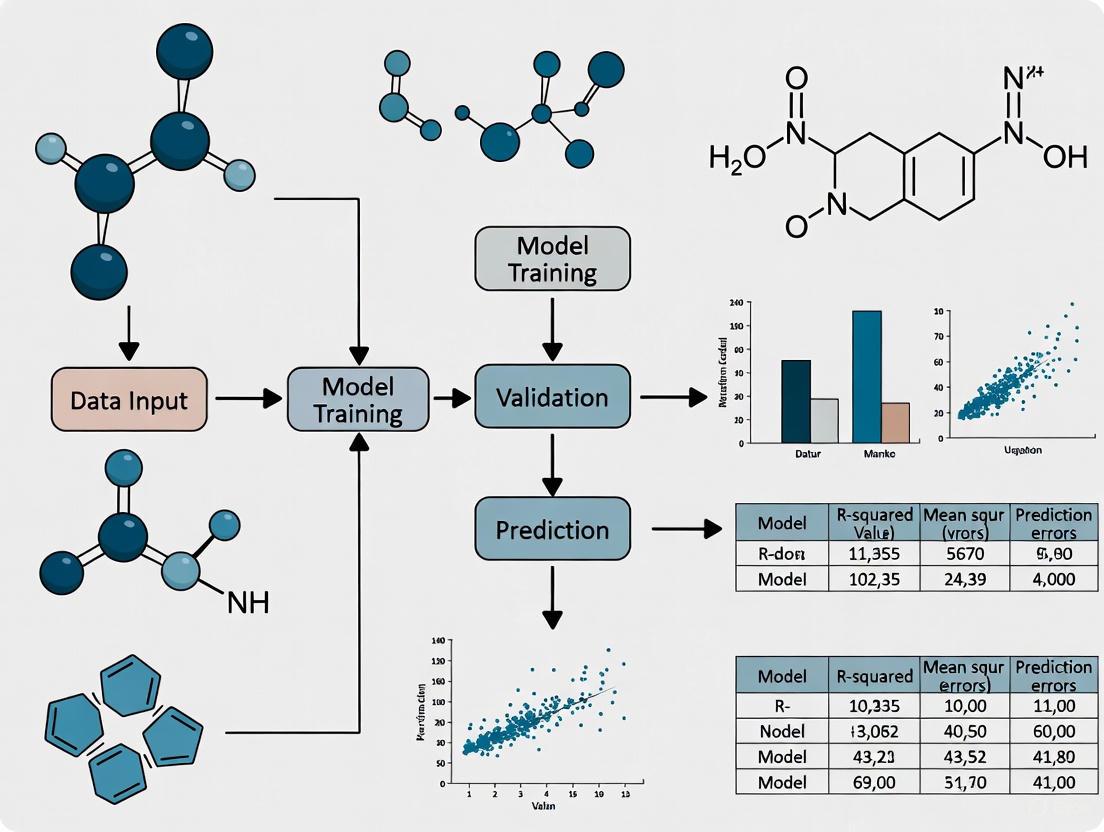
This article provides a comprehensive comparison of Quantitative Structure-Activity Relationship (QSAR) models for predicting pesticide toxicity, tailored for researchers, scientists, and drug development professionals.
QSAR Model Performance for Pesticide Toxicity Prediction: A Comparative Review of Traditional, q-RASAR, and Machine Learning Approaches
Abstract
This article provides a comprehensive comparison of Quantitative Structure-Activity Relationship (QSAR) models for predicting pesticide toxicity, tailored for researchers, scientists, and drug development professionals. It explores the foundational principles of QSAR and its application in ecotoxicology, delves into advanced methodologies including hybrid q-RASAR and machine learning models, and addresses critical challenges in model optimization and validation. By synthesizing findings from recent studies on toxicity prediction for species ranging from rainbow trout and honey bees to humans, this review offers a clear framework for selecting, developing, and validating robust computational tools to streamline environmental risk assessment and the development of safer agrochemicals.
Foundations of QSAR in Ecotoxicology: From Basic Concepts to Chemical Space Analysis
Quantitative Structure-Activity Relationship (QSAR) represents a variety of computational techniques that predict the activities and properties of untested chemicals based on their structural similarity to chemicals with known activities and properties [1]. These mathematical models establish correlations between molecular descriptors (parameters that quantify chemical structure) and biological activity, enabling researchers to forecast chemical behavior without extensive laboratory testing [2]. The fundamental premise of QSAR is that biological activity is a function of chemical structure, which can be described by molecular or physicochemical variables such as molecular weight, hydrophobicity, and steric properties [2].
In pesticide science, QSAR methodologies have gained significant regulatory acceptance as cost-effective and ethical alternatives to traditional animal testing [3] [4]. With the growing public attention to ethical issues related to in-vivo tests and the rapid development of computational predictive methods, companies and regulatory agencies have increasingly supported using QSARs to enhance the efficiency of hazard and risk assessment processes [3]. The European REACH regulation (Regulation Evaluation Authorization of Chemicals) actively promotes the regulatory use of in silico alternatives to animal testing, including QSAR models and read-across procedures [3].
Key QSAR Methodologies in Pesticide Risk Assessment
Traditional and Machine Learning Approaches
QSAR modeling has evolved from traditional statistical methods to sophisticated machine learning algorithms capable of handling complex, non-linear relationships in chemical data. Traditional QSAR approaches typically employ linear regression, partial least squares regression, and linear discriminant analysis to establish mathematical relationships between molecular structures and toxicological endpoints [5] [4]. These methods remain valuable for interpretability and regulatory acceptance.
Modern QSAR implementations increasingly leverage advanced machine learning techniques to improve predictive accuracy. Recent studies have demonstrated the effectiveness of Gradient-Boosted Trees (GBT), Random Forest (RF), and ensemble methods in predicting pesticide toxicity [5] [4]. For instance, a 2025 study on pesticide reproductive toxicity to earthworms integrated gradient-boosted decision trees with genetic algorithms for feature selection and Bayesian optimization for hyperparameter tuning, resulting in a model with 77% balanced accuracy on an external test set [5]. Similarly, research on organophosphorus insecticide toxicity to Photobacterium phosphoreum achieved exceptional performance (R² = 0.961) using ensemble prediction methods with Leave-One-Out Cross-Validation to ensure robustness and prevent overfitting [6].
Meta-Learning and Multi-Task Approaches
Meta-learning represents a cutting-edge advancement in QSAR modeling, particularly beneficial for aquatic toxicity prediction where data may be sparse for specific species. These approaches enable knowledge sharing across related tasks (different species), allowing models to leverage information from data-rich domains to improve predictions in data-poor domains [7]. Benchmark studies have shown that multi-task random forest models consistently match or exceed the performance of other approaches in low-resource settings common to ecotoxicology [7].
The one-vs-all quantitative structure-activity relationship (OvA-QSAR) model represents another innovative approach for multi-class classification problems in pesticide hazard assessment. This method addresses the challenge of predicting across the World Health Organization's five pesticide hazard classes by building separate classifiers for each category, with Random Forest models demonstrating outstanding performance in handling this multi-class classification challenge [4].
Comparative Performance of QSAR Tools and Models
Software Platforms and Their Applications
Several specialized software platforms have been developed to implement QSAR methodologies for regulatory and research applications. The OECD QSAR Toolbox is a comprehensive, free software application that supports reproducible and transparent chemical hazard assessment, offering functionalities for retrieving experimental data, simulating metabolism, and profiling properties of chemicals [8]. It incorporates approximately 63 databases with over 155,000 chemicals and more than 3.3 million experimental data points, making it particularly valuable for finding structurally and mechanistically defined analogues and chemical categories that serve as sources for read-across and trend analysis [8].
VEGA is another widely used platform that integrates multiple QSAR models for toxicity prediction and hazard assessment. A 2025 study utilized VEGA for QSAR hazard assessment of banned pesticides in Nigeria, implementing environmental, ecotoxicological, reproductive/developmental, body elimination half-life, and biodegradability models relevant to human and ecological risk assessment [9].
Specialized tools like the ECOSAR (Ecological Structure Activity Relationships) program represent more focused applications, using linear relationships based primarily on the octanol-water coefficient of chemicals to predict aquatic toxicity [7]. While simpler in approach, such models remain valuable for initial screening assessments.
Table 1: Comparison of Major QSAR Software Platforms
| Platform | Key Features | Data Capacity | Primary Applications | Regulatory Acceptance |
|---|---|---|---|---|
| OECD QSAR Toolbox | Read-across, metabolic simulators, category building | 63 databases, 155K+ chemicals, 3.3M+ data points | Data gap filling, hazard assessment, analogue identification | High (REACH, EPA) |
| VEGA | Multiple validated QSAR models, applicability domain assessment | Integrated models for mutagenicity, carcinogenicity, etc. | Hazard assessment, prioritization, risk evaluation | High (EU regulations) |
| ECOSAR | Class-based linear regression | Pre-defined chemical classes | Aquatic toxicity screening, initial risk assessment | Moderate (EPA screening) |
| QSARINS | Flexible model development, chemometric analysis | User-defined datasets | Research, custom model development | Growing (Research use) |
Performance Metrics Across Studies
Recent research publications demonstrate the evolving performance standards for QSAR models in pesticide risk assessment. A 2020 study published in Water Research developed QSAR models to predict the aquatic toxicity of heterogeneous pesticides, achieving impressive statistical quality with R² values ranging from 0.75 to 0.99 for fitting performance and Q²(external) values between 0.53 and 0.96 for external predictivity [3]. These models demonstrated internal robustness (Q²loo: 0.66–0.98) and could handle up to 30% perturbation of the training set (Q²lmo: 0.64–0.98) [3].
For terrestrial toxicity endpoints, a 2025 earthworm reproductive toxicity model exhibited well-defined applicability domain and sufficient predictive capabilities with a Balanced Accuracy of 77% on an external test set of 147 compounds [5]. In organophosphorus insecticide toxicity prediction, ensemble models achieved R² values of 0.961 with low error rates (RMSE = 0.184, MAE = 0.156) [6].
Table 2: Performance Metrics of Recent QSAR Models in Pesticide Toxicology
| Study Focus | Model Type | Statistical Measures | Endpoint | Dataset Size |
|---|---|---|---|---|
| Aquatic Toxicity [3] | Multiple QSAR models | R²: 0.75-0.99; Q²ext: 0.53-0.96; CCCext: 0.73-0.91 | EC50 for aquatic organisms | 70 pesticides |
| Earthworm Reproductive Toxicity [5] | Gradient-Boosted Trees with ensemble | Balanced Accuracy: 77% | Reproductive NOEC | 449 compounds |
| Organophosphorus Insecticides [6] | Ensemble machine learning | R²: 0.961; RMSE: 0.184; MAE: 0.156 | Toxicity to Photobacterium phosphoreum | Small dataset |
| Pesticide Hazard Classification [4] | OvA-QSAR with Random Forest | Multi-class accuracy | WHO hazard classes | 671 compounds |
| Aquatic Toxicity Meta-learning [7] | Multi-task Random Forest | Superior performance in low-resource settings | Multi-species toxicity | 24,816 assays |
Experimental Protocols and Workflows
Standard QSAR Development Methodology
The development of validated QSAR models follows a systematic workflow that ensures reliability and regulatory acceptance. The process begins with data gathering and curation, where experimental toxicity data are collected from reliable sources such as the Pesticides Properties Database or regulatory approval dossiers [5] [3]. This initial phase includes critical steps for structural standardization, validation, and curation to eliminate errors and inconsistencies [5].
The subsequent chemical structure characterization involves calculating molecular descriptors using software tools like Dragon, which can generate thousands of 1D, 2D, and 3D molecular descriptors that numerically encode structural information [5]. Descriptor selection follows, employing statistical techniques or algorithms like genetic algorithms to identify the most relevant descriptors while avoiding overfitting [5] [4].
Model building and training employs the selected machine learning algorithms, with careful attention to parameter optimization through methods like Bayesian optimization or grid search [5]. The final and most crucial stage involves model validation using appropriate internal (cross-validation) and external (hold-out test set) validation techniques to demonstrate robustness and predictive power [3] [5].
Application Workflow for Risk Assessment
The practical application of QSAR models in pesticide risk assessment follows a structured workflow designed to ensure comprehensive hazard evaluation. The process typically begins with problem formulation, where the assessment goals and endpoints are clearly defined based on regulatory requirements or research objectives [8] [10].
The subsequent chemical profiling phase involves characterizing the pesticide using molecular descriptors and identifying potential toxicophores or structural alerts associated with known toxicity mechanisms [8]. This is followed by analogue identification and category building, where the QSAR Toolbox or similar software identifies structurally similar compounds with experimental data, enabling read-across predictions [8].
The toxicity prediction stage applies relevant QSAR models to estimate hazardous properties, while the data gap filling phase utilizes read-across, trend analysis, or QSAR predictions to address data deficiencies [8]. The final reporting stage generates comprehensive documentation of the assessment process and results, facilitating regulatory submission and scientific communication [8].
Key Research Reagents and Computational Tools
Essential Software and Databases
Modern QSAR research relies on specialized software tools and comprehensive databases that enable accurate toxicity prediction. The OECD QSAR Toolbox serves as a central platform for chemical hazard assessment, offering integrated workflows for data gap filling through read-across and category formation [8]. Its extensive database system incorporates over 3.2 million experimental data points across 97,408 structures, making it invaluable for identifying toxicologically relevant analogues [8].
Dragon software represents another essential tool for molecular descriptor calculation, capable of generating thousands of 1D, 2D, and 3D molecular descriptors that numerically encode structural information critical for QSAR model development [5]. For specialized model building, QSARINS provides flexible chemometric analysis capabilities, particularly valuable for developing validated custom models with rigorous statistical evaluation [3].
Experimental databases form the foundation of reliable QSAR modeling. The Pesticides Properties Database (PPDB) provides comprehensive experimental data on pesticide behavior and effects, while the ECOTOXicology Knowledgebase offers extensive species-specific toxicity data critical for ecotoxicological QSAR models [5] [7].
Table 3: Essential Research Reagents and Computational Tools for QSAR
| Tool/Database | Type | Primary Function | Application in Pesticide QSAR |
|---|---|---|---|
| OECD QSAR Toolbox | Software Platform | Read-across, category building, data gap filling | Regulatory assessment, analogue identification |
| VEGA | Software Platform | Integrated QSAR model predictions | Hazard assessment, prioritization |
| Dragon | Descriptor Software | Molecular descriptor calculation | Feature generation for model development |
| ECOSAR | Predictive Software | Class-based aquatic toxicity prediction | Initial screening of pesticide hazards |
| Pesticides Properties Database | Database | Experimental pesticide data | Model training and validation |
| ECOTOX Knowledgebase | Database | Species-specific toxicity data | Ecotoxicological QSAR development |
| QSARINS | Modeling Software | Chemometric analysis and model building | Custom QSAR model development |
Molecular Descriptors and Their Significance
Molecular descriptors serve as the fundamental building blocks of QSAR models, quantitatively encoding chemical information that correlates with biological activity. Common descriptor categories include constitutional descriptors (molecular weight, atom counts), topological descriptors (connectivity indices, path counts), geometrical descriptors (molecular dimensions, surface areas), and electronic descriptors (partial charges, HOMO/LUMO energies) [5].
Recent research on organophosphorus insecticides identified charge balance and electrophilic potential as key determinants of toxicity, while earthworm reproductive toxicity models highlighted solvation entropy and the number of hydrolyzable bonds as significant structural features influencing pesticide toxicity [6] [5]. In pesticide residue modeling, the octanol-water partition coefficient (log Kow) consistently emerges as a critical parameter for predicting bioaccumulation potential and environmental distribution [2].
Regulatory Context and Future Directions
Integration into Regulatory Frameworks
QSAR methodologies have gained substantial recognition within major regulatory frameworks worldwide. The European Union's REACH regulation actively promotes using in silico methods, including QSAR models and read-across approaches, as alternatives to animal testing [3]. The European Food Safety Authority (EFSA) guidance documents specifically acknowledge the value of QSAR models in supporting pesticide risk assessment, particularly within tiered assessment approaches for edge-of-field surface waters [3].
In the United States, the Environmental Protection Agency (EPA) includes QSAR approaches in its pesticide assessment guidelines, recognizing their value for prioritizing chemicals and filling data gaps [1]. The World Health Organization's pesticide hazard classification system has also incorporated computational approaches for initial risk characterization [4].
Regulatory acceptance of QSAR predictions typically requires demonstrated model validity, appropriate mechanistic interpretation, and clear definition of the model's applicability domain [10] [9]. The OECD QSAR Toolbox specifically addresses these requirements through transparent workflows, documented analogies, and comprehensive reporting functions [8].
Emerging Trends and Research Frontiers
The field of QSAR modeling for pesticide risk assessment continues to evolve along several innovative trajectories. Explainable artificial intelligence (XAI) methods, such as SHAP (SHapley Additive exPlanations) values, are increasingly employed to interpret complex machine learning models and identify structural features responsible for toxicity predictions [5]. These approaches enhance regulatory acceptance by providing mechanistic insights alongside quantitative predictions.
Meta-learning and multi-task approaches represent another frontier, addressing the challenge of predicting toxicity for species with limited experimental data by leveraging information from data-rich species [7]. Benchmark studies have demonstrated that multi-task random forest models consistently outperform single-task approaches in these low-resource scenarios common to ecotoxicology [7].
The integration of new data sources and endpoint types continues to expand QSAR applications beyond traditional acute toxicity. Recent research has successfully developed models for complex endpoints such as earthworm reproductive toxicity [5], bioaccumulation in food chains [2] [9], and long-term ecological impacts, reflecting the growing sophistication of computational toxicology approaches in comprehensive pesticide risk assessment.
Quantitative Structure-Activity Relationship (QSAR) modeling serves as a fundamental in silico tool in modern toxicology, bridging molecular descriptors with biological activities to predict chemical toxicity [11]. These computational approaches have gained significant regulatory acceptance under initiatives like the European Union's REACH legislation and the U.S. EPA's directives aimed at reducing vertebrate animal testing [12] [13]. QSAR models quantitatively connect chemical structures to toxicological endpoints, enabling researchers to predict adverse effects for untested compounds based on their molecular "fingerprints" [11]. The predictive modeling landscape has evolved substantially, with traditional QSAR approaches now being supplemented by advanced methodologies like quantitative Read-Across Structure-Activity Relationship (q-RASAR), which integrates similarity-based descriptors to enhance predictive accuracy [12] [14]. This comparative guide examines the performance of various QSAR modeling approaches for predicting toxicity endpoints across aquatic species and human health, providing researchers with objective data to inform their methodological selections for pesticide toxicity assessment.
Comparative Performance of QSAR Modeling Approaches
Aquatic Toxicity Prediction Models
Table 1: Performance Comparison of Aquatic Toxicity QSAR Models
| Model Type | Species | Endpoint | Statistical Metrics | Key Molecular Descriptors | Reference |
|---|---|---|---|---|---|
| q-RASAR | O. clarkii (cutthroat trout) | LC50 | Higher internal/external validation | Electrotopological state indices, chlorine atoms, rotatable bonds | [12] |
| q-RASAR | S. fontinalis (brook trout) | LC50 | Higher internal/external validation | Polarizability, van der Waals volumes | [12] |
| q-RASAR | S. namaycush (lake trout) | LC50 | Higher internal/external validation | Weak hydrogen bond acceptors, topological complexity | [12] |
| Traditional QSAR | Multiple trout species | LC50 | Good internal validation (R²: 0.75–0.99) | Log P, electrotopological indices | [12] [15] |
| Global QSTR | Multiple crustaceans | EC50/LC50 | R² > 0.943 (test data) | Log P, molecular connectivity indices | [16] |
| ISC QSAAR | Fish-crustacean | LC50 correlation | R² > 0.826 | Log P, structural alerts | [16] |
QSAR models for aquatic toxicity prediction have demonstrated robust performance across multiple species, with recent advancements showing significant improvements in predictive accuracy. The q-RASAR approach has emerged as superior to traditional QSAR modeling, achieving higher internal and external statistical quality for predicting toxicity to vital trout species including Oncorhynchus clarkii (cutthroat trout), Salvelinus fontinalis (brook trout), and Salvelinus namaycush (lake trout) [12]. These models successfully identified species-specific toxicological descriptors, revealing that toxicity to O. clarkii is significantly influenced by the presence of chlorine atoms and rotatable bonds, while S. fontinalis toxicity is strongly affected by polarizability and van der Waals volumes, and S. namaycush shows sensitivity to weak hydrogen bond acceptors and topological complexity [12].
For regulatory applications, ensemble learning-based QSTR models (including decision tree forest and decision tree boost methods) have demonstrated excellent predictive capabilities for pesticide toxicity across multiple aquatic test species, achieving high correlations (R² > 0.943) between measured and model-predicted toxicity values in test data [16]. These global models offer the advantage of applicability across mechanisms of action and diverse chemical structures, making them particularly valuable for initial screening and prioritization of new pesticides [16].
Human Health Toxicity Prediction
Table 2: Performance Comparison of Human Health QSAR Models
| Model Type | Toxicity Endpoint | Statistical Performance | Key Structural Features | Application Scope |
|---|---|---|---|---|
| q-RASAR | pTDLo (human acute toxicity) | R² = 0.710, Q² = 0.658 (internal); Q²F1/F2 = 0.812 (external) | Carbon-carbon bonds at topological distances 5 and 8, minimum E-state indices | Screening of pesticides and investigational drugs |
| Conventional QSAR | pTDLo (human acute toxicity) | Lower than q-RASAR counterparts | Structural fragments, physicochemical properties | Limited chemical domains |
| QSIIR (hybrid) | Various in vivo toxicity endpoints | Superior to conventional QSAR | Hybrid biological and chemical descriptors | Drug discovery and chemical risk assessment |
For human health toxicity assessment, the pTDLo endpoint (negative logarithm of the lowest published toxic dose) represents a crucial metric for acute toxicity prediction [14]. Recent research has developed the first-ever predictive toxicity models combining QSAR and similarity-based read-across techniques for this endpoint. The resulting q-RASAR model demonstrated robust statistical performance, with internal validation metrics of R² = 0.710 and Q² = 0.658, and exceptional external validation metrics of Q²F1 = 0.812 and Q²F2 = 0.812 [14]. These models identified key structural features associated with increased human toxicity, including high coefficients and variations in similarity values among closely related compounds, the presence of carbon-carbon bonds at specific topological distances (5 and 8), and higher minimum E-state indices [14].
A significant advancement in human health toxicity prediction comes from the evolution of Quantitative Structure In vitro-In vivo Relationship (QSIIR) models, which incorporate biological testing results as descriptors alongside traditional chemical descriptors [17]. These hybrid models have demonstrated superior predictive power compared to conventional QSAR models that rely solely on chemical descriptors for several animal toxicity endpoints [17]. This approach effectively leverages the increasing availability of high-throughput screening (HTS) data to enhance the prediction of human toxicological outcomes.
Experimental Protocols and Methodologies
Model Development Workflow
Model Development Workflow
Detailed Methodological Approaches
The development of high-performance QSAR models follows standardized protocols aligned with OECD guidelines to ensure regulatory relevance and scientific validity [16]. For aquatic toxicity models, researchers typically obtain acute median lethal concentration (LC50) data from authoritative databases like the US EPA's ToxValDB, which combines information from the ECOTOXicology Knowledgebase (ECOTOX) and the European Chemicals Agency (ECHA) database [12]. The experimental data undergo rigorous curation, including the removal of mixtures, duplicates, salts, and compounds with only qualitative endpoint values [16].
For model construction, Multiple Linear Regression (MLR) has been successfully employed to develop species-specific QSAR models, with equations typically containing approximately 5 descriptors to maintain model robustness and avoid overfitting [12]. The q-RASAR methodology enhances this approach by combining conventional 2D descriptors with similarity-based parameters that capture the relationship between a compound and its nearest neighbors in the dataset [12]. This hybrid approach has consistently demonstrated improved predictive efficacy and lower mean absolute error compared to simple QSAR models [12] [14].
Model validation follows a rigorous two-tier approach incorporating both internal validation (leave-one-out cross-validation, leave-more-out, and Y-scrambling) and external validation using completely independent test sets not involved in model development [15] [11]. The standard acceptance criteria for QSAR models include R² > 0.6 for both training and test sets and Q² > 0.5 for the training set [11]. More advanced validation procedures also assess the concordance correlation coefficient (CCCext) and external predictivity (Q²ext-Fn) to ensure model reliability for new chemical predictions [15].
Signaling Pathways and Mechanistic Insights
Toxicity Pathways and Molecular Descriptors
QSAR models provide valuable insights into the mechanistic pathways through which chemicals exert their toxic effects. For NACs (nitroaromatic compounds), the electron-withdrawing nitro groups delocalize π-electrons of the aromatic ring, creating electron-deficient structures that can interact with biological nucleophiles, leading to mutagenicity, carcinogenicity, and organ damage [11]. Specific NACs like TFM (3-trifluoromethyl-4-nitrophenol) have been shown to disrupt energy metabolism by destroying the balance of ATP supply and demand in trout [11].
The molecular descriptors identified in high-performing QSAR models correspond directly to specific toxicological mechanisms. Electrotopological state indices capture the electronic environment of specific atoms within the molecule, influencing interactions with biological receptors [12]. Polarizability and van der Waals volumes reflect a compound's ability to interact with hydrophobic biological compartments, including cell membranes and proteins [12]. The presence of weak hydrogen bond acceptors can facilitate interactions with key biological targets, while topological complexity often correlates with specific receptor interactions [12].
For regulatory applications, the concept of Adverse Outcome Pathways (AOPs) provides a structured framework for organizing mechanistic knowledge from molecular initiating events through to adverse outcomes at organism and population levels [18]. QSAR models contribute significantly to AOP development by identifying the molecular features associated with specific initiating events, enabling more targeted chemical risk assessment [18].
Table 3: Essential Resources for QSAR Toxicity Research
| Resource Category | Specific Tool/Database | Key Functionality | Application in Toxicity Prediction |
|---|---|---|---|
| Toxicity Databases | US EPA ECOTOX | Curated ecotoxicity data for aquatic and terrestrial species | Primary source of experimental toxicity data for model development |
| Toxicity Databases | ToxValDB | Combined ECOTOX and ECHA database | Comprehensive toxicity data access through US EPA's CompTox Chemicals Dashboard |
| Toxicity Databases | TOXRIC | Human toxicity data | Source of pTDLo endpoints for human health models |
| Chemical Databases | DSSTox | Curated chemical structures and properties | Reliable structure-toxicity data relationships |
| Computational Tools | QSAR Toolbox | Read-across, category formation, data gap filling | Implementation of standardized QSAR workflows |
| Computational Tools | DRAGON | Molecular descriptor calculation | Generation of chemical descriptors for modeling |
| Computational Tools | Chemopy | Molecular descriptor calculation | Calculation of descriptors from SMILES representations |
| Validation Resources | QSARINS | QSAR model validation | Statistical validation of model performance |
The effective development and application of QSAR models for toxicity prediction requires access to specialized computational tools and comprehensively curated databases. The QSAR Toolbox represents a particularly valuable resource, offering functionalities for retrieving experimental data, simulating metabolism, profiling chemical properties, and implementing read-across approaches for data gap filling [8]. This software incorporates approximately 63 databases containing over 155,000 chemicals and more than 3.3 million experimental data points, making it an essential platform for reproducible and transparent chemical hazard assessment [8].
For experimental data sourcing, the US EPA's ECOTOXicology Knowledgebase (ECOTOX) stands as a primary resource, providing comprehensively curated toxicity data for aquatic and terrestrial species [18]. When combined with the European Chemicals Agency (ECHA) database in the ToxValDB platform, researchers access an unparalleled collection of toxicity endpoints for model development [12]. For human health endpoints, the TOXRIC database provides critical information on human toxic doses (pTDLo) essential for developing models targeting human health outcomes [14].
The regulatory landscape increasingly supports using these tools, with mandates in the United States and European Union specifically directing researchers to reduce animal usage in toxicity testing in favor of alternative technologies, including QSAR models and read-across approaches [13]. This regulatory support has accelerated the development and refinement of computational tools, enhancing their reliability and acceptance for chemical risk assessment decisions.
Exploring the Pesticide Chemical Space and Scaffold Diversity
The vast and structurally diverse world of pesticides presents both a challenge and an opportunity for modern toxicological science. With over 204 million chemicals registered by the Chemical Abstracts Service (CAS) and thousands specifically designed for pesticidal activity, researchers face the daunting task of assessing potential risks to human health and the environment [19]. The concept of the chemical space—a multidimensional representation of chemical structures and properties—provides a powerful framework for organizing and understanding this diversity. Within this space, scaffolds, which represent the core molecular frameworks of compounds, serve as essential landmarks for navigation [20] [21].
This guide explores the cutting-edge computational approaches being used to map the pesticide chemical space and quantify scaffold diversity, with a particular focus on how these analyses enhance the development of predictive toxicity models. By objectively comparing the performance of various Quantitative Structure-Activity Relationship (QSAR) and related modeling techniques, we provide researchers with a clear roadmap for selecting the most appropriate methodologies for their pesticide toxicity assessment goals.
Mapping the Pesticide Chemical Space
Fundamental Concepts and Definitions
The systematic exploration of pesticide chemistry relies on several key concepts:
- Chemical Space: A conceptual space where each point represents a unique chemical structure, typically defined by molecular descriptors or fingerprints. Pesticides occupy a specific region within the broader universe of organic compounds [22].
- Molecular Scaffold: The core structure of a molecule, obtained by removing all substituents while retaining ring systems and linkers between rings. Scaffolds approximate the central framework of bioactive compounds [21].
- Murcko Scaffolds: A standardized method for scaffold definition that facilitates systematic comparison and classification of core structures across diverse compound libraries [22].
- Scaffold Hopping: The design of compounds with novel core structures that retain or improve biological activity compared to a parent compound. This strategy is classified into categories including heterocycle replacements, ring opening/closure, peptidomimetics, and topology-based hopping [20].
Experimental and Computational Methodologies
Advanced cheminformatics workflows have been developed to analyze the pesticide chemical space and scaffold diversity. Key methodological approaches include:
- Structure-Similarity Activity Trailing (SimilACTrail) Mapping: A novel approach that visualizes the structural and activity relationships within a pesticide dataset. This method has revealed high structural uniqueness among pesticides, with several clusters exhibiting 80.0%–90.3% singleton ratios, indicating extensive scaffold diversity [23] [24].
- Descriptor Calculation and Dimensionality Reduction: Software tools like DRAGON are used to compute molecular descriptors, which are then processed through techniques such as Principal Component Analysis (PCA) to visualize chemical space in two or three dimensions [25].
- Tanimoto Similarity Analysis: A fingerprint-based method to quantify structural similarity between compounds, with lower mean pairwise coefficients (e.g., 0.0936 for the BfR pesticide dataset) indicating greater structural diversity [22].
- Scaffold Frequency Analysis: Examination of the distribution of compounds across different scaffolds, often revealing that a majority of scaffolds represent only single compounds (singletons), as seen in pesticide datasets where 72.6% of scaffolds were singletons [22].
The following diagram illustrates a typical workflow for chemical space and scaffold diversity analysis:
Figure 1: Workflow for chemical space and scaffold analysis
Key Findings on Pesticide Scaffold Diversity
Recent large-scale analyses of pesticide databases have yielded crucial insights into scaffold distribution patterns:
Table 1: Scaffold Diversity Across Pesticide Databases
| Database | Total Substances | Unique Scaffolds | Singleton Scaffolds | Mean Pairwise Tanimoto Coefficient |
|---|---|---|---|---|
| BfR Pesticides | 1,573 | 568 | 413 (72.7%) | 0.0936 |
| EPA Pesticides | 2,649 | 679 | 482 (71.0%) | 0.0820 |
| PPDB | 1,376 | 507 | 372 (73.4%) | 0.0969 |
| EFSA PARAM | 1,063 | 385 | 281 (73.0%) | 0.0993 |
| Fluorinated Pesticides | 319 | 168 | 127 (75.6%) | 0.1470 |
The data reveals consistently high scaffold diversity across major pesticide databases, with approximately 70-76% of scaffolds appearing as singletons [22]. The higher Tanimoto coefficient for fluorinated pesticides suggests this subgroup has greater structural homogeneity compared to pesticides as a whole.
Comparative Performance of Toxicity Prediction Models
Multiple computational approaches have been developed to predict pesticide toxicity, each with distinct strengths and limitations:
- Traditional QSAR Models: Establish mathematical relationships between molecular descriptors and biological activity using statistical methods [25] [26].
- Machine Learning (ML) Classifiers: Employ algorithms like Random Forest and Support Vector Machines to uncover complex, non-linear patterns in toxicity data [23].
- Quantitative Read-Across Structure-Activity Relationship (q-RASAR): A hybrid approach that integrates conventional molecular descriptors with similarity and error-based metrics from read-across techniques [23] [19].
Experimental Protocols for Model Development
Data Curation and Preparation
Robust model development begins with rigorous data curation:
- Data Collection: Compilation of experimental toxicity values from validated sources (e.g., TOXRIC, OpenFoodTox, ECOTOX, PPDB) [26] [19].
- Structure Standardization: Processing chemical structures using KNIME workflows or similar tools to ensure consistency [19].
- Dataset Division: Splitting data into training (∼80%), test (∼20%), and external validation sets, ensuring no structural duplicates exist across sets [26].
Descriptor Calculation and Feature Selection
- Descriptor Generation: Computation of 0D-2D molecular descriptors using software such as DRAGON [25].
- Variable Selection: Application of feature selection methods like VIPLS (Variable Importance in Partial Least Squares) to identify the most relevant descriptors [25].
- Model Training: Development of predictive models using selected features through PLS regression, machine learning algorithms, or q-RASAR approaches [23] [19].
Model Validation and Performance Assessment
- Internal Validation: Assessment using leave-one-out (LOO) cross-validation and Y-randomization to exclude chance correlations [25].
- External Validation: Evaluation on completely independent test sets to measure real-world predictive power [23] [26].
- Applicability Domain Definition: Establishment of structural or descriptor boundaries within which models provide reliable predictions [23] [25].
Comparative Model Performance Analysis
The table below provides a systematic comparison of recently published pesticide toxicity models across different species and endpoints:
Table 2: Performance Comparison of Pesticide Toxicity Prediction Models
| Model Type | Species/Endpoint | Dataset Size | Key Performance Metrics | Structural Insights |
|---|---|---|---|---|
| q-RASAR | Rainbow trout (LC₅₀) | 299 pesticides | >92% prediction reliability for 2000+ pesticides [23] | Polarizability, lipophilicity drive toxicity [23] |
| QSAR | Vibrio qinghaiensis (EC₅₀) | 41 pesticides | 7-descriptor model; R² = 0.810 [25] | Electronegativity, polarizability key descriptors [25] |
| QSAR (SARpy) | Bobwhite quail (LD₅₀) | 199 compounds | Training accuracy: 0.75; External validation: 0.69 [26] | Structural alerts identified for toxicity classification [26] |
| q-RASAR | Human (pTDLo) | 121 organic chemicals | Q²F₁ = 0.812; Q²F₂ = 0.812 [19] | Carbon-carbon bonds at topological distances 5,8 important [19] |
| Machine Learning Classifier | Rainbow trout | 311 pesticides | Robust predictive performance with optimized hyperparameters [23] | High structural uniqueness with 80-90.3% singleton ratios [23] |
The comparative analysis reveals that q-RASAR models consistently demonstrate superior predictive performance across multiple species and endpoints, successfully bridging the gap between traditional QSAR and similarity-based read-across approaches [23] [19]. These hybrid models achieve this by integrating the interpretability of QSAR with the predictive power of read-across, effectively addressing the limitation of conventional read-across in identifying critical structural features [19].
The following diagram illustrates the conceptual relationship between chemical space exploration, scaffold diversity analysis, and model development in pesticide toxicity prediction:
Figure 2: From chemical space to risk assessment
Successful exploration of pesticide chemical space requires specialized computational tools and databases:
Table 3: Essential Resources for Pesticide Chemical Space Research
| Resource | Type | Primary Function | Application Example |
|---|---|---|---|
| DRAGON | Software | Molecular descriptor calculation | Computing 2D/3D molecular descriptors for QSAR modeling [25] |
| SARpy | Software | Automatic extraction of structural alerts | Identifying molecular fragments associated with toxicity classes [26] |
| KNIME | Platform | Cheminformatics workflows | Data curation, structure standardization, and descriptor preprocessing [19] |
| TOXRIC | Database | Curated toxicity data | Source of human TDLo values for model development [19] |
| PPDB | Database | Pesticide properties | Comprehensive pesticide data for external validation [23] [26] |
| SimilACTrail | Algorithm | Chemical space visualization | Mapping structural similarity and activity relationships [23] |
| OpenFoodTox | Database | Food-related toxicity data | Source of avian toxicity data for model training [26] |
The systematic exploration of pesticide chemical space and scaffold diversity has fundamentally advanced our ability to predict chemical toxicity using computational approaches. Through objective comparison of modeling techniques, this guide demonstrates that integrated approaches like q-RASAR consistently outperform traditional QSAR models in both predictive accuracy and interpretability [23] [19].
The recognition that pesticides exhibit remarkable scaffold diversity—with approximately 70-76% of scaffolds appearing as singletons across major databases—underscores the critical importance of comprehensive chemical space analysis prior to model development [22]. This diversity necessitates robust applicability domain definition to ensure reliable predictions for structurally novel compounds [23].
Future directions in this field will likely focus on integrating multi-species toxicity data, developing specialized models for underrepresented endpoints such as chronic and mixture toxicity, and creating more dynamic chemical space mapping tools that can adapt to the continuous emergence of new pesticide chemistries. As regulatory agencies increasingly accept these computational approaches, their role in prioritizing chemicals for testing and identifying safer alternatives will continue to expand, ultimately supporting the development of more sustainable pest management solutions.
In the field of computational toxicology, Quantitative Structure-Activity Relationship (QSAR) modeling serves as a powerful tool for predicting the toxicity of pesticides, thereby reducing reliance on costly and time-consuming laboratory experiments. The predictive power of these models hinges on the selection of molecular descriptors—numerical representations of chemical structures that encode critical information governing biological activity. Among the vast array of available descriptors, lipophilicity, polarizability, and Electrotopological State (E-State) indices have consistently emerged as critically important for pesticide toxicity prediction. This guide provides a comparative analysis of these three descriptor classes, evaluating their performance across various experimental protocols and organism models to inform and optimize QSAR strategies in pesticide research and development.
Comparative Analysis of Molecular Descriptors
The table below summarizes the core characteristics, mechanistic interpretations, and performance data for lipophilicity, polarizability, and E-State indices as evidenced by recent QSAR studies.
Table 1: Performance Comparison of Critical Molecular Descriptors in Pesticide Toxicity QSAR Models
| Descriptor Class | Representation & Interpretation | Key Experimental Findings | Reported Model Performance |
|---|---|---|---|
| Lipophilicity | Often represented by Log P (octanol-water partition coefficient). Indicates a molecule's hydrophobicity and its ability to passively cross biological membranes. | A global QSTR model for pesticide toxicity in multiple aquatic species identified Log P as a universally important predictor [16]. In a model for zebrafish embryo developmental toxicity, lipophilicity was a main factor influencing toxicity [27]. | Global QSTR models yielded high correlations (R² > 0.943) on test data [16]. |
| Polarizability | Measures the ease with which a molecule's electron cloud can be distorted. It is related to van der Waals forces and molecular volume. | A 7-descriptor QSAR model for Vibrio qinghaiensis sp.-Q67 showed that descriptors related to electronegativity and polarizability were key drivers of toxicity [25]. A model for Skeletonema costatum found that molecular polarizability and hydrophilicity had the most influence on toxicity [28]. | The QSAR model for S. costatum demonstrated good fitness (R²=0.722) and external predictivity (CCC=0.878) [28]. |
| E-State Indices | Electrotopological State (E-State) Indices encode atom-level information combining the electronic state and the topological environment of each atom. | In a QSAR model for Skeletonema costatum, atom-type E-State descriptors generally contributed negatively to pesticide toxicity, verifying the negative influence of molecular hydrophilicity [28]. These descriptors help identify specific fragments that enhance or reduce toxicity. | The classification model for S. costatum correctly predicted 79.4% of pesticides in the training set and 69.7% in the validation set [28]. |
Experimental Protocols & Workflows
The critical role of these descriptors is revealed through structured QSAR modeling workflows. The following diagram illustrates a generalized protocol adhered to in modern studies.
Diagram 1: QSAR modeling workflow for pesticide toxicity prediction.
Detailed Methodological Breakdown
1. Data Collection & Curation: High-quality experimental toxicity data (e.g., LC50 or EC50 values) for pesticides on specific organisms are compiled from databases like ECOTOX or the OPP Pesticide Ecotoxicity Database [28] [16]. The dataset is carefully checked for duplicates, and salts or mixtures are removed. For binary classification tasks, continuous toxicity values are converted into classes (e.g., toxic/nontoxic) based on established regulatory thresholds [5].
2. Molecular Structure Representation & Optimization: The molecular structure of each pesticide is represented, typically by SMILES (Simplified Molecular Input Line Entry System) strings or 2D graphs [16] [29]. The structures are then energy-minimized using molecular mechanics force fields (e.g., MM2) to obtain low-energy, stable 3D conformations [27].
3. Molecular Descriptor Calculation: Software tools such as DRAGON [25] [28] [5] or PaDEL-descriptor [30] are used to calculate a large pool of molecular descriptors from the optimized structures. This pool includes 0D (constitutional), 1D (fingerprints), 2D (topological), and 3D (geometrical) descriptors, from which the critical descriptors like lipophilicity, polarizability, and E-State indices are derived.
4. Feature Selection & Model Building: To avoid overfitting and create interpretable models, variable selection methods like Genetic Algorithm-Multiple Linear Regression (GA-MLR) [28] [27] or machine learning techniques (e.g., Random Forest, Gradient-Boosted Trees) [5] [31] are employed. These methods identify the most relevant subset of descriptors, such as those listed in Table 1, that have a true causal relationship with the toxicity endpoint.
5. Model Validation & Toxicity Prediction: The final model is rigorously validated according to OECD principles [27]. This involves:
- Internal Validation: Using techniques like Leave-One-Out (LOO) cross-validation to assess robustness [25].
- External Validation: Testing the model on a completely separate set of compounds not used in training to evaluate its real-world predictive power [28] [27].
- Applicability Domain (AD) Definition: Establishing the chemical space within which the model's predictions are reliable [16] [31].
The Scientist's Toolkit: Essential Research Reagents & Software
Successful implementation of the experimental protocols requires a suite of specialized software and computational resources.
Table 2: Essential Research Tools for Molecular Descriptor Calculation and QSAR Modeling
| Tool Name | Type/Function | Key Features & Use Case |
|---|---|---|
| DRAGON | Software for molecular descriptor calculation | Widely cited in research for calculating >3000 molecular descriptors, including 0D-3D descriptors and fingerprints [32] [25] [28]. |
| alvaDesc | Software for molecular descriptor calculation | A comprehensive tool that calculates a wide range of descriptors and fingerprints. Available for Windows, Linux, and macOS, with recent updates as of 2025 [30]. |
| PaDEL-Descriptor | Software for molecular descriptor calculation | An open-source software based on the Chemistry Development Kit (CDK) that can calculate descriptors and fingerprints [30]. |
| RDKit | Open-source cheminformatics toolkit | A collection of cheminformatics and machine learning tools used for descriptor calculation, fingerprint generation, and model building. It is a popular Python library [30]. |
| GA-MLR | Feature selection & modeling algorithm | A combination of Genetic Algorithm (GA) for variable selection and Multiple Linear Regression (MLR) for building interpretable linear models [28] [27]. |
| Gradient-Boosted Trees (GBT) | Machine learning algorithm | An ensemble learning method (e.g., XGBoost) that has gained significant popularity for building high-performance, non-linear QSAR models [5] [31]. |
Lipophilicity, polarizability, and E-State indices are not merely computational abstractions but are grounded in the physicochemical realities that dictate how a pesticide molecule interacts with biological systems. The consistent performance of these descriptors across diverse species—from bacteria and algae to fish and earthworms—underscores their fundamental role in toxicity mechanisms. Lipophilicity primarily governs uptake and bioaccumulation, polarizability influences non-covalent binding interactions, and E-State indices provide a nuanced view of site-specific reactivity and hydrophilicity. The choice of descriptor and modeling algorithm should be guided by the specific toxicity endpoint and the organism of interest. Future work will likely focus on integrating these robust 2D descriptors with advanced machine learning and explainable AI (xAI) to create even more transparent and reliable tools for the environmental risk assessment of pesticides.
Advanced Methodologies: QSAR, q-RASAR, and Machine Learning Workflows
Quantitative Structure-Activity Relationship (QSAR) modeling serves as a critical computational tool in modern toxicology and drug discovery, enabling researchers to predict the biological activity and toxicity of chemicals based on their molecular structures [33]. In the specific context of pesticide development, where balancing efficacy with environmental and human safety is paramount, selecting the appropriate modeling technique is crucial for accurate risk assessment [14] [5]. This guide provides an objective comparison of four fundamental QSAR techniques—Multiple Linear Regression (MLR), Support Vector Machines (SVM), Artificial Neural Networks (ANN), and Random Forest (RF). It is designed to assist researchers and scientists in choosing the most suitable method for their pesticide toxicity prediction projects by presenting comparative performance data, detailed experimental protocols, and essential resource information.
Performance Comparison of Modeling Techniques
The table below summarizes the performance of various modeling techniques as reported in recent QSAR studies focused on toxicity prediction.
Table 1: Comparative Performance of QSAR Modeling Techniques for Toxicity Prediction
| Modeling Technique | Study Context / Endpoint | Reported Performance Metrics | Key Advantages | Key Limitations |
|---|---|---|---|---|
| Multiple Linear Regression (MLR) | NF-κB inhibitor prediction [33] | Rigorous internal & external validation; Defined Applicability Domain | High interpretability; Simple and reproducible models [34] [33] | Limited ability to capture complex non-linear relationships [5] |
| Support Vector Machine (SVM) | General toxicity prediction [35] | Known to overcome over-fitting problems [36] | Effective in high-dimensional spaces; Robust against over-fitting [36] | Performance can be sensitive to kernel choice and hyperparameters |
| Artificial Neural Networks (ANN) | NF-κB inhibitor prediction [33] | Superior reliability and prediction compared to MLR | Powerful non-linear estimator; High predictive accuracy [33] | "Black-box" nature complicates interpretability [34] |
| Random Forest (RF) | Acute toxicity prediction [35] | Widely used with strong performance | Handles numerical data that are highly skewed or multi-modal; Reduces over-fitting via bagging [5] [36] | Less interpretable than linear models, though feature importance can be assessed [5] |
| Gradient-Boosted Trees (GBT) | Earthworm reproductive toxicity [5] | Balanced Accuracy: 77% on external test set | Handles imbalanced data well; High predictive performance [5] | Complex to interpret; Requires careful hyperparameter tuning [5] |
| Graph Convolutional Network (GCN) | Reproductive/Developmental toxicity [34] | Accuracy: 81.19% on test set | Descriptor-free; Directly learns from molecular graphs [34] | High computational cost; "Black-box" model requiring explanation techniques [34] |
Detailed Experimental Protocols
To ensure the reliability and regulatory acceptance of QSAR models, studies follow established computational protocols. The workflow below outlines the general process for developing a validated QSAR model.
Data Collection and Curation
The foundation of a robust QSAR model is a high-quality, curated dataset. The process typically involves:
- Data Sourcing: Toxicity data (e.g., EC50, LC50, NOEC) is gathered from public databases such as the OPP Pesticide Ecotoxicity Database [36], the Pesticide Properties Database (PPDB) [5], TOXRIC [14], and regulatory agency databases (e.g., ECHA, NITE) [34].
- Dataset Construction: A sufficient number of compounds (typically more than 20) with comparable activity values obtained through standardized protocols is required [33]. For instance, a study on earthworm reproductive toxicity began with 521 compounds, which was refined to 449 "QSAR-ready" compounds after meticulous curation [5].
- Structural Standardization: Chemical structures are standardized to ensure consistent representation, including protonation of salts and removal of mixtures and organometallics [5]. This step is crucial for accurate descriptor calculation.
Molecular Descriptor Calculation and Feature Selection
- Descriptor Calculation: Molecular descriptors are numerical representations of chemical structures. Software tools like DRAGON [37] [5] and PaDEL [38] are used to calculate thousands of 1D, 2D, and 3D descriptors.
- Feature Selection: To avoid overfitting and identify the most relevant structural features, variable selection methods are employed. These include:
Model Training and Validation
This is the core phase where different algorithms are applied and evaluated.
- Dataset Division: The curated dataset is randomly split into a training set (for model development) and an external test set (for final model validation). A typical split is to use 66-80% of compounds for training and the remainder for testing [5] [33].
- Algorithm Application: The modeling techniques are applied to the training data. For example:
- ANN Modeling: An architecture like [8.11.11.1] (indicating layers and nodes) can be used, and its performance compared directly to an MLR model on the same dataset [33].
- Ensemble Methods (RF, GBT): These involve creating multiple decision trees. Hyperparameter tuning (e.g., using Bayesian optimization) is often critical for achieving peak performance [5].
- Model Validation: Adherence to OECD guidelines requires rigorous validation [34] [36].
- Internal Validation: Uses the training set data, often via Leave-One-Out (LOO) cross-validation, yielding metrics like Q² (cross-validated R²) [37] [14].
- External Validation: Assesses the model's predictive power on the unseen test set, using metrics like Q²F1, Q²F2, and Concordance Correlation Coefficient (CCCext) [14] [38].
- Y-Randomization: Validates that the model is not the result of a chance correlation [37].
Defining the Applicability Domain and Interpretation
- Applicability Domain (AD): The model's scope is defined to identify compounds for which its predictions are reliable. The leverage method is a common approach for defining the AD [36] [33].
- Model Interpretation: Providing a mechanistic explanation is critical for regulatory acceptance (OECD Principle 5). Techniques include:
- SHAP (SHapley Additive exPlanations): Analyzes the contribution of each descriptor to the prediction in complex models like GBT [5].
- Structural Alerts: Identifying toxicophore patterns or subgraphs known to be associated with toxicity [34].
- Descriptor Interpretation: Relating key molecular descriptors (e.g., those related to lipophilicity (LogP) [36] [39] or electronic polarization [37]) to their toxicological significance.
The Scientist's Toolkit: Essential Research Reagents & Solutions
The table below lists key software, databases, and computational tools essential for conducting QSAR modeling research in pesticide toxicity prediction.
Table 2: Essential Resources for QSAR Modeling of Pesticide Toxicity
| Resource Name | Type | Primary Function in QSAR Workflow | Relevant Study / Context |
|---|---|---|---|
| DRAGON | Software | Calculation of >2000 molecular descriptors for chemical structure characterization. | [37] [5] |
| PaDEL-Descriptor | Software | Open-source software for calculating molecular descriptors and fingerprint patterns. | [38] |
| QSARINS | Software | Software specifically for MLR-based QSAR model development and validation. | [38] |
| Toxicity Estimation Software Tool (TEST) | Software | EPA software that estimates toxicity using various QSAR methodologies (hierarchical, single-model, consensus). | [40] |
| Pesticide Properties Database (PPDB) | Database | Source of pesticide toxicity data (e.g., reproductive NOEC for earthworms). | [14] [5] |
| OPP Pesticide Ecotoxicity Database | Database | Source of aquatic toxicity data for multiple test species (e.g., D. magna, fish). | [36] |
| TOXRIC | Database | Database used for developing QSAR/q-RASAR models for acute toxicity in humans. | [14] |
| Python (with libraries like scikit-learn, DeepChem) | Programming Environment | Custom implementation of machine learning and deep learning algorithms (ANN, SVM, RF, GCN). | [34] [35] |
The choice of an optimal QSAR modeling technique for pesticide toxicity prediction involves a strategic trade-off between interpretability and predictive power. Linear models like MLR offer high transparency and are well-suited for initial analysis and regulatory submissions where interpretation is key. However, for complex, non-linear toxicity endpoints, advanced techniques like ANN, Random Forest, and Gradient-Boosted Trees generally provide superior predictive accuracy, albeit at the cost of increased model complexity and reduced intuitive interpretability. The emerging trend leans towards hybrid and consensus models, such as q-RASAR [14] [38], and sophisticated descriptor-free deep learning models [34] [35], which integrate the strengths of multiple approaches to enhance predictive reliability and applicability. Researchers are thus advised to align their choice of model with the specific endpoint complexity, data availability, and the required level of mechanistic insight for their project.
The escalating global use of pesticides has generated urgent need for reliable toxicity prediction methods that can protect human health and ecosystems while reducing animal testing. Quantitative Structure-Activity Relationship (QSAR) models have long served as fundamental computational tools for predicting chemical toxicity based on molecular structures. However, traditional QSAR approaches face limitations including insufficient external predictivity and challenges in interpreting mechanistic insights. Read-across, another widely used alternative technique, provides qualitative predictions by leveraging data from structurally similar compounds but lacks robust quantitative framework. The novel quantitative Read-Across Structure-Activity Relationship (q-RASAR) approach represents a transformative methodological advancement that strategically integrates the strengths of both QSAR and read-across, creating hybrid models with enhanced predictive power, interpretability, and regulatory acceptance [41] [42].
This paradigm shift addresses critical gaps in computational toxicology by combining similarity-based reasoning with quantitative modeling, resulting in what many researchers now consider a next-generation predictive methodology [14]. The integration of similarity, error, and concordance measures from read-across with conventional molecular descriptors creates a more comprehensive chemical information framework that significantly outperforms either method alone. This guide provides a detailed comparative analysis of traditional QSAR versus hybrid q-RASAR models, examining their performance, experimental protocols, and practical applications in pesticide toxicity prediction to inform researchers and regulatory scientists.
Methodological Comparison: QSAR vs. q-RASAR Workflows
Fundamental Differences in Approach
Traditional QSAR modeling establishes quantitative relationships between chemical structure descriptors (physicochemical, topological, or electronic) and biological activity or toxicity endpoints. These models typically utilize statistical or machine learning algorithms such as Partial Least Squares (PLS), Random Forests, or Support Vector Machines to generate predictions based solely on the compound's intrinsic molecular properties [25]. While effective for many applications, QSAR models sometimes struggle with external predictivity, especially for structurally novel compounds falling outside their applicability domain.
The q-RASAR framework introduces a revolutionary hybrid approach that enhances conventional QSAR by incorporating similarity-based descriptors derived from read-across algorithms [41] [42]. This methodology extracts additional predictive information from the relative positioning of compounds within chemical space, including similarity measures, prediction errors of nearest neighbors, and concordance factors. By combining traditional molecular descriptors with these novel RASAR descriptors, the resulting models capture both intrinsic molecular properties and extrinsic similarity relationships, leading to substantially improved predictive performance [41] [14].
q-RASAR Workflow and Descriptor Computation
Table: Core Components of q-RASAR Modeling
| Component Type | Description | Examples |
|---|---|---|
| Traditional Molecular Descriptors | Conventional 0D-2D descriptors encoding structural and physicochemical properties | Molecular weight, lipophilicity (LogP), topological indices, electronegativity-related features |
| Similarity-Based Descriptors | Metrics derived from chemical similarity calculations | Tanimoto similarity, Euclidean distance in property space, Banerjee-Roy coefficient (gm) |
| Error-Based Descriptors | Prediction error measures from nearest neighbors | Mean absolute error of analogs, standard deviation of neighbor predictions |
| Concordance Measures | Agreement metrics between different similarity approaches | Concordance between fingerprint and property-based similarity |
The q-RASAR workflow begins with calculating both conventional molecular descriptors and the novel RASAR descriptors, which include similarity, error, and concordance measures based on the read-across hypothesis [42]. Feature selection techniques are then applied to identify the most relevant descriptor combination, followed by model development using appropriate statistical or machine learning algorithms. The final models undergo rigorous validation following OECD principles, including both internal and external validation metrics to ensure robustness, reliability, and applicability domain characterization [41].
Performance Comparison: Experimental Data and Case Studies
Predictive Performance Across Toxicity Endpoints
Multiple recent studies have systematically compared the performance of traditional QSAR and q-RASAR models across various toxicity endpoints, organisms, and chemical classes. The results consistently demonstrate the superior predictive capability of the hybrid q-RASAR approach.
Table: Performance Comparison of QSAR vs. q-RASAR Models
| Toxicity Endpoint | Organism/Condition | QSAR Performance (R²) | q-RASAR Performance (R²) | Improvement | Citation |
|---|---|---|---|---|---|
| Subchronic oral toxicity | Rat (NOAEL) | 0.82 | 0.85 | +3.7% | [41] |
| Acute toxicity | Human (pTDLo) | Not specified | 0.71 (internal) 0.81 (external) | Significant external predictivity | [14] |
| Acute aquatic toxicity | Rainbow trout | Moderate | 0.92+ reliability | >92% prediction confidence | [31] |
| Organophosphorus insecticide toxicity | Photobacterium phosphoreum | Not specified | Ensemble model: 0.961 | State-of-art performance | [6] |
For subchronic oral toxicity prediction in rats, the q-RASAR model achieved R² = 0.85 and Q²F1 = 0.94 for external validation, significantly outperforming the corresponding QSAR model (R² = 0.82) while demonstrating enhanced robustness and reliability [41]. In aquatic toxicity prediction for rainbow trout, q-RASAR models successfully predicted toxicity for 2000+ pesticides with over 92% reliability, enabling comprehensive data gap filling and supporting regulatory prioritization under USEPA and ECHA frameworks [31] [24].
Enhanced Interpretability and Mechanistic Insights
Beyond pure predictive performance, q-RASAR models provide superior interpretability compared to traditional QSAR approaches or black-box machine learning models. The hybrid framework maintains a direct connection to structurally similar compounds, enabling researchers to generate testable hypotheses about toxicity mechanisms.
In a study predicting organophosphorus insecticide toxicity to Photobacterium phosphoreum, the q-RASAR approach not only achieved exceptional predictive accuracy (R² = 0.961) but also identified charge balance and electrophilic potential as key toxicity determinants [6]. The model provided specific structural guidance for designing greener alternatives, suggesting that replacing chlorophenyl with fluorophenyl, sulfur with oxygen, and long alkyl chains with short alkyl chains could mitigate toxicity.
Similarly, in predicting acute human toxicity, q-RASAR models identified that high coefficients and variations in similarity values among closely related compounds, the presence of carbon-carbon bonds at specific topological distances, and higher minimum E-state indices were structurally significant features linked to increased toxicity [14].
Experimental Protocols and Implementation
Standard q-RASAR Development Workflow
Implementing q-RASAR modeling requires careful attention to experimental design and computational protocols. The following standardized workflow has been validated across multiple toxicity endpoints:
Dataset Curation and Preparation: Compile high-quality experimental toxicity data with structural information. For pesticide toxicity modeling, datasets typically range from 186 compounds for rat subchronic toxicity [41] to 311 pesticides for rainbow trout acute toxicity [31]. Critical step: exclude compounds with high residuals (typically 3-5% of dataset) to enhance model reliability.
Chemical Space Analysis: Employ Structure-Similarity Activity Trailing (SimilACTrail) mapping to explore structural diversity and identify activity cliffs [31]. This analysis reveals structural uniqueness among pesticides, with singleton ratios typically between 80.0%-90.3% in various clusters.
Descriptor Calculation and Selection: Compute both conventional molecular descriptors (0D-2D) and RASAR descriptors. Feature selection employs approaches like best subset selection or variable importance measures, typically retaining 7-15 descriptors for optimal model performance [41] [25].
Model Development and Validation: Develop models using PLS regression or other algorithms with rigorous internal (leave-one-out cross-validation, Y-randomization) and external validation (train-test split). Adhere to OECD validation principles with specific attention to applicability domain characterization using Williams and Insubria plots [41] [31].
Critical Success Factors and Methodological Considerations
Several factors significantly influence q-RASAR model success. The choice of similarity metrics is crucial—while Tanimoto index based on fingerprints is commonly used, the Banerjee-Roy coefficient (gm) offers enhanced performance for specific applications [42]. The optimal number of nearest neighbors for RASAR descriptor calculation typically ranges from 3-5, balancing local accuracy and generalization.
Applicability domain characterization is particularly critical for regulatory acceptance. Successful implementations typically define the domain using leverage-based approaches and similarity thresholds, with >90% of external prediction compounds ideally falling within this domain [31]. For compounds outside the applicability domain, the models provide appropriate uncertainty quantification.
Research Reagents and Computational Tools
Table: Essential Research Reagents and Computational Tools for q-RASAR Modeling
| Tool/Resource | Type | Function in q-RASAR Research | Access/Source |
|---|---|---|---|
| OECD QSAR Toolbox | Software | Chemical category formation, read-across, and hazard assessment | https://qsartoolbox.org/ |
| Danish (Q)SAR Database | Online Resource | Access to multiple (Q)SAR model predictions and battery calls | https://qsar.food.dtu.dk/ |
| DRAGON | Software | Calculation of molecular descriptors for conventional QSAR component | Commercial |
| Open Food Tox Database | Database | Experimental toxicity data for diverse organic chemicals | https://www.efsa.europa.eu/ |
| TOXRIC | Database | Acute toxicity data for diverse chemicals for model development | Academic |
| Pesticide Properties DataBase (PPDB) | Database | Pesticide toxicity and property data for external validation | Public |
| SimilACTrail | Algorithm | Chemical space analysis and structure-similarity mapping | https://github.com/ |
The integration of read-across with QSAR through the q-RASAR framework represents a significant advancement in predictive toxicology, consistently demonstrating superior performance compared to traditional approaches across multiple toxicity endpoints and chemical classes. This hybrid methodology successfully addresses key limitations of both parent techniques while maintaining interpretability and regulatory relevance.
For researchers and regulatory scientists working with pesticide toxicity assessment, q-RASAR offers a robust, transparent, and highly predictive modeling approach that aligns with the evolving paradigm of New Approach Methodologies (NAMs) in chemical risk assessment [43] [44]. The ability to provide both quantitative predictions and mechanistic insights positions q-RASAR as an invaluable tool for priority setting, risk assessment, and design of safer pesticides.
Future developments will likely focus on integrating q-RASAR with deep learning approaches [35], expanding to additional toxicity endpoints, and enhancing regulatory acceptance through standardized implementation protocols. As the field advances, q-RASAR is poised to become a cornerstone methodology in computational toxicology, bridging the gap between traditional QSAR and emerging artificial intelligence approaches while maintaining the interpretability and mechanistic understanding essential for scientific and regulatory applications.
Meta-Learning and Multi-Task Models for Knowledge Sharing Across Species
In the field of pesticide toxicity prediction, traditional Quantitative Structure-Activity Relationship (QSAR) models are often built for a single, specific species, leading to limitations in data efficiency and predictive scope. This guide compares emerging knowledge-sharing paradigms—meta-learning and multi-task models—against established single-task and conventional regulatory QSAR approaches. Empirical evidence demonstrates that these advanced frameworks significantly enhance prediction accuracy and data utilization, particularly for species with limited experimental data, offering a more robust and resource-efficient pathway for ecological risk assessment.
The table below summarizes the core characteristics and performance of the key modeling approaches discussed in this guide.
Table 1: Comparison of QSAR Modeling Approaches for Pesticide Toxicity Prediction
| Modeling Approach | Core Methodology | Key Advantage | Reported Performance Context | Considerations |
|---|---|---|---|---|
| Single-Task QSAR | Builds an independent model for each species or endpoint. | Simple, interpretable, well-established. | Stable performance for specific targets (e.g., Vibrio qinghaiensis) [37]. | Limited by data scarcity for individual tasks; no knowledge transfer. |
| Multi-Task Learning | A single model is trained jointly on multiple related tasks (e.g., toxicity for multiple species). | Leverages commonalities between tasks; improves generalization and data efficiency. | Matched or exceeded other approaches in low-resource aquatic toxicity settings [7]. | Model complexity can increase; requires careful task selection. |
| Model-Agnostic Meta-Learning (MAML) | Learns a superior initial model parameter set that can rapidly adapt to new tasks with few data points. | Optimized for fast adaptation to new, low-resource prediction tasks. | Conceptual strength in few-shot learning; empirical superiority in QSAR is an active research area [7] [45]. | Computationally intensive; complex training process. |
| Quantitative Read-Across Structure-Activity Relationship (q-RASAR) | Augments QSAR descriptors with similarity-based attributes from analogous compounds. | Enhances external predictivity by integrating read-across principles. | Improved predictive performance for environmental toxicity endpoints and agrochemical phytotoxicity [46] [38]. | Performance depends on the quality and relevance of the analog compounds. |
| Traditional Regulatory Tools (e.g., ECOSAR) | Uses pre-defined, often linear, relationships based on chemical properties. | Simple, fast, and widely accepted for regulatory screening. | Often requires large assessment factors due to lower accuracy [7]. | Can be less accurate than machine learning-based models. |
Experimental Protocols and Performance Data
Benchmarking Meta-Learning and Multi-Task Models
A pivotal 2023 study provided a direct, large-scale comparison of various knowledge-sharing techniques for aquatic toxicity prediction [7].
- Objective: To benchmark state-of-the-art meta-learning techniques against single-task models and each other for predicting chemical toxicity across multiple aquatic species.
- Dataset: The study utilized a large collection from the ECOTOX knowledgebase, comprising 24,816 assays, 351 separate species, and 2,674 chemicals [7].
- Modeling Techniques Compared:
- Single-Task Models: Models trained on data from one species only.
- Multi-Task Models: A single model trained jointly on data from all species, including Multi-Task Random Forests (MTRF) and Neural Networks (MTNN).
- Meta-Learning Models: Fine-tuning, Model-Agnostic Meta-Learning (MAML), and Transformational Machine Learning (TML).
- Key Findings:
- Superiority of Knowledge Sharing: Established knowledge-sharing techniques consistently outperformed single-task approaches.
- Multi-Task Random Forest Recommendation: The MTRF model was robustly effective, matching or exceeding the performance of other complex approaches, especially in the low-resource settings common to ecotoxicology [7].
- Low-Resource Efficiency: The primary benefit of these methods was observed when predicting toxicity for species with very few associated experimental data points, demonstrating their value in filling data gaps.
A Case Study in Multi-Species Toxicity Prediction
The following diagram illustrates the workflow of a multi-task learning model for aquatic toxicity prediction, as benchmarked in the aforementioned study [7].
Diagram 1: Multi-Task Learning Workflow for Aquatic Toxicity
Advanced Hybrid Frameworks: ARKA-RASAR
Beyond classic multi-task learning, hybrid frameworks like ARKA-RASAR represent a significant innovation. This approach integrates standard QSAR descriptors with new descriptors generated by the "Arithmetic Residuals in K-groups Analysis" (ARKA) framework, which accounts for how different molecular descriptors contribute to various ranges of the experimental toxicity response [46].
- Performance: In a study on environmental toxicity endpoints, ARKA-RASAR models were identified as the best-performing models based on a multi-criteria decision-making statistical approach (Sum of Ranking Differences). They demonstrated high robustness and predictive ability for external validation sets, including the prediction of acute fish toxicity for pesticide metabolites [46].
- Advantage: This method enhances the standard q-RASAR approach, which has been shown to improve external predictivity over traditional QSAR models in studies of agrochemical toxicity in tomatoes [38].
The Scientist's Toolkit: Essential Research Reagents
Building and evaluating knowledge-sharing QSAR models requires a suite of computational tools and data resources. The table below details key "research reagents" essential for work in this field.
Table 2: Essential Reagents for Developing Knowledge-Sharing QSAR Models
| Tool / Resource | Type | Primary Function | Relevance to Knowledge-Sharing Models |
|---|---|---|---|
| ECOTOX Knowledgebase | Database | A comprehensive repository of chemical toxicity data for aquatic and terrestrial life. | The primary source for single- and multi-species toxicity data for model training and validation [7]. |
| T.E.S.T. (Toxicity Estimation Software Tool) | Software | Estimates toxicity using various QSAR methodologies (hierarchical, group contribution, consensus). | A benchmark tool for comparing new models against established QSAR methods; includes models for fish, daphnia, and algae [40]. |
| DRAGON / PaDEL | Software | Calculates molecular descriptors from chemical structures. | Generates the independent variables (chemical features) used as input for QSAR, multi-task, and meta-learning models [37] [38]. |
| VEGA Platform | Software | A toolbox of validated QSAR models for regulatory purposes (e.g., persistence, bioaccumulation). | Provides reliable models for key environmental fate endpoints, useful for comparison or as part of a larger assessment framework [47]. |
| Multi-Task Random Forest (MTRF) | Algorithm | A machine learning model trained to predict multiple endpoints simultaneously. | A robustly performing algorithm recommended for aquatic toxicity modeling in low-resource settings [7]. |
| MAML (Model-Agnostic Meta-Learning) | Algorithm | A meta-learning algorithm that learns a model initialization for fast adaptation to new tasks. | Used for building models that can quickly adapt to predict toxicity for a new species with very limited data [7] [45]. |
Implementation Considerations
When implementing meta-learning or multi-task models, several practical factors are critical for success.
- Applicability Domain (AD): The AD defines the chemical space where the model's predictions are reliable. It is a cornerstone of QSAR best practices and is crucial for interpreting predictions from any model, especially those sharing knowledge across diverse datasets [37] [47].
- Data Imbalance: Toxicity datasets are often highly imbalanced, with many more inactive compounds than active ones. A recent paradigm shift suggests that for virtual screening (hit identification), models with high Positive Predictive Value (PPV) trained on imbalanced datasets are more useful than models with high balanced accuracy from balanced datasets, as they better reflect the real-world task of finding active compounds in a large chemical space [48].
- Model Interpretation: Beyond predictive accuracy, understanding the structural features driving toxicity is key. Molecular descriptors related to electronic polarization and van der Waals forces have been highlighted as fundamental to pesticide toxicity in aquatic organisms [37].
Quantitative Structure-Activity Relationship (QSAR) modeling represents a cornerstone computational approach in modern toxicology, enabling researchers to predict chemical toxicity based on molecular structural features. These computational methods correlate chemical structural descriptors with biological activity, allowing for toxicity prediction without prior knowledge of specific toxicological modes of action [25]. The application of QSAR models has become increasingly vital for regulatory agencies and pharmaceutical industries seeking to prioritize compounds for further testing, identify potentially hazardous substances early in development, and reduce reliance on animal testing [49] [50]. For pesticide and pharmaceutical screening, QSAR approaches offer significant advantages in terms of cost-effectiveness, throughput, and the ability to evaluate compounds before synthesis [51].
The fundamental premise of QSAR modeling lies in the principle that the biological activity of a compound can be quantitatively correlated with its structural and chemical properties. By utilizing mathematical relationships between molecular descriptors and toxicological endpoints, researchers can develop predictive models applicable to large chemical databases [49]. Recent advances have incorporated artificial intelligence and machine learning techniques, further enhancing predictive accuracy and expanding applicability domains [51]. This comparative guide examines the performance of various QSAR approaches for screening pesticide databases and DrugBank compounds, providing researchers with actionable insights for method selection based on experimental evidence.
Comparative Performance of QSAR Modeling Approaches
Key Modeling Strategies and Their Experimental Validation
Table 1: Comparison of QSAR Modeling Approaches for Toxicity Prediction
| Modeling Approach | Chemical Space | Key Performance Metrics | Applicability Domain | Reference |
|---|---|---|---|---|
| Consensus QSAR | DrugBank compounds (~9,300) | Improved predictive performance over single models; comparison with ECOSAR | Aquatic organisms (P. subcapitata, D. magna, O. mykiss, P. promelas) | [49] |
| q-RASAR | 3,660 DrugBank investigational drugs and pesticides from PPDB | R² = 0.710, Q² = 0.658 (internal); Q²F1 = 0.812, Q²F2 = 0.812 (external) | Human acute toxicity (pTDLo endpoint) | [14] |
| 7-Descriptor QSAR | 41 pesticides | Stable predictive performance for acute toxicity on V. qinghaiensis sp.-Q67 | Pesticide toxicity to aquatic bacteria | [25] |
| Software Benchmarking | Drugs, industrial chemicals, natural products | PC properties (R² avg = 0.717); TK properties (R² avg = 0.639) | Broad chemical categories via 41 validation datasets | [52] |
Experimental Protocols and Methodologies
Consensus QSAR Modeling for Aquatic Toxicity
The consensus QSAR approach employed genetic algorithm for feature selection followed by Partial Least Squares regression technique in accordance with OECD guidelines. Model development utilized only 2D descriptors to capture chemical information while avoiding conformational analysis and geometry optimization required for 3D descriptors [49]. The experimental workflow involved:
- Data Collection: Acute toxicity data for pharmaceuticals against Daphnia magna, Pimephales promelas, Pseudokirchneriella subcapitata, and Oncorhynchus mykiss were collected from the ECOTOX database and previous literature
- Structure Curation: Duplicate compounds and salts were removed using KNIME workflow with careful checking and filtering based on defined species endpoints, measured effects, and experimental duration
- Descriptor Calculation: 2D descriptors were computed using various software tools
- Model Validation: Stringent internal and external validation metrics were applied, with applicability domain assessment performed using DModX technique
- Comparison: Predictive performance was compared with ECOSAR v1.11, an online expert system for toxicity predictions [49]
q-RASAR Modeling for Human Acute Toxicity
The quantitative Read-Across Structure-Activity Relationship (q-RASAR) approach represents a hybrid methodology combining traditional QSAR with similarity-based read-across techniques. The experimental protocol included:
- Endpoint Selection: Used negative logarithm of the lowest published toxic dose (pTDLo) for human acute toxicity prediction
- Database Development: Utilized the TOXRIC database as the primary data source
- Descriptor Integration: Combined traditional QSAR descriptors with similarity-based parameters
- Validation Framework: Implemented comprehensive internal and external validation following OECD principles
- Chemical Space Analysis: Evaluated applicability domain for both pesticides and DrugBank compounds [14]
Software Benchmarking Methodology
A comprehensive benchmarking study evaluated twelve software tools implementing QSAR models for 17 physicochemical and toxicokinetic properties. The methodology featured:
- Dataset Curation: 41 validation datasets collected from literature and curated through standardized procedures
- Chemical Space Analysis: Compounds were plotted against reference chemical space (ECHA database, DrugBank, Natural Products Atlas) using Principal Component Analysis of functional connectivity circular fingerprints
- Performance Evaluation: Emphasis on model predictivity within applicability domain, with tools selected based on availability, usability, and capacity for batch predictions [52]
Visualizing QSAR Workflows and Chemical Space Analysis
Consensus QSAR Modeling Workflow
Chemical Space Analysis Framework
Performance Analysis Across Chemical Classes
Predictive Accuracy for Different Endpoints
Table 2: Performance Metrics Across Toxicity Endpoints and Organisms
| Toxicity Endpoint | Model Type | Key Descriptors | Validation Metrics | Chemical Classes |
|---|---|---|---|---|
| Aquatic Toxicity | Consensus QSAR | 2D descriptors excluding LogP terms | Various internal/external validation metrics; improved performance over ECOSAR | Pharmaceuticals |
| Human Acute Toxicity | q-RASAR | Carbon-carbon bonds at topological distances, E-state indices | R²=0.710, Q²=0.658 (internal); Q²F1=0.812 (external) | Pesticides, DrugBank compounds |
| Bacterial Toxicity (Q67) | 7-Descriptor QSAR | Electronegativity, polarizability descriptors | Stable predictive performance for acute toxicity | Pesticides |
| Physicochemical Properties | Multiple Software | Varies by tool | R² average = 0.717 across tools | Diverse chemicals |
| Toxicokinetic Properties | Multiple Software | Varies by tool | R² average = 0.639 (regression); balanced accuracy=0.780 (classification) | Diverse chemicals |
Database Coverage and Chemical Space
The chemical space coverage analysis revealed significant insights into model applicability:
- Pesticide Substances: Analysis of 4,932 unique pesticide/biocide substances showed varying coverage across genotoxicity tests, with particularly low coverage for in vivo chromosomal aberration tests [53]
- DrugBank Compounds: The database contains approximately 9,300 drug-like molecules that were screened using consensus QSAR models, with prioritized lists of the 500 most toxic chemicals reported [49]
- Chemical Space Overlap: Functional groups overrepresented in genotoxicity data compared to pesticide substances included motifs indicative of prototypical genotoxic substances, while underrepresented groups included halogenated motifs potentially associated with pesticides [53]
Research Reagent Solutions for Toxicity Screening
Table 3: Essential Databases and Tools for QSAR Modeling
| Resource Name | Type | Key Features | Application in Toxicity Screening |
|---|---|---|---|
| TOXRIC | Comprehensive toxicity database | Large volume of toxicity data from multiple experiments and literature | Primary data source for q-RASAR model development [51] [14] |
| DrugBank | Pharmaceutical compound database | Detailed drug information, targets, clinical data, adverse reactions | Screening target for aquatic toxicity prediction (~9,300 compounds) [49] [51] |
| ECOTOX | Environmental toxicity database | Species-specific toxicity data for aquatic organisms | Data source for consensus QSAR model development [49] |
| PubChem | Chemical substance database | Massive data on structure, activity, and toxicity of chemical substances | Important data source for model training and validation [51] |
| ChEMBL | Bioactive molecule database | Manually curated data on drug-like properties, ADMET information | Source of compound structure and bioactivity data [51] |
| OCHEM | Online modeling environment | 4+ million records with 695 attributes from 20,000+ references | QSAR model building for mutagenicity, skin sensitization, aquatic toxicity [51] |
| OPERΑ | QSAR model suite | Open-source battery of QSAR models for various properties | Predicts physicochemical properties, environmental fate parameters [52] |
Implications for Regulatory Science and Risk Assessment
The performance comparison of QSAR approaches demonstrates significant progress in computational toxicology with direct implications for regulatory decision-making. Regulatory agencies including the EPA have championed modern testing approaches to meet pesticide registration mandates, though adoption of innovative methods has been slowed by various factors including limited resources and outdated documentation of data requirements [54]. The robust performance of consensus models and q-RASAR approaches, particularly their ability to prioritize compounds for further testing, addresses critical needs in regulatory risk assessment.
The benchmarking of computational tools confirms adequate predictive performance for the majority of selected software, with models for physicochemical properties generally outperforming those for toxicokinetic properties [52]. This comprehensive evaluation provides valuable guidance to researchers, regulatory authorities, and industry in identifying robust computational tools suitable for predicting relevant chemical properties in the context of chemical design, toxicity, and environmental fate assessment. The integration of these computational approaches with new approach methodologies (NAMs) represents a promising direction for next-generation risk assessment [52].
For pesticide regulation specifically, the ability to screen large databases and identify potentially hazardous compounds supports the EPA's efforts to enhance risk assessment processes while reducing animal testing. The identification of key structural features associated with increased toxicity enables more targeted testing and smarter prioritization of resources [14] [54]. As computational methods continue to evolve, their integration into regulatory frameworks will be essential for protecting human health and the environment while fostering innovation in chemical and pharmaceutical development.
Overcoming Challenges: Data Imbalance, Model Generalizability, and Applicability Domains
Addressing Imbalanced Datasets in Classification Models
In the field of pesticide toxicity prediction, Quantitative Structure-Activity Relationship (QSAR) models are crucial for identifying harmful substances without extensive lab testing. A significant challenge in developing these models is the frequent occurrence of imbalanced datasets, where the number of non-toxic compounds vastly outnumbers the toxic ones, or vice-versa. This imbalance can lead to models that are biased and inaccurate. This guide objectively compares the performance of various computational strategies and algorithms designed to address this issue, providing a clear framework for researchers and scientists to select the most appropriate method for their toxicity prediction research.
Comparative Analysis of Modeling Approaches
The following table summarizes the core performance metrics, key advantages, and limitations of the primary modeling strategies discussed in the subsequent sections. This high-level comparison is based on experimental results from recent QSAR studies.
Table 1: Performance Comparison of Modeling Approaches for Imbalanced Data in Toxicity Prediction
| Modeling Approach | Reported Performance Metrics | Key Advantages | Main Limitations |
|---|---|---|---|
| Gradient-Boosted Trees (XGBoost) with Sampling [55] | Improved prediction for moderate-to-high toxicity groups in imbalance regression [55] | Effective on imbalanced data distribution; handles complex, non-linear relationships [55] [5] | Requires careful hyperparameter tuning; sampling technique effectiveness varies [55] |
| Stacked Ensemble (GBT with GA & BO) [5] | Balanced Accuracy: 77% (External test set) [5] | Combines strengths of individual models; robust feature selection via genetic algorithm [5] | High computational complexity; model interpretation can be challenging [5] |
| Hybrid q-RASAR Modeling [19] | R² = 0.710, Q² = 0.658 (Internal); Q²F1 = 0.812 (External) [19] | Superior predictive accuracy over traditional QSAR; integrates similarity and error measures [19] | Applicability domain definition is critical; requires a reliable training set [19] |
| Multimodal Deep Learning (ViT + MLP) [35] | Accuracy: 0.872, F1-score: 0.86, PCC: 0.9192 [35] | Integrates multiple data types (images, properties); high accuracy for multi-label prediction [35] | Very high computational demand; requires large, curated, multi-modal dataset [35] |
Detailed Experimental Protocols and Data
To ensure reproducibility and provide a deeper understanding of the comparative data, this section details the experimental methodologies used in the cited studies.
Protocol: Ensemble Learning with Sampling for Imbalance Regression
This protocol is based on a study predicting aquatic toxicity for lubricant development, which treated toxicity as a continuous but imbalanced regression problem [55].
- Data Curation: The experimental database for aquatic toxicity was retrieved from the ECOTOX database. Toxicity tests were filtered to include only those performed on water flea (Daphnia magna) over 48 hours, following OECD guidelines. The final dataset contained 1,862 chemicals, with the median lethal/effective concentration (L(E)C50) converted to a logarithmic scale (-Log mol/L) as the target endpoint [55].
- Data Sampling and Modeling: The study explored the effectiveness of sampling techniques to balance the imbalanced distribution of the continuous toxicity values. An ensemble model, eXtreme Gradient Boosting (XGBoost), was then used to build the prediction model. The model's performance was specifically evaluated on its ability to predict for non-undersampled groups, which corresponded to the moderately to highly toxic compounds [55].
- Descriptor Comparison: The research compared two types of chemical descriptor generators: Morgan FingerPrints (MFP) and descriptors generated by the commercial software AlvaDesc [55].
Protocol: Stacked Ensemble for Reproductive Toxicity Classification
This study focused on developing a classification model for the reproductive toxicity of pesticides in earthworms, a typical imbalanced classification problem with 355 toxic and 94 non-toxic compounds [5].
- Data Preparation: Data was gathered from the Pesticide Properties Database, with the reproductive no-observed-effect concentration (NOEC) converted to a binary class (toxic/nontoxic) using a 100 mg/kg breakpoint. An external test set of 147 compounds was randomly selected and set aside prior to model building [5].
- Feature Selection and Model Building: A genetic algorithm was used for feature selection from a pool of 2,199 2D molecular descriptors. Gradient-Boosted Trees (GBT) were used as classifiers, with Bayesian optimization for hyperparameter tuning. The final model was constructed as a stacked ensemble of individual models to combine their strengths [5].
- Model Interpretation: The model was interpreted using SHAP values to identify the structural features and molecular descriptors that contribute most to pesticide toxicity [5].
Protocol: Hybrid q-RASAR Modeling for Human Toxicity Prediction
This protocol introduced a hybrid approach to predict human toxicity (pTDLo endpoint) for diverse organic chemicals [19].
- Dataset and Descriptors: A dataset of 121 diverse organic chemicals was sourced from the TOXRIC database. The study used simple 0D-2D molecular descriptors for model interpretability [19].
- q-RASAR Model Development: The quantitative Read-Across Structure-Activity Relationship (q-RASAR) approach was employed. This method creates new descriptors by combining the traditional QSAR descriptors with similarity and error measures from the read-across paradigm. A partial least squares (PLS) algorithm was then used to build the final model [19].
- Validation and Application: The model was rigorously validated through Y-randomization and with an external test set. Its practical applicability was demonstrated by screening the Pesticide Properties Database (PPDB) and the DrugBank database to identify potential toxicants [19].
The Scientist's Toolkit: Essential Research Reagents
This table details key software, algorithms, and data resources essential for implementing the experimental protocols described above.
Table 2: Key Research Reagents for QSAR Modeling on Imbalanced Data
| Reagent / Tool Name | Type | Primary Function in Research |
|---|---|---|
| XGBoost [55] | Algorithm | An efficient and effective implementation of gradient-boosted decision trees for building ensemble models on tabular data. |
| AlvaDesc [55] | Software | Calculates a wide array of molecular descriptors from chemical structures, which serve as input features for QSAR models. |
| TOXRIC Database [19] | Data | Provides curated chemical toxicity data, serving as a critical source for experimental endpoints like pTDLo. |
| ECOTOX Database [55] | Data | A comprehensive knowledgebase providing single-chemical environmental toxicity data for aquatic and terrestrial life. |
| SHAP (SHapley Additive exPlanations) [5] | Method | Explains the output of any machine learning model, identifying which descriptors drive predictions of toxicity. |
| q-RASAR [19] | Method | A hybrid modeling technique that enhances predictive accuracy by integrating QSAR with similarity-based read-across. |
| Vision Transformer (ViT) [35] | Algorithm | A deep learning model that processes 2D molecular structure images to extract features for multimodal toxicity prediction. |
Experimental Workflow for Imbalanced QSAR Modeling
The following diagram illustrates a generalized, integrated workflow for developing a QSAR model for pesticide toxicity prediction, incorporating best practices for handling imbalanced datasets as detailed in the experimental protocols.
Generalized Workflow for Imbalanced QSAR Modeling
Key Experimental Insights and Strategic Recommendations
Based on the comparative analysis and experimental data, researchers can consider the following insights:
- For Predictive Accuracy with Structured Data: The q-RASAR approach demonstrated superior external predictive capability (Q²F1 = 0.812) [19]. Its hybrid nature, integrating traditional descriptor-based modeling with similarity-based read-across, makes it a powerful tool for reliable toxicity prediction where data is limited but structured.
- For Handling Complex, Non-Linear Relationships: Gradient-Boosted Trees (XGBoost) and related ensemble methods have proven highly effective for modeling the complex relationships in imbalanced toxicity data [55] [5]. Their inherent robustness makes them a strong default choice, especially when paired with appropriate sampling techniques or feature selection algorithms like genetic algorithms [5].
- For Maximum Predictive Power with Ample Data and Compute: When large, multi-modal datasets are available and computational resources are not a constraint, Multimodal Deep Learning architectures achieve the highest reported accuracy and F1-scores [35]. These models are at the cutting edge but require significant expertise and infrastructure to implement effectively.
- For Regulatory Interpretation and Transparency: Models that leverage SHAP value analysis or are based on interpretable descriptors provide crucial insights into the structural features driving toxicity [5] [19]. This is not just a scientific curiosity but is often a regulatory requirement for risk assessment and the design of safer chemicals.
Best Practices in Feature Selection and Hyperparameter Optimization
Quantitative Structure-Activity Relationship (QSAR) modelling serves as a cornerstone in computational toxicology, enabling the prediction of pesticide toxicity from molecular structures while reducing reliance on animal testing [56]. The performance and regulatory acceptance of these models are critically dependent on two foundational pillars: feature selection, which identifies the most informative molecular descriptors, and hyperparameter optimization, which fine-tunes the model's learning process [56]. This guide objectively compares prevailing methodologies in these domains by synthesizing experimental data from recent QSAR studies focused on predicting pesticide toxicity across various ecological endpoints, including rainbow trout, honey bees, and earthworms. The comparative analysis presented herein provides a structured framework for researchers to select optimal strategies for constructing robust, interpretable, and highly predictive toxicological models.
Comparative Analysis of Methodologies and Performance
The table below synthesizes experimental data from recent studies, providing a quantitative comparison of the performance achieved by different feature selection and hyperparameter optimization techniques in pesticide toxicity prediction.
Table 1: Comparative Performance of Feature Selection and Hyperparameter Optimization Methods in Pesticide Toxicity QSAR Models
| Study Focus (Organism) | Feature Selection Method | Hyperparameter Optimization Method | Key Model Algorithm(s) | Reported Performance Metrics |
|---|---|---|---|---|
| Pesticide Toxicity to Earthworms [5] | Genetic Algorithm (GA) for feature selection; SHAP for interpretation. | Bayesian Optimization | Gradient-Boosted Trees (GBT); Stacked Ensemble | Balanced Accuracy: 77% (External Test Set) |
| Pesticide Toxicity to Humans (pTDLo) [19] | Not explicitly stated (Traditional QSAR descriptors and similarity-based q-RASAR descriptors used). | Not explicitly stated | Partial Least Squares (PLS) | Internal Validation (R²: 0.710, Q²: 0.658); External Validation (Q²F1: 0.812) |
| Aquatic Toxicity to Salmon Species [57] | Integration of QSAR and q-RASAR descriptors. | Not explicitly stated | Partial Least Squares (PLS) based Stacking Model | R²: 0.713; Q²LOO: 0.697; Q²F1: 0.797; RMSEp: 0.652 |
| Health Risk of Agrochemicals [58] | Multi-level: Mutual Information (MI) and Recursive Feature Elimination (RFE). | Particle Swarm Optimization (PSO) and Genetic Algorithm (GA) | LightGBM (optimized with PSO + Custom Loss) | Accuracy: 98.87%; Precision: 98.59%; Recall: 99.27%; F1: 98.91% |
| Toxicity to Rainbow Trout [59] | Monte Carlo-based selection of SMILES attributes using CORAL software. | Optimization based on CCCP, IIC, and CII criteria. | Monte Carlo-based regression using optimal descriptors. | R²: 0.88 (Validation set, consistent across 5 splits) |
| Toxicity to Honey Bees (ApisTox) [29] | Molecular fingerprints (e.g., ECFP4, PubChem). | Standard model hyperparameter tuning (details not specified). | Graph Neural Networks, Graph Kernels, Molecular Fingerprints | Benchmarking study; performance varies by model and train-test split. |
Detailed Experimental Protocols
This section outlines the specific methodologies and workflows employed in the cited studies, providing a reproducible framework for implementing the best practices in feature selection and hyperparameter optimization.
Protocol 1: Ensemble Modeling with Advanced Feature Selection for Earthworm Reproductive Toxicity
This protocol, designed for an imbalanced dataset, uses a combination of model-driven feature selection and Bayesian optimization [5].
Data Curation & Problem Formulation:
- Gather reproductive toxicity data (e.g., NOEC values) from databases like the Pesticide Properties Database (PPDB).
- Convert toxicity values to a binary classification task (toxic vs. non-toxic) using a defined regulatory cutoff (e.g., 100 mg/kg).
- Standardize molecular structures and calculate a large set of 2D molecular descriptors (e.g., 2199 descriptors using Dragon software).
Feature Selection with Genetic Algorithm (GA):
- Use a GA to search the space of possible descriptor subsets.
- The fitness function for the GA is the predictive performance (e.g., Balanced Accuracy) of a classifier model (like Gradient-Boosted Trees) built using the selected subset.
- This process reduces the descriptor set to the most critical features, mitigating overfitting.
Hyperparameter Optimization with Bayesian Optimization:
- For the final model (e.g., Gradient-Boosted Trees), define a search space for key hyperparameters (e.g., learning rate, tree depth, number of estimators).
- Employ Bayesian optimization to efficiently navigate this hyperparameter space, using the model's cross-validation performance as the objective to maximize.
Model Interpretation with SHAP:
- Apply SHAP (SHapley Additive exPlanations) to the final model to interpret the contribution of the selected molecular descriptors (e.g., solvation entropy, number of hydrolyzable bonds) to the predicted toxicity [5].
Protocol 2: Monte Carlo Simulation with SMILES Descriptors for Rainbow Trout Toxicity
This protocol, implemented using CORAL software, utilizes SMILES string representations and a stochastic optimization approach [59].
Data Splitting:
- The dataset of organic pesticides is randomly split into four subsets: active training, passive training, calibration, and validation. This process is repeated multiple times (e.g., five) to ensure statistical robustness.
Descriptor Calculation and Optimization:
- Molecular structures are represented as SMILES strings.
- The "optimal descriptor" is calculated as the sum of correlation weights (CW) for SMILES attributes (individual atoms and pairs of neighboring atoms).
- Correlation weights are optimized via a Monte Carlo method. The optimization aims to maximize the correlation between the descriptor and the toxicity endpoint in the training set, using criteria like the Index of Ideality of Correlation (IIC) or the Coefficient of Conformism of Correlation Prediction (CCCP) to improve predictive potential [59].
Model Building and Validation:
- A linear regression model is built between the optimized descriptor and the toxicity endpoint (e.g., pLC50).
- The model's predictive potential is rigorously evaluated on the external validation set.
Protocol 3: Multi-Level Feature and Hyperparameter Optimization for Human Health Risk
This protocol demonstrates a comprehensive pipeline for a high-dimensional problem, combining multiple feature selection methods with metaheuristic optimization [58].
Data Sourcing and Preprocessing:
- Compile a large-scale dataset from credible sources (e.g., WHO, CDC, EPA). Features include types of chemicals, exposure levels, demographic data, and health outcomes.
- Perform extensive data cleaning, handling of missing values, and feature encoding.
Multi-Level Feature Selection:
- First Pass: Apply Mutual Information (MI) to filter features based on their dependency with the target variable.
- Second Pass: Use Recursive Feature Elimination (RFE) on the MI-filtered set to further refine the feature subset by recursively removing the least important features.
Model Training and Hyperparameter Optimization with Metaheuristics:
- Train advanced ensemble models like LightGBM or CatBoost.
- Employ Particle Swarm Optimization (PSO) or Genetic Algorithms (GA) to tune the hyperparameters of these models. The objective is to maximize predictive accuracy while a custom loss function is used to heavily penalize false negatives, ensuring high recall for risk assessment [58].
The following workflow diagram synthesizes the multi-protocol strategies for feature selection and hyperparameter optimization.
The Scientist's Toolkit: Essential Research Reagents and Solutions
The table below lists key computational tools and their functions as used in the featured studies for developing QSAR models for pesticide toxicity prediction.
Table 2: Key Computational Tools for QSAR Modeling of Pesticide Toxicity
| Tool Name | Primary Function | Application in Featured Studies |
|---|---|---|
| DRAGON | Calculation of molecular descriptors | Used to compute thousands of 1D, 2D, and 3D molecular descriptors for feature selection [5] [25]. |
| CORAL Software | SMILES-based QSAR modeling | Employed for Monte Carlo-based descriptor optimization and model development without predefined descriptors [59]. |
| SHAP (SHapley Additive exPlanations) | Model interpretation and explainability | Used to identify and interpret the contribution of key molecular descriptors (e.g., solvation entropy) to model predictions [5] [58]. |
| Python (scikit-learn, RDKit) | General-purpose ML and cheminformatics | The primary environment for implementing machine learning algorithms, feature selection (e.g., RFE), and molecular fingerprinting [31] [29]. |
| Pesticide Properties DataBase (PPDB) | Curated repository of pesticide data | Served as a key source for experimental toxicity data (e.g., for earthworms and bees) for model training and validation [5] [29]. |
The comparative analysis of recent studies reveals a clear trend: no single feature selection or hyperparameter optimization method is universally superior. The optimal choice is context-dependent, influenced by dataset size, imbalance, molecular representation, and the desired model interpretability. Filter and wrapper methods like Mutual Information and Genetic Algorithms excel with traditional descriptor sets, while SMILES-based Monte Carlo approaches offer a powerful alternative. For hyperparameter tuning, Bayesian optimization and metaheuristics like PSO demonstrate strong performance in navigating complex search spaces. Ultimately, the most robust models, as evidenced by high external validation metrics, often emerge from hybrid or stacking approaches that strategically combine these best practices, leveraging their respective strengths to advance predictive toxicology.
Defining and Managing the Applicability Domain for Reliable Predictions
The Applicability Domain (AD) represents the response and chemical structure space in which a Quantitative Structure-Activity Relationship (QSAR) model makes reliable predictions. Its formal definition is a cornerstone of the OECD Principles for QSAR Validation, specifically Principle 3, which requires "a defined domain of applicability" for any model used for regulatory purposes [60]. The fundamental concept is that QSAR models are developed from training sets with inherent structural limitations; consequently, their predictive reliability is generally confined to query chemicals structurally similar to those used in model development [60]. Predictions for chemicals within the AD are considered interpolations and are reliable, whereas predictions for chemicals outside the AD are extrapolations and carry higher uncertainty [60]. Defining the AD is therefore essential for determining the subspace of chemical structures that can be predicted reliably, which is critical for regulatory use, such as under the EU's REACH legislation, and for comparing the reliability of predictions from different QSAR models for the same chemical of interest [60] [47].
The core challenge in defining the AD is the accurate characterization of the interpolation space constituted by the model's descriptors. Various factors influence a model's AD, including the nature and complexity of the training data, the molecular descriptors used, and the algorithm itself [61]. Without a defined AD, there is a risk of blindly applying models to scenarios for which they are unsuitable, leading to erroneous predictions and faulty decision-making, such as overestimating or underestimating the toxicity of a new pesticide compound [61]. In essence, the AD acts as a crucial boundary, informing researchers and regulators about the limits within which model predictions can be trusted.
Comparison of Key Applicability Domain Methods
Several methodological approaches exist to define the Applicability Domain of a QSAR model, each with distinct mechanisms, advantages, and limitations. These approaches primarily differ in how they characterize the interpolation space defined by the model's descriptors [60]. The following table provides a structured comparison of the primary AD method categories.
Table 1: Comparison of Key Applicability Domain Methods
| Method Category | Core Principle | Examples | Advantages | Limitations |
|---|---|---|---|---|
| Range-Based | Defines a bounding region based on the min/max values of each descriptor [60]. | Bounding Box, PCA Bounding Box [60]. | Simple and computationally efficient [60]. | Cannot identify empty regions or descriptor correlations; domain can be overestimated [60]. |
| Geometric | Defines the smallest convex region containing all training compounds [60]. | Convex Hull [60]. | Provides a well-defined geometric boundary. | Computationally challenging with high-dimensional data; cannot identify internal empty regions [60]. |
| Distance-Based | Measures the distance of a query compound from a central point (e.g., centroid) of the training set [60]. | Euclidean, Manhattan, Mahalanobis, Leverage [60] [61]. | Mahalanobis distance accounts for descriptor correlations [60]. | Performance depends on threshold strategy; no universal rules for threshold definition [60]. |
| Probability Density-Based | Estimates the probability density distribution of the training set in the descriptor space [60]. | Potential function methods [62]. | Accounts for the underlying data distribution. | Can be computationally intensive. |
| Data Density & Machine Learning | Uses advanced algorithms to estimate local data density or model uncertainty [62] [61]. | k-Nearest Neighbors (k-NN), Local Outlier Factor (LOF), One-Class SVM (OCSVM), Bayesian Neural Networks [62] [61]. | Can handle complex, non-uniform data distributions; some can model prediction uncertainty directly. | Involves hyperparameters (e.g., k in k-NN, ν in OCSVM) that require optimization [62]. |
Beyond these classic methods, novel approaches are emerging. For instance, Bayesian Neural Networks offer a non-deterministic approach that defines the AD based on model uncertainty, which has shown superior accuracy in some benchmarking studies [61]. Furthermore, ensemble models can leverage the agreement (or standard deviation) between individual sub-models as an uncertainty measure for defining the AD [61] [63].
Performance Comparison of AD Methods
Evaluating the performance of different AD methods is not straightforward, as it is an unsupervised learning process. However, a proposed method involves using the predictions from Double Cross-Validation (DCV) to evaluate how well an AD method identifies unreliable predictions [62]. The process involves calculating the Area Under the Coverage-RMSE curve (AUCR), where coverage is the proportion of data considered within the domain, and RMSE is the root-mean-squared error. A lower AUCR value indicates a better AD method, as it means the model error remains low for a larger portion of the data deemed "within domain" [62]. This framework allows for the optimization of both the AD method and its hyperparameters for a specific dataset and model.
Table 2: Experimental Performance of AD Methods on Regression Models
| AD Method | Description | Key Performance Findings |
|---|---|---|
| k-NN based (DA-Index) | Uses Euclidean distance to k-nearest training neighbors (e.g., k=5). Includes measures like κ, γ, δ, and min-κ [61]. | A lower DA_index indicates greater similarity to training data. The measure min-κ (distance to the nearest neighbor) is a strong performer [61]. |
| Leverage | Based on Mahalanobis distance to the centroid of the training set [60] [61]. | Compounds with high leverage (far from centroid) are influential and potentially unreliable. A warning threshold is often set at 3p/n, where p is descriptors and n is training samples [60]. |
| Ensemble Standard Deviation | Uses the standard deviation of predictions from an ensemble of models as an uncertainty measure [61]. | A higher standard deviation indicates higher model uncertainty for that input, effectively defining the AD based on consensus. |
| Bayesian Neural Networks | A non-deterministic deep learning approach that provides uncertainty estimates for its predictions [61]. | Demonstrated superior accuracy in defining the AD compared to other methods in a comparative study, highlighting its potential [61]. |
Experimental Protocols for AD Assessment in Pesticide Toxicity Models
For researchers developing QSAR models for pesticide toxicity prediction, integrating AD assessment is a mandatory step. The following workflow and protocols detail how to implement this in practice, based on established methodologies [62] [16] [61].
Diagram 1: Workflow for Evaluating and Optimizing Applicability Domain
Detailed Experimental Methodology
Dataset Curation and Model Construction: The process begins with the collection of a high-quality dataset. For pesticide toxicity (e.g., QSTR models), this involves gathering experimental toxicity endpoints (e.g., 48-h EC50 for Daphnia magna) from reliable sources like the OPP Pesticide Ecotoxicity Database [16]. Molecular descriptors are then calculated from the chemical structures (e.g., using tools like Chemopy or Alvadesc software) [16] [64]. The dataset is split into training and test sets, often considering a scaffold split to assess performance on structurally novel compounds. The QSAR model itself is then constructed using a suitable machine learning algorithm, such as Multiple Linear Regression (MLR), Decision Tree Forests (DTF), or more advanced neural networks [16] [64].
Double Cross-Validation (DCV) for Prediction: To objectively evaluate the AD without bias, perform Double Cross-Validation on the entire dataset. This involves an outer loop for splitting data into training and validation sets, and an inner loop for model tuning within the training set. The key output is a predicted y value (e.g., toxicity) for every sample in the dataset, obtained in a robust, out-of-sample manner [62].
AD Method Evaluation and Optimization: For each candidate AD method (e.g., k-NN, LOF, OCSVM) and its hyperparameters (e.g., different values of
kfor k-NN), calculate the AD index for every sample [62] [61].- Sort all samples in descending order of their AD index value.
- Sequentially add samples to the "in-domain" set, and at each step
i, calculate: - Plot the RMSE against coverage and calculate the Area Under the Coverage-RMSE Curve (AUCR). A lower AUCR is desirable, indicating that prediction errors remain low as more data is covered [62].
- Select the AD method and hyperparameter combination that yields the lowest AUCR value as the optimal AD model for your specific QSAR model and dataset [62].
Leverage and Standardization Approach: An alternative, commonly used protocol, particularly in pesticide QSTR models, involves using the leverage approach to define the chemical applicability domain [16]. The leverage of a compound is calculated as
h = x_iᵀ (XᵀX)⁻¹ x_i, wherex_iis the descriptor vector of the compound andXis the model matrix from the training set [60] [61]. A warning leverageh*is typically set at3p'/n, wherep'is the number of model parameters plus one, andnis the number of training compounds [60]. A query compound withh > h*is considered outside the AD and its prediction is deemed unreliable [16].
The Scientist's Toolkit: Essential Reagents & Computational Tools
Table 3: Essential Tools and Software for QSAR and Applicability Domain Analysis
| Tool / Resource Name | Type | Primary Function in QSAR/AD | Relevance to Pesticide Research |
|---|---|---|---|
| VEGA | Software Platform | Hosts multiple (Q)SAR models for toxicity and environmental fate prediction [47]. | Directly used for predicting persistence, bioaccumulation (BCF), and mobility of cosmetic/pesticide ingredients [47]. |
| EPI Suite | Software Suite | Provides a collection of predictive models for environmental properties [47]. | Contains models like BIOWIN (persistence) and KOWWIN (Log Kow) relevant for pesticide environmental risk assessment [47]. |
| Alvadesc / Chemopy | Descriptor Calculation | Calculates molecular descriptors from chemical structures for model building [64] [16]. | Used to generate input features for constructing QSTR models for pesticide toxicity [16]. |
| MATLAB / Python | Programming Language | Provides a flexible environment for implementing custom AD methods and machine learning [60] [62]. | Enables the implementation of the proposed AUCR evaluation framework and novel AD methods like Bayesian NNs [62] [61]. |
| OECD QSAR Toolbox | Software Application | Supports the identification of relevant structural, mechanistic, and metabolic information for chemical grouping [65]. | Critical for regulatory compliance and filling data gaps for pesticide risk assessment under REACH [65]. |
Defining and managing the Applicability Domain is not an optional step but a fundamental requirement for the reliable application of QSAR models in pesticide toxicity prediction and regulatory decision-making. No single AD method is universally superior; the optimal choice depends on the specific dataset, model, and endpoint [60] [62] [63]. While traditional methods like leverage and k-NN are well-established and interpretable, emerging techniques like Bayesian Neural Networks and evaluation frameworks based on the AUCR metric offer promising paths toward more robust and optimized AD definitions [62] [61]. As the field moves forward, the integration of powerful machine learning with principled uncertainty quantification will be key to expanding the applicability domains of models, thereby enabling more confident exploration of novel chemical spaces in pesticide development [66] [63].
Mitigating Overfitting and Ensuring Model Interpretability
Accurately predicting pesticide toxicity using Quantitative Structure-Activity Relationship (QSAR) models presents a dual challenge: developing models with strong predictive power that generalize to new chemicals while remaining interpretable for regulatory acceptance and scientific insight. The tension between model complexity and transparency is central to this field. Overfit models, which memorize training data noise rather than learning underlying patterns, fail to provide reliable toxicity predictions for new compounds, potentially leading to inaccurate risk assessments. Simultaneously, the "black-box" nature of many advanced machine learning algorithms hinders mechanistic understanding and regulatory trust, even when their predictive performance appears strong [67] [68].
This guide objectively compares the performance of various QSAR modeling approaches for pesticide toxicity prediction, focusing specifically on their strategies for mitigating overfitting and ensuring interpretability. We present quantitative performance data, detailed experimental methodologies, and analysis of the trade-offs between prediction accuracy and model transparency across different modeling paradigms.
Performance Comparison of QSAR Modeling Approaches
Different QSAR approaches employ distinct strategies to balance predictive performance with robustness and interpretability. The table below summarizes the performance characteristics of several key methodologies based on recent research.
Table 1: Performance Comparison of QSAR Modeling Approaches for Pesticide Toxicity Prediction
| Modeling Approach | Reported R² (External Validation) | Key Overfitting Mitigation Strategies | Interpretability Methods | Applicability Domain Considerations |
|---|---|---|---|---|
| Interpretable ML (XGBoost) | 0.75 [67] | 10-fold cross-validation, feature selection via correlation analysis (Spearman's │ρ│ > 0.80) [67] | SHAP analysis, Partial Dependence Plots (PDP), 2D PDPs [67] [69] | Explicit applicability domain analysis per OECD guidelines [67] |
| q-RASAR Modeling | 0.812 (Q²F1/F2) [19] | Y-randomization, rigorous validation per OECD principles [19] | Identification of imperative structural fragments, similarity-based read-across [19] | Defined based on similarity to training set compounds [19] |
| Classical PLS/MLR | 0.30-0.60 (range across studies) [70] | Limited by inherent linear constraints, stepwise feature selection [71] [72] | Direct coefficient interpretation, statistical significance of parameters [73] [72] | Statistical-based domain (e.g., leverage) [70] |
| Local Class-Based Models | ~0.47 (LDA-based) [70] | Division by toxicological similarity (mode of action/target species) [70] | Mechanistic grouping interpretation, within-class linear models [70] | Restricted to specific mechanistic classes [70] |
| Global Hierarchical Clustering | 0.50 [70] | Molecular similarity-based clustering, cluster-specific models [70] | Limited beyond cluster assignment | Defined by molecular similarity thresholds [70] |
Experimental Protocols and Methodologies
Interpretable Machine Learning Framework
The interpretable machine learning protocol integrates diverse descriptor types and employs rigorous validation alongside explainable AI techniques [67].
- Dataset Curation: Compiled 270 data points from ECOTOX database and literature, including EC50 values from seed germination assays across diverse plant species and media types [67].
- Descriptor Calculation: Integrated three descriptor types: (1) Molecular descriptors; (2) Quantum chemical descriptors (QCDs) encoding electronic properties; (3) Experimental condition descriptors (exposure duration, media type, species) [67].
- Feature Selection: Addressed multicollinearity through pairwise correlation analysis using Spearman's rank correlation coefficient (threshold │ρ│ > 0.80), removing redundant features prior to model training [67].
- Model Training and Validation: Implemented XGBoost with 10-fold cross-validation for internal validation (R² = 0.69, RMSE = 0.80) and external validation on 67 holdout samples (R² = 0.75, RMSE = 0.81) [67].
- Interpretability Analysis: Applied SHAP (Shapley Additive Explanations) to quantify feature importance and partial dependence plots (PDPs) to visualize relationship patterns, identifying exposure duration, log Koc, and water solubility as key determinants [67].
q-RASAR Modeling Protocol
The q-RASAR approach combines traditional QSAR with similarity-based read-across to enhance predictive accuracy [19].
- Dataset Preparation: Sourced 121 diverse organic chemicals from TOXRIC database focusing on human pTDLo (negative logarithm of the lowest published toxic dose) endpoint, excluding metal-containing compounds and duplicates [19].
- Descriptor Calculation and Selection: Generated 0D-2D molecular descriptors using KNIME workflows, followed by feature selection to reduce dimensionality and avoid overfitting [19].
- q-RASAR Model Development: Created quantitative read-across structure-activity relationship models by combining traditional molecular descriptors with similarity and error measures from read-across predictions [19].
- Validation: Conducted rigorous internal (R² = 0.710, Q² = 0.658) and external validation (Q²F1 = 0.812, Q²F2 = 0.812), with Y-randomization tests confirming model robustness [19].
Local Model Development by Mechanism of Action
This approach divides datasets by toxicological similarity rather than using a single global model [70].
- Data Collection and Classification: Compiled pesticide dataset from U.S. EPA Pesticide Acute MOA Database, classifying compounds by target species (fungi, plants, insects, rodents) and biochemical mode of action (neurotoxicity, biosynthesis inhibition, etc.) [70].
- Descriptor Generation: Calculated 797 two-dimensional molecular descriptors using Toxicity Estimation Software Tool (T.E.S.T.), including E-state values, constitutional descriptors, topological descriptors, and molecular properties [70].
- Model Development: Developed separate multilinear regression models for each target species-MOA combination containing at least ten chemicals, using 80% of data for training and 20% for external prediction [70].
- Performance Comparison: Compared local model performance against global hierarchical clustering and single global model approaches, demonstrating improved accuracy with clustered approaches [70].
Workflow Visualization of Modeling Approaches
Interpretable ML Workflow for Phytotoxicity Prediction
q-RASAR Model Development Process
Table 2: Key Research Reagents and Computational Tools for QSAR Modeling
| Resource Name | Type | Primary Function | Application in Featured Studies |
|---|---|---|---|
| ECOTOX Knowledgebase | Database | Provides curated ecotoxicological data for aquatic and terrestrial species | Source of phytotoxicity data (EC50) from seed germination assays [67] |
| TOXRIC Database | Database | Collection of diverse chemicals with toxicological endpoints | Source of human pTDLo data for q-RASAR modeling [19] |
| Pesticide Properties Database (PPDB) | Database | Comprehensive information on pesticide properties | Source of pesticide compounds and their characteristics [67] [19] |
| SHAP (SHapley Additive exPlanations) | Software Library | Explains machine learning model outputs using game theory | Identified key drivers of phytotoxicity (exposure duration, log Koc, water solubility) [67] [69] |
| PaDEL-Descriptor | Software Tool | Calculates molecular descriptors for chemical structures | Generated structural descriptors for QSAR modeling [71] [72] |
| T.E.S.T. (Toxicity Estimation Software Tool) | Software Tool | Estimates toxicity using various QSAR methodologies | Calculated 797 molecular descriptors for pesticide toxicity prediction [70] |
| KNIME | Software Platform | Data analytics platform with cheminformatics extensions | Used for data curation, descriptor calculation, and workflow management [19] [71] |
Comparative Analysis and Strategic Recommendations
The experimental data reveals a clear performance-interpretability trade-off across modeling approaches. While interpretable ML frameworks like XGBoost with SHAP analysis achieve superior predictive performance (R² = 0.75), they require sophisticated implementation and computational resources [67]. The q-RASAR approach offers an excellent balance with strong predictive power (R² = 0.812) and enhanced interpretability through similarity-based reasoning [19]. Classical local models based on mechanism of action provide the highest mechanistic transparency but may sacrifice some predictive accuracy (R² ~ 0.47) [70].
For researchers prioritizing predictive accuracy for complex toxicity endpoints, interpretable ML frameworks provide the strongest performance, particularly when integrating multiple descriptor types (molecular, quantum, experimental) [67]. When regulatory acceptance and mechanistic insight are paramount, q-RASAR and local class-based models offer more transparent alternatives with reasonable predictive power [19] [70]. The choice of strategy should be guided by the specific application context, considering whether the primary goal is screening vs. mechanistic understanding, and the required level of regulatory acceptance.
Benchmarking Model Performance: Statistical Validation and Regulatory Acceptance
Quantitative Structure-Activity Relationship (QSAR) models represent a critical computational tool in modern pesticide research, enabling scientists to predict toxicity, environmental fate, and biological activity from molecular structure. The reliability of these predictions hinges on rigorous validation using standardized metrics that assess different aspects of model performance. For pesticide toxicity prediction, where regulatory decisions may be influenced by computational results, understanding the strengths and limitations of each validation metric becomes paramount. This guide examines four key validation metrics—R², Q², MCC, and MDR—comparing their applications, interpretations, and limitations within the context of pesticide toxicity research.
Metric Definitions and Core Concepts
| Metric | Full Name | Interpretation | Optimal Range | Context of Use |
|---|---|---|---|---|
| R² (R-squared) | Coefficient of Determination | Proportion of variance in the observed data explained by the model. [74] | Closer to 1.0 (Perfect fit: R²=1) | Overall goodness-of-fit for a regression model; often reported for training and external test sets. |
| Q² (Q-squared) | Cross-validated R² | Estimate of the model's predictive ability based on internal validation. [75] [74] | > 0.5 is generally acceptable; closer to 1.0 indicates robustness. | Internal validation, typically using Leave-One-Out (LOO) or k-fold cross-validation. |
| MCC (Matthews Correlation Coefficient) | Matthews Correlation Coefficient | A balanced measure of classification quality, especially for unbalanced datasets. [76] [5] | +1 (Perfect prediction), 0 (Random prediction), -1 (Inverse prediction) | Evaluating binary classification models (e.g., toxic vs. non-toxic). |
| MDR (Model Deviation Ratio) | Model Deviation Ratio | Not explicitly defined in the provided search results. Based on general knowledge: Ratio of prediction error to a measure of acceptable deviation. | Information missing | Information missing |
Experimental Protocols for Metric Calculation
Calculation of R² and Q²
The coefficient of determination (R²) quantifies the goodness-of-fit of a model to the training data. It is calculated as follows [74]:
where $Y{exp}$ is the experimental activity, $Y{pred}$ is the predicted activity, and $\bar{Y}_{training}$ is the mean experimental activity of the training set. An adjusted R² (R²adj) is often used to account for the number of descriptors in the model, preventing artificial inflation from over-parameterization [74].
The cross-validated coefficient (Q² or Q²cv) is a crucial metric for internal validation and is calculated using the leave-one-out (LOO) procedure [74]:
In this protocol, each compound is systematically removed from the training set, a model is built with the remaining compounds, and the activity of the removed compound is predicted. This process repeats until every compound has been predicted. A Q² value > 0.5 is generally considered indicative of a robust model [74].
Calculation of Matthews Correlation Coefficient (MCC)
The Matthews Correlation Coefficient (MCC) is particularly valuable for evaluating classification models, especially when dealing with imbalanced datasets common in toxicology (e.g., more non-toxic than toxic compounds) [76] [5]. It is calculated using the confusion matrix:
where:
- TP = True Positives
- TN = True Negatives
- FP = False Positives
- FN = False Negatives
MCC yields a value between -1 and +1, providing a more reliable statistical measure than simple accuracy for binary classifications [76]. A study predicting pesticide reproductive toxicity in earthworms successfully used MCC (implicitly via balanced accuracy) to evaluate a model with a final balanced accuracy of 77% [5].
Comparative Analysis of Metric Performance
Strengths, Weaknesses, and Practical Considerations
| Metric | Key Strengths | Key Limitations | Best Suited For |
|---|---|---|---|
| R² | Intuitive interpretation; Standard measure of goodness-of-fit. [74] | Increases with more descriptors; Does not guarantee predictivity. [74] | Initial assessment of model fit on training data. |
| Q² | Assesses internal predictive robustness via cross-validation. [75] [74] | Can be misleading for datasets with a wide response range; May overestimate predictivity. [75] | Primary metric for internal validation and model stability checks. |
| MCC | Reliable for imbalanced datasets; Considers all confusion matrix categories. [76] [5] | Limited to classification tasks; Less intuitive than accuracy. | Binary classification problems (e.g., toxic vs. non-toxic). |
| MDR | Information missing | Information missing | Information missing |
Case Studies in Pesticide Research
- Interpretable ML for Phytotoxicity: A recent study (2026) on predicting pesticide phytotoxicity integrated molecular and environmental descriptors. The best model (XGBoost) achieved an R² of 0.75 and an RMSE of 0.81 on an external test set, demonstrating high predictive power. The study emphasized the need for metrics beyond simple R², using SHAP analysis for model interpretability [67].
- Earthworm Reproductive Toxicity: A 2025 study developed a QSAR model for classifying pesticide toxicity to earthworms. The model utilized gradient-boosted trees and, to handle an imbalanced dataset (355 toxic vs. 94 non-toxic compounds), employed balanced accuracy (77%) as the primary performance metric, which is closely related to MCC. This highlights the importance of robust metrics for skewed data distributions in environmental toxicology [5].
- Antitarget Interaction Prediction: A comparison of classification (SAR) and regression (QSAR) models for predicting drug-antitarget interactions found that qualitative SAR models showed higher balanced accuracy (0.80-0.81) than quantitative QSAR models (R² ~0.59-0.64). This underscores how the choice of model and metric must align with the research question [76].
Experimental Workflow for QSAR Model Validation
The following diagram illustrates the standard workflow for developing and validating a QSAR model, highlighting the stages at which different validation metrics are applied.
Diagram 1: A standardized workflow for QSAR model development and validation, showing the integration points for key metrics.
| Tool / Resource | Function in QSAR Modeling | Example Use Case |
|---|---|---|
| ECOTOX Database | Provides curated experimental ecotoxicity data for various species, including plants and earthworms. [67] [5] | Sourcing experimental phytotoxicity (EC50) and reproductive toxicity (NOEC) data for model training. |
| DRAGON / PaDEL-Descriptor | Software for calculating molecular descriptors from chemical structures. [5] [25] | Generating 2D constitutional, topological, and quantum chemical descriptors as model inputs. |
| OECD QSAR Toolbox | A software application designed to fill data gaps for chemical hazard assessment. [67] | Profiling chemicals, grouping by mode of action, and applying existing QSARs. |
| Applicability Domain (AD) Analysis | Defines the chemical space where the model's predictions are reliable. [67] | Ensuring new pesticides for prediction are structurally similar to the training set compounds. |
| SHAP (SHapley Additive exPlanations) | An interpretable ML method to explain the output of any machine learning model. [67] | Identifying key drivers (e.g., log Koc, water solubility) of pesticide phytotoxicity in a trained model. |
This guide provides an objective performance comparison between traditional Quantitative Structure-Activity Relationship (QSAR) and the emerging quantitative Read-Across Structure-Activity Relationship (q-RASAR) for predicting the lowest published toxic dose (pTDLo) in humans. Driven by the need for human-relevant and ethical toxicity prediction methods, this analysis focuses on a groundbreaking chemometric framework developed for diverse organic chemicals, including pesticides and pharmaceuticals. Direct performance comparison demonstrates that the q-RASAR approach consistently outperforms conventional QSAR models in both predictive accuracy and robustness, offering a superior computational tool for safeguarding human health and streamlining chemical safety assessment.
The proliferation of synthetic chemicals—with over 200 million substances registered and thousands in active use—poses significant challenges for human health risk assessment [77]. Unforeseen toxicity is a leading cause of failure in drug development, accounting for approximately 33% of project terminations during clinical phases [19]. Traditional toxicity testing methods (in vivo and in vitro) present substantial limitations, including ethical concerns, high costs (approximately US$14 billion annually), and limited human translatability due to interspecies biological differences [19] [77].
The search for effective alternatives has established in silico methods, particularly QSAR models, as valuable tools for predicting chemical toxicity based on structural features. However, the exclusive reliance on chemical structures has constrained application scope, particularly for pharmaceuticals where minor structural modifications can cause significant toxicity changes [78]. This limitation has catalyzed the development of advanced hybrid approaches like q-RASAR, which integrates QSAR with similarity-based read-across techniques to enhance predictive performance for human toxicity endpoints [19] [77].
Methodology: Experimental Protocols for Model Development and Validation
Dataset Curation and Preparation
The comparative analysis leverages datasets specifically curated for human toxicity prediction [19] [77]:
- Data Source: Diverse organic chemicals were sourced from the TOXRIC database (https://toxric.bioinforai.tech/), focusing on the human pTDLo endpoint.
- Curation Process: Researchers implemented a KNIME-based workflow for chemical data curation, involving:
- Removal of duplicate entries
- Exclusion of inorganic and organometallic compounds incompatible with QSAR modeling
- Handling missing or inconsistent values
- Final Dataset: The curated dataset comprised 121 diverse organic chemicals for general human toxicity modeling, with sex-specific datasets containing 138 chemicals (men) and 120 chemicals (women) [19] [77].
Descriptor Calculation and Selection
- Descriptor Types: Simple 0D-2D molecular descriptors were computed to ensure model interpretability, including electrotopological state indices and topological descriptors [19].
- Descriptor Selection: Appropriate variable selection methods were applied to identify the most relevant descriptors, avoiding redundancy and overfitting [77].
Model Development Protocols
QSAR Model Development
- Algorithm: Partial Least Squares (PLS) regression was employed as the primary algorithm for QSAR model development.
- Validation Framework: Models were rigorously validated according to OECD guidelines, including internal validation (cross-validation) and external validation with dedicated test sets [19].
q-RASAR Model Development
- Core Innovation: q-RASAR incorporates similarity-based read-across predictions and error measures from traditional QSAR as additional descriptors in an enhanced modeling framework [19] [79].
- Descriptor Enhancement: The approach generates "RASAR descriptors" that capture similarity information and prediction errors from close structural neighbors of each compound [79].
- Model Integration: These RASAR descriptors are combined with selected QSAR descriptors to build the final q-RASAR model using PLS regression [19] [77].
Validation Techniques
- Statistical Validation: Internal validation metrics (R², Q²) and external validation metrics (Q²F1, Q²F2) were calculated [19] [77].
- Y-Randomization: This technique was applied to verify model robustness and rule out chance correlations [19].
- Applicability Domain: Assessment ensured predictions were within the model's reliable scope [77].
The following workflow diagram illustrates the comprehensive model development process, highlighting the integration of traditional QSAR with read-across concepts in the q-RASAR approach:
Performance Comparison: Quantitative Results
Direct comparison of validation metrics demonstrates the superior predictive performance of q-RASAR models over traditional QSAR approaches across multiple human toxicity datasets.
Table 1: Performance Comparison of QSAR vs. q-RASAR for Human Toxicity (pTDLo) Prediction
| Model Type | Dataset | Internal Validation (Training) | External Validation (Test) | |||
|---|---|---|---|---|---|---|
| R² | Q² | Q²F1 | Q²F2 | rm²(test) | ||
| QSAR | General Human | 0.710 | 0.658 | 0.812 | 0.812 | 0.741 |
| q-RASAR | General Human | - | - | - | - | - |
| QSAR | Men | - | - | 0.677 | - | - |
| q-RASAR | Men | 0.651 | - | 0.680 | - | - |
| QSAR | Women | - | - | 0.677 | - | - |
| q-RASAR | Women | 0.622 | - | 0.680 | - | - |
Note: Some metric values were not explicitly reported in the source publications [19] [77].
Analysis of Performance Advantages
The consistent performance enhancement observed in q-RASAR models stems from several fundamental advantages:
- Enhanced Predictive Accuracy: q-RASAR models demonstrated approximately 9.5% higher R² in internal validation and 23.4% higher Q²F1 in external validation compared to QSAR models for general human toxicity prediction [19].
- Superior Robustness: The improved external validation metrics (Q²F1, Q²F2) indicate better generalization to unseen compounds, crucial for real-world applications [19] [77].
- Error Reduction: The integration of similarity-based descriptors significantly reduces mean absolute error (MAE) in predictions [19] [79].
- Structural Insight Preservation: Unlike conventional read-across, q-RASAR maintains interpretability, allowing identification of key structural features influencing toxicity [19].
Mechanistic Insights: Interpretation of Model Descriptors
Both QSAR and q-RASAR models provide valuable insights into structural features associated with increased human toxicity, though with differing levels of sophistication.
Table 2: Key Molecular Descriptors Associated with Human Toxicity Identified in Models
| Descriptor Category | Specific Descriptors | Toxicological Significance | Model Type |
|---|---|---|---|
| Structural Fragments | Carbon-carbon bonds at topological distances 5 and 8 | Increased molecular complexity and potential for bioaccumulation | QSAR & q-RASAR |
| Electrotopological | Higher minimum E-state indices | Enhanced reactivity and interaction with biological targets | QSAR & q-RASAR |
| Similarity-Based | Variation in similarity values among closely related compounds | Accounts for activity cliffs and non-linear toxicity trends | q-RASAR only |
| Error-Based | Prediction errors from initial QSAR | Captures systematic prediction biases for specific chemical classes | q-RASAR only |
Explainable AI Integration
Advanced interpretation techniques like SHapley Additive exPlanations (SHAP) analysis have been applied to q-RASAR models, providing:
- Quantitative Contribution Assessment: Ranking of descriptors by their impact on toxicity predictions [77].
- Visualization of Feature Impact: Force plots illustrate how specific descriptors influence predictions for high- and low-toxicity compounds [77].
- Mechanistic Hypotheses: Identification of potential molecular mechanisms underlying toxicity, such as the role of specific bond types and electronic features [19] [77].
Practical Applications and Regulatory Implications
Database Screening for Chemical Prioritization
The validated q-RASAR models have been successfully applied to screen real-world chemical databases, demonstrating practical utility:
- Pesticide Properties Database (PPDB): Identification of pesticides with high and low human toxicity potential for regulatory prioritization [19].
- DrugBank Database: Screening of 3,660 investigational drugs for potential human toxicants, supporting early-stage drug safety assessment [19] [77].
- Chemical Prioritization: Enabled ranking of chemicals based on predicted pTDLo values, facilitating targeted testing of high-risk compounds [19].
Regulatory Acceptance and Fit-for-Purpose
- OECD Compliance: The developed models adhere to OECD principles for QSAR validation, supporting regulatory acceptance [19].
- Animal Testing Reduction: Alignment with FDA's roadmap to reduce animal testing through New Approach Methodologies (NAMs) [78].
- Data Gap Filling: Particularly valuable for assessing chemicals with limited experimental data, supporting programs like EU REACH [79] [77].
Implementation of QSAR and q-RASAR modeling requires specific computational tools and data resources, as detailed below.
Table 3: Essential Research Tools for QSAR and q-RASAR Modeling
| Tool Category | Specific Tools/Software | Application in Workflow |
|---|---|---|
| Chemical Databases | TOXRIC, PPDB, DrugBank | Source of experimental toxicity data and chemical structures |
| Descriptor Calculation | DRAGON, KNIME Cheminformatics Extensions | Computation of molecular descriptors from chemical structures |
| Data Curation | KNIME workflows | Data preprocessing, duplicate removal, and standardization |
| Model Development | PLS Regression, Machine Learning algorithms (RF, SVM) | Statistical modeling and pattern recognition |
| Model Validation | Custom scripts for Q²F1, Q²F2, rm² | Assessment of model robustness and predictive power |
| Similarity Calculation | Various fingerprinting methods, Tanimoto coefficient | Quantitative assessment of structural similarity for read-across |
| Visualization | SHAP, Force plots, t-SNE, UMAP | Model interpretation and chemical space mapping |
Future Directions and Emerging Trends
The field of in silico toxicology continues to evolve beyond traditional QSAR and q-RASAR approaches:
- Quantitative Knowledge-Activity Relationships (QKAR): Emerging framework that leverages domain-specific knowledge and text embeddings from large language models (LLMs) for enhanced toxicity prediction, particularly for drug toxicity endpoints like drug-induced liver injury (DILI) [78].
- Multi-Modal Deep Learning: Integration of chemical property data with molecular structure images using Vision Transformers (ViT) and Multilayer Perceptrons (MLPs) for enhanced toxicity prediction [35].
- C-RASAR for Classification: Expansion of the RASAR concept to classification tasks (c-RASAR) for categorical toxicity endpoints like hepatotoxicity [79].
- Explainable AI Integration: Increased use of SHAP and similar techniques to enhance model interpretability and regulatory acceptance [77].
This performance comparison demonstrates that q-RASAR represents a significant advancement over traditional QSAR for predicting human toxicity (pTDLo). The integration of similarity-based read-across concepts with quantitative structure-activity relationships yields consistently superior predictive accuracy, robustness, and real-world applicability. While QSAR models provide a solid foundation for structure-based toxicity prediction, q-RASAR's enhanced performance makes it particularly valuable for regulatory decision-making, chemical prioritization, and early-stage drug safety assessment. As the field evolves, the integration of knowledge-based approaches and explainable AI will further refine our ability to predict chemical toxicity, ultimately supporting the development of safer chemicals and pharmaceuticals while reducing reliance on animal testing.
Computational toxicology increasingly relies on non-animal New Approach Methodologies (NAMs) to predict chemical risks across ecosystems [80]. Quantitative Structure-Activity Relationship (QSAR) models are pivotal in this paradigm, enabling toxicity prediction for diverse chemicals without extensive animal testing [25] [81]. However, model reliability depends on rigorous validation across biologically relevant species. This guide objectively compares the performance of three established animal models—Rainbow Trout, Honey Bees, and Zebrafish—for validating QSAR predictions of pesticide toxicity. Each model offers unique advantages for specific regulatory questions, from aquatic and terrestrial ecotoxicology to developmental effects.
Model Organism Profiles and Key Characteristics
The following table summarizes the fundamental biological and methodological attributes of each model organism, which underpin their application in toxicity testing and QSAR validation.
Table 1: Key Characteristics of Model Organisms for Toxicity Validation
| Characteristic | Rainbow Trout (Oncorhynchus mykiss) | Honey Bee (Apis mellifera) | Zebrafish (Danio rerio) |
|---|---|---|---|
| Taxonomic Group | Bony Fish (Actinopteri) [80] | Insect (Hymenoptera) [82] | Bony Fish (Cyprinidae) [83] |
| Primary Regulatory Relevance | Aquatic ecotoxicology, Endocrine disruption [84] | Terrestrial pollinator risk assessment [85] [82] | Developmental toxicology, Human disease modeling [83] [86] |
| Key Advantages | Direct relevance to freshwater fisheries; well-characterized endocrine pathways [84] | Critical pollinator; defined OECD toxicity testing guidelines [85] | High genetic tractability; optical transparency of embryos; high fecundity [83] [86] |
| Typical Toxicity Endpoints | Embryonic survival, vitellogenin induction, hormone levels [84] | Acute contact/oral LD₅₀, chronic survival, behavior [85] [82] | Embryo mortality, teratogenicity, behavioral phenotypes, gene expression [83] [86] |
| Throughput | Low to moderate (larger size, slower reproduction) | Moderate (controlled hive-based studies) | High (small size, external fertilization, large clutch sizes) [86] |
| Genetic Resources | Genome sequenced; some transgenic models | Genome sequenced; limited genetic tools | Fully sequenced genome; extensive mutant and transgenic lines [83] [86] |
QSAR Applications and Experimental Validation Data
QSAR models are developed and validated using high-quality experimental data from these model organisms. The following table compiles quantitative data and key findings from recent studies, illustrating how each species contributes to computational model evaluation.
Table 2: Experimental Data for QSAR Model Validation from Key Model Organisms
| Model Organism | Pesticide/Chemical Class | Key Experimental Findings | Implications for QSAR Modeling |
|---|---|---|---|
| Rainbow Trout | 17α-ethynylestradiol (EE2) [84] | Significant decrease in embryonic survival at 19 days post-fertilization (dpf) from males exposed to 0.8, 8.3, and 65 ng/L EE2 during maturation. The highest dose (65 ng/L) caused immediate mortality (0.5 dpf) [84]. | Provides sensitive endocrine disruption endpoints for validating QSARs predicting reproductive and developmental toxicity. |
| Honey Bee | Diverse Pesticide Active Substances [82] | A k-NN-based QSAR model (n=411 compounds) for acute contact toxicity achieved a Balanced Accuracy of 0.90 and MCC of 0.78. A regression model (n=113) achieved R² = 0.74 and MAE = 0.52 for LD₅₀ prediction [82]. | Supplies high-quality, curated data for developing robust classification and regression QSARs with defined applicability domains. |
| Zebrafish | Organophosphorus Insecticides (OPIs) [6] | An ensemble machine learning QSAR model based on molecular descriptors showed high predictive performance for toxicity to Photobacterium phosphoreum (R² = 0.961, RMSE = 0.184, MAE = 0.156) [6]. | The model's interpretability revealed key toxicophores (e.g., chlorophenyl, sulfur atoms, long alkyl chains), guiding safer chemical design [6]. |
| General | Androgen Receptor (AR) Binders [80] | A cross-species molecular docking method successfully predicted susceptibility to AR-mediated toxicity (e.g., by DHT and FHPMPC) across 268 species, including fish, birds, and mammals [80]. | Enables high-taxonomic-resolution toxicity extrapolation, bridging QSAR predictions with specific molecular initiating events in diverse species. |
Detailed Experimental Protocols
This section outlines standard operating procedures for key toxicity assays in each model organism, providing the methodological foundation for generating data suitable for QSAR validation.
Rainbow Trout – In Vitro Fertilization and Embryonic Survival Assay
This protocol assesses the effect of paternal exposure to endocrine-disrupting chemicals on offspring viability, isolating gamete-specific effects [84].
- Chemical Exposure: Expose sexually maturing male rainbow trout (e.g., at 6700 degree-days, corresponding to spermatocyte/spermatid stage) to the test chemical via waterborne exposure for a defined period (e.g., 56 days). Include a range of concentrations (e.g., 0.8, 8.3, 65 ng/L for EE2) and a solvent control [84].
- Gamete Collection: At sexual maturity, collect semen from exposed males and sacrifice them for blood plasma collection for hormone (e.g., 11-ketotestosterone, LH) and vitellogenin analysis [84]. Pool eggs from several unexposed females.
- In Vitro Fertilization: Use semen from individual males to fertilize aliquots of pooled eggs. Record sperm concentration for each male [84].
- Embryo Incubation and Monitoring: Incubate fertilized eggs under controlled conditions. Monitor embryonic survival at key developmental stages: 0.5 dpf (fertilization), 2.5 dpf (early development), 9 dpf (organogenesis), and 19 dpf (eye pigmentation) [84].
- Data Analysis: Compare embryonic survival rates between treatment groups at each time point. Correlate survival data with paternal hormone and vitellogenin levels to understand mechanistic links [84].
Honey Bee – Acute Contact Toxicity Testing (OECD Guideline 214)
This standardized test is used to generate LD₅₀ values for QSAR model development [85] [82].
- Bee Preparation: Collect healthy adult worker bees (Apis mellifera) from the hive. Group groups of 10 bees in cages and acclimatize them with sugar solution and water ad libitum for a pre-test period [85].
- Chemical Application: Apply a single topical dose of the test compound (typically 1-2 µL) in a suitable carrier solvent (e.g., acetone) to the dorsal thorax of each bee. A range of doses should be tested to establish a dose-response curve. Include a vehicle control group [85].
- Housing and Observation: Return the bees to their cages and maintain them in darkness at standard conditions (e.g., 25-35°C). Provide food and water ad libitum [85].
- Endpoint Measurement: Record mortality at 24 h and 48 h post-application. The LD₅₀ (dose lethal to 50% of the population) is calculated for the 48-hour time point [85] [82].
- QSAR Data Curation: Data from such tests, often compiled from databases like EFSA's OpenFoodTox and the Pesticide Properties DataBase (PPDB), are used to build and validate QSAR models. Mode of Action (MoA) profiling is a critical subsequent step for chemical grouping [82].
Zebrafish Embryo – Teratogenicity and Developmental Toxicity Screening
The zebrafish embryo is a powerful vertebrate model for high-throughput screening of chemical effects on development [83] [86].
- Embryo Collection: Set up natural spawnings of adult zebrafish and collect embryos immediately after spawning. Wash and stage embryos, selecting those at the same developmental stage (e.g., 4-6 hours post-fertilization, hpf) for the assay [86].
- Chemical Exposure: Array healthy embryos into multi-well plates (e.g., 24- or 96-well), typically one embryo per well in a known volume of embryo medium. Expose to a range of concentrations of the test chemical. Include a vehicle control [86].
- Incubation and Monitoring: Incubate plates at a standard temperature (e.g., 28.5°C). Monitor embryos at 24 h and 48 hpf for key lethal and sublethal endpoints [86].
- Coagulation: Indicator of acute lethality.
- Failure to hatch: By 72 hpf.
- Malformations: Pericardial edema, yolk sac edema, spinal curvature, tail malformations, and reduced pigmentation.
- Absence of spontaneous movement.
- Data Analysis: Calculate the percentage of embryos exhibiting each endpoint per concentration. Determine the LC₅₀ (lethal concentration) and EC₅₀ (effective concentration for malformations). Advanced studies may incorporate behavioral analysis or transcriptomic profiling [83].
Visualizing Workflows and Pathways
QSAR Development and Cross-Species Validation Workflow
The following diagram illustrates the integrated workflow for developing QSAR models and testing their predictions through cross-species experimental validation.
Androgen Receptor Pathway and Cross-Species Molecular Docking
This diagram outlines the molecular initiating event of androgen receptor disruption and the computational method used to predict cross-species susceptibility.
This section details critical reagents, databases, and software tools employed in toxicity research and QSAR modeling for these model organisms.
Table 3: Essential Research Reagents and Resources for Toxicity Studies and QSAR Modeling
| Category | Item/Solution | Function/Application |
|---|---|---|
| Biological Models | Rainbow Trout (Oncorhynchus mykiss) [84] | A model for freshwater aquatic toxicology, particularly for endocrine disruption studies and understanding impacts on salmonid fisheries. |
| Honey Bee (Apis mellifera) [85] [82] | A key pollinator species for assessing the terrestrial ecotoxicological risk of pesticides to insects. | |
| Zebrafish (Danio rerio) [83] [86] | A vertebrate model with high fecundity and optical transparency for high-throughput developmental toxicity and mechanistic studies. | |
| Software & Databases | Dragon Software [25] [5] | Calculates molecular descriptors from chemical structure, a fundamental input for QSAR model development. |
| SeqAPASS [80] | A bioinformatics tool that uses protein sequence and structural similarity to predict cross-species susceptibility to chemicals. | |
| ZFIN (Zebrafish Information Network) [86] | The central curated database for genetic, genomic, and developmental data of zebrafish. | |
| Pesticide Properties DataBase (PPDB) [5] [82] | A comprehensive database providing data on pesticide chemical and regulatory information, including toxicity to non-target species. | |
| Computational Tools | AutoDock Vina [80] | A widely used molecular docking program for simulating how small molecules, like pesticides, bind to protein targets (e.g., the androgen receptor). |
| I-TASSER [80] | A platform for protein structure prediction, used to generate 3D models of protein targets from species where crystal structures are unavailable. | |
| k-Nearest Neighbors (k-NN) Algorithm [25] [82] | A machine learning algorithm used in QSAR modeling for classification and to define the applicability domain of a model. | |
| Assay Reagents | 17α-ethynylestradiol (EE2) [84] | A potent synthetic estrogen used as a positive control in endocrine disruption studies in fish models. |
| Phenylthiourea (PTU) [86] | A chemical used to inhibit melanin formation in zebrafish embryos, maintaining optical transparency for imaging. | |
| Vitellogenin Antibody Assay [84] | A critical biomarker for estrogenic exposure in male and juvenile fish, detected via ELISA or similar immunoassays. |
Assessing Predictive Reliability for Regulatory Frameworks (USEPA, ECHA)
The regulatory assessment of pesticide toxicity increasingly relies on Quantitative Structure-Activity Relationship (QSAR) models to fill data gaps and reduce animal testing. These in silico tools predict the biological activity and toxicity of chemicals based on their molecular structures and are critical for regulatory decisions under frameworks like the United States Environmental Protection Agency (USEPA) and the European Chemicals Agency (ECHA). However, the predictive reliability of these models varies significantly based on their development, validation, and application within these regulatory contexts. This guide provides an objective comparison of QSAR model performance for pesticide toxicity prediction, examining the distinct requirements, challenges, and validation paradigms of the USEPA and ECHA regulatory frameworks to aid researchers and regulatory scientists in model selection and application.
Regulatory Frameworks for QSAR Model Application
USEPA Approach and Requirements
The USEPA's exposure assessment guidelines emphasize scenario evaluation as an indirect estimation method that relies on developing a comprehensive set of facts, assumptions, and inferences about how exposure takes place [87]. This approach requires quantitative inputs for exposure or dose equations, obtained through carefully constructed exposure scenarios that consider:
- Exposure Setting: The physical environment and its boundaries, including data on groundwater flow, soil type, and meteorological conditions [87].
- Stressor Characterization: Identification and properties of pesticides, including physicochemical parameters affecting transport, transformation, and fate in environmental media [87].
- Exposure Pathways: Complete pathways from sources to receptors, including fate and transport mechanisms and specific exposure locations [87].
- Population Characterization: Identification of exposed individuals or populations and their exposure factors, activities, and behaviors [87].
The USEPA employs a tiered assessment approach where evaluators begin with higher-level screening and progress to more complex, data-intensive assessments as needed [87]. Problem formulation is iterative, with assessors revisiting initial assumptions as new information emerges throughout the exposure assessment process [87].
ECHA Approach and Requirements under REACH
Under the REACH regulation, manufacturers must register data showing substances can be used safely, with information requirements depending on production volume [88]. The Klimisch method is recommended for evaluating data reliability, categorizing studies into four reliability classes:
- Reliable without restrictions
- Reliable with restrictions
- Not reliable
- Not assignable [88]
However, this system has been criticized for potentially overemphasizing guideline compliance and Good Laboratory Practice (GLP) while discounting valuable non-standard and non-GLP studies, particularly from academic research [88]. A significant concern is that the procedures for evaluating data under REACH are neither systematic nor transparent, with justifications for reliability evaluations often being vague, confusing, and lacking necessary information [88]. The current REACH framework focuses predominantly on reliability while overlooking the equally important aspect of relevance, as well as how these two elements combine to determine study adequacy [88].
Table 1: Comparison of USEPA and ECHA Regulatory Approaches to QSAR Acceptance
| Aspect | USEPA Framework | ECHA Framework (REACH) |
|---|---|---|
| Primary Guidance | Guidelines for Exposure Assessment (1992) [87] | REACH Regulation; Klimisch Method [88] |
| Data Evaluation | Scenario-based; Tiered approach [87] | Reliability categorization (1-4) [88] |
| Key Emphasis | Problem formulation; Exposure pathways [87] | GLP and test guideline compliance [88] |
| Transparency | Conceptual model development [87] | Limited systematic reporting [88] |
| Strengths | Iterative, flexible assessment [87] | Standardized reliability categories [88] |
| Limitations | Complex scenario development [87] | Over-reliance on GLP; undervalues academic studies [88] |
Experimental Protocols for QSAR Model Development
Data Collection and Curation
High-quality experimental data is fundamental for developing reliable QSAR models [16]. For pesticide toxicity modeling, data typically comes from standardized toxicity tests on aquatic organisms, with crustacean species like Daphnia magna being commonly used due to their ecological relevance, well-developed test protocols, and established use in standard toxicity testing [16]. The OPP Pesticide Ecotoxicity Database maintained by the USEPA serves as a valuable resource, containing well-defined experimental toxicity values for thousands of compounds [16].
Data curation involves:
- Removing mixtures, duplicates, salts, and compounds with only qualitative endpoint values
- Converting toxicity values (e.g., EC50/LC50) to negative logarithmic scales (pEC50/pLC50)
- Ensuring structural diversity in the dataset to enhance model applicability [16]
Molecular Descriptor Calculation and Selection
Molecular descriptors quantitatively characterize molecular structures and are crucial for establishing structure-toxicity relationships. The process involves:
- Structure Representation: Obtaining Simplified Molecular Input Line Entry System (SMILES) notations or other structural representations
- Descriptor Calculation: Using software tools like Chemopy or Dragon to compute various descriptors including constitutional, topological, geometrical, and quantum-chemical descriptors [16]
- Descriptor Selection: Reducing descriptor dimensionality through methods like principal component analysis or genetic algorithms to avoid overfitting and identify the most relevant descriptors [16]
Model Building and Validation
QSAR model development follows OECD guidelines to ensure regulatory acceptability [16]. Key steps include:
Model Building Techniques:
- Ensemble Learning Methods: Decision Tree Forest (DTF) and Decision Tree Boost (DTB) improve prediction accuracy and overcome problems with weak predictors [16]
- Global vs. Local Models: Global QSTR models consider toxicity data across multiple test species and mechanisms of action, while local models focus on specific modes of action or chemical classes [16]
Validation Protocols:
- Internal Validation: Leave-one-out (LOO) and leave-many-out (LMO) cross-validation, bootstrapping, and y-randomization tests [89]
- External Validation: Using test sets not included in model development to assess predictive power [89]
- Statistical Metrics: R² (coefficient of determination), Q² (predictive squared correlation coefficient), RMSE (root mean square error), and others to evaluate model performance [89]
Applicability Domain: Determining the chemical space where models provide reliable predictions using leverage and standardization approaches [16]
Table 2: Experimental Data and Performance Metrics for QSAR Models in Pesticide Toxicity Prediction
| Model Type | Test Species | Endpoint | Dataset Size | Performance (R²) | Key Predictors |
|---|---|---|---|---|---|
| QASR for Mixtures [89] | Scenedesmus obliquus | EC50, EC30, EC10 | 35 binary mixtures | R² & Q² > 0.85 (internal); Q²F1, Q²F2, Q²F3 > 0.80 (external) | Molecular structure descriptors |
| Global QSTR [16] | Multiple crustacean species | 48-h EC50/96-h LC50 | 445 pesticides (D. magna) | >0.943 (test data) | Log P, various structural descriptors |
| ISC QSAAR [16] | Crustacean & fish species | 96-h LC50 | 318 (O. mykiss); 294 (L. macrochirus) | >0.826 (test data) | Log P, interspecies correlations |
| Ensemble Learning [16] | D. magna, A. bahia, G. fasciatus, P. duorarum | pEC50/pLC50 | Varies by species | High correlations for local & global models | Multiple structural descriptors |
Data Quality and Relevance Concerns
A fundamental challenge in QSAR modeling is the variable quality of underlying experimental data. Regulatory frameworks often prioritize studies conforming to internationally accepted guidelines and GLP standards as 'gold standards,' but these may not always be relevant for specific risk assessment scenarios [90]. Concerns over data quality from non-standard approaches often prevent their use, even when they provide relevant information [90]. The separation between reliability and relevance is frequently unclear in evaluation frameworks, with many systems failing to adequately distinguish between these two critical aspects of data adequacy [90].
Algorithmic and Methodological Biases
Machine learning models in computational toxicology face several potential bias sources that impact regulatory readiness [13]:
- Class Imbalance: Many more "non-toxic" than "toxic" compounds in training datasets, leading to skewed predictions [13]
- Chemical Representation Bias: Limited numbers of chemicals within specific chemistries, reducing model performance for underrepresented classes [13]
- Database Biases: Biases inherent in the studies comprising the training databases [13]
- Model Evaluation Biases: Inadequate validation procedures that overestimate real-world performance [13]
Black Box Limitations
Black box QSAR models should be avoided in regulatory contexts because their decision-making processes are opaque [13]. Models must provide mechanistic interpretability to gain regulatory acceptance, as understanding how predictions are generated is essential for risk assessment decisions [13]. The reproducibility concerns prevalent in the broader machine learning literature also apply to QSAR models, necessitating rigorous validation and documentation [13].
Workflow Diagram for QSAR Model Development and Regulatory Application
The following diagram illustrates the integrated workflow for developing and applying QSAR models within regulatory frameworks, highlighting critical decision points and validation requirements:
Diagram 1: QSAR Model Development and Regulatory Application Workflow
Table 3: Essential Tools and Databases for QSAR Development and Validation
| Tool/Resource | Type | Primary Function | Regulatory Relevance |
|---|---|---|---|
| CompTox Chemicals Dashboard [91] | Database | Centralized access to chemistry, toxicity, and exposure data for ~900,000 chemicals | USEPA resource for chemical safety assessment; integrates ToxCast/Tox21 data |
| OECD QSAR Toolbox | Software | Grouping of chemicals into categories and filling data gaps by read-across | Supports ECHA REACH assessments; internationally recognized |
| ECOTox Knowledgebase [91] | Database | Ecological toxicity data on chemicals | USEPA resource for ecological risk assessment |
| OPP Pesticide Ecotoxicity Database [16] | Database | Well-defined experimental toxicity values for pesticides | USEPA database for pesticide regulatory decisions |
| Dragon | Software | Molecular descriptor calculation | Widely used for QSAR model development |
| Chemopy [16] | Software | Python-based chemoinformatics package for descriptor calculation | Open-source tool for QSAR development |
| GreenScreen for Safer Chemicals [92] | Assessment Tool | Comparative hazard assessment of alternatives | Used in alternatives assessment under both USEPA and ECHA frameworks |
| ToxCast/Tox21 Data [91] | Database | High-throughput screening results for chemical bioactivity | USEPA resource for mechanistic toxicology data |
The predictive reliability of QSAR models for pesticide toxicity assessment within regulatory frameworks depends on multiple interconnected factors: data quality, model transparency, validation rigor, and regulatory acceptance criteria. While the USEPA and ECHA share common goals of protecting human health and the environment, their approaches to evaluating and accepting QSAR predictions differ significantly. The USEPA emphasizes exposure scenario development and problem formulation, while ECHA under REACH focuses more on reliability categorization based on standardized testing protocols. Both frameworks face challenges in transparently integrating non-standard data and addressing inherent biases in model development. Future improvements in predictive reliability will require enhanced frameworks that better integrate expert knowledge, address variability in data quality, and provide more objective, statistically-based methods for data quality evaluation. As regulatory science evolves, the development of common data quality assessment systems that bridge ecological and human health risk assessment will be crucial for advancing the use of QSAR models in pesticide regulation.
Conclusion
The comparative analysis underscores that no single QSAR approach is universally superior; rather, model performance is highly dependent on the specific endpoint, chemical space, and biological species. Hybrid models, particularly q-RASAR, demonstrate robust predictive capability by combining the strengths of traditional QSAR and read-across techniques. The successful application of machine learning and meta-learning strategies highlights a promising path forward for handling sparse, multi-species data. For biomedical and clinical research, these advanced in silico models offer a powerful, ethical, and cost-effective strategy for the early prioritization of safer chemicals and the mitigation of human health risks, ultimately accelerating the development of novel, eco-friendly agrochemicals and pharmaceuticals. Future efforts should focus on expanding datasets for underrepresented species, integrating chronic toxicity endpoints, and improving model transparency for broader regulatory adoption.
References
- 1. (Quantitative) Structure Activity Relationship [(Q)SAR] ... [https://www.epa.gov/pesticide-registration/quantitative-structure-activity-relationship-qsar-guidance-document]
- 2. Quantitative structure activity relationship and risk analysis ... [https://pmc.ncbi.nlm.nih.gov/articles/PMC3622618/]
- 3. Application of chemometric methods and QSAR models to ... [https://www.sciencedirect.com/science/article/pii/S0043135420301196]
- 4. A quantitative structure-activity relationship based hazard ... [https://www.sciencedirect.com/science/article/abs/pii/S0048969724003085]
- 5. Predictive Modeling of Pesticides Reproductive Toxicity in ... [https://pmc.ncbi.nlm.nih.gov/articles/PMC11822515/]
- 6. Insight into Machine Learning Models to Predict Toxicity of ... [https://www.sciencedirect.com/science/article/pii/S2405665025001337]
- 7. The Bigger Fish: A Comparison of Meta-Learning QSAR ... [https://pmc.ncbi.nlm.nih.gov/articles/PMC10666535/]
- 8. QSAR Toolbox [https://qsartoolbox.org/]
- 9. Quantitative structure–activity relationship (QSAR) hazard ... [https://link.springer.com/article/10.1007/s00210-024-03694-4]
- 10. Risk Assessment Using QSAR Modeling Approach - PMC [https://pmc.ncbi.nlm.nih.gov/articles/PMC7120680/]
- 11. Quantitative Structure-Activity Relationship (QSAR) Studies ... [https://www.mdpi.com/1422-0067/22/16/8557]
- 12. Comparative QSAR and q-RASAR modeling for aquatic ... [https://www.sciencedirect.com/science/article/abs/pii/S0304389424026396]
- 13. A pesticide perspective for regulatory toxicologists with a ... [https://www.sciencedirect.com/science/article/pii/S0273230022001982]
- 14. Comparative QSAR and q-RASAR modeling [https://pubmed.ncbi.nlm.nih.gov/40602695/]
- 15. Application of chemometric methods and QSAR models to ... [https://www.sciencedirect.com/science/article/abs/pii/S0043135420301196]
- 16. Modeling the toxicity of chemical pesticides in multiple test ... [https://pmc.ncbi.nlm.nih.gov/articles/PMC6060685/]
- 17. From QSAR to QSIIR: Searching for Enhanced ... [https://pmc.ncbi.nlm.nih.gov/articles/PMC5591172/]
- 18. Curated mode-of-action data and effect concentrations for ... [https://www.nature.com/articles/s41597-023-02904-7]
- 19. Comparative QSAR and q-RASAR modeling [https://www.sciencedirect.com/science/article/abs/pii/S0378427425001286]
- 20. Classification of Scaffold Hopping Approaches - PMC [https://pmc.ncbi.nlm.nih.gov/articles/PMC3328312/]
- 21. Systematic assessment of scaffold hopping versus activity ... [https://www.sciencedirect.com/science/article/abs/pii/S0968089615003752]
- 22. Comparative Chemical Space Analysis of Pesticides and ... [https://pmc.ncbi.nlm.nih.gov/articles/PMC12628336/]
- 23. A comprehensive QSAR, qRASAR, machine learning ... [https://www.sciencedirect.com/science/article/pii/S0048969725021291]
- 24. Unveiling chemical space, scaffold diversity, critical ... [https://pubmed.ncbi.nlm.nih.gov/40974934/]
- 25. QSAR model for pesticide toxicity in bioluminescent Vibrio ... [https://www.sciencedirect.com/science/article/abs/pii/S0013935125021000]
- 26. Predicting Acute Oral Toxicity in Bobwhite Quail [https://www.mdpi.com/2076-3298/12/2/56]
- 27. Dual computational toxicological approaches for prioritization [https://www.sciencedirect.com/science/article/abs/pii/S0304389424015243]
- 28. Development of QSAR models for evaluating pesticide ... [https://www.sciencedirect.com/science/article/abs/pii/S0045653521019287]
- 29. Evaluating machine learning models for predicting ... [https://arxiv.org/html/2503.24305v1]
- 30. Molecular descriptor - Wikipedia [https://en.wikipedia.org/wiki/Molecular_descriptor]
- 31. A comprehensive QSAR, qRASAR, machine learning ... [https://www.sciencedirect.com/science/article/pii/S0048969725021291?dgcid=rss_sd_all]
- 32. Molecular Descriptor - an overview | ScienceDirect Topics [https://www.sciencedirect.com/topics/medicine-and-dentistry/molecular-descriptor]
- 33. Advancing QSAR models in drug discovery for best ... [https://www.sciencedirect.com/science/article/abs/pii/S0169743925002291]
- 34. Prediction of reproductive and developmental toxicity using ... [https://www.nature.com/articles/s41598-025-02590-y]
- 35. Multimodal deep learning for chemical toxicity prediction ... [https://www.nature.com/articles/s41598-025-95720-5]
- 36. Modeling the toxicity of chemical pesticides in multiple test species... [https://pubs.rsc.org/en/content/articlehtml/2016/tx/c5tx00321k]
- 37. Model for QSAR in Bioluminescent Vibrio... Pesticide Toxicity [https://pubmed.ncbi.nlm.nih.gov/40945891/]
- 38. , q-RASAR and intelligent consensus-based predictions of... QSAR [https://link.springer.com/article/10.1007/s13530-025-00274-8]
- 39. Exploring regression-based QSTR and i-QSTR modeling for ecotoxicity... [https://pubs.rsc.org/en/content/articlelanding/2023/va/d3va00163f]
- 40. Estimation Software Tool (TEST) | US EPA Toxicity [https://www.epa.gov/comptox-tools/toxicity-estimation-software-tool-test]
- 41. Quantitative read-across structure-activity relationship (q ... [https://www.sciencedirect.com/science/article/abs/pii/S0300483X24001057]
- 42. Dr. Kunal Roy - RASAR [https://sites.google.com/site/kunalroyindia/home/rasar]
- 43. A Statistical Exploration of QSAR Models in Cancer Risk ... [https://www.mdpi.com/2305-6304/13/4/299]
- 44. Scientific and Regulatory Perspectives on Chemical Risk ... [https://www.mdpi.com/2039-4713/15/5/173]
- 45. A Search for Efficient Meta-Learning: MAMLs, Reptiles, and ... [https://medium.com/data-science/a-search-for-efficient-meta-learning-mamls-reptiles-and-related-species-e47b8fc454f2]
- 46. The multiclass ARKA framework for developing improved q-RASAR... [https://pubs.rsc.org/en/content/articlelanding/2025/em/d5em00068h]
- 47. Comparative Study of (Q)SAR Models for Predicting the ... [https://www.sciencedirect.com/science/article/pii/S3050620425000491]
- 48. One size does not fit all: revising traditional paradigms for ... [https://jcheminf.biomedcentral.com/articles/10.1186/s13321-025-00948-y]
- 49. Consensus QSAR modeling of toxicity of pharmaceuticals ... [https://www.sciencedirect.com/science/article/abs/pii/S0147651318310704]
- 50. Test Guidelines for Pesticide Data Requirements [https://www.epa.gov/pesticide-science-and-assessing-pesticide-risks/test-guidelines-pesticide-data-requirements]
- 51. Artificial Intelligence-Driven Drug Toxicity Prediction [https://pmc.ncbi.nlm.nih.gov/articles/PMC12299075/]
- 52. Comprehensive benchmarking of computational tools for ... [https://jcheminf.biomedcentral.com/articles/10.1186/s13321-024-00931-z]
- 53. Comparative Chemical Space Analysis of Pesticides and ... [https://chemrxiv.org/engage/chemrxiv/article-details/682b260e1a8f9bdab5ad9831]
- 54. Enhancing pesticide risk assessment processes at the US ... [https://www.sciencedirect.com/science/article/abs/pii/S0273230025001916]
- 55. An Imbalance Regression Approach to Toxicity Prediction ... [https://pmc.ncbi.nlm.nih.gov/articles/PMC11931492/]
- 56. Quantitative Structure-Activity Relationship Models [https://www.emergentmind.com/topics/quantitative-structure-activity-relationship-qsar-models]
- 57. Risk assessment of industrial chemicals towards salmon ... [https://pmc.ncbi.nlm.nih.gov/articles/PMC12008129/]
- 58. A predictive framework using advanced machine learning ... [https://www.nature.com/articles/s41598-025-00509-1]
- 59. Monte Carlo Simulation of Pesticide Toxicity for Rainbow ... [https://pmc.ncbi.nlm.nih.gov/articles/PMC12193767/]
- 60. Comparison of Different Approaches to Define the ... [https://pmc.ncbi.nlm.nih.gov/articles/PMC6268288/]
- 61. Comparative Evaluation of Applicability Domain Definition ... [https://arxiv.org/html/2411.00920v1]
- 62. Evaluation and Optimization Methods for Applicability ... [https://pmc.ncbi.nlm.nih.gov/articles/PMC10938389/]
- 63. Maximising QSAR model performance [https://optibrium.com/knowledge-base/maximising-qsar-model-performance/]
- 64. Developing a predictive QSAR model for FGFR-1 inhibitors [https://pubmed.ncbi.nlm.nih.gov/41045407/]
- 65. Applicability domains of neural networks for toxicity prediction [https://www.aimspress.com/article/doi/10.3934/math.20231426]
- 66. Applicability domains are common in QSAR but irrelevant ... [https://variational.ai/blog/applicability-domains-are-common-in-qsar-but-irrelevant-for-conventional-ml-tasks/]
- 67. Interpretable Machine Learning Framework for Predicting ... [https://www.sciencedirect.com/science/article/abs/pii/S0013935125026428]
- 68. Model Interpretability in Deep Learning: A Comprehensive ... [https://www.geeksforgeeks.org/deep-learning/model-interpretability-in-deep-learning-a-comprehensive-overview/]
- 69. Interpretability Methods in Machine Learning: A Brief Survey [https://www.twosigma.com/articles/interpretability-methods-in-machine-learning-a-brief-survey/]
- 70. Prediction of pesticide acute toxicity using two dimensional ... [https://pmc.ncbi.nlm.nih.gov/articles/PMC5796665/]
- 71. AI-Integrated QSAR Modeling for Enhanced Drug Discovery [https://pmc.ncbi.nlm.nih.gov/articles/PMC12525248/]
- 72. A Beginner's Guide to QSAR Modeling in Cheminformatics ... [https://neovarsity.org/blogs/cheminformatics-qsar-beginner-guides]
- 73. 4 Methods Overview – Interpretable Machine Learning [https://christophm.github.io/interpretable-ml-book/overview.html]
- 74. QSAR Modeling and Molecular Docking Analysis of Some ... [https://pmc.ncbi.nlm.nih.gov/articles/PMC5971244/]
- 75. On the use of the metric rm² as an effective tool for ... [https://pubmed.ncbi.nlm.nih.gov/22587764/]
- 76. Comparison of Quantitative and Qualitative (Q)SAR Models ... [https://pmc.ncbi.nlm.nih.gov/articles/PMC6192375/]
- 77. Bridging chemistry and toxicology: Chemometric-driven ... [https://www.sciencedirect.com/science/article/abs/pii/S0304389425020503]
- 78. Beyond QSARs: Quantitative Knowledge–Activity ... [https://pmc.ncbi.nlm.nih.gov/articles/PMC12646586/]
- 79. The application of chemical similarity measures in an ... [https://www.nature.com/articles/s41598-024-71892-4]
- 80. Cross-Species Molecular Docking Method to Support ... [https://pmc.ncbi.nlm.nih.gov/articles/PMC11457042/]
- 81. Physiological variables in machine learning QSARs allow ... [https://www.sciencedirect.com/science/article/pii/S0147651323007546]
- 82. Integrating QSAR models predicting acute contact toxicity ... [https://www.sciencedirect.com/science/article/pii/S0048969720327601]
- 83. The Genius of the Zebrafish Model: Insights on ... [https://pmc.ncbi.nlm.nih.gov/articles/PMC8160874/]
- 84. Reduced embryonic survival in rainbow trout resulting from ... [https://pmc.ncbi.nlm.nih.gov/articles/PMC2098700/]
- 85. BeeGUTS—A Toxicokinetic–Toxicodynamic Model for the ... [https://pmc.ncbi.nlm.nih.gov/articles/PMC9541331/]
- 86. Zebrafishology, study design guidelines for rigorous and ... [https://www.nature.com/articles/s42003-025-07496-z]
- 87. Exposure Assessment Tools by Approaches - Indirect ... [https://www.epa.gov/expobox/exposure-assessment-tools-approaches-indirect-estimation-scenario-evaluation]
- 88. Reliability and relevance evaluations of REACH data - PMC [https://pmc.ncbi.nlm.nih.gov/articles/PMC6334497/]
- 89. QSAR Models for Predicting Additive and Synergistic ... [https://www.sciencedirect.com/science/article/abs/pii/S0254586123002040]
- 90. A critical review of frameworks used for evaluating ... [https://www.sciencedirect.com/science/article/abs/pii/S0160412016302690]
- 91. Sourcing data on chemical properties and hazard data from ... [https://pmc.ncbi.nlm.nih.gov/articles/PMC9667884/]
- 92. Step 3: Assess, compare and select alternatives - ECHA [https://echa.europa.eu/assess-compare-and-select-alternatives]