Quality Control in Environmental Chemistry Labs: A 2025 Guide to Data Integrity, Compliance, and Innovation
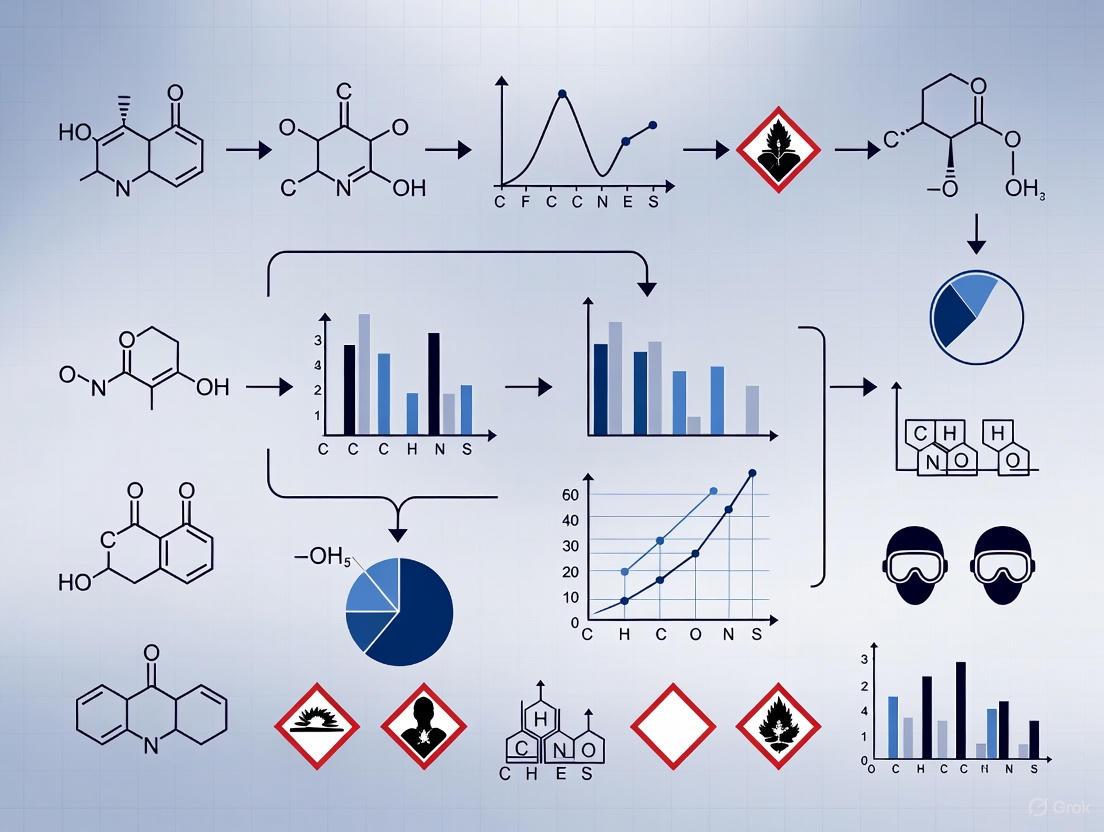
This article provides a comprehensive guide to modern quality control (QC) protocols for environmental chemistry laboratories, tailored for researchers, scientists, and drug development professionals.
Quality Control in Environmental Chemistry Labs: A 2025 Guide to Data Integrity, Compliance, and Innovation
Abstract
This article provides a comprehensive guide to modern quality control (QC) protocols for environmental chemistry laboratories, tailored for researchers, scientists, and drug development professionals. It covers foundational principles from regulatory bodies like the EPA, explores the application of trending methodologies such as digitalization and intelligent automation, and offers practical troubleshooting strategies for common data integrity issues. A comparative analysis of emerging frameworks like White Analytical Chemistry (WAC) is included to help laboratories validate their methods and strategically balance analytical performance with environmental and economic sustainability.
Building a Solid Foundation: Core Principles and Regulatory Frameworks for Environmental QC
In environmental chemistry laboratories, Quality Control (QC) is a structured process designed to ensure that the analytical data produced is reliable, accurate, and precise. For researchers and scientists in drug development and environmental science, robust QC protocols are not merely a regulatory formality but the foundation for credible scientific findings and environmental safety decisions. This technical support center outlines the critical role of QC and provides practical troubleshooting guides and FAQs to address common experimental challenges.
FAQs: Core Quality Control Concepts
1. What is the critical difference between Quality Assurance (QA) and Quality Control (QC) in environmental chemistry?
Quality Assurance is the comprehensive, strategic system for ensuring data quality. It encompasses all the planned and systematic activities implemented to provide confidence that quality requirements will be fulfilled. Quality Control is a tactical, operational subset of QA. It consists of the specific technical activities used to assess and control the quality of the analytical data itself, such as running control samples and calibrating instruments [1].
2. Why are both a Laboratory Control Sample and a Matrix Spike required for accurate data assessment?
These two QC samples serve distinct but complementary purposes:
- Laboratory Control Sample: The primary purpose of the LCS is to demonstrate that the laboratory can successfully perform the overall analytical procedure in a matrix free of interferences. Its results verify that the laboratory's analytical system is in control [1].
- Matrix Spike/MS: The primary purpose of the MS is to establish the performance of the method relative to the specific sample matrix of interest. It helps identify and quantify measurement system accuracy for the actual media being tested, revealing any "matrix effects" that might interfere with analysis [2] [1].
3. How frequently should key QC samples be analyzed?
A typical frequency for many QC operations, such as matrix spikes and blanks, is once for every 20 samples (a 5% frequency). However, this is a general guideline. The appropriate frequency should be based on the project's Data Quality Objectives and the stability of the sample matrix. For long-term monitoring of a consistent matrix, a lower frequency may be justified with proper documentation [1].
4. What are the minimum QC procedures required for chemical testing?
A robust QC program should include demonstrations of initial, ongoing, and sample-specific reliability [2]. Key procedures are summarized in the table below:
| QC Procedure | Purpose | Key Examples |
|---|---|---|
| Initial Demonstration | Show the measurement system is operating correctly before analyzing samples. | Initial Calibration; Method Blanks [2]. |
| Method Suitability | Verify the analytical method is fit for its intended purpose. | Establishing Detection Limits; Precision and Recovery studies [2]. |
| Ongoing Reliability | Monitor the continued reliability of analytical results during a batch. | Continuing Calibration Verification; Matrix Spike/Matrix Spike Duplicates (MS/MSD); Laboratory Control Samples (LCS) [2] [1]. |
Troubleshooting Guides
Issue 1: Inconsistent QC Results Between Shifts or Personnel
Problem: Undetected errors and diagnostic variability occur due to inconsistent application of test protocols.
Investigation & Resolution:
- Gather Information: Review Standard Operating Procedures and calibration records for all shifts. Interview personnel to identify procedural differences.
- Identify Root Cause: Common causes include outdated SOPs, insufficient training, or reliance on manual documentation prone to transcription errors [3].
- Implement Corrective Actions:
- Standardize Practices: Use centralized digital tools like dashboards and electronic checklists to ensure all personnel follow the same protocols [3].
- Review and Update SOPs: Ensure SOPs are compatible with current instrumentation and regulatory standards [3].
- Enhance Training: Provide regular, standardized training for all staff, emphasizing the importance of consistent documentation and procedure adherence [4].
Issue 2: Elevated Quantitation Limits Above Regulatory Thresholds
Problem: Matrix interference effects cause the Limit of Quantitation to rise above the regulatory limit, making it impossible to prove compliance.
Investigation & Resolution:
- Gather Information: Confirm the analytical method, sample matrix, and the specific interferent. Check all sample preparation and dilution steps.
- Identify Root Cause: High LLOQ can be caused by overly high sample dilutions or a lack of appropriate clean-up procedures to remove interferents [1].
- Implement Corrective Actions:
- Optimize Sample Preparation: Avoid unnecessary high dilutions and employ a validated clean-up method specific to the interferent [1].
- Consult Regulatory Footnotes: For specific contaminants, regulatory documents may state that the quantitation limit itself becomes the regulatory level when it is demonstrably higher than the calculated limit [1].
- Document Everything: Meticulously document all steps taken to lower the reporting limit, as this is critical for regulatory review [1].
Issue 3: Unexplained Shifts or Trends in QC Data
Problem: Control sample results show a systematic shift or trend, indicating a potential loss of analytical control.
Investigation & Resolution:
- Gather Information: Check the Levey-Jennings chart to characterize the shift. Note any recent changes in reagents, calibrators, or instrument maintenance [5].
- Identify Root Cause: Use a systematic, split-half approach. Test major system components first (e.g., reagent lot, calibration standard) before moving to smaller sub-systems to efficiently isolate the faulty component [6]. Common causes include:
- Reagent/Calibrator Variation: A change in reagent or calibrator lot [5].
- Instrument Performance: Gradual instrument drift or a faulty component.
- Control Material: Deterioration of the QC material itself.
- Implement Corrective Actions:
- Based on the root cause, actions may include re-calibrating the instrument, replacing a reagent lot, or performing instrument maintenance.
- Schedule lot changes for reagents and QC materials on different days to isolate their effects more easily [5].
- Never report patient or environmental sample results until the QC problem is resolved and control is re-established.
Experimental Protocols & Data Presentation
Standard QC Protocol: Analysis of an Environmental Sample Batch
The following workflow details the key steps for processing a batch of environmental samples, integrating essential QC measures to ensure data integrity.
Quantitative Data: Essential QC Samples and Acceptance
The table below summarizes the core QC samples, their frequency, and function, which are critical for the protocol above.
| QC Sample | Typical Frequency | Purpose & Function | Acceptance Criteria |
|---|---|---|---|
| Method Blank | Once per batch [1] | Detects contamination from reagents, apparatus, or the lab environment. | Analyte concentration should be below the method detection limit. |
| Laboratory Control Sample | Once per batch or every 20 samples [1] | Verifies laboratory performance and method accuracy in a clean matrix. | Recovery of the spiked analyte should be within established control limits. |
| Matrix Spike / Matrix Spike Duplicate | Once per 20 samples or batch [2] [1] | Assesses method accuracy and precision in the specific sample matrix. | MS recovery and MSD precision should be within project-specific control limits. |
| Continuing Calibration Verification | Every 15 samples or at end of batch [1] | Confirms the initial calibration remains valid throughout the analytical run. | Recovery of the verification standard must be within specified method limits. |
The Scientist's Toolkit: Essential Research Reagent Solutions
| Item | Function in QC |
|---|---|
| Certified Reference Materials | Provides a known concentration of an analyte in a specific matrix. Used to calibrate instruments and verify method accuracy [3]. |
| QC Control Materials | Stable, homogeneous materials with known expected values. Run routinely to monitor the precision and stability of the analytical system over time [3]. |
| Method Blanks | A sample free of the analytes of interest taken through the entire analytical process. Critical for identifying contamination from solvents, glassware, or the lab environment [2] [1]. |
| Matrix Spike Solutions | A solution containing a known concentration of target analytes, used to spike sample matrices. Essential for determining the effect of the sample matrix on method accuracy [2] [1]. |
| Surrogate Standards | Compounds not normally found in environmental samples that are added to all samples. Used to monitor the efficiency of the sample preparation and analytical process for each individual sample [2]. |
Troubleshooting Guides & FAQs
How do I determine if our laboratory is subject to both EPA and OSHA regulations?
EPA and OSHA regulations apply to different aspects of laboratory operations, and a lab can be subject to both. A 2025 Memorandum of Understanding (MOU) between the EPA and OSHA has reinforced their coordination on chemical safety.
- EPA (Environmental Protection Agency): Jurisdiction covers the broader environment and the public. Compliance is required for activities like hazardous waste management (under RCRA), water discharge (under the Clean Water Act), and specific programs like the Environmental Sampling and Analytical Methods (ESAM) program for contamination incidents [7] [8].
- OSHA (Occupational Safety and Health Administration): Jurisdiction is specifically the safety and health of employees in the workplace. The OSHA Laboratory standard (29 CFR 1910.1450) governs occupational exposure to hazardous chemicals in laboratories [9] [10].
- Key Difference: TSCA (EPA) regulates chemical use broadly, while the OSH Act protects workers. TSCA also covers a wider range of individuals, such as volunteers, self-employed workers, and some state and local government workers, who may not be covered by OSHA [10].
Troubleshooting Tip: If your lab handles hazardous chemicals and has employees, you are very likely subject to regulations from both agencies. Begin by designating a responsible person to map all chemicals and processes to the specific regulations from each agency.
Our lab is pursuing ISO/IEC 17025 accreditation. What are the most common reasons for non-conformities during the assessment?
The ISO/IEC 17025 standard specifies general requirements for the competence, impartiality, and consistent operation of testing and calibration laboratories [11]. Common pitfalls often relate to the management system and technical records.
- Inadequate Document Control: Failure to maintain robust control over documents like standard operating procedures (SOPs), quality manuals, and forms, ensuring they are current and approved.
- Poor Management of Corrective Actions: A lack of a systematic process for addressing non-conformities, including root cause analysis, implementation of corrective actions, and effectiveness verification [12].
- Insufficient Record Trails: Incomplete or inconsistent records of equipment calibration, maintenance, environmental monitoring, and testing activities, which prevents traceability [12].
- Failure to Demonstrate Impartiality: Absence of a risk management process to identify and mitigate potential conflicts of interest that could affect laboratory activities [13] [11].
Troubleshooting Tip: Conduct a thorough internal audit against all clauses of the ISO/IEC 17025 standard before the formal assessment. Use a checklist to ensure every requirement, especially for document control, corrective action, and data integrity, is met.
What are the key elements of an effective Chemical Hygiene Plan required by OSHA?
The OSHA Laboratory standard (29 CFR 1910.1450) requires a Chemical Hygiene Plan (CHP) to protect workers from health hazards associated with chemicals [9].
- Standard Operating Procedures (SOPs): Develop and implement SOPs for specific laboratory tasks and processes that involve hazardous chemicals.
- Exposure Control Measures: Detail the criteria and methods for implementing and maintaining engineering controls (e.g., fume hoods), administrative controls, and personal protective equipment (PPE).
- Employee Training and Information: Ensure all laboratory personnel receive appropriate and ongoing training about the hazards of chemicals in their work area and the contents of the CHP [9].
- Medical Consultation and Examinations: Establish procedures for employees to receive medical attention, including follow-up exams, if exposure monitoring indicates a likely overexposure.
- Designation of Personnel: Clearly assign a Chemical Hygiene Officer and identify the responsibilities of the department heads.
Troubleshooting Tip: A CHP must be a living document, not a static one. Review and update it at least annually or whenever new chemicals, processes, or significant equipment are introduced to the laboratory. Actively involve laboratory personnel in this process for practical effectiveness.
What should our lab do to prepare for an unannounced OSHA inspection?
Being prepared for an unannounced OSHA inspection requires having systems in place that are always audit-ready. Key focus areas for OSHA in 2025 include heat stress, warehousing operations, and combustible dust [14].
- Have a Designated Point Person: Ensure management and staff know who is authorized to greet and accompany the OSHA compliance officer.
- Keep Key Documents Accessible: Maintain an organized and current location for your OSHA 300 logs, injury and illness records, written safety programs (like your Chemical Hygiene Plan), training records, and equipment maintenance logs [7] [14].
- Conduct Regular Self-Audits: Perform internal audits using checklists that mirror what an OSHA inspector would use. This helps you proactively identify and correct issues [7].
- Verify Emergency Preparedness: Ensure emergency action plans are up-to-date and that drills (e.g., for fire evacuation or chemical spills) are conducted regularly [7].
Troubleshooting Tip: The best preparation is a strong, daily safety culture. Foster an environment where employees feel comfortable reporting hazards without fear of retaliation, and where safety protocols are consistently followed.
The following tables summarize key quantitative data for regulatory penalties and exposure limits.
Table 1: 2025 OSHA Civil Penalty Amounts
| Violation Type | Maximum Penalty |
|---|---|
| Serious & Other-Than-Serious Violations | $16,550 per violation |
| Failure to Abate | $16,550 per day beyond the abatement date |
| Repeat & Willful Violations | $165,514 per violation [14] |
Table 2: 2025 EPA Civil Monetary Penalties (Selected Statutes)
| Statute | Maximum Daily Penalty |
|---|---|
| Clean Air Act | $124,426 |
| Resource Conservation and Recovery Act (RCRA) | $93,058 |
| Clean Water Act | $68,445 |
| CERCLA & EPCRA | $71,545 [14] |
Experimental Protocols
Protocol: Developing an Integrated EPA-OSHA-ISO Compliance Program
This methodology provides a framework for building a cohesive compliance program that satisfies regulatory and international standard requirements.
1. Conduct a Regulation-to-Process Gap Analysis
- Objective: Systematically identify where current laboratory practices deviate from regulatory and standard requirements.
- Procedure:
- Create a master list of all applicable regulations (EPA, OSHA) and standards (ISO/IEC 17025).
- Map each requirement to specific laboratory processes, procedures, and records.
- For each requirement, document the current state of compliance and any gaps. This becomes the foundation for your corrective action plan [7] [15].
2. Develop and Implement Written Programs
- Objective: Translate regulatory and standard requirements into clear, actionable, and accessible laboratory documents.
- Procedure:
- Draft or update essential documents, including the Chemical Hygiene Plan (OSHA), quality manual (ISO/IEC 17025), and waste management plan (EPA).
- Ensure these documents are written in practical terms, readily available to all personnel, and reviewed/approved by management [7].
3. Establish Rigorous Documentation and Record-Keeping Processes
- Objective: Create an auditable trail of evidence to demonstrate compliance.
- Procedure:
- Implement a centralized system (e.g., a LIMS - Laboratory Information Management System) for managing records.
- Define and enforce protocols for data integrity, ensuring records for training, equipment calibration, testing, and corrective actions are complete, accurate, and tamper-evident [7] [12] [15].
4. Implement a Continuous Training Program
- Objective: Ensure all personnel are competent and aware of their compliance responsibilities.
- Procedure:
- Deliver initial training during onboarding, covering general safety, quality policies, and specific role-based procedures.
- Schedule and conduct annual refresher training.
- Provide specialized training whenever new equipment, chemicals, or procedures are introduced. Maintain detailed records of all training activities [7].
5. Conduct Regular Internal Audits and Management Reviews
- Objective: Proactively verify the effectiveness of the compliance program and drive continuous improvement.
- Procedure:
- Perform internal audits on a defined schedule (e.g., annually) using checklists based on regulatory and standard requirements.
- Hold regular management reviews to assess audit findings, incident reports, and the suitability of the compliance system, and to allocate resources for improvements [7] [15].
Compliance Program Workflow
Audit Preparation Pathway
The Scientist's Toolkit: Essential Research Reagent Solutions for Quality Compliance
| Item | Function in Quality Control |
|---|---|
| Laboratory Information Management System (LIMS) | A software-based system (especially AI-powered) that serves as a central framework for managing samples, data, workflows, and instrumentation, directly supporting ISO/IEC 17025 compliance and audit readiness [12]. |
| EPA's Environmental Sampling and Analytical Methods (ESAM) | A comprehensive program providing validated sampling strategies and analytical methods for responding to intentional or accidental contamination incidents, ensuring defensible environmental data [8]. |
| Documented Quality Management System (QMS) | The structured framework of policies, processes, and procedures required by ISO/IEC 17025. It ensures consistent operations, technical competence, and impartiality, and is the foundation for all accredited work [11]. |
| Chemical Hygiene Plan (CHP) | The foundational, written OSHA-required program that outlines procedures, equipment, and work practices designed to protect employees from health hazards associated with hazardous chemicals in the laboratory [9]. |
| Internal Audit Program | A required process for periodically self-assessing the effectiveness of the QMS and compliance programs. It identifies non-conformities for corrective action before external assessments occur [7] [15]. |
Frequently Asked Questions (FAQs)
Q1: What is the core purpose of each major QC sample type?
QC samples are fundamental for verifying data quality, and each type serves a distinct function in the environmental laboratory.
Table: Essential Quality Control Samples and Their Functions
| QC Sample Type | Primary Function | Key Insight |
|---|---|---|
| Method Blank | Detects contamination or interference from the analytical process itself [16]. | A contaminated blank suggests the sample may have been compromised during preparation or analysis [17]. |
| Laboratory Control Sample (LCS) | Verifies that the laboratory can perform the analytical procedure correctly in a clean matrix [1]. | The LCS confirms baseline laboratory performance, separate from matrix-specific issues [1]. |
| Matrix Spike (MS) / Matrix Spike Duplicate (MSD) | Assesses the effect of the sample matrix on method accuracy (MS) and precision (MSD) [2] [1]. | The MS/MSD results show how well the method works for your specific sample type (e.g., soil, water) [2]. |
| Calibration Verification Standard | Confirms that the instrument's calibration remains valid during an analytical run [17]. | It is typically analyzed at the beginning, end, and at regular intervals (e.g., every 10 samples) during a batch [17]. |
Q2: How often should QC samples be analyzed?
The frequency of QC analysis is not arbitrary; it is often governed by regulation, method specification, or project plans.
- Batch-Based Frequency: A common requirement is to analyze QC samples (like method blanks, LCS, and MS/MSD) for each preparation batch or analytical batch of environmental samples [17]. A typical batch size is up to 20 samples [1] [17]. This means one set of QC samples is required for every batch of 20 or fewer samples.
- Regulatory Flexibility: While the "once per 20 samples" frequency is a standard in many EPA programs, the frequency can be adjusted if documented and approved in a project's Quality Assurance Project Plan (QAPP) based on Data Quality Objectives (DQOs) [2] [1].
Q3: Can a Matrix Spike replace a Laboratory Control Sample?
While a Matrix Spike (MS) can sometimes be used to assess accuracy, it is not a routine replacement for a Laboratory Control Sample (LCS).
The LCS and MS serve different, complementary purposes. The LCS demonstrates that the laboratory can perform the method correctly in a clean matrix, isolating laboratory performance. The MS shows how the sample matrix itself affects the analysis [1]. Regulatory bodies indicate that using an MS in place of an LCS should be an occasional practice, not a routine one, and is only acceptable if the MS recovery meets the stringent acceptance criteria set for the LCS [1].
Troubleshooting Guides
Guide 1: Investigating High Pressure in Liquid Chromatography Systems
Unexpectedly high system pressure is a common problem that can have multiple causes.
Systematic Approach:
- Principle: Change only one component at a time and observe the effect. A "shotgun" approach of changing multiple parts simultaneously is inefficient and prevents identification of the root cause [18].
- Procedure: Start from the detector outlet and work upstream toward the pump, removing or replacing one capillary or inline filter at a time. After each change, check if the pressure returns to normal. This systematically localizes the obstructed component [18].
- Root Cause Analysis: Identifying the specific blocked part provides clues. For example, a blocked capillary at the pump outlet may indicate failing pump seals, while a blocked inline filter after the autosampler could point to particulates in the samples [18].
Guide 2: Addressing Failed Calibration Verification
A failed calibration verification standard indicates the instrument's calibration has drifted.
Corrective Actions:
- Immediate Action: Prepare a fresh calibration verification standard and re-analyze it. If it passes, analytical batch processing can continue [17].
- Recalibration: If the freshly prepared standard also fails, a complete initial recalibration of the instrument is required as specified by the analytical method [17].
- Sample Reanalysis: To the extent possible, all environmental samples analyzed since the last acceptable calibration verification should be reanalyzed after a successful recalibration [17].
- Data Flagging: If reanalysis is not possible, the results from the affected batch must be reported with appropriate data qualifiers to inform the data user of potential quality issues [17].
Experimental Protocols
Protocol 1: Preparation and Analysis of a Matrix Spike (MS) and Matrix Spike Duplicate (MSD)
This protocol outlines the steps to assess method accuracy and precision in the specific sample matrix.
Principle: A known amount of analyte is added to two separate portions of a field sample. The recovery of the spike indicates matrix effects on accuracy, while the agreement between the MS and MSD indicates precision [2] [1].
Procedure:
- Sample Selection: Select a representative field sample for spiking.
- Sub-sampling: Obtain two representative sub-samples from the selected field sample [16].
- Spiking:
- Spike both sub-samples with a known concentration of the target analyte(s). The spiking solution should be from a different source or lot than the calibration standards [16].
- The spike level should be significant relative to the native concentration (if known) but must not exceed the calibration range [16].
- Processing: Process the MS and MSD samples through the entire analytical procedure alongside the associated batch of unspiked samples, method blanks, and LCS [17].
- Calculation:
- Calculate the percent recovery for the MS and MSD.
- Calculate the Relative Percent Difference (RPD) between the MS and MSD to assess precision.
Protocol 2: Establishing an Initial Calibration Curve
A valid calibration is the foundation for generating quantitative results.
Principle: The relationship between instrumental response and analyte concentration is established using multiple standard solutions across a defined concentration range [17].
Procedure:
- Standard Preparation: Prepare a series of calibration standards at a minimum number of concentrations covering the expected sample concentration range. The number of standards may be method-defined or follow regulations (e.g., a minimum of 3 standards for a range up to 20 times the lowest level) [17].
- Analysis: Analyze the standards to obtain the instrumental response.
- Calibration Model: Establish the calibration curve using a specified model (e.g., linear or nonlinear).
- Acceptance Criteria: Verify that the calibration meets method-specified acceptance criteria. Common criteria include a coefficient of determination (r²) ≥ 0.99 for a linear curve or a relative standard deviation (RSD) of < 20% for response factors [17].
- Initial Calibration Verification: After a successful initial calibration, it must be verified using a standard prepared from a different manufacturer or an independently prepared source to confirm accuracy [17].
The Scientist's Toolkit: Research Reagent Solutions
Table: Essential Materials for Environmental QC
| Material / Solution | Function in QC |
|---|---|
| High-Purity Reagents and Solvents | Used for preparing standards, blanks, and sample processing to minimize background contamination [19]. |
| Primary Standards (NIST-Traceable) | Used to prepare calibration standards and verification standards. Traceability to a national standard ensures accuracy [16]. |
| Independent Source/Lot Standards | Used for Initial Calibration Verification and QC check samples to confirm the accuracy of the primary calibration [16] [17]. |
| Uncontaminated Sample Matrix | A clean matrix (e.g., reagent water, clean sand) free of target analytes, used for preparing Laboratory Control Samples (LCS) and method blanks [16] [17]. |
Technical Support Center
Frequently Asked Questions (FAQs) and Troubleshooting Guides
This section addresses common technical and quality control issues encountered in environmental chemistry laboratories, providing clear, actionable solutions to support reliable data generation.
Category 1: Data Quality and QC Failure Investigation
Q1: Our laboratory control sample (LCS) recovery is outside acceptable limits. What are the immediate troubleshooting steps?
A: An out-of-control LCS indicates a potential issue with measurement accuracy. Follow this systematic workflow to identify the root cause [2]:
Experimental Protocol: Immediately initiate a corrective action procedure. First, repeat the analysis of the LCS to rule out a random error. If the problem persists, prepare a fresh calibration standard series and re-calibrate the instrument. Check the age and storage conditions of all reagents and critical consumables (e.g., purge gases, liners). Finally, review the raw data and instrument logs for any anomalies during the analysis sequence [2].
Q2: How do we determine the appropriate frequency for running Internal Quality Control (IQC) samples?
A: IQC frequency is not arbitrary; it should be based on a structured risk assessment. The 2025 IFCC recommendations, aligned with ISO 15189:2022, state that laboratories must consider the method's robustness (e.g., Sigma-metrics), the clinical significance of the analyte, and the feasibility of re-analyzing samples [5]. A risk model, such as Parvin's patient risk model, can be used to quantitatively determine the optimal run size (number of patient samples between IQC events) [5].
Category 2: Instrumentation and Connectivity
Q3: The data acquisition software is unresponsive or has crashed during a run.
A:
- Forced Shutdown: Use the Task Manager (Windows) or Activity Monitor (macOS) to forcibly end the unresponsive program [20].
- Data Integrity Check: Once restarted, check the instrument's data log or sequence file to identify the last successfully processed sample. All samples analyzed after that point must be re-run [21].
- Root Cause Analysis: Update the software to the latest version to fix known bugs. Check for and resolve any conflicts with recently installed software or security updates. Ensure the computer meets the system requirements for memory and processing power [21].
Q4: The instrument computer is running very slowly, delaying data processing.
A: Slow performance often stems from resource constraints or system clutter [20] [21].
- Solution: Close any unnecessary background applications. Use disk cleanup tools to remove temporary files. Ensure all data from completed projects is archived and removed from the local hard drive. Confirm that the computer is free of malware by running an antivirus scan. For instruments requiring high-performance computing, consider a hardware upgrade (e.g., SSD, more RAM) if approved and compatible [21].
Category 3: Access and Security
Q5: A user's account is locked due to multiple failed login attempts to the Laboratory Information Management System (LIMS).
A: Account lockouts are a common security measure [20] [21].
- Solution: Verify the user's identity through a secondary channel (e.g., phone call, email). Reset the password following your organization's security policy. Advise the user to create a strong, unique password. If unauthorized access is suspected, investigate the source of the attempts and ensure two-factor authentication is enabled if available [21].
The Scientist's Toolkit: Essential Research Reagent Solutions
The following materials are critical for ensuring data quality in environmental chemistry analyses [2].
| Item | Function & Importance in Quality Control |
|---|---|
| Certified Reference Materials (CRMs) | Provides a metrological traceable standard for calibration and to verify method accuracy. Essential for initial method validation and ongoing verification of measurement system capability [2]. |
| Internal Quality Control (IQC) Materials | A stable, homogeneous material used to monitor the ongoing precision and bias of an analytical method. It verifies that the measurement system remains in control during sample analysis [5]. |
| Calibrators | A series of solutions with known analyte concentrations used to establish the relationship between the instrument's response and the analyte concentration. Critical for generating quantitative results [2]. |
| Matrix Spike/Matrix Spike Duplicate (MS/MSD) Materials | Used to assess method accuracy and precision in the specific sample matrix. Helps identify and quantify matrix effects that can impact measurement accuracy at the levels of concern [2]. |
| Method Blanks | A sample prepared without the analyte of interest but carried through the entire analytical procedure. Used to identify and quantify contamination from reagents, glassware, or the laboratory environment [2]. |
| Surrogate Spikes | A known compound, not normally found in environmental samples, added to every sample prior to extraction. Used to monitor the efficiency of the sample preparation and analytical process for each individual sample [2]. |
Quality Control Workflow for an Environmental Sample
The diagram below outlines the core workflow for generating reliable analytical data, integrating key QC elements [2] [5].
Implementing Modern QC Methods: From Digital Tools to Sustainable Practices
Troubleshooting Guides
Data Migration and Integrity Issues
Problem: Inconsistent, missing, or corrupted data after migration from legacy systems to a new Laboratory Information Management System (LIMS).
Explanation: Data migration is one of the most technically challenging aspects of LIMS implementation. Legacy laboratory systems store information in various formats, making consolidation complex and time-consuming. Years of historical information stored in spreadsheets, proprietary databases, and paper records must be consolidated and standardized before successful migration [22].
Solution:
- Conduct a Comprehensive Data Audit: Perform thorough analysis of existing data sources to identify quality issues, inconsistencies, and missing information before beginning migration [22].
- Implement Data Standardization Protocols: Establish consistent formats, naming conventions, and validation rules to ensure migrated data meets new LIMS requirements [22].
- Use Phased Migration Strategy: Transfer data in manageable segments rather than attempting bulk migration, allowing for testing and validation at each stage [22].
- Create Backup and Recovery Plan: Implement robust backup procedures to protect against data loss during migration processes and establish rollback capabilities [22].
User Adoption Resistance
Problem: Laboratory staff resist using the new LIMS and revert to familiar paper-based or legacy systems.
Explanation: Laboratory staff comfortable with established workflows naturally resist new processes and technologies. This resistance intensifies when training programs are inadequate or implementation timelines are rushed [22]. Resistance often stems from fear of the unknown, perception of increased workload, or lack of buy-in [23].
Solution:
- Involve Users Early: Include key laboratory personnel in planning processes to gather input, address concerns, and build ownership in the new system [22].
- Develop Role-Specific Training: Create comprehensive training materials and hands-on workshops that prepare users for daily LIMS operations specific to their roles [22] [23].
- Implement Phased Rollout: Introduce LIMS functionality gradually to allow users time to adapt while maintaining operational continuity [22].
- Establish Super-User Network: Identify enthusiastic users who can act as champions within their departments, providing peer support and encouraging adoption [23].
- Provide Ongoing Support: Establish help desk resources and continuous support systems to provide assistance during the transition period and beyond [22].
System Integration Failures
Problem: LIMS fails to properly connect with existing laboratory instruments and software applications, creating data silos and workflow disruptions.
Explanation: Connecting LIMS with existing laboratory instruments and software applications creates complex technical challenges. Compatibility issues between different manufacturers' equipment, communication protocol mismatches, and legacy instrument limitations may prevent seamless data flow and limit automation capabilities [22]. Modern laboratories rely on a diverse ecosystem of software and instruments that must work together [23].
Solution:
- Develop Detailed Integration Plan: Identify all systems requiring integration with LIMS and define data flow between them early in the planning process [23].
- Assess API Capabilities: Thoroughly evaluate the application programming interfaces (APIs) and integration capabilities of the LIMS and other relevant systems [23].
- Use Middleware Platforms: Consider vendor-neutral solutions that translate data formats and manage communication between applications, reducing custom programming requirements [22].
- Conduct Infrastructure Assessment: Evaluate network infrastructure early to identify potential bottlenecks, bandwidth limitations, and upgrade requirements [22].
- Implement Robust Testing: Design comprehensive testing plans that encompass unit tests, system integration checks, and user interface evaluations [23].
Quality Control Compliance Gaps
Problem: Digital workflows fail to maintain required quality control standards and regulatory compliance in environmental chemistry testing.
Explanation: For environmental chemistry laboratories, maintaining quality control (QC) protocols during digital transformation is essential. The EPA emphasizes that having analytical data of appropriate quality requires laboratories to conduct necessary QC to ensure measurement systems are in control and operating correctly, properly document results, and maintain measurement system evaluation records [2].
Solution:
- Implement Electronic QC Tracking: Use LIMS to automate tracking of calibration schedules, control sample analysis, and instrument maintenance [24].
- Maintain Comprehensive Electronic Records: Ensure all QC procedures, including method blanks, matrix spikes, continuing calibration verification, and surrogate spikes are digitally documented with complete metadata [2].
- Establish Automated Alert Systems: Configure LIMS to automatically flag QC results that fall outside acceptance criteria, ensuring immediate corrective action [25].
- Implement Electronic Signatures: Utilize digital signatures for review and approval processes to maintain compliance with ALCOA+ principles (Attributable, Legible, Contemporaneous, Original, and Accurate) [26].
- Maintain Audit Trails: Ensure system captures complete audit trails tracking all data interactions, modifications, and accesses [25].
Frequently Asked Questions (FAQs)
Q1: What are the most critical steps for maintaining quality control during the transition from paper to digital systems?
Environmental chemistry laboratories must maintain several critical QC procedures during digital transition:
- Continue analysis of laboratory control samples, matrix spikes, method blanks, and calibration verification standards as specified in EPA SAM protocols [2]
- Ensure all QC data is properly documented in the new system with appropriate metadata
- Conduct parallel testing where both paper and digital systems are used simultaneously for critical assays
- Validate that digital systems meet EPA data quality objectives (DQOs) before full implementation [2]
- Maintain demonstration of continued analytical method reliability through matrix spike/matrix spike duplicates (MS/MSDs) recovery and precision testing [2]
Q2: How can we ensure our LIMS implementation supports EPA quality control requirements for environmental chemistry?
To ensure LIMS supports EPA QC requirements:
- Configure LIMS to automatically track and alert on QC frequency requirements consistent with EPA's Good Laboratory Practice Standards [2]
- Implement electronic capture of all QC parameters including initial calibration, continuing calibration verification, method blanks, and system suitability tests
- Establish automated calculation of QC statistics and comparison against acceptance criteria
- Ensure system supports documentation of corrective actions when QC results exceed control limits
- Configure user permissions to prevent unauthorized modification of QC data
- Maintain ability to produce comprehensive QC reports for regulatory inspections [2]
Q3: What specific hardware and infrastructure requirements should we plan for when implementing paperless workflows?
Paperless laboratory implementation requires specific infrastructure considerations:
- Reliable high-speed network connectivity with sufficient bandwidth for data transmission [27]
- Adequate power sources and charging stations for mobile devices [27]
- Suitable hardware placements that protect devices from laboratory hazards while maintaining accessibility [27]
- Robust backup power systems to prevent data loss during outages
- Sufficient data storage capacity with automated backup systems
- Cloud-based systems accessibility with reliable internet connections [27]
- Portable devices with protective housings for use in wet laboratory environments [27]
Q4: How do we balance the need for customization with maintaining a supportable, upgradable LIMS?
Balancing customization needs with long-term maintainability requires:
- Conducting detailed requirements gathering and gap analysis before selection [23]
- Prioritizing configuration over customization whenever possible
- Implementing essential customizations first, with non-critical enhancements rolled out in subsequent phases [23]
- Choosing vendors with proven track records in environmental chemistry laboratories [23]
- Establishing a structured change control process to evaluate, approve, and track modifications [23]
- Documenting all customizations thoroughly for future maintenance and upgrades
- Considering middleware solutions for specific instrument integrations rather than core system modifications [22]
Q5: What strategies are most effective for managing scope creep and budget overruns during LIMS implementation?
Effective scope and budget management strategies include:
- Establishing a well-defined project scope at the outset with clear deliverables [23]
- Implementing a formal change control process to evaluate requested modifications [23]
- Prioritizing features and implementing non-critical enhancements in subsequent phases [23]
- Maintaining experienced project management to track progress and communicate with stakeholders [23]
- Budgeting for total cost of ownership, including ongoing maintenance, support, and upgrade costs [28]
- Conducting regular stakeholder reviews to ensure alignment on priorities and timelines
- Building contingency buffers (typically 15-20%) for unexpected challenges
Workflow Visualization
Digital Transformation Workflow
Research Reagent Solutions for Environmental Chemistry
Table: Essential materials for environmental chemistry quality control
| Reagent/Material | Function in Quality Control | QC Application |
|---|---|---|
| Certified Reference Materials | Provides known concentration analytes for accuracy verification | Calibration verification, method validation, analyst proficiency testing [2] |
| Matrix Spike Solutions | Evaluates method accuracy in specific sample matrices | Matrix effect determination, recovery rate calculation [2] |
| Laboratory Control Samples | Monitors analytical system performance | Ongoing precision and recovery assessment [2] |
| Method Blanks | Identifies contamination sources | Laboratory contamination monitoring, background subtraction [2] |
| Calibration Standards | Establishes quantitative relationship between response and concentration | Instrument calibration, continuing calibration verification [2] |
| Surrogate Standards | Monitors method performance for individual samples | Extraction efficiency assessment, sample-specific QC [2] |
| Internal Standards | Corrects for analytical variability | Quantification accuracy improvement, instrument performance monitoring [25] |
| Preservation Reagents | Maintains sample integrity between collection and analysis | Analyte stability assurance, holding time requirement compliance [2] |
Intelligent Automation and Artificial Intelligence (AI) are transforming environmental chemistry laboratories, moving beyond simple automation to create self-optimizing systems that enhance both testing accuracy and operational efficiency. These technologies introduce intelligent decision-making, predictive analytics, and autonomous optimization into research workflows [29]. For quality control protocols in environmental laboratories, this represents a paradigm shift from reactive monitoring to proactive, predictive quality assurance. AI systems continuously analyze data from instruments and processes to identify patterns, predict potential errors, and recommend corrective actions before they compromise data integrity [30]. This technical support center provides targeted guidance for researchers, scientists, and drug development professionals implementing these advanced technologies in their experimental work, with a specific focus on troubleshooting common AI-integration issues within the framework of robust quality control.
Technical Support Center
Frequently Asked Questions (FAQs)
Q1: Our AI model for predicting chemical reaction yields performs well on historical data but fails in real-time monitoring. What could be causing this discrepancy?
A1: This is typically a data drift or context mismatch issue. First, verify that the feature set used for real-time predictions exactly matches the training data in terms of units, scaling, and source instruments. Second, implement a data drift detection system to monitor for statistical differences between training and incoming data distributions. Retrain your model periodically with newly acquired data to adapt to process changes. Ensure your real-time data pipeline includes the same pre-processing steps (e.g., outlier removal, smoothing) used during model development [30].
Q2: How can we validate an AI-based anomaly detection system for our environmental sensor network to ensure it meets quality control standards?
A2: Validation requires a multi-faceted approach. Begin by establishing a ground-truth dataset of known anomalies and normal operation periods. Use k-fold cross-validation to assess performance metrics (precision, recall, F1-score) robustly. For quality control, it is critical to test the system's false-positive rate under controlled conditions to ensure it doesn't flag insignificant variations. Document the model's decision boundaries and the feature importance values that drive alerts. Finally, run the AI system in parallel with your existing QC protocols for a predefined period to compare performance against established methods [31] [30].
Q3: Our automated sample preparation system, integrated with an AI scheduler, is causing unexpected bottlenecks. How can we troubleshoot the workflow?
A3: Bottlenecks often arise from unrealistic AI assumptions about task durations or resource conflicts. First, profile the actual time each preparation step takes versus the AI's estimated time. Check for shared resources the scheduler may not account for, such as a centrifuge or balance used by multiple processes. Review the system's log to identify steps with high variability or frequent failures that require manual intervention. Adjust the AI's scheduling parameters to include buffer times for high-variance tasks and ensure it has real-time visibility into equipment availability [32].
Q4: What is the best way to handle missing or incomplete data from environmental sensors when an AI model requires complete input vectors?
A4: Develop a tiered strategy. For minimal missingness (<5%), use imputation methods like k-nearest neighbors or regression-based imputation, but document all imputed values. For significant data gaps, configure your AI system to operate in a "degraded mode" that uses a separate, robust model trained specifically on available variables. Implement data quality checks at the ingestion point to flag missing values for immediate review. For critical quality control parameters, establish rules to halt automated decisions and alert technicians when data completeness falls below a predefined threshold [33].
Troubleshooting Guides
Problem: Inconsistent Results from AI-Driven Analytical Instruments
Problem Identification: Automated analyzers (e.g., GC-MS, ICP-OES) with integrated AI for real-time analysis are producing inconsistent results between runs, despite stable control samples. Symptoms include fluctuating baseline corrections, drift in quantification results, and inconsistent peak identification in chromatographic data [29].
Impact: This inconsistency compromises data integrity for long-term environmental monitoring studies, leads to potential false positives/negatives in contaminant detection, and affects regulatory compliance for quality control protocols.
Troubleshooting Steps:
Quick Diagnostic Check (Time: 5 minutes)
- Verify that all consumables (e.g., lamps, columns, gases) are within their usage lifetime and are properly installed.
- Check for software and AI model version mismatches between the instrument control computer and the central data server.
Standard Resolution (Time: 30 minutes)
- Recalibrate with Certified Reference Materials: Run a full calibration curve using fresh standards to rule out fundamental instrument drift.
- Validate the AI Pre-processing Module: Input a standardized, known data file (e.g., a previous day's run) and check if the AI's output (e.g., baseline correction, peak pick) is identical to the previously validated output. This isolates the AI component from the hardware.
- Review Model Input Data: Check the quality of raw data being fed to the AI model. Look for increased noise, new spectral artifacts, or changes in signal-to-noise ratio that the model was not trained to handle.
- Retrain the Model: If a data drift is identified, retrain the AI model with recent data that reflects the new instrumental conditions, ensuring a representative set of labeled examples is used [30].
Root Cause Fix (Time: Several hours/ days)
- Implement a Continuous Validation Protocol: Set up an automated system that runs a quality control standard every 10 samples. Use the results to continuously monitor the AI's performance and trigger alerts when results deviate from expected ranges.
- Enhance the Training Dataset: Expand the AI model's training dataset to include a wider variety of instrumental conditions and sample matrices, improving its robustness.
- Update Feature Engineering: Re-engineer the input features for the AI model to make them more invariant to the specific types of noise or drift encountered.
Problem: AI-Powered Predictive Maintenance System Generating Excessive False Alarms
Problem Identification: The predictive maintenance AI for laboratory equipment (e.g., HPLC pumps, robotic arms) is generating frequent alerts for impending failures that do not materialize, leading to alert fatigue and unnecessary downtime [29] [30].
Impact: Researchers lose trust in the system, potentially causing them to ignore valid alerts. This results in unnecessary maintenance costs, disrupted experimental schedules, and increased risk of missing a genuine equipment failure.
Troubleshooting Steps:
Immediate Action (Time: 10 minutes)
- Acknowledge and Document: Log each false alarm, noting the equipment, alert type, time, and the actual equipment status. This data is crucial for retraining.
- Temporarily Adjust Thresholds: If the system allows, slightly increase the threshold for the triggering alert to reduce noise, while acknowledging this is a temporary fix.
Standard Resolution (Time: 1-2 hours)
- Conduct Root Cause Analysis: For each recent false alarm, investigate the sensor data that triggered it. Look for patterns, such as specific operational modes (startup/shutdown) or external events (power fluctuations) that correlate with false alerts.
- Review and Relabel Training Data: Examine the historical data used to train the model. It is possible that "normal" operational data was incorrectly labeled as "pre-failure" data.
- Feature Selection Review: Analyze the feature importance scores within your model. It may be relying too heavily on noisy or non-causal sensor readings.
Long-Term Solution (Time: 1 week)
- Retrain with Refined Data: Retrain the predictive maintenance model using a curated dataset that has been corrected based on the root cause analysis. Incorporate the logged false alarm data as negative examples.
- Implement a Hybrid Rule-Based + AI System: Create a pre-filtering layer that uses simple rules to discard impossible alerts (e.g., an alert for a pump failure when it is currently running a method and producing stable pressure).
- Introduce Alert Confidence Scoring: Modify the system to output a confidence score for each alert. Only high-confidence alerts would trigger immediate action, while medium-confidence alerts would generate log entries for later review [30].
Quantitative Data on AI Performance in Chemical and Environmental Applications
The integration of AI and intelligent automation delivers measurable improvements in accuracy and efficiency. The table below summarizes key performance data from industry applications.
Table 1: Quantitative Benefits of AI in Chemical and Environmental Operations
| Application Area | Performance Metric | Improvement with AI | Source Context |
|---|---|---|---|
| Supply Chain Management | Logistics Costs | 15% reduction | [29] |
| Supply Chain Management | Inventory Levels | 35% reduction | [29] |
| Supply Chain Management | Service Levels | 65% improvement | [29] |
| Demand Planning | Forecast Accuracy | 20-30% improvement | [29] |
| Pollution Detection | Monitoring & Intervention | Enables real-time monitoring and prompt intervention | [31] |
| Operational Efficiency | Process Optimization | Significant improvements reported | [29] |
Experimental Protocols for AI-Enhanced Quality Control
Protocol: AI-Assisted Calibration and Drift Monitoring for Analytical Sensors
Objective: To implement an AI-based system for the continuous calibration and performance monitoring of environmental sensors (e.g., for pH, dissolved oxygen, specific contaminants) to ensure data accuracy within quality control limits.
Principle: The protocol uses a suite of software-based AI models to detect subtle changes in sensor behavior that indicate drift or fouling, supplementing traditional manual calibrations and enabling proactive maintenance [31].
Materials:
- Environmental sensors with data logging capabilities
- Centralized data acquisition system (e.g., SCADA, IoT platform)
- Computing environment (e.g., Python, R) with machine learning libraries (e.g., scikit-learn, TensorFlow)
- Certified calibration standards
- Reference analyzer for validation
Procedure:
- Data Collection & Feature Engineering: Stream time-series data from the sensors (e.g., raw mV output, temperature, operational hours). Engineer features such as signal stability, response time to minor fluctuations, and signal-to-noise ratio.
- Baseline Model Training: Under optimal sensor conditions (freshly calibrated, clean), collect a large dataset of normal operation. Train an anomaly detection model (e.g., Isolation Forest, Autoencoder) to learn this "healthy" baseline.
- Model Deployment & Real-Time Monitoring: Deploy the trained model to run inference on live sensor data. The model outputs an "anomaly score" indicating the degree of deviation from the healthy baseline.
- Alerting & Action: Set thresholds on the anomaly score. When a threshold is exceeded, the system automatically alerts personnel, suggesting potential causes (e.g., "drift detected," "possible biofilm formation") based on the feature pattern.
- Validation: When an alert is triggered, validate the sensor's accuracy against a certified standard and a reference analyzer. Record the outcome to refine the AI model.
- Continuous Learning: Periodically retrain the model with new baseline data, especially after any maintenance or changes in the water matrix, to prevent model decay.
Protocol: Automated Anomaly Detection in High-Throughput Screening Data
Objective: To automatically identify and flag anomalous results or potential errors in high-throughput environmental sample analysis (e.g., from GC-MS or HPLC) that may be missed by traditional control limits.
Principle: This protocol uses unsupervised machine learning to model the complex, multi-dimensional relationships between different analytical parameters in a typical run. It flags samples that deviate from the established correlated pattern, indicating potential errors like carryover, matrix interference, or instrument glitches [32].
Materials:
- Data from high-throughput analytical instruments
- Access to a high-performance computing (HPC) environment for rapid data processing
- Data analysis software (e.g., Python/Pandas, R, specialized instrument software)
Procedure:
- Data Compilation: For each analytical batch, compile a data matrix including features like compound retention times, peak areas and shapes, internal standard ratios, and baseline noise levels.
- Dimensionality Reduction: Use Principal Component Analysis (PCA) to reduce the multi-dimensional data to 2-3 principal components that capture the majority of the variance.
- Clustering: Apply a clustering algorithm (e.g., DBSCAN) to group samples with similar analytical profiles in the PCA space.
- Anomaly Identification: Identify samples that are outliers from their cluster or that form very small, isolated clusters. These are flagged as potential anomalies.
- Root Cause Investigation: Technicians review the flagged samples, examining raw chromatograms and system logs to determine the root cause (e.g., sample prep error, instrumental artifact).
- Feedback Loop: The findings from the root cause investigation are used to update and refine the anomaly detection model, improving its accuracy over time.
Workflow Visualization
AI for Real-Time Sensor QC
AI-Driven Sensor Quality Control
Automated Anomaly Detection
High-Throughput Screening Anomaly Detection
The Scientist's Toolkit: Essential AI Research Reagents
The following "reagents" are the essential software tools and data components required to build and maintain AI systems for an automated environmental lab.
Table 2: Essential "Research Reagents" for AI in the Lab
| Tool/Component | Type | Function | Example in Environmental Chemistry |
|---|---|---|---|
| Curated Historical Dataset | Data | Serves as the labeled training material for supervised learning models. | A database of past GC-MS runs, where each chromatogram is tagged with the final verified result and any noted issues. |
| Digital Twin | Software Model | A virtual replica of a physical process (e.g., a reactor, a sensor) used to simulate outcomes and test AI-driven changes safely before real-world implementation [30]. | A dynamic model of a wastewater treatment process that predicts effluent quality under different AI-proposed adjustments. |
| Anomaly Detection Algorithm | Software | An unsupervised learning model that identifies data points that deviate from a learned pattern of "normal" operation. | An Isolation Forest model that flags unusual patterns in real-time sensor data from a river monitoring station, indicating potential contamination events. |
| Predictive Maintenance Model | Software | Uses equipment sensor data to forecast failures before they occur, enabling scheduled maintenance and reducing downtime [29]. | A model that analyzes pressure, temperature, and motor current from an HPLC pump to predict seal failure. |
| Optimization Engine | Software | AI algorithms that continuously adjust process parameters to maximize a defined objective (e.g., yield, purity, energy efficiency) [30]. | A system that dynamically adjusts aeration rates in an activated sludge process to minimize energy use while maintaining treatment efficacy. |
Technical Support Center
Troubleshooting Guides & FAQs
IoT Data Ingestion & Connectivity
Q: The system is not receiving data from IoT sensors. What should I check?
- A: Follow this systematic approach to isolate the issue:
- Verify Sensor Power & Status: Confirm all sensors have power and their operational indicators are on.
- Check Network Connectivity: Use the
iotedge checkcommand to run a collection of configuration and connectivity tests. This will identify issues with the host device's network ports and its ability to connect to the cloud [34]. - Inspect Message Broker Health: If using a broker like Apache Kafka, check the status of the Kafka cluster, brokers, and topic partitions to ensure they are running and accepting messages [35].
- Review Firewall Rules: Ensure necessary outbound ports are open. For protocols like AMQP, port 5671 should be open; for HTTPS, port 443 is typically required [34].
Q: How can I gather logs for technical support?
- A: The most convenient method is to use the
support-bundlecommand. This tool collects module logs, the IoT Edge security manager logs, and the output of theiotedge checkcommand, compressing them into a single file for easy sharing [34].
Data Processing & Analytics
Q: My streaming analytics job is experiencing high latency. What are potential causes?
- A: High latency in stream processing can be investigated by:
- Check Data Freshness (AoI): Monitor the Age of Information (AoI) metric, which quantifies the time elapsed since data generation. A high AoI indicates stale data [35].
- Review Resource Utilization: Check the CPU and memory usage of your stream processing nodes (e.g., Apache Spark workers). Resource saturation can create bottlenecks [35].
- Analyze Backlogs: Investigate if there is a growing backlog of messages in the ingestion layer (e.g., Kafka), which suggests the processing layer cannot keep up with the ingestion rate [35].
Q: Predictive model accuracy has degraded over time. How can I address this?
- A: This is often a case of model drift, where the statistical properties of the real-world data have changed. The solution is to implement a continuous learning pipeline.
- Retrain with New Data: Use a tool like MLflow to manage the machine learning lifecycle. Create a pipeline that automatically retrains models on recently collected data [35].
- Validate Performance: Before deploying the new model, evaluate its performance against a hold-out validation set and compare it to the current model [35].
- Version and Deploy: Use the modular ML pipeline to version the new model and deploy it to replace the underperforming one [35].
Sensor & Equipment Integration
Q: What are common sensor types used for predictive maintenance on laboratory equipment?
- A: Different sensors monitor various failure precursors [36]:
- Vibration Sensors: Essential for rotating equipment like centrifuges to detect imbalances or bearing wear.
- Temperature Sensors: Monitor overheating in instruments such as gas chromatographs or freezers.
- Acoustic (Ultrasound) Sensors: Detect leaks in pressurized systems or changes in noise signatures.
- Voltage/Current Sensors: Track power supply stability and motor current to identify electrical faults.
Q: A centrifuge is vibrating excessively. What are the immediate steps?
- A: This is a potential safety hazard. Follow this protocol:
- Immediately Stop the Run: Safely halt the centrifuge.
- Visual Inspection: Check for an unbalanced load, damaged rotor, or loose components.
- Check Maintenance Logs: Review the equipment's maintenance log for recent servicing, past vibration issues, or calibration records [37] [38].
- Isolate and Report: If the cause is not immediately correctable (like a balanced load), tag the equipment "Out of Service" and report it for corrective maintenance. Data from vibration sensors can be used to diagnose the severity of the issue [37].
Experimental Protocols & Methodologies
Protocol 1: Implementing a Predictive Maintenance Workflow for an Analytical Instrument
Objective: To establish an end-to-end workflow for predicting failures in a high-performance liquid chromatography (HPLC) system using IoT and data analytics.
Materials:
- IoT Sensors (Vibration, Temperature, Pressure)
- Industrial IoT Gateway or Edge Device
- Central Cloud Storage & Analytics Platform (e.g., InfluxDB, Spark)
- Machine Learning Platform (e.g., MLflow)
Methodology:
- Sensor Integration: Attach vibration sensors to the HPLC pump and temperature sensors to the column oven. Connect pressure sensors to the fluidic path.
- Data Acquisition & Ingestion: Configure sensors to stream data to an IoT gateway. Use a message broker (e.g., Apache Kafka) for high-throughput, fault-tolerant data ingestion into the cloud [35].
- Stream Processing: Use a stream processing framework (e.g., Apache Spark Structured Streaming) to clean, transform, and aggregate the incoming sensor data in near real-time. Calculate metrics like rolling averages and standard deviations for key parameters [35].
- Feature Engineering & Model Inference: Extract features from the processed data streams (e.g., vibration frequency spectra, pressure trends). Feed these features into a pre-trained machine learning model (e.g., LSTM network) deployed within the pipeline to generate a real-time health score or failure probability [35].
- Alerting & Action: Configure alerts to trigger when the failure probability exceeds a predefined threshold. This alert can automatically create a work order in a CMMS (Computerized Maintenance Management System) for scheduling maintenance [38].
Protocol 2: Real-Time Monitoring of Cold Chain Storage for Environmental Samples
Objective: To ensure the integrity of environmental samples stored in freezers through real-time monitoring and anomaly detection.
Materials:
- Temperature and Humidity Loggers with IoT Connectivity
- Cloud-based Dashboard (e.g., Power BI, Grafana)
- Central Data Storage (Time-series database like InfluxDB)
Methodology:
- Calibration: Calibrate all temperature and humidity sensors against a NIST-traceable standard before deployment.
- Deployment: Place sensors in strategic locations within the freezer (e.g., top, middle, bottom, door).
- Real-Time Data Flow: Sensors transmit data at set intervals (e.g., every 5 minutes) via cellular or wireless networks to a central cloud storage platform [39].
- Anomaly Detection Rule Setup: Configure rules in the analytics platform to detect anomalies, such as:
- Temperature exceeding a setpoint for more than 10 minutes.
- A rapid rate of temperature change indicating a door left ajar or compressor failure.
- Multi-Channel Alerting: Set up alerts to notify lab managers via SMS and email immediately upon anomaly detection, enabling a rapid response to prevent sample loss [40].
Data Presentation
Table 1: Key IoT Sensors for Laboratory Predictive Maintenance
| Sensor Type | Measured Parameter | Common Laboratory Application | Data Type |
|---|---|---|---|
| Vibration | Acceleration, Velocity | Centrifuges, HPLC Pumps, Chillers | Time-series |
| Temperature | Degrees Celsius/ Fahrenheit | Incubators, Freezers, Reactors | Time-series |
| Acoustic | Ultrasound, Sound Pressure | Gas Leaks, Bearing Failure | Time-series / Spectral |
| Pressure | PSI, Bar | Liquid Chromatography, Gas Systems | Time-series |
| Humidity | Relative Humidity (%) | Stability Chambers, Sample Storage | Time-series |
Table 2: Recommended Preventive Maintenance Schedule for Key Lab Equipment
| Equipment | Daily/Per Use | Weekly | Quarterly | Annual |
|---|---|---|---|---|
| Analytical Balance | Calibration check, Clean pan | - | Professional calibration [37] | - |
| Centrifuge | Inspect for balance, Clean rotor chamber | - | Inspect seals & brushes [37] | Certified speed calibration |
| HPLC System | Purge lines, Performance check | Seal wash | Replace inlet seals, Degas filters | Pump calibration, Detector lamp check |
| -20°C / -80°C Freezer | Visual temperature check | Clean door gasket | Defrost & deep clean | Compressor maintenance |
| fume hood | - | - | - | Face velocity certification |
The Scientist's Toolkit
Research Reagent Solutions & Essential Materials
| Item | Function in IoT/Predictive Maintenance System |
|---|---|
| IoT Sensors | The "eyes and ears" of the system; collect real-time physical data (vibration, temperature) from laboratory equipment [36] [40]. |
| IoT Gateway | Acts as a local communication hub; aggregates data from multiple sensors and transmits it securely to the cloud platform [36]. |
| Message Broker (e.g., Apache Kafka) | Provides a high-throughput, fault-tolerant pipeline for ingesting and buffering massive streams of real-time sensor data [35]. |
| Stream Processing Framework (e.g., Apache Spark) | Performs real-time data transformation, cleansing, and feature extraction on the incoming data streams [35]. |
| Time-Series Database (e.g., InfluxDB) | Optimized for storing and rapidly retrieving the time-stamped data generated by sensors and monitoring systems [35]. |
| Machine Learning Platform (e.g., MLflow) | Manages the end-to-end machine learning lifecycle, from experiment tracking and model training to deployment and monitoring [35]. |
System Architecture & Workflow Diagrams
IoT PdM System Architecture
Predictive Maintenance Data Workflow
Integrating Green and White Analytical Chemistry (GAC/WAC) for Sustainable Method Development
The environmental chemistry laboratory faces a critical challenge: generating precise, reliable data for regulatory compliance and remediation projects while minimizing its own environmental footprint. Traditional analytical methods often involve significant consumption of hazardous solvents and energy-intensive processes. Green Analytical Chemistry (GAC) addresses this by focusing on reducing environmental impact through principles like waste prevention and safer chemicals. White Analytical Chemistry (WAC) represents an evolution beyond GAC, integrating environmental sustainability with analytical performance and practical/economic feasibility through its RGB model [41]. For laboratories operating under strict quality control protocols like EPA's SAM framework [2], adopting GAC/WAC principles means developing methods that are not only environmentally responsible but also analytically superior and practically viable for routine monitoring and emergency response situations where rapid turnaround is essential [2].
Conceptual Foundations: From GAC to WAC
The RGB Model of White Analytical Chemistry
White Analytical Chemistry employs an RGB (Red, Green, Blue) model to evaluate methods across three dimensions [42] [41]:
- Green Component: Incorporates traditional GAC principles focusing on environmental impact, including solvent toxicity, waste generation, energy consumption, and operator safety [42] [41].
- Red Component: Assesses analytical performance parameters including sensitivity, selectivity, accuracy, precision, linearity, and robustness [42] [41].
- Blue Component: Evaluates practical and economic aspects such as cost, time, ease of use, automation potential, and operational efficiency [42] [41].
A method achieves "whiteness" when it optimally balances all three dimensions, creating sustainable methods without compromising analytical standards or practical implementation [41].
Comparison of Assessment Metrics
Table: Key Metrics for Evaluating Green and White Analytical Methods
| Metric Name | Focus Area | Scoring System | Key Parameters Assessed |
|---|---|---|---|
| AGREE [43] [41] | Greenness | 0-1 scale (higher is greener) | 12 principles of GAC |
| Analytical Eco-Scale [41] | Greenness | Penalty points (score >75 = green) | Reagents, toxicity, energy, waste |
| GAPI/ComplexGAPI [41] | Greenness | Pictorial (green to red) | Comprehensive workflow impacts |
| RGB Model [42] [41] | Whiteness | Combined R-G-B score | Environmental, performance, practical aspects |
| BAGI [41] | Applicability | Shades of blue | Practicality in routine application |
Frequently Asked Questions (FAQs)
Q1: How can I maintain data quality while reducing solvent usage in HPLC methods for water analysis? Data quality can be maintained through method optimization strategies that actually enhance analytical performance while reducing environmental impact. Approaches include using shorter columns (e.g., 50-100 mm instead of 150-250 mm) with smaller particle sizes, which reduce solvent consumption while maintaining or improving resolution [41]. Additionally, replacing toxic solvents like acetonitrile with greener alternatives such as ethanol or methanol in reverse-phase HPLC can improve environmental metrics without compromising separation efficiency [43]. These modifications should be validated through precision, accuracy, and robustness testing per EPA QC requirements [2].
Q2: What are the most practical green sample preparation techniques for endocrine disruptor analysis in aqueous matrices? For endocrine disruptor analysis in water, practical green techniques include in-situ sampling approaches that eliminate the need for sample transport, and miniaturized solid-phase extraction (SPE) methods that significantly reduce solvent consumption compared to traditional off-line SPE [44]. Fabric phase sorptive extraction (FPSE) and capsule phase microextraction (CPME) have shown particular promise for concentrating analytes while using minimal organic solvents [41]. These techniques maintain the sensitivity required for detecting trace-level contaminants while aligning with GAC principles.
Q3: How does the WAC framework specifically benefit quality control laboratories? WAC benefits QC laboratories by providing a holistic assessment that balances sustainability with the practical demands of high-throughput environments. The framework ensures methods are not only environmentally responsible but also cost-effective, time-efficient, and robust enough for routine application [43]. This integrated approach helps laboratories meet both their sustainability goals and regulatory data quality requirements [2] [43], supporting the selection of methods that excel across all three RGB dimensions rather than just environmental metrics alone.
Q4: Can I apply GAC/WAC principles to existing EPA-approved methods without compromising data quality? Yes, existing methods can be optimized for greenness and whiteness while maintaining data quality through systematic modification and re-validation. Key strategies include scaling down sample volumes, replacing hazardous reagents with safer alternatives, implementing energy-efficient instrumentation, and incorporating automated or on-line sample preparation [44] [41]. Any modifications must be thoroughly validated through precision and recovery studies, with QC samples analyzed to verify measurement system accuracy at levels of concern, as specified in EPA guidelines [2].
Troubleshooting Guides
Poor Recovery in Green Sample Preparation
Table: Troubleshooting Poor Recovery in Miniaturized Sample Preparation
| Problem | Potential Causes | Solutions | QC Verification |
|---|---|---|---|
| Low recovery in micro-SPE | Insufficient sample volume or flow rate | Optimize sample loading conditions; use smaller sorbent amounts | Analyze matrix spikes at level of concern [2] |
| Incomplete extraction in FPSE | Inadequate extraction time or solvent volume | Increase extraction time; optimize elution solvent volume | Verify with laboratory control samples [41] |
| Matrix effects in direct injection | High dissolved organic content | Implement dilute-and-shoot with minimal dilution factor | Use matrix spike duplicates to assess precision [2] [41] |
| Inconsistent recovery across samples | Sorbent bed channeling in miniaturized devices | Ensure proper packing; use homogeneous sorbent materials | Document corrective actions per Good Laboratory Practice [2] |
High Solvent Consumption in HPLC Analysis
Problem: Method fails green metrics due to excessive mobile phase usage.
Troubleshooting Steps:
- Evaluate Current Parameters: Calculate mL/min flow rate × run time to establish baseline consumption [43].
- Reduce Column Dimensions: Switch to narrower (2.1 mm ID) and shorter (50-100 mm) columns to allow flow rate reduction of 50-80% without sacrificing efficiency [41].
- Optimize Gradient: Shorten run times by implementing steeper gradients while maintaining resolution [43].
- Alternative Solvents: Replace acetonitrile with ethanol where chromatographically feasible [43].
- Validate Modified Method: Conduct continuing calibration verification and method blanks to ensure maintained performance [2].
QC Documentation: For each modification, document precision and recovery results, system suitability parameters, and comparative data showing maintained data quality alongside improved green metrics [2].
Balancing Sensitivity with Green Objectives
Problem: Method requires concentration steps that conflict with green principles.
Troubleshooting Steps:
- Assess Actual Sensitivity Requirements: Review Data Quality Objectives (DQOs) to verify required detection limits [2].
- Evaluate Alternative Techniques: Consider solid-phase microextraction (SPME) or other solvent-free concentration methods [44] [41].
- Instrument Optimization: Maximize detector sensitivity through parameter optimization to reduce needed pre-concentration [43].
- Implement On-line Systems: Where feasible, use on-line SPE-LC systems that reduce manual handling and solvent usage [44].
- Validate Achieved Sensitivity: Verify method detection limits and quantitation limits meet DQOs through appropriate QC procedures [2].
Experimental Protocols
Development of a Sustainable HPLC Method for Pharmaceutical Analysis
This protocol illustrates the integration of GAC/WAC principles in method development, based on the approach described for gabapentin and methylcobalamin analysis [43]:
Materials and Reagents:
- HPLC system with UV or DAD detector
- Zorbax Eclipse C8 column (150 × 4.6 mm, 3.5 μm)
- Potassium phosphate buffer (prepared in-house)
- HPLC-grade acetonitrile (minimized usage)
- Ultrapure water from purification system
Methodology:
- Mobile Phase Preparation: Prepare potassium phosphate buffer (pH 6.9) and mix with acetonitrile in ratio 95:5 (v/v). This low organic content significantly reduces environmental impact compared to conventional methods using 30-50% acetonitrile [43].
- Chromatographic Conditions:
- Flow rate: 2.0 mL/min
- Detection wavelength: 210 nm
- Injection volume: 100 μL
- Column temperature: 25°C
- Total run time: 10 minutes
- Sample Preparation: For pharmaceutical formulations, use minimal solvent extraction with water or dilute buffer where possible.
- System Suitability Testing: Perform according to ICH guidelines, evaluating theoretical plates, tailing factor, and reproducibility [43].
Validation Parameters:
- Linearity: 3-50 μg/mL with R² > 0.9998
- Precision: RSD < 1% for retention time and peak area
- Accuracy: 98-102% recovery
- LOD/LOQ: 0.60-0.80 μg/mL and 2.00-2.50 μg/mL, respectively
- Forced degradation studies to demonstrate stability-indicating capability
Greenness and Whiteness Assessment Protocol
AGREE Evaluation [43]:
- Calculate AGREE score using available software based on 12 GAC principles.
- Input parameters include energy consumption, waste amount, toxicity, and operator safety.
- Target score: >0.70 indicates acceptable greenness.
RGB Whiteness Assessment [42] [41]:
- Green Dimension: Evaluate solvent toxicity, waste generation, energy consumption, and safety.
- Red Dimension: Assess linearity, sensitivity, accuracy, precision, and robustness.
- Blue Dimension: Consider cost per analysis, time requirements, ease of use, and automation potential.
- Calculate composite whiteness score balancing all three dimensions.
Workflow Diagrams
GAC/WAC Method Development Workflow
Quality Control Integration Framework
The Scientist's Toolkit: Essential Research Reagents and Materials
Table: Key Reagents and Materials for GAC/WAC Method Development
| Item | Function | GAC/WAC Considerations |
|---|---|---|
| Zorbax Eclipse C8 Column | Stationary phase for reverse-phase separation | Shorter columns (50-150 mm) reduce solvent consumption and analysis time [43] |
| Potassium Phosphate Buffer | Aqueous mobile phase component | Preferred over less biodegradable buffers; adjustable pH for selectivity control [43] |
| Ethanol | Green organic solvent | Replaces acetonitrile in many applications; less toxic and biodegradable [43] [41] |
| Fabric Phase Sorptive Extraction (FPSE) | Sample preparation medium | Minimizes solvent usage; enables direct extraction from complex matrices [41] |
| Magnetic Nanoparticles | SPE sorbents | Enable rapid separation and concentration with minimal solvent [41] |
| Certified Reference Materials | Method validation and QC | Essential for verifying accuracy while implementing green method modifications [2] |
| QC Sample Materials | Quality control monitoring | Method blanks, matrix spikes, and laboratory control samples essential for maintaining data quality during green method implementation [2] |
Solving Real-World Problems: Troubleshooting Data Anomalies and Optimizing Lab Operations
In environmental chemistry laboratories, atypical results are not merely setbacks; they are opportunities to strengthen the quality system. A proactive root cause analysis (RCA) moves beyond simply fixing the immediate problem to uncovering and addressing the underlying system-level weaknesses that allowed the issue to occur. The goal is to prevent recurrence and foster a culture of continuous improvement, shifting the perspective from "Why did this person make a mistake?" to "How did the quality system allow this mistake to happen?" [45]. This approach is fundamental to achieving and maintaining high standards of data quality and reliability, which are critical for informed environmental decision-making.
Core Methodologies for Effective Investigation
The PROACT Root Cause Analysis Approach
The PROACT methodology provides a robust, systematic framework for RCA, ensuring a comprehensive investigation rather than a superficial fix [46]. The acronym PROACT stands for the basic investigative process steps:
- PReserving Evidence and Acquiring Data: The first step is to preserve the scene and collect evidence in a disciplined manner. In the PROACT methodology, evidence is collected based on the 5-P's data categories: Parts, Position, People, Paper, and Paradigms [46].
- Order Your Analysis Team and Assign Resources: This involves organizing an unbiased team to analyze the specific failure, minimizing potential bias between the team and the event [46].
- Analyze the Event: With ample evidence and an unbiased team, the event reconstruction begins. PROACT utilizes a logic tree to graphically express the event reconstruction, combining physical sciences (physics of the event) and social sciences (human and systemic contributions) [46].
- Communicate Findings and Recommendations: After identifying actionable root causes, effective solutions must be developed and implemented to prevent recurrence [46].
- Track and Measure Impact for Bottom Line Results: Finally, an effective RCA system closes the loop by demonstrating a bottom-line benefit, tying recommendations to performance metrics and ROI [46].
The "Rule of 3 Whys" for Laboratory Investigations
For many laboratory incidents, a deeply ingrained "Rule of 3 Whys" is often sufficient to uncover the underlying issue without overcomplicating the process [45]. This technique challenges default assumptions, such as attributing a cause to a "lack of training."
Scenario: Employees could not locate the spill kit during an internal audit [45].
- Why #1: Why didn't the employees know where the spill kit was?
- Answer: They forgot its location after their safety training.
- Why #2: Why did they forget its location?
- Answer: The spill kit was stored inside a closed cupboard and wasn't visible.
- Why #3: Why wasn't it visible?
- Answer: The cupboard wasn't labeled.
The simple, effective corrective action was to label the cupboard clearly, which prevented the issue from recurring. Defaulting to "retraining" as the solution would have been a superficial fix that failed to address the true root cause [45].
Investigation Workflow
The following workflow diagrams the proactive RCA process from the initial detection of an atypical result through to the implementation and verification of corrective actions.
Troubleshooting Guides for Common Laboratory Issues
Guide 1: Investigating Poor Chromatographic Peak Shape
Q: My chromatographic peaks are showing tailing or fronting, which is affecting integration and quantification. What should I investigate?
This guide uses a divide-and-conquer approach, breaking the system into smaller parts to isolate the problem [47] [48].
- Step 1: Check the mobile phase.
- Ensure it is fresh, properly prepared, and filtered.
- Verify the pH and buffer concentration are correct.
- Step 2: Investigate the column.
- Check the column age and performance with a test mixture.
- Consider column overload if the sample concentration is too high.
- Step 3: Examine the sample.
- Confirm the sample is dissolved in the mobile phase or a compatible solvent.
- Re-filter the sample to remove any particulate matter.
- Step 4: Inspect the instrument.
- Check for a partially clogged liner (GC) or a void volume issue (HPLC).
- Look for a leaking fitting or a worn seal causing a pressure drop.
Guide 2: Addressing High Blanks in Trace Analysis
Q: My method blanks are showing detectable levels of the target analytes, compromising my detection limits. How do I find the source?
This guide employs a bottom-up approach, starting with the most fundamental components and working upwards [47] [48].
- Step 1: Check all solvents and reagents.
- Use a different lot of high-purity solvents.
- Prepare new standards and reagents from scratch.
- Step 2: Inspect and replace labware.
- Replace all glassware and consumables (e.g., pipette tips, vials) with new, certified clean items.
- Thoroughly clean all reusable glassware using an established, validated cleaning protocol.
- Step 3: Review the sample preparation environment.
- Clean the workbench and instrument surfaces with a suitable solvent.
- Ensure the fume hood or clean bench is functioning correctly and is not a source of contamination.
- Step 4: Verify analyst technique.
- Ensure the analyst is wearing appropriate gloves and has not introduced contamination (e.g., from cosmetics, hand creams).
Guide 3: Resolving Inconsistent Calibration Curve Data
Q: My calibration curve has an unacceptably low coefficient of determination (R²). How do I troubleshoot this?
This guide uses a top-down approach, beginning at the highest level (the data output) and working down to the specific procedures [47] [48].
- Step 1: Examine the data and standards.
- Re-check the calculations for standard preparation and dilution errors.
- Visually inspect the curve for a single outlier point; if found, re-prepare and re-analyze that standard.
- Step 2: Assess the instrument performance.
- Check the instrument's stability (e.g., pressure, baseline noise) during the analysis.
- Verify that the autosampler is injecting volumes accurately and precisely.
- Step 3: Review the standard preparation process.
- Confirm that all glassware used was clean and dry.
- Ensure all volumetric equipment was properly calibrated and used correctly.
Frequently Asked Questions (FAQs) on Root Cause Analysis
Q: What is the most common failure in laboratory root cause analysis? A: A prevalent failure is the over-reliance on "lack of training" as the default root cause. Training should only be considered a root cause when it genuinely does not exist. If training was delivered but not retained or applied, the RCA must probe deeper to find the systemic reason why, such as unclear procedures, poorly labeled equipment, or infrequent tasks [45].
Q: How can we ensure we are addressing the true root cause and not just a symptom? A: Ensure depth, breadth, and follow-through. Use the "Rule of 3 Whys" to achieve depth. For breadth, ask if the issue could manifest in other areas of the lab, indicating a systemic weakness. Engage in cross-functional collaboration during the investigation to gain different perspectives. Finally, establish a pre-determined review interval to validate that the corrective action is effective and the issue has not recurred [45].
Q: How can technology enhance our RCA process? A: Modern Quality Management Systems (QMS) can automate alerts for corrective action follow-ups, allow teams to search historical records for recurring issues, and centralize documentation. Emerging Artificial Intelligence (AI) tools can analyze large datasets to identify hidden trends, flag anomalies, and suggest potential causes based on historical data, leading to faster, data-informed decisions [45].
Q: What quality control data is essential for supporting a robust RCA? A: A minimum set of analytical QC procedures must be planned and documented [2]. Essential data includes:
- Initial demonstration of capability: Initial calibration, method blanks, and precision and recovery data.
- Ongoing reliability checks: Analysis of matrix spikes/matrix spike duplicates (MS/MSDs), continuing calibration verification, and method blanks [2]. This QC data provides the objective evidence needed to verify that the measurement system was in control or to pinpoint where it failed.
The Scientist's Toolkit: Essential Research Reagents & Materials
The following table details key materials and their functions in ensuring data quality and supporting RCA investigations in environmental chemistry.
| Item | Primary Function in Quality Control & RCA |
|---|---|
| Certified Reference Materials (CRMs) | Provides a known quantity of analyte to validate method accuracy, assess bias, and troubleshoot calibration issues. |
| High-Purity Solvents | Minimize background interference and contamination in blanks, which is critical for achieving low detection limits in trace analysis. |
| Matrix Spike/Matrix Spike Duplicate (MS/MSD) | Evaluates method accuracy and precision in the specific sample matrix, helping to identify matrix effects. |
| Method Blanks | Identifies contamination introduced from solvents, reagents, glassware, or the sample preparation environment. |
| Continuing Calibration Verification (CCV) Standard | Confirms the stability and ongoing accuracy of the instrument calibration throughout an analytical sequence. |
| Internal Standards (especially for chromatography) | Corrects for variability in sample preparation, injection volume, and instrument response, improving data precision. |
The RCA Logic Tree: A Visual Analysis Tool
The logic tree is a core component of the PROACT methodology used to graphically reconstruct an event. It combines deductive and inductive reasoning to move from the problem statement down to the root causes, validating each hypothesis with evidence [46]. The diagram below illustrates the structure of a generic logic tree for analyzing laboratory non-conformances.
Leveraging Historical Data Review to Uncover Hidden Contamination and Sample Switches
Troubleshooting Guides
How do I establish a historical baseline for my data?
Answer: Establishing a reliable historical baseline is the foundational step for effective data review. This process involves systematically gathering and statistically analyzing past data to understand normal fluctuations and identify significant deviations.
Detailed Methodology:
- Data Collection: Compile a robust dataset of historical results for each specific sampling location. A minimum of 4-5 previous data points is recommended to establish a meaningful trend. Ensure sample locations are consistent (e.g., the same monitoring well or GPS coordinates) and matrices are comparable (e.g., aqueous, soil) [49].
- Data Distribution Analysis: Analyze your dataset to understand its distribution. Environmental and microbiological data is often not normally distributed; it may be skewed or contain many zero values. Create a histogram to visualize the data distribution [50].
- Set Alert and Action Levels: Based on the data distribution, establish statistical limits:
- For normally distributed data, set the alert level at the mean plus 2 standard deviations and the action level at the mean plus 3 standard deviations [50].
- For non-normally distributed data (common in this field), use the percentile cut-off approach. The 95th percentile is typically used for the alert level, and the 99th percentile for the action level [50].
The following table summarizes the statistical approaches for setting these levels:
Table 1: Statistical Approaches for Setting Alert and Action Levels
| Data Distribution | Alert Level | Action Level | Key Considerations |
|---|---|---|---|
| Normal Distribution | Mean + 2 Standard Deviations | Mean + 3 Standard Deviations | Use only if a histogram confirms a normal distribution [50]. |
| Non-Normal Distribution | 95th Percentile | 99th Percentile | Resistant to outliers; suitable for skewed or "zero-inflated" data [50]. |
- Handle Outliers: Before finalizing baselines, assess potential outliers using statistical tests like Grubbs' Test. Outliers may be removed from the baseline dataset only if a special cause (e.g., sample handling error, known contamination event) can be justified [50].
What steps should I take when historical review identifies a potential anomaly?
Answer: When the historical data review flags an outlier, a structured investigation is required to determine the root cause. The goal is to gather multiple lines of evidence before concluding that a laboratory error like contamination or a sample switch occurred [49].
Experimental Protocol for Anomaly Investigation:
- Initial Laboratory Data Package Review: Scrutinize the original data package from the laboratory. Check for issues with quality control samples (blanks, spikes, duplicates), instrument calibration data, and sample custody documentation [49] [2].
- Evaluate External Factors: Review field measurements and notes. Parameters like pH, specific conductance, and oxidation-reduction potential (ORP) can indicate legitimate changes in environmental conditions. Also, check for weather events (e.g., flooding, drought) that could explain the result [49].
- Cross-Check with Other Analyses: If the sample was analyzed for multiple parameters (e.g., metals, anions, general chemistry), compare the results. A discrepancy in only one analytical fraction (e.g., metals) while others are consistent with history strongly points to an issue isolated to that specific laboratory process [49].
- Escalate to the Laboratory: If the initial investigation does not explain the anomaly, formally request the laboratory to review and confirm their reported data. The laboratory should check for transcription errors, recalculate results, and if justified, reanalyze the sample extract or the original sample [49].
- Root Cause Analysis and Corrective Action: If a laboratory error is confirmed, require the laboratory to perform a root cause analysis. They should implement and document corrective actions, such as improving cleaning procedures or updating sample handling processes to prevent recurrence [49].
How can I distinguish between a true environmental change and laboratory contamination?
Answer: Distinguishing between a real environmental change and an artifact of laboratory error is critical for correct decision-making. This is achieved by looking for consistent evidence across multiple, independent lines of inquiry.
Investigation Protocol:
Table 2: Key Differentiators: Environmental Change vs. Laboratory Contamination
| Investigation Line | Suggests Environmental Change | Suggests Laboratory Contamination |
|---|---|---|
| Field Parameters | Consistent shift in pH, ORP, specific conductance [49]. | Field parameters are stable and consistent with history. |
| Multiple Analytes | Coherent, plausible changes in several related analytes. | A single, isolated analyte is elevated without a plausible reason. |
| Spatial Pattern | Changes follow a logical, site-wide or gradient pattern. | Anomalies are random and not spatially correlated. |
| Laboratory Blanks | Method blanks and other QC samples are within control limits [2]. | Contamination is often detected in method blanks or other QC samples. |
| Historical Context | Change is consistent with a known site activity or seasonal trend. | The deviation is sudden, isolated, and without a known trigger. |
| Sample Duplicates | Field duplicates show similar, elevated results, confirming the finding. | A field duplicate result is inconsistent with its parent sample [49]. |
Frequently Asked Questions (FAQs)
What are the most common root causes of sample switches and contamination in the lab?
Sample switches often occur due to errors in sample labeling, transcription, or placement on an instrument rack during analysis [49]. Common contamination sources include:
- Improperly cleaned equipment: Reusable tools like homogenizer probes can retain residues if cleaning protocols are not rigorous [51].
- Carryover from automated systems: Contamination can spread via automated liquid handling systems if not properly purged between samples.
- Compromised reagents: Impurities in water or chemicals used for sample preparation and analysis [52] [51].
- Environmental exposure: Airborne particles or contaminants introduced by personnel without proper protective equipment [52].
My laboratory QC samples are all within acceptable limits, but the historical review still shows an anomaly. How is this possible?
It is possible for routine laboratory Quality Control (QC) samples to be within acceptable limits while sample-specific errors occur. QC samples like blanks and spikes are designed to monitor the general performance of the analytical system but may not detect every single error [49]. For instance, a "one-off" contamination event affecting a single sample or a sample switch that does not impact the integrity of the control samples can occur. Historical data review provides a sample-specific check that complements, but does not replace, standard QC procedures [49].
What are essential research reagent solutions and materials for preventing contamination?
Using high-quality, appropriate materials is a primary defense against contamination. The following table details key items and their functions.
Table 3: Essential Materials for Contamination Prevention
| Item / Solution | Function | Key Consideration |
|---|---|---|
| Certified Low-Particle Vials | Sample storage and introduction in HPLC/LC-MS; minimize background interference and analyte adsorption [53]. | Ensure compatibility with your autosampler. Use sterile vials for sensitive microbial or trace-level analysis [53]. |
| Disposable Homogenizer Probes | Sample preparation; eliminate cross-contamination between samples during homogenization [51]. | Ideal for high-volume labs processing many samples daily. |
| Decontamination Solutions | Surface cleaning; remove specific contaminants like DNA, RNA, or proteins from lab benches and equipment [51]. | Use specific solutions (e.g., DNA Away) tailored to your assay's needs. |
| High-Purity Water & Reagents | Sample preparation and analysis; prevent introduction of impurities that interfere with analysis [51]. | Regularly test water purity and verify reagent grade. |
| HEPA Filters | Air filtration; remove 99.9% of airborne particulates and microbes to maintain a sterile workspace [52]. | Used in laminar flow hoods and cleanrooms; check and replace filters regularly. |
| Personal Protective Equipment (PPE) | Lab coats, gloves, hairnets; act as a barrier to prevent contamination from personnel [52]. | Never reuse disposable gloves; change them between samples or procedures. |
Technical Support Center
Equipment Troubleshooting FAQs
My HPLC analysis shows significant baseline noise. What are the primary causes and solutions?
Baseline noise in HPLC often stems from air in the system, leaks, or a contaminated detector cell [54].
- Actionable Protocol: First, check for loose fittings and tighten them gently. Inspect pump seals and replace them if worn out. Degas your mobile phase thoroughly and purge the entire system with a strong organic solvent. If the problem persists, clean the detector flow cell; a low-energy detector lamp may need replacement [54].
The retention time for my compound is drifting inconsistently. How can I stabilize it?
Retention time drift is commonly caused by poor temperature control, incorrect mobile phase composition, or air bubbles [54].
- Actionable Protocol: Ensure the column is in a thermostat-controlled oven. Prepare a fresh mobile phase and verify the mixer is functioning correctly for gradient methods. Extend the column equilibration time with the new mobile phase and purge the system to remove air bubbles [54].
My HPLC system is experiencing persistent high pressure. What should I check?
High system pressure typically indicates a blockage [54].
- Actionable Protocol: Reduce the flow rate as an immediate step. If pressure remains high, check for column blockage by backflushing the column if possible, or replace it. Flush the injector with a strong organic solvent and replace in-line filters. Ensure the mobile phase has not precipitated and that the column temperature is not too low [54].
What are the foundational maintenance practices for ensuring laboratory equipment reliability?
A comprehensive maintenance program is crucial for reliable data, safety, and extending equipment lifespan [37].
- Preventive Maintenance (PM): Perform regular, scheduled tasks like calibration, cleaning, and lubrication based on manufacturer guidelines [37].
- Predictive Maintenance (PdM): Use sensor data (e.g., temperature, vibration) to predict failures before they occur [37].
- Corrective Maintenance (CM): Address equipment malfunctions as they arise through troubleshooting and part replacement [37].
- Documentation: Maintain detailed logs of all maintenance activities, calibrations, and repairs for compliance and troubleshooting [37].
Supply Chain & Logistics FAQs
Our lab is facing frequent raw material shortages. What strategies can mitigate this risk?
Raw material shortages are a significant hurdle, exacerbated by geopolitical tensions and natural disasters [55].
- Actionable Protocol: Diversify your supplier network across multiple geographic regions to avoid single points of failure. Build strong, long-term partnerships with key suppliers for better forecasting and communication. Increase inventories of critical raw materials as a safety stock, and consider consignment inventory arrangements where the supplier retains ownership until materials are used [55] [56].
Transportation and logistics bottlenecks are causing delays. How can we improve delivery reliability?
Transportation delays, port congestion, and labor shortages have intensified supply chain disruptions [57] [55].
- Actionable Protocol: Develop multi-modal transportation strategies (e.g., combining rail and truck) for flexibility. Account for extended lead times in your procurement planning. For critical shipments, use specialized carriers with a proven track record. Leverage supply chain visibility platforms to track orders in real-time and identify potential delays early [55] [56].
Environmental Compliance & Safety FAQs
How do I determine if my laboratory waste is considered hazardous?
A hazardous waste determination is required for any waste material generated. A waste is hazardous if it is listed in 40 CFR Part 261, Subpart D, or if it exhibits one of four characteristics: ignitability, corrosivity, reactivity, or toxicity (as determined by the TCLP test) [58].
What are the primary requirements for a Large Quantity Generator (LQG) of hazardous waste?
LQGs (generating ≥1,000 kg/month) must adhere to strict "cradle-to-grave" requirements [58]:
- Identification & Tracking: Obtain an EPA ID number and use the manifest system for all shipments [58].
- Accumulation: Do not store waste on-site for more than 90 days without a storage permit. Containers must be labeled with "Hazardous Waste" and accumulation start dates [58].
- Emergency Preparedness: Meet personnel training requirements, maintain emergency equipment, and have a designated Emergency Coordinator [58].
- Reporting: File biennial reports and exception reports for missing manifests [58].
- Land Disposal Restrictions (LDR): Perform waste analysis and provide notification to treatment facilities about the waste's nature and necessary treatment [58].
Data Presentation
Table 1: Chemical Supply Chain Impact Metrics (2022 Survey Data)
| Challenge | Impact on Chemical Manufacturers | Common Mitigation Strategies |
|---|---|---|
| Overall Operations Disruption | 97% modified operations [57] | Diversifying supplier networks, increasing inventories [57] [55] |
| Inventory Pressures | 92% increased raw material inventories; 62% increased finished product inventories [57] | Implementing safety stock strategies, improving demand forecasting [55] |
| Production & Sales Impact | 52% curtailed production; 35% had customers cancel orders [57] | Building strong supplier partnerships for better communication [55] |
| Freight Rail Service Issues | 93% reported conditions were worsening or unchanged [57] | Costly workarounds like adding tank cars to fleets [57] |
Table 2: Hazardous Waste Generator Classification & Requirements
| Generator Category | Monthly Generation Limit | Key Compliance Requirements |
|---|---|---|
| Very Small Quantity Generator (VSQG) | ≤100 kg | Ensure delivery to authorized facility; maintain records [58]. |
| Small Quantity Generator (SQG) | >100 kg but <1,000 kg | Obtain EPA ID; use manifests; <6,000 kg accumulation limit; basic emergency planning [58]. |
| Large Quantity Generator (LQG) | ≥1,000 kg or ≥1 kg acute hazardous waste | 90-day accumulation limit; detailed contingency plan; personnel training; biennial reporting [58]. |
Experimental Protocols & Workflows
Workflow: Systematic Response to HPLC Pressure Anomalies
Protocol: Hazardous Waste Characterization and Disposal Preparation
Objective: To safely characterize a laboratory waste stream and prepare it for compliant off-site disposal in accordance with RCRA regulations [58] [59].
Waste Determination:
- Consult 40 CFR Part 261 to determine if the waste is a listed hazardous waste (Subpart D) [58].
- If not listed, characterize the waste for the four characteristics (Subpart C) [58]:
- Ignitability: Using flash point test (e.g., flash point < 140°F) [58].
- Corrosivity: Using pH measurement (e.g., pH ≤ 2 or ≥ 12.5) [58].
- Reactivity: Assess for instability, water reactivity, or cyanide/sulfide gas generation [58].
- Toxicity: Use the Toxicity Characteristic Leaching Procedure (TCLP) to identify leachable contaminants [58].
Container Management:
Land Disposal Restrictions (LDR) Compliance:
- Before shipping, determine if the waste is subject to LDR rules [58].
- Perform a detailed chemical analysis to identify hazardous constituents and their concentrations [58].
- Provide the treatment facility with a written notice detailing the waste's hazardous constituents, applicable waste codes, and waste analysis data [58].
- Include a signed certification if claiming the waste already meets treatment standards [58].
Shipment Preparation:
The Scientist's Toolkit: Research Reagent & Supply Solutions
| Item | Function & Application Notes |
|---|---|
| Guard Columns | Small, disposable cartridges installed before the main analytical column to protect it from particulate matter and strongly retained compounds, extending its lifespan [54]. |
| HPLC-Grade Solvents | High-purity solvents with low UV absorbance and particulate levels, essential for maintaining HPLC system health and achieving low-noise baselines [54]. |
| Certified Reference Materials (CRMs) | Substances with certified purity or concentration values, used for calibrating equipment, validating methods, and ensuring the accuracy of analytical results. |
| Multi-Modal Transportation Agreements | Pre-negotiated logistics contracts that provide flexibility to switch between truck, rail, or ocean freight to mitigate supply chain delays [55] [56]. |
| Safety Stock Inventory | A strategic reserve of critical raw materials maintained to buffer against supply chain disruptions and ensure operational continuity [57] [55]. |
| Secondary Containment Systems | Dikes, berms, or sumps used around hazardous material storage tanks and containers to contain spills or leaks, a key requirement for used oil and hazardous waste management [58]. |
Technical Support Center: FAQs & Troubleshooting Guides
Frequently Asked Questions (FAQs)
1. How can our laboratory determine the correct level of quality control (QC) for supply chain-dependent reagents?
The level of QC required is defined by your Data Quality Objectives (DQOs), which are based on the intended use of the data generated [2]. A minimum set of QC procedures must be planned, documented, and conducted for all chemical testing. This typically includes an initial demonstration of capability, initial calibration, method blanks, and ongoing analysis of matrix spikes, surrogate spikes, and continuing calibration verification to ensure continued reliability [2]. The specific needs for data generation should be identified first, and QC requirements should be derived from those needs.
2. What is the fundamental difference between inventory management and inventory optimization?
Inventory Management focuses on the electronic records that reflect the physical state of inventory, ensuring records align with reality through tasks like tracking stock levels, placing orders, and managing warehouse operations [60] [61]. It requires real-time responses for daily operations.
Inventory Optimization is a strategic function focused on fine-tuning stock levels to maximize efficiency and minimize costs [61]. It uses predictive analytics and probabilistic forecasting to make the best possible decisions on how much stock to buy, when to buy it, and where to allocate it, with the goal of balancing service levels and reducing excess capital [60].
3. Our lab faces frequent stockouts of critical materials despite having a traditional inventory system. What is a more resilient approach?
Traditional time-series forecasting often fails in turbulent environments because it ignores uncertainty [60]. A more resilient approach involves adopting probabilistic forecasting, which quantitatively assesses uncertainty surrounding demand and supplier lead times [60]. This method considers all possible futures and their probabilities, enabling risk-adjusted supply chain decisions. This data should then feed into financially optimized decision-making that factors in both tangible costs (e.g., carrying costs) and intangible costs (e.g., impact of project delays) to determine optimal order quantities and timing [60].
4. What are the key metrics for monitoring the effectiveness of our inventory optimization efforts?
Key metrics provide insight into stock efficiency and cost control. The most critical ones are summarized in the table below [61]:
| Metric | Formula | Purpose & Target |
|---|---|---|
| Inventory Turnover Rate | Cost of Goods Sold (COGS) / Average Inventory | Measures how often inventory is sold/replaced. A higher rate indicates efficient stock levels [61]. |
| Stockout Rate | (Number of Stockouts / Total Orders) × 100 | Tracks the frequency of unmet demand due to insufficient stock. A lower rate is better [61]. |
| Carrying Cost of Inventory | (Inventory Holding Costs + COGS) / Total Inventory Value | Calculates the total financial burden of storing unsold goods. Lower costs indicate greater efficiency [61]. |
| Inventory Accuracy | (Counted Accurate SKUs / Total SKUs Counted) × 100 | Compares recorded inventory with physical stock. High accuracy is essential for reliable data and decision-making [61]. |
5. How can we balance the cost of holding buffer stock with the risk of supply chain disruptions?
The strategy of balancing just-in-time (JIT) and just-in-case inventory is critical. While JIT is efficient in stable times, it becomes risky in turbulent environments [62]. The modern approach is to stratify inventory and SKUs, identifying which items are most critical and have the highest velocity [62]. For these high-priority, high-velocity items, maintaining buffer stock is a cost of doing business to ensure continuity [62] [63]. Conversely, for low-velocity or low-value parts, overbuying is a poor use of capital, and leaner principles can be applied [62].
Troubleshooting Common Supply Chain Issues
Issue 1: Persistent Stockouts of High-Velocity Materials
- Problem: Key reagents are frequently out of stock, halting research projects.
- Diagnosis: Inaccurate demand forecasting and poorly defined reorder points.
- Solution Protocol:
- Conduct SKU Stratification: Classify all materials based on criticality to research and consumption velocity (e.g., A-items: high-cost, high-criticality; C-items: low-cost, low-criticality) [62].
- Implement Probabilistic Forecasting: Move beyond simple historical averages. Use tools that forecast demand and lead times by considering uncertainty, providing a range of probable outcomes [60].
- Financially Optimize Reorder Points: Set reorder points and order quantities that minimize the total cost, including the financial impact of a stockout on research activities [60].
- Action: Focus buffer stock efforts on stratified A-items and use automated reordering software for these SKUs to maintain optimal levels [64].
Issue 2: Unacceptable Delays in Sourcing Raw Materials and Specialty Gases
- Problem: Supplier lead times are volatile and causing project delays.
- Diagnosis: Over-reliance on a single or a narrow set of suppliers.
- Solution Protocol:
- Map Supplier Network: Identify single points of failure for critical materials.
- Diversify Supplier Base: Actively source alternative suppliers, considering onshore vs. offshore options to mitigate regional risks [65] [66].
- Build Supplier Alliances: Develop strong, communicative partnerships with key suppliers. Establish contracts that solidify relationships and ensure supply, such as fixed-price agreements with volume guarantees [65] [66].
- Action: For each critical material, establish a primary vendor (e.g., 80% of business) and a qualified secondary vendor (e.g., 20% of business) to maintain optionality [65].
Issue 3: Poor Visibility into Inventory and Supply Chain Status
- Problem: Cannot track order status, inventory levels are unknown, and reacting to problems is slow.
- Diagnosis: Siloed systems and manual tracking methods (e.g., spreadsheets).
- Solution Protocol:
- Centralize Data Management: Invest in a unified platform that serves as a hub for all supply chain documentation and provides real-time data on orders, inventory, and shipments [66] [67].
- Implement Real-Time Tracking: Use barcode scanners, RFID tags, or IoT sensors to monitor stock movement and levels accurately across multiple storage locations [61].
- Establish End-to-End Visibility: Ensure the system provides a bird's-eye view of the entire chain, from supplier to your laboratory's receiving dock [66].
- Action: Integrate an Inventory Management or Enterprise Resource Planning (ERP) system that offers real-time visibility and automated reporting [64] [66].
Experimental Protocols for Supply Chain Resilience
Protocol 1: Conducting a Zero-Base Supply Chain Exercise
Purpose: To fundamentally rethink and redesign the laboratory's supply chain from scratch, rather than making incremental improvements to a potentially broken system [62].
Methodology:
- Define Scope: Focus on a critical area, such as warehouse operations or sourcing strategy for a key material category.
- Ignore Legacy Assumptions: Do not use past data or existing layouts as a constraint. Start with a blank slate.
- Design Optimal State: Devise the ideal layout, technology stack, and supplier network without regard for current implementations. For example, explore the best available technology on the market for tracking inventory and monitoring sensor data [62].
- Build a Implementation Roadmap: Create a phased plan to transition from the current state to the newly designed optimal state.
Protocol 2: Implementing a Digital Twin for Scenario Planning
Purpose: To create a virtual replica of the supply chain to simulate disruptions and test the resilience of various strategies without risking actual operations [65].
Methodology:
- Data Integration: Feed the digital model with real-time and historical data from all supply chain nodes (suppliers, shipping, inventory levels).
- Model Development: Create a simulation that accurately represents material, information, and financial flows.
- Run Simulations: Test scenarios such as:
- A primary supplier's facility going offline.
- A 30% spike in demand for a key reagent.
- A port shutdown delaying shipments by 14 days.
- Analyze and Adapt: Evaluate the performance of current strategies under these simulated conditions and adjust inventory policies, supplier relationships, and logistics plans accordingly [65].
Visualizing the Resilient Supply Chain System
This diagram illustrates the continuous, interconnected cycle of achieving supply chain resilience. Foundational data collection fuels analytical processes, which in turn inform specific proactive actions, ultimately creating a resilient system that feeds new data back into the cycle for continuous improvement.
The Scientist's Toolkit: Essential Research Reagent Solutions
For environmental chemistry laboratories, managing the supply chain for critical reagents is a core component of maintaining research integrity and continuity. The following table details key categories of materials and their strategic management functions.
| Category / Item | Primary Function in Research | Strategic Supply Chain Consideration |
|---|---|---|
| Certified Reference Materials (CRMs) | Provide the benchmark for calibrating instruments and validating analytical methods, ensuring data accuracy and traceability. | High Criticality / Low Velocity. Stratify as A-items. Maintain buffer stock and diversify suppliers to mitigate risk of project stoppages [62] [2]. |
| High-Purity Solvents & Acids | Used for sample preparation, extraction, and mobile phases in chromatography. Purity is paramount to prevent contamination. | Medium-High Criticality / High Velocity. Implement automated reordering based on optimized reorder points. Bulk purchasing can reduce costs via volume discounts [66]. |
| Specialty Gases (e.g., Zero Air, Calibration Gas) | Essential for operating analytical instruments like GC-MS and ICP-MS. Required for creating controlled atmospheres and calibration curves. | High Criticality. Single-source risk is high. Diversify supplier network and establish strong alliances with fixed-price agreements to ensure supply [65] [66]. |
| QC Materials (MS/MSDs, Blanks) | Used to demonstrate analytical system control, accuracy (via matrix spikes), and freedom from contamination (via blanks) [2]. | Regulatory Requirement. The level of QC must be determined by Data Quality Objectives (DQOs). Inventory must be managed to ensure these materials are always available for scheduled and emergency analyses [2]. |
Ensuring Excellence: Validating Methods and Comparing Green vs. White Analytical Chemistry
Method validation is a critical process in analytical laboratories, providing documented evidence that an analytical procedure is suitable for its intended purpose. For environmental chemistry laboratories, this ensures the reliability, accuracy, and defensibility of data used for environmental monitoring, risk assessment, and regulatory compliance. The fundamental principle of method validation is establishing fitness-for-purpose—demonstrating that the method consistently produces results that meet the requirements of the specific analytical application [68].
The International Council for Harmonisation (ICH) guideline Q2(R2) outlines the formal validation process for analytical procedures, emphasizing a science- and risk-based approach [69]. This framework has become the global gold standard, ensuring that methods validated in one region are recognized and trusted worldwide. For environmental chemists, validation provides confidence that trace-level pharmaceutical contaminants, heavy metals, or organic pollutants can be detected and quantified with known levels of reliability, even in complex matrices like wastewater, soil, and biological tissues.
Core Validation Parameters: Accuracy, Precision, and Sensitivity
The reliability of an analytical method rests on demonstrating several key performance characteristics. Accuracy, precision, and sensitivity are among the most critical parameters, forming the foundation of data quality.
Accuracy
Accuracy expresses the closeness of agreement between the measured value and a value accepted as either a conventional true value or an accepted reference value [69] [70]. It is typically reported as percent recovery and indicates the trueness of your method.
- How it's tested: Accuracy is assessed by analyzing samples of known concentration (e.g., certified reference materials or matrix samples spiked with a known amount of analyte) and comparing the measured value to the true value [70].
- Environmental chemistry context: In analyzing pharmaceuticals in wastewater, accuracy demonstrates that your method can correctly quantify ibuprofen at 500 ng/L without interference from the complex wastewater matrix.
Precision
Precision expresses the closeness of agreement between a series of measurements obtained from multiple sampling of the same homogeneous sample under the prescribed conditions [69]. It describes the random error of your method and is usually measured at three levels:
- Repeatability (intra-assay precision): Precision under the same operating conditions over a short interval of time.
- Intermediate precision: Precision within the same laboratory on different days, with different analysts, or different equipment.
- Reproducibility (inter-laboratory precision): Precision between different laboratories, often assessed during method transfer.
Precision is typically reported as the relative standard deviation (RSD) or coefficient of variation of a series of measurements [69].
Sensitivity
Sensitivity refers to a method's ability to detect and quantify low analyte concentrations. It is formally characterized by two parameters:
- Limit of Detection (LOD): The lowest amount of analyte in a sample that can be detected, but not necessarily quantitated, as an exact value. It represents the point at which the analyte signal is distinguishable from method noise [69] [70].
- Limit of Quantitation (LOQ): The lowest amount of analyte in a sample that can be quantitatively determined with acceptable accuracy and precision [69]. The LOQ is crucial for environmental chemists who must report reliable data at trace concentrations.
For a UHPLC-MS/MS method monitoring pharmaceutical traces, the LOD might be 100 ng/L for carbamazepine, while the LOQ would be 300 ng/L, defining the lowest concentration for precise and accurate reporting [71].
Additional Key Parameters
A complete validation also assesses these critical parameters:
- Specificity: The ability to assess the analyte unequivocally in the presence of other components like impurities, degradants, or matrix components [69] [70]. A specific method produces results free from interference.
- Linearity and Range: The linearity of an analytical procedure is its ability to obtain test results directly proportional to analyte concentration within a given range. The range is the interval between the upper and lower concentrations for which suitable precision, accuracy, and linearity have been demonstrated [69].
- Robustness: A measure of the method's capacity to remain unaffected by small, deliberate variations in method parameters (e.g., pH, mobile phase composition, temperature) [70]. Robustness indicates reliability during normal use.
The mnemonic "Silly - Analysts - Produce - Simply - Lame - Results" can help remember the six key criteria: Specificity, Accuracy, Precision, Sensitivity, Linearity, and Robustness [70].
Experimental Protocols for Key Validation Experiments
Protocol for Determining Accuracy (Recovery)
This protocol evaluates method accuracy through a spike-and-recovery experiment, ideal for environmental samples where a true blank matrix may be unavailable.
Materials:
- Certified analytical standards of the target analyte
- Appropriate solvent for stock solutions
- Representative sample matrix (e.g., river water, wastewater effluent)
- All standard laboratory equipment (balances, pipettes, volumetric flasks)
- Analytical instrument (e.g., UHPLC-MS/MS, GC-MS)
Procedure:
- Prepare Stock Solution: Accurately weigh and dissolve the certified standard to prepare a primary stock solution of known concentration (e.g., 1000 mg/L).
- Prepare Fortified Samples: Spike the sample matrix with the analyte at a minimum of three concentration levels (low, medium, high) covering the method's range. Prepare each level in replicate (n≥3). For a LOQ of 300 ng/L, levels could be 300, 1000, and 2500 ng/L.
- Prepare Control Samples: Process unspiked matrix samples and solvent blanks through the entire analytical procedure.
- Analysis: Analyze all samples (fortified, unspiked, blanks) using the validated method.
- Calculation: For each fortification level, calculate the percent recovery:
- Recovery (%) = [(Cfound - Cnative) / Cadded] × 100
- Where Cfound is the concentration measured in the spiked sample, Cnative is the concentration in the unspiked matrix, and Cadded is the known spiked concentration.
- Acceptance Criteria: Criteria depend on the matrix and analyte level. For trace environmental analysis, mean recovery within 70-120% with an RSD <20% is often acceptable. Justify criteria based on method requirements.
Protocol for Determining Precision (Repeatability)
This protocol assesses method repeatability by repeatedly analyzing a homogeneous sample.
Procedure:
- Sample Preparation: Prepare a single, homogeneous sample at a representative concentration (e.g., mid-range of calibration).
- Replicate Analysis: Analyze this sample a minimum of six times (n=6) under identical conditions (same day, same analyst, same instrument).
- Calculation: Calculate the mean, standard deviation, and Relative Standard Deviation (RSD) for the measured concentrations.
- RSD (%) = (Standard Deviation / Mean) × 100
- Acceptance Criteria: The RSD should be within pre-defined limits based on analyte level and method requirements. For trace analysis, an RSD <15% is commonly targeted, with stricter criteria (e.g., <10%) for higher concentrations.
Protocol for Determining LOD and LOQ
This protocol establishes the method's sensitivity based on the standard deviation of the blank and the slope of the calibration curve.
Procedure:
- Analyze Blanks: Analyze at least 10 independent blank sample matrices (or a low-concentration sample). The blank should be free of the target analyte but contain all other matrix components.
- Calculate Response and Standard Deviation: Measure the analytical response (e.g., peak area) for each blank and calculate the standard deviation (SD) of these responses.
- Generate Calibration Curve: Prepare and analyze a calibration curve at low concentrations. Determine the slope (S) of the curve.
- Calculation:
- LOD = 3.3 × (SD / S)
- LOQ = 10 × (SD / S)
- Verification: Experimentally verify the LOQ by analyzing samples fortified at the calculated LOQ concentration. The accuracy and precision should meet pre-defined criteria (e.g., recovery of 80-120% and RSD <20%).
- Acceptance Criteria: The verified LOQ must be sufficiently low to meet data quality objectives for environmental monitoring.
Troubleshooting Common Validation Failures
| Problem Area | Specific Symptom | Potential Root Cause | Corrective Action |
|---|---|---|---|
| Accuracy | Low recovery (<70%) | Incomplete extraction, analyte degradation, matrix interference, binding to glassware | Optimize extraction technique (time, solvent), check solution stability, use matrix-matched standards, use silanized vials. |
| Accuracy | High recovery (>120%) | Inadequate blank correction, contamination, co-eluting interference | Verify blank purity, check for contamination sources (solvents, glassware), improve chromatographic separation. |
| Precision | High RSD (>15%) | Instrument instability, inadequate sample homogenization, pipetting error, column degradation | Service/calibrate instrument, ensure complete sample homogenization, use calibrated pipettes, replace guard/analytical column. |
| Sensitivity | High background noise | Contaminated mobile phase, dirty ion source, contaminated sample introduction system | Use high-purity solvents, clean ion source (MS), flush/replace tubing and injector. |
| Sensitivity | LOD/LOQ too high | Poor ionization efficiency, inefficient chromatographic separation, low detector response | Optimize instrument parameters (e.g., MS transition, LC gradient), improve sample cleanup to reduce noise, consider analyte derivatization. |
| Specificity | Interfering peaks | Inadequate chromatographic separation, complex sample matrix, shared mass transitions | Adjust mobile phase composition, gradient program, use alternative sample cleanup (SPE), select a more specific MRM transition. |
Method Validation Workflow
The following workflow diagram illustrates the systematic, iterative process of analytical method validation, from initial planning through to ongoing lifecycle management.
Research Reagent Solutions and Essential Materials
The following table details key reagents, materials, and instrumentation critical for developing and validating robust analytical methods in environmental chemistry.
| Item | Function & Importance in Validation | Example/Notes |
|---|---|---|
| Certified Reference Materials (CRMs) | Provides an authoritative value for accuracy determination. Essential for demonstrating traceability and method trueness. | Certified pharmaceutical mix in solvent or matrix (e.g., water). |
| Chromatography Columns | Achieves separation of analytes from matrix interferences. Critical for demonstrating specificity. | C18 UHPLC column (e.g., 2.1 x 100 mm, 1.7 µm) for high-resolution separation. |
| Solid Phase Extraction (SPE) | Isolates and concentrates analytes from complex matrices. Improves sensitivity and reduces interferences. | Reverse-phase (C18), Mixed-mode, or HLB cartridges depending on analyte polarity. |
| Mass Spectrometer | Provides detection, identification, and quantification. Enables high sensitivity and specificity, especially in MRM mode. | Triple Quadrupole (QqQ) LC-MS/MS is the gold standard for trace quantification [71]. |
| Stable Isotope-Labeled Internal Standards | Corrects for analyte loss during preparation and matrix effects during ionization. Improves accuracy and precision. | e.g., Carbamazepine-d10, Caffeine-13C3 for pharmaceutical analysis. |
| High-Purity Solvents | Used for mobile phases, sample reconstitution, and extraction. Reduces background noise and contamination. | LC-MS grade solvents (methanol, acetonitrile, water) are mandatory for high-sensitivity MS. |
Frequently Asked Questions (FAQs)
Q1: How do I determine which validation parameters are required for my method?
The required parameters depend on the method's intended use and any applicable regulatory guidelines. For quantitative assays for regulatory submission, ICH Q2(R2) requires accuracy, precision, specificity, LOD, LOQ, linearity, and range [69]. For in-house environmental monitoring, a fit-for-purpose approach is used, but typically the same core parameters are assessed to ensure data quality. Always define the requirements in a validation plan before starting.
Q2: What is the difference between method validation and verification?
Validation proves that a newly developed or extensively modified method is suitable for its purpose. Verification is the process of confirming that a previously validated method (e.g., a standard method from the EPA or ASTM) works as expected in your laboratory, with your analysts and equipment [68]. Verification typically involves a subset of validation tests, such as assessing precision and accuracy.
Q3: My method's accuracy and precision are good for high concentrations but poor near the LOQ. Is this acceptable?
This is a common observation. It is acceptable provided the method is fit-for-purpose. The key is to define the range over which the method demonstrates acceptable accuracy, precision, and linearity [69] [70]. If data quality objectives require reliable data at low concentrations, further optimization (e.g., sample concentration, noise reduction) may be needed to improve performance at the lower end.
Q4: How does the new ICH Q14 guideline impact method validation?
ICH Q14, on Analytical Procedure Development, complements Q2(R2). It promotes a more systematic, risk-based approach to development and introduces the Analytical Target Profile (ATP) [69]. The ATP is a prospective summary of the method's required performance characteristics. Defining the ATP at the start ensures the method is designed and validated to be fit-for-purpose from the outset, facilitating more flexible post-approval changes.
Q5: What is the role of robustness testing and when should it be performed?
Robustness testing evaluates the method's reliability against small, deliberate changes in operational parameters (e.g., pH ±0.2, temperature ±2°C, mobile phase composition ±2%) [70]. It is best performed during late-stage method development, before formal validation begins. Identifying critical parameters early allows you to set tight control limits in the final method procedure, preventing failures during validation and routine use.
Q6: How can I manage the large amount of data generated during validation?
This is a significant challenge. Modern Laboratory Information Management Systems (LIMS) and electronic lab notebooks are invaluable. The principles of data integrity (ALCOA+) require that all data is Attributable, Legible, Contemporaneous, Original, and Accurate [72]. Using validated software with audit trails for data acquisition and processing is highly recommended for regulated environments.
The table below summarizes typical acceptance criteria for key validation parameters, providing a quick reference for environmental chemists.
| Parameter | Definition | Typical Acceptance Criteria (Example for Trace Analysis) |
|---|---|---|
| Accuracy | Closeness to the true value. | Mean Recovery: 80-120% [71] |
| Precision | Closeness of repeated measurements. | RSD ≤ 15% (at mid-range) [69] |
| Specificity | Ability to measure analyte unequivocally. | No interference at the retention time of the analyte. |
| LOD | Lowest detectable concentration. | Signal-to-Noise Ratio ≥ 3:1 [69] |
| LOQ | Lowest quantifiable concentration. | Signal-to-Noise Ratio ≥ 10:1; with Accuracy and Precision meeting criteria [69] |
| Linearity | Proportionality of response to concentration. | Correlation Coefficient (r) ≥ 0.990 [71] |
| Range | Interval between upper and lower concentrations. | From LOQ to the upper calibration limit, meeting linearity, accuracy, and precision. |
| Robustness | Resistance to small parameter changes. | Method performance remains within acceptance criteria. |
Understanding White Analytical Chemistry and the RGB Model
White Analytical Chemistry (WAC) is a holistic framework for developing and assessing analytical methods, introduced in 2021 to overcome the limitations of a purely eco-centric approach [41]. It ensures that methods are not only environmentally friendly but also analytically sound and practically feasible. WAC uses the RGB model to evaluate methods across three primary dimensions, where "white" light represents a perfect balance of red, green, and blue light, symbolizing an ideal method that successfully integrates all aspects [41].
The table below summarizes the three core dimensions of the RGB model:
| Dimension | Color | Primary Focus | Key Evaluation Parameters |
|---|---|---|---|
| Analytical Performance | Red | Quality and reliability of analytical results | Sensitivity, selectivity, accuracy, precision, linearity, robustness [41]. |
| Environmental Impact | Green | Ecological footprint and safety | Consumption of reagents and solvents, energy use, waste generation, operator safety, toxicity of chemicals [41]. |
| Practical & Economic Factors | Blue | Usability and efficiency in routine settings | Cost of analysis, time required, simplicity of operation, potential for automation, required instrumentation [41]. |
Troubleshooting Common WAC Implementation Issues: FAQs
This section addresses specific challenges researchers might face when applying the WAC RGB model in an environmental chemistry quality control context.
FAQ 1: My method scores high in the Red (analytical performance) and Blue (practicality) dimensions but fails the Green assessment. What are my first steps to improve its environmental profile?
A method weak in the "Green" dimension often indicates high consumption of hazardous solvents or excessive energy use. Follow this structured troubleshooting funnel to identify and address the root cause [73]:
- Step 1: Verify Method Parameters. Confirm that the method matches the intended, locked-down procedure. Check for any unrecorded changes to parameters like solvent volumes or extraction times that may have increased its environmental footprint [73].
- Step 2: Focus on Green Principles. Systematically review the method against the 12 principles of Green Chemistry. Key areas for improvement often include [41]:
- Solvent Selection: Can hazardous solvents (e.g., acetonitrile, chloroform) be replaced with safer alternatives (e.g., water, ethanol, ethyl acetate)?
- Miniaturization: Can the method be scaled down? Techniques like micro-extraction (e.g., fabric phase sorptive extraction, capsule phase microextraction) dramatically reduce solvent consumption from milliliters to microliters [41].
- Waste Prevention: Can waste be prevented or recycled? Is it possible to recover and reuse solvents?
- Energy Efficiency: Can the analysis time be shortened? Can separation be performed at ambient temperature instead of using energy-intensive ovens?
- Step 3: Document and Reassess. Document every change made and reassess the method's greenness using a metric like the AGREE (Analytical GREEnness) tool to measure improvement [41].
FAQ 2: I am developing a new QC method for pollutant screening and want to achieve a high "whiteness" score from the start. Which modern techniques should I prioritize?
To design a method with inherently high whiteness, focus on techniques that are miniaturized, automated, and integrate sample preparation with analysis. The following toolkit is essential for modern, sustainable environmental QC labs:
- Key Research Reagent Solutions & Materials:
Tool/Technique Primary Function Contribution to WAC Dimensions Micro-extraction Techniques (e.g., FPSE, CPME) Extraction and pre-concentration of analytes from samples. Green: Minimal solvent use. Blue: Simpler, often cheaper. Red: High sensitivity and recovery [41]. Green Solvents (e.g., water, ethanol, ethyl acetate) Replacement for hazardous solvents in extraction and separation. Green: Reduced toxicity and environmental impact. Blue: Often cheaper and safer to handle [41]. Short or Monolithic Columns Stationary phase for chromatographic separations. Green: Reduces analysis time and solvent waste. Blue: Faster results. Red: Maintains good separation efficiency [41]. Automated & In-Line Systems Integration of sample preparation with instrumental analysis. Blue: Reduces manual labor and operator error. Green: Enables precise, low-volume reagent use [41]. Miniaturized Sensors & Biosensors Direct detection of analytes in the field or lab. Green: Very low reagent/energy use. Blue: High speed and portability. Red: Good selectivity for target analytes [74].
FAQ 3: How can I objectively compare the "whiteness" of two different analytical methods for the same contaminant?
Use standardized assessment metrics that generate a quantitative score. The RGBfast model is a user-friendly, recent evolution of the RGB model that simplifies and automates this process [74].
- Procedure for Using the RGBfast Metric [74]:
- Gather Data: For each method, collect objective numerical data on six key criteria that combine multiple features of the method's functionality and sustainability.
- Input Data: Enter this data into the dedicated RGBfast Excel sheet.
- Automated Calculation: The tool automatically processes the inputs and calculates scores for the Red, Green, and Blue dimensions.
- Interpret Results: The outcome is presented in an easy-to-interpret table or pictogram. The method with higher, more balanced scores across all three dimensions is the "whiter" method. This allows for a reliable and objective comparison during method validation or literature reviews.
The workflow for this comparative assessment is outlined below.
Experimental Protocol: Implementing a WAC-Based Method Development and Assessment Workflow
This protocol provides a detailed methodology for developing and validating an analytical method within the WAC framework, suitable for quality control in environmental chemistry research.
Objective: To develop, optimize, and validate an analytical method for a specific environmental contaminant (e.g., a pesticide in water) that achieves a balanced performance across the Red, Green, and Blue dimensions of the WAC RGB model.
Principle: The method will be designed with sustainability and efficiency as core principles from the outset, rather than as afterthoughts. The assessment will be iterative, guiding the optimization process toward a "whiter" final method [41].
Materials and Reagents:
- Analytical standard of the target contaminant.
- Environmental samples (e.g., water, soil).
- HPLC-grade or greener solvent alternatives (e.g., ethanol, acetone).
- Candidate micro-extraction kits (e.g., FPSE, CPME).
- Chromatographic system (HPLC or UHPLC) with a short column or monolithic column.
- Standard solutions for calibration.
- RGBfast assessment tool (or equivalent Excel sheet) [74].
Procedure:
Method Scoping & Initial Design (Blue & Green Focus):
- Define the analytical problem and required performance criteria (Red).
- Research and select a miniaturized sample preparation technique (e.g., CPME) to minimize solvent use.
- Choose the least hazardous, effective solvents for extraction and separation based on Green Chemistry principles.
- Select a fast separation technique (e.g., using a short column) to reduce analysis time and waste.
Method Optimization (Iterative Red-Green-Blue Balancing):
- Optimize key parameters (e.g., extraction time, solvent volume, chromatographic gradient) using a Design of Experiments (DOE) approach.
- After each optimization cycle, perform an initial assessment using the AGREE or GAPI metric to track improvements in the Green dimension [41].
- Balance analytical performance (Red - e.g., recovery, sensitivity) with practical considerations (Blue - e.g., total analysis time, cost per sample).
Method Validation (Formal Red Assessment):
- Once a candidate method is established, perform a full validation according to ICH or other relevant guidelines.
- Determine the following parameters: linearity, accuracy, precision (repeatability, intermediate precision), limit of detection (LOD), and limit of quantification (LOQ).
- Document all data for input into the WAC assessment.
Final Whiteness Assessment (RGB Integration):
- Compile all quantitative data from the validated method: analytical performance (Red - e.g., precision, LOD), environmental impact (Green - e.g., solvent volume, energy use, waste), and practical factors (Blue - e.g., cost, time, simplicity).
- Input this data into the RGBfast tool [74].
- Record the final scores for the Red, Green, and Blue dimensions and the overall "whiteness" assessment.
The logical relationship and iterative nature of this workflow is visualized in the following diagram.
Modern Quality Control (QC) laboratories, especially in environmental chemistry and pharmaceutical development, are increasingly pressured to balance analytical excellence with environmental responsibility and practical feasibility. Two frameworks have emerged to guide this effort: Green Analytical Chemistry (GAC) and White Analytical Chemistry (WAC) [41].
GAC focuses primarily on minimizing the environmental impact of analytical methods by reducing or eliminating hazardous substances, decreasing energy consumption, and minimizing waste generation [75]. WAC represents an evolution beyond GAC, introducing a holistic, tripartite model that equally weights environmental impact, analytical performance, and practical/economic considerations [42] [76]. This technical support article provides a comparative analysis of these frameworks, offering troubleshooting guidance and practical resources for their implementation in modern QC laboratories.
Core Concepts and Comparative Analysis
What is Green Analytical Chemistry (GAC)?
Green Analytical Chemistry is an applied branch of green chemistry that specifically focuses on making analytical procedures more environmentally benign [75]. The main aim of GAC is to reduce or eliminate hazardous chemical substances without decreasing the quality of the analytical process or the reliability of its results [41]. It motivates chemists to address health, safety, and environmental issues during method development and application.
What is White Analytical Chemistry (WAC)?
White Analytical Chemistry is the next iteration of sustainable analytical chemistry, strengthening traditional GAC by adding criteria that assess both the performance and practical usability of analytical practices [42] [76]. The term "white" suggests pureness, combining quality, sensitivity, and selectivity with an eco-friendly and safe approach for analysts [41]. WAC follows a holistic framework that integrates analytical accuracy, environmental sustainability, and practical aspects like cost and usability [42].
The RGB Model: The Core Framework of WAC
WAC introduces the Red-Green-Blue (RGB) model, which evaluates analytical methods across three independent dimensions [42] [41]:
- Green Component: Incorporates traditional GAC metrics focused on environmental impact, including solvent toxicity, waste generation, energy consumption, and operator safety.
- Red Component: Assesses analytical performance parameters such as sensitivity, selectivity, accuracy, precision, linearity, and robustness.
- Blue Component: Considers practical and economic aspects including cost, analysis time, ease of use, automation potential, and operational simplicity [41].
When these three components are balanced, the method is considered "white" – indicating a harmonious and sustainable analytical practice [41].
Comparative Table: GAC vs. WAC
The table below summarizes the key differences between the two frameworks:
| Feature | Green Analytical Chemistry (GAC) | White Analytical Chemistry (WAC) |
|---|---|---|
| Primary Focus | Environmental impact and safety [42] | Holistic balance of environmental, performance, and practical factors [42] [41] |
| Core Principles | Reduction of hazardous materials, waste, and energy [75] | RGB model: Green (environmental), Red (performance), Blue (practicality) [41] |
| Evaluation Scope | Primarily environmental footprint | Comprehensive: Environmental, analytical, and economic metrics [76] |
| Method Outcome | Environmentally friendly method | Sustainable, reliable, and practically viable method [42] |
| Key Advantage | Clear environmental focus | Balanced methodology preventing trade-offs that sacrifice performance or usability [41] |
Essential Tools and Metrics for Assessment
Tools for Assessing the Green Component
Several metrics have been developed to evaluate the environmental impact of analytical methods:
- National Environmental Methods Index (NEMI): An early, user-friendly pictogram indicating whether a method complies with four basic environmental criteria (toxicity, waste, corrosivity, persistence). Its binary (pass/fail) structure limits its ability to distinguish degrees of greenness [75].
- Analytical Eco-Scale: A scoring system that applies penalty points to non-green attributes (e.g., hazardous reagents, high energy use) subtracted from a base score of 100. The final score allows for easy comparison between methods [41] [75].
- Green Analytical Procedure Index (GAPI): A comprehensive, color-coded pictogram that assesses the entire analytical process from sample collection to detection. It helps identify high-impact stages within a method but does not provide an overall single score [41] [75].
- Analytical GREEnness (AGREE): A tool based on the 12 principles of GAC that provides both a circular pictogram and a numerical score between 0 and 1. This enhances interpretability and facilitates direct method comparisons [75].
Expanding to the Full RGB Spectrum with WAC Tools
To address all dimensions of the RGB model, newer tools have been developed:
- AGREEprep: The first dedicated tool for evaluating the environmental impact of sample preparation, a often resource-intensive step [75].
- Blue Applicability Grade Index (BAGI): Assesses the practical blue component, considering factors like the number of analytes, type of analysis, instrumentation, and automation. The result is a pictogram colored with different shades of blue [41].
- Red Analytical Performance Index (RAPI): Evaluates the red component by considering reproducibility, trueness, recovery, matrix effects, and other key analytical parameters [41].
- Modified GAPI (MoGAPI) & ComplexGAPI: Enhanced versions of GAPI that incorporate cumulative scoring and consider preliminary steps, respectively, providing a more comprehensive assessment [41] [75].
Tool Selection Table for Laboratory Use
| Assessment Tool | Primary Focus | Output Type | Key Advantage | Best For |
|---|---|---|---|---|
| NEMI [75] | Environmental (GAC) | Binary Pictogram | Extreme simplicity and accessibility | Quick, initial screening |
| Analytical Eco-Scale [75] | Environmental (GAC) | Numerical Score (0-100) | Direct, quantitative comparison | Labs needing a single score for ranking |
| GAPI/ComplexGAPI [42] [75] | Environmental (GAC) | Detailed Pictogram | Visualizes impact across all analytical stages | Identifying hotspots for improvement in a workflow |
| AGREE [75] | Environmental (GAC) | Pictogram + Numerical Score (0-1) | Comprehensive, user-friendly, aligns with 12 principles | Overall greenness evaluation and reporting |
| BAGI [41] | Practicality (Blue - WAC) | Blue-shaded Pictogram | Focuses on practical applicability and feasibility | Assessing cost, time, and ease of use |
| RAPI [41] | Performance (Red - WAC) | Performance Metrics | Quantifies key analytical performance parameters | Ensuring method reliability and validity |
Troubleshooting Common Framework Implementation Issues
FAQ 1: My method scores high on green metrics but is unreliable and difficult to run in practice. What should I do?
- Problem: This indicates an over-reliance on GAC principles without considering the full WAC spectrum. A method can be green but not practically viable or analytically robust.
- Solution: Use the full RGB model for a balanced assessment.
- For Red (Performance): Employ tools like RAPI to formally evaluate and document the method's precision, accuracy, and sensitivity. Investigate if slight modifications (e.g., a purer reagent, a more stable column) could improve reliability without drastically increasing environmental impact.
- For Blue (Practicality): Use BAGI to score the method's cost, time, and operational complexity. Explore opportunities for partial automation or workflow adjustments to improve usability.
- Goal: Find an optimal balance. A slightly less "green" method that is robust and easy to use is often more sustainable in the long run than a perfectly green method that no one can operate successfully [41].
FAQ 2: How can I improve the sustainability of my existing HPLC method without compromising its validated status?
- Problem: Major changes to a validated method require re-validation, which is time-consuming and costly.
- Solution: Implement minor, manageable modifications that do not fundamentally alter the chromatography.
- Solvent Replacement: Substitute acetonitrile with less toxic solvents like methanol where chromatographically feasible [75].
- Solvent Reduction: Switch to narrower-bore columns (e.g., from 4.6 mm to 2.1 mm ID). This reduces mobile phase consumption and waste generation by approximately 80% without changing the method chemistry.
- Waste Management: Implement an on-site solvent recycling system for the waste generated.
- Energy Efficiency: Utilize instrument sleep or standby modes during periods of inactivity.
- Documentation: Each change should be assessed for its impact and documented as a method improvement. Significant changes may require partial re-validation, but the overall process is iterative and low-risk [41] [75].
FAQ 3: I am developing a new method. How do I incorporate WAC principles from the start?
- Problem: Retrofitting sustainability into a finalized method is less effective than designing it in from the beginning.
- Solution: Adopt an Analytical Quality by Design (AQbD) approach assisted by WAC principles.
- Systematic Planning: Define the Analytical Target Profile (ATP), which outlines the required performance (Red).
- Design of Experiments (DoE): Use DoE to systematically study the impact of method parameters (e.g., pH, temperature, gradient) on both performance (Red) and greenness (Green - e.g., solvent consumption, run time).
- Holistic Optimization: Identify the Method Operable Design Region (MODR) where the method is both robust and meets its green objectives.
- Practical Assessment: Continuously evaluate practical aspects like cost and ease of use (Blue) throughout the development cycle [42].
FAQ 4: What are the most common pitfalls when switching from a GAC to a WAC mindset?
- Pitfall 1: Tool Overload: Trying to use every available assessment tool for every method.
- Recommendation: Start with one comprehensive tool for each RGB dimension (e.g., AGREE for Green, RAPI for Red, BAGI for Blue) to avoid confusion.
- Pitfall 2: Ignoring the Method's Purpose: A method for routine, high-throughput testing may prioritize Blue (speed) and Red (reliability) more than a method for rare, non-routine analysis.
- Recommendation: Let the intended use of the data guide the weighting of the RGB components.
- Pitfall 3: Neglecting Data Quality: The primary function of an analytical method is to generate reliable data. WAC should not be used to justify poor analytical performance.
- Recommendation: Ensure the Red component always meets the fundamental requirements for the method's intended application [2].
The Scientist's Toolkit: Essential Reagents and Materials
The following table lists key materials used in developing modern, sustainable analytical methods, along with their functions and sustainability considerations.
| Reagent/Material | Function | Sustainability & Application Notes |
|---|---|---|
| Methanol (HPLC Grade) | Common organic mobile phase for chromatography. | Less toxic alternative to acetonitrile; preferred in GAC/WAC for reducing environmental and safety hazards [75]. |
| Water-Soluble Natural Deep Eutectic Solvents (NADES) | Green extraction solvents for sample preparation. | Biodegradable, low-toxicity solvents that replace conventional volatile organic compounds (VOCs), aligning with green sample preparation principles [41]. |
| Fabric Phase Sorptive Extraction (FPSE) Membranes | Solid-phase microextraction sorbent for sample clean-up and pre-concentration. | Miniaturized technique that significantly reduces solvent consumption compared to traditional Solid-Phase Extraction (SPE) [41]. |
| Magnetic Nanoparticles | Sorbents for magnetic solid-phase extraction (MSPE). | Enable rapid, solvent-free separation of analytes from complex matrices using an external magnet, reducing waste and time [41]. |
| Third-Party Quality Control (QC) Materials | Used for internal quality control (IQC) to monitor method performance. | Recommended by regulatory guidelines to independently verify the ongoing validity of examination results, ensuring the "Red" performance component [2] [5]. |
Visualizing the Frameworks and Workflows
The RGB Model of White Analytical Chemistry
The following diagram illustrates the core concept of WAC, showing how its three components interact to create a balanced, "white" method.
Method Selection and Troubleshooting Workflow
This workflow provides a practical decision-making process for selecting and optimizing analytical methods based on WAC principles.
The evolution from Green Analytical Chemistry to White Analytical Chemistry marks a significant maturation in how the analytical science community approaches sustainability. GAC provides the crucial foundation of environmental awareness. However, WAC offers a more comprehensive framework through its RGB model, ensuring that the pursuit of greenness does not come at the cost of analytical reliability or practical feasibility. For modern QC laboratories, adopting the WAC paradigm is key to developing methods that are not only environmentally responsible but also analytically sound, economically viable, and truly sustainable in the long term. The tools, troubleshooting guides, and workflows provided here offer a practical starting point for this essential transition.
Troubleshooting Guide: AQbD and ComplexGAPI Implementation
Frequently Asked Questions (FAQs)
Q1. We are struggling to define a meaningful Analytical Target Profile (ATP). What are the key components we should include?
A1. An effective ATP is the cornerstone of AQbD and must be a clear, quantitative statement of the analytical method's requirements. A poorly defined ATP is a common source of failure in method development.
- Core Components: Your ATP should define what the method measures (the analyte), the required quality of the reportable value (e.g., accuracy, precision), and the range over which this quality must be demonstrated [77]. It is derived from the Critical Quality Attributes (CQAs) of the product or sample [77].
- Troubleshooting Tip: Avoid vague language. Instead of "the method must be precise," specify "the method must demonstrate a %RSD of ≤2.0% for the reportable value across the defined range." The ATP is not the method itself but the target that any number of potential methods must hit [77].
- Actionable Protocol:
- Assemble Knowledge: Review all prior knowledge from the Quality Target Product Profile (QTPP) for pharmaceuticals or the data quality objectives for environmental samples [77] [2].
- Define the "What": Clearly state the analyte and the sample matrix.
- Set Quality Limits: Quantify the required precision, accuracy (trueness), range, and detection limits.
- Document Rationale: Justify each requirement based on its impact on product quality or decision-making.
Q2. Our Method Operable Design Region (MODR) is too narrow, causing method robustness issues. How can we expand it effectively?
A2. A narrow MODR often results from incomplete understanding of Critical Method Parameters (CMPs) and their interactions.
- Root Cause: This typically stems from a "one-factor-at-a-time" (OFAT) approach to development, which fails to capture parameter interactions [77] [78].
- Troubleshooting Tip: Adopt a systematic approach using Design of Experiments (DoE). DoE allows you to vary multiple parameters simultaneously to model their individual and combined effects on method performance [77] [78] [79].
- Actionable Protocol:
- Identify CMPs: Use risk assessment tools (e.g., Ishikawa diagrams, FMEA) to identify factors that significantly impact the method's ATP [77].
- Design the Experiment: Select an appropriate DoE (e.g., Central Composite Design, Box-Behnken) to explore the CMPs [79].
- Execute and Model: Run the experiments and use statistical software to build a mathematical model linking CMPs to method responses.
- Define the MODR: The MODR is the multi-dimensional space of CMPs where the method meets the ATP. A well-defined MODR provides operational flexibility and ensures robustness against small, intentional changes [77].
Q3. How do we differentiate between Established Conditions (ECs) and non-critical method parameters in our control strategy?
A3. Confusion between ECs and other parameters can lead to an overly rigid or insufficient control strategy.
- Definition: Established Conditions are the legally binding, validated parameters that are considered essential to assuring product quality [77]. Changes to ECs typically require regulatory notification or approval.
- Troubleshooting Tip: A parameter is an EC if a change outside of its proven acceptable range (PAR) has a high risk of adversely affecting the method's ability to meet its ATP and, consequently, the ability to control the product's CQAs. Parameters with low or negligible risk are not ECs [77].
- Actionable Protocol:
- Categorize by Risk: Use the risk assessment and data from DoE studies to categorize each method parameter as high, medium, or low risk.
- Link to ATP: Justify the categorization by showing how the parameter impacts ATP criteria (e.g., a change in column temperature impacts resolution, a key ATP attribute).
- Document Rationale: Clearly document the risk ranking and the experimental data supporting the PAR for each EC. This provides the flexibility for future changes within the approved ranges [77].
Q4. When using ComplexGAPI, how do we handle scoring for methods where certain green principles are conflicting or difficult to achieve?
A4. Balancing the 12 principles of Green Analytical Chemistry (GAC) is a common challenge. ComplexGAPI is a semi-quantitative tool that provides a visual assessment of a method's greenness at a glance, including steps prior to the analytical procedure itself [80] [81].
- Understanding the Tool: ComplexGAPI uses a multi-criteria pictogram with five pentagons, each divided into several fields. Each field is colored green, yellow, or red based on the environmental impact of that specific step (e.g., reagent toxicity, energy consumption, waste generation) [80] [81]. The recently introduced ComplexMoGAPI adds a scoring system for easier comparison [80].
- Troubleshooting Tip: The goal is not necessarily to achieve all greens, but to use the tool for comparative assessment and improvement. Identify the "red" and "yellow" areas in your current method and target them for optimization.
- Actionable Protocol:
- Baseline Assessment: Perform an initial ComplexGAPI assessment of your current method.
- Identify Hotspots: Pinpoint the steps with the poorest environmental performance (e.g., use of highly toxic solvents, large waste volumes).
- Develop Alternatives: Explore greener alternatives for the identified hotspots. For example, replace toxic solvents with safer ones (e.g., ethanol instead of acetonitrile), miniaturize the method, or automate the process [75] [79].
- Re-assess and Compare: Re-score the optimized method using ComplexGAPI/ComplexMoGAPI to demonstrate the improvement in greenness [80] [79].
Q5. How can we practically integrate AQbD and GAC principles from the start of method development?
A5. The integration of AQbD (for robustness) and GAC (for sustainability) is the hallmark of a modern analytical procedure [79].
- Mindset Shift: Move from a linear, trial-and-error approach to a systematic, proactive one where green criteria are part of the initial method requirements, not an afterthought [79].
- Troubleshooting Tip: Embed greenness criteria directly into the Analytical Target Profile (ATP). For example, the ATP can include a requirement such as "the method shall consume less than 10 mL of organic solvent per sample run" or "the method shall not use reagents listed as highly hazardous." [79]
- Actionable Protocol:
- Define a "Green-ATP": Include specific, quantitative green objectives alongside performance criteria in the ATP.
- Green DoE: When designing experiments for MODR development, include green metrics (e.g., solvent volume, energy use) as response variables alongside traditional performance metrics (e.g., resolution, peak asymmetry).
- Holistic Control Strategy: The final control strategy should include controls that ensure both consistent method performance (from AQbD) and adherence to green principles (from GAC).
Experimental Protocol: Developing an RP-UPLC Method Using AQbD and Assessing with ComplexGAPI
The following protocol, adapted from a study on quantifying Ensifentrine, provides a step-by-step methodology for implementing AQbD and GAC [79].
1. Define the Analytical Target Profile (ATP)
- Objective: To develop a stability-indicating Reverse-Phase UPLC (RP-UPLC) method for the quantification of [Analyte X] in bulk and formulated products.
- Requirements:
- Analyte: [Analyte X]
- Linearity Range: 3.75–22.5 µg/mL (with r² ≥ 0.999)
- Accuracy: 98–102% recovery
- Precision: %RSD ≤ 2.0%
- Resolution: Resolution from closest eluting degradation product ≥ 2.0
- Green Goal: Total organic solvent consumption < 5 mL per sample analysis.
2. Risk Assessment and Identify Critical Analytical Attributes (CAAs)
- Tool: Use an Ishikawa (fishbone) diagram to brainstorm factors affecting the ATP.
- Output: Identify potential Critical Method Parameters (CMPs) such as:
- Mobile phase pH
- Flow rate
- Column temperature
- Gradient time / %Organic modifier
3. Preliminary Scouting and Method Selection
- Procedure: Based on analyte properties, select a C18 column and scout different mobile phase compositions (e.g., acetate vs. phosphate buffers; methanol vs. acetonitrile) to identify a starting point that meets the "Green Goal" of the ATP.
4. Design of Experiments (DoE) for Optimization
- Design: A Central Composite Design (CCD) is highly recommended [79].
- Factors (CMPs): Buffer pH (e.g., 4.5 - 6.5), Flow Rate (e.g., 0.2 - 0.3 mL/min), and %Organic (e.g., 30% - 40%).
- Responses: Resolution, Tailing Factor, Run Time, and theoretical Solvent Consumption.
- Execution: Run the experimental design, randomizing the order to minimize bias.
5. Data Analysis and Design Space Definition
- Analysis: Use statistical software (e.g., Design-Expert) to fit the data to a model and generate contour plots (or 3D surface plots).
- Output: Define the Method Operable Design Region (MODR) as the combination of CMPs where all responses meet the ATP criteria.
6. Method Validation and Control Strategy
- Validation: Validate the method at the set-point within the MODR per ICH Q2(R2) guidelines, confirming it meets the ATP [79].
- Control Strategy:
- Established Conditions (ECs): Document the MODR and set-points for the CMPs.
- System Suitability Tests (SSTs): Define SSTs based on the ATP (e.g., resolution, precision) to ensure ongoing method performance [77].
7. Greenness Assessment with ComplexGAPI
- Procedure: Input all method parameters (reagents, volumes, energy consumption, waste produced) into the ComplexGAPI or ComplexMoGAPI tool [80] [79].
- Output: Generate the pictogram and score. Use this to communicate the method's environmental footprint and identify any areas for future green improvements.
Key Research Reagent Solutions
Table 1: Essential materials and reagents for AQbD-driven chromatographic method development.
| Reagent/Material | Function in AQbD & GAC Context | Key Considerations for Greenness & Robustness |
|---|---|---|
| ACQUITY UPLC HSS C18 SB Column (or equivalent) | The stationary phase for high-resolution separation. | Allows for faster flow rates and lower solvent consumption compared to HPLC, aligning with GAC principles [79]. |
| Acetonitrile & Methanol | Common organic modifiers in the mobile phase. | Assess toxicity and environmental impact. Methanol is often considered a greener alternative to acetonitrile [75] [81]. |
| Potassium Dihydrogen Phosphate (KH₂PO₄) | Used to prepare buffer for controlling mobile phase pH, a critical method parameter. | Its concentration and the final buffer pH are often optimized via DoE. Biodegradable and less hazardous than other buffers [79]. |
| Phosphoric Acid / NaOH | For precise adjustment of mobile phase pH. | Minimal use is advised. pH is a key factor often identified as a CMP [79]. |
| Milli-Q Water | The aqueous component of the mobile phase and diluent. | High-purity water is essential for reproducible chromatography and low background noise [79]. |
Workflow Visualization
AQbD Method Development Workflow
ComplexGAPI Assessment Logic
Conclusion
Mastering quality control in environmental chemistry requires a holistic strategy that seamlessly integrates rigorous foundational protocols with cutting-edge technological adoption. As demonstrated, a modern QC program is not just about regulatory compliance but is a strategic asset that ensures data integrity, operational efficiency, and sustainability. The future of laboratory quality will be shaped by the widespread adoption of frameworks like White Analytical Chemistry, which balance analytical performance with environmental and economic practicalities. For biomedical and clinical research, these evolving QC standards promise to enhance the reliability of environmental data used in risk assessments, drug safety profiling, and public health studies, ultimately leading to more robust and trustworthy scientific outcomes. Embracing a mindset of continuous improvement and 'thinking differently' about quality, as championed by initiatives like World Quality Week, will be paramount for laboratories aiming to lead in 2025 and beyond.
References
- 1. Quality Assurance (QA) - Quality Control (QC) [https://www.epa.gov/hw-sw846/quality-assurance-qa-quality-control-qc]
- 2. Quality Control Guidelines for SAM Chemical Methods [https://www.epa.gov/esam/quality-control-guidelines-sam-chemical-methods]
- 3. Identifying and Correcting Quality Control Gaps in Clinical ... [https://blog.sekisuidiagnostics.com/dxdialogue/identifying-and-correcting-quality-control-gaps-in-clinical-chemistry-labs]
- 4. Top Mistakes to Avoid in Quality Chemistry and How ... [https://www.expertia.ai/career-tips/top-mistakes-to-avoid-in-quality-chemistry-and-how-to-overcome-them-58186g]
- 5. 2025 IFCC Recommendations for IQC [https://www.westgard.com/essays/quality-requirements-and-standards/ifcc-iqc-2025.html]
- 6. Troubleshooting with Quality Control Data in Medical ... [https://www.labroots.com/webinar/troubleshooting-quality-control-data-medical-laboratories-beginners?srsltid=AfmBOoqZk94yS67DR_Qt7PiwN0yuIJ2SGkXerspbqs_t0-zJjJ5R3u_7]
- 7. Industrial Regulatory Compliance Guide 2025 for ... [https://athena-solutions.com/industrial-regulatory-compliance-guide-2025-for-manufacturers/]
- 8. Environmental Sampling and Analytical Methods (ESAM) ... [https://www.epa.gov/esam]
- 9. Laboratories - Overview | Occupational Safety and Health ... [http://www.osha.gov/laboratories]
- 10. EPA and OSHA to Strengthen Efforts on Chemical Safety ... [https://www.epa.gov/chemicals-under-tsca/epa-and-osha-strengthen-efforts-chemical-safety-better-protect-workers]
- 11. ISO - ISO/IEC 17025 — Testing and calibration laboratories [https://www.iso.org/ISO-IEC-17025-testing-and-calibration-laboratories.html]
- 12. CloudLIMS' Talk @EMS 2025: Nailing ISO 17025 ... [https://cloudlims.com/cloudlims-talk-ems-2025-nailing-iso-17025-compliance-with-a-modern-environmental-lims/]
- 13. Environmental Testing Lab Accreditation | ISO/IEC 17025 [https://anab.ansi.org/accreditation/environmental-iso-iec-17025-laboratory/?srsltid=AfmBOop6sf1SVmQsu7peGRJM4OlV2a0qGtkkYKt7GUKLV955t-nQOk8V]
- 14. What to Expect from OSHA in 2025 [https://www.conversiontechnology.com/what-to-expect-from-osha-in-2025/]
- 15. Manufacturing Compliance: A Practical Guide for 2025 [https://www.v-comply.com/blog/regulatory-compliance-manufacturing-guide/]
- 16. When small quantities of analytical reagents are required ... [https://msuweb.montclair.edu/~olsenk/QC-QA.htm]
- 17. 252.402. Essential quality control requirements—chemistry. [https://www.pacodeandbulletin.gov/Display/pacode?file=/secure/pacode/data/025/chapter252/s252.402.html&d=reduce]
- 18. Troubleshooting 101: Some Essential Principles of ... [https://www.chromatographyonline.com/view/lc-troubleshooting-101-some-essential-principles-of-effective-troubleshooting]
- 19. "The Importance of Quality Control in Environmental and ... [https://encompass.eku.edu/swps_undergraduategallery/221/]
- 20. 16 Most Common Helpdesk Problems and How to Solve ... [https://www.alert-software.com/blog/the-most-common-helpdesk-problems-and-how-to-solve-them]
- 21. 50 Most Common IT Support Problems and Their Solutions [https://itadon.com/blog/50-most-common-it-support-problems-and-their-solutions/]
- 22. Common Challenges With LIMS Implementation (and How ... [https://www.splashlake.com/blog/common-challenges-with-lims-implementation-and-how-to-solve-them]
- 23. The LIMS Puzzle: Challenges of LIMS Implementation [https://blogs.infosys.com/engineering-services/industrial-iot/the-lims-puzzle-challenges-of-lims-implementation.html]
- 24. Laboratory Information Management Systems (LIMS) [https://www.illumina.com/informatics/infrastructure-pipeline-setup/lims.html]
- 25. What is a LIMS System? Benefits and Uses for Labs [https://thirdwaveanalytics.com/blog/what-is-a-lims-system/]
- 26. Going Paperless: Why You Need Lab Data Digitalization [https://www.labmanager.com/going-paperless-why-you-need-lab-data-digitalization-34655]
- 27. Top Tips for Going Paperless in the Lab [https://www.technologynetworks.com/informatics/articles/top-tips-for-going-paperless-in-the-lab-407053]
- 28. Common Mistakes in LIMS Implementation [https://labhorizons.co.uk/2025/04/common-mistakes-in-lims-implementation/]
- 29. The Business Edge of AI Chemical in Global Supply Chains [https://elchemy.com/blogs/technology-digitisation/edge-of-ai-chemical-in-global-supply-chains]
- 30. Self-Optimizing Chemical Plants: How AI is Enabling ... [https://www.chemcopilot.com/blog/self-optimizing-chemical-plants-how-ai-is-enabling-autonomous-manufacturing]
- 31. Artificial intelligence in environmental monitoring [https://www.sciencedirect.com/science/article/pii/S2773049224000278]
- 32. How AI and Automation are Speeding Up Science and ... [https://newscenter.lbl.gov/2025/09/04/how-berkeley-lab-is-using-ai-and-automation-to-speed-up-science-and-discovery/]
- 33. How to Write a Troubleshooting Guide That Actually Helps ... [https://dev.to/elliot_brenya/how-to-write-a-troubleshooting-guide-that-actually-helps-users-2hh9]
- 34. Troubleshoot your IoT Edge device - Azure [https://learn.microsoft.com/en-us/azure/iot-edge/troubleshoot]
- 35. End-to-End Architecture for Real-Time IoT Analytics and ... [https://www.mdpi.com/1424-8220/25/9/2945]
- 36. A Complete Guide: IoT in Predictive Maintenance [https://www.intuz.com/blog/iot-in-predictive-maintenance]
- 37. Lab Equipment Maintenance: Best Practices for Reliability ... [https://www.excedr.com/blog/laboratory-equipment-maintenance-guide]
- 38. Laboratory Maintenance: Importance and Best Practices [https://eworkorders.com/cmms-industry-articles-eworkorders/importance-laboratory-maintenance/]
- 39. What Is IoT Predictive Maintenance? [https://www.ptc.com/en/blogs/iiot/what-is-iot-predictive-maintenance]
- 40. Predictive Maintenance and IoT [https://www.eseye.com/resources/iot-explained/predictive-maintenance-and-iot-a-perfect-pairing-for-enhanced-performance/]
- 41. White Analytical Chemistry: Balancing Performance ... [https://www.chromatographyonline.com/view/white-analytical-chemistry-balancing-performance-sustainability-and-practicality-in-modern-methods]
- 42. Green and white analytical chemistry: Advances ... [https://www.sciencedirect.com/science/article/abs/pii/S0022354925004599]
- 43. Green and white analytical approach for parallel ... [https://www.nature.com/articles/s41598-025-07056-9]
- 44. Integrating green and white analytical principles for ... [https://www.sciencedirect.com/science/article/pii/S2772577424000958]
- 45. Root Cause Analysis: The Fix for Recurring Lab Errors [https://www.labmanager.com/root-cause-analysis-the-fix-for-recurring-lab-errors-34044]
- 46. PROACT Approach to RCA [https://reliability.com/proact-approach-to-rca/]
- 47. How to create a Troubleshooting Guide for your business [https://document360.com/blog/troubleshooting-guide/]
- 48. Troubleshooting Guide: Definition & Examples [https://www.bolddesk.com/blogs/troubleshooting-guide]
- 49. Unlocking Data Integrity: How Historical Data Review ... [https://www.envstd.com/unlocking-data-integrity-september-2025/]
- 50. Alert and Action Levels For Microbiological Cleanroom Data [https://www.rssl.com/insights/life-science-pharmaceuticals/review-of-alert-and-action-level-setting-for-microbiological-cleanroom-data/]
- 51. How to Reduce Sample Contamination [https://blog.omni-inc.com/blog/how-to-reduce-sample-contamination]
- 52. How to Avoid Contamination in Lab Samples [https://www.aurorabiomed.com/how-to-avoid-contamination-in-lab-samples/?srsltid=AfmBOorvDsgVScmCf4NFX9RJScPcINkkHLjRo7YjMN0zmTyIssXt7E9B]
- 53. What If the Sample Is Contaminated? How to Avoid It ... - Mastelf [https://www.mastelf.com/what-if-the-sample-is-contaminated-how-to-avoid-it-and-what-to-do/]
- 54. HPLC Troubleshooting Guide [https://scioninstruments.com/us/blog/hplc-troubleshooting-guide-2/]
- 55. Overcoming Common Chemical Supply Chain Challenges [https://capitalresin.com/overcoming-common-chemical-supply-chain-challenges/]
- 56. Supply Chain Issues for Chemical Buyers & How to Avoid [https://elchemy.com/blogs/chemical-market/supply-chain-issues-every-chemical-buyer-should-watch-and-how-to-avoid-them]
- 57. Major Supply Chain Problems Persist for Chemical ... [https://www.americanchemistry.com/chemistry-in-america/news-trends/press-release/2022/major-supply-chain-problems-persist-for-chemical-manufacturers]
- 58. Summary of Hazardous Waste Regulations [https://floridadep.gov/waste/permitting-compliance-assistance/content/summary-hazardous-waste-regulations]
- 59. Resource Conservation and Recovery Act (RCRA) ... [https://www.epa.gov/rcra/resource-conservation-and-recovery-act-rcra-regulations]
- 60. FAQ: Inventory Optimization [https://www.lokad.com/inventory-optimization/]
- 61. Inventory Optimization 101: Process, Strategy, Benefits & ... [https://www.hopstack.io/blog/inventory-optimization]
- 62. 4 strategies to manage inventory and ... [https://www.supplychaindive.com/news/4-inventory-management-supply-chain-operations-best-practices/743461/]
- 63. Resilient Supply Chain: The Future of Business [https://www.sap.com/products/scm/integrated-business-planning/what-is-a-resilient-supply-chain.html]
- 64. 10 Best Inventory Management Software Of 2025 [https://www.forbes.com/advisor/business/software/best-inventory-management-software/]
- 65. Supply Chain Challenges and How to Proactively Combat Them [https://www.amu.apus.edu/area-of-study/business-administration-and-management/resources/supply-chain-challenges/]
- 66. 15 Supply Chain Best Practices to Adopt in 2025 [https://www.netsuite.com/portal/resource/articles/erp/supply-chain-best-practices.shtml]
- 67. Top Supply Chain Management Issues in 2025—and How ... [https://www.nexdriver.com/nexpertise/supply-chain-management-issues]
- 68. The Fitness for Purpose of Analytical Methods (2025) [https://www.eurachem.org/index.php/3-publications/guides/144-gdmv2014]
- 69. ICH and FDA Guidelines for Analytical Method Validation [https://www.labmanager.com/ich-and-fda-guidelines-for-analytical-method-validation-34252]
- 70. The 6 Key Aspects of Analytical Method Validation [https://www.elementlabsolutions.com/uk/chromatography-blog/post/6-key-aspects-of-analytical-method-validation]
- 71. Development and validation of a green/blue UHPLC-MS ... [https://www.nature.com/articles/s41598-025-15614-4]
- 72. 2025 Trends In Pharmaceutical Analytical Methods ... [https://agnopharma.com/blog/trends-in-pharmaceutical-analytical-methods-development-validation/]
- 73. Teaching Your Lab Staff to Successfully Troubleshoot [https://www.labmanager.com/teaching-your-lab-staff-to-successfully-troubleshoot-32784]
- 74. RGBfast – A user-friendly version of the Red-Green-Blue ... [https://www.sciencedirect.com/science/article/pii/S2772577424000296]
- 75. Assessing the Environmental Impact of Analytical Methods [https://www.chromatographyonline.com/view/the-green-component-assessing-the-environmental-impact-of-analytical-methods]
- 76. Green and White Analytical Chemistry [https://pubmed.ncbi.nlm.nih.gov/40998048/]
- 77. Challenges in Developing Analytical Procedures with the ... [https://www.pharmoutsourcing.com/Featured-Articles/621016-Challenges-in-Developing-Analytical-Procedures-with-the-New-ICH-Q14-Guideline/]
- 78. Analytical Quality by Design (AQbD) for Quality and Risk ... [https://www.syncsci.com/journal/JPBR/article/view/JPBR.2025.01.001]
- 79. Integrating green analytical chemistry and ... - PubMed Central [https://pmc.ncbi.nlm.nih.gov/articles/PMC11909822/]
- 80. A total scoring system and software for complex modified ... [https://www.sciencedirect.com/science/article/pii/S2772577424000351]
- 81. Green analytical chemistry metrics for evaluating the ... [https://pmc.ncbi.nlm.nih.gov/articles/PMC11697060/]