Water-Rock Interactions: Unveiling Natural Biogeochemical Processes for Scientific Innovation
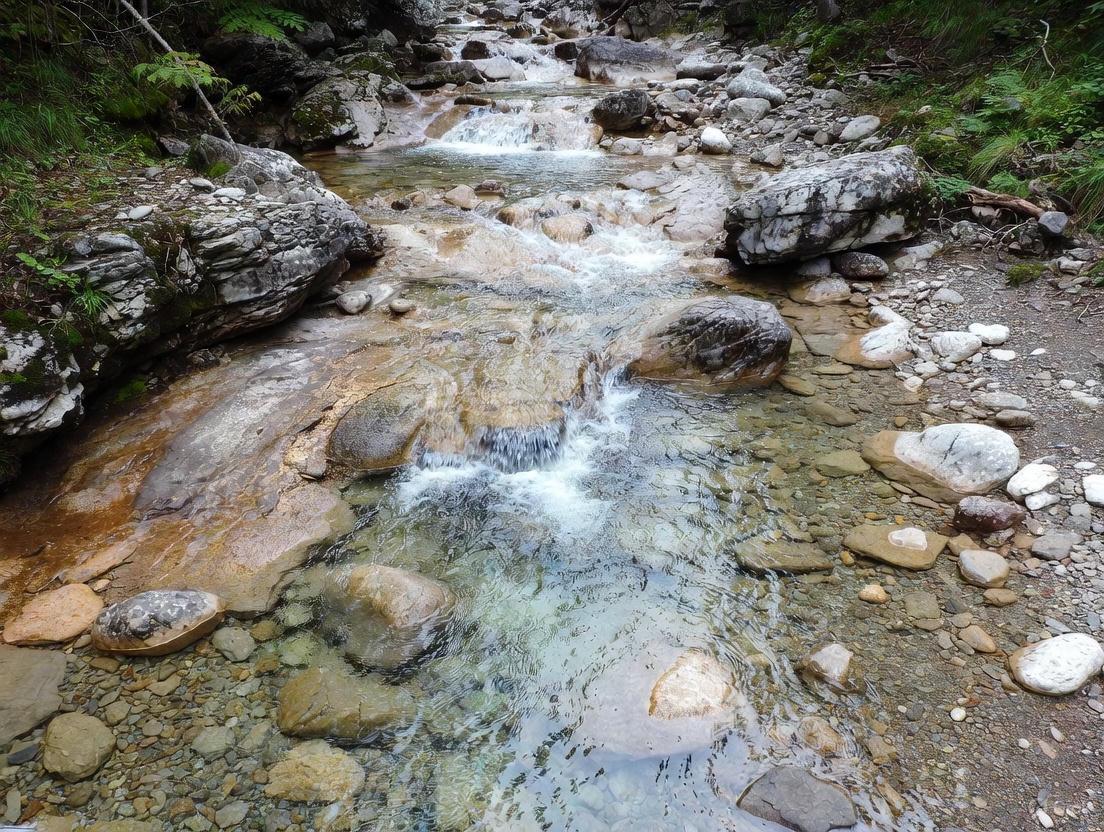
This article provides a comprehensive analysis of water-rock interactions, the fundamental biogeochemical processes governing element mobility and mineral formation in subsurface and surface environments.
Water-Rock Interactions: Unveiling Natural Biogeochemical Processes for Scientific Innovation
Abstract
This article provides a comprehensive analysis of water-rock interactions, the fundamental biogeochemical processes governing element mobility and mineral formation in subsurface and surface environments. Tailored for researchers, scientists, and drug development professionals, it explores the foundational mechanisms, advanced investigative methodologies, persistent challenges in experimental and field applications, and validation through contemporary case studies. By synthesizing insights from geothermal systems, carbon sequestration, and contaminated site remediation, this review highlights the cross-disciplinary relevance of these natural processes and their potential implications for environmental and biomedical research.
Core Mechanisms and Element Mobility in Water-Rock Systems
Water-rock interaction encompasses the complex set of physical, chemical, and biological processes that occur when fluids circulate through and chemically interact with geological materials in the Earth's crust [1]. These interactions involve a dynamic exchange of isotopes between the fluid and the host rock, fundamentally altering the isotopic composition of both systems and leaving a historical record within the rock that reveals the nature and evolution of the fluids that have passed through it [1]. The study of these processes through isotopic geochemistry provides powerful tools for understanding fluid movement, geochemical cycles, and the formation of economically significant mineral deposits [1].
This technical guide examines the principles governing isotopic exchange and fractionation during water-rock interactions, with a specific focus on their application in contemporary research on natural biogeochemical processes. We detail the theoretical frameworks, analytical methodologies, and experimental protocols that enable researchers to decode the isotopic fingerprints preserved in geological materials, offering insights into past and present Earth system processes.
Theoretical Foundations of Isotopic Exchange
Isotopic Systems and Notation
Isotopes are atoms of the same element that possess identical numbers of protons but different numbers of neutrons, resulting in variations in atomic mass [2]. These mass differences, though chemically subtle, lead to discernible variations in the physical and chemical behavior of isotopes, forming the basis for their use as natural tracers in geochemical studies [3].
The isotopic composition of a sample is typically expressed using delta notation (δ), which represents the relative difference in isotope ratios between the sample and a defined standard. This is calculated as δ = ((Rsample / Rstandard) - 1) × 1000, and is expressed in units of per mil (‰) [4]. Here, R represents the ratio of the heavy to light isotope (e.g., ^18^O/^16^O or ^2^H/^1^H). For carbon isotopes, the accepted standard is PDB, derived from a Cretaceous belemnite fossil of the Pee Dee Formation [1].
Mechanisms of Isotopic Exchange
As fluids migrate through crustal rocks, they participate in reactions that facilitate the exchange of stable isotopes between the fluid and the solid rock matrix [1]. This exchange can occur through two primary modes:
- Pervasive Exchange: This process occurs when fluid movement is diffusive, affecting the entire rock mass uniformly. It typically happens under conditions where permeability is high and fluid-rock ratios are substantial, allowing for widespread isotopic homogenization.
- Localized Channelway Exchange: In this mode, isotopic alteration is confined to specific fluid pathways, such as fractures and fault zones, where only the wall rock adjacent to the fluid conduit undergoes isotopic alteration. This creates distinct geochemical halos that can be mapped to trace paleo-fluid flow.
The extent to which a rock's isotopic composition is altered depends on several factors: the initial isotopic composition of both the rock and the fluid, the temperature at which exchange occurs, the fluid-to-rock ratio, and the duration of the interaction [1]. Typically, the oxygen and hydrogen isotopic values of crustal water are "lighter" (more depleted in heavy isotopes) compared to most rocks. Consequently, during progressive water-rock interaction, the rock becomes progressively isotopically lighter, while the water becomes increasingly enriched in the heavier isotopes [1].
Table 1: Common Isotope Systems Used in Water-Rock Interaction Studies
| Element | Stable Isotopes | Common Standards | Key Applications in Water-Rock Studies |
|---|---|---|---|
| Oxygen (O) | ^16^O, ^18^O (and ^17^O) | VSMOW | Geothermometry, fluid source identification, paleoclimate reconstruction |
| Hydrogen (H) | ^1^H, ^2^H (D) | VSMOW | Determining fluid origins and evaporation histories |
| Carbon (C) | ^12^C, ^13^C | PDB | Tracing biogeochemical cycles, identifying microbial processes, carbon source discrimination |
| Sulfur (S) | ^32^S, ^33^S, ^34^S, ^36^S | VCDT | Tracing sulfide/sulfate sources, redox processes, and hydrothermal systems |
| Strontium (Sr) | ^86^Sr, ^87^Sr* | SRM987 | Tracking water-rock interaction pathways and rock weathering processes |
| Boron (B) | ^10^B, ^11^B | NIST SRM 951 | Identifying interactions with siliciclastic rocks and anthropogenic influences |
* ^87^Sr is radiogenic and forms from the decay of ^87^Rb.
Principles of Isotopic Fractionation
Isotopic fractionation refers to the processes that cause changes in the relative abundances of isotopes, resulting in the partitioning of isotopes between two substances or phases [5]. This phenomenon is quantified by the fractionation factor (α), defined as αA-B = RA / R_B, where R is the ratio of the heavy to light isotope in substances A and B [5]. Fractionation factors typically have values very close to 1 [5].
Types of Isotopic Fractionation
The fundamental types of isotope fractionation include equilibrium, kinetic, and mass-independent fractionation, each governed by distinct mechanisms and occurring in specific environmental contexts.
Equilibrium Fractionation occurs in reversible reactions at chemical equilibrium and is temperature-dependent [4]. This process is governed by thermodynamic principles, where isotopes distribute themselves between phases or compounds to achieve the lowest possible energy state. The temperature dependence of equilibrium fractionation is the fundamental principle behind isotope geothermometry [4]. For instance, quartz, dolomite, and calcite are minerals that tend to incorporate higher concentrations of heavy oxygen isotopes (^18^O), while oxides like ilmenite and magnetite incorporate relatively less [1].
Kinetic Fractionation arises from irreversible or unidirectional processes where reaction rates differ between isotopes due to their mass differences [4]. This type of fractionation often produces larger isotope effects than equilibrium fractionation and is particularly important in processes such as diffusion, evaporation, and biological metabolism [4]. For example, during the evaporation of water, molecules containing the lighter isotopes of oxygen (^16^O) and hydrogen (^1^H) evaporate more readily, leaving the residual liquid enriched in the heavier isotopes (^18^O and ^2^H) [1] [3].
Mass-Independent Fractionation (MIF) deviates from the predictable patterns of mass-dependent fractionation and is observed in specific elements like sulfur and mercury [4]. MIF is often associated with photochemical reactions in the atmosphere or nuclear processes and provides unique insights into early Earth conditions and specific environmental processes [4].
Key Fractionation Processes in Water-Rock Systems
Several physical and chemical processes drive isotopic fractionation in natural water-rock systems, each imparting characteristic signatures that can be interpreted to understand past and present conditions.
Evaporation and Condensation: These phase changes cause significant fractionation, particularly for hydrogen and oxygen isotopes in water [4] [3]. Lighter isotopes preferentially evaporate, while heavier isotopes preferentially condense. This Rayleigh distillation process creates systematic spatial and temporal patterns in precipitation isotopes, forming the basis for tracing water sources and paleoclimate reconstructions [3].
Mineral Precipitation and Dissolution: The growth of minerals from aqueous solutions involves isotopic fractionation that depends on the mineral structure, chemical bonding environment, and temperature [1]. At lower temperatures, minerals can be more selective in incorporating specific isotopes, resulting in larger fractionation factors. At high temperatures, isotopic selection becomes more random, and fractionation between minerals diminishes [1].
Biological Fractionation: Living organisms preferentially utilize lighter isotopes in metabolic processes, resulting in distinct isotopic signatures in organic matter and biominerals [4]. This biological fractionation varies among different organisms and metabolic pathways, providing tracers for studying nutrient cycling, food webs, and ancient ecosystems [4].
Table 2: Fractionation Types, Controls, and Resulting Signatures
| Fractionation Type | Primary Controlling Factors | Typical Isotope Systems | Characteristic Signature/Application |
|---|---|---|---|
| Equilibrium | Temperature, mineral structure, bond strength | O, H, C, S | Used for geothermometry (e.g., quartz-magnetite pairs) |
| Kinetic | Reaction rates, diffusion rates, pathway irreversibility | O, H, C, N | Creates large fractionations; evident in evaporation and microbial processes |
| Mass-Independent | Nuclear volume effects, photochemical reactions | S, Hg | Tracer for atmospheric chemistry and early Earth conditions |
| Rayleigh Distillation | Progressive removal of a phase from the system | O, H, N | Explains continental and altitude effects in precipitation |
Analytical Methodologies and Experimental Protocols
Analytical Techniques for Isotope Analysis
Precise measurement of isotope ratios requires sophisticated analytical instrumentation, with mass spectrometry serving as the cornerstone technique in isotope geochemistry.
Stable Isotope Mass Spectrometry: This instrument separates isotopes based on mass differences by deflecting charged ions within a magnetic field [1]. Elements of interest are extracted from minerals through specific chemical procedures, converted to a pure gas (e.g., CO~2~ for carbon and oxygen, H~2~ for hydrogen), and introduced into the mass spectrometer. The sample gas is ionized by electron bombardment, and the resulting ions are accelerated along a flight tube where a powerful magnet deflects them into curved paths according to their mass-to-charge ratios [1]. The relative abundances of each isotope are determined by measuring the ion currents produced when each ion stream strikes a Faraday collector.
Multi-Collector Inductively Coupled Plasma Mass Spectrometry (MC-ICP-MS): This advanced technique enables high-precision measurements of a wide range of isotope systems, including traditional stable isotopes (e.g., S, Fe, Cu) and radiogenic systems (e.g., Sr, Nd, Hf). MC-ICP-MS offers high ionization efficiency for many elements and the capability to measure multiple isotopes simultaneously.
Secondary Ion Mass Spectrometry (SIMS): This technique allows for in-situ microanalysis of minerals with spatial resolutions down to micrometers. SIMS is particularly valuable for analyzing isotopic zonation within individual mineral grains, providing insights into changing fluid conditions during crystal growth.
Sample Preparation Protocols
Proper sample preparation is critical for obtaining accurate and meaningful isotopic data. The specific protocols vary depending on the sample type (water, rock, mineral separates) and the target isotope system, but generally follow these principles:
Water Samples for δ^18^O and δ^2^H Analysis:
- Collection: Water samples are collected in airtight, leak-proof bottles to prevent evaporation and isotopic exchange.
- Filtration: Samples are typically filtered (0.45 µm or smaller) to remove suspended particulate matter.
- Equilibration (for δ^18^O): The CO~2~-equilibration method involves placing the water sample in a sealed container with a headspace of CO~2~ gas of known isotopic composition. After equilibration at constant temperature for several hours, the CO~2~ gas is extracted and analyzed.
- Reduction (for δ^2^H): The H~2~-water equilibration method or high-temperature reduction over catalysts (e.g., chromium or uranium) is used to convert water hydrogen to H~2~ gas for analysis.
Rock and Mineral Samples:
- Crushing and Grinding: Rock samples are mechanically crushed and ground to a fine powder to increase surface area for reaction.
- Mineral Separation: For rock samples, specific minerals are separated using magnetic, heavy liquid, or hand-picking techniques to obtain pure mineral concentrates.
- Chemical Dissolution/Purification: The target element is liberated from the mineral matrix through acid digestion or fusion, followed by chemical purification using ion-exchange chromatography to isolate the element of interest from potential interferences.
- Conversion to Analysis Gas: The purified element is converted into an appropriate gas for mass spectrometric analysis (e.g., conversion of oxygen to CO~2~ or CO via reaction with graphite or fluorine).
Figure 1: Workflow for Isotopic Analysis of Water and Rock Samples
Research Applications and Case Studies
Identifying Hydrogeological Pathways in Seismically Active Areas
A multi-isotopic approach (utilizing C, S, O, H, B, and Sr) has proven highly effective for understanding water-rock interaction processes and groundwater circulation patterns in seismically active regions [6]. Research in the Pesaro-Urbino province (central Italy), an area with seismic events up to Mw 6.4, demonstrated how different geochemical water facies (Ca-HCO~3~, Ca-SO~4~, Ca-HCO~3~-SO~4~, and Na-HCO~3~) correspond to distinct hydrogeological pathways and circulation depths [6].
- Ca-HCO~3~ Waters: These waters result primarily from carbonate rock dissolution and subordinate Al-silicate mineral dissolution, indicating shallow or fast hydrogeological circuits with limited water-rock interaction.
- Ca-SO~4~ and Ca-HCO~3~-SO~4~ Waters: The combination of δ^34^S-SO~4~ and ^87^Sr/^86^Sr values revealed that these waters interact with the evaporitic anhydrite-rich rocks of the Triassic Burano formation, which serves as a regional basal aquiclude [6]. This deeper circulation pattern makes these waters particularly sensitive to seismic activity, as they are more likely to transport deep-seated signals (e.g., deep-sourced gases, enhanced metals mobility).
- Na-HCO~3~ Waters: These waters showed ^87^Sr/^86^Sr ratios and δ^11^B values consistent with prolonged interaction with Na-bearing silicates of the Marnoso Arenacea Formation, indicating different flow paths and water-rock histories [6].
This multi-isotope approach successfully identified specific sites (particularly those with sulfate-rich waters) that are more prone to recording geochemical variations during the build-up phase of seismic events, providing critical information for deploying sensitive monitoring networks [6].
Table 3: Key Research Reagent Solutions for Isotopic Studies of Water-Rock Interaction
| Reagent/Material | Technical Function | Application Context |
|---|---|---|
| Reference Gases (e.g., CO₂, H₂ of known isotopic composition) | Calibration of mass spectrometer; serves as a known standard for measuring unknown samples. | Used in all stable isotope analyses via gas-source mass spectrometry. |
| Ion Exchange Resins (e.g., cation and anion exchange resins) | Chemical separation and purification of target elements from complex sample matrices. | Isolation of Sr from rock/water samples for ^87^Sr/^86^Sr analysis; separation of B, S, etc. |
| Deuterium Spike Solutions (enriched in ²H) | Artificial tracer for conducting controlled experiments on water-rock interaction kinetics. | Laboratory-based experimental studies of diffusion and reaction rates. |
| Fluorination Reagents (e.g., BrF₅, ClF₃) | Extraction of oxygen from silicate and oxide minerals by converting them to O₂ gas. | Preparation of O₂ from rock-forming minerals (quartz, feldspar, micas) for δ¹⁸O analysis. |
| Carbohydrate Standards (e.g., IAEA-CH-6 for δ¹³C) | Quality assurance/control for carbon isotope measurements; calibration of instrumentation. | Analysis of DIC (Dissolved Inorganic Carbon) in groundwater and carbonates. |
Paradoxical Isotopic Effects from Evolved Magmatic Waters
Conventional interpretation often assumes that lowered oxygen and hydrogen isotopes in hydrothermally altered rocks necessarily indicate interaction with meteoric water (which has low δ^18^O and δ^2^H values). However, research in the Dabie orogen in central-eastern China revealed a counterintuitive scenario [7]. Despite the observation of lowered oxygen isotopes in hydrothermally altered rock-forming minerals from a granitoid, theoretical inversion of the initial oxygen isotopes of water (δ^18^O~W~^i^) indicated an evolved magmatic water source with a mildly high δ^18^O~W~^i^ value of +2.81 ± 0.05‰ at 375°C, rather than a meteoric source [7].
This paradoxical finding was explained by water-rock interaction in a closed system with a specific water-to-rock ratio (W/R~c~ = 1.78 ± 0.20), demonstrating that a low δ^18^O value in altered minerals alone is not definitive proof of meteoric water involvement [7]. This case study highlights the critical importance of quantitative modeling that considers all system parameters (initial isotopes, W/R ratio, temperature, system openness) rather than relying on qualitative interpretations.
Sustainable Groundwater Resource Assessment
Integrated hydrochemical, isotopic, and geophysical methods provide powerful tools for characterizing groundwater systems and their sustainable yield, particularly in complex geological settings. A study in the Sunite paleochannel of the Inner Mongolian Plateau, China, combined hydrochemical and stable isotope (δ^2^H and δ^18^O) analyses with audio-frequency magnetotelluric (AMT) and magnetic resonance sounding (MRS) surveys to understand why sustainable yields differed between two wellfields during various groundwater extraction stages [8].
While stable isotopes confirmed similar recharge characteristics for both wellfields, and AMT data ruled out the presence of a separating aquitard or deep leakage, MRS revealed critical differences in aquifer properties [8]. The Qiha wellfield exhibited significantly greater water content and effective porosity than the Urigen wellfield, explaining its superior long-term performance despite initially similar appearances from drilling and short-term pumping tests [8]. This integrated approach provided the necessary insights for sustainable groundwater management that would not have been possible using conventional hydrological methods alone.
Figure 2: Relationship Between Fluid Sources, Fractionation Processes, and Applications
Geochemical reactions are fundamental processes that govern the chemical evolution of natural waters and the transformation of geological materials. Within petroleum-bearing formations and groundwater aquifers, fluids and minerals undergo various interactive chemical reactions in response to changing in-situ conditions [9]. These reactions represent the primary mechanisms through which water and rock interact, controlling groundwater chemistry, reservoir characteristics, and subsurface biogeochemical cycles. This technical guide examines the three principal reaction pathways—dissolution, precipitation, and cation exchange—within the broader context of water-rock interactions and natural biogeochemical processes research. Understanding these core mechanisms provides scientific guidance for controlling adverse reactions in engineering applications while offering insights into natural geochemical evolution in subsurface environments [9]. The complex interplay of these processes shapes aquifer characteristics, determines groundwater quality, and influences the long-term stability of subsurface operations including hydrogen storage, carbon sequestration, and enhanced resource recovery.
Theoretical Foundations of Geochemical Reactions
Classification of Geochemical Reactions
Geochemical reactions in natural systems can be categorized according to multiple classification schemes. Lichtner (1985) provides a systematic classification into four fundamental categories: (1) aqueous ion complexing, (2) oxidation and reduction, (3) mineral precipitation and dissolution, and (4) ion exchange and adsorption reactions [9]. These reactions occur in response to changing temperature, pressure, and fluid composition by various factors, including the addition of incompatible fluids during drilling, workover and enhanced recovery processes, and liberation of light gases such as methane (CH₄), CO₂, hydrogen sulfide (H₂S), and ammonia (NH₃) during pressure drawdown [9].
From a mechanistic perspective, geochemical reactions are also classified as homogeneous or heterogeneous, depending on whether the reaction occurs within a single phase or across phase boundaries, respectively [9]. Furthermore, they may be characterized as reversible or irreversible based on their thermodynamic behavior. Reversible reactions can attain local equilibrium over a sufficiently long period, at which time the reaction rate terms vanish in the transport equations. In contrast, irreversible reactions require kinetic or rate expressions in terms of the pertinent driving forces, such as chemical affinity, and the surface area available for reactions [9].
Modeling Approaches: Equilibrium vs. Kinetic
Two primary modeling approaches dominate the simulation of geochemical reactions: equilibrium and kinetic models. The kinetic models describe the rate of change of the amount of mineral and aqueous species in porous media in terms of relevant driving forces and factors, such as deviation from equilibrium concentration and mineral-aqueous solution contact surface [9]. The proportionality constant in these relationships is called the "rate constant," and the equations formed in this way are termed "rate laws" or "kinetic equations."
Equilibrium models assume geochemical equilibrium between the pore water and the minerals of porous formation, representing closed systems at steady-state conditions [9]. Mathematically, equilibrium models can be derived from kinetic models in the limit of infinitely large rate constants, with rapid reactions reaching equilibrium faster. Equilibrium models are particularly advantageous for determining mineral stability and creating graphical representations of mineral-aqueous species interactions [9]. These models represent limiting conditions and yield conservative predictions, making them valuable for initial assessment of geochemical systems.
Table 1: Fundamental Classification of Geochemical Reactions
| Reaction Type | Primary Classification | Mechanistic Classification | Thermodynamic Behavior |
|---|---|---|---|
| Dissolution | Mineral precipitation and dissolution | Heterogeneous | Reversible/Irreversible |
| Precipitation | Mineral precipitation and dissolution | Heterogeneous | Reversible/Irreversible |
| Cation Exchange | Ion exchange and adsorption | Heterogeneous | Reversible |
| Aqueous Complexing | Aqueous ion complexing | Homogeneous | Reversible |
| Redox Reactions | Oxidation and reduction | Homogeneous/Heterogeneous | Irreversible |
Dissolution Reactions
Mechanisms and Process Dynamics
Dissolution reactions represent a fundamental geochemical process wherein solid mineral phases transition into aqueous ions through interaction with water. These reactions begin as infiltrating meteoric water, which is typically an extremely dilute, slightly to moderately acidic, oxidizing solution, comes into contact with soil and geological materials [10]. The most important acid produced in the soil zone is H₂CO₃, derived from the reaction of CO₂ and H₂O, with CO₂ generated by the decay of organic matter and by respiration of plant roots [10]. This CO₂-charged water infiltrating through the soil zone commonly encounters minerals that are dissolvable under the influence of H₂CO₃, which is consumed by the mineral-water reactions.
The general reaction for carbonate dissolution can be represented as:
Similarly, for silicate minerals such as albite:
The kinetic rate of mineral dissolution reactions follows a general expression given by Lasaga et al. (1994) [9]:
where the subscript m denotes the mineral reaction, km is the rate constant (mol/m²/s), and Am is the specific reactive surface area (m² per unit under consideration). Km represents the equilibrium constant, and Qm represents the reaction quotient. Parameters θ and η are empirically determined but are commonly assumed to be unity [9]. The resulting kinetic rate is positive for mineral dissolution (the forward reaction) and negative for precipitation (the reverse reaction).
Experimental Protocols for Dissolution Rate Determination
Quantifying dissolution rates requires carefully controlled experimental methodologies. The following protocol outlines a standardized approach for determining mineral dissolution kinetics:
Sample Preparation: Select and characterize the mineral of interest using X-ray diffraction (XRD) to confirm purity and identify crystalline phases. Crush and sieve the material to specific grain size fractions (e.g., 100-200 μm). Clean the sample ultrasonically in high-purity solvents to remove fine particles and surface contaminants.
Reactor Setup: Utilize a mixed-flow or batch reactor system constructed of inert materials (e.g., PTFE, PFA, or TiO₂) to prevent contamination. Maintain constant temperature using a precision water bath or oven (±0.5°C). Implement continuous stirring to maintain suspension and minimize diffusion-limited effects.
Solution Chemistry Control: Prepare reactant solutions with high-purity water (18 MΩ·cm resistivity) and reagent-grade chemicals. Adjust initial pH using HCl, NaOH, or buffer solutions as required. For CO₂-enhanced dissolution, maintain constant partial pressure of CO₂ using gas mixing systems.
Sampling and Analysis: Collect aqueous samples at predetermined time intervals using syringes with in-line filters (0.45 μm or 0.22 μm pore size). Analyze samples for major cations using atomic absorption spectroscopy (AAS) or inductively coupled plasma optical emission spectrometry (ICP-OES) [11]. Measure anion concentrations using ion chromatography (IC) [11]. Determine alkalinity by automated titration.
Data Processing: Calculate dissolution rates based on the steady-state release rates of elements to solution, normalized to the initial mineral surface area. Account for secondary precipitation through saturation index calculations and solid-phase characterization.
Table 2: Rate Constants for Common Mineral Dissolution Reactions
| Mineral | Chemical Formula | Acid Mechanism Rate Constant (mol/m²/s) | Neutral Mechanism Rate Constant (mol/m²/s) | Base Mechanism Rate Constant (mol/m²/s) | Activation Energy (kJ/mol) |
|---|---|---|---|---|---|
| Quartz | SiO₂ | - | 10⁻¹³·⁹ to 10⁻¹⁴·⁰ | 10⁻¹²·⁹ to 10⁻¹³·⁵ | 67-76 |
| Calcite | CaCO₃ | 10⁻⁰·³ to 10⁰·⁵ | - | - | 20-35 |
| Albite | NaAlSi₃O₈ | 10⁻¹⁰·⁰ to 10⁻¹⁰·⁵ | 10⁻¹²·⁵ to 10⁻¹³·⁰ | 10⁻¹¹·⁵ to 10⁻¹²·⁵ | 50-75 |
| K-Feldspar | KAlSi₃O₈ | 10⁻¹⁰·⁵ to 10⁻¹¹·⁰ | 10⁻¹²·⁸ to 10⁻¹³·⁵ | 10⁻¹¹·⁰ to 10⁻¹¹·⁵ | 38-58 |
| Anhydrite | CaSO₄ | 10⁻³·⁵ to 10⁻⁴·⁰ | - | - | 15-25 |
Precipitation Reactions
Thermodynamics and Kinetics
Precipitation represents the reverse process of dissolution, wherein aqueous ions combine to form solid mineral phases. These reactions occur when solutions become supersaturated with respect to a particular mineral phase, typically resulting from changes in temperature, pressure, pH, or fluid composition [9]. The driving force for precipitation is the deviation from equilibrium, quantified by the saturation index (SI), defined as:
where Q is the ion activity product and K is the solubility product at equilibrium. When SI > 0, the solution is supersaturated and precipitation is thermodynamically favored. When SI < 0, the solution is undersaturated and dissolution is favored.
The rate of mineral precipitation follows the same general kinetic expression as dissolution [9]:
For precipitation, the rate is negative, indicating removal of aqueous species from solution. The rate constant k_m for precipitation may differ from that of dissolution, particularly for complex mineral structures where precipitation mechanisms involve nucleation and crystal growth processes distinct from dissolution.
Changes in temperature and pressure often cause variation of the pH of the reservoir aqueous phase, which, in turn, induces adverse processes such as the precipitation of iron and silica gels [9]. These precipitates can significantly reduce formation permeability and impact operational efficiency in petroleum reservoirs and groundwater systems.
Methodologies for Precipitation Studies
Experimental determination of precipitation kinetics requires careful control of solution chemistry to achieve supersaturation:
Supersaturation Generation: Prepare solutions supersaturated with respect to the target mineral through (a) mixing of two stable solutions containing the anion and cation of interest, (b) temperature change method (cooling of a saturated solution), (c) pH change method (hydrolysis increasing pH), or (d) CO₂ degassing method (for carbonates).
Induction Period Monitoring: Measure the time between achieving supersaturation and the first detection of solid phases using in-situ techniques such as turbidimetry, conductivity measurements, or scattering methods.
Crystal Growth Quantification: Monitor precipitation rates after nucleation using (a) solution chemistry analysis (tracking decrease in solute concentration), (b) constant composition methods (maintaining constant solution composition through titrant addition), or (c) direct surface imaging (using atomic force microscopy or scanning electron microscopy).
Solid Phase Characterization: Analyze precipitated solids using XRD for mineral identification, scanning electron microscopy for morphology, and BET surface area analysis for specific surface area determination.
Cation Exchange Reactions
Fundamental Principles
Cation exchange represents a surface-mediated geochemical process wherein cations in solution exchange with those electrostatically bound to mineral surfaces, particularly clay minerals and organic matter. These reversible reactions play a crucial role in controlling the chemical evolution of groundwater and regulating the mobility of potentially toxic elements in subsurface environments [10].
A generalized cation exchange reaction can be represented as:
where X represents the exchange site on the mineral surface. The selectivity of this exchange process depends on cation charge, hydration radius, and solution concentration, typically following the lyotropic series:
Cation exchange capacity (CEC), expressed in milliequivalents per 100 grams (meq/100g), quantifies the maximum amount of cations that a mineral or soil can retain and exchange. This property varies significantly with mineralogy, with smectite clays exhibiting high CEC (80-150 meq/100g), illite (10-40 meq/100g), and kaolinite (1-10 meq/100g).
Experimental Determination of Exchange Processes
Methodologies for quantifying cation exchange processes include:
CEC Measurement:
- Saturate the soil or mineral sample with an index cation (typically NH₄⁺ or Ba²⁺) using concentrated salt solutions (e.g., 1M NH₄OAc or BaCl₂).
- Remove excess salt through repeated washing with a volatile electrolyte (e.g., ethanol).
- Displace the index cation using a replacing solution (e.g., 1M KOAc or MgCl₂).
- Quantify the displaced index cation using appropriate analytical techniques (AAS, ICP-OES, or colorimetry).
Selectivity Coefficient Determination:
- Prepare a homotonic form of the exchanger (e.g., Na-saturated clay) through repeated saturation and washing.
- React the homotonic exchanger with solutions containing different ratios of competing cations.
- After equilibration (typically 24-48 hours with continuous shaking), analyze both solid and liquid phases for cation concentrations.
- Calculate the Vanselow selectivity coefficient (Kv) or Gaines-Thomas selectivity coefficient (KGT) based on the distribution of cations between solution and exchanger phases.
Column Experiments:
- Pack columns with the sediment or mineral of interest.
- Percolate solutions with known cation compositions through the column at controlled flow rates.
- Monitor effluent chemistry over time to construct breakthrough curves.
- Model the data using advection-dispersion equations coupled with cation exchange reactions.
Table 3: Cation Exchange Selectivity Coefficients for Common Clay Minerals
| Exchange Reaction | Montmorillonite | Illite | Kaolinite | Vermiculite |
|---|---|---|---|---|
| Ca²⁺/2Na⁺ | 2.5-4.5 | 3.5-6.0 | 1.5-3.0 | 25-50 |
| Mg²⁺/2Na⁺ | 2.0-3.5 | 2.5-4.5 | 1.0-2.0 | 15-35 |
| K⁺/Na⁺ | 5.0-15.0 | 10.0-25.0 | 2.0-5.0 | 500-2000 |
| Ca²⁺/Mg²⁺ | 0.8-1.2 | 1.0-1.5 | 1.2-1.8 | 1.5-2.5 |
| Sr²⁺/Ca²⁺ | 1.2-1.8 | 1.5-2.5 | 0.8-1.2 | 0.5-1.0 |
Integrated Geochemical Evolution in Natural Systems
The Chebotarev Sequence and Hydrochemical Facies
In natural groundwater systems, dissolution, precipitation, and cation exchange processes interact to produce characteristic evolutionary sequences along flow paths. Chebotarev (1955) described a fundamental pattern based on extensive chemical analyses, observing that groundwater tends to evolve chemically toward the composition of seawater along flow paths [10]. This evolution follows a characteristic sequence of dominant anion species:
For large sedimentary basins, this sequence correlates with three main zones that generally correspond to depth [10]:
The Upper Zone: Characterized by active groundwater flushing through relatively well-leached rocks. Water in this zone has HCO₃⁻ as the dominant anion and is low in total dissolved solids.
The Intermediate Zone: Features less active groundwater circulation and higher total dissolved solids. Sulfate is normally the dominant anion in this zone.
The Lower Zone: Characterized by very sluggish groundwater flow. Highly soluble minerals are commonly present due to limited groundwater flushing. High Cl⁻ concentration and high total dissolved solids are characteristic of this zone.
Research in the Nanchang section of the Ganfu plain demonstrated this evolutionary pattern, where shallow groundwater exhibited different geochemical facies: Ca-HCO₃, Ca-SO₄, Ca-HCO₃-SO₄, and Na-HCO₃ [11]. Water geochemistry and isotopic composition suggested that Ca-HCO₃ waters result from carbonate-rich rock dissolution and subordinate Al-silicate mineral weathering, typically associated with shallow or fast hydrogeological circuits. In contrast, Ca-SO₄, Ca-HCO₃-SO₄, and Na-HCO₃ waters relate to longer water-rock interaction and deeper circulation patterns within the aquifers [11].
Case Study: Multi-Isotopic Approach in Seismically Active Areas
A multi-isotopic approach (C, S, O, H, B, Sr) applied to groundwaters circulating in the seismically active Pesaro-Urbino province (central Italy) demonstrated the power of integrated geochemical analysis for understanding water-rock interaction processes and hydrogeological pathways [6]. The investigation revealed that Ca-HCO₃-SO₄ and Ca-SO₄ waters interact with evaporitic anhydrite-rich rocks of the Triassic Burano formation, which constitutes the regional basal aquiclude. The combination of δ³⁴S-SO₄ and ⁸⁷Sr/⁸⁶Sr values provided diagnostic capability to discriminate hydrogeological pathways [6].
This research highlighted that sulfate-rich waters are promising sites to deploy monitoring networks for seismic precursors, as they are likely able to carry deep seismic signals such as deep-sourced gases inflow and enhanced metals mobility [6]. In contrast, Na-HCO₃ waters showed ⁸⁷Sr/⁸⁶Sr ratios and δ¹¹B values approaching those of the siliciclastic Marnoso Arenacea Formation, consistent with long-lasting interactions with Na-bearing silicates [6].
Table 4: Analytical Methods for Geochemical Reaction Studies
| Analysis Type | Technique | Measured Parameters | Detection Limits | Applications |
|---|---|---|---|---|
| Major Cations | Flame Atomic Absorption Spectroscopy (AAS) | Ca²⁺, Mg²⁺, Na⁺, K⁺ | 0.01-0.1 mg/L | Dissolution rates, cation exchange |
| Major Anions | Ion Chromatography (IC) | Cl⁻, SO₄²⁻, NO₃⁻, F⁻ | 0.01-0.05 mg/L | Mineral dissolution, precipitation |
| Alkalinity | Automated Titration | HCO₃⁻, CO₃²⁻ | 0.1 meq/L | Carbonate equilibrium |
| Isotope Ratios | Isotope Ratio Mass Spectrometry | δ¹³C, δ³⁴S, ⁸⁷Sr/⁸⁶Sr, δ¹¹B | Varies by element | Process identification, source tracing |
| Mineral Identification | X-Ray Diffraction (XRD) | Crystalline phases | 1-2% abundance | Solid phase characterization |
| Surface Analysis | Scanning Electron Microscopy | Morphology, texture | N/A | Precipitation features, surface reactions |
The Scientist's Toolkit: Research Reagent Solutions
Table 5: Essential Research Reagents and Materials for Geochemical Experiments
| Reagent/Material | Technical Specification | Primary Function | Application Context |
|---|---|---|---|
| High-Purity Water | 18 MΩ·cm resistivity | Solvent for all solutions | Prevents contamination in dissolution/precipitation studies |
| pH Buffer Solutions | Certified, traceable standards | pH calibration and control | Maintains constant pH in kinetic experiments |
| High-Purity Gases | CO₂, N₂, O₂ (99.999% purity) | Atmosphere control | Controls redox conditions and carbonate equilibrium |
| Standard Solutions | Certified reference materials | Instrument calibration | Ensures analytical accuracy for cation/anion analysis |
| Ion Exchange Resins | Strong acid cation exchange | CEC measurements | Quantifies exchange capacity and selectivity |
| Certified Minerals | XRD-characterized purity | Experimental substrates | Provides well-characterized materials for rate studies |
| Hydrofluoric Acid | Trace metal grade | Silicate dissolution | Digestion of silicate minerals for total composition |
| Inert Reactor Materials | PTFE, PFA, TiO₂ | Experimental containers | Prevents contamination during reaction studies |
The interconnected geochemical pathways of dissolution, precipitation, and cation exchange collectively govern the chemical evolution of subsurface environments. These fundamental processes control groundwater quality, aquifer characteristics, and the long-term behavior of geological systems subjected to natural and anthropogenic perturbations. Understanding the kinetics, thermodynamics, and mutual interactions of these reaction pathways provides the scientific basis for predicting system behavior across timescales ranging from laboratory experiments to geological epochs. The integrated experimental and modeling approaches outlined in this technical guide offer researchers a comprehensive framework for investigating these core geochemical processes within the broader context of water-rock interactions and natural biogeochemical cycling. As research advances, the refinement of kinetic parameters across broader temperature and pressure ranges, coupled with improved characterization of mineral surface reactivity, will further enhance predictive capabilities in both natural and engineered subsurface systems.
The Role of Stable Isotopes (δ¹⁸O, δ²H, δ¹³C, δ³⁴S) as Tracers of Fluid Origin and Reaction History
Stable isotope analysis serves as a powerful molecular-level forensic tool in Earth sciences, enabling researchers to decipher the origin, transport, and reaction history of fluids within geological systems [12]. The isotopes of oxygen (δ¹⁸O), hydrogen (δ²H), carbon (δ¹³C), and sulfur (δ³⁴S) provide an inherent chemical record of the processes that have affected aqueous solutions and the dissolved species they carry [13]. This tracer capability is fundamental to understanding water-rock interactions and natural biogeochemical processes across diverse environments, from deep hydrothermal systems to contaminated groundwater aquifers [14] [15].
The underlying principle of this methodology rests on the fact that while different isotopes of the same element are essentially chemically identical, their mass differences lead to subtle variations in behavior during physical, chemical, and biological processes—a phenomenon known as isotopic fractionation [16] [12] [17]. These fractionation processes create spatially and temporally variable isotopic signatures in natural materials [13]. When combined with traditional geochemical data, stable isotopes provide irrefutable, quantitative evidence of fluid sources, mixing relationships, and reaction pathways that are otherwise undetectable [12]. This technical guide details the fundamental principles, analytical methodologies, and applications of these key stable isotope systems for investigating fluid-related processes within the framework of water-rock interaction research.
Fundamentals of Stable Isotopes and Isotopic Fractionation
Stable isotopes are atoms of the same element that possess identical numbers of protons but different numbers of neutrons, resulting in variations in atomic mass without radioactive decay [17]. The isotopic composition of a sample is expressed using the delta (δ) notation in parts per thousand (‰, per mil), which quantifies the deviation of the isotope ratio in a sample from an international standard [17] [13]. Delta values are calculated as: δ (‰) = [(Rsample - Rstandard)/R_standard] × 1000, where R represents the ratio of the heavy to light isotope (e.g., ¹⁸O/¹⁶O) [17] [18]. A positive δ value indicates enrichment in the heavy isotope relative to the standard, while a negative value indicates depletion [17].
The variation in isotopic composition arises from isotopic fractionation, which occurs due to mass-dependent differences in how isotopes behave in physical, chemical, and biological processes [12] [17]. Lighter isotopes typically form weaker chemical bonds and react or diffuse more rapidly than heavier isotopes [12]. The primary fractionation mechanisms are categorized as follows:
- Equilibrium Fractionation: Occurs in reversible processes where isotopes are distributed between two phases or compounds at thermodynamic equilibrium. It is temperature-dependent, with fractionation generally decreasing at higher temperatures. A classic example is the temperature-dependent distribution of oxygen isotopes between water and carbonate minerals, which forms the basis for paleothermometry [12] [17].
- Kinetic Fractionation: Arises from differences in reaction rates or diffusion velocities of isotopes, typically in unidirectional or incomplete processes such as evaporation, diffusion, or biologically mediated reactions. Kinetic fractionation generally produces larger fractionation effects than equilibrium processes [17]. For instance, during photosynthesis, plants preferentially incorporate ¹²C over ¹³C, resulting in organic matter depleted in ¹³C relative to atmospheric CO₂ [12].
- Mass-Independent Fractionation (MIF): Deviates from predictable mass-dependent patterns and is often associated with specific photochemical reactions in the atmosphere. The most notable application is the MIF of sulfur isotopes (³³S, ³⁴S, ³⁶S), which provides evidence for low-oxygen conditions in the Archean atmosphere before the Great Oxidation Event [17] [19].
The Isotope Systems: Principles and Applications
Water Stable Isotopes (δ¹⁸O and δ²H)
Oxygen and hydrogen stable isotopes in the water molecule (H₂O) are primary tracers in hydrological and hydrothermal studies [13]. The two most commonly measured isotopologues are ¹H¹H¹⁸O and ¹H²H¹⁶O, relative to the most abundant ¹H¹H¹⁶O [18].
Key Fractionation Processes and Applications:
- Phase Changes: Fractionation during evaporation and condensation is the principal control on the isotopic composition of meteoric water (precipitation). Lighter isotopes (¹⁶O, ¹H) evaporate more readily, while heavier isotopes (¹⁸O, ²H) preferentially condense [13]. This creates a rainout effect, where precipitation becomes progressively depleted in heavy isotopes as an air mass moves inland or to higher elevations (the continental and altitude effects) [17] [13].
- Meteoric Water Lines: Global and local precipitation δ¹⁸O and δ²H values are highly correlated along defined meteoric water lines. The Global Meteoric Water Line (GMWL) is expressed as: δ²H = 8 × δ¹⁸O + 10 [13]. Deviation from this line, particularly a reduction in slope, indicates secondary evaporation from soil or surface water bodies [13].
- Fluid Origin and Mixing: These isotopes effectively distinguish different water sources. For example, in the Tutum Bay hydrothermal system, δ¹⁸O and δ²H values confirmed a predominantly meteoric origin for the hydrothermal fluids, despite their submarine location, and revealed a complex mixing and subsurface history distinct from simple seawater-meteoric water mixing models [14].
- Paleoclimate Reconstruction: Oxygen isotope ratios in ice cores and carbonate fossils (e.g., foraminifera) serve as paleothermometers. In ice cores, higher δ¹⁸O values generally indicate warmer temperatures, while in carbonates, the relationship between mineral δ¹⁸O and temperature is inverse [17].
Carbon Stable Isotopes (δ¹³C)
Carbon isotopes are powerful for tracing the origin and cycling of carbon in both organic and inorganic forms [17] [13].
Key Fractionation Processes and Applications:
- Biological Fractionation: Photosynthesis strongly discriminates against ¹³C, imparting distinct signatures to organic matter. C₃ plants (e.g., trees, wheat, rice) have δ¹³C values ranging from -33‰ to -24‰, while C₄ plants (e.g., maize, sugarcane) have higher values, from -16‰ to -10‰ [12] [17]. This allows for tracing organic carbon sources in ecosystems and food webs [17].
- Carbonate Equilibrium: Inorganic carbonates are typically enriched in ¹³C relative to their organic counterparts, with marine carbonates having δ¹³C values close to 0‰ [17]. The dissolution and precipitation of carbonates involve equilibrium fractionation that can reveal past ocean chemistry and atmospheric CO₂ levels [17].
- Biogeochemical Reactions: δ¹³C of Dissolved Inorganic Carbon (DIC) is used to track carbon sources and processes like microbial respiration, methane generation, and oxidation. In acid mine drainage studies, δ¹³C_DIC tracks the neutralization of acidic waters and the carbon mass budget, helping to quantify the role of carbonate mineral dissolution in buffering acidity [15]. Furthermore, δ¹³C of methane (δ¹³C-CH₄) can differentiate between thermogenic (associated with fossil fuels) and biogenic (microbial) sources [12].
Sulfur Stable Isotopes (δ³⁴S)
Sulfur isotopes are particularly sensitive to redox conditions and are widely used to trace sulfur sources and transformations [13].
Key Fractionation Processes and Applications:
- Microbial Reduction: Bacterial sulfate reduction (BSR) preferentially utilizes ³²S, leaving the residual sulfate pool enriched in ³⁴S and producing hydrogen sulfide depleted in ³⁴S. This process can create large isotopic fractionations [17].
- Source Identification: Different sulfur sources (e.g., marine sulfate, sedimentary sulfide, atmospheric deposition, fertilizers) possess characteristic δ³⁴S signatures. This is exploited in hydrological studies to identify sources of sulfate contamination in groundwater [13].
- Oxidation Pathways: Combined with δ¹⁸O of sulfate (δ¹⁸O_SO₄), δ³⁴S can elucidate sulfide oxidation mechanisms in mining environments. For instance, at the Captain Jack Superfund Site, sulfate isotopes indicated that sulfide oxidation occurs both within the mine workings and in adjacent igneous dikes, potentially under suboxic conditions with ferric iron as the oxidant rather than atmospheric oxygen [15]. This provides critical insight for designing remediation strategies.
Table 1: Summary of Key Stable Isotope Systems and Their Applications as Fluid Tracers
| Isotope System | Common Standards | Typical δ Value Range (‰) in Nature | Primary Fractionation Drivers | Key Applications in Fluid Studies |
|---|---|---|---|---|
| δ¹⁸O & δ²H (Water) | VSMOW (Vienna Standard Mean Ocean Water) [17] [18] | Precipitation: -50 to 0 ‰ for δ¹⁸O [17] | Temperature, evaporation/condensation, phase changes [13] | Fluid origin, recharge sources, evaporation, paleoclimate, geothermal processes [14] [13] |
| δ¹³C | VPDB (Pee Dee Belemnite) [17] | C₃ Plants: -33 to -24 ‰; C₄ Plants: -16 to -10 ‰; Carbonates: ~0 ‰ [17] | Photosynthesis, equilibrium with carbonates, microbial metabolism [12] [17] | Organic vs. inorganic carbon sources, biogeochemical cycling, methane genesis, paleo-CO₂ [17] [15] |
| δ³⁴S | VCDT (Vienna Canyon Diablo Troilite) | Sulfide Minerals: -20 to +20 ‰; Seawater Sulfate: +21 ‰ [13] | Bacterial sulfate reduction, redox processes, sulfide oxidation [17] [15] | Sulfur source apportionment, redox conditions, acid mine drainage genesis [13] [15] |
Integrated Case Studies
Case Study 1: Shallow-Water Hydrothermal System, Tutum Bay
An integrated isotope study of the shallow-water hydrothermal system in Tutum Bay, Papua New Guinea, effectively traced fluid origins and mixing histories [14]. Compared to seawater, the hydrothermal fluids had lower values for δD, δ¹⁸O, δ¹³C, and ⁸⁷Sr/⁸⁶Sr. The δ¹⁸O and δD values were identical to mean annual precipitation in eastern Papua New Guinea, clearly demonstrating a meteoric origin despite the system's location in a marine environment [14]. The data rejected a simple two-component mixing model between seawater and onshore hydrothermal fluids. Instead, a more complex, multi-step model involving phase separation, lateral flow of a CO₂-rich vapor, and mixing with marginal upflow was supported, highlighting how multiple isotope systems can unravel complex subsurface histories [14].
Case Study 2: Acid Mine Drainage, Captain Jack Superfund Site
Research at the Captain Jack Superfund Site in Colorado, USA, utilized a multi-isotope approach (δ²H, δ¹⁸OH₂O, δ¹⁸OSO₄, δ³⁴S, δ¹³C_DIC) with rare earth elements and environmental tracers to understand contamination from acid mine drainage [15]. Water isotopes showed that groundwater outside the mine had seasonally variable recharge sources, while water within the mine workings had a distinct, stable composition, indicating compartmentalization of the hydrologic system [15]. Sulfate isotopes revealed that sulfide oxidation was ongoing and likely utilized ferric iron as an oxidant under suboxic conditions. Carbon isotopes tracked the neutralization of acidic waters. This integrated dataset informed timelines for active remediation and provided a template for understanding solute loading and mixing processes at abandoned mine sites [15].
Methodologies and Analytical Approaches
Sample Collection and Preparation
Sample preparation is critical and varies by sample type and target isotope system. Proper protocols must be followed to avoid contamination and unintended fractionation [17].
- Water for δ¹⁸O and δ²H: Water samples are collected with minimal headspace. For vapor sampling, recent advances include using gas-permeable membranes (GPMs) to extract water vapor from soils, which can be stored in specialized multi-layer foil bags for later analysis, allowing for cost-efficient, non-destructive field measurements [18].
- Solids for δ¹³C and δ³⁴S: Solid samples (e.g., carbonates, organic matter, sulfide minerals) are converted into simple gases for analysis. Carbonates are reacted with phosphoric acid to produce CO₂. Organic materials are combusted to CO₂, N₂, and H₂O. Sulfides and sulfates are converted to SO₂ or SF₆ [17].
- Dissolved Species (DIC, SO₄²⁻): Water samples are filtered. DIC is typically extracted by acidification and purging. Sulfate is precipitated as barium sulfate (BaSO₄) from large water volumes [13].
Analytical Techniques: Mass Spectrometry
The core analytical instrument for high-precision stable isotope ratio analysis is the Isotope Ratio Mass Spectrometer (IRMS) [16] [12].
- Continuous-Flow IRMS: The modern standard, where samples are converted to gases (CO₂, N₂, H₂, SO₂) and introduced via a carrier gas (e.g., helium) into the IRMS. Ions are generated, separated by their mass-to-charge ratio in a magnetic field, and measured by Faraday cup detectors. This allows for rapid analysis of small samples [17].
- Cavity Ring-Down Spectroscopy (CRDS): A laser-based technique increasingly used for water isotopes (δ¹⁸O and δ²H). It is more portable and affordable than IRMS, enabling in-situ field measurements when coupled with gas-permeable membranes [18].
- Multi-Collector Inductively Coupled Plasma Mass Spectrometry (MC-ICP-MS): Essential for analyzing "non-traditional" stable isotopes of metals (e.g., Ce, Cu, Zn, Fe) due to its high ionization efficiency and precision for elements difficult to analyze as gases [12] [19].
Table 2: The Scientist's Toolkit: Essential Reagents and Materials for Isotope Tracer Studies
| Item / Reagent | Function and Application |
|---|---|
| Gas-Permeable Membrane (GPM) | Extracts water vapor in situ from soil or plant samples for δ¹⁸O and δ²H analysis, enabling non-destructive sampling [18]. |
| Multi-Layer Foil Gas Bags | Stores water vapor samples collected in the field for transport and later analysis by CRDS or IRMS [18]. |
| Helium (He) Carrier Gas | High-purity gas used to transport sample gases in a Continuous-Flow IRMS system [17]. |
| Reference Gases (CO₂, N₂, H₂) | Calibrated gases of known isotopic composition used for daily calibration and quality control of the IRMS [17]. |
| International Isotope Standards | Certified reference materials (e.g., VSMOW, VPDB) essential for calibrating the delta scale and ensuring data comparability between laboratories [17] [18]. |
| Phosphoric Acid (H₃PO₄) | Reacts with carbonate minerals or shells to liberate CO₂ for δ¹³C and δ¹⁸O analysis of the carbonate phase [17]. |
| Barium Chloride (BaCl₂) | Precipitates dissolved sulfate as barium sulfate (BaSO₄) from water samples for subsequent δ³⁴S and δ¹⁸O_SO₄ analysis [13]. |
Experimental Workflow for a Multi-Isotope Study
The following diagram outlines a generalized experimental workflow for a study using multiple stable isotope tracers to investigate fluid origin and reaction history.
Diagram 1: Workflow for a multi-isotope tracer study, showing key stages from hypothesis to interpretation.
Stable isotopes of oxygen, hydrogen, carbon, and sulfur provide an unparalleled toolkit for investigating the origin and reaction history of fluids within Earth's crust. Their power lies in their ability to act as inherent tracers, recording information about source, transport, and chemical transformation that is embedded within the molecular structure of the water and its dissolved constituents [12]. As demonstrated in the case studies from Tutum Bay and the Captain Jack Superfund Site, integrating multiple isotope systems with conventional geochemical data allows researchers to move beyond simple mixing models and constrain complex processes such as phase separation, redox reactions, and biogeochemical cycling [14] [15].
The continued advancement of analytical technologies, such as continuous-flow IRMS and portable CRDS analyzers, is making stable isotope analysis more accessible and applicable to a wider range of environmental and geological problems [17] [18]. Future research will likely see an expansion in the use of "non-traditional" metal stable isotopes (e.g., Ce, Fe, Cu, Zn) to probe redox-sensitive processes with even greater specificity [12] [19]. For researchers focused on water-rock interactions and natural biogeochemical processes, the application of these isotopic tools remains fundamental to developing quantitative, process-based models of fluid flow and reaction history, which are critical for addressing challenges in resource management, environmental remediation, and understanding Earth's evolution.
Sulfide oxidation is a critical geochemical process within the broader context of water-rock interactions, representing a primary mechanism for acid generation in natural and disturbed environments. This process, which involves the oxidative dissolution of sulfide minerals, plays a central role in biogeochemical cycling, influences the formation of economically significant ore deposits, and poses substantial environmental challenges when accelerated by human activities [1]. The acids produced—primarily sulfuric acid—can mobilize heavy metals and other contaminants, leading to the degradation of water quality and ecosystem health in a phenomenon most prominently observed as Acid Mine Drainage (AMD) or Acid Rock Drainage (ARD) [20] [21]. Understanding the precise chemical mechanisms, microbial catalysis, and mineralogical controls governing sulfide oxidation is therefore fundamental for researchers and environmental professionals aiming to predict, mitigate, or harness these powerful natural processes.
Fundamental Chemical Mechanisms of Sulfide Oxidation
The oxidation of metal sulfides proceeds via distinct chemical pathways, predominantly determined by the mineral's acid solubility. These pathways generate acidic conditions through the production of sulfuric acid and, in many cases, involve iron(III) ions as a powerful oxidizing agent.
The Thiosulfate Pathway
The thiosulfate pathway is characteristic of acid-insoluble sulfide minerals, with pyrite (FeS₂) as the most common example. This pathway involves the progressive, non-stoichiometric oxidation of the mineral, with iron(III) ions serving as the primary oxidant [21]. The initial attack on the crystal lattice breaks down the sulfide structure, producing intermediate sulfur compounds, primarily thiosulfate (S₂O₃²⁻), which are subsequently oxidized to sulfate. The overall reaction for pyrite oxidation can be summarized as: FeS₂ + 3.5O₂ + H₂O → Fe²⁺ + 2SO₄²⁻ + 2H⁺ The generated ferrous iron (Fe²⁺) can be further oxidized to ferric iron (Fe³⁺), which itself acts as an oxidant, propagating the cyclic degradation of the mineral surface [22]. This pathway is dominant in acidic conditions and is responsible for the long-term generation of acidic drainage, as the oxidation of pyrite continues to supply protons.
The Polysulfide Pathway
In contrast, acid-soluble sulfide minerals such as sphalerite (ZnS), galena (PbS), and pyrrhotite (Fe₁₋ₓS) dissolve via the polysulfide pathway [21] [22]. In this mechanism, the primary attack is by protons, leading to the immediate release of metal cations and the formation of hydrogen sulfide (H₂S). The H₂S is then oxidized by iron(III) ions or molecular oxygen at the mineral surface, forming elemental sulfur (S⁸) as a key intermediate. MS + 2H⁺ → M²⁺ + H₂S H₂S + 2Fe³⁺ → S⁰ + 2Fe²⁺ + 2H⁺ The elemental sulfur, while relatively stable under abiotic conditions, can be microbially oxidized to sulfuric acid, providing a potent source of subsequent acid generation: S⁰ + 1.5O₂ + H₂O → 2H⁺ + SO₄²⁻ This pathway is particularly significant in the initial, rapid release of metals from waste rock piles where these acid-soluble sulfides are present [22].
Table 1: Characteristics of Major Sulfide Oxidation Pathways
| Feature | Thiosulfate Pathway | Polysulfide Pathway |
|---|---|---|
| Target Minerals | Acid-insoluble sulfides (e.g., pyrite) | Acid-soluble sulfides (e.g., sphalerite, galena, pyrrhotite) |
| Primary Oxidant | Iron(III) ions (Fe³⁺) | Protons (H⁺) |
| Key Intermediates | Thiosulfate (S₂O₃²⁻) | Hydrogen Sulfide (H₂S), Elemental Sulfur (S⁸) |
| Acid Generation | Through oxidation of sulfur intermediates and iron cycle | Directly from proton attack and microbial oxidation of S⁸ |
| Metal Release | Slower, coupled with mineral dissolution | Rapid release of constituent metal cations |
Microbial Catalysis and Bioleaching Mechanisms
Microorganisms dramatically accelerate the kinetics of sulfide oxidation by orders of magnitude, acting as powerful biogeochemical catalysts. These acidophilic microorganisms thrive in low-pH environments and derive energy from the oxidation of iron(II) ions and reduced inorganic sulfur compounds (RISC) [21].
Key Microorganisms and Their Functions
Bioleaching consortia comprise diverse acidophilic bacteria and archaea. Mesophilic communities are often dominated by Acidithiobacillus genera (e.g., At. ferrooxidans, At. thiooxidans) and Leptospirillum ferrooxidans. Under moderately thermophilic conditions (40-60°C), Sulfobacillus and At. caldus are common, while extreme thermophiles (>60°C) include archaea from the Sulfolobales order [21]. These organisms perform two critical functions: the enzymatic regeneration of the oxidant Fe³⁺ from Fe²⁺, and the direct enzymatic oxidation of sulfur intermediates like thiosulfate, tetrathionate, and elemental sulfur to sulfuric acid.
Mechanisms of Microbial Action
Microorganisms facilitate sulfide dissolution through three primary modes:
- Non-contact Leaching: Planktonic cells oxidize dissolved Fe²⁺ in the solution bulk to Fe³⁺. This microbially generated Fe³⁺ then diffuses to the mineral surface and oxidizes the sulfide abiotically, being reduced back to Fe²⁺ in the process. The Fe²⁺ re-enters the cycle, creating an iron cycle driven by microbial oxidation [21].
- Contact Leaching: Cells attach directly to the mineral surface, forming biofilms embedded in a matrix of extracellular polymeric substances (EPS). The EPS layer is crucial as it concentrates Fe³⁺ ions near the mineral surface, creating a localized zone of high oxidative potential and facilitating efficient electron transfer [21].
- Collaborative Leaching: In complex microbial consortia, different species synergistically contribute to mineral degradation. For instance, some species may primarily oxidize iron, while others specialize in oxidizing the sulfur intermediates released from the mineral surface.
Diagram 1: Microbial sulfide oxidation mechanisms.
Analytical Methods and Experimental Protocols
Advanced analytical techniques are required to decipher the complex mechanisms and quantify the outcomes of sulfide oxidation. The following methodologies are foundational to research in this field.
Sulfur Speciation via S K-edge XANES Spectroscopy
Synchrotron-based sulfur K-edge X-ray absorption near edge structure (XANES) spectroscopy is a powerful technique for identifying and quantifying different sulfur species in complex solid samples like weathered mine waste [22].
Detailed Experimental Protocol:
- Sample Preparation: Collect solid samples (e.g., from waste-rock piles). Homogenize and dry samples gently to prevent oxidation artifacts. For analysis, finely grind samples and press them into thin pellets or load them into a helium-flushed sample holder to avoid atmospheric oxidation.
- Data Collection: Perform measurements at a synchrotron beamline equipped with a Si(111) double-crystal monochromator. Scan the X-ray energy around the sulfur K-edge (2472 eV). Collect spectra in fluorescence yield mode for bulk sensitive measurements or in electron yield for surface sensitivity.
- Data Analysis: Identify sulfur species (S²⁻, S₂²⁻, S⁸, S₂O₃²⁻, SO₄²⁻) by comparing the sample's absorption edge position and pre-edge features with spectra from well-characterized standard compounds. Use linear combination fitting (LCF) algorithms to quantify the relative proportion of each sulfur species in the unknown sample.
- Interpretation: The presence of intermediates like elemental sulfur (S⁸) indicates the operation of the polysulfide pathway, while thiosulfate (S₂O₃²⁻) points to the thiosulfate pathway. The dominance of sulfate (SO₄²⁻) indicates complete oxidation.
Stable Isotope Mass Spectrometry
Stable isotope mass spectrometry is used to trace fluid-rock interactions and understand the history of fluid movement and mineral formation [1].
Detailed Experimental Protocol:
- Element Extraction: Extract the element of interest (e.g., oxygen, sulfur) from mineral or water samples through specific chemical reactions. For oxygen in silicates, this may involve fluorination with BrF₅. For water, use the CO₂ equilibration method.
- Gas Preparation: Convert the extracted element into a pure gas for analysis (e.g., convert oxygen to CO₂, and sulfur to SO₂).
- Mass Spectrometry: Introduce the sample gas into the stable isotope ratio mass spectrometer. The gas is ionized, and the resulting ions are accelerated through a magnetic field. The field deflects the ions based on their mass-to-charge ratio, separating them into distinct beams (e.g., for CO₂, beams for masses 44, 45, and 46).
- Data Calculation: Measure the intensity of each ion beam. Calculate the isotopic ratio (e.g., ¹⁸O/¹⁶O) relative to an international standard. The results are expressed in delta (δ) notation in parts per thousand (‰).
Table 2: Key Analytical Techniques for Studying Sulfide Oxidation
| Technique | Primary Application | Information Obtained | Key Considerations |
|---|---|---|---|
| S K-edge XANES | Solid-phase sulfur speciation | Quantifies different sulfur species (S²⁻, S⁸, S₂O₃²⁻, SO₄²⁻) in complex matrices | Requires synchrotron source; sensitive to surface oxidation during prep. |
| Stable Isotope Mass Spectrometry | Tracing fluid sources & reaction pathways | Isotopic ratios (δ¹⁸O, δD, δ³⁴S) reveal fluid history and biogeochemical processes | Requires careful calibration against standards; data interpretation can be complex. |
| Column Leaching Experiments | Simulating waste-rock weathering | Measures rates of acid and metal release under controlled conditions | Time-consuming; scaling to field conditions requires careful consideration. |
| Microbial Community Analysis (DNA Sequencing) | Characterizing bioleaching consortia | Identifies microbial diversity and functional potential in leaching environments | Does not directly prove activity; requires correlation with geochemistry. |
Environmental Consequences and Case Studies
The environmental impact of sulfide oxidation is most severe when the natural process is accelerated by human activities that expose large volumes of sulfide-bearing rock to air and water, such as mining and construction.
Acid Mine Drainage (AMD)
AMD is the most documented consequence of accelerated sulfide oxidation. When sulfide-rich waste rock and tailings are exposed, oxidation generates sulfuric acid, which lowers the pH of drainage water [20]. This acidic water subsequently leaches heavy metals (e.g., Al, Cu, Zn, Cd) from the surrounding geology. The resulting cocktail of low pH and elevated metal concentrations is toxic to aquatic life, leading to streams and rivers that are devoid of fish and invertebrates and are often stained orange from precipitated iron oxyhydroxides [20]. The damage can persist for decades or centuries after mining activities have ceased.
Terrestrial and Aquatic Ecosystem Impacts
The effects extend beyond the immediate mining area. Acid deposition, formed from atmospheric sulfur dioxide (SO₂) and nitrogen oxides (NOx) derived from fossil fuel combustion, falls as rain, snow, or dust, acidifying soils and surface waters [23] [24]. In soils, acidification depletes essential nutrient cations like calcium and mobilizes toxic aluminum, damaging plant roots and reducing forest health and productivity [23]. In aquatic ecosystems, the increased acidity and aluminum toxicity can eliminate sensitive species, simplify food webs, and render water bodies lifeless. The phenomenon of "episodic acidification" occurs during snowmelt or heavy rain events, which can flush accumulated acids from soils into streams, causing sudden pH drops that are lethal to aquatic organisms [23].
The Scientist's Toolkit: Key Research Reagents and Materials
Research into sulfide oxidation and acid generation relies on a suite of specialized reagents, standards, and materials.
Table 3: Essential Research Reagents and Materials
| Reagent/Material | Function in Research |
|---|---|
| Synthetic Sulfide Minerals | Provide pure, well-characterized substrates for controlled mechanistic studies, avoiding impurities found in natural ores [21]. |
| Sulfur Standard Compounds (e.g., FeS₂, S⁸, Na₂S₂O₃, K₂SO₄) | Essential for calibrating analytical techniques like XANES spectroscopy and for quantifying sulfur species in unknown samples [22]. |
| Acidophilic Microbial Cultures (e.g., Acidithiobacillus ferrooxidans) | Used to investigate the role of specific microorganisms in catalyzing oxidation and to develop bioleaching or bioremediation strategies [21]. |
| Selective Growth Media (e.g., 9K medium) | Enables the cultivation and isolation of specific iron- or sulfur-oxidizing acidophiles from environmental samples or consortia. |
| Stable Isotope-Labeled Compounds (e.g., H₂¹⁸O) | Act as tracers to elucidate reaction pathways and quantify the contribution of different processes (e.g., water vs. O₂ in oxidation) [1]. |
| Ion Chromatography (IC) Systems | Used to quantify anions (SO₄²⁻, NO₃⁻) and cations (Fe²⁺/Fe³⁺, Ca²⁺, heavy metals) in water samples from field sites or experiments. |
Diagram 2: Research workflow for sulfide oxidation studies.
Fluid reservoirs represent distinct hydrogeochemical environments within the Earth's subsurface, each characterized by unique origins, evolutionary pathways, and geochemical signatures. Understanding these reservoirs—meteoric, connate, metamorphic, and juvenile—is fundamental to deciphering complex water-rock interaction processes that govern biogeochemical cycles, element mobility, and the distribution of subsurface life [6]. These interactions occur across spatial scales, from continental aquifers to deep crustal environments, and are influenced by factors including rock composition, temperature, pressure, and fluid residence time [25] [26].
Contemporary research continues to reveal the complexity of these systems. Advances in analytical geochemistry, molecular biology, and experimental simulations have illuminated how fluid properties and pathways impact processes ranging from mineral deposit formation to the support of deep microbial ecosystems [27] [26]. This technical guide synthesizes current understanding of the four primary fluid reservoirs, emphasizing their genesis, diagnostic geochemical indicators, and roles in natural biogeochemical processes, providing a framework for researchers in geosciences and related fields.
Classification and Characteristics of Fluid Reservoirs
The classification of subsurface fluids is based primarily on their origin and subsequent geochemical evolution. Each reservoir type exhibits characteristic geochemical fingerprints that can be identified through major ion chemistry, isotope systematics, and gas compositions, as summarized in Table 1.
Table 1: Diagnostic Characteristics of Primary Fluid Reservoirs
| Reservoir Type | Primary Origin | Key Geochemical Signatures | Typical TDS Range (mg/L) | Common Isotopic Tracers | Representative Settings |
|---|---|---|---|---|---|
| Meteoric | Atmospheric precipitation | Ca-HCO₃ dominant; low salinity; reflects atmospheric and soil gas isotopes | 10 - 1,000 | δ²H-H₂O, δ¹⁸O-H₂O following Global/Meteoric Water Line [6] | Unconfined aquifers, shallow groundwater systems [6] [25] |
| Connate | Entrapped seawater | Na-Cl dominant; high salinity; often anoxic | 10,000 - 350,000 (seawater-like) | δ³⁴S-SO₄, ⁸⁷Sr/⁸⁶Sr reflecting paleo-seawater [6] | Deep sedimentary basins, pore fluids in ancient marine rocks [6] |
| Metamorphic | Dehydration of hydrous minerals during metamorphism | Variable composition; often Ca-Na-HCO₃-SO₄; low Mg | Highly variable | δ¹³C-CO₂, δ¹⁸O-H₂O shifted from original values | Regional metamorphic belts, subduction zones [27] |
| Juvenile | Mantle degassing, primary magmatic volatiles | High temperature; often enriched in He, CO₂, H₂, H₂S | Variable, can be high | ³He/⁴He > 1x10⁻⁵ (high R/Ra) | Volcanic-hydrothermal systems, mid-ocean ridges, deep faults [27] |
Meteoric Waters
Meteoric water originates from atmospheric precipitation (rain, snow) and constitutes the most active component of the shallow hydrological cycle. Its geochemistry is initially influenced by atmospheric conditions and subsequent interactions with soil and bedrock in the vadose and phreatic zones [6] [25]. Shallow meteoric groundwater typically exhibits a Ca-HCO₃ facies, resulting from the dissolution of carbonate minerals (e.g., calcite) and, to a lesser extent, aluminosilicate minerals, driven by carbonic acid derived from soil CO₂ [6] [28].
The stable isotopes of water (δ²H and δ¹⁸O) provide the most reliable diagnostic fingerprints for meteoric waters, as they retain a signature that aligns with the Global Meteoric Water Line (GMWL) [6]. A multi-isotopic approach (C, S, B, Sr, O, H) is increasingly used to discriminate hydrogeological pathways and identify mixing between different reservoirs [6].
Connate Waters
Connate waters are paleo-waters trapped in the pore spaces of sedimentary rocks since their deposition. Often synonymous with formation waters, they are typically marine in origin and have undergone extensive chemical evolution through long-term water-rock interaction [6]. The classical geochemical signature of connate water is Na-Cl dominance with high total dissolved solids (TDS), but its composition can be modified by processes such as dissolution of evaporites (e.g., anhydrite from formations like the Triassic Burano Formation), reverse cation exchange, and microbial activity [6].
Isotopic tools are critical for distinguishing connate waters from other saline fluids. The combination of δ³⁴S-SO₄ and ⁸⁷Sr/⁸⁶Sr ratios is particularly effective for identifying interaction with specific evaporitic or carbonate formations, while δ²H-H₂O values can help discriminate from meteoric origins [6].
Metamorphic Waters
Metamorphic fluids are released from rocks during prograde metamorphism through dehydration reactions of minerals such as clays, serpentines, and micas. These waters are therefore not of direct surficial origin but are derived from the mineralogical transformation of the rock mass itself [27]. Their chemistry is highly variable, depending on the protolith and metamorphic grade, but they often have low Mg concentrations and can be enriched in CO₂ from the decarbonation of carbonate minerals.
In the Suwa Basin, Japan, fluids influenced by metamorphic processes (serpentinization) showed high concentrations of hydrogen (H₂), which serves as a key energy source for subsurface prokaryotic communities [27]. The isotopic composition of H₂ (e.g., -736‰ VSMOW) can point to its abiotic generation through tectonic activity, a hallmark of metamorphic fluid systems [27].
Juvenile Waters
Juvenile water, also termed magmatic water, is derived from the Earth's mantle and has never been part of the surficial hydrosphere. It is released during magmatic degassing and is often associated with volcanic and plutonic activity [29]. These fluids are characterized by high temperature and enrichment in volatile components like CO₂, He, H₂, and H₂S. The most definitive tracer for juvenile fluids is a high ³He/⁴He ratio (denoted as R/Ra), which indicates a primordial mantle source distinct from the atmospheric or crustal helium signature [27].
While rarely encountered in pure form, juvenile fluids often mix with meteoric or connate waters in hydrothermal systems, contributing magmatic volatiles that drive distinctive mineralization and support unique deep biospheres [27].
Advanced Analytical and Experimental Methodologies
Field Sampling and Hydrogeochemical Analysis
Robust field and laboratory protocols are essential for accurate characterization of fluid reservoirs. The standard workflow involves coordinated sample collection for hydrochemical, isotopic, and microbiological analysis.
Table 2: Essential Research Reagents and Analytical Techniques
| Reagent / Tool | Primary Function in Analysis | Application Context |
|---|---|---|
| High-Density Polyethylene (HDPE) Bottles | Sample container; prevents contamination and adsorption of ions | Groundwater sampling for major and trace element analysis [25] |
| Nitric Acid (HNO₃), Trace Metal Grade | Acid preservation of samples for cation analysis; maintains low pH to prevent precipitation | Preservation of water samples for ICP-MS, IC analysis [25] |
| 0.20 μm Filter Membrane | Removal of suspended particles and microbes from water samples; fractionation of dissolved vs. particulate load | Filtration prior to cation, anion, and isotopic analysis [25] |
| Helium (He) Carrier Gas | Inert carrier gas for gas chromatography | Analysis of dissolved gases (e.g., H₂, CH₄, noble gases) [27] |
| Isotopic Reference Materials | Calibration of mass spectrometers for accurate and precise isotope ratio measurement | Quantification of δ¹⁸O, δ²H, δ¹³C, δ³⁴S, ⁸⁷Sr/⁸⁶Sr [6] [27] |
Recommended Protocol:
- In-situ Measurement: Measure physical parameters (temperature, pH, electrical conductivity, redox potential) on-site using calibrated portable meters immediately after sample collection to avoid degassing and temperature change [25].
- Sample Collection: Use airtight, pre-cleaned HDPE bottles. For cation analysis, preserve samples with ultrapure HNO₃ to a pH < 2. For anion and isotope analysis, collect unpreserved filtered samples [25].
- Filtration: Filter water samples immediately after collection using a 0.20 μm membrane to remove suspended solids and bacteria [25].
- Storage and Transport: Store samples in a cool, dark environment (e.g., a cool box) and transport to the laboratory for analysis as quickly as possible [25].
Laboratory Water-Rock Interaction Experiments
Controlled laboratory experiments are critical for isolating specific reaction mechanisms and kinetics under defined conditions. The following protocol, adapted from studies of karst geothermal reservoirs, outlines a standard approach [30].
Experimental Objectives: To quantify the effects of temperature and initial fluid composition on water-rock interaction processes, including mineral dissolution and precipitation.
Materials:
- Rock Samples: Crushed and sieved reservoir rocks (e.g., carbonate or silicate minerals).
- Aqueous Solutions: Geothermal water and deionized water for comparison.
- Reaction Vessels: Hydrothermal bombs or pressurized reactors capable of withstanding high temperatures and pressures.
- Analytical Instruments: Inductively Coupled Plasma Optical Emission Spectrometry (ICP-OES), Ion Chromatography (IC), X-ray Diffraction (XRD), Scanning Electron Microscope (SEM).
Procedure:
- Characterization: Analyze the initial chemical and mineralogical composition of the solid (using XRF, XRD) and fluid (using IC, ICP-OES) phases [30].
- Reaction Setup: Place known masses of rock and fluid into the reaction vessel. Purge the headspace with an inert gas (e.g., N₂ or Ar) to maintain anoxic conditions if required.
- Incubation: Place vessels in ovens at target temperatures (e.g., 25°C to 80°C) for a predetermined reaction period with constant agitation [30].
- Fluid Sampling: Periodically extract small aliquots of the fluid phase for hydrochemical analysis (pH, EC, major cations/anions).
- Post-reaction Analysis: Upon termination, filter the final solution for comprehensive hydrochemical analysis. Analyze the solid residues using XRD and SEM to identify newly formed or dissolved mineral phases and changes in surface morphology [30].
Data Interpretation: Calculate saturation indices (e.g., for calcite, dolomite) and ionic ratios (e.g., CAI) to identify dominant processes. For example, a decrease in Ca²⁺, Mg²⁺, and HCO₃⁻ concentrations with increasing temperature may indicate carbonate precipitation, a common finding in geothermal systems [30].
Molecular Biology Techniques for Deep Biosphere Studies
Understanding the interplay between fluids and microbial life requires characterizing the subsurface microbiome.
Protocol for Subsurface Microbial Community Analysis [27]:
- Biomass Collection: Filter large volumes (liters) of groundwater or aquifer fluids through 0.22 μm filters to capture microbial cells.
- DNA Extraction: Extract genomic DNA directly from the filters using commercial kits designed for environmental samples.
- 16S rRNA Gene Sequencing: Amplify and sequence microbial 16S rRNA gene fragments using next-generation sequencing platforms to profile community composition.
- Metagenomic Sequencing: Sequence the entire extracted DNA to reconstruct metabolic potential and identify genes involved in biogeochemical cycles (e.g., methanogenesis, methane oxidation, sulfur reduction).
- Data Integration: Correlate microbial community data with geochemical parameters (e.g., CH₄, H₂ concentrations, δ¹³C-CH₄) to link specific microbial groups to in-situ biogeochemical processes [27].
Research Applications and Current Frontiers
Water-Rock Interaction and Nanoconfinement Effects
Emerging research demonstrates that water-rock interactions within nanopores (pores < 100 nm) dominate the reactive surface area in many rock types, from sandstones to serpentinites [26]. At this scale, the fundamental properties of water, such as its dielectric permittivity, deviate significantly from bulk behavior. Molecular dynamics simulations show that nanoconfinement can lower water's permittivity, thereby reducing ion solvation capacity and mineral solubility under conditions ranging from ambient to 700°C and 5 GPa [26]. This nanoconfinement effect, previously unaccounted for in geochemical models, represents a paradigm shift in predicting fluid-mediated reactions in the Earth's crust and upper mantle.
Biogeochemical Cycling in Deep Biospheres
Fluid reservoirs provide the water, energy, and nutrients that sustain vast subsurface ecosystems. Research in the Suwa Basin, Japan, reveals a stratified prokaryotic biosphere: sedimentary layers host aerobic methane-oxidizing bacteria, while deeper bedrock aquifers are dominated by hyperthermophilic hydrogenotrophs that utilize H₂ derived from tectonic activity [27]. The isotopic profiles of methane (δ¹³C) and hydrogen, coupled with microbial community data, show that hydrogeological processes transport nutrients from deep fluids to shallower sediments, supporting diverse methane-related metabolisms. This illustrates a direct coupling between tectonic processes, fluid geochemistry, and subsurface microbial ecology.
Impacts of Anthropogenic Activities
Anthropogenic nitrogen inputs are significantly altering shallow groundwater systems, transforming their role in biogeochemical cycles. Nitrification of fertilizer-derived ammonium in aquifers produces nitric acid, which intensifies the geochemical weathering of silicate and carbonate sediments [28]. This process not only increases ion concentrations in groundwater but can also convert the aquifer from a net CO₂ sink to a CO₂ source, thereby influencing the global carbon cycle [28]. This highlights the profound impact human activities can have on the natural functioning of meteoric water reservoirs.
Visualization of Research Workflows
Fluid Reservoir Analysis Workflow
The following diagram outlines the integrated multi-method approach for characterizing fluid reservoirs and their interactions, synthesizing methodologies from the cited research.
Deep Biosphere Energy Pathways
This diagram illustrates the key energy pathways and microbial processes supported by fluids in a deep biosphere setting, as identified in the Suwa Basin study [27].
Natural analogs, such as stromatolite-forming lakes and geothermal systems, serve as critical outdoor laboratories for understanding fundamental biogeochemical processes. These environments, where complex interactions between water, rock, and microbial life have persisted over geological timescales, provide invaluable insights into the functioning of Earth's early ecosystems and the mechanistic drivers of biomineralization [31] [32]. Stromatolites, as organosedimentary structures formed through the sediment trapping, binding, and precipitating activities of microbes, represent some of the most ancient records of life on Earth, dating back more than 3.7 billion years [33]. The study of these modern analogs is not merely an academic exercise; it is essential for reconstructing paleoenvironments, understanding the evolution of biogeochemical cycles, and developing applied solutions in areas ranging from carbon sequestration to the search for extraterrestrial life. Framed within the broader context of water-rock interaction research, this whitepaper synthesizes current knowledge on the hydrogeochemical and microbial processes that define these unique ecosystems, providing a technical reference for researchers engaged in geobiology and related fields.
Modern Stromatolite Ecosystems as Biogeochemical Archives
Key Environmental Settings and Geochemical Drivers
Modern stromatolites are found in a restricted range of environments, often characterized by extreme conditions that limit metazoan grazing and competition, thereby allowing these microbial communities to thrive and accrete minerals. Major sites of active stromatolite formation include Hamelin Pool in Shark Bay, Australia (hypersaline marine) [33], Lake Alchichica in Mexico (tropical maar lake) [34], Laguna Pozo Bravo in the Argentine Puna (high-altitude, extreme conditions) [31], and Köröm in Hungary (thermal spring) [32]. Despite their geographic and climatic diversity, these systems share common biogeochemical drivers.
The primary engine for carbonate precipitation, the foundational process of stromatolite formation, is an "alkalinity engine" [31]. This engine can be driven by two main mechanisms:
- Biologically-Induced Mineralization: Microbial metabolic activities directly increase the carbonate alkalinity and pH of the surrounding microenvironment. Key metabolisms include:
- Biologically-Influenced Mineralization: Physicochemical processes, such as the evaporation of water and CO₂ degassing, lead to supersaturation with respect to carbonate minerals [31]. The extracellular polymeric substances (EPS) produced by microbial mats then provide a template for mineral nucleation.
The net precipitation of carbonate is a delicate balance between these promoting processes and dissolutive metabolisms, such as aerobic respiration and sulfide oxidation [31]. The unique chemical composition of the water body, a result of prolonged water-rock interaction, sets the stage for these processes. In Lake Alchichica, for instance, groundwater evolves along specific flow paths, interacting with the surrounding volcanic rock, which results in a unique hydrochemistry that supports stromatolite formation and high endemism [34].
Table 1: Characteristics of Representative Modern Stromatolite Environments
| Location | Environment Type | Key Geochemical Features | Dominant Mineralogy | Notable Microbial Mat Types |
|---|---|---|---|---|
| Hamelin Pool, Australia [33] | Hypersaline Marine Embayment | High salinity, restricted water exchange | Carbonate (Aragonite, Calcite) | Pustular, Smooth, Colloform |
| Lake Alchichica, Mexico [34] | Tropical Maar Lake | Alkaline, groundwater-fed, high dissolved solids | Carbonate | Laminated Stromatolites |
| Laguna Pozo Bravo, Argentina [31] | High-Altitude Andean Lake | Low O₂ pressure, high UV, volcanic elements (As, Li, B) | Carbonate, Halite, Gypsum | Microbialite Reefs |
| Köröm Thermal Well, Hungary [32] | Thermal Spring | High temperature (79.2°C), elevated As, B, Ra, Ca²⁺-HCO₃⁻ dominated | Aragonite Travertine | Red and Green Biofilms |
Microbial Community Structure and Function
The architecture of stromatolites is directly underpinned by the structure and metabolic potential of their microbial communities. Comparative metagenomics of stromatolite-forming mats in Hamelin Pool revealed that microbial populations are highly distinctive between mat types and correlate strongly with water depth [33]. These populations are not random assemblages but are functionally enriched for specific metabolic pathways.
For example, intertidal pustular mats show an enrichment of genes associated with photosynthesis pathways, reflecting their position in the photic zone [33]. In contrast, subtidal colloform and smooth mats, which form laminated structures, are enriched in genes linked to heterotrophic metabolisms like sulfate reduction, a process critically associated with carbonate mineralization [33]. This functional stratification highlights the synergistic interactions within the community, where the photosynthetic organisms in upper layers fix carbon and produce organic matter and oxygen, which are then utilized by heterotrophic and chemotrophic organisms in deeper, often anoxic, layers.
In extreme environments like the Köröm thermal well, unique and previously undescribed thermophilic taxa are found to dominate the community. Here, the phyla Bacteroidota, Pseudomonadota, and Cyanobacteria are abundant in the biofilms, while the water and carbonate samples are dominated by a hydrogen-oxidizing Hydrogenobacter (Aquificota) and Deinococcota [32]. This demonstrates that under extreme conditions, specialized and often novel microorganisms with distinct metabolic capacities drive the biogeochemical processes leading to mineral precipitation.
Experimental Methodologies for Field and Laboratory Analysis
Studying these complex ecosystems requires a multidisciplinary approach, integrating field-based sampling with advanced laboratory techniques to characterize the geochemical and biological components.
Field Sampling and In-Situ Measurement Protocols
1. Site Characterization and Water Chemistry:
- In-Situ Physicochemical Profiling: Measure temperature, pH, conductivity, and dissolved oxygen at each sampling site using calibrated, field-grade meters [32]. For extreme environments, loggers can be deployed to capture diurnal and seasonal fluctuations [31].
- Water Sample Collection: Collect water samples from multiple depths and locations (e.g., groundwater wells, piezometers, surface lake water, and thermal spring outflow channels) [34] [32]. Filter samples through 0.22 µm membranes for dissolved ion analysis and acidify as needed for trace metal preservation.
- Major and Trace Element Analysis: Analyze water samples for major ions (Ca²⁺, Mg²⁺, Na⁺, K⁺, Cl⁻, SO₄²⁻, HCO₃⁻) using ion chromatography and titration. Trace elements (Fe, Al, Si, As, Li, B) can be quantified via Inductively Coupled Plasma Mass Spectrometry (ICP-MS) [34] [31].
2. Microbial Mat and Stromatolite Sampling:
- Core Sampling: For cohesive microbial mats and lithified stromatolites, use a sterile corer (e.g., 8.0 mm Harris Uni-Core) to extract small, intact cores that preserve the vertical stratification of the community [33].
- Preservation for Molecular Work: Immediately subsample cores and preserve them in a stabilizing reagent such as RNAlater, storing them at -20°C or below until DNA extraction can be performed [33].
- Preservation for Microscopy and Mineralogy: Preserve adjacent core sections in glutaraldehyde (e.g., 2.5% v/v) for electron microscopy and as untreated, dry samples for X-ray diffraction (XRD) and scanning electron microscopy (SEM) [32].
Laboratory Analytical Techniques
1. Geochemical and Mineralogical Analysis:
- Inverse Geochemical Modeling: Utilize geochemical codes such as PHREEQC to model water-rock interaction processes along groundwater flow paths. This involves defining initial and final water compositions to quantify mineral dissolution and precipitation reactions [34].
- X-Ray Diffraction (XRD): Identify the mineralogical composition of carbonate precipitates and sediments. This is crucial for distinguishing between polymorphs like calcite, aragonite, and dolomite [32].
- Scanning Electron Microscopy (SEM): Examine the micro-texture of microbialites and the relationship between microbial filaments and mineral fabrics. Energy Dispersive X-Ray Spectroscopy (EDS) can be coupled with SEM for elemental analysis [32].
2. Microbial Community Analysis:
- DNA Extraction and Amplicon Sequencing: Extract total genomic DNA from preserved samples using commercial kits designed for environmental samples or microbial mats. Amplify and sequence the V3-V4 hypervariable region of the 16S rRNA gene to characterize prokaryotic community composition [32].
- Metagenomic Sequencing: For a functional understanding, perform shotgun metagenomic sequencing on community DNA. This allows for the reconstruction of metabolic pathways by annotating genes against databases like KEGG and SEED [33].
- Microsensor Measurements: Although not explicitly detailed in the search results, microsensors for O₂, H₂S, and pH are standard tools for quantifying chemical gradients within mats at high spatial resolution, providing direct insight into microbial metabolic activity.
The workflow below illustrates the integrated experimental approach for studying these systems, from field sampling to data integration.
The Scientist's Toolkit: Essential Research Reagents and Materials
This section details key reagents, materials, and instruments essential for conducting research on natural analogs of biogeochemical processes.
Table 2: Essential Research Reagents and Materials for Stromatolite and Geochemical Research
| Category | Item | Primary Function in Research |
|---|---|---|
| Field Sampling | Sterile Corers (e.g., Harris Uni-Core) | Collection of intact, minimally contaminated microbial mat and stromatolite cores [33]. |
| Calibrated Portable Meters | In-situ measurement of physicochemical parameters (pH, T, conductivity, O₂) [32]. | |
| RNAlater Stabilization Solution | Preservation of nucleic acids in biological samples for subsequent molecular analysis [33]. | |
| Glutaraldehyde (e.g., 2.5%) | Chemical fixation of biofilm/mat samples for electron microscopy to preserve structure [32]. | |
| Laboratory Analysis | DNA Extraction Kits (for environmental samples) | Isolation of high-quality genomic DNA from complex mineral-organic matrices [32] [33]. |
| PCR Reagents and Primers (e.g., for 16S rRNA V3-V4) | Amplification of target genes for microbial community fingerprinting and sequencing [32]. | |
| PHREEQC Geochemical Code | Inverse and forward geochemical modeling to quantify water-rock interaction processes [34]. | |
| X-Ray Diffractometer (XRD) | Identification of crystalline mineral phases in carbonate precipitates and rocks [32]. | |
| Scanning Electron Microscope (SEM) with EDS | High-resolution imaging of microbe-mineral interfaces and elemental analysis [32]. |
Modern stromatolite-forming lakes and geothermal systems provide unparalleled natural laboratories for deconstructing the complex interplay between geology, hydrology, and biology. The insights gained from these systems, from the functional metagenomics of Hamelin Pool mats to the water-rock interaction models of Lake Alchichica, are fundamental to advancing our understanding of biogeochemical cycles. The consistent finding that carbonate precipitation is governed by metabolic potential rather than microbial taxonomy alone [31] reinforces the power of these natural analogs for revealing universal principles. The sophisticated, multi-methodological framework outlined in this whitepaper—encompassing detailed geochemistry, mineralogy, and molecular biology—provides a robust pathway for researchers to interrogate these complex systems further. As these ecosystems are often vulnerable to climate change and anthropogenic pressures [34] [32], their continued study is not only scientifically fruitful but also critical for their conservation as records of Earth's history and potential cradles of life.
Advanced Analytical and Modeling Techniques for Process Quantification
Single-well push-pull tests represent a powerful field-based methodology for characterizing aquifer properties and investigating geochemical processes directly in subsurface environments. This approach involves the sequential injection ("push") of a prepared test solution into a groundwater well, followed by the recovery ("pull") of the fluid mixture after a designated residence period [35]. Unlike laboratory batch experiments, push-pull tests investigate a larger aquifer volume without removing aquifer solids, thus preserving the natural geochemical conditions that can be altered by exposure to the atmosphere or other disturbances [35]. When integrated with in-situ geochemical monitoring, these tests provide critical insights into water-rock interactions, contaminant transport, and natural biogeochemical processes essential for environmental research and remediation.
The technique is particularly valuable for quantifying in situ aquifer reactions after introducing water with chemistry different from native groundwater [35]. By tracing the geochemical evolution of the injected solution as it interacts with aquifer materials, researchers can derive parameters for hydraulic conductivity, dispersion, sorption, redox reactions, mineral dissolution-precipitation, and microbial activity [35]. This methodology has been successfully applied across diverse research contexts, from assessing potential impacts of CO₂ leakage on groundwater quality [36] to determining uranium mobility controls at former mill sites [35].
Theoretical Framework and Applications
Scientific Principles of Push-Pull Methodology
The push-pull test methodology leverages fundamental principles of solute transport and reactive processes in porous media. When a test solution is injected into an aquifer, it forms a plume that interacts physically and chemically with native groundwater and solid aquifer materials. During the subsequent extraction phase, the temporal evolution of chemical concentrations in the recovered water provides a direct window into these interaction processes.
The theoretical foundation relies on using conservative tracers (typically bromide or chloride) to quantify physical processes like dilution and dispersion, thereby isolating the chemical reaction components [36]. By comparing the behavior of reactive constituents to that of conservative tracers, researchers can identify and quantify specific reaction types and rates. This approach allows for the investigation of complex coupled processes including sorption-desorption, mineral dissolution-precipitation, cation exchange, and redox transformations under authentic field conditions [35].
Research Applications in Water-Rock Interactions
Push-pull tests have diverse applications in characterizing water-rock interactions and biogeochemical processes:
- CO₂ Leakage Impact Assessment: Used to evaluate potential groundwater quality impacts from geological carbon sequestration by injecting CO₂-enriched groundwater and monitoring mobilization of major ions and trace metals [36].
- Uranium Mobility Controls: Applied at contaminated sites to derive aquifer flow and contaminant transport parameters, including uranium sorption, cation exchange, and gypsum dissolution [35].
- Microbial Activity Assessment: Employed to investigate biodegradation processes and microbial reaction rates in aquifer systems [35].
- Mineral Reaction Rates: Used to determine in-situ reaction rates for mineral dissolution and precipitation, providing more realistic parameters than laboratory studies [36].
Experimental Protocols and Methodologies
Standard Push-Pull Test Protocol
A comprehensive push-pull test follows a systematic sequence of phases, each with specific procedural requirements:
Test Solution Preparation: Prepare an injection solution with known chemical composition, typically including conservative tracers (e.g., bromide at 114 mg/L) [36] and possibly reactive constituents of interest. The solution may be modified to simulate specific conditions, such as CO₂ enrichment for carbon sequestration studies [36] or traced river water for uranium mobility investigations [35].
Push Phase Implementation: Inject the prepared solution into the target aquifer interval at a controlled rate. For example, in the Cranfield aquifer test, approximately 1,900 L of prepared solution was injected over 4 hours [36]. The injection volume must be sufficient to create a measurable plume while considering practical operational constraints.
Residence (Drift) Phase: Allow the injected solution to remain in contact with aquifer materials for a predetermined period. This phase can range from hours to days depending on the reaction kinetics of interest. More frequent sampling during this phase can reveal kinetic rate limitations [35].
Pull Phase Execution: Extract the mixed fluid from the same well at a controlled rate, typically similar to the injection rate. In the Cranfield test, approximately 3,600 L were extracted over 8 hours [36]. Continuous or discrete sampling during extraction provides a time-series record of chemical evolution.
Sample Analysis: Analyze samples for relevant chemical parameters. Field measurements (pH, alkalinity, electrical conductivity) provide immediate data, while laboratory analyses determine major ions, trace elements, dissolved inorganic carbon, and stable isotopes [36].
Advanced Reactive Transport Protocol
For complex investigations involving multiple simultaneous processes, an advanced protocol incorporating reactive transport modeling is recommended:
Aquifer Characterization: Collect and analyze aquifer sediments using X-ray diffraction and scanning electron microscopy to determine mineral composition [36]. This preliminary characterization informs test design and interpretation.
Multi-Tracer Test Solution: Prepare a solution with multiple tracers having different reactive properties. This allows simultaneous investigation of various processes.
High-Frequency Sampling: Implement intensive sampling during both injection and extraction phases to capture rapid processes and gradient information.
Dispersion Removal Analysis: Mathematically remove dispersion effects from the resulting data to isolate reactive components before conducting reactive transport simulations [35].
Reactive Transport Modeling: Use sophisticated modeling codes (e.g., PHT-USG) calibrated with parameter estimation software (e.g., PEST) to simulate coupled processes including cation exchange, mineral sorption, and mineral dissolution [35].
Parameter Quantification: Derive hydraulic conductivity, dispersion parameters from tracer data, and geochemical reaction parameters from comparison of simulated versus observed chemistry [35].
Data Presentation and Analysis
Quantitative Results from Field Applications
Table 1: Ion Mobilization During CO₂ Injection Push-Pull Test in Cranfield Aquifer [36]
| Parameter | Enrichment (%) | Mobilization Mechanism | Maximum Concentration vs. EPA MCL |
|---|---|---|---|
| Calcium (Ca) | 16% | Silicate/carbonate dissolution | Not reported |
| Magnesium (Mg) | 14% | Silicate/carbonate dissolution | Not reported |
| Silicon (Si) | 40% | Silicate dissolution | Not reported |
| Potassium (K) | 14% | Silicate dissolution | Not reported |
| Arsenic (As) | Not quantified | Desorption from clay | ~3% of EPA MCL |
| Lead (Pb) | Not quantified | Desorption from clay | ~3% of EPA MCL |
Table 2: Reaction Parameters Derived from Uranium Mill Site Push-Pull Tests [35]
| Process | Parameter Type | Investigation Method | Significance |
|---|---|---|---|
| Cation exchange | Model parameter | RTM calibration with PEST | Required in all simulations |
| Calcite equilibrium | Model parameter | RTM calibration with PEST | Required in all simulations |
| Gypsum dissolution | Model parameter | RTM calibration with PEST | Required for calcium/sulfate fit |
| Uranium sorption | Distribution coefficients | Influence of drift phase concentrations | Within range of column test values |
Compositional Data Analysis Approach
The analysis of geochemical data from push-pull tests requires specialized statistical approaches due to the compositional nature of the data. As highlighted in recent methodological advances, geochemical data possess a relative rather than absolute character, with an entangled structure linking all parts of a composition [37]. Compositional data techniques help explore compositions and detect patterns and outliers, including:
- CoDa-biplots: Visualize the covariance structure of compositional data
- Isometric log-ratio transformations: Properly represent compositional data in Euclidean space
- CoDa-dendrograms: Display hierarchical relationships between compositions
- Principal balance coordinates: Identify dominant compositional contrasts [37]
These techniques are particularly valuable for interpreting the complex multivariate data generated by push-pull tests and identifying meaningful geochemical patterns amid natural variability.
Visualization of Methodologies
Push-Pull Test Workflow
Water-Rock Interaction Mechanisms
The Scientist's Toolkit: Essential Research Reagents and Materials
Table 3: Key Research Reagents and Materials for Push-Pull Tests
| Reagent/Material | Function | Application Example | Technical Specifications |
|---|---|---|---|
| Sodium Bromide (NaBr) | Conservative tracer | Mixing indicator in CO₂ leakage assessment [36] | 114 mg/L in injection solution |
| CO₂-enriched groundwater | Reactive solution | Simulating CO₂ leakage conditions [36] | Prepared by saturating with food-grade CO₂ |
| Gunnison River water | Injection matrix | Uranium mobility studies [35] | Natural water with known chemistry |
| pH sensors | In-situ monitoring | Real-time pH measurement [36] | Field-deployable autonomous sensors |
| Alkalinity test kits | Field analysis | Carbonate system characterization [36] | Colorimetric or titration methods |
| X-Ray Diffractometer | Mineral identification | Aquifer sediment characterization [36] | Quantitative mineralogy |
| PHT-USG software | Reactive transport modeling | Simulating coupled processes [35] | 3D multi-component reactive transport |
| PEST software | Parameter estimation | Model calibration [35] | Inverse modeling optimization |
Push-pull tests represent a sophisticated field-based approach for investigating water-rock interactions and biogeochemical processes under in-situ conditions. When properly designed and executed with appropriate conservative tracers and comprehensive monitoring, these tests provide invaluable data on reaction mechanisms and rates that cannot be accurately determined through laboratory studies alone. The integration of push-pull methodology with advanced compositional data analysis [37] and reactive transport modeling [35] creates a powerful framework for quantifying key parameters governing contaminant fate, nutrient cycling, and subsurface biogeochemistry. As field techniques continue to evolve alongside analytical and modeling capabilities, push-pull testing will remain an essential component of the hydrogeologist's toolkit for characterizing complex subsurface processes and informing remediation strategies at contaminated sites worldwide.
The study of water-rock interactions is fundamental to understanding numerous biogeochemical processes, from geological carbon sequestration to the natural mobilization of potentially toxic elements in aquifers. Controlled immersion experiments and kinetic studies provide the pivotal link between theoretical geochemical models and field-scale observations. By simulating subsurface conditions in the laboratory, researchers can decipher the complex reaction pathways, rates, and mechanisms that govern these interactions over temporal scales ranging from days to millennia. This guide provides an in-depth technical framework for designing and interpreting these experiments, with a specific focus on kinetic modeling and its application within broader natural biogeochemical research.
Kinetic Modelling of Water-Rock Interactions
Theoretical Foundations
Kinetic modelling of geochemical systems, such as CO₂–water–rock interactions, involves predicting the dissolution of primary minerals and the growth of new secondary phases in response to system perturbations [38]. The most common approach for modelling mineral dissolution and precipitation rates relies on rate equations derived from Transition State Theory (TST). The fundamental TST rate equation is expressed as:
[ r{+, -} = k{+} S \prod{i} a{i}^{\nu} \left[ 1 - \exp\left( \frac{\Delta G_R}{\sigma RT} \right) \right] ]
where:
- ( r ) is the reaction rate (mol/s)
- ( k_{+} ) is the forward (dissolution) reaction rate coefficient (mol/m²·s)
- ( S ) is the reactive surface area (m²)
- ( a_{i} ) is the activity of aqueous solute species i
- ( \nu ) is the reaction order
- ( \Delta G_R ) is the Gibbs free energy of the reaction
- ( R ) is the gas constant
- ( T ) is the temperature (K) [38]
Model Simplification and Computational Efficiency
A key challenge in kinetic modelling is that systems of ordinary differential equations (ODEs) describing these reactions are often "stiff" due to rate constants spanning more than ten orders of magnitude. Computational requirements can be substantial; for a 10,000-year batch reaction simulation, the CPU run time can be reduced from several hours (when all minerals are defined by ODEs in a "fully kinetic" model) to just a few seconds by applying simplifications. A "semi-kinetic" approach, where secondary phases are allowed to grow according to the local equilibrium assumption, offers a significant efficiency gain. Further simplification can be achieved by representing far-from-equilibrium dissolving minerals with first-order decay analytical expressions [38].
Table 1: Key Thermodynamic and Kinetic Data for Common Minerals in CO₂-Water-Rock Systems
| Mineral | Reaction Rate Coefficient (mol/m²·s) | Reactive Surface Area (m²/g) | Activation Energy (kJ/mol) | Data Source |
|---|---|---|---|---|
| Calcite | ~10⁻⁵ (25°C, pH<5) | 0.1 - 0.5 | Varies with conditions | [38] |
| Chlorite | 10⁻¹⁰ to 10⁻¹³ (25-80°C, pH 3-5) | 0.01 - 0.1 | ~80 | [38] |
| K-Feldspar | ~10⁻¹² (150°C, pH 9) | 0.01 - 0.2 | ~50 | [38] |
| Smectite | Varies with pH & T | 1 - 100 | Dependent on pH | [38] |
Experimental Protocols for Water-Rock Interaction Studies
Selective Sequential Extraction (SSE) for Arsenic Speciation
SSE is a valuable procedure for quantifying the distribution of a Potentially Toxic Element (PTE), such as arsenic, among different solid phases in a rock matrix. This is critical for understanding its potential mobility.
- Objective: To determine the specific solid-phase associations of arsenic in aquifer rocks (e.g., volcanic tuffs) [39].
- Procedure:
- Sample Preparation: Rock samples are crushed and sieved to obtain a specific grain size fraction.
- Sequential Extraction Steps: The sample is subjected to a series of chemical extractions, each designed to target a specific mineral phase:
- F1: Specifically Adsorbed As: Extraction with a solution like MgCl₂.
- F2: As co-precipitated with or bound to Carbonates: Extraction with a buffered acetate solution.
- F3: As associated with Amorphous and Crystalline Fe/Mn Oxides: Extraction with a reducing agent like hydroxylamine hydrochloride.
- F4: As associated with Sulfides and Organic Matter: Extraction with hydrogen peroxide and nitric acid.
- F5: Residual As (within silicate matrix): Digestion with strong acids [39].
- Analysis: The arsenic concentration in each extracted solution is quantified using techniques like Inductively Coupled Plasma Mass Spectrometry (ICP-MS).
Batch Dissolution Tests
Batch tests are used to simulate water-rock interaction processes and study the release of elements under controlled conditions.
- Objective: To investigate the mechanisms governing the mobilization of elements (e.g., As) from a representative rock sample under different geochemical conditions [39].
- Procedure:
- Experimental Setup: A known mass of crushed rock is immersed in a specific volume of a leaching solution within a sealed reactor. Different solutions can be used to mimic various environments (e.g., deionized water, solutions with varying pH, or with specific anions like bicarbonate or fluoride).
- Controlled Conditions: The experiments are conducted under controlled temperature and, if necessary, specific redox conditions (aerobic or anaerobic). Anaerobic conditions can be maintained within a glove box [39].
- Sampling and Monitoring: At predetermined time intervals, aqueous samples are extracted from the batch reactors. Key parameters like pH, oxidation-reduction potential (ORP), and electrical conductivity are monitored.
- Analysis: The filtered aqueous samples are analyzed for major cations, anions, and trace elements of interest (e.g., As, F, V, U) [39].
Table 2: Summary of Key Experimental Findings from Water-Rock Interaction Studies
| Study Focus | Primary Experimental Method | Key Finding | Implication for Natural Systems |
|---|---|---|---|
| Arsenic Release from Volcanic Tuff [39] | Selective Sequential Extraction (SSE) & Batch Tests | 70% of total As was associated with low-crystalline FeOOH; release occurs via desorption and reductive dissolution. | Explains sporadic As contamination in groundwater; predicts hotspots. |
| CO₂-Water-Rock Kinetics [38] | Numerical Simulation (PHREEQC) & Batch Models | System simplification (semi-kinetic) reduced 10,000-yr simulation runtime from hours to seconds. | Enables practical long-term forecasting for CO₂ sequestration projects. |
| Multi-isotopic Tracers [6] | Field Sampling & Isotopic Analysis (δ³⁴S, δ¹¹B, ⁸⁷Sr/⁸⁶Sr) | Ca-SO₄ waters interact with deep Triassic evaporites, making them promising for seismic monitoring. | Identifies ideal groundwater sampling sites for detecting deep-seated seismic signals. |
The Scientist's Toolkit: Essential Reagents and Materials
Table 3: Key Research Reagent Solutions and Materials for Water-Rock Interaction Studies
| Reagent/Material | Technical Function | Application Example |
|---|---|---|
| Hydroxylamine Hydrochloride (NH₂OH·HCl) | A mild reducing agent that targets the dissolution of amorphous and poorly crystalline Fe and Mn oxyhydroxides. | Selective extraction of As bound to FeOOH phases during SSE [39]. |
| Buffered Sodium Acetate (CH₃COONa, pH 5) | A weak acid that dissolves carbonate minerals without significantly attacking silicate or oxide phases. | Extraction of As co-precipitated with calcite or adsorbed onto carbonate surfaces in SSE [39]. |
| Magnesium Chloride (MgCl₂) | A neutral salt solution that displaces ions held by electrostatic forces (outer-sphere complexes) to the mineral surface. | Extraction of the "specifically adsorbed" or easily exchangeable fraction of As in SSE [39]. |
| PHREEQC Software | A widely used computer program for simulating geochemical reactions, including speciation, batch-reaction, and kinetic models. | Kinetic modelling of CO₂–water–rock interactions and one-dimensional transport [38]. |
| Supersaturated KCl Solution | Used to control the chemical potential of the solution in experimental setups, influencing the dissolution and precipitation rates of minerals. | Studying the dissolution rates of minerals like K-feldspar as a function of chemical affinity [38]. |
Workflow and Signaling Pathways
The following diagram illustrates the integrated workflow for conducting and modeling controlled immersion experiments, from initial field sampling to final kinetic modeling and validation.
Integrated Workflow for Water-Rock Interaction Studies
Controlled immersion experiments and kinetic studies are indispensable for deconvoluting the multifaceted processes that characterize water-rock interactions. The methodologies outlined—from sophisticated sequential extraction protocols to batch experiments and numerical modelling—provide a robust framework for generating high-quality thermodynamic and kinetic data. By integrating these laboratory-derived insights with field observations and multi-isotopic tracers, researchers can build predictive models that significantly advance our understanding of natural biogeochemical processes, ultimately contributing to more effective environmental management and resource utilization.
Inductively Coupled Plasma (ICP) spectrometry and Stable Isotope Mass Spectrometry are cornerstone analytical techniques for investigating water-rock interactions and natural biogeochemical processes. These tools enable researchers to decipher the sources, pathways, and transformations of elements and molecules within Earth's critical zones. By providing precise data on elemental concentrations and isotopic signatures, they reveal the intricate dynamics of geological and biological systems, from deep aquifer systems to coastal interfaces [6] [40]. This technical guide details the principles, methodologies, and applications of these techniques, with a specific focus on their use in advanced geochemical research.
Fundamental Principles
Inductively Coupled Plasma Mass Spectrometry (ICP-MS)
ICP-MS is an analytical technique that measures most elements in the periodic table at trace levels, with detection limits ranging from parts per million down to parts per trillion [41]. The fundamental principle involves using an argon plasma to atomize and ionize a sample, followed by a mass spectrometer to separate and detect these ions based on their mass-to-charge ratio (m/z) [41] [42].
The argon plasma, generated by a radio frequency (RF) coil operating at 27 MHz, reaches temperatures of up to 10,000 K, effectively vaporizing, atomizing, and ionizing the sample aerosol [41]. The resulting positively charged ions are then extracted from the atmospheric pressure plasma into a high-vacuum mass spectrometer via a series of interface cones [41] [42]. Key strengths of ICP-MS include its extremely low detection limits for much of the periodic table and a large analytical working range covering up to 10 orders of magnitude [41].
Isotope Ratio Mass Spectrometry (IRMS)
Stable Isotope Ratio Mass Spectrometry (IRMS) specializes in measuring subtle variations in the natural isotopic abundances of light elements such as hydrogen, carbon, nitrogen, oxygen, and sulfur with extremely high precision [43]. The technique provides "isotopic fingerprints" that reveal information about a compound's history, sources, and the processes it has undergone [43]. Unlike ICP-MS, which focuses on elemental concentrations, IRMS is dedicated to precise ratio measurements of stable isotopes (e.g., (^{13})C/(^{12})C, (^{18})O/(^{16})O, (^{34})S/(^{32})S), which are crucial for understanding biogeochemical cycling, contamination sources, and paleoenvironmental conditions [40] [43].
Inductively Coupled Plasma Optical Emission Spectroscopy (ICP-OES)
ICP-OES is another important technique in the elemental analysis toolkit. It operates by exciting atoms and ions in the argon plasma, causing them to emit light at characteristic wavelengths [44]. The intensity of this emitted light is measured and used to determine elemental concentrations. While generally offering higher detection limits than ICP-MS, ICP-OES excels at analyzing major and minor elements, even in complex matrices with high dissolved solids, and is less affected by spectral interferences for specific applications [44].
Table 1: Comparison of ICP-MS, ICP-OES, and IRMS Techniques
| Parameter | ICP-MS | ICP-OES | IRMS |
|---|---|---|---|
| Measured Quantity | Elemental ions by mass | Photon emission by excited atoms/ions | Isotope ratios of light elements |
| Detection Limits | ppt to ppb range | ppb to ppm range | High-precision ratio measurements |
| Elements Covered | Most elements (except Ar, N, O, F, Ne, H, He) | Most elements | Light elements (H, C, N, O, S) |
| Ionization Source | Argon plasma (~10,000 K) | Argon plasma (~10,000 K) | Electron impact source |
| Analysis Speed | Fast (seconds per element) | Very fast (simultaneous multi-element) | Moderate to slow (minutes per sample) |
| Key Applications | Trace element analysis, isotope dilution | Major/minor element analysis | Source identification, process tracing |
Instrumentation and Methodologies
ICP-MS System Components
A typical ICP-MS instrument consists of several key components that work in sequence to generate, transport, and detect ions [41]:
- Sample Introduction System: Comprises a nebulizer and spray chamber that converts the liquid sample into a fine aerosol mist. Only the smallest droplets (1-2%) enter the plasma to ensure efficient ionization [41] [45].
- Inductively Coupled Plasma: Serves as the high-temperature ionization source where samples are desolvated, atomized, and ionized [41] [42].
- Interface Region: Contains sampler and skimmer cones that efficiently transfer ions from the atmospheric pressure plasma to the high-vacuum mass spectrometer [41].
- Ion Optics: A series of electrostatic lenses that focus the ion beam while removing photons and neutral species to reduce background noise [41] [42].
- Collision/Reaction Cell (CRC): Uses gas (e.g., helium or hydrogen) to remove polyatomic interferences through kinetic energy discrimination or chemical reactions [41].
- Mass Analyzer: Typically a quadrupole mass filter that separates ions based on their mass-to-charge ratio [41].
- Detector: Counts the ions exiting the mass analyzer, typically using an electron multiplier [41].
Addressing Analytical Challenges
Analyzing complex environmental samples presents specific challenges that require optimized methodologies:
- Polyatomic Interferences: Species like ArO(^+) (interfering with (^{56})Fe(^+)) and ArCl(^+) (interfering with (^{75})As(^+)) are common in environmental matrices. These are effectively mitigated using Collision/Reaction Cell technology with kinetic energy discrimination or chemical reactions [41].
- Matrix Effects: High concentrations of dissolved solids or acids can cause signal suppression/depression and cone clogging. Robust sample introduction systems with larger orifice nebulizers, matrix matching of calibration standards, and internal standardization are essential best practices [45].
- Ultra-Trace Analysis: For applications requiring part-per-trillion detection limits (e.g., semiconductor industry), both high instrument sensitivity and an ultra-clean laboratory environment are critical to prevent contamination [45].
Advanced IRMS Configurations
Modern IRMS systems are often coupled with peripheral devices for specific applications in geochemistry [43]:
- EA-IRMS: An Elemental Analyzer coupled to IRMS provides automated elemental and isotopic analysis of solid samples, ideal for measuring carbon and nitrogen isotopes in biological and geological materials [43].
- GC-IRMS: Gas Chromatography coupled to IRMS enables compound-specific isotope analysis, separating complex mixtures before isotopic determination [43].
- LC-IRMS: Liquid Chromatography interfaced with IRMS allows for (^{13})C/(^{12})C isotope ratio analysis of organic compounds in liquid samples [43].
- GasBench Plus: An automated system for analyzing isotopic compositions of carbonates and waters, crucial for paleoclimate and hydrogeology studies [43].
Diagram 1: ICP-MS analytical workflow
Experimental Protocols for Water-Rock Interaction Studies
Multi-Isotopic Characterization of Groundwaters in Seismically Active Areas
A recent study investigating water-rock interaction processes in seismically active areas of central Italy provides an exemplary protocol for comprehensive groundwater characterization [6].
Objective: To understand water-rock interaction processes and groundwater circulation patterns through a multi-isotopic approach (C, S, O, H, B, Sr) and identify hydrogeological pathways sensitive to seismic activity [6].
Sample Collection and Preparation:
- Collect groundwater samples from wells and springs representing different hydrogeological settings.
- Filter samples through 0.45 μm membrane filters.
- For cation analysis, acidify samples with ultrapure HNO(_3) to pH <2.
- For stable isotope analysis (δ(^2)H-H(2)O, δ(^{18})O-H(2)O), collect samples without headspace and analyze without filtration.
- For δ(^{34})S-SO(_4) and (^{87})Sr/(^{86})Sr analysis, collect separate aliquots and process accordingly [6].
Analytical Methods:
- Major Ion Chemistry: Analyze for Ca(^{2+}), Mg(^{2+}), Na(^+), K(^+), Cl(^-), SO(4^{2-}), HCO(3^-) using ICP-OES and ion chromatography to determine hydrochemical facies.
- Water Stable Isotopes: Measure δ(^2)H-H(2)O and δ(^{18})O-H(2)O by Isotope Ratio Mass Spectrometry (IRMS) to determine meteoric origin and evaporation effects.
- Dissolved Inorganic Carbon Isotopes: Analyze δ(^{13})C-TDIC using IRMS to distinguish biogenic vs. deep-seated carbon sources.
- Sulfur and Strontium Isotopes: Determine δ(^{34})S-SO(_4) and (^{87})Sr/(^{86})Sr ratios to identify interaction with specific geological formations (e.g., Triassic Burano Formation) [6].
Key Findings: The integration of multiple isotopic tracers allowed discrimination between different hydrogeological pathways. Ca-HCO(3) waters indicated shallow circuits, while Ca-SO(4) and Ca-HCO(3)-SO(4) waters revealed longer interaction times with evaporitic rocks of the Triassic Burano formation, making them promising for seismic monitoring networks [6].
Analysis of Oxygen Isotopes by MC-ICP-MS
A groundbreaking 2025 study presented the first successful attempt to determine oxygen isotopes in oxygen using Multi-Collector ICP-MS (MC-ICP-MS), overcoming significant technical challenges [46].
Objective: To investigate the feasibility of oxygen isotopic analysis using MC-ICP-MS, which has been historically limited by atmospheric interference and doubly-charged Ar ions [46].
Experimental Design:
- Instrumentation: Double-focusing Neptune Plus MC-ICP-MS system equipped with seven ion counters and nine Faraday cups.
- Approaches Tested: Three analytical approaches were evaluated:
- (^{18})O/(^{16})O (single atoms)
- (^{18})O(^{16})O/(^{16})O(^{16})O (molecular ions)
- (^{18})O(^{1})H(2)/(^{16})O(^{1})H(2) (hydride ions)
- Configuration: High-mass particles ((^{18})O, (^{18})O(^{16})O, (^{18})O(^{1})H(2)) measured on H4 Faraday cup; low-mass particles ((^{16})O, (^{16})O(^{16})O, (^{16})O(^{1})H(2)) measured on L4 Faraday cup [46].
Method Optimization:
- Used (^{16})O(^{18})O/(^{16})O(^{16})O ratio for optimal precision, achieving long-term reproducibility greater than 0.16‰ (2 SD).
- Addressed (^{36})Ar(^{2+}) interference on (^{18})O through careful mass separation.
- Implemented high-sensitivity resistors (10(^{11}) Ω for H4, 3×10(^{9}) Ω for L4) to handle intense (^{16})O signals [46].
Validation: Results were consistent with those obtained by conventional IRMS and MC-MIP-MS within uncertainty limits, demonstrating the feasibility of MC-ICP-MS for oxygen isotopic analysis and laying the foundation for in situ analysis using LA-MC-ICP-MS [46].
Table 2: Key Isotopic Systems for Water-Rock Interaction Studies
| Isotopic System | Measured Ratio | Application in Water-Rock Interaction | Technical Considerations |
|---|---|---|---|
| Oxygen in Water | δ$^{18}$O-H$_2$O | Recharge conditions, evaporation, mixing | IRMS standard; MC-ICP-MS emerging [46] |
| Hydrogen in Water | δ$^2$H-H$_2$O | Recharge conditions, evaporation | Paired with δ$^{18}$O in meteoric water lines |
| Sulfur in Sulfate | δ$^{34}$S-SO$_4$ | Source of sulfate (evaporites, atmospheric) | Requires separation from other S species [6] |
| Carbon in DIC | δ$^{13}$C-TDIC | Organic vs. inorganic carbon sources, redox processes | Distinguishes biogenic vs. deep-seated sources [6] |
| Strontium | $^{87}$Sr/$^{86}$Sr | Water-rock interaction, mixing processes | High precision required for small variations [6] |
| Boron | δ$^{11}$B | Water-rock interaction with siliciclastic rocks | Low abundance requires sensitive detection [6] |
Applications in Biogeochemical Research
Characterizing Subterranean Estuaries
A 2025 multi-isotope study characterized subterranean estuaries (STEs) in the southern Baltic Sea, demonstrating the power of integrated stable isotope approaches for understanding coastal biogeochemical processes [40].
Research Focus: To reveal the influence of coastal protection changes (groyne removal) on submarine groundwater composition using multi-stable isotopes (H, C, O, S) and major/trace ion concentrations [40].
Methodology:
- Used permanent pore water lances to collect vertical profiles over multiple years (2022-2024).
- Applied stable isotopes of water (δ(^2)H, δ(^{18})O) as conservative tracers to quantify mixing between fresh groundwater and seawater.
- Utilized carbon isotopes (δ(^{13})C) of dissolved inorganic carbon (DIC) to identify sulfate reduction and methane oxidation processes.
- Employed sulfur isotopes (δ(^{34})S) to study sulfur cycling and identify sulfate-methane transition zones (SMTZ) [40].
Key Biogeochemical Insights:
- Identified a consistent sulfate-methane transition zone (SMTZ) at 3 meters depth.
- Calculated ΔDIC:ΔSO(_4^{2-}) ratios to differentiate between organoclastic sulfate reduction (ratio = 2:1) and sulfate-driven anaerobic oxidation of methane (ratio = 1:1).
- Observed that storm surges and Baltic inflows had more pronounced impacts on pore water biogeochemistry than coastal protection changes [40].
Nanobiogeochemistry and Particle Analysis
Advanced applications of ICP-MS in environmental nanobiogeochemistry have emerged as a powerful frontier for studying natural nanoparticles (NNPs) and their roles in element cycling [47].
Technical Approach:
- Field-Flow Fractionation coupled with ICP-MS (AF4-ICP-MS): Separates and characterizes NNPs based on size and provides elemental composition data.
- Single-Particle ICP-MS (spICP-MS): Detects and quantifies individual nanoparticles, with time-of-flight (TOF) mass analyzers enabling multi-elemental analysis of single particles [47].
Applications in Soil Systems:
- Characterizes colloidal organo-mineral associations that govern soil structure and aggregate stability.
- Identifies colloidal carriers of nutrients (e.g., phosphorus) and contaminants (e.g., uranium).
- Distinguishes between free colloids (water-dispersible) and occluded colloids (within aggregates) using AF4-ICP-MS with organic carbon detection [47].
Diagram 2: Integrated geochemical investigation workflow
Essential Research Reagent Solutions
Table 3: Essential Research Reagents and Materials for Geochemical Analysis
| Reagent/Material | Function | Application Notes |
|---|---|---|
| Ultrapure Acids (HNO$_3$, HCl) | Sample digestion, preservation, cleaning | Essential for trace element work to prevent contamination [45] |
| Certified Reference Materials | Quality control, calibration | Matrix-matched CRMs essential for accurate quantification [45] |
| Isotopic Standards (NBS, IAEA) | Isotope ratio calibration | Required for accurate δ-value reporting relative to international scales |
| Ultrapure Water (18.2 MΩ·cm) | Dilution, cleaning, blank preparation | Prevents introduction of contaminants during sample processing |
| Argon Gas (High Purity) | Plasma gas, carrier gas | Essential for ICP-MS and ICP-OES operation [41] |
| Specialty Gases (He, H$2$, O$2$) | Collision/reaction cell gases | Used in ICP-MS for interference removal [41] |
| Membrane Filters (0.45 μm, 0.2 μm) | Sample filtration | Particle removal, differentiation of dissolved vs. particulate phases [47] |
| Cation/Anion Exchange Resins | Element separation, matrix simplification | Pre-concentration of trace elements, separation for isotopic analysis |
Inductively Coupled Plasma spectrometry and Stable Isotope Mass Spectrometry provide powerful and complementary approaches for investigating water-rock interactions and natural biogeochemical processes. The continuous advancement of these techniques, including the development of MC-ICP-MS for challenging isotope systems like oxygen and the coupling of separation techniques with ICP-MS for nanoparticle characterization, continues to expand the frontiers of geochemical research. As demonstrated by the case studies in seismically active aquifers and coastal subterranean estuaries, multi-isotope and multi-technique approaches are particularly effective for unraveling complex hydrological and biogeochemical processes. These analytical tools remain indispensable for addressing critical questions in geochemistry, hydrology, and environmental science, from characterizing deep fluid pathways to understanding coastal biogeochemical cycling.
The intricate pore structures within geological materials and engineered systems represent a critical frontier in understanding complex natural and industrial processes. This technical guide provides an in-depth examination of advanced methodologies for characterizing microstructural changes, with specific focus on scanning electron microscopy (SEM) and nuclear magnetic resonance (NMR) pore structure analysis. Within the context of water-rock interactions and natural biogeochemical processes research, these techniques enable researchers to decode the complex physical and chemical transformations that govern system behavior across multiple scales. The integration of SEM and NMR delivers complementary data streams—SEM provides high-resolution visualization of surface morphology and pore geometry, while NMR quantifies pore size distribution, fluid mobility, and dynamic changes within the pore network without requiring destructive sample preparation [48] [49] [50]. This multi-modal approach has proven indispensable for investigating phenomena such as geological carbon sequestration, shale gas extraction, soft rock mechanics, and contaminant transport, where microstructural alterations directly dictate macroscopic properties and performance [48] [49] [50].
Theoretical Foundations of Pore Structure Analysis
Pore systems in natural materials exhibit complex, multi-scale characteristics that require sophisticated theoretical frameworks for meaningful interpretation. Fractal theory has emerged as a powerful mathematical tool for quantifying the self-similarity and structural complexity of pore networks across different scales, particularly in tight sandstones and shales where conventional Euclidean geometry falls short [48] [51]. The fractal dimension serves as a quantitative descriptor of pore surface roughness and texture heterogeneity, with higher values indicating greater structural complexity [51].
The interaction between aqueous solutions and geological materials triggers coupled physical and chemical processes that fundamentally alter pore architecture. These water-rock interactions include mineral dissolution, which increases pore volume and connectivity; precipitation of secondary minerals, which reduces pore throats and can occlude pores; and physical processes such as clay swelling and particle migration that modify flow pathways [49] [50] [51]. The thermodynamic driving forces and kinetic rates of these reactions are influenced by fluid chemistry, temperature, pressure, and the mineralogical composition of the host rock, creating complex feedback loops that evolve over time [48] [49].
Nuclear magnetic resonance theory provides the foundation for interpreting fluid-pore interactions through the relationship between transverse relaxation time (T2) and pore size. In saturated rocks, the T2 relaxation time is inversely proportional to pore surface-to-volume ratio, described by the equation: 1/T2 = ρ*(S/V), where ρ is the surface relaxivity, S is the pore surface area, and V is the pore volume [48] [50]. This fundamental relationship enables the conversion of NMR T2 distributions to pore size distributions, providing a non-destructive method for quantifying pore network characteristics across multiple scales from microporosity to macropores and fractures [48] [50].
Scanning Electron Microscopy (SEM) Methodology
Technical Principles and Instrumentation
Scanning Electron Microscopy operates on the principle of scanning a focused high-energy electron beam across a sample surface and detecting various signals generated by electron-matter interactions. Secondary electrons (SE) provide topographical contrast and are most valuable for visualizing surface morphology and pore geometry, while backscattered electrons (BSE) yield compositional contrast based on atomic number differences, enabling discrimination between mineral phases [52]. When coupled with Energy Dispersive X-ray Spectroscopy (EDS), SEM becomes a powerful tool for elemental analysis, as the characteristic X-rays emitted from the sample upon electron bombardment are element-specific [52]. Modern field emission SEM (FE-SEM) systems achieve resolution down to the nanoscale, enabling visualization of micropores and nanopores prevalent in shales and tight sandstones.
Experimental Protocol for Microstructural Analysis
Sample Preparation:
- Sectioning: Cut rock samples to appropriate dimensions (typically 1-3 cm in largest dimension) using a diamond saw with minimal vibration to prevent microcrack generation.
- Polishing: Progressively polish samples using abrasive papers and diamond suspensions (final polish with 0.25 µm diamond paste) to create a flat, scratch-free surface essential for quantitative analysis [52].
- Conductive Coating: Sputter-coate samples with a thin layer (5-20 nm) of gold, platinum, or carbon to prevent charging effects and improve signal-to-noise ratio, particularly for non-conductive geological materials.
Data Acquisition Parameters:
- Accelerating Voltage: Typically 10-20 kV for geological materials, providing sufficient X-ray excitation while balancing spatial resolution and interaction volume [52].
- Working Distance: Maintain 8-12 mm distance between the final lens and sample surface to optimize resolution and signal detection.
- Beam Current: Adjust based on sample properties and analysis requirements (higher current for EDS analysis, lower current for high-resolution imaging).
- Detector Selection: Utilize secondary electron detector for topographical analysis, backscattered electron detector for compositional contrast, and EDS detector for elemental quantification.
Hyperspectral EDS Mapping:
- Acquire EDS spectra at each pixel across a defined region to create elemental distribution maps [52].
- Set adequate dwell time (100-500 ms/pixel) and process count rates to ensure sufficient X-ray statistics for reliable quantification.
- Apply standardless quantitative analysis with ZAF or Φρz matrix corrections, providing accuracy of ±2-5% for major elements [52].
Data Interpretation and Analysis
Interpretation of SEM data involves both qualitative assessment of microstructural features and quantitative analysis of pore characteristics. SEM-EDS spectra present elemental composition as plots of X-ray energy versus intensity, with peak identities indicating present elements and peak intensities corresponding to relative abundances [52]. Advanced image analysis software enables quantification of pore parameters including porosity, pore size distribution, pore connectivity, and specific surface area from thresholded SEM images. For water-rock interaction studies, comparative analysis of pre- and post-reaction samples reveals dissolution features, precipitation of secondary minerals, crack propagation, and surface texture modifications [49] [50]. Fractal analysis of surface morphology can be applied to quantify changes in surface roughness due to fluid-rock interactions [51].
Nuclear Magnetic Resonance (NMR) Methodology
Technical Principles and Instrumentation
Low-field NMR relaxometry operates on the principle of measuring the relaxation behavior of hydrogen nuclei (primarily in water) within porous materials. When placed in a magnetic field, hydrogen protons align with the field and can be excited by radiofrequency pulses. The subsequent return to equilibrium, characterized by transverse relaxation (T2), is accelerated in porous media due to interactions with pore surfaces [48] [50]. The relaxation rate (1/T2) is proportional to the surface-to-volume ratio of the pores, establishing a direct relationship between T2 distribution and pore size distribution [48]. Modern NMR systems for geological applications typically operate at magnetic field strengths of 0.05-0.5 Tesla (corresponding to 2-20 MHz proton resonance frequencies), balancing signal sensitivity, cost, and portability for laboratory and potential field applications.
Experimental Protocol for Pore Structure Analysis
Sample Preparation and Saturation:
- Sample Preparation: Cut core samples to standard dimensions (typically 2.5-3.8 cm diameter, 3-5 cm length) with parallel end faces.
- Drying: Dry samples in a vacuum oven at 60°C until constant weight is achieved to remove native fluids.
- Saturation: Place samples in a vacuum desiccator, apply vacuum (<50 mTorr) for 4+ hours, then introduce degassed brine or deionized water under continuous vacuum for complete pore saturation.
- Confining Pressure: For high-pressure experiments, mount samples in core holders and apply confining pressure (e.g., 1000-3000 psi) to simulate reservoir conditions.
NMR Data Acquisition:
- Pulse Sequence Selection: Employ Carr-Purcell-Meiboom-Gill (CPMG) pulse sequence with optimized parameters (echo time TE = 0.1-1.0 ms, number of echoes NE = 2000-10000, recovery time TR ≥ 3*T1) [48] [50].
- Echo Time Optimization: Use shortest possible TE to detect signal from small pores while considering signal-to-noise requirements.
- Signal Averaging: Adjust number of scans (NS = 32-128) to achieve adequate signal-to-noise ratio while maintaining reasonable acquisition time.
- Calibration: Establish relationship between NMR signal amplitude and fluid volume using standards of known volume.
T2 Spectrum Inversion:
- Process raw CPMG decay data using inverse Laplace transformation algorithms to obtain T2 distribution.
- Apply appropriate regularization parameters to balance resolution and stability of the solution.
Data Interpretation and Analysis
NMR T2 distributions provide direct insight into pore size distribution and fluid characteristics within the pore network. Transverse relaxation times are typically categorized into three ranges: T2 < 10 ms (micropores), 10 ms < T2 < 100 ms (mesopores), and T2 > 100 ms (macropores and fractures) [50]. The area under the T2 distribution curve is proportional to total porosity, while changes in the distribution shape reveal alterations in pore structure due to chemical or physical processes [48] [50]. For water-rock interaction studies, NMR effectively tracks the evolution of pore networks over time, identifying whether reactions preferentially affect specific pore size ranges and quantifying the resulting changes in pore connectivity and fluid transport properties [48] [50].
Table 1: NMR T2 Spectrum Interpretation Guidelines for Pore Structure Analysis
| T2 Range (ms) | Pore Type | Fluid Characteristics | Representative Pore Sizes |
|---|---|---|---|
| < 10 | Micropores | Bound water, immobile | < 0.1 µm (100 nm) |
| 10 - 100 | Mesopores | Capillary-bound water | 0.1 - 1 µm |
| > 100 | Macropores/Fractures | Movable fluid | > 1 µm |
Integrated Analytical Workflow
The complementary nature of SEM and NMR techniques enables a comprehensive understanding of pore network characteristics when integrated within a structured analytical workflow. The sequential application of these methods provides correlative data across multiple scales, from nanoscale imaging to bulk porosity quantification.
This integrated workflow begins with careful sample selection and preparation, followed by baseline characterization using both SEM and NMR techniques. Samples then undergo controlled water-rock interaction experiments, with post-treatment analysis revealing microstructural alterations. Data integration combines quantitative pore size distributions from NMR with high-resolution imagery and elemental composition from SEM-EDS, enabling comprehensive understanding of reaction-induced changes. Advanced fractal analysis of pore structures further enhances the quantification of structural complexity and its evolution during geochemical processes [48] [51]. This multi-technique approach ultimately facilitates the development of predictive models for permeability evolution and fluid transport behavior in complex geological materials [48].
Applications in Water-Rock Interaction Research
Geological Carbon Sequestration
In geological carbon sequestration, SEM-NMR integration has revealed complex pore structure alterations in tight sandstones due to scCO₂-water-rock interactions. High-temperature, high-pressure experiments on tight sandstones with varying pore structures (Type I: poorly-developed, Type II: moderately-developed, Type III: well-developed) demonstrate distinct permeability evolution mechanisms [48]. NMR T2 measurements show that Type I samples exhibit minimal porosity change (4.26%) but a 50% permeability increase primarily due to macropore development, while Type II and III samples show enhanced permeability driven by increased micropore proportions that improve pore connectivity [48]. These insights have led to the development of fractal-based permeability models that demonstrate superior performance compared to traditional models (Timur-Coates and Schlumberger Doll Research), particularly in accounting for the contributions of small pores to fluid flow [48].
Shale Reservoir Characterization
Water-rock interaction significantly influences shale reservoir properties through mineral dissolution and fracture propagation. Studies on organic-rich, mixed, and inorganic shales from southwestern China reveal that water immersion increases pore volume and fracture networks over time (1-14 days), with NMR T2 spectra showing distinct responses in organic versus inorganic pores [50]. Oil-imbibition T2 spectra primarily reflect organic pore characteristics with peaks at 1-10 ms indicating well-developed organic pores, while water-imbibition T2 spectra highlight inorganic pores and fractures with intensified responses at T2 > 100 ms [50]. SEM imaging further reveals mineral dissolution behavior, particularly during early reaction stages, where dissolution significantly alters pore structure and connectivity [50].
Soft Rock Mechanics and Engineering
The strength degradation of soft rock masses under water-rock interaction poses significant challenges to construction safety in tunneling and underground excavations. Integrated SEM-NMR analysis of water-rich soft rock from central Yunnan tunnels reveals that as dolomite content decreases and impurity content increases, the softening grade rises, leading to more extensive pore development [49]. Uniaxial and triaxial compression tests combined with microstructural characterization show that increased water content significantly reduces soft rock strength, with denser soft rock exhibiting markedly greater radial strain than axial strain and more pronounced soaking damage effects [49]. These findings provide critical insights for predicting and mitigating water and sand inrush phenomena in tunneling projects through soft rock formations.
Table 2: Quantitative Pore Structure Changes in Water-Rock Interaction Studies
| Rock Type | Experimental Conditions | Porosity Change | Permeability Change | Key Mechanisms |
|---|---|---|---|---|
| Tight Sandstone (Type I) | scCO₂-water, High P/T | +4.26% | +50% | Macropore development |
| Tight Sandstone (Type II/III) | scCO₂-water, High P/T | Variable | Enhanced | Increased micropore connectivity |
| Shale (Organic-rich) | Water immersion, 1-14 days | Pore volume increase | Fracture propagation | Mineral dissolution, fracture widening |
| Soft Rock (Dolomite) | Water saturation | Extensive pore development | Strength reduction | Dolomite decrease, impurity increase |
Research Reagent Solutions and Essential Materials
Table 3: Essential Research Materials and Analytical Tools for SEM-NMR Studies
| Category | Specific Items | Technical Specifications | Research Application |
|---|---|---|---|
| Sample Preparation | Diamond Saw | IsoMet 1000 Precision Saw | Precise sectioning of rock samples |
| Polishing System | Buehler EcoMet 3000 with AutoMet 250 | Surface preparation for SEM analysis | |
| Sputter Coater | Quorum Q150R ES | Conductive coating for SEM imaging | |
| SEM Analysis | Field Emission SEM | JEOL JSM-7900F | High-resolution surface morphology |
| EDS Detector | Oxford Instruments Ultim Max 100 | Elemental composition analysis | |
| Cryo-Stage | Quorum PP3010T | Low-temperature SEM for hydrous samples | |
| NMR Analysis | Low-Field NMR | Oxford Instruments GeoSpec2 | T1/T2 measurements for pore analysis |
| High-Pressure Cell | 10,000 psi rated, Hastelloy body | Reservoir condition simulations | |
| Temperature Control | ±0.1°C stability from 5-80°C | Temperature-dependent studies | |
| Water-Rock Experiments | Reaction Vessels | Parr Instruments, Hastelloy C276 | High P/T scCO₂-water-rock reactions |
| Pumps | ISCO 260D Syringe Pump | Precise fluid injection and pressure control | |
| Brine Solutions | Synthetic formation water | Simulating reservoir conditions |
The integration of SEM and NMR methodologies provides an unparalleled framework for characterizing microstructural changes in geological materials subjected to water-rock interactions. SEM offers high-resolution visualization of surface morphology, pore geometry, and elemental composition, while NMR delivers quantitative, non-destructive analysis of pore size distributions and fluid dynamics across multiple scales. The synergistic application of these techniques has proven indispensable for advancing our understanding of complex biogeochemical processes in diverse contexts including geological carbon sequestration, shale gas reservoir development, soft rock engineering, and environmental remediation. As research challenges grow increasingly complex, the continued refinement of these analytical methods, coupled with advanced data integration approaches and fractal-based modeling, will further enhance our ability to predict and manage the behavior of natural and engineered geological systems across temporal and spatial scales.
Hydrogeochemical modeling serves as a critical computational tool for quantifying the complex interactions between water and minerals in subsurface environments. Within the broader context of natural biogeochemical processes research, these models enable scientists to decipher the evolutionary pathways of groundwater systems, quantify mineral dissolution and precipitation sequences, and predict long-term geochemical behavior in various geologic settings. The PHREEQC code, developed by the US Geological Survey, has emerged as a premier modeling platform for simulating equilibrium and kinetic geochemical reactions in aqueous systems [53]. This technical guide provides an in-depth examination of two fundamental PHREEQC applications: calculating mineral saturation indices to determine thermodynamic equilibrium states, and performing inverse modeling to reconstruct reaction pathways along groundwater flow trajectories.
The significance of hydrogeochemical modeling extends across multiple scientific disciplines, from environmental hydrology to geological carbon sequestration research. In water-rock interaction studies, modeling approaches help resolve critical questions about groundwater origin, recharge mechanisms, flowpaths, and residence times—information essential for sustainable resource management, contaminant remediation, and understanding natural biogeochemical cycles [54]. Recent applications demonstrate the utility of PHREEQC in diverse environments, from arid endorheic watersheds in northwestern China [54] to hyper-arid regions in Egypt [53] and shallow groundwater systems in plain areas [55]. The integration of geochemical modeling with complementary approaches like stable isotope analysis, multivariate statistics, and remote sensing has further enhanced our capability to characterize and predict hydrochemical evolution in complex natural systems.
Theoretical Foundations: Saturation Indices and Inverse Modeling
Mineral Saturation Indices (SI)
The saturation index (SI) is a fundamental thermodynamic parameter that quantifies the equilibrium state of a mineral with respect to an aqueous solution. It is defined mathematically as:
SI = log(IAP/KT)
where IAP represents the Ion Activity Product of the dissolved mineral constituents, and KT denotes the solubility product constant at a given temperature. The SI value provides critical information about the potential for mineral dissolution or precipitation:
- SI < 0: The solution is undersaturated with respect to the mineral, indicating potential for dissolution
- SI = 0: The solution is in equilibrium with the mineral
- SI > 0: The solution is supersaturated with respect to the mineral, indicating potential for precipitation
Calculation of saturation indices requires accurate measurement of major and trace element concentrations, pH, redox potential (Eh), and temperature. The PHREEQC code utilizes an extensive thermodynamic database to compute activity coefficients and solve this equation for numerous mineral phases simultaneously [53].
Inverse Geochemical Modeling
Inverse modeling represents a powerful approach for identifying and quantifying the geochemical processes that have affected water composition along flow paths. Unlike forward modeling that predicts water composition from known reactions, inverse modeling reconstructs the reaction history from observed chemical and isotopic patterns. The methodology is based on mass balance calculations that account for the gains and losses of chemical constituents along flow paths [54] [55].
The fundamental inverse modeling equation in PHREEQC can be represented as:
Initial Water + Σ(Reactant Minerals) = Final Water + Σ(Product Minerals)
where the model solves for the unknown amounts of mineral phases that must dissolve or precipitate to account for the observed compositional differences between initial and final water samples. The reliability of inverse modeling solutions depends on careful selection of potential reactant and product phases based on geological knowledge of the aquifer system and statistical analysis of hydrochemical data [55].
Methodological Framework: Experimental Protocols and Workflows
Field Sampling and Hydrochemical Characterization
Comprehensive field sampling forms the foundation for reliable hydrogeochemical modeling. The following protocol outlines standardized procedures for sample collection and preservation:
Pre-sampling Preparation: All sample containers must be thoroughly rinsed with the water to be sampled prior to collection. For cation and trace element analysis, acid-washed polyethylene bottles are required [54].
In-situ Parameter Measurement: Critical parameters including pH, electrical conductivity (EC), oxidation-reduction potential (ORP), dissolved oxygen (DO), and temperature must be measured directly in the field using calibrated portable instruments. Stabilization of these parameters should be confirmed before sample collection [54].
Sample Collection and Filtration: All water samples should be filtered immediately after collection using 0.45 μm membrane filters to remove suspended particles. For groundwater samples, well purging (typically 10+ minutes or until parameter stabilization) is essential to obtain representative formation water [54].
Sample Preservation:
- For cation analysis: Acidify with high-purity HNO3 to pH < 2
- For isotope analysis: Store in airtight brown glass bottles without headspace
- For anion analysis: Refrigerate at 4°C without preservatives [54]
Laboratory Analysis: Major cations (Ca²⁺, Mg²⁺, Na⁺, K⁺) and trace elements should be analyzed using Inductively Coupled Plasma Optical Emission Spectrometry (ICP-OES) or Mass Spectrometry (ICP-MS). Anions (Cl⁻, SO₄²⁻, NO₃⁻, F⁻) are typically determined by Ion Chromatography. Alkalinity (HCO₃⁻, CO₃²⁻) is measured by Gran titration. Stable isotopes (δ²H, δ¹⁸O) are analyzed using laser absorption spectrometry or isotope ratio mass spectrometry [54].
Computational Workflow for PHREEQC Modeling
The following workflow outlines the systematic approach for conducting saturation index calculations and inverse modeling with PHREEQC:
Figure 1: PHREEQC modeling workflow for saturation indices and inverse modeling.
Quality Assurance and Validation
Robust quality assurance measures are essential throughout the modeling process:
- Charge Balance Validation: All water samples must have a cation-anion charge balance error within ±5% to be acceptable for modeling [54]
- Mineral Phase Selection: Potential reactant and product phases should be constrained by local mineralogy, lithology, and previous sedimentological studies
- Model Validation: Inverse modeling solutions should be validated against independent lines of evidence such as mineralogical data, isotopic tracers, or experimental results
- Uncertainty Analysis: Multiple plausible models should be evaluated using PHREEQC's uncertainty analysis capabilities
Research Reagent Solutions and Essential Materials
Table 1: Essential research reagents and materials for hydrogeochemical sampling and analysis
| Item | Specification | Application/Function |
|---|---|---|
| 0.45 μm Membrane Filters | Cellulose acetate or mixed cellulose esters | Removal of suspended particles during field filtration to preserve sample integrity |
| High-Purity HNO₃ | Trace metal grade, 1-2% v/v final concentration | Acidification of cation samples to prevent adsorption and precipitation |
| Ion Chromatography Eluents | Carbonate/bicarbonate mixtures for anions; methane sulfonic acid for cations | Separation and quantification of major anions (Cl⁻, SO₄²⁻, NO₃⁻, F⁻) and cations (Na⁺, K⁺, Ca²⁺, Mg²⁺) |
| ICP Calibration Standards | Multi-element certified reference materials | Instrument calibration for major cations and trace element analysis |
| Alkalinity Titration Cartridge | 1.6 N H₂SO₄ ampules | Gran titration for accurate HCO₃⁻ and CO₃²⁻ determination |
| Isotope Reference Waters | VSMOW (Vienna Standard Mean Ocean Water) | Calibration standard for δ²H and δ¹⁸O analysis |
| Cation Exchange Resins | Strong acid cation exchange capacity | Determination of exchangeable cations in rock samples |
Case Studies and Applications
Arid Endorheic Watershed Systems
In the Golmud River watershed of the Qaidam Basin, northwestern China, inverse modeling with PHREEQC elucidated the hydrochemical evolution along groundwater flow paths. The research identified distinct mineral dissolution sequences contributing to groundwater mineralization [54]:
Table 2: Mineral transfer amounts along groundwater flow path in Golmud River watershed
| Mineral Phase | Chemical Formula | Transfer Amount (mmol/L) | Process |
|---|---|---|---|
| Halite | NaCl | 2.5 - 15.8 | Dissolution |
| Gypsum | CaSO₄·2H₂O | 0.8 - 5.2 | Dissolution |
| Calcite | CaCO₃ | -1.2 to 3.5 | Dissolution/Precipitation |
| Dolomite | CaMg(CO₃)₂ | -0.5 to 2.1 | Dissolution/Precipitation |
| K-feldspar | KAlSi₃O₈ | 0.3 - 1.8 | Dissolution |
| Albite | NaAlSi₃O₈ | 0.5 - 2.9 | Dissolution |
| Chlorite | (Mg,Fe)₅Al(AlSi₃)O₁₀(OH)₈ | -0.8 to 0.4 | Precipitation/Dissolution |
The inverse modeling revealed that groundwater evolution was dominated by dissolution of halite, gypsum, and silicate minerals (K-feldspar, albite), with calcite and dolomite exhibiting both dissolution and precipitation behaviors depending on flow path position. Cation exchange became increasingly significant in confined aquifers, where Na⁺ release was accompanied by Ca²⁺ and Mg²⁺ uptake [54].
Hyper-arid Environments with Complex Aquifer Systems
In the southeastern region of Egypt, speciation modeling with PHREEQC identified distinct mineral saturation states across three principal aquifers [53]:
Table 3: Mineral saturation indices across aquifer systems in southeastern Egypt
| Mineral | Quaternary Alluvial Aquifer | Nubian Sandstone Aquifer | Fractured Basement Aquifer |
|---|---|---|---|
| Gibbsite | 0.82 - 2.15 | 1.05 - 2.84 | 0.95 - 2.67 |
| Goethite | 1.34 - 4.82 | 2.15 - 6.43 | 1.98 - 5.92 |
| Hematite | 3.28 - 10.64 | 5.82 - 14.86 | 5.12 - 13.75 |
| Calcite | -0.25 - 0.85 | 0.12 - 1.25 | -0.18 - 0.92 |
| Dolomite | -0.58 - 1.42 | 0.28 - 2.15 | -0.42 - 1.68 |
| Aragonite | -0.38 - 0.72 | -0.05 - 1.12 | -0.32 - 0.79 |
| Alunite | 0.52 - 3.85 | 1.25 - 5.42 | 0.98 - 4.87 |
The Nubian Sandstone aquifer exhibited remarkable homogeneity in saturation states, attributed to consistent ferruginous sandstone and ironstone lithology. Inverse modeling demonstrated that groundwater chemistry effectively served as a signature of rock-water interaction, with distinct mineral assemblages controlling solute acquisition in each aquifer type [53].
Shallow Groundwater Systems in Plain Areas
Research in Deyang City, China, combined multivariate statistical analysis with inverse geochemical modeling to identify factors controlling shallow groundwater chemistry. The approach revealed that carbonate dissolution, redox processes, and cation exchange were the primary processes governing hydrochemical evolution [55]. Inverse modeling along different flow paths quantified the variable contributions of evaporite dissolution, carbonate precipitation/dissolution, and silicate weathering to water composition. The study highlighted that despite similar starting compositions, hydrogeochemical evolution diverged along different flow paths due to variations in geological and hydrological conditions [55].
Advanced Applications: Geological CO2 Sequestration
Hydrogeochemical modeling with PHREEQC has found critical applications in geological carbon sequestration, where predicting CO₂-brine-rock interactions is essential for assessing injectivity and long-term storage security. Experimental and modeling studies have demonstrated that salt precipitation during supercritical CO₂ injection can cause severe permeability impairment (7.84% to 71.86%) and porosity reduction (11.42% to 33.66%) due to pore throat blockage [56].
Figure 2: CO₂-brine-rock interactions and acid remediation in geological carbon storage.
Geochemical modeling using PHREEQC has been instrumental in designing effective acid treatment strategies to mitigate salt-induced formation damage. Studies show that organic acids like acetic acid can improve injectivity by up to 45.99% through selective dissolution of salt precipitates while minimizing rock matrix damage [56]. The modeling simulations help predict secondary precipitation risks and optimize acid formulation based on specific brine chemistry and mineralogical composition.
Hydrogeochemical modeling with PHREEQC represents an indispensable toolset for advancing our understanding of water-rock interactions and natural biogeochemical processes. The calculation of mineral saturation indices provides critical insights into thermodynamic equilibrium states, while inverse modeling enables quantitative reconstruction of reaction pathways along hydrologic flow trajectories. The integrated methodology—combining field sampling, laboratory analysis, and computational modeling—has proven effective across diverse environments from arid watersheds to geological carbon storage formations.
Future advancements in hydrogeochemical modeling will likely focus on tighter integration with environmental tracers (including compound-specific isotopes), incorporation of kinetic reaction pathways for slow-reacting minerals, and coupling with flow and transport models for more predictive capabilities in heterogeneous systems. Additionally, machine learning approaches show promise for optimizing model parameterization and evaluating uncertainty in complex natural systems. As computational power increases and thermodynamic databases expand, hydrogeochemical modeling will continue to provide critical insights for managing groundwater resources, predicting environmental impacts, and developing sustainable subsurface technologies.
Hydrochemical facies are distinct zones within an aquifer or water body characterized by specific chemical compositions, serving as fingerprints of the physical and chemical processes acting upon water from recharge to discharge areas [57]. The identification of these facies and their controlling reaction end-members—the fundamental geochemical processes such as mineral dissolution or ion exchange—is critical for accurately interpreting groundwater quality, managing water resources, and predicting contaminant movement [57] [10]. Within the broader context of research on water-rock interactions and natural biogeochemical processes, multivariate statistical analysis (MSA) has emerged as a powerful exploratory data analysis technique. It enables researchers to objectively decode complex hydrochemical datasets, classify water types, and elucidate the dominant geochemical reactions governing aqueous systems [58]. This technical guide provides an in-depth overview of the core principles, methodologies, and applications of MSA for defining hydrochemical facies and identifying reaction end-members.
Theoretical Foundation: Hydrochemical Facies and Evolution
Defining Hydrochemical Facies and Their Significance
A hydrochemical facies describes a body of water with a characteristic composition that distinguishes it from adjacent waters, reflecting the integrated history of its chemical evolution [57]. The primary purpose of identifying these facies is to categorize natural waters based on their chemical signatures, which is crucial for:
- Assessing water quality and its suitability for various uses.
- Tracing hydrological flow paths and understanding groundwater movement.
- Identifying contamination sources and understanding contaminant evolution.
- Informing sustainable resource management by revealing the dynamics of aquifer systems [57].
The formation and development of hydrochemical facies are influenced by a combination of factors, including rock-water interactions, evaporation and precipitation, biological processes, and human activities [57].
Classical Hydrochemical Evolution Sequences
The chemical evolution of natural groundwater follows predictable sequences as it moves along flow paths from recharge to discharge areas. A foundational concept is the Chebotarev sequence, which describes a regional evolution in dominant anion species: from bicarbonate (HCO₃⁻) in shallow, active flushing zones, to sulfate (SO₄²⁻) in intermediate zones, and finally to chloride (Cl⁻) in deep zones with sluggish flow and high total dissolved solids (TDS) [10]. This evolution occurs because groundwater progressively interacts with aquifer minerals, dissolves increasingly soluble phases, and undergoes processes like ion exchange and mixing over time and along its flow path [10].
Table 1: Classical Chebotarev Hydrochemical Sequence in a Large Sedimentary Basin
| Zone | Flow Dynamics | Dominant Anion | Total Dissolved Solids |
|---|---|---|---|
| Upper Zone | Active flushing | HCO₃⁻ |
Low |
| Intermediate Zone | Less active circulation | SO₄²⁻ |
Moderate to High |
| Lower Zone | Very sluggish flow | Cl⁻ |
High |
Multivariate Statistical Techniques for Facies Delineation
Multivariate statistical methods transform large, complex hydrochemical datasets into interpretable patterns, allowing for the objective identification of facies and processes.
Cluster Analysis
Cluster Analysis groups water samples into distinct clusters (facies) based on the similarity of their hydrochemical variables.
- Hierarchical Cluster Analysis (HCA): This technique builds a hierarchy of clusters, typically presented as a dendrogram. It is useful for initial data exploration and identifying broad groupings within the data [58].
- Fuzzy C-Means (FCM) Clustering: FCM is a powerful alternative to HCA, particularly for large datasets where overlapping or continuous clusters exist. Unlike HCA, which assigns each sample to a single cluster, FCM assigns membership grades (values between 0 and 1) that indicate the degree to which a sample belongs to each cluster [58]. This soft partitioning is often more geochemically realistic, as a water sample can reflect the influence of multiple processes or end-members. A study classifying over 600 water samples in southeastern California demonstrated that FCM provided superior spatial delineation of five distinct hydrochemical facies compared to HCA, with TDS concentrations ranging from 77 mg/L to 17,716 mg across the facies [58].
Principal Component Analysis (PCA)
PCA is used to identify the key underlying factors (principal components) that explain the majority of the variance in the hydrochemical dataset. Each component is a linear combination of the original variables (e.g., ion concentrations) and often represents a specific geochemical process or reaction end-member [59] [60].
- Process Identification: For example, a component with high loadings for
Ca²⁺,Mg²⁺, andHCO₃⁻likely represents carbonate mineral weathering, while a component with high loadings forNa⁺andCl⁻may indicate halite dissolution or seawater influence [59]. - Data Reduction: PCA reduces the dimensionality of the data, allowing researchers to focus on the most significant processes controlling water chemistry. A study in Southern Nigeria used PCA to confirm that rock-water interaction was the major hydrochemical process controlling water chemistry [59].
Correlation Analysis
Pearson’s Correlation Analysis measures the strength and direction of the linear relationship between pairs of hydrochemical parameters. Strong positive correlations (e.g., between Na⁺ and Cl⁻) can suggest a common origin or process, such as seawater intrusion or halite dissolution, while a lack of correlation might indicate different, independent sources or processes [60].
Experimental Protocol for Hydrochemical Facies Analysis
A robust, standardized protocol is essential for generating high-quality, comparable data.
Field Sampling and In-Situ Measurement
- Sampling Design: Establish a sampling network (wells, piezometers, surface water) based on hydrological setting and research objectives. For seasonal analysis, collect samples during both wet and dry seasons [59] [60].
- Sample Collection: Collect water samples using pre-cleaned containers. Filter samples (e.g., using 0.45 μm membrane filters) to remove suspended particles.
- In-Situ Parameter Measurement: Measure physical parameters on-site using calibrated handheld meters. Critical parameters include:
- Sample Preservation: Acidify samples for cation and trace metal analysis to prevent precipitation, and keep samples cool and dark during transport [59].
Laboratory Analysis
Analyze samples for major cations (Ca²⁺, Mg²⁺, Na⁺, K⁺), major anions (HCO₃⁻, Cl⁻, SO₄²⁻, NO₃⁻), and any relevant trace elements (e.g., Fe, Mn, As) using standard methods like ion chromatography or inductively coupled plasma spectrometry [59] [60]. The charge balance error should be calculated and kept within ±5% to ensure analytical accuracy.
Data Preprocessing and Statistical Execution
- Data Preparation: Compile all data into a single matrix with samples as rows and hydrochemical parameters as columns. Standardize the data (e.g., z-scores) to ensure all variables have equal weight in the statistical analysis, as ion concentrations can vary over orders of magnitude.
- Software and Execution: Utilize statistical software packages (e.g., R, SPSS, PHREEQC) to perform the multivariate analyses.
- For FCM, determine the optimal number of clusters using validity indices like the Fuzzy Partition Index (FPI) and Normalized Classification Entropy (NCE) [58].
- For PCA, extract components with eigenvalues greater than 1 (Kaiser criterion) and interpret the factor loadings.
- Integration and Interpretation: Integrate statistical results with graphical methods (Piper, Gibbs diagrams) and geological/hydrological knowledge to assign geochemical meaning to the statistical clusters and components [59] [58].
Figure 1: Integrated workflow for hydrochemical facies analysis using multivariate statistics.
Table 2: Key Research Reagent Solutions and Computational Tools
| Item / Solution | Function / Purpose | Technical Specification / Example |
|---|---|---|
| Hydrochloric Acid (HCl) / Nitric Acid (HNO₃) | Sample preservation for cation and trace metal analysis; prevents adsorption and precipitation. | High-purity grade; used to acidify samples to pH < 2 [59]. |
| Deionized / Ultra-Pure Water | Preparation of calibration standards, blanks, and rinsing of equipment to prevent contamination. | Resistivity of 18.2 MΩ·cm. |
| Certified Reference Materials (CRMs) | Quality assurance and control; verification of analytical accuracy and precision. | Commercially available natural water CRMs. |
| Cation & Anion Standards | Calibration of instruments like Ion Chromatograph (IC) or ICP Spectrometer. | Multi-element standard solutions with known concentrations. |
| PHREEQC | Geochemical modeling software for speciation, reaction path, and inverse modeling. | USGS open-source code; used to quantify mineral dissolution/precipitation [34]. |
| Statistical Software (R, SPSS) | Platform for performing multivariate statistical analyses (PCA, HCA, FCM). | R offers packages like 'FactoMineR', 'cluster', and 'fclust'. |
| Fuzzy C-Means (FCM) Algorithm | Advanced clustering for facies delineation with overlapping membership. | Validated using Fuzzy Partition Index (FPI) and Normalized Classification Entropy (NCE) [58]. |
Case Studies and Research Applications
Facies Delineation in a Complex Regional Aquifer System
A seminal study of the Indian Wells-Owens Valley area in southeastern California applied Fuzzy C-Means (FCM) clustering to over 600 water samples and 11 hydrochemical variables. The analysis objectively identified five distinct hydrochemical facies with strong spatial coherence. The TDS concentration increased systematically across the facies, from 77 mg/L (representing fresh, recently recharged water) to 17,716 mg/L (representing evolved, saline water). The FCM technique outperformed traditional HCA by effectively handling the continuous, overlapping nature of the hydrochemical gradients and providing a more nuanced model of the aquifer's geochemical evolution [58].
Tracing Seasonal and Anthropogenic Influences
Research in the semi-arid Sokoto Basin, Nigeria, employed seasonal and multivariate statistical analyses to understand controls on shallow groundwater. The Mann-Whitney U test revealed that seasonality significantly influences parameters like EC, TDS, HCO₃⁻, and Cl⁻. PCA and correlation analysis showed that while rock weathering was the primary natural process, there were also strong correlations indicating potential pollution from agricultural runoff or sewage, highlighted by nitrate associations [60]. This demonstrates MSA's power in disentangling natural and anthropogenic reaction end-members.
Quantifying Water-Rock Interaction in a Maar Lake
An investigation into Lake Alchichica, a tropical maar lake in central Mexico, combined groundwater sampling with inverse geochemical modeling using PHREEQC. The models quantified the water-rock interaction processes—such as the dissolution of calcite, dolomite, and silicates, and the precipitation of gypsum and carbonates—along groundwater flow paths feeding the lake. This approach identified the specific reaction end-members and their mass transfers that created the unique hydrochemical conditions supporting the lake's celebrated microbialite ring and high endemicity [34].
Multivariate statistical analysis provides an indispensable, objective framework for classifying hydrochemical facies and deconvolving the complex mixture of reaction end-members in aquatic systems. Techniques like Fuzzy C-Means clustering and Principal Component Analysis, when integrated with classical geochemical methods and modeling, enable a deep, process-based understanding of hydrogeological systems. As demonstrated by diverse global case studies, this methodology is critical for addressing contemporary challenges in water resource management, environmental protection, and understanding the intricate interplay between water, rocks, and human activities.
Challenges in Predicting and Managing Complex Water-Rock Systems
Addressing Compartmentalization and Heterogeneity in Subsurface Systems
Compartmentalization and heterogeneity are fundamental controls on the movement and fate of fluids and biogeochemical reactants in subsurface systems. Geological heterogeneity refers to the spatial variation in rock properties—including porosity, permeability, and mineral composition—that arises from complex depositional and diagenetic histories [61] [62]. These physical and geochemical variations create a spectrum of flow barriers and pathways, leading to reservoir compartmentalization, where connected fluid pathways are disrupted, isolating portions of the formation [61]. In the context of water-rock interaction and natural biogeochemical process research, these phenomena dictate the accessibility of reactants, the stability of reaction products, and ultimately, the efficiency of subsurface biogeochemical cycles.
Understanding these controls is paramount for predicting system behavior in applications ranging from geological carbon sequestration [62] and groundwater resource management [6] to contaminated site remediation. This guide provides a technical framework for characterizing, quantifying, and modeling compartmentalization and heterogeneity, with a specific focus on integrating water-rock interaction processes.
Characterizing Multi-Scale Heterogeneity
Sedimentological Heterogeneity
Fluvial-deltaic systems, common in many basin settings, exhibit complex heterogeneity architectures. A study of the Surma Group identified five distinct levels of heterogeneity (HL-I to HL-V), each with specific impacts on fluid flow [61]:
- HL-I: Pro-delta mud units acting as regional barriers.
- HL-II & HL-III: Tidal heterolithic deposits creating small-scale baffles.
- HL-IV: Interbedded mud units within the delta front causing local compartmentalization.
- HL-V: Intercalated mud laminae and drapes leading to pore-scale capillary trapping.
The shallowing-upward succession of these deposits creates a predictable yet complex vertical stacking pattern that profoundly influences vertical and lateral connectivity [61].
Capillary Heterogeneity and Trapping
In multiphase flow systems, such as during CO₂ injection or natural gas migration, heterogeneity in capillary entry pressure becomes a dominant control. Variations in grain size, even at millimeter scales, create capillary barriers that can trap non-wetting phases like CO₂ [62]. This process, known as Capillary Heterogeneity Trapping (CHT), occurs when the non-wetting phase accumulates beneath layers with higher capillary entry pressure, becoming disconnected during drainage [62]. This represents a trapping mechanism distinct from pore-scale residual trapping and can immobilize significant volumes of fluid at saturations above residual, thereby enhancing storage security and influencing plume migration pathways [62].
Table 1: Impact of Geological Heterogeneities Across Scales
| Scale | Heterogeneity Type | Impact on Fluid Flow & Compartmentalization |
|---|---|---|
| Pore to Core | Variations in grain size & pore geometry | Controls capillary entry pressure and residual trapping; causes capillary pinning [62]. |
| Core to Bedform | Laminated cross-strata, shale drapes | Acts as small-scale capillary barriers, reduces effective vertical permeability, creates CHT [62]. |
| Facies to Reservoir | Interbedded sands, shales, limestones | Diverts plume migration, creates large-scale compartments, controls sweep efficiency [61] [62]. |
| Basin | Major faults and regional seals | Defines hydrodynamic systems and large-scale fluid containment [6]. |
Investigative Methodologies and Experimental Protocols
A multi-disciplinary approach is required to deconvolve the impacts of heterogeneity and compartmentalization.
Multi-Isotopic Hydrogeochemistry
Groundwater chemistry and isotopic signatures are powerful tools for identifying hydrogeological pathways and compartmentalization in seismically active areas. A multi-isotopic approach (C, S, O, H, B, Sr) can discriminate between different water-rock interaction processes and flow paths [6].
Experimental Protocol: Multi-Isotopic Characterization of Groundwaters
- Field Sampling: Collect groundwater samples from monitoring wells or springs. Measure in-situ parameters (pH, Eh, conductivity, alkalinity) immediately.
- Filtration and Preservation: Filter samples through 0.45 µm membranes. Preserve for cation and isotope analysis using ultra-pure HNO₃. Preserve anions and other isotopes as required (e.g., cool, dark).
- Major Ion Geochemistry: Analyze for major cations (Ca²⁺, Mg²⁺, Na⁺, K⁺) and anions (Cl⁻, SO₄²⁻, HCO₃⁻) to establish geochemical facies (e.g., Ca-HCO₃, Ca-SO₄, Na-HCO₃) [6].
- Isotopic Analysis:
- δ²H-H₂O and δ¹⁸O-H₂O: To confirm meteoric origin and identify potential evaporation or mixing processes [6].
- δ¹³C-TDIC: To distinguish the source of dissolved inorganic carbon (e.g., biogenic soil CO₂, deep-seated fluids, or carbonate dissolution) [6].
- δ³⁴S-SO₄ and ⁸⁷Sr/⁸⁶Sr: To identify interaction with specific formations, such as evaporitic rocks (e.g., Triassic Burano anhydrite) [6].
- δ¹¹B: To trace interactions with siliciclastic rocks or wastewater [6].
- Data Interpretation: Combine geochemical and isotopic data to map distinct groundwater compartments and their interaction with specific geological units. Waters interacting with deep basal aquicludes are prime candidates for monitoring seismic precursors [6].
Rule-Based Geological Modeling
Traditional stochastic modeling often oversimplifies geology. Rule-based modeling embeds depositional rules and stratigraphic architecture directly into the model generation, creating more geologically realistic representations of heterogeneity [63].
Methodology: Rule-Based Model Construction for Clastic Reservoirs
- Conceptual Model Development: Define the depositional environment (e.g., fluvial, estuarine, turbidite) and its associated rules for channel geometry, stacking patterns, and shale drape distribution [63].
- Model Construction: Use specialized software (e.g., ReservoirStudio) to build a high-resolution geocellular model that honors the defined geological rules [63].
- Property Population: Assign porosity and permeability based on lithofacies and rock type, respecting the geological architecture.
- Dynamic Simulation and Upscaling:
- Run fine-scale flow simulations to quantify the impact of specific heterogeneities (e.g., shale drapes) on connectivity and recovery [63].
- Use flow-based upscaling techniques (e.g., Regional-scale Multiphase Upscaling - RMU) to derive effective properties (e.g., pseudo-relative permeability) for full-field models, preserving the dynamic effect of fine-scale heterogeneities without the computational cost [63].
Table 2: Key Research Reagent Solutions for Subsurface Analysis
| Reagent / Material | Function in Research |
|---|---|
| Ultra-Pure HNO₃ (TraceMetal Grade) | Preservation of groundwater samples for cation and isotope analysis to prevent precipitation and adsorption [6]. |
| 0.45 µm Membrane Filters | Removal of suspended particulates from water samples prior to geochemical and isotopic analysis [6]. |
| Certified Isotope Standards | Calibration of mass spectrometers for accurate measurement of δ¹³C, δ³⁴S, ⁸⁷Sr/⁸⁶Sr, etc. [6]. |
| Geochemical Modeling Software | Simulation of water-rock interaction processes, reaction pathways, and prediction of mineral saturation states. |
| Reservoir Simulation Software | Dynamic flow modeling to test the impact of heterogeneities on plume migration and trapping [63]. |
Visualization and Data Analysis Techniques
Effective communication of complex heterogeneous data is critical. Quantitative data analysis transforms numerical data into actionable insights using statistical and computational techniques [64].
- Bar Charts and Histograms: Ideal for comparing the distribution of properties (e.g., permeability) across different facies or rock types [65].
- Line Charts: Effective for displaying trends over time or space, such as changes in water chemistry along a flow path [65].
- Cross-Tabulation: A statistical method for analyzing relationships between categorical variables, such as the association between a specific facies and a high-capillary entry pressure [64].
For diagrams and flowcharts, accessibility is a key consideration. This includes providing logical navigation for keyboard users, using ARIA labels for screen readers, and ensuring high color contrast [66] [67]. Furthermore, providing a text-based alternative (e.g., an ordered list with "If X, then go to Y" language) is a best practice for conveying the logic of a complex flowchart [67].
Addressing compartmentalization and heterogeneity requires a paradigm shift from homogeneous approximations to earth models that honor geological realism. Integrating detailed sedimentological analysis [61], advanced hydrogeochemical diagnostics [6], and rule-based modeling [63] provides a robust framework for predicting fluid flow and reactive transport. Recognizing that "not all heterogeneities are equal" allows researchers to focus on the critical features—such as continuous shale drapes and connected channel systems—that exert first-order controls on system behavior [62] [63]. This integrated approach is fundamental for advancing research in water-rock interactions and managing the risks and opportunities presented by complex subsurface systems.
Challenges in Scaling Laboratory Kinetics to Field-Scale Predictive Models
Scaling kinetic processes from controlled laboratory experiments to field-scale predictive models represents a fundamental challenge in understanding water-rock interactions and natural biogeochemical processes. While laboratory kinetics provide essential baseline data on reaction rates and pathways, the direct extrapolation of these findings to complex field environments often leads to significant predictive errors. The "scale-up paradox" arises from the transition from homogeneous, well-mixed laboratory systems to heterogeneous field environments where multi-phase flows, spatial variability, and diverse microbial communities introduce complexities that cannot be fully replicated at bench scale. This technical guide examines the core challenges in this scaling process and provides methodologies to bridge the gap between laboratory data and field-scale predictions for researchers investigating natural biogeochemical systems.
The inherent difficulties stem from fundamental differences in governing processes across scales. At laboratory scale, processes are typically dominated by kinetic rate limitations, where reaction rates control system behavior. In contrast, field-scale systems are often governed by transport limitations, where the movement of reactants and products through heterogeneous media becomes the controlling factor [68]. Additionally, the integration of biological processes with abiotic geochemical reactions introduces another layer of complexity, as microbial communities exhibit emergent behaviors that cannot be easily predicted from laboratory monoculture studies.
Fundamental Scaling Challenges in Water-Rock Systems
Disparities in Governing Processes Across Scales
The transition from laboratory to field-scale environments introduces significant changes in the dominant processes controlling system behavior:
Spatial Heterogeneity Effects: Laboratory systems typically utilize homogenized materials with uniform properties, whereas field systems contain complex heterogeneity across multiple scales. This heterogeneity creates preferential flow paths that control reactant delivery and product removal, leading to spatially variable reaction rates that diverge from laboratory predictions [68].
Temporal Scaling Issues: Laboratory experiments rarely capture the long-term transient behaviors characteristic of natural systems. While lab studies typically span hours to months, field-scale processes operate over decades to millennia, allowing for slow processes like mineral recrystallization and biofilm evolution to significantly alter system behavior.
Multi-Process Coupling: At field scales, multiple processes become tightly coupled in ways not observed in laboratory systems. For example, in membrane distillation for water treatment, thermal effects, concentration polarization, and chemical scaling become interdependent, creating feedback loops that dramatically alter system performance compared to laboratory predictions [68].
Thermodynamic and Kinetic Parameterization Challenges
Accurate parameterization of thermodynamic and kinetic properties faces specific obstacles in scaling exercises:
Activity Coefficient Variations: In high-ionic-strength environments typical of natural brines and deep groundwater systems, laboratory-derived kinetics using simplified activity calculations fail to predict field behavior. The Pitzer model for ion activity calculations has shown superior performance for handling non-ideal solution behaviors in concentrated brines relevant to geochemical systems [68].
Temperature Gradients: Laboratory systems typically maintain isothermal conditions or simple temperature gradients, whereas field systems exhibit complex thermal coupling between reactions and fluid flow. In membrane distillation systems, for instance, feed temperature has been identified as a critical factor influencing scaling propensity, with higher temperatures significantly elevating scaling risk [68].
Biogeochemical Interactions: The integration of microbial processes with abiotic geochemistry introduces non-linear kinetic behaviors that challenge scaling efforts. Microbial metabolism can dramatically alter local chemical conditions, creating microenvironments with reaction rates orders of magnitude different from bulk solution predictions.
Modeling Approaches for Scale Translation
Classification of Modeling Frameworks
Multiple modeling approaches exist to bridge the gap between laboratory kinetics and field-scale predictions, each with distinct strengths and limitations:
Table 1: Comparative Analysis of Modeling Approaches for Scaling Kinetics
| Model Type | Theoretical Basis | Scale Applicability | Data Requirements | Limitations |
|---|---|---|---|---|
| Mechanistic (First Principles) | Fundamental physical/chemical laws | Laboratory to field scale | Extensive parameterization | Computationally intensive; requires deep process understanding [69] |
| Empirical Models | Statistical correlations from experimental data | Limited to calibrated range | Moderate experimental data | Poor extrapolation capability; lacks physical basis [69] |
| Hybrid Models | Combines mechanistic and empirical elements | Enhanced range via mechanistic components | Balanced parameterization/experimental data | Development complexity; potential overparameterization [69] |
| Spatial Dynamics | Resolves spatial distribution explicitly | Essential for heterogeneous systems | Detailed spatial data | High computational cost; complex implementation [70] |
| Point Kinetics | Lumped parameter approach | Homogeneous or well-mixed regions | Bulk system parameters | Cannot capture spatial variability [70] |
Advanced Modeling Techniques for Complex Systems
Recent advancements in modeling methodologies offer promising approaches for addressing scale-translation challenges:
Multi-Scale Framework Integration: Modern scale-bridging approaches employ hierarchical modeling where processes are resolved at their characteristic scales, with information passed between scales through appropriate averaging techniques. For example, in molten salt reactor systems, point kinetics solvers have been successfully coupled with spatial dynamics approaches to capture both global system behavior and local phenomena [70].
Machine Learning Enhancement: The integration of generative machine learning with traditional mechanistic models has dramatically accelerated model development and parameterization. These hybrid approaches can reduce model construction time by orders of magnitude while maintaining physical realism [71].
High-Throughput Kinetic Modeling: Recent methodologies based on advanced sampling techniques and novel optimization formulations enable rapid construction of kinetic models from high-throughput experimental data, making systematic scale-translation more feasible [71].
Experimental Methodologies for Scale-Relevant Parameterization
Laboratory-Scale Protocol for Gypsum Scaling Kinetics
Understanding mineral scaling phenomena, such as gypsum deposition in water-rock systems, requires carefully designed laboratory experiments that capture essential aspects of field conditions:
System Configuration: Employ a direct contact membrane distillation (DCMD) system with a 5-meter channel length to incorporate spatial progression of reactions. Use PTFE membranes with specific porosity characteristics to represent field conditions [68].
Solution Chemistry: Prepare synthetic brine matching field composition, with careful attention to calcium and sulfate concentrations. Maintain total ionic strength above 0.5M to represent natural brine conditions [68].
Flow Dynamics: Establish both co-current and counter-current flow configurations to assess transport effects on scaling propensity. Utilize flow rates between 0.5-2.0 L/min to determine velocity-dependent effects on scaling [68].
Monitoring Protocol: Implement real-time monitoring of permeate flux with accuracy of ±2%. Collect periodic samples for ion chromatography analysis of calcium and sulfate depletion. Use optical coherence tomography (OCT) for direct observation of crystal growth where feasible [68].
Data Processing: Calculate ion activity coefficients using Pitzer model rather than simplified approximations. Determine saturation indices based on activities rather than concentrations to properly represent thermodynamic driving forces [68].
Field-Scale Validation Protocol for Predictive Models
Validating scaled kinetic models requires carefully designed field measurements that capture essential system dynamics:
Multi-Scale Sampling Design: Establish nested sampling points with different support volumes to assess scale-dependent heterogeneity effects. Implement both high-frequency temporary monitors and long-term monitoring stations to capture temporal dynamics.
Tracer Testing: Conduct conservative and reactive tracer tests to characterize transport properties and reaction rates simultaneously. Use multiple tracer compounds with different degradation pathways to assess biogeochemical process diversity.
Geophysical Imaging: Employ electrical resistivity tomography (ERT) and ground-penetrating radar (GPR) to characterize subsurface heterogeneity and its influence on reaction front propagation.
Model-Performance Metrics: Establish quantitative metrics for model validation, including mean absolute error (target <5%), Nash-Sutcliffe efficiency (target >0.7), and relative error in peak concentration (target <15%) based on successful implementations in membrane distillation systems [68].
Scale-Translation Workflow and Decision Framework
The process of translating laboratory kinetics to field-scale predictions requires a systematic approach that acknowledges the limitations of data and models at each scale. The following workflow visualizes the critical steps and decision points in this process:
Model Scaling and Validation Workflow
Research Reagent Solutions for Kinetic Studies
Table 2: Essential Research Reagents and Materials for Water-Rock Kinetic Studies
| Reagent/Material | Technical Function | Application Context | Scale Considerations |
|---|---|---|---|
| Pitzer Model Parameters | Calculate ion activity coefficients in high-ionic-strength solutions | Brine chemistry, mineral solubility predictions | Essential for field-scale predictions where ionic strength varies spatially [68] |
| Conservative Tracers (Br⁻, FDX) | Characterize transport properties without reaction interference | Field-scale parameterization of flow and transport | Requires different injection scales to characterize multi-scale heterogeneity |
| Reactive Tracer Compounds | Probe specific reaction pathways in complex systems | In situ determination of biogeochemical process rates | Compound selection must consider background chemistry and detection limits |
| Isotopically-Labeled Reactants | Track specific element pathways through complex reaction networks | Mechanistic studies of element fate and transport | Critical for distinguishing simultaneous processes in field systems |
| Geochemical Modeling Software | Numerical simulation of coupled processes across scales | Prediction of long-term system behavior | Must balance process complexity with computational feasibility [69] |
| PTFE Membranes | Provide controlled interfaces for mass transfer studies | Membrane distillation, scaling experiments | Surface properties and porosity must be consistent across experimental scales [68] |
| Thermochemical Databases | Provide reference data for equilibrium calculations | Thermodynamic driving force calculations | Completeness and internal consistency across temperature ranges is critical |
Successfully scaling laboratory kinetics to field-scale predictive models remains a formidable challenge in water-rock interaction research, but systematic approaches that acknowledge and address scale-dependent phenomena show promising results. The key principles emerging from current research include: (1) the necessity of multi-scale experimental designs that explicitly capture transitions from rate-limited to transport-limited behavior; (2) the importance of thermodynamically-consistent parameterization using appropriate activity models for natural water compositions; and (3) the value of hierarchical modeling frameworks that balance process resolution with computational feasibility. By adopting these principles and leveraging emerging capabilities in high-throughput kinetic parameterization and machine-learning enhanced models, researchers can progressively bridge the gap between controlled laboratory experiments and predictions of complex field-scale biogeochemical behavior.
Hydraulic bulkheads are engineered structures increasingly deployed at contaminated sites to control subsurface water flow and mitigate pollutant transport. In environmental remediation, these barriers function as hydraulic controls, often installed within flooded mine workings or groundwater systems to impound contaminated water, thereby preventing its discharge into sensitive surface waters [72]. The primary remediation objective is to isolate contaminant sources and reduce point-source loading of metals and acidic drainage to adjacent ecosystems, a common challenge at legacy mine sites [72]. While bulkheads can significantly reduce immediate contaminant discharges, their long-term efficacy depends on complex interactions between the engineered structure and natural hydro-biogeochemical processes within the surrounding subsurface environment.
The application of hydraulic bulkheads extends beyond mining, demonstrating versatility in addressing diverse contamination scenarios. In coastal environments, perforated bulkheads integrated with permeable reactive barriers (PRBs) successfully intercept nitrate plumes from submarine groundwater discharge, leveraging natural biogeochemical processes for contaminant degradation [73]. Despite different contamination profiles, both applications share common challenges: predicting long-term performance, managing geochemical byproducts, and designing systems resilient to dynamic hydrologic forcing. Understanding these systems within the context of water-rock interactions and natural biogeochemistry is essential for optimizing their design and forecasting remediation timelines.
Mechanisms of Contaminant Mitigation and Water-Rock Interaction
Hydraulic bulkheads facilitate remediation by altering the physical and geochemical environment within contaminated subsurface systems. The fundamental mechanisms involve both physical isolation and the manipulation of biogeochemical processes that govern contaminant behavior.
Physical Containment and Hydrological Compartmentalization
The primary physical mechanism is the creation of a hydraulic barrier that restricts groundwater flow, leading to water impoundment within mine workings or contaminated aquifers. This containment strategy was demonstrated at the Captain Jack Superfund Site, where a bulkhead installed 300 meters from the surface caused water levels within mine workings to rise approximately 30 meters within five months of closure [72]. Crucially, this impoundment created a compartmentalized system, where wells completed in adjacent country rock (Silver Plume Granite) showed almost no hydraulic response, indicating limited hydrologic connectivity and effective physical isolation of the contaminated water [72]. This compartmentalization is diagnostically confirmed by stable water isotopes showing a distinctive composition within the mine workings with minimal temporal variability, contrasting with seasonally variable recharge sources in distal groundwater [72].
Geochemical Processes Governing Contaminant Behavior
Within the impounded environment, several key geochemical processes determine the long-term fate of contaminants:
- Suboxic Sulfide Oxidation: Sulfur and oxygen isotope analyses indicate sulfide oxidation occurs under suboxic conditions with ferric iron (Fe³⁺) as the primary oxidant, rather than atmospheric oxygen [72]. This pathway continues even after bulkhead emplacement, highlighting the importance of understanding specific oxidation mechanisms when predicting long-term water quality.
- Neutralization and Carbon Cycling: Carbon isotopes track the neutralization of acidic waters through water-rock interactions, with carbon mass budgets revealing the system's capacity to buffer acidity [72]. This process is critical for controlling metal solubility, as many base metals exhibit increased solubility under acidic conditions [72].
- Solute Flux from Pre-Mining Weathering: Environmental tracer data reveal that old groundwater maintains solute flux from pre-mining ore deposit weathering, indicating that bulkheads address mining-enhanced contamination but may not eliminate natural background weathering contributions [72].
Table 1: Key Geochemical Processes Influenced by Hydraulic Bulkheads
| Process | Mechanism | Diagnostic Tools | Impact on Remediation |
|---|---|---|---|
| Sulfide Oxidation | Oxidation via ferric iron rather than O₂ | δ¹⁸OSO₄, δ³⁴S isotopes | Continues after emplacement; affects long-term acid generation |
| Carbonate Dissolution | Neutralization of acidic waters | δ¹³CDIC | Buffers pH, reduces metal solubility |
| Mineral Weathering | Enhanced weathering in mine workings | Rare Earth Elements (REE) patterns | Source of ongoing solute loading |
| Groundwater Mixing | Limited physical mixing between compartments | δ²H, δ¹⁸OH₂O, noble gases | Affects contaminant dilution and transport |
Quantitative Performance and Long-Term Efficacy Assessment
Evaluating the long-term efficacy of hydraulic bulkheads requires integrating multiple performance metrics, from contaminant reduction to hydrological and geochemical evolution. The data reveal both promising outcomes and significant challenges for long-term management.
Contaminant Reduction Performance
At the Captain Jack Superfund Site, the bulkhead successfully reduced point-source discharge from the Big Five adit, which historically ranged from 1.3 to 10 liters per second [72]. Similarly promising results were observed in coastal PRB applications, where woodchip-based bioreactors behind bulkheads reduced groundwater nitrate concentrations from 285-429 μM to <1 μM, demonstrating remarkable efficiency in nitrogen removal [73]. The performance varies significantly with system design and contamination profile, as detailed in Table 2.
Table 2: Performance Metrics for Different Bulkhead-Integrated Remediation Systems
| Site/System Type | Contaminant Focus | Performance Metrics | Timeframe | Key Findings |
|---|---|---|---|---|
| Captain Jack Mine | Acid Mine Drainage (Metals, Acidity) | Point-source discharge reduction | Pre-/Post-2018 | Discharge reduction achieved; solute flux continues from weathering |
| Coastal Bulkhead PRB | Nitrate | Concentration reduction: 285-429 μM to <1 μM | Operational monitoring | Effective nitrate removal; potential pollution swapping observed |
| Laboratory Column Studies | Nitrate in Woodchip Bioreactors | Temperature-dependent removal rates | 1-year study | Removal rates: Oak (4.3 g N m³ day⁻¹ at 14°C); Temperature coefficient: 2.6x increase at 20°C |
Temporal Evolution and Treatment Timeframes
Environmental tracers provide critical insights into the timelines for which active remediation may be needed. At the Captain Jack site, tritium and noble gas analyses indicate mixing of modern and pre-modern groundwater, informing estimates that active remediation may be required for extended timeframes [72]. The data suggest that geochemical effects of acid mine drainage may persist for thousands of years without intervention, and while bulkheads reduce immediate discharge, they may require complementary treatment systems for decades [72]. This is consistent with findings that remediation strategies often only achieve marginal efficacy in many locations, leading to longer required treatment timeframes and increased costs [72].
Advanced Experimental Methodologies for System Evaluation
Rigorous assessment of bulkhead performance and underlying mechanisms employs sophisticated multi-method approaches. The following experimental protocols represent state-of-the-art techniques for evaluating hydraulic bulkhead systems.
Multi-Isotope and Environmental Tracer Analysis
Purpose: To understand groundwater recharge sources, mixing processes, and mechanisms of sulfide oxidation and water-rock interaction in flooded mine workings after bulkhead installation [72].
Methodology:
- Sample Collection: Collect water samples from multiple locations within mine workings, adjacent wells completed in different geological units, and background groundwater sources.
- Stable Isotope Analysis:
- Analyze δ²H and δ¹⁸O of water molecules to determine recharge sources and evaporation history
- Measure δ³⁴S and δ¹⁸O of sulfate ions to identify sulfide oxidation mechanisms and pathways
- Determine δ¹³C of dissolved inorganic carbon to track neutralization processes and carbon sources
- Environmental Tracer Analysis:
- Measure tritium (³H) concentrations to identify modern versus pre-modern groundwater components
- Analyze noble gases (He, Ne, Ar, Kr, Xe) to determine recharge temperatures and identify physical processes
- Rare Earth Element (REE) Analysis:
- Quantify REE patterns using ICP-MS to corroborate groundwater compartmentalization and identify weathering processes
- Data Integration:
- Statistically correlate tracer data with water level fluctuations
- Develop conceptual models of compartmentalization and solute sources
This methodology successfully identified that sulfide oxidation occurs under suboxic conditions with ferric iron as the oxidant, revealed limited physical mixing between groundwater compartments, and documented that old groundwater maintains solute flux from pre-mining weathering at the Captain Jack site [72].
Hydro-Biogeochemical Process Evaluation in Permeable Reactive Barriers
Purpose: To assess nitrogen removal performance and byproduct formation in tidally influenced denitrifying permeable reactive barriers installed behind marine bulkheads [73].
Methodology:
- Field Monitoring:
- Install autonomous sensors to measure dissolved oxygen, salinity, and water level within the PRB media at high temporal resolution
- Collect porewater samples at different depths and positions within the PRB during varying tidal stages
- Analyze nutrients (NO₃⁻, NO₂⁻, NH₄⁺), redox-sensitive species (Fe²⁺, ∑H₂S), and greenhouse gases (N₂O, CH₄)
- Laboratory Column Experiments:
- Retrieve aged media from pilot PRB and pack into columns (typically 1-1.1 m length, 3.85-10 cm diameter)
- Apply artificial groundwater and seawater mixtures (0, 1, and 11 ppt salinity) at representative hydraulic loading rates
- Vary influent nitrate concentrations (0-30 mg N L⁻¹) and hydraulic retention times (0.25-2 days)
- Monitor effluent for nitrogen species, dissolved gases, and redox products
- Process Rate Calculations:
- Determine nitrate removal rates from concentration differences between influent and effluent
- Calculate greenhouse gas formation potentials under different redox conditions
- Assess the impact of tidal cycling on residence times and treatment efficiency
This approach confirmed that saltwater intrusion does not negatively impact nitrate removal in woodchip PRBs and revealed that sulfate from saltwater intrusion suppresses methanogenesis by providing an energetically favorable electron acceptor [73].
Experimental Workflow for Bulkhead System Evaluation
The Scientist's Toolkit: Essential Research Reagent Solutions
Research into hydraulic bulkhead efficacy relies on specialized reagents, tracers, and analytical standards to quantify complex hydro-biogeochemical processes. These tools enable researchers to trace contaminant pathways and quantify reaction rates under both field and laboratory conditions.
Table 3: Essential Research Reagents and Analytical Tools
| Reagent/Tool Category | Specific Examples | Research Application | Functional Purpose |
|---|---|---|---|
| Stable Isotope Standards | δ¹⁸O and δ²H in water; δ³⁴S and δ¹⁸O in sulfate; δ¹³C in DIC | Source fingerprinting, process identification | Quantify recharge sources, sulfide oxidation pathways, carbon cycling |
| Environmental Tracers | Tritium (³H), Noble gases (He, Ne, Ar, Kr, Xe) | Groundwater age dating, mixing analysis | Determine groundwater residence times, identify physical processes |
| REE Reference Materials | Certified REE standards for ICP-MS | Water-rock interaction studies | Corroborate compartmentalization, trace weathering processes |
| Laboratory Column Materials | Polycarbonate columns, peristaltic pumps, woodchip media | Controlled process studies | Quantify reaction rates, determine temperature dependencies |
| Sensor Arrays | DO, salinity, temperature loggers | High-resolution field monitoring | Capture tidal influences, redox dynamics, hydrologic variations |
| Geochemical Standards | Artificial groundwater recipes, seawater mixtures | Experimental condition simulation | Isolate salinity effects, test specific contaminant scenarios |
Technological Innovations and Design Optimization Strategies
Recent advances in bulkhead technology and integrated treatment approaches demonstrate promising directions for enhancing long-term remediation efficacy.
Enhanced Hydraulic Control Systems
Innovative bulkhead designs address challenges posed by structures originally built without consideration for future repairs. The Willamette Falls Bulkhead Project implemented a custom "large-scale stoplog" system with long-span custom fabricated segments that can be stacked, featuring designs refined to minimize installation and removal time in challenging river environments [74]. Three-dimensional finite element modeling of each segment and their interaction effects ensured structural integrity while accommodating unique site constraints [74]. Such innovative solutions are particularly valuable for repairing hydraulic structures where no proper bulkhead seating location exists, spans are challenging, or geometry varies between bays [74].
Material Science Advances
Emerging materials offer improved durability and environmental compatibility for bulkhead structures. Fiber-reinforced polymer (FRP) composites and recycled vinyl formulations provide alternatives to traditional concrete and steel, offering resistance to corrosion and degradation in marine environments [75]. The Truline system combines steel-reinforced concrete with protective vinyl forms, creating structures with projected lifespans exceeding 75 years when properly designed and installed [75]. These materials are particularly valuable in coastal applications where corrosion resistance maintains structural integrity while minimizing environmental impact.
Integrated Monitoring and Automation
Smart monitoring systems equipped with sensors and IoT devices enable real-time condition assessment of bulkheads and associated treatment systems. These technologies can detect changes in hydrostatic pressure, soil stability, and geochemical parameters, providing early warning of potential failures or treatment breakdown [75]. Integration with weather forecasting data allows predictive maintenance, reinforcing structures before extreme weather events [75]. In marine applications, advanced watertight bulkhead doors increasingly incorporate automation, remote monitoring, and predictive maintenance analytics, enhancing operational safety and compliance with evolving regulations [76] [77].
Remediation Pathways in Bulkhead Systems
Hydraulic bulkheads represent a valuable tool in environmental remediation, demonstrating effectiveness in controlling contaminant discharges across diverse settings from flooded mines to coastal aquifers. Their long-term efficacy depends critically on understanding and working with natural water-rock interactions and biogeochemical processes rather than simply imposing physical barriers. The integration of advanced monitoring technologies, innovative materials, and sophisticated conceptual models based on multi-tracer approaches enables more predictive designs that anticipate system evolution over decades-scale timeframes.
Future optimization will require embracing adaptive management strategies that incorporate real-time monitoring data to adjust operational parameters, acknowledging that some degree of under- or overtreatment is unavoidable in systems with fixed geometry treating dynamic contaminant plumes [78]. The most successful implementations recognize hydraulic bulkheads not as standalone solutions but as components within integrated treatment trains that may include complementary technologies such as permeable reactive barriers and recirculation systems. By applying the rigorous experimental methodologies and analytical frameworks outlined in this review, researchers and practitioners can significantly enhance the long-term performance and cost-effectiveness of these critical remediation structures.
The management of contaminant mobilization for arsenic, heavy metals, and rare earth elements (REEs) represents a critical challenge at the intersection of environmental science and geochemistry. These contaminants, released through natural biogeochemical processes and anthropogenic activities, pose significant risks to ecosystem integrity and human health. Their mobility in the environment is predominantly governed by complex water-rock interactions that control their speciation, bioavailability, and ultimate fate in geological systems [6]. Understanding these fundamental processes is essential for developing effective mitigation strategies, predicting contaminant behavior in subsurface environments, and informing regulatory decisions. This technical guide examines the mobilization mechanisms, analytical methodologies, and management approaches for these priority contaminants within a coherent conceptual framework centered on water-rock interaction processes.
Arsenic Mobility and Pathways
Arsenic represents a significant global health concern due to its widespread occurrence and potent toxicity. It exists in various chemical forms, with inorganic arsenic compounds generally exhibiting higher toxicity than organic forms [79]. The mobility of arsenic in groundwater systems is influenced by complex interplay between redox conditions, pH, mineral dissolution, and adsorption/desorption processes.
- Natural Sources: Arsenic occurs naturally in the Earth's crust and is released through weathering of arsenic-containing minerals, volcanic eruptions, and geothermal activity [79].
- Anthropogenic Sources: Human activities including mining, metal smelting, industrial processes, and historical pesticide application have contributed significantly to arsenic mobilization in environmental systems [79].
- Exposure Pathways: Primary exposure routes for humans include ingestion of contaminated food and water, with groundwater contamination from natural geological sources representing a major concern in many regions worldwide [79]. Inhalation of airborne particulate matter represents another significant exposure pathway, particularly in occupational settings and areas with contaminated dusts.
Heavy Metal Mobilization Dynamics
Heavy metals such as cadmium, lead, copper, and zinc present persistent environmental challenges due to their toxicity, bioaccumulation potential, and environmental persistence. Cadmium exemplifies these concerns with its extended half-life (25-30 years) in biological systems and multifaceted toxicity mechanisms [80].
The mobility and bioavailability of heavy metals in soil-water systems are governed by complex factors including:
- pH-dependent speciation and solubility
- Oxidation-reduction conditions
- Organic matter content and composition
- Competitive ion interactions
- Mineral precipitation-dissolution equilibria
Industrial activities, agricultural practices, and natural geological processes contribute to heavy metal releases into environmental compartments [81]. Understanding the specific chemical transformations and transport mechanisms controlling heavy metal behavior is essential for predicting their environmental fate and implementing effective remediation strategies.
Rare Earth Element Geochemistry
Rare earth elements have gained increasing geopolitical and environmental significance due to their critical role in modern technologies and limited global supply chains. Their environmental behavior is controlled by sophisticated coordination chemistry and formation of stable complexes with various ligands in aquatic systems [82].
Computational chemistry approaches using density functional theory (DFT) have revealed that REE complexation with sulfate and carbonate ligands produces highly stable species that enhance REE mobility in groundwater systems [82]. Relativistic effects significantly influence bonding distances and stabilization energies, particularly for lighter REEs such as lanthanum, where bond distance contractions of 0.64-6.82% have been observed [82]. These fundamental molecular-level interactions control REE transport in subsurface environments and influence their availability in natural systems and extraction processes.
Table 1: Stability of Selected Rare Earth Element Complexes in Aqueous Systems
| REE Complex | Stability Characteristics | Environmental Conditions |
|---|---|---|
| La₂(SO₄)₃ | Highest stability | Groundwater systems |
| Ln₂(CO₃)₃ | High stability | Hydrothermal conditions |
| Ln(AlO₂)₃ | Susceptible to dissociation | Wide pH range |
| Lu₂(SO₄)₃ | Requires multiple solvation spheres for stabilization | Aqueous solutions |
Analytical Methodologies and Experimental Approaches
Molecular-Level Investigation Techniques
Advanced computational and analytical methods have revolutionized our understanding of contaminant behavior at the molecular level. These approaches provide fundamental insights into the structural and energetic aspects of contaminant mobilization processes.
Density Functional Theory (DFT) Applications: DFT calculations incorporating relativistic effects have been successfully employed to investigate REE complexation in groundwater environments. These methods enable prediction of electronic structure properties, bonding characteristics, and formation energies of contaminant complexes [82]. Protocol parameters typically include:
- Solvation models to simulate aqueous environments
- Relativistic basis sets for heavy elements
- Theory of Atoms in Molecules (AIM) for bonding analysis
- Molecular Electrostatic Potential (MEP) calculations for reactivity prediction
Ab Initio Molecular Dynamics (AIMD): AIMD simulations provide insights into the dynamic behavior of contaminant complexes under various temperature and pressure conditions, allowing researchers to model massive systems representing realistic environmental scenarios [82].
Isotopic Tracing and Field Studies
Multi-isotopic approaches provide powerful tools for elucidating hydrogeological pathways and water-rock interaction processes in contaminated systems. The integration of stable isotope systems (C, S, O, H, B, Sr) enables researchers to discriminate between different contamination sources and biogeochemical processes [6].
Experimental Protocol for Multi-Isotopic Investigation:
- Sample Collection: Groundwater samples are collected from monitoring wells representing different aquifer horizons and geochemical conditions [6].
- Field Parameter Measurement: In-situ determination of pH, electrical conductivity, temperature, and redox potential.
- Laboratory Analysis:
- Major ion chemistry using ion chromatography
- δ¹³C in Total Inorganic Dissolved Carbon (TIDC) via isotope ratio mass spectrometry
- δ³⁴S-SO₄ and δ¹⁸O-SO₄ for sulfate source identification
- ⁸⁷Sr/⁸⁶Sr ratios to trace water-rock interactions
- δ¹¹B values as indicators of specific contamination sources
- Data Interpretation: Integration of isotopic fingerprints with hydrochemical data to reconstruct flow paths and identify processes controlling contaminant mobilization [6].
Flow-Through Reactor Experiments for Selenium Mobility
Sediment flow-through reactor (FTR) experiments provide controlled systems for investigating temperature-dependent selenium mobility under contrasting redox conditions [83]. This methodology enables real-time monitoring of selenium speciation transformations and sequestration processes.
Experimental Protocol:
- Sediment Preparation: Collect minimally disturbed lacustrine sediments characterized as containing labile (fresh) or recalcitrant (aged) organic matter [83].
- Reactor Setup: Pack sediments into FTR systems maintaining natural stratification and microbial communities.
- Experimental Phases:
- Condition reactors with filtered lake water
- Introduce environmentally relevant Se concentrations (nanomolar range)
- Maintain precise temperature control (4°C and 23°C)
- Monitor outflow concentrations of Se species and redox-sensitive parameters
- Analytical Monitoring:
- Se concentration and speciation analysis
- Dissolved organic matter characterization
- NO₃⁻, NO₂⁻, Fe(II), SO₄²⁻, HS⁻ measurements
- pH and redox potential tracking
This experimental approach has demonstrated that selenium sequestration is enhanced in systems containing fresh organic matter under reducing conditions, with selenite removed more effectively than selenate, and temperature exerting significant influence on microbial transformation rates [83].
Diagram 1: Selenium mobility experimental workflow. The flow-through reactor approach enables investigation of temperature and redox effects on selenium speciation and mobility.
Element Interactions and Combined Effects
Selenium-Cadmium Interrelationships
The interaction between selenium and cadmium represents a compelling example of elemental antagonism with significant implications for contaminant management. Research in the Enshi seleniferous region of China has revealed an inverse correlation between selenium and cadmium accumulation in rice grains (r² = 0.24, p < 0.01), despite their positive correlation in soils (r² = 0.46, p < 0.01) [84].
The mechanistic basis for this relationship involves:
- Formation of insoluble CdSe complexes (Ksp = 4 × 10⁻³⁵) under reducing conditions in flooded paddy soils
- Regulation of cadmium transport genes (Nramp5 and HMA3) in root tissues by selenium
- Alteration of cadmium translocation from roots to aerial plant parts
These findings demonstrate that selenium can effectively reduce cadmium bioavailability and accumulation in food crops, providing a potential strategy for managing cadmium exposure in contaminated agricultural systems [84].
Redox-Controlled Mobilization Transformations
Redox conditions exert fundamental control on contaminant speciation and mobility in groundwater systems. Selenium provides an exemplary case study of redox-dependent behavior, with its mobility and bioavailability varying dramatically across different redox states [85].
Table 2: Selenium Speciation and Mobility Under Different Redox Conditions
| Selenium Species | Oxidation State | Environmental Conditions | Mobility & Bioavailability |
|---|---|---|---|
| Selenate (SeO₄²⁻) | +6 | Oxic environments | High mobility, lower toxicity |
| Selenite (HSeO₃⁻/SeO₃²⁻) | +4 | Moderately reducing | Moderate mobility, higher toxicity |
| Elemental Selenium (Se⁰) | 0 | Reducing conditions | Low mobility, minimal bioavailability |
| Selenide (Se²⁻) | -2 | Strongly reducing | Variable depending on specific compounds |
Seasonal variations in groundwater recharge can significantly alter redox conditions, thereby influencing contaminant mobilization. Studies have demonstrated that post-monsoon periods with increased oxidizing conditions enhance selenium mobilization as selenate, highlighting the dynamic nature of contaminant behavior in response to hydrological changes [85].
Diagram 2: Se-Cd interaction pathway in flooded soils. Selenium reduces cadmium bioavailability through complex formation and regulation of transport genes.
Environmental and Human Health Implications
Health Effects and Toxicity Mechanisms
Contaminant exposure poses significant risks to human health through multiple pathways and mechanisms. Understanding these health implications is essential for risk assessment and management prioritization.
Arsenic Toxicity:
- Acute Exposure: Causes severe hemorrhagic gastroenteritis, cardiovascular collapse, multisystem organ dysfunction, and encephalopathy [79].
- Chronic Exposure: Leads to characteristic skin lesions (pigmentation changes and keratosis), various cancers (skin, lung, bladder), and neurological effects [79].
- Susceptibility Factors: Nutritional status (particularly protein and vitamin B-12 deficiency) can impair arsenic methylation, the primary detoxification pathway [79].
Cadmium Toxicity:
- Cellular Mechanisms: Induces oxidative stress, mitochondrial dysfunction, apoptosis, and epigenetic changes [80].
- Target Organs: Primarily affects kidneys (proximal tubule damage causing proteinuria) and lungs (carcinogenicity) [86].
- Chronic Diseases: Associated with osteoporosis, cardiovascular disease, and various cancers (lung, breast, prostate, pancreas) [80].
Unique Vulnerabilities:
- Children: Higher susceptibility due to increased intake per body weight, developing organ systems, and hand-to-mouth behaviors [79].
- Fetal Development: In utero exposure to arsenic and cadmium can cause neurodevelopmental impairments and other adverse effects [79] [80].
Global Case Studies and Environmental Impacts
The environmental consequences of inadequate contaminant management are evident across diverse global contexts, illustrating the scale and complexity of these challenges.
Mekong River System Contamination:
- Unregulated rare earth mining in Myanmar has resulted in widespread contamination of the Mekong River system, affecting approximately 70 million people who depend on this waterway [87].
- Mining techniques including in-situ leaching use chemicals such as cyanide, mercury, and arsenic that enter river systems with potentially devastating ecological and human health consequences [87].
- This situation exemplifies the tension between global demand for technology-critical elements and environmental protection, creating "sacrifice zones" where human rights and environmental standards are compromised [87].
Itai-Itai Disease Outbreak:
- The Jinzu River contamination in Japan during the 1950s resulted in widespread cadmium poisoning, causing painful osteomalacia that predominantly affected multiparous postmenopausal women [86].
- This historical case demonstrates the severe health consequences that can result from environmental contamination and highlights the importance of preventive management strategies.
Management Strategies and Research Directions
Monitoring and Assessment Approaches
Effective contaminant management requires robust monitoring frameworks based on understanding of water-rock interaction processes.
Hydrogeochemical Tracers:
- Integration of δ³⁴S-SO₄ and ⁸⁷Sr/⁸⁶Sr values allows discrimination of hydrogeological pathways and identification of water-rock interactions with specific geological formations [6].
- Sulfate-rich waters interacting with deep-seated evaporitic formations (e.g., Triassic Burano Formation in Italy) represent promising monitoring sites for detecting deep-sourced seismic signals and contaminant mobility changes [6].
Biomarker Development:
- Urinary cadmium and beta-2-microglobulin measurements serve as biomarkers for assessing cumulative cadmium exposure and renal effects [86].
- Arsenic speciation in biological samples provides insights into exposure sources and metabolic processing.
Mitigation and Remediation Technologies
Various approaches have been developed to reduce contaminant mobility and bioavailability in environmental systems.
Phytoremediation Strategies:
- Phytoextraction: Use of metal-accumulating plants (e.g., sunflower, Indian mustard) to remove contaminants from soil and water [80].
- Phytostabilization: Immobilization of contaminants in the root zone to reduce bioavailability and mobility [81].
Nanoparticle Applications:
- TiO₂ and Al₂O₃ nanoparticles have demonstrated efficiency for cadmium removal from wastewater and contaminated soils [80].
Microbial Interventions:
- Microbial fermentation and bioremediation approaches offer promise for removing cadmium from food and environmental compartments [80].
- Microbial communities play crucial roles in selenium redox transformations and sequestration in sediment systems [83].
The Scientist's Toolkit: Essential Research Reagents and Materials
Table 3: Key Research Reagents and Materials for Contaminant Mobility Studies
| Reagent/Material | Function/Application | Experimental Context |
|---|---|---|
| Flow-Through Reactors | Maintain natural sediment structure & microbial communities | Selenium mobility studies under controlled redox conditions [83] |
| DFT Computational Codes | Electronic structure calculations for complex stability | Predicting REE complex formation & mobility [82] |
| Isotope Standards | Calibration of mass spectrometers for precise ratio measurements | Multi-isotopic tracing of hydrogeological pathways [6] |
| Selenite/Selenate Solutions | Speciation-dependent mobility experiments | Selenium redox transformation studies [83] [85] |
| pH & Redox Buffers | Control of chemical conditions in experimental systems | Laboratory simulation of field conditions |
| Metallothionein Antibodies | Detection of metal-induced stress response biomarkers | Cadmium toxicity mechanism studies [80] |
The management of arsenic, heavy metals, and rare earth element mobilization requires integrated approaches grounded in fundamental understanding of water-rock interactions and biogeochemical processes. Molecular-level investigations using advanced computational methods, combined with field studies employing multi-isotopic tracing techniques, provide powerful insights into the complex factors controlling contaminant behavior in environmental systems. The interactions between elements, particularly the antagonistic relationship between selenium and cadmium, offer promising avenues for developing innovative management strategies. As global demands for critical elements continue to grow, and environmental changes alter established biogeochemical cycling patterns, research into contaminant mobilization processes will remain essential for protecting ecosystem and human health while supporting sustainable resource development.
The management and prediction of water quality represent a critical challenge in environmental science, directly impacting ecosystem health, human safety, and economic activity. Traditional approaches often model water quality parameters as linear systems or focus on single-point interactions. However, the inherent complexity of aquatic systems—shaped by multi-stage physical, chemical, and biological processes, and dynamic non-linear responses to environmental stressors—demands a more sophisticated framework. This whitepaper articulates a comprehensive technical guide for understanding the temporal dynamics of water quality, focusing on the multi-stage interactions and non-linear evolution that characterize these systems. Framed within the broader context of natural biogeochemical processes and water-rock interaction research, this document provides methodologies, analytical frameworks, and predictive models essential for researchers and scientists dedicated to unravelling these complexities.
The core thesis is that water quality evolution is not a simple cause-and-effect chain but a complex, adaptive system. Its behavior emerges from the interplay of numerous factors across different temporal and spatial scales. Understanding this requires integrating field observations, laboratory experiments, and advanced computational models to decode the underlying processes governing pollutant fate, transport, and transformation.
Theoretical Foundations: Key Processes and Interactions
The evolution of water quality is governed by a series of interconnected physical, chemical, and biological processes. These processes often occur in stages, with the output of one stage serving as the input for another, creating a complex web of interactions that exhibit strong non-linearities.
Multi-Stage Water-Rock Interactions
Water-rock interaction is a primary mechanism controlling the hydrochemical composition of groundwater and surface water. These interactions are not single events but multi-stage processes that can progressively alter water chemistry.
- Isotopic Exchange: As fluids migrate through rock matrices, pervasive or fracture-localized reactions involve the exchange of stable isotopes (e.g., O¹⁶/O¹⁸, H¹/H²) between the fluid and the solid phase. The degree of alteration in the rock's isotopic composition is proportional to the volume of water that has passed through it, providing a historical record of fluid movement [1].
- Sorption and Desorption: Potentially Toxic Elements (PTEs) like arsenic often bind to mineral surfaces, particularly iron oxyhydroxides (FeOOH). In a study of a volcanic aquifer, up to 70% of total arsenic in rock samples was associated with a minor fraction of the rock constituted by low-crystalline FeOOH [39]. This arsenic can be mobilized back into water through desorption phenomena, often triggered by the presence of competitive anions like phosphate, bicarbonate, and silicate [39].
- Reductive Dissolution: Under anaerobic conditions, the reductive dissolution of Fe and Mn oxyhydroxides can be a dominant mechanism for releasing adsorbed PTEs like arsenic into groundwater [39]. This process is a key driver of non-linear contaminant release, where a slight shift in redox conditions can trigger a dramatic increase in concentrations.
Non-Linear Dynamics in Contaminant Release
Non-linear behavior manifests when system outputs are not directly proportional to inputs. Key processes include:
- Threshold Phenomena: The release of arsenic via reductive dissolution is a classic example. The system may remain stable until a critical threshold of reducing conditions is met, after which arsenic is released rapidly and disproportionately [39].
- Anion-Exchange Competition: The mobilization of arsenic can be highly non-linear in response to the concentration of competing anions. For instance, batch leaching tests on volcanic rocks showed that fluoride (F⁻) and bicarbonate (HCO₃⁻) positively influence arsenic release through anion exchange processes, where small increases in these ions can lead to disproportionately large arsenic desorption [39].
- Temperature-Dependent Fractionation: During mineral growth, the fractionation of stable isotopes is highly temperature-dependent. At low temperatures, minerals are selective, resulting in large differences in isotopic ratios. At high temperatures, selection becomes more random, and differences diminish. This imparts a non-linear, temperature-sensitive signature to the geological record [1].
Quantitative Data and Trends in Water Quality Evolution
Long-term monitoring and research provide critical quantitative data on how water quality parameters evolve. The table below summarizes key findings from recent studies, highlighting the temporal trends and non-linear behaviors of various water quality parameters.
Table 1: Quantitative Data on Evolving Water Quality Parameters
| Study Focus / Location | Key Water Quality Parameters (WQPs) | Temporal Trend (Time Period) | Non-Linear Observations & Insights |
|---|---|---|---|
| Lake Dianchi, China [88] | Total Phosphorus (TP), Hg, Cd, As, Zn, S, NH₃-N | Overall pollutant concentrations declined (2014–2022); TP pollution remains severe (Class V status) | Pollution more concentrated in Caohai than Waihai, indicating point-source dominance; Land use influence on water pollution index weakened over time due to urban saturation and policy delays. |
| Volcanic Aquifer, Central Italy [39] | Arsenic (As), F, U, V | Concentrations in groundwater: As ranged from 0.2 to 50.6 μg/L (specific period not stated) | Positive correlations found between As and other PTEs (F, U, V); Release is non-linear, governed by desorption and reductive dissolution of FeOOH. |
| San Joaquin River, USA [89] | Electrical Conductivity (EC) / Salinity | Exceedance of 30-day avg. EC objectives: 11% (non-irrigation) and 49% (irrigation season) from 1986-1998 | Forecasting model performance breaks down during extreme weather events (e.g., droughts), revealing system non-linearities not captured by standard regression. |
Methodologies for Investigation and Analysis
A multi-faceted approach is required to deconstruct the multi-stage and non-linear dynamics of water quality. The following section details critical experimental and analytical protocols.
Field Sampling and Geochemical Characterization
Objective: To characterize the baseline hydrogeochemical conditions and identify correlations between parameters that suggest common sources or governing processes.
Protocol:
- Site Selection: Sample a network of wells and springs tapping the target aquifer or water body to ensure spatial representation [39].
- Water Sampling: Collect water samples using protocols that prevent sample alteration. For redox-sensitive parameters like As and Fe, field filtration and preservation are critical.
- Geochemical Analysis: Analyze samples for major ions, trace elements, and stable isotopes (e.g., δ²H, δ¹⁸O, δ¹³C, δ³⁴S). Multivariate statistical analysis (e.g., Spearman correlation) can reveal relationships, such as the positive correlation between As, F, U, and V in volcanic aquifers, pointing to a common volcanic origin and mobilization control [39].
Selective Sequential Extraction (SSE)
Objective: To quantify the distribution of a Potentially Toxic Element (e.g., Arsenic) among different solid-phase components of an aquifer rock, identifying potential sources and mobilization mechanisms [39].
Protocol:
- Sample Preparation: Obtain representative rock samples from drill cores or quarries. Crush and homogenize the sample.
- Sequential Extraction: Subject the sample to a series of chemical extractions designed to sequentially dissolve specific mineral phases. A typical sequence for arsenic might target [39]:
- F1: Exchangeable/Specifically Adsorbed: Extract with MgCl₂ solution.
- F2: Bound to Carbonates: Extract with acetic acid/sodium acetate buffer.
- F3: Bound to Fe/Mn Oxides: Extract with hydroxylamine hydrochloride in acidic medium.
- F4: Bound to Organic Matter/Sulfides: Extract with hydrogen peroxide/nitric acid.
- F5: Residual (Lithogenic): Digest with strong acids (HF/HNO₃/HCl).
- Analysis: Measure the arsenic concentration in each extracted fraction using inductively coupled plasma mass spectrometry (ICP-MS).
- Interpretation: Results indicate the primary host phases. For instance, finding 70% of As in the Fe/Mn oxide fraction suggests reductive dissolution is a key risk, while a significant "exchangeable" fraction indicates susceptibility to anion competition [39].
Batch Dissolution Tests
Objective: To simulate water-rock interaction processes under controlled laboratory conditions and investigate the effects of specific variables (e.g., pH, ORP, anion presence) on element release [39].
Protocol:
- Experimental Setup: Prepare a series of reactors containing a fixed mass of crushed rock and a leaching solution.
- Variable Manipulation: Systematically vary parameters such as pH, oxidation-reduction potential (ORP), or the concentration of specific anions (e.g., F⁻, HCO₃⁻, PO₄³⁻).
- Incubation and Sampling: Agitate the reactors for a defined period. Periodically sample the aqueous phase.
- Analysis: Monitor the solution chemistry, including pH, ORP, and target element concentrations (e.g., As).
- Interpretation: A sharp increase in As release at low ORP confirms reductive dissolution as a key mechanism. An increase in As release with rising HCO₃⁻ concentration demonstrates the role of competitive desorption [39].
Advanced Modeling of Non-Linear Temporal Dynamics
Traditional deterministic and statistical models often fail to capture the full complexity of water quality evolution. Advanced data-driven approaches, particularly deep learning models, have shown superior performance in forecasting non-linear temporal dynamics.
Transformer-Based Deep Learning Frameworks
A recent study introduced a unified deep learning framework for intelligent water quality monitoring in Wastewater Treatment Plants (WWTPs), which is highly applicable to natural water systems [90]. Key components include:
- TransGAN: A Transformer-based Generative Adversarial Network designed to generate high-fidelity synthetic tabular data, overcoming the common issue of limited data for model training [90].
- TransAuto: A Transformer Autoencoder for unsupervised anomaly detection and feature importance analysis, crucial for identifying unusual water quality events and key driving factors [90].
- Time Series Transformer (TST): A model that uses self-attention mechanisms to capture complex, long-range temporal dependencies in multivariate water quality data, outperforming traditional recurrent neural networks (RNNs/LSTMs) [90].
- Ensemble Modeling: A stacking ensemble of state-of-the-art transformers (Informer, Autoformer, FEDformer) was shown to further enhance predictive performance, achieving an R² value of 0.9646 in forecasting wastewater quality parameters [90].
Table 2: The Scientist's Toolkit - Key Analytical and Modeling Solutions
| Research Reagent / Tool | Category | Function / Explanation |
|---|---|---|
| Stable Isotope Mass Spectrometry | Analytical Instrument | Separates isotopes by mass to determine ratios (e.g., δ¹⁸O, δ²H, δ³⁴S); used to trace fluid origins and water-rock interaction history [6] [1]. |
| Selective Sequential Extraction (SSE) | Laboratory Protocol | Quantifies distribution of trace elements (e.g., As) among different host phases in a solid sample; identifies dominant mobilization mechanisms [39]. |
| Time Series Transformer (TST) | Computational Model | A deep learning model using self-attention to capture long-range, non-linear dependencies in multivariate water quality time series data [90]. |
| Spearman Correlation & RDA | Statistical Analysis | Non-parametric correlation analysis and Redundancy Analysis; identifies relationships between land use, geochemical factors, and water quality indices [88]. |
| Optimal Parameter Geodetector (OPGD) | Statistical Tool | Quantifies the explanatory power of individual factors and their interactions on a response variable (e.g., water pollution index) [88]. |
Comparative Performance of Modeling Approaches
A comparison between deterministic and statistical models for salinity forecasting in the San Joaquin River Basin revealed context-dependent performance [89]. A simple regression-based model, which assumed a constant relationship between flow and salinity, provided marginally better performance under normal conditions. However, this relationship broke down during extreme weather events like droughts, where a physically-based watershed simulation model (WARMF) proved more robust in capturing the resulting non-linearities and reallocation of water resources [89]. This underscores the need to align model selection with the specific system dynamics and management questions.
Visualizing Workflows and Interactions
The following diagrams, generated with Graphviz using the specified color palette, illustrate key experimental and conceptual workflows.
Water-Rock Interaction & Arsenic Release
Integrated Research Workflow
Anthropogenic activities such as mining, geothermal exploration, and CO2 injection significantly alter subsurface environments by disrupting natural biogeochemical equilibrium. These disruptions trigger complex water-rock interactions (WRI)—the dynamic chemical and physical processes occurring between aqueous fluids and geological formations—that ultimately dictate both the environmental impacts and mitigation strategies for these industries. Within the context of natural biogeochemical processes research, understanding WRI provides the scientific basis for predicting system behavior, preventing environmental degradation, and enhancing the sustainability of subsurface operations. These interactions encompass mineral dissolution and precipitation, fluid chemistry alteration, and consequent changes in rock physical properties, which collectively influence reservoir productivity, storage security, and geomechanical stability. This technical guide synthesizes current research on WRI across these domains, presenting quantitative data, standardized experimental protocols, and visual models to support advanced research and development activities.
Core Mechanisms and Impacts of Water-Rock Interactions
Fundamental Geochemical Processes
Water-rock interactions proceed through interconnected mechanisms that transform both fluid chemistry and solid matrix properties. The primary processes include:
- Mineral Dissolution: Acidic fluids, generated through CO2 dissolution or sulfide oxidation, enhance the breakdown of silicate, carbonate, and other reactive minerals. For instance, CO2-saturated brine forms carbonic acid (H2CO3), which aggressively dissolves carbonate minerals like calcite (CaCO3) and reactive silicates such as feldspars [91] [92].
- Mineral Precipitation: As fluid chemistry evolves through water-rock contact, secondary minerals like clay minerals (e.g., kaolinite, smectite), carbonates, and quartz may precipitate, potentially reducing porosity and permeability through clogging pore throats and fractures [93] [94].
- Fluid-Rock Alteration: The physical and chemical weathering of rock surfaces through fluid contact, including ion exchange processes (e.g., Ca2+ for Na+ in formation waters) and clay swelling, which significantly alter rock wettability, mechanical strength, and fluid transport characteristics [91] [95].
Impacts on Physical and Mechanical Rock Properties
Water-rock interactions profoundly alter the geomechanical properties of reservoir rocks, with critical implications for engineering safety and long-term stability. Experimental studies on sandstone demonstrate systematic degradation of mechanical properties following water exposure, as detailed in Table 1.
Table 1: Mechanical Property Degradation of Sandstone Under Water-Rock Interaction
| Water Content (%) | Elastic Modulus (GPa) | Reduction (%) | Compressive Strength (MPa) | Reduction (%) | Peak Strain | Brittleness Index |
|---|---|---|---|---|---|---|
| 0.0 (Dry) | 7.63 | - | 71.89 | - | 0.0116 | 61.97 |
| 1.33 | 4.98 | 34.70% | 52.57 | 26.87% | 0.0138 | 38.09 |
| 2.43 | 4.07 | 46.59% | 42.84 | 40.40% | 0.0143 | 29.97 |
| 3.54 (Saturated) | 3.03 | 60.33% | 35.77 | 50.23% | 0.0161 | 22.22 |
Source: Adapted from [96]
The data demonstrates strong negative correlations between water content and both elastic modulus (R² = 0.99) and compressive strength (R² = 0.98), while peak strain exhibits a positive correlation (R² = 0.96) [96]. This mechanical degradation arises from multiple mechanisms: (1) reduction of surface energy at crack tips, (2) chemical weakening of cementitious materials between grains, and (3) increased pore pressure that effectively reduces confining stress. These factors collectively diminish load-bearing capacity and promote a brittle-to-ductile transition in rock behavior, with significant implications for wellbore stability, caprock integrity, and mining excavation design.
Sector-Specific Analysis and Mitigation Approaches
CO2 Injection and Geological Carbon Sequestration
CO2 injection into geological formations represents a critical technology for emissions mitigation, with its effectiveness governed by complex CO2-fluid-rock interactions that control both trapping mechanisms and potential formation damage.
CO2 Trapping Mechanisms
The security of sequestered CO2 evolves through complementary trapping mechanisms over time, each with distinct characteristics:
- Structural Trapping: Buoyant CO2 is physically contained beneath low-permeability caprocks during initial injection and early post-injection phases [91].
- Residual Trapping: Capillary forces immobilize CO2 droplets within pore spaces as the plume migrates through the reservoir [91].
- Solubility Trapping: CO2 dissolves into formation brines, forming denser carbonated water that sinks within the reservoir [91] [92].
- Mineral Trapping: Dissolved CO2 reacts with reservoir minerals to precipitate stable carbonate phases, providing permanent storage [91] [94].
Table 2: Mineral Reactions and Impacts During CO2 Injection
| Mineral Type | Dissolution/Precipitation Behavior | Impact on Reservoir Properties | Role in CO2 Trapping |
|---|---|---|---|
| Calcite (CaCO3) | Early dissolution; may reprecipitate after ~300 years | Initial porosity increase; possible subsequent reduction | Significant source of Ca2+ for mineral trapping |
| Anorthite (CaAl2Si2O8) | Dissolves, releasing Ca2+, Al3+ | Provides ions for secondary mineral formation | Strong correlation (+0.68) with mineral trapping efficiency |
| Illite (KAl2Si3O10(OH)2) | Dissolves progressively | Moderate impact on porosity | Correlation (+0.46) with mineral trapping |
| Kaolinite (Al2Si2O5(OH)4) | Precipitates from released ions | Can reduce porosity and permeability | Limited direct role in trapping |
| Smectite Clay | Dissolves under acidic conditions | Can enhance porosity in clay-coated systems | Minor contribution to trapping |
| Quartz (SiO2) | Minimal dissolution | Negligible impact on properties | Insignificant role in trapping |
Source: Compiled from [91] [93] [94]
The efficiency of these trapping mechanisms exhibits strong mineralogical dependence. Numerical simulations reveal that anorthite and illite particularly enhance mineral trapping, with correlation coefficients of 0.68 and 0.46 respectively, while calcite and kaolinite preferentially promote solubility trapping [94]. Beyond mineralogy, formation brine salinity significantly influences trapping dynamics, with higher salinity (>150,000 mg/L) potentially reducing CO2 solubility by up to 60% compared to freshwater conditions, thereby limiting subsequent mineral reactions [94].
Formation Damage and Injectivity Challenges
CO2-fluid-rock interactions can induce formation damage through multiple pathways. Mineral dissolution can release fine particles that migrate and clog pore throats, while secondary precipitation of minerals like carbonates and clays can directly reduce permeability [91]. In heterogeneous carbonate reservoirs, these processes can create complex porosity-permeability relationships where substantial porosity increases yield only minor permeability enhancements due to pore structure reorganization [91]. In clay-bearing sandstones, the spatial distribution of clays (pore-filling vs. grain-coating) significantly modulates the system's geochemical response, with grain-coating clays inhibiting secondary mineral growth and altering porosity evolution patterns [93].
Geothermal Exploration and Development
Geothermal systems represent natural laboratories for studying water-rock interactions, with fluid chemistry providing crucial insights into subsurface conditions, reservoir dynamics, and operational challenges.
Hydrochemical Characterization of Geothermal Systems
Geothermal fluid composition directly reflects reservoir lithology, temperature, and circulation patterns. Research in northwestern Sichuan, China, has established a systematic classification framework for geothermal waters, with key characteristics detailed in Table 3.
Table 3: Classification and Characteristics of Geothermal Water Types
| Parameter | Class 1: Silicate-Type | Class 2: Carbonate-Type | Class 3: Deep Fault Zone |
|---|---|---|---|
| Hydrochemical Type | HCO3-Na, HCO3-SO4-Na | HCO3-Ca, HCO3-Ca-Mg | SO4-Ca-Mg |
| Reservoir Lithology | Yanshanian intrusions (granites) | Carbonate formations | Deep fault zones in mixed lithologies |
| Dominant Processes | Silicate dissolution, cation exchange | Carbonate mineral dissolution | Carbonate/gypsum dissolution, sulfide oxidation |
| Reservoir Temperature | 74.9–137.6°C | 38.7–93.5°C | 85.9–100°C |
| Scaling Tendency | Calcium carbonate | Minimal | Calcium carbonate & calcium sulfate |
| TDS Range | Low to moderate | Low to moderate | Moderate to high |
Source: Compiled from [97]
Stable isotope analyses (δ²H–δ¹⁸O) confirm that geothermal fluids primarily originate from meteoric water recharge, with possible seawater contributions in coastal systems like Pantelleria, Italy, where seawater fractions of 0.3–0.45 have been documented [98]. These classification schemes enable predictive understanding of scaling potential and corrosion risks, directly informing system design and management strategies.
Scaling and Silica Precipitation Challenges
Mineral scaling represents a primary operational challenge in geothermal development, resulting from thermodynamic equilibrium disruption during fluid production, heating, or flashing. Calcium carbonate (calcite) scaling predominates in Class 1 and Class 3 systems, particularly when CO2 degassing during pressure drop increases fluid pH and promotes carbonate precipitation [97]. Sulfate scaling (gypsum, anhydrite) typically occurs in high-sulfate waters associated with deep fault zones (Class 3), while silica scaling becomes problematic in high-temperature systems where silica concentration exceeds amorphous quartz solubility during cooling [99] [97].
Mitigation strategies include:
- Chemical Inhibitors: Polyphosphonate and polymeric compounds that disrupt crystal growth and nucleation at sub-stoichiometric concentrations.
- Operational Optimization: Maintaining production above silica saturation thresholds through managed drawdown and reinjection strategies.
- Reinjection Management: Careful monitoring of injectate temperature and chemistry to prevent near-wellbore permeability reduction.
Mining and Subsurface Excavation
Water-rock interactions in mining environments primarily manifest through geomechanical degradation of rock masses, with significant implications for slope stability, underground support design, and excavation efficiency.
Mechanical Weakening Mechanisms
The deterioration of rock mechanical properties in water-rich environments proceeds through multiple coupled mechanisms:
- Physical Weakening: Pore pressure reduction from water injection decreases effective stress, while lubrication of microcrack surfaces facilitates crack propagation under lower applied stresses [96] [95].
- Chemical Alteration: Dissolution of cementitious minerals (particularly carbonates) weakens grain bonding, while hydration of clay minerals promotes swelling and structural expansion [95].
- Mineralogical Transformation: Long-term water injection induces systematic mineralogical changes, including quartz content increases (36.6% to 48.2%) and plagioclase decreases (19.9% to 12.1%), fundamentally altering rock mechanical behavior [95].
The resulting mechanical degradation directly impacts mining operations through reduced drill bit efficiency, increased support requirements, and elevated geohazard risks. Quantitative analysis demonstrates that water saturation reduces rock fracture toughness by up to 40%, significantly increasing specific energy requirements for rock fragmentation during drilling operations [95].
Experimental Methodologies and Analytical Techniques
Standardized Experimental Protocols
Core Flooding Experiments for CO2-Brine-Rock Interaction
Objective: Quantify dissolution/precipitation kinetics, permeability/porosity evolution, and mineral trapping capacity under reservoir conditions.
Materials:
- Native or synthetic reservoir core plugs (typically 1-2" diameter × 2-6" length)
- Synthetic formation brine (composition matched to field water)
- High-purity CO2 (99.99%)
- High-pressure high-temperature (HPHT) core flooding apparatus
Procedure:
- Core Preparation: Cut and trim core to specified dimensions; extract hydrocarbons via Soxhlet extraction; dry to constant weight at 60°C.
- Initial Characterization: Measure baseline porosity (helium porosimetry) and permeability (constant flow rate method); characterize mineralogy (XRD) and pore structure (micro-CT/MICP).
- Saturation: Vacuum-saturate core with synthetic formation brine for 48+ hours; measure pore volume gravimetrically.
- Experimental Assembly: Load core in HPHT core holder; apply confining pressure (1.25× pore pressure); bring system to target temperature and pressure.
- CO2 Injection: Inject supercritical CO2 at reservoir conditions for specified duration (typically 100-500 hours); monitor pressure differential across core.
- Post-Test Analysis: Measure final porosity/permeability; analyze effluent chemistry (ICP-OES/IC); characterize mineralogical and surface changes (XRD/SEM/EDS).
Key Parameters: Temperature (20-150°C); Pressure (1000-3000 psi); Flow rate (0.1-1.0 mL/min); Duration (days to weeks) [92] [94].
Mechanical Strength Testing Under Hydrated Conditions
Objective: Quantify water-induced mechanical degradation of reservoir rocks for stability prediction.
Materials:
- Standardized rock cores (e.g., 50 mm × 100 mm cylinders)
- Temperature-controlled environmental chamber
- Hydraulic servo-controlled testing system (e.g., MTS815)
Procedure:
- Sample Preparation: Machine rock to specified dimensions with parallel end faces (±0.05 mm); measure dimensions and mass.
- Water Saturation: Immerse samples in formation water or deionized water for predetermined duration (24-240 hours) under vacuum if needed.
- Mechanical Testing: Mount sample in testing frame; apply axial load at constant displacement rate (e.g., 2×10⁻³ mm/s) until failure; simultaneously record axial stress and strain.
- Data Analysis: Calculate elastic modulus from linear portion of stress-strain curve; determine compressive strength as peak stress; compute Poisson's ratio from axial and radial strain measurements.
Key Measurements: Uniaxial compressive strength; Elastic modulus; Poisson's ratio; Peak strain; Brittleness index [96] [95].
The Scientist's Toolkit: Essential Research Reagents and Materials
Table 4: Essential Research Reagents and Analytical Solutions
| Reagent/Material | Technical Specification | Primary Application | Critical Function |
|---|---|---|---|
| High-Purity CO2 | 99.99% purity, supercritical grade | CO2-brine-rock experiments | Ensures reproducible geochemical reactions without impurity effects |
| Synthetic Formation Brine | Ionic composition matched to reservoir conditions (Na+, Ca2+, Cl-, SO42-, HCO3-) | Core flooding studies | Replicates in-situ fluid chemistry for realistic reaction kinetics |
| Standard pH Buffers | Certified pH 4.01, 7.00, 10.01 solutions | Fluid chemistry monitoring | Calibration of pH measurement systems for accurate acidity determination |
| Deionized Water | Type I (18.2 MΩ·cm resistivity) | Sample preparation, blank experiments | Provides contaminant-free baseline for experimental comparisons |
| Helium Gas | Ultra-high purity (99.999%) | Porosimetry measurements | Inert gas for pore volume determination without chemical reactions |
| Organic Solvents | HPLC-grade toluene/methanol (azeotrope) | Core cleaning and extraction | Efficient removal of hydrocarbon contaminants from native cores |
| Reference Minerals | Certified pure mineral standards (quartz, calcite, etc.) | XRD calibration | Quantitative mineralogical analysis validation |
| ICP Multi-Element Standards | Certified reference solutions for major cations | Effluent chemistry analysis | Quantitative elemental analysis via calibration curves |
Source: Compiled from experimental descriptions across [92] [96] [97]
The systematic investigation of water-rock interactions provides the fundamental scientific framework for mitigating anthropogenic impacts across mining, geothermal, and CO2 injection sectors. Quantitative understanding of mineral dissolution-precipitation kinetics, geomechanical property evolution, and fluid chemistry changes enables predictive management of subsurface systems. Critical research gaps remain in several areas: (1) long-term behavior prediction of engineered systems beyond laboratory timescales, (2) coupled processes in complex heterogeneous systems with multiphase flow, (3) high-resolution monitoring techniques for field-scale validation of models, and (4) development of smart materials and engineering solutions that leverage rather than resist natural biogeochemical processes. As these anthropogenic activities continue to expand, the integration of advanced characterization, real-time monitoring, and predictive modeling will be essential for minimizing environmental impacts while maximizing operational efficiency and safety.
Case Studies and Comparative Analysis of Diverse Geological Settings
This technical guide provides a comprehensive analysis of the push-pull test experiments conducted at the Lamont-Doherty Earth Observatory test site, which served as a critical field validation of CO₂ geochemical trapping mechanisms. The study employed controlled injections of CO₂-saturated water into a reactive subsurface formation, integrating detailed geochemical and isotopic analyses to quantify in-situ water-rock interactions. Results demonstrated that approximately 52% of acid neutralization occurred through carbonate mineral dissolution, while about 45% resulted from silicate mineral reactions and cation exchange processes. The research establishes a methodological framework for evaluating CO₂ sequestration potential in geological formations and confirms the significant role of mineral trapping in securing injected carbon dioxide over geological timescales.
Geological carbon storage (GCS) represents a promising strategy for mitigating atmospheric carbon dioxide emissions by injecting CO₂ into deep subsurface formations [100]. Among the various trapping mechanisms, geochemical trapping—particularly through mineral carbonation—provides the most secure long-term storage solution by converting CO₂ into stable carbonate minerals [101]. While theoretical models and laboratory experiments have predicted the potential of mineral trapping, validating these predictions under actual field conditions has remained a critical research challenge.
The push-pull injection tests conducted at the Lamont-Doherty Earth Observatory test site in Palisades, New York, provided a pioneering opportunity to investigate in-situ CO₂-fluid-rock interactions [100]. This experimental approach addressed significant limitations of previous laboratory and modeling studies, which often struggled to accurately represent complex geological heterogeneity and the coupled hierarchy of physicochemical processes occurring in natural reservoir systems [102]. Located at the contact zone between the Palisades sill (a chilled dolerite) and the underlying metamorphic Newark Basin sediments, the test site offered an ideal natural laboratory for studying CO₂ reactivity in iron oxide-rich formations containing both basaltic and metasedimentary rocks [103].
This whitepaper examines the methodology, analytical approaches, and findings of the Lamont-Doherty injection tests, framing them within the broader context of water-rock interaction research and natural biogeochemical processes. By providing a detailed technical account of the experimental protocols and resulting data, we aim to establish a reference framework for researchers evaluating CO₂ sequestration potential in diverse geological settings.
Experimental Methodology
Field Site Characteristics and Injection System
The single well push-pull tests were conducted in an isolated permeable interval at approximately 250-366 meters depth within the Newark Basin formation [100] [103]. The injection zone was characterized by low transmissivity (0.023 m²/day) with no detectable ambient flow, allowing for extended experimental incubation of the CO₂-saturated waters within the formation. The geological context featured the Palisades sill (a 230-meter thick diabase intrusion) overlying metamorphosed sedimentary formations including sandstone, siltstone, and mudstone rich in iron oxide minerals [103].
Prior to injection experiments, investigators characterized background hydrogeological conditions through extended pumping tests to establish baseline geochemical parameters and determine formation transmissivity. The experimental system employed an inflatable packer assembly to isolate the target injection interval both vertically and horizontally, ensuring contained incubation of injected fluids and preventing vertical migration or mixing with other formation waters [103].
Push-Pull Test Protocol with CO₂ Saturation
The experimental design incorporated two distinct tests: a non-reactive control test without CO₂ addition and a reactive test with CO₂ equilibrated with the injected solution at a partial pressure of 1.105 Pa [100]. The standardized injection protocol consisted of four sequential phases:
- Background characterization: Continuous pumping to establish stable baseline conditions while collecting formation water for subsequent modification and injection
- Solution preparation: Approximately 3,400 liters of formation water was saturated with food-grade CO₂ through continuous bubbling for 16 hours while adding conservative tracers (KBr at 45.53 mg/L, NaCl, and ¹⁸O) [103]
- Injection phase: 3,050 liters of CO₂-saturated aquifer water was injected into the isolated interval at 4.6 L/min over 11 hours, followed by a 70-liter "chaser" of unaltered aquifer water to clear injection tubing
- Incubation and extraction: Injected fluid was maintained in situ for approximately 3 weeks, followed by controlled extraction with continuous monitoring and sampling
Throughout all phases, investigators monitored pressure above and below the packed interval to verify fluid containment, with no anomalies detected during injection, incubation, or extraction [103].
Analytical Methods for Geochemical and Microbial Characterization
Post-extraction analytical protocols encompassed both geochemical and biological characterization:
- Physicochemical parameters: Continuous surface measurements of pH, temperature, electrical conductivity, dissolved oxygen (DO), and oxidation-reduction potential (ORP) [100] [103]
- Chemical analysis: Major ion concentrations (Ca²⁺, Mg²⁺, K⁺, Na⁺, Cl⁻) plus dissolved inorganic carbon (DIC) and total silicon (∑Si) using ICP-MS and ion chromatography [100]
- Isotopic analysis: Stable carbon and oxygen isotopes (δ¹³CDIC, δ¹⁸O) measured via isotope ratio mass spectrometry to track reaction pathways [100]
- Microbial community analysis: 16S ribosomal RNA gene sequencing to characterize bacterial community composition before and after CO₂ injection [103]
Table 1: Analytical Methods and Measured Parameters in Lamont-Doherty Injection Tests
| Analysis Category | Specific Measurements | Analytical Techniques | Purpose |
|---|---|---|---|
| Field Parameters | pH, temperature, electrical conductivity, DO, ORP | In-situ sensors with surface readout | Monitor real-time fluid properties |
| Major Ions | Ca²⁺, Mg²⁺, K⁺, Na⁺, Cl⁻ | Ion chromatography | Quantify mineral dissolution |
| Carbon Species | DIC, DIC isotopes | IRMS, acid titration | Track carbon transformation |
| Tracers | KBr, NaCl, ¹⁸O | IC, IRMS | Determine mixing proportions |
| Microbial | 16S rRNA gene sequences | Next-generation sequencing | Community succession analysis |
Key Findings and Quantitative Results
Geochemical Trapping Mechanisms and Rates
Analysis of extracted water samples revealed distinct differences between the control test and CO₂ injection test. For the control test, chemical and isotopic compositions displayed simple mixing between background water and injected solution, with no significant reaction signatures [100]. In contrast, the CO₂ test demonstrated substantial geochemical transformations indicative of multiple trapping mechanisms.
Table 2: Quantitative Contributions to H₂CO₃ Neutralization in CO₂ Injection Test
| Neutralization Process | Contribution Percentage | Key Evidence | Implications for Trapping |
|---|---|---|---|
| Carbonate mineral dissolution | 52% ± 7% | Increased Ca²⁺, Mg²⁺, and DIC with shifted δ¹³CDIC | Rapid but potentially reversible trapping |
| Silicate dissolution & cation exchange | 45% ± 10% | Elevated K⁺ and ∑Si concentrations | Slower but more permanent mineral trapping |
| Mixing with formation water | 3% ± 1% | Conservative tracer (Cl⁻, ¹⁸O) dilution | Minor contribution to overall trapping |
Mass balance calculations using DIC isotope composition and major ion data revealed that dissolution of carbonate minerals served as the dominant initial H₂CO₃ neutralization process [100]. This was followed quantitatively by cation exchange and dissolution of silicate minerals, with minimal contribution from simple dilution. The experimental results confirmed the rapid dissolution kinetics of carbonate minerals compared to silicate minerals, though the latter contributed significantly to overall neutralization capacity over the experimental timeframe [100].
The research further identified that rocks rich in Ca and Mg silicate minerals (such as basalts) present particularly favorable environments for CO₂ storage due to their high reactivity and mineral carbonation potential [102]. This finding has significant implications for site selection in commercial-scale CO₂ storage projects.
Microbial Community Succession Patterns
The injection of CO₂-saturated water triggered significant changes in aquifer microbial communities, characterized by decreased pH and mobilization of trace elements (Fe, Mn) [103]. Molecular analysis of 16S rRNA gene sequences revealed substantial shifts in community composition compared to background conditions:
- Proteobacteria decreased significantly following CO₂ injection
- Firmicutes and Verrucomicrobia became more abundant
- Taxa associated with iron and sulfate reduction increased substantially
- Overall bacterial cell concentrations increased in recovered water samples
These microbial community changes demonstrated a successional pattern linked to altered availability of electron donors and acceptors in the acidified environment [103]. Notably, samples collected one year post-injection showed community composition returning toward pre-injection conditions, though not identical to the original state, indicating both resilience and persistent alteration in the microbial ecosystem.
Implications for Long-Term Storage Security
The Lamont-Doherty experiments provided critical field validation of several key principles for geological carbon storage:
- Multi-mechanism trapping: The research confirmed that geochemical trapping occurs through multiple simultaneous mechanisms rather than a single process [100]
- Reaction hierarchy: Carbonate dissolution provides rapid but potentially reversible neutralization, while silicate reactions offer slower but more permanent mineral trapping [102]
- System coupling: The experiments revealed complex couplings between hydrological mixing, geochemical reactions, and microbial succession in determining overall storage security [103]
- pH dynamics: The field data demonstrated natural pH buffering through water-rock interactions, gradually neutralizing the acidified injection fluid [100]
The methodology developed through these experiments, particularly the use of DIC isotope composition combined with major ion chemistry, provides a robust approach for quantifying the relative contributions of different CO₂-fluid-rock reactions in diverse geological settings [100].
Research Reagents and Materials
Table 3: Essential Research Reagents and Materials for CO₂ Injection Experiments
| Reagent/Material | Specifications | Function in Experiment |
|---|---|---|
| CO₂ gas | Food grade, 1.105 Pa partial pressure | Create acidified conditions simulating leakage |
| Potassium Bromide (KBr) | 45.53 mg/L final concentration | Conservative hydrological tracer for flow paths |
| Stable Isotopes | ¹⁸O-enriched water | Conservative tracer for mixing calculations |
| Sodium Chloride (NaCl) | Laboratory grade | Additional conservative tracer |
| Formation Water | 3,400L from background pumping | Native fluid for reaction medium |
| Inflatable Packers | Downhole isolation system | Create isolated test interval within wellbore |
| Polyethylene Tanks | 3,400L capacity, pre-cleaned | Storage and CO₂ equilibration of injection fluid |
Contemporary Research Context
Recent investigations have built upon the foundational approaches established by the Lamont-Doherty experiments. Laboratory experiments and geochemical modeling for a CO₂ storage pilot project in a carbonate reservoir in the Czech Republic have demonstrated similar dissolution-precipitation dynamics, though with varying sequestration capacities [101]. These studies confirm that dissolution of carbonate minerals and feldspars during CO₂ injection increases reservoir porosity by approximately 0.25 percentage points, directly influencing sequestration capacity [101].
Geochemical modeling using software such as The Geochemist's Workbench, calibrated with experimental data, predicts the long-term evolution of storage formations, including the potential for secondary mineral precipitation that may either enhance or impair storage security [101]. The integration of field experiments, laboratory studies, and predictive modeling represents the contemporary paradigm for assessing CO₂ storage potential in candidate formations.
The Lamont-Doherty injection tests provided invaluable field validation of CO₂ geochemical trapping mechanisms, demonstrating that multiple simultaneous water-rock interactions contribute to carbon sequestration in subsurface environments. The experimental protocol established a robust methodology for quantifying the relative contributions of different neutralization processes, with carbonate dissolution accounting for approximately 52% of acid neutralization and silicate reactions contributing about 45%.
The research further revealed the complex interplay between geochemical processes and microbial community succession following CO₂ injection, highlighting the need for integrated physico-chemical and biological assessment in storage security evaluation. The confirmation of mineral trapping mechanisms, particularly through silicate reactions, provides confidence in the long-term stability of geological carbon storage in appropriately selected formations.
These findings continue to inform the design and implementation of subsequent pilot-scale CO₂ storage projects worldwide, providing a critical scientific foundation for carbon capture and storage as a climate mitigation strategy. Future research should focus on extending these validation approaches to a wider range of geological settings and scaling up from experimental injections to commercial-scale storage operations.
Visualizations
Injection Test Workflow
CO2 Neutralization Pathways
Acid Mine Drainage (AMD) represents one of the most persistent and environmentally challenging consequences of mining activities worldwide, arising from complex water-rock interactions that trigger profound biogeochemical alterations in surrounding ecosystems. AMD forms when sulfide minerals, particularly pyrite (FeS₂), are exposed to oxygen and water during mining operations, initiating a series of geochemical and microbial reactions that generate sulfuric acid and release heavy metals into solution [104]. This process exemplifies dynamic water-rock interaction systems where mineral dissolution, precipitation, and transformation processes govern contaminant mobility across watershed scales.
The Captain Jack Superfund Site in Colorado's Front Range Mineral Belt provides an instructive case study for examining AMD remediation within broader biogeochemical context. At this site, nearly a century of mining activity has resulted in persistent water quality issues, culminating in its designation on the EPA's National Priorities List in 2003 [105]. This technical analysis examines the Captain Jack remediation efforts through the lens of water-rock interaction theory and natural biogeochemical processes, extracting transferable principles for researchers and remediation professionals confronting similar challenges globally.
Theoretical Foundations: AMD Generation and Attenuation Processes
Geochemical Mechanisms of AMD Formation
The primary AMD generation pathway begins with pyrite oxidation, a complex process involving both abiotic and microbial catalysis that can be summarized as:
Initial oxidation: FeS₂(s) + 3.5O₂ + H₂O → Fe²⁺ + 2SO₄²⁻ + 2H⁺
Ferrous iron oxidation: Fe²⁺ + 0.25O₂ + H⁺ → Fe³⁺ + 0.5H₂O
Abiotic pyrite oxidation by ferric iron: FeS₂(s) + 14Fe³⁺ + 8H₂O → 15Fe²⁺ + 2SO₄²⁻ + 16H⁺
The hydrogen ions produced dramatically lower pH in receiving waters, subsequently mobilizing heavy metals from surrounding geological materials [106] [104]. The rate of these reactions is profoundly influenced by microbial activity, particularly from iron- and sulfur-oxidizing bacteria such as Acidithiobacillus ferrooxidans, which can accelerate pyrite oxidation rates by several orders of magnitude.
Natural Attenuation Processes in AMD Systems
Even in severely impacted systems, natural attenuation processes moderate AMD effects through several mechanisms:
pH Buffering: Carbonate mineral dissolution (e.g., calcite, dolomite) neutralizes acidity through the reaction: CaCO₃(s) + H⁺ → Ca²⁺ + HCO₃⁻ Carbonate-rich geological units can provide substantial natural buffering capacity, as observed in karst regions of Southwest China [104].
Metal Immobilization: As pH increases, dissolved metals undergo hydrolysis and precipitation as hydroxides, oxyhydroxides, and sulfides. Schwertmannite (Fe₈O₈(OH)₆SO₄) forms in moderately acidic (pH 3-4) sulfate-rich environments and serves as an important sink for arsenic and other metals through adsorption and co-precipitation [106].
Redox Cycling: The biogeochemical cycling of iron and manganese involves complex redox transformations mediated by both abiotic and microbial processes. In anaerobic sediments, microbial sulfate reduction generates bicarbonate alkalinity and precipitates metal sulfides: 2CH₂O + SO₄²⁻ → H₂S + 2HCO₃⁻ H₂S + Me²⁺ → MeS(s) + 2H⁺ (where Me represents metals like Fe, Cu, Zn, Cd) [107].
Case Analysis: Captain Jack Superfund Site
Site History and Contamination Context
The Captain Jack Mine, situated within Colorado's Front Range Mineral Belt, operated intermittently from 1861 until its closure in 1992, leaving a legacy of AMD contamination in the Left Hand Creek watershed [105]. The site exemplifies the long-term environmental impacts of hardrock mining in sulfide-rich geological settings. Key historical milestones are summarized in Table 1.
Table 1: Historical Timeline of the Captain Jack Superfund Site
| Year | Event | Significance |
|---|---|---|
| 1861 | Mining begins in Ward District | Initiation of extensive mineral extraction in sulfide-rich ore bodies |
| Late 1800s | Water quality issues first reported | Early documentation of AMD impacts on local waterways |
| 1896 | Captain Jack Mill construction | Increased processing capacity amplifying AMD generation potential |
| 1992 | Mine closure | Cessation of active mining but continuation of AMD discharge |
| 2003 | EPA Superfund designation | Formal recognition as high-priority contamination site |
| 2008 | Record of Decision issued | Establishment of formal remediation approach |
| 2013 | Surface remediation completed | Mitigation of surficial contamination sources |
| 2015 | Sub-surface remediation began | Implementation of innovative subsurface AMD control strategies |
| 2018 | Emergency release and fish kill | Unanticipated AMD discharge event highlighting system vulnerability |
Site Remediation Approaches and Challenges
The remediation strategy at Captain Jack has evolved through multiple phases, reflecting increasing understanding of the complex hydrogeological and biogeochemical dynamics at the site:
Surface Remediation (2011-2013): Initial efforts focused on containing surface exposure pathways through tailings removal, waste consolidation, and engineered covers to limit oxygen and water infiltration into sulfide materials [105].
Subsurface Remediation (2015-present): Later phases addressed the more challenging subsurface hydrology, employing innovative techniques designed to disrupt the pyrite oxidation cycle without requiring long-term operational support. These approaches recognized that traditional water treatment methods would need to be perpetual without addressing fundamental water-rock interactions [105].
System Vulnerability: The 2018 emergency release event, which caused a fish kill extending up to 10 miles downstream, demonstrated the ongoing instability of the system despite remediation efforts. This incident underscored the complex interplay between engineered interventions and natural biogeochemical processes that remains difficult to predict and control [105].
Analytical Methodologies for AMD Investigation
Multi-Isotopic Tracing Approaches
Advanced isotopic techniques provide powerful tools for elucidating AMD pathways and processes, as demonstrated in studies of the Pesaro-Urbino seismic region which shares methodological approaches relevant to AMD investigation [6]. The table below outlines key isotopic systems and their applications in water-rock interaction studies.
Table 2: Multi-Isotopic Approaches for Tracing AMD Processes
| Isotopic System | Application in AMD Studies | Information Gained |
|---|---|---|
| δ³⁴S-SO₄ | Sulfate source discrimination | Differentiates sulfate derived from sulfide oxidation vs. other sources |
| δ¹¹B | Boron source identification | Traces water-rock interactions with specific geological formations |
| ⁸⁷Sr/⁸⁶Sr | Strontium isotope ratios | Identifies water interactions with different rock types and aquifers |
| δ¹³C-DIC | Carbon sourcing in groundwater | Distinguishes biogenic, atmospheric, and deep geologic carbon sources |
| δ²H-H₂O and δ¹⁸O-H₂O | Water provenance | Determines meteoric vs. other water sources and evaporation effects |
These isotopic fingerprints enable researchers to reconstruct hydrogeological pathways and identify specific water-rock interactions controlling solute acquisition, particularly in complex systems where multiple contamination sources may coexist [6]. For instance, the combination of δ³⁴S-SO₄ and ⁸⁷Sr/⁸⁶Sr ratios can discriminate between waters interacting with different geological formations, allowing for targeted remediation strategies.
Microbial Community Analysis
Modern molecular techniques provide unprecedented insight into microbial communities that catalyze AMD processes. The methodological framework applied at contaminated sites in Southwest China illustrates a comprehensive approach [104]:
Sample Collection: Sediment samples (0-5 cm depth) collected from AMD-affected streams, preserved in anaerobic conditions, with parallel water quality measurements including pH, EC, ORP, and metal concentrations.
DNA Extraction and Amplification: Microbial DNA extraction using commercial kits followed by 16S rRNA gene amplification with universal primers targeting hypervariable regions.
High-Throughput Sequencing: Illumina sequencing platforms generating thousands to millions of sequences per sample, enabling taxonomic classification and relative abundance determination.
qPCR Quantification: Absolute quantification of specific functional genes (e.g., dsrB for sulfate-reducers, aioA for arsenic-oxidizers) to establish population densities.
Bioinformatic Analysis: Processing of sequence data through pipelines (QIIME2, Mothur) followed by statistical correlation with environmental parameters to identify key biogeochemical linkages.
Functional Prediction: Inference of metabolic potential through tools such as PICRUSt2 or direct metagenomic sequencing to reconstruct biogeochemical pathways.
This integrated approach revealed that AMD significantly reshapes microbial communities, enhancing populations of iron- and sulfur-oxidizing bacteria (e.g., Thiomonas, Ferrovum) while diminishing overall diversity [104].
Geochemical Modeling and Parameter Quantification
Quantitative assessment of factors controlling pH dynamics provides critical insight for AMD prediction and management. Research at the Dalsung mine demonstrated a methodology for apportioning pH influences [106]:
Field Measurements: In-situ determination of pH, Eh, temperature, and electrical conductivity at multiple points along AMD flow paths.
Water Sampling and Analysis: Collection of filtered and acidified samples for major cation/anion analysis via ICP-MS and ion chromatography.
Mineral Identification: X-ray diffraction and scanning electron microscopy of precipitates to identify secondary minerals controlling metal sequestration.
Mass Balance Calculations: Development of equations to quantify contributions from dilution, precipitation, and buffering processes to observed pH changes.
Geochemical Modeling: Application of speciation codes (e.g., PHREEQC) to simulate mineral saturation states and predict precipitation/dissolution sequences.
This methodology revealed that iron precipitation as schwertmannite and basaluminite was the dominant pH-lowering process in the studied system, contributing more significantly to acidification than simple dilution effects [106].
Visualizing AMD Processes and Monitoring Approaches
AMD Generation and Attenuation Pathways
The following diagram illustrates the interconnected biogeochemical processes governing AMD formation and natural attenuation, integrating the water-rock interactions and microbial catalysis discussed throughout this analysis:
Diagram 1: AMD Generation and Attenuation Pathways
Integrated AMD Monitoring Framework
A comprehensive monitoring strategy for AMD-impacted sites like Captain Jack requires integration of multiple analytical approaches, as visualized below:
Diagram 2: Integrated AMD Monitoring Framework
Research Reagents and Analytical Tools
The experimental approaches discussed require specialized reagents and analytical tools essential for AMD research. The following table catalogizes key solutions and their applications:
Table 3: Essential Research Reagents and Analytical Solutions for AMD Studies
| Reagent/Solution | Composition/Type | Primary Application | Research Function |
|---|---|---|---|
| ICP-MS Calibration Standards | Multi-element certified reference materials | Metal(loid) quantification | Accurate determination of trace metal concentrations in water and sediments |
| Ion Chromatography Eluents | Carbonate/bicarbonate buffers | Anion analysis | Separation and quantification of sulfate, chloride, nitrate in AMD solutions |
| DNA Extraction Kits | Commercial nucleic acid isolation kits | Microbial community analysis | High-quality DNA extraction from complex environmental matrices |
| PCR Master Mixes | Taq polymerase, dNTPs, buffers | 16S rRNA amplification | Target gene amplification for sequencing and community profiling |
| Isotopic Reference Materials | Certified isotopic standards | Isotope ratio analysis | Calibration of mass spectrometers for accurate δ-values |
| pH Buffers | NIST-traceable pH standards | pH electrode calibration | Accurate pH determination across acidic range (pH 2-10) |
| ORP Solutions | ZoBell's solution, Light's solution | Redox potential verification | Validation of oxidation-reduction potential measurements |
| Preservation Reagents | HNO₃ (ultrapure), Zn acetate | Sample preservation | Metal stabilization and sulfide fixation for accurate analysis |
Discussion: Transferable Principles for AMD Remediation
The Captain Jack case study, viewed alongside complementary research from global AMD sites, yields several principles with broad applicability to AMD remediation:
Site-Specific Water-Rock Interactions Govern Remediation Design
Effective AMD management requires thorough characterization of site-specific hydrogeological pathways and mineralogical constraints. Research from Italy's Pesaro-Urbino province demonstrates how combined isotopic signatures (δ³⁴S-SO₄, δ¹¹B, ⁸⁷Sr/⁸⁶Sr) can discriminate between waters interacting with different geological formations, enabling targeted monitoring of deep hydrogeological pathways more likely to transport seismic signals or contamination [6]. Similarly, at Captain Jack, understanding interactions with specific mineralogical units proved essential for designing effective interventions.
Microbial Communities as Biomonitors and Bioremediation Agents
AMD significantly reshapes sediment microbial communities, enhancing functional bacteria such as Thiomonas and Ferrovum while diminishing overall diversity [104]. These microbial shifts both respond to and actively modify environmental conditions through metabolic activities like iron oxidation and sulfur compound transformation. Monitoring these community changes provides valuable biomarkers for assessing AMD severity and remediation effectiveness. Furthermore, managed manipulation of these communities offers promising bioremediation pathways through enhanced metal sequestration or alkalinity generation.
Predictive Understanding of Metal Behavior Across Redox Gradients
The biogeochemical cycling of iron and manganese in AMD systems exhibits complex redox dynamics strongly influenced by organic matter degradation pathways [107]. In anaerobic zones, dissolved organic matter (DOM) fermentation drives sequential anaerobic respiration from sulfate reduction to metal reduction, promoting extensive dissolution of iron and manganese (oxy)hydroxides and releasing associated metals. These processes create a redox cascade that must be understood to predict metal mobility and design appropriate containment strategies.
The Critical Role of Precipitation Processes in pH Regulation
Quantitative assessment of pH-controlling factors reveals that secondary mineral precipitation, particularly of iron phases like schwertmannite, represents a dominant process in AMD systems, often contributing more significantly to acidification than simple dilution effects [106]. This understanding highlights the importance of managing precipitation processes rather than simply concentrating on dilution or neutralization approaches. Remediation designs that facilitate precipitation in controlled settings can simultaneously remove metals and generate alkalinity.
The Captain Jack Superfund Site exemplifies the long-term environmental challenges posed by AMD and the evolving scientific understanding necessary to address them. Traditional remediation approaches focused primarily on containment have given way to more sophisticated strategies that acknowledge and work with complex biogeochemical processes inherent in these systems.
Moving forward, effective AMD management will require: (1) advanced monitoring frameworks integrating isotopic, molecular, and geochemical tools to delineate contamination pathways; (2) manipulated enhancement of natural attenuation processes like metal precipitation and sulfate reduction; and (3) predictive models that account for redox dynamics and microbial catalysis in forecasting long-term contaminant behavior.
The lessons from Captain Jack underscore that AMD remediation represents not merely a technical challenge of contamination containment, but a fundamental engagement with natural water-rock interaction systems and their associated biogeochemical processes. Success in these efforts demands interdisciplinary approaches that span traditional boundaries between hydrology, geochemistry, microbiology, and engineering, yielding management strategies that are both scientifically informed and practically implementable.
Coal mine underground reservoirs (CMUWRs) represent an innovative solution for water management in mining areas, leveraging natural water-rock interactions to improve mine water quality. This technical guide examines the purification mechanisms within the underground reservoirs of the Daliuta coal mine, Shendong mining area, China. Through detailed analysis of hydrochemical processes, mineralogical transformations, and experimental methodologies, we document how naturally occurring biogeochemical processes between mine water and collapsed rock formations significantly enhance water quality. The findings demonstrate substantial reductions in suspended solids, turbidity, and specific ion concentrations, providing a sustainable framework for water resource utilization in arid mining regions.
The Daliuta coal mine, located in the Shendong mining area of China, represents a pioneering implementation of underground reservoir technology for mine water management [108]. In arid and semi-arid regions where water resources are scarce, coal mining operations face significant challenges in water management, with traditional approaches often leading to substantial groundwater wastage [109]. The CMUWR technology utilizes mined-out areas (goafs) for water storage, where stable coal pillars connected with artificial dam structures form reservoir compartments that enable both storage and natural purification of mine water [108] [109].
This system operates on the diversion-storage-utilization (DSU) process, creating an integrated solution for water storage, purification, and reuse [109]. The underlying purification mechanisms stem from complex water-rock interactions (WRR) between the mine water and the surrounding geological materials, including coal pillars, artificial dams, and collapsed rocks [109]. Understanding these processes provides valuable insights into natural biogeochemical systems and their potential applications in water purification technologies.
Hydrochemical Transformations in Daliuta Reservoir Waters
Comprehensive sampling and analysis of water at inlet and outlet points of the Daliuta underground reservoirs reveal consistent patterns of hydrochemical evolution driven by water-rock interactions.
Measurable Water Quality Parameters
Table 1: Water Quality Changes in Daliuta Underground Reservoirs
| Parameter | Inlet Water | Outlet Water | Change | Significance |
|---|---|---|---|---|
| Suspended Solids Content | Higher | Significantly decreased | Reduction | Improved clarity [108] |
| Turbidity | Higher | Significantly decreased | Reduction | Improved clarity [108] |
| Electrical Conductivity | Higher | Lower | Reduction | Decreased dissolved ions [108] |
| Total Dissolved Solids (TDS) | Higher | Lower | Reduction | Improved overall quality [108] |
| Na+ Concentration | Lower | Higher | Increase | Albite and halite dissolution [110] |
| Ca2+ Concentration | Higher | Lower | Decrease | Gypsum precipitation, cation exchange [110] |
| Mg2+ Concentration | Higher | Lower | Decrease | Cation exchange [110] |
| Hydrochemical Type | SO42--Cl-/Ca2+, Cl·HCO3–Na·Ca, Cl–Na·Ca·Mg, Cl·SO4–Na | SO42--Cl-/Na+, SO4·Cl–Na | Shift | Mineral dissolution/precipitation [110] [108] |
Rock Characteristics Enabling Purification
Analysis of rock samples from the Daliuta underground reservoirs reveals critical characteristics that enable the observed water purification:
- Microstructural Features: The collapsed rocks exhibit layered silicate structures and flaky kaolinite formations with irregular edges and microcracks [110]
- Surface Properties: Higher specific surface area and total pore volume enhance adsorption capacity for heavy metal ions and other pollutants [110]
- Mineral Composition: Presence of albite, halite, gypsum, and kaolinite enables diverse water-rock interactions including dissolution and precipitation processes [110]
Water-Rock Interaction Mechanisms
The purification of mine water in Daliuta's underground reservoirs occurs through a sequence of interrelated physical and chemical processes between water and geological materials.
Primary Interaction Processes
Mineral Dissolution and Precipitation: Dissolution of albite, halite, and silicate minerals releases ions into solution, while concurrent precipitation of gypsum and kaolinite removes specific ions [110] [108]. The dissolution of calcite and gypsum/anhydrite further contributes to ion exchange dynamics [108].
Cation Exchange: Exchange processes preferentially remove Ca2+ and Mg2+ from solution while releasing Na+, leading to a characteristic shift in cation dominance [110] [108].
Pyrite Oxidation: Oxidation of pyrite minerals in the presence of water and oxygen generates sulfate ions and contributes to acidity, influencing subsequent reaction pathways [108].
Clay-Mineral Adsorption: The high surface area of clay minerals, particularly kaolinite, enables adsorption and removal of heavy metal ions and other contaminants through surface complexation reactions [110] [108].
Figure 1: Sequential Water-Rock Interaction Process in Daliuta Underground Reservoirs
Three-Stage Interaction Model
Research at Daliuta reveals that water-rock interactions follow a distinct temporal sequence with characteristic geochemical signatures at each stage [108]:
Stage 1: Dissolution and Oxidation Dominance - Initial contact between mine water and reservoir rocks triggers rapid dissolution of soluble minerals and pyrite oxidation, resulting in decreased pH and overall increased concentrations of TDS and major ions [108].
Stage 2: Adsorption and Cation Exchange Dominance - Following the initial dissolution phase, adsorption onto clay minerals and cation exchange processes become predominant, resulting in increased pH, decreased concentrations of Ca2+, Mg2+, and TDS, with a corresponding increase in Na+ concentration [108].
Stage 3: Stabilization - Water-rock interactions weaken as the system approaches geochemical equilibrium, with stabilized pH and ion concentrations [108].
Experimental Methodologies for Investigating Water-Rock Interactions
Field Sampling Protocols
Water Sample Collection: Collect inlet and outlet water samples from underground reservoirs in pre-cleaned HDPE bottles. Field measurements should include pH, electrical conductivity, temperature, and turbidity. Samples for cation analysis require filtration through 0.45μm membranes and acidification to pH <2 with ultrapure HNO3 [108].
Rock Sample Collection: Obtain representative rock samples from collapsed zones, coal pillars, and artificial dam structures within the reservoir. Samples should include various lithologies and be stored in airtight containers to preserve natural moisture content and prevent oxidation [110].
Laboratory Analytical Methods
Table 2: Analytical Methods for Water-Rock Interaction Studies
| Analysis Type | Methodology | Key Parameters Measured | Application in Daliuta Studies |
|---|---|---|---|
| Rock Characterization | X-ray diffraction (XRD), Scanning Electron Microscopy (SEM) | Mineral composition, microstructure, surface morphology | Identified layered silicate structure, flaky kaolinite, microcracks [110] |
| Hydrochemical Analysis | Ion chromatography, ICP-MS, ICP-OES | Major cations (Na+, Ca2+, Mg2+, K+), anions (Cl-, SO42-, HCO3-) | Documented ion concentration changes, hydrochemical type evolution [110] [108] |
| Physical Properties | BET surface area analysis, mercury intrusion porosimetry | Specific surface area, total pore volume, pore size distribution | Revealed higher surface area and pore volume enhancing adsorption [110] |
| Hydrogeochemical Modeling | PHREEQC simulation | Mineral saturation indices, reaction pathways | Identified dissolution/precipitation sequences, cation exchange [110] [108] |
| Multivariate Statistical Analysis | Principal Component Analysis (PCA), correlation analysis | Source identification, relationship between hydrochemical parameters | Elucidated connections between mineral reactions and water chemistry [108] |
Laboratory Simulation Experiments
Water-Rock Interaction Experiments: Conduct controlled batch experiments by immersing representative rock samples in mine water under controlled temperature and atmospheric conditions. Use solid-to-liquid ratios representative of field conditions. Monitor pH, electrical conductivity, and ion concentrations at regular time intervals to simulate the three-stage interaction model observed at Daliuta [108].
Adsorption Experiments: Perform kinetic and isotherm studies using crushed rock materials with specific particle size ranges. Expose rock samples to solutions containing known concentrations of heavy metals or other contaminants. Measure concentration changes over time to quantify adsorption capacity and removal efficiency [110].
The Scientist's Toolkit: Essential Research Reagents and Materials
Table 3: Key Research Reagents and Materials for Water-Rock Interaction Studies
| Reagent/Material | Specification | Application | Function in Research |
|---|---|---|---|
| Ultrapure HNO3 | Trace metal grade, 1-2% for preservation | Water sample preservation | Prevents precipitation and adsorption of cations during storage [108] |
| HDPE Sample Bottles | Pre-cleaned, acid-washed | Water sample collection | Prevents contamination and adsorption of analytes during transport and storage [108] |
| 0.45μm Membrane Filters | Cellulose acetate or mixed cellulose esters | Water sample filtration | Removes suspended particles while allowing dissolved species to pass through [108] |
| Reference Standard Materials | Certified rock and water standards | Quality control | Verifies accuracy of analytical methods for both water and rock analysis [110] |
| Deionized Water | >18 MΩ·cm resistivity | Blank preparation, dilution | Provides matrix-matched blanks and calibration standards [108] |
| pH Buffers | pH 4.01, 7.00, 10.01 | Instrument calibration | Ensures accurate pH measurements for hydrochemical characterization [108] |
| Ion Chromatography Eluents | Carbonate/bicarbonate for anions, methanesulfonic acid for cations | Ion separation and quantification | Enables precise measurement of major anions and cations [110] [108] |
Hydrogeochemical Modeling Approaches
The PHREEQC software package, based on thermodynamic calculations, has proven invaluable for analyzing water-rock interactions in the Daliuta coal mine underground reservoirs [110]. This modeling approach enables researchers to:
- Calculate mineral saturation indices (SIs) to identify dissolution and precipitation processes [108]
- Simulate reaction pathways including mineral dissolution/precipitation, cation exchange, and surface complexation [110]
- Quantify the migration and transformation of pollutants during water storage [110]
- Reverse-engineer water-rock reaction mechanisms through inverse modeling [109]
Application of PHREEQC at Daliuta confirmed the dissolution of albite and halite, precipitation of gypsum and kaolinite, and cation exchange as dominant processes responsible for observed hydrochemical changes [110].
Implications for Water Resource Management
The water purification mechanisms observed in the Daliuta CMUWRs provide a sustainable framework for water management in mining regions worldwide. The documented improvements in water quality reduce treatment costs and enhance water utilization efficiency in water-scarce mining regions [109]. Understanding the three-stage interaction model enables optimization of water retention times to maximize purification while minimizing potential deterioration of some quality indicators observed at certain stages [108].
The technology represents a paradigm shift from traditional "blocking" approaches to active management of mine water resources, with the Daliuta case demonstrating that over 95% of mining operation water requirements can be supplied through this approach [108]. The natural purification processes reduce operational costs and environmental impacts compared to conventional treatment methods.
The Daliuta case study demonstrates that coal mine underground reservoirs function as effective natural water treatment systems through sequenced water-rock interactions. The documented processes of mineral dissolution and precipitation, cation exchange, and adsorption collectively transform mine water quality without requiring external chemical inputs. The three-stage interaction model provides a framework for optimizing reservoir performance across different geological settings.
Future research directions should focus on integrating experimental, modeling, and field-scale approaches to further refine our understanding of these complex biogeochemical systems. Long-term monitoring of existing reservoirs will enhance our ability to predict evolution of water quality over time and under varying operational conditions. The Daliuta example serves as a valuable model for sustainable water management in mining regions worldwide, particularly in arid and semi-arid environments where water resources are critically limited.
This whitepaper provides a detailed comparative analysis of the hydrochemical profiles and underlying biogeochemical processes in two distinct environments: the pristine maar lake Alchichica in central Mexico and a representative contaminated mine site. The study is framed within a broader thesis on water-rock interactions, aiming to elucidate how natural geochemical drivers differ from those in anthropogenically impacted systems. For the purpose of this comparison, the "Picoto" site will be characterized based on general principles and data from analogous abandoned metal mine sites, as detailed hydrochemical data for a specific location named Picoto was not identified in the consulted literature. The findings are critical for informing environmental management, remediation strategies, and understanding fundamental biogeochemical cycles.
Site Characterization and Hydrochemical Profiles
The two environments are characterized by fundamentally different geological settings, hydrological regimes, and primary geochemical drivers.
Maar Lake Alchichica
Lake Alchichica is a saline, alkaline maar lake located in a semi-arid, endorheic basin in central Mexico [111] [34]. It is a closed-basin system where groundwater discharge is the primary water input, and evaporation is the major output [34]. The lake is renowned for its unique ecology, including endemic species and a ring of stromatolites [34] [112]. Its chemistry is dominated by evaporation and interaction with alkaline volcanic rocks.
Contaminated Mine Sites
Abandoned metal mine sites, such as those exemplified in the search results (e.g., Klein Aub, Captain Jack, Afon Twymyn), are characterized by the weathering of sulfide minerals (e.g., pyrite) exposed during mining activities [15] [113]. This process generates acid mine drainage (AMD), leading to acidic waters with high concentrations of heavy metals and sulfate [15] [114]. The hydrology is often complex, involving surface runoff and groundwater flow through mine workings and waste spoils.
Table 1: Comparative Hydrochemical Profiles of a Maar Lake and a Contaminated Mine Site.
| Parameter | Maar Lake Alchichica (Alkaline System) | Contaminated Mine Site (Acidic System) |
|---|---|---|
| Primary Driver | Evaporation, groundwater-rock interaction [111] [34] | Sulfide mineral oxidation (Acid Mine Drainage) [15] |
| pH | Alkaline (≥8) [115] [112] | Acidic (often <4) [15] |
| Dominant Anions | Bicarbonate/Carbonate (HCO₃⁻/CO₃²⁻), Chloride (Cl⁻) [115] [34] | Sulfate (SO₄²⁻) [15] [113] |
| Dominant Cations | Sodium (Na⁺), Magnesium (Mg²⁺), Calcium (Ca²⁺) [115] | Calcium (Ca²⁺), Iron (Fe²⁺/Fe³⁺), Aluminium (Al³⁺) [15] |
| Key Minerals | Aragonite, Hydromagnesite, Calcite [112] | Gypsum, Jarosite, Schwertmannite, Fe-oxyhydroxides [15] |
| Heavy Metals | Low concentrations, background levels [34] | High concentrations (e.g., Pb, Cu, Zn, Cd) [114] [113] |
| Redox State | Suboxic to anoxic conditions at depth [112] | Fluctuating redox, often oxidizing in spoil, reducing in flooded workings [15] |
Table 2: Characteristic Ecological and Environmental Status.
| Aspect | Maar Lake Alchichica | Contaminated Mine Site |
|---|---|---|
| Ecological Status | High endemism; supports stromatolites and unique species like the axolotl Ambystoma taylori [34] | Degraded ecosystem; toxicity risks to aquatic biota [114] [113] |
| Primary Stressors | Climate drying, groundwater extraction leading to water level decline [111] | Flushing of heavy metals during stormflow, sustained acid generation [113] |
| Bioavailability Concern | Low for heavy metals | High; metals are often in soluble, bioavailable forms [116] [114] |
Key Processes and Underlying Mechanisms
The contrasting hydrochemistry is governed by distinct water-rock interaction pathways.
Water-Rock Interaction Pathways
The following diagram illustrates the primary hydrochemical pathways in both ecosystems.
Metal Mobilization and Bioavailability
A critical difference between the systems lies in the speciation and bioavailability of metals.
- Maar Lakes: In alkaline systems like Alchichica, trace metals tend to be immobilized through adsorption onto mineral surfaces (e.g., carbonates, Fe-oxyhydroxides) or incorporation into stable mineral phases, rendering them less bioavailable [116].
- Mine Sites: Under acidic conditions, metals are highly soluble and mobile. Furthermore, the bioavailable fraction—often the sum of the exchangeable and carbonate-bound phases extracted via sequential extraction procedures—is a more accurate predictor of ecological risk than total metal concentration [114]. The formation of efflorescent sulfate salts (e.g., melanterite) on mine spoils during dry periods acts as a transient store of metals, which are rapidly flushed into waterways during storm events, causing acute toxicity [113].
Essential Analytical and Experimental Methodologies
A multi-disciplinary, multi-isotope approach is paramount for characterizing these complex systems.
Field and Laboratory Protocols
Table 3: Key Analytical Methods for Comparative Hydrogeochemistry.
| Method Category | Specific Technique / Reagent | Primary Function / Measured Parameter |
|---|---|---|
| Field Measurements | Multi-parameter probe (e.g., WTW MultiLab) | In-situ measurement of pH, Electrical Conductivity (EC), Dissolved Oxygen (DO), Temperature [112] |
| Major Ion Analysis | Ion Chromatography (IC) (e.g., Dionex systems) | Quantification of major anions (Cl⁻, SO₄²⁻, NO₃⁻) and cations (Na⁺, K⁺, Ca²⁺, Mg²⁺) [112] |
| Trace Metal Analysis | Inductively Coupled Plasma Mass Spectrometry (ICP-MS) | High-precision determination of heavy metal concentrations (e.g., Pb, Cu, Zn, Cd) at low levels [114] |
| Stable Isotope Analysis | Isotope Ratio Mass Spectrometry (IRMS) | Determination of δ¹⁸O, δ²H (water source & evaporation); δ¹³C-DIC (carbon cycling); δ³⁴S, δ¹⁸O-SO₄ (sulfide oxidation sources) [111] [6] [15] |
| Metal Speciation & Bioavailability | Tessier Sequential Extraction Procedure | Operationally defines bioavailable metal fractions (exchangeable + carbonate-bound) in sediments [114] |
| Geochemical Modeling | PHREEQC Code | Modeling aqueous speciation, saturation indices, and inverse modeling of water-rock interaction pathways [34] [15] |
| Mineralogical Analysis | X-Ray Diffraction (XRD) | Identification of mineral phases in solid samples (e.g., stromatolites, mine spoil, precipitates) [112] |
Integrated Workflow for Hydrogeochemical Characterization
The following diagram outlines a standardized workflow for the assessment of both types of systems, from sampling to data interpretation.
Detailed Protocols:
- Water Sampling for Major and Trace Elements: Water samples should be collected using a pre-cleaned Niskin sampler or equivalent. For trace metal analysis, samples must be filtered in the field through 0.45 µm membranes and acidified to pH <2 with ultrapure HNO₃. Samples for anion analysis should be filtered and stored unacidified at 4°C [112] [113].
- Sequential Extraction for Bioavailable Metals: The Tessier method is applied to sediment samples [114]. Key reagents and steps include:
- Reagent 1 (MgCl₂, pH 7.0): Extracts the exchangeable fraction.
- Reagent 2 (NaOAc, pH 5.0): Extracts the carbonate-bound fraction.
- The sum of these first two fractions is widely considered the bioavailable fraction used in indices like the Bioavailable Fraction Toxicity Index (BTI) [114].
- Stable Isotope Analysis of Sulfate (δ³⁴S and δ¹⁸O-SO₄): This is a powerful tool for tracing the source of salinity and sulfide oxidation processes in mine sites [15]. Water samples are filtered, and sulfate is precipitated as BaSO₄ under controlled conditions. The isotopic composition of the precipitate is then analyzed via IRMS.
This comparative analysis underscores the profound influence of initial geologic setting and dominant biogeochemical processes on final water composition. The alkaline, evaporative regime of Maar Lake Alchichica fosters unique biodiversity and mineral precipitation (e.g., stromatolites). In stark contrast, the acidic, oxidation-driven regime of abandoned mine sites leads to severe metal contamination and ecosystem degradation. For researchers and remediation professionals, this highlights the necessity of a nuanced approach. Mitigation strategies for mine sites must move beyond total metal concentrations to consider metal speciation and bioavailability, while conservation efforts for pristine systems like Alchichica must account for delicate hydrochemical balances threatened by climate change and groundwater extraction. The methodologies outlined provide a robust toolkit for such advanced characterization.
The development of geothermal energy presents significant environmental and public health challenges, particularly in regions with limited infrastructure and regulatory oversight. The Acoculco Geothermal Exploration Zone in Puebla, Mexico, provides a critical case study for examining the mobilization of potentially toxic elements (PTEs) through natural biogeochemical processes. In this region, hydrothermal systems and volcanic lithologies create conditions where water-rock interactions release geogenic contaminants into groundwater resources [117]. The local population, primarily rural with high levels of marginalization and limited access to treated water, faces chronic exposure to these contaminants through drinking water, resulting in measurable health impacts [117]. This whitepaper provides an in-depth technical assessment of the human health risks associated with geogenic contamination in Acoculco, framed within the broader context of water-rock interaction research, and presents comprehensive methodologies for environmental monitoring and risk assessment.
Hydrogeological Context and Contamination Mechanisms
The Acoculco geothermal zone forms part of the Tulancingo-Acoculco Volcanic Complex in central-eastern Mexico, characterized by Tertiary and Quaternary volcanic rocks and two primary hydrothermal zones—Los Azufres and Alcaparrosa [117]. These areas exhibit significant alteration by sulfate-acidic fluids associated with NW-SE trending geological structures. The volcanic complex development occurred across four main stages, culminating in the formation of the Acoculco caldera approximately 1.7–0.24 million years ago [117].
The primary mechanism for PTE mobilization in Acoculco involves the interaction of surface and groundwater with acidic volcanic gases, particularly CO₂ and H₂S [117]. When these gases dissolve in water, they form acidic or hyperacidic conditions that enhance the dissolution of PTEs from the surrounding volcanic rock matrix [117]. This process is particularly pronounced in low-permeability hydrothermal systems where acidic conditions promote metal and metalloid mobility. The resulting hydrochemical signature reflects the dominance of rock-water interaction, with Ca²⁺–Mg²⁺–HCO₃⁻ as the dominant hydrochemical facies in approximately 56% of groundwater systems [117].
Table 1: Key Hydrogeological Characteristics of the Acoculco Geothermal Zone
| Characteristic | Description | Significance for PTE Mobilization |
|---|---|---|
| Primary Lithology | Tertiary and Quaternary volcanic rocks, including skarn and granite formations | Source of PTEs through weathering and hydrothermal alteration |
| Hydrothermal Zones | Los Azufres and Alcaparrosa | Foci for sulfate-acidic fluid alteration |
| Permeability | Low permeability attributed to low porosity of skarn and granite formations | Restricts fluid flow, potentially concentrating contaminants |
| Key Structures | NW-SE trending fault systems, E-W, NW-SE and NE-SW fault systems at EAC2 well | Conduits for fluid migration and gas transport |
| Gas-Water Interactions | Dissolution of H₂S and CO₂ forming acidic waters | Primary mechanism for enhancing PTE mobility through pH reduction |
Potentially Toxic Elements: Occurrence and Distribution
Comprehensive water quality assessment in the Acoculco zone involved collecting twenty-five surface and groundwater samples during both dry and rainy seasons, with analysis conducted using inductively coupled plasma mass spectrometry (ICP-MS) and inductively coupled plasma optic emission spectrometry (ICP-OES) [117] [118]. These methodologies enabled precise quantification of twelve PTEs: Aluminum (Al), Arsenic (As), Cadmium (Cd), Chromium (Cr), Fluorine (F), Iron (Fe), Manganese (Mn), Nickel (Ni), Lead (Pb), Vanadium (V), Copper (Cu), and Zinc (Zn) [117].
The analytical results revealed significant exceedances of regulatory limits for multiple PTEs. Aluminum, arsenic, iron, manganese, and vanadium frequently exceeded maximum permissible limits established by NOM-127-SSA1-2021, WHO (2017), and USEPA (2018) [117] [118]. Copper and nickel generally complied with regulations, though exceedances occurred at specific locations and times, demonstrating significant spatial and seasonal variability in contamination patterns [117].
Table 2: Summary of PTE Concentrations and Regulatory Compliance in Acoculco Groundwater
| Element | Frequency of Exceedance | Primary Regulatory Guidelines | Potential Health Effects |
|---|---|---|---|
| Arsenic (As) | Exceeded limits in all samples | WHO, USEPA, NOM-127-SSA1-2021 | Carcinogenic, dermatological disorders, neurological impairment |
| Aluminum (Al) | Frequently exceeded limits | WHO, USEPA, NOM-127-SSA1-2021 | Potential neurological effects |
| Iron (Fe) | Frequently exceeded limits | WHO, USEPA, NOM-127-SSA1-2021 | Organ damage at high concentrations |
| Manganese (Mn) | Frequently exceeded limits | WHO, USEPA, NOM-127-SSA1-2021 | Neurological effects, cognitive impairment |
| Vanadium (V) | Frequently exceeded limits | WHO, USEPA, NOM-127-SSA1-2021 | Potential respiratory and neurodevelopmental effects |
| Copper (Cu) | Generally compliant, occasional exceedances | WHO, USEPA, NOM-127-SSA1-2021 | Liver and kidney damage at high exposure |
| Nickel (Ni) | Generally compliant, occasional exceedances | WHO, USEPA, NOM-127-SSA1-2021 | Carcinogenic, dermatological effects |
Seasonal variations significantly influenced water quality, with the Water Quality Index (WQI)—calculated using the Canadian Council of Ministers of the Environment (CCME) methodology—classifying 40% of samples as "marginal" or "poor," particularly during the rainy season [117] [118]. This temporal deterioration was primarily associated with elevated concentrations of aluminum, arsenic, and iron, likely influenced by increased infiltration and water-rock interaction during precipitation events [117].
Health Risk Assessment Methodologies
Experimental Protocol for Water Quality Assessment
Sample Collection and Preservation:
- Collect water samples in pre-cleaned polyethylene bottles following standardized protocols [117]
- Acidify samples for metal analysis to pH <2 using ultrapure nitric acid to prevent adsorption and precipitation
- Implement strict quality assurance/quality control (QA/QC) procedures including field blanks, duplicate samples, and standard reference materials
- Collect samples during both dry and rainy seasons to capture seasonal variability [117]
Analytical Techniques:
- ICP-MS (Inductively Coupled Plasma Mass Spectrometry): Employ for elements requiring ultra-trace detection limits (e.g., As, Cd, Pb) [117]
- ICP-OES (Inductively Coupled Plasma Optic Emission Spectrometry): Use for major and minor elements with higher concentrations (e.g., Al, Fe, Mn) [117]
- Quality Control: Include method blanks, laboratory control samples, and certified reference materials with each analytical batch
- Detection Limits: Establish method detection limits for each element through repeated analysis of low-level standards
Health Risk Calculation Protocols
Health risk assessment follows the United States Environmental Protection Agency (USEPA) methodology, utilizing three primary metrics [117]:
Hazard Quotient (HQ) for Non-Carcinogenic Risk:
Where CDI is the chronic daily intake (mg/kg-day) and RfD is the reference dose (mg/kg-day)
Hazard Index (HI) for Cumulative Non-Carcinogenic Risk:
An HI value exceeding 1.0 indicates potential non-carcinogenic risk [117]
Carcinogenic Risk (CR) for Cancer-Causing Substances:
Where SF is the slope factor (mg/kg-day)⁻¹. The acceptable risk level is typically 1×10⁻⁶ [117]
In the Acoculco study, HI values exceeded 1.0 in most locations, indicating potential non-carcinogenic risk, while CR values for arsenic surpassed the acceptable limit (1×10⁻⁶) in all samples [117] [118].
Advanced Assessment: Genotoxic Damage Biomonitoring
Beyond conventional risk assessment, the Acoculco study incorporated biomonitoring of genotoxic damage in exposed individuals using micronucleus assays [117]. This approach provides direct biological evidence of exposure effects:
Micronucleus Assay Protocol:
- Collect buccal epithelial cells from consenting participants
- Fix cells and stain using DNA-specific fluorochromes
- Score micronuclei frequency per 1000 cells using fluorescence microscopy
- Compare results with control populations from non-exposed areas
Studies in Mexican populations have demonstrated increased frequencies of micronuclei and nuclear abnormalities in buccal epithelial cells of children exposed to arsenic and other metals [117]. This biomarker approach remains rare in geothermal studies despite its recognized sensitivity for detecting early genotoxic events [117].
The Scientist's Toolkit: Essential Research Reagents and Materials
Table 3: Essential Research Reagents and Materials for Geogenic Contamination Studies
| Reagent/Material | Technical Specification | Application in PTE Research |
|---|---|---|
| ICP-MS Calibration Standards | Multi-element standards traceable to NIST | Quantification of PTEs at ultra-trace concentrations (µg/L) |
| ICP-OES Calibration Standards | Single-element and multi-element standards | Analysis of major and minor elements at higher concentrations |
| Ultrapure Nitric Acid | Trace metal grade, ≤5 ppt metal impurities | Sample preservation and digestion to prevent precipitation |
| Certified Reference Materials | SRM 1640a (Natural Water) and similar | Quality assurance and method validation |
| Micronucleus Assay Kits | Commercial kits with DNA-specific fluorochromes | Biomarker analysis for genotoxic damage assessment |
| Water Filtration Apparatus | 0.45 µm membrane filters | Removal of suspended particulates prior to analysis |
| Sample Collection Bottles | LDPE or HDPE, acid-washed | Contamination-free sample collection and storage |
Research Workflow Integration
The assessment of human health risks associated with geogenic contamination in the Acoculco Geothermal Zone demonstrates the critical interplay between natural biogeochemical processes and public health outcomes. The comprehensive approach—integrating advanced analytical chemistry, seasonal water quality monitoring, computational risk assessment, and biomonitoring—provides a robust framework for evaluating environmental health risks in geothermal regions worldwide.
Key findings indicate that geothermal and hydrothermal processes in low-permeability systems significantly enhance PTE mobility through gas-mediated acidification of water resources [117]. The consistent exceedance of regulatory limits for multiple PTEs, particularly arsenic, combined with hazard indices above 1.0 and unacceptable carcinogenic risks, underscores the urgent need for intervention strategies in affected communities [117] [118].
Future research directions should include:
- Long-term temporal monitoring to track contamination trends relative to geothermal exploration activities
- Advanced isotopic fingerprinting techniques for precise source apportionment
- Development of geochemical models predictive of PTE mobilization under changing hydrological conditions
- Evaluation of remediation strategies suitable for rural communities with limited infrastructure
This integrated methodology provides a transferable model for assessing health risks in geothermal regions globally, particularly those with vulnerable populations dependent on untreated groundwater resources. The scientific approach outlined serves both academic research and public health protection, supporting the equitable and sustainable management of geothermal energy resources.
The evolution of pore networks in shale systems represents a critical interface of complex biogeochemical processes, significantly influencing hydrocarbon reservoir potential and broader geochemical cycling. This process is fundamentally governed by water-rock interaction, a dominant natural mechanism driving mineral dissolution, precipitation, and transformation within subsurface environments. Validating the divergent evolution pathways between organic-rich and inorganic-dominated shales is essential for predicting reservoir behavior and understanding fluid migration in sedimentary basins. Organic-rich shales undergo a dynamic transformation where the thermal maturation of kerogen generates hydrocarbons and creates secondary organic porosity, while inorganic shale formations are primarily influenced by mechanical compaction, cementation, and diagenetic mineral alteration [119] [120]. The interplay between these organic and inorganic processes, often mediated by organic acids and pore fluids, dictates the final pore architecture, controlling storage capacity and fluid transport properties. This guide provides a comprehensive technical framework for validating these contrasting pore evolution responses through integrated experimental protocols and quantitative analysis, positioning the findings within the broader context of natural water-rock interaction systems.
Theoretical Framework: Pore Systems in Shale
Shale pore systems are categorized based on their origin and location within the rock matrix. Understanding this classification is prerequisite to validating their evolution.
- Organic Pores: These pores develop within kerogen bodies during thermal maturation. Hydrocarbon generation from kerogen leaves behind nanopores that can constitute up to 70% of the total pore volume in organic-rich shales and typically exhibit good connectivity [120]. Their development is directly coupled to the thermal stress and hydrocarbon generation history of the shale.
- Inorganic Pores: This category includes interparticle pores between mineral grains and intraparticle pores within mineral particles themselves (e.g., dissolution pores in carbonates or feldspars). Their evolution is controlled by mechanical compaction, pressure solution, and mineral dissolution/precipitation reactions driven by water-rock interaction [119] [6].
- Micro-fractures: These are planar, often tectonic or stress-induced features that can enhance the connectivity of the existing pore network. They are critical for providing permeability pathways in otherwise low-permeability shales [121].
The following table summarizes the key characteristics and controlling processes for these pore types.
Table 1: Classification and Characteristics of Shale Pore Systems
| Pore Type | Primary Location | Dominant Controlling Processes | Typical Size Range | Influence on Flow |
|---|---|---|---|---|
| Organic Pores | Within kerogen particles | Thermal maturation; hydrocarbon generation and cracking [120] | Nanoscale (nm) | Can form well-connected networks; major storage site for gas. |
| Inorganic Pores | Between/within mineral grains | Compaction; cementation; mineral dissolution (e.g., by organic acids) [119] [6] | Nanoscale to Microscale | Connectivity varies; can be isolated or interconnected. |
| Micro-fractures | Cross-cutting fabric | Tectonic stress; overpressure from hydrocarbon generation [121] | Micron to Millimeter | Dominantly control permeability and fluid flow. |
Experimental Methodologies for Pore Analysis
A multi-technique approach is required to fully characterize the complex and multi-scale pore structure of shales. The following workflows and protocols outline standardized methods for this analysis.
Sample Preparation and Thermal Maturation Simulation
Protocol: Hydrous Pyrolysis Simulation
- Objective: To simulate the in-situ thermal maturation of shale samples under controlled laboratory conditions, replicating geological burial history [120].
- Apparatus: High-Temperature High-Pressure (HTHP) reactor, capable of temperatures up to 550-800°C, water pressure of 400-800 bar, and lithostatic pressure of 1000-2000 bar [119] [120].
- Procedure:
- Crush pristine, immature, or low-maturity shale core samples to a defined grain size.
- Load samples into the pyrolysis chamber with deionized water to simulate formation fluids.
- Program the reactor to ramp temperature through a series of stages (e.g., 350°C to 520°C) to represent different maturity levels (immature to overmature).
- Maintain desired water and lithostatic pressure throughout the experiment to mimic reservoir conditions.
- After reaching target temperature and duration, quench the system and retrieve samples for analysis.
Pore Structure and Geochemical Characterization
The following diagram illustrates the integrated workflow for analyzing pyrolysis-treated samples to characterize pore evolution and chemical changes.
Supporting Experimental Protocols:
Scanning Electron Microscopy (SEM):
- Objective: To directly observe the morphology, distribution, and connectivity of organic and inorganic pores [120].
- Apparatus: High-resolution SEM (e.g., Zeiss Merlin Compact) with an X-ray energy spectrometer for elemental analysis.
- Procedure: Prepare polished thin sections or broken fragments. Coat samples with a conductive material (e.g., gold or carbon). Image at accelerating voltages of 15-20 kV to resolve nanoscale pores within organic matter and minerals [120].
Gas Sorption Analysis (BET):
- Objective: To quantitatively characterize the surface area, pore volume, and pore size distribution of mesopores (2-50 nm) [121].
- Apparatus: Surface area and porosity analyzer using N₂ as the adsorbate at 77 K.
- Procedure: Degas samples under vacuum at elevated temperature (e.g., 150°C) to remove contaminants. Expose to N₂ at varying relative pressures. Use the Brunauer-Emmett-Teller (BET) model to calculate specific surface area and the Barrett-Joyner-Halenda (BJH) model for pore size distribution.
Nuclear Magnetic Resonance (NMR):
- Objective: To assess porosity, pore connectivity, and fluid mobility without causing damage to the sample [120].
- Apparatus: Low-field NMR spectrometer.
- Procedure: Saturate shale samples with brine. Measure the transverse relaxation time (T₂) distribution. The T₂ spectrum is correlated with pore size, where shorter times correspond to smaller pores, allowing for a quantitative evaluation of the pore throat distribution and fluid connectivity [120] [121].
Geochemical Tracers (Raman, XRD, FTIR):
- Raman Spectroscopy: Used to evaluate thermal maturity by measuring the separation between G and D bands (G‒D) and the intensity ratio (ID/IG). This provides a robust, rapid alternative to vitrinite reflectance (VR), especially in VR-impoverished samples [120].
- X-Ray Diffraction (XRD): Identifies and quantifies mineral compositions (e.g., quartz, clay, carbonates) to track diagenetic mineral transformations and dissolution that create inorganic porosity [120].
- Fourier Transform Infrared Spectroscopy (FTIR) / XPS: Provides semi-quantitative data on organic functional groups and chemical bonds, offering insights into kerogen transformation during maturation [120].
Quantitative Data and Contrasting Evolutionary Pathways
The application of the above methodologies reveals distinct, quantifiable evolutionary pathways for organic-rich versus inorganic-dominated shales. The data is synthesized from multiple experimental studies on shale pyrolysis.
Evolution of Organic-Rich Shales
Organic porosity evolution is intrinsically linked to the thermal maturity of kerogen, typically measured by Vitrinite Reflectance (R_o) or pyrolysis temperature.
Table 2: Pore Evolution in Organic-Rich Shales with Increasing Thermal Maturity
| Thermal Maturity Indicator | Pore Development Stage | Organic Porosity Evolution | Key Processes & Observations |
|---|---|---|---|
| Low Maturity (R_o < 0.5%) | Primary Porosity | Low, primary pores filled with bitumen [120] | Primary interparticle pores dominate; bitumen generation from kerogen begins to fill pore spaces. |
| Peak Oil Window (R_o ~0.7-1.0%) | Secondary Porosity Generation | Rapid increase in organic nanopores (≤ 50% of kerogen volume) [119] [120] | Kerogen pyrolysis generates liquid hydrocarbons, creating nanopores; organic acids enhance mineral dissolution. |
| Late Oil / Wet Gas (R_o ~1.0-1.5%) | Porody Connectivity Peak | Porosity and connectivity peak [120] [121] | Cracking of retained liquid hydrocarbons creates more pores; pore connectivity is optimized. |
| Overmature / Dry Gas (R_o > 2.0%) | Pore Reorganization | Micropores and mesopores may collapse; poorer connectivity [120] [121] | Further thermal stress leads to pore coalescence and possible collapse of small pores, reducing connectivity but creating larger pores. |
Evolution of Inorganic Pores and Mineralogy
Inorganic porosity evolution is a function of temperature-driven mineral reactions, often staged and distinct from organic processes.
Table 3: Inorganic Pore and Mineral Evolution with Temperature
| Temperature Range | Inorganic Porosity | Dominant Reaction Stage | Key Mineralogical & Pore Changes |
|---|---|---|---|
| 200–400 °C | Increases from ~3% to ~11.4% [119] | Kerogen Pyrolysis | Initial clay mineral reactions; organic acid release promotes early mineral dissolution. |
| 400–600 °C | Increases to ~13.1% [119] | Clay Mineral Decomposition | Dehydration and structural breakdown of clay minerals (e.g., smectite to illite) creates new pores. |
| 600–800 °C | Increases to ~15.4% [119] | Carbonate Mineral Decomposition | Decarbonation of minerals like calcite and dolomite releases CO₂ and creates significant secondary porosity. |
The divergent yet interconnected evolution of these pore systems is summarized in the following conceptual diagram.
The Scientist's Toolkit: Key Reagents and Materials
The following table catalogues essential reagents, materials, and instrumentation critical for conducting pore evolution studies.
Table 4: Essential Research Reagents and Materials for Pore Analysis
| Category / Item | Specification / Function | Application in Analysis |
|---|---|---|
| Hydrous Pyrolysis System | HTHP reactor with precise control over T (to 800°C), Pfluid (to 800 bar), and Plithostatic (to 2000 bar) [119] [120]. | Simulates in-situ thermal maturation under geological conditions. |
| High-Purity Gases | N₂ (99.999%), for BET surface area and pore size analysis. | Used as the adsorbate gas for characterizing mesopore structure. |
| Standard Reference Materials | Certified surface area and pore size standards (e.g., alumina pellets). | Calibration and validation of BET surface area analyzers. |
| SEM Preparation Supplies | Conductive coatings (Gold/Palladium or Carbon), epoxy resins (for sample embedding), and precision polishing compounds. | Sample preparation for high-resolution electron microscopy imaging. |
| Deionized / Synthetic Brine | High-purity water or synthetic formation brine with defined ion composition. | Used in hydrous pyrolysis experiments and NMR analysis for fluid saturation. |
| Mineral & Geochemical Standards | Certified vitrinite standards for VR; mineral standards for XRD quantification; graphite single crystal for Raman calibration. | Calibration of geochemical tracers (Raman, VR, XRD) for accurate maturity and mineralogy data. |
The validation of pore evolution in shale formations demonstrates a fundamental dichotomy driven by the interplay of organic thermochemical reactions and inorganic water-rock interactions. Organic-rich shales exhibit a pore network dynamically coupled to kerogen maturity, where hydrocarbon generation creates but subsequently can degrade a complex nanoporous network. In contrast, inorganic shale formations respond more linearly to increasing thermal stress through staged mineralogical transformations that systematically enhance porosity. This contrast underscores that predictive models for shale reservoir quality must explicitly account for the ratio of reactive organic to inorganic components and their specific, temperature-dependent reaction pathways. The experimental and quantitative framework provided here establishes a robust foundation for such analysis, directly linking microscopic pore-scale processes to the macroscopic hydrogeochemical behavior of subsurface systems. This understanding is not only pivotal for hydrocarbon exploration but also for applications in geological carbon sequestration, nuclear waste storage, and understanding deep biosphere habitats, all of which occur within the dynamic context of water-rock interaction.
Conclusion
Water-rock interactions represent a universal, dynamic set of biogeochemical processes that control ecosystem vitality, contaminant mobility, and long-term geochemical stability. The integration of foundational geochemistry with advanced isotopic and modeling tools provides a powerful framework for quantifying these complex interactions. Key challenges remain in scaling processes across spatial and temporal dimensions and optimizing interventions in anthropogenically impacted systems. For biomedical and clinical research, these natural systems offer profound insights. They serve as models for understanding trace element bioavailability, the geochemical underpinnings of mineral-based therapeutic agents, and the environmental origins of health risks from toxic elements like arsenic. Future research should focus on coupling geochemical models with biomedical data to explore the direct links between subsurface processes and public health, particularly in vulnerable communities reliant on untreated groundwater.
References
- 1. Water-rock interactions | Research Starters [https://www.ebsco.com/research-starters/earth-and-atmospheric-sciences/water-rock-interactions]
- 2. Chapter 2: Fundamentals of Isotope Geochemistry [https://wwwrcamnl.wr.usgs.gov/isoig/isopubs/itchch2.html]
- 3. Isotopic Hydrogeology → Term [https://energy.sustainability-directory.com/term/isotopic-hydrogeology/]
- 4. 3.3 Isotope fractionation - Geochemistry [https://fiveable.me/geochemistry/unit-3/isotope-fractionation/study-guide/R6L6QGyt9XLbgvNb]
- 5. Isotope fractionation [https://en.wikipedia.org/wiki/Isotope_fractionation]
- 6. Water-rock interaction processes and hydrogeological ... [https://www.sciencedirect.com/science/article/pii/S0022169425008716]
- 7. Paradoxically lowered oxygen isotopes of hydrothermally ... [https://www.nature.com/articles/s41598-022-19921-y]
- 8. Hydrochemical, isotopic, and geophysical methods for ... [https://www.sciencedirect.com/science/article/pii/S2214581825004331]
- 9. Geochemical Reaction - an overview [https://www.sciencedirect.com/topics/engineering/geochemical-reaction]
- 10. Chapter 7: Chemical Evolution of Natural Groundwater [https://fc79.gw-project.org/english/chapter-7/]
- 11. Geochemical Characteristics and Controlling Factors of ... [https://www.mdpi.com/2071-1050/14/13/7976]
- 12. Isotope Analysis → Term [https://climate.sustainability-directory.com/term/isotope-analysis/]
- 13. 2.6 Stable Isotopes - GW Books - The Groundwater Project [https://books.gw-project.org/introduction-to-isotopes-and-environmental-tracers-as-indicators-of-groundwater-flow/chapter/stable-isotopes/]
- 14. Stable and radiogenic isotopes as tracers for the origin, ... [https://www.sciencedirect.com/science/article/abs/pii/S0377027304003014]
- 15. Mechanisms of water-rock interaction and implications for ... [https://pmc.ncbi.nlm.nih.gov/articles/PMC10631561/]
- 16. Historical and contemporary stable isotope tracer approaches ... [https://pmc.ncbi.nlm.nih.gov/articles/PMC5763415/]
- 17. Stable isotopes | Geochemistry Class Notes [https://fiveable.me/geochemistry/unit-3/stable-isotopes/study-guide/oGRBGrfVhFSNcxLk]
- 18. Simple water vapor sampling for stable isotope analysis using ... [https://amt.copernicus.org/articles/18/2607/2025/]
- 19. Stable cerium isotopes as a tracer of oxidation reactions [https://www.geochemicalperspectivesletters.org/article2340/]
- 20. Acid Mine Drainage Effects: The Environmental Consequences [https://jointherivercoalition.org/acid-mine-drainage-effects-unraveling-the-environmental-consequences/]
- 21. Progress in bioleaching: fundamentals and mechanisms of microbial... [https://link.springer.com/article/10.1007/s00253-022-12168-7]
- 22. Mineralogy-dependent sulfide oxidation via polysulfide and ... [https://www.sciencedirect.com/science/article/pii/S0016703721006153]
- 23. Effects of Acid Rain | US EPA [https://www.epa.gov/acidrain/effects-acid-rain]
- 24. Acid Deposition and Its Effect on the Environment - NYSERDA [https://www.nyserda.ny.gov/All-Programs/Environmental-Research/Atmospheric-Deposition/Acid-Deposition-and-its-Effect-on-the-Environment]
- 25. Hydrogeochemical evolution and water–rock interaction ... [https://link.springer.com/article/10.1007/s12665-024-11477-6]
- 26. Geochemistry of lithospheric aqueous fluids modified by ... [https://www.nature.com/articles/s41561-024-01629-5]
- 27. Methane- and hydrogen-dependent prokaryotic deep ... [https://progearthplanetsci.springeropen.com/articles/10.1186/s40645-025-00740-4]
- 28. Insight into the impact of biogeochemical reactions ... [https://www.sciencedirect.com/science/article/abs/pii/S0022169424018547]
- 29. Extending the Rock Cycle to a Cosmic Scale [https://www.mdpi.com/2076-3263/15/8/327]
- 30. Water-Rock Interaction Processes in Karst Geothermal ... [https://www.sciencedirect.com/science/article/abs/pii/S1474706525002542]
- 31. Seasonal biogeochemical variations in a modern ... [https://www.nature.com/articles/s43247-025-02764-6]
- 32. Actively forming microbial mats provide insight into the ... [https://www.nature.com/articles/s41598-025-90175-0]
- 33. Comparative Metagenomics Provides Insight Into the ... [https://pmc.ncbi.nlm.nih.gov/articles/PMC6027182/]
- 34. Water–Rock Interaction Processes in Groundwater and ... [https://www.mdpi.com/2073-4441/16/5/715]
- 35. Single-Well Push–Pull Tracer Test Analyses to Determine ... [https://www.mdpi.com/2075-163X/13/2/228]
- 36. Single-well push–pull test for assessing potential impacts ... [https://www.sciencedirect.com/science/article/abs/pii/S175058361300008X]
- 37. Exploring geochemical data using compositional techniques [https://www.sciencedirect.com/science/article/pii/S0375674224000013]
- 38. Kinetic modelling of CO2–water–rock interactions [https://www.sciencedirect.com/science/article/abs/pii/S1750583613000558]
- 39. Water-Rock Interaction Processes: A Local Scale Study on ... [https://pmc.ncbi.nlm.nih.gov/articles/PMC9230518/]
- 40. A Multi-isotope Hydrobiogeochemical Characterization of a ... [https://link.springer.com/article/10.1007/s12237-025-01570-9]
- 41. ICP-MS: How Inductively Coupled Plasma Mass ... [https://www.spectro.com/inductively-coupled-plasma-mass-spectrometry-icp-ms-principle]
- 42. ICP-MS as a Technique [https://www.ohsu.edu/elemental-analysis-core/icp-ms-technique]
- 43. 气体同位素比质谱分析(IRMS) | Thermo Fisher Scientific - 赛默飞 [https://www.thermofisher.cn/cn/zh/home/industrial/mass-spectrometry/isotope-ratio-mass-spectrometry-irms/gas-isotope-ratio-mass-spectrometry-irms.html]
- 44. ICP-OES Principle | Fundamentals of ICP-OES Analysis [https://www.spectro.com/icp-oes-principle]
- 45. Best Practices for Optimizing ICP-MS Analytical Methodology [https://www.spectroscopyonline.com/view/best-practices-for-optimizing-icp-ms-analytical-methodology-impact-of-the-evolving-application-landscape]
- 46. First attempt to determine oxygen isotopes in oxygen by MC ... [https://pubs.rsc.org/en/content/articlehtml/2025/ja/d5ja00025d]
- 47. Exploring environmental nanobiogeochemistry using field ... [https://pubs.rsc.org/en/content/articlehtml/2025/en/d5en00096c]
- 48. Fractal and NMR based characterizations of multi-scale pore structure alterations in tight sandstones due to scCO2-water–rock interactions - ScienceDirect [https://www.sciencedirect.com/science/article/abs/pii/S138589472501719X]
- 49. Microstructural Mechanical Characteristics of Soft Rock ... [https://www.mdpi.com/2227-9717/13/5/1410]
- 50. The Effect of Water–Rock Interaction on Shale Reservoir Damage and Pore Expansion | MDPI [https://www.mdpi.com/2227-9717/13/5/1265]
- 51. Effect of water–rock interaction on the morphology of a rock ... [https://www.sciencedirect.com/science/article/abs/pii/S1365160910000456]
- 52. How to Decipher an SEM-EDS Spectrum [https://www.jeolusa.com/NEWS-EVENTS/Blog/how-to-decipher-an-sem-eds-spectrum]
- 53. Rock-water interaction processes based on geochemical ... [https://bnrc.springeropen.com/articles/10.1186/s42269-018-0004-7]
- 54. Integrating Inverse Modeling to Investigate Hydrochemical ... [https://www.mdpi.com/2073-4441/17/14/2074]
- 55. Identification of hydrogeochemical processes in shallow ... [https://pubmed.ncbi.nlm.nih.gov/39760766/]
- 56. Integrated geochemical modeling and experimental study ... [https://www.sciencedirect.com/science/article/abs/pii/S2949891025001514]
- 57. : Techniques & Examples | Vaia Hydrochemical Facies [https://www.vaia.com/en-us/explanations/environmental-science/geology/hydrochemical-facies/]
- 58. (PDF) Delineation of hydrochemical distribution in a regional... facies [https://www.academia.edu/11858246/Delineation_of_hydrochemical_facies_distribution_in_a_regional_groundwater_system_by_means_of_fuzzy_c_means_clustering]
- 59. Evaluation of hydro-chemical facies and surface water ... [https://www.nature.com/articles/s41598-024-77534-z]
- 60. Hydrochemical characterization and seasonal variability of ... [https://link.springer.com/article/10.1007/s44288-025-00228-0]
- 61. Reservoir heterogeneity in the fluvio-deltaic outcrop ... [https://ui.adsabs.harvard.edu/abs/2025Heliy..1142757I/abstract]
- 62. The impact of capillary heterogeneity on CO2 flow and ... [https://www.sciencedirect.com/science/article/abs/pii/S0012825225002181]
- 63. Rule-Based Reservoir Modeling: Capturing ... [https://subsurfaceai.ca/rule-based-reservoir-modeling-capturing-reservoir-heterogeneity-that-matters-most-to-fluid-flow-part-2/]
- 64. Top 6 Visualizations for Quantitative Data Analysis Methods [https://chartexpo.com/blog/quantitative-data-analysis-methods]
- 65. 7 Types of Comparison Charts for Effective Data Visualization [https://ninjatables.com/types-of-comparison-charts/?srsltid=AfmBOoqinyr__ZUuBmugGS5w6aSiskFFUH0Amj08VhRfatW_HDi1ki4C]
- 66. Building usable and accessible diagrams with React Flow ... [https://www.synergycodes.com/blog/building-usable-and-accessible-diagrams-with-react-flow]
- 67. Key Considerations for Flowchart Accessibility - MN.gov [https://mn.gov/mnit/about-mnit/accessibility/news/?id=38-436349]
- 68. Comprehensive scaling propensity prediction model for full ... [https://www.sciencedirect.com/science/article/abs/pii/S1383586625042522]
- 69. Process Modelling For Efficient Scale-Up In Chemical ... [https://enertherm-engineering.com/process-modelling-for-efficient-scale-up-in-chemical-manufacturing/]
- 70. Comparison of spatial dynamics and point kinetics ... [https://www.frontiersin.org/journals/nuclear-engineering/articles/10.3389/fnuen.2025.1617048/full]
- 71. The Dawn of High-Throughput and Genome-Scale Kinetic ... [https://pmc.ncbi.nlm.nih.gov/articles/PMC12362760/]
- 72. Mechanisms of water-rock interaction and implications for ... [https://www.sciencedirect.com/science/article/abs/pii/S0883292723002147]
- 73. Hydro-biogeochemical processes and nitrogen removal ... [https://www.sciencedirect.com/science/article/abs/pii/S0925857420302214]
- 74. Innovative Bulkhead System for Hydraulic Structures [https://damsafety2025.eventscribe.net/ajaxcalls/PresentationInfo.asp?efp=SUlMQlpVUVMyNDU4OQ&PresentationID=1626984&rnd=0.9619532]
- 75. The Latest Advances in Bulkhead and Seawall Technologies [https://gulfcoastwaterfrontsolutions.com/future-proof-your-waterfront-the-latest-advances-in-bulkhead-and-seawall-technologies/]
- 76. United States Marine Watertight Bulkhead Doors Market By ... [https://www.linkedin.com/pulse/united-states-marine-watertight-bulkhead-doors-market-application-x19bf/]
- 77. Marine Watertight Bulkhead Doors Market Size Analysis [https://www.openpr.com/news/4014345/marine-watertight-bulkhead-doors-market-size-analysis]
- 78. Nitrate removal in woodchip-based bioreactors and ... [https://www.frontiersin.org/journals/environmental-science/articles/10.3389/fenvs.2025.1543143/full]
- 79. Clinician Brief: Arsenic - ATSDR - CDC [https://www.atsdr.cdc.gov/environmental-medicine/hcp/clinicianbriefarsenic/index.html]
- 80. The Effects of Cadmium Toxicity - PMC - PubMed Central - NIH [https://pmc.ncbi.nlm.nih.gov/articles/PMC7312803/]
- 81. Heavy Metals and Pesticides Toxicity in Agricultural Soil and ... [https://pmc.ncbi.nlm.nih.gov/articles/PMC7996329/]
- 82. Insights into the mobility of rare earth complexes in ... [https://www.sciencedirect.com/science/article/pii/S0048969725010599]
- 83. a sediment flow-through reactor experiment [https://link.springer.com/article/10.1007/s10533-025-01256-1]
- 84. Possible impact by the interaction of Se and Cd [https://www.sciencedirect.com/science/article/abs/pii/S0269749122001415]
- 85. Speciation of selenium in groundwater [https://www.sciencedirect.com/science/article/pii/S0304389411006364]
- 86. Cadmium Toxicity - StatPearls - NCBI Bookshelf - NIH [https://www.ncbi.nlm.nih.gov/books/NBK536966/]
- 87. Global demand for rare earths is wreaking havoc on one of ... [https://www.cnn.com/2025/11/25/asia/rare-earth-river-pollution-myanmar-china-intl-hnk]
- 88. Spatio-temporal dynamics of water quality and land use in ... [https://www.sciencedirect.com/science/article/pii/S2214581825001661]
- 89. Comparison of Deterministic and Statistical Models for ... [https://www.mdpi.com/2073-4441/13/19/2661]
- 90. Data driven multi-stage transformer based framework for ... [https://www.nature.com/articles/s41598-025-25527-x]
- 91. A review on mechanisms of CO2-fluid-rock interaction ... [https://www.sciencedirect.com/science/article/abs/pii/S2949891025001319]
- 92. Study on the Interaction Mechanisms among CO2, the ... [https://pmc.ncbi.nlm.nih.gov/articles/PMC12461427/]
- 93. rock interactions in clay-coated sandstones and ... [https://www.sciopen.com/article/10.46690/ager.2025.08.04]
- 94. Impact of rock mineralogy on reactive transport of CO 2 ... [https://link.springer.com/article/10.1007/s13202-025-01927-7]
- 95. Experimental Study on Mechanical Properties of Rock ... [https://www.mdpi.com/2227-9717/13/10/3204]
- 96. Experimental-simulation analysis on mechanical ... [https://www.nature.com/articles/s41598-025-02557-z]
- 97. Water–Rock Interactions, Genesis Mechanism, and Mineral ... [https://www.mdpi.com/2073-4441/15/21/3730]
- 98. Water–rock interaction in the active geothermal system of ... [https://www.sciencedirect.com/science/article/abs/pii/S0009254101002765]
- 99. Water-Rock Interaction Geochemistry [https://www.geothermalnextgeneration.com/updates/water-rock-interaction-geochemistry]
- 100. Water–rock interactions during a CO field- 2 : implications... injection test [https://eprints.soton.ac.uk/349452/]
- 101. Laboratory Experiments and Geochemical Modeling of Gas ... [https://www.mdpi.com/2075-163X/14/6/602]
- 102. Water–rock interactions during a CO2 injection field-test [https://www.sciencedirect.com/science/article/abs/pii/S0009254109000850]
- 103. Microbial Stimulation and Succession following a Test Well Injection ... [https://pmc.ncbi.nlm.nih.gov/articles/PMC4312087/]
- 104. Effects of acid mine drainage on microbial ... [https://www.nature.com/articles/s41598-025-05799-z]
- 105. Captain Jack Superfund Site [https://watershed.center/project/captain-jack-superfund-site/]
- 106. A quantitative estimation of the factors affecting pH ... [https://link.springer.com/article/10.1007/s00254-007-0965-6]
- 107. Fe and Mn biogeochemical cycling associated with basin- ... [https://pubmed.ncbi.nlm.nih.gov/40345125/]
- 108. Water–Rock Interaction Mechanisms and Hydrochemical ... [https://pmc.ncbi.nlm.nih.gov/articles/PMC11525509/]
- 109. Coal mine underground water reservoirs: A sustainable ... [https://www.sciencedirect.com/science/article/abs/pii/S0886779825007813]
- 110. Insight into the water -rock interaction process and purification ... [https://pubmed.ncbi.nlm.nih.gov/34988823/]
- 111. Climate and anthropic agents lead to changes in ... [https://www.sciencedirect.com/science/article/pii/S0895981125000604]
- 112. Hydrochemistry and microbialites of the alkaline crater lake ... [https://link.springer.com/article/10.1007/s10347-010-0255-8]
- 113. Stormflow hydrochemistry of a river draining an abandoned metal... [https://pubmed.ncbi.nlm.nih.gov/22752965/]
- 114. Assessing sediment toxicity risks with bioavailable metal ... [https://pmc.ncbi.nlm.nih.gov/articles/PMC12098199/]
- 115. Water chemistry of lakes related to active and inactive ... [https://www.sciencedirect.com/science/article/abs/pii/S0377027308003594]
- 116. Mineral surfaces and bioavailability of heavy metals [https://pmc.ncbi.nlm.nih.gov/articles/PMC34279/]
- 117. Health risk assessment of potentially toxic elements in ... [https://www.sciencedirect.com/science/article/abs/pii/S0048969725024866]
- 118. Health risk assessment of potentially toxic elements in ... [https://pubmed.ncbi.nlm.nih.gov/41187404/]
- 119. Evolution of the 3D pore structure of organic-rich shale with ... [https://www.sciencedirect.com/science/article/pii/S1995822625001062]
- 120. Characterization of the evolution of thermal maturity and ... [https://www.frontiersin.org/journals/earth-science/articles/10.3389/feart.2024.1399541/full]
- 121. Pore Evolution and Fractal Characteristics of Marine Shale [https://www.mdpi.com/2504-3110/9/8/492]