Research Articles
Beyond the Data Silos: A 2025 Roadmap for Standardizing Environmental Data in Biomedical Research
This article provides a comprehensive guide for researchers and drug development professionals on overcoming the critical challenge of environmental data incomparability.
Optimizing Environmental Monitoring Programs: A Strategic Guide to Risk-Based Sampling and Modern Methodologies
This article provides a comprehensive framework for researchers, scientists, and drug development professionals to design, implement, and optimize robust environmental monitoring (EM) programs.
Conditional Probability Analysis: A Powerful Framework for Environmental Stressor Identification and Biomedical Risk Assessment
This article provides a comprehensive exploration of conditional probability analysis as a critical tool for identifying environmental stressors and assessing risk.
AGDISP and AGDISPpro: A Comprehensive Guide to Predicting Pesticide Spray Drift in Air
This article provides a detailed exploration of the AGDISP model, a critical tool for researchers and environmental assessors predicting off-target pesticide spray drift.
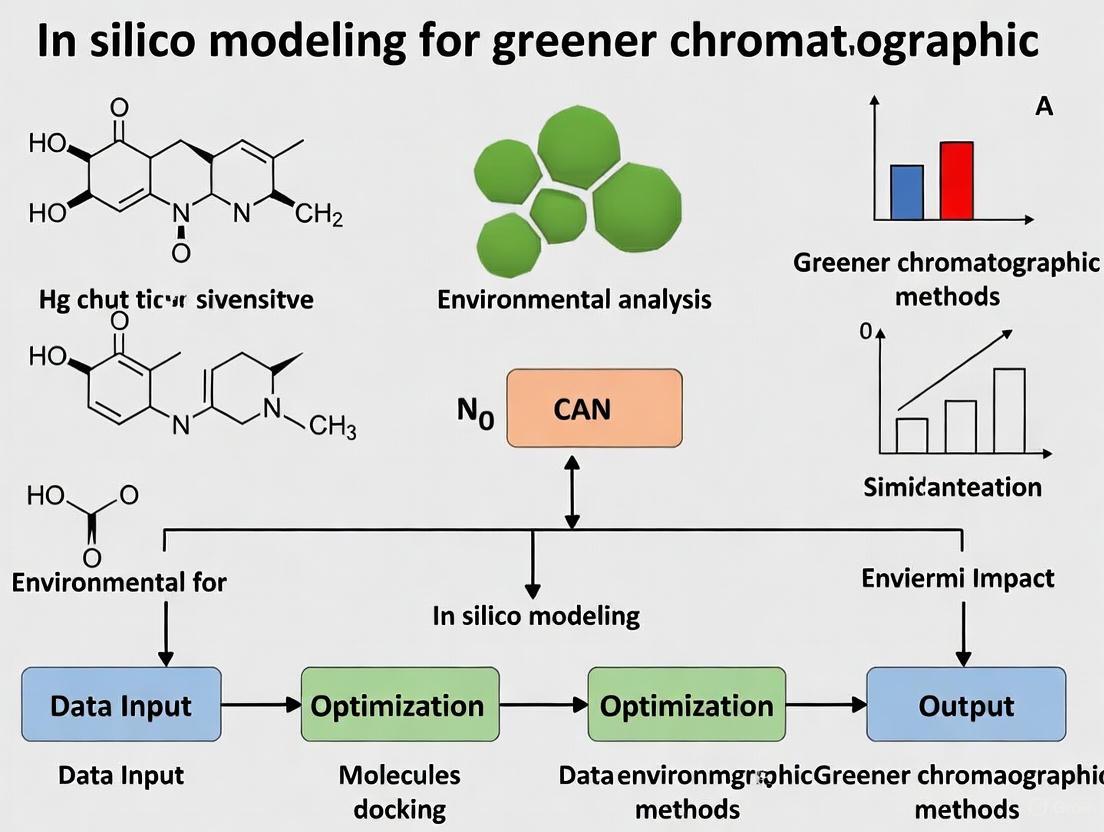
Greener Chromatography: How In Silico Modeling is Reducing Environmental Impact in Analytical Labs
This article explores the transformative role of in silico modeling in developing greener chromatographic methods for environmental analysis.

Advanced Anomaly Detection in Continuous Water Systems: AI Methods, Applications, and Future Directions
This article provides a comprehensive analysis of state-of-the-art anomaly detection methodologies for continuous water system data, addressing critical challenges from foundational concepts to advanced AI implementations.
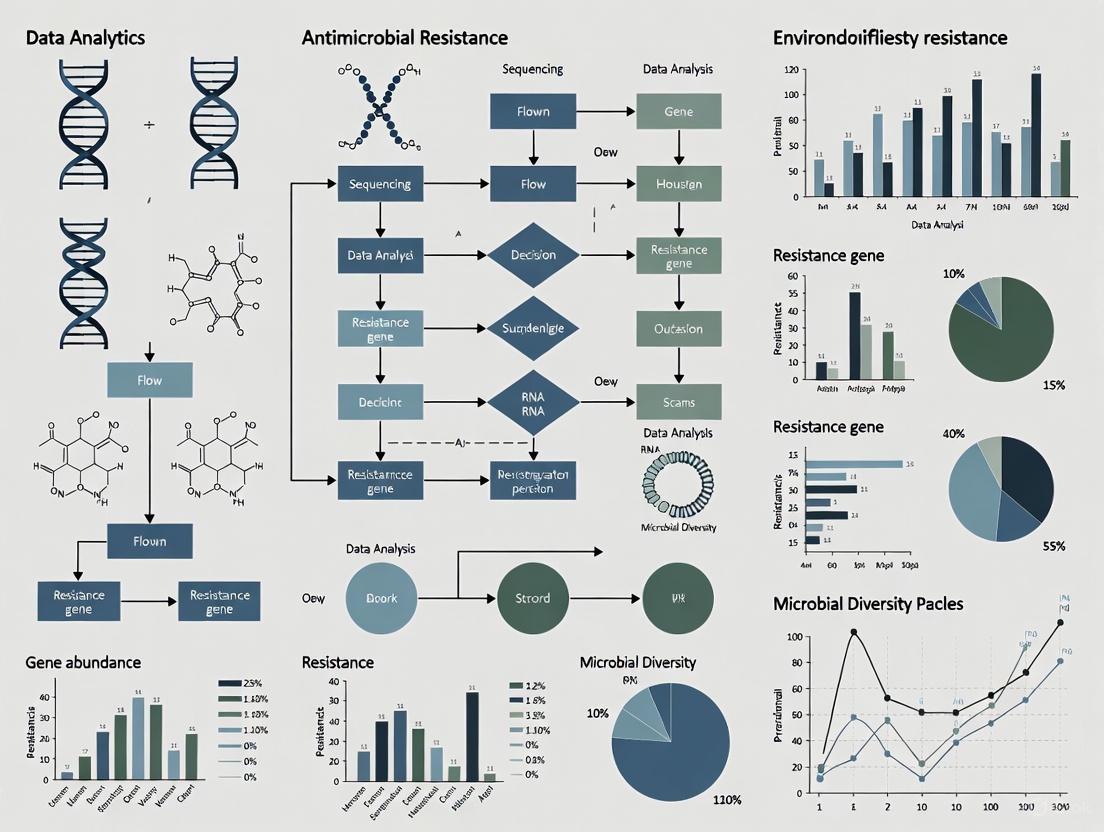
Data Analytics for Antimicrobial Resistance: Decoding Environmental Metagenomics for Public Health
The escalation of antimicrobial resistance (AMR) presents a critical global health threat, necessitating advanced surveillance strategies that move beyond traditional, culture-based methods.
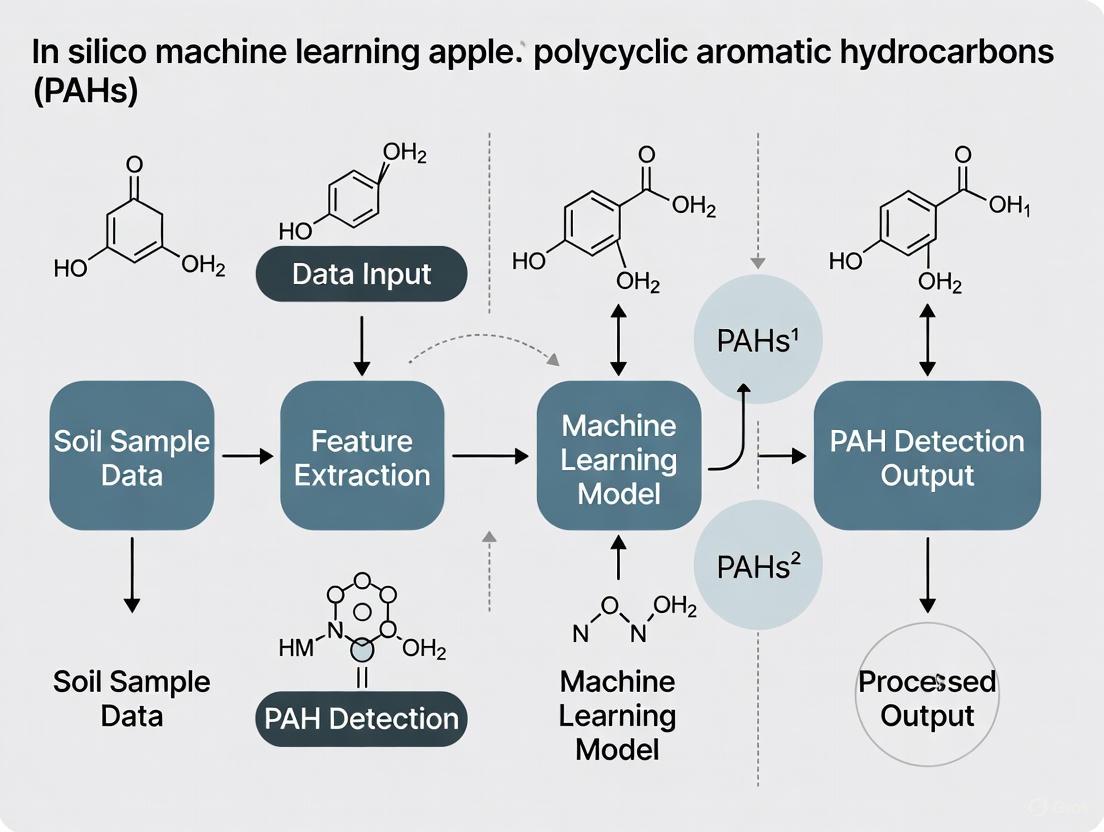
In Silico Machine Learning for PAH Detection in Soil: A New Paradigm for Environmental Monitoring and Public Health
This article explores the transformative potential of in silico machine learning (ML) for detecting polycyclic aromatic hydrocarbons (PAHs) in contaminated soil, a critical challenge for environmental and public health.

Agent-Based Modeling for Listeria Control: A Digital Revolution in Food Safety Management
This article explores the transformative role of Agent-Based Models (ABMs) as digital decision-support tools for predicting and controlling Listeria monocytogenes in food processing environments.
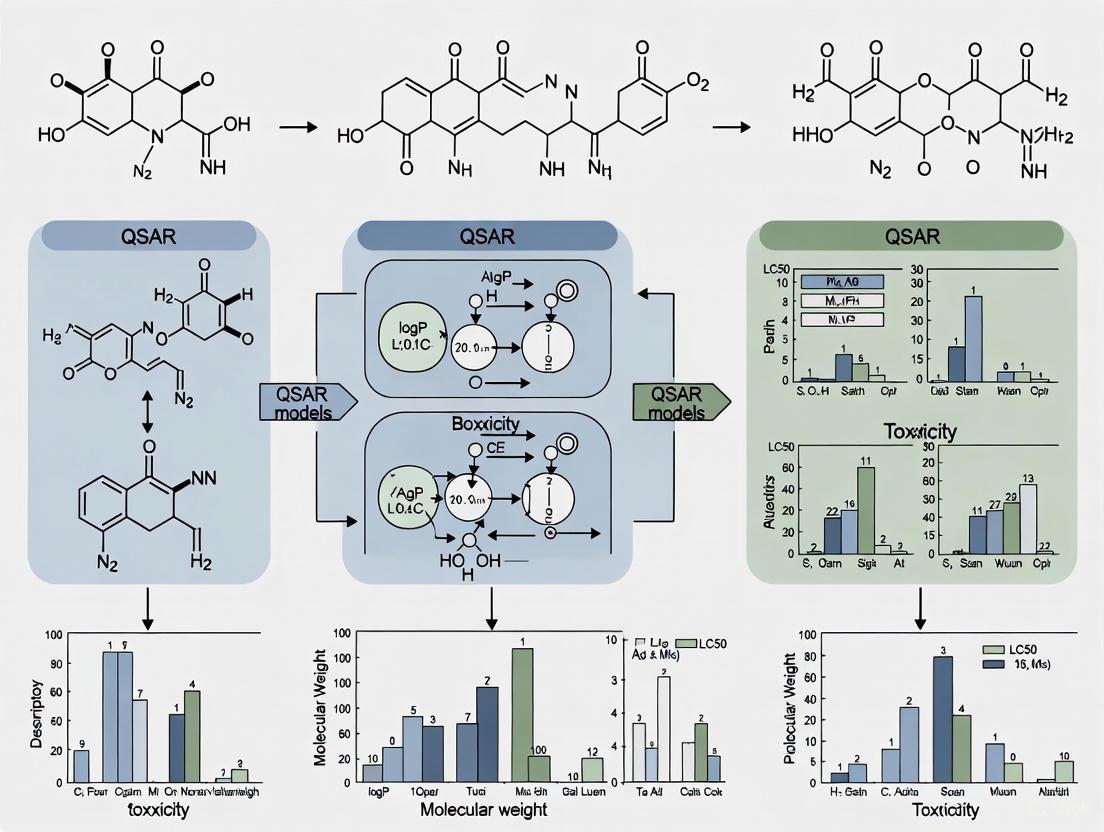
Predicting Pesticide Aquatic Toxicity: A Comprehensive Guide to QSAR and Machine Learning Models
The increasing use of pesticides poses significant risks to aquatic ecosystems, driving the need for efficient toxicity prediction methods.