Research Articles
From Correlation to Causation: How Mechanistic AOP Models and Machine Learning Are Reshaping Drug Discovery
This article explores the paradigm shift from correlative machine learning to causal, mechanistic models in biomedical research and drug development.
Achieving FAIR Compliance in Chemical Data Reporting: A Strategic Guide for Biomedical Research
This article provides a comprehensive framework for researchers, scientists, and drug development professionals to implement FAIR (Findable, Accessible, Interoperable, Reusable) principles in chemical data reporting.
Beyond the Silo: How Integrated Frameworks Are Revolutionizing Chemical Impact Assessment in Biomedicine
This article examines the critical shift from fragmented to integrated assessment frameworks for chemicals and materials, a transition vital for drug development and biomedical research.
XGBoost vs. Random Forest: A Comparative Analysis for Advanced Environmental Modeling
This article provides a comprehensive comparative analysis of two powerful ensemble machine learning algorithms, XGBoost and Random Forest, within environmental science applications.
Validating NAMs in Ecotoxicology: A Strategic Roadmap for Replacing Animal Testing
This article provides a comprehensive guide for researchers and drug development professionals on the validation and application of New Approach Methodologies (NAMs) in ecotoxicology.
Explainable AI vs. Traditional Machine Learning: A New Paradigm for Environmental Risk Assessment in Drug Development
This article explores the transformative impact of Explainable AI (XAI) in environmental risk assessment for pharmaceutical development, contrasting it with traditional Machine Learning (ML) and statistical methods.
Supervised vs. Unsupervised Learning for Contaminant Source Tracking: A Comprehensive Guide for Environmental Researchers
This article provides a comprehensive comparison of supervised and unsupervised machine learning approaches for identifying and tracking contamination sources in environmental systems.
Beyond the Target: Establishing Chemical Confidence Levels in Non-Target Analysis for Drug Development
This article provides a comprehensive framework for establishing robust chemical confidence levels in non-target analysis (NTA), a critical methodology for identifying unknown or unexpected chemicals in drug development.
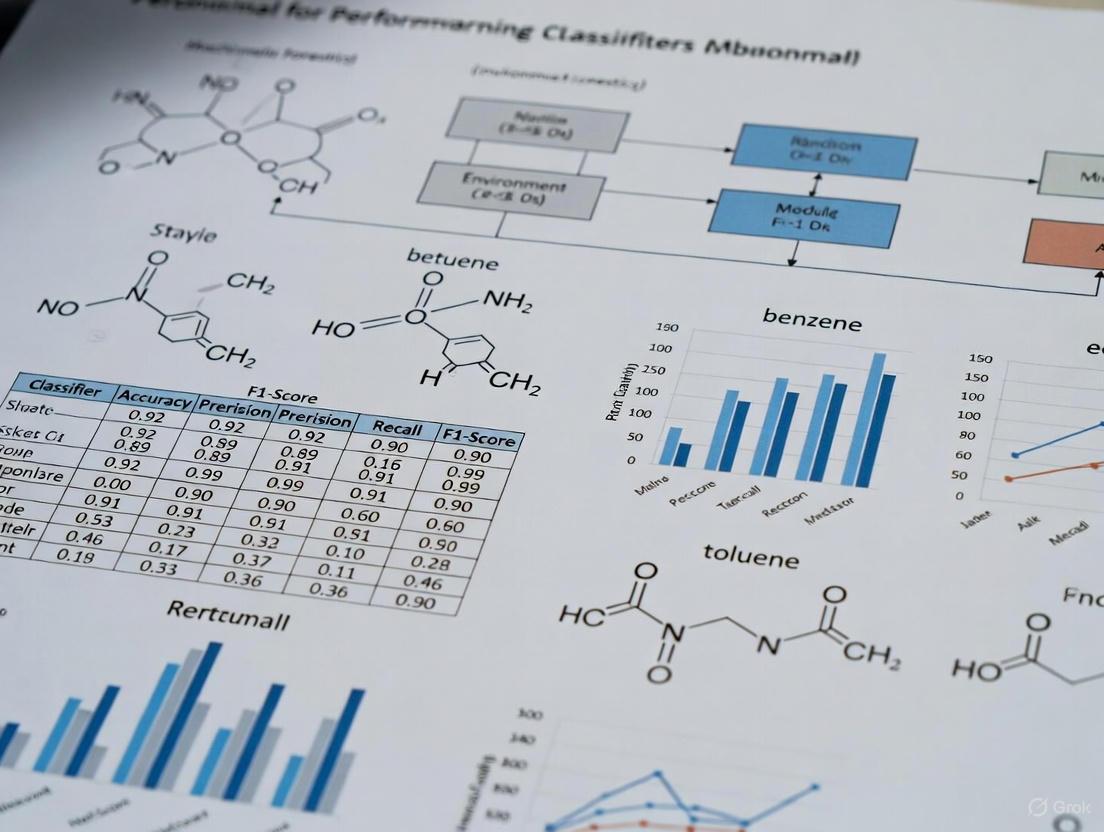
Evaluating Machine Learning Classifiers in Environmental Forensics: A Guide to Performance Metrics and Best Practices
This article provides a comprehensive framework for selecting, applying, and interpreting performance metrics for machine learning classifiers in environmental forensics.
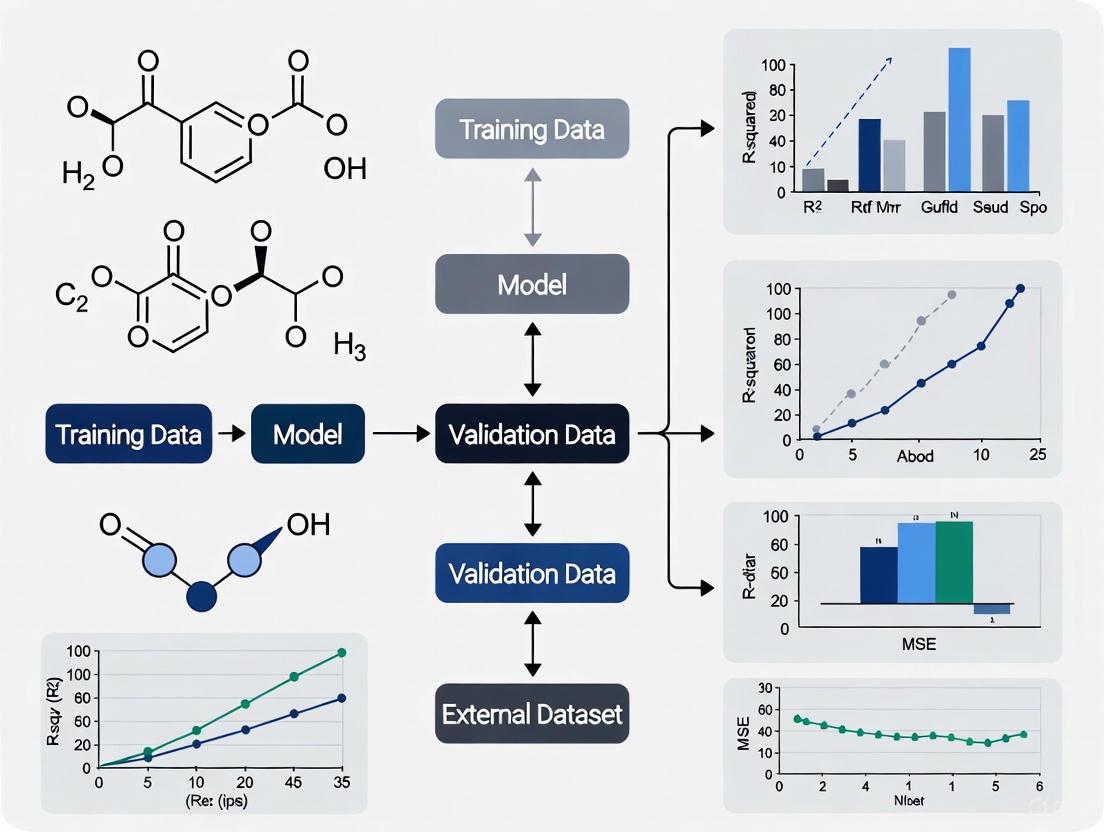
Ensuring Model Generalizability: A Comprehensive Guide to External Dataset Validation in Environmental Machine Learning
This article provides a comprehensive framework for researchers and scientists on achieving robust model generalizability through rigorous external validation in environmental machine learning applications.