Research Articles
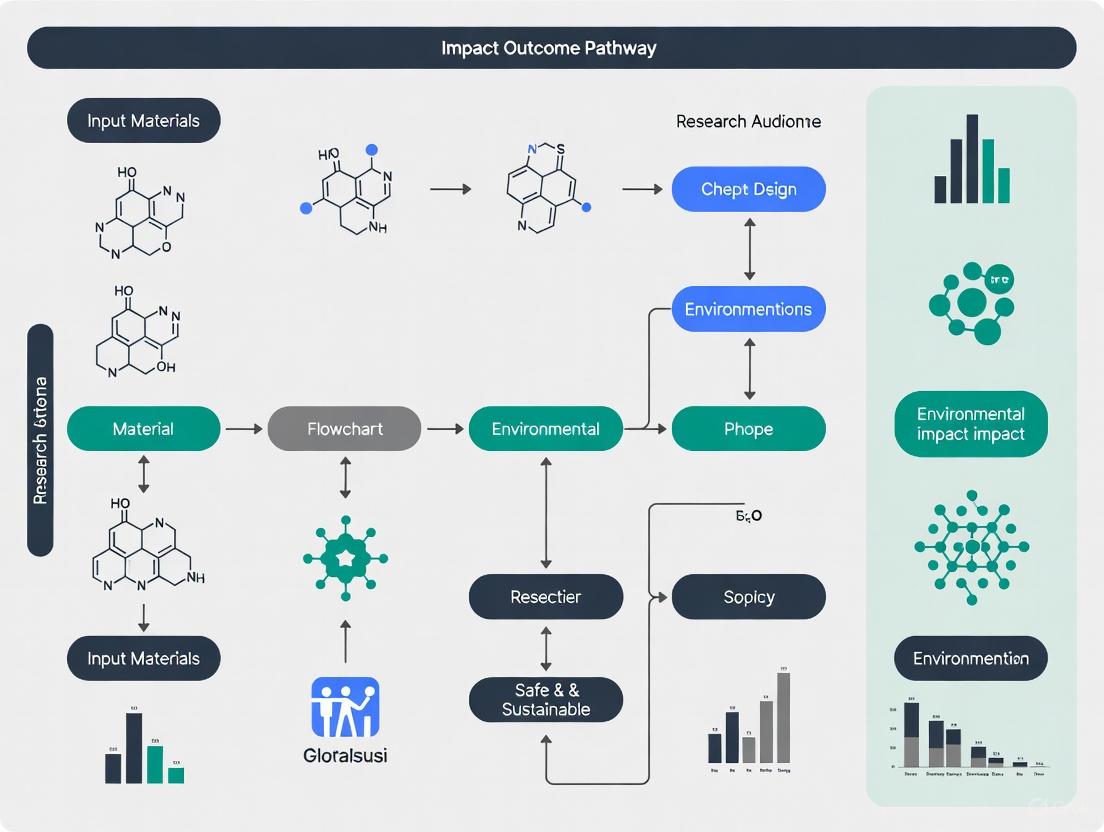
Impact Outcome Pathways (IOP): A Next-Generation Framework for Safe and Sustainable Drug Development
This article explores the transformative potential of the Impact Outcome Pathway (IOP) framework for integrating safety and sustainability into pharmaceutical research and development.
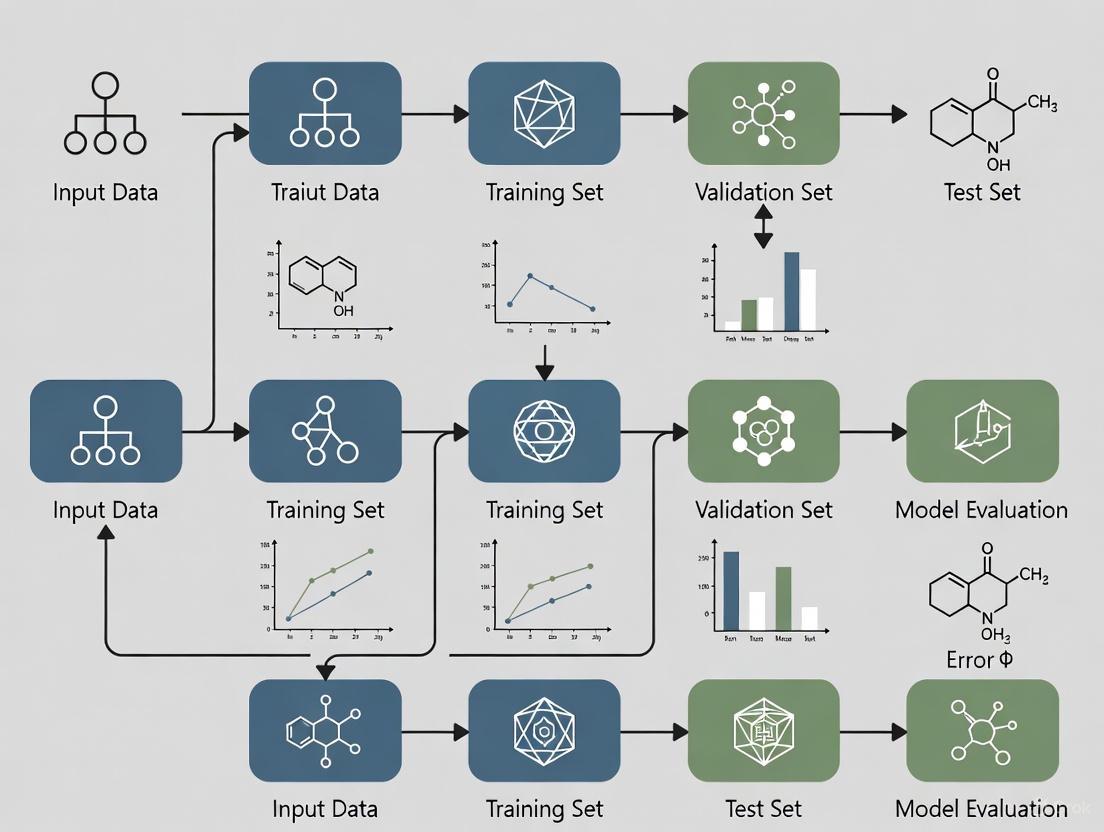
Data Leakage in Machine Learning: A Critical Guide for Reliable Environmental Contaminant Research
This article addresses the critical yet often overlooked challenge of data leakage in machine learning (ML) applications for environmental contaminant research.
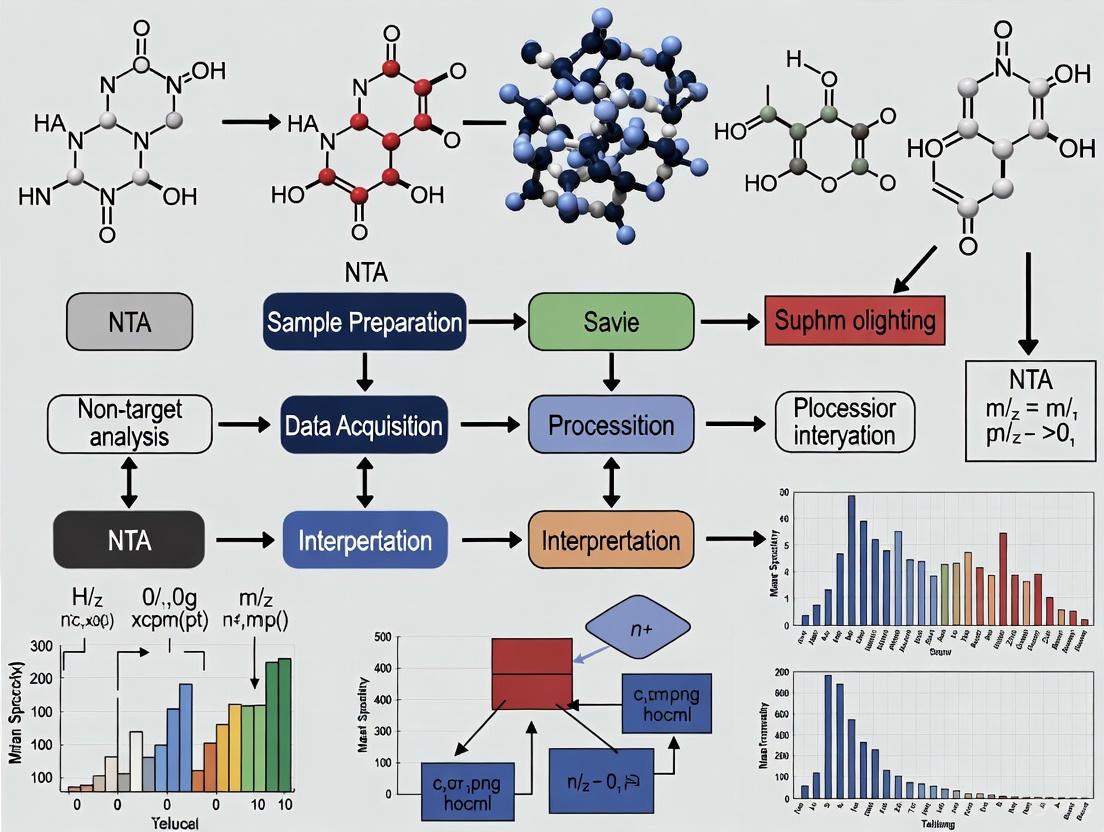
Decoding Complexity: A Comprehensive Guide to Non-Target Analysis Data Interpretation with High-Resolution Mass Spectrometry
This article provides a comprehensive framework for interpreting complex datasets generated by high-resolution mass spectrometry (HRMS) in non-targeted analysis (NTA).
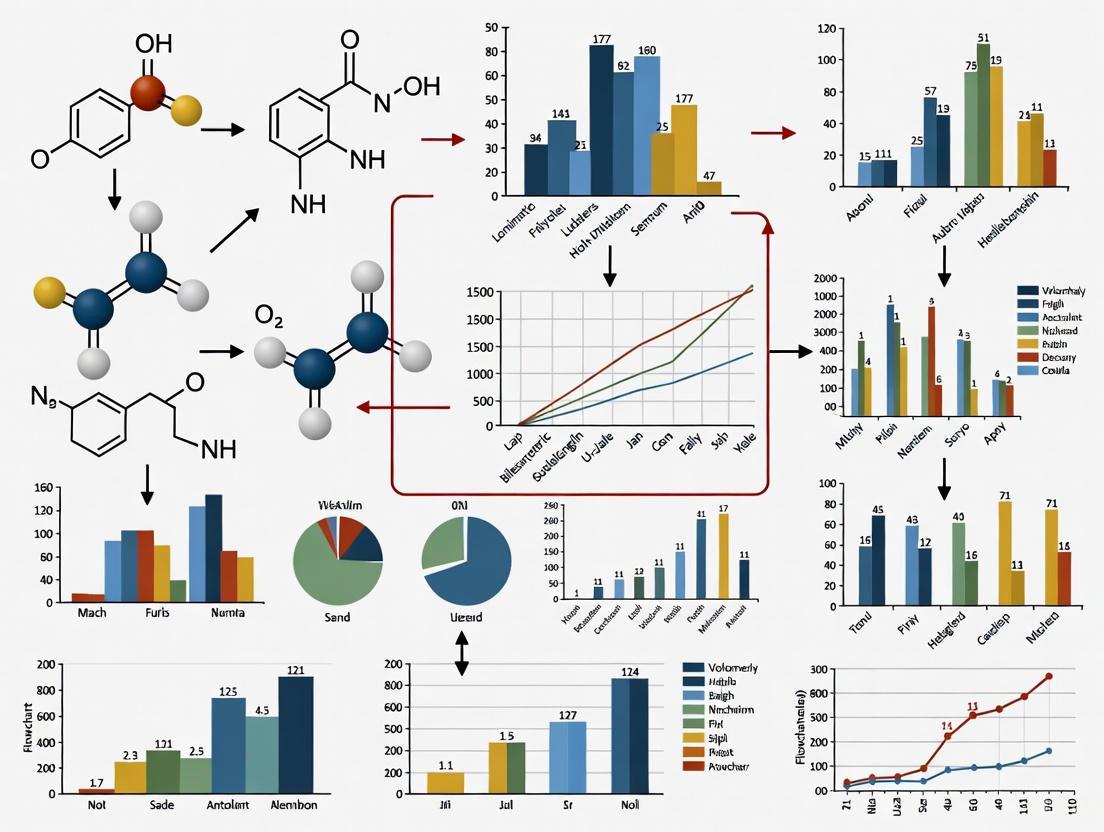
Mapping the Exponential Rise of Machine Learning in Environmental Chemical Research: A 2025 Bibliometric Analysis of Trends, Gaps, and Future Directions
This bibliometric analysis synthesizes findings from 3150 peer-reviewed publications to map the rapid evolution of machine learning (ML) in environmental chemical research.
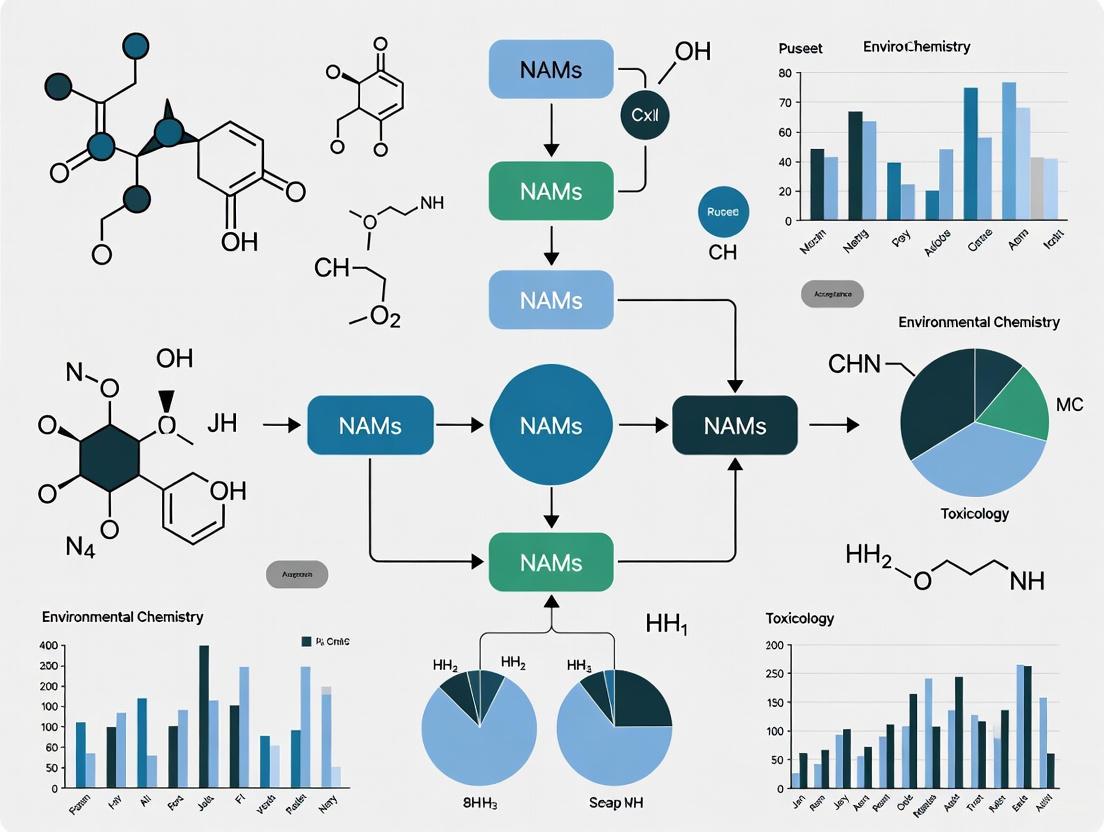
Advancing Ecotoxicology: Navigating Regulatory Acceptance for New Approach Methodologies (NAMs)
This article explores the transformative role of New Approach Methodologies (NAMs) in modernizing ecotoxicology and safety assessment.

Implementing FAIR Chemical Data Principles: A Guide for Environmental and Biomedical Research
This article provides a comprehensive guide to implementing FAIR (Findable, Accessible, Interoperable, and Reusable) principles for chemical data in environmental and biomedical research.
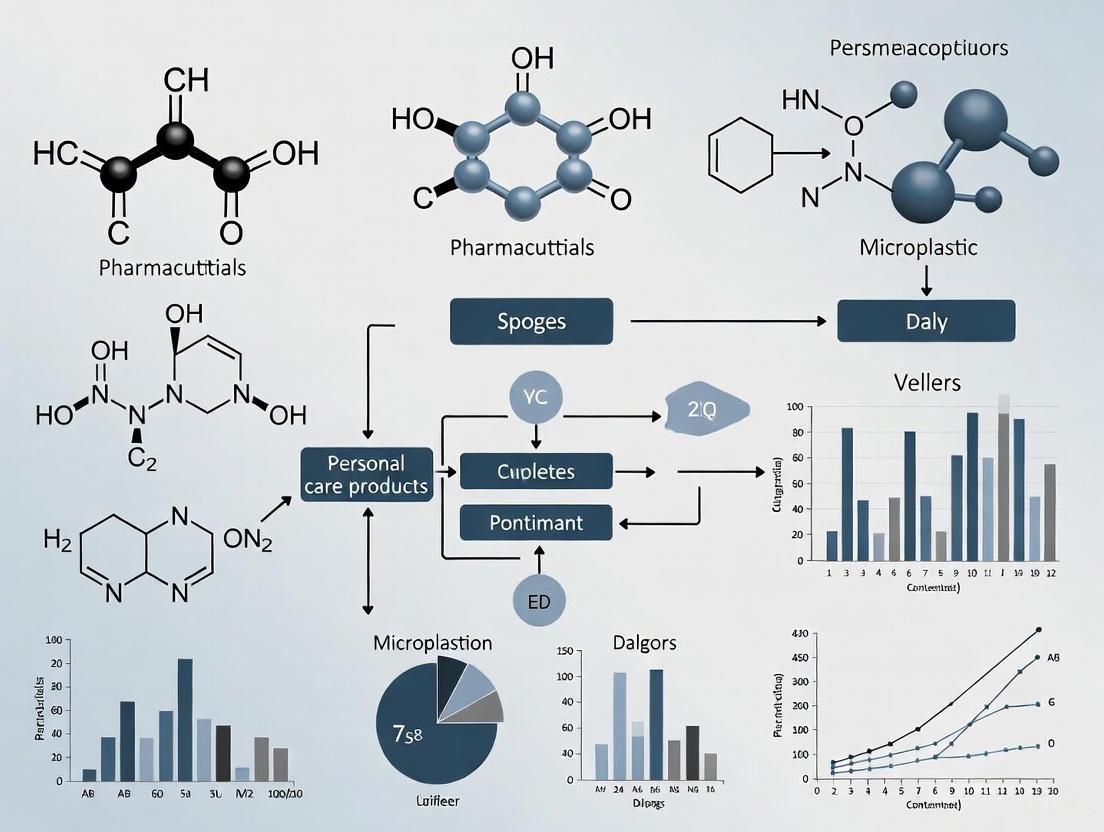
Bridging the Gap: A Data Science Roadmap for Emerging Contaminant Research in Biomedicine
This article addresses critical research gaps at the intersection of data science and emerging contaminants (ECs), a pressing concern for researchers and drug development professionals.
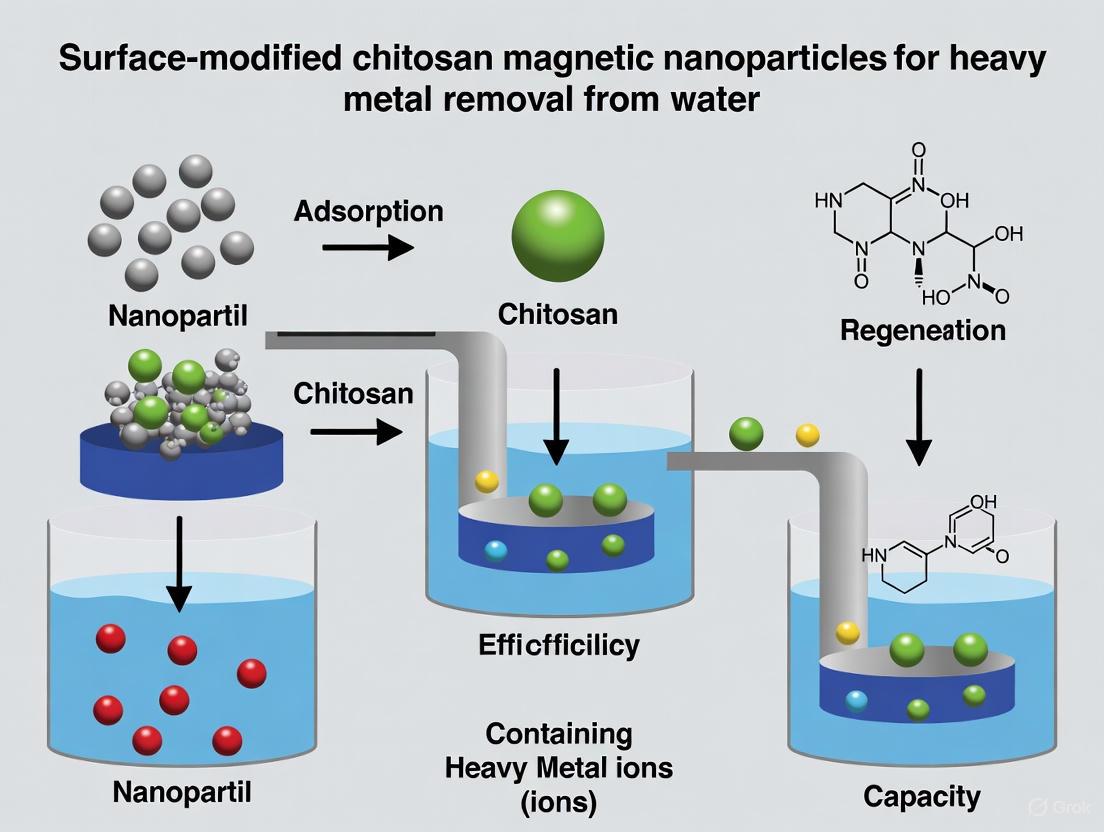
Surface-Modified Chitosan Magnetic Nanoparticles: Advanced Adsorbents for Heavy Metal Removal from Water
This article comprehensively reviews the development, application, and performance of surface-modified chitosan magnetic nanoparticles for the removal of heavy metal ions from contaminated water.
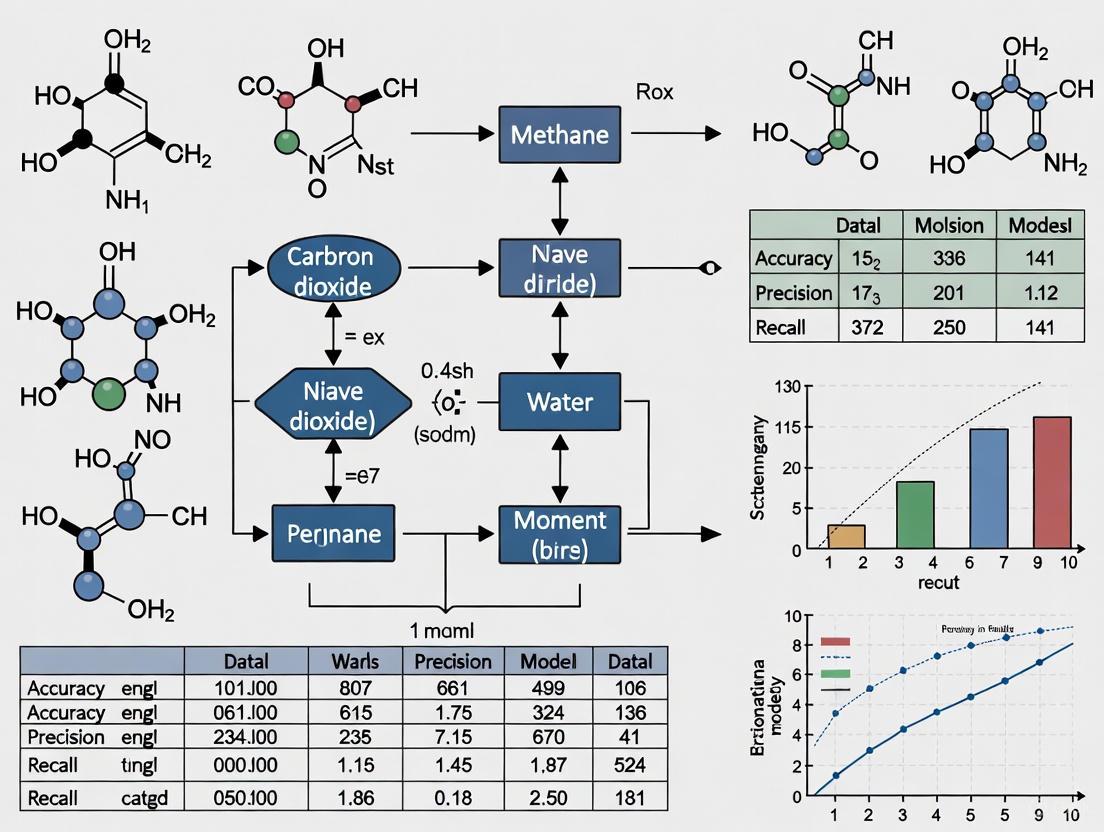
Evaluating the Chemical Capabilities of Large Language Models in Environmental Chemistry
This article provides a comprehensive evaluation of Large Language Models (LLMs) applied to environmental chemistry, a critical field addressing pollution, water management, and climate change.
Nanomagnetic Chitosan Composites for Heavy Metal Removal: A Comparative Review of Efficiency, Mechanisms, and Applications
This article provides a systematic analysis of nanomagnetic chitosan composites, a leading adsorbent class for heavy metal remediation in wastewater.